Star Wars: Unlimited — Is It Worth Getting Into? How to Play & Where to Start (2026)


AI-assisted research and drafting in Dax’s voice · reviewed by Robert Pruitt · how this guide was made
Last editorial refresh: 2026-06-18 Gold-standard QA: 2026-07-17 8 sources reviewed Affiliate links checked during gold-standard pass

The short answer
Yes — Star Wars: Unlimited is one of the friendliest non-Magic TCGs to learn, and as of 2026 it's deep into its release cadence with the set 'A Lawless Time' (March 2026). Start with the $20 Intro Battle: Hoth if you've never touched a card game, or a $25 Spotlight Deck if you want something tournament-shaped out of the box. Skip the booster-box-first plan unless you specifically want to crack packs for the fun of it.
Decision map
Choose in thirty seconds
Total beginners and two people who've never played a card game
Anyone who's played a TCG before and wants the real game immediately
Players hooked enough to draft, build a collection, or crack packs with friends
Let me name the flaw first, because that's what I do: Star Wars: Unlimited is a licensed product, and licensed card games have a long, sad history of being shallow cash-grabs that sell you a logo and call it a game. So I went in suspicious. I came out... annoyingly charmed. Fantasy Flight built an actual game under the lightsaber gloss — one with a clever two-arena board, a dual-base/leader engine, and a turn structure that respects your time. It's not Magic, and thank the Maker for that.
What makes it click is the leader-and-base setup. You don't just shuffle 60 random cards and pray. You pick a Leader (Vader, Leia, Luke, Jabba — your commander for the game), a Base (your 30-HP life total that you're defending), and a 50-card deck built around two of six color 'aspects.' The win condition is brutally simple: blow up the other base. Everything you do bends toward that, and because both arenas (ground and space) are always live, there's a constant push-pull that keeps a 20-minute game from going stale.
The honest catch for 2026: the game now rotates. 'A Lawless Time' (March 2026) kicked off the first set rotation, meaning the oldest sets eventually fall out of the competitive format. That doesn't matter even slightly for kitchen-table play — but if you think you're 'investing,' read that sentence again. This is a game to play, not a 401(k). Now let's get you in cheap and playing well.
Start here, then go deeper
You are in the right cabinet.
 ✧ Universe HubAnime & New-Wave TCGs: the whole buying pathBeyond Magic and Pokémon, a new wave of trading card games has gone mainstream — One Piece, Yu-Gi-Oh!, Dragon Ball, Digimon, Weiss...
 ✦ Topic PathBoard Game Buying Guides: compare the whole shelfStart with the decision, not the shelf. These guides compare the games, editions, expansions, player counts, and costs people...
 MasterclassStar Wars: UnlimitedThe fast, two-arena dueling card game where you don't just play a deck — you lead it. This is your full initiation, from your first...
Is Star Wars: Unlimited actually worth getting into in 2026?
Short answer: if you like Star Wars or you like tight, fast two-player card games, yes. The game launched with Spark of Rebellion in March 2024 and has shipped a new set roughly every four months since — it is a real, supported, organized-play TCG, not a one-and-done box. By 2026 the line is seven sets deep, with A Lawless Time out March 13, 2026 (prereleases the weekend prior), carrying over 260 new cards and more sets already on the calendar.
What I genuinely respect is the on-ramp. Most TCGs hand you a 200-page rulebook and a smirk. SW:U gives you a free pile of ready-to-play decks at every price point, a clean ~20-minute game length, and rules you can teach in five minutes. The two-arena board — ground and space, each its own combat lane — hands it tactical depth that most 'licensed' card games never bother to build.
The flaw, and there is always one, is rotation. Starting with A Lawless Time, SW:U now rotates the three oldest sets (Spark of Rebellion, Shadows of the Galaxy, Twilight of the Republic) out of the premier Premier format. But here is the part the doom-posters skip: Fantasy Flight launched the Eternal format the same day, where every card ever printed stays legal forever. So nothing you own dies — you just choose which format you sit down to play. For kitchen-table play it is a complete non-issue. The only mug's game is 'buy a box of the old hotness and hold it,' and we do not do that here anyway — Puzzlewick points you to play the thing, not flip it.
How does the game actually play? (Leaders, bases, resources, arenas)
Here is the engine in plain English. Each game you bring three things: a Leader, a Base, and a 50-card deck (minimum 50, plus the leader and base). Your base starts at 30 HP — reduce the opponent's base to 0 and you win. Simple goal, deep road to get there.
The clever bit is resources. There is no separate 'land' or mana card type. Once per turn you take any card from your hand and set it face-down as a resource. To pay for a card you exhaust (turn sideways) resource cards equal to its cost. Every card in your deck is therefore both a potential play and a potential resource — no flooding out on dead lands, no being mana-screwed. It is one of the smartest design choices in the modern TCG canon, and it is why the game so rarely feels unfair.
Your Leader sits beside your base, usable from turn one with a recurring ability, and can later be deployed as a unit once you bank enough resources — turning your commander into a board threat at exactly the right moment. Units come in two flavors, ground and space, living in two separate arenas. A ground unit can only fight other ground units; space fights space; but either can swing at the enemy base. Combat is simultaneous — attacker and defender both deal damage equal to their Power — so trading is a real decision, not a free swing. Keywords add the spice: Sentinel (enemies in that arena must attack this unit, not your base or other units), Shielded (a one-time token that eats the first hit), Raid (a power boost when attacking), and Restore (heals your base on attack).
The turn loop, step by step:
- Set up: each player puts their Leader beside their Base (30 HP), shuffles their 50-card deck, and draws an opening hand (with one free mulligan).
- Resource mindset: once per turn you may place one card from hand face-down as a resource. Resources are your 'mana' — exhaust them to pay card costs.
- One action at a time: play a card, attack with a unit, use a Leader/unit ability, take the initiative, or pass. You alternate actions, not whole turns.
- Pick your arena: play units into ground or space. The first unit played locks which physical side is which arena for the rest of the game.
- Attack: exhaust a unit to attack an enemy unit in its own arena, or swing at the enemy base — unless a Sentinel forces it to attack that Sentinel instead.
- Win: when a base hits 0 HP, that player loses. Most games wrap in about 20 minutes.
What's the one rule nobody tells beginners? (The Initiative counter)
This is the section the box's quickstart underplays and every good player wishes someone had explained on day one — so let me name it. Between rounds, somebody holds the Initiative counter, and whoever holds it acts first next round. Because you alternate one action at a time, going first is a genuine tempo edge: you get to make the threat, and your opponent has to respond.
Here is the trap, and it is gorgeous. During a round, on your action you may take the initiative — claim the counter to guarantee you go first next round. But the instant you grab it, you are done for the rest of this round; you auto-pass every remaining action. So grab it too early and you hand your opponent a string of free, unanswered plays. Grab it too late and they snatch it first. The whole round becomes a quiet game of chicken: who blinks and takes initiative, and who squeezes out one more action before they do.
Why this matters for a newcomer: a huge number of cards read 'While you have the initiative...' Suddenly the counter is not a tiebreaker, it is a resource you fight over. The single fastest way to look like you have played a hundred games is to stop reflexively taking initiative the moment it is offered and instead ask, 'How many actions do I still want this round, and can I afford to go quiet?' Most beginners pass the initiative back and forth without thinking. Stop doing that, and you will start winning the close ones.

Which product should a brand-new player buy first?
Do not overthink this. There are exactly two correct first purchases, and which one depends on how green you are.
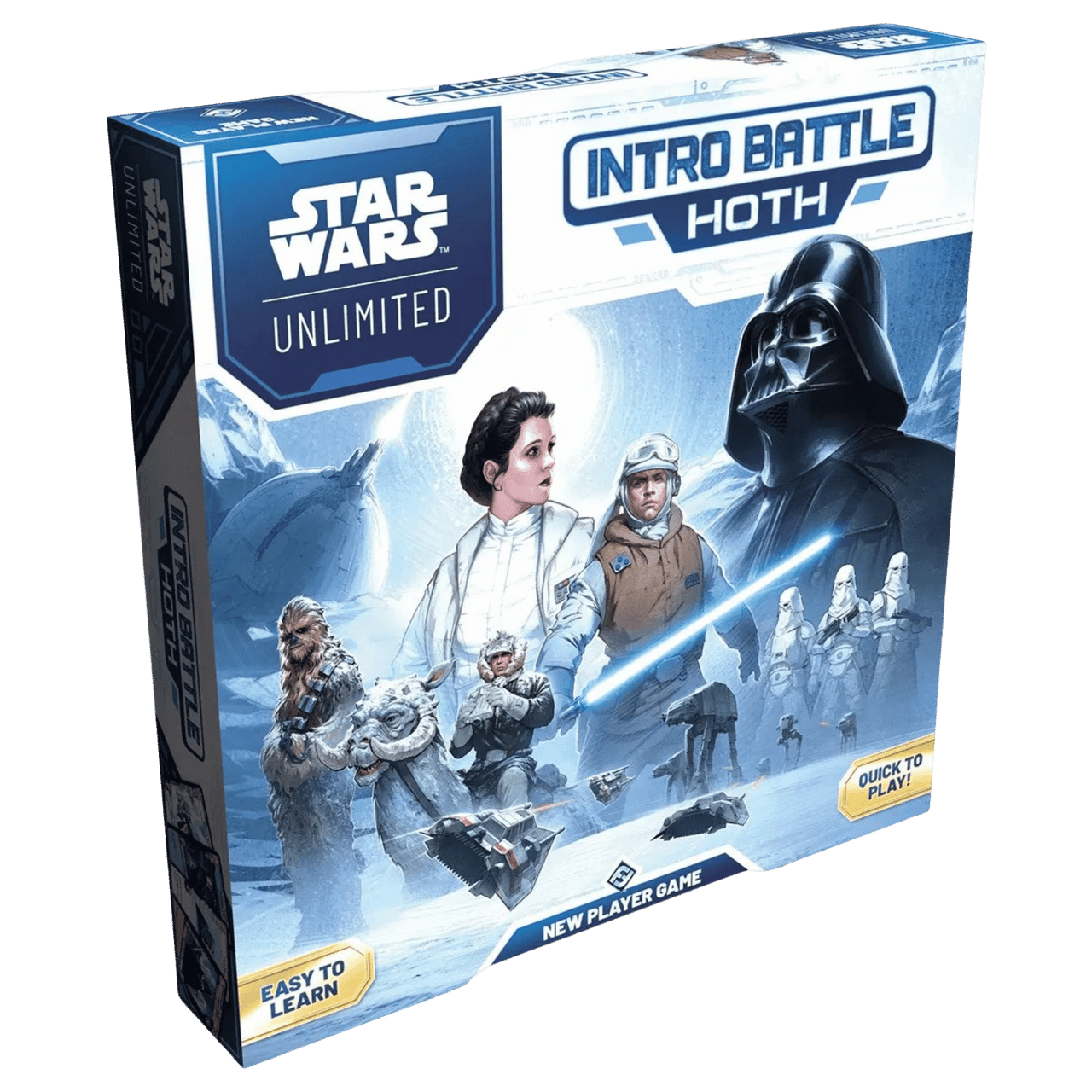
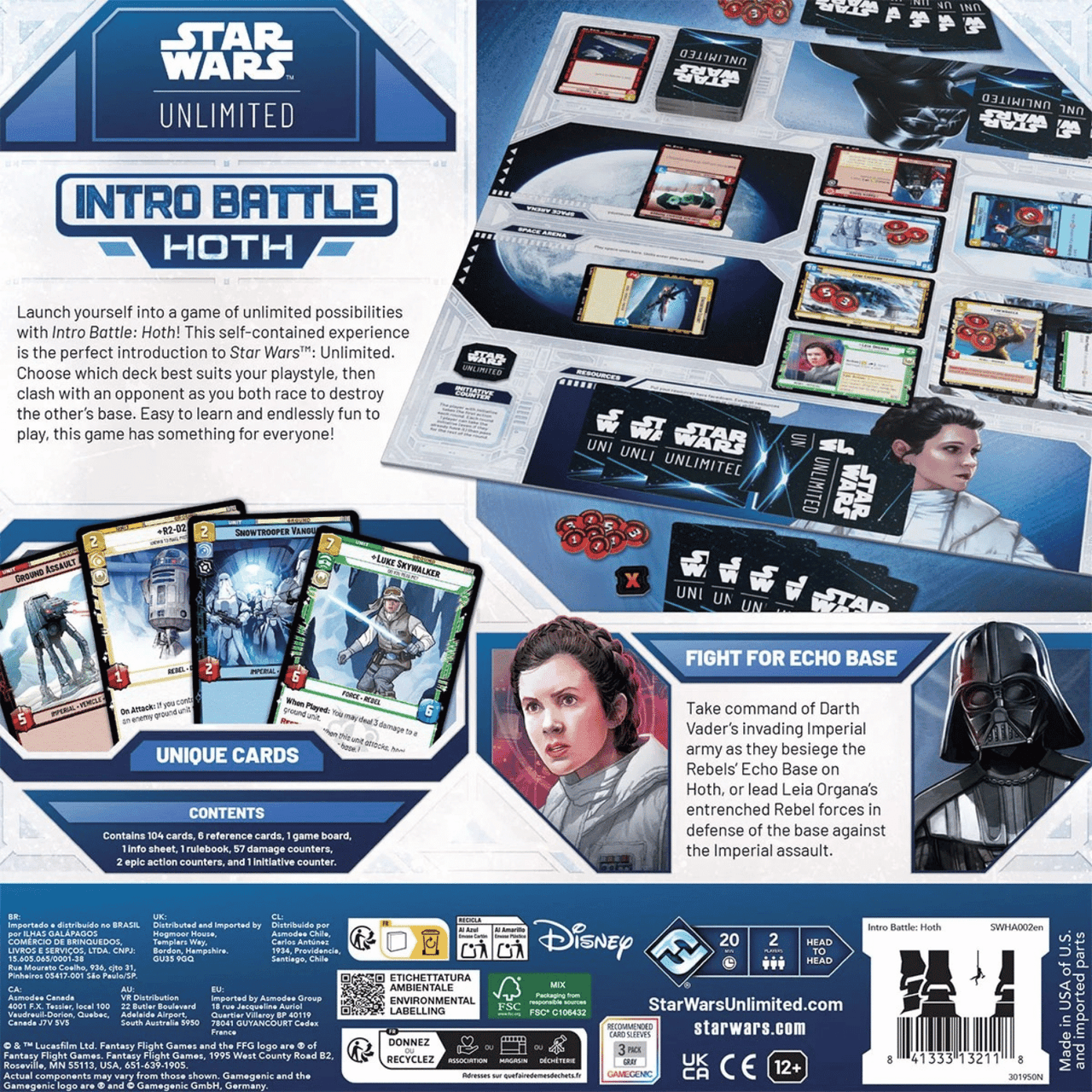
Never touched a card game in your life? Buy Intro Battle: Hoth (~$20). It is SW:U's answer to the Pokémon Battle Academy — two simplified, pre-built 50-card decks (Vader vs. Leia), a fold-out board, and a learn-as-you-go guide. Two people can sit down knowing nothing and be playing in minutes. It is the gentlest possible door into the game.
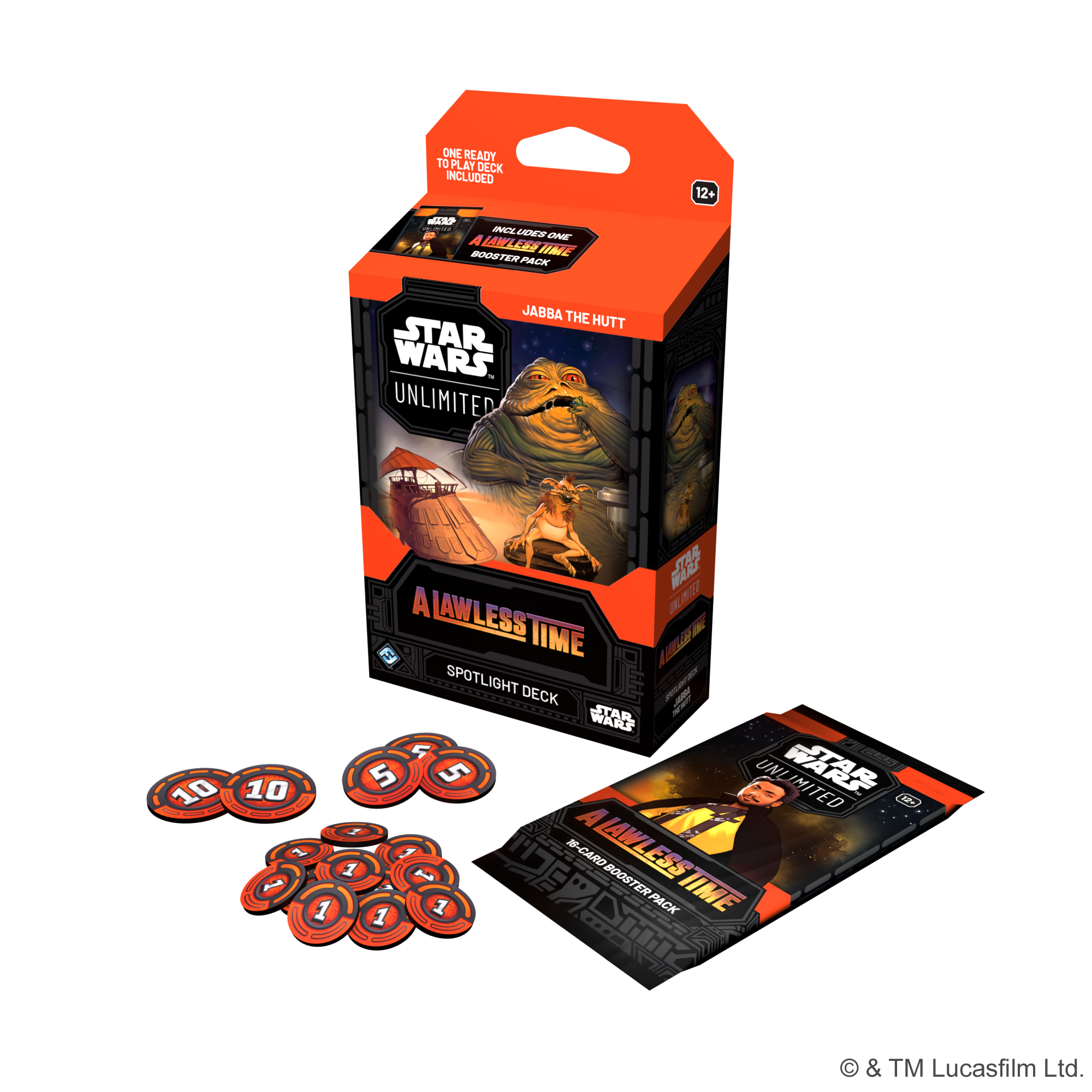
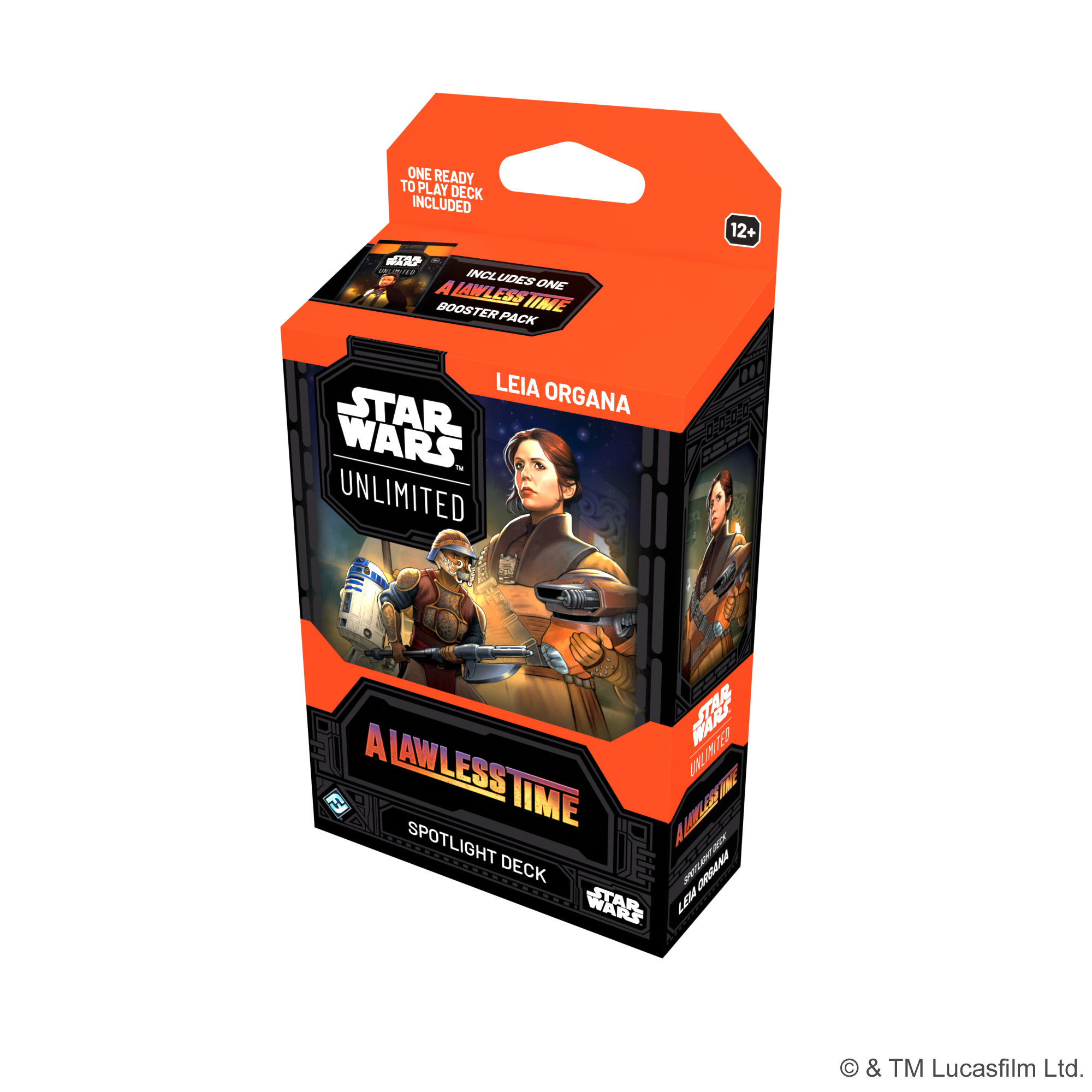
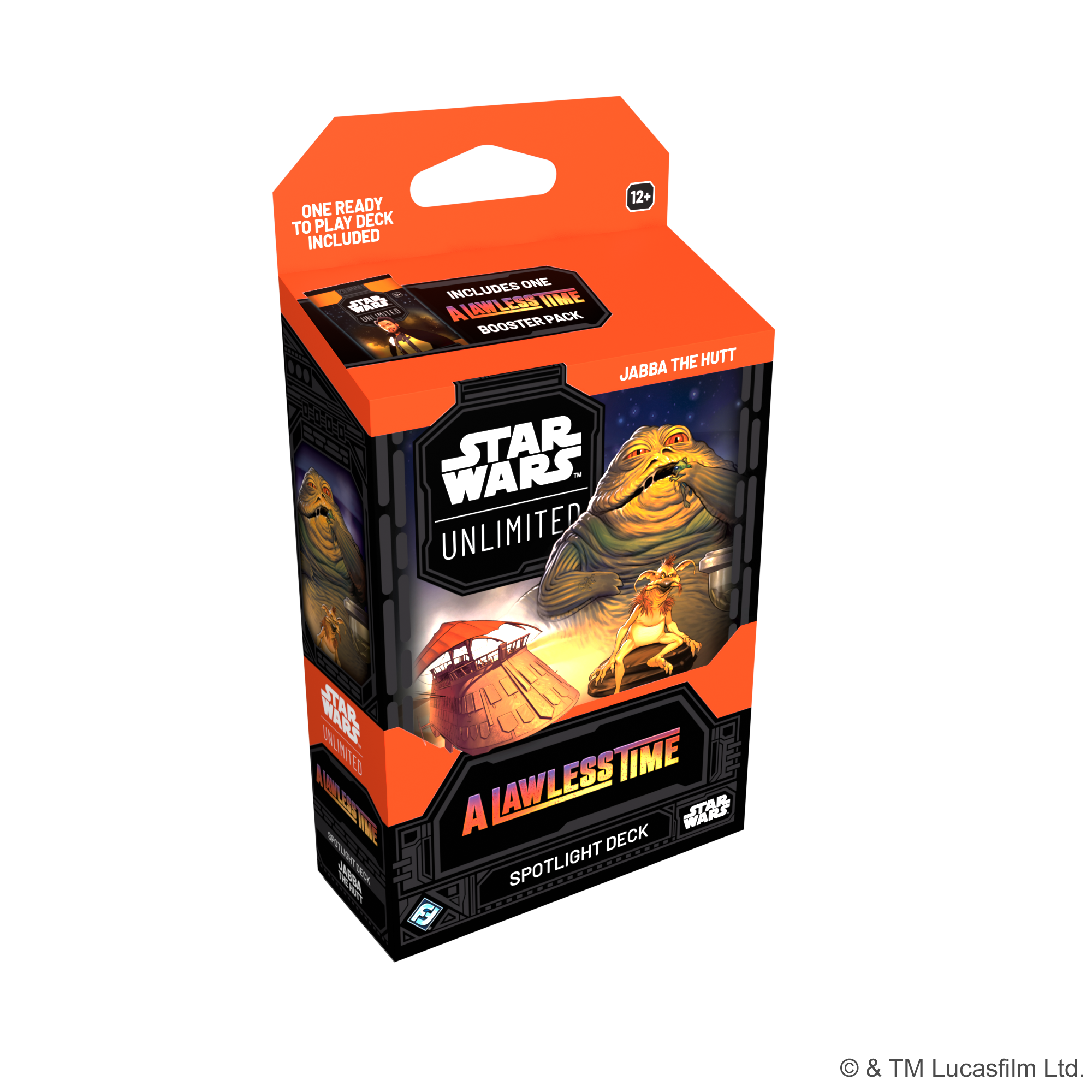
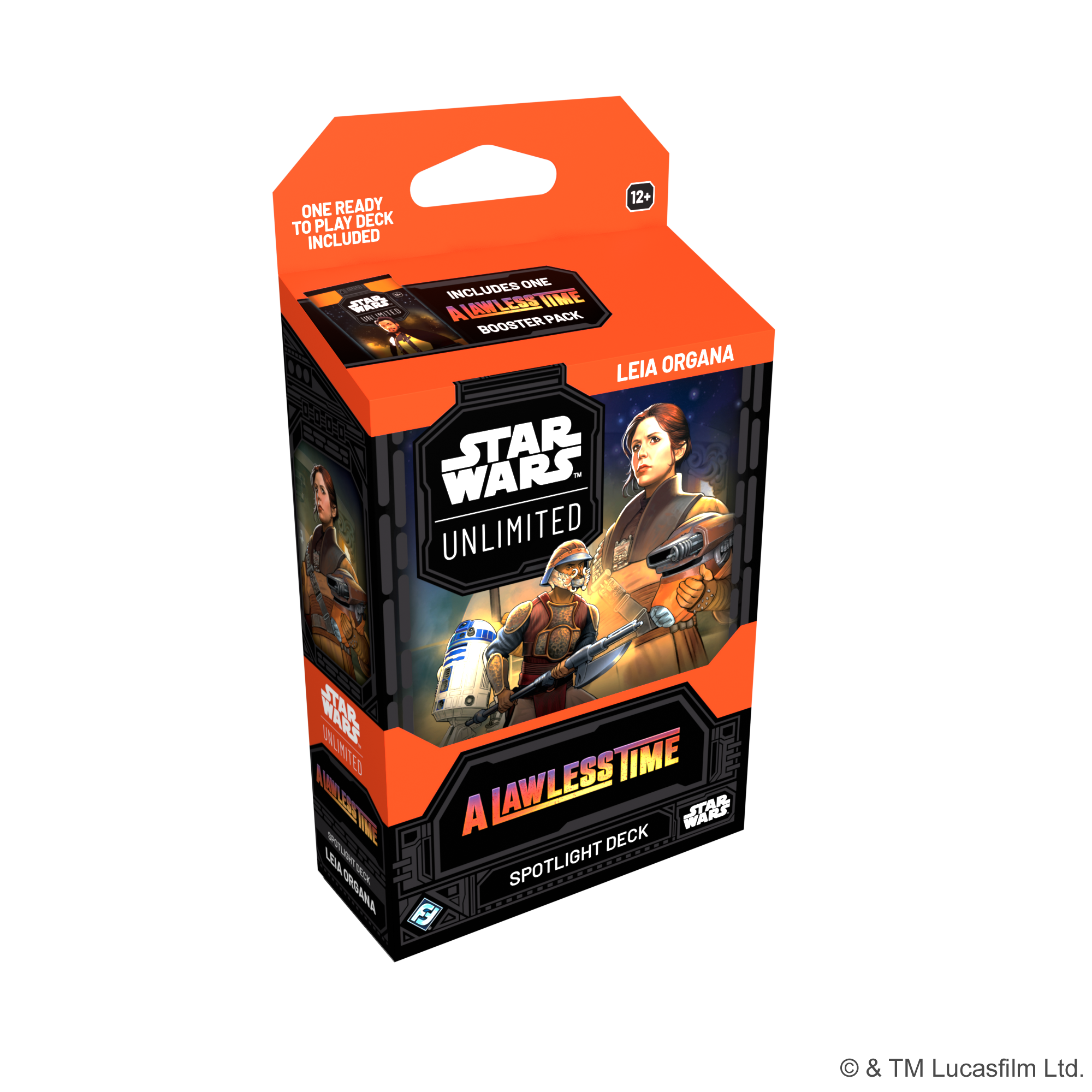
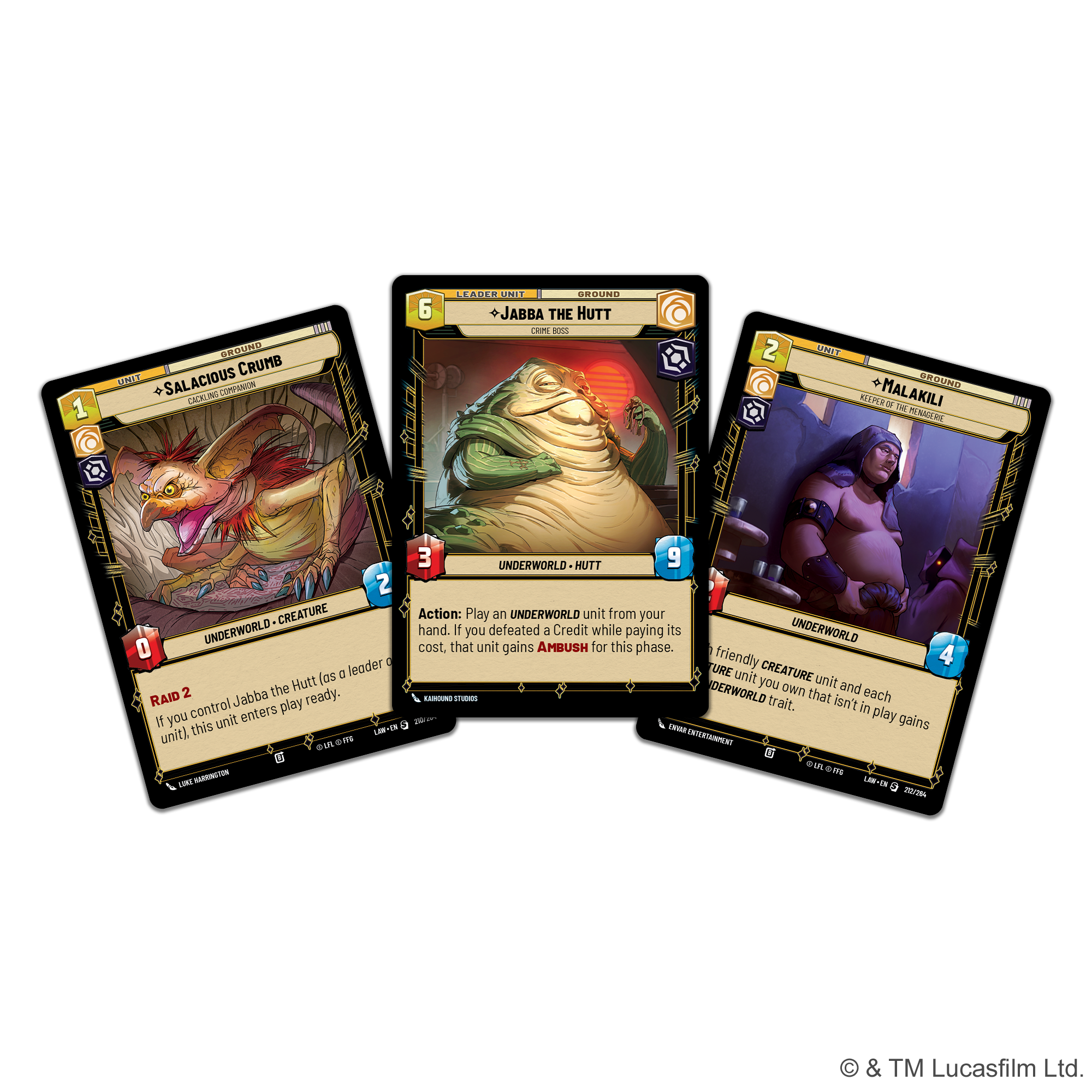
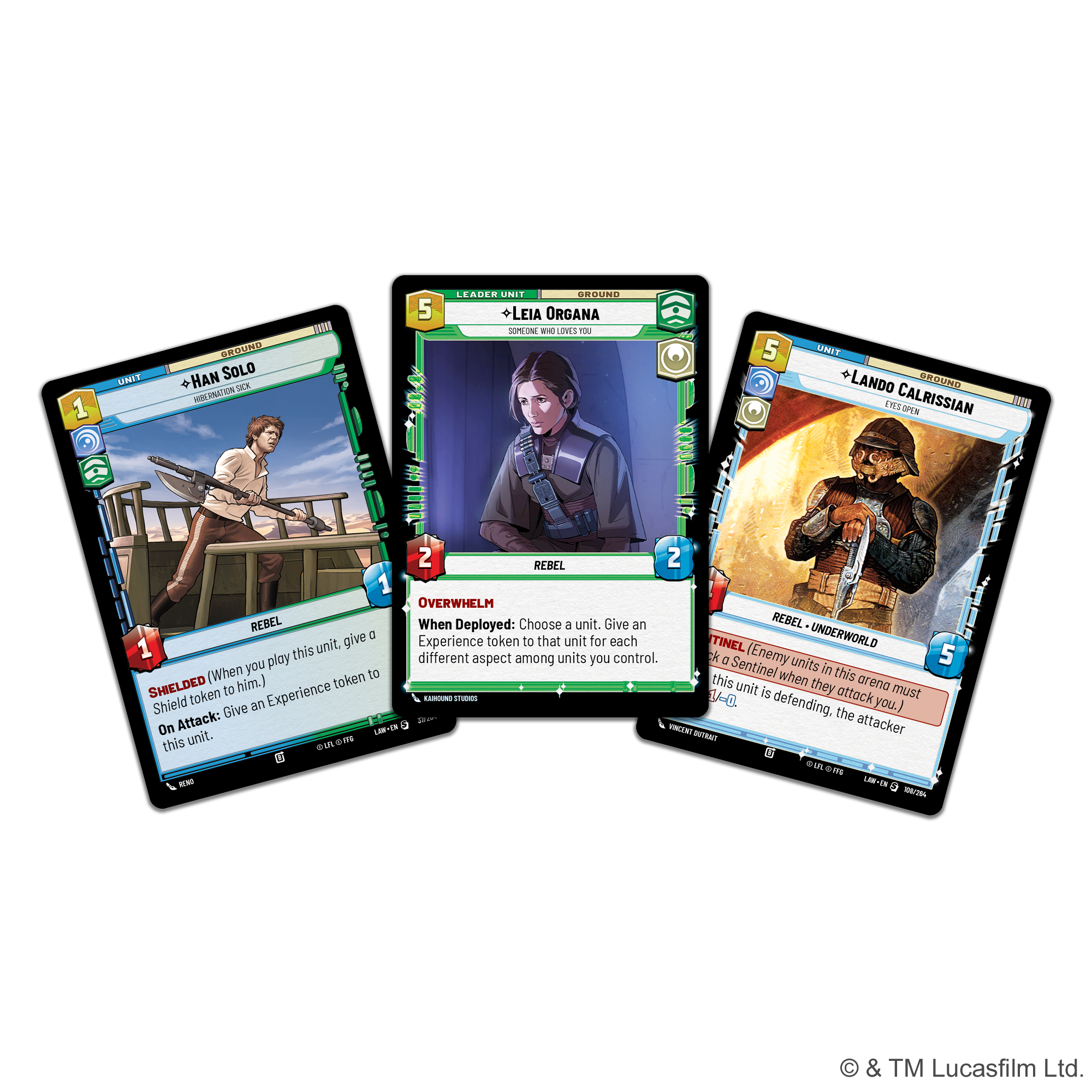
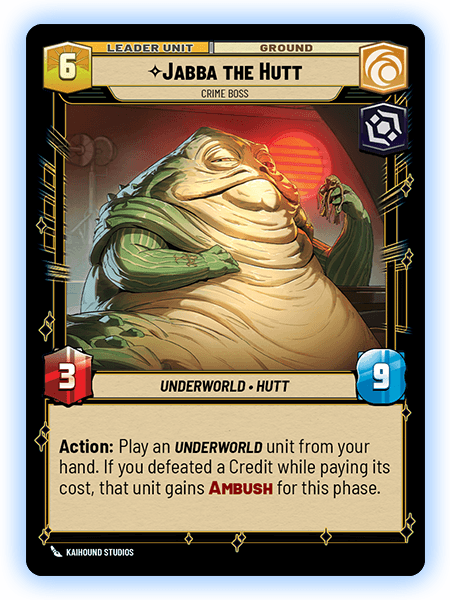
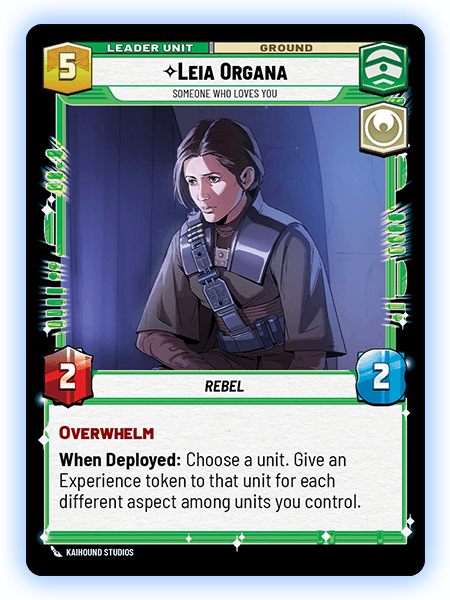
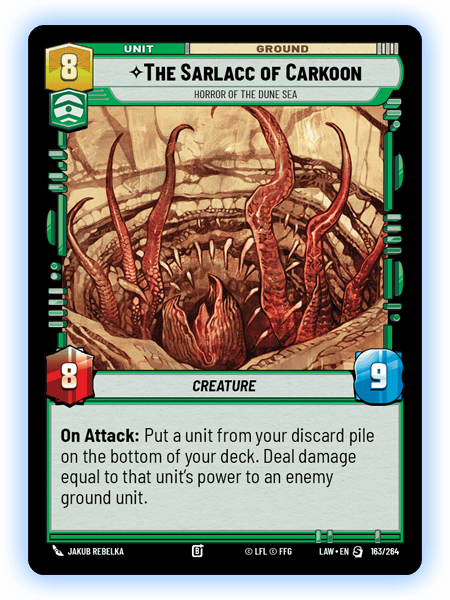
Played a TCG before and want the real game fast? Grab a Spotlight Deck (~$25 MSRP each). These replaced the old Two-Player Starter Sets: a single, ready-to-play, competitively-minded 50-card deck built around one Leader, including special-rarity cards in full 3-copy playsets plus a booster pack. For A Lawless Time the two options are loaded: the Jabba the Hutt deck runs the Great Pit of Carkoon base with Salacious Crumb, Malakili and The Sarlacc of Carkoon; the Leia Organa deck runs the Daimyo's Palace base with Han Solo, R2-D2, Lando Calrissian and Leia's Disguise. Buy both, hand one to a friend, and you are instantly playing the actual game with actual decks tonight.
What I would not do first is open with a booster box. Cracking packs is fun, but it is a terrible way to assemble a playable deck — you will get a pile of random singles and no coherent plan. Boxes are for after you are hooked, and I will defend that hill.

What's the biggest skill beginners get wrong? (Resourcing discipline)
Ask any seasoned SW:U player what separates a new player from a good one and you will hear the same word: resourcing. New players treat the once-per-turn resource drop as an afterthought — they slam down whatever card they least want and move on. That habit is quietly costing them games.
The hard truth is that every card you place face-down as a resource is a card you can never play. So the early-game question is not 'what do I not want' but 'what do I genuinely never need.' Resource your dead cards — the off-aspect filler, the situational answer you will not see a use for — and protect your bombs. A classic beginner blunder is shoving your one expensive finisher under as a resource on turn one because it 'costs too much right now,' then spending the rest of the game wishing you still had it.
And here is the pro move that feels like a cheat code: on the turn you can deploy your Leader, watch your opponent first. Bait out their resources. If you deploy your commander into an open board and they have nothing left to punish it, great — it sticks. If you deploy into a full grip and they remove it instantly, you just fed them a kill. So play around it. A quick checklist for your first dozen games:
- Resource your trash, hold your gold: bury off-aspect and dead situational cards; never bury your one big finisher early.
- Bait before you commit: make a smaller threat first and watch what removal they spend before deploying your Leader.
- Count their open resources: if they are tapped out, your expensive play is safe — if they are flush, expect an answer.
- Slow down by one action: the patient play usually beats the flashy one. Tempo is a marathon, not a sprint.
That single habit cluster is worth more than any single card you could buy.

How do I build my first real deck?
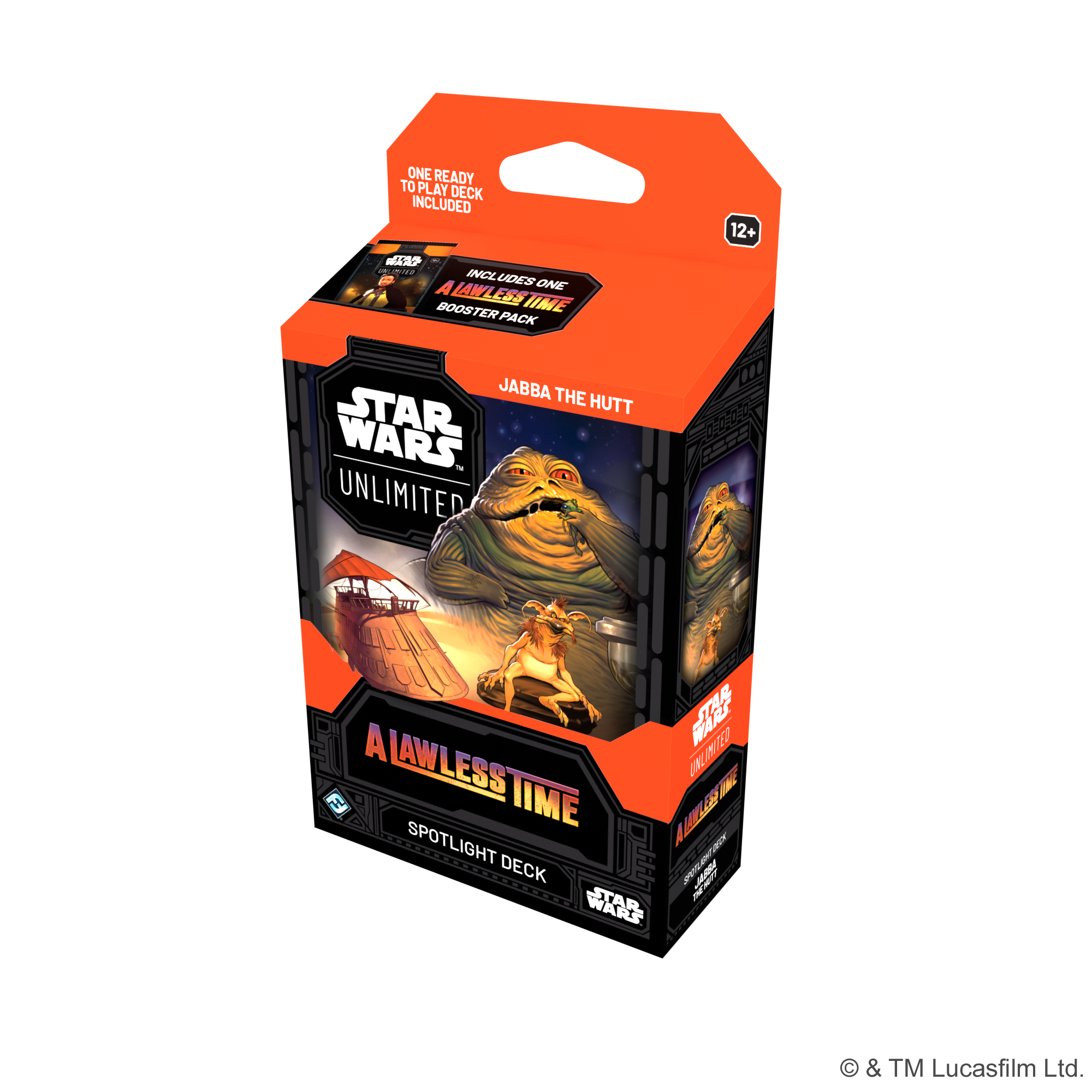
 Star Wars: Unlimited — A Lawless Time Spotlight Deck (Jabba the Hutt or Leia Organa) See it on Amazon ↗
Once you have played a few games with a pre-built, building your own is the good part. The rules are refreshingly tight: exactly one Leader, exactly one Base, and at least 50 other cards, with a maximum of 3 copies of any single card.
The core constraint is aspects — the six colors: Heroism (white), Villainy (black), Aggression (red), Command (green), Cunning (yellow), and Vigilance (blue). Your Leader and Base together grant three aspect icons; cards matching your aspects are 'free,' while cards outside them cost two extra resources per off-aspect icon (the 'aspect penalty') to play — a card with two off-aspect icons therefore costs four extra. That nudges you toward a focused two-aspect deck rather than a rainbow mess — which is exactly what keeps decks coherent and games fast. A Lawless Time complicated this in the best way: it introduced the game's first multi-aspect cards, including the first-ever 3-aspect cards, which are pushed-powerful precisely because they are so restrictive to slot. Build greedy, pay the tax — that is the trade.
Your first build, in order:
- Pick a Leader whose play-pattern you actually enjoy — the Leader defines your strategy and your aspects more than anything else.
- Pick a Base whose aspect matches the Leader's for a clean two-color identity; some bases add bonus effects on top of HP.
- Build to your aspects — lean on cards that share your Leader/Base aspects to dodge the extra-resource penalty.
- Curve your costs — cheap early units (cost 1-3), mid-game threats, and a few expensive finishers, so you always have something to play.
- Respect both arenas — pack a mix of ground and space units so you are not helpless if the opponent dominates one lane.
- Cap at 3 copies — run playsets of your best cards and trim to a tight ~50. Free deckbuilders like SWUDB and SW-Unlimited-DB let you test full lists before you buy a single card.
What changed with the Pilot and Credit mechanics?

If you are coming in fresh in 2026, two newer mechanics will shape what your decks can do, and it is worth knowing them before you spend a dollar.
First, Piloting, introduced in the space-focused set Jump to Lightspeed (March 2025). A Pilot is a unit that can deploy normally or be paid down for an alternate, reduced cost — typically a couple of resources plus its aspects — to attach to a friendly Vehicle as an upgrade, buffing the vehicle's stats and often granting it an ability. It is a clever bit of dual-use design: the same card is a body when you need a body and a power-up when you need a threat to hit harder. It also feeds straight into the resourcing decisions from the last section — a Pilot is rarely the card you want to bury face-down, because it has two jobs.
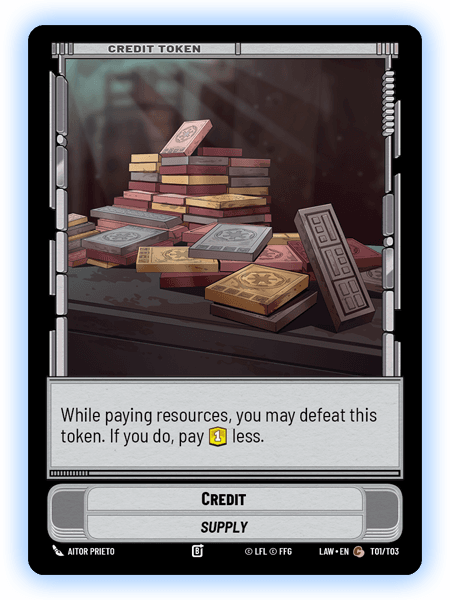
Second, A Lawless Time leans hard into the scoundrel-and-underworld theme with Credit tokens — a small economy mechanic where certain cards generate Credits you spend on effects, a thematic fit for a set built around Jabba, bounty hunters, and the galactic black market. It is the most 'engine-y' the game has gotten, and it rewards players who like to build a little economy before they swing. Neither mechanic is mandatory to enjoy the game — plenty of strong decks ignore both — but knowing they exist stops you from being baffled when an opponent starts stacking Pilots on a freighter or buying off effects with a pile of Credits.
Does rotation mean I'm buying into a dying game?
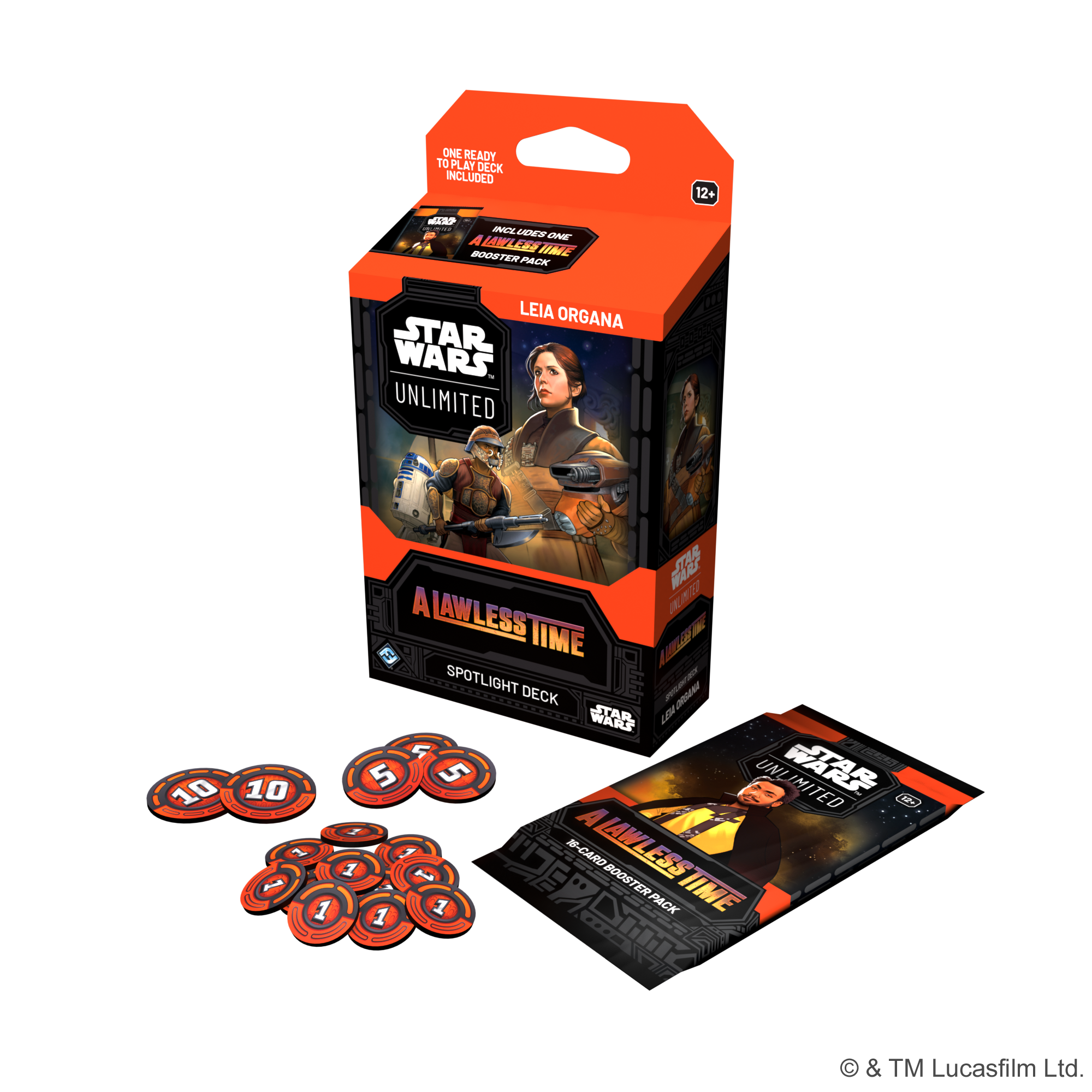 Star Wars: Unlimited — A Lawless Time Spotlight Deck (Jabba the Hutt or Leia Organa) See it on Amazon ↗
No — it means the opposite, and I will keep saying it until the panic stops. A game that ships new sets and rotates is a living game with an active competitive scene; dead games stop printing. Here is the release order through 2026 so you can see the cadence: Spark of Rebellion (Mar 2024), Shadows of the Galaxy (Jul 2024), Twilight of the Republic (Nov 2024), Jump to Lightspeed (Mar 2025, which added the Pilot/space focus), Legends of the Force (Jul 2025), Secrets of Power (Nov 2025), and A Lawless Time (Mar 2026), with more sets slated later in the year.
A Lawless Time is the one a 2026 newcomer cares about: it is the current set, it leans into a scoundrels-and-underworld theme (hello, Jabba), and it introduced multi-aspect cards and Credit tokens for richer deckbuilding. It also kicked off the first rotation — and, crucially, the Eternal format alongside it.
That is the detail worth tattooing on the back of your hand: rotation only touches the top-tier Premier tournament format, cycling the three oldest sets out of that one queue. The Eternal format keeps every card ever printed legal forever. Casual play, kitchen-table play, and most local-store play do not care about either. So a newcomer should buy the current set's products, play, and ignore the rotation noise entirely — unless and until you decide to grind sanctioned Premier events, at which point you will know enough to make that call yourself.
The picks
Some links below are affiliate links — as an Amazon Associate, Puzzlewick earns from qualifying purchases, at no extra cost to you. It never changes a pick.
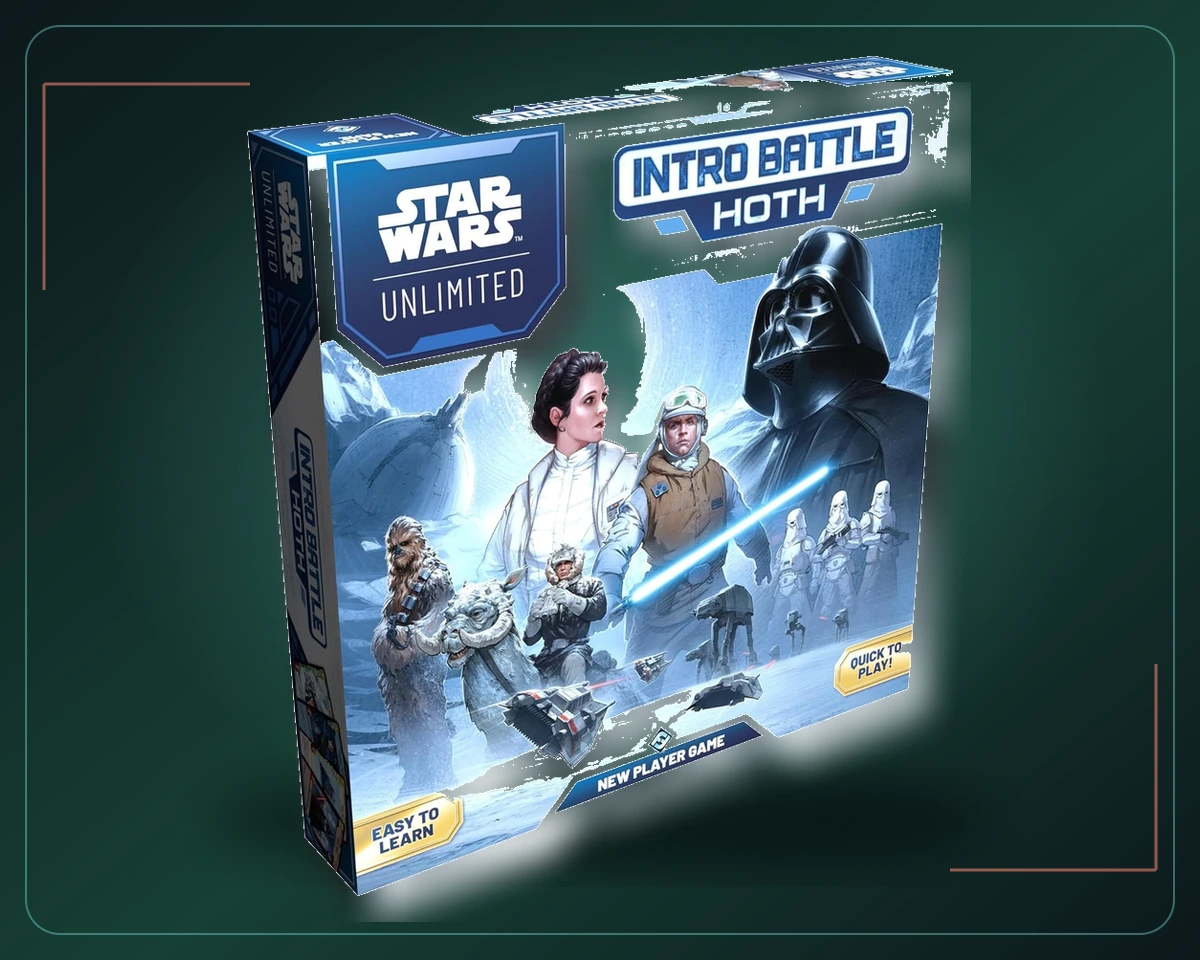
Star Wars: Unlimited — Intro Battle: Hoth
The single best on-ramp into the game. Two simplified, ready-to-go Vader-vs-Leia decks, a board, and a learn-as-you-play guide for about twenty bucks. If you're not sure SW:U is for you, this is the lowest-risk way to find out — and it's a complete two-player game in the box.
- Cheapest complete two-player entry point
- Teaches the rules with zero prior knowledge
- Comes with everything two people need to play
- Decks are simplified — you'll outgrow them quickly
- Not built for competitive or expandable play
 8 photos
 Star Wars: Unlimited — A Lawless Time Spotlight Deck (Jabba the Hutt or Leia Organa)
The modern replacement for the old Two-Player Starter, and the smartest single purchase for a new player who isn't a total novice. A ready-to-play, competitively-minded 50-card deck around one Leader, with a full playset of its key cards and a booster pack. Buy two different ones and you've got an instant two-player night with actual decks.
- Tournament-shaped deck straight out of the box
- Includes full 3-of playsets of its core cards
- Current-set legal — you're buying into the live format
- Single deck — you need two for two players
- Locked to one Leader's strategy until you expand
 8 photos
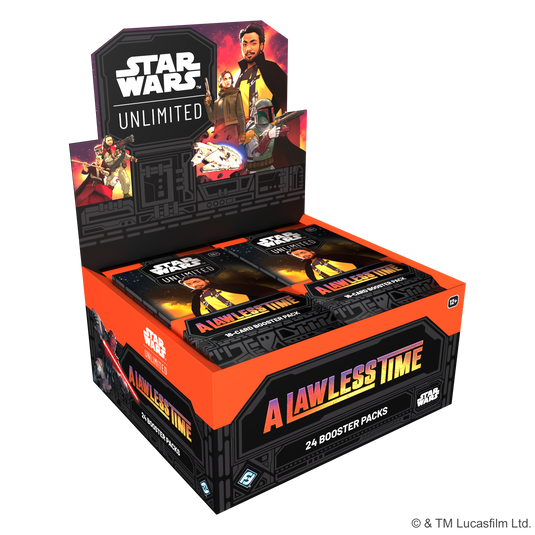
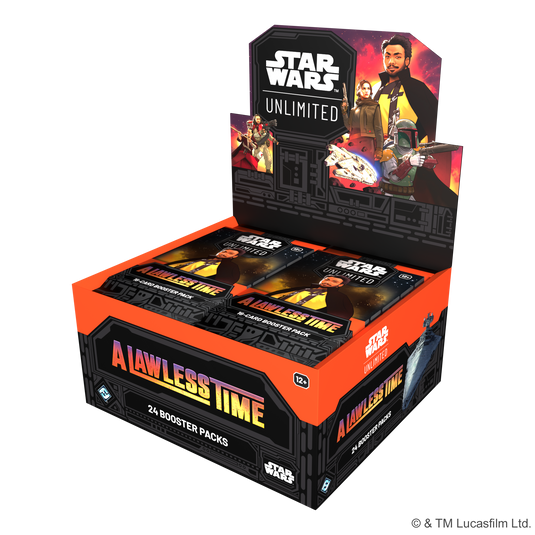
 Star Wars: Unlimited — A Lawless Time Booster Box (24 packs)
Twenty-four 16-card packs — the thing to buy after you're hooked, not before. Great for sealed/draft nights with friends or building out a card pool, with a guaranteed Hyperspace-foil in every pack. Just don't buy it expecting a ready-made deck, and watch for the frequent discounts; full MSRP is rarely the price to pay.
- Best value per pack for collecting and drafting
- Foil in every pack and chase rares to hunt
- Often heavily discounted below the ~$120 MSRP
- Terrible way to build your first playable deck
- Randomized — no guarantee of the cards you actually want
- Rotation makes box 'investing' a bad idea
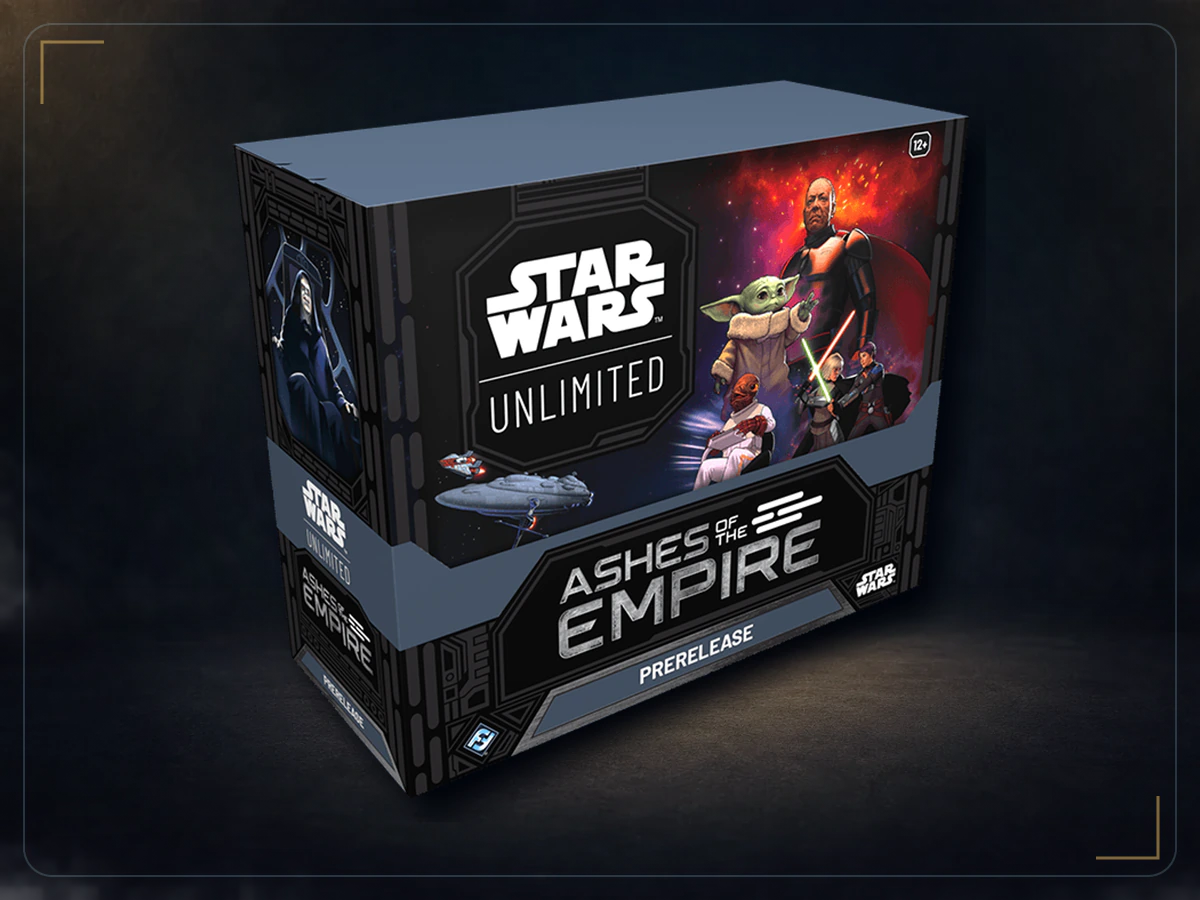
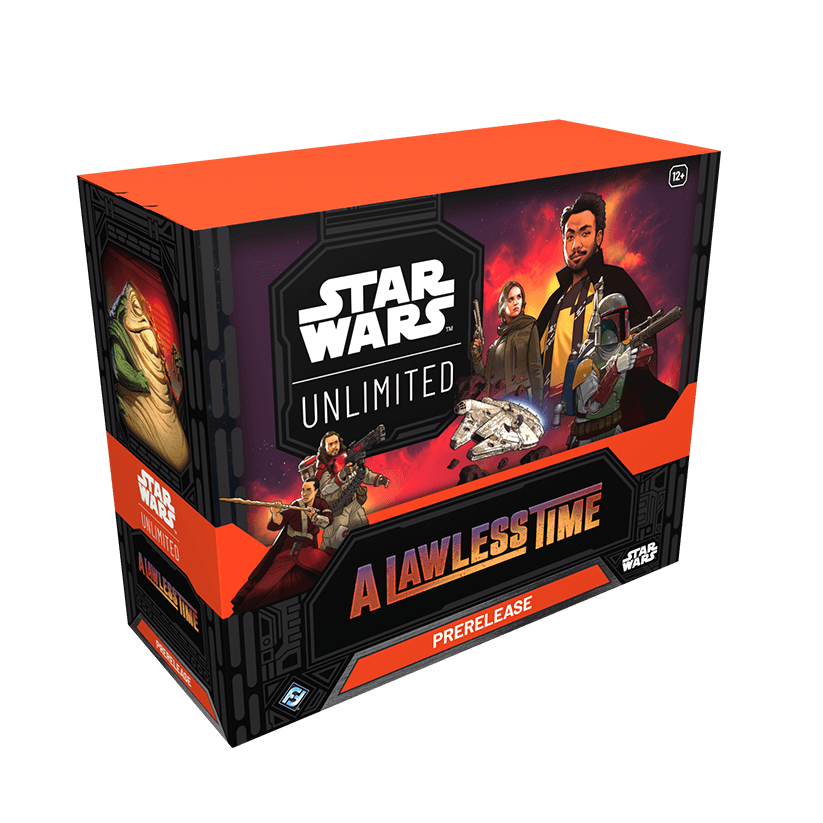
A Lawless Time Prerelease Box
Six booster packs plus counters and play materials — a self-contained sealed experience for one player. It's the cleanest way to dip a toe into building-from-packs without committing to a full box, and it doubles as a fun solo-open-then-go-play kit.
- Self-contained sealed kit with play materials included
- Lower commitment than a full booster box
- Good intro to on-the-fly deckbuilding
- Pricier per pack than buying a box
- Still randomized — not a guaranteed competitive deck
 6 photos
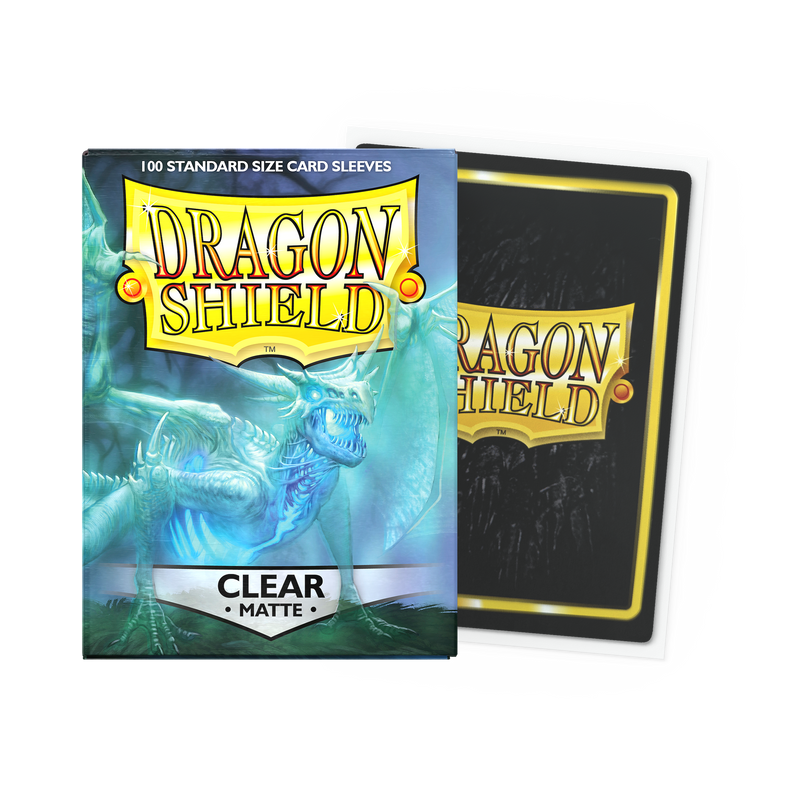
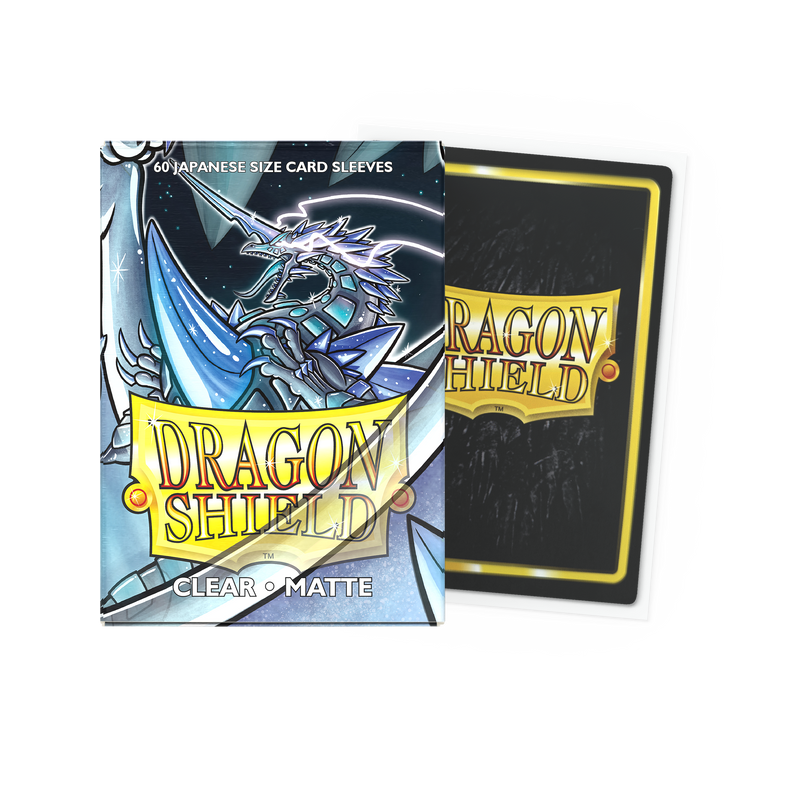
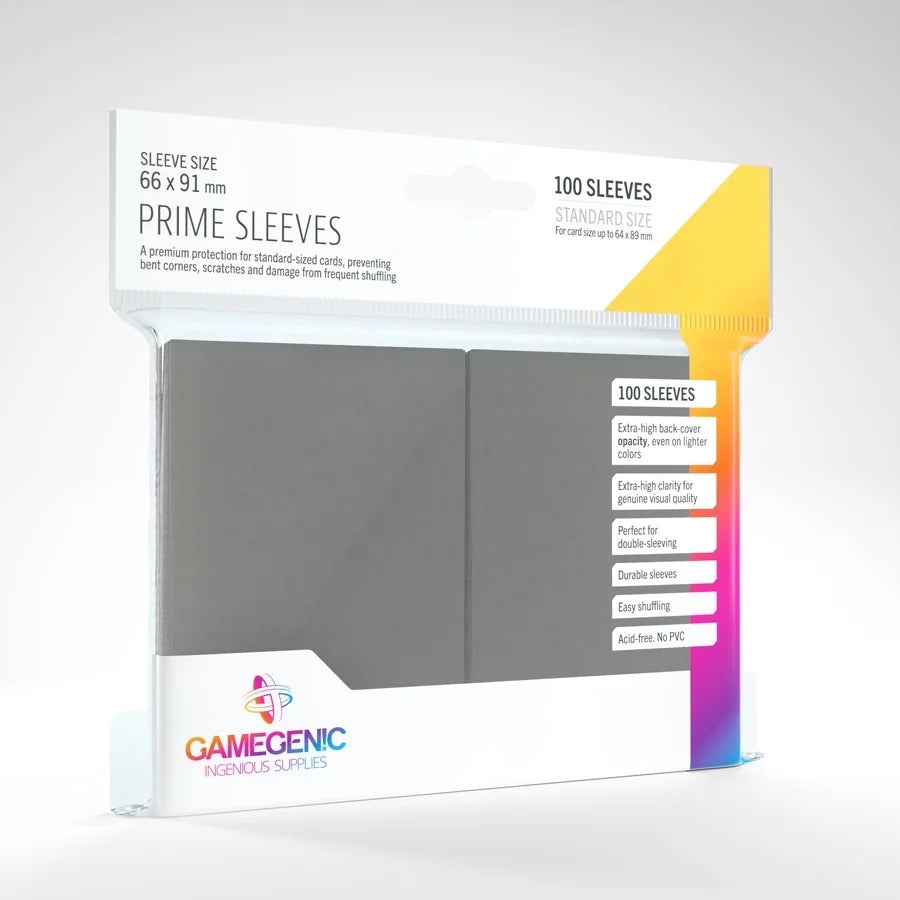
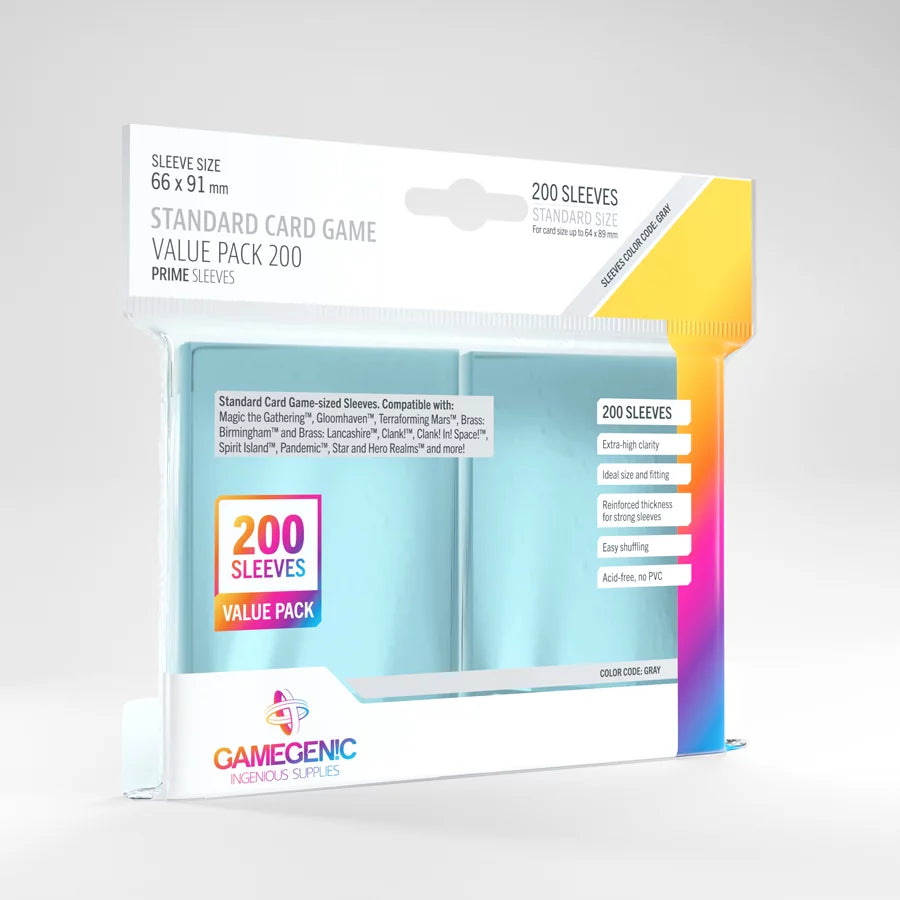
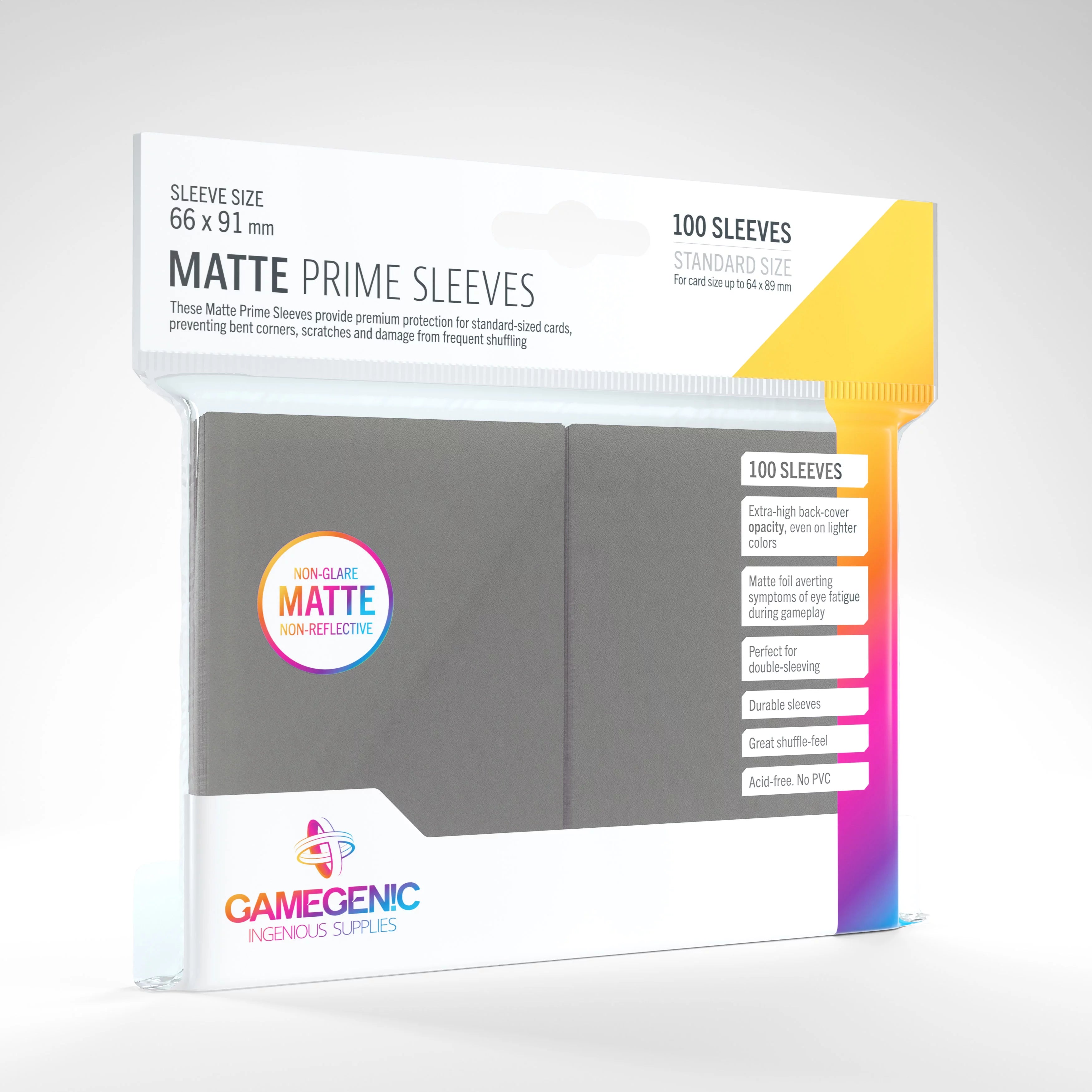
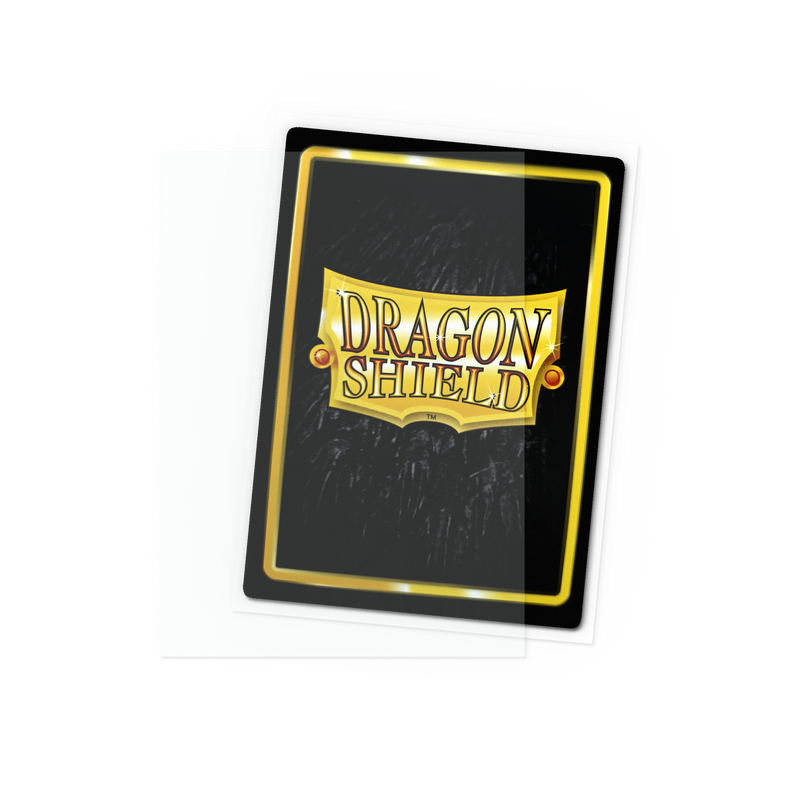
 Standard-Size Card Sleeves (66x92mm)
SW:U uses standard 66x92mm card size, so any quality standard-size sleeves fit. The moment you assemble a deck you care about, sleeve it — shuffling bare cards is how you fray corners and ruin resale and playability. Cheap insurance for cards you'll handle every game.
- Protects cards from shuffle wear and spills
- Standard size — tons of cheap, quality options
- Makes shuffling smoother and cleaner
- Officially-branded sleeves cost more than generic
- You'll need several packs for a full sleeved deck
At a glance
| Product | Type | Price | Best for | Cards |
|---|---|---|---|---|
| Intro Battle: Hoth | Beginner box | $20 | Total newcomers | 2 simplified 50-card decks |
| Spotlight Deck (A Lawless Time) | Starter deck | $25 | TCG-experienced starters | 1 ready-to-play 50-card deck + pack |
| Prerelease Box | Sealed kit | $30 | Trying sealed/draft | 6 packs + play materials |
| Booster Pack | Booster | $4.99 | Singles hunting / topping up | 16 cards, 1 guaranteed foil |
| Booster Box (A Lawless Time) | Booster box | ~$120 | Drafting / collecting | 24 packs (384 cards) |
| Standard Sleeves (66x92mm) | Accessory | ~$10 | Protecting a built deck | N/A |
Questions, answered
Do I need to buy booster packs to play Star Wars: Unlimited?
No. Both the Intro Battle: Hoth ($20) and any Spotlight Deck ($25) are fully playable on their own — no packs required. Two people with two Spotlight Decks (or one Intro Battle box) can play complete games immediately. Boosters are for collecting, drafting, and customizing a deck later, not for getting started.
How long does a game of Star Wars: Unlimited take?
Most games run about 20 minutes. The resource system (no separate mana cards) and the one-action-at-a-time turn structure keep things moving, so it plays much faster than a typical Magic or Pokémon game.
What's the difference between a Spotlight Deck and the old Two-Player Starter Set?
Spotlight Decks replaced the Two-Player Starter Sets. Instead of two decks in one box, each Spotlight Deck is a single, more competitively-tuned 50-card deck around one Leader, including a full 3-copy playset of its key cards plus a booster pack. The trade-off: you now buy two Spotlight Decks (one each) for a two-player setup, but each deck is closer to real competitive play.
Does set rotation mean my cards become useless?
Not for casual play. Rotation, which began with A Lawless Time in 2026, only affects the premier competitive tournament format — it slowly cycles the oldest sets out of that format. Your cards always work in casual, kitchen-table, and most local store play. Only buy with rotation in mind if you specifically plan to grind sanctioned competitive events.
Is Star Wars: Unlimited a good investment to buy and resell?
No — and that's not what this game is for. With set rotation now in effect, sealed-box speculation is a poor bet. Buy SW:U to play and enjoy. If you want a specific card, buying that single is almost always cheaper than cracking packs and hoping for it.
Can I play Star Wars: Unlimited solo or do I need an opponent?
It's a two-player head-to-head game at its core, so you'll want an opponent. There are community-made solo and AI variants, and an official companion app/online play options exist for finding games, but the boxed experience assumes two players sitting across from each other.
Dax's verdict
Buy it if you like Star Wars even a little, or if you just want a sharp, fast, low-commitment two-player card game — SW:U is one of the best-designed and friendliest TCG on-ramps going. The resource-from-any-card system and the two-arena board give it real tactical teeth without a brutal learning curve, and the entry cost is genuinely modest: $20 for Intro Battle: Hoth, or two $25 Spotlight Decks and you and a friend are playing the actual game tonight. Skip it if you were planning to treat sealed boxes as an investment — rotation killed that plan, and honestly, good. And skip the booster-box-first approach entirely; that's the rookie mistake that leaves you with a pile of random singles and no deck. Get a pre-built, learn the game, then decide how deep you want to go. This one earned the charm.
Research ledger 8 sources · reviewed 2026-07-17
Specifications, rules, current product information, community experience, and contrary evidence were checked against the sources below. Commercial links are kept separate from editorial evidence.
- en.wikipedia.orgen.wikipedia.org/wiki/Star_Wars:_Unlimited
- starwarsunlimited.comstarwarsunlimited.com
- thegamer.comthegamer.com/star-wars-unlimited-beginners-guide
- tcgplayer.comtcgplayer.com/content/article/How-to-Play-Star-Wars-Unlimited-A-Complete-Guide/cc8a0a9b-fd57-489d-851a-9308a3d73cff
- gamespot.comgamespot.com/articles/star-wars-unlimited-tcg-intro-battle-hoth-pokemon-battle-academy-board-game/1100-6535748
- metagames.toysmetagames.toys/blogs/learn-and-community/star-wars-unlimited-a-lawless-time-complete-buying-guide
- tcgplayer.comtcgplayer.com/content/article/All-Keywords-in-Star-Wars-Unlimited-Explained/51167b67-9894-44a7-b9ee-3ba03352a2ad
- gamespot.comgamespot.com/articles/star-wars-unlimited-tcg-booster-boxes-are-super-cheap-at-amazon-right-now/1100-6536796
I'll be honest with you — flattery is boring.


Keep exploring
The next smart rabbit holes.
✧ Universe HubAnime & New-Wave TCGs: the whole buying pathBeyond Magic and Pokémon, a new wave of trading card games has gone mainstream — One Piece, Yu-Gi-Oh!, Dragon Ball, Digimon, Weiss...✦ Topic PathBoard Game Buying Guides: compare the whole shelfStart with the decision, not the shelf. These guides compare the games, editions, expansions, player counts, and costs people...MasterclassStar Wars: UnlimitedThe fast, two-arena dueling card game where you don't just play a deck — you lead it. This is your full initiation, from your first...