Best Cooperative Board Games, Ranked (2026)
Okay but have you SEEN what people are saying about cooperative games right now? Sixteen absolute bangers, ranked — from the gateway that hooks you in forty-five minutes to the heavy-strategy siege that'll keep your crew texting about it for a month.

AI-assisted curator persona · research and editorial responsibility: Robert Pruitt · how this guide was made
Last editorial refresh: 2026-06-13 Gold-standard QA: 2026-07-17 22 sources reviewed Affiliate links checked during gold-standard pass

The short answer
The best cooperative board game overall is Spirit Island — a high-strategy environmental defense game (1-4 players, 90-120 min) that Shut Up & Sit Down famously called 'Pandemic with people,' and the game the heavy-co-op faithful rank at the very top of the genre. But 'best' depends on your table: Pandemic (2-4 players, 45 min, ~$35) is the perfect gateway and the game that taught a generation what co-op means; Sky Team (2 players only, 20 min, 2024 Spiel des Jahres) is the finest two-player co-op ever printed; The Crew: The Quest for Planet Nine (2-5 players, ~$15, 2020 Kennerspiel des Jahres) is the most addictive co-op card game; and Gloomhaven: Jaws of the Lion (1-4 players, ~$60) is the best campaign-length tactical co-op for under a hundred dollars. For families, Forbidden Island and Horrified win the table. The genre's secret is simple and a little holy: the game is the opponent, and the people are the point.
Decision map
Choose in thirty seconds
Heavy strategy tables who want the deepest, most replayable co-op ever made
The single best gateway into the entire genre
The most addictive co-op in the smallest, cheapest box
Pull up a chair, friend — closer. Closer. Okay so here's the thing nobody tells you until you're deep enough that you stop keeping score: you are not playing against the people at this table. You're not. You're playing with them, shoulder to shoulder, against a deck of cards, a sand timer, a rising tide, a plague that doesn't care about your strategy. The game is the villain. The humans are the chorus. And when you win — when the cure card flips, when the wheels touch the runway, when the last firework goes up and everyone at once just—the whole table erupts, and that sound, that collective gasp-into-cheer, that's the most underrated sound in the entire hobby.
I'm Imani and I keep the Mystery Wing at Puzzlewick, which means I spend my days listening. BoardGameGeek at 2am. The breathless Discord of people who just survived a Spirit Island invasion. The one friend still texting about how Hanabi made them cry three months later. This guide is that listening, gathered into one place. I've pulled the receipts—players, time, price, every award that matters—and I've pulled the voices, because a co-op game is only ever as good as the story your table tells about it after.
We go gateway to heavy, two-player to seven, twenty minutes to a full campaign that'll eat your summer. Every game here has been verified—designer, publisher, player count, the whole ledger. My ranking is mine and it's defensible, but the real move is the map: by the time you hit the bottom you'll know exactly which box walks to which table. That's the whole job.
One rule before we start—the only rule that actually matters: in co-op, the quiet player is the danger zone. The 'alpha gamer' who solves everyone's turn for them? They're not winning. They're stealing the chorus. Pass the conductor's baton. Let everyone sing. Everyone. Now—let's meet the games.
Start here, then go deeper
You are in the right cabinet.
 ◈ Universe HubAeon's End: the whole buying pathAeon's End is a cooperative deckbuilding boss-battle system where players never shuffle their decks. This universe maps the...✦ Topic PathBoard Game Buying Guides: compare the whole shelfStart with the decision, not the shelf. These guides compare the games, editions, expansions, player counts, and costs people...
 GuideThe Ultimate Gloomhaven and Frosthaven Host Setup in 2026: Cut Setup to 15 Minutes and Make Campaign Night Feel EffortlessA host-first build sheet for the two campaign giants: the map filing, small-parts storage, free app boundary, table zones, setup relay,...
What's the best cooperative board game for total beginners?
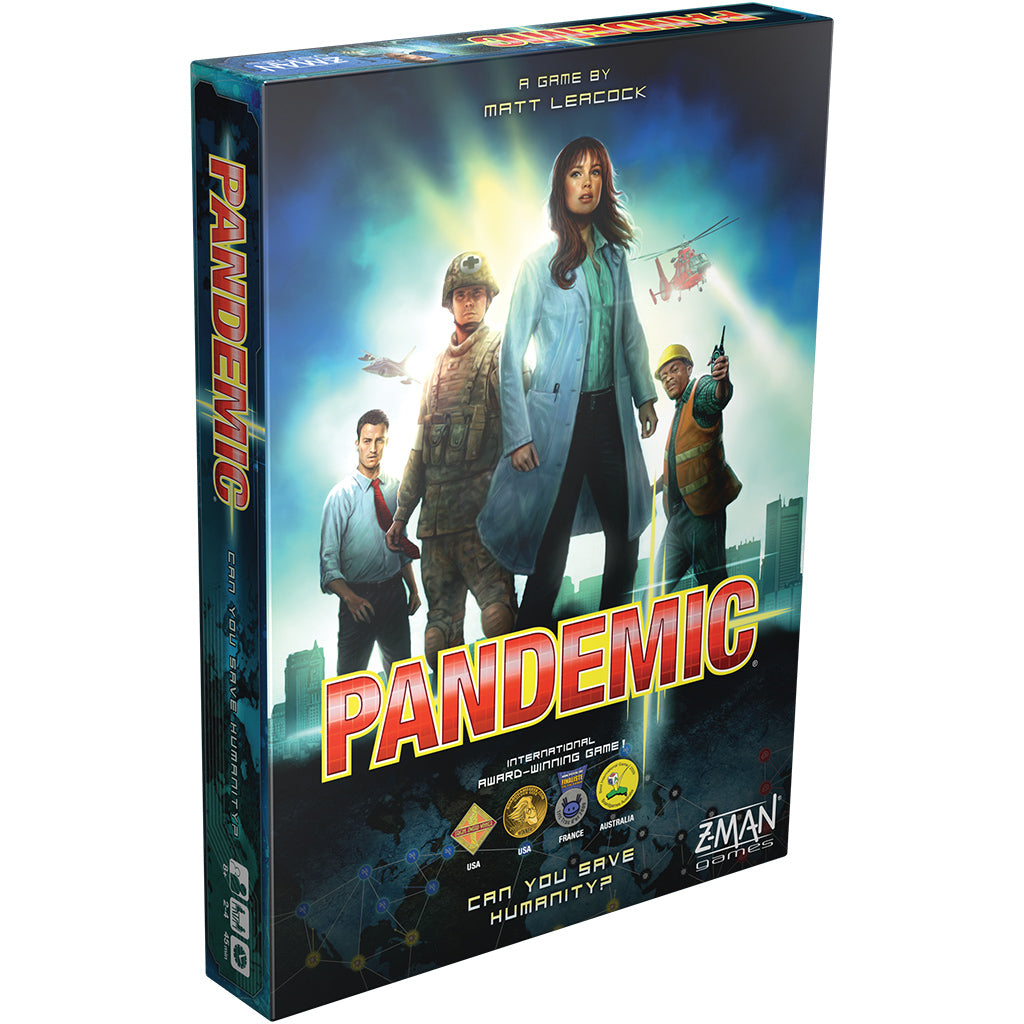
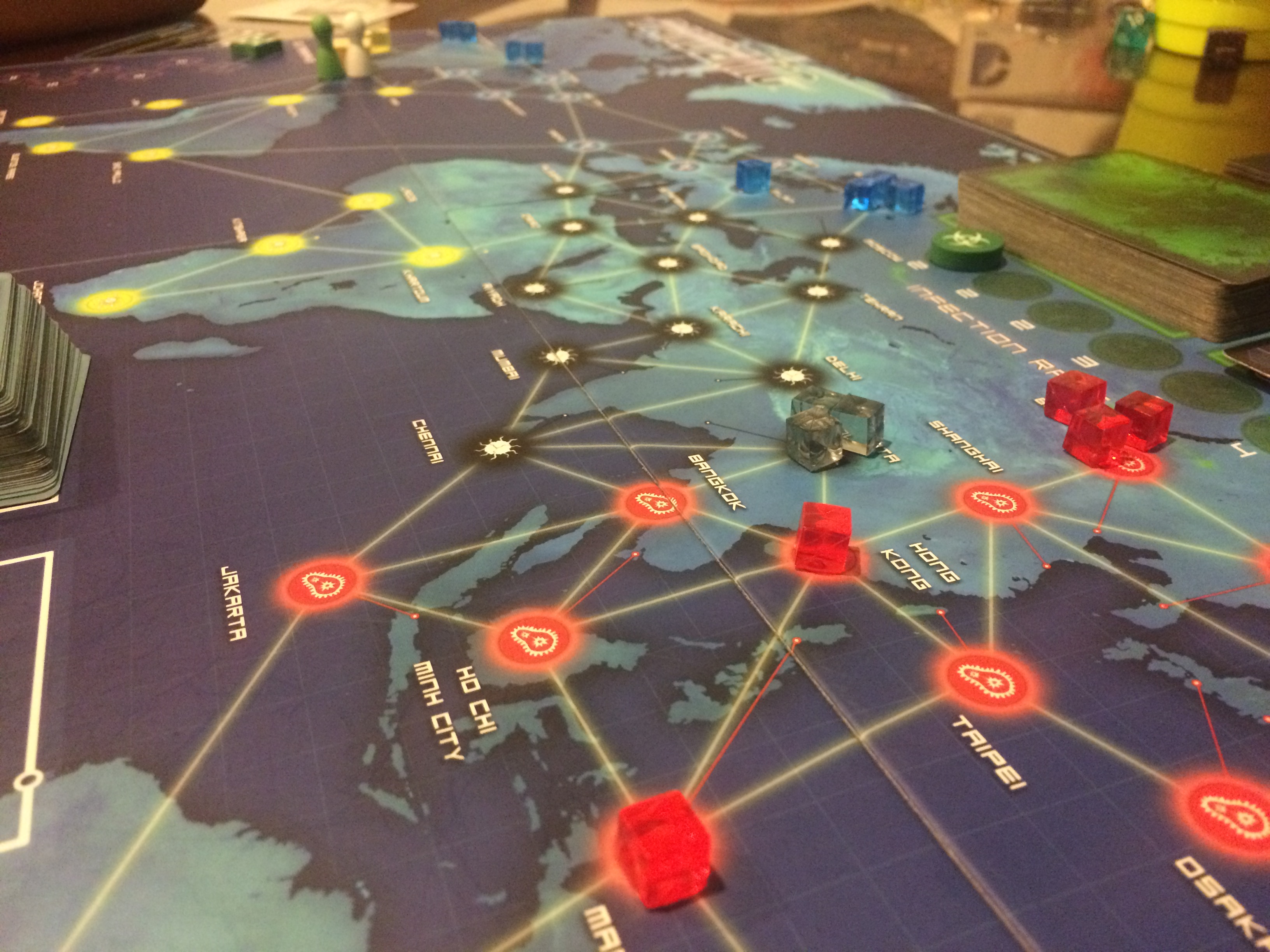
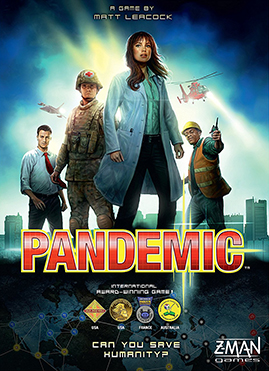
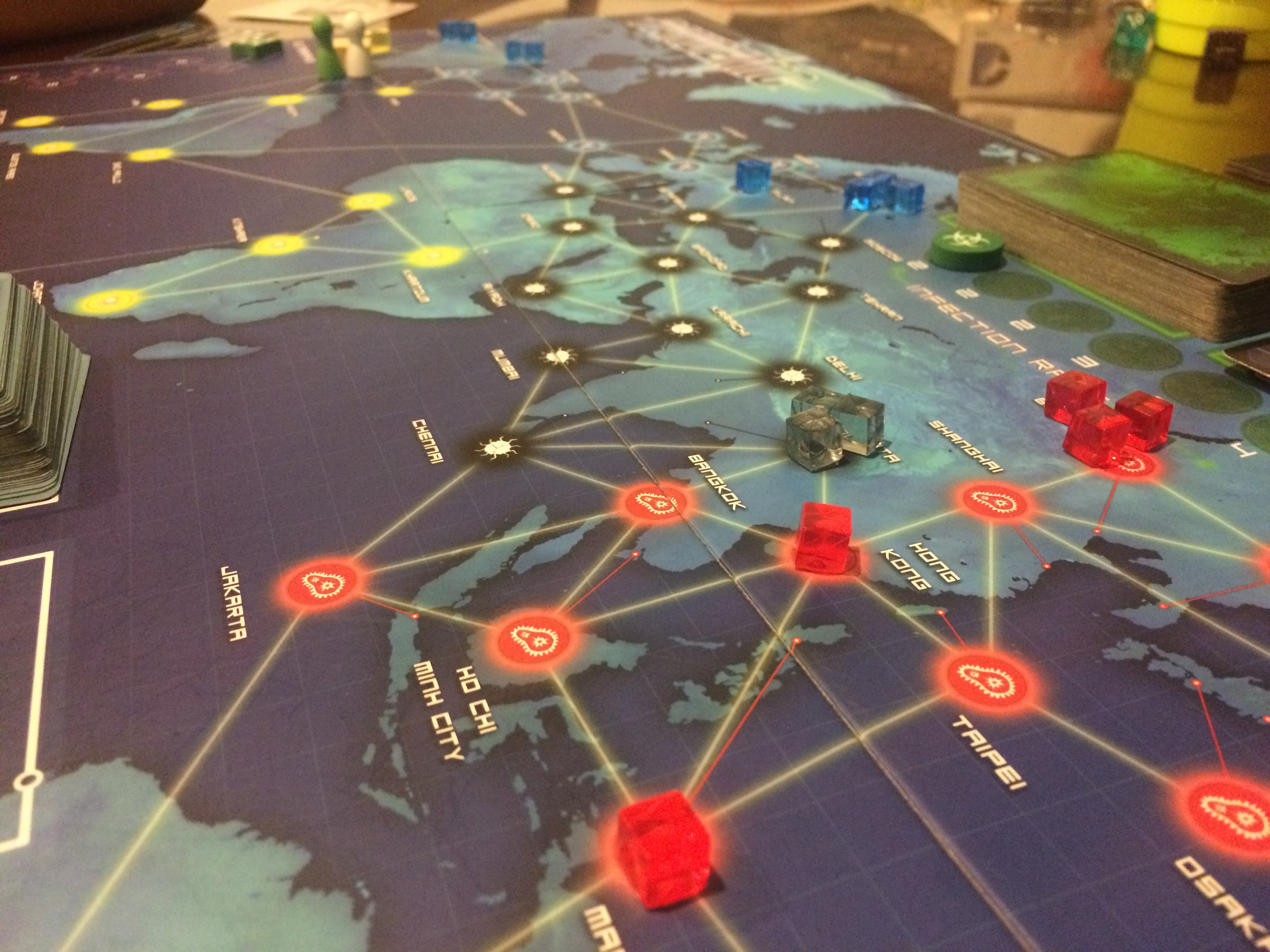
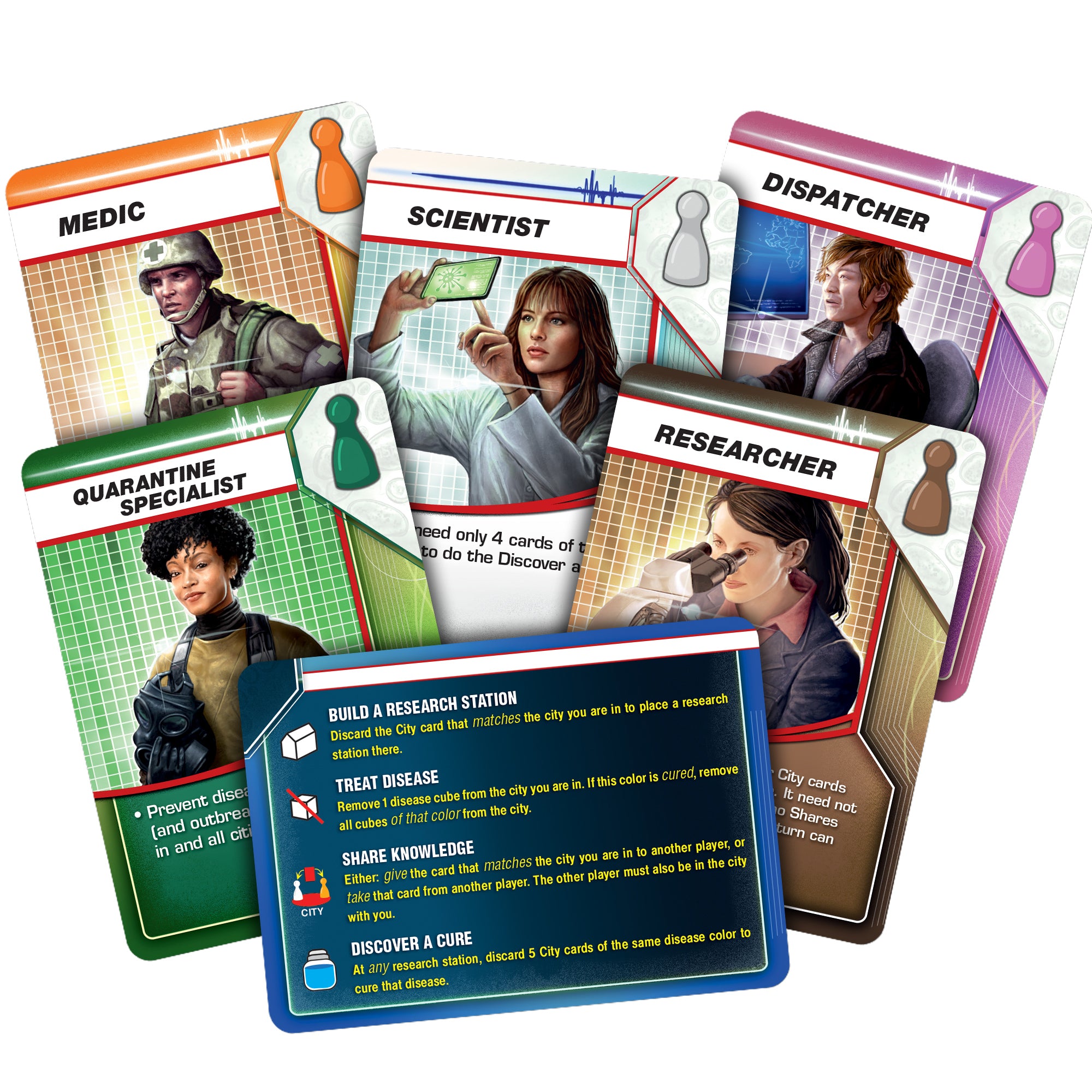
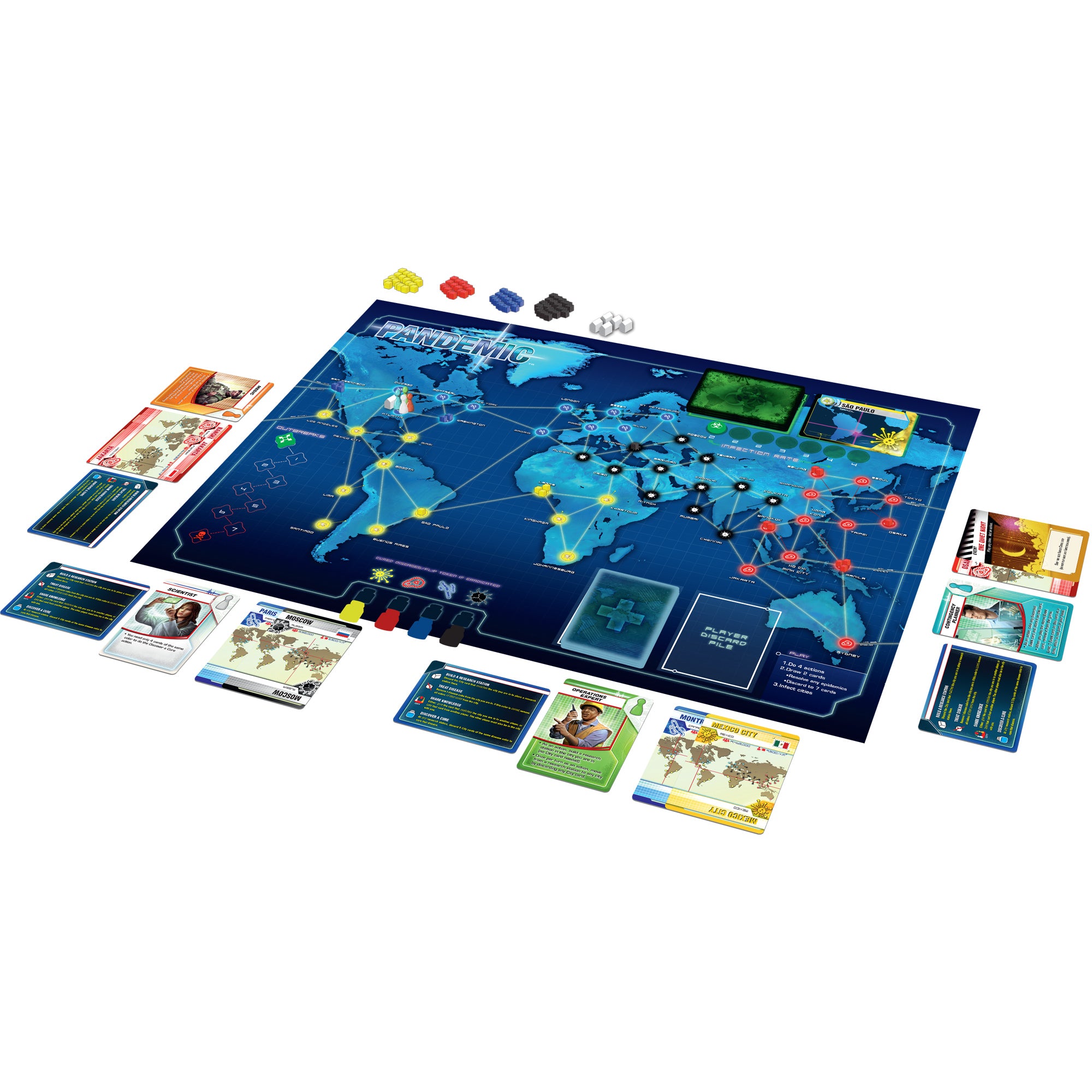
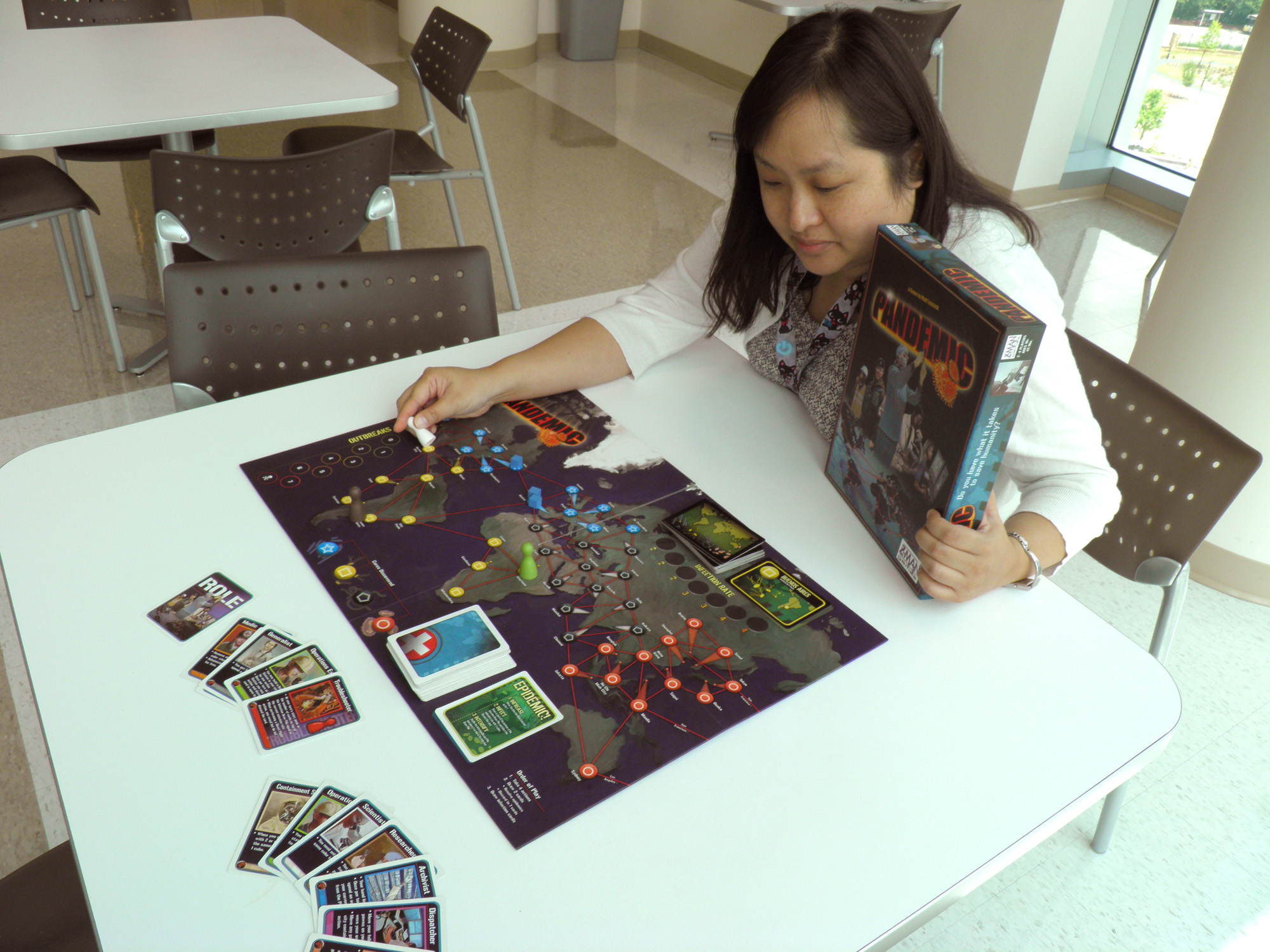
Start where the whole genre started: Pandemic. Two to four players, forty-five minutes, and a premise so clean you can teach it in ninety seconds — four diseases are spreading across a world map, you're an elite team of specialists, cure all four before the outbreaks cascade into a chain reaction and bury you. Matt Leacock's 2008 design is the Rosetta Stone of co-op: it taught a generation what 'the board is your opponent' even means, and it still rips your heart out at the eleventh hour.
What makes Pandemic the perfect on-ramp is the tension curve. Early turns feel calm, almost relaxing — and then the Epidemic cards start surfacing, the infection deck gets shuffled back on top of itself, and suddenly a city you cured is on fire again. New players learn the single most important co-op lesson here without being told: plan together, but act fast. Talk through the turn, agree the play, execute. The game does not wait for consensus paralysis.
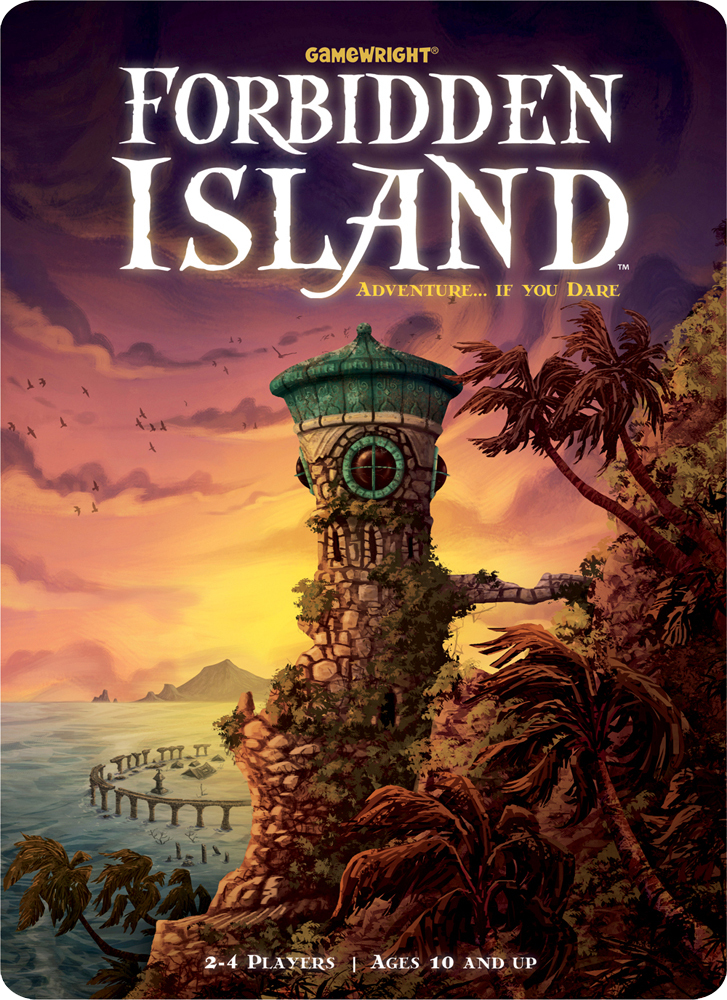
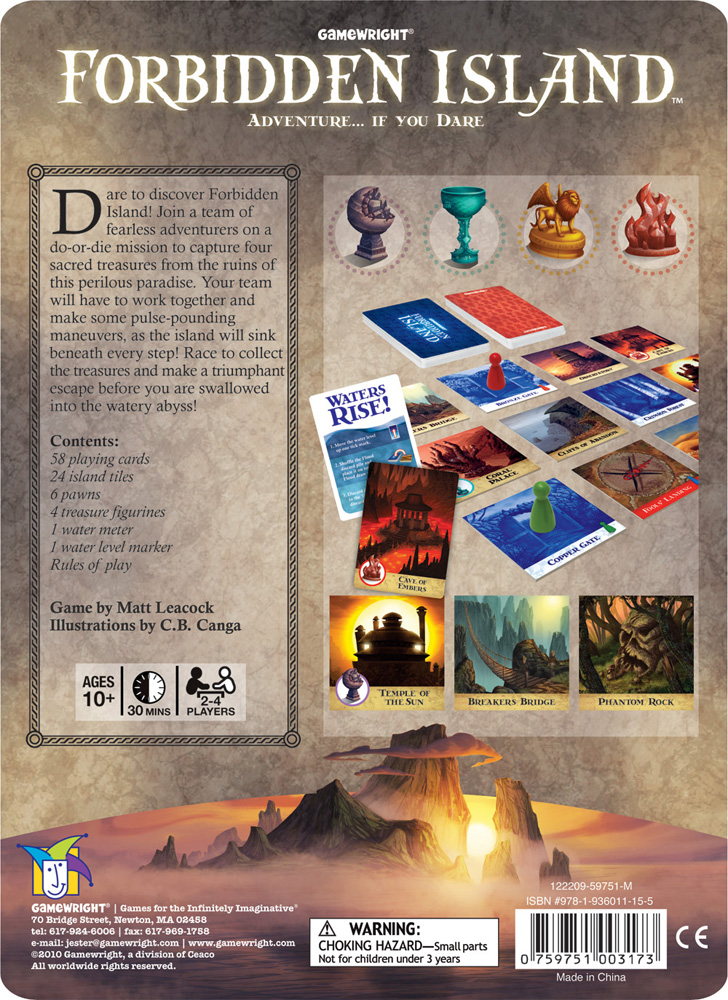
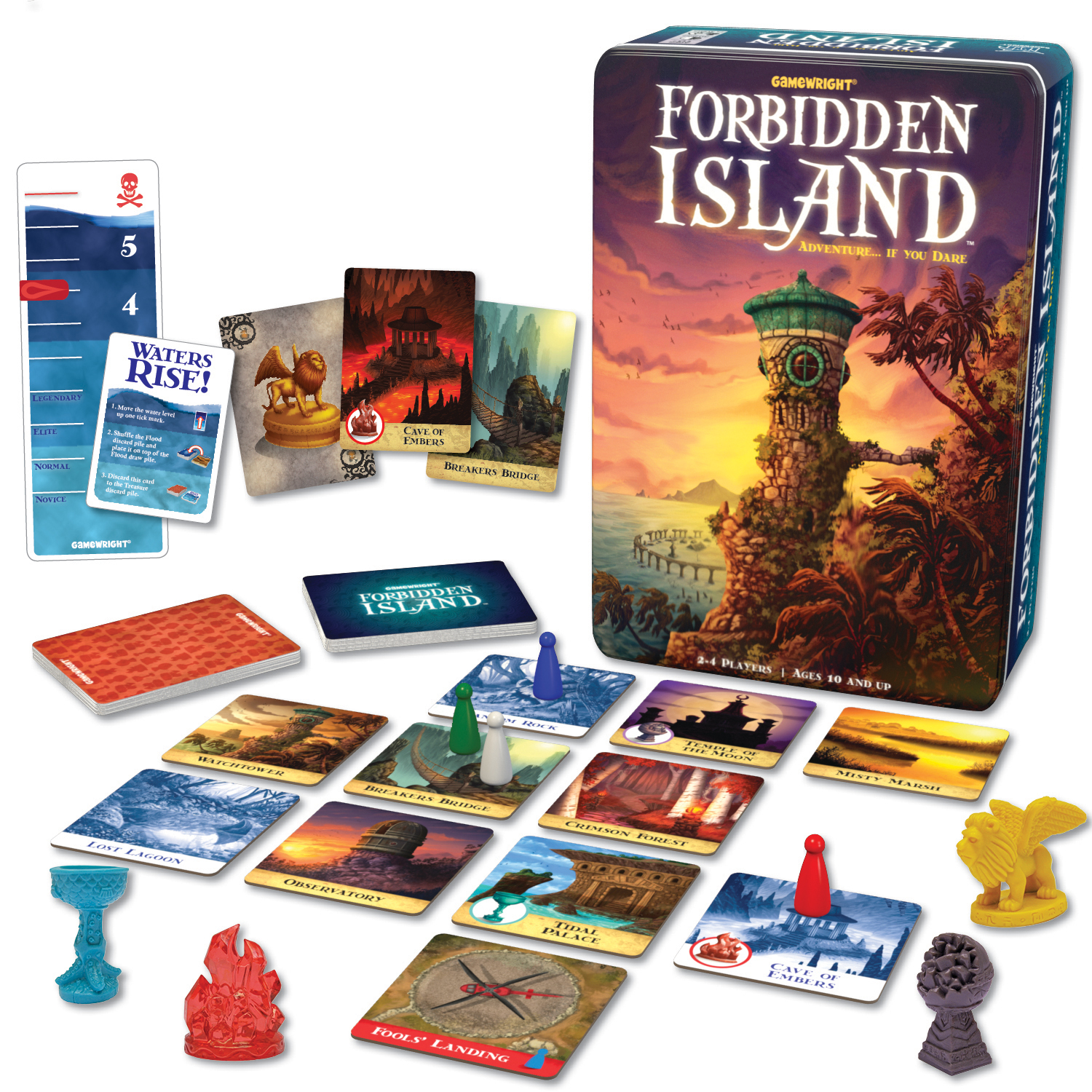
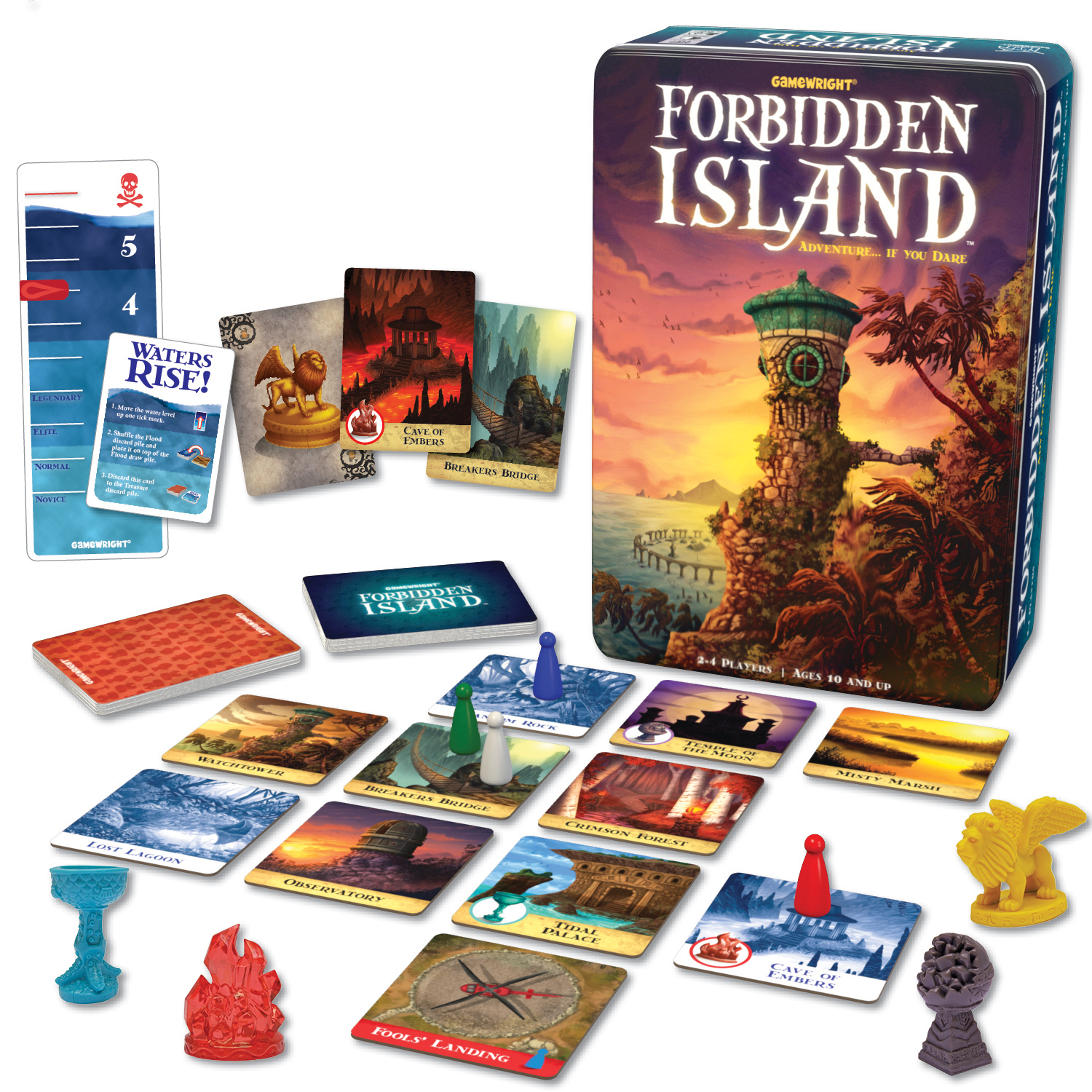
If you want the exact same shape with a smaller footprint and a lower price, Forbidden Island (2-4 players, ~30 min, around $20) is Leacock's own pocket-sized cousin — you're escaping a sinking island, grabbing four treasures before the tiles flood out from under you. It's the cheapest 'is co-op for me?' test you can buy, and the answer is almost always yes.
Bring: a willingness to lose your first three games and come back grinning anyway.
Pandemic doesn't teach you the rules. It teaches you the feeling — and the feeling is the whole hobby.
What's the best cooperative board game for families and kids?
Families need three things from a co-op: a fast teach, real stakes, and a table moment everyone remembers. Two games own this lane.
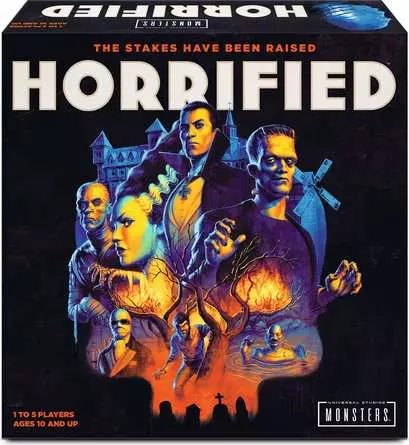
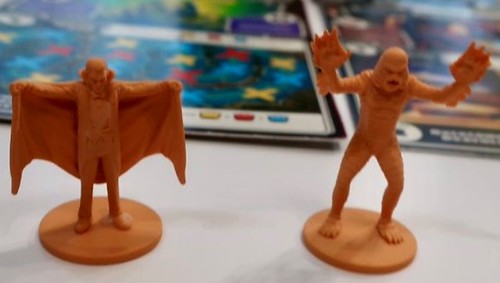
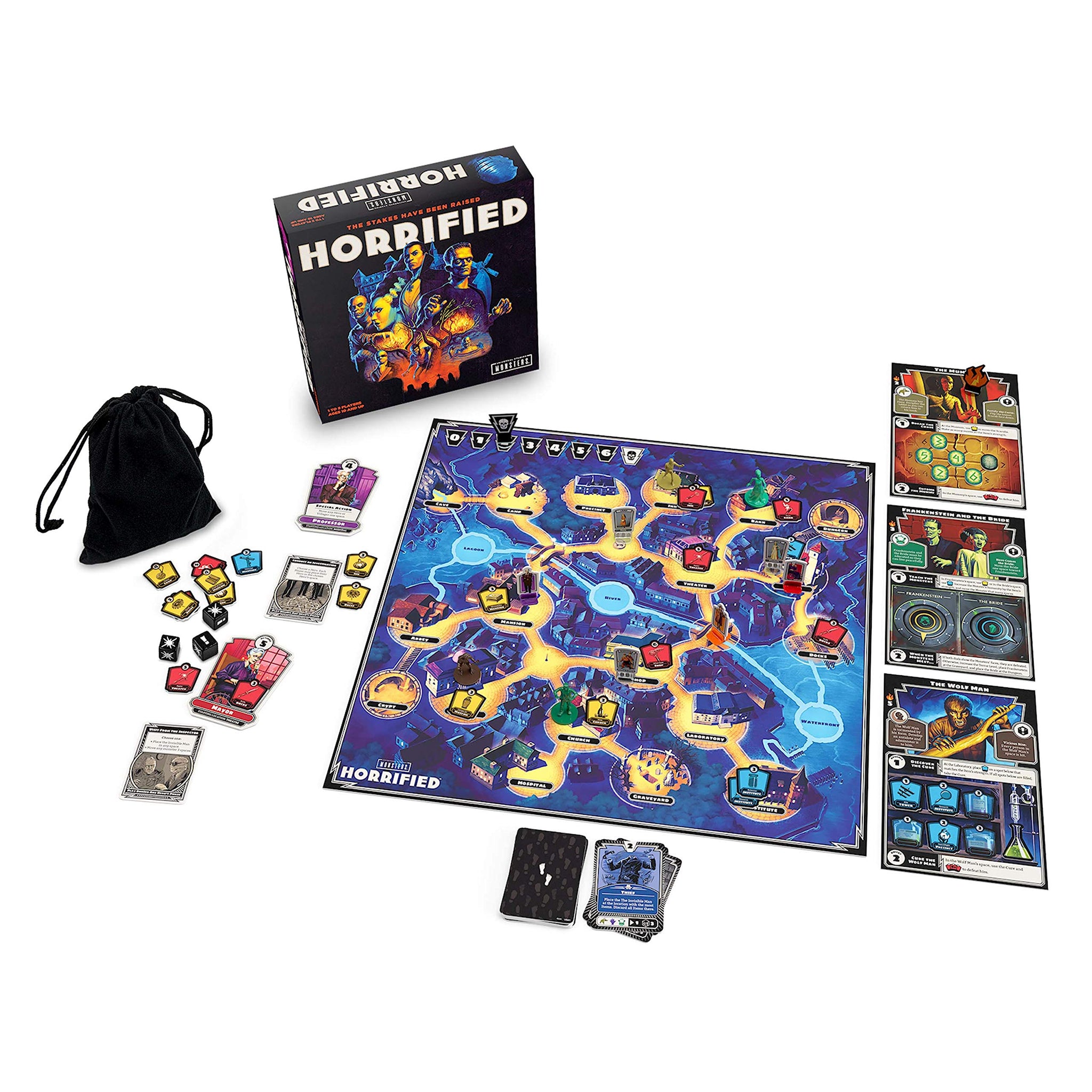
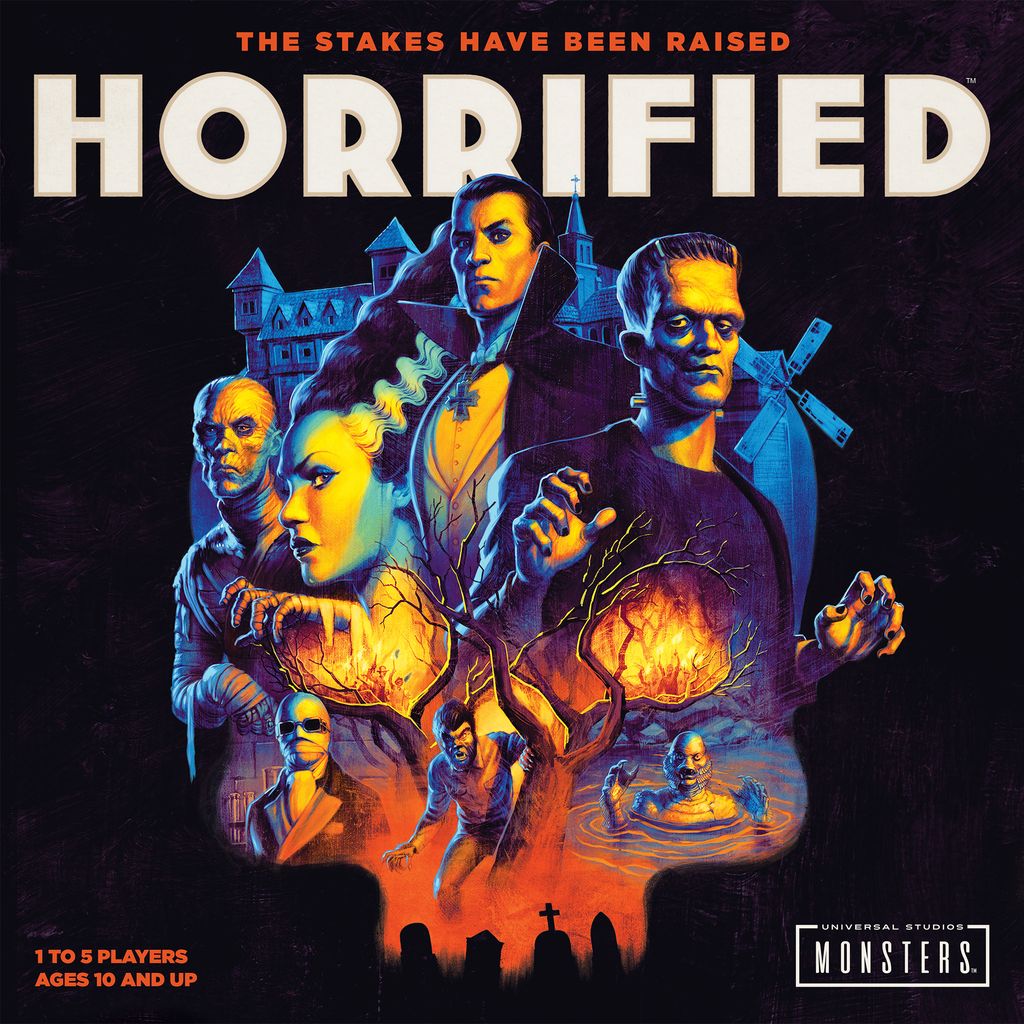
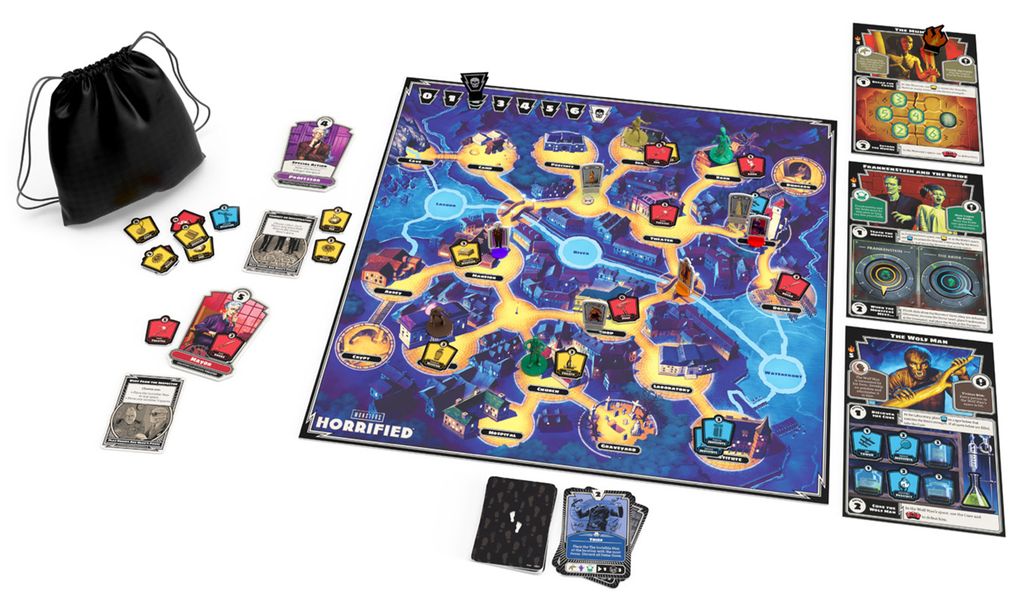
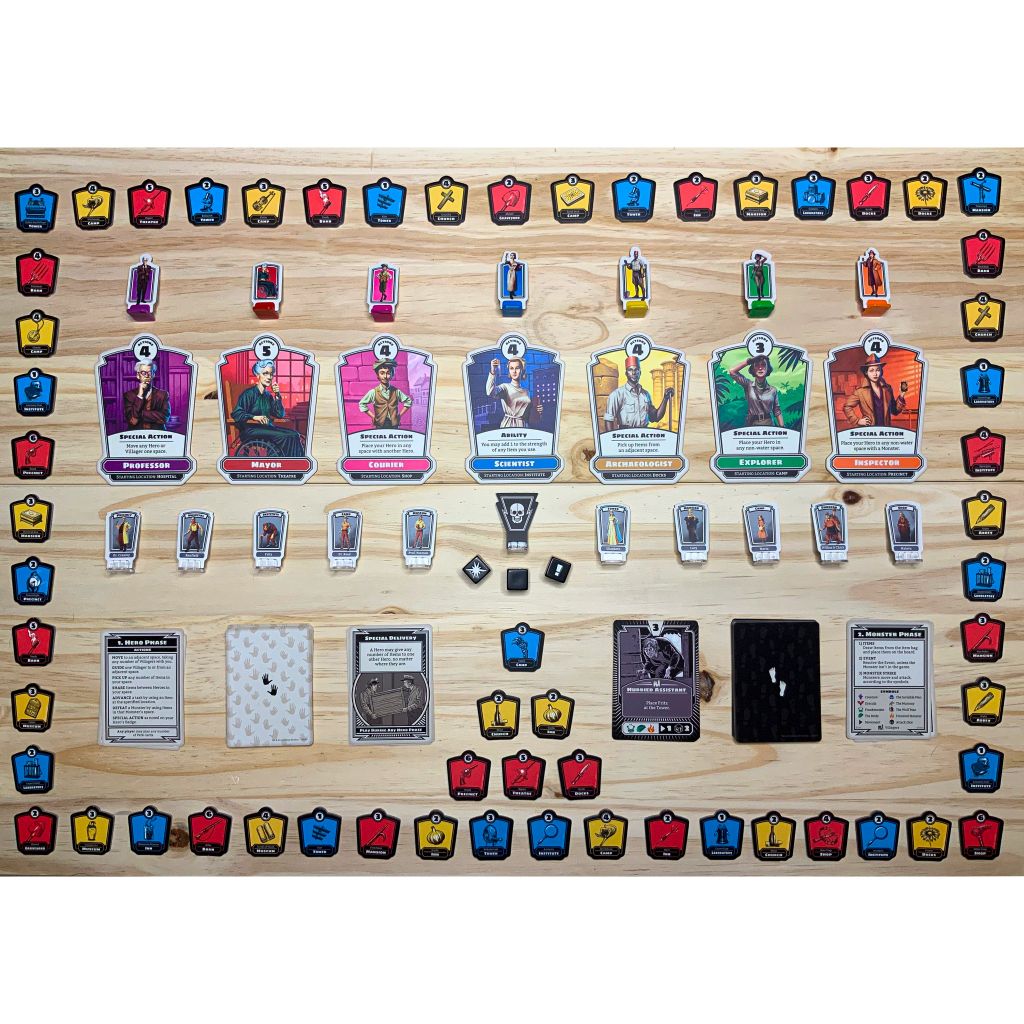
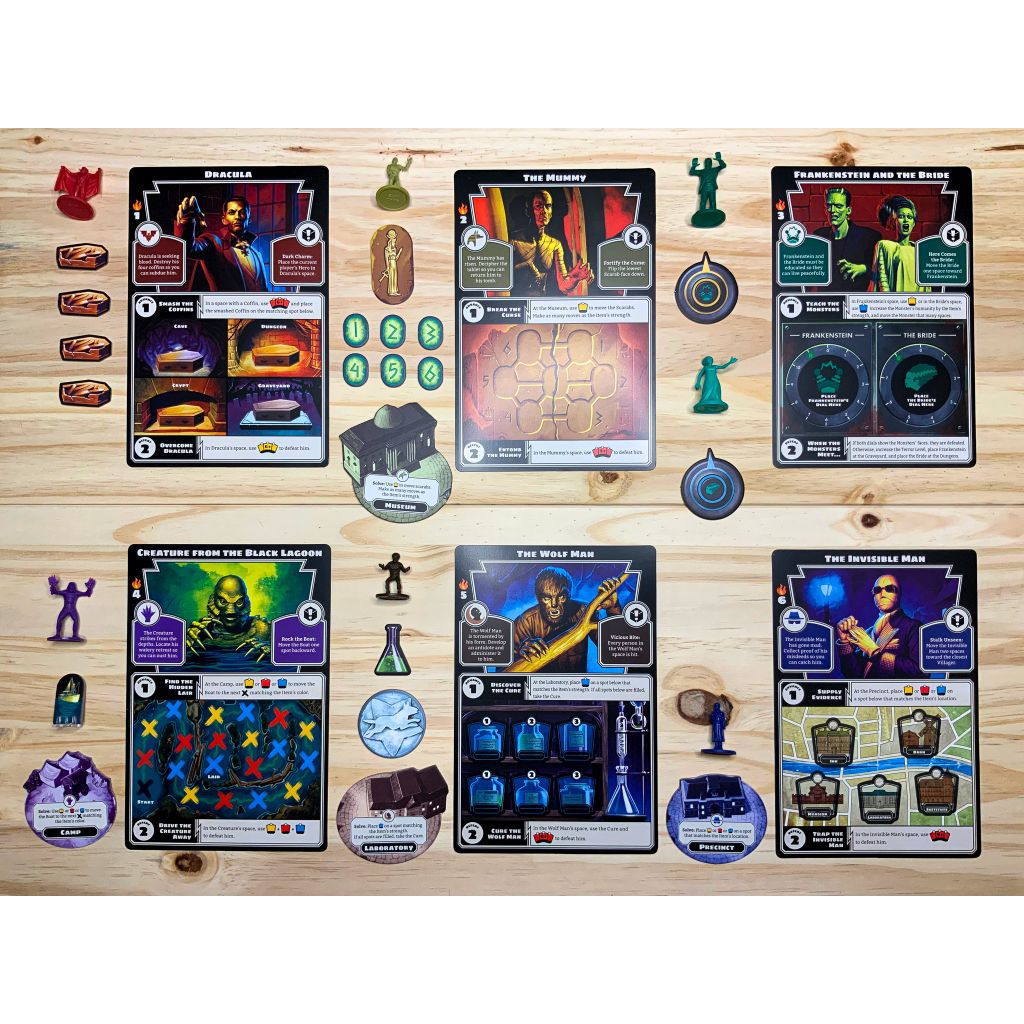
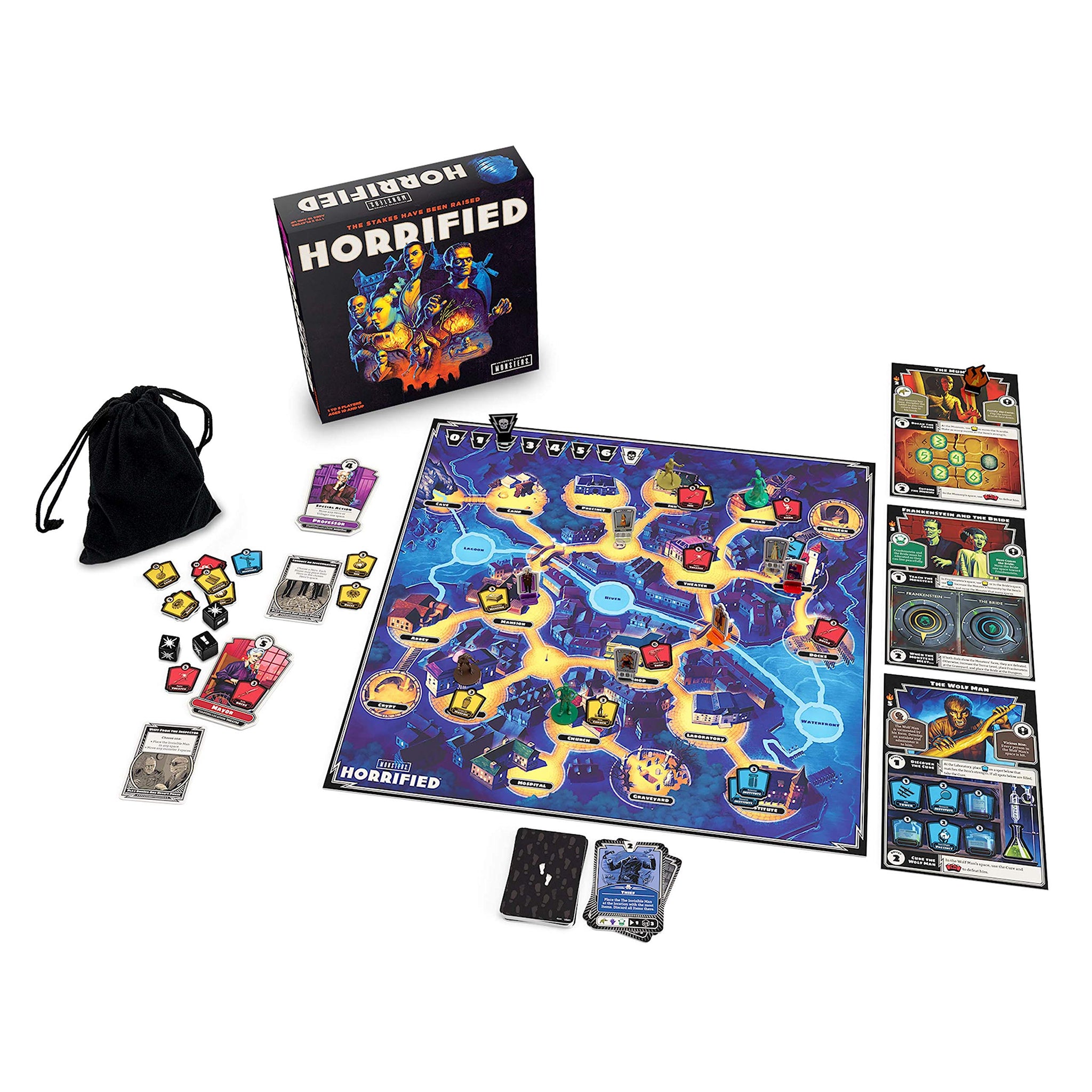
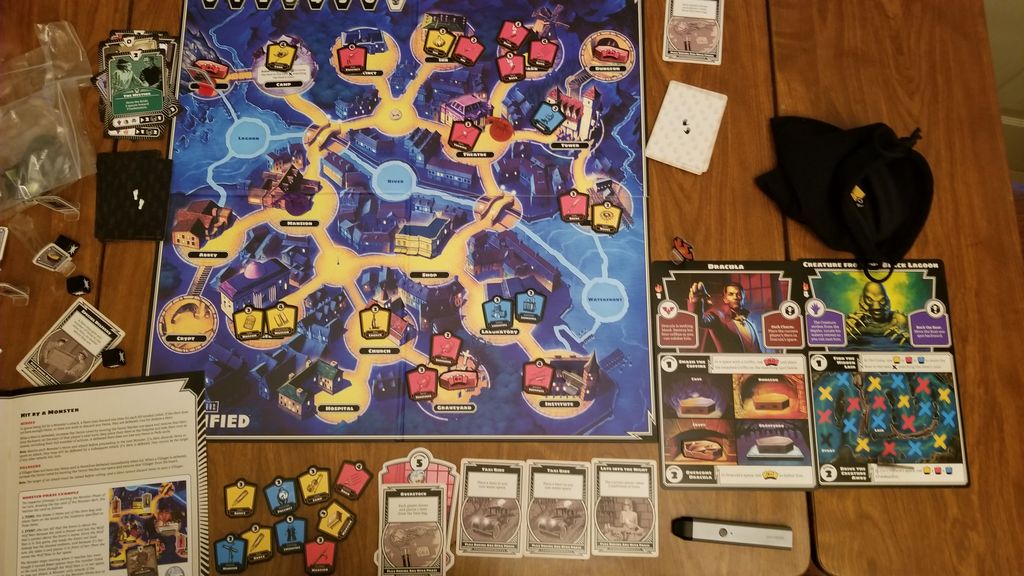
Horrified: Universal Monsters (Ravensburger, 1-5 players, ~60 min, around $35) is the family crowd-pleaser of the modern era. You're villagers defending your town against the actual classic monsters — Dracula, the Wolfman, the Mummy, the Creature from the Black Lagoon, Frankenstein's Monster and his Bride — each with their own perfectly-themed rules. Beat one monster, and the game gets harder; add more monsters, and it gets much harder. Gorgeous sculpted minis, genuinely tense, and the difficulty dial means a family of four and a table of five adults both get a game that fits. It is the rare 'kids' co-op that grown gamers will happily replay.
Then there's the one that built the family-co-op category: Forbidden Desert (Gamewright, 2-5 players, ~45 min, ~$25). The sequel to Forbidden Island, except now you're stranded in a shifting desert, digging through sand that moves every single turn to excavate the parts of a flying machine before the heat and the storm finish you. It's a step up in brain-burn from Island — perfect for a family ready for their second co-op — and the moving-board gimmick still makes kids gasp.
For the youngest tables (ages 8+) who want pure joy with no reading, jump to the party section for Just One — a Spiel des Jahres winner that grandparents and third-graders adore equally.
Bring: a kid who likes a good scare, and an adult who secretly likes one too.
Horrified is the only game where a nine-year-old and a forty-year-old will argue, with equal passion, about whether to deal with Dracula or the Mummy first.
What's the best cooperative board game for exactly two players?
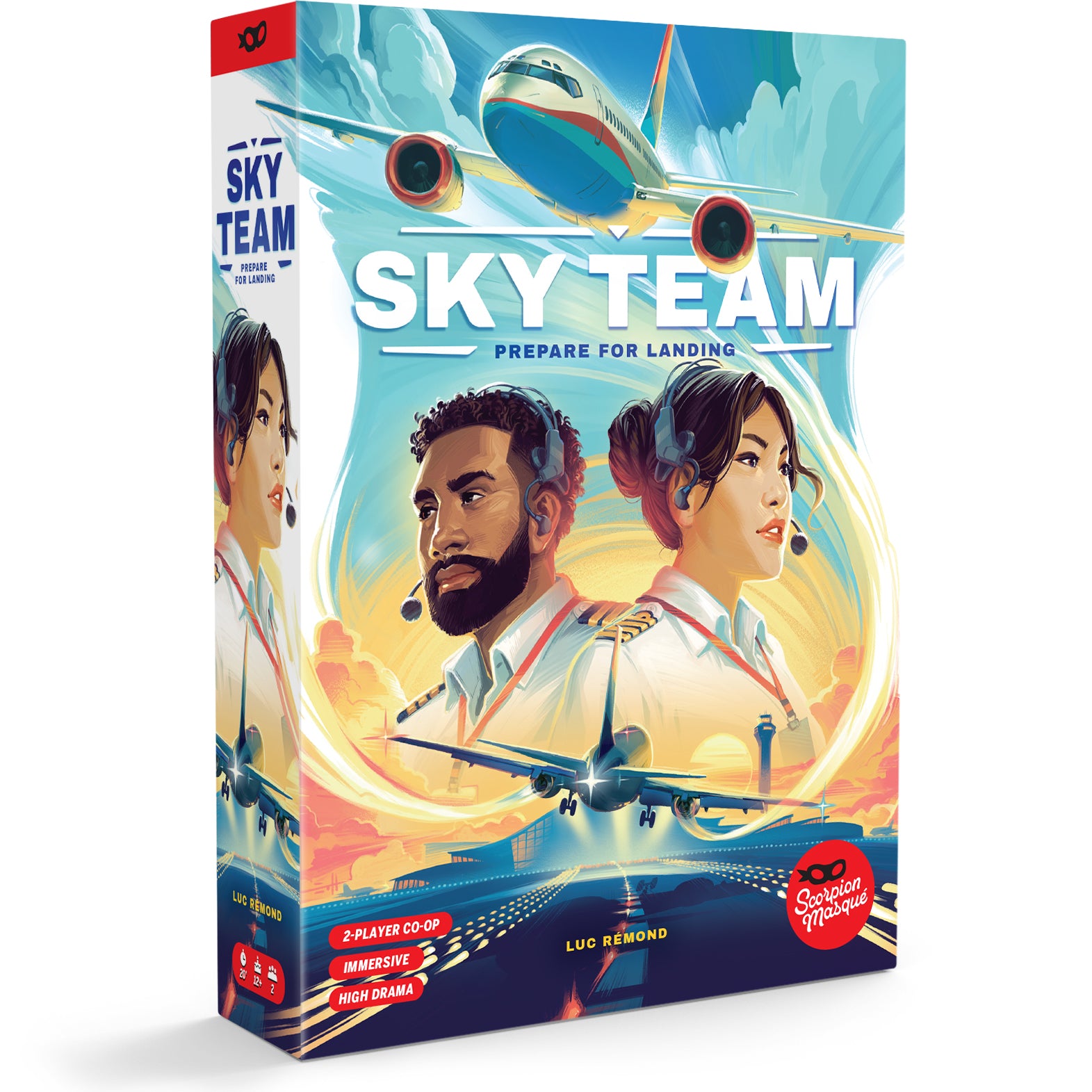
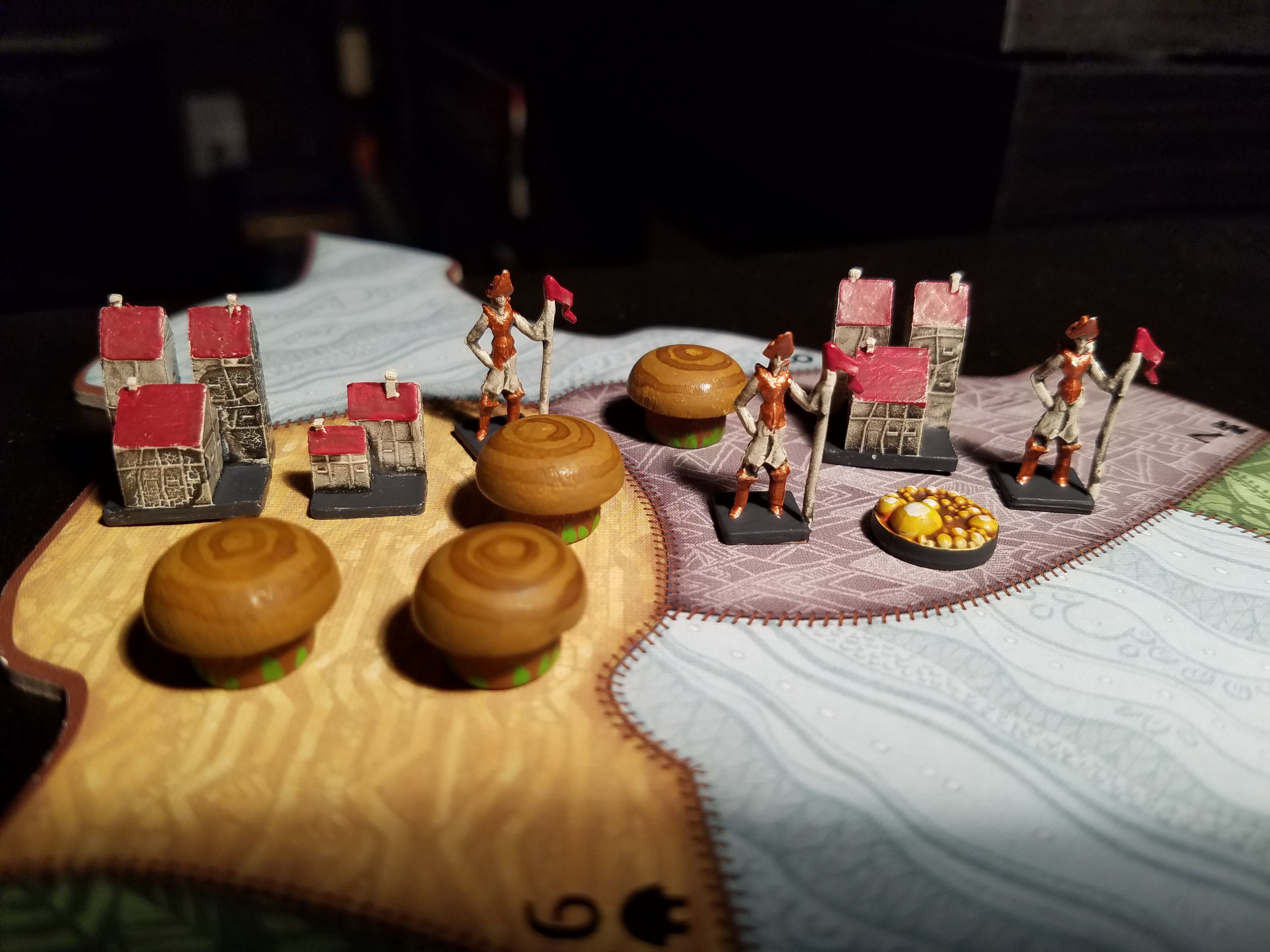
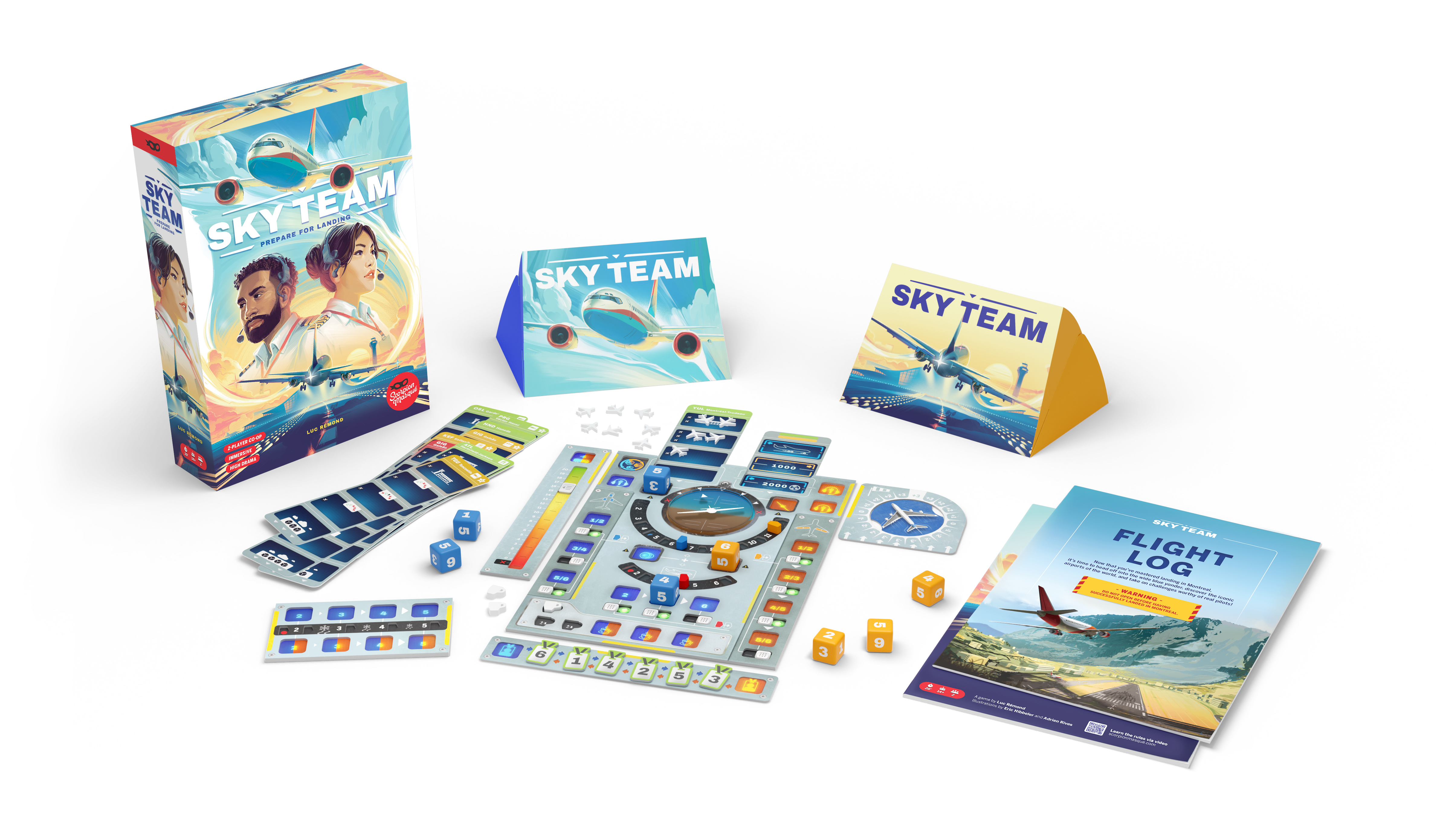
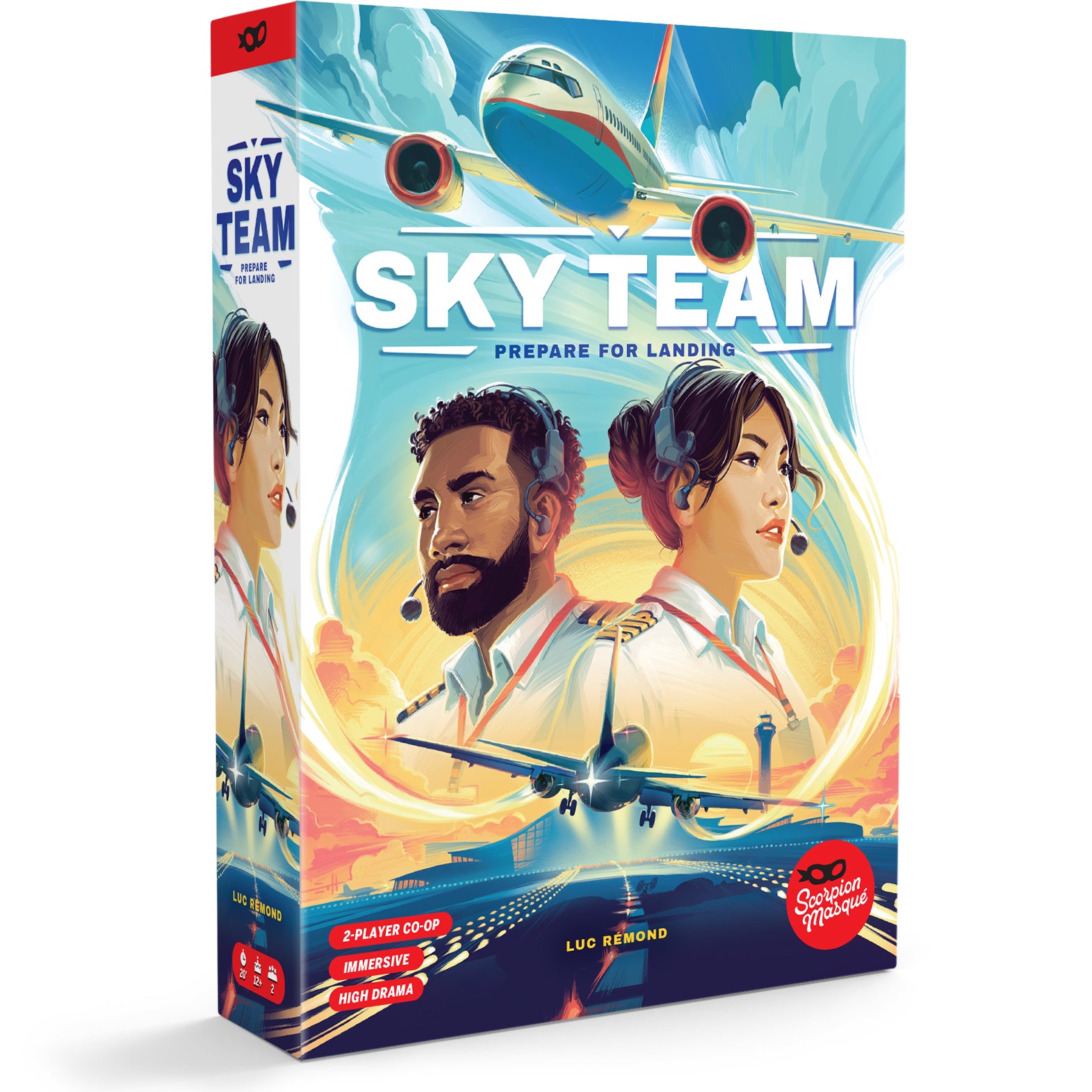
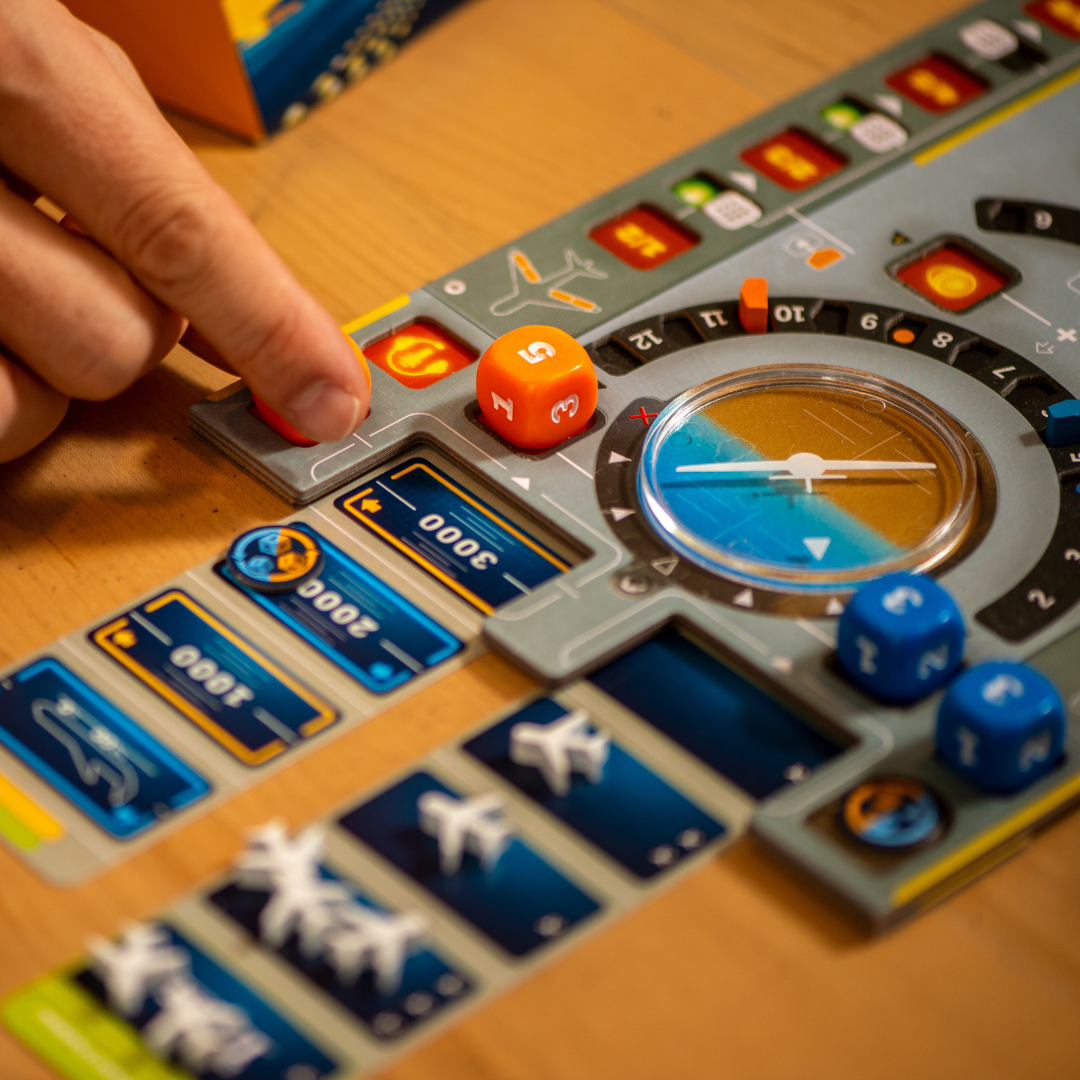
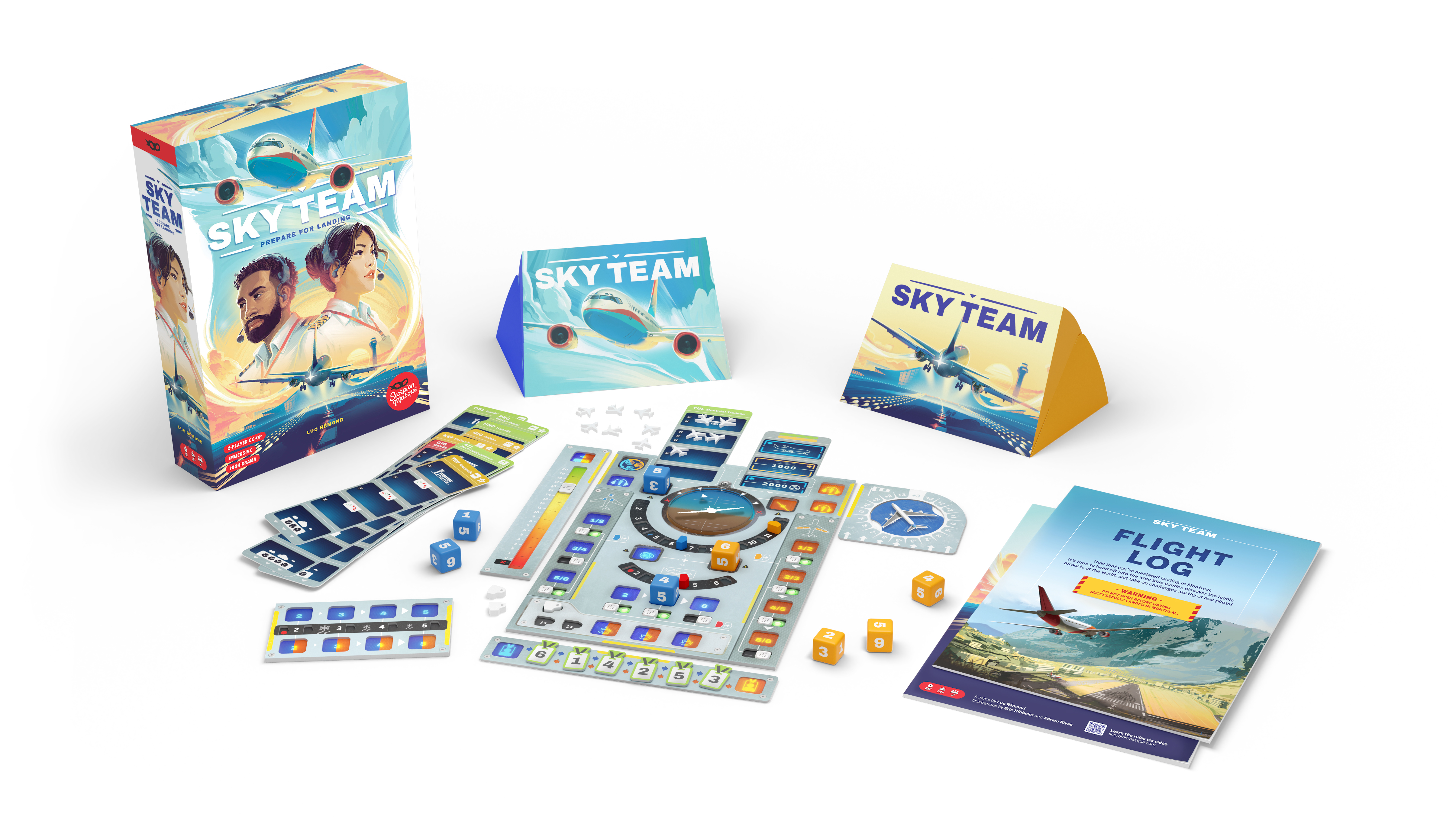
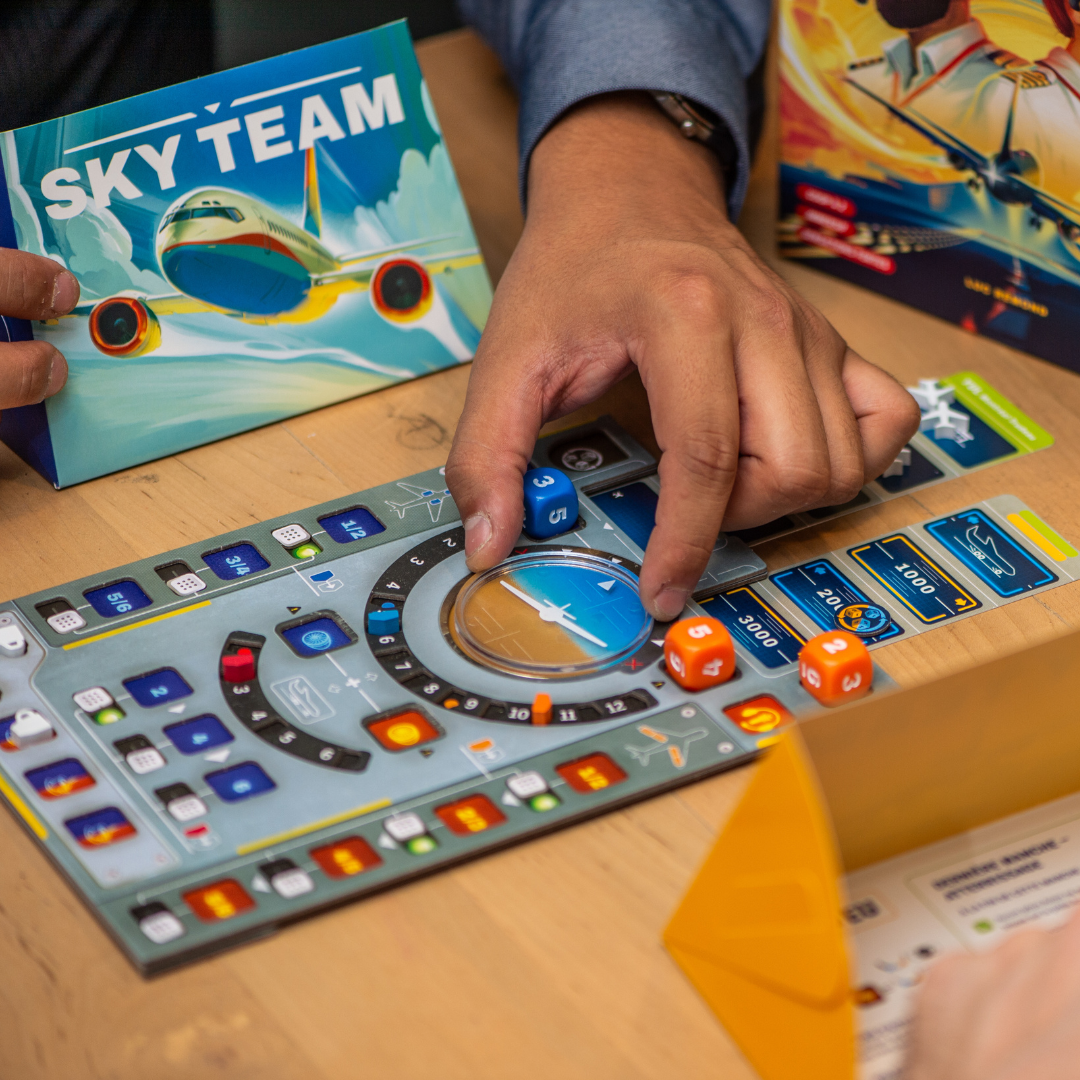
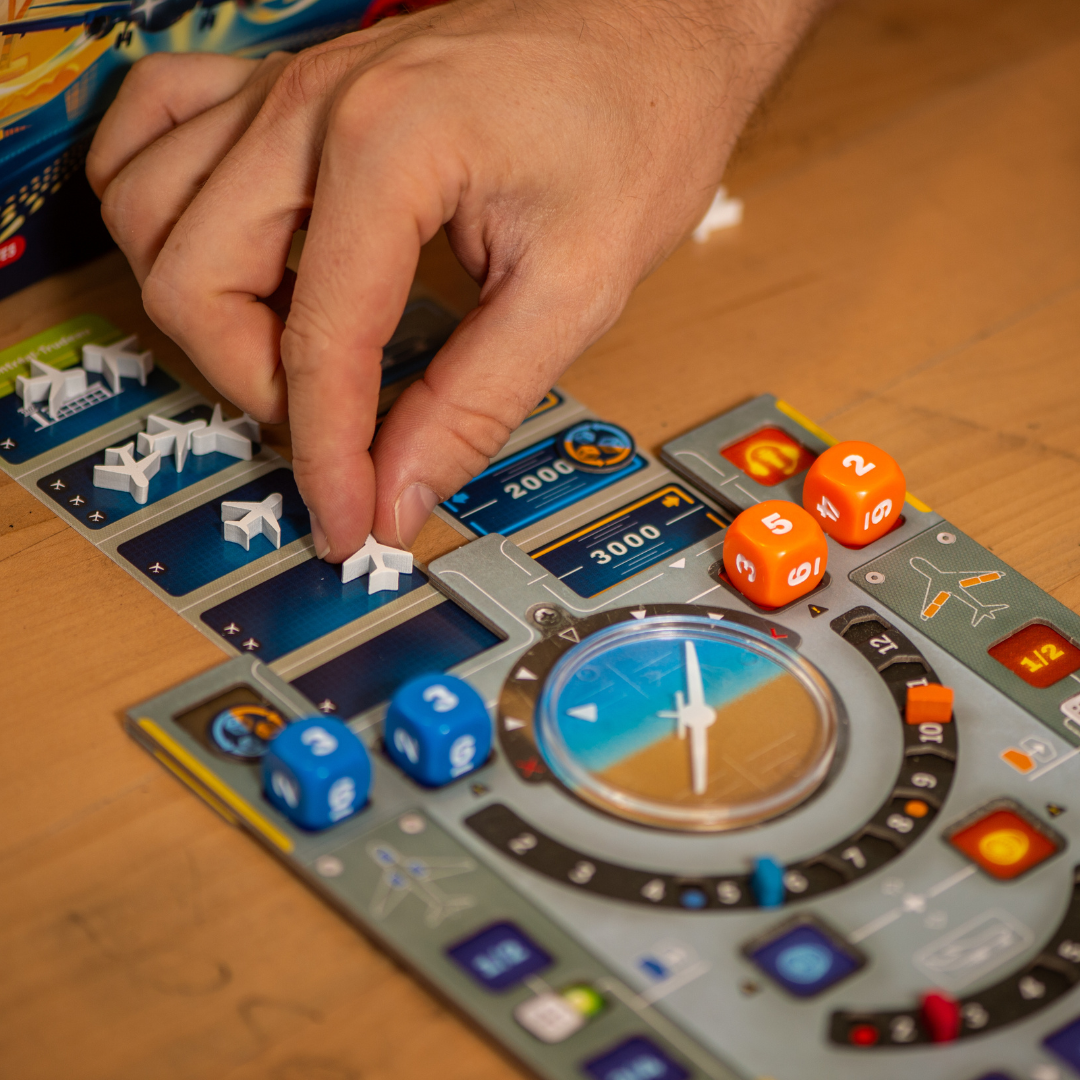
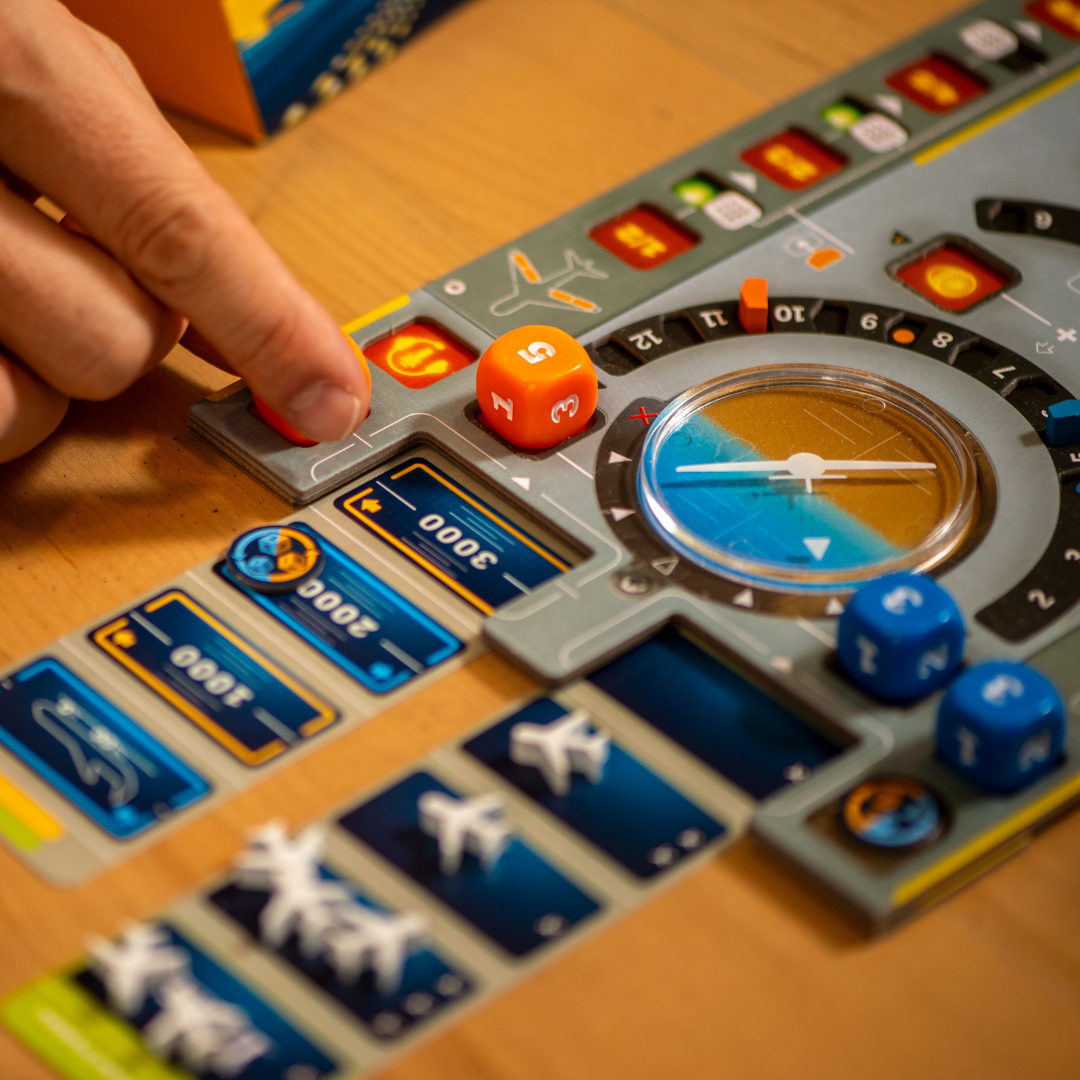
Two-player co-op is its own art form, and 2026 has a clear champion: Sky Team. Two players — a pilot and a co-pilot — and only two, ever. Twenty minutes. You're landing a passenger jet, placing dice into a cockpit of altitude, brakes, flaps, landing gear and air-traffic slots, and here's the cruel, brilliant catch: you cannot talk. No table talk, no 'put it there,' nothing but a shared, silent read of the cockpit. It won the 2024 Spiel des Jahres — board gaming's most prestigious award — and it deserved every vote. GamesRadar's reviewer flatly called it 'an essential purchase for two-player game night,' and the people who own it tend to play it ten times in a row.
If Sky Team's silence is too tense and you want something warmer, The Crew (covered next, plays beautifully at 2) and the wordless ascending-number panic of The Mind (2-4, ~20 min, ~$12) both shine. But for the pure two-handed co-op experience — the one where you and one other person have to learn to think as one organism — nothing on the market beats Sky Team right now.
Want a campaign you two can sink forty hours into instead? Gloomhaven: Jaws of the Lion plays gloriously at two (each runs two mercenaries), and Arkham Horror: The Card Game was practically designed for a two-investigator duo. Both live further down this list.
Bring: one other person, total trust, and the discipline to say absolutely nothing.
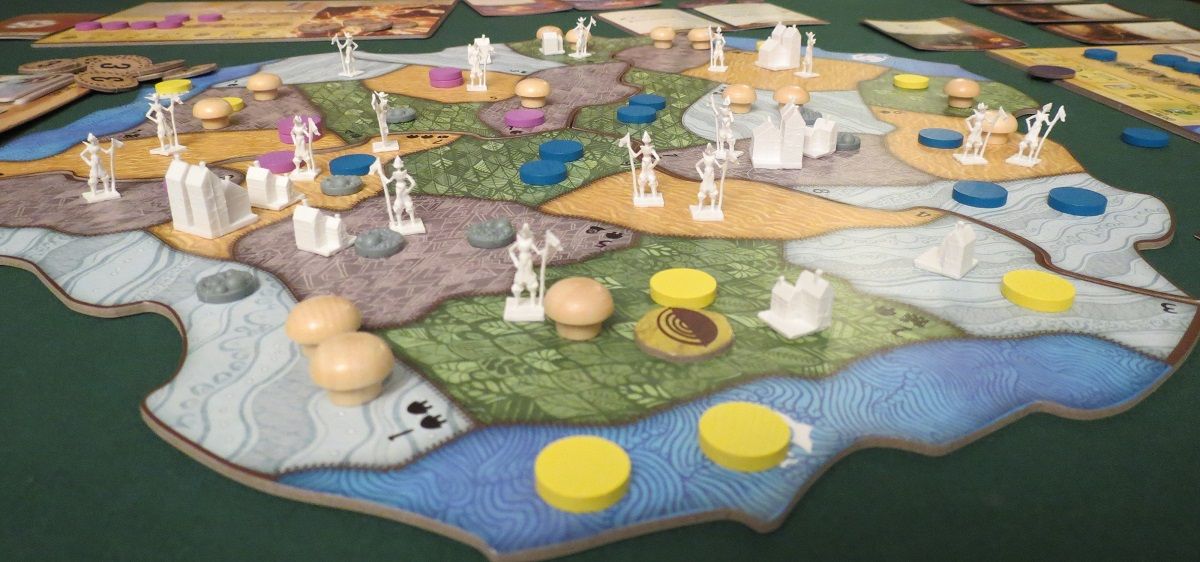
Sky Team is the only game I know that makes silence the most intense part of the night.
What's the best cooperative card game (no big board required)?
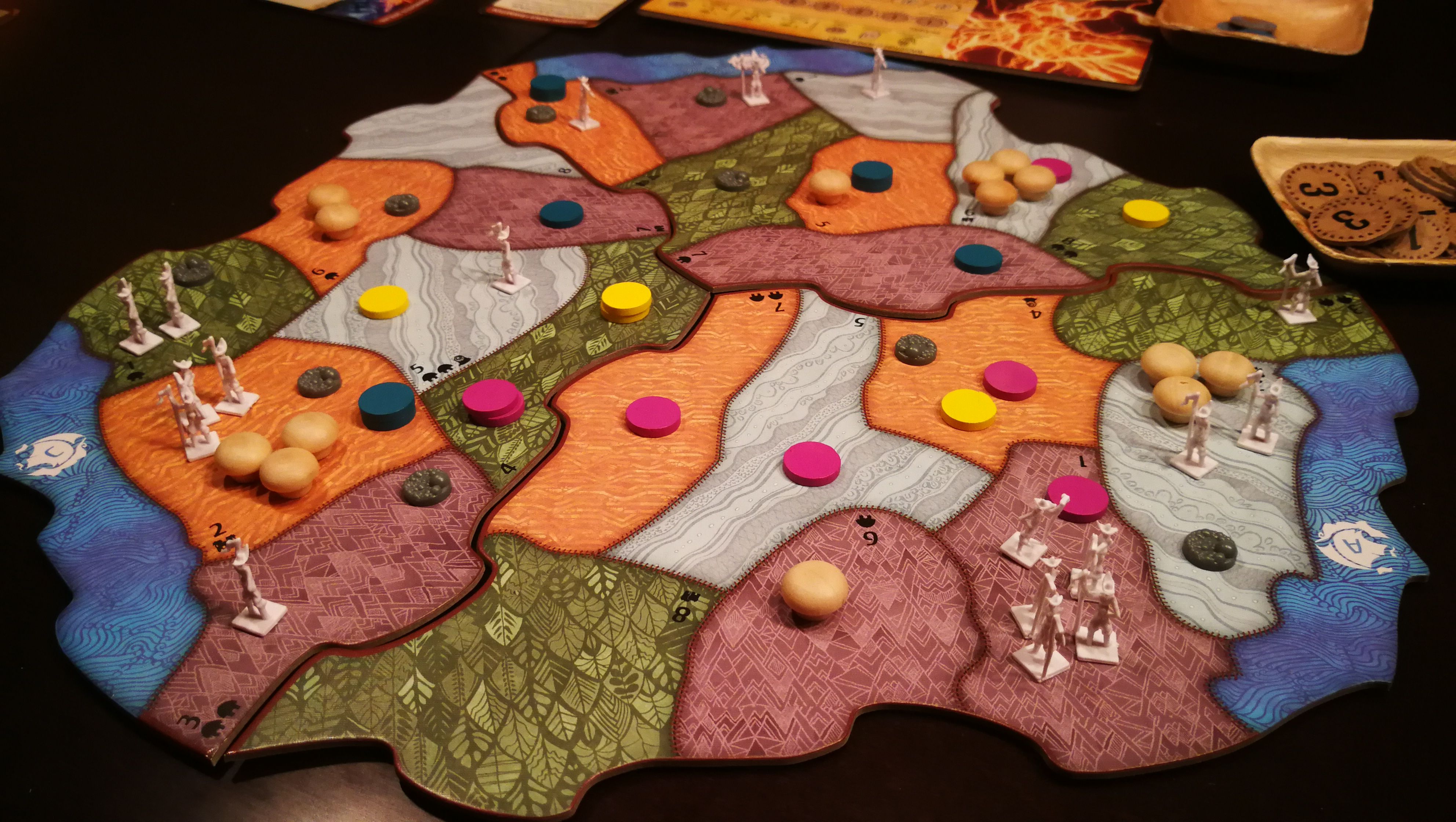
Sometimes you want the whole co-op rush in a deck that fits in a coat pocket. This is the most addictive corner of the genre.
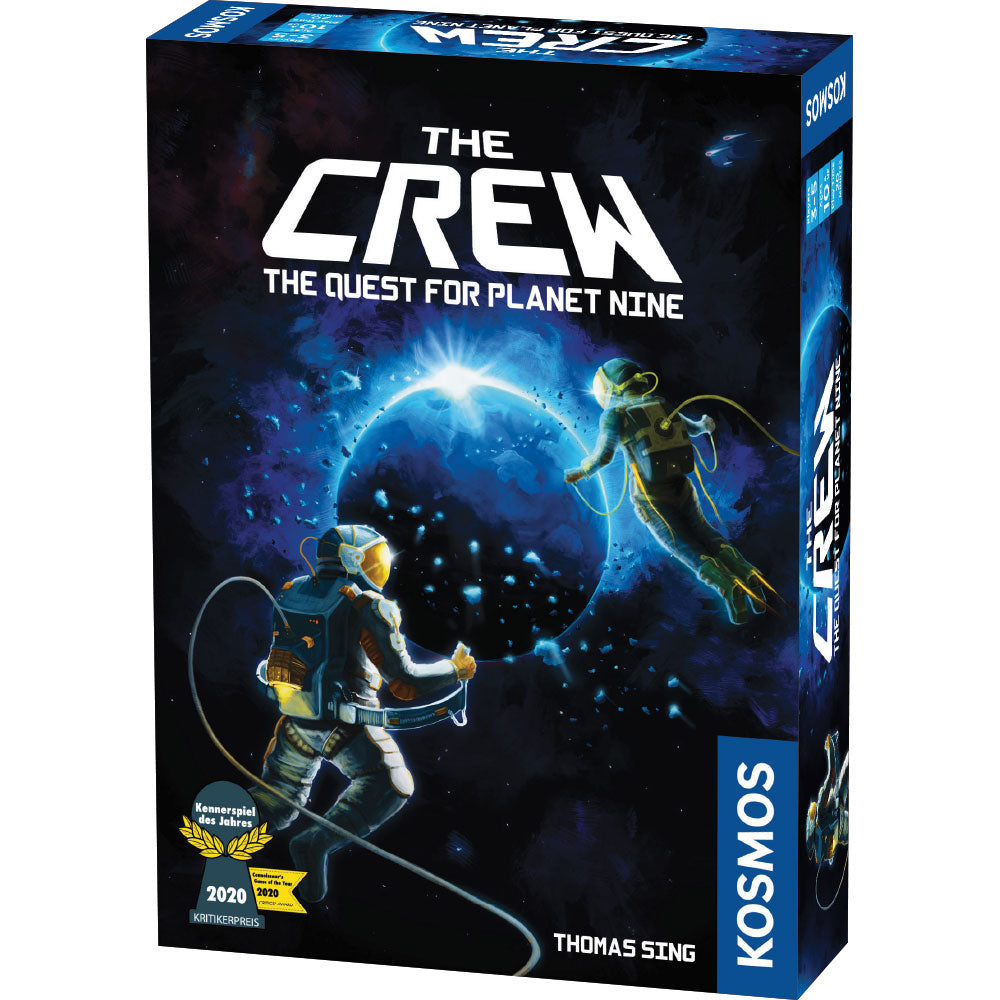
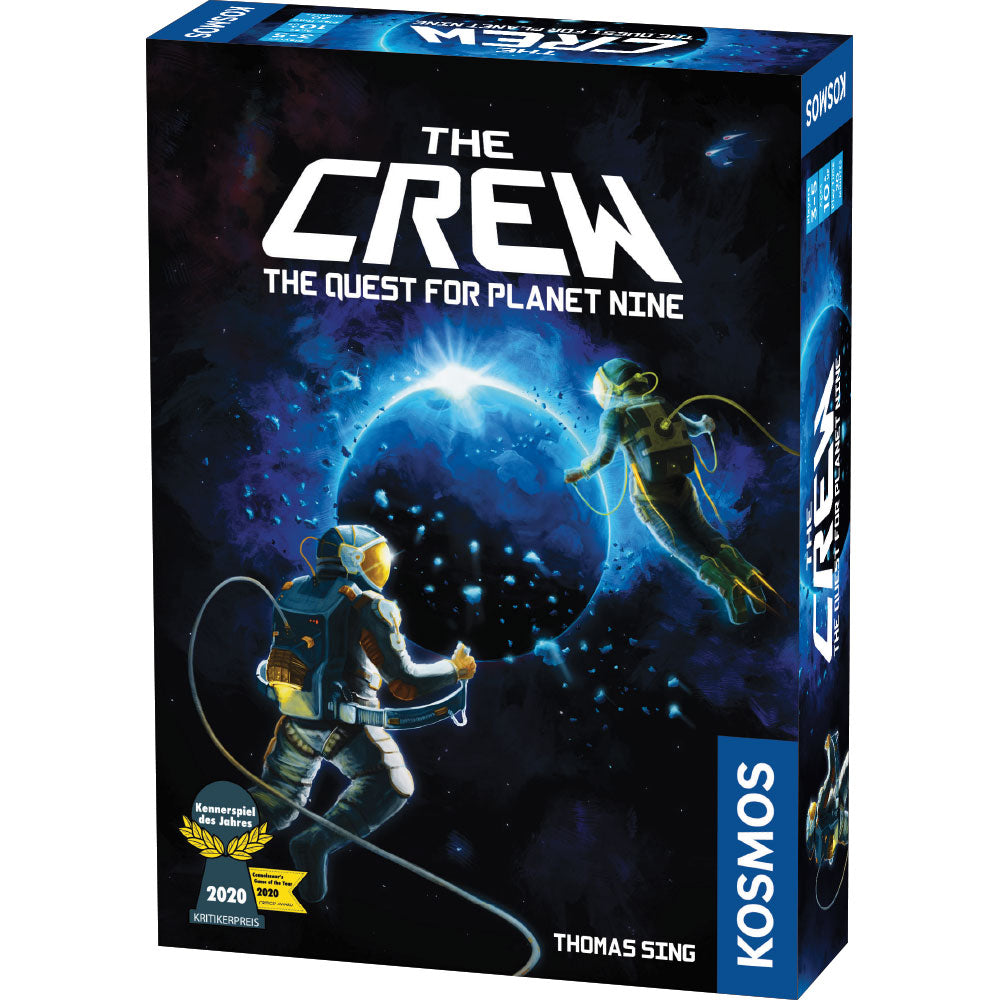
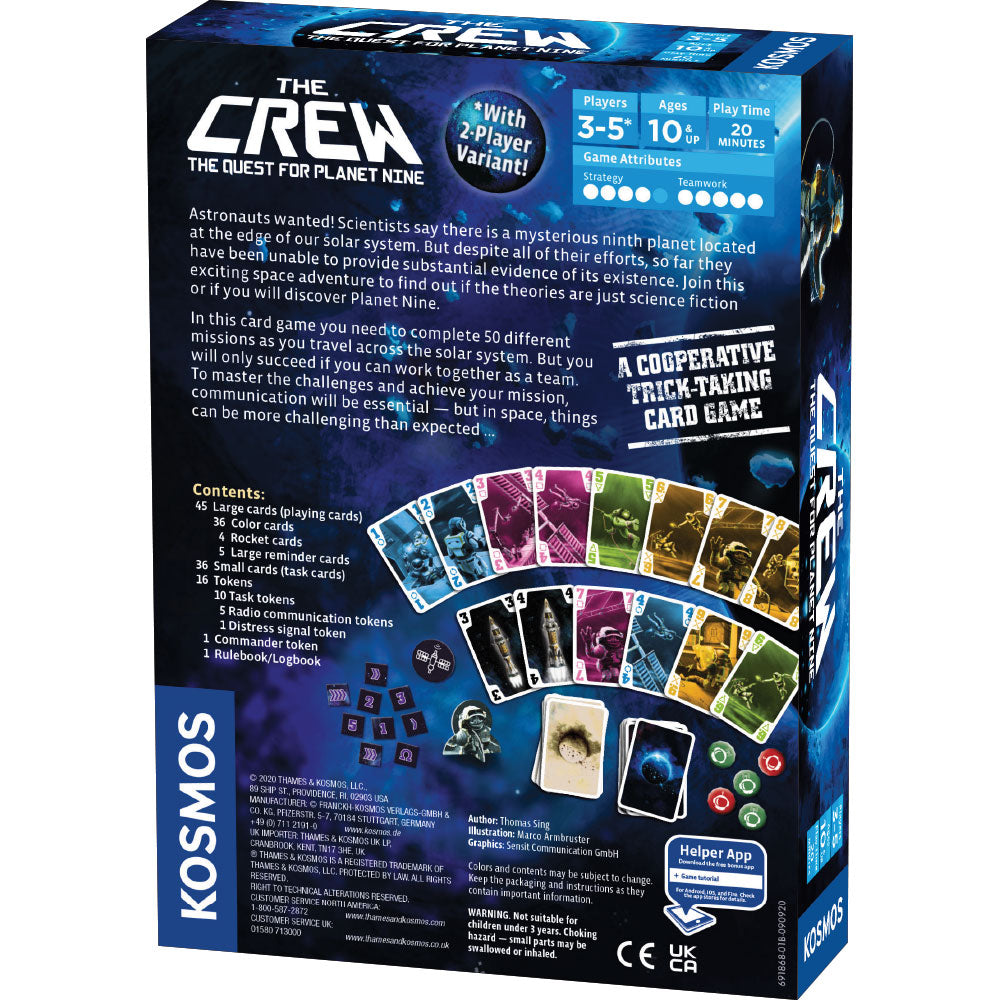
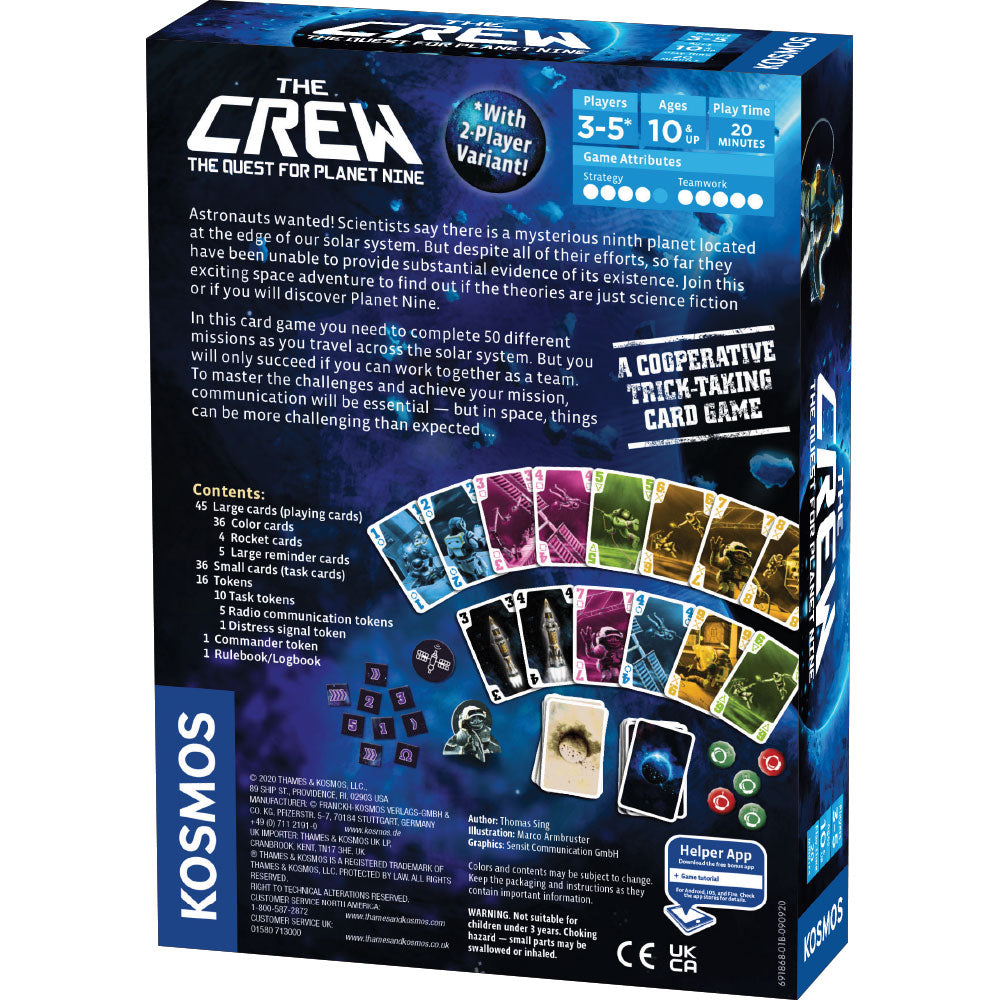
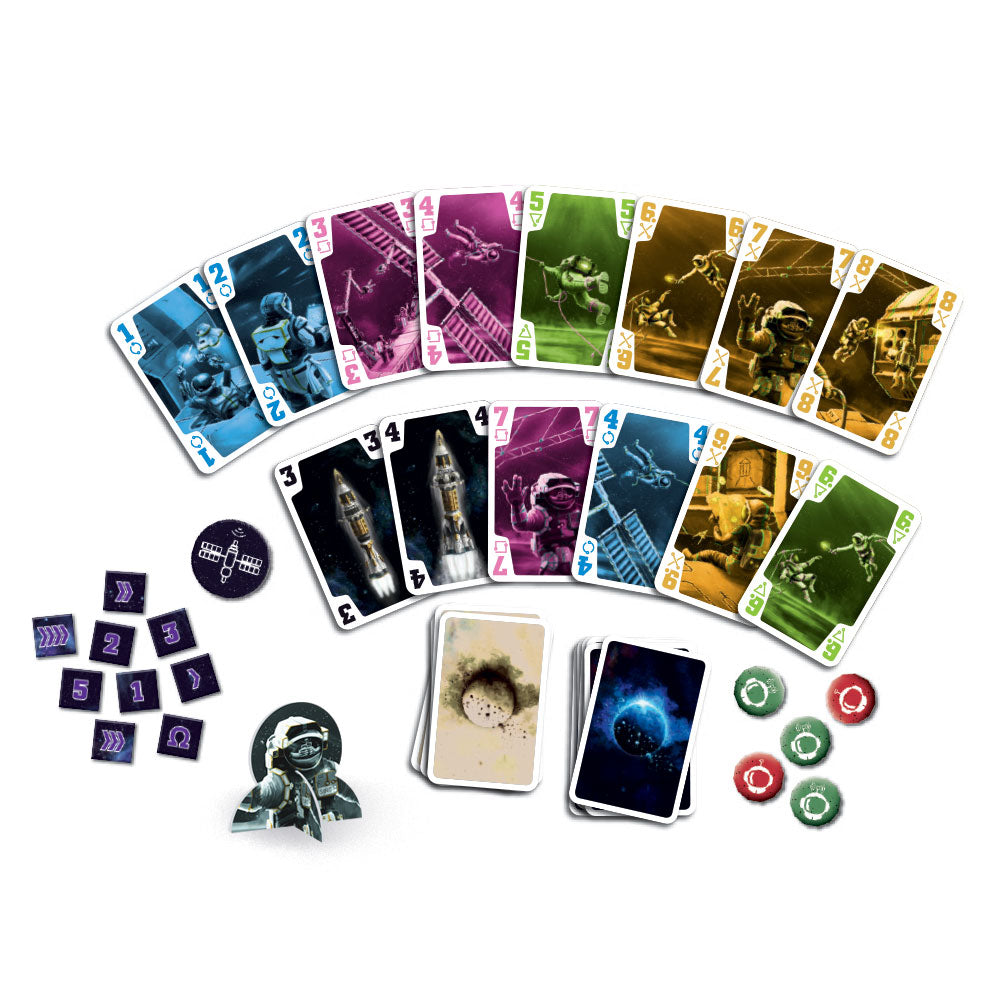
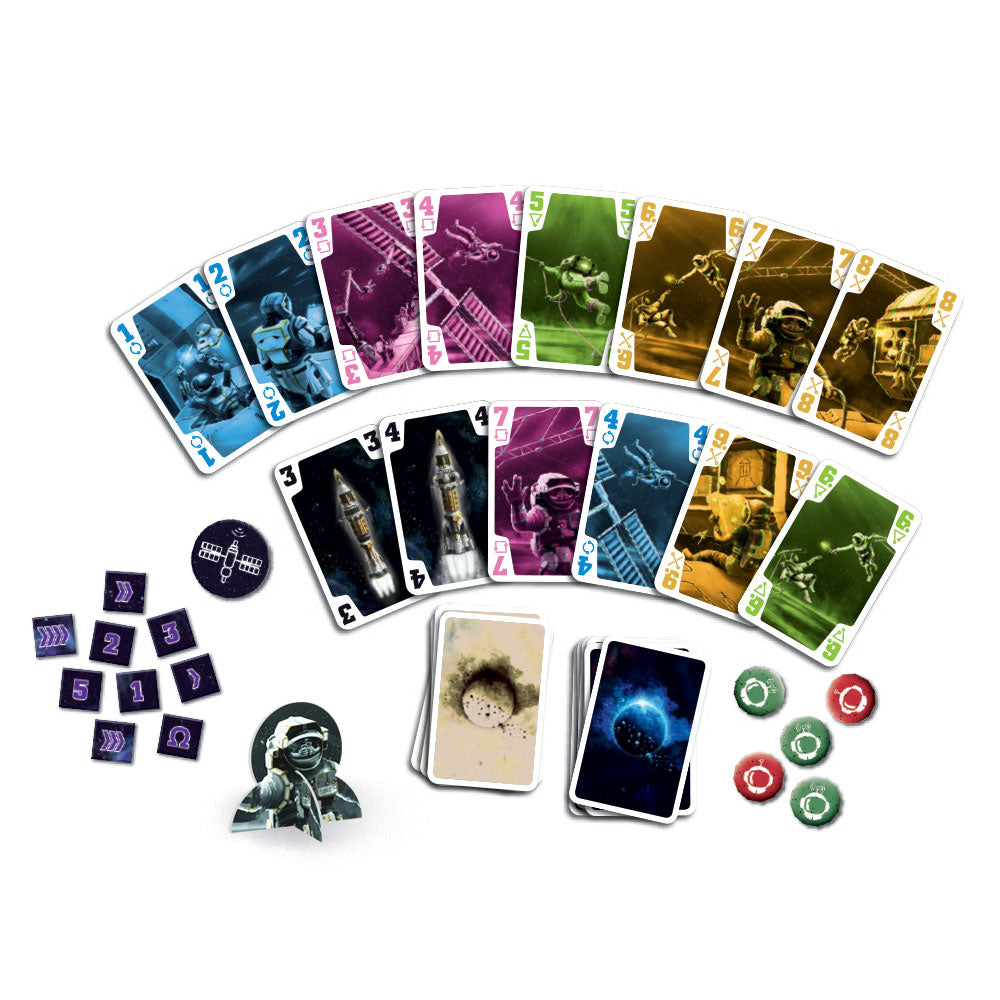
The Crew: The Quest for Planet Nine is the king. Two to five players, about twenty minutes a mission, somewhere around fifteen dollars, and it won the 2020 Kennerspiel des Jahres — the expert-game award — which is unheard of for a tiny card game. It's a cooperative trick-taking game: you're a crew flying to the ninth planet across fifty escalating missions, and on each one, specific tasks have to be won by specific players in a specific way. The agony? You can barely communicate — one limited signal per round, and that's it. The 'one more mission' pull is genuinely dangerous; tables routinely blow through a whole evening promising themselves they'll stop after the next one.
If The Crew's silence frustrates you, Hanabi (2-5, ~25 min, ~$12) takes the constraint to its beautiful extreme: you hold your cards backwards, facing out, so everyone can see your hand except you. You're cooperatively building firework sets in order, trading scarce hint tokens, trusting your teammates to tell you what you're holding. It won the 2013 Spiel des Jahres, and it remains the purest 'we are one mind with imperfect information' experience ever printed.
And for the fastest possible co-op heartbeat: The Mind (2-4, ~20 min, ~$12). No talking, no signals — just play your numbered cards into a shared pile in ascending order using nothing but timing, breath, and an almost telepathic group focus. It sounds impossible. It is, until suddenly it isn't, and that moment is electric.
Bring: a small table, a big group brain, and the patience to lose your voice without using it.
The Crew is the only 'expert game' award winner you can teach in five minutes and lose an entire evening to.
What's the best heavy / brain-burning cooperative strategy game?
Now we climb. This is the air where the genre's true believers live, and the summit has a name everyone agrees on.
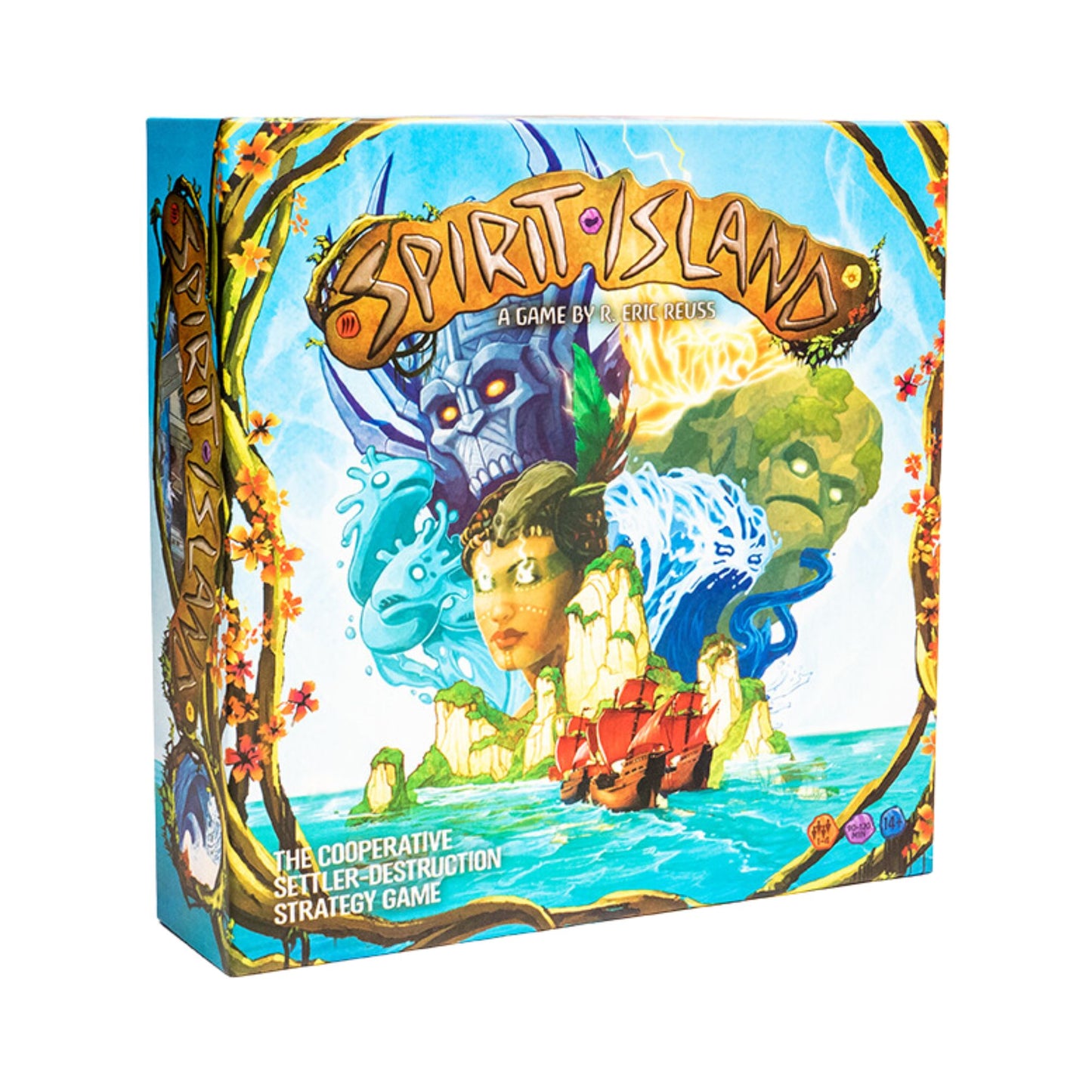
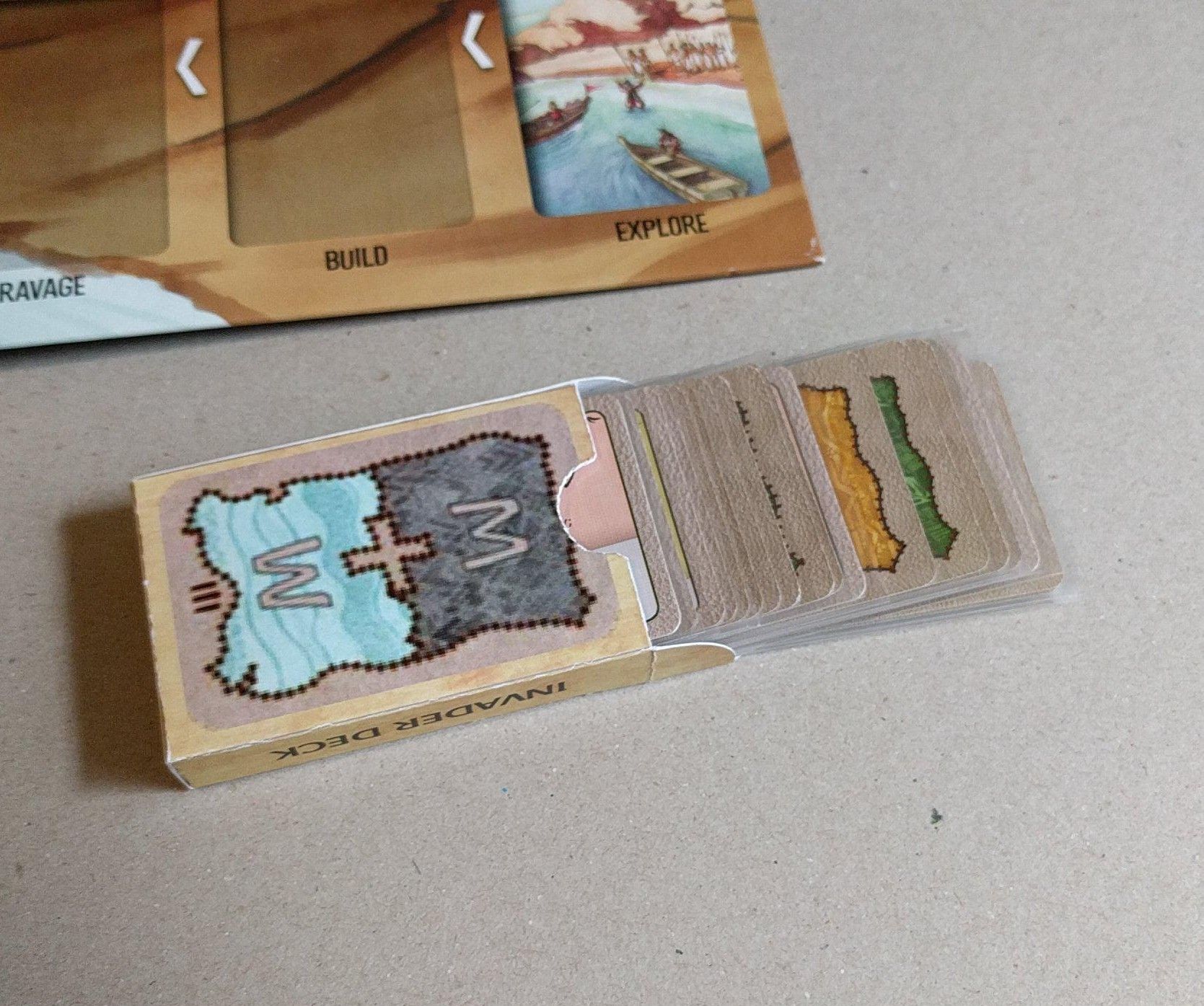
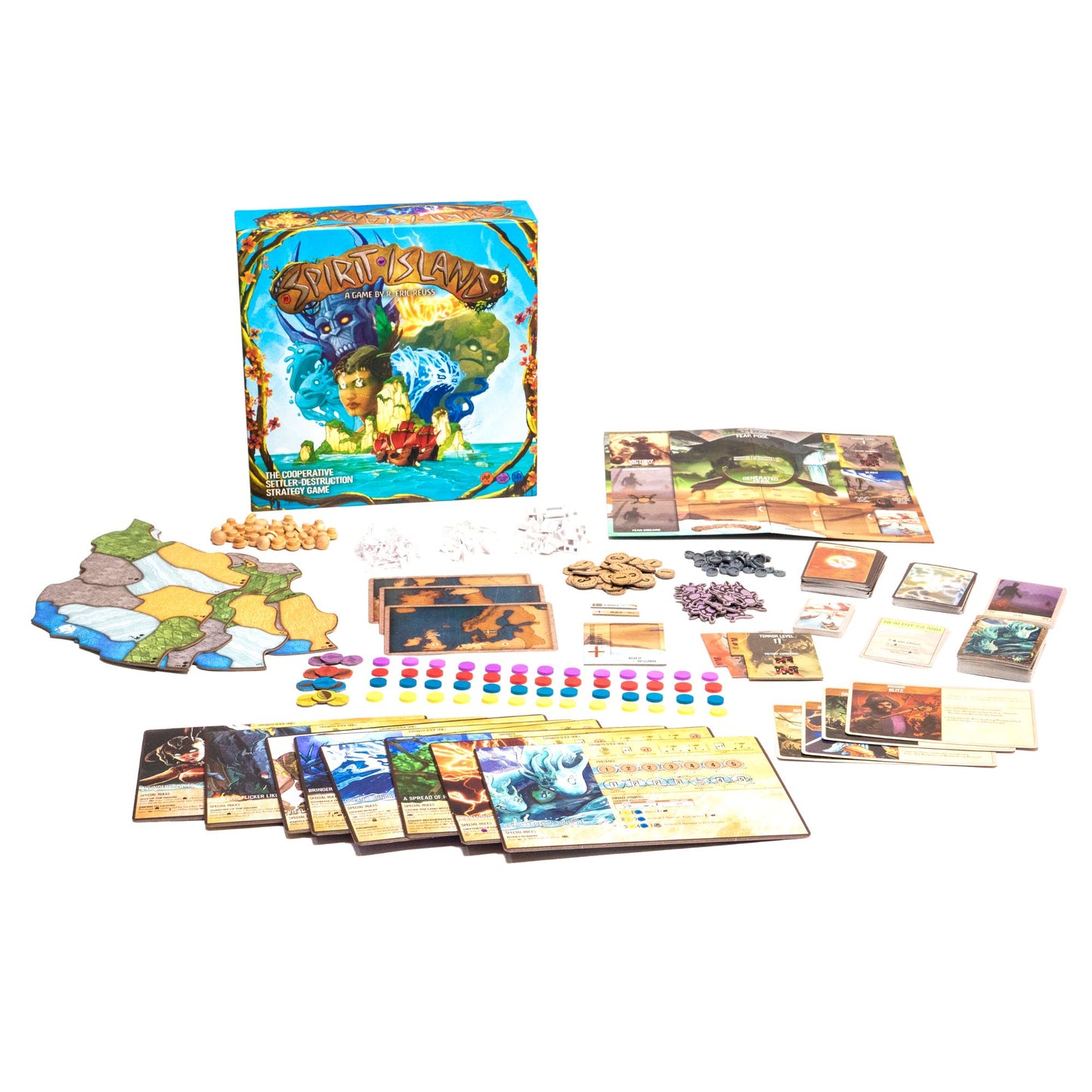
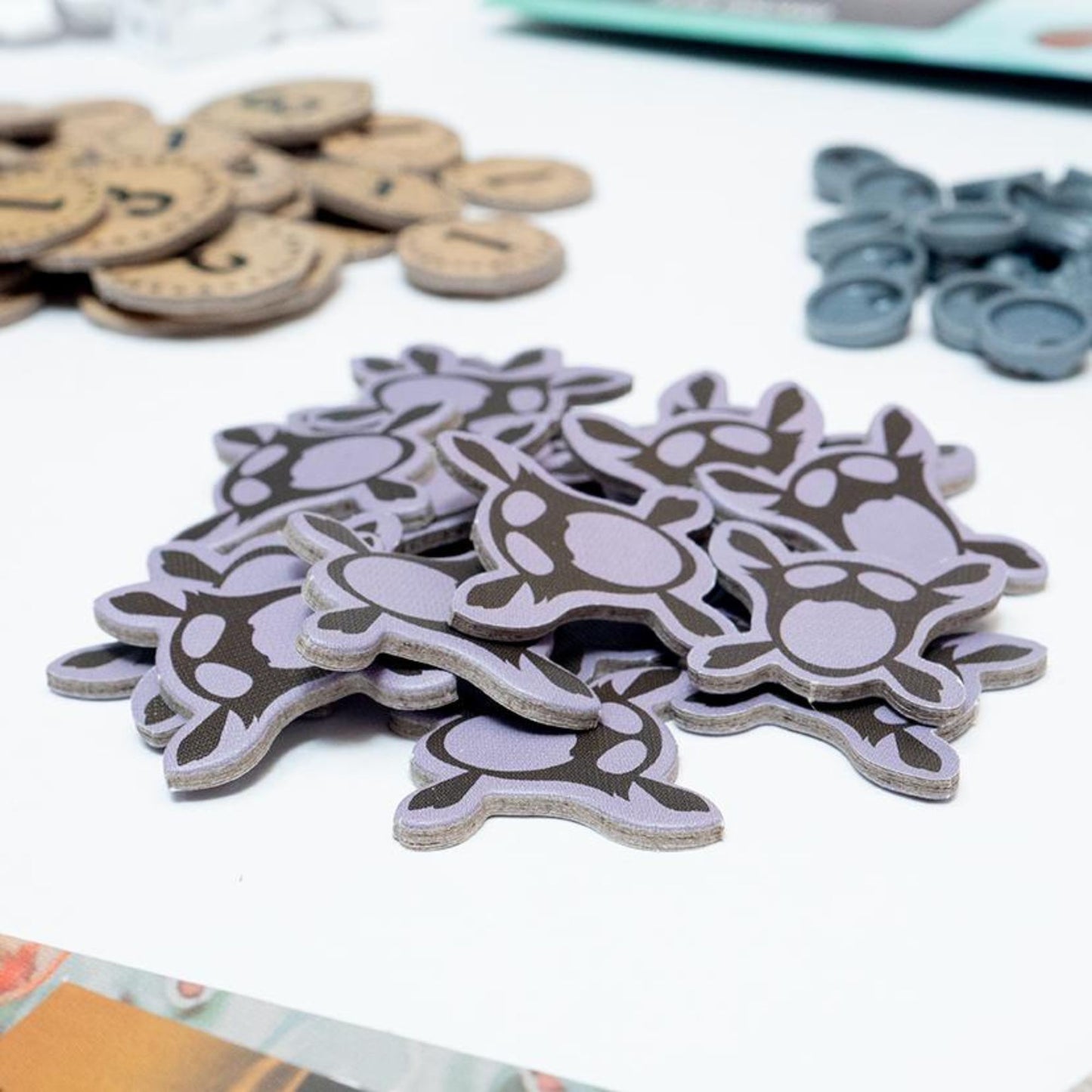
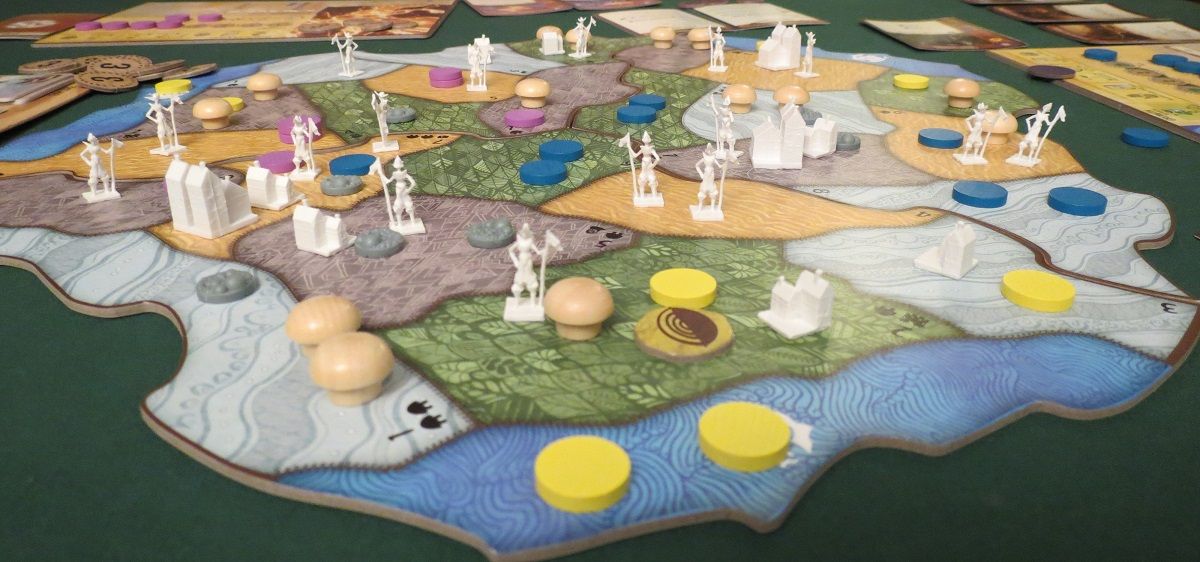
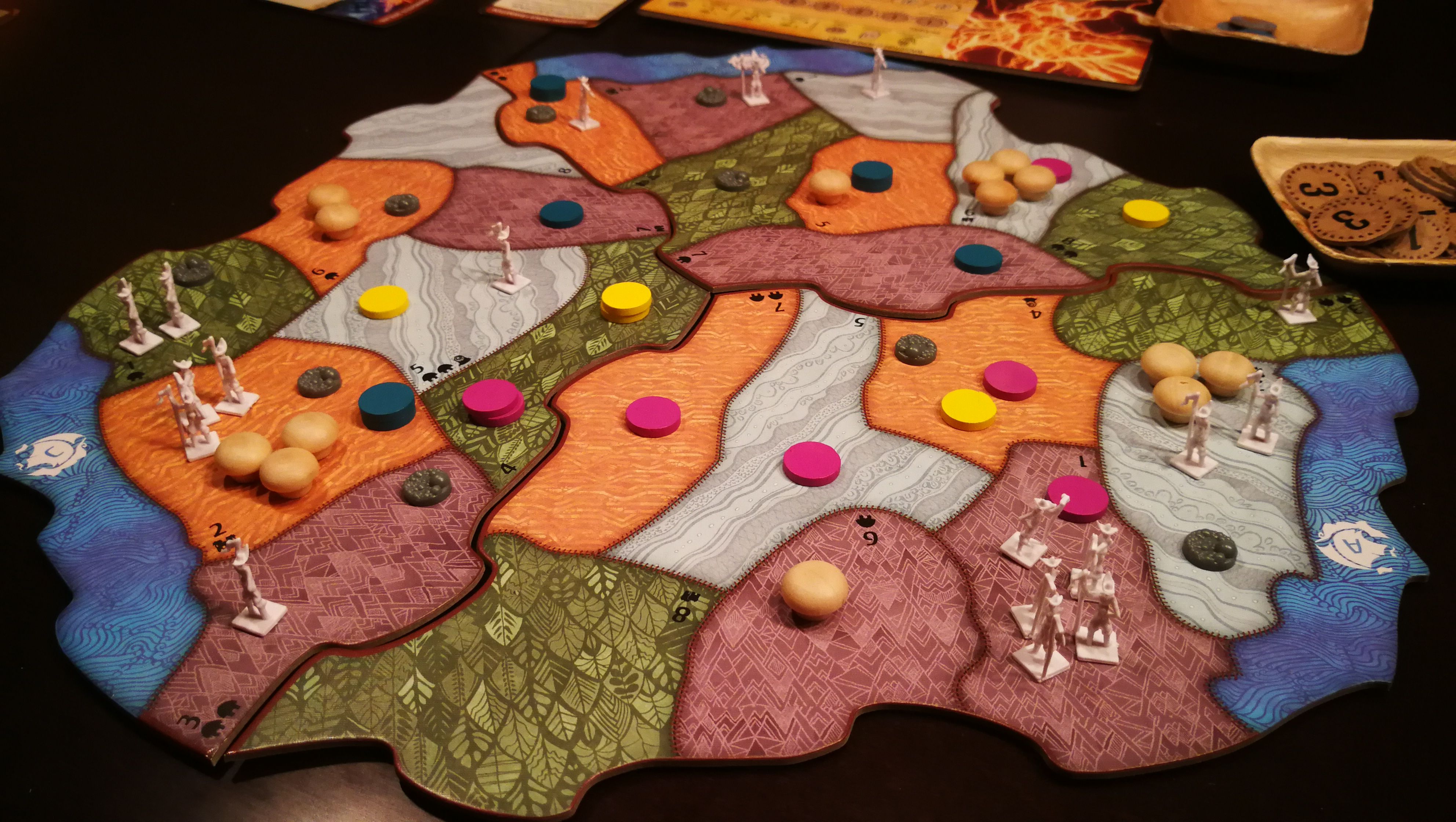
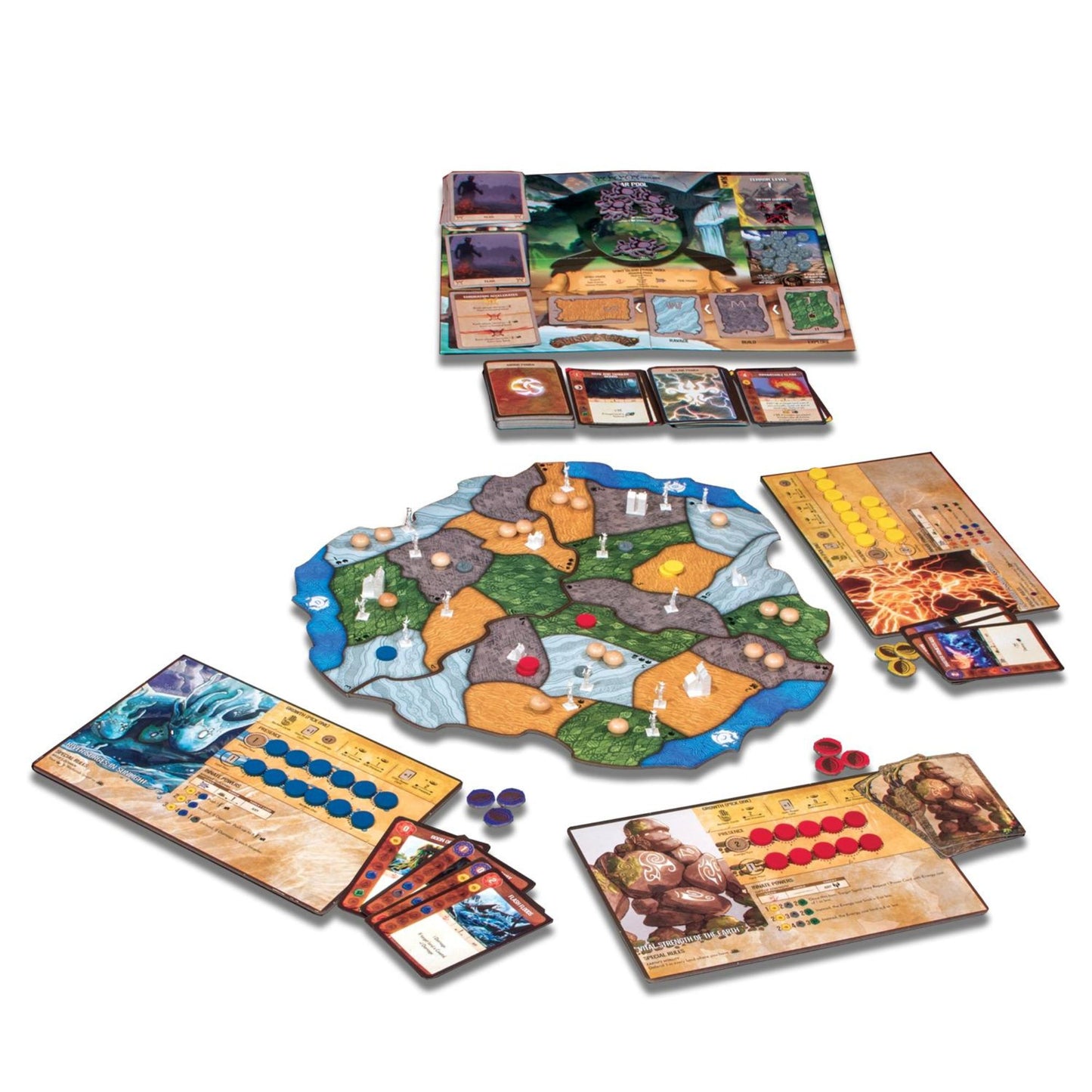
Spirit Island (Greater Than Games, 1-4 players, 90-120 min, weight ~3.9/5, ~$50) is, for my money and for a huge swath of the heavy-co-op faithful, the best cooperative game ever designed. You are spirits of an island defending your land from colonizing invaders — and the genius, the thing that flips the whole genre on its head, is that you are not reacting to a creeping threat; you are an apex predator learning to terrorize an enemy that's afraid of you. Each spirit plays like a completely different puzzle, you draft escalating power cards, and the table is in constant strategic conversation without any single player able to dominate — the classic 'alpha gamer' problem just dissolves because no one person can hold all the spirits' plans in their head. Shut Up & Sit Down nailed it: 'Pandemic with people,' a coldly mechanical, deeply satisfying machine of anticipation.
It is hard. It will punish a new table that can't deploy enough damage, manipulation, and — the game's secret currency — fear. But the climb is the reward, and the asymmetry means it never, ever gets old.
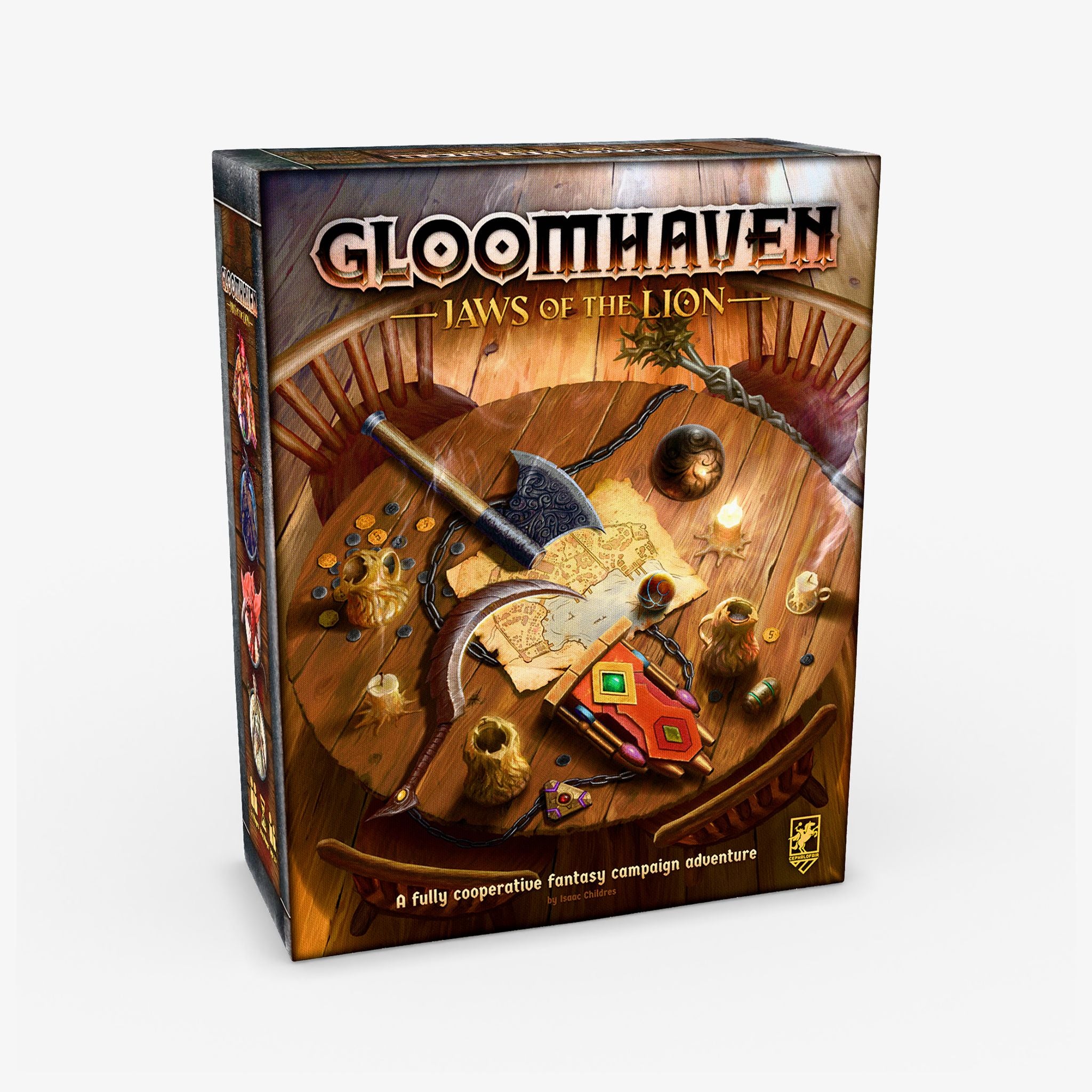
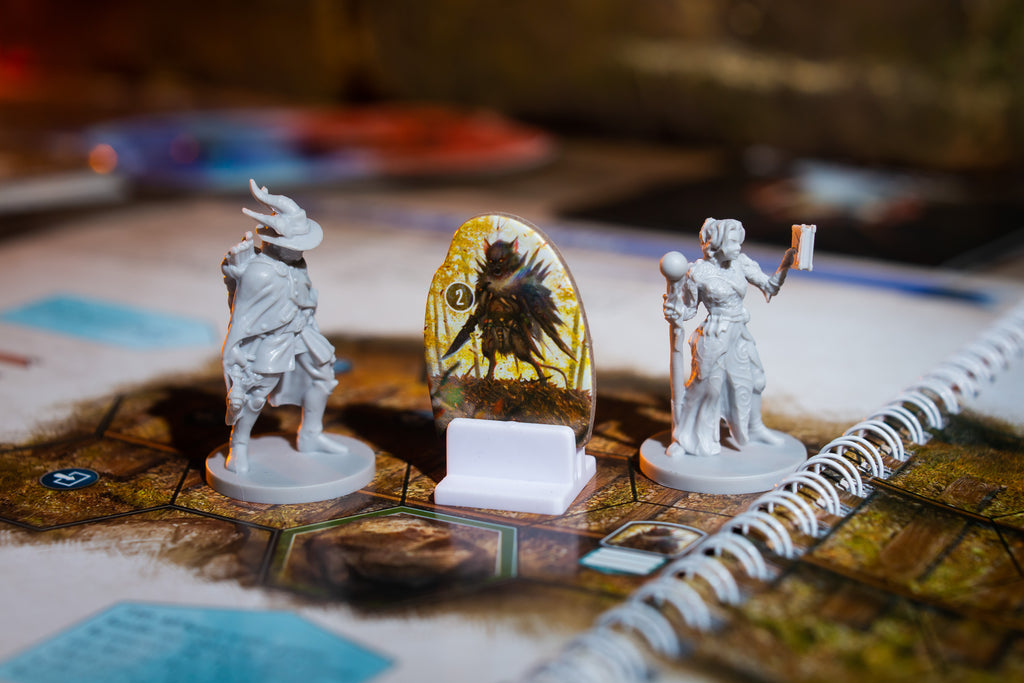
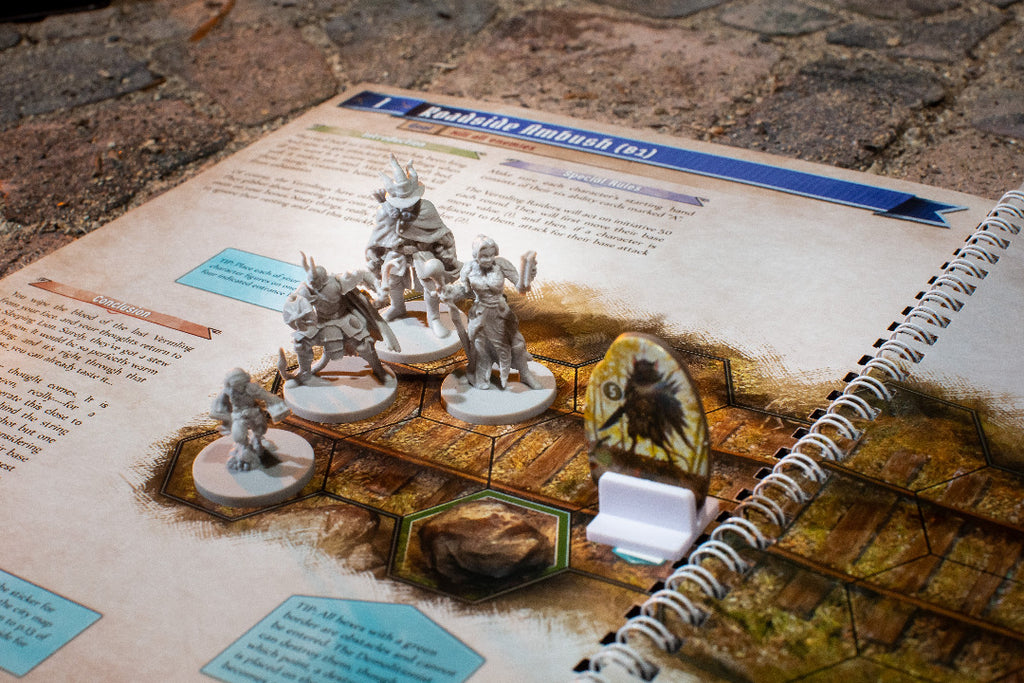
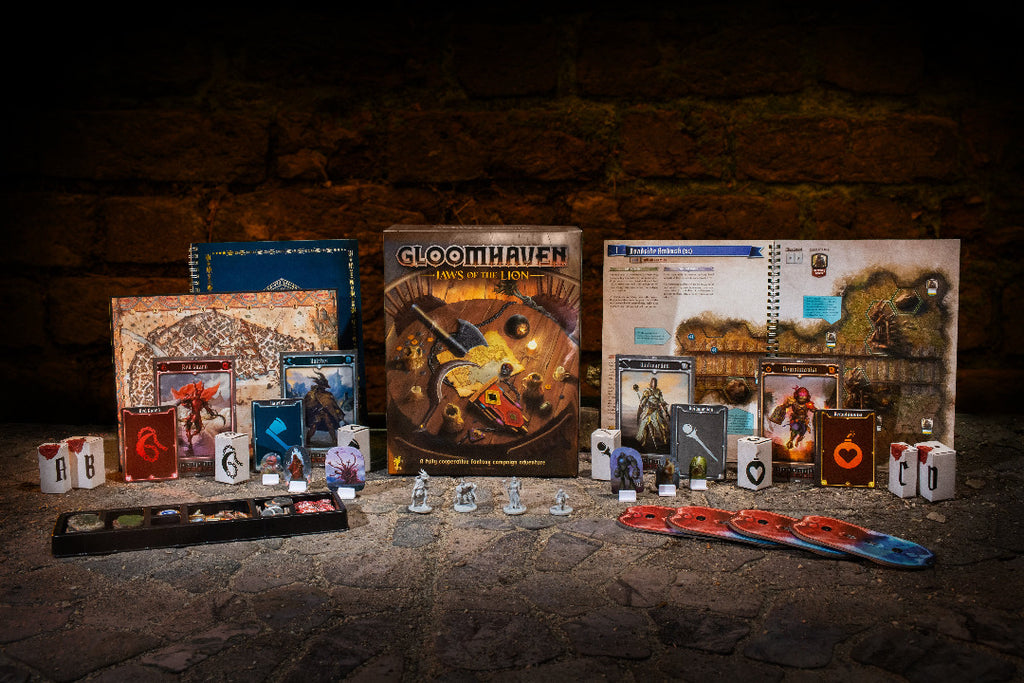
Want the absolute deep end with a story attached? Gloomhaven: Jaws of the Lion (1-4, 30-120 min/scenario, ~$60) is the standalone, beginner-friendly gateway into the most acclaimed tactical-combat campaign system in the hobby — twenty-five scenarios, four mercenaries leveling up across a branching legacy-lite arc, and a 'learn as you play' booklet that finally makes Gloomhaven approachable. It's the best forty-plus hours of co-op you can buy for sixty bucks, full stop.
Bring: a sharp table, a free afternoon, and an ego you're willing to leave at the door.
Spirit Island is the only co-op where you stop being the underdog and become the thing the enemy has nightmares about.
What's the best narrative or legacy cooperative game (where the story remembers you)?
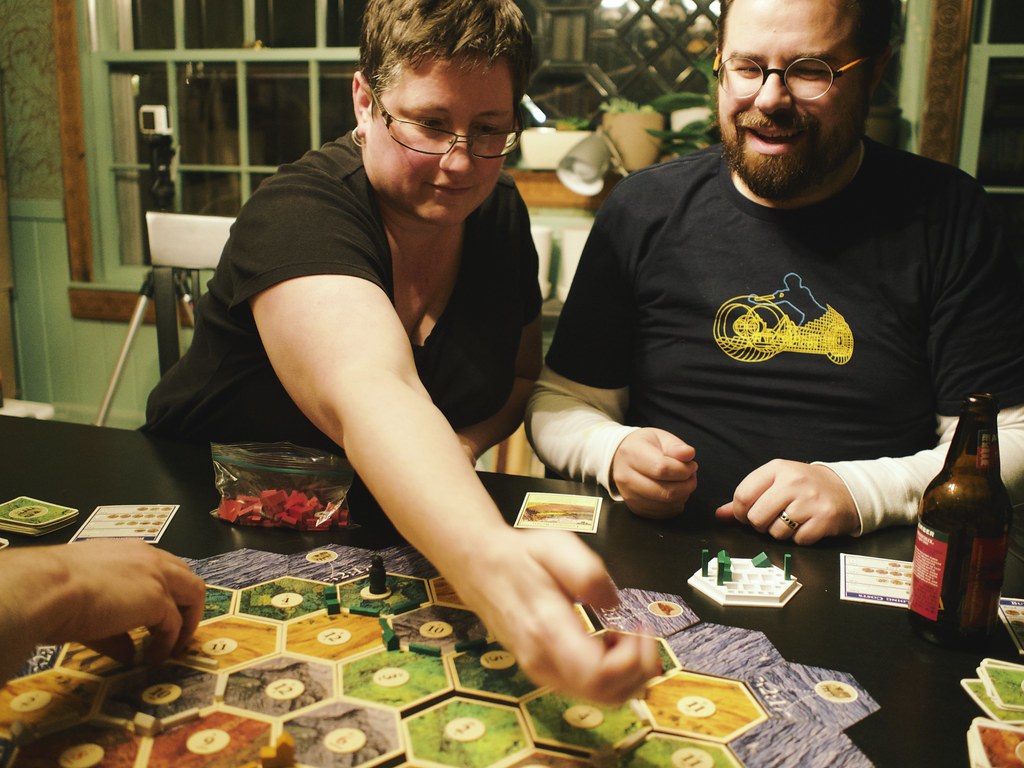
Some co-ops aren't a game night — they're a saga. You and the same group, returning week after week, building a story the box will literally never tell the same way twice.
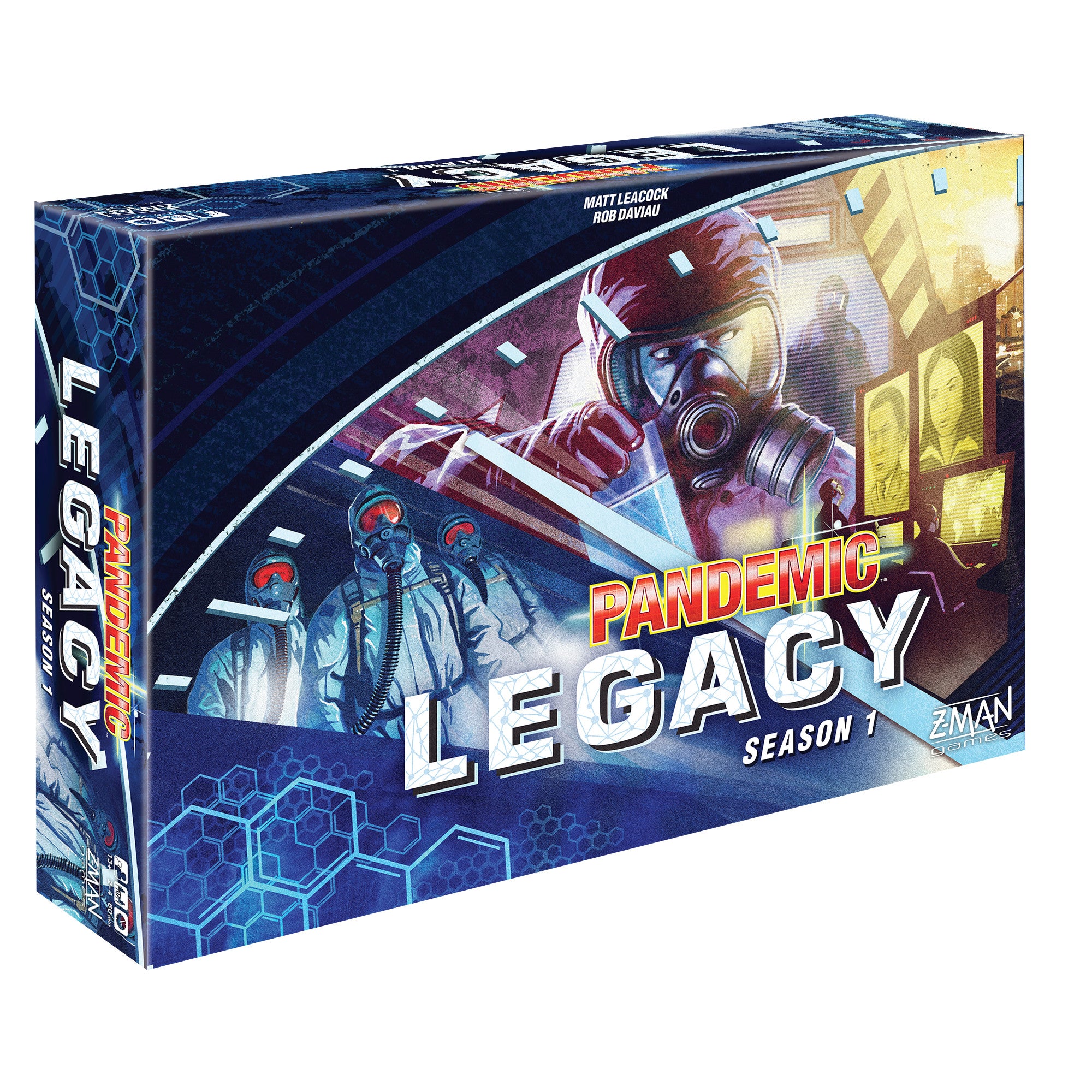
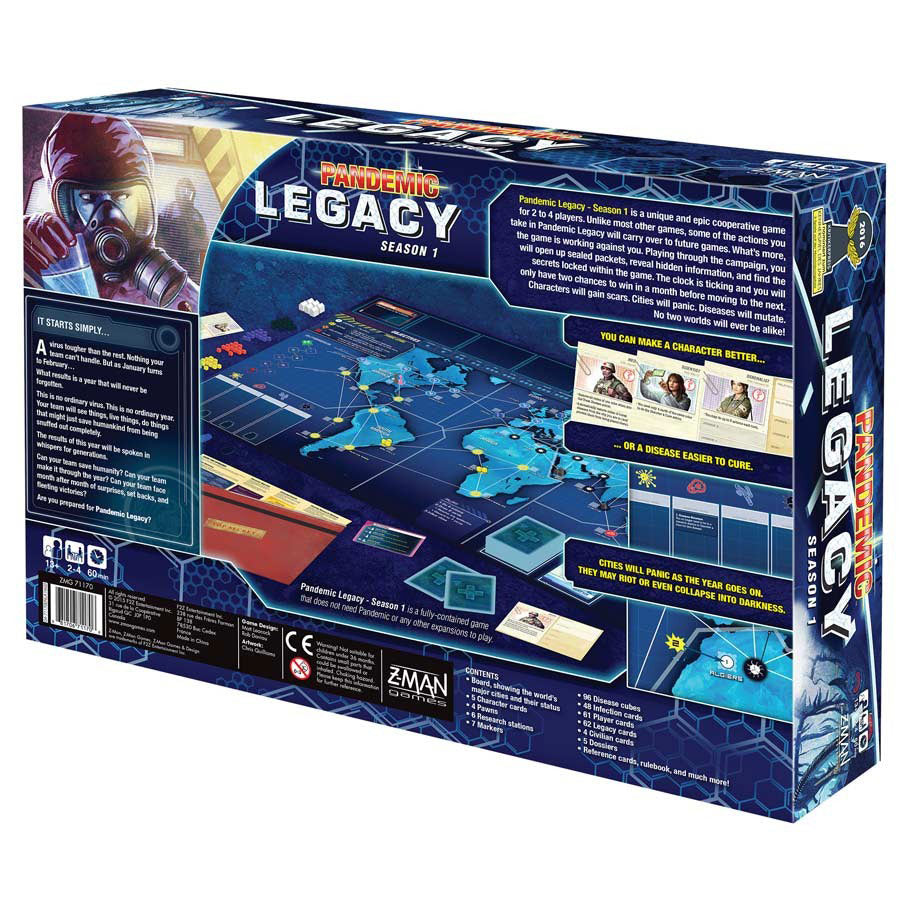
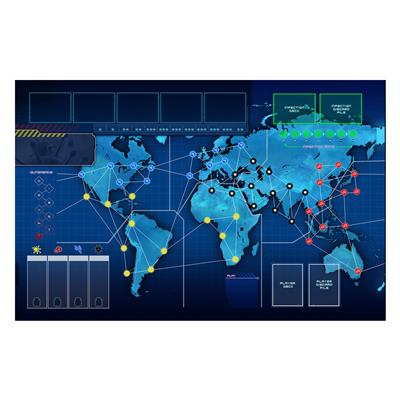
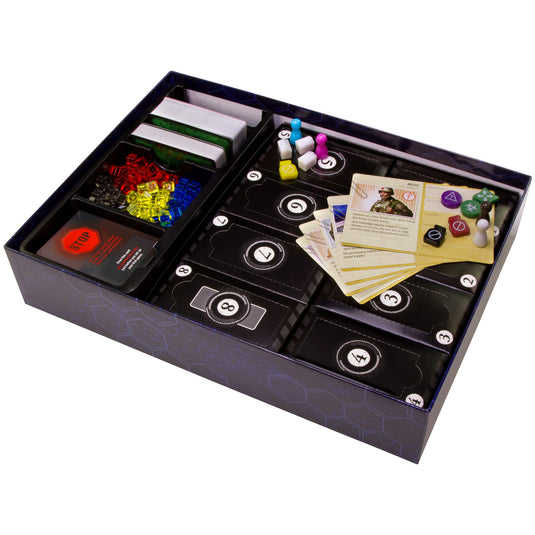
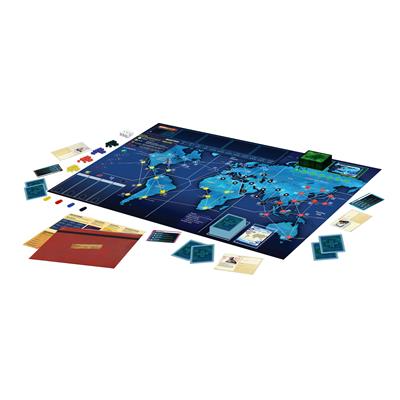
The genre-definer is Pandemic Legacy: Season 1 (Z-Man, 2-4 players, 60-90 min/session, ~$70). It takes the perfect bones of Pandemic and wraps them in a twelve-month campaign where your decisions permanently alter the game — you write on the board, you tear up cards, you open sealed boxes, and the world changes in ways you cannot undo. It sits at #2 on all of BoardGameGeek for a reason: the moment the campaign turns on you is one of the most talked-about experiences in modern tabletop, and groups guard its secrets like classified intel. Play it with a committed crew of the same people, start to finish. It is the gold standard of the legacy form.
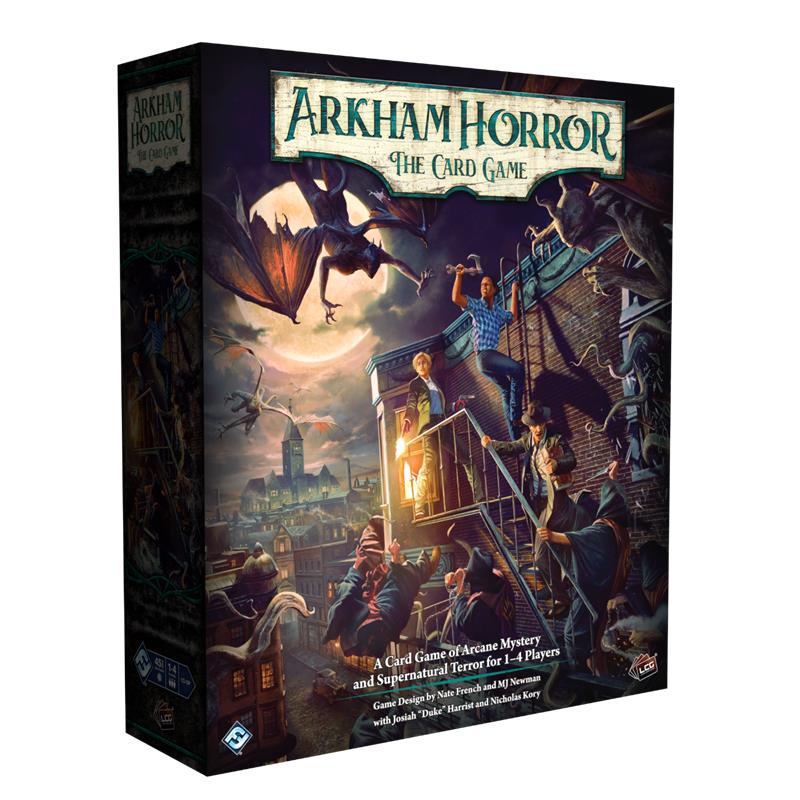
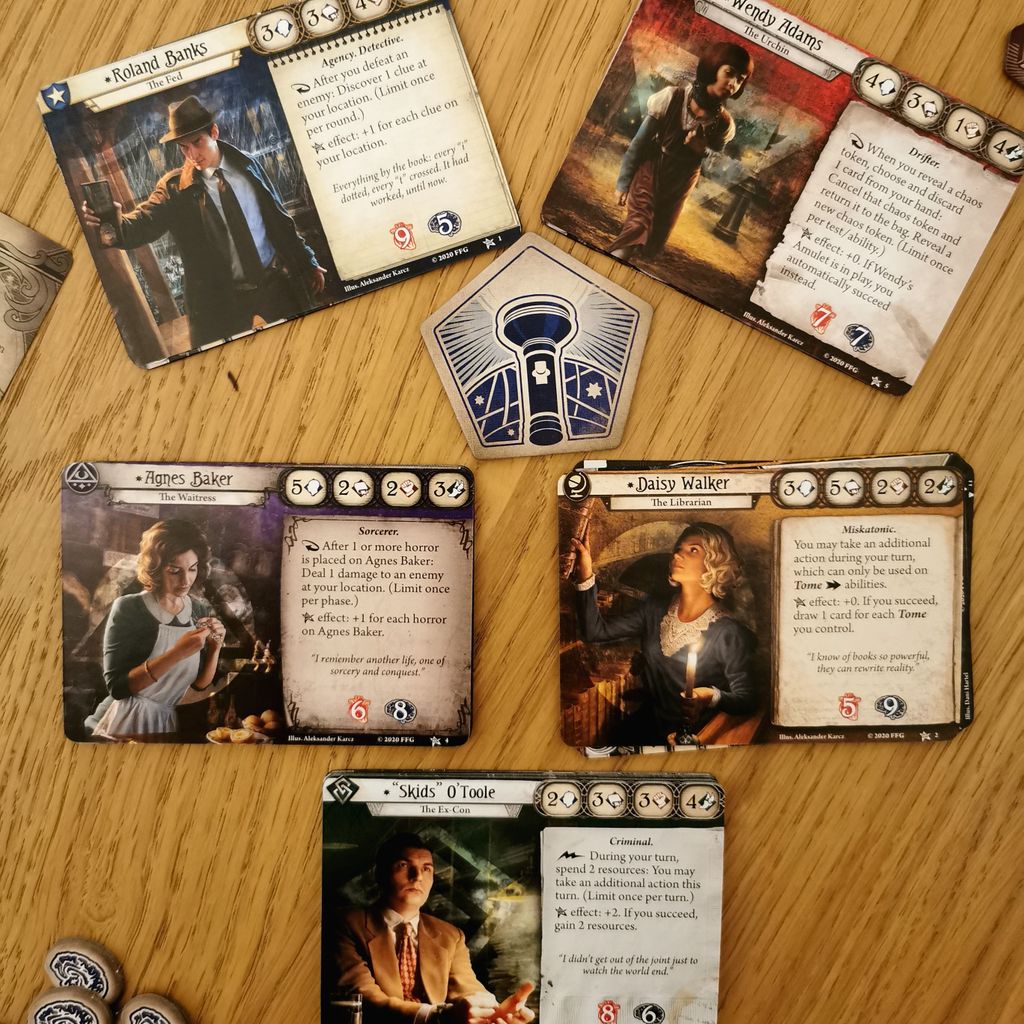
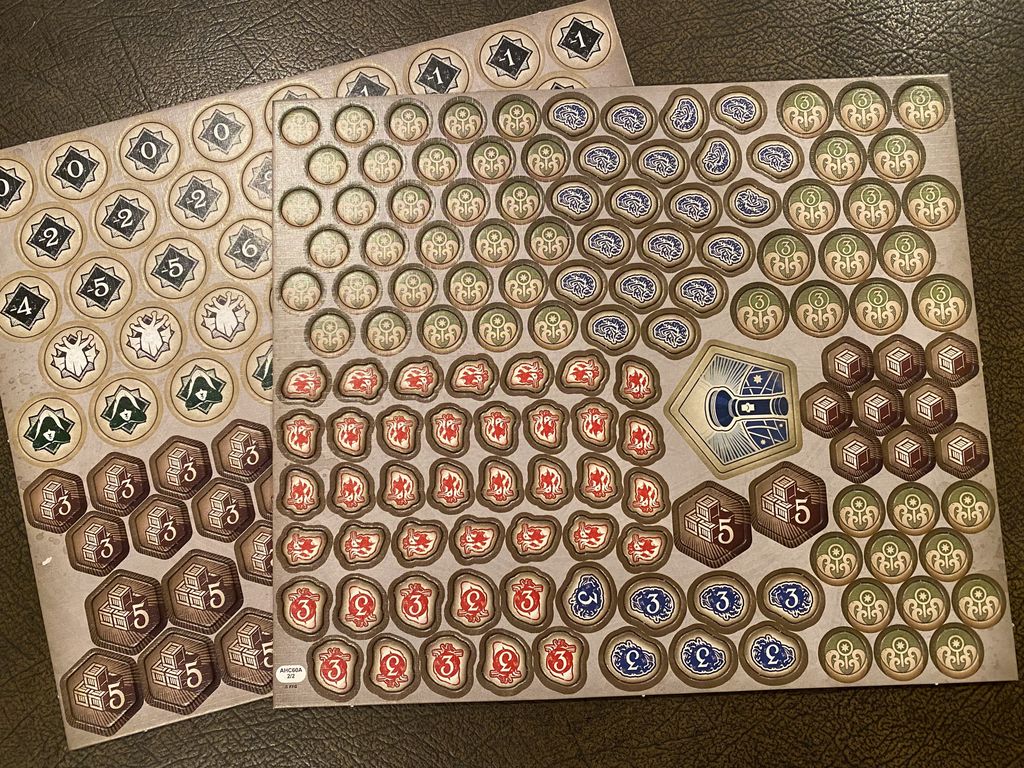
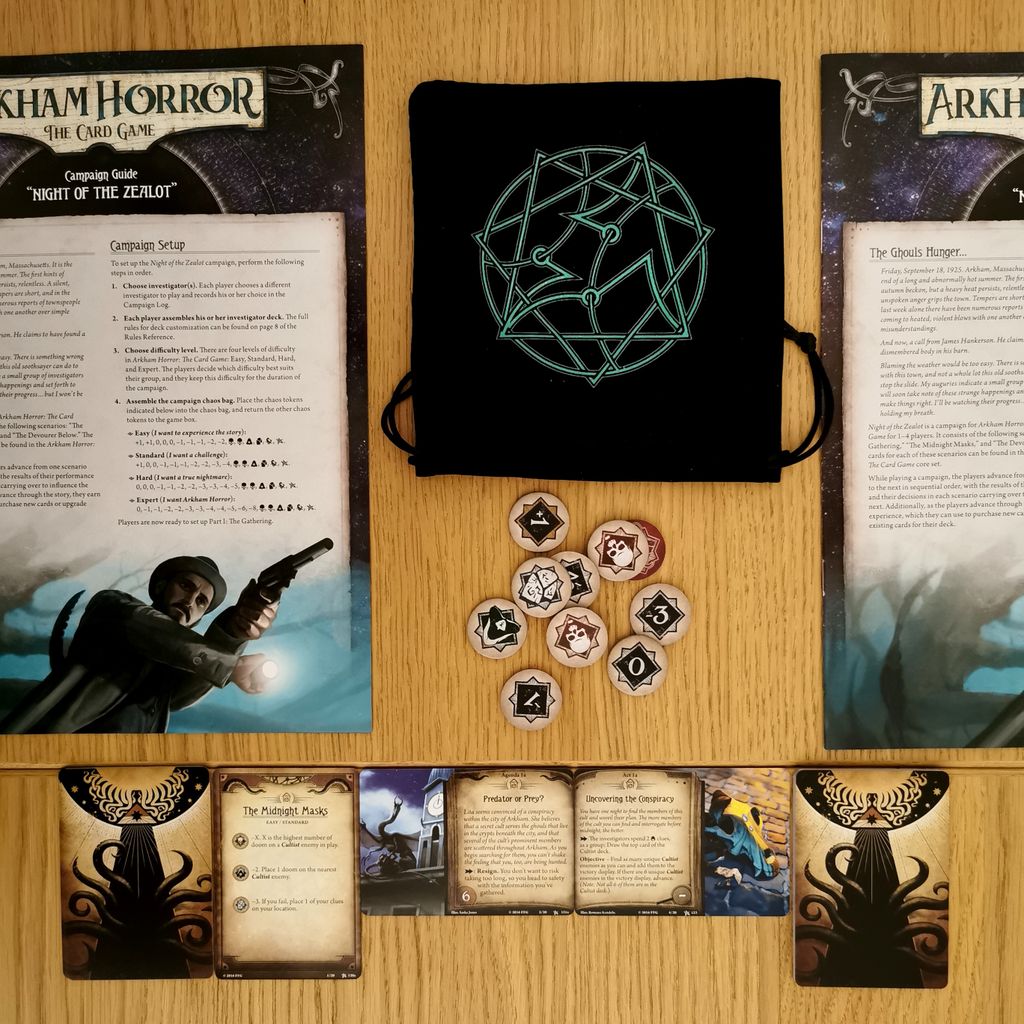
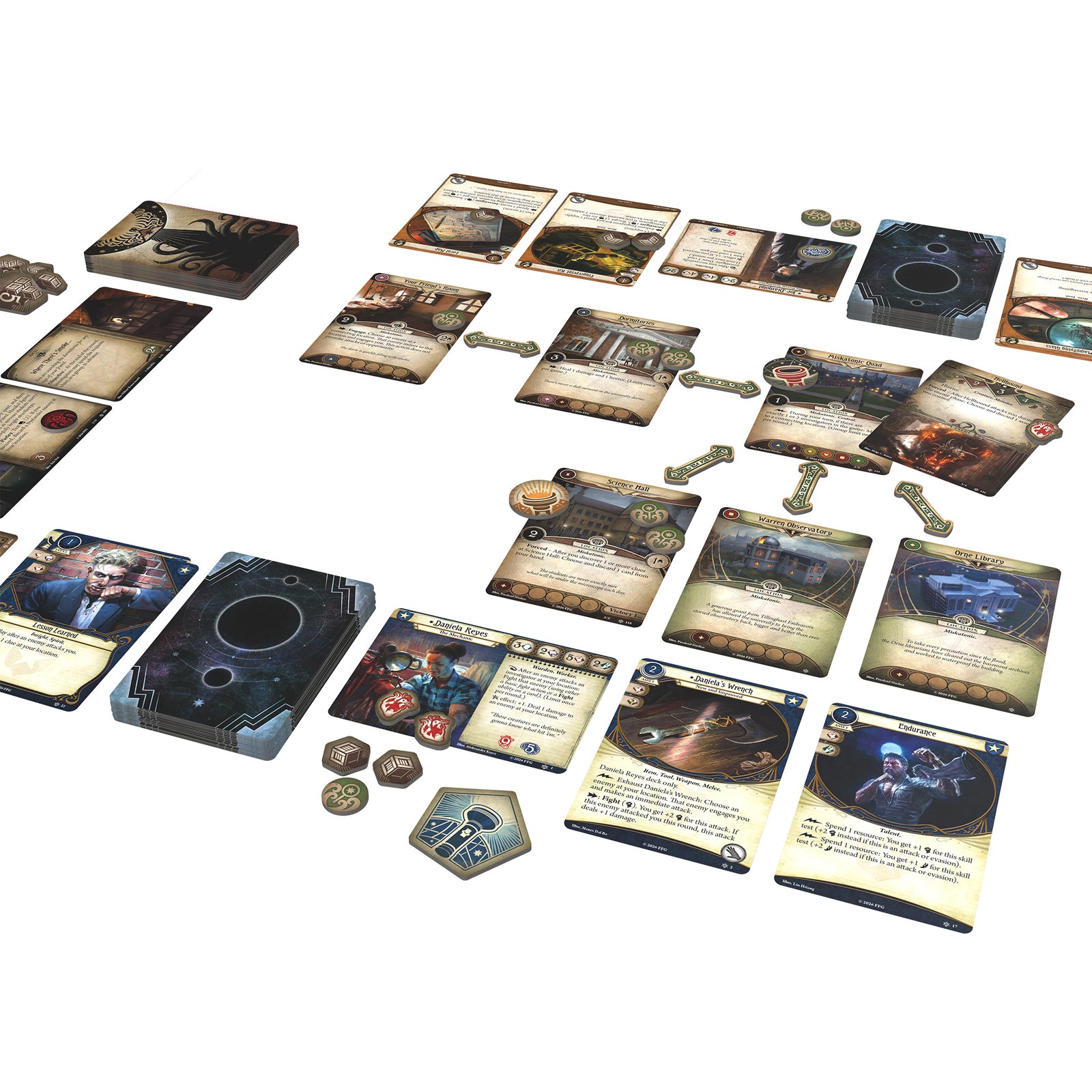
For a Lovecraftian campaign that's reusable forever instead of one-and-done, Arkham Horror: The Card Game (Fantasy Flight, 1-4 players with the Revised Core, ~1-2 hrs, ~$60) is the deepest narrative co-op on the market. You build a deck for a single investigator, then play scenarios that branch based on what you do and survive — your choices, your failures, your sanity all carry forward through a campaign. It's a Living Card Game, which means a deckbuilding rabbit hole as deep as you want it. The reward is a horror story that's genuinely yours.
And for pure swashbuckling theater, Forgotten Waters (Plaid Hat, 3-7 players, 2-4 hrs, ~$60) runs a fully-narrated companion app through hundreds of crossroads moments — a pirate epic where the whole table is laughing, scheming, and chasing secret agendas across the high seas. It's the most social big-narrative co-op there is.
Bring: the same crew every time, a notebook, and a vow of secrecy.
Pandemic Legacy doesn't end when you pack it up — it ends when your group is still texting about the betrayal a year later.
What's the best cooperative party game for a big, loud group?

Six, seven, eight people? Most heavy co-ops buckle at that count — but a few games are built for the crowd, and they're some of the warmest experiences in the hobby.
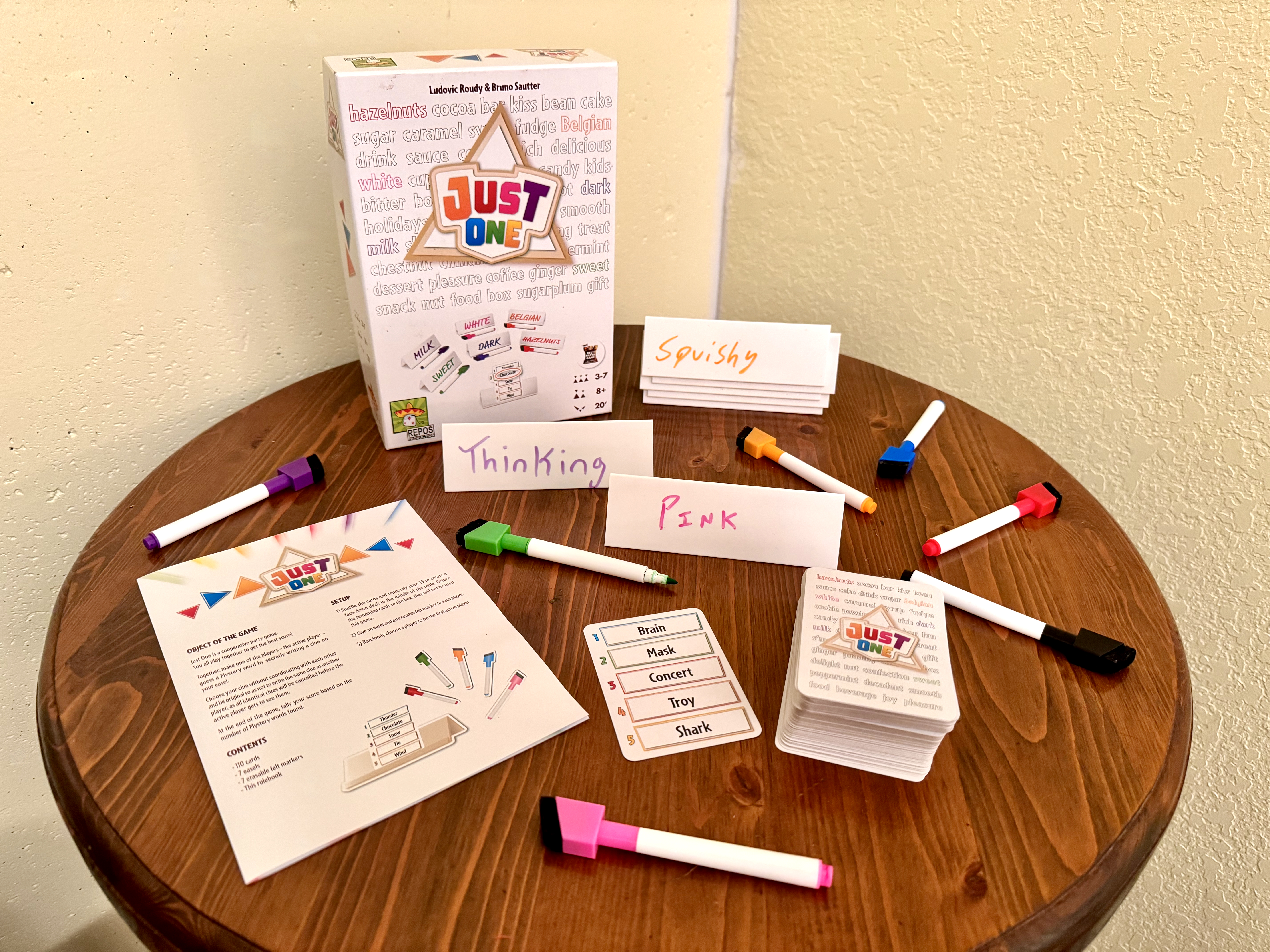
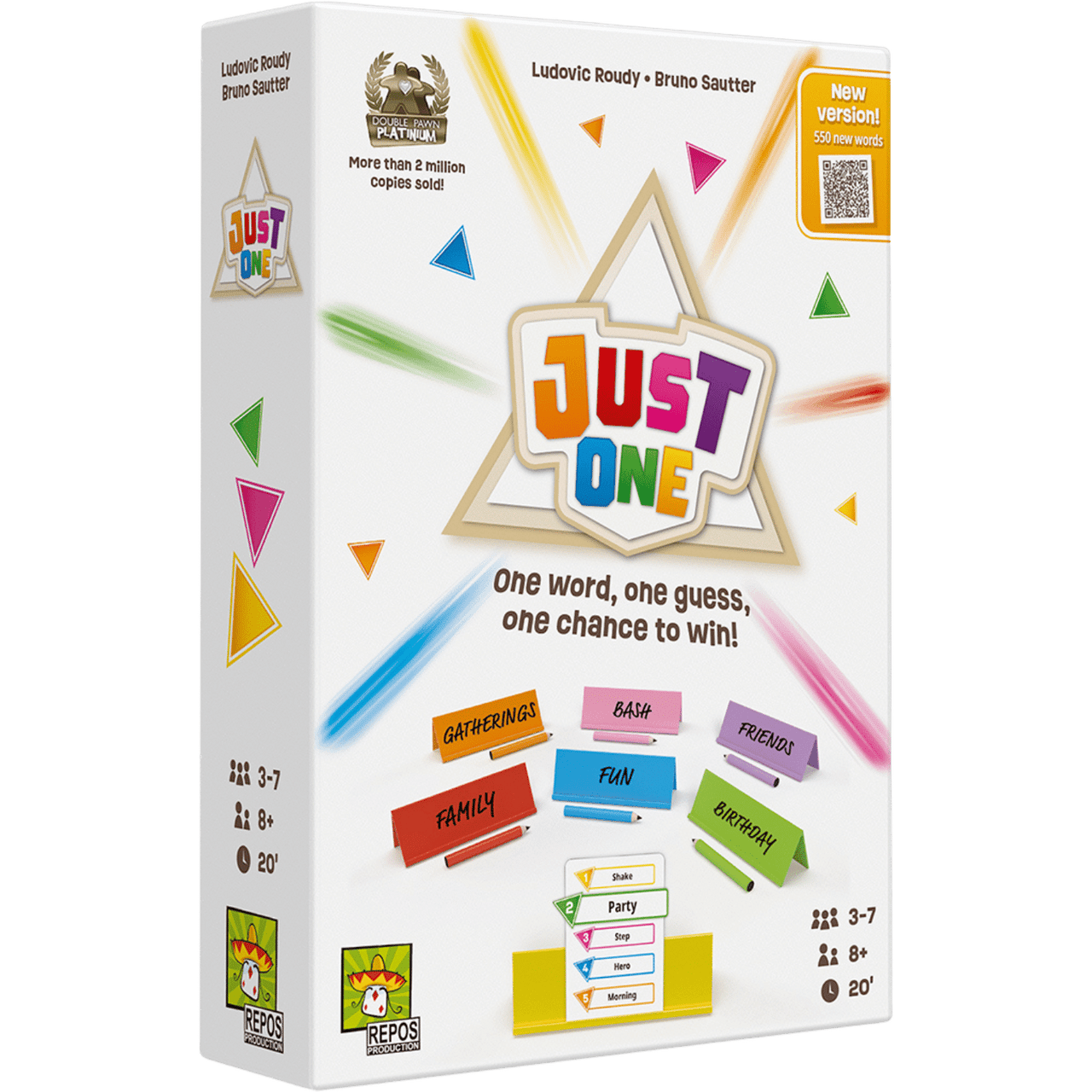
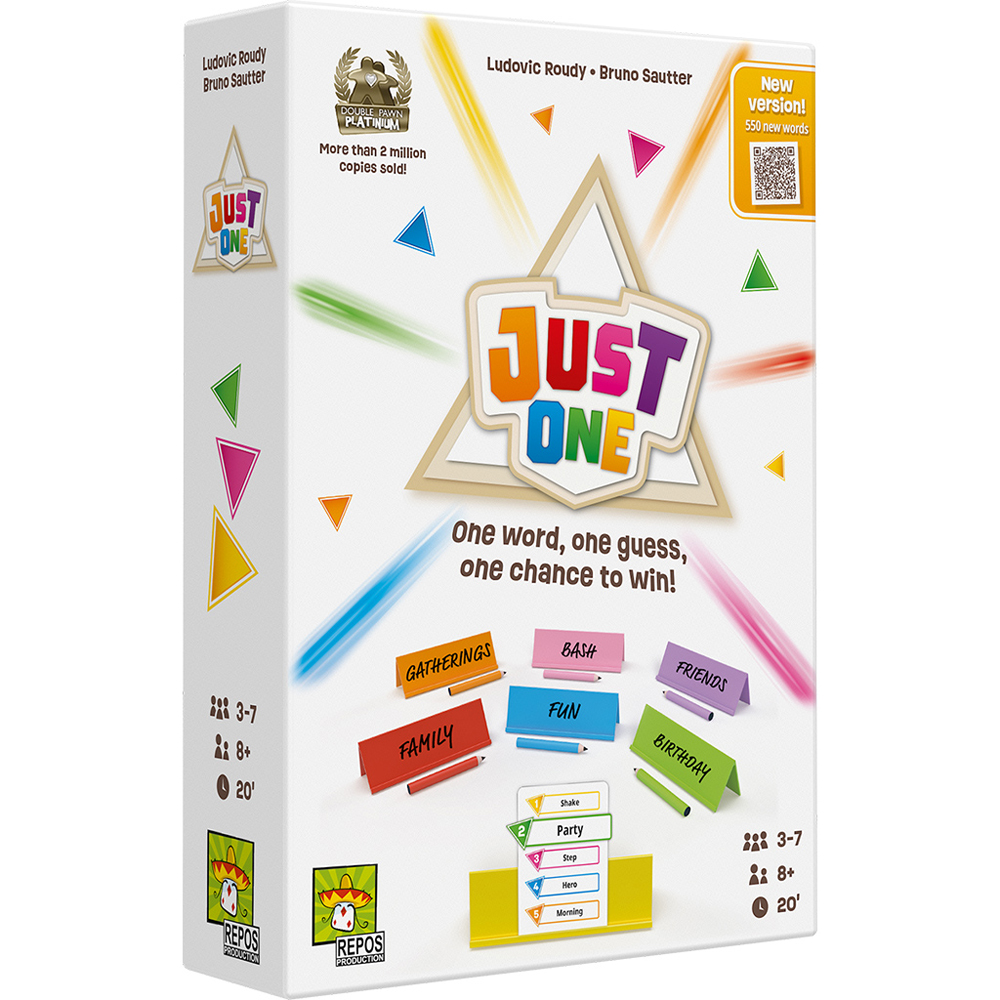
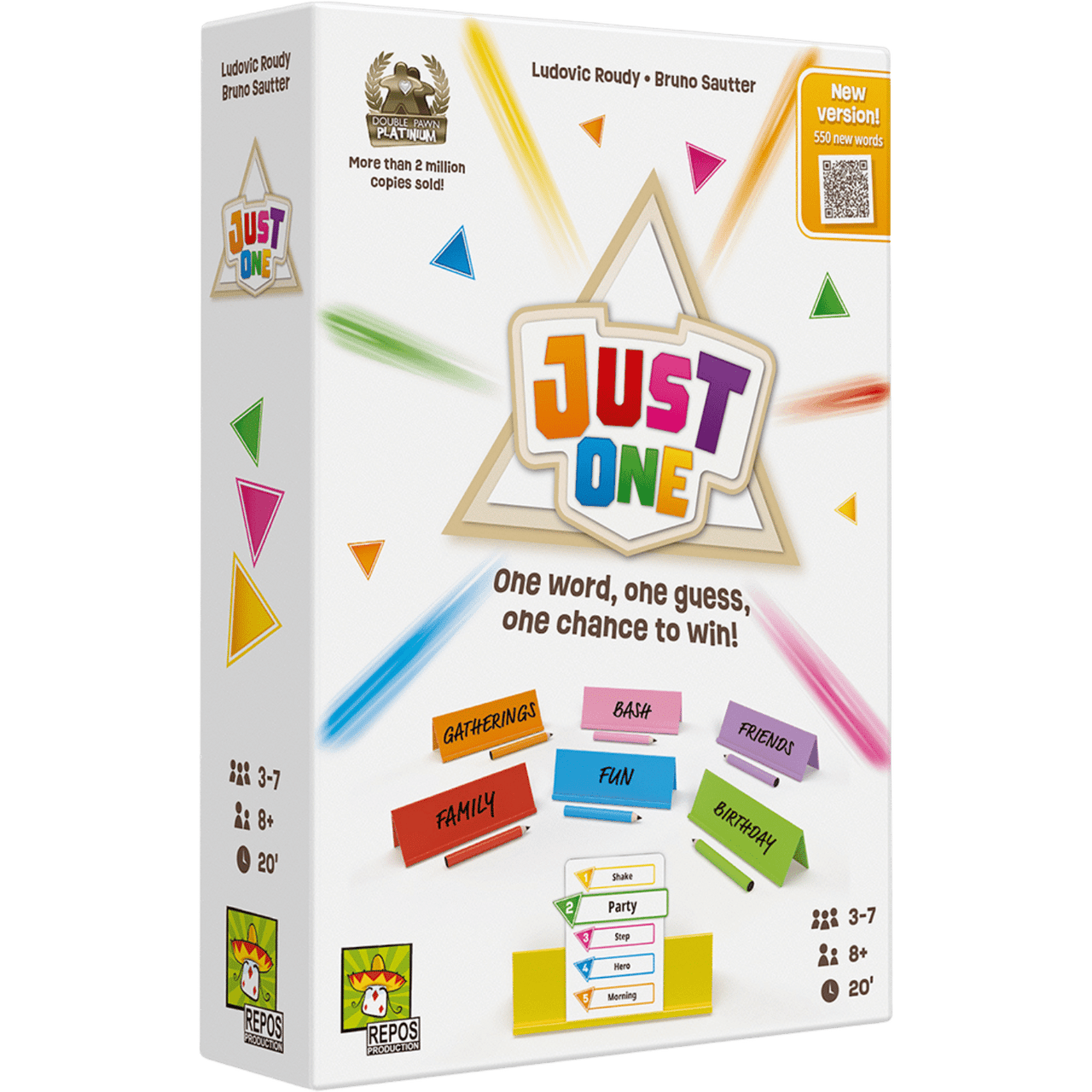
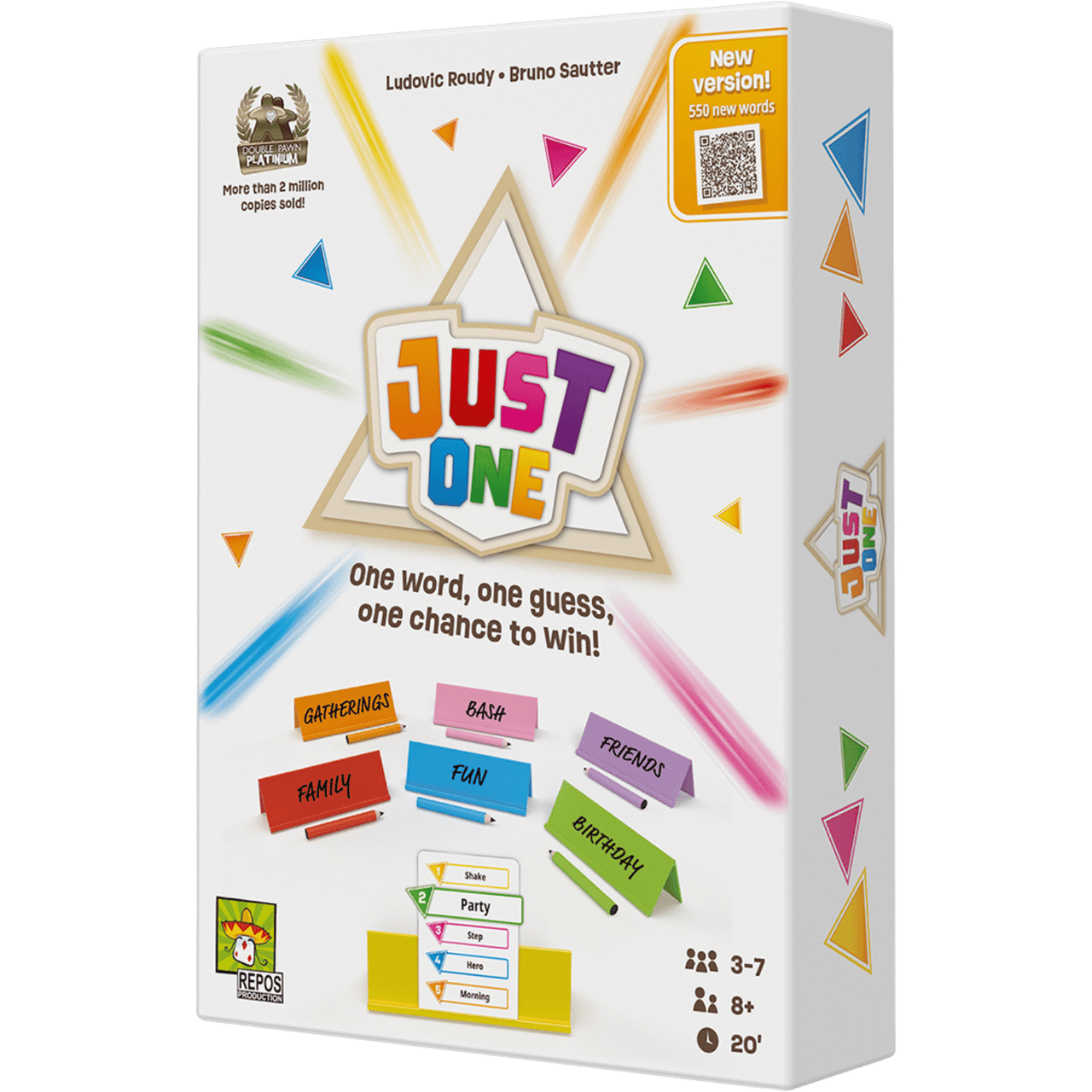
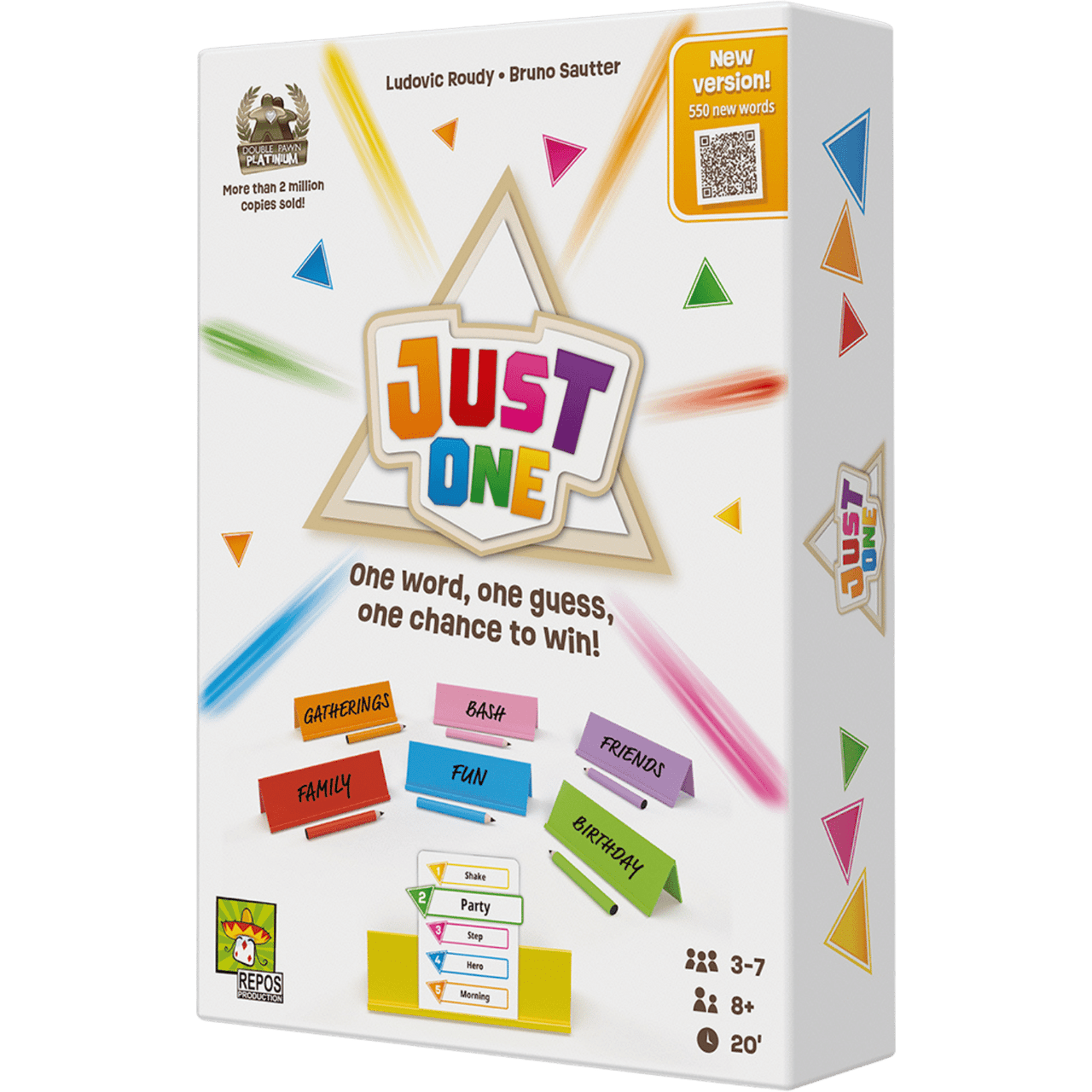
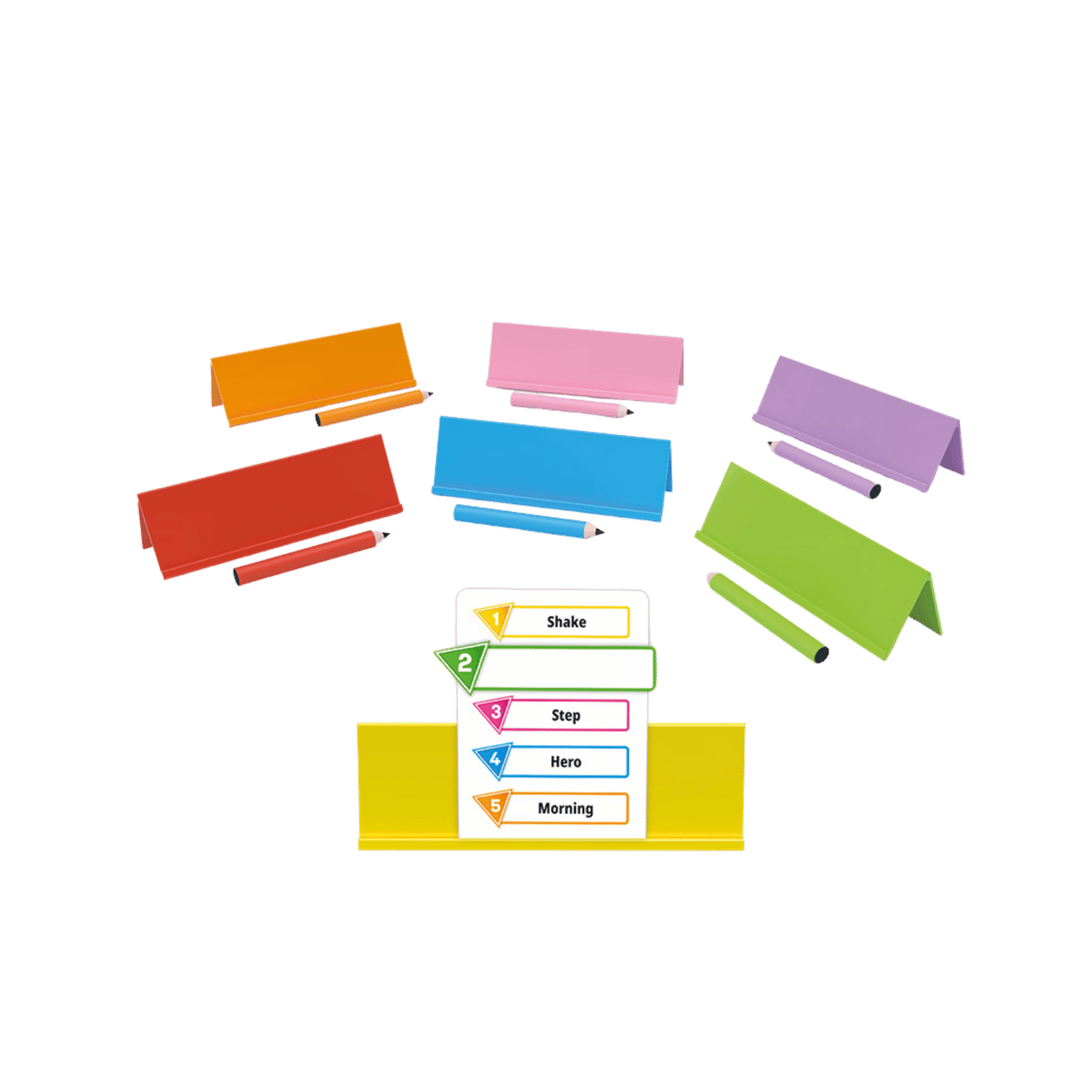
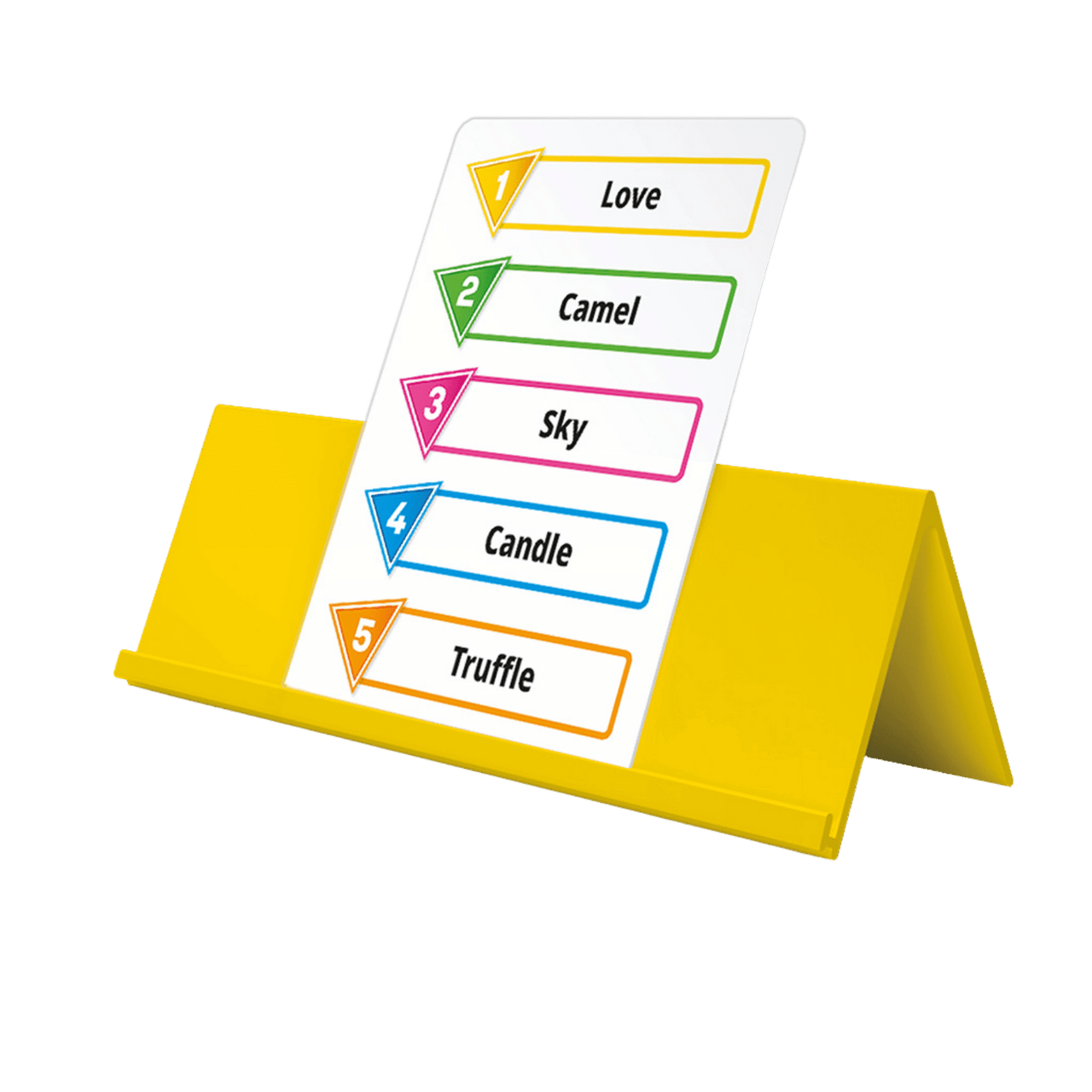
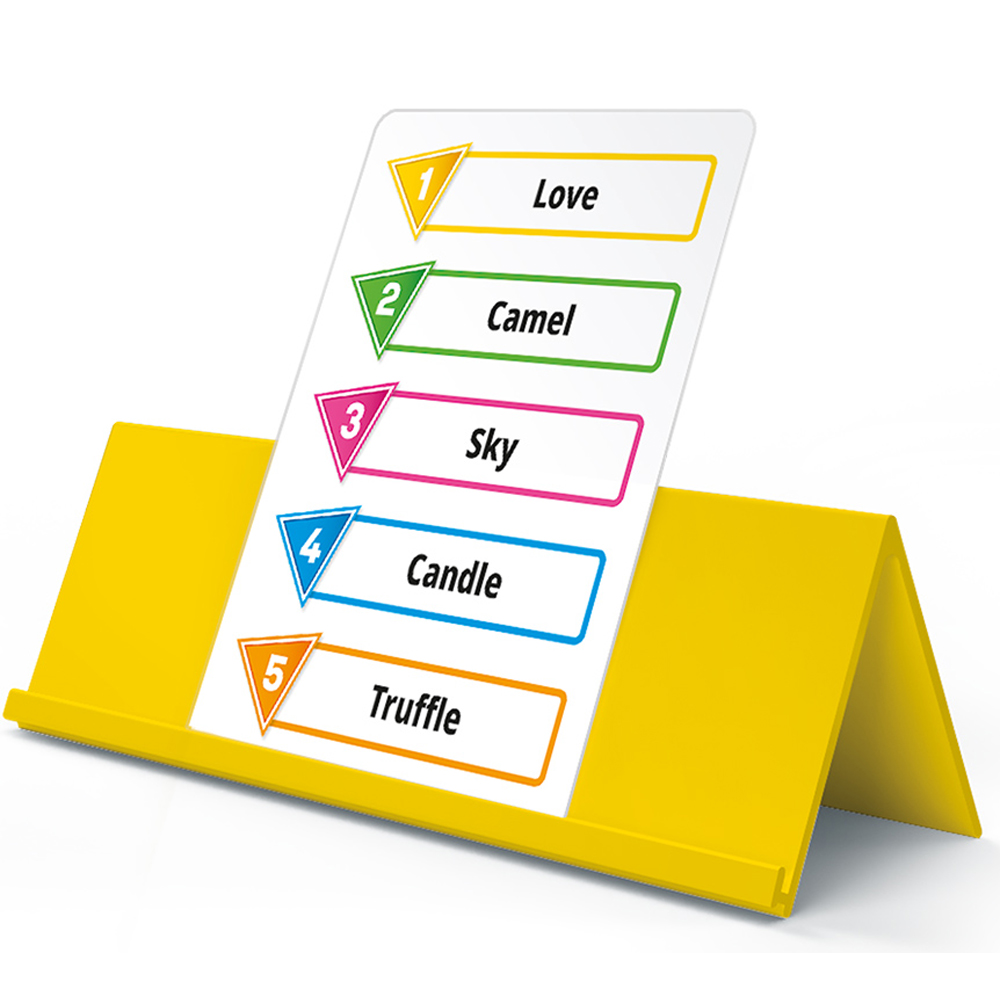
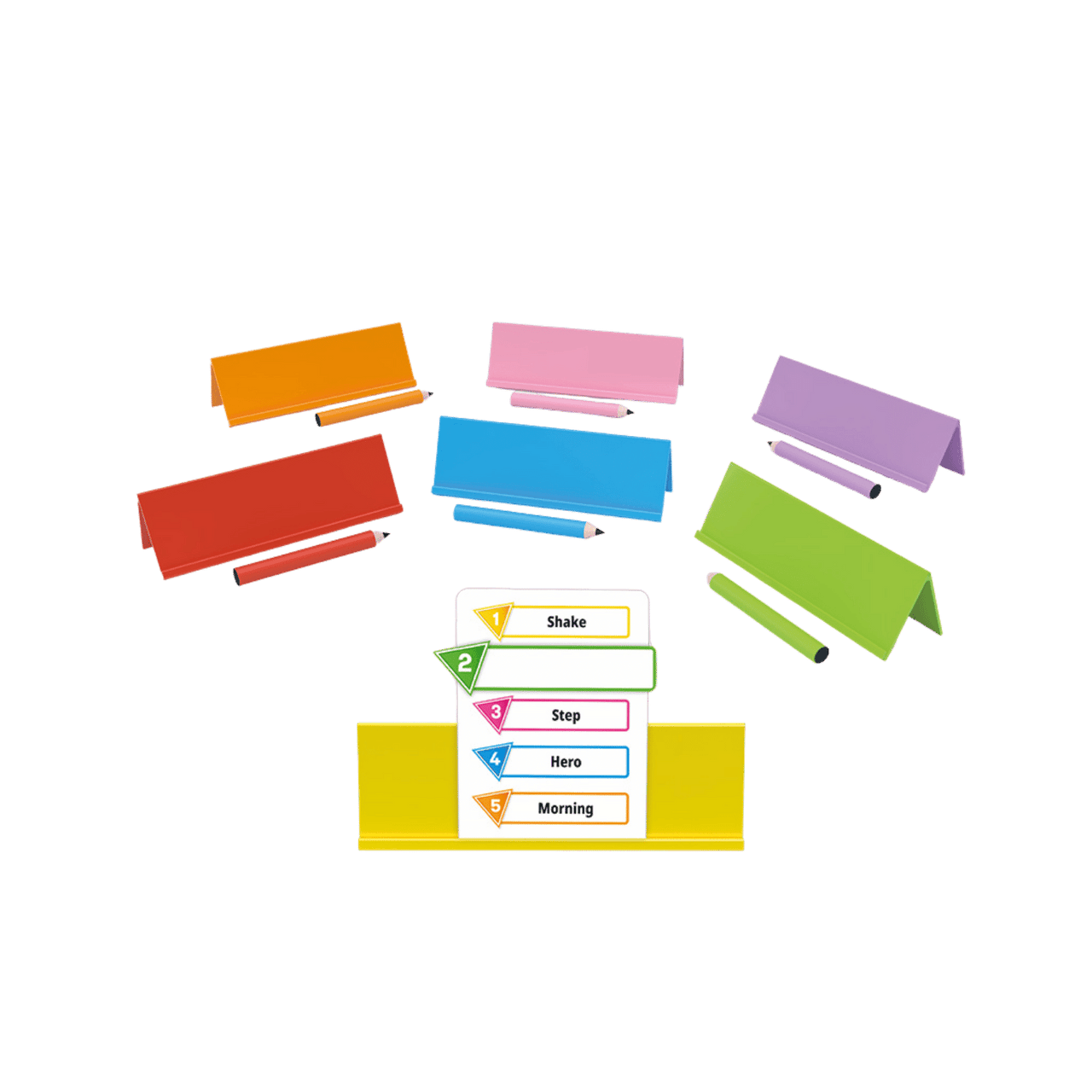
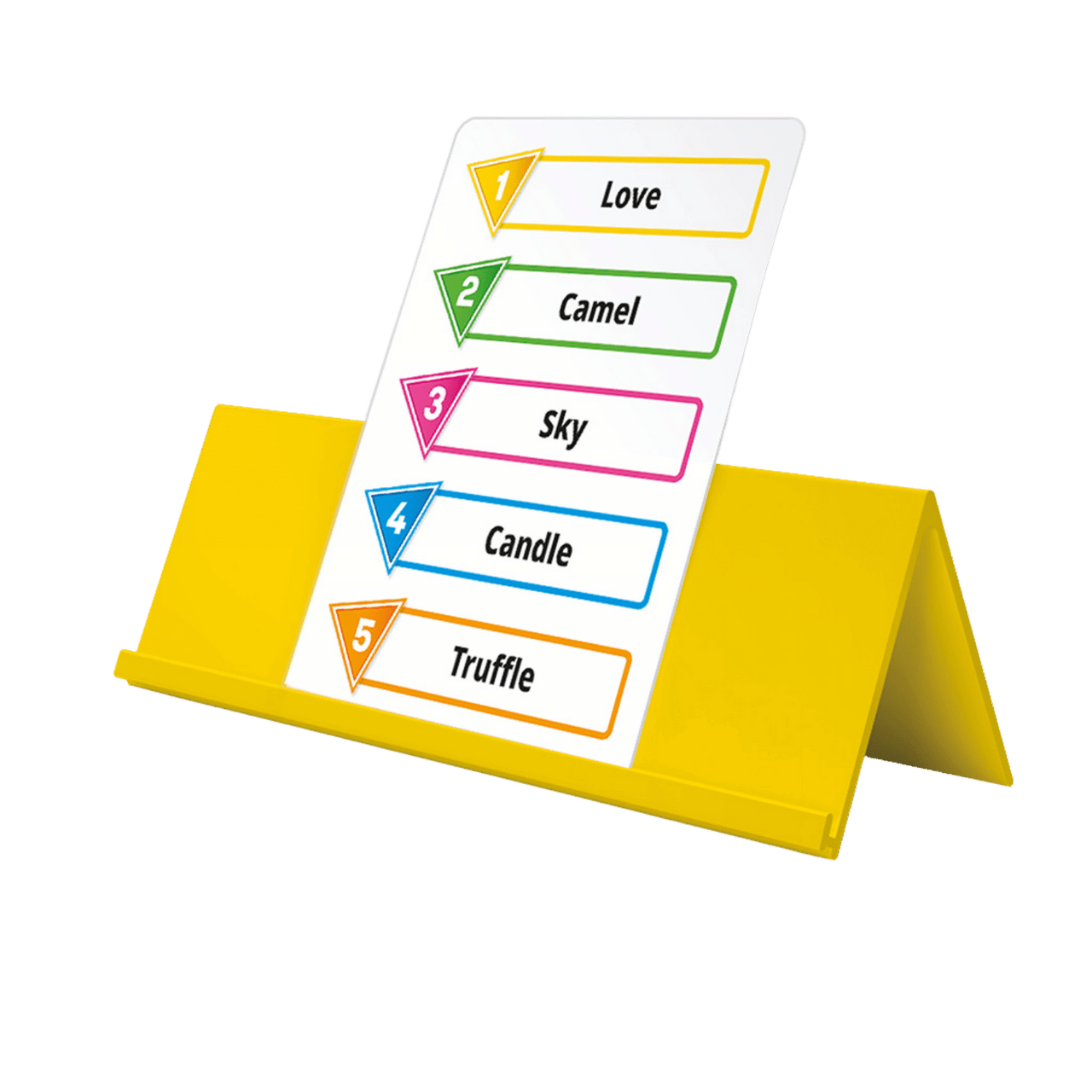
Just One (Repos Production, 3-7 players, 20 min, ~$25) is the reigning champion and a 2019 Spiel des Jahres winner. One player guesses a mystery word; everyone else secretly writes a one-word clue — and here's the twist that makes it sing: any duplicate clues get cancelled before the guesser sees them. Two people write 'cold' for SNOW? Both gone. So you're not just being helpful, you're trying to be helpful and original, and the agony of watching your perfect clue evaporate because someone thought of it too is pure delight. It's the rare party game that's genuinely cooperative — you win or lose as one table — and grandparents and kids play it on equal footing.
For a spookier, slower-burn crowd game, Mysterium (Libellud, 2-7 players, ~42 min, ~$45) casts one player as a silent ghost handing out gorgeous, surreal dream-vision cards while everyone else plays psychic mediums trying to interpret them and solve a murder. It's co-op deduction as a séance, and the art alone sells the table.
And for a final, genuinely miraculous group trick, bring back The Mind (2-4) or Hanabi (2-5) from the card section — both turn a quiet group into a single hive of focus.
Bring: a big table, a bigger group, and zero competitive ego — in here, we all win or we all groan together.
Just One is the only party game where your best idea getting cancelled is the funniest thing that happens all night.
What experienced tables keep reporting
Recurring owner patterns, synthesized in Puzzlewick's words. Follow each evidence trail to read the original discussion.
Shut Up & Sit Down's review frames Spirit Island as a 'coldly mechanical experience, with a card-driven menace that you come to understand and anticipate' — so much so that 'it wouldn't be unreasonable to label it Pandemic with people.' Their praise that 'no one player dominates the decision-making, a common problem in some cooperative games' is exactly why the heavy-co-op crowd ranks it #1.
Read the evidence: Shut Up & Sit Down — Review: Spirit Island
GamesRadar's board game reviewer, who reviews games for a living, called Sky Team 'an essential purchase for two-player game night' — high praise that tracks with its 2024 Spiel des Jahres win and the way owners tend to replay it on the spot.
The Crew: The Quest for Planet Nine won the 2020 Kennerspiel des Jahres — the 'expert game' award — a near-unheard-of honor for a small cooperative card game, alongside the Golden Geek Best Cooperative Game. It's the genre's clearest proof that depth has nothing to do with box size.
Sky Team won the 2024 Spiel des Jahres, board gaming's most prestigious prize. Wargamer's report on the win highlights the 'drunk pilot sim' tension that makes its silent, two-player landing sequence so beloved.
Read the evidence: Wargamer — Sky Team named best board game of the year
Pandemic Legacy: Season 1 sits at #2 across all of BoardGameGeek — a campaign co-op outranking nearly every competitive game ever made — which is why the community guards its plot twists so fiercely and reviewers refuse to spoil them.
Reviewers consistently flag that Gloomhaven: Jaws of the Lion 'works great at any player count between 1 and 4, scaling with the player count without losing anything that makes it great' — the standalone box's 'learn as you play' booklet is repeatedly credited with finally making the famously dense Gloomhaven system approachable.
Read the evidence: Co-op Board Games — Gloomhaven: Jaws of the Lion
The picks
Some links below are affiliate links — as an Amazon Associate, Puzzlewick earns from qualifying purchases, at no extra cost to you. It never changes a pick.
 7 photos
 Spirit Island
- Players
- 1-4 · best 3
- Time
- 90-120 min
- Age
- 13+
- Complexity
- 3.9 / 5
- Publisher
- Greater Than Games · 2017
- Designer
- R. Eric Reuss
- Art
- Jason Behnke
The summit of cooperative design. 1-4 asymmetric spirits defend their island from invaders, drafting escalating powers and generating fear. Shut Up & Sit Down called it 'Pandemic with people' — and it dissolves the alpha-gamer problem because nobody can hold every spirit's plan at once. Hard, endlessly replayable, and beloved by the heavy-co-op faithful as the genre's high-water mark.
- Asymmetric spirits kill 'quarterbacking' dead — every player matters
- Staggering replayability across spirits, adversaries, and scenarios
- You're the predator, not the prey — a genuine genre subversion
- Genuinely heavy (~3.9/5 weight); brutal for a brand-new table
- Setup and iconography have a real learning curve
 6 photos
 Pandemic
- Players
- 2-4
- Time
- 45 min
- Age
- 8+
- Complexity
- 2.40 / 5
- Publisher
- Z-Man Games · 2008
- Designer
- Matt Leacock
- Art
- Josh Cappel, Régis Moulun
Matt Leacock's 2008 classic and the Rosetta Stone of co-op. 2-4 players cure four global diseases before the outbreaks cascade. Teaches in ninety seconds, builds to an unbearable late-game tension, and the adjustable Epidemic-card difficulty grows with your table. If you own one co-op game, the case for it being this one is overwhelming.
- Teaches the entire genre's logic in minutes
- Difficulty scales cleanly from Introductory to Heroic
- Affordable, ubiquitous, endlessly imitated for a reason
- Prone to alpha-gamer takeover without a house rule
- Veterans may eventually find it solvable
 6 photos
 The Crew: The Quest for Planet Nine
- Players
- 2-5
- Time
- 20 min
- Age
- 10+
- Complexity
- 1.97 / 5
- Publisher
- KOSMOS · 2019
- Designer
- Thomas Sing
- Art
- Marco Armbruster
A cooperative trick-taking card game that won the 2020 Kennerspiel des Jahres — the expert award — which a tiny deck of cards almost never does. 2-5 players fly to the ninth planet across 50 escalating missions with severely limited communication. The 'one more mission' pull is genuinely dangerous. The best value in the entire genre.
- Kennerspiel des Jahres depth at a ~$15 price
- 50-mission campaign arc with escalating difficulty
- Teaches in five minutes, plays for an entire evening
- Requires players comfortable with trick-taking basics
- The communication limit frustrates some new players
 9 photos
 Sky Team
- Players
- 2 · best 2
- Time
- 15 min
- Age
- 12+
- Complexity
- 2.0 / 5
- Publisher
- Le Scorpion Masqué · 2023
- Designer
- Luc Rémond
- Art
- Eric Hibbeler, Adrien Rives
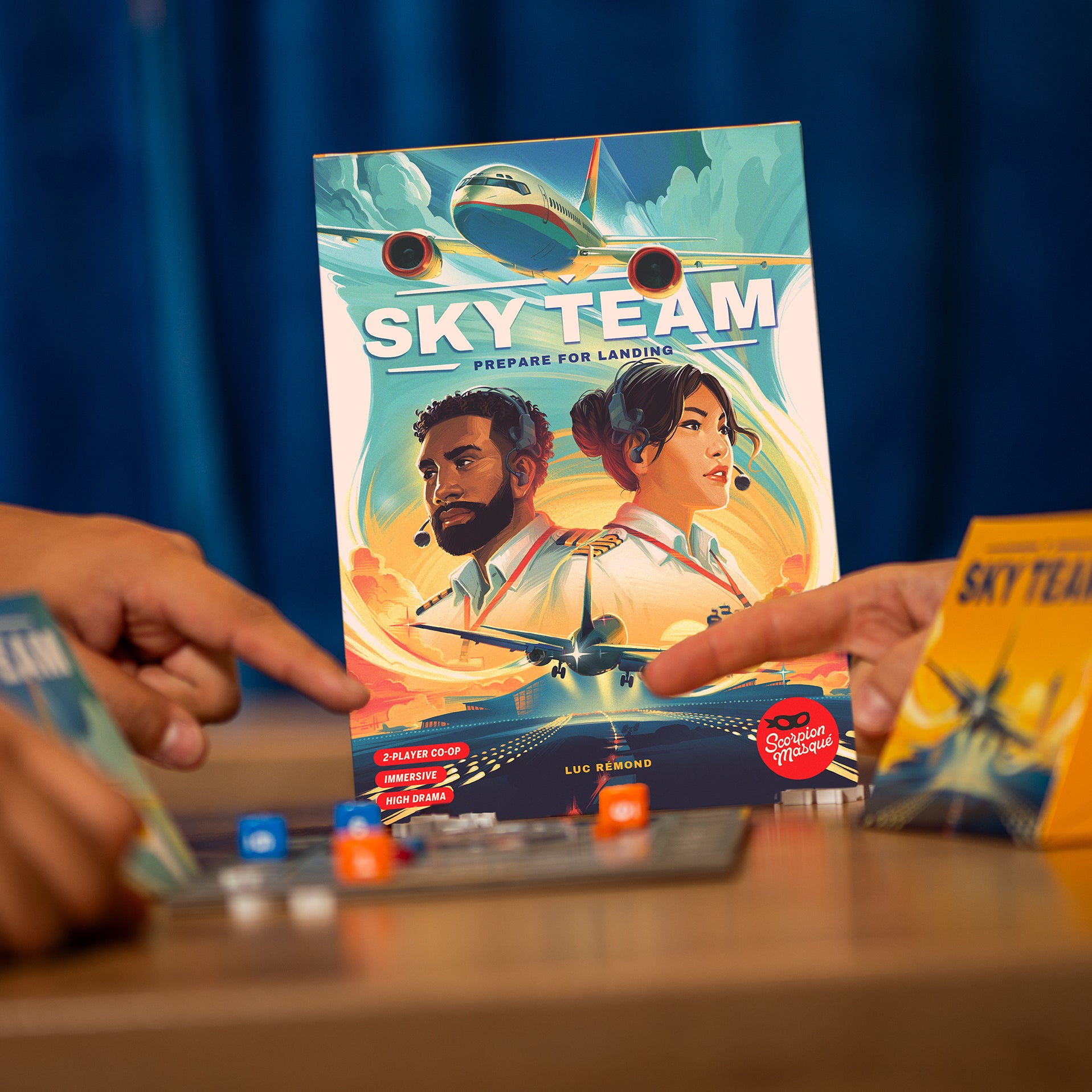
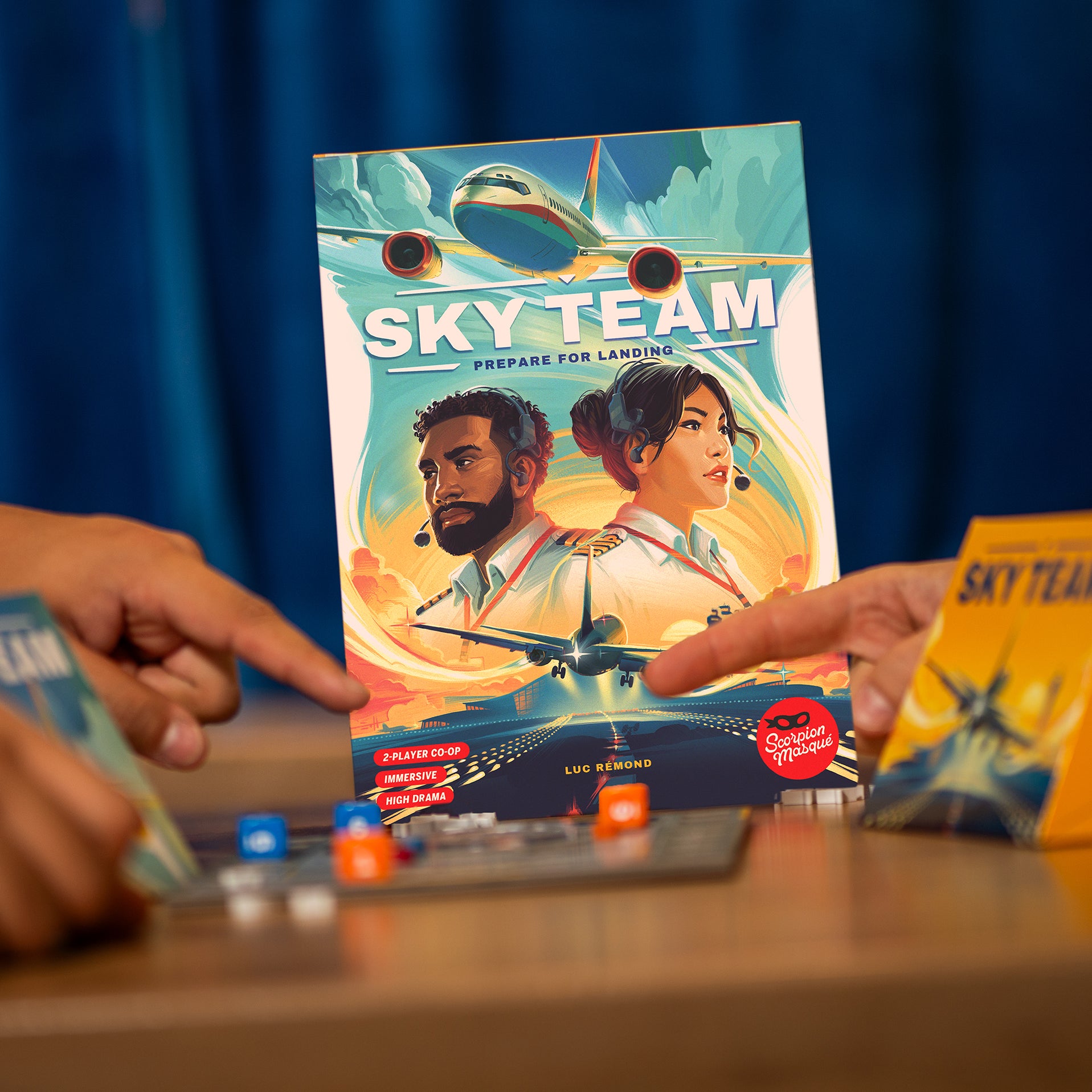
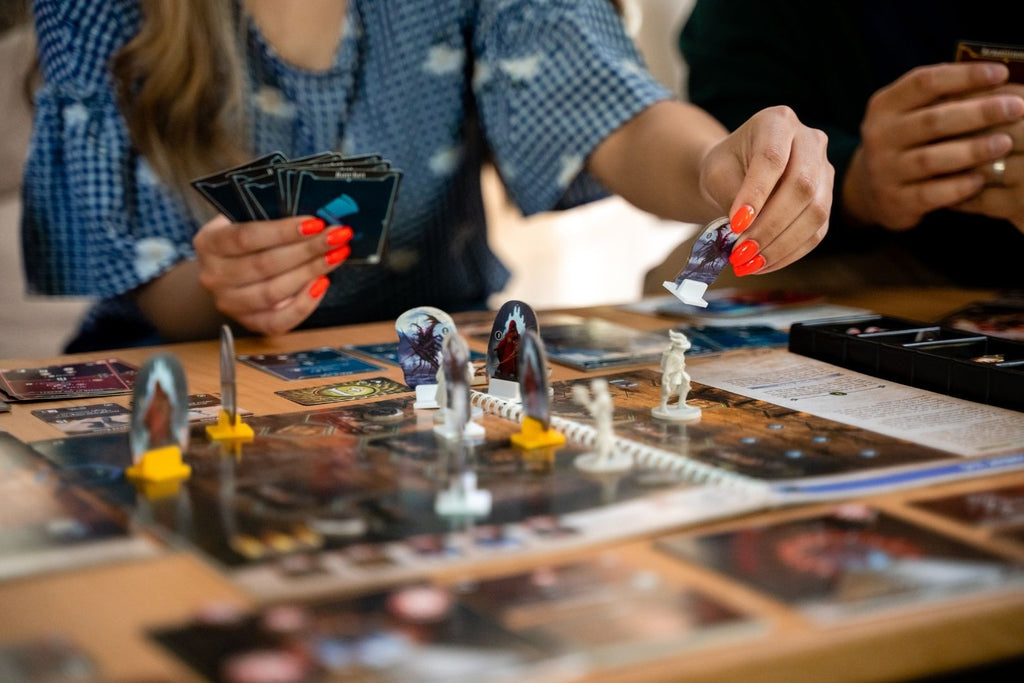
Winner of the 2024 Spiel des Jahres. Strictly 2 players — pilot and co-pilot — silently placing dice to land a passenger jet in 20 minutes. No talking allowed, so you learn to think as one organism. GamesRadar called it 'an essential purchase for two-player game night,' and owners tend to replay it on the spot.
- Spiel des Jahres winner; a near-perfect 20-minute box
- The 'no talking' rule makes cooperation itself the mechanism
- Endlessly replayable airports and modules
- Strictly two players — never scales up
- The silence can feel high-pressure for some duos
 11 photos
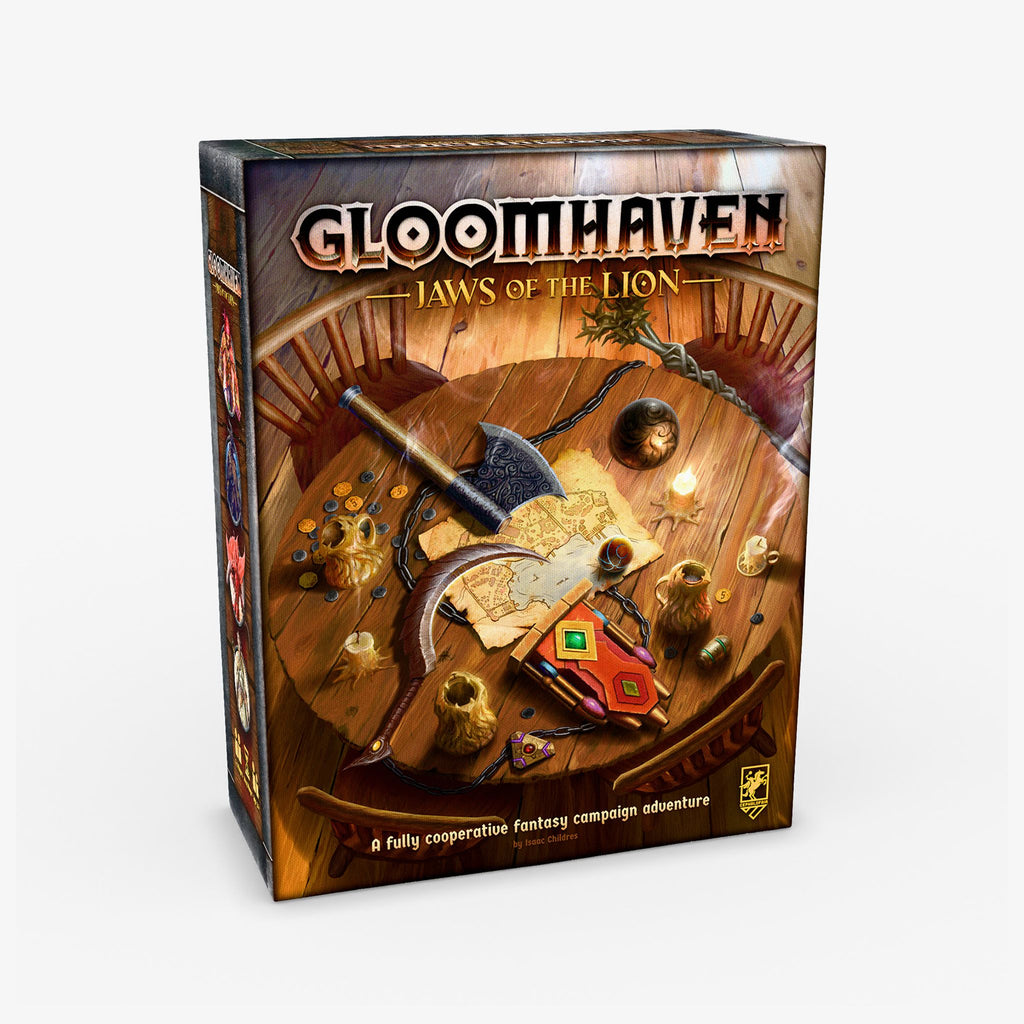
 Gloomhaven: Jaws of the Lion
- Players
- 1-4
- Time
- 30-120 min
- Age
- 14+
- Complexity
- 3.56 / 5
- Publisher
- Cephalofair Games · 2020
- Designer
- Isaac Childres
- Art
- Alexandr Elichev, Josh T. McDowell, Álvaro Nebot
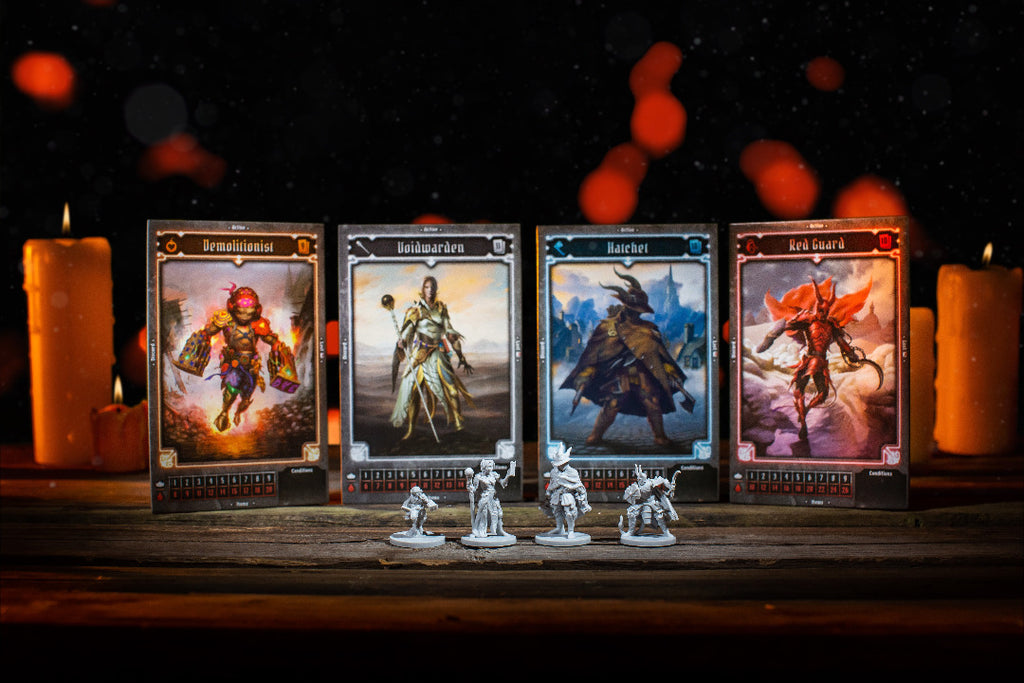
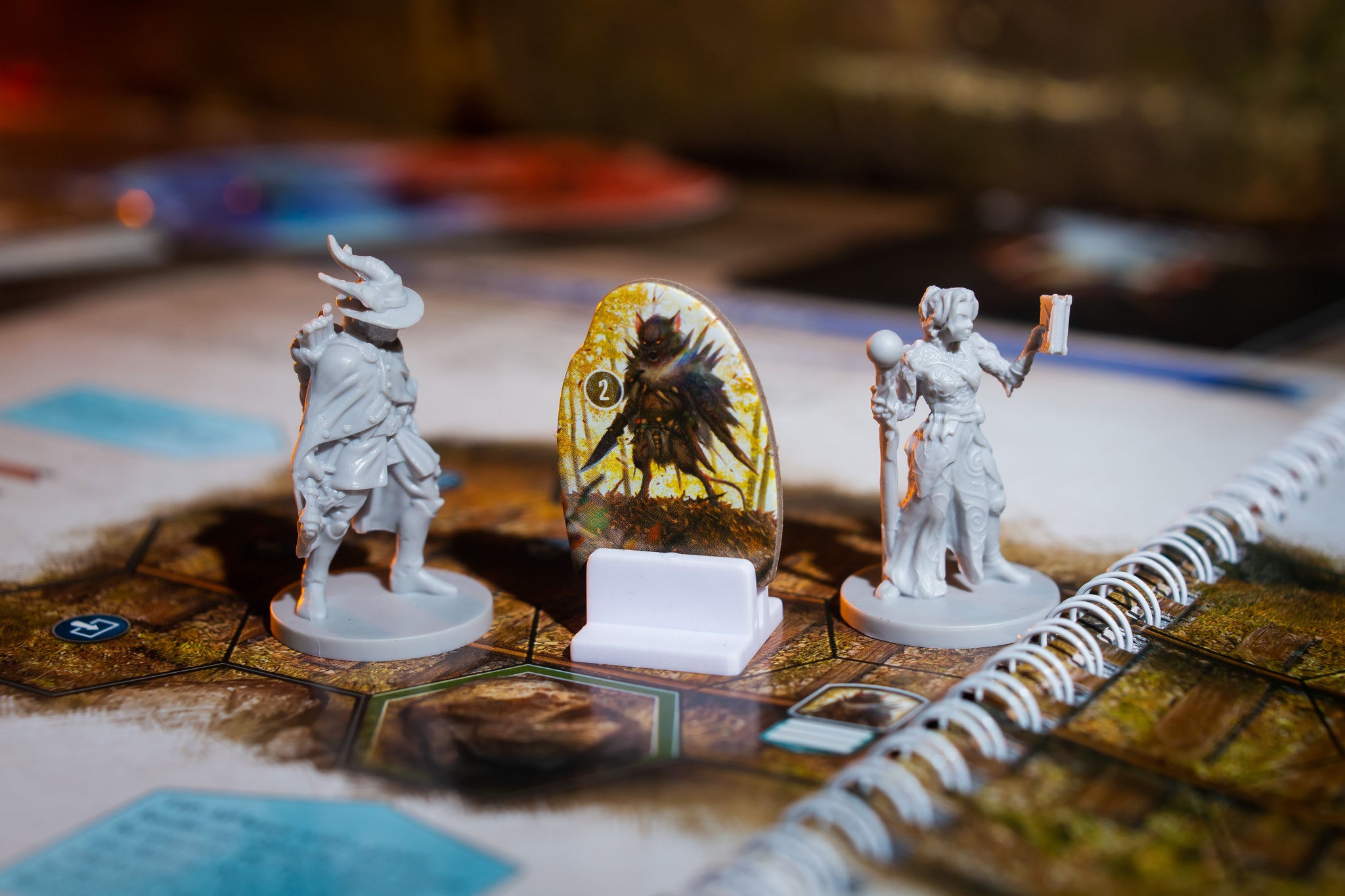
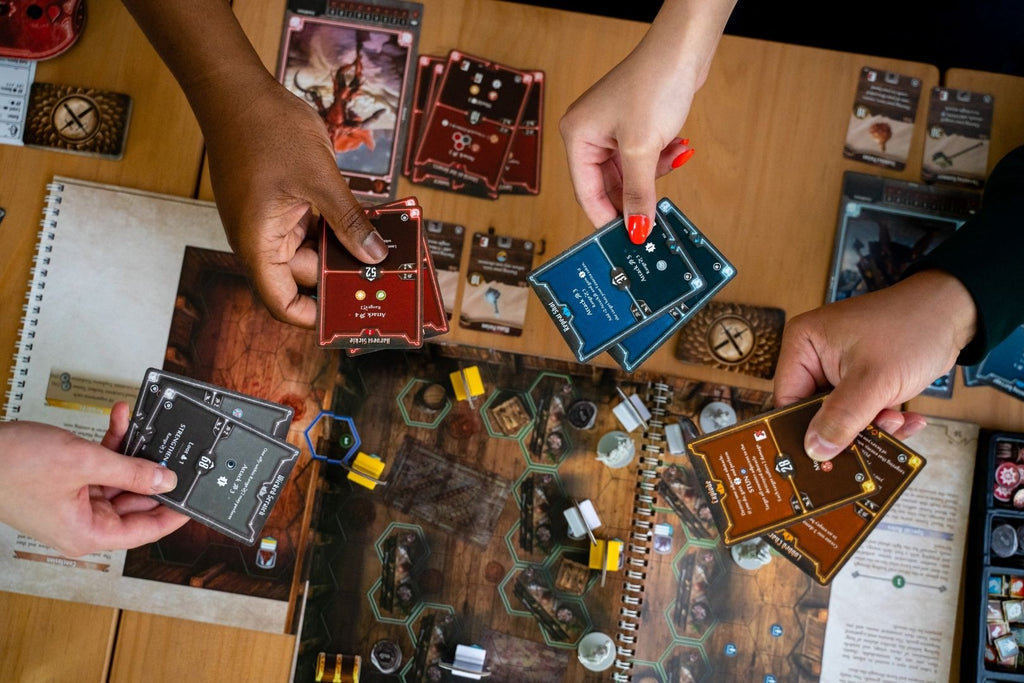
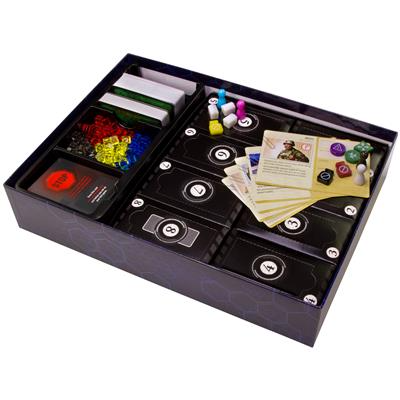
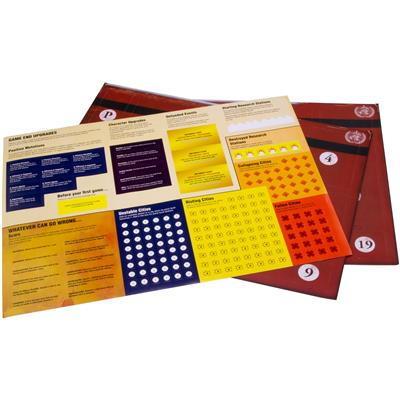
The standalone, beginner-friendly gateway into gaming's most acclaimed tactical-combat campaign. 1-4 players, 30-120 min per scenario, 25 scenarios, four mercenaries leveling across a branching legacy-lite arc — and a 'learn as you play' booklet that finally makes Gloomhaven approachable. Forty-plus hours of superb co-op for sixty dollars.
- Best-in-class tactical card combat with deep character growth
- 'Learn as you play' booklet removes the legendary rules wall
- Plays brilliantly at any count from solo to four
- A real time commitment to see the full campaign
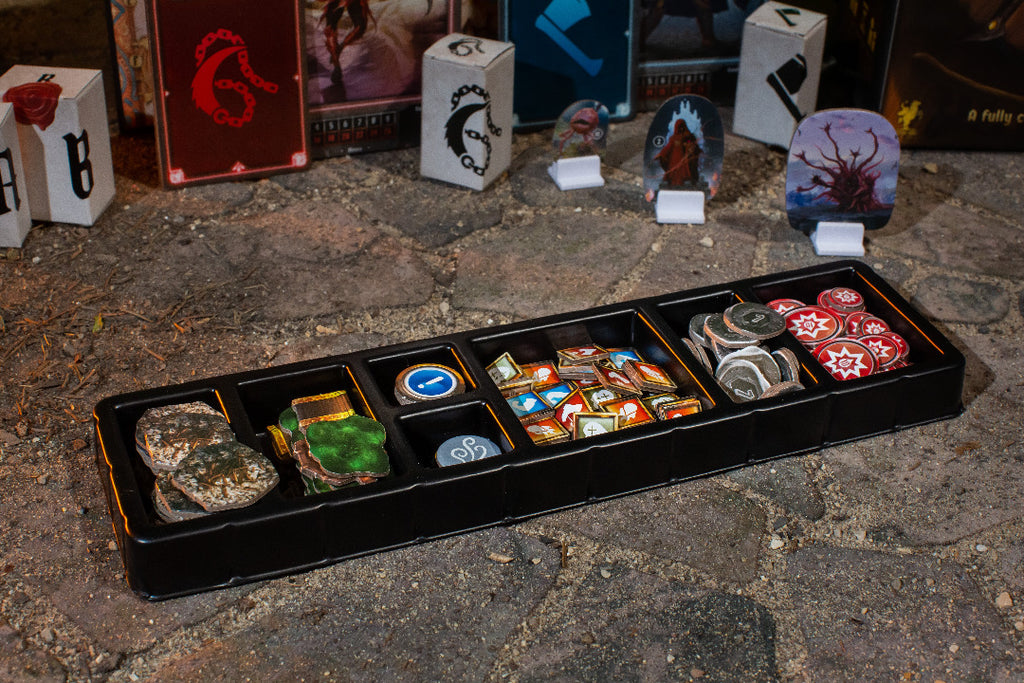
- Scenario setup/teardown is fiddly
 9 photos
 Pandemic Legacy: Season 1
- Players
- 2-4
- Time
- 60 min
- Age
- 13+
- Complexity
- 2.83 / 5
- Publisher
- Z-Man Games · 2015
- Designers
- Matt Leacock, Rob Daviau
- Art
- Chris Quilliams
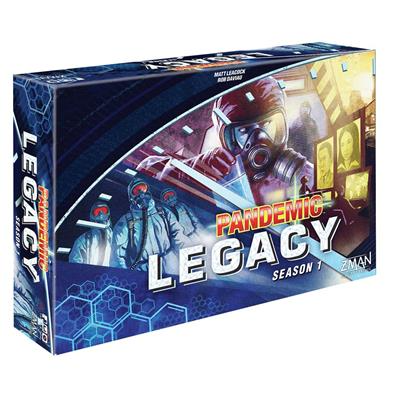
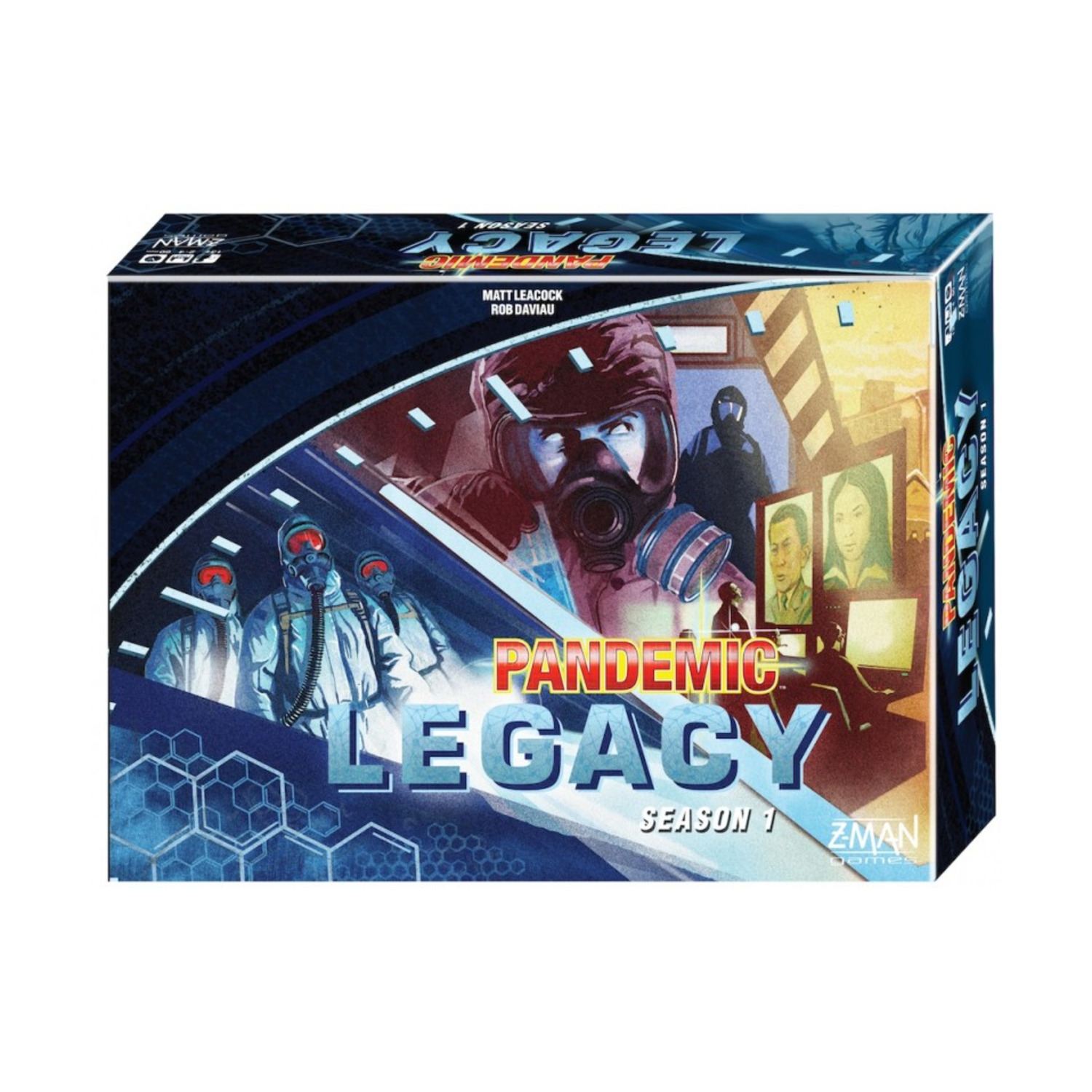
Matt Leacock and Rob Daviau's twelve-month campaign that permanently alters the game as you play — you write on the board, tear up cards, open sealed surprises, and live with choices you can't undo. It sits at #2 on all of BoardGameGeek. Play it with the same group start to finish; the moment it turns on you is the stuff of legend.
- #2 on BoardGameGeek; the definitive legacy experience
- Permanent, irreversible changes make every session weighty
- An unforgettable, spoiler-guarded narrative arc
- Largely one-and-done — the campaign is consumed as you play
- Demands the same committed group across all 12+ sessions
 8 photos
 Arkham Horror: The Card Game (Revised Core)
- Players
- 1-2 · best 2
- Time
- 60-120 min
- Age
- 14+
- Complexity
- 3.56 / 5
- Publisher
- Fantasy Flight Games · 2016
- Designers
- Nate French, MJ Newman
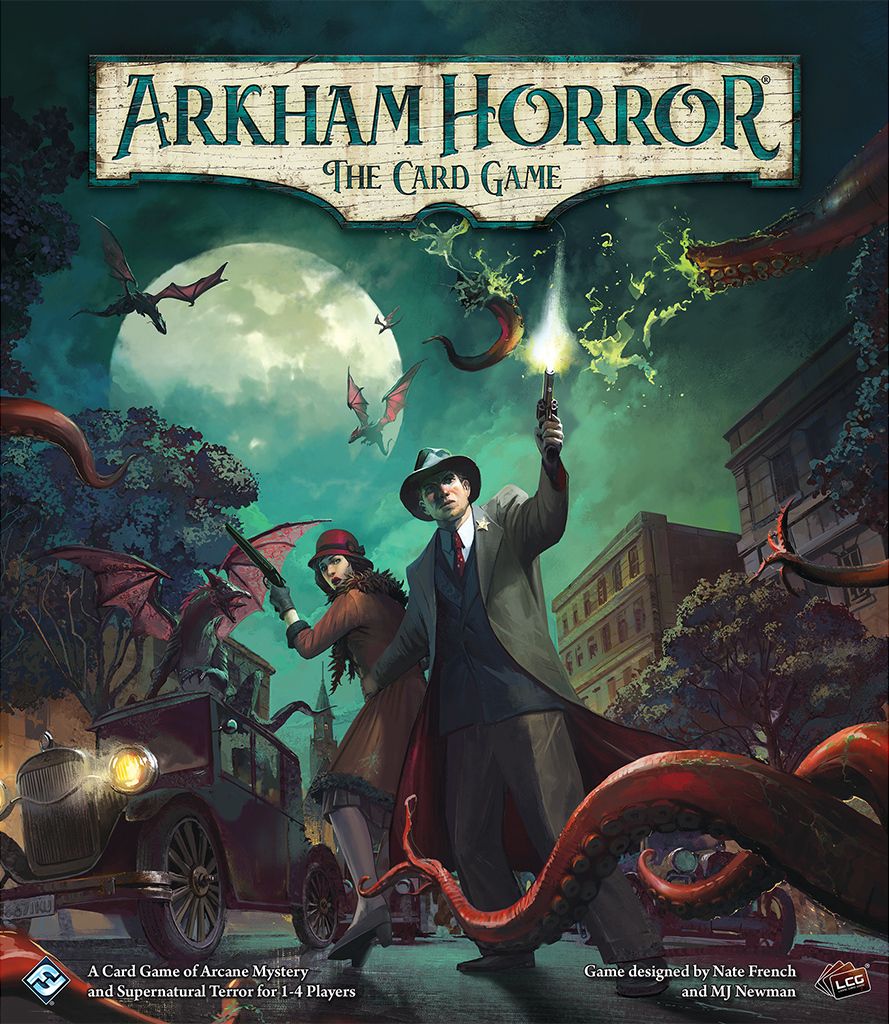
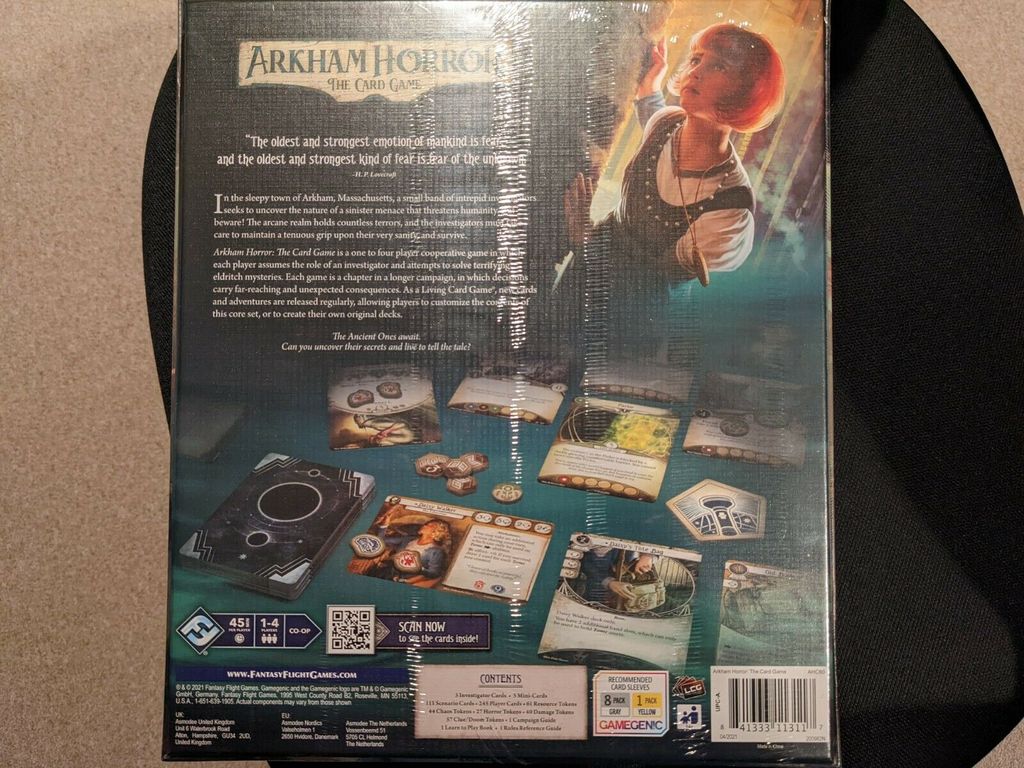
A Lovecraftian Living Card Game for 1-4 players (Revised Core), ~1-2 hours per scenario. You build a deck for a single investigator, then play branching scenarios where your choices, failures, and sanity carry forward through a campaign. The deckbuilding rabbit hole is as deep as you want — and the horror story it tells is genuinely yours.
- Branching, reactive campaigns that remember your choices
- Deckbuilding depth that rewards endless tinkering
- Outstanding solo and two-handed experience
- The LCG model means ongoing expansion spending
- Core box leans toward 1-2 players without a second core
 7 photos
 Horrified: Universal Monsters
- Players
- 1-5
- Time
- 60 min
- Age
- 10+
- Complexity
- 2.02 / 5
- Publisher
- Ravensburger · 2019
- Designer
- Prospero Hall
1-5 players defend a town against the classic Universal monsters — Dracula, the Wolfman, the Mummy, the Creature, Frankenstein's Monster and his Bride — each with perfectly themed rules. Gorgeous minis, ~60 minutes, and a difficulty dial (just add monsters) that fits both a family of four and a table of adults. The best 'gets non-gamers playing' co-op going.
- Theme does the teaching — instantly accessible
- Difficulty scales by monster count for any table
- Sculpted minis and tension grown-ups enjoy too
- Lighter strategic depth for hardcore tables
- Monster-juggling can feel swingy on a bad card draw
 11 photos
 Just One
- Players
- 3-7
- Time
- 20 min
- Age
- 8+
- Complexity
- 1.0 / 5
- Publisher
- Repos Production · 2018
- Designers
- Ludovic Roudy, Bruno Sautter
- Art
- Éric Azagury, Florian Poullet
The 2019 Spiel des Jahres winner and the warmest party co-op there is. One player guesses a mystery word; everyone else secretly writes a one-word clue — but duplicate clues cancel out before the guesser sees them. So you're racing to be helpful AND original, and your perfect clue evaporating because someone else thought of it is pure joy. Wins every mixed-age table.
- Spiel des Jahres winner; genuinely cooperative party play
- Plays up to 7, all ages, in 20 minutes
- The duplicate-cancel rule is pure comedic genius
- Needs at least 3 players to work
- Light by design — not a strategy night
 7 photos
 Forbidden Island
- Players
- 2-4
- Time
- 30 min
- Age
- 10+
- Complexity
- 1.74 / 5
- Publisher
- Gamewright · 2010
- Designer
- Matt Leacock
- Art
- C. B. Canga
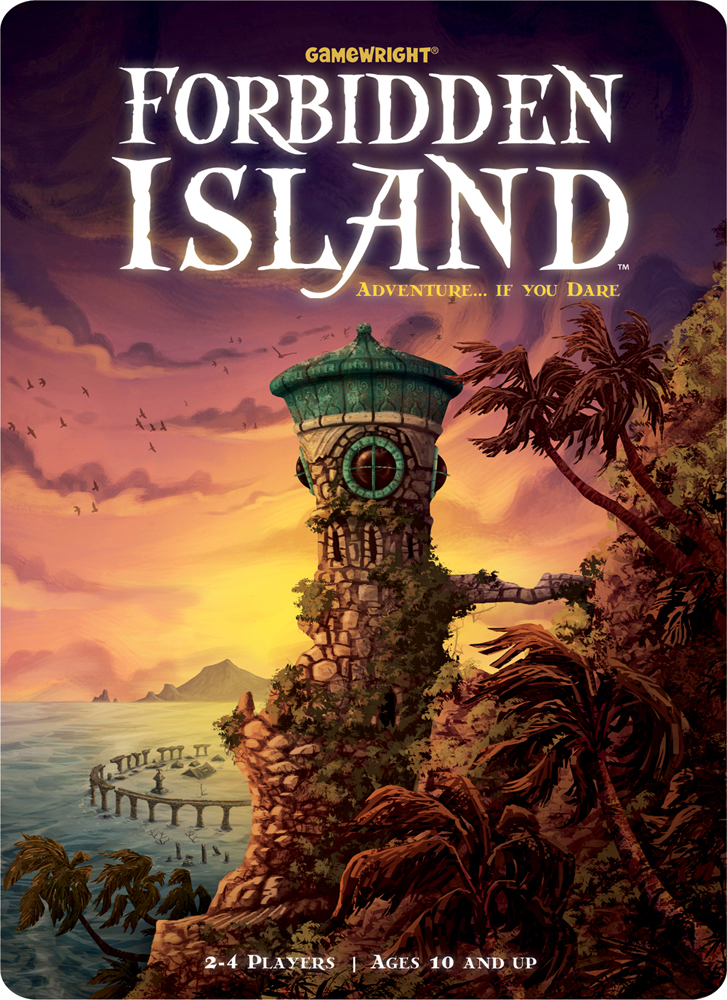
Matt Leacock's pocket-sized cousin to Pandemic. 2-4 players grab four treasures and escape a sinking island before the tiles flood out from under you, in about 30 minutes for around twenty dollars. The lowest-cost on-ramp to the entire genre — and Forbidden Desert (2-5, ~45 min) is the perfect step up when your table's ready for more.
- Around $20 — the genre's best entry-level value
- Teaches Pandemic's logic in a 30-minute box
- Beautiful components in a tiny tin
- Light depth; veterans graduate from it quickly
- Can be solved once a group clicks
At a glance
| game | players | price | weight | best for |
|---|---|---|---|---|
| Spirit Island | 1-4 | ~$50 | heavy | Deepest, most replayable heavy strategy |
| Pandemic | 2-4 | ~$35-40 | med | The all-time best gateway co-op |
| The Crew: Planet Nine | 2-5 | ~$15 | med | Most addictive co-op card game |
| Sky Team | 2 only | ~$30 | light | Best two-player-only co-op |
| Gloomhaven: Jaws of the Lion | 1-4 | ~$60 | heavy | Best value tactical campaign |
| Pandemic Legacy: Season 1 | 2-4 | ~$70 | med | Gold-standard legacy campaign |
| Arkham Horror: The Card Game | 1-4 | ~$60 | heavy | Deepest reusable narrative LCG |
| Horrified: Universal Monsters | 1-5 | ~$35 | light | Family & mixed-age crowd-pleaser |
| Just One | 3-7 | ~$25 | light | Big-group party co-op |
| Forbidden Island | 2-4 | ~$20 | light | Cheapest entry-level on-ramp |
| Mysterium | 2-7 | ~$45 | med | Atmospheric co-op deduction |
| Hanabi | 2-5 | ~$12 | light | Pure limited-info card co-op |
Questions, answered
What is the best cooperative board game overall?
Spirit Island. It's a 1-4 player heavy strategy game where you play spirits defending an island from invaders, and it's the consensus pick of the heavy-co-op community as the genre's high-water mark — Shut Up & Sit Down dubbed it 'Pandemic with people.' Its asymmetric design means no single player can dominate the table, which solves co-op's biggest flaw. That said, the truest answer is 'it depends on your table': Pandemic is the best gateway, Sky Team the best two-player, and The Crew the best card co-op.
What's the best cooperative board game for beginners?
Pandemic (2-4 players, 45 min, ~$35). It teaches the entire logic of co-op gaming in ninety seconds — cure four diseases before the world's outbreaks cascade — and its difficulty literally scales by how many Epidemic cards you add. For an even cheaper, smaller first step, Forbidden Island (~$20, ~30 min) is Matt Leacock's pocket-sized cousin and the lowest-cost way to find out if co-op is for you.
What's the best cooperative board game for 2 players?
Sky Team — and it's not especially close. It's a 2-player-only game (you can't play it any other way) that won the 2024 Spiel des Jahres, where a pilot and co-pilot silently place dice to land a plane in about 20 minutes. The no-talking rule forces you to think as a single organism. If you want a campaign instead, Gloomhaven: Jaws of the Lion and Arkham Horror: The Card Game both shine at two players.
What's the best cooperative board game for families and kids?
Horrified: Universal Monsters (1-5 players, ~60 min, ~$35) is the top family pick — you defend a town from classic monsters, the theme does all the teaching, and difficulty scales by how many monsters you face. Forbidden Desert (2-5, ~45 min) is a great step up, and Just One (3-7) is the best all-ages party co-op, playable by grandparents and grade-schoolers alike.
What's the hardest cooperative board game?
Among widely played co-ops, Spirit Island is the toughest mainstream pick — a heavy game (~3.9/5 community weight) that punishes tables who can't manage damage, board control, and fear together. Gloomhaven: Jaws of the Lion on normal difficulty and Arkham Horror: The Card Game's harder scenarios are also genuinely brutal. All three reward a sharp, communicative group and forgive nothing from a passive one.
What's the best cooperative card game?
The Crew: The Quest for Planet Nine (2-5 players, ~$15) — a cooperative trick-taking game that won the 2020 Kennerspiel des Jahres (the expert award), which a tiny card game almost never does. It runs 50 escalating missions with limited communication and is dangerously addictive. Hanabi (the 2013 Spiel des Jahres winner, where you hold your cards backwards) and The Mind are the other two card-co-op essentials.
What's the best cooperative game for a big group (6 or 7 players)?
Just One (3-7 players, ~$25, 2019 Spiel des Jahres) is the best large-group co-op — everyone secretly writes one-word clues, and duplicates cancel, so you're racing to be both helpful and original. Mysterium (2-7) is a great atmospheric alternative where one player is a silent ghost guiding mediums to solve a murder. Most heavy co-ops cap at four, so these crowd-built designs are the move for a full table.
What's the best legacy or campaign cooperative game?
Pandemic Legacy: Season 1 (2-4 players, ~$70) is the gold standard — a 12-month campaign that permanently changes the game as you play, currently #2 on all of BoardGameGeek. For a reusable rather than one-and-done campaign, Arkham Horror: The Card Game offers the deepest branching narrative, and Gloomhaven: Jaws of the Lion is the best-value 40-hour tactical campaign at around $60.
Are cooperative board games actually fun, or too easy?
They're fun precisely because the difficulty is real — a good co-op like Spirit Island, Gloomhaven, or even Pandemic on higher settings will beat you, and beating it back is the thrill. The one genuine pitfall is the 'alpha gamer' who solves everyone's turns. The fix is a simple house rule (each player makes their own final decision) and games like Spirit Island that are structurally impossible to quarterback.
What is the alpha gamer problem and how do I avoid it?
It's when one experienced player effectively plays everyone's turns 'optimally,' turning a group game into a solo game with spectators. Avoid it three ways: (1) house-rule that information-sharing is fine but each player makes their own final call; (2) pass the 'lead' around each round; and (3) choose games like Spirit Island, where the asymmetric, information-dense design makes it impossible for one person to hold the whole board in their head.
What's the cheapest great cooperative game?
Hanabi and The Mind both run around $10-15 and are bona fide classics — Hanabi even won the 2013 Spiel des Jahres. The Crew (~$15) delivers Kennerspiel-des-Jahres-level depth for the price of a couple of coffees. And Forbidden Island (~$20) is the cheapest full board-game on-ramp. You do not need to spend a lot to get the genre's best feelings.
Do cooperative games work well solo (one player)?
Many of the best ones are excellent solo. Spirit Island, Gloomhaven: Jaws of the Lion, Arkham Horror: The Card Game, and Horrified all officially support a single player (you run multiple characters in some), and the solo co-op scene is one of the most active corners of the hobby. If you mostly game alone, prioritize those four.
Imani's verdict
If you buy one cooperative board game, the right answer is almost never 'the best one' — it's 'the best one for your table.' Pandemic is the gateway everyone should own; it teaches the whole genre in a single evening. Spirit Island is the summit for groups ready to think hard together and the consensus champion of the heavy-co-op faithful. Sky Team is the unbeatable two-player box, The Crew the most addictive card co-op ever to win an expert-game award, and Gloomhaven: Jaws of the Lion the best forty-hour campaign for sixty dollars. For families, Horrified and Forbidden Island win the room; for a loud crowd, Just One wins the night; and for a saga your group will still be texting about a year later, Pandemic Legacy: Season 1 stands alone. But hear the one thing under all of it, the thing every voice in this guide keeps singing: in co-op, the game is the opponent and the people are the point. Pick the box that fits your chairs, pass the conductor's baton around so everyone gets to sing, and go lose a few gloriously together. Bring: your favorite people. That's the only component the box leaves out.
Still deciding? Take the Game-Finder — answer seven quick questions and the cabinet hands you the one board game built for your table, with a buy link and your own shareable player talisman.
Research ledger 22 sources · reviewed 2026-07-17
Specifications, rules, current product information, community experience, and contrary evidence were checked against the sources below. Commercial links are kept separate from editorial evidence.
- shutupandsitdown.comshutupandsitdown.com/review-spirit-island
- gamesradar.comgamesradar.com/games/board-games/i-review-board-games-for-a-living-and-think-sky-team-is-an-essential-purchase-for-two-player-game-night
- wargamer.comwargamer.com/board-games/sky-team-spiel-des-jahres-winner
- en.wikipedia.orgen.wikipedia.org/wiki/The_Crew_(card_game)
- en.wikipedia.orgen.wikipedia.org/wiki/Sky_Team_(board_game)
- en.wikipedia.orgen.wikipedia.org/wiki/Hanabi_(card_game)
- en.wikipedia.orgen.wikipedia.org/wiki/The_Mind_(card_game)
- en.wikipedia.orgen.wikipedia.org/wiki/Marvel_Champions:_The_Card_Game
- boardgamegeek.comboardgamegeek.com/boardgame/162886/spirit-island
- boardgamegeek.comboardgamegeek.com/boardgame/291457/gloomhaven-jaws-of-the-lion
- boardgamegeek.comboardgamegeek.com/boardgame/373106/sky-team
- zmangames.comzmangames.com/game/pandemic
- zmangames.comzmangames.com/game/pandemic-legacy-season-1
- cephalofair.comcephalofair.com/products/gloomhaven-jaws-of-the-lion
- fantasyflightgames.comfantasyflightgames.com/en/products/marvel-champions-the-card-game
- fantasyflightgames.comfantasyflightgames.com/en/products/arkham-horror-the-card-game/products/arkham-horror-card-game-revised-core-set
- ravensburger.usravensburger.us/en-US/products/games/board-games/horrified-universal-monsters-60001836
- plaidhatgames.complaidhatgames.com/board-games/forgotten-waters
- gamewright.comgamewright.com/product/Forbidden-Island
- amazon.comamazon.com/dp/B00B4ECHJI?tag=puzzlewick-20
- rprod.comrprod.com/en/party-games/just-one
- coopboardgames.comcoopboardgames.com/cooperative-board-game-reviews/gloomhaven-jaws-of-the-lion
Okay but have you seen what everyone’s saying about this?


Keep exploring
The next smart rabbit holes.
◈ Universe HubAeon's End: the whole buying pathAeon's End is a cooperative deckbuilding boss-battle system where players never shuffle their decks. This universe maps the...✦ Topic PathBoard Game Buying Guides: compare the whole shelfStart with the decision, not the shelf. These guides compare the games, editions, expansions, player counts, and costs people...GuideThe Ultimate Gloomhaven and Frosthaven Host Setup in 2026: Cut Setup to 15 Minutes and Make Campaign Night Feel EffortlessA host-first build sheet for the two campaign giants: the map filing, small-parts storage, free app boundary, table zones, setup relay,...