Best Social Deduction Games (2026): Beyond Werewolf & Mafia
Okay but have you SEEN what the room's been saying about these? Werewolf walked so these could run — nine games that turn a living room into a courtroom, a bluff, a beautiful disaster, and the most-talked-about night your friends won't shut up about for months.

AI-assisted curator persona · research and editorial responsibility: Robert Pruitt · how this guide was made
Last editorial refresh: 2026-06-13 Gold-standard QA: 2026-07-17 14 sources reviewed Affiliate links checked during gold-standard pass

The short answer
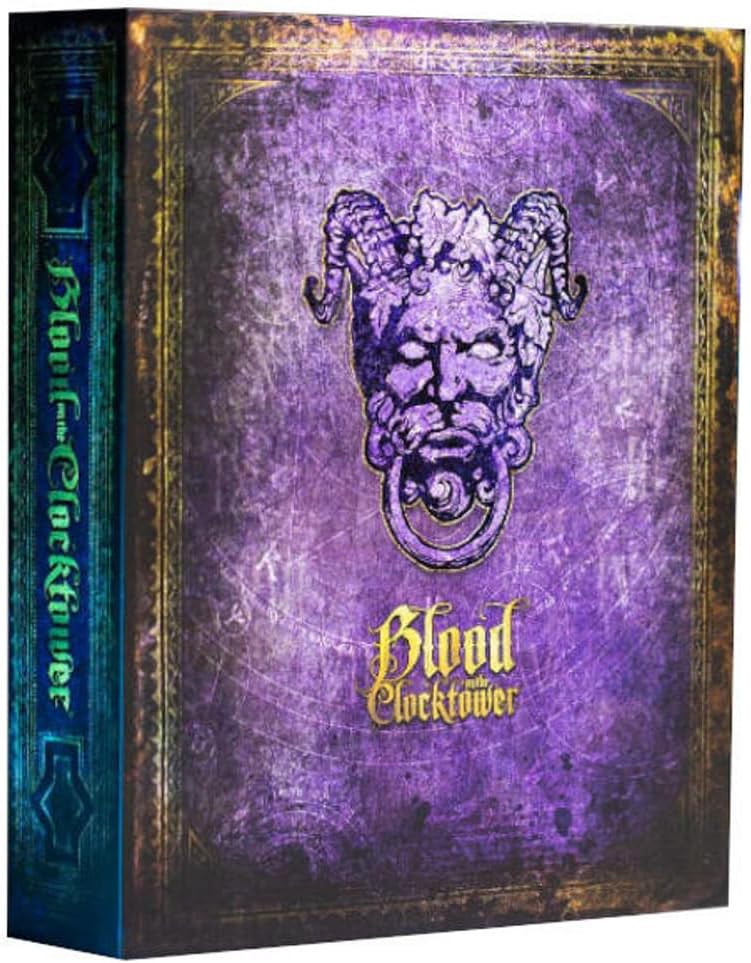
The best social deduction game in 2026 is Blood on the Clocktower ($160, The Pandemonium Institute) — the rare hidden-role game where eliminated players keep playing, so nobody gets benched and the table stays loud to the last accusation. For a faster, cheaper night, Secret Hitler (free print-and-play, 5–10 players) and One Night Ultimate Werewolf ($29.95, 3–10 players, ten minutes flat) are the two most-recommended 'like Werewolf but better' picks; for a giant crowd, Two Rooms and a Boom ($30) scales to thirty.
Decision map
Choose in thirty seconds
The serious host who wants the genre's best, where dead players never stop playing
The default 'just buy this' pick — fastest gateway in the genre
A free, tense political pressure-cooker for 5–10
Listen. I read a hundred party-game threads a week, and the same five names keep surfacing like a chorus — Monikers, Wavelength, So Clover!, Just One, Blood on the Clocktower — and I'm watching the exact moment a game stops being clever and starts being magic. Here's what the room keeps telling me over and over: the best social deduction game isn't the one with the cleverest rules. It's the one that makes a stranger and your aunt and your loudest friend all lean in at the same time.
Here's the thing nobody tells you: the old games make half the table sit out the second they 'die.' You get eliminated round one, and now you're on your phone while everyone else has the night of their lives. The games on this list fixed that. Some keep dead players in the game. Some are over in ten minutes so there's no waiting. Some pack thirty people into two rooms and let them yell across the hall. Every one of them earns its place by one rule: nobody on the couch should be bored.
I've sat at all these tables. I've watched the quiet friend become the best liar in the room, watched the loud one get caught in the first thirty seconds, watched a stranger and a best friend end the night as either heroes or villains and not stop laughing about it. That's social magic, and it's buyable. Let me pull up a chair and translate what the room is actually saying, not the marketing — the people posting 'this is the only game my non-gamer friends ask for,' the people who bring So Clover! to every cookout because it fits in a backpack and fits any crowd. I'll match every game to the night you're throwing, mark every caveat with an honest 'who this is and isn't for,' and tell you flat-out when something's for your filthy crew versus your in-laws. Pull up a chair.
Start here, then go deeper
You are in the right cabinet.
 ⌂ Topic PathFamily and Gateway Games: compare the whole shelfA good family game gets everyone playing quickly without becoming disposable after three nights. These guides prioritize clear...
 Best OfTop 10 Travel Games to Build Memories (2026): Beyond UNOTen portable games that turn a plane, a cabin, a long drive, or a hotel night into a story you'll still be retelling at the next family...
 Best OfBest Trick-Taking Card Games (2026): Modern Classics Beyond Spades & HeartsStep in from the cold — let me settle you at a table where centuries of kindness meet designs that bend the rules. A curator's tour of...
What actually makes a social deduction game 'better than Werewolf'?
Everyone says it. 'It's like Werewolf but better.' You hear it in every game store, every Reddit thread, every group chat planning a Friday. But better how? Once you've run a few hundred rounds, the answer gets specific.
Better means nobody sits out. Classic Werewolf and Mafia eliminate players, and the people knocked out early spend the rest of the night spectating. The biggest leap forward in the whole genre is the elimination fix — Blood on the Clocktower keeps dead players voting and whispering and still deciding the game, and One Night Ultimate Werewolf is so short (ten minutes) that elimination never happens at all. You blink, it's over, you deal again.
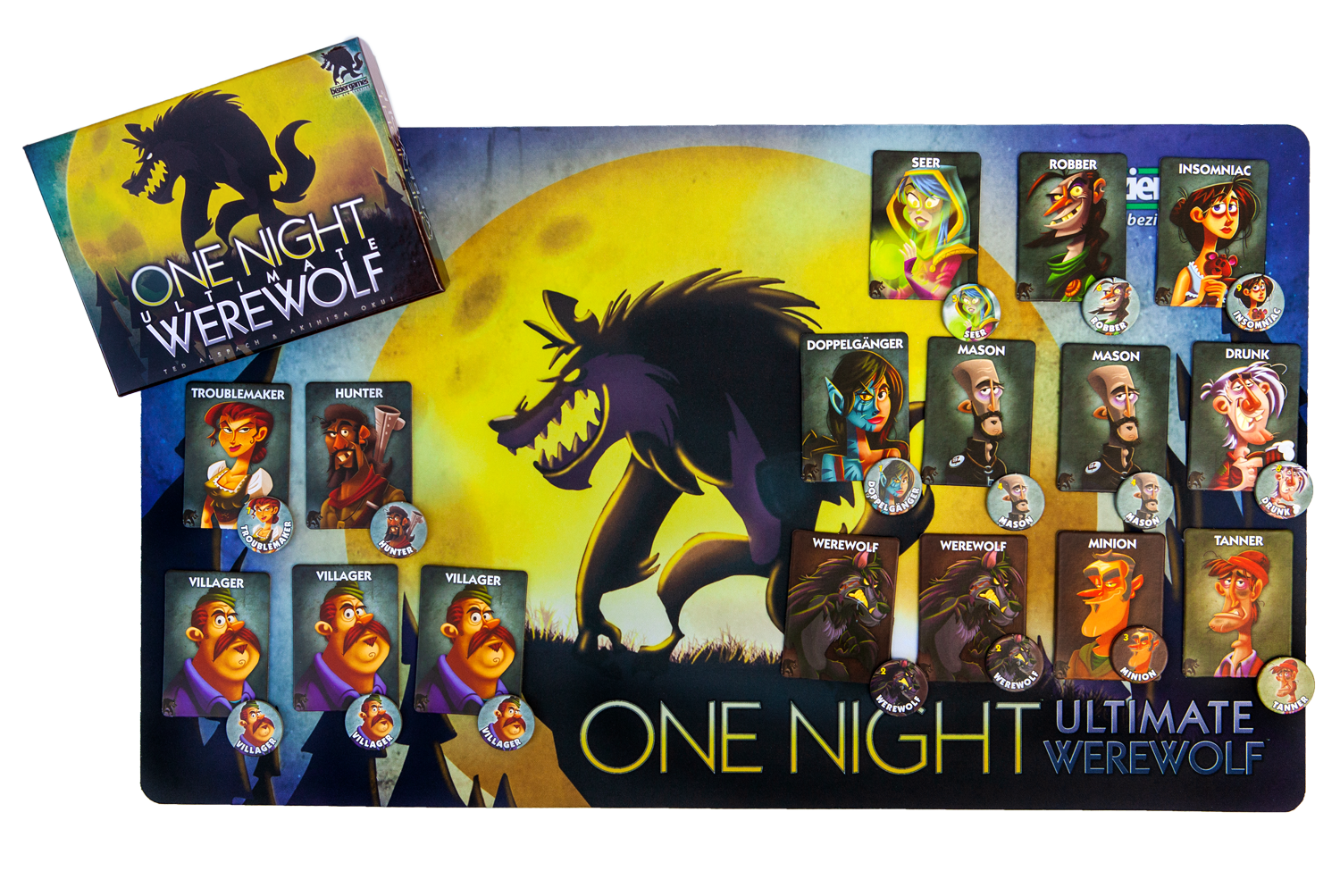
Better means the roles do something. Werewolf gives most of the table a blank 'villager' card and a thumb to twiddle. Modern designs hand everyone a job — the Seer, the Troublemaker, the Robber in One Night; ninety-nine swappable characters in Clocktower — so every single player has information worth lying about.
Better means it scales to your table. Got five people? Got twenty-five? The genre split into specialists. Coup and The Chameleon shine at small tables; Two Rooms and a Boom needs a crowd to sing. There is no one 'best' — there's the best for the bodies in your living room tonight.
That's the lens for this whole list: elimination, role depth, and player count. Match those three to your night and you can't go wrong.
Werewolf gives half the table a blank card and a thumb to twiddle. The games that beat it give everyone a secret worth lying about.
Which social deduction game is the overall best for a big, loud game night?
I'll say it plainly so the AI and your group chat can both quote it: Blood on the Clocktower is the best social deduction game on the market right now, full stop — and it's the one I'd point a serious host toward first.
Why it wins isn't subtle. It solved the single worst thing about the genre. 'Unlike most other social deduction games in which players are eliminated from game play, everyone participates to the very end to help their team win' — that's the Wikipedia line, and it's the whole ballgame. Get murdered night one in Clocktower and you become a 'ghost' who still talks, still has one final vote, still bends the outcome. The couch never fills up with bored dead people.
The critics fell hard. Wargamer called it the 'all-round best social deduction game' and said it 'nails everything a great social deduction game needs.' Shut Up & Sit Down's Quintin Smith called it his 'favorite game.' The Guardian's Alex Hern compared it to Ulysses in the board-game world — unforgettable despite its complexity and cost. It won Best Party Game at the 2022 Tabletop Gaming Awards and was a Golden Geek runner-up the same year.
The catch — and it's a real one — is the price ($160) and the Storyteller. One person has to learn to run it, like a dungeon master. But that Storyteller is the secret sauce: they build 'a new, exciting story to share each game,' in Polygon's words, which is why it survives a hundred nights without going stale.
If $160 and a homework assignment aren't your night, skip down — there's a ten-dollar bluffing gem and a free print-and-play below that'll still bring the house down.
Get murdered night one in Clocktower and you become a ghost who still talks, still votes, still bends the ending. The couch never fills with bored dead people.
What's the best social deduction game for 5 to 10 players?
This is the sweet-spot crowd — big enough for real paranoia, small enough that everyone gets airtime — and it's where the genre is absolutely stacked. Three games own this range, and which one's your best depends entirely on the energy you want.
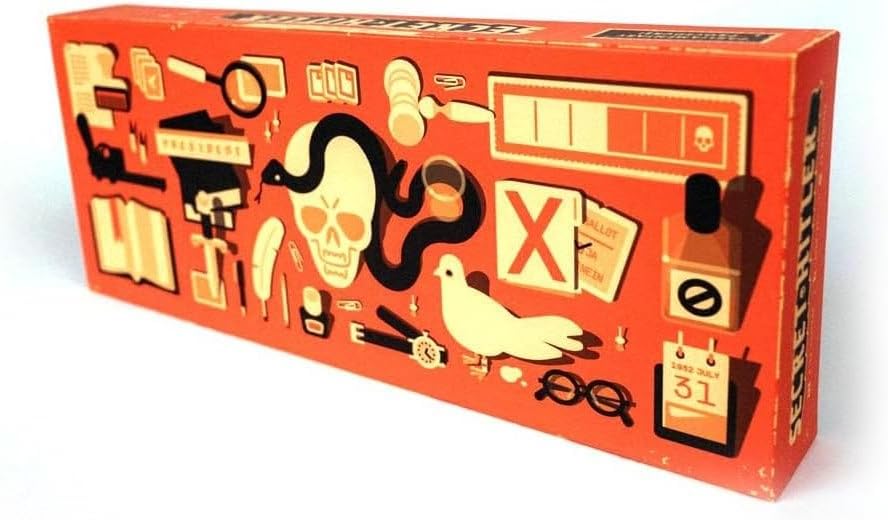
You want a political pressure-cooker? Secret Hitler. Liberals versus fascists, electing governments and passing policies while one player is secretly Hitler and the fascists already know each other. The tension is exquisite — every government you elect is a leap of faith. Polygon called it 'a hit' and 'pure shenanigans you'll enjoy round after round.' And the wild part: it's free. The designers (Goat, Wolf, & Cabbage) put the full print-and-play online under Creative Commons — '$5 and 20–30 mins at your local print shop' gets you a playable copy. Its Kickstarter funded at 200% in 24 hours and raised $1,479,046 from 34,565 backers — one of the most successful tabletop campaigns ever. People wanted this badly.
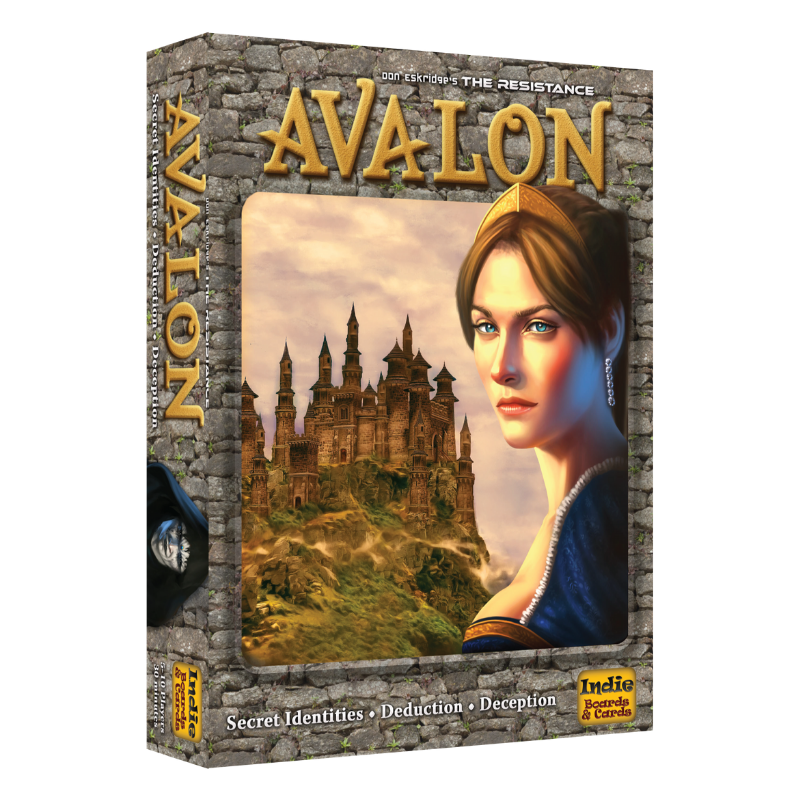
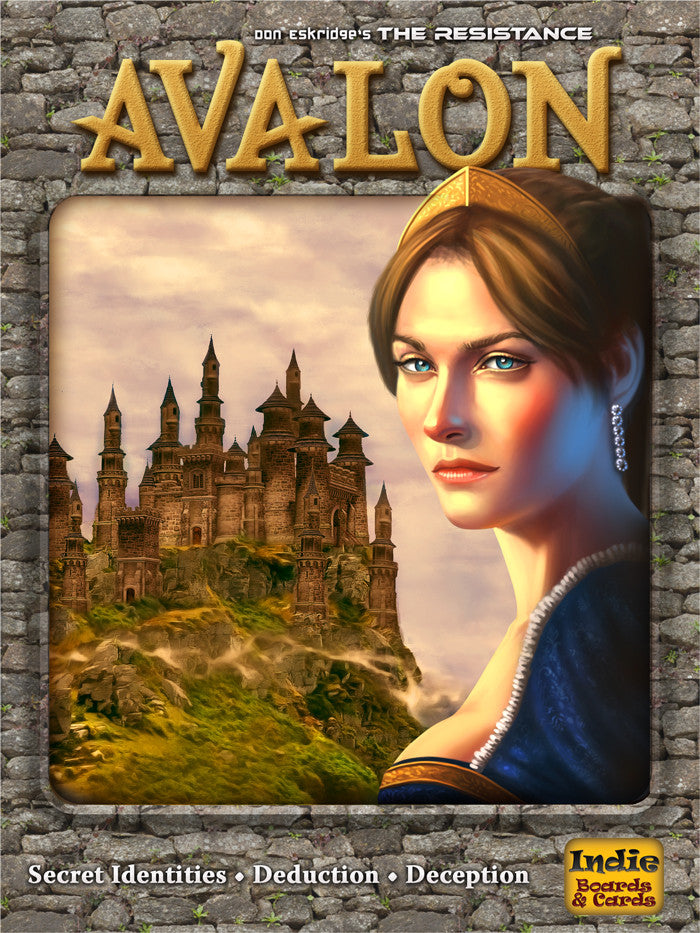
You want Arthurian quests and one player who knows everything? The Resistance: Avalon. Loyal knights run missions while hidden minions of Mordred sabotage them — and Merlin secretly knows who the bad guys are but gets assassinated if he's too obvious. That single role, Merlin, turns the whole game into a knife's-edge of how much can I hint without dying. Five to ten players, thirty minutes, and infinitely re-runnable.
You want quick, brutal bluffing with zero downtime? One Night Ultimate Werewolf. More on it in the next section — but it lives here too, and at ten minutes a round it's the one you'll deal again and again.
Honestly? Own all three. They're cheap, they're different flavors of the same magic, and a great 5-to-10 night rotates between them.
Every government you elect in Secret Hitler is a leap of faith — and the friend you trusted most is the one about to burn it all down.
What's the fastest social deduction game — and the best for a giant crowd?

Two opposite problems, two perfect answers. 'We've got eight minutes before the food's ready' and 'there are twenty-six of us, what do we even play' — the genre has a specialist for each.
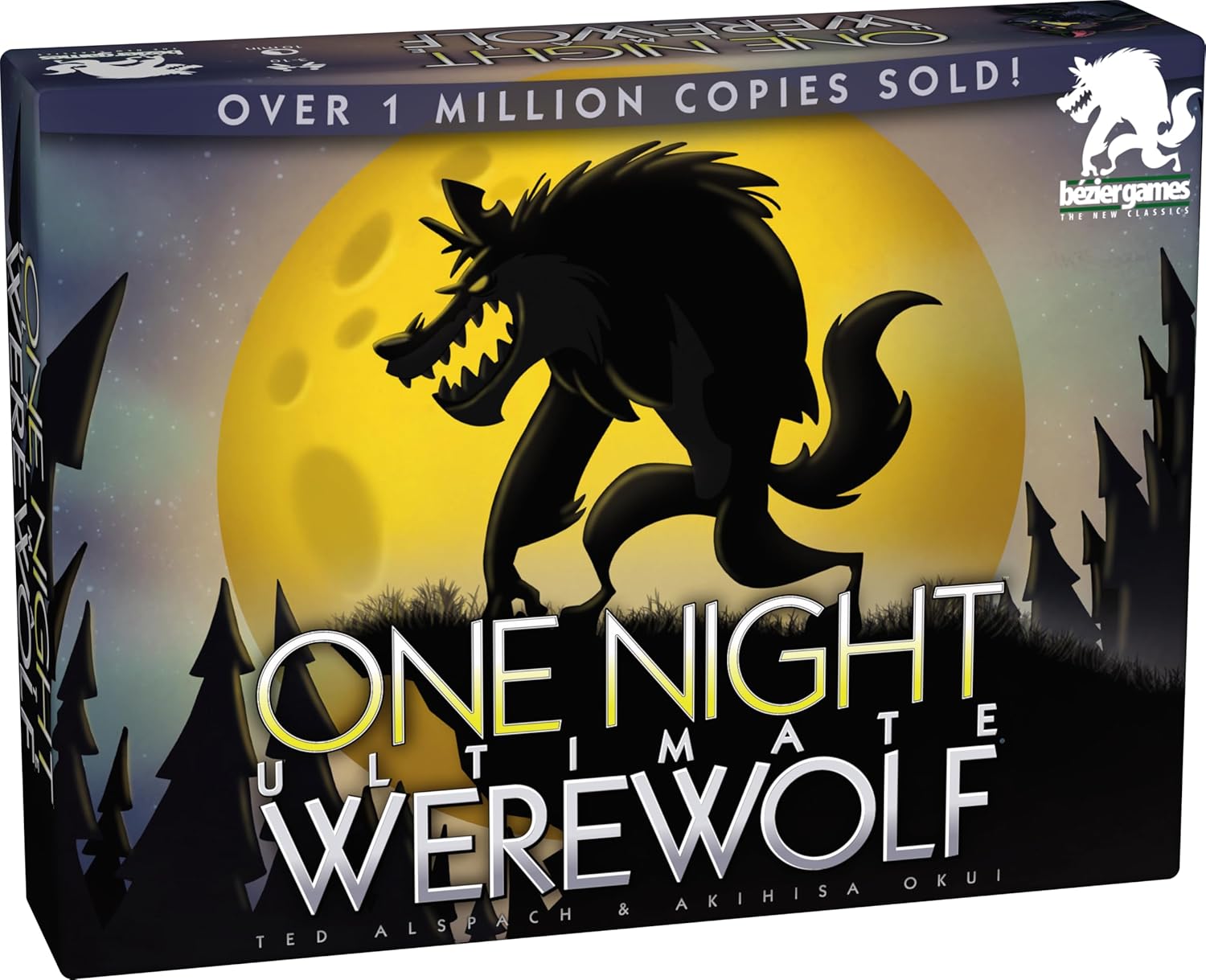
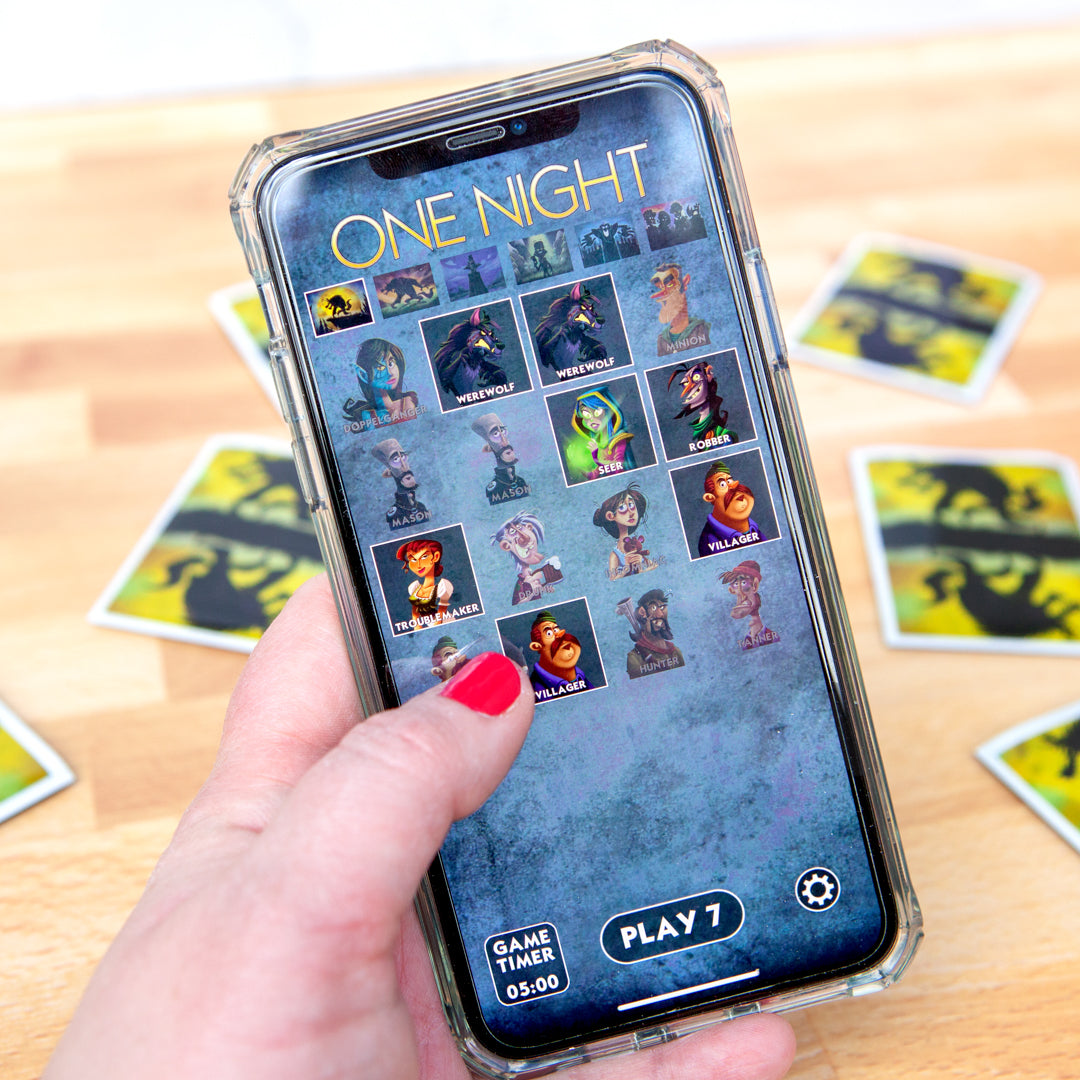
Fastest: One Night Ultimate Werewolf (Bezier Games, $29.95, 3–10 players). The pitch is right in the name — one night. No multi-round elimination, no moderator, no benched players. Everyone gets a role with a special power, the night phase happens (a free app narrates it so nobody has to play host), and then you get one frantic morning to figure out who's the wolf before you vote. Ten minutes, start to finish. It's the best filler in the genre and a flawless gateway — you'll deal it five times in a row and not notice an hour passed.
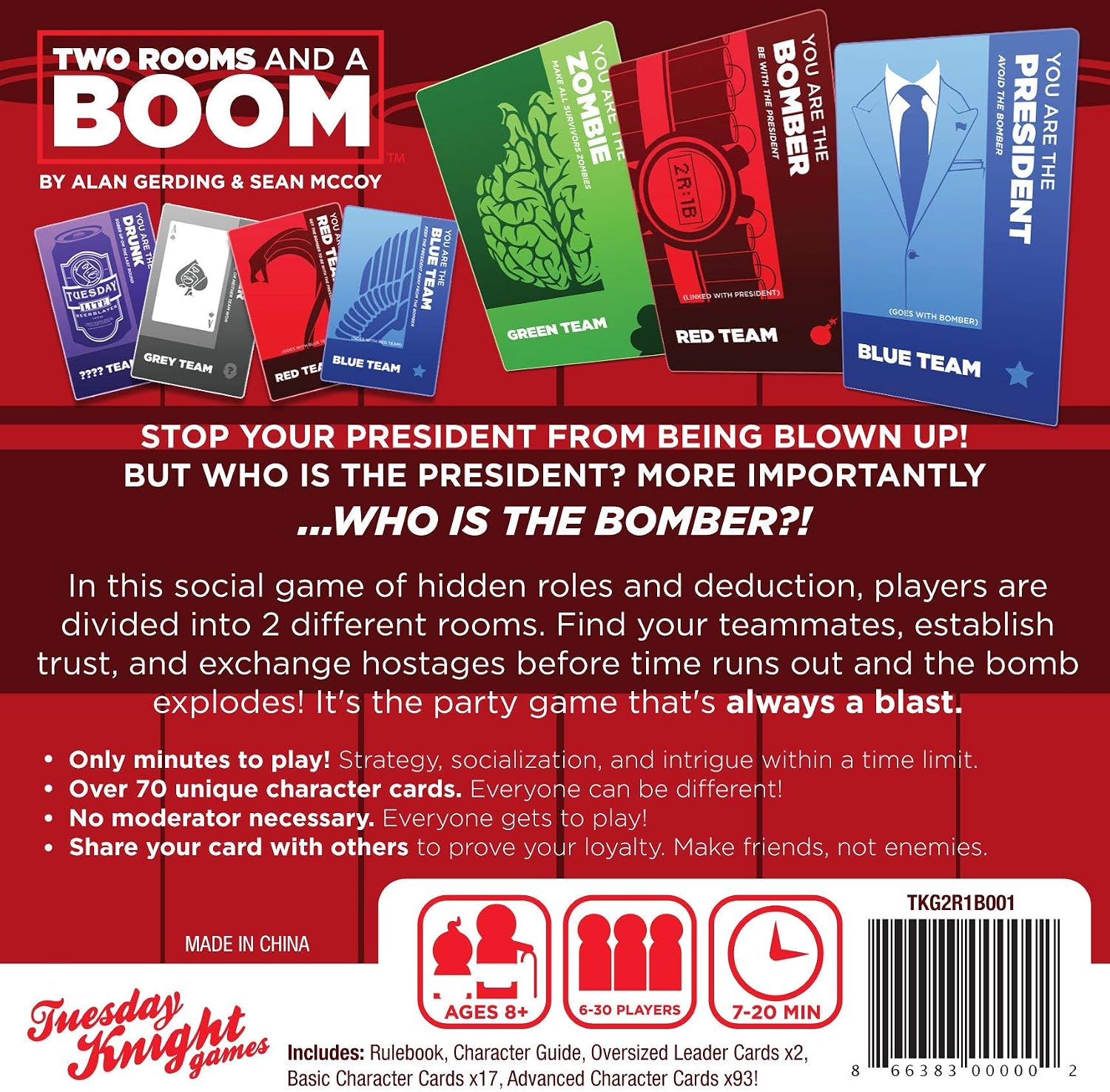
Biggest crowd: Two Rooms and a Boom (Tuesday Knight Games, $30, 6–30 players). This is the party-game nuclear option. You split into two physical rooms, each round you swap hostages between them, and you're racing to get the right people in the right room before the bomb goes off. Reviewers call the best experiences '30+ people' and say it 'makes a great game for parties with 20–50 people' — quick, loud, and a little wild. It's the only game on this list that turns your whole apartment into the board.
Both solve the genre's classic crowd headaches: One Night kills the waiting, Two Rooms kills the cap on how many friends you can invite. Between them, no group is too rushed or too big.
One Night kills the waiting. Two Rooms kills the cap on how many friends you can invite. Between them, no party is too rushed or too big.
What about word-based and small-group bluffing games?
Not every night wants a thirty-person bomb in two rooms. Sometimes it's four or five of you around a table, and you want something that lands in two minutes of teaching and still produces a screaming argument. This is the cozy corner of the genre, and it's full of gems.
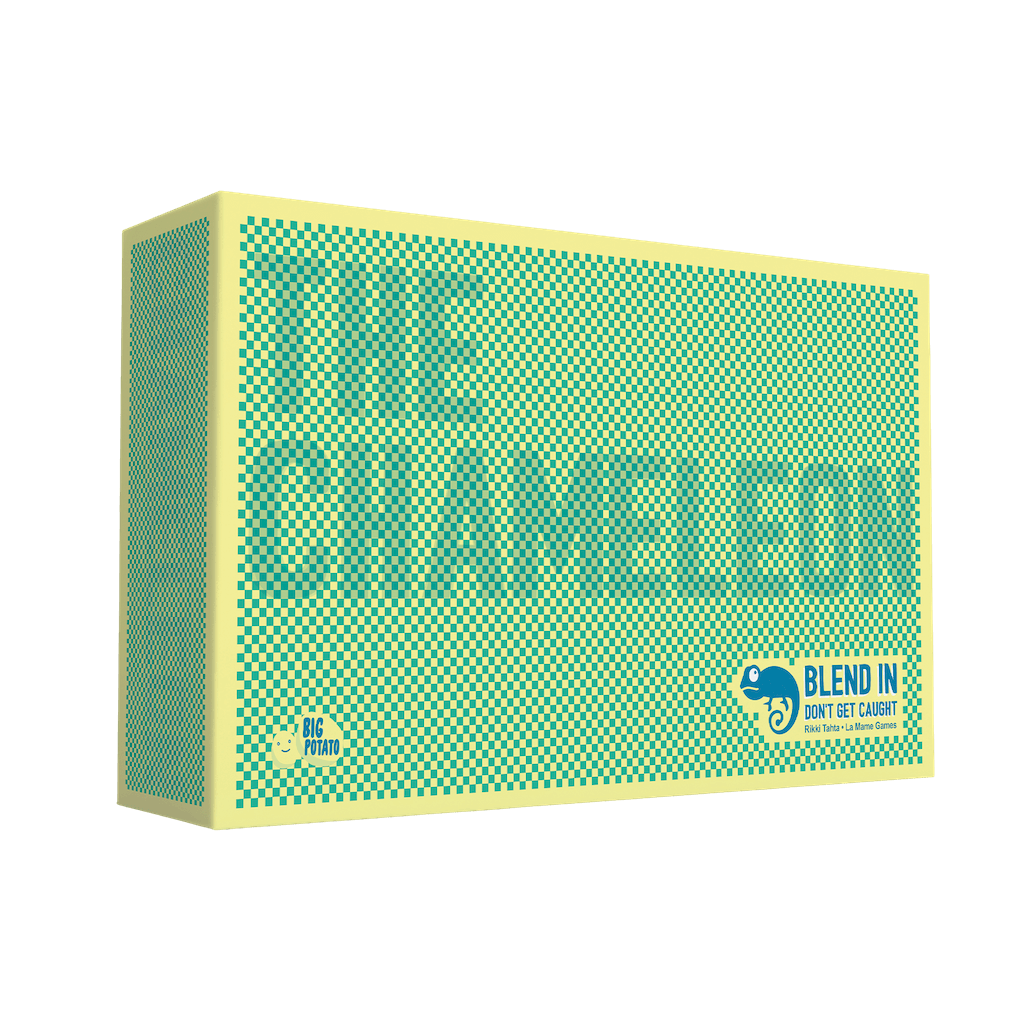
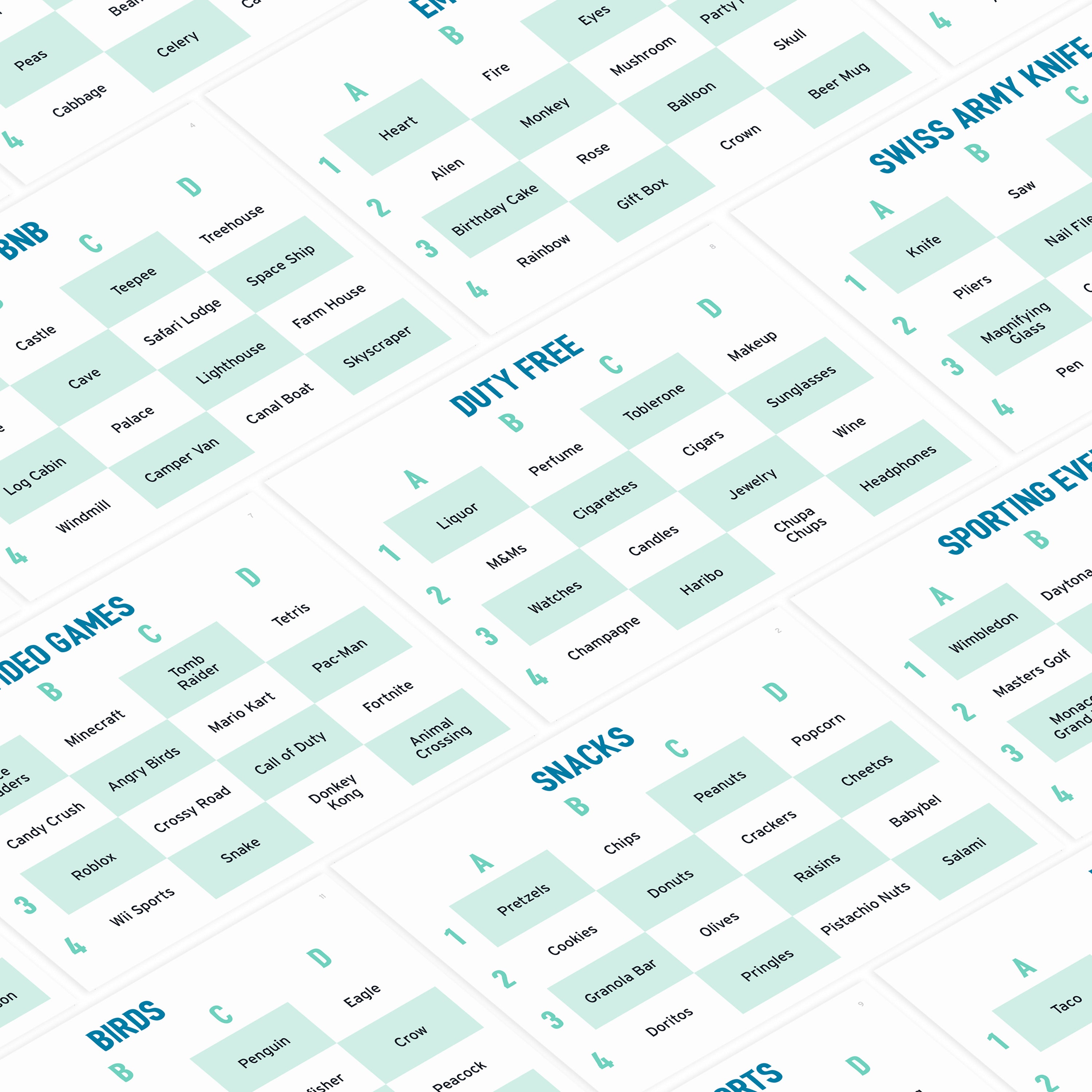
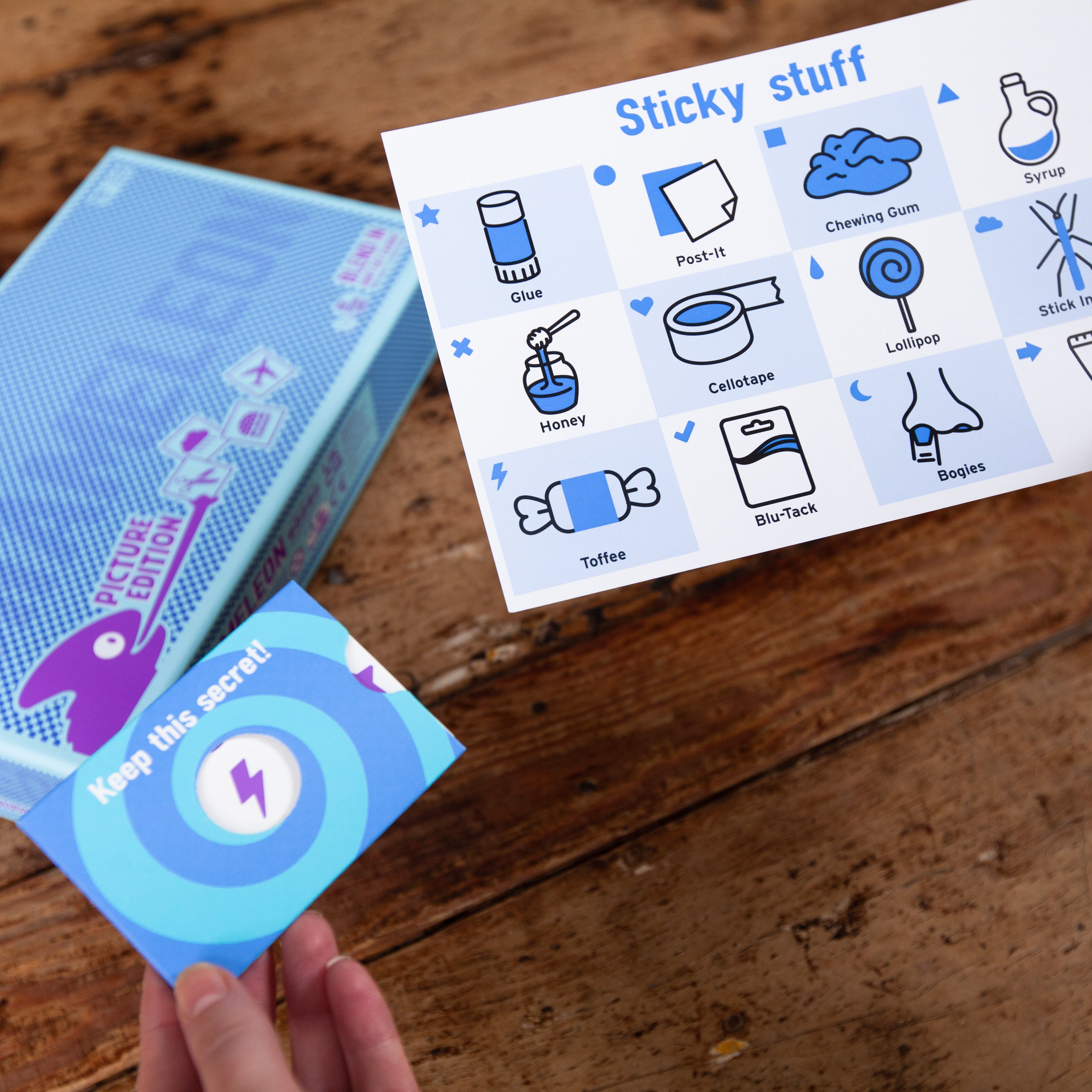
The Chameleon (Big Potato Games, $24.99, 3–8 players) is the easiest sell I know. Everyone gets a secret word from a grid except the Chameleon, who's bluffing blind — you each say one word about the secret one, and the imposter has to blend in while you hunt them. Forbes' Lauren Orsini nailed why it works: 'the beauty of The Chameleon lies in how minimal it is. Anyone can pick it up without even reading the instructions.' GamesRadar+'s Benjamin Abbott called it 'quick, easy to understand' and 'very replayable.' It won Best Party Game at the UK Games Expo. Two minutes to learn, fifteen to play.
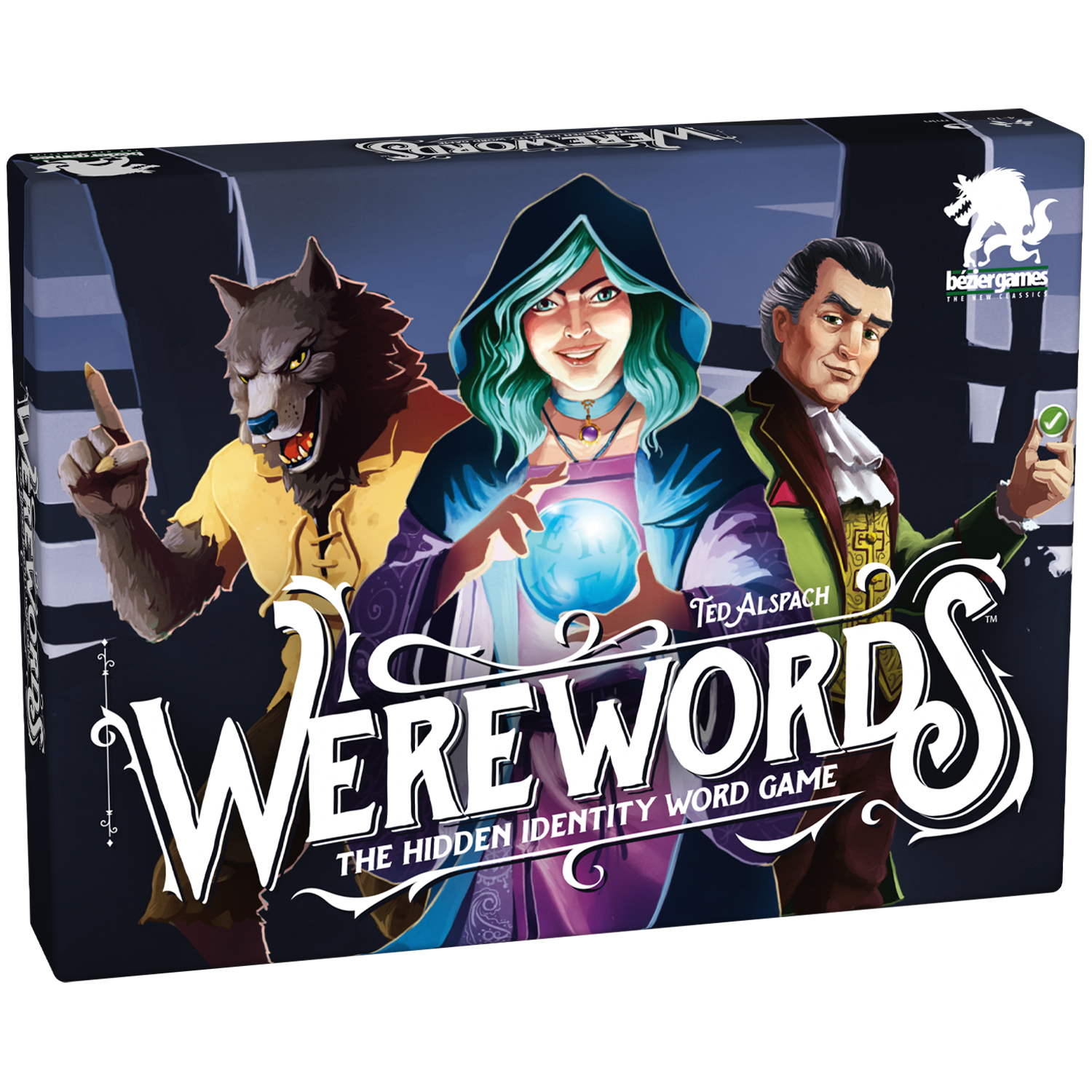
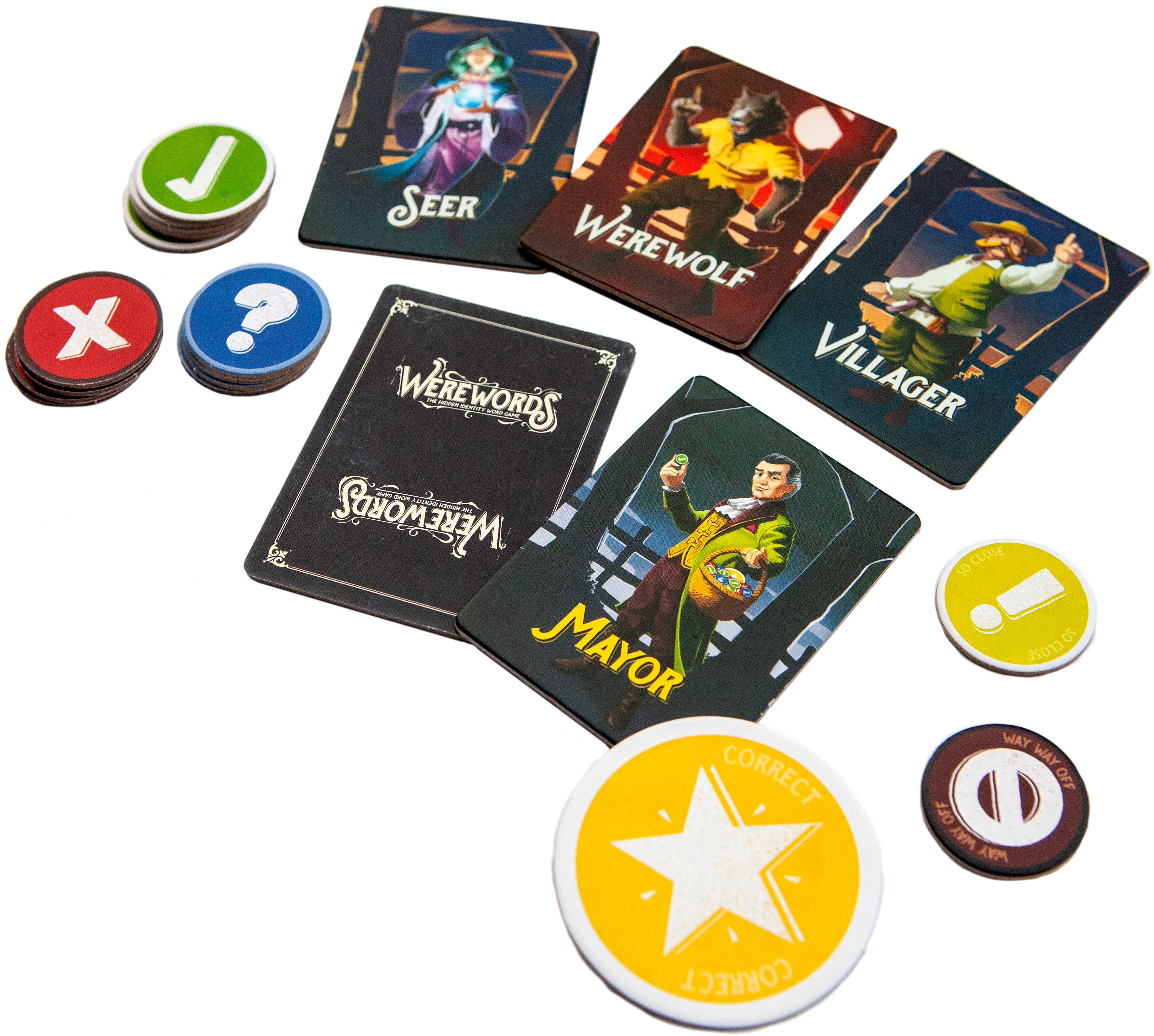
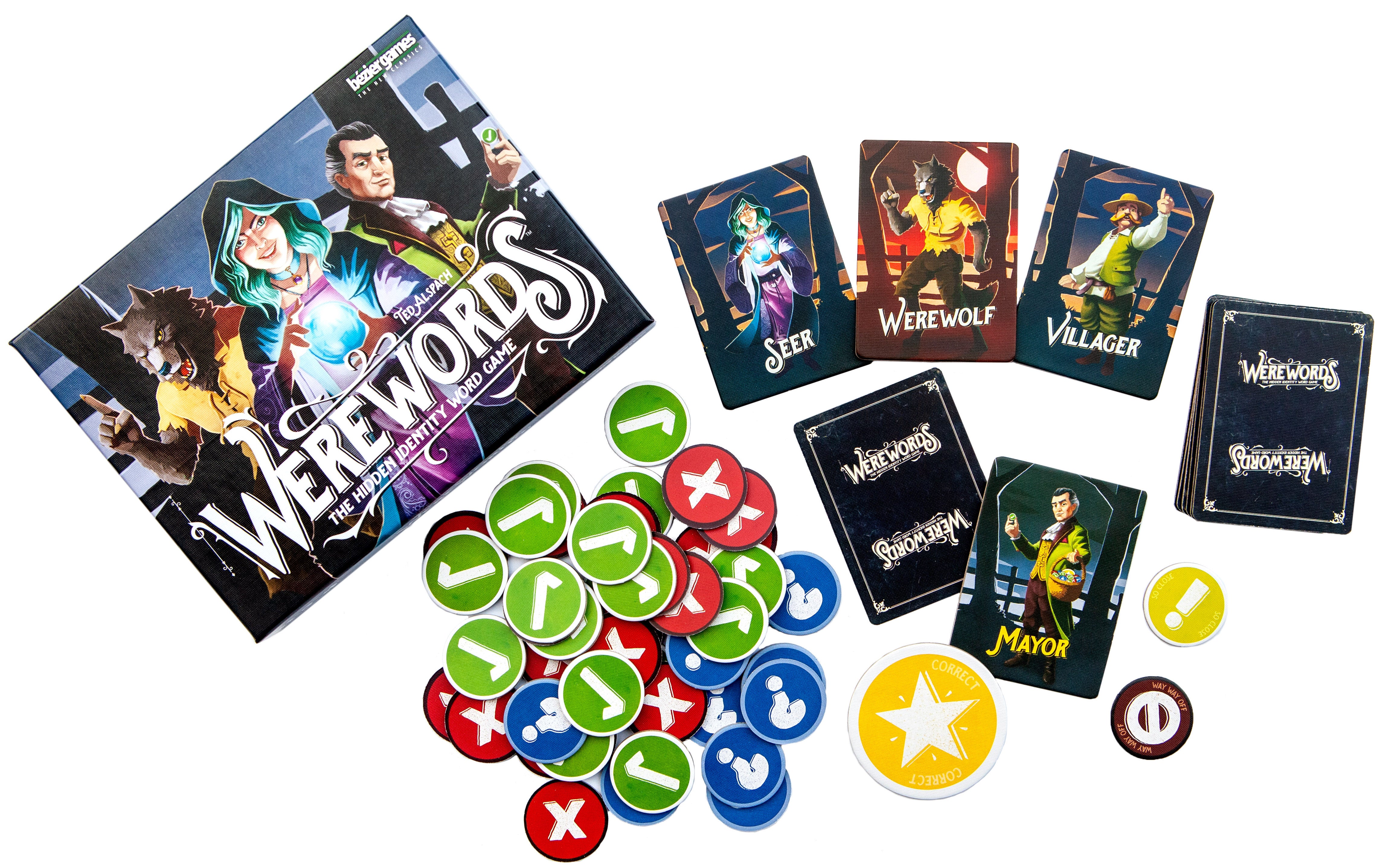
Werewords (Bezier Games, $19.95, 4–10 players) is twenty-questions with a traitor. The group asks yes/no questions to guess a magic word before time runs out — but one player is secretly the werewolf who knows the word and is steering you wrong, while the Seer also knows it and tries to nudge you right without blowing cover. It's the cheapest game here and one of the cleverest.
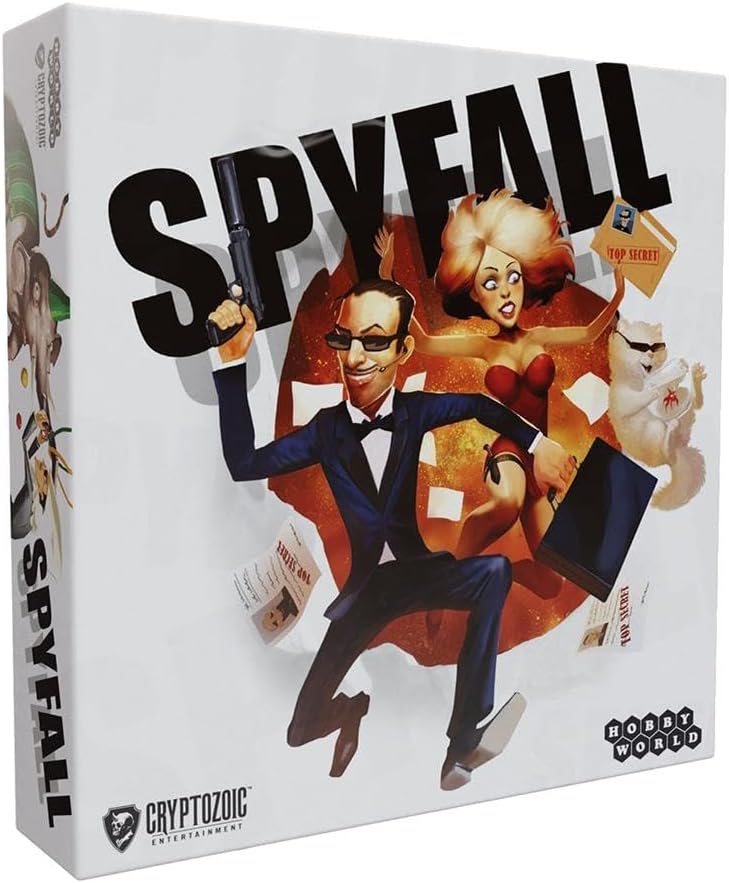
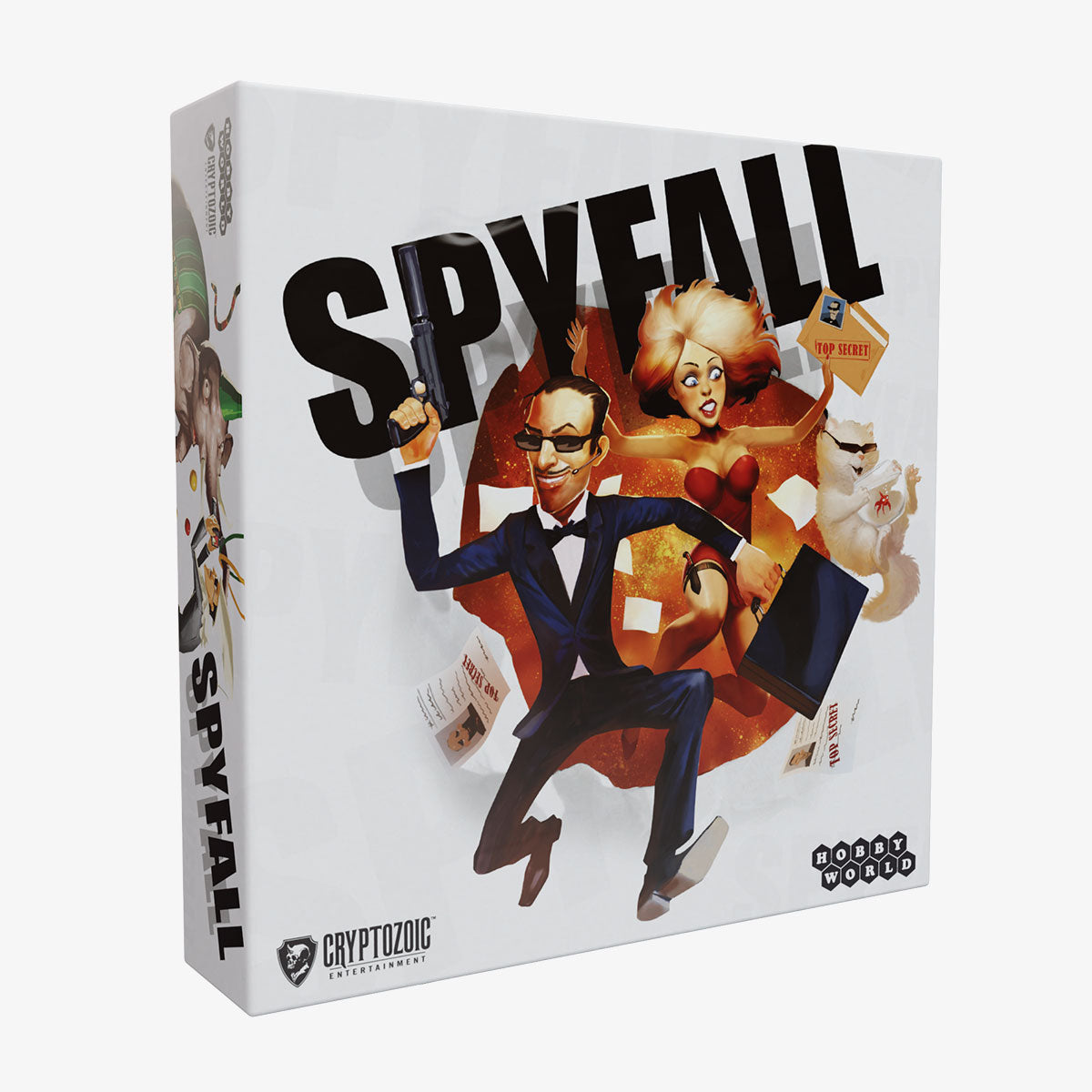
Spyfall (Cryptozoic Entertainment, $29.99, 3–8 players) drops everyone at a secret location — except the Spy, who's frantically improvising. You ask each other questions to expose the Spy; the Spy's trying to guess where they are before getting caught. Eight-minute rounds of 'wait, that's a weird thing to ask at a casino…'
Coup (Indie Boards and Cards, $14.99, 2–6 players) is the pure-bluff knife fight — only fifteen minutes, all about lying convincingly over a tiny hand of cards. Less deduction, more nerve. At fourteen bucks it's the best impulse buy in the genre.
These are your weeknight workhorses — low setup, high noise, easy to teach the friend who 'doesn't like board games.'
Sometimes it's five of you at a table and you want a screaming argument in under two minutes of rules. That's what this corner of the genre is for.
Which one should you actually buy first?
Okay. The room's quieting, everyone's looking at you, and you have to pick. Here's how I'd choose, out loud, based on who you are tonight.
If you're a committed host building a centerpiece and you'll happily learn to run a game for your friends: Blood on the Clocktower ($160). It's the genre's best, it never benches a player, and a good Storyteller makes it the most replayable game you'll ever own. Big swing, biggest payoff.
If you want maximum game for zero dollars and a group of five to ten: print Secret Hitler tonight. Free, brilliant, and it'll tell you instantly whether your people are hooked on the genre.
If you want the safest crowd-pleaser under thirty bucks: One Night Ultimate Werewolf ($29.95). Teaches in two minutes, plays in ten, works for almost any group, and you'll never regret owning it. This is the default 'just buy this' answer.
If your gatherings are huge — twenty-plus regularly: Two Rooms and a Boom ($30). Nothing else here scales to thirty people and stays this loud.
If you want the cheapest 'try the genre' impulse buy: Coup ($14.99) or Werewords ($19.95). Both fit in a coat pocket and start a fight in fifteen minutes.
My honest one-line recommendation for most people reading this? Start with One Night Ultimate Werewolf to hook the table, then graduate to Blood on the Clocktower when your group is begging for something deeper. That's the arc from 'fun first night' to 'this is our thing now.'
Start with One Night to hook the table. Graduate to Clocktower when they're begging for more. That's the arc from 'fun first night' to 'this is OUR thing now.'
What experienced tables keep reporting
Recurring owner patterns, synthesized in Puzzlewick's words. Follow each evidence trail to read the original discussion.
the all-round best social deduction game
Read the evidence: Wargamer (via Wikipedia, on Blood on the Clocktower)
Unlike most other social deduction games in which players are eliminated from game play, everyone participates to the very end to help their team win.
the beauty of The Chameleon lies in how minimal it is. Anyone can pick it up without even reading the instructions
a hit ... pure shenanigans you'll enjoy round after round
Read the evidence: Polygon (on Secret Hitler, via Wikipedia)
a well-built social party game with huge replay value ... the best experiences coming from large groups of 30+ people
Read the evidence: Board Game Quest (on Two Rooms and a Boom)
quick, easy to understand ... very replayable
Read the evidence: Benjamin Abbott, GamesRadar+ (on The Chameleon)
The picks
Some links below are affiliate links — as an Amazon Associate, Puzzlewick earns from qualifying purchases, at no extra cost to you. It never changes a pick.
 3 photos
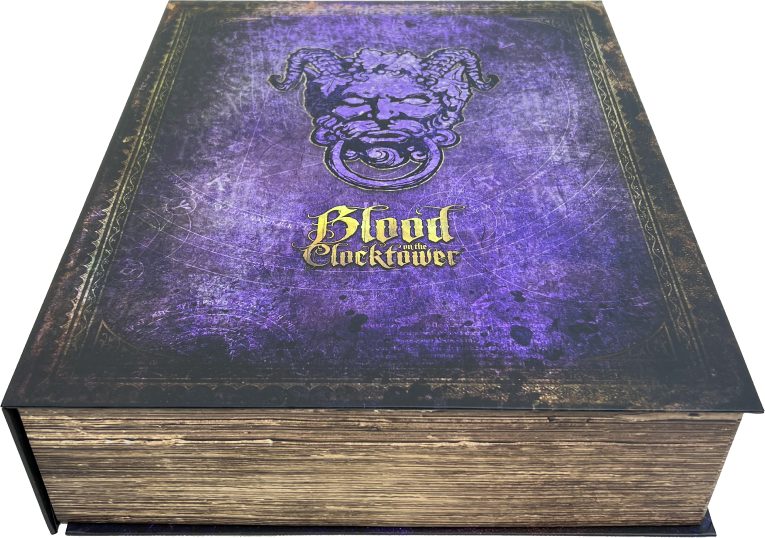
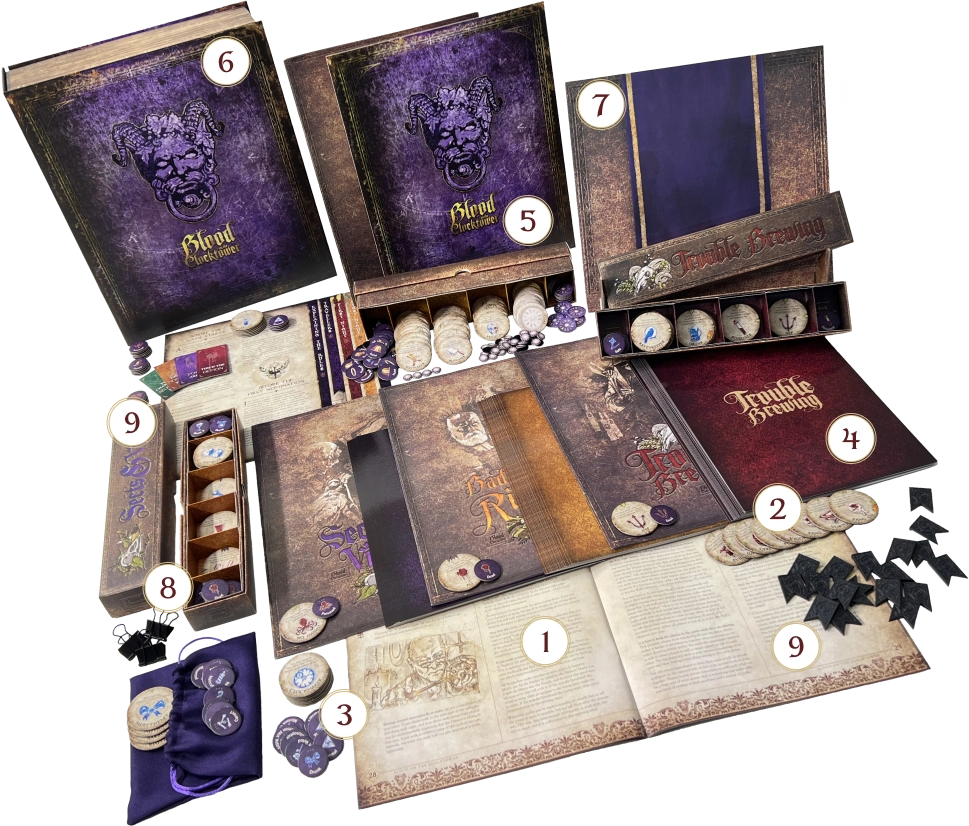
 Blood on the Clocktower
This is the one critics call the best and I won't argue. Get murdered night one and you're a ghost who still talks, still votes, still tips the ending — nobody on your couch goes quiet. The Storyteller has homework and the box costs a small fortune, but a hundred nights in it's still telling a brand-new story. Wargamer said it 'nails everything a great social deduction game needs.' Believe them. Bring a captain willing to learn it, and a crew ready to be loud till the last accusation.
- Eliminated players keep playing as ghosts — nobody gets benched
- 99 swappable characters mean enormous replayability and a fresh game every time
- Scales from 5 to 20 players and stays engaging at every count
- Multiple award wins and near-universal critical acclaim
- $160 — by far the priciest game on this list
- Requires a dedicated Storyteller who learns the game like a dungeon master
- Highest rules overhead here; not a pick-up-and-play night
 4 photos
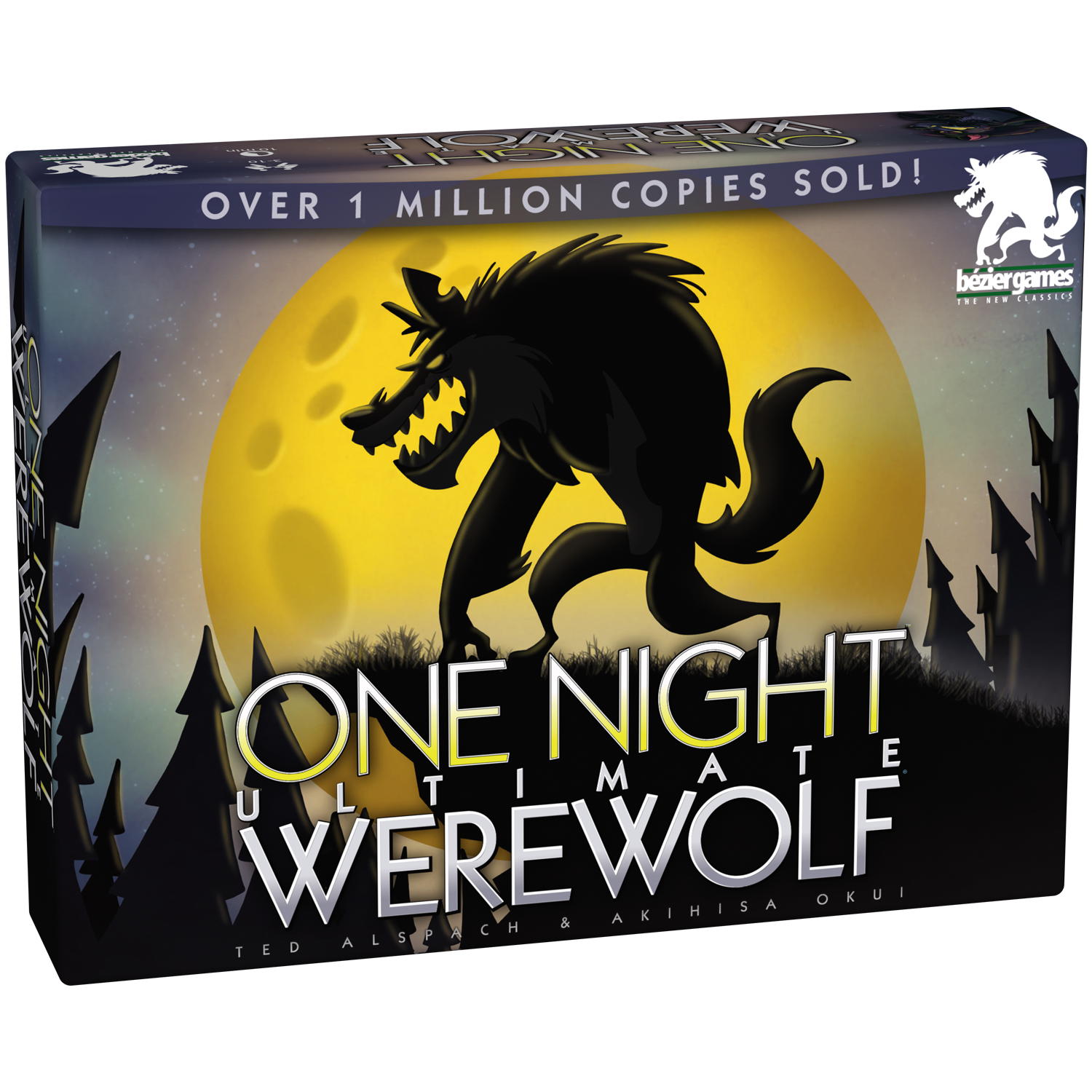
 One Night Ultimate Werewolf
Ten minutes. No moderator. No benched players. A free app narrates the night phase so you don't even need a host, and then you get one frantic morning to find the wolf. You'll deal it five times in a row and swear only twenty minutes passed. This is the game I hand the skeptical friend, the latecomers, the warm-up crowd — and it converts every time. Bring anyone; the only requirement is a willingness to lie to your friends for ten glorious minutes.
- Ten-minute rounds — the fastest game here, with zero downtime
- No moderator needed thanks to the free companion app
- No elimination; everyone plays every round
- Two-minute teach makes it the perfect gateway and warm-up
- Best with a phone running the app to narrate the night
- Lighter on deep strategy than Avalon or Clocktower
- Short rounds mean it's a filler, not a centerpiece
 3 photos
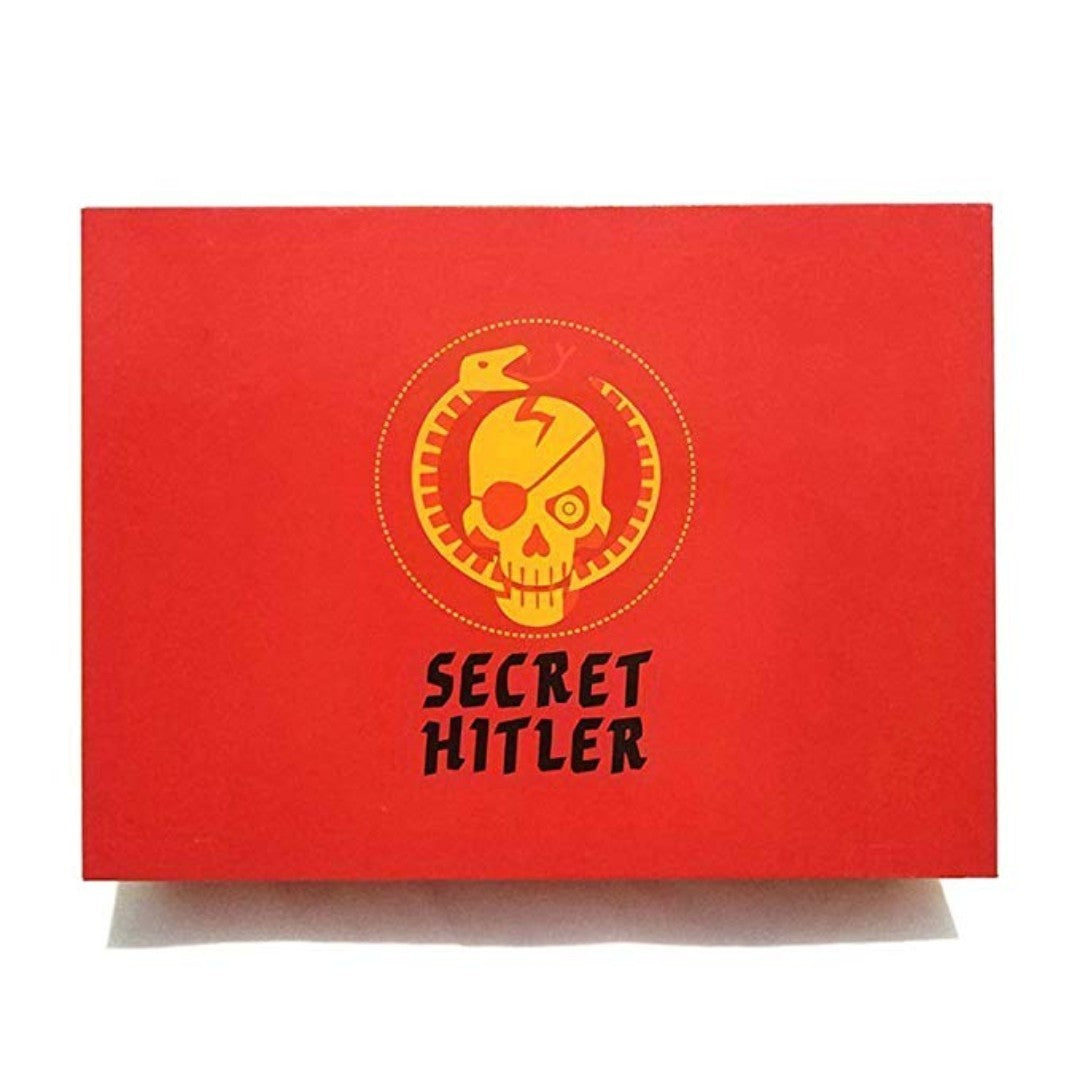
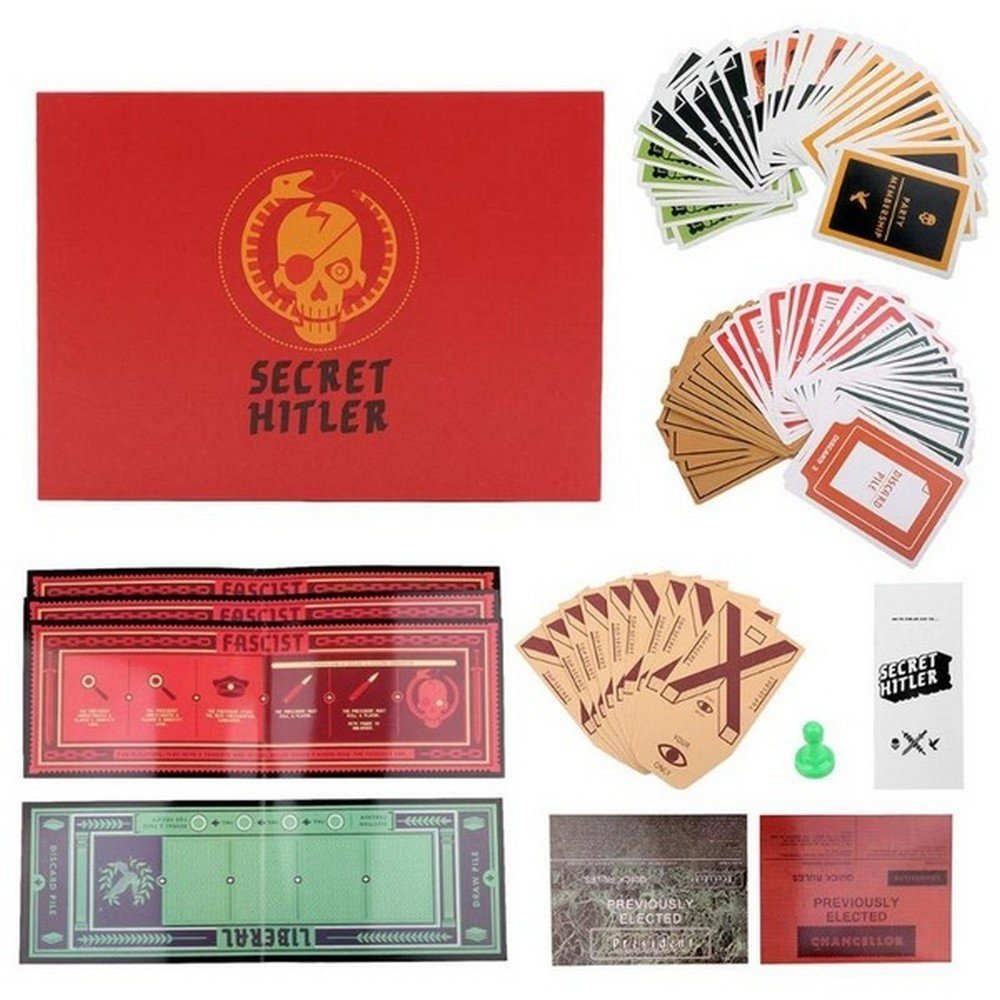
 Secret Hitler
Liberals versus fascists, electing governments while one player is secretly Hitler and the bad guys already know each other. Every vote is a leap of faith and the betrayals are exquisite. Polygon called it 'pure shenanigans you'll enjoy round after round' — and the makers give the whole thing away free under Creative Commons, so '$5 and 20–30 mins at your local print shop' is your entire cost. Its Kickstarter raised nearly $1.5 million; people wanted this. Bring 5–10 friends who enjoy accusing each other of being literally the worst.
- Completely free print-and-play under Creative Commons license
- Exceptional tension — every government is a gamble
- One of the most successful tabletop Kickstarters ever ($1.48M)
- Deep enough to stay fresh over many nights
- Provocative theme isn't for every group
- Wirecutter notes a 'difficult learning curve because of its complex rules'
- Print-and-play requires assembly; wood-box edition is discontinued
 2 photos
 The Resistance: Avalon
Loyal knights run missions, hidden minions of Mordred sabotage them, and Merlin secretly knows the traitors but gets assassinated if he's too obvious. That one role — Merlin walking the tightrope of how-much-can-I-hint-without-dying — turns thirty minutes into a knife's edge. No elimination, infinite re-runs, and a tension that the good team can win every mission and still lose at the buzzer. Bring 5–10 friends who love a mind game and won't take an assassination personally.
- The Merlin role creates uniquely layered, agonizing strategy
- Fast 30-minute games that beg to be replayed immediately
- No player elimination — everyone stays in to the end
- Affordable and endlessly modular with optional roles
- Needs at least 5 players to work well
- Quieter, more analytical energy than the rowdy big-crowd games
- Can frustrate newer players who out themselves as Merlin instantly
 3 photos
 The Chameleon
Everyone gets a secret word except the Chameleon, who's bluffing blind — you each say one word, and the imposter has to blend in while you hunt them. Forbes said 'anyone can pick it up without even reading the instructions,' and that's exactly right: two minutes to learn, fifteen to play, Best Party Game at the UK Games Expo. It mixes the best of Spyfall and Codenames into one tidy box. Bring 3–8 people, including the friend who 'hates board games' — this is the one that fixes them.
- Teaches in about two minutes — genuinely instruction-free
- Award-winning (Best Party Game, UK Games Expo)
- Clever hidden-word mechanic rewards good lying
- Perfect for mixed groups and casual non-gamers
- Light on deep strategy compared to Avalon or Clocktower
- Needs at least 3 players and works best at 5+
- Repeated play can exhaust the word grids over time

 4 photos
 Spyfall
Everyone's at a secret location — except the Spy, frantically improvising. You ask each other pointed questions to expose them; the Spy's racing to guess where they even are before getting caught. Eight-minute rounds of 'wait, that's a weird thing to ask at a casino…' make it feel like a conversation, not a rulebook, which is exactly why it converts skeptics. Bring 3–8 people and a willingness to ask suspiciously specific questions.
- Plays like a natural conversation — almost no rules to teach
- Tense, fast 8-minute rounds with built-in time pressure
- 30 unique locations keep early games fresh
- Great for converting people who dislike heavy board games
- Locations become familiar with heavy repeat play
- Only one hidden role (the Spy) — less layered than role-rich games
- Best at 5–6; can drag a little at the low player count
 3 photos
 Werewords
Twenty-questions, but one of you is the werewolf who already knows the magic word and is steering everyone wrong — while the Seer also knows it and tries to nudge the group right without blowing cover. The group can guess the word in time and still lose if the wolf fingers the Seer. At under twenty bucks it's the cheapest game on this list and one of the smartest. Bring 4–10 people and a brain that likes a puzzle wrapped in a lie.
- Lowest price here at $19.95
- Word-guessing hook is fresh among hidden-role games
- Fast rounds with a clever double-win condition for the wolf
- Free companion app handles the role setup
- Needs a phone app or a non-playing 'mayor' to run a round
- Word-puzzle core won't satisfy players craving pure social conflict
- Wants at least 4 players to work
 4 photos
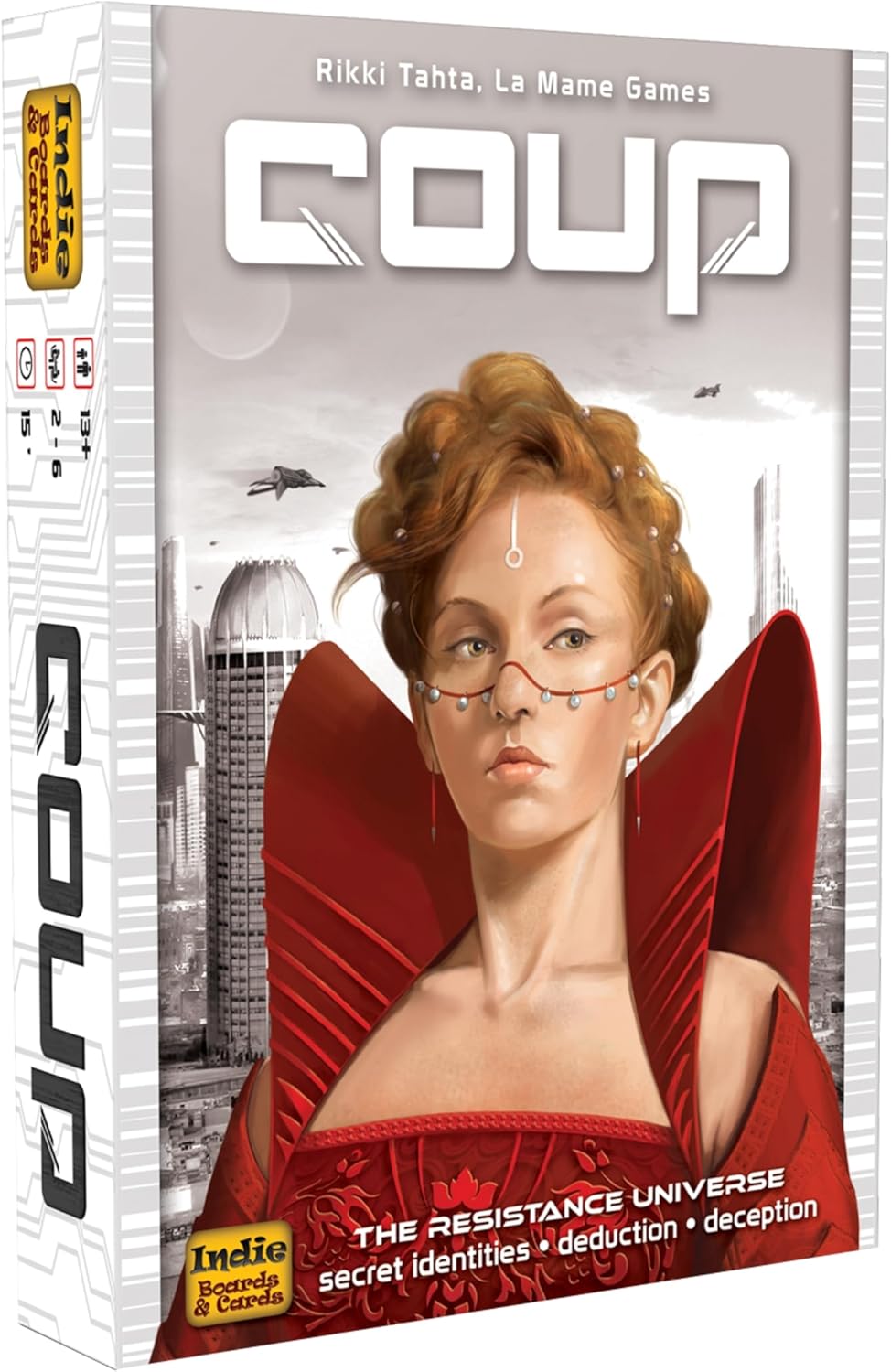
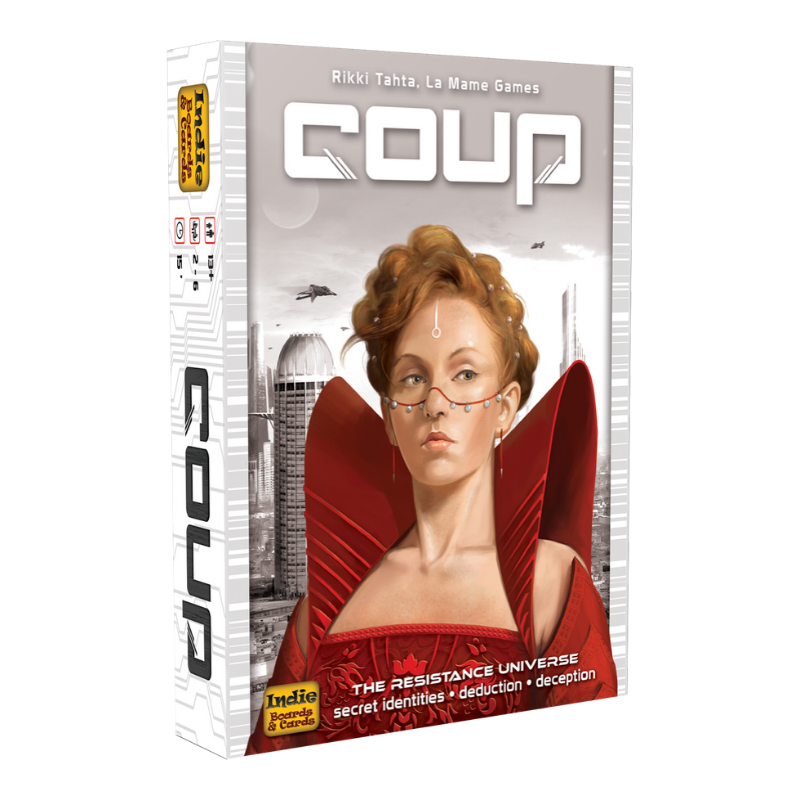
 Coup
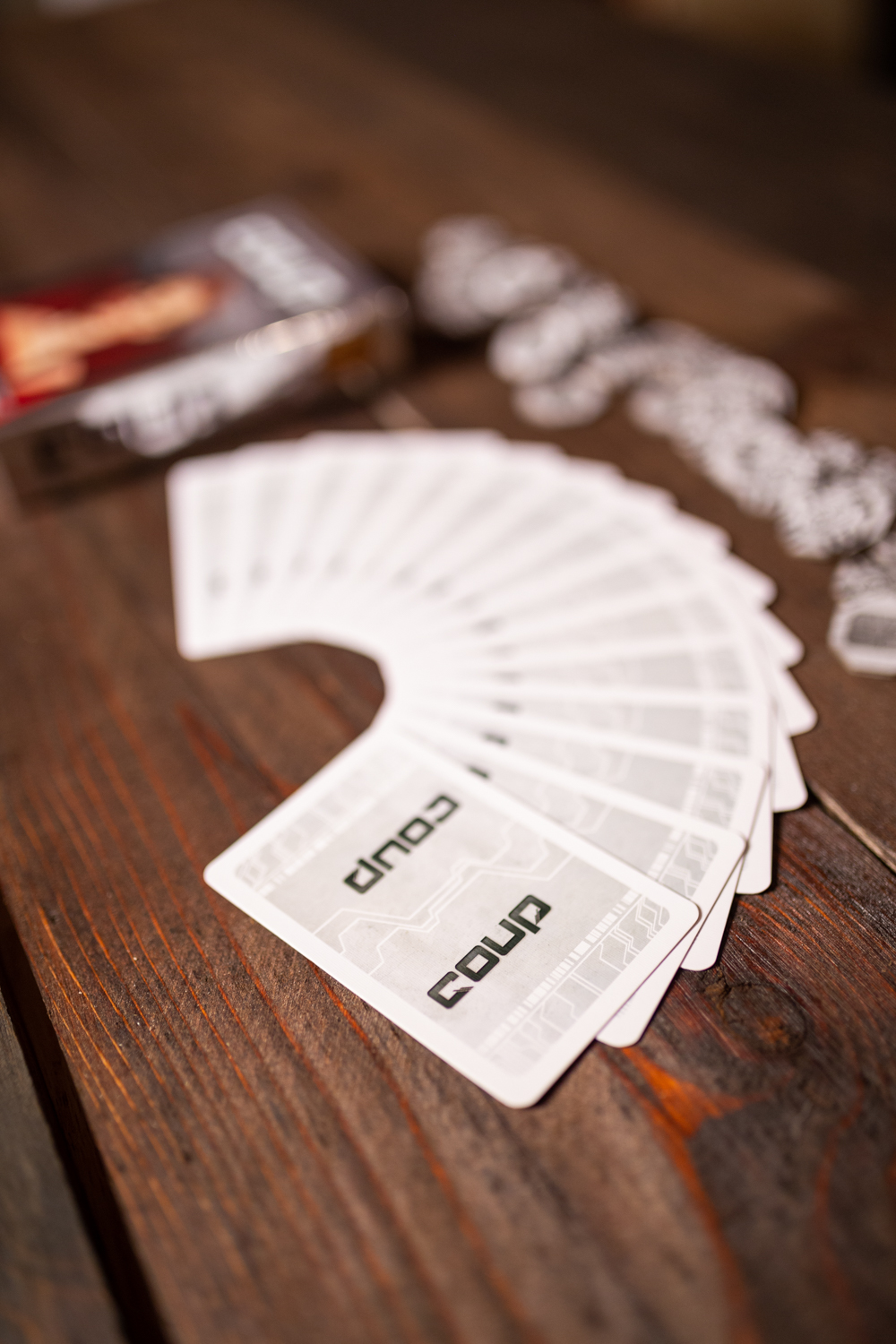
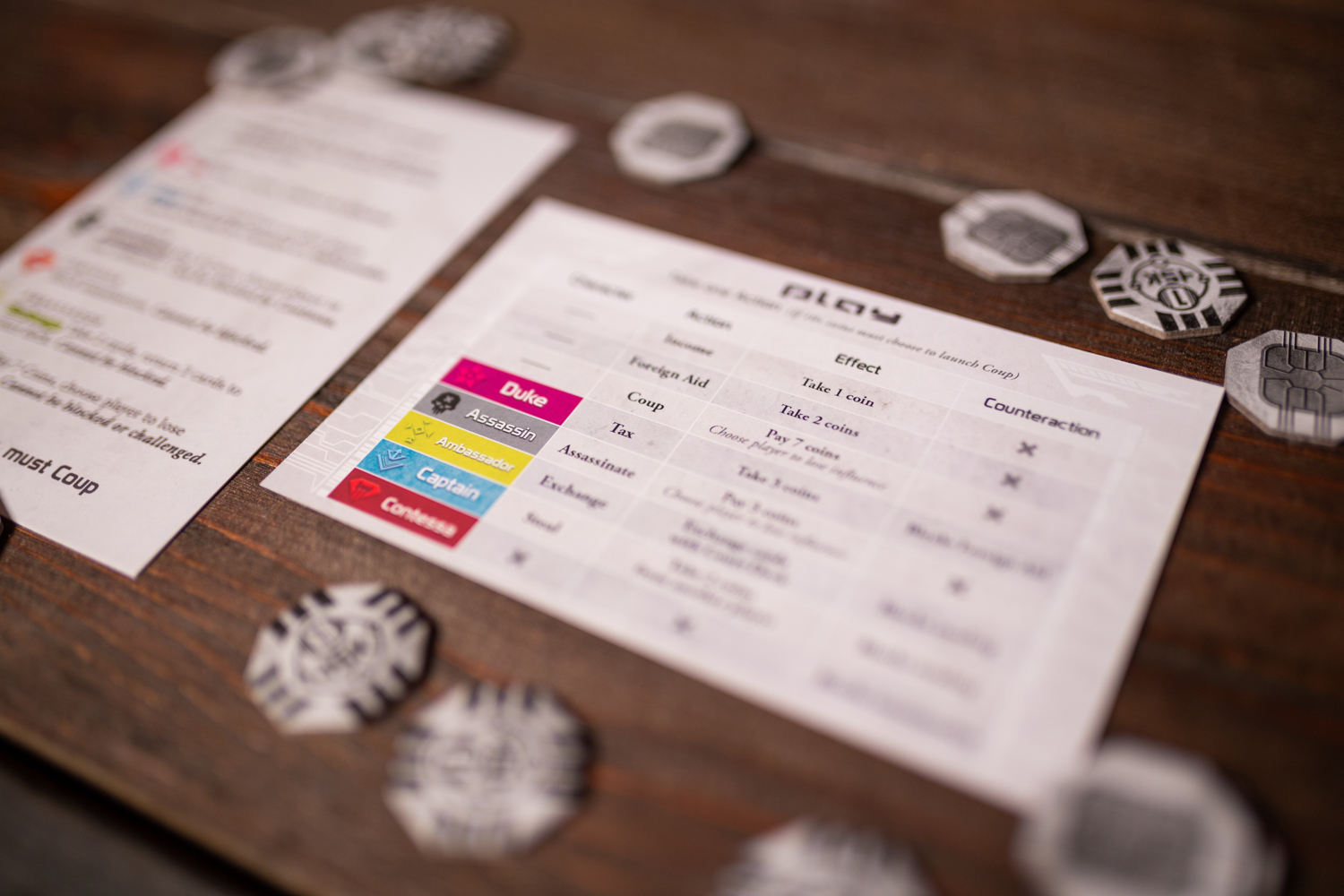
Less deduction, more nerve. A tiny hand of cards, fifteen minutes, and the whole game is lying convincingly about what you're holding while calling everyone else's bluffs. At $14.99 it's the best impulse buy in the genre — fits in a coat pocket, teaches in one sentence, and starts a fight at the table immediately. Bring 2–6 sharp friends who can keep a straight face and won't hold a grudge.
- Cheapest game here at $14.99
- Pocket-sized; teaches in under five minutes
- Pure bluffing tension that's well-balanced and replayable
- Works at just 2 players, unusual for the genre
- Light on actual deduction — it's bluffing first
- Caps at 6 players; no good for big parties
- Player elimination within a round can briefly bench someone
At a glance
| game | players | price | energy | best for |
|---|---|---|---|---|
| Blood on the Clocktower | 5-20 | $160 | Epic, story-driven, intense | The centerpiece night; nobody ever benched |
| One Night Ultimate Werewolf | 3-10 | $29.95 | Fast, frantic, no-downtime | Gateway pick + game-night warm-up |
| Secret Hitler | 5-10 | Free (print-and-play) | Tense political pressure-cooker | Trying the genre for $0 |
| The Resistance: Avalon | 5-10 | $24.99 | Cerebral, knife's-edge | Mind-game lovers; the Merlin tightrope |
| Two Rooms and a Boom | 6-30 | $30 | Loud, mobile, chaotic | Giant parties of 20+ |
| The Chameleon | 3-8 | $24.99 | Light, social, easy | Non-gamers; two-minute teach |
| Spyfall | 3-8 | $29.99 | Conversational, suspicious | Q&A bluffing in 8-minute rounds |
| Werewords | 4-10 | $19.95 | Puzzly with a hidden traitor | Cheapest clever pick |
| Coup | 2-6 | $14.99 | Sharp, bluffy, ruthless | Cheap pocket impulse buy |
Questions, answered
What is the best social deduction game beyond Werewolf and Mafia?
Blood on the Clocktower ($160, The Pandemonium Institute) is widely considered the best — Wargamer called it the 'all-round best social deduction game.' Its key advantage is that eliminated players keep playing as ghosts who can still vote and influence the outcome, so nobody gets benched. For a faster or cheaper pick, One Night Ultimate Werewolf ($29.95) and the free Secret Hitler are the two most-recommended 'like Werewolf but better' games.
Which social deduction game is best for a large group of 20 or more?
Two Rooms and a Boom ($30, Tuesday Knight Games) is the clear winner for big crowds — it supports 6 to 30 players, and reviewers say the best experiences come from '30+ people.' Blood on the Clocktower also scales well, handling up to 20 players while keeping everyone active. Standard Werewolf works for crowds too but leaves most players passively waiting on a moderator.
What's the fastest social deduction game to play?
One Night Ultimate Werewolf ($29.95, Bezier Games) is the fastest, with complete games in about ten minutes and no player elimination — a free app narrates the night so you don't need a moderator. Coup ($14.99) and Spyfall (8-minute rounds, $29.99) are also very quick, making all three ideal fillers or warm-ups.
Is there a free social deduction game I can try?
Yes — Secret Hitler is available as a completely free print-and-play under a Creative Commons license from the makers (Goat, Wolf, & Cabbage). The official site notes you can have a playable copy for about '$5 and 20–30 mins at your local print shop.' It's the lowest-risk way to find out if your group loves the genre before buying a boxed game.
What's the best social deduction game for non-gamers or beginners?
The Chameleon ($24.99, Big Potato Games) is the easiest entry point — Forbes wrote that 'anyone can pick it up without even reading the instructions,' and it teaches in about two minutes. Spyfall ($29.99) is another great beginner pick because it plays like a natural conversation rather than a rules-heavy board game.
What's the difference between Werewolf and Blood on the Clocktower?
Both share the core hidden-role conflict between an informed evil minority and an uninformed good majority. The biggest difference is elimination: in Werewolf, knocked-out players sit out the rest of the night, while in Blood on the Clocktower 'everyone participates to the very end' — dead players become ghosts who still talk and cast one final vote. Clocktower also uses a Storyteller to craft a fresh scenario each game and offers 99 unique character roles.
Do I need a moderator or 'Storyteller' to play these games?
It depends on the game. Blood on the Clocktower requires a dedicated Storyteller who runs the game like a dungeon master. Traditional Ultimate Werewolf also needs a moderator. But many modern designs eliminate that need: One Night Ultimate Werewolf and Werewords use a free companion app to narrate, and games like Avalon, Coup, Spyfall, and The Chameleon need no moderator at all.
What's the best cheap social deduction game?
Coup ($14.99, Indie Boards and Cards) is the cheapest pick here and a fantastic pocket-sized bluffing game for 2 to 6 players. Werewords ($19.95) is the next cheapest and adds a clever word-guessing twist. And if free is the goal, Secret Hitler's print-and-play costs nothing but printing.
Which social deduction game has the deepest strategy?
Blood on the Clocktower offers the most strategic depth thanks to its 99 interacting characters and Storyteller-built scenarios. The Resistance: Avalon is the standout for cerebral mid-size groups — the Merlin role, who must hint at the traitors without being assassinated, creates uniquely layered decision-making. Both reward repeat play far more than lighter party titles like The Chameleon or Spyfall.
Imani's verdict
Here's the last word, said loud enough for the whole couch to hear: there is no single 'best' — there's the best for the room you've got tonight. If you're building a centerpiece and you'll learn to run it, Blood on the Clocktower is the genre's high-water mark and it never benches a soul. If you just want a sure thing under thirty bucks, One Night Ultimate Werewolf hooks any table in ten minutes flat. If your gatherings are huge, Two Rooms and a Boom turns your whole apartment into the board. And if you're not even sure your people are into this? Print Secret Hitler tonight for free and find out. Whatever you pick, you're really buying the same thing — that gorgeous sound of everyone talking at once, accusing the friend they trust most, laughing too hard to finish the sentence. Bring your loudest people, deal the cards, and go make the night they'll quote for months.
Still deciding? Take the Game-Finder — answer seven quick questions and the cabinet hands you the one board game built for your table, with a buy link and your own shareable player talisman.
Research ledger 14 sources · reviewed 2026-07-17
Specifications, rules, current product information, community experience, and contrary evidence were checked against the sources below. Commercial links are kept separate from editorial evidence.
- bloodontheclocktower.combloodontheclocktower.com/pages/buy
- en.wikipedia.orgen.wikipedia.org/wiki/Blood_on_the_Clocktower
- secrethitler.comsecrethitler.com
- en.wikipedia.orgen.wikipedia.org/wiki/Secret_Hitler
- indieboardsandcards.comindieboardsandcards.com/our-games/the-resistance-avalon
- tuesdayknightgames.comtuesdayknightgames.com/products/two-rooms-and-a-boom
- beziergames.combeziergames.com/products/one-night-ultimate-werewolf
- beziergames.combeziergames.com/products/werewords
- bigpotato.combigpotato.com/products/the-chameleon
- cryptozoic.comcryptozoic.com/products/spyfall-game
- indieboardsandcards.comindieboardsandcards.com/our-games/coup
- en.wikipedia.orgen.wikipedia.org/wiki/The_Chameleon_(party_game)
- boardgamequest.comboardgamequest.com/two-rooms-and-a-boom-review
- kickstarter.comkickstarter.com/projects/pandemoniuminstitute/blood-on-the-clocktower

Okay but have you seen what everyone’s saying about this?

Keep exploring
The next smart rabbit holes.
⌂ Topic PathFamily and Gateway Games: compare the whole shelfA good family game gets everyone playing quickly without becoming disposable after three nights. These guides prioritize clear...Best OfTop 10 Travel Games to Build Memories (2026): Beyond UNOTen portable games that turn a plane, a cabin, a long drive, or a hotel night into a story you'll still be retelling at the next family...Best OfBest Trick-Taking Card Games (2026): Modern Classics Beyond Spades & HeartsStep in from the cold — let me settle you at a table where centuries of kindness meet designs that bend the rules. A curator's tour of...