One Piece Card Game Starter Decks: How to Play & Which to Buy First (2026)
Your gateway to Pirate King battles—starter decks are fully playable, affordable, and teach you the nakama bond system in 15 minutes flat.

AI-assisted curator persona · researched & reviewed by founder Robert Pruitt, a 20-year enthusiast · how we make our guides
The short answer
One Piece Card Game starter decks are $13–$35 pre-constructed decks featuring iconic leaders like Luffy, Yamato, and Katakuri that teach you the core mechanics (DON!! resource system, life-card damage, character combos) while being 100% tournament-ready out of the box. Buy ST-21 (Gear 5) or ST-30 (Luffy & Ace) first if they're in stock; ST-01 (Straw Hat) is the cheapest, best-value intro. Skip ST-31–ST-36 for now—they're pre-order only (July 11, 2026).
Welcome to the Grand Line of card battling, friend! One Piece TCG starter decks are your ticket to endless duels with the Straw Hat crew, Warlords, and legends. Unlike other trading card games where you're scrambling to buy singles and sleeves separately, these decks come ready to play—51-card deck, 10 DON!! resource cards, playsheet, bonus pack, everything nestled in one box. Released as a 6-color system across the franchise (red Luffy, green Zoro, blue villains, purple rogues, black anti-heroes, yellow powerhouses), each starter teaches a different battle rhythm. Whether you're drawn to Gear 5's aggressive swinging, Luffy & Ace's brotherhood synergy, or Yamato's balanced midrange, there's a deck matching your vibe.\n\nHere's the beautiful part: starter decks aren't \"training wheels\" that you'll outgrow. They hold their own against casual and competitive players because the card design in One Piece values strategy over rarity. Your first deck shapes how you think about the game—the mechanics stick, the leader becomes your signature, and honestly, you'll probably treasure it. So take your time choosing, and know that any starter deck you pick is a real magic carpet ride into the One Piece world.
How One Piece Card Game Actually Works (The 5-Minute Primer)
Picture this: you and your opponent each start with a stack of cards face-down as your "Life." Every time you take damage, you flip one life card into your hand—so you're gaining resources as you lose life. That's the life system, and it's genius.
Each turn, you: 1. Draw a card (free hand refresh) 2. Add DON!! (your mana equivalent—each turn you get free power-ups that stick) 3. Play cards: Leader (your boss), Characters (your army), Events (spells), or Stages (board effects) 4. Attack: Rest a DON!! and a Character, deal damage equal to their Power, and your opponent loses a life card 5. Counter: Your opponent can spend their own DON!! to block (Counter Power reduces incoming damage)
You win by reducing their Leader's life to zero or forcing them to deck-out (no cards left to draw).
The magic happens because: - DON!! acceleration: You start with 1 free DON!!, then grow your pool each turn. By turn 4–5, you're unstoppable. - Life cards as hand fuel: Taking damage actually helps you—you see more cards, find your combo pieces faster. - Synergy chains: Leaders have unique effects that power up specific character types (Luffy loves Straw Hats, Katakuri loves mouthpiece cards). Deck-building isn't random—it's storytelling through card choices.
Starter decks are balanced to teach all this. You'll see the resource system in action, learn which characters combo together, and experience real decision-making within 15 minutes. No filler, no confusion.
Which Starter Deck Should You Buy First?
Here's the honest breakdown based on what's in-stock and verified in June 2026:
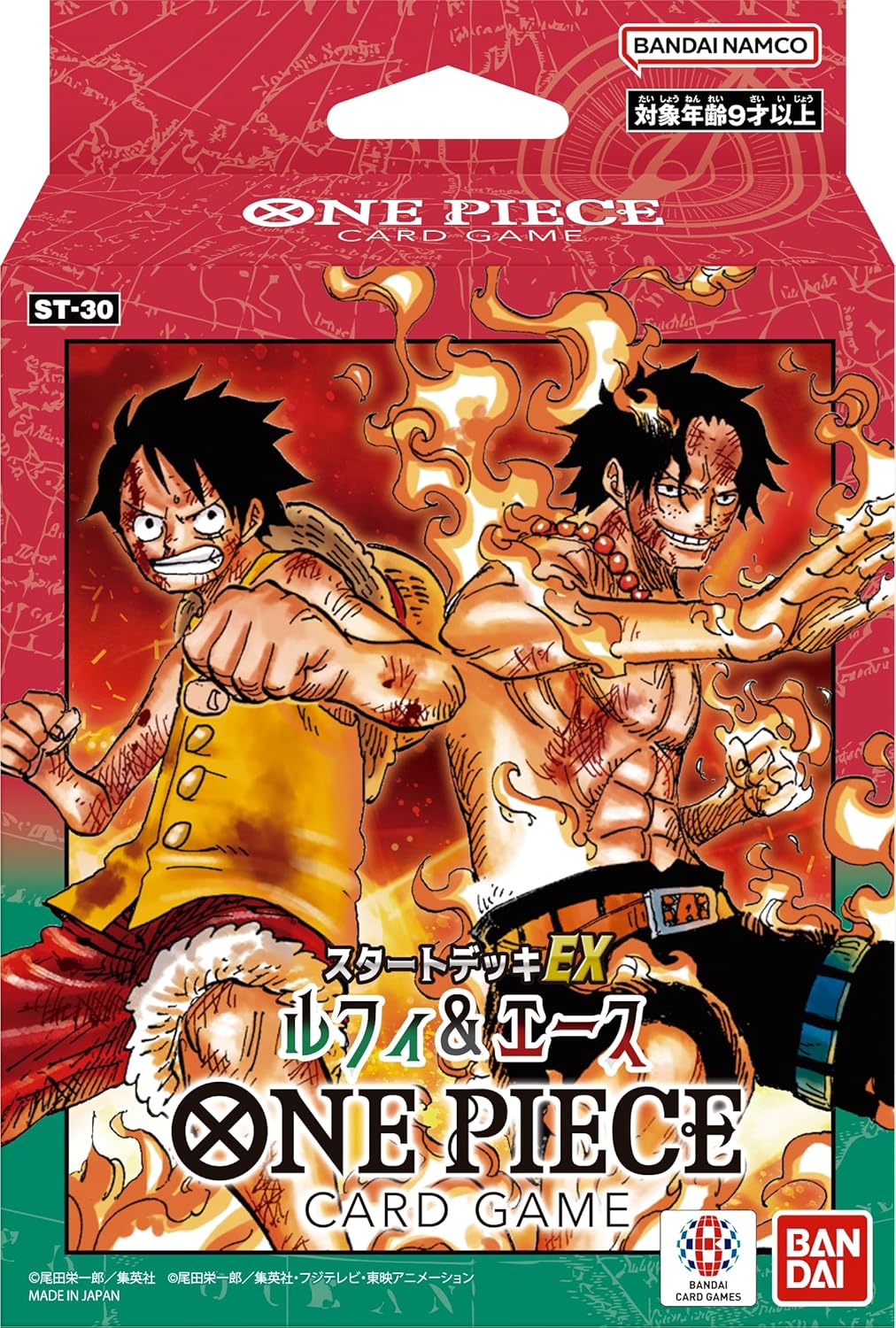
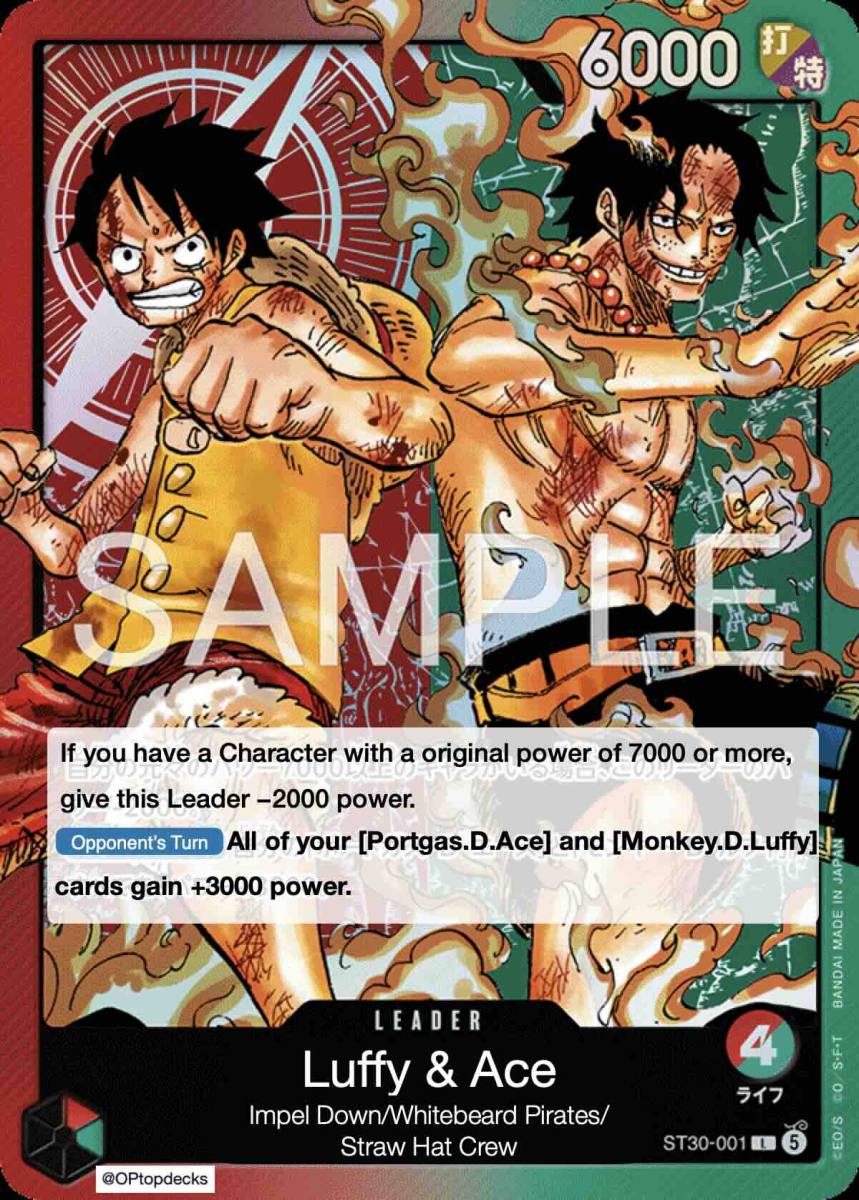
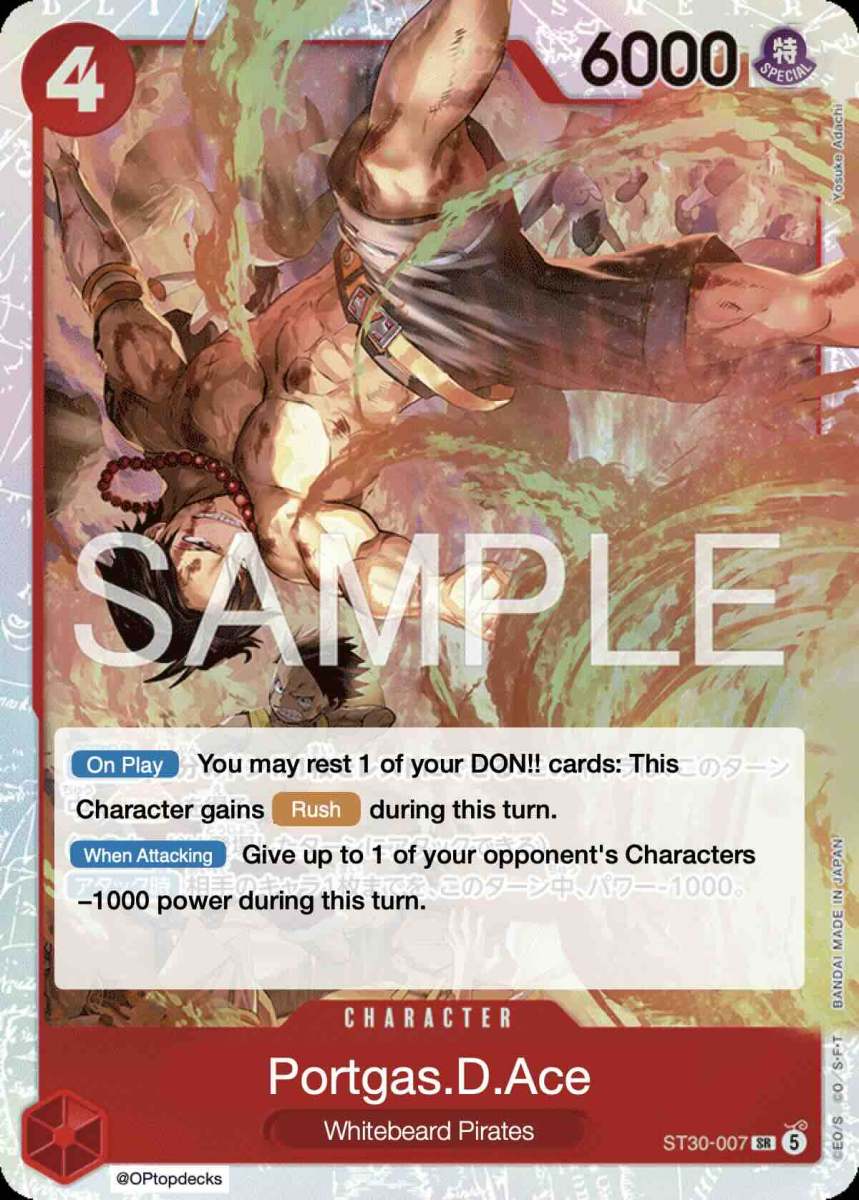
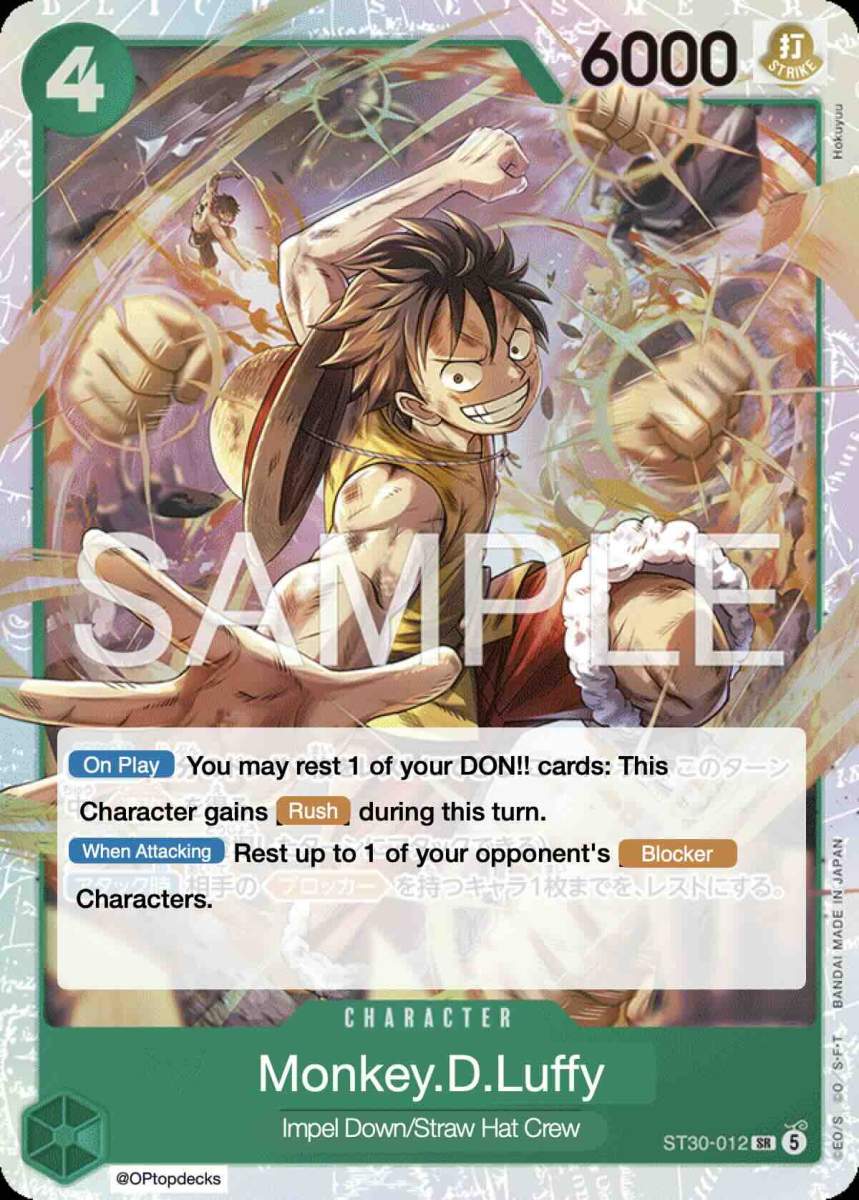
ST-30 (Luffy & Ace) — $19.99 MSRP Just released June 12, 2026, this is the intro deck right now. Luffy & Ace as a co-leader mechanic teaches partnership synergy—you're not playing solo, you're teaming up. The deck balances aggression and resource management beautifully. If you can find it, grab it. This is the gateway drug.
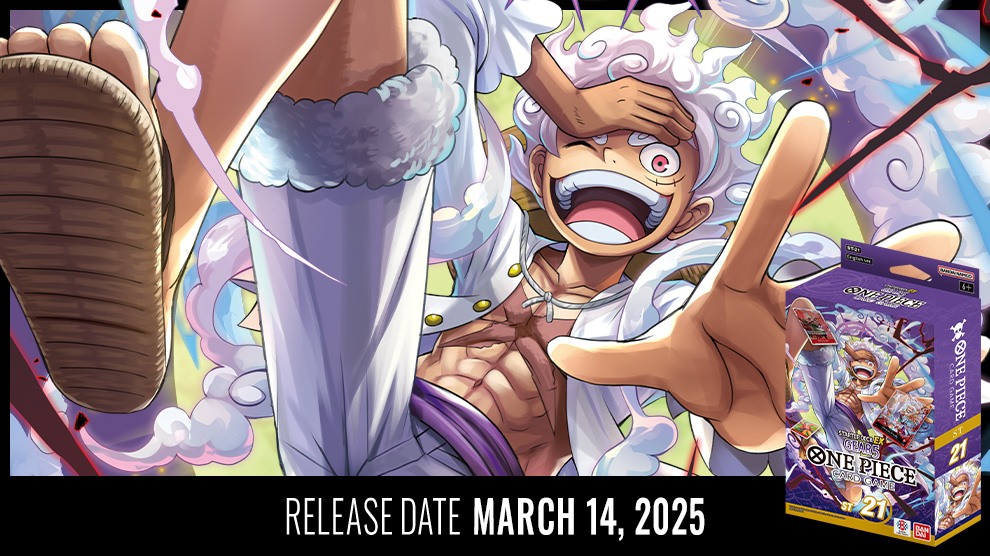
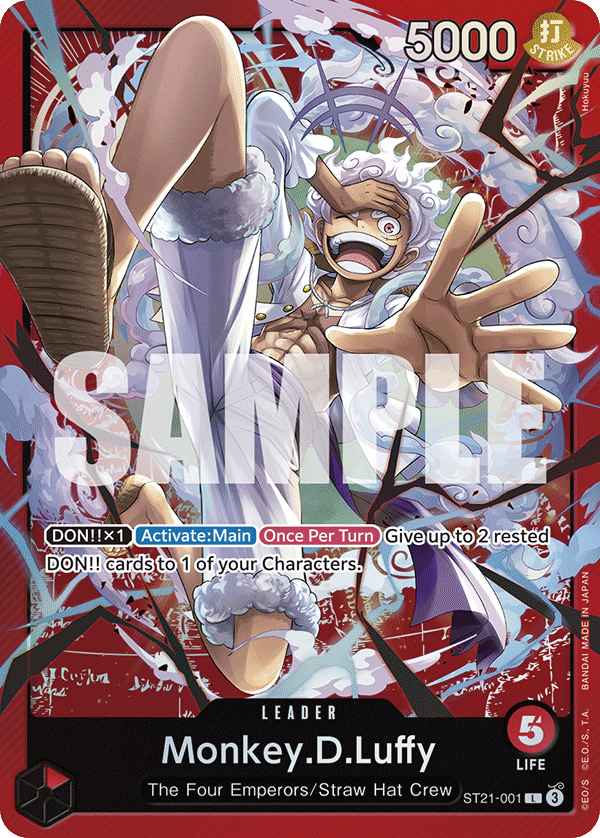
ST-21 (Gear 5) — $25–$35 This deck is powerful. Gear 5 Luffy swings hard, encourages aggressive attack patterns, and shows you what endgame momentum looks like. It's slightly pricier due to secondary market demand, but if you love raw offense and iconic Luffy transformation energy, it's worth it. Stock varies; check Target or JumpIchiban.
ST-01 (Straw Hat Crew) — ~$13 MSRP, now $44 retail The original starter deck from the English launch. It's the best value for learning if you find it at MSRP. Luffy leads a balanced crew—solid all-around intro, teaches core mechanics without overwhelming you. But secondary market has pushed pricing up; only buy if you find it sub-$20.
ST-20 (Charlotte Katakuri), ST-26 (Purple Luffy), ST-28 (Yamato) These are in-print and solid: Katakuri is defensive (great for learning how to counter), Purple Luffy is combo-heavy (fun for planners), and Yamato is balanced midrange. All are playable right now. Don't sleep on them if ST-30/ST-21 are sold out.
AVOID: ST-17, ST-18, ST-25, ST-12 These are discontinued or hard to find new. Secondary prices skyrocket. Skip them unless you're hunting collectibles, not learning.
PRE-ORDER TRAP: ST-31 through ST-36 (July 11) Six new starter decks dropping in a month (red/green/blue/purple/black/yellow). Do not pre-order if you're starting now—you need to play today. These will be plentiful after release. Pick them up later once you've mastered a current deck.
- Check Amazon/Target/TCGplayer for ST-30 availability (highest priority)
- If ST-30 is out, grab ST-21 if under $30
- ST-01 is best value if you find it under $20 MSRP
- Don't pre-order ST-31–ST-36 yet; focus on learning with in-stock options
- Grab a second starter deck in a different color to duel yourself and learn faster
The DON!! System: Your Resource Engine
DON!! cards are the heartbeat of One Piece TCG. They're not in your deck—they're separate resource cards that sit on your board.
How it works: - Start with 1 DON!! on the board - Each turn during your main phase, you automatically gain 1 free DON!! - By turn 5, you have 5 DON!! You can spend them to: increase character Power by 1000 per DON!!, play certain high-cost cards, or activate counter abilities - Spent DON!! rest (turn sideways); next turn, they stand back up and you gain a new DON!!
Why this matters for starters: Starter decks are tuned so you experience explosive DON!! ramps. A character with "2000 power" becomes "6000 power" when you attach 4 DON!!. Suddenly your weakling Straw Hat is swinging for lethal. That rush of acceleration? That's One Piece TCG's soul.
Pro tip from yumi: Think of DON!! like chakra from Naruto—each turn you unlock new power freely. The game rewards patience. Don't blow all your DON!! turn 3; sometimes holding them for turn 5 sets up an unstoppable combo.

Playing Your First Game: What to Expect
Once you've got your starter deck, here's what a real game feels like:
Turns 1–2: Slow. You're drawing cards, adding DON!!, playing small characters (1000–2000 power). Your opponent does the same. It's like the opening chapter of the manga—setup, tension, both sides testing each other.
Turn 3–4: Acceleration. You're playing bigger characters, activating leader effects, starting to block/counter enemy attacks. Damage starts flowing. Both players are taking life cards into hand, seeing more options.
Turn 5+: Explosions. DON!! pools are huge. Your opponent swings with a 10,000-power character. You counter for 2,000, they still hit you for 8,000. Combos activate. Leaders use their ultimate effects. One player drops to 1 life card remaining. The last turn is cinematic—it feels like the climax of an arc.
Win condition: Someone gets their leader to 0 life (game over instantly) or runs out of deck cards (they can't draw—they lose). Most games end on turns 6–8 with the life system. Matches last 15–25 minutes if both players know the rules.
Why starters are perfect for this: Every card in a starter is designed to feel impactful. There's no filler. When you play a rare character, it changes the board. When your opponent counters, you actually sweat. It's a real game from turn 1.
- Shuffle your 51-card deck, separate your 10 DON!! cards
- Decide who goes first (flip a coin or Luffy-decides)
- First player: draw nothing (first-player disadvantage), add 1 DON!!
- Second player: draw 1 card, add 1 DON!!
- Now take turns: draw → add DON!! → play cards → attack → pass
- Game ends when someone's leader reaches 0 life
Starter Decks vs. Booster Packs: What's the Difference?
Starter Decks: - Pre-constructed, ready to play out of box - 51 fixed cards (everyone's ST-30 is identical) - Teaches mechanics perfectly - Contains 1 bonus booster pack - $13–$35 each - Great for learning, casual play, collecting your favorite leader
Booster Packs (like OP-16: The Time of Battle): - 12 random cards per pack - Designed for deck-building (you buy multiple packs, sort through singles, build custom decks) - Higher variance (could pull amazing rares or bulk commons) - $4–$5 per pack - For competitive players and collectors chasing specific cards
The honest take: If you want to play now, buy starter decks. If you want to build custom decks, booster boxes are your next step. But 90% of casual players just grab 2–3 starter decks and duel forever. They're that good.
Starters also contain reprints of older strong cards, so don't think of them as weak. They're intentionally powerful—Bandai wants you hooked.
Where to Buy & Current Availability (June 2026)
In-Stock Right Now: - ST-30 (Luffy & Ace): Just released June 12. Check Amazon, Target, TCGplayer, JumpIchiban, Zatu Games. Price: $19.99 MSRP (some retailers mark up to $25–$30). Best bet for immediate shipping. - ST-21 (Gear 5): Available at Target, JumpIchiban, GTS Distribution. Price: $25–$35 depending on retailer (MSRP ~$20, but demand is high). In stock but pricing varies. - ST-20 (Katakuri), ST-26 (Purple Luffy), ST-28 (Yamato): Scattered availability at specialty shops and online retailers. Price: $15–$25. Playable but not priority releases. - ST-01 (Straw Hat Crew): Rare at MSRP; mostly secondary market at $40+. Skip unless you find under $20.
Coming July 11, 2026: - ST-31 to ST-36: Six-color wave. Pre-order now at most retailers if you want guaranteed copies, but don't stress if you miss—they'll restock.
Pro shopping tips: - Compare Amazon, Target, and TCGplayer before checking specialty shops. Shipping costs add up. - Avoid eBay unless you're buying singles later; prices are often inflated. - JumpIchiban and Zatu Games often have better international shipping if you're outside the US. - Check r/OnePieceTCG on Reddit for real-time stock alerts.
Budget for two decks: $40–$60 total gets you and a friend (or you vs. yourself) playing. Best $50 you'll spend on a hobby.
Common Beginner Mistakes & How to Avoid Them
Mistake 1: Spending all DON!! on turn 3 DON!! feel magical, so newer players blow them immediately. You play a 4000-power character with 3 DON!!. Opponent counters and kills it. You're out DON!! and a card. Ouch. Fix: hold DON!! for mid-game when you have 2+ characters on board so one counter doesn't destroy your whole turn.
Mistake 2: Not understanding counter power Your opponent attacks with 5000 power. You think "I can't stop that." Actually, if you have a character with 2000 counter power, you reduce it to 3000. If you have two 2000-counter characters, you block it entirely (5000 – 4000 = 1000, then reduced to 0). You always can defend. Read your cards' counter values carefully.
Mistake 3: Ignoring life-card synergies Starter decks have cards that trigger "when this card enters your life" (you flip a life card into hand, the effect pops). Newer players treat life like pure damage. Actually, life cards are fuel. Some leaders care about life cards—read the small text! This is where starter decks teach advanced play.
Mistake 4: Playing without a playsheet The playsheet (included in every starter) tracks life cards, DON!! count, and whose turn it is. If you lose track, arguments happen. Use it. Makes games 10x smoother.
Mistake 5: Buying premature upgrades You win one game and think "I need booster boxes to stay competitive." Nope. Starter decks punch at 90% of casual power level. Play 20 games with your starter first. Then decide if custom building appeals to you. Most folks are fine with 3–4 different starters.

Next Steps After Your First Deck
Once you've played 5–10 games with your starter, here's the natural progression:
Week 1: Get a second starter deck (different leader, different color) This teaches you how different leaders approach the game. Luffy swings hard. Yamato grinds value. Katakuri stalls and counters. Diversity = deeper understanding.
Week 2–3: Grab a booster box or two Now you're ready to see what "deck building" means. OP-15 and OP-16 are current. Open packs, sort your pulls, and try customizing one of your starter deck's shell (keep the leader, swap some characters for stuff you pulled).
Month 2+: Decide your path - Casual: Collect fun leaders, play with friends. Starter decks forever. You're happy. - Competitive: Join your local TCG shop, attend pre-release events (OP-16 pre-releases happened June 5–11; next is OP-17 in a few months), grind out optimal 61-card builds. - Collector: Hunt foil versions, alternate art leaders, build a showcased collection. Starters + booster hunting.
Smart move: Before you drop cash on booster boxes, attend a local play event or watch streamers (search "One Piece TCG" on YouTube). See if the game genuinely hooks you. If it does, then go all-in. If not? You've got two awesome starter decks to enjoy casually forever.
The picks
Some links below are affiliate links — as an Amazon Associate, Puzzlewick earns from qualifying purchases, at no extra cost to you. It never changes a pick.
 6 photos
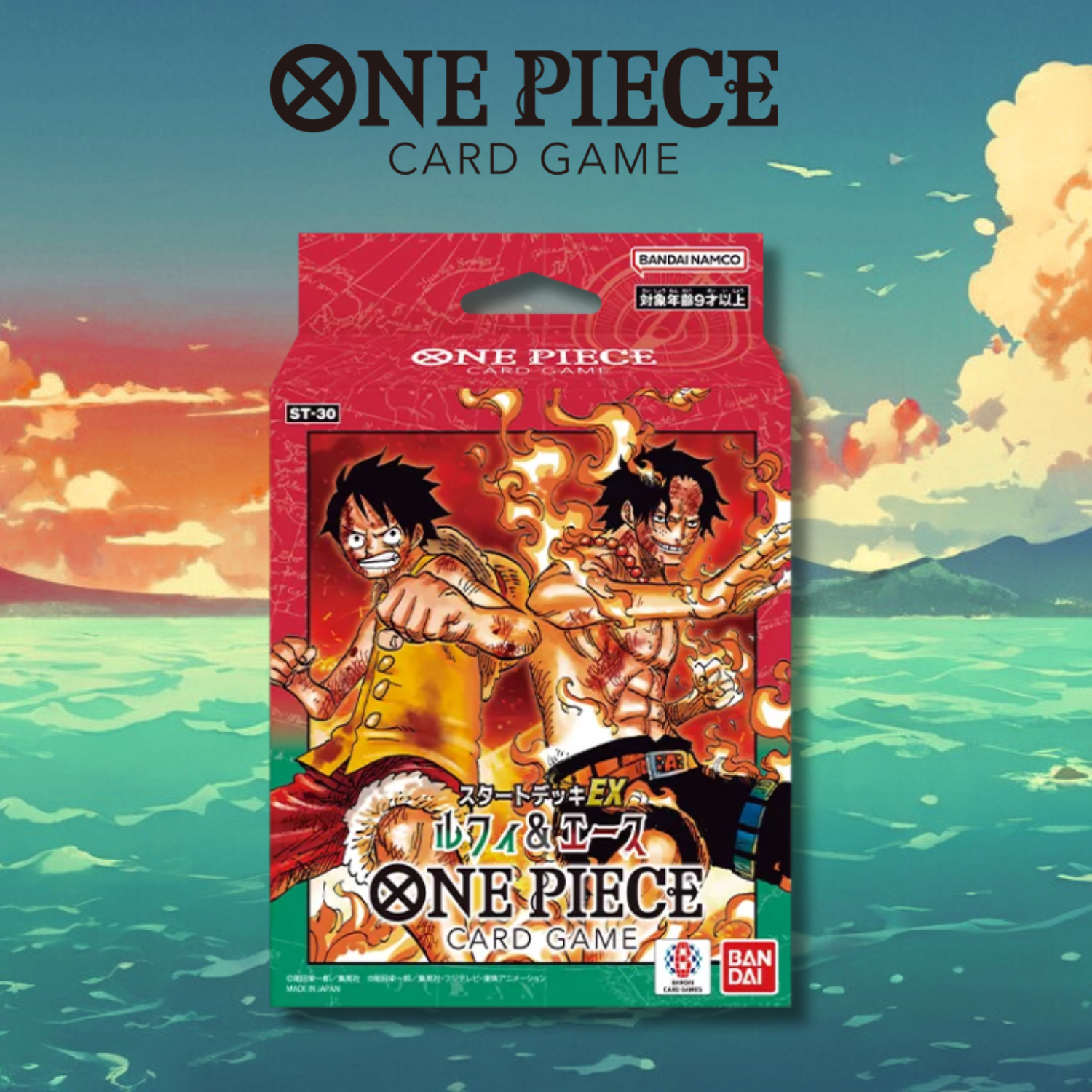
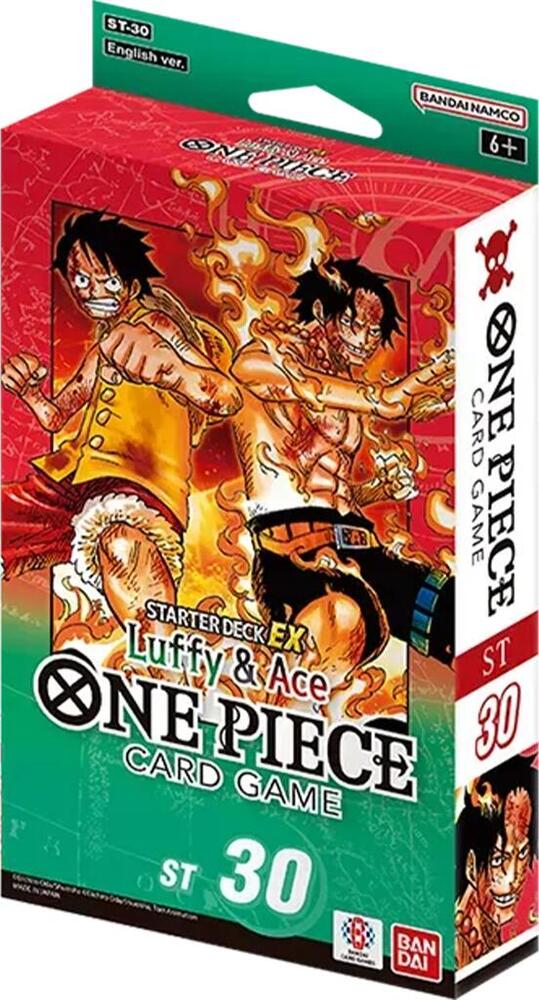
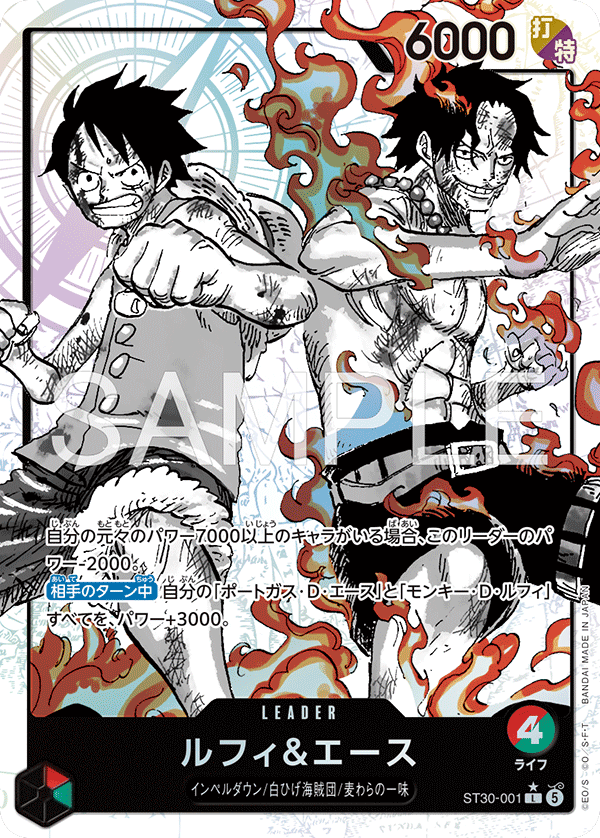
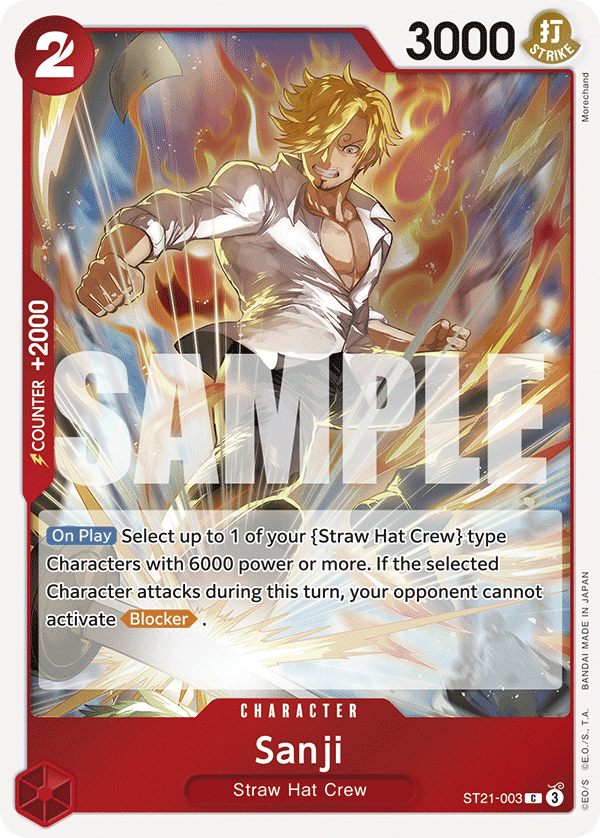
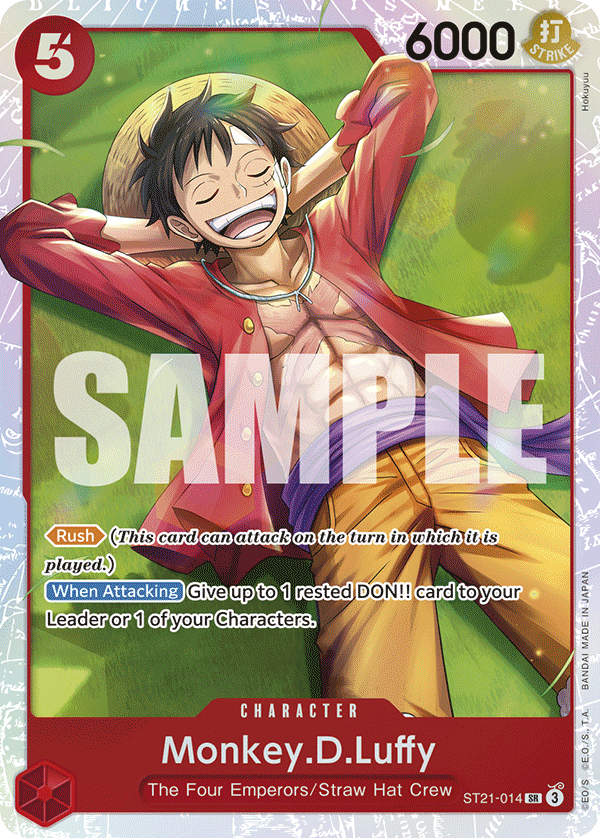
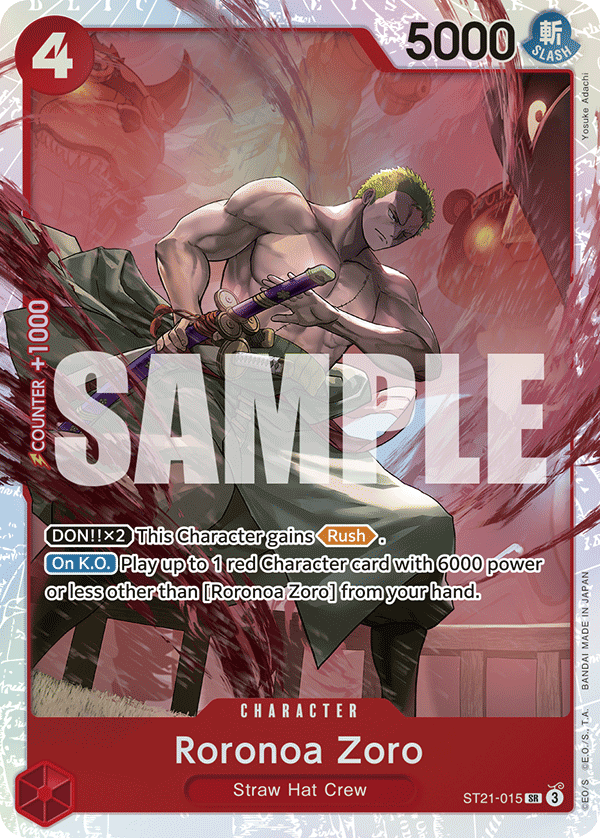
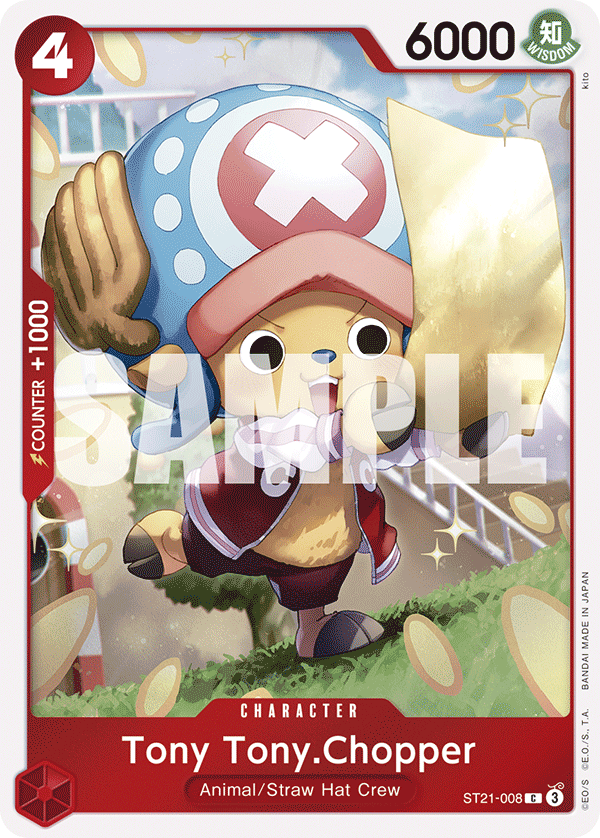
 One Piece Card Game Starter Deck EX Luffy & Ace (ST-30)
Just dropped June 12, 2026. This co-leader mechanic feels connected—Luffy and Ace work together, teaching partnership synergy that's core to One Piece's soul. Balanced aggression and resource management make it the perfect gateway right now. MSRP is tight ($19.99); grab it before secondary pricing creeps up.
- Fresh mechanic (co-leader synergy) feels unique and thematic
- Perfectly balanced for learning aggression and defense
- MSRP pricing makes it exceptional value
- Stock varies by retailer (popular release)
- Some retailers mark up 25–50% above MSRP
 7 photos
 One Piece Card Game Starter Deck EX Gear 5 (ST-21)
Gear 5 Luffy is fast. This deck teaches you offense optimization—huge power swings, DON!! acceleration, and the rush of overwhelming your opponent. Slightly pricier than ST-30, but the iconic transformation energy and aggressive gameplay loop are intoxicating. Secondary demand keeps prices high.
- Iconic Gear 5 transformation feels amazing to pilot
- Teaches aggressive DON!! utilization and tempo
- Strong enough for casual competitive play
- Higher secondary-market prices ($25–$35+)
- Requires understanding attack timing (intermediate learning curve)
 6 photos
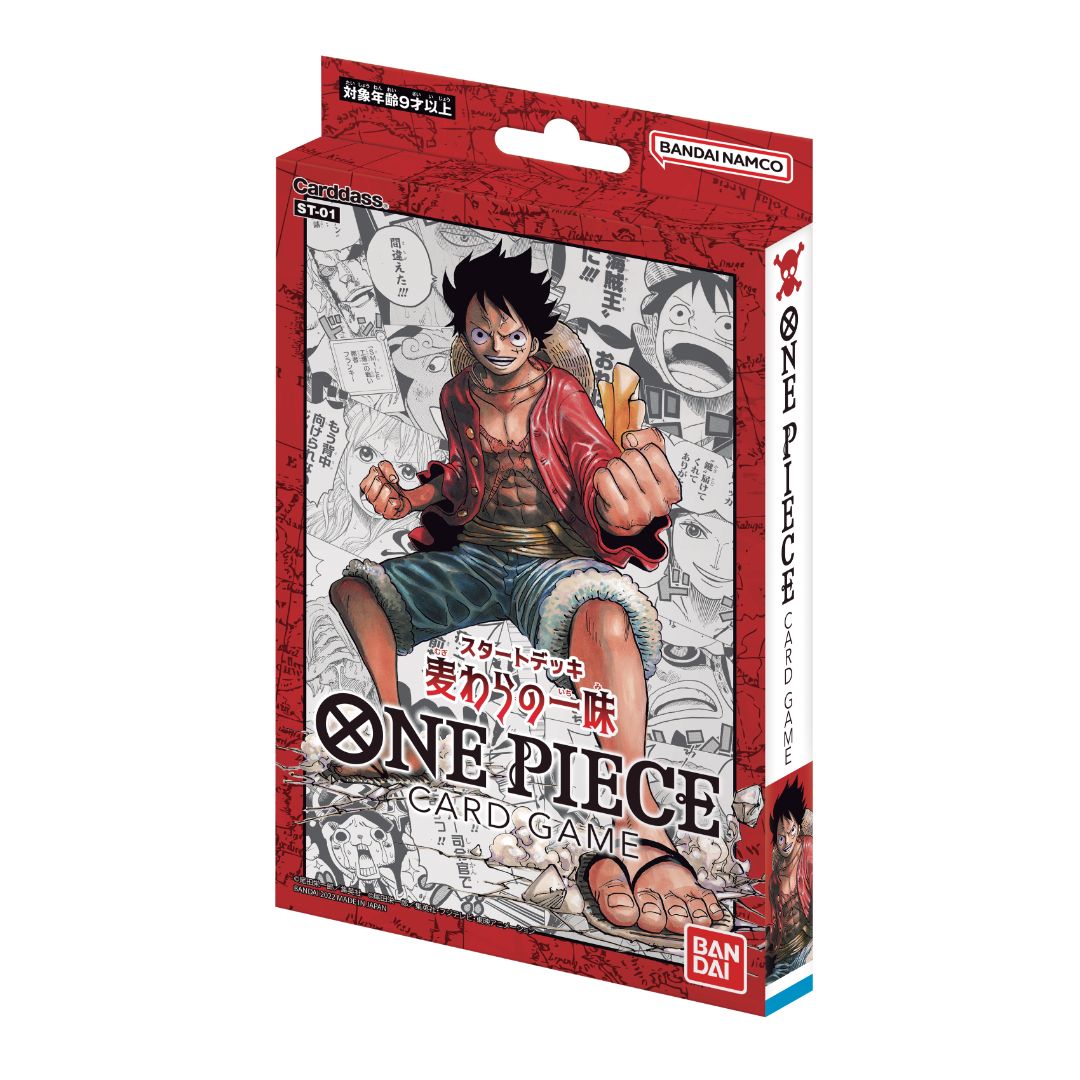
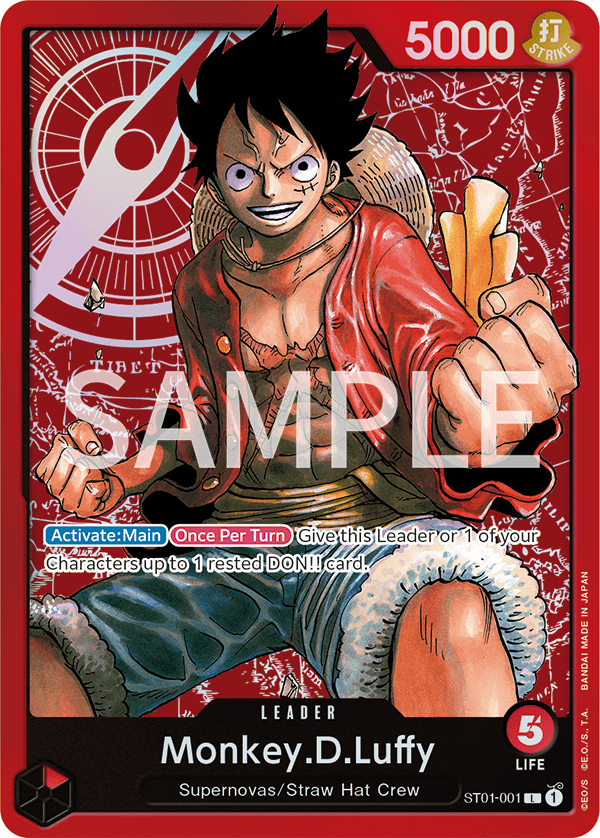
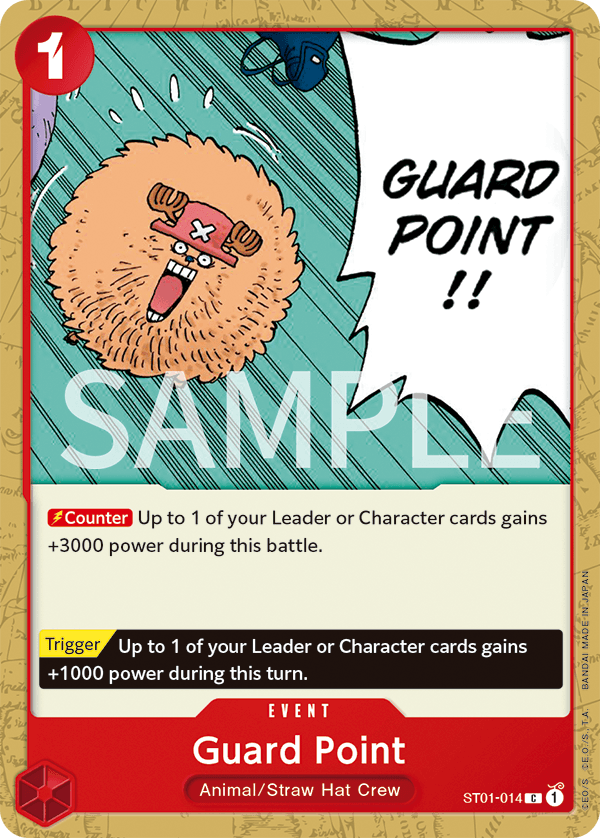
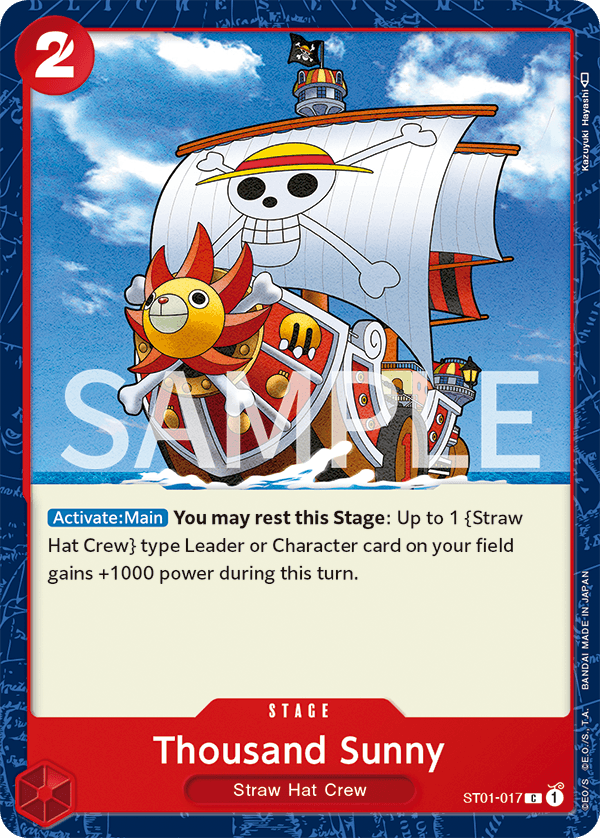
 One Piece Card Game Starter Deck Straw Hat Crew (ST-01)
The original English starter (2023 launch). Luffy leads a balanced crew, teaching core mechanics without overwhelming complexity. MSRP is ~$13, making it the cheapest entry point. Secondary market has inflated pricing, so only grab if you find it under $20 at a retailer.
- Lowest MSRP ($13) for learning fundamentals
- Balanced all-around gameplay teaches every mechanic
- Nostalgic for English TCG pioneers
- Hard to find at MSRP (secondary market inflated to $40+)
- Less iconic than Gear 5 or Luffy & Ace
 5 photos
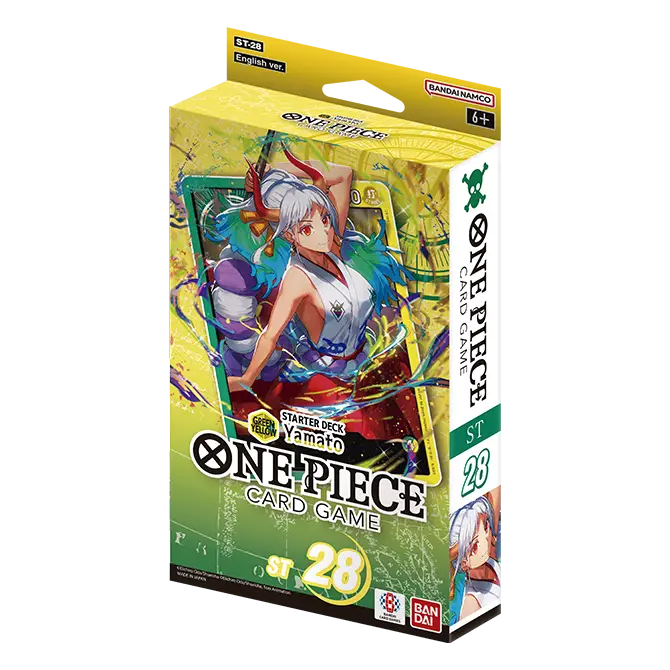
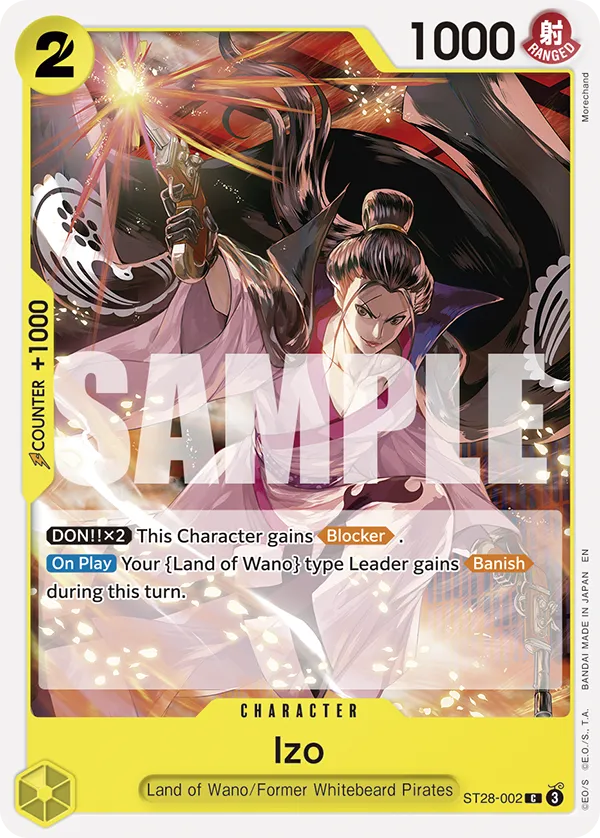
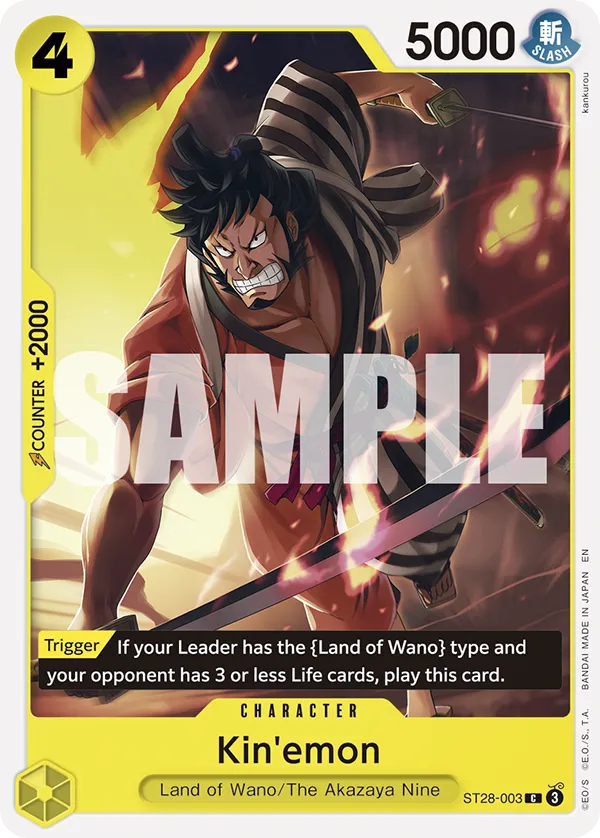
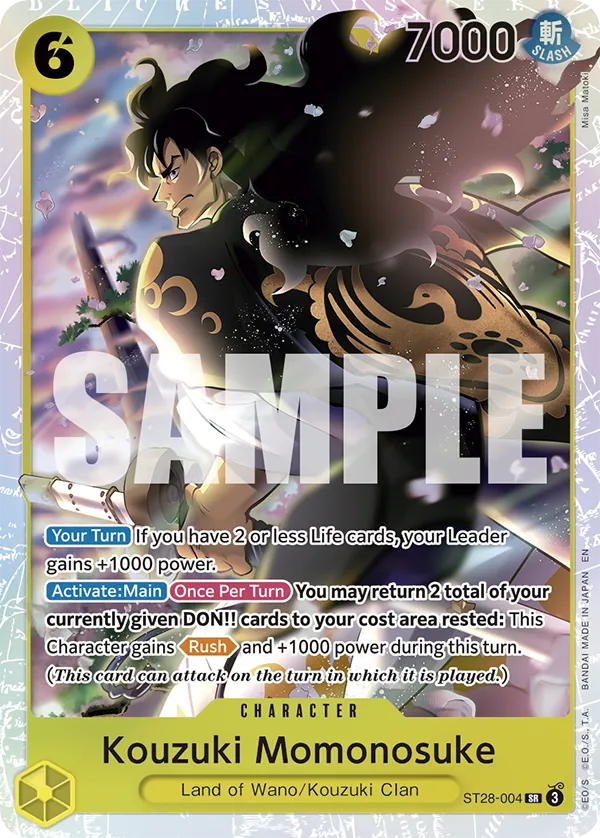
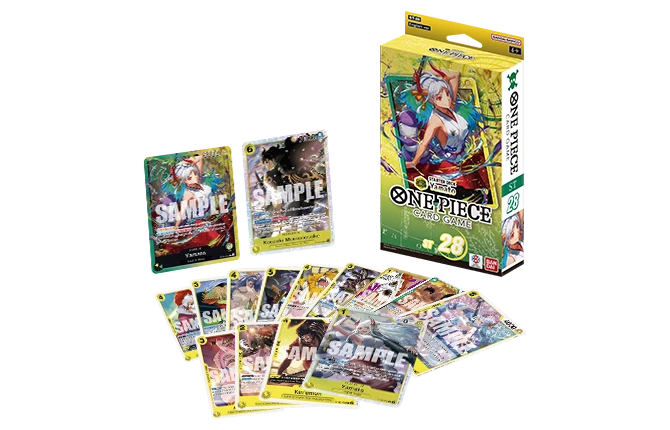
 One Piece Card Game Starter Deck Yamato (ST-28)
Green/Yellow leader with aggressive character effects that activate on DON!!. Yamato teaches midrange optimization—neither pure offense nor pure defense, but the sweet spot of flexibility. Often overlooked, but solid and available at reasonable prices ($15–$25).
- Balanced midrange gameplay teaches strategic depth
- Yamato's character effects feel powerful and interactive
- Usually cheaper than ST-30/ST-21 (less demand)
- Less iconic than Luffy variants
- DON!! synergy requires understanding card text (moderate complexity)
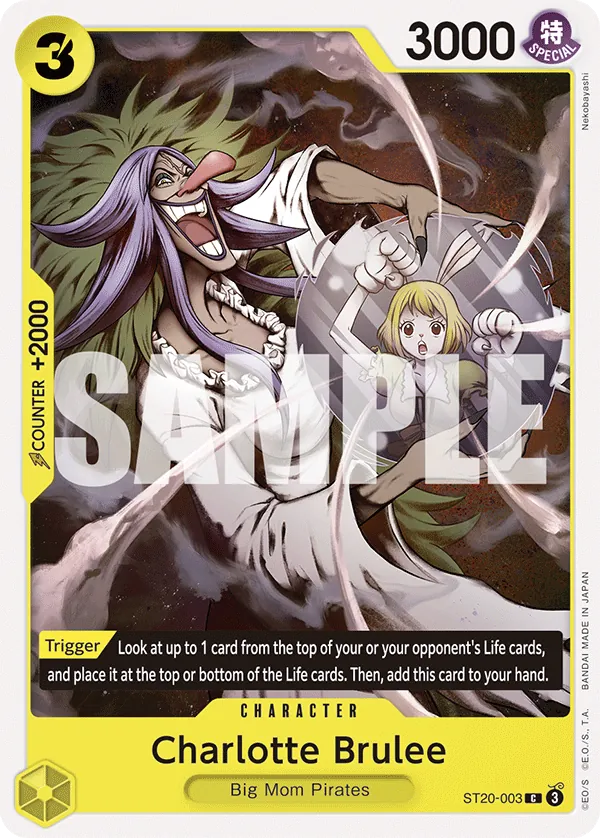 6 photos
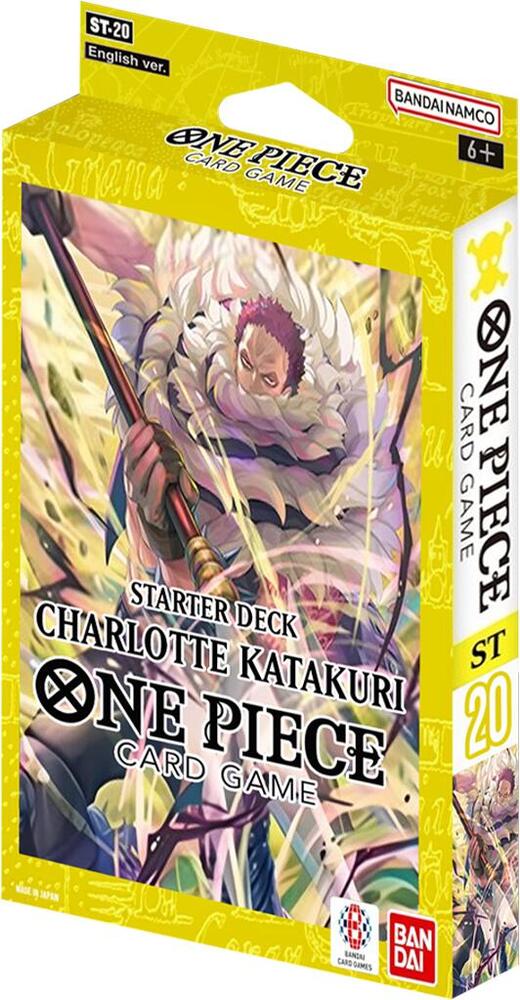
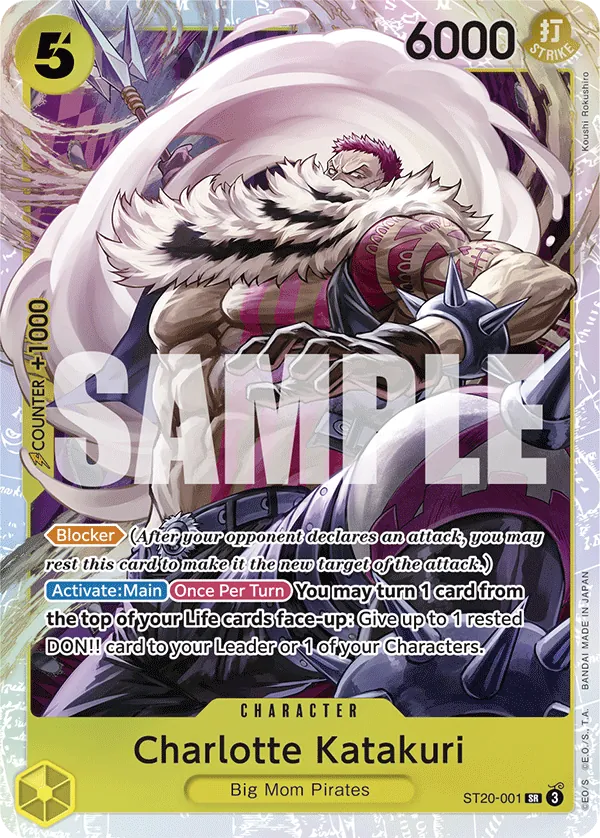
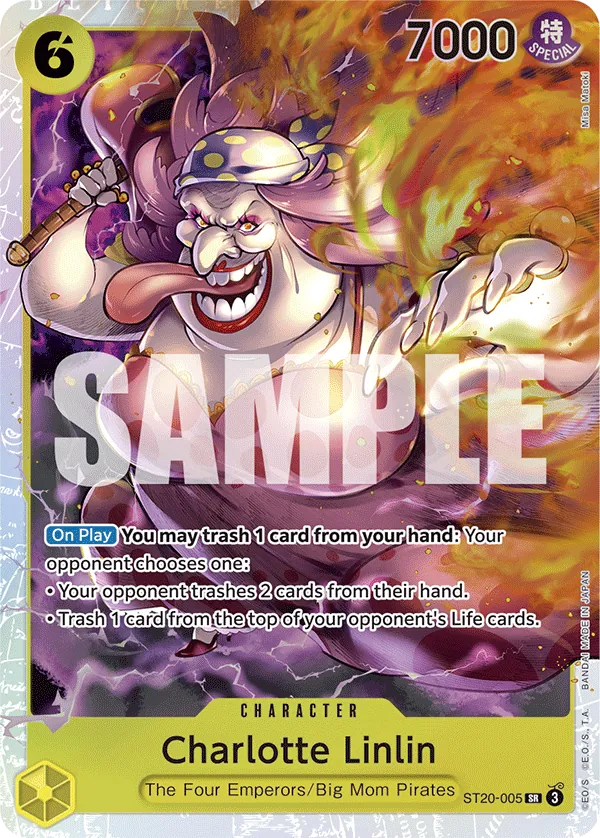
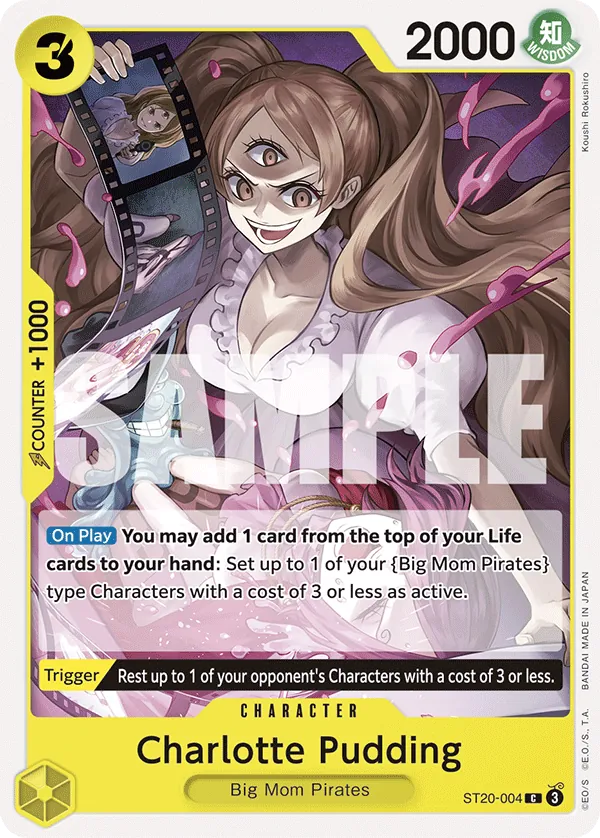
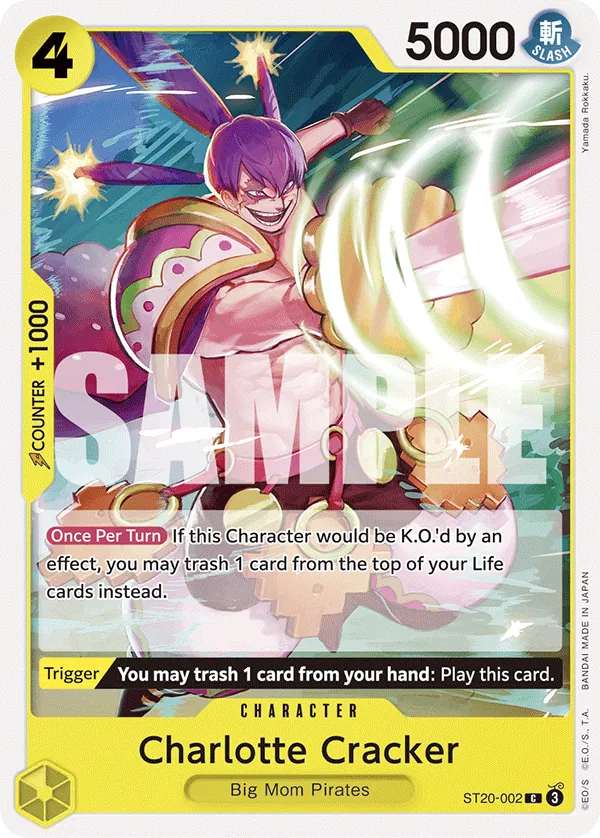
 One Piece Card Game Starter Deck Charlotte Katakuri (ST-20)
Yellow leader focused on counter power and defensive board control. Katakuri teaches you the other side of One Piece—blocking, predicting opponent attacks, and grinding value. Great second deck if you grab an aggressive leader first. Often in stock and fairly priced ($15–$20).
- Teaches counter mechanics that aggressive decks miss
- Defensive gameplay is underrated and fun
- Synergy with opponent's attacks makes games interactive
- Can feel slow for players who love aggression
- Less flashy than legendary leader variants
At a glance
| Deck | Release | MSRP | Best for | Playstyle | Availability | Secondary Price |
|---|---|---|---|---|---|---|
| ST-30 (Luffy & Ace) | June 12, 2026 | $19.99 | Fresh release, co-leader synergy | Balanced offense | High (just launched) | $20–$30 |
| ST-21 (Gear 5) | Earlier 2026 | $19.99 | Iconic Luffy, aggressive play | Pure offense | Medium (popular) | $25–$40 |
| ST-01 (Straw Hat Crew) | 2023 English launch | $13 | Budget intro, balanced crew | All-around | Low (older) | $35–$50 |
| ST-20 (Katakuri) | 2023–2024 | $19.99 | Counter mechanics, defense | Control/stall | Medium (older) | $15–$25 |
| ST-28 (Yamato) | 2023–2024 | $19.99 | Balanced midrange | Flexible tempo | Medium (older) | $18–$28 |
| ST-31–ST-36 | July 11, 2026 (PRE-ORDER) | $19.99 | Six-color refresh | Varies by color | Pre-order only | TBA |
Questions, answered
How many cards are in a starter deck?
51 cards (the playable deck) + 10 DON!! resource cards + 1 playsheet + 1 bonus booster pack. Everything you need to play, right out of the box.
Can I mix cards from different starter decks?
Absolutely. Starter decks share a card pool, and many cards appear in multiple decks. Once you're comfortable, you can combine pieces from ST-30 + ST-21 to build a custom 61-card deck. But they're perfectly balanced standalone.
Is there a difference between Japanese and English starters?
The mechanics are identical. Japanese versions release 1–2 weeks earlier and are slightly cheaper on import sites. English versions are printed in NA and readily available. For beginners, grab whichever is in stock at your local retailer.
What does 'ST' stand for?
'ST' = Start Deck (Starter Deck). Each number (ST-01, ST-21, ST-30, etc.) is a unique leader. Higher numbers are newer releases.
Do I need to buy booster packs to stay competitive?
No. Starter decks are designed to be tournament-playable at casual/mid-competitive levels. Booster packs let you optimize specific cards and build custom decks, but they're optional for fun play. Play 20 games with a starter first; you'll know if deck-building appeals to you.
Why do some starters cost more on secondary markets?
Demand, collectibility, and card rarity. ST-30 just released, so it's at MSRP now. ST-21 has iconic Gear 5 art and is beloved, so collectors/players buy extras, driving secondary prices up. Older starters like ST-01 get expensive because fewer are in circulation.
What's the best starter deck for a total beginner with zero TCG experience?
ST-30 (Luffy & Ace) is the safest bet right now—it's fresh, balanced, at MSRP pricing, and teaches co-leader synergy. If you can't find it, ST-21 (Gear 5) is iconic and aggressive enough to feel powerful, but harder to find at good prices. Either way, pair it with a second starter (different leader) to learn faster.
Yumi's verdict
One Piece Card Game starter decks are the most generous entry point in trading card gaming—they're fully playable, affordable ($13–$35), teach you real mechanics in 15 minutes, and honestly? You'll keep playing with them forever. ST-30 (Luffy & Ace) is the fresh pick if it's in stock at MSRP; ST-21 (Gear 5) is the iconic powerhouse if you're chasing that transformation high. Grab two different ones, duel yourself a handful of times, and you'll understand why One Piece TCG's community is so warm and welcoming. The game trusts you from turn 1. Well worth your time and money, nakama.
Sources: target.com, en.onepiece-cardgame.com, jumpichiban.com, packratt.co.uk, tcgprotectors.com, x.com, medium.com, amazon.com
The Hostess · invites you inCome in, take your shoes off — let me show you something.