The 1849 Staunton in Ebony & Boxwood: The Heirloom Chess Set Collectors Pass Down
A buyable object with a 175-year provenance — genuine ebony, antiqued boxwood, hand-carved knights, and a lineage that outlives the buyer. Here is why connoisseurs save up for the 1849 Cooke pattern, and exactly what to buy.


Written and reviewed by Robert Pruitt · how this guide was made
Last editorial refresh: 2026-06-24 Gold-standard QA: 2026-07-17 8 sources reviewed Affiliate links checked during gold-standard pass

The short answer
The grail is a faithful reproduction of the original 1849 Jaques/Cooke Staunton pattern in genuine ebony and antiqued boxwood, with a 3.5"–4.4" king. The buyable sweet spot is the Amazon/The Chess Store "1849 Heirloom" set (roughly $300–$600, stock moves — it's often out of stock, so check the link), and the flagship is the House of Staunton Collector Series — genuine-ebony base pieces from $519 (4.0" king, currently in stock), climbing to the Camaratta 1849 Forever Collection (4.4" king) from ~$1,029. Buy on carving quality and genuine ebony, not on a label.
Decision map
Choose in thirty seconds
The buyer who wants the real grail — genuine ebony, true 1849 pattern — at a once-and-done heirloom price
Some objects in this wing are eccentric because they are strange. This one is eccentric because it is the opposite of strange — it is the most copied, most revered, most quietly correct design in the history of the game, and almost nobody owns the real thing well. I keep the things that get passed down, and of everything I've handled, few earn the word "heirloom" as honestly as a true 1849 Staunton in ebony and boxwood. It is the rare splurge that gets less expensive the longer you own it, because you only buy it once.
Start here, then go deeper
You are in the right cabinet.
 ♛ Topic PathGrail Board Games: compare the whole shelfA grail earns its space only when the experience survives the price, setup, storage, and group commitment. These are expensive-game...
 Deep DiveBone & Bamboo Mahjong: The 1920s Shanghai Heirloom, Still Hand-Carved TodayA playable family game that doubles as a display piece — why collectors save up for hand-carved bone and bamboo, and how to buy one...
 Buying GuideBest Heirloom Chess Sets, Ranked (2026)The wooden sets worth your grandkid's future — what actually makes a set heirloom, which woods survive fifty years of love, and ten real...
Why is the 1849 Jaques/Cooke design the template every Staunton set copies?
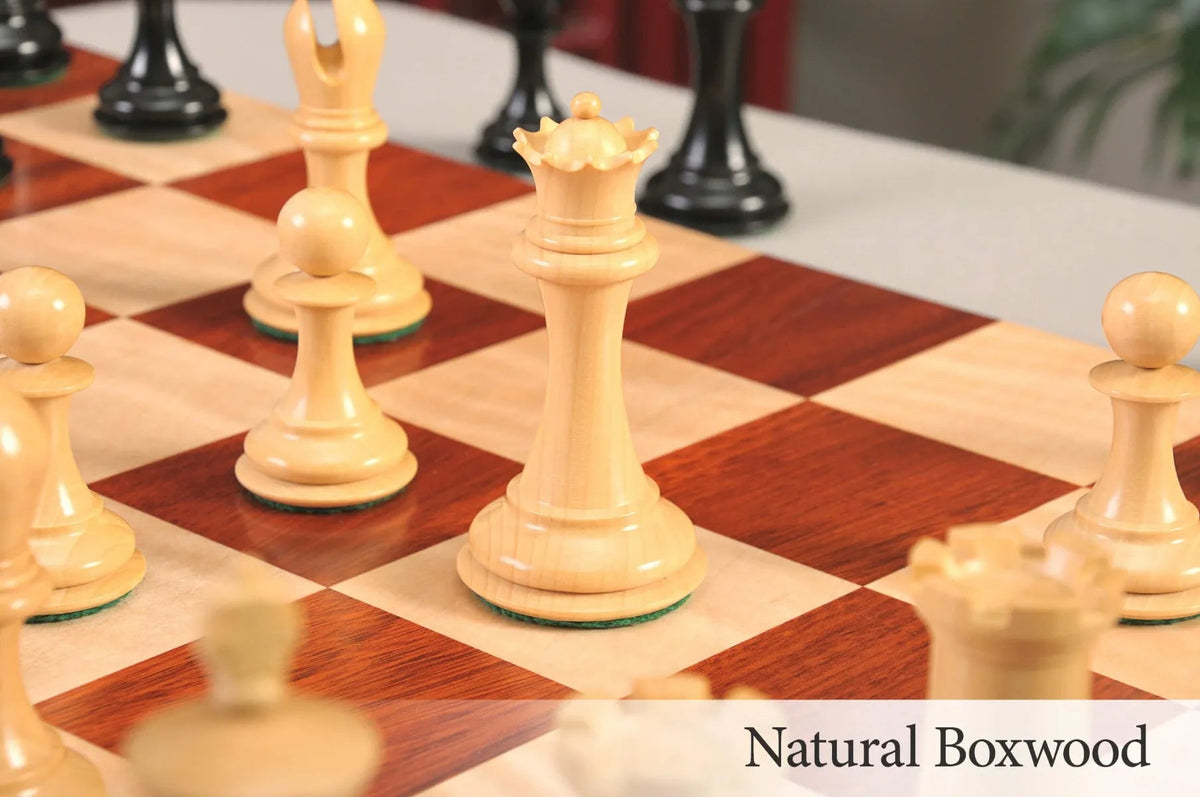
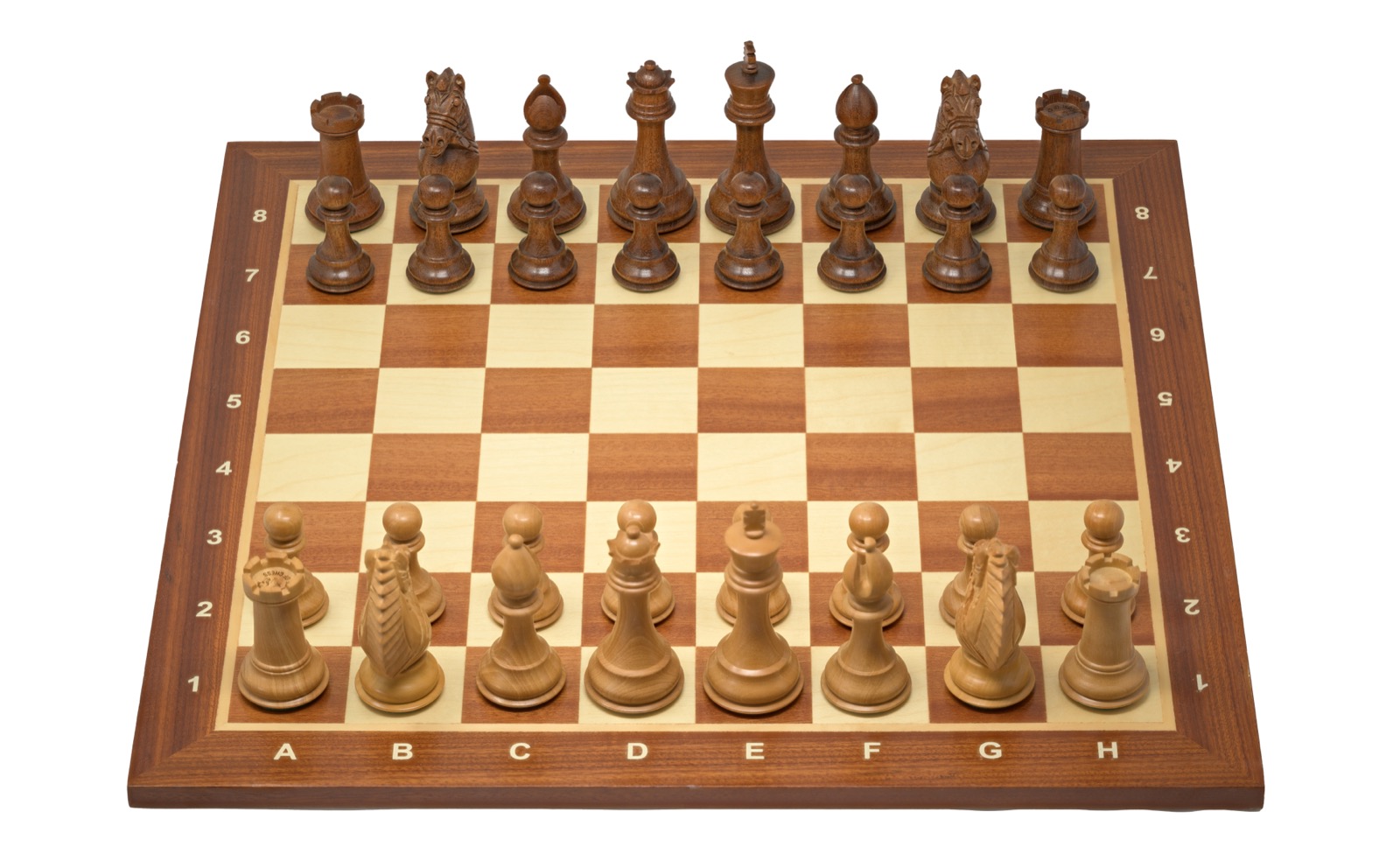
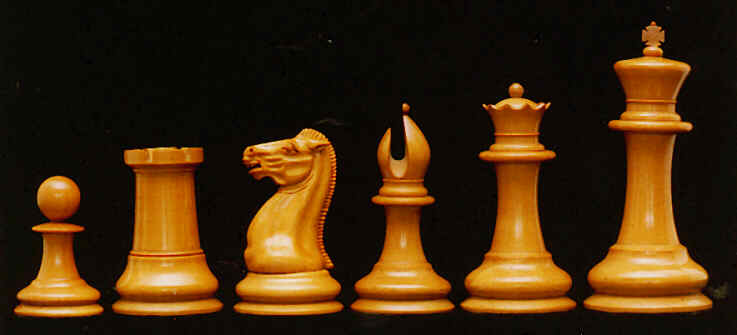
Before 1849, chess sets were chaos. Every region carved its own kings, and at a serious game you could lose a full minute working out which spindly tower was a rook and which was a bishop. Then on 1 March 1849, Nathaniel Cooke — editor at The Illustrated London News, the paper where Howard Staunton wrote his chess column — registered a design at the Patent Office: clean, symbolic, instantly legible. (The patent itself misspelled his name "Cook," and the slip has echoed through chess literature ever since.) That September, Jaques of London began manufacturing it; the set went on public sale on 29 September 1849. The champion Howard Staunton lent his name to endorse it — plugging it in his column on 8 September, with the first 500 sets numbered and hand-signed — and the pattern that bears his name became the world standard. Every tournament set you have ever touched is a descendant of those first Jaques pieces.
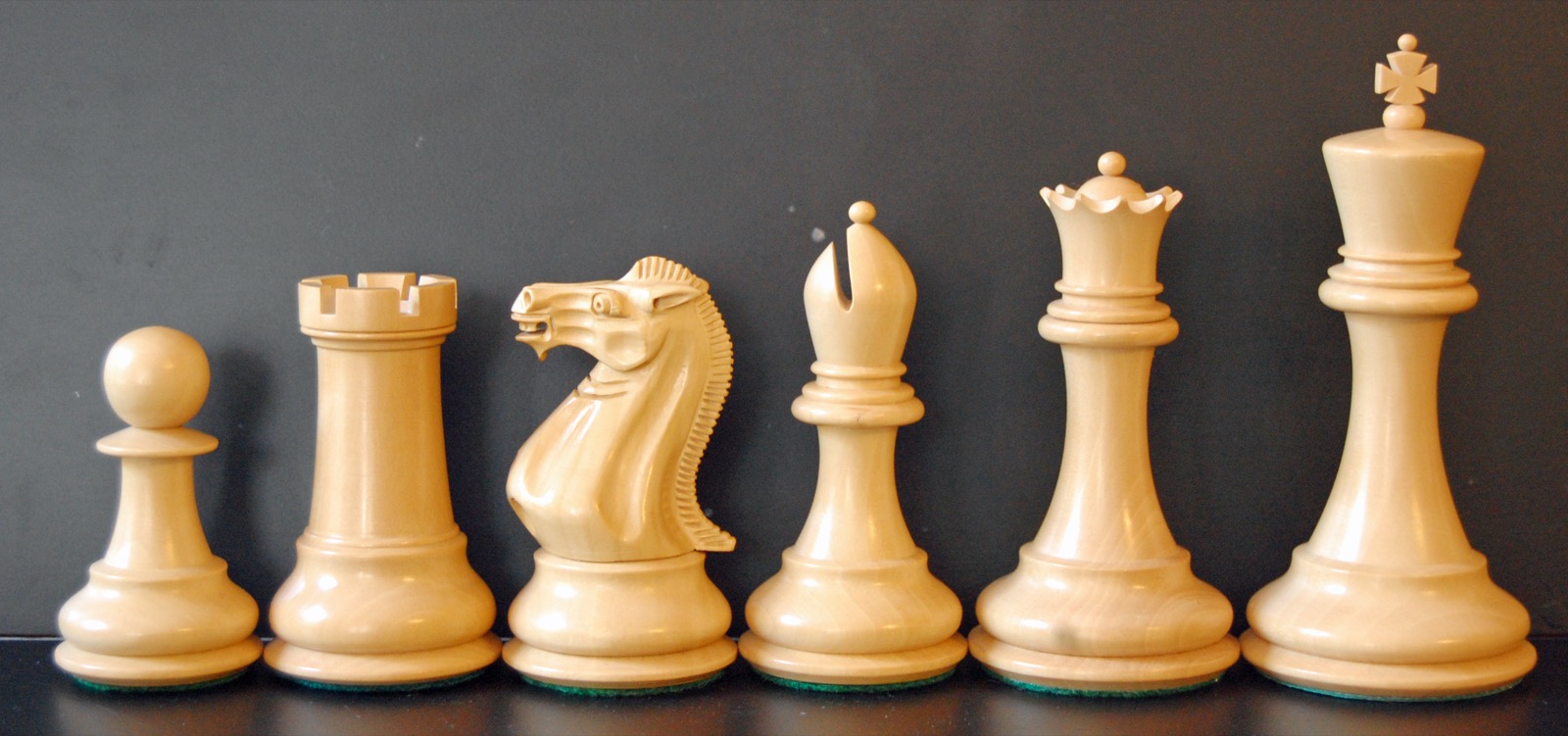
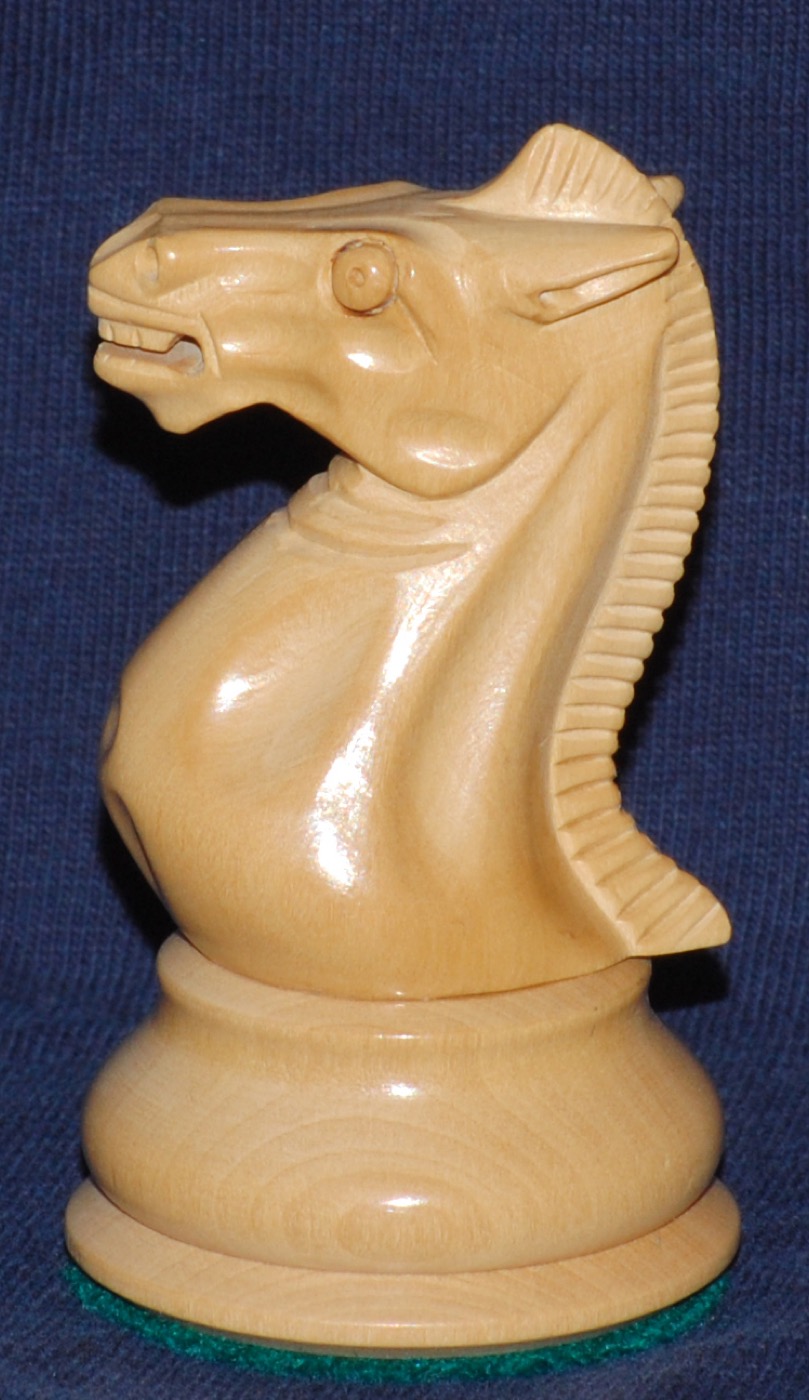
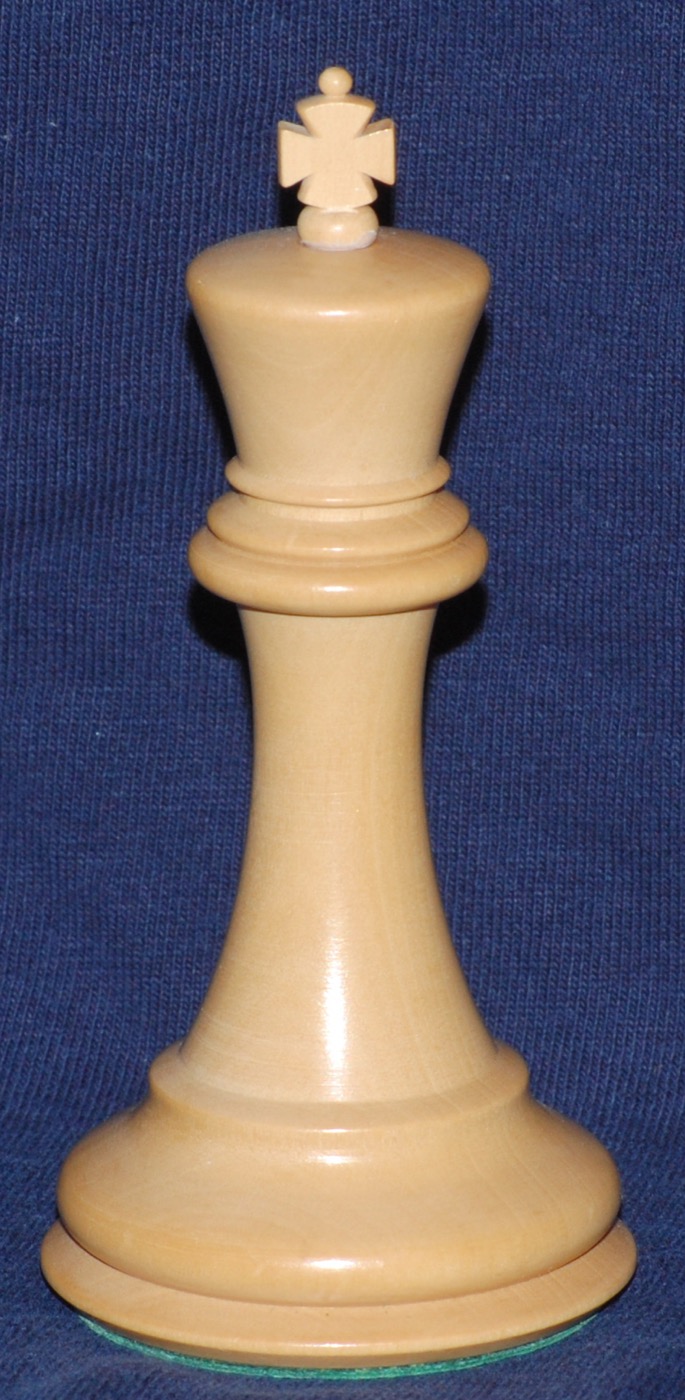
What makes the original so revered is not nostalgia, it is resolution of the design. The king wears a cross, the queen a coronet, the bishop a mitre, the knight a horse's head modeled on the Elgin Marbles — specifically the steed of Selene, the moon goddess, from the east pediment of the Parthenon. Nothing is decorative for its own sake; every silhouette reads at a glance from across a table. That is why a faithful 1849 reproduction feels right in a way that a fancier, busier set never does — you are looking at the moment the language of chess was settled.
So when collectors say "the 1849," they don't mean an old set. They mean the template — the source code. Buying a faithful reproduction is buying a direct line back to the bench where the modern game got its face.
Jaques vs House of Staunton 'Collector' — which is the better buy?
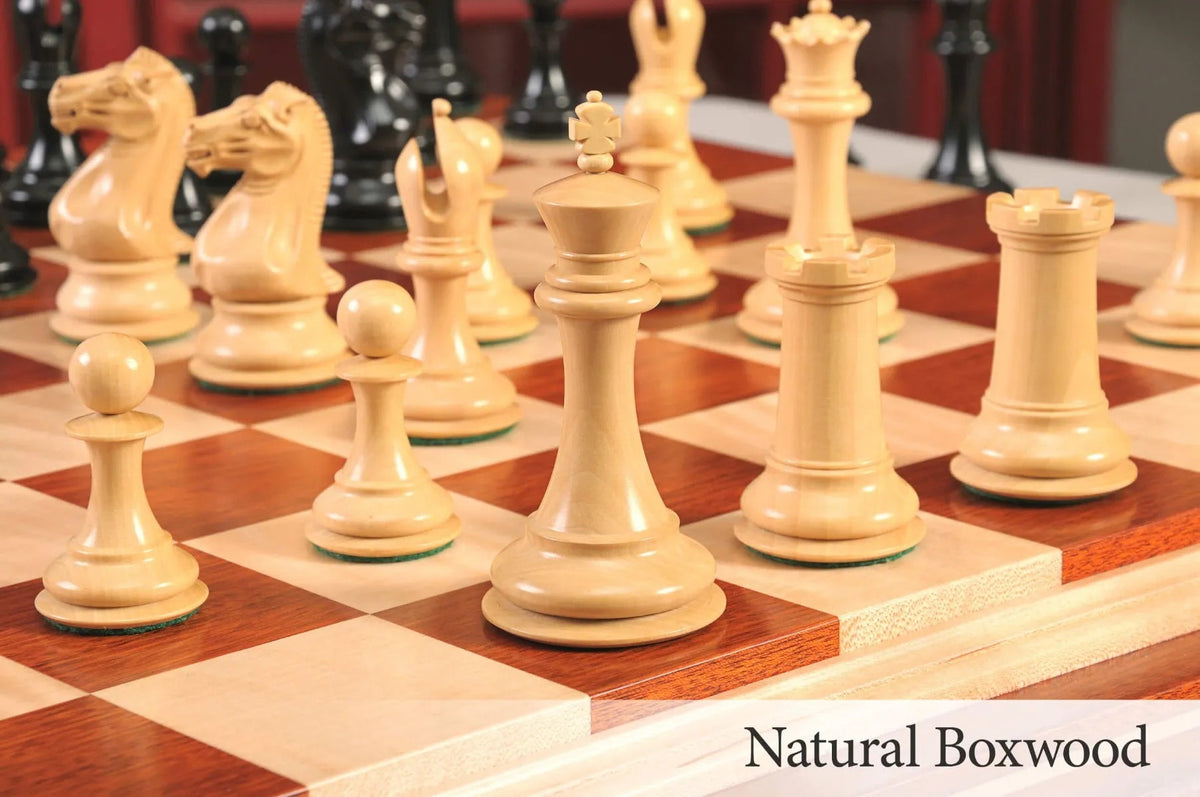
Here is the heresy that every serious forum eventually arrives at: the Jaques name is the prestige, but it is not automatically the best set. A recurring line on the chess.com equipment forum is that the House of Staunton 'Collector' Series is frequently carved better, and matches the original Cooke 1849 pattern more closely, than what carries the famous London label today. The advice that follows is the only buying rule that matters here: buy on carving quality, not on the badge.
I take that seriously because it is how heirlooms actually get judged a generation later. Nobody's grandchild appraises the box; they appraise the knight. So the real comparison isn't Jaques-versus-everyone — it's tier against tier:
- The buyable heirloom — the "1849 Heirloom" set sold on Amazon and The Chess Store, genuine ebony and distressed boxwood, roughly $300–$600. Genuinely lovely; the entry to the grail. (Stock moves — it's frequently out of stock, so check the link before you fall in love with it.)
- The flagship — House of Staunton's Collector Series, genuine-ebony base pieces from $519 (4.0" king, in stock at time of writing), climbing to the Camaratta 1849 Forever Collection (4.4" king) from ~$1,029. This is the carving the connoisseurs are talking about.
If you can stretch to the Collector tier, the carving and the weighting justify it. If you can't yet, the Heirloom set is no embarrassment — it is the same pattern, honestly made.

Why is ebony and antiqued boxwood the connoisseur's combination?
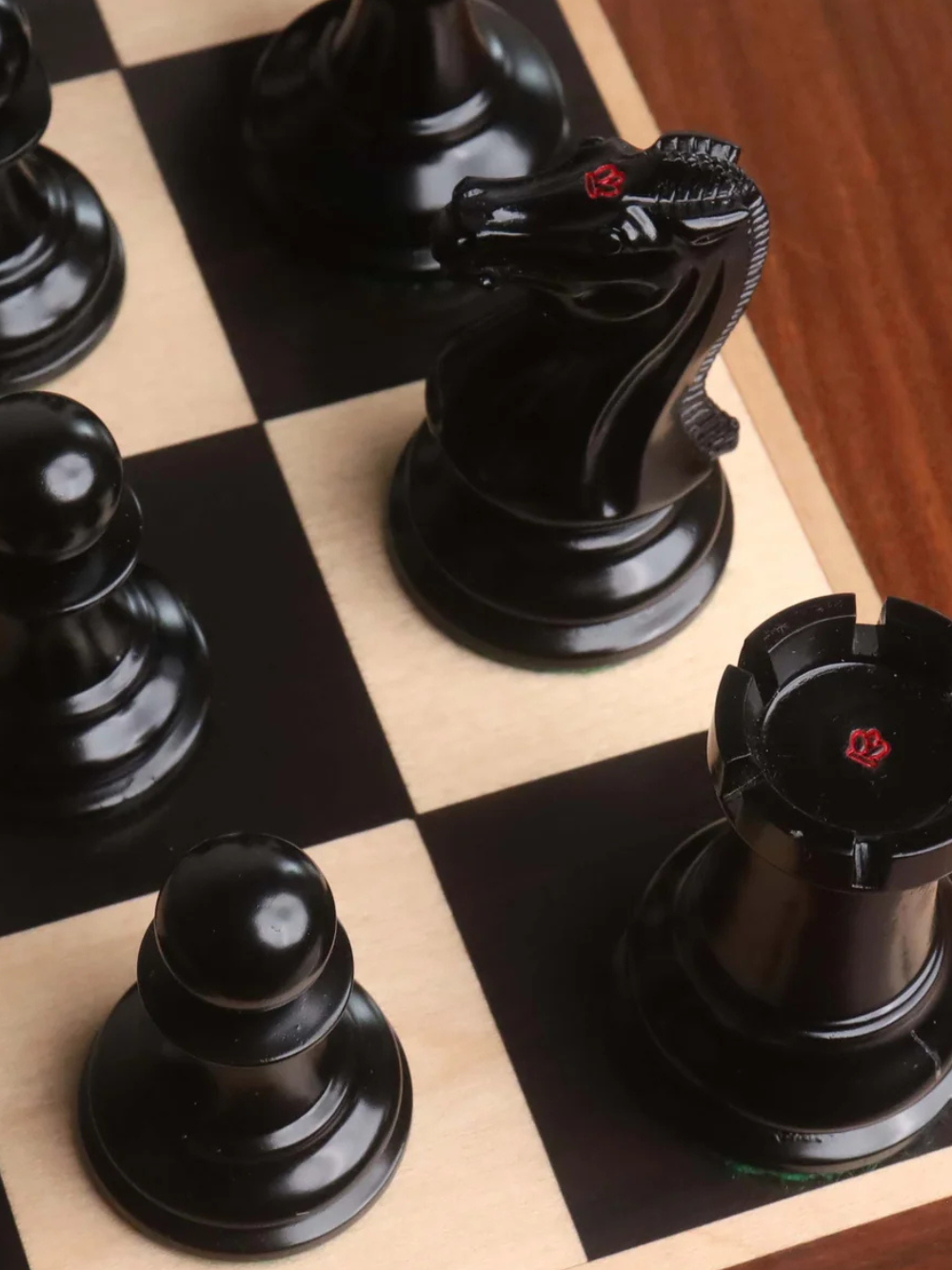
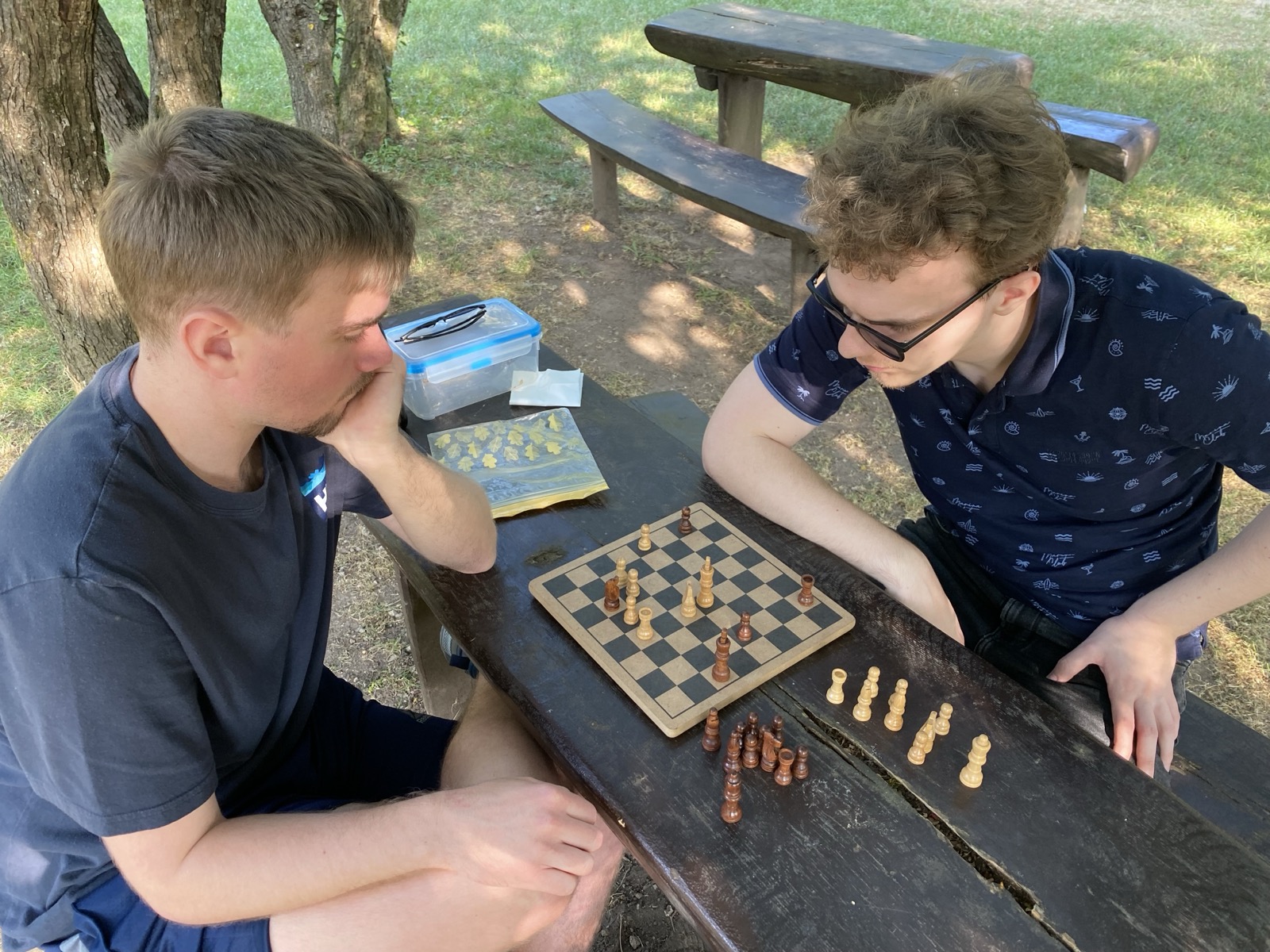
There is a line that surfaces over and over in the chess.com equipment forum, almost like a creed: "there is no better color combination than ebony and antiqued boxwood." It sounds like snobbery until you see a set in raking firelight, and then it just sounds like a fact.
The reason is contrast and warmth at the same time. Genuine ebony is so dark it reads as a void — it drinks light and gives back depth. Set against bleached, bone-white pieces, that darkness looks stark and a little cold, like a printout. But set against antiqued (not bleached) boxwood — boxwood aged to a warm honey-amber, sometimes lightly distressed — the black gains a partner with a glow to it. The board stops looking like a diagram and starts looking like a painting.
This is the single most important spec to insist on — and a place where the buyable heirloom set actually has an edge of character over the flagship. The Chess Store / Amazon "Heirloom" line ships with boxwood deliberately distressed and stained to a brown-gold patina to mimic a hundred-year-old set; House of Staunton's Collector pieces, by contrast, pair genuine ebony with natural boxwood, which is paler and brighter (and, to be fair, immaculate). Natural boxwood is perfectly handsome, but it is not the lamp-lit, lived-in look. If the heirloom feeling is what you are buying — the hundred-games glow — then you want the words antiqued or distressed in the listing. It is the difference between a new set and one that already looks loved.
How do you tell genuine ebony from dyed 'ebonized' boxwood?
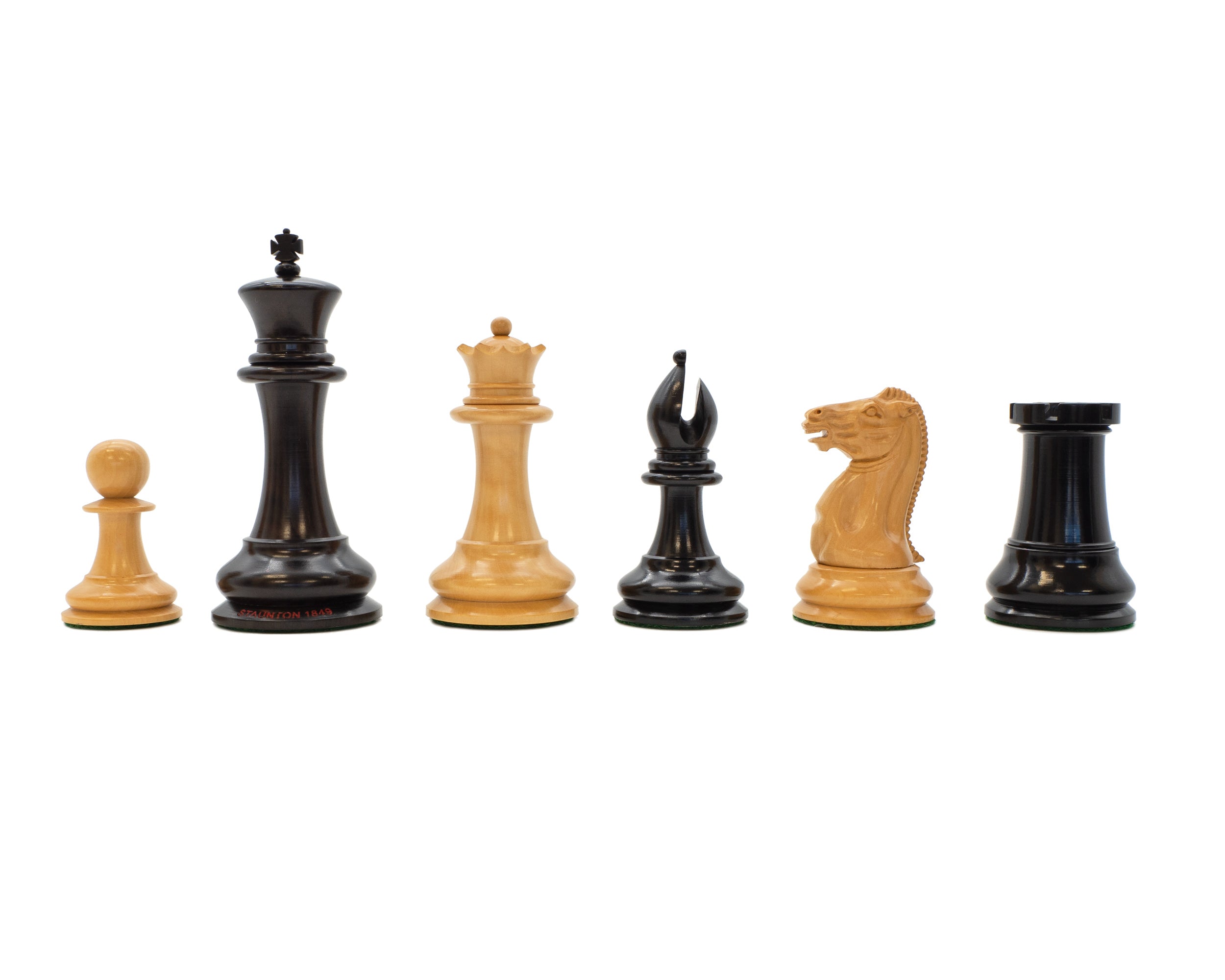
 House of Staunton Collector Series Luxury Chess Pieces — Genuine Ebony & Boxwood (1849 Pattern, 4.0" King) See it on Amazon ↗
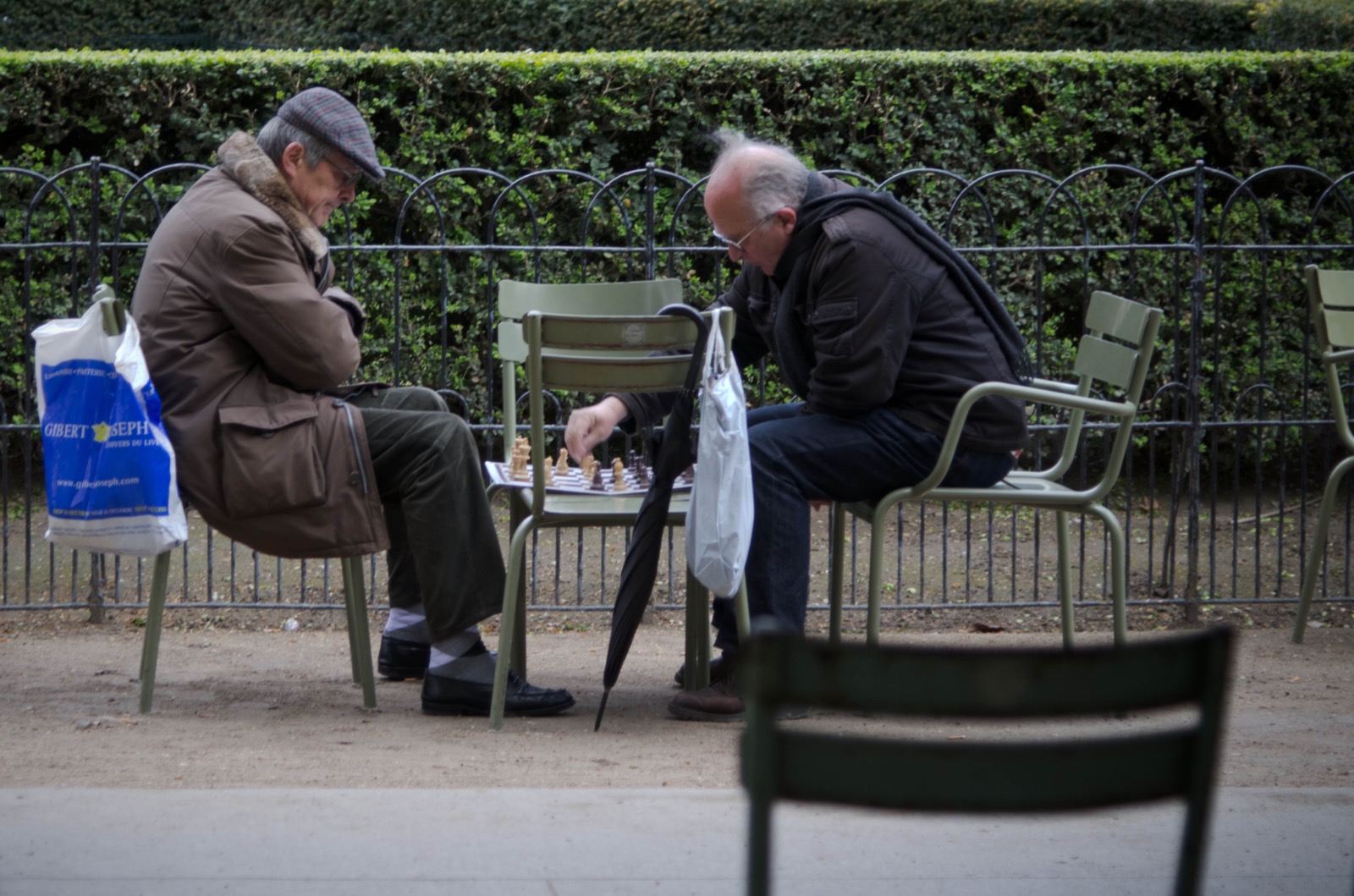
This is where money is won or lost, so read it twice. The forums are blunt: verify it is genuine ebony, not 'ebonized' or dyed boxwood. Budget sets fake the grail look by taking ordinary boxwood — the same wood as the light pieces — and staining it black. It photographs identically. It is not the same object.
How to tell, in order of usefulness:
- Weight. Real ebony is brutally dense — dense enough that the wood sinks in water. A genuine ebony king has a serious, dead heft that dyed boxwood simply cannot fake.
- Grain. Genuine ebony shows fine, dark, natural grain and the occasional lighter streak. A flawless, uniform, painted-looking black is a red flag for ebonized boxwood.
- The listing's own words. Honest vendors say "genuine ebony." If the page leans on "ebonized," "ebony-finish," or just "black," assume dyed.
- The price floor. Real ebony and real hand-carving cost money. A genuine-ebony 1849 set realistically starts in the low hundreds; a $60 "ebony" set is dyed, full stop.
None of this is about snobbery. An ebonized set is a fine set to play on. But you cannot pass down a fake as the real thing — the heirloom claim only survives if the ebony does.
What king height and board size make a true heirloom set?
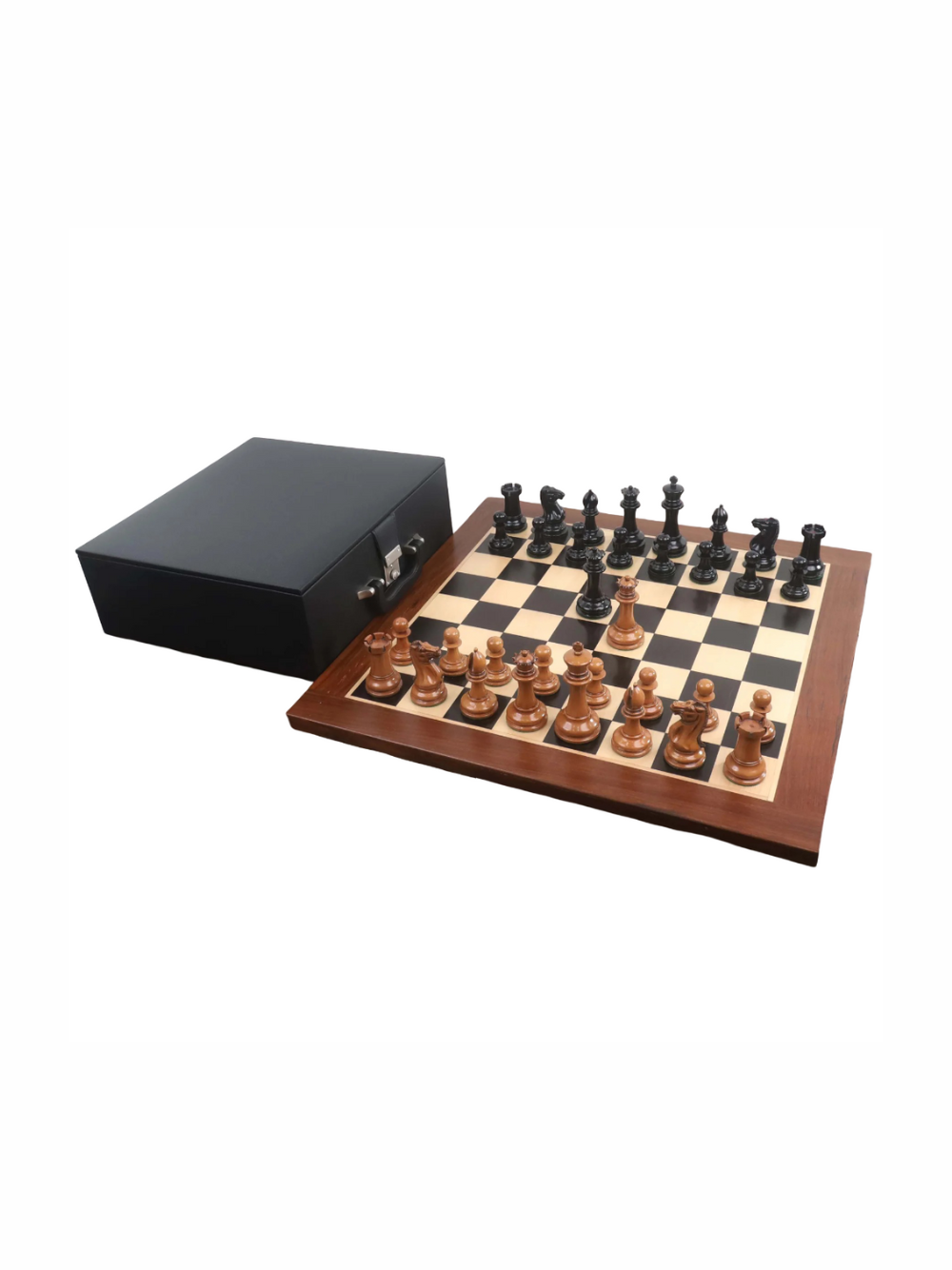
A grail you can't actually use is just a paperweight, so the dimensions matter. The forum sweet spot is specific: a king height of 3.5" to 4.0" (some heirloom editions stretch to 4.4") is the band that stays tournament-legal yet reads as display-worthy. Go much shorter and it feels like a travel set; go taller and the pieces crowd a standard board.
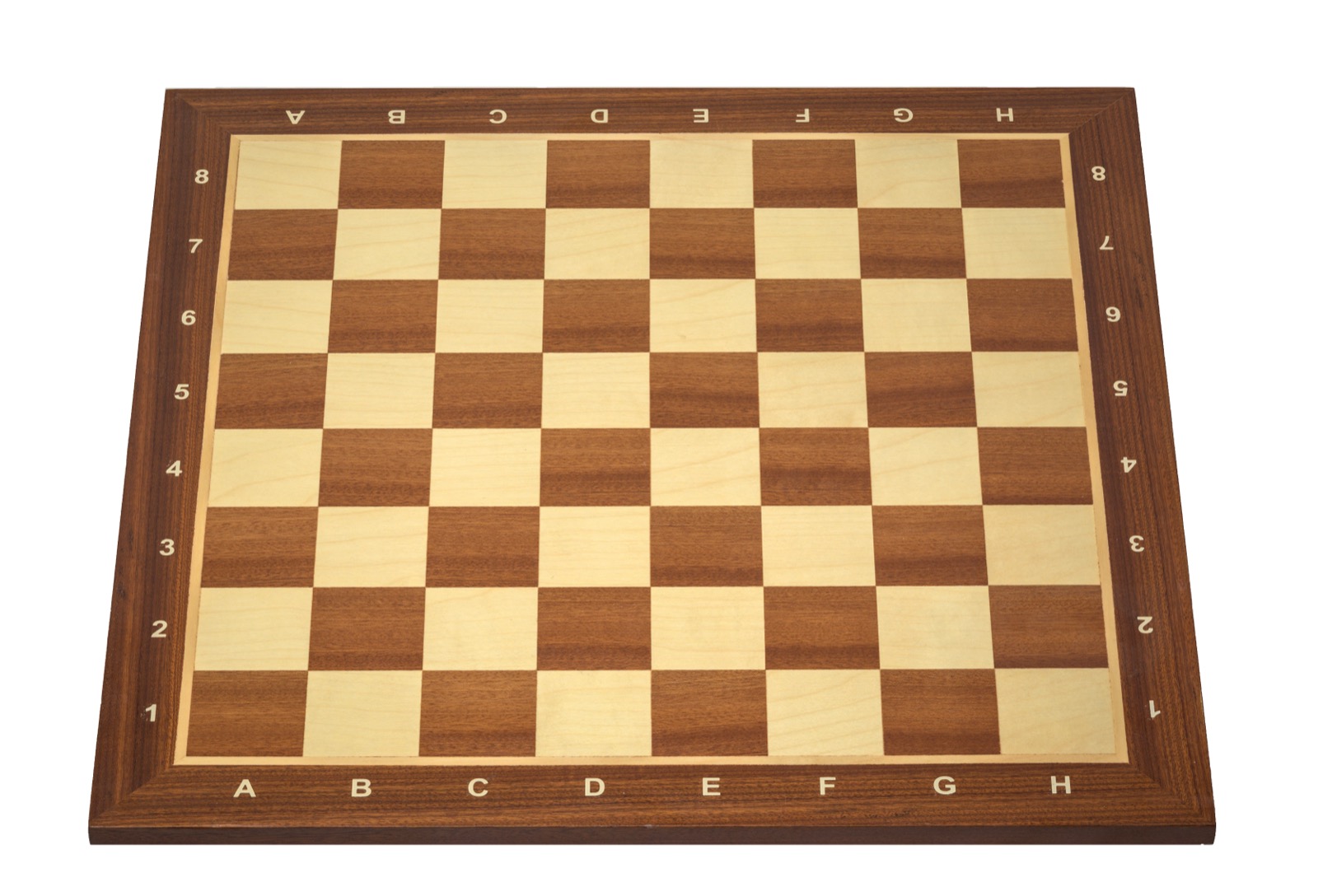
But height is only half the equation — the real rule is the king-base-to-square ratio. The bench wisdom is to pair your pieces with a board whose squares are roughly 1.25× the king's base diameter. Get this wrong in either direction and the set looks subtly off forever:
- Squares too small and the pieces jam shoulder to shoulder, knights clipping bishops, the position hard to read.
- Squares too big and the army looks marooned, lonely little figures stranded on acres of wood.
A 3.5" king typically carries a ~1.6" base, which wants roughly 2" squares; a 4.4" king runs a 2.0" base and wants a bigger board to match. Many vendors sell the pieces alone precisely so you can mate them to the right board — the burl-and-maple cases and matching boards are an upgrade, not an afterthought. Buy the pieces for the carving; buy the board for the ratio. When both are right, the set sits down and looks like it has always been there.

How should you store and care for ebony and boxwood pieces?
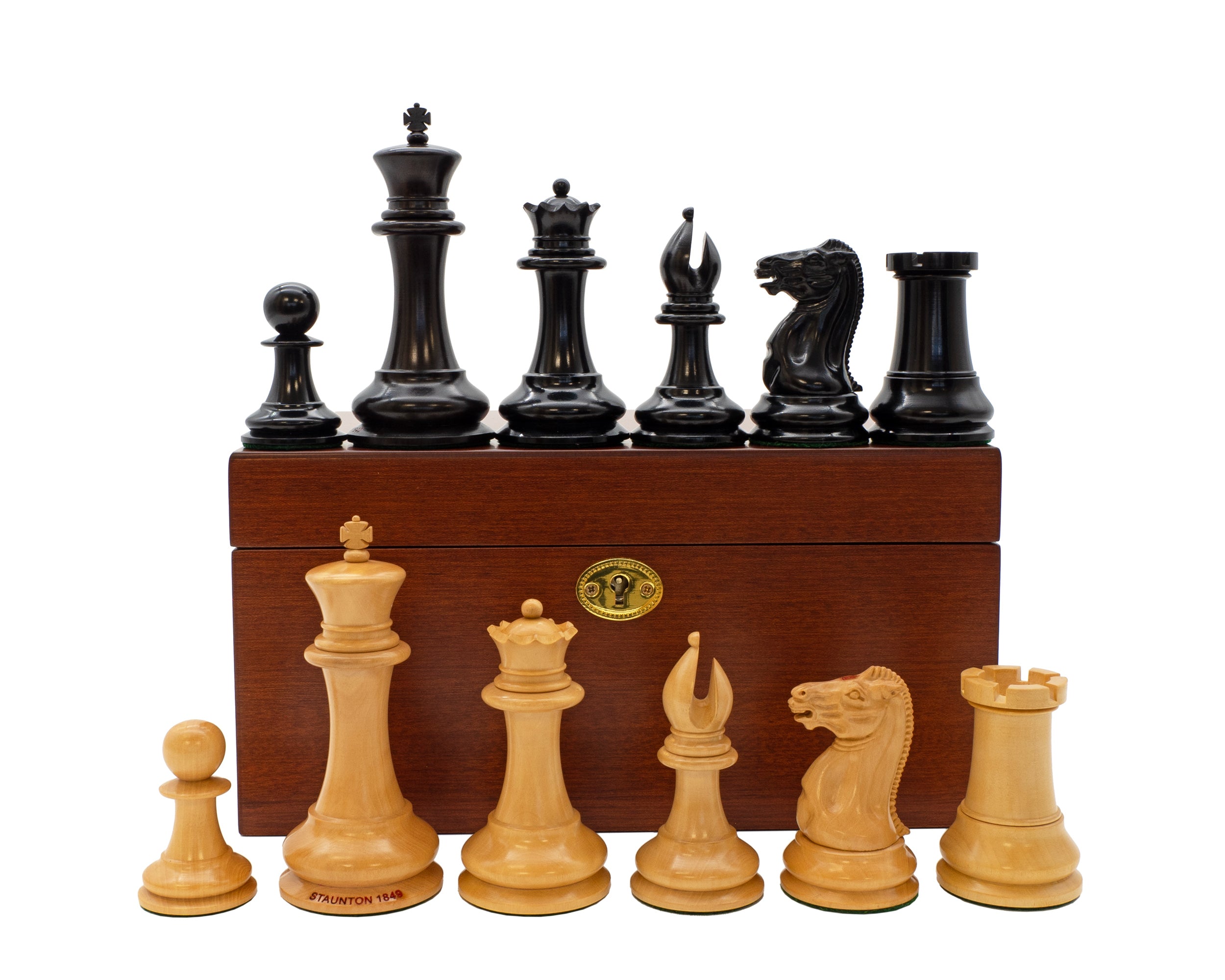
Here is the part people skip, and then regret. Ebony and boxwood are fine instrument woods — treat them the way a luthier treats a guitar or a player treats a good pool cue, because the failure mode is the same. The forum warning is exact: store the pieces in their fitted coffer, away from direct sun, because ebony and boxwood can check — develop hairline cracks — with big humidity swings.
The care routine is simple and lifelong:
- Use the coffer. A fitted, felt-lined box isn't packaging, it's a humidity buffer. Pieces stored loose in a drawer ride every weather change in the house.
- Avoid direct sun and heat sources. A sunlit windowsill or a spot above a radiator will dry the wood unevenly and invite a check. Display them, but in stable, indirect light.
- Aim for steady humidity. Sudden swings — a dry winter furnace, a damp summer — are the enemy, not any single level. Stability beats perfection.
- Skip the oils and polishes unless the maker specifies them; the lacquered finish does not want to be "fed." A dry, soft cloth is the whole kit.
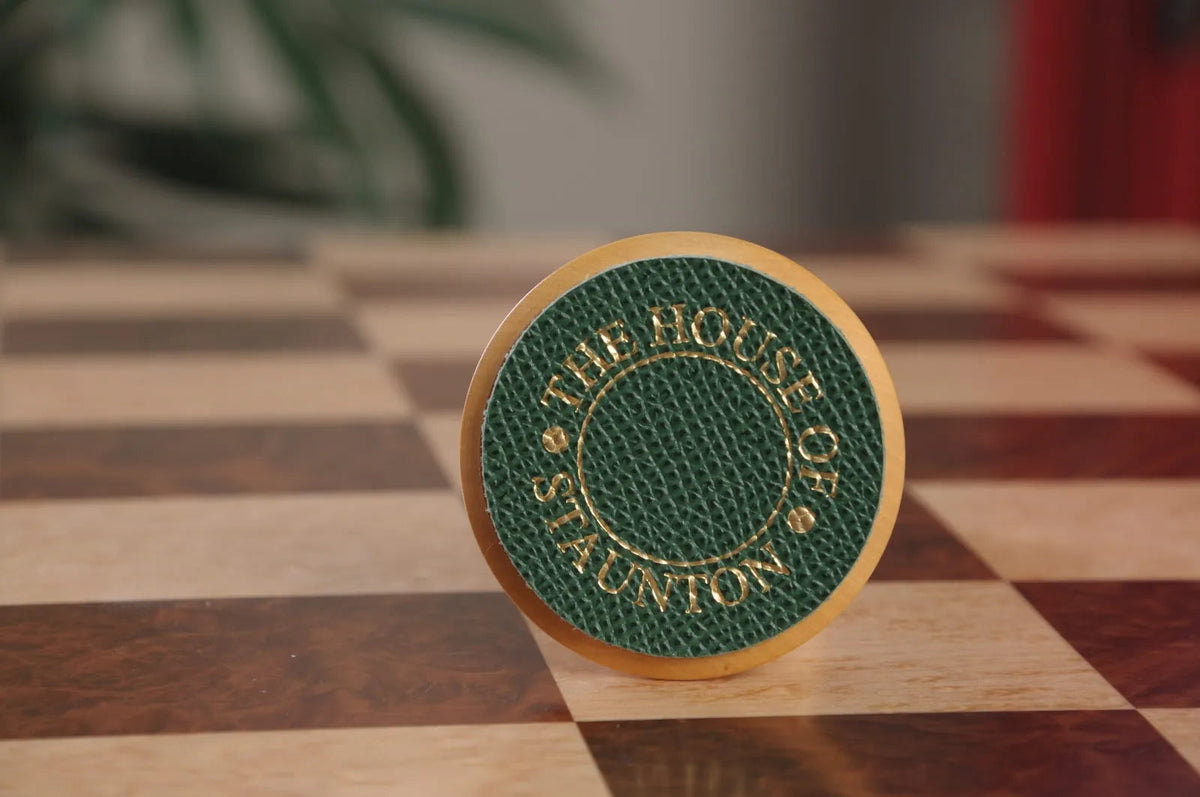
Do this and the set ages the right way — the boxwood deepens, the ebony stays black, the leather king-pads soften. Neglect it and you'll learn what a hairline check looks like on a piece you meant to give your grandchildren. (The good news: the top Collector-tier sets ship with a lifetime warranty against exactly that kind of hairline cracking — but the warranty is a backstop, not a substitute for the coffer.)

Is a faithful reproduction as collectible as an antique Jaques?
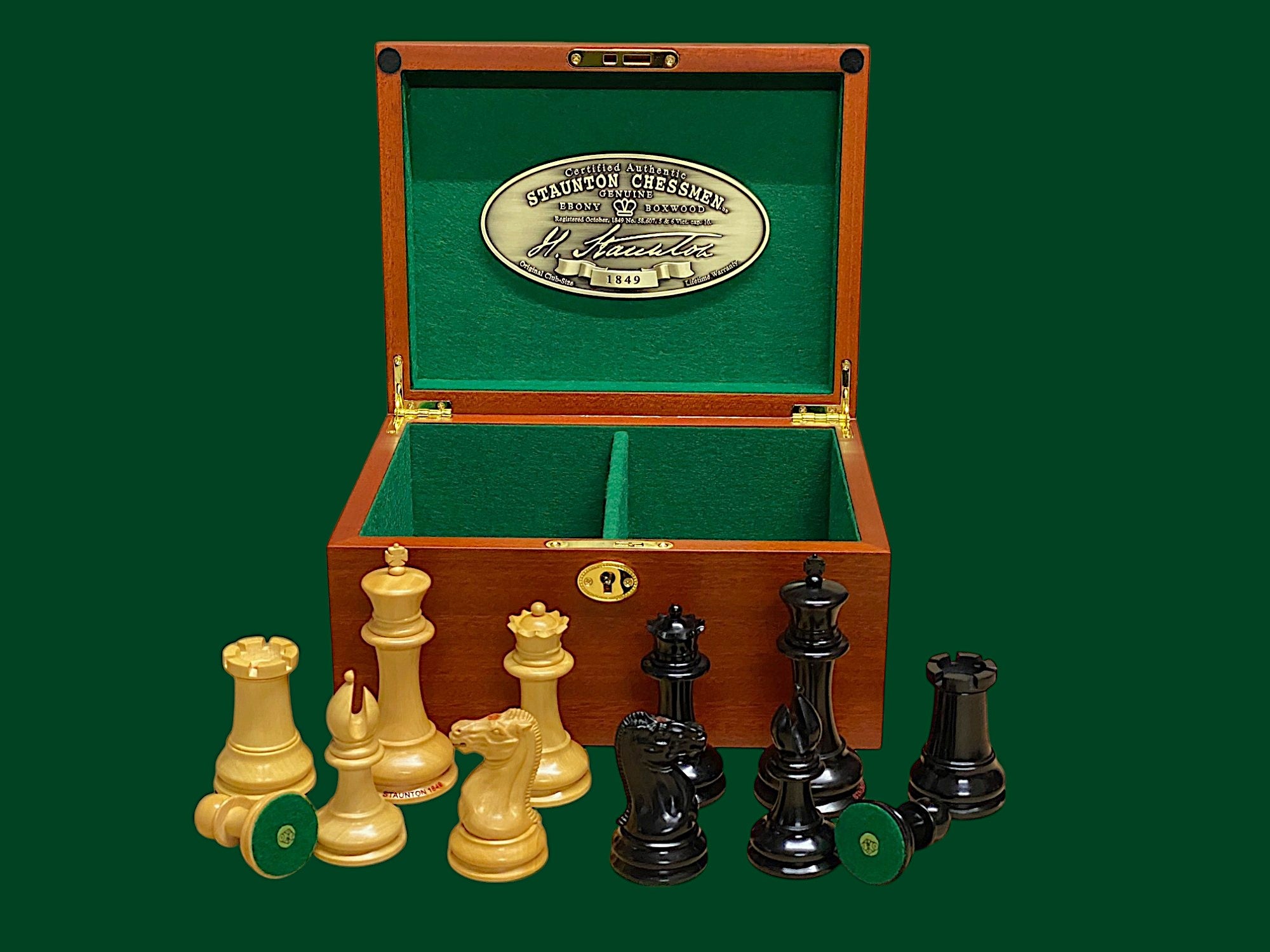 House of Staunton Collector Series Luxury Chess Pieces — Genuine Ebony & Boxwood (1849 Pattern, 4.0" King) See it on Amazon ↗
The honest answer: no — and that is exactly why you should buy the reproduction. A genuine period Jaques set is a museum artifact with museum pricing, running from very expensive to genuinely eye-watering, and you will be terrified to play on it. That is not an heirloom you use; it is an asset you insure.
A faithful 1849 reproduction in genuine ebony does something better for a person who actually loves the game. It carries the full 175-year lineage of the design — the same Cooke pattern, the same wood pairing, the same weighted, leather-padded kings — in an object you can put on a table and play a thousand games on. The provenance is in the design, not the dust. Every move you make is a move on the pattern that defined the modern game.
And here's the part the collectors quietly know: a high-grade reproduction becomes an heirloom by being used and passed down. The Jaques antique is already someone's history. Your House of Staunton Collector set is the start of yours — the one your name gets attached to. For a keeper, that is the more valuable kind of provenance: not the one you bought, but the one you make.
What's the right budget tier for a pass-it-down set?
The 1849 name spans a wide, sometimes confusing price band, and several distinct tiers hide behind nearly identical wording. Here is how to read it, anchored to concrete, buyable SKUs rather than a vague range:
- Sub-$300 imports — the pattern is right, but quality is uneven; antiqued-vs-natural boxwood, weighting, and knight carving all vary. Fine to play; the "heirloom" claim is thin here.
- The buyable heirloom (~$300–$600) — the "1849 Heirloom" set on Amazon (3.5"/4.4" king, genuine ebony and distressed boxwood) and The Chess Store. This is the sweet spot for most buyers — real grail, real wood, real lineage. Just note that it is frequently sold out (The Chess Store's listing currently reads "out of stock"), so it rewards patience and a watchful eye on the link.
- The flagship ($519–$1,029+) — House of Staunton's Collector Series: the genuine-ebony 4.0" king is $519 and in stock at time of writing; the Camaratta 1849 Forever Collection (4.4" king) runs from ~$1,029 for the in-stock Blood Rosewood version, with the genuine-ebony variant near ~$949 but frequently out of stock. Better carving, a maker's plaque, and (at the Forever tier) a lifetime crack warranty. The connoisseur's tier.
Two caveats before you click. First, stock and price move constantly — the Amazon listing and the genuine-ebony flagship in particular run intermittent, so check the link the day you buy and don't be surprised if the exact variant you want is briefly sold out. Second, genuine ebony is CITES-listed wood (Madagascar Diospyros, Appendix II); high-end sets ship fine domestically, but international buyers can hit import friction, so verify before ordering across a border. Buy once, buy the right tier, and you're done forever.
The picks
Some links below are affiliate links — as an Amazon Associate, Puzzlewick earns from qualifying purchases, at no extra cost to you. It never changes a pick.
 12 photos
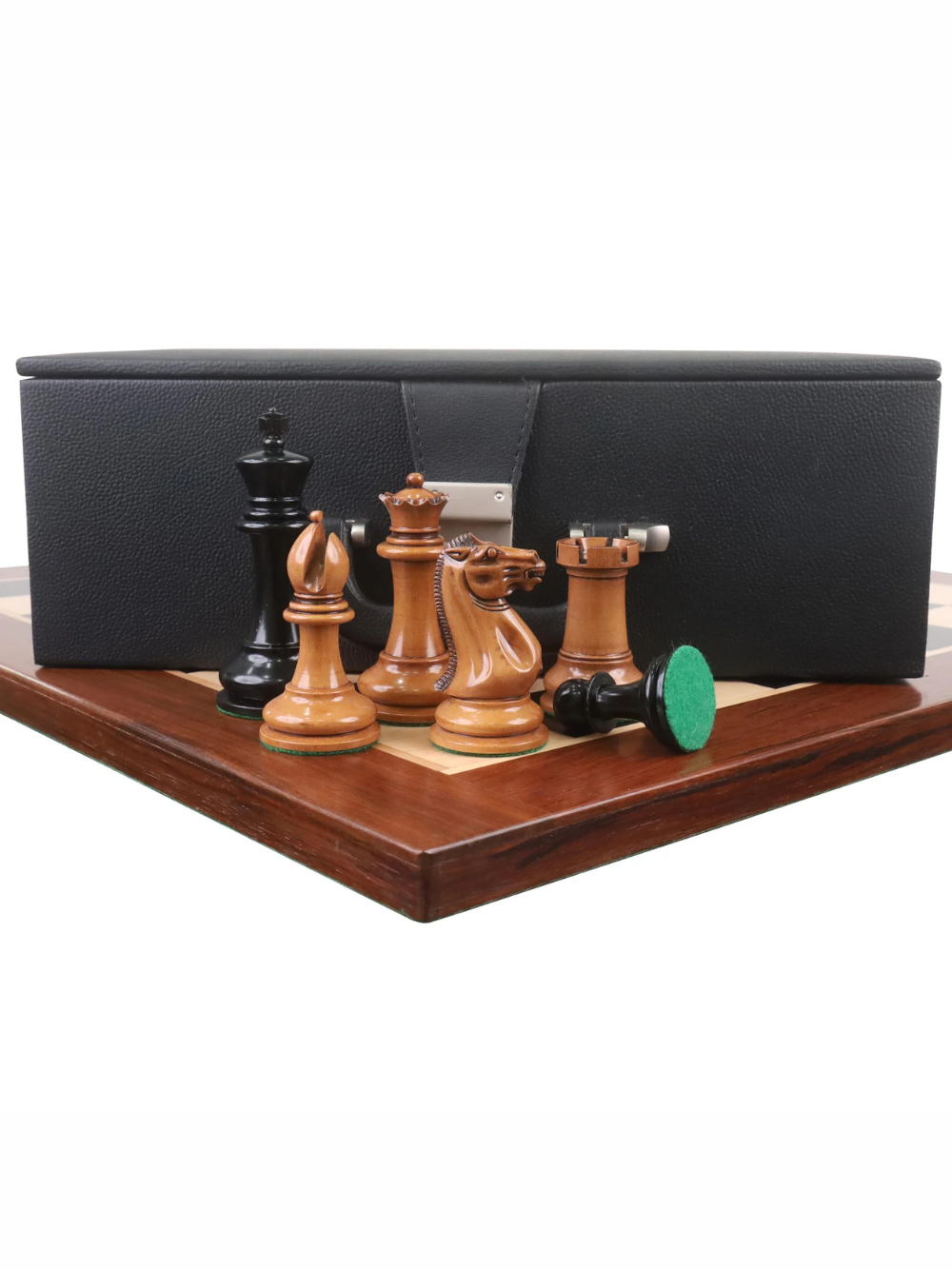
 1849 Heirloom Staunton Chess Set — Genuine Ebony & Antiqued Boxwood (3.5" King)
This is the entry to the grail, and it earns the word. A faithful reproduction of the original Cooke/Jaques 1849 pattern in genuine ebony and distressed (antiqued) boxwood, with a 3.5" library-size king on a ~1.6" base, heavily weighted to about 36 ounces with green baize pads. It hits the forum sweet spot on every axis the connoisseurs care about: genuine ebony (real heft, real grain — not dyed), antiqued rather than bleached boxwood for that warm lamp-lit glow, and a tournament-legal-yet-display-worthy king height. The catch is supply, not quality: the listing runs intermittent and is frequently sold out (The Chess Store's page currently reads "out of stock"), and the price drifts inside the ~$300–$600 band depending on the case and king-height option — so treat any figure as a moving target and confirm the live price the day you buy. Pair it with a board whose squares run about 1.25× the king base, store it in the fitted coffer, and it's a thousand-game set that becomes your family's, not just your own.
- Genuine ebony, not dyed/ebonized boxwood — the spec that protects the heirloom claim
- Distressed/antiqued boxwood gives the connoisseur's warm, lived-in look
- 3.5" king on a ~1.6" base is tournament-legal yet display-worthy
- Heavily weighted (~36 oz) with baize-padded bases — sits and plays like a serious set
- Far more affordable than a period Jaques antique
- Frequently out of stock and price moves — verify both live at the link
- Carving is a notch below the House of Staunton Collector tier
- Genuine ebony is CITES-listed — international buyers may hit import friction
Questions, answered
Is a reproduction 1849 Staunton set really collectible, or do I need a genuine antique Jaques?
A genuine period Jaques set is a museum-priced artifact you'll be afraid to use. A faithful reproduction in genuine ebony carries the full 175-year Cooke-pattern lineage in an object you can actually play a thousand games on. The provenance lives in the design, not the dust — and a high-grade reproduction becomes an heirloom by being used and passed down. For a keeper, that's the better kind of collectible.
How do I make sure I'm getting genuine ebony and not dyed 'ebonized' boxwood?
Check three things: weight (real ebony is so dense it sinks in water and feels seriously heavy), grain (genuine ebony shows fine natural grain, not a flawless painted-black uniformity), and the listing's own wording (honest vendors say 'genuine ebony'; 'ebonized,' 'ebony-finish,' or just 'black' means dyed boxwood). And mind the price floor — a genuine-ebony 1849 set realistically starts in the low hundreds.
Should I get antiqued boxwood or natural boxwood?
For the heirloom look, antiqued (or distressed) boxwood, every time. It's aged to a warm honey-amber that glows against the ebony — the chess.com forums call ebony-and-antiqued-boxwood simply the best color combination there is. The Amazon/Chess Store 'Heirloom' line ships distressed boxwood for exactly that look; House of Staunton's Collector pieces pair ebony with natural boxwood, which is paler, brighter and immaculate but reads as a new set rather than a loved one. Both are handsome — it's a question of mood.
What king height and board size should I buy?
A 3.5"–4.0" king (some heirloom editions go to 4.4") is the band that stays tournament-legal yet looks display-worthy. The real rule is the ratio: pair the pieces with a board whose squares are about 1.25× the king's base diameter. A 3.5" king on a ~1.6" base wants roughly 2" squares; a 4.4" king runs a 2.0" base and wants a larger board. Get the ratio wrong and the set looks subtly off forever.
How do I care for ebony and boxwood pieces so they last generations?
Treat them like fine instrument or cue woods. Store them in the fitted coffer, keep them out of direct sun and away from heat sources, and avoid big humidity swings — ebony and boxwood can 'check' (hairline crack) with sudden changes. Skip oils and polishes unless the maker specifies them; a soft dry cloth is the whole kit. Stability beats perfection. (Top Collector/Forever-tier sets even carry a lifetime warranty against hairline cracking — but the coffer is still your first line of defense.)
What should I actually budget, and are there any buying gotchas?
Three tiers: sub-$300 imports (pattern's right, quality uneven), the buyable 'Heirloom' set at ~$300–$600 (the sweet spot, but frequently out of stock), and the House of Staunton Collector Series — a genuine-ebony 4.0" king at $519 (in stock) up to the Camaratta Forever 4.4" flagship (~$1,029 for in-stock Blood Rosewood; the genuine-ebony variant is ~$949 but often sold out). Two gotchas: stock and price move constantly — especially on Amazon and on the genuine-ebony flagship — so check the link the day you buy; and genuine ebony is CITES-listed, so international buyers may face import friction. Verify before ordering across a border.
Keeper's verdict
Buy it once. The 1849 Staunton in genuine ebony and antiqued boxwood is the rare splurge that gets cheaper the longer you own it, because you never replace it. For most buyers, the ~$300–$600 'Heirloom' set is the honest entrance to the grail — real wood, the real Cooke pattern, a thousand games of life in it — though it sells out often, so watch the link and confirm the live price. If you can stretch, the House of Staunton Collector Series (genuine-ebony 4.0" king at $519 and in stock; Forever 4.4" flagship from ~$1,029, with the ebony variant ~$949 but frequently out of stock) is the carving the connoisseurs revere. Insist on the word 'genuine ebony,' insist on 'antiqued' boxwood if you want the lived-in look, mind the 1.25× board ratio, store it in the coffer — and then play on it until it becomes someone else's.
Research ledger 8 sources · reviewed 2026-07-17
Specifications, rules, current product information, community experience, and contrary evidence were checked against the sources below. Commercial links are kept separate from editorial evidence.
- amazon.comamazon.com/dp/B0D4FBYMV8?tag=puzzlewick-20
- thechessstore.comthechessstore.com/1849-heirloom-staunton-series
- houseofstaunton.comhouseofstaunton.com/products/the-collector-series-luxury-chess-pieces-4-0-king-1
- houseofstaunton.comhouseofstaunton.com/products/the-forever-collection-the-collector-series-luxury-chess-pieces-4-4-king-26632
- en.wikipedia.orgen.wikipedia.org/wiki/Staunton_chess_set
- en.wikipedia.orgen.wikipedia.org/wiki/Nathaniel_Cooke
- regencychess.comregencychess.com/blog/ebony-vs-ebonised-chess-pieces
- chess.comchess.com/forum/view/chess-equipment/official-staunton-s-amazing-1849-antique-lacquered-and-ebony-chess-set-1
If it didn't earn a shelf, it isn't here.

Keep exploring
The next smart rabbit holes.
♛ Topic PathGrail Board Games: compare the whole shelfA grail earns its space only when the experience survives the price, setup, storage, and group commitment. These are expensive-game...Deep DiveBone & Bamboo Mahjong: The 1920s Shanghai Heirloom, Still Hand-Carved TodayA playable family game that doubles as a display piece — why collectors save up for hand-carved bone and bamboo, and how to buy one...Buying GuideBest Heirloom Chess Sets, Ranked (2026)The wooden sets worth your grandkid's future — what actually makes a set heirloom, which woods survive fifty years of love, and ten real...