One Piece Card Game ST23–ST30 Starter Decks Ranked in 2026
One Piece ST23–ST30 decks, explained with exact box identity, expansion order, beginner-to-expert strategy, hosting and solo reality, community warnings, and direct Amazon purchase paths.

AI-assisted curator persona · research and editorial responsibility: Robert Pruitt · how this guide was made
Last editorial refresh: 2026-07-29 Gold-standard QA: 2026-07-29 9 sources reviewed Affiliate links checked during gold-standard pass

The short answer
Choose a starter deck by leader plan, upgrade cost, and the cards it contributes to the next deck—not by box number. ST23 Shanks is the clean fundamentals recommendation, ST25 Buggy is the personality pick, ST29 Egghead rewards trait cohesion, and ST30 Ace & Luffy is the current headline choice. Buy two copies only after checking which exclusive cards the final list actually needs.
Decision map
Choose in thirty seconds
A deck learned ten times beats a “better” deck left sealed.
Identify weak ratios before buying duplicates.
Compare the extra deck price with targeted singles.
Fix consistency before buying flashy finishers.
One Piece ST23–ST30 decks can look like one obvious shelf until product codes, formats, standalone boxes, expansions, and deluxe treatments begin competing for the same budget. This guide starts where the table starts: two starter decks teach leader, deck, DON!! deck, life, cost area, characters, events, stages, counter power, and refresh phase.
The cabinet’s test is whether DON!! allocation, leader attacks, counter math, life cards, and a wide character board make tempo visible before the finishing swing. We sort the verified products by that experience, then show the setup, strategy, warnings, and stopping point that keep a promising first purchase from becoming an expensive pile.
Start here, then go deeper
You are in the right cabinet.
 ✧ Universe HubAnime & New-Wave TCGs: the whole buying pathBeyond Magic and Pokémon, a new wave of trading card games has gone mainstream — One Piece, Yu-Gi-Oh!, Dragon Ball, Digimon, Weiss...🂠 Topic PathTrading Card Games: compare the whole shelfStart with the game and community you want, then buy the smallest product that lets you test it properly. These guides separate...
 GuideWhich TCG Should You Start in 2026? Pokémon vs One Piece vs Lorcana vs Magic vs Yu-Gi-Oh! vs RiftboundDax ranks the real 2026 field by the table you can find, the rules you want to repeat, the first product that actually teaches, and the...
The short answer: which one piece st23–st30 decks should you buy?


Choose a starter deck by leader plan, upgrade cost, and the cards it contributes to the next deck—not by box number. ST23 Shanks is the clean fundamentals recommendation, ST25 Buggy is the personality pick, ST29 Egghead rewards trait cohesion, and ST30 Ace & Luffy is the current headline choice. Buy two copies only after checking which exclusive cards the final list actually needs.
The verified purchase path is One Piece Card Game ST23 Shanks Starter Deck on Amazon, One Piece Card Game ST25 Buggy Starter Deck on Amazon, One Piece Card Game ST29 Egghead Starter Deck on Amazon, One Piece Card Game ST30 Ace & Luffy Starter Deck on Amazon. The first box should let two starter decks teach leader, deck, DON!! deck, life, cost area, characters, events, stages, counter power, and refresh phase; every later box must solve a limitation that appeared during real play.
For One Piece ST23–ST30 decks, the useful question is not “which carton is largest?” It is whether the product supports the players, learning curve, session length, and signature decision you actually want to repeat.
What does playing One Piece ST23–ST30 decks actually feel like?
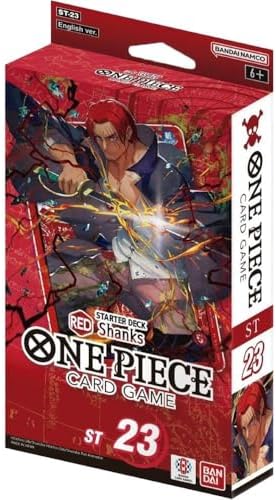

One Piece uses a leader, a fifty-card deck, and a ten-card DON!! deck. DON!! can pay costs or attach to characters and leaders, so the same resource becomes tempo, pressure, or protection.
Players attack leaders and rested characters, defend with counters from hand, and decide when to establish a board rather than spend every resource on immediate damage.
Starter decks package one leader fantasy and a coherent trait skeleton. The jump to serious play comes from ratios, searchers, counters, and knowing when a life card is worth taking.
The lasting hook is that DON!! allocation, leader attacks, counter math, life cards, and a wide character board make tempo visible before the finishing swing. The game comes alive when a learner stops following a phase chart and makes a choice the rest of the table must respect.
How should the first box be assembled, staged, and taught?
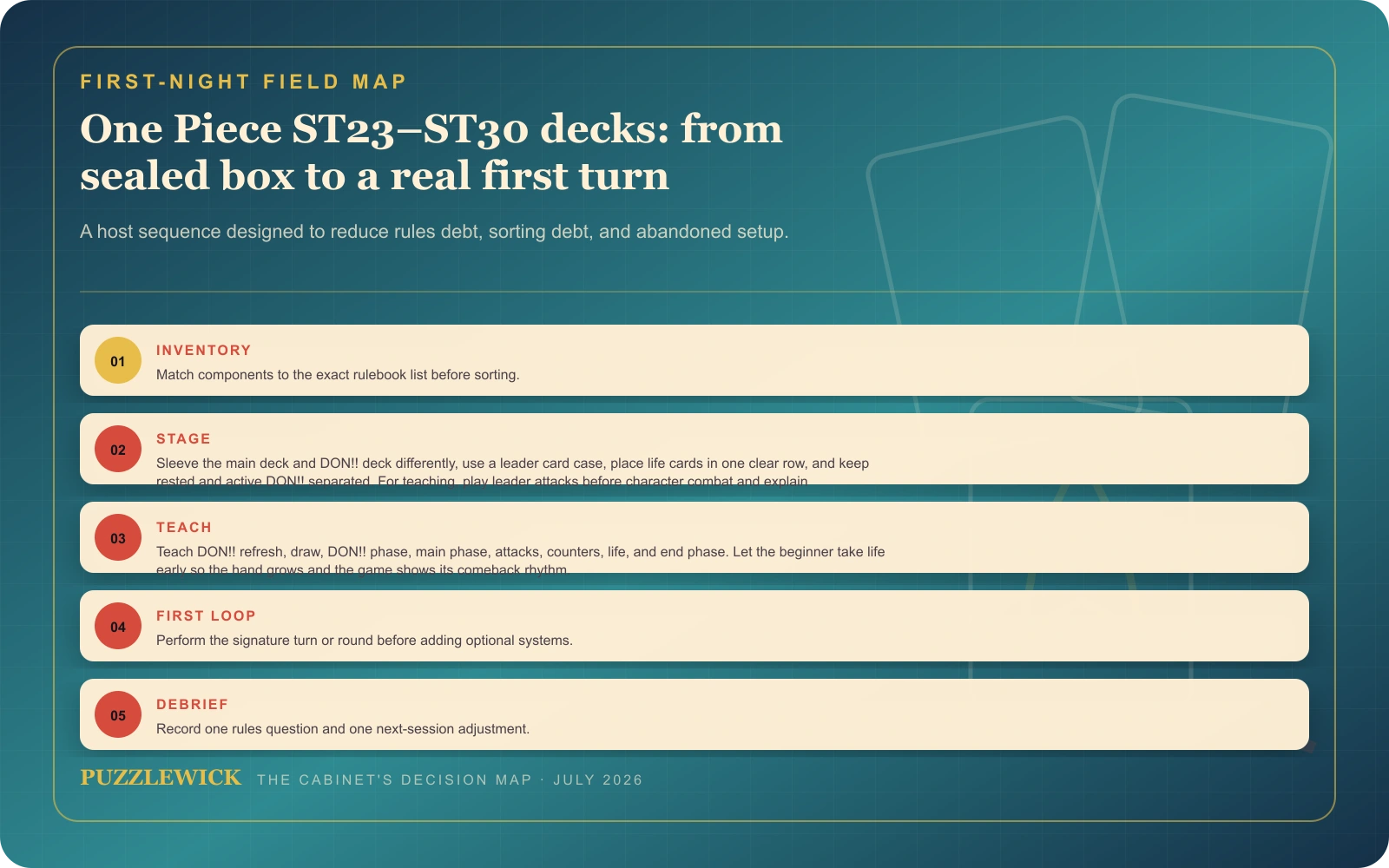

Setup: Sleeve the main deck and DON!! deck differently, use a leader card case, place life cards in one clear row, and keep rested and active DON!! separated. For teaching, play leader attacks before character combat and explain counters with hands face up.
Teaching plan: Teach DON!! refresh, draw, DON!! phase, main phase, attacks, counters, life, and end phase. Let the beginner take life early so the hand grows and the game shows its comeback rhythm.
Before cleanup, photograph leader, five life cards, DON!! deck, main deck, cost area, character slots, stage, trash, and active versus rested cards. That becomes the group’s honest reset reference and makes the second session faster without adding another accessory.
What do players compare it to, and where does the comparison break?
Pokémon is easier to script. Lorcana is cleaner to read. One Piece is more openly about resource conversion and hand defense: DON!! can make almost any attack matter, while counter values turn every card into a possible shield.
The strongest BGG and forum comparisons keep returning to leader clarity, starter-exclusive cards, sequencing burden, upgrade cost, color identity, and whether fandom will produce enough repeat games. Those practical differences outlast launch-week declarations that one box simply “wins.”
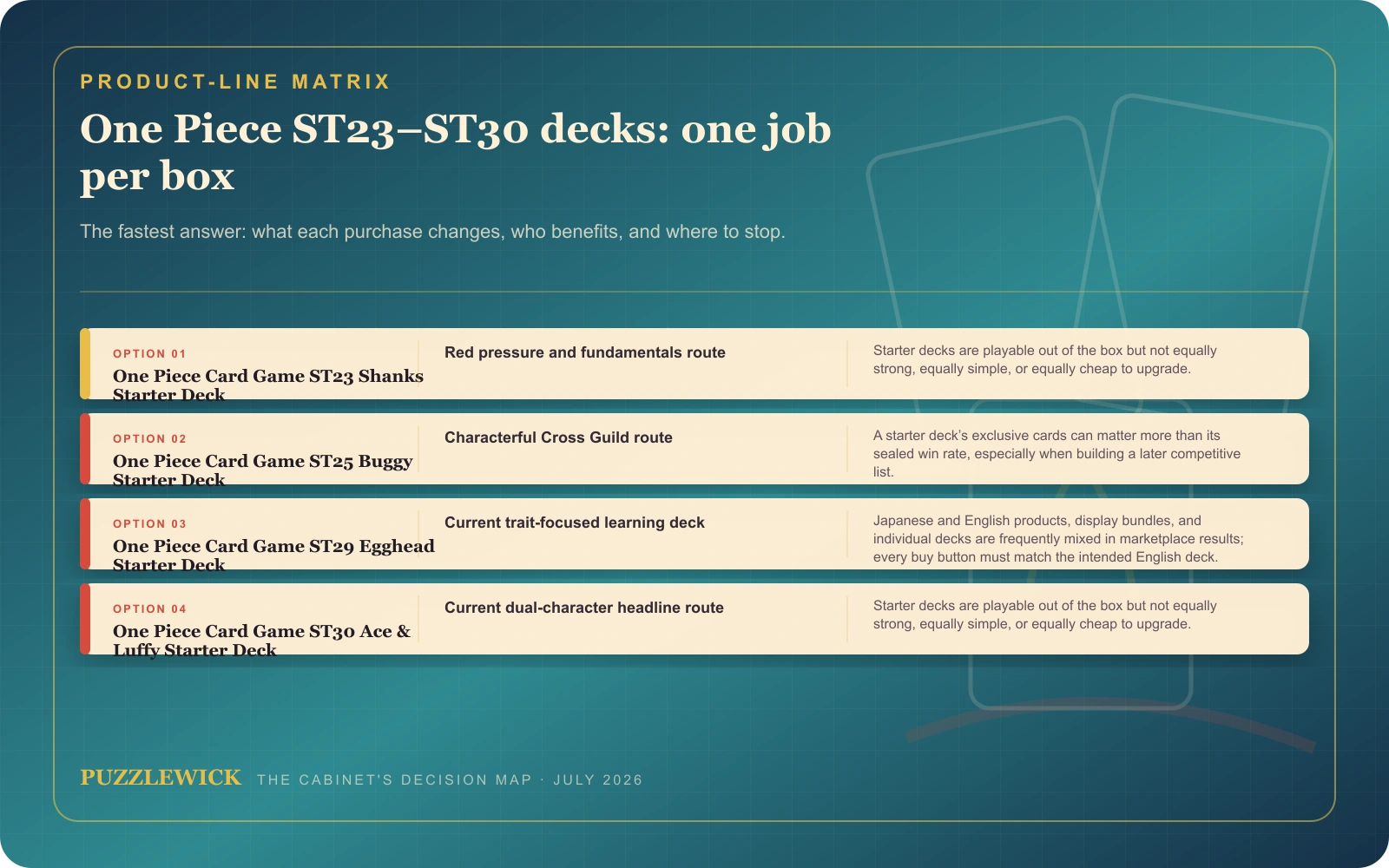
Read the matrix as a table-fit tool for One Piece ST23–ST30 decks: theme earns the first play, while repeatable pacing and a tolerable host load earn permanent shelf space.
What should you buy first, second, and not yet?
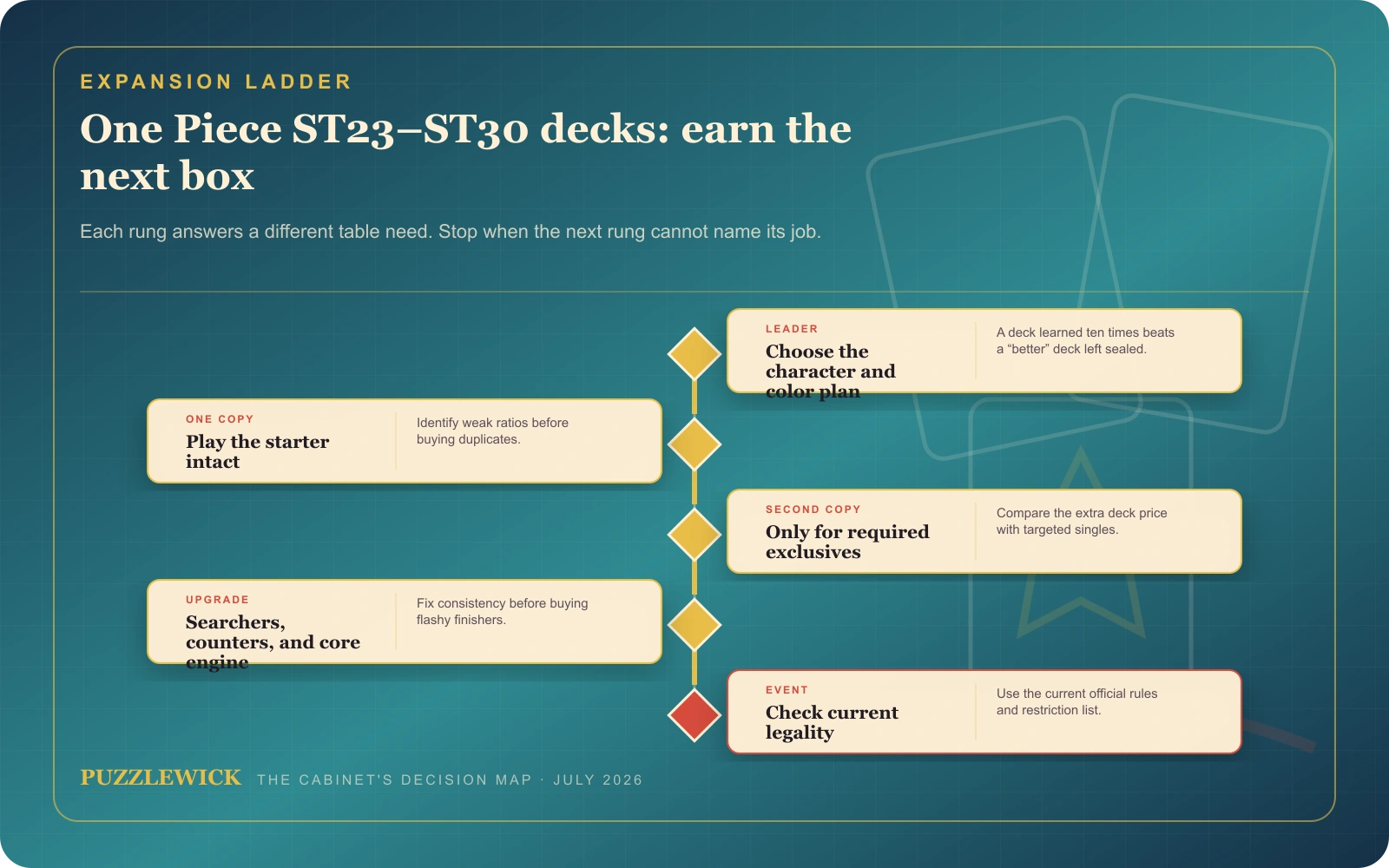
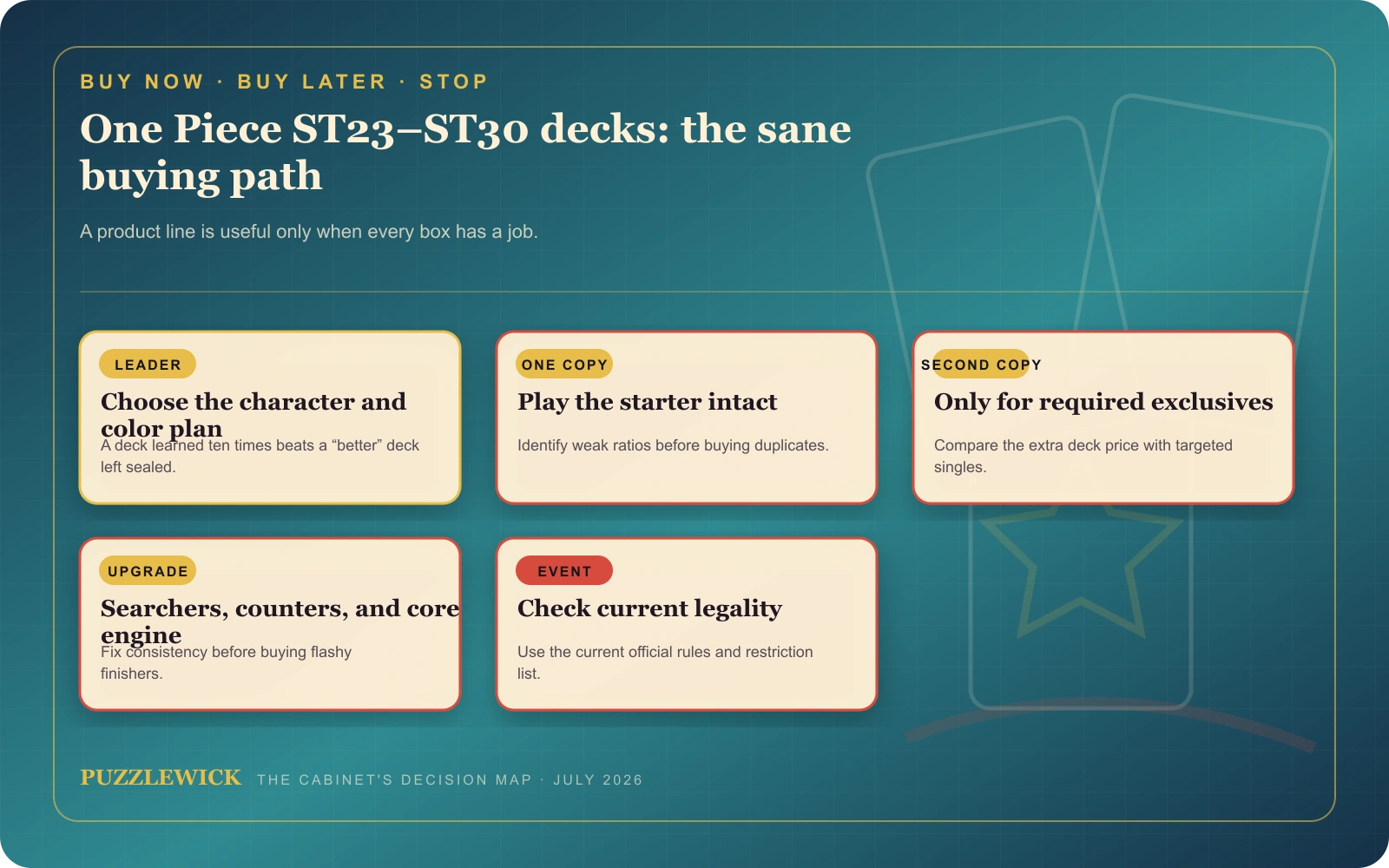
LEADER · Choose the character and color plan: A deck learned ten times beats a “better” deck left sealed.
ONE COPY · Play the starter intact: Identify weak ratios before buying duplicates.
SECOND COPY · Only for required exclusives: Compare the extra deck price with targeted singles.
UPGRADE · Searchers, counters, and core engine: Fix consistency before buying flashy finishers.
EVENT · Check current legality: Use the current official rules and restriction list.
The stopping rule matters. A starter deck’s exclusive cards can matter more than its sealed win rate, especially when building a later competitive list. Japanese and English products, display bundles, and individual decks are frequently mixed in marketplace results; every buy button must match the intended English deck.
An Amazon page proves that a listing exists; it does not prove that the item belongs in this buying order. For One Piece ST23–ST30 decks, edition, language, seller, included contents, and exact product code still outrank a convenient checkout button.
Beginner, regular, advanced, and expert strategy
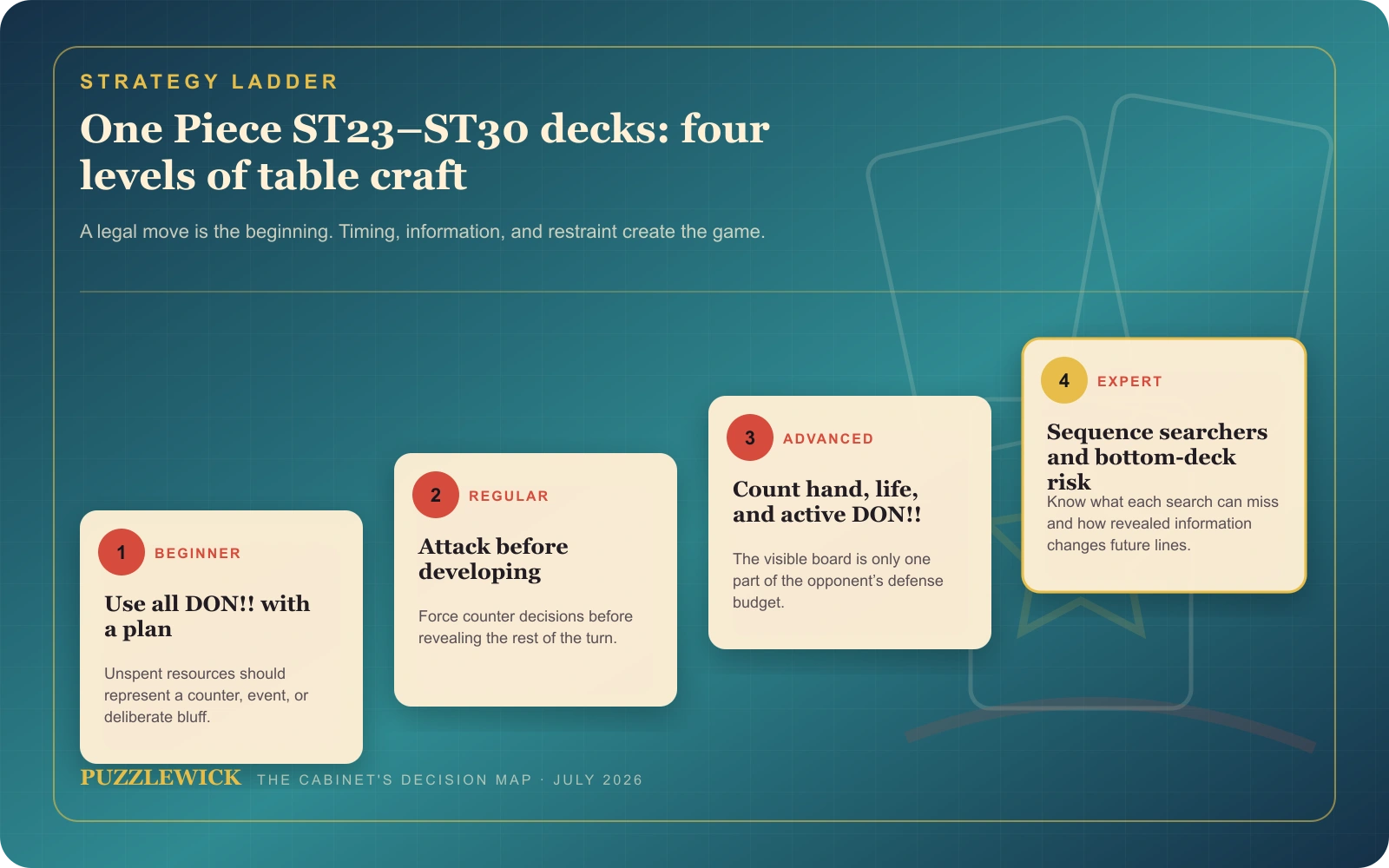
Beginner — Use all DON!! with a plan. Unspent resources should represent a counter, event, or deliberate bluff.
Regular — Attack before developing. Force counter decisions before revealing the rest of the turn.
Advanced — Count hand, life, and active DON!!. The visible board is only one part of the opponent’s defense budget.
Expert — Sequence searchers and bottom-deck risk. Know what each search can miss and how revealed information changes future lines.
Debrief the lethal leader attack. Name the decision that created it and the rule or timing window that remained muddy. Five focused minutes will improve the next session more than buying novelty to cover an unresolved teach.
This ladder cross-checks the official rules structure against recurring owner questions about leader clarity, starter-exclusive cards, sequencing burden, upgrade cost, color identity, and whether fandom will produce enough repeat games.
What is the real table, hosting, and solo commitment?
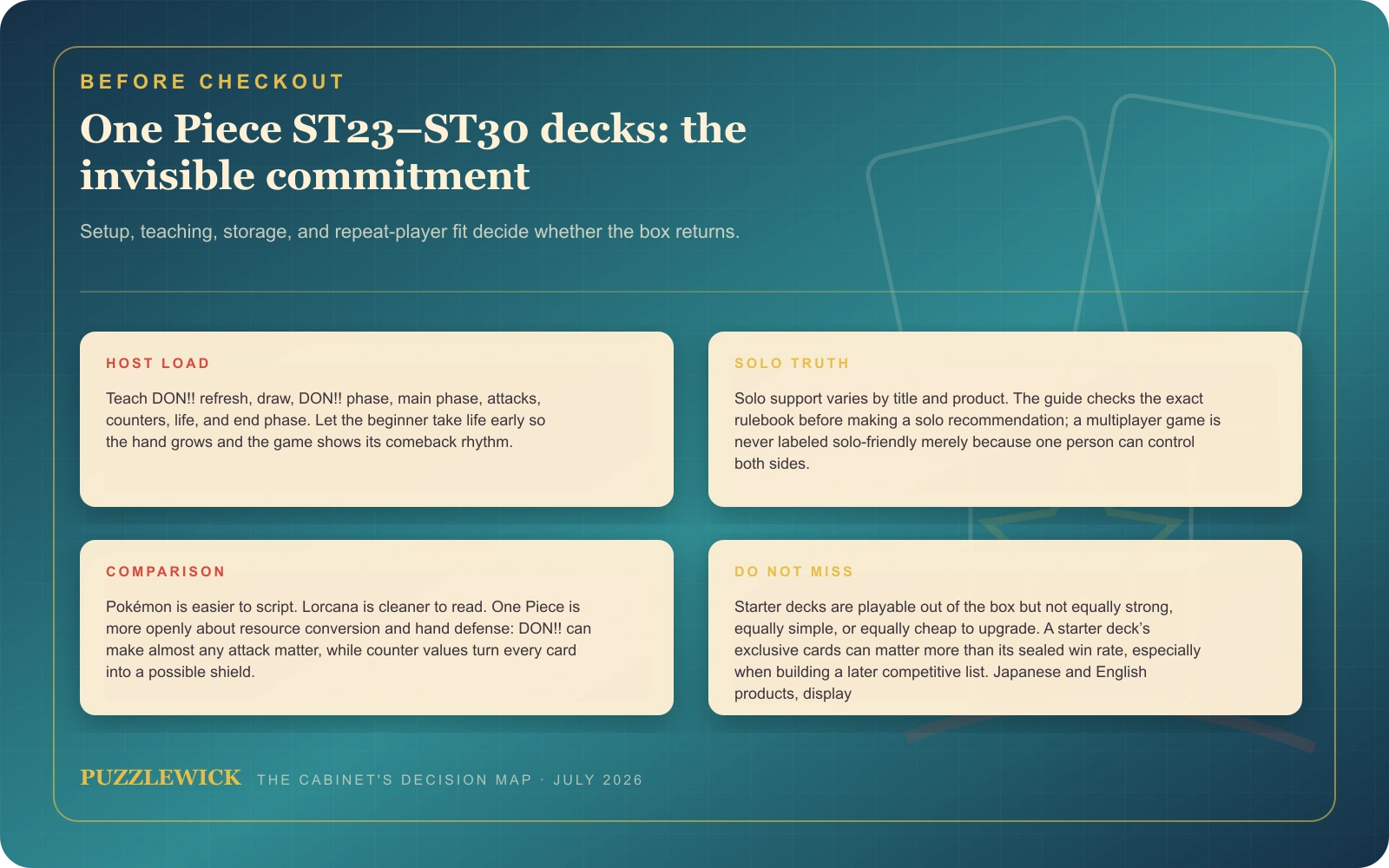

Hosting: Teach DON!! refresh, draw, DON!! phase, main phase, attacks, counters, life, and end phase. Let the beginner take life early so the hand grows and the game shows its comeback rhythm.
Solo: One Piece is a two-player TCG. Solo test hands are useful for DON!! curves and sequencing; counter decisions and lethal math require an opponent.
The invisible budget is sleeves, counters, DON!! organization, exact starter codes, local meta, targeted singles, and resisting sealed product until one leader earns upgrades. That workload predicts whether One Piece ST23–ST30 decks returns to the table more reliably than the excitement of opening it.
What do lower-star reviews and long-term owners warn about?
The durable warnings are fit warnings. Starter decks are playable out of the box but not equally strong, equally simple, or equally cheap to upgrade. A starter deck’s exclusive cards can matter more than its sealed win rate, especially when building a later competitive list. Japanese and English products, display bundles, and individual decks are frequently mixed in marketplace results; every buy button must match the intended English deck.
The Amazon reviews worth weighing are the recurring complaints — packaging, components, complexity, and mismatched expectations. Star averages drift and listings merge, so the repeated problem is the signal, not a moving decimal.
A credible warning predicts who will regret the purchase and why. A complaint that merely describes the game doing exactly what it is designed to do is not a defect; it is evidence for the “who should skip it” verdict.
Common misconceptions, corrected before checkout
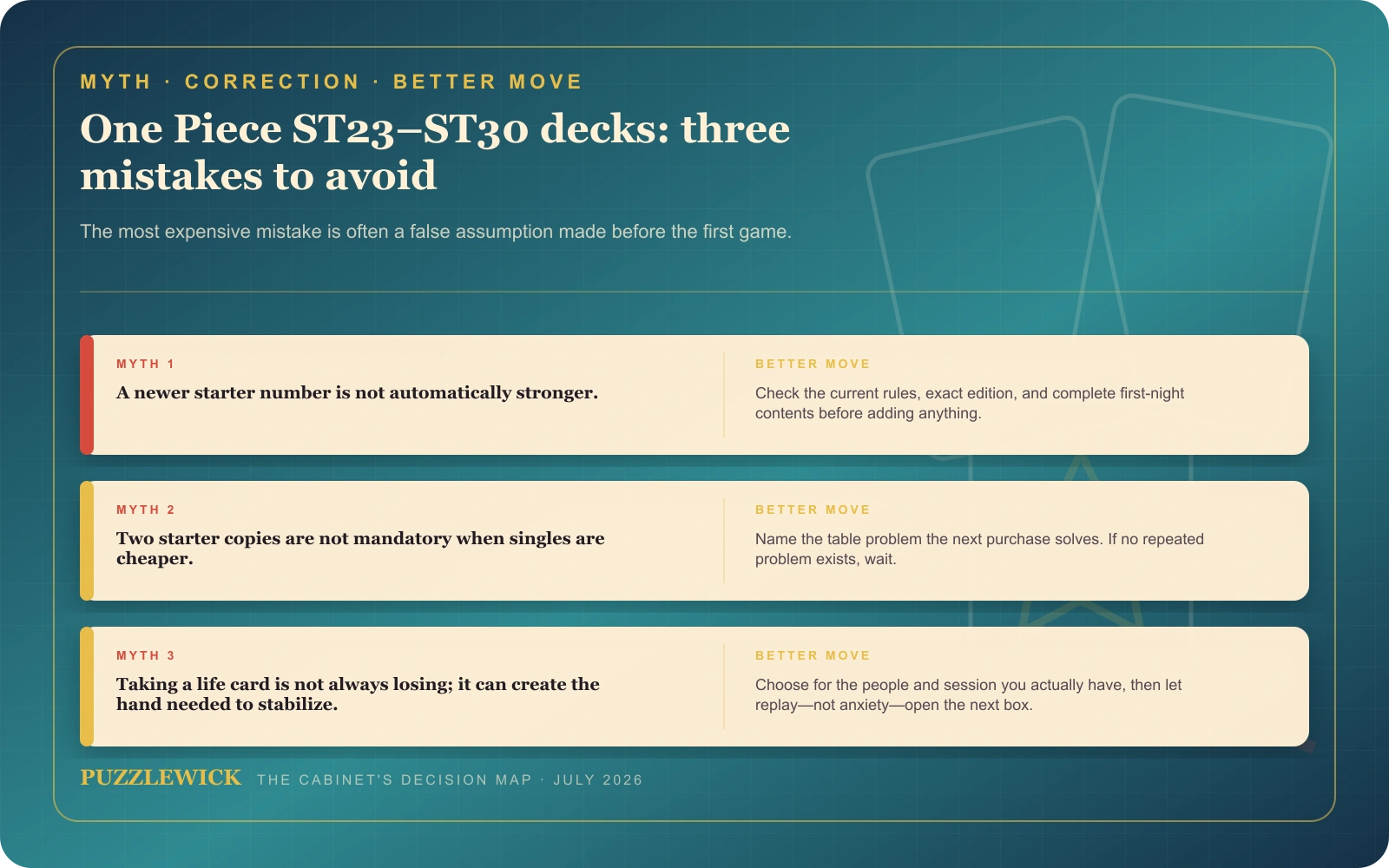
- A newer starter number is not automatically stronger.
- Two starter copies are not mandatory when singles are cheaper.
- Taking a life card is not always losing; it can create the hand needed to stabilize.
Everything above was checked July 29, 2026. Product identities and availability can move.
The Puzzlewick shelf plan for One Piece ST23–ST30 decks
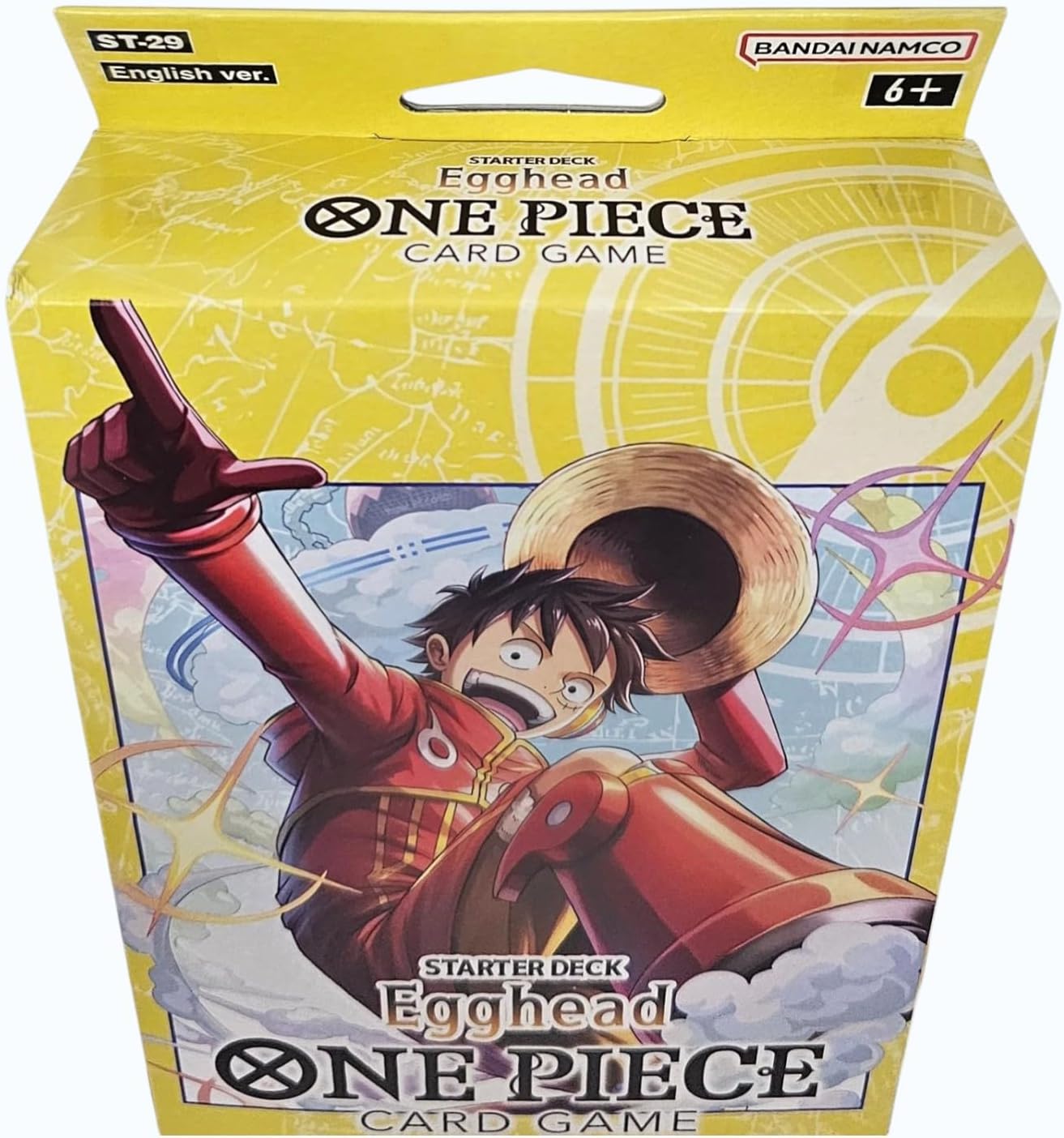

For a true beginner, Shanks offers the clearest pressure plan. For a fan-driven first deck, Buggy or Ace & Luffy can be better because enthusiasm creates repetitions. ST29 is the sharper recommendation for a player who enjoys trait engines and card sequencing. Do not automatically double every starter; test the list and price the required singles first.
Before you add anything else, name the repeated table problem it fixes. If the answer is still “more stuff,” stop with the first verified box.
Current verified Amazon options: One Piece Card Game ST23 Shanks Starter Deck on Amazon, One Piece Card Game ST25 Buggy Starter Deck on Amazon, One Piece Card Game ST29 Egghead Starter Deck on Amazon, One Piece Card Game ST30 Ace & Luffy Starter Deck on Amazon.
The picks
Some links below are affiliate links — as an Amazon Associate, Puzzlewick earns from qualifying purchases, at no extra cost to you. It never changes a pick.

 4 photos
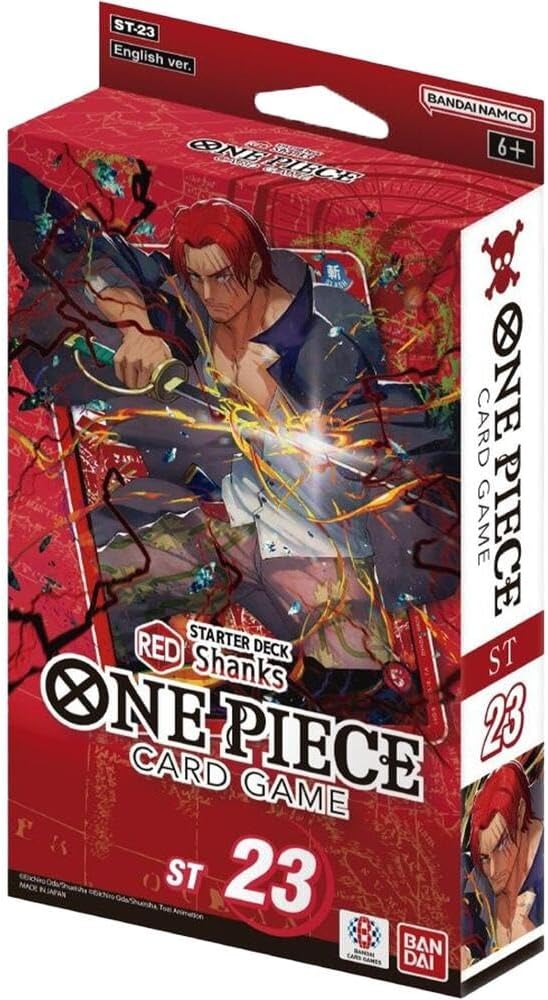
 One Piece Card Game ST23 Shanks Starter Deck
Red pressure and fundamentals route. Listing and edition verified July 29, 2026.
- Verified listing — the exact product, not a lookalike
- Has a clear job in the buying order
- Checked against the official rules and product pages
- Stock and seller can change without notice
- Not every table needs this one

 4 photos
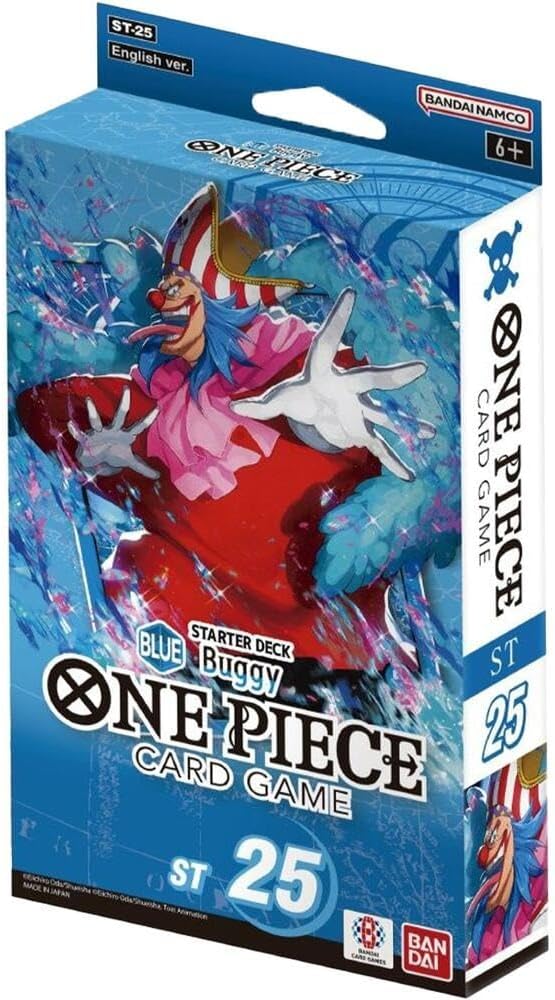
 One Piece Card Game ST25 Buggy Starter Deck
Characterful Cross Guild route. Listing and edition verified July 29, 2026.
- Verified listing — the exact product, not a lookalike
- Has a clear job in the buying order
- Checked against the official rules and product pages
- Stock and seller can change without notice
- Not every table needs this one


 10 photos
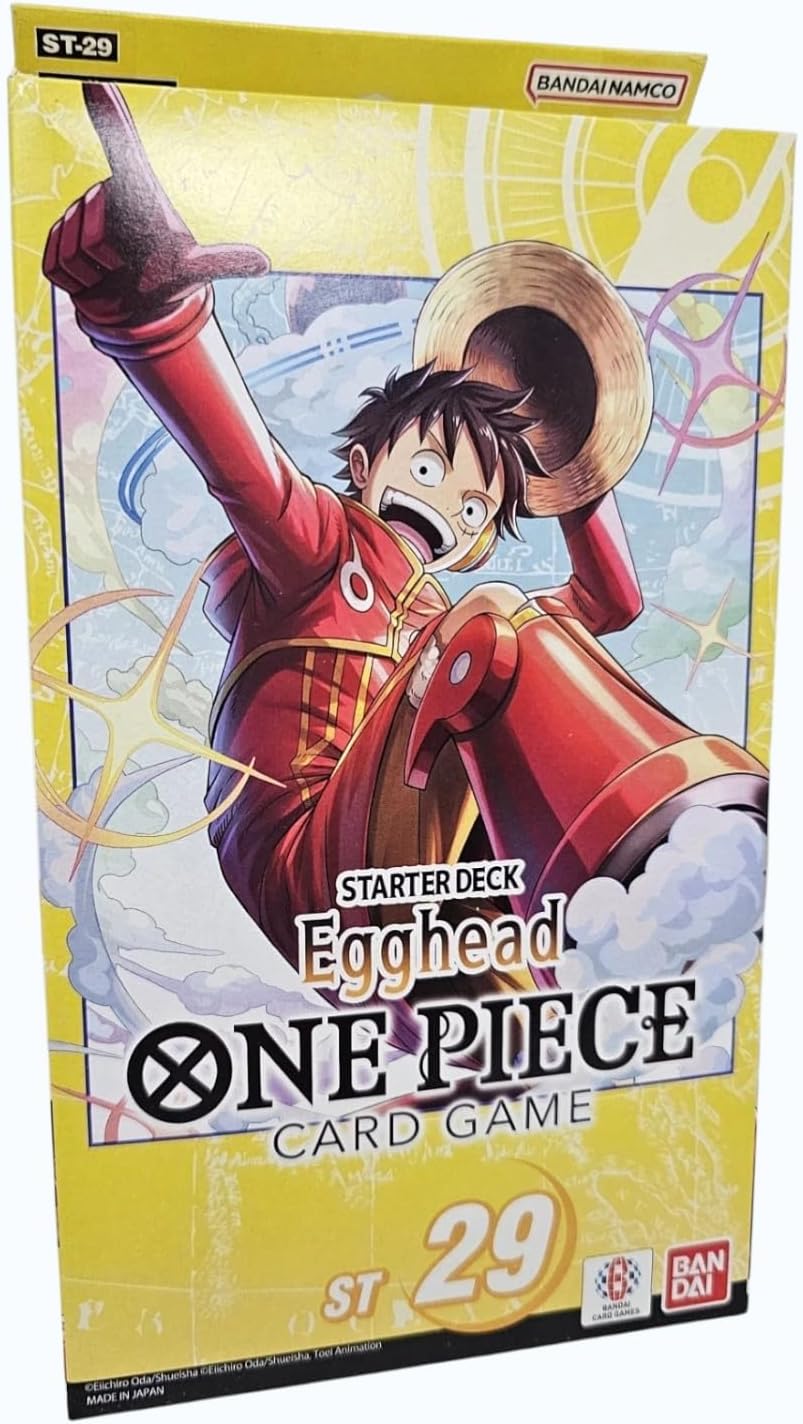
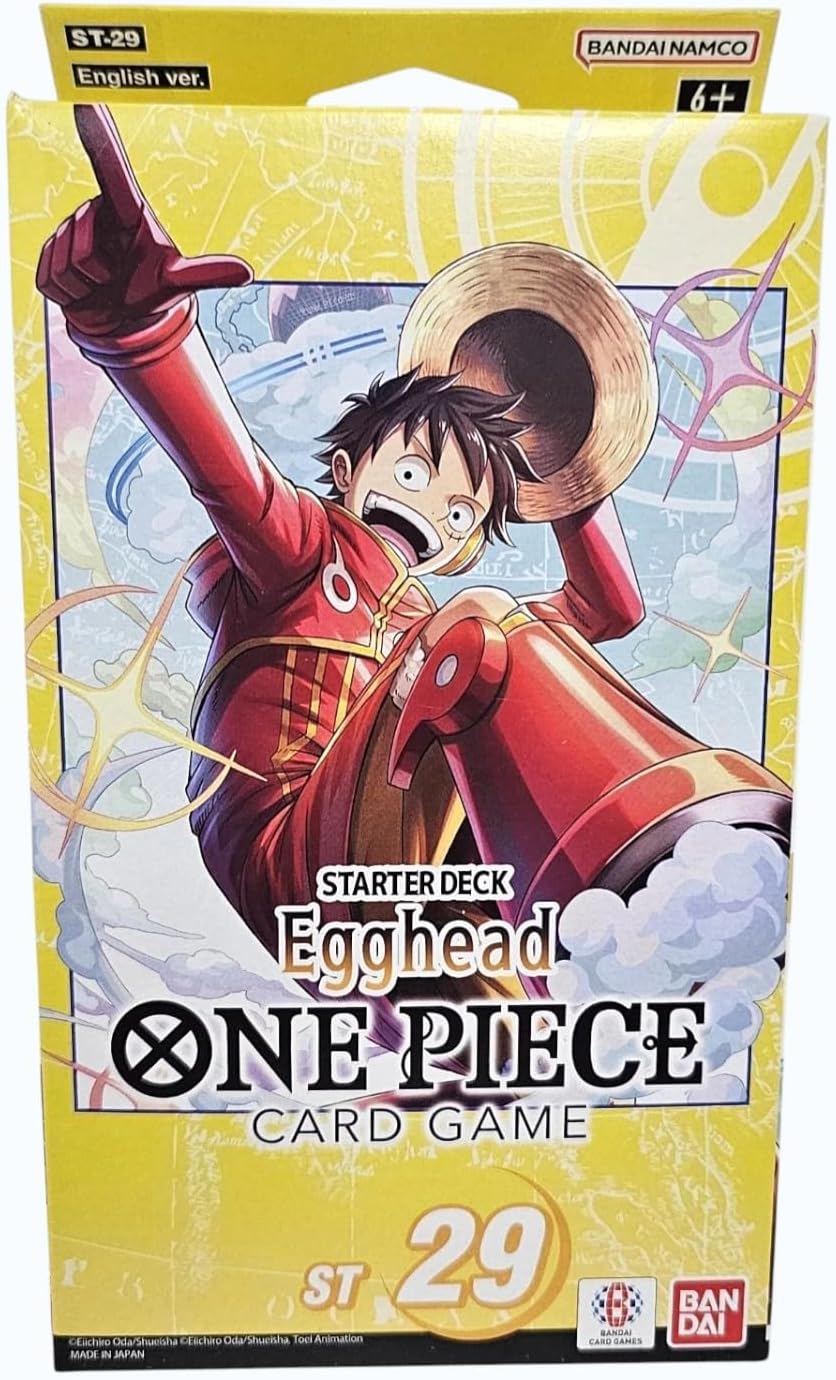
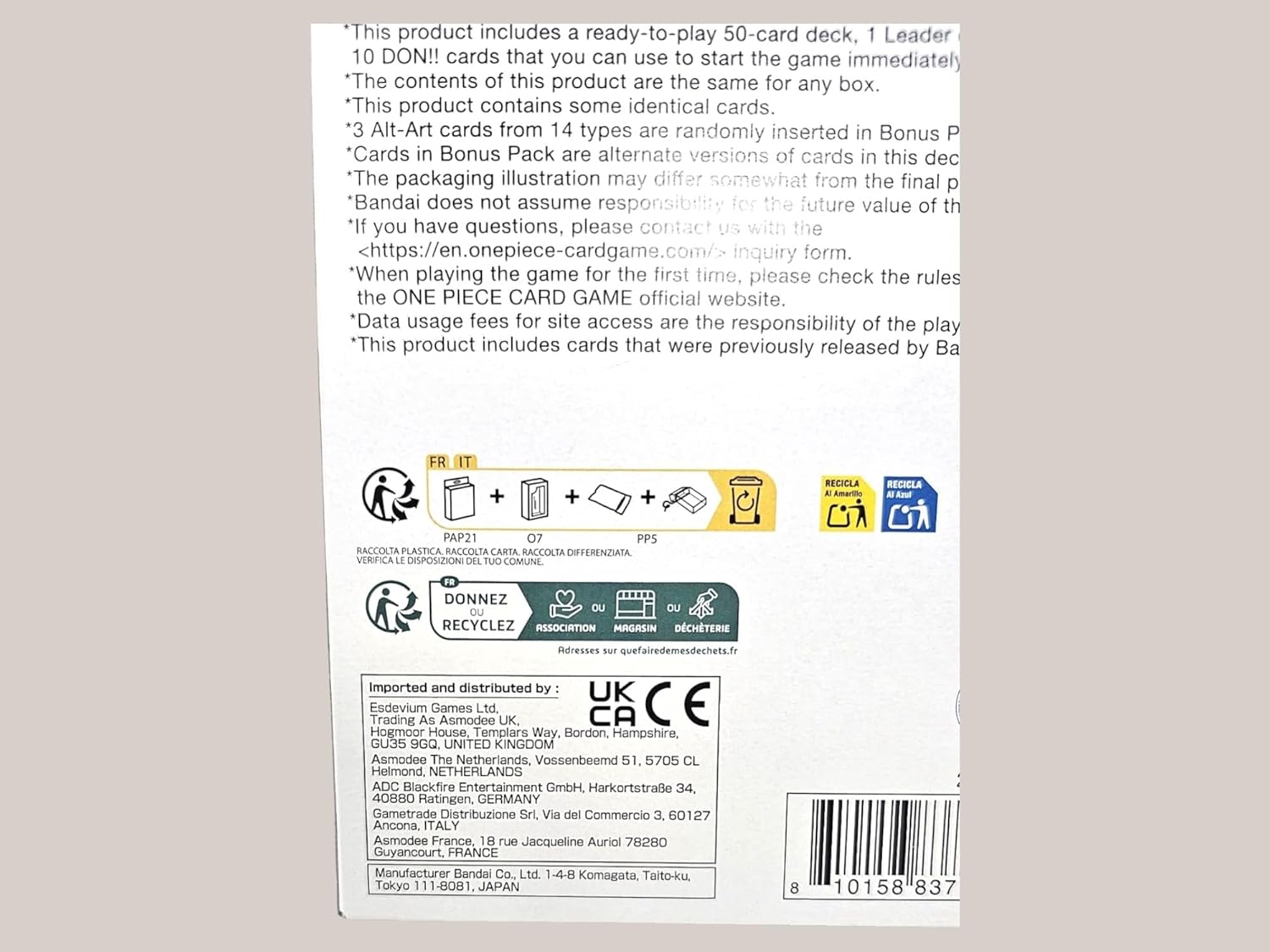
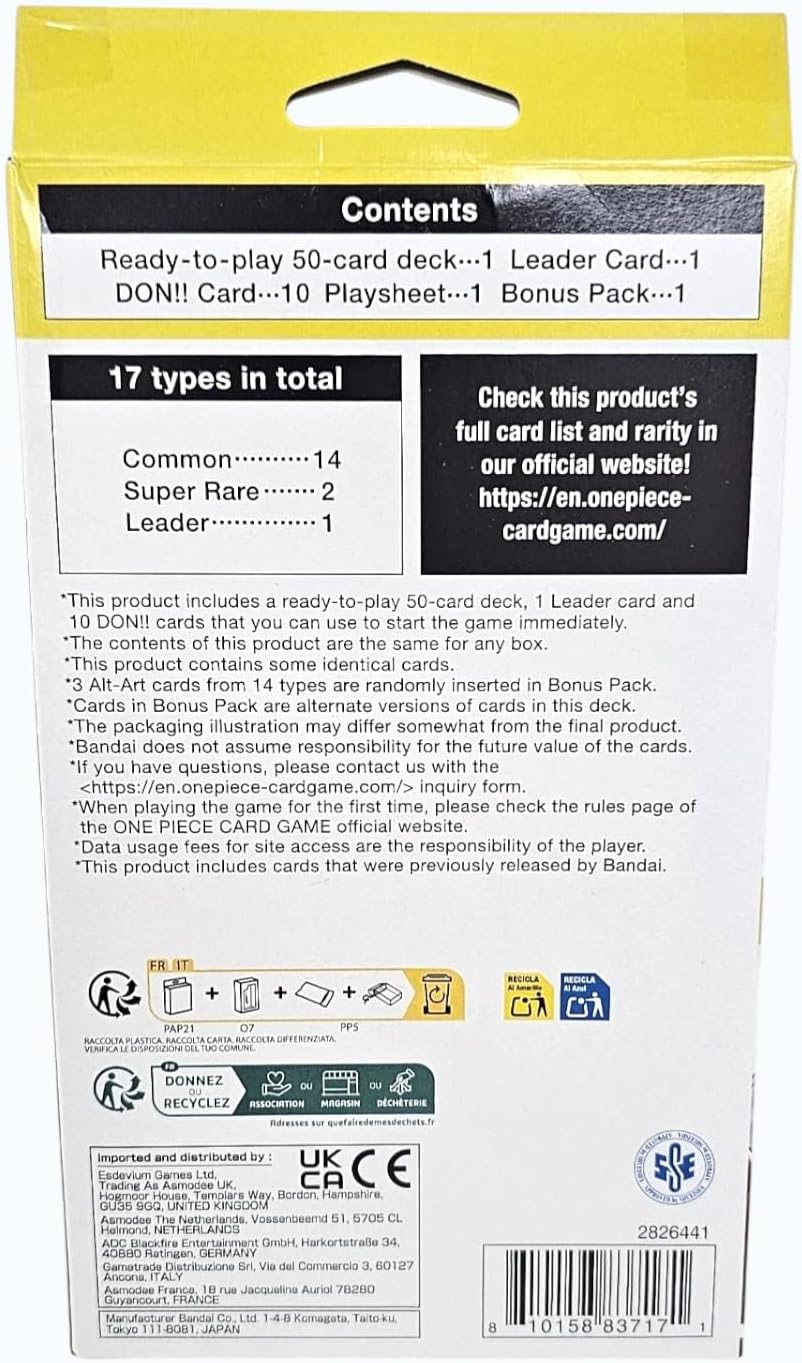
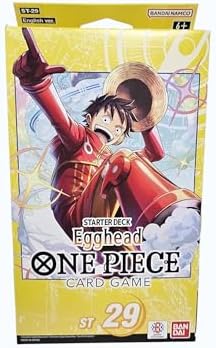
 One Piece Card Game ST29 Egghead Starter Deck
Current trait-focused learning deck. Listing and edition verified July 29, 2026.
- Verified listing — the exact product, not a lookalike
- Has a clear job in the buying order
- Checked against the official rules and product pages
- Stock and seller can change without notice
- Not every table needs this one
 2 photos
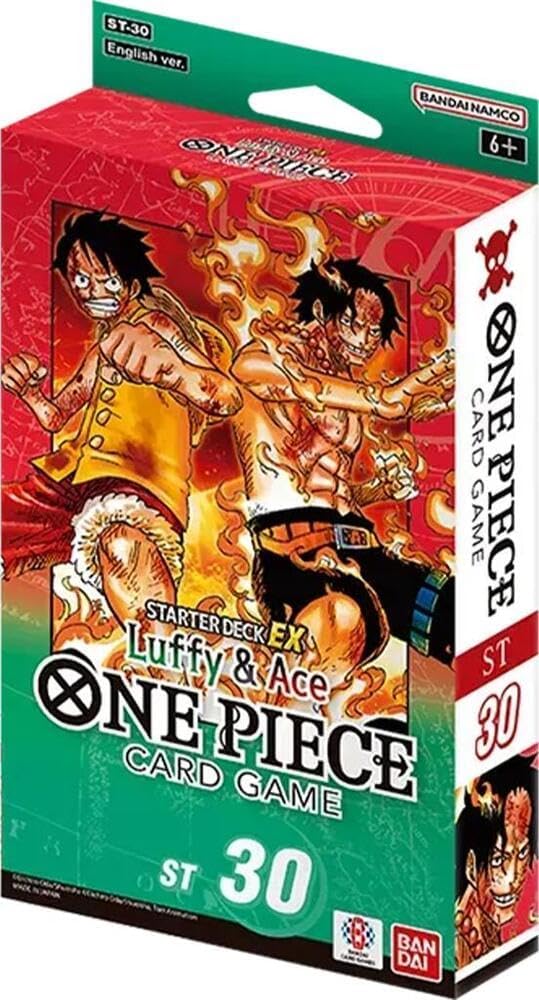
 One Piece Card Game ST30 Ace & Luffy Starter Deck
Current dual-character headline route. Listing and edition verified July 29, 2026.
- Verified listing — the exact product, not a lookalike
- Has a clear job in the buying order
- Checked against the official rules and product pages
- Stock and seller can change without notice
- Not every table needs this one
At a glance
| Stage | Product | Buy when | Curator ruling |
|---|---|---|---|
| LEADER | Choose the character and color plan | A deck learned ten times beats a “better” deck left sealed. | Start here |
| ONE COPY | Play the starter intact | Identify weak ratios before buying duplicates. | Only after repeat play |
| SECOND COPY | Only for required exclusives | Compare the extra deck price with targeted singles. | Only after repeat play |
| UPGRADE | Searchers, counters, and core engine | Fix consistency before buying flashy finishers. | Specialist / later |
Questions, answered
Which One Piece starter deck is best for a beginner in 2026?
ST23 Shanks is the clean fundamentals recommendation among the current options covered here.
Should I buy two copies of a starter deck?
Only after checking how many starter-exclusive cards the intended upgrade list needs.
Is ST30 Ace & Luffy beginner friendly?
It is attractive and current, but read the leader and deck sequencing before choosing it over a simpler pressure deck.
What should I upgrade first?
Improve search consistency, counter density, and the deck’s core trait engine before adding expensive finishers.
Can Japanese cards be used in English events?
Regional rules vary; buy the correct English product for English-language organized play unless official policy says otherwise.
Do I need booster boxes?
No. A starter plus targeted singles is the efficient path to a coherent deck.
Yumi's verdict
For a true beginner, Shanks offers the clearest pressure plan. For a fan-driven first deck, Buggy or Ace & Luffy can be better because enthusiasm creates repetitions. ST29 is the sharper recommendation for a player who enjoys trait engines and card sequencing. Do not automatically double every starter; test the list and price the required singles first.
Research ledger 9 sources · reviewed 2026-07-29
Specifications, rules, current product information, community experience, and contrary evidence were checked against the sources below. Commercial links are kept separate from editorial evidence.
- Official One Piece Card Game product topicsen.onepiece-cardgame.com/topics
- Official One Piece Card Game rulesen.onepiece-cardgame.com/rules
- ST23–ST26 beginner discussionreddit.com/r/OnePieceTCG/comments/1tb2oos/st23_25_and_26_for_a_beginner
- Current best starter-deck questionreddit.com/r/OnePieceTCG/comments/1uii55m/best_starter_deck
- New-player starter overwhelm discussionreddit.com/r/OnePieceTCG/comments/1skl4fh/overwhelmed_with_starter_deck_options
- One Piece Card Game communityreddit.com/r/OnePieceTCG
- BoardGameGeek title and discussion index: One Piece ST23–ST30 decksboardgamegeek.com/geeksearch.php?action=search&objecttype=boardgame&q=One%20Piece%20ST23%E2%80%93ST30%20decks
- Exact Amazon product identity: One Piece Card Game ST23 Shanks Starter Deckamazon.com/dp/B0F85XND2X?tag=puzzlewick-20
- Exact Amazon product identity: One Piece Card Game ST25 Buggy Starter Deckamazon.com/dp/B0F85W7DFN?tag=puzzlewick-20
Come in, take your shoes off — let me show you something.


Keep exploring
The next smart rabbit holes.
✧ Universe HubAnime & New-Wave TCGs: the whole buying pathBeyond Magic and Pokémon, a new wave of trading card games has gone mainstream — One Piece, Yu-Gi-Oh!, Dragon Ball, Digimon, Weiss...🂠 Topic PathTrading Card Games: compare the whole shelfStart with the game and community you want, then buy the smallest product that lets you test it properly. These guides separate...GuideWhich TCG Should You Start in 2026? Pokémon vs One Piece vs Lorcana vs Magic vs Yu-Gi-Oh! vs RiftboundDax ranks the real 2026 field by the table you can find, the rules you want to repeat, the first product that actually teaches, and the...