Pokémon TCG Storage Guide 2026: Sleeves, Binders, ETB Cases, Playmats
A Pokémon-specific protection ladder for playable decks, trade binders, chase cards, bulk, sealed ETBs, and family tables.


AI-assisted research and drafting in Yumi’s voice · reviewed by Robert Pruitt · how this guide was made
Last editorial refresh: 2026-08-14 Gold-standard QA: 2026-08-14 10 sources reviewed Affiliate links checked during gold-standard pass

The short answer
Sleeve the playable sixty-card deck in opaque, shuffle-friendly sleeves and carry it in a fitted deck box. Put trade and collection cards in a side-loading zip binder, bulk in labeled divided storage, and only the small number of display-worthy cards in rigid holders. Use an acrylic ETB case for sealed display only when the box value or meaning justifies it.
Decision map
Choose in thirty seconds
Protect the active deck first.
Choose by sleeved capacity and token load.
Label by set, format, or deck job.
Buy for clean handling and readable zones, not decoration alone.
Pokémon cards live several lives at once: game piece, trade object, childhood treasure, set checklist, and sometimes a sealed display. One container cannot serve all five without becoming awkward or unsafe.
Yumi’s studio uses four homes: deck, binder, archive, and display. The system is simple enough for a child to maintain and disciplined enough that a serious collector can find the exact card without excavating a shoebox.
Start here, then go deeper
You are in the right cabinet.
 ◓ Universe HubPokémon TCG: the whole buying pathPokémon TCG is both a highly teachable two-player game and a vast collector language. Battle Academy teaches; League Battle Decks...
 🂠 Topic PathTrading Card Games: compare the whole shelfStart with the game and community you want, then buy the smallest product that lets you test it properly. These guides separate...
 Buying GuidePokémon Delta Reign or 30th Celebration: Which Box Should You Buy?Choose 30th Celebration for anniversary artwork and keepsakes; choose Delta Reign for Mega Rayquaza and the next expansion’s cards. A...
The minimum protection kit for Pokémon TCG

Sleeve the playable sixty-card deck in opaque, shuffle-friendly sleeves and carry it in a fitted deck box. Put trade and collection cards in a side-loading zip binder, bulk in labeled divided storage, and only the small number of display-worthy cards in rigid holders. Use an acrylic ETB case for sealed display only when the box value or meaning justifies it.
Protection follows use. Sleeve the deck being shuffled, give it a box that fits its actual thickness, and create one labeled home for everything not in a deck. A mat earns its space when it improves handling, camera contrast, or zone clarity.
Which sleeves should you buy—and how many?
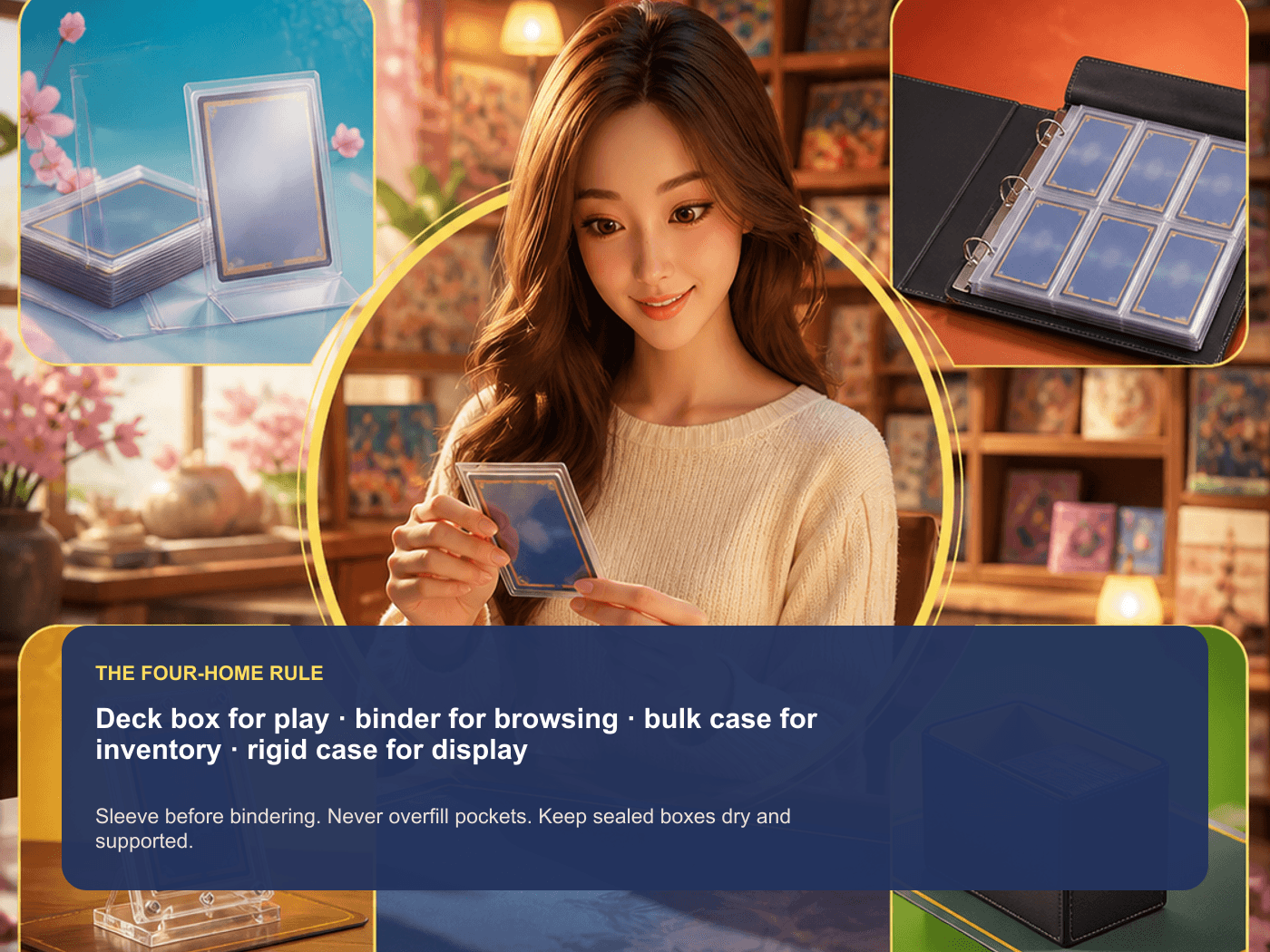
A playable Pokémon deck contains sixty cards. Tournament sleeves must be uniform and should have opaque backs. Sleeve cards before placing them in a binder, use side-loading pockets to reduce casual escape, and avoid stuffing multiple cards into one pocket. Keep a few matching spare sleeves for damaged-sleeve replacement.
Buy one extra pack in the exact same color and finish when event replacement matters. Sleeve backs must be opaque and uniform for competitive play. Inner sleeves add protection and bulk; use them for expensive or heavily handled decks, not automatically for every common in the house.
How large should the deck box be?
Start with the actual sixty-card Pokemon deck in its chosen sleeves. A roomy case can be useful after double-sleeving, but extra space needs a divider so the cards do not slide around. Keep damage counters, condition markers and dice in a separate compartment or pouch, not against exposed card edges.
The Sidekick XL is a rigid case with a soft textile finish, not a soft bag. Its removable cover gets out of the way during play. Try the real deck before a League night: a larger printed capacity does not make a case better if the cards rattle around inside.
Binder, archive box, or display case?
A side-loading zip binder is for a curated set, trade pool, or valuable cards you want to inspect. A divided bulk case is for searchable inventory. A rigid display or top loader is for the small number of cards whose condition or presentation deserves it.
Do not overfill binder pockets, stack heavy binders flat in unstable towers, or treat an ETB-style cardboard box as waterproof archival storage. Label bulk by a rule you can maintain: set, color, type, or deck job.
Is a playmat worth it?
A playmat is worth it when it keeps cards off a rough or dirty table, makes sleeved cards easier to pick up, defines zones, improves webcam contrast, or turns setup into a consistent ritual. It is optional when the table is clean, smooth, and private.
Store mats rolled with the art outward to reduce edge curl, or flat if space allows. Do not crease neoprene into a deck case. A neutral dark mat is the most reusable and camera-friendly choice.
The Pokémon condition triage nobody enjoys learning late
Surface and edge wear: sleeve playable cards before repeated shuffling and replace sleeves that split, cloud, or collect grit. A damaged sleeve can mark a card even when the card itself remains clean. Keep several matching spares with the deck, especially for League or tournaments where uniform backs matter.
Binder pressure: use side-loading pages that fit the sleeved card without force, close the binder before lifting it, and stop filling it before the pages bow. Ring binders are not automatically disastrous, but overfilled rings and pinched pages create avoidable pressure points. A zip closure helps with dust and casual movement; it does not make the binder waterproof.
Humidity, heat, and sunlight: store cards and sealed boxes in a stable dry room, off the floor, away from exterior walls that collect moisture, and out of direct sun. Acrylic cases protect presentation and dust, not every environmental risk. Do not seal visibly damp material into a “protective” container and assume the problem has disappeared.
Handling and trades: move valuable cards as little as practical. Inspect condition under neutral light before a trade, agree on condition before value, and never force a card into or out of a tight sleeve at the table. Use a temporary trade row in the binder instead of repeatedly reorganizing the permanent collection.
Inventory failure: the most expensive card is not always the one most likely to vanish. Label bulk, keep a simple digital or paper list of important cards, and photograph high-value pages. The goal is not speculative grading theater. It is being able to find, identify, play, trade, or insure what you own without turning the collection into a handling hazard.
What should you check before the next purchase or event?
Build a small intake ritual for every new card: decide whether it is deck, trade, archive, or display; sleeve accordingly; record genuinely important cards; and put it in its permanent home before opening the next product. This prevents the familiar dining-table sediment where valuable pulls, Energy cards, code cards, and deck pieces spend a week in one unstable pile.
For children, use labels and visible categories instead of a preservation system only an adult can maintain. The safest collection is one the owner understands. Keep food and drinks off the mat, wash and dry hands, and teach cards to move by their protected edges—not by pinching the center art.
Schedule a seasonal reset. Confirm the active deck still has sixty cards, move rotated or retired pieces into a labeled archive, reconcile the trade binder, and remove empty packaging that no longer has a job. Photograph important binder pages after the reset. A collection grows trustworthy when its owner can explain where each category lives, what may be traded, and what must return home after every session.
What Pokémon TCG players repeatedly get right
Pokémon players repeatedly separate tournament deck boxes from collection binders. Current sleeve discussions prioritize shuffle consistency and opaque backs; collector threads favor side-loading zip binders and caution against ring-binder pressure, overfilled pockets, moisture, and repeatedly moving valuable cards.
The durable pattern is modular: one dependable sleeve line, one appropriately sized box per active deck, one labeled home archive, one binder for cards that deserve browsing, and one mat or clean surface. Buy replacements before novelty.
Use the Amazon buttons below for exact products where the listing is viable. Prices and sellers move; the product identity and job are the recommendation.
The picks
Some links below are affiliate links — as an Amazon Associate, Puzzlewick earns from qualifying purchases, at no extra cost to you. It never changes a pick.
 2 photos
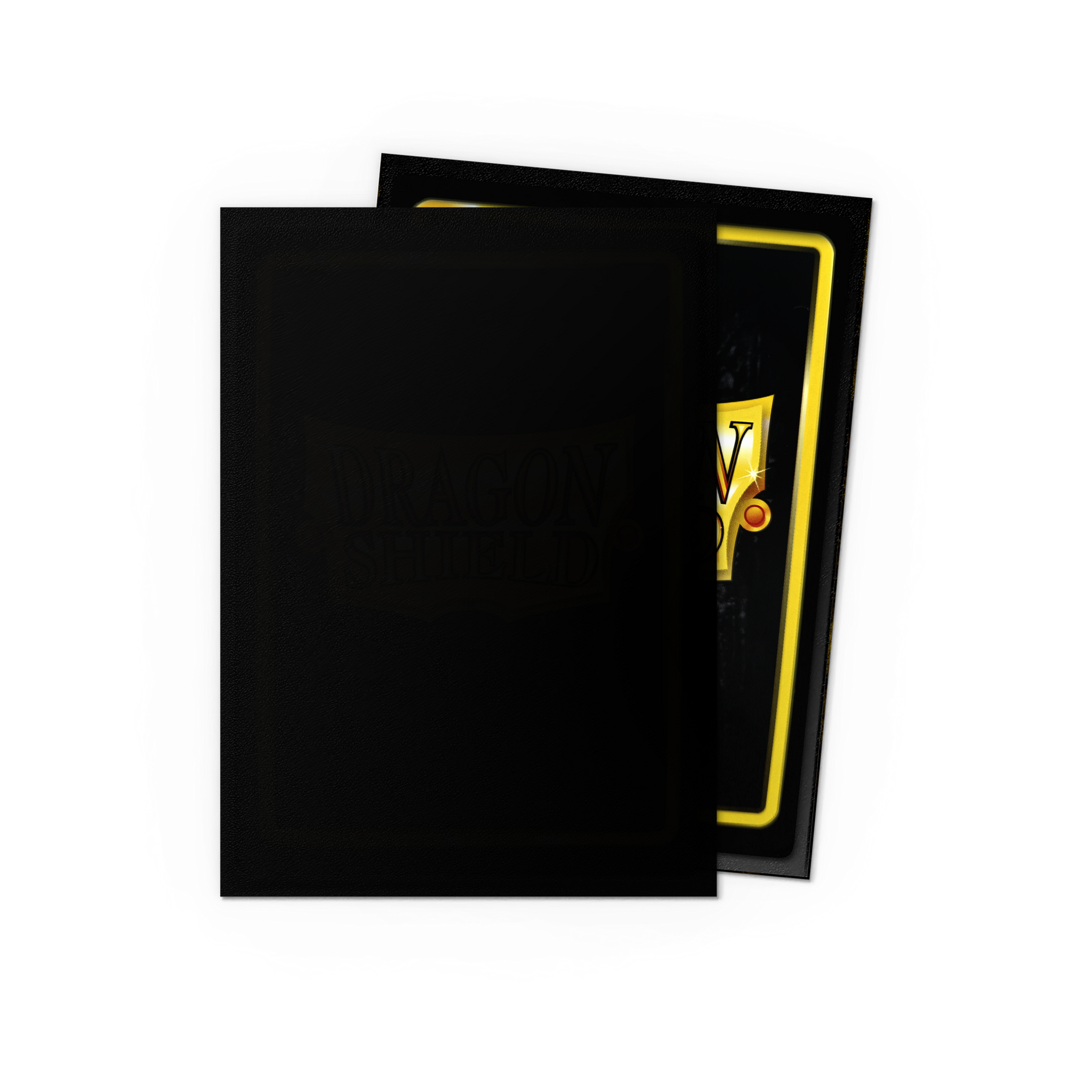
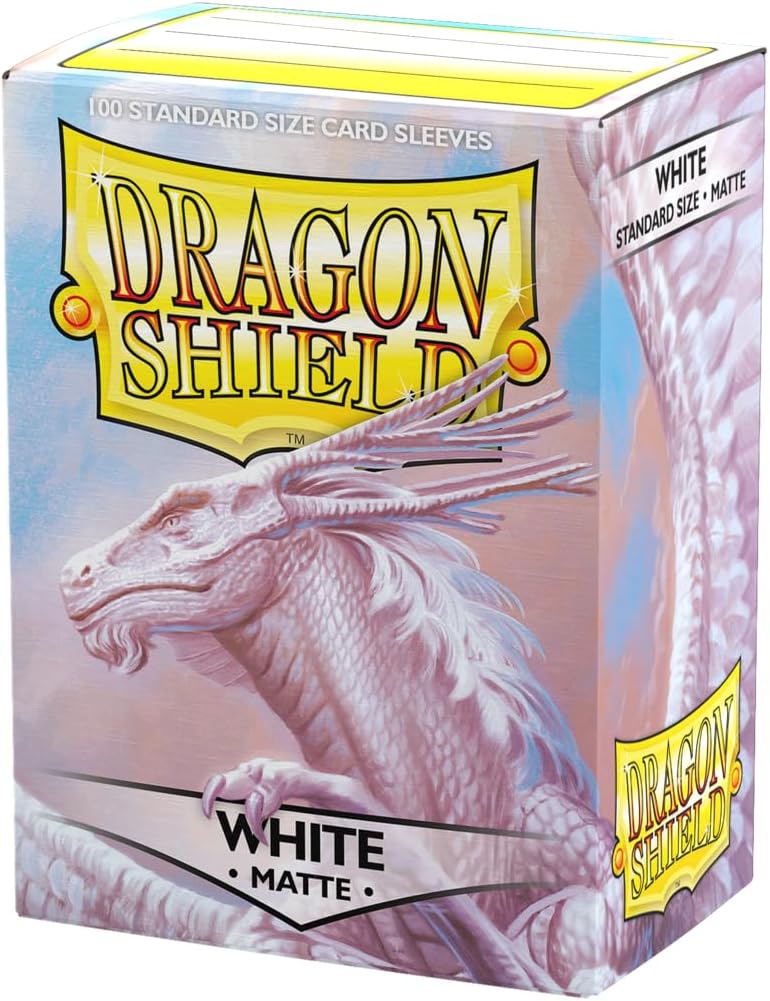
 Dragon Shield Matte Sleeves, 100 Count
The default recommendation when shuffling feel and durability matter more than matching a box logo.
- Durable
- Excellent shuffle feel
- Many colors
- Can be bulky
- Premium cost
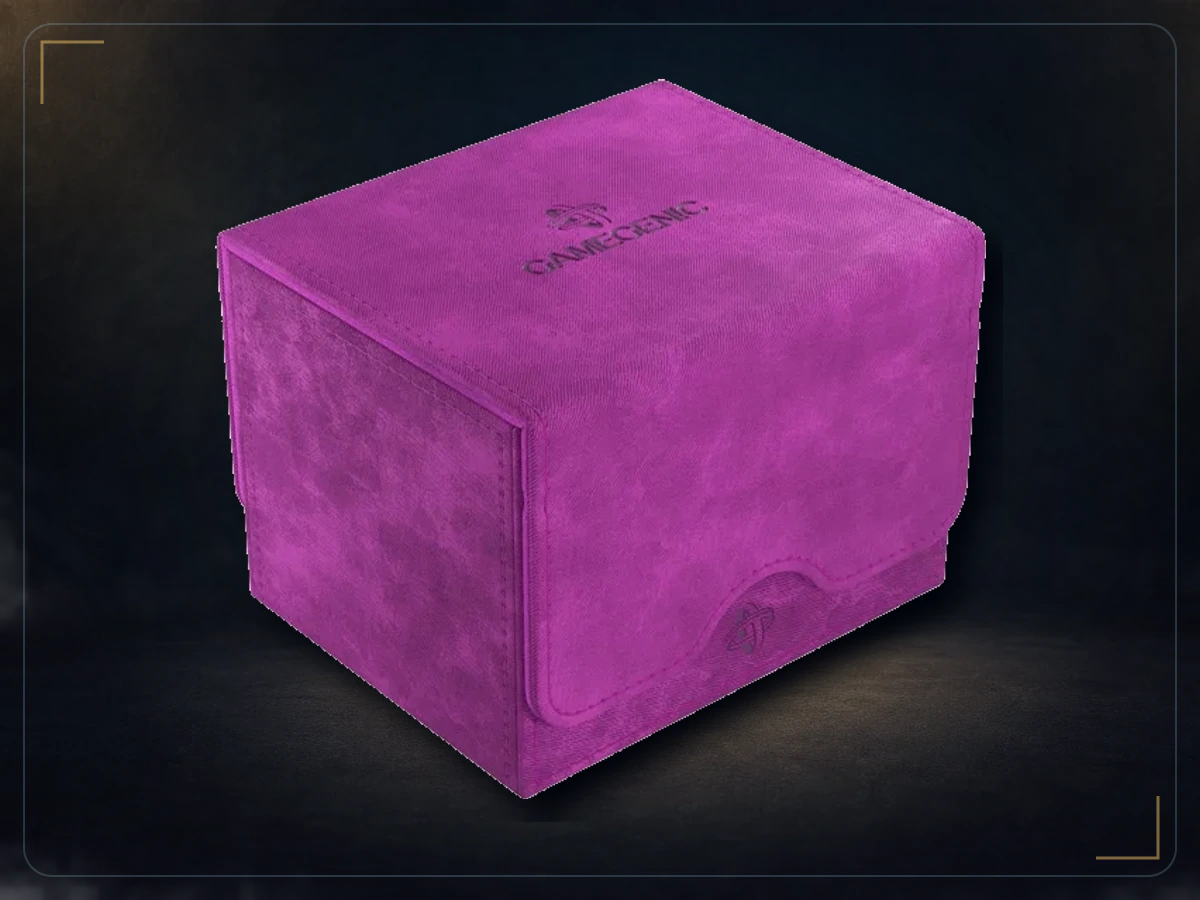
Gamegenic Sidekick 100+ XL Convertible Deck Box, Purple
A rigid side-loading case with a Nexofyber textile surface, microfiber lining and a removable magnetic cover. Gamegenic rates it for 100 double-sleeved cards, including thicker inner sleeves; other sleeve brands and extra tokens can change the fit.
- Rigid construction with a microfiber lining
- Removable magnetic cover clips underneath
- Side-loading access to the sleeved deck
- Sleeve brand and token load affect capacity
- A deck case, not a waterproof travel bag
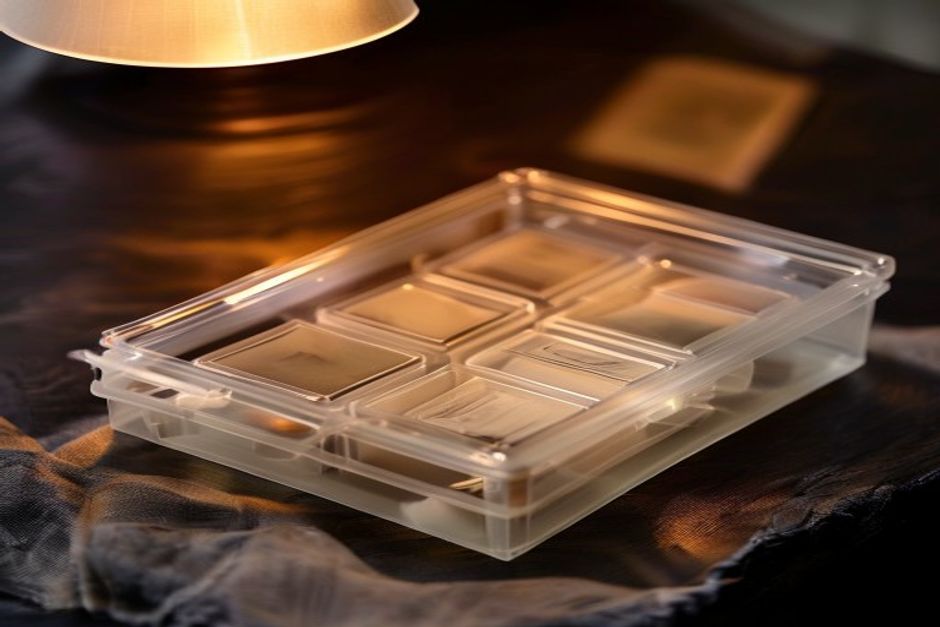
Vault X Side-Loading Trading Card Binder
Side-loading pockets and a zip closure reduce casual escape and dust. A binder is for organized access, not every bulk common you own.
- Side-loading pockets
- Zip closure
- Portable display
- Not for bulk
- Overfilling bends pages
 2 photos
 Ultra PRO Solid Black Gaming Playmat
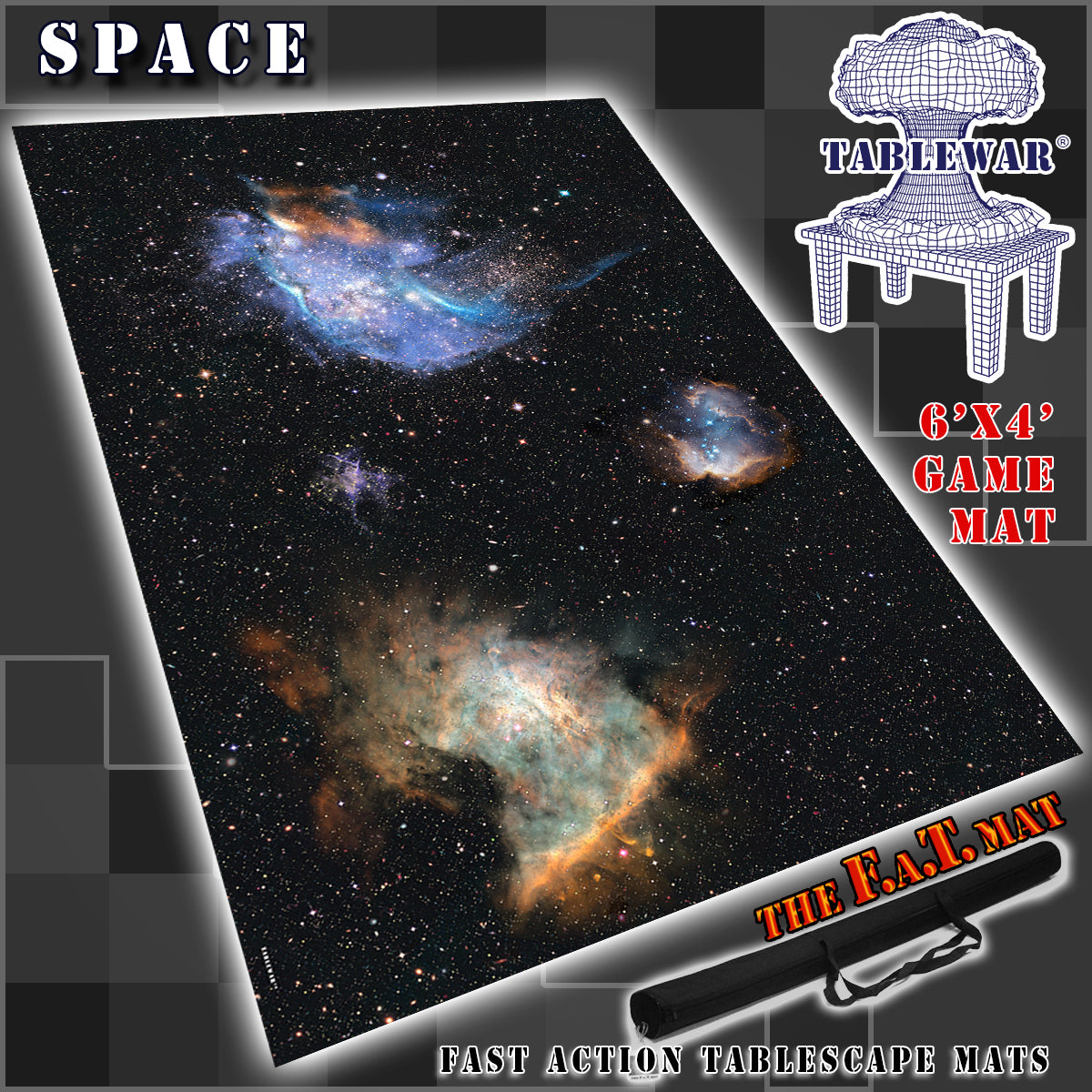
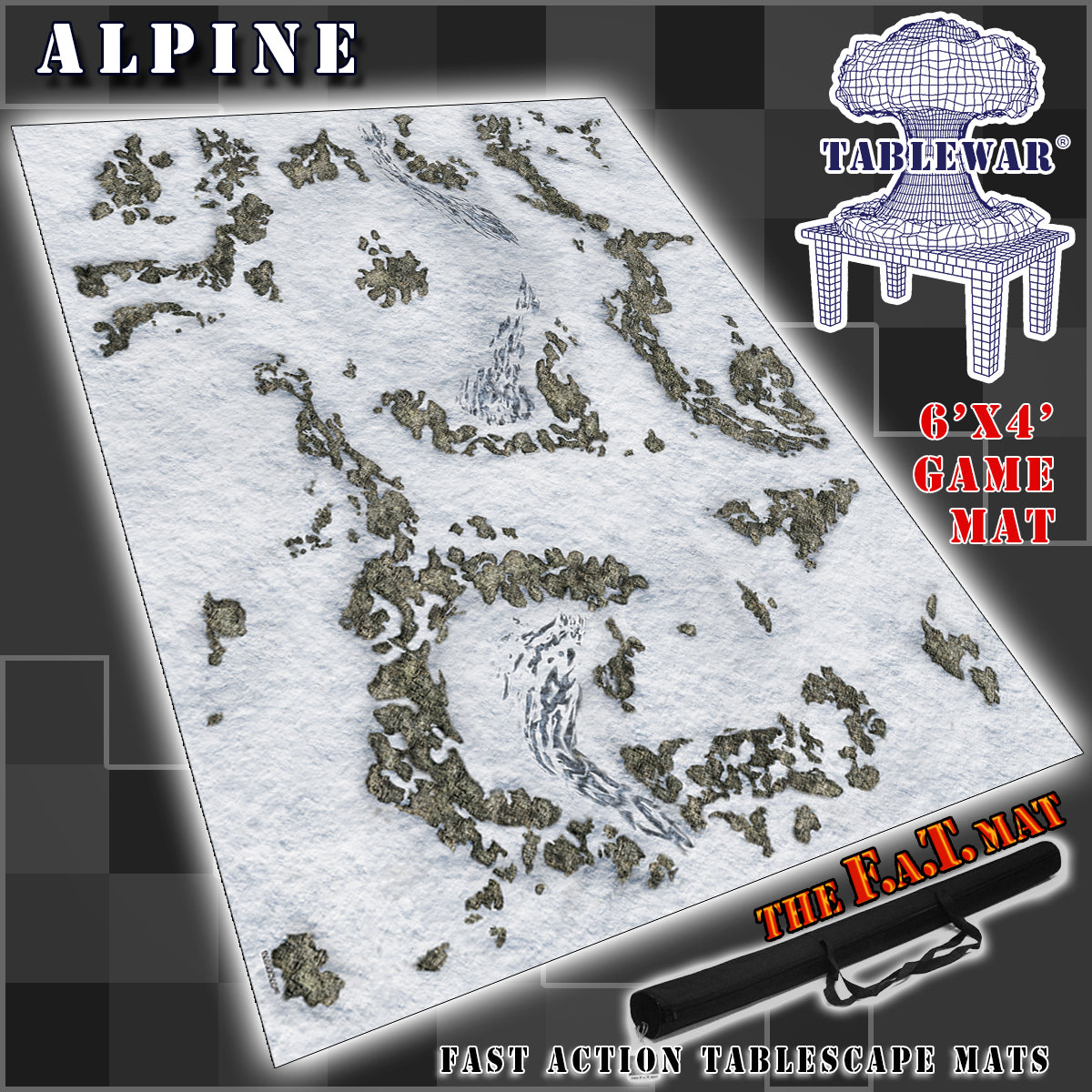
A dark solid mat makes card edges and zones easier to read and aligns with One Piece webcam-tournament guidance without locking you to one game.
- Easy visual contrast
- Portable
- Multi-game
- No printed zones
- Needs tube or flat storage
At a glance
| Priority | Product | Job | Buy when | Watch out |
|---|---|---|---|---|
| 1 | Dragon Shield Matte Sleeves, 100 Count | A dependable all-purpose tournament sleeve | With the active deck | Can be bulky |
| 2 | Gamegenic Sidekick 100+ XL Convertible, Purple | A protected 60-card deck with room for tokens | With the active deck | Larger footprint |
| 3 | Vault X Side-Loading Trading Card Binder | A curated collection and trade binder | When loose cards become hard to find | Not for bulk |
| 4 | Ultra PRO Solid Black Gaming Playmat | A neutral, camera-friendly personal play surface | When the table or camera benefits | No printed zones |
Questions, answered
What sleeves are best for playing Pokémon?
Opaque matte standard-size sleeves from a dependable line are the safest default. Dragon Shield, Katana, and Eclipse are common choices; shuffle feel is personal, so test one pack before standardizing.
Should Pokémon cards be sleeved before going in a binder?
Yes, especially valuable, foil, or frequently handled cards. Use clean penny or fitted sleeves compatible with the pocket and avoid forcing thick combinations into a tight page.
Are ring binders safe for Pokémon cards?
They can be, but overfilled rings and page pressure can damage cards. A purpose-built side-loading zip binder removes several common failure points.
Should I keep sealed ETBs in acrylic cases?
Only when display, dust protection, or box condition justifies the extra cost. Keep all sealed product dry, out of direct sun, and supported regardless.
Do Pokémon players need a playmat?
No, but a mat protects cards from rough tables, makes sleeved cards easier to lift, clarifies zones for beginners, and improves the ritual of setup.
What should I buy only after ten real games?
Buy only the upgrade your completed games identified: exact singles for a deck problem, storage sized to the collection you actually use, or a mat that solves a real table or camera issue. Do not let randomized product replace diagnosis.
Yumi's verdict
Buy sleeves and a correctly sized deck box for the active Pokémon TCG deck first. Add labeled bulk storage or a binder when the collection proves it needs one. Add a playmat when it improves handling, zones, or camera contrast.
Research ledger 10 sources · reviewed 2026-08-14
Specifications, rules, current product information, community experience, and contrary evidence were checked against the sources below. Commercial links are kept separate from editorial evidence.
- Play! Pokémon: getting startedplay.pokemon.com/en-us/get-started/players
- Pokémon TCG 2025 product gallerypokemon.com/us/pokemon-tcg/product-gallery/2025
- Pokémon TCG 30th celebration productspokemon.com/us/news/pokemon-tcg-30th-celebration-product-showcase
- Pokémon League play guidepokemon.com/us/strategy/get-ready-to-play-pokemon-tcg-at-pokemon-league
- 2026 tournament deck-box discussionreddit.com/r/pkmntcg/comments/1u50wos/deck_boxes_for_tournaments
- 2026 Pokémon sleeve discussionreddit.com/r/pkmntcg/comments/1s9xz3j/what_sleeves_are_you_using_in_2026
- Vault X binder exact Amazon listingamazon.com/dp/B0FCYDCHDN?tag=puzzlewick-20
- Ultra PRO playmat exact Amazon listingamazon.com/dp/B0GVKV1MJ6?tag=puzzlewick-20
- TCGplayer: Best-Selling TCGs, Q2 2026seller.tcgplayer.com/blog/best-selling-trading-card-games-q2-2026
- Gamegenic Sidekick 100+ XL: materials, capacity and removable covergamegenic.com/product/sidekick-100-xl-convertible

Come in, take your shoes off — let me show you something.


Keep exploring
The next smart rabbit holes.
◓ Universe HubPokémon TCG: the whole buying pathPokémon TCG is both a highly teachable two-player game and a vast collector language. Battle Academy teaches; League Battle Decks...🂠 Topic PathTrading Card Games: compare the whole shelfStart with the game and community you want, then buy the smallest product that lets you test it properly. These guides separate...Buying GuidePokémon Delta Reign or 30th Celebration: Which Box Should You Buy?Choose 30th Celebration for anniversary artwork and keepsakes; choose Delta Reign for Mega Rayquaza and the next expansion’s cards. A...