Slay the Spire vs Dead Cells Board Game in 2026: Which Roguelike Box Should You Buy?
Dax runs both tabletop roguelikes until the save bags come out: Slay the Spire for card-combo depth, Dead Cells for persistent unlocks and faster shared runs.

AI-assisted curator persona · research and editorial responsibility: Robert Pruitt · how this guide was made
Last editorial refresh: 2026-08-13 Gold-standard QA: 2026-07-25 9 sources reviewed Affiliate links checked during gold-standard pass

The short answer
Buy Slay the Spire if you want the deeper cooperative deck-building game and your group can commit to long multi-act runs. Buy Dead Cells if you want faster sessions, persistent unlocks and a campaign loop that changes between attempts. At two players, Slay is our overall pick; for a group that values brisk progression, Dead Cells is the sharper fit.
Decision map
Choose in thirty seconds
A repeat pair that wants deep cooperative deck growth
Groups that want persistent unlocks and shorter runs
This is a buying decision, not a fandom census. Dax runs both tabletop roguelikes until the save bags come out: Slay the Spire for card-combo depth, Dead Cells for persistent unlocks and faster shared runs.
Every product link in this guide resolves to an exact Amazon detail page with the Puzzlewick affiliate tag. Product galleries and official manuals were checked on 2026-07-25; moving prices are deliberately left to the current listing.
Start here, then go deeper
You are in the right cabinet.
 ✺ Topic PathCooperative Campaign Games: compare the whole shelfA cooperative campaign is a promise your group makes to its future self. These guides show which box reaches the table, how much...
 Best OfBest Cooperative Board Games, Ranked (2026)Okay but have you SEEN what people are saying about cooperative games right now? Sixteen absolute bangers, ranked — from the gateway that...
 Best OfBest Solo Board Games, Ranked (2026): The One-Player NightTen games I'd actually hand you — the ones that didn't just earn a shelf, they stayed there. From the 20-minute weeknight puzzle to the...
Should you buy Slay the Spire or Dead Cells?
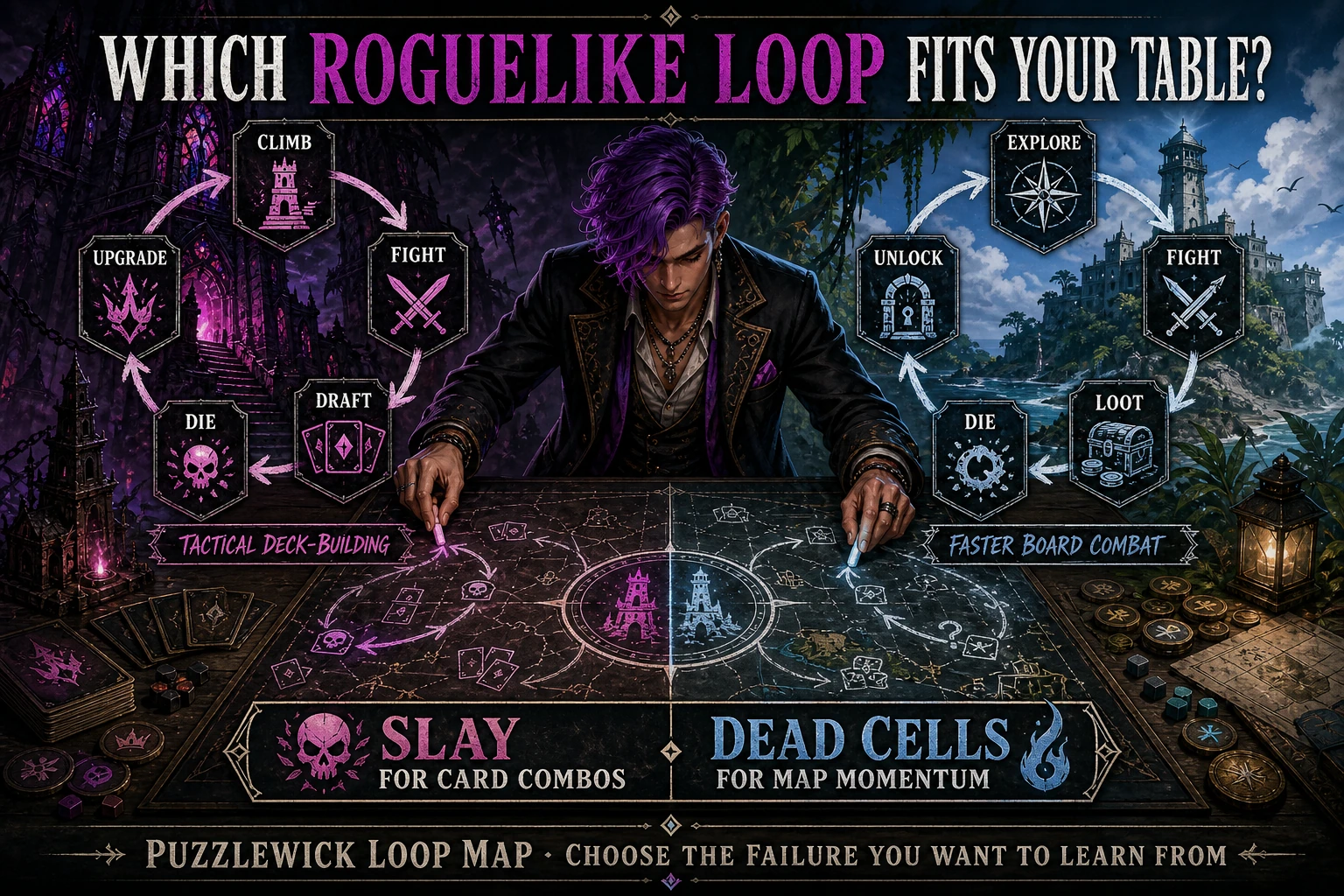
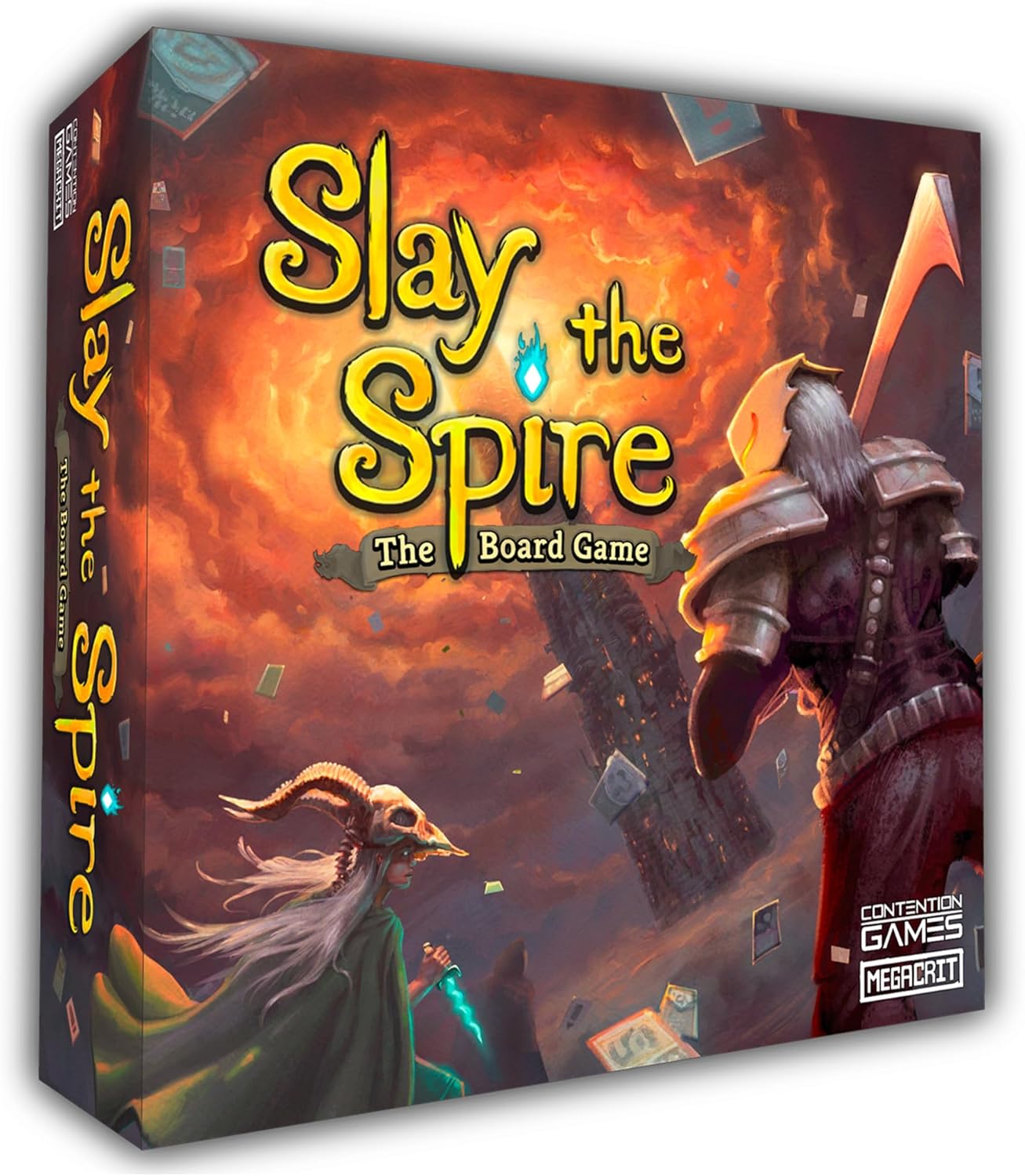
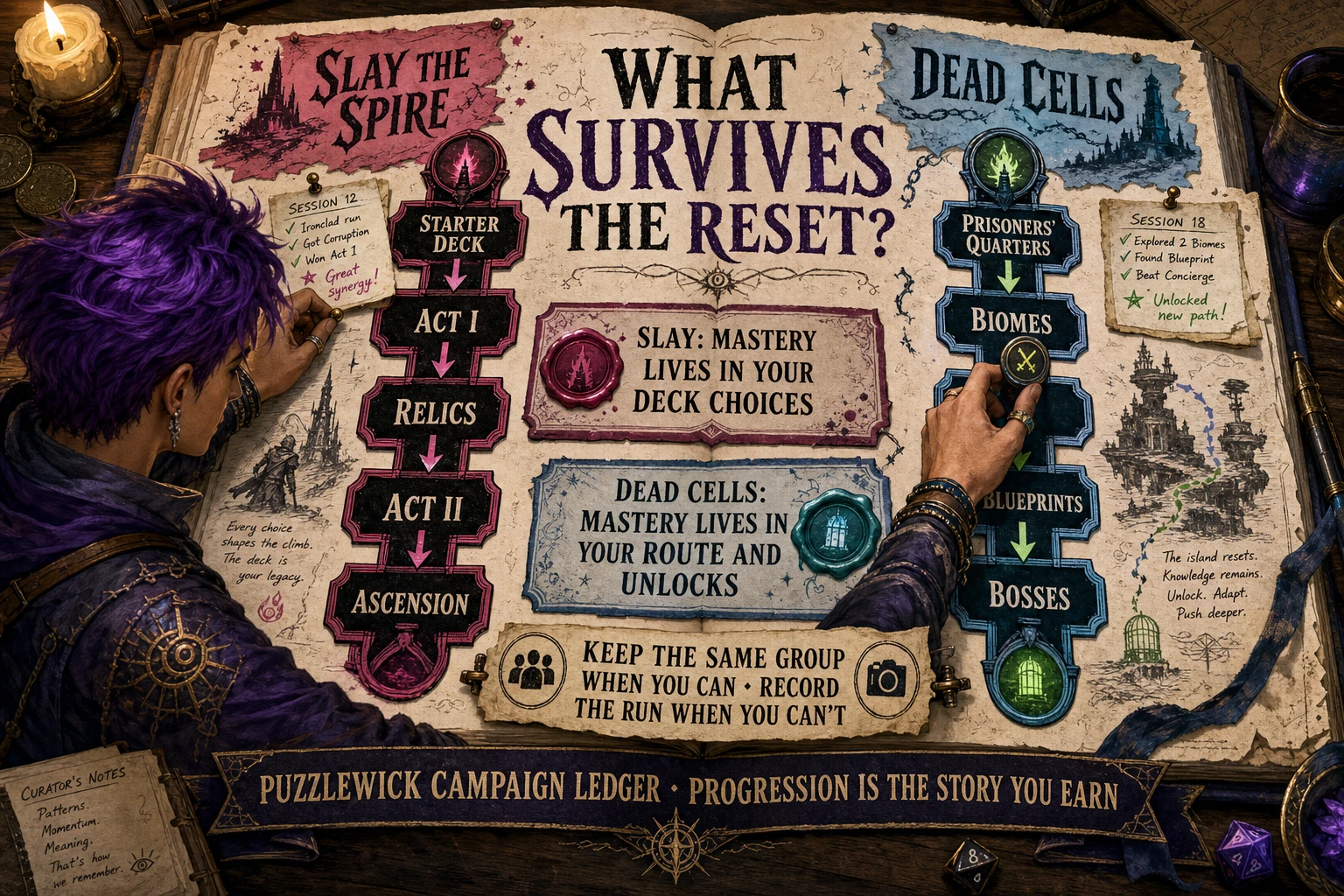
Slay the Spire: The Board Game is the better answer when “roguelike” means deck construction, card removal, route planning and combo discovery. Dead Cells: The Board Game is the better answer when it means repeat attempts, permanent unlocks and a visible campaign board that remembers failure.
Both are cooperative adaptations rather than substitutes for the digital games. They slow the action down so people can talk. Slay gains the most from that conversion because its digital combat was already card-driven. Dead Cells changes more radically, translating reflex into shared planning.
Dax’s overall pick is Slay for a committed pair and Dead Cells for a group that needs a shorter loop with unmistakable progression.
Dax’s useful heresy: dying is not the failure state. Buying the wrong flavor of repetition is. Pick the loop whose postmortem your group will still enjoy discussing.
How does a run work in each board game?
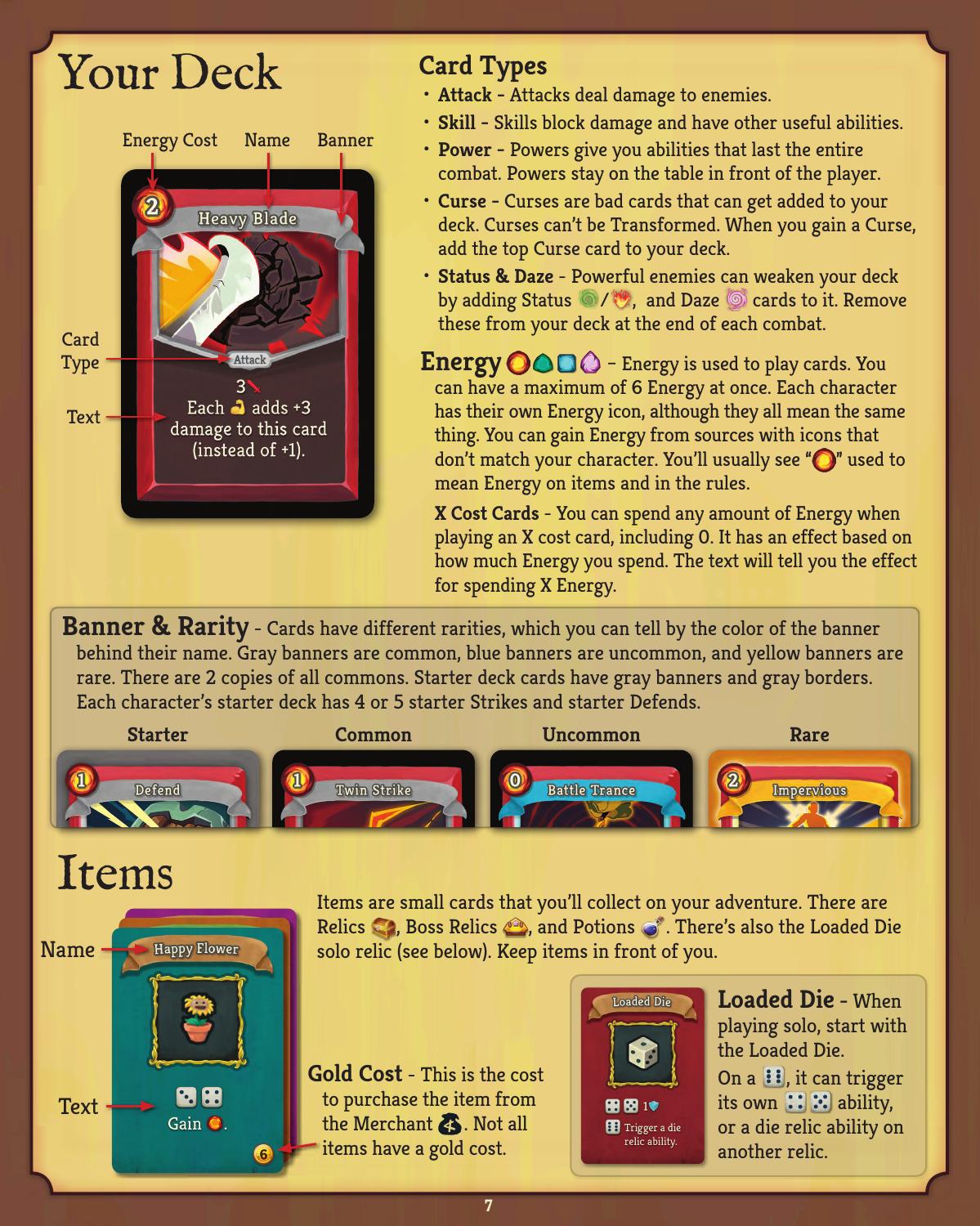
Slay begins with a small character deck and a route through encounters, elites, shops, rest sites and bosses. Cards use scaled-down values so people can calculate together without a calculator. The deck changes through rewards, upgrades and removals; a full run can span multiple sessions.
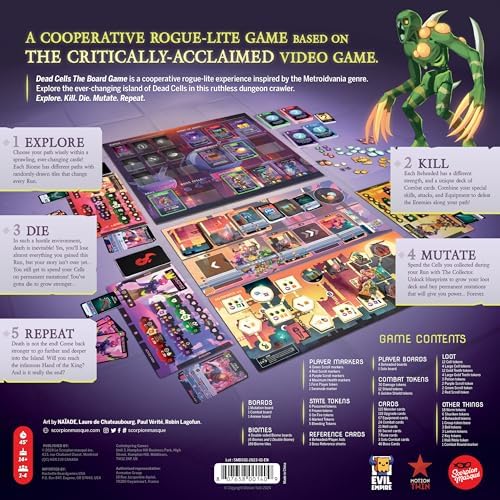
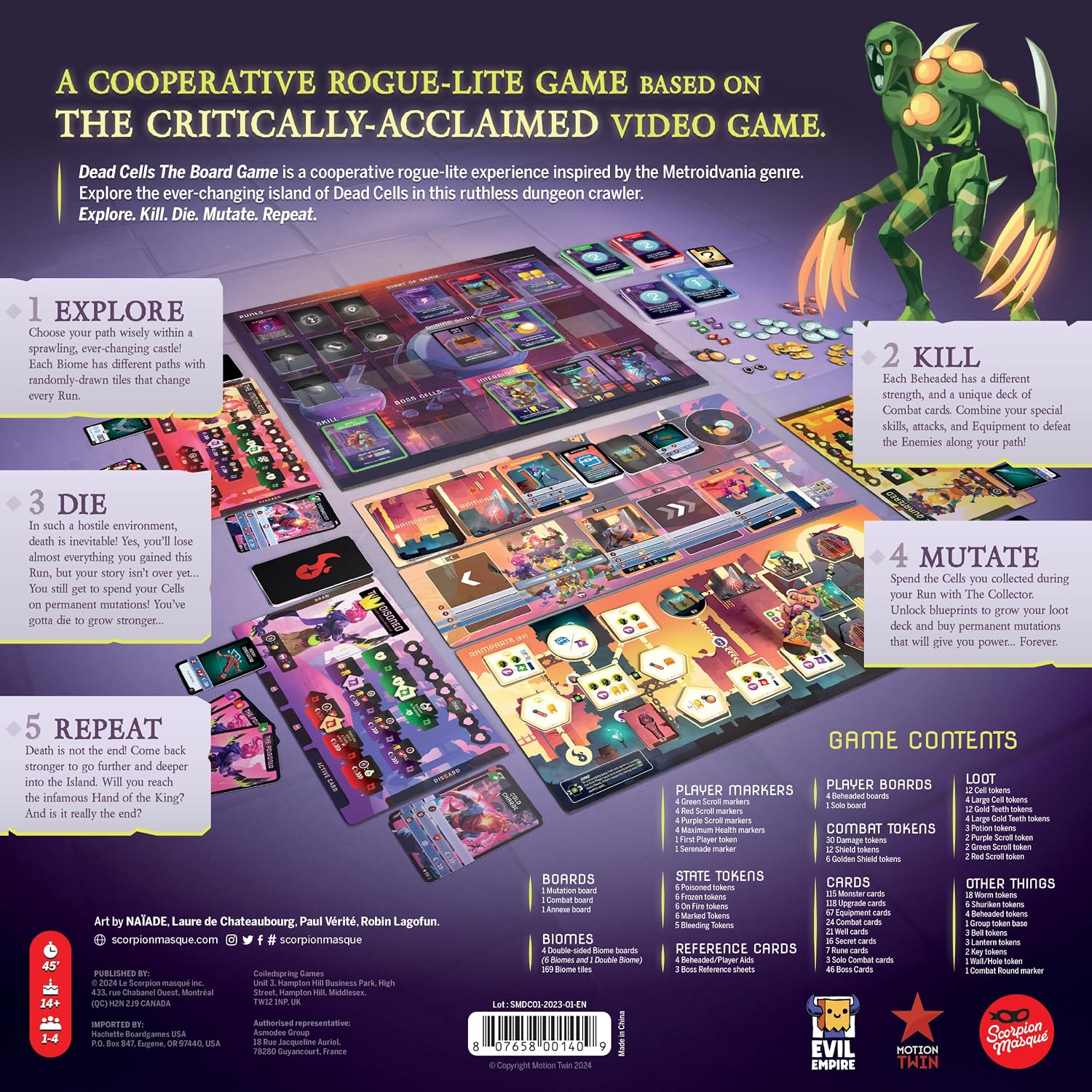
Dead Cells sends the group through biomes, encounters and bosses while cells purchase persistent blueprints and unlocks. The campaign sheet or board makes failure productive. Combat is quicker and more compressed, but the rules around specific edge cases reward keeping the official FAQ nearby.
If your group dislikes saving a half-finished state, Dead Cells has the cleaner cadence. If your group loves carrying one evolving deck through a long evening, Slay gives that arc more room.
Which game has the better deck building?


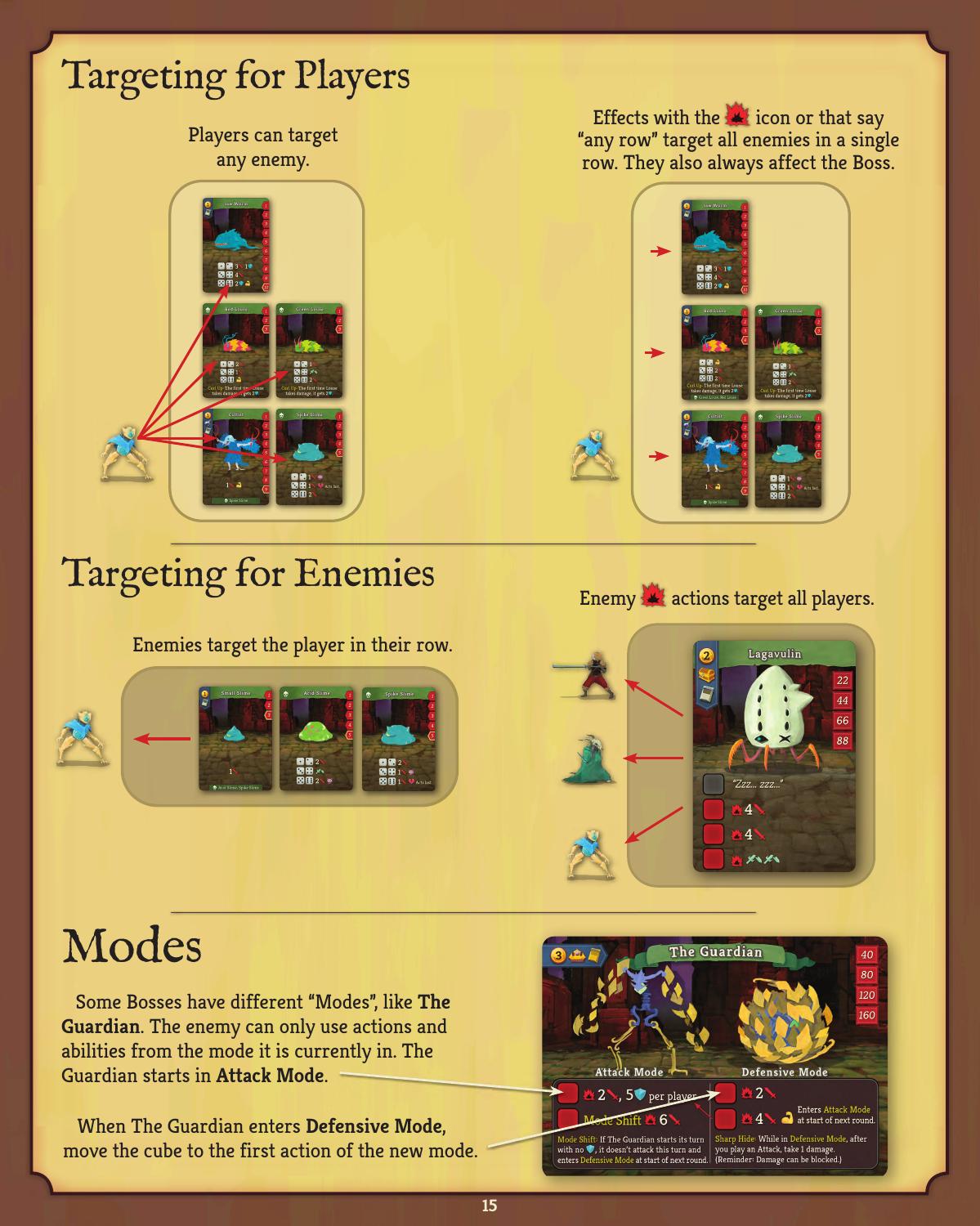
Slay the Spire wins. Every reward asks whether the new card improves the deck’s average draw or merely looks exciting. Removal is an upgrade. Energy is a curve. Status cards and exhaust effects make deck size and timing visible.
Dead Cells uses cards and upgrades, but its identity is distributed across equipment, mutations, routes and permanent unlocks. The choices are meaningful; they simply do not create the same concentrated deck-construction laboratory.
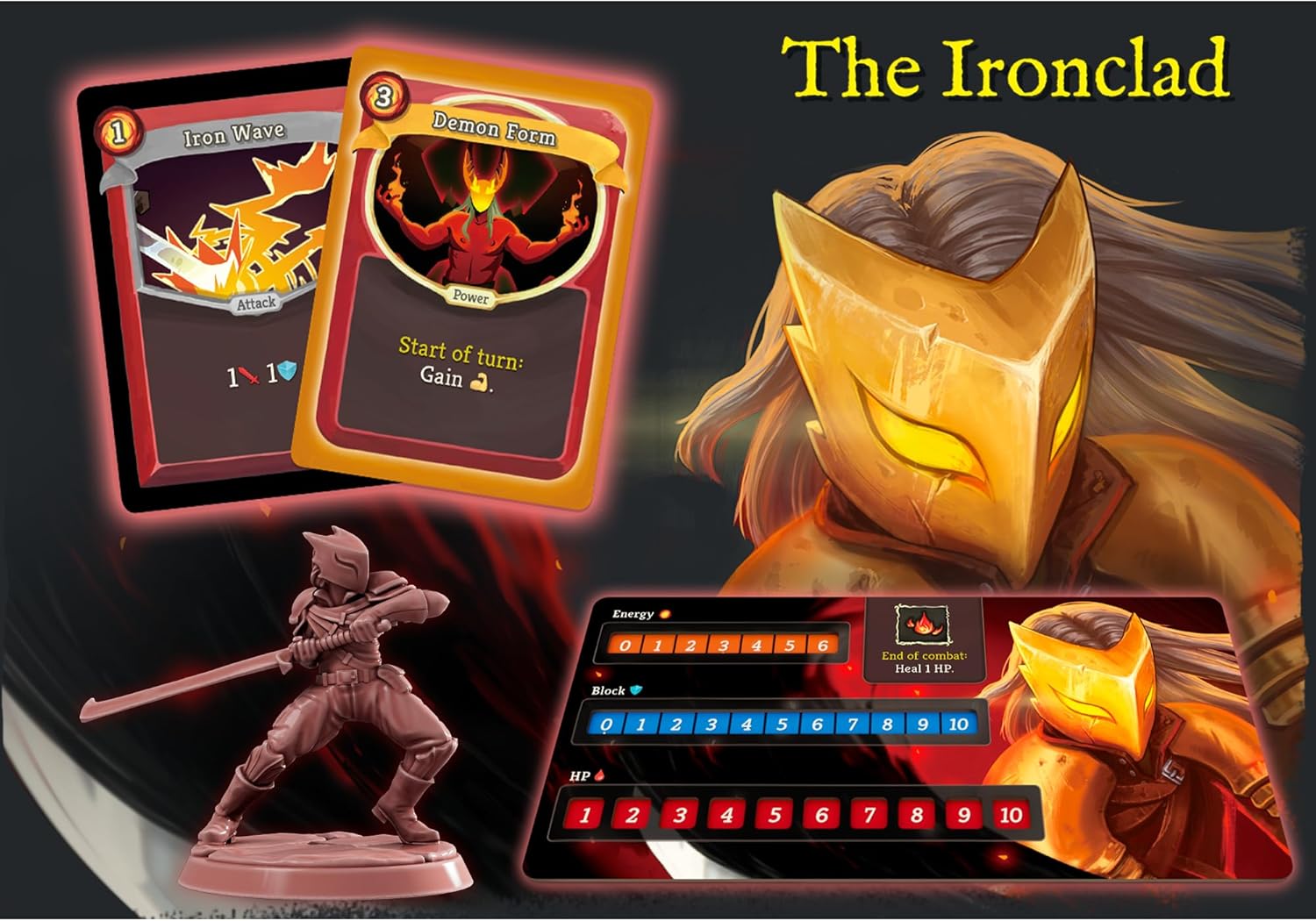
New Slay players should reject more rewards, choose one damage plan and one defense plan, and ask who on the team provides scaling. Four individually strong decks can still be one incoherent party.
Which game handles failure and progression better?
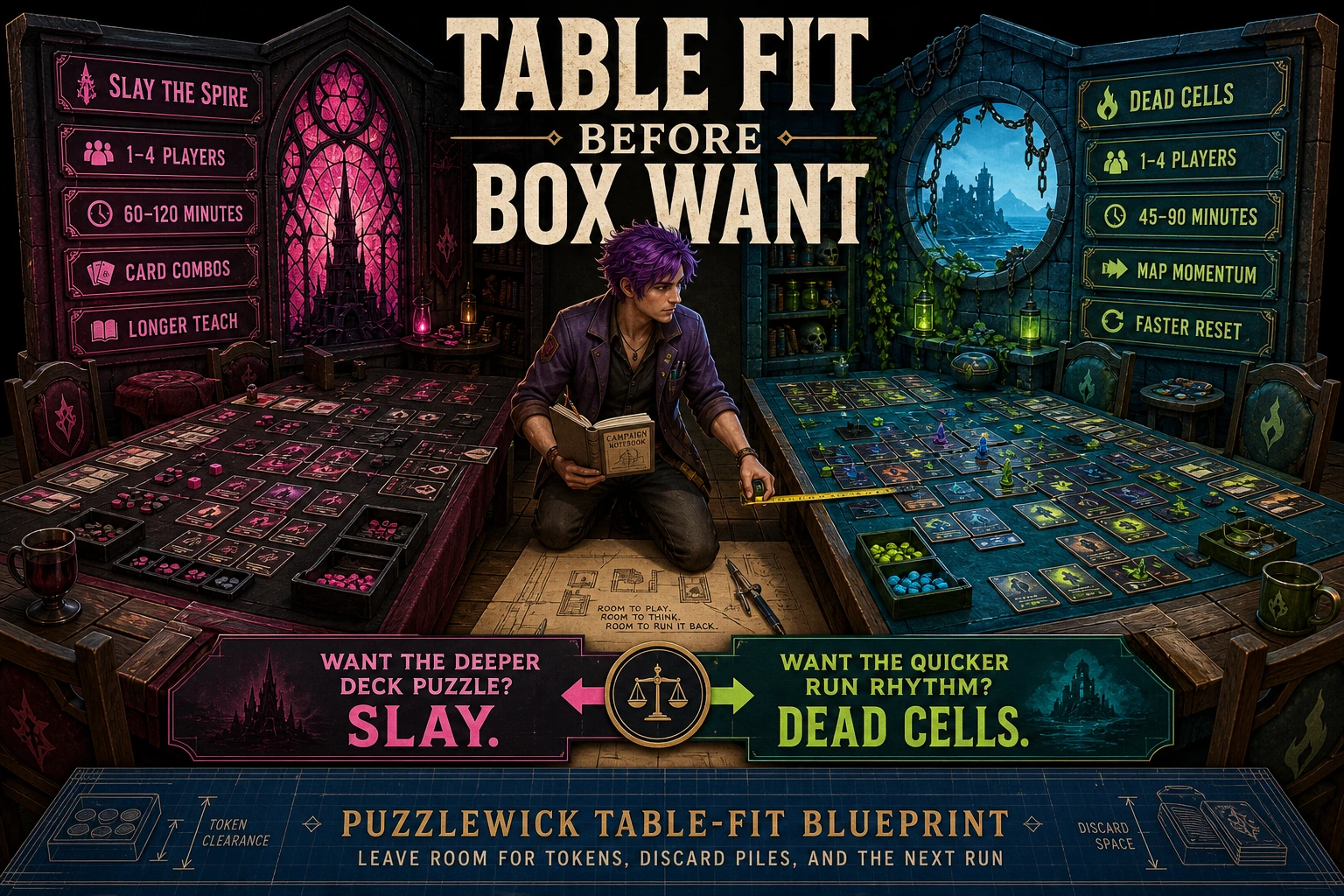

Dead Cells wins persistent progression. Cells purchase blueprints and unlock content, so a failed run can change the next attempt. That structure is immediately satisfying to players who need a campaign to remember them.
Slay’s primary progression lives inside the current run. The knowledge persists even when the deck does not: route discipline, archetype recognition and knowing when a card reward is a trap. Its 2026 Downfall expansion and reprint campaign broaden the future, but an unreleased or non-Amazon product should not drive today’s first purchase.
Do not mistake persistence for mercy. Dead Cells can begin brutally, and a weak unlock path can feel slower than expected. Read the official FAQ, accept the first failures as calibration and resist house rules until the system has shown its rhythm.
Recent owner feedback adds a practical wrinkle: Dead Cells is repeatedly praised at two, while four can leave one player less involved during combat. Slay earns stronger cooperative praise, but a complete run can consume far more evening than the box-side optimism in your heart.
Which is better solo, two-player or at four?
Two players is the sweet spot for both. It creates real cooperation without multiplying upkeep. Slay’s full run has room for complementary roles, while Dead Cells keeps simultaneous planning brisk.
Solo is viable, but neither physical box is automatically better than its digital ancestor. Slay’s tactile deck is satisfying, yet an entire run takes far longer. Dead Cells asks one person to manage a team state and progression overhead. Buy solo only if physical handling and away-from-screen play are part of the value.
At four, assign table jobs: one player tracks enemy health, one handles map and rewards, one owns status tokens, and one reads boss text. Distributed administration keeps cooperation from becoming a committee meeting.
The beginner-to-expert strategy ladder
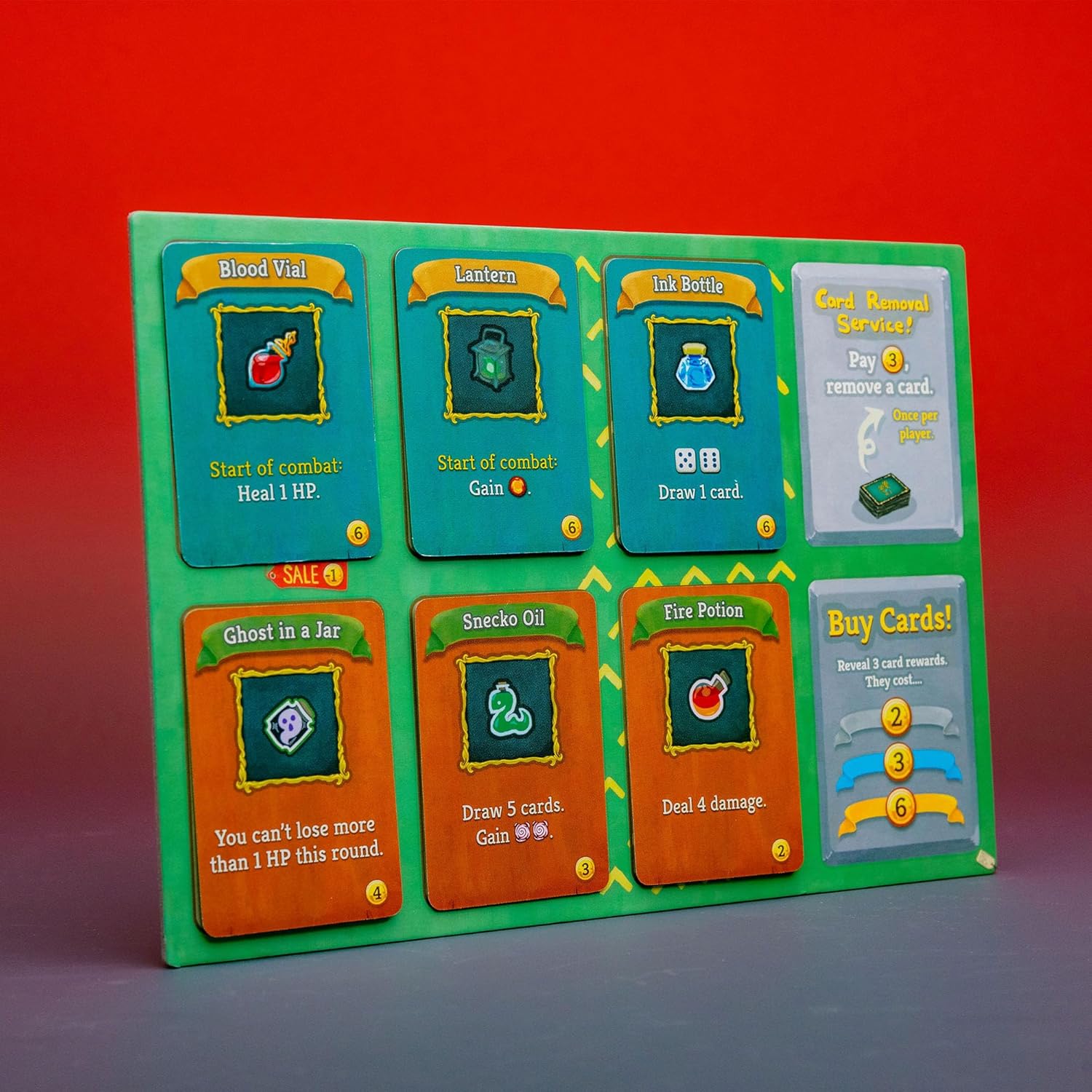
Beginner: choose one role, preserve health and take fewer mediocre rewards. An elite is not valuable when it ends the run. A shop is not valuable when the party arrives without a purchase plan.
Intermediate: calculate draw quality. In Slay, remove cards and preserve multiple lines through a hand. In Dead Cells, coordinate equipment and mutation unlocks so the campaign is not paying for several disconnected builds.
Advanced: route around the boss, not around immediate comfort. Identify the damage race and scaling requirement several rooms early. Save consumables for the turn that changes the expected outcome rather than the first turn that feels unpleasant.
What expansions or deluxe content should you buy?

Buy neither line beyond the verified base box first. Slay’s core already contains a large campaign system, four characters and extensive card content. Downfall is exciting 2026 news, not a prerequisite and not the direct Amazon purchase this guide can responsibly recommend today.
Dead Cells deluxe material adds content, but the standard core loop must earn that expense. Persistent unlock systems make a box look incomplete before the first sticker or blueprint is revealed; play enough attempts to expose the actual limit.
The expansion rule is the same for both: purchase because a known group completed or nearly completed a loop, not because a campaign page made the future look urgent.
Keep a tiny run log. Not a dissertation—nobody needs minutes from the Department of Failed Potions—just the route, the build, and the mistake worth not repeating.
The final verdict and buying order
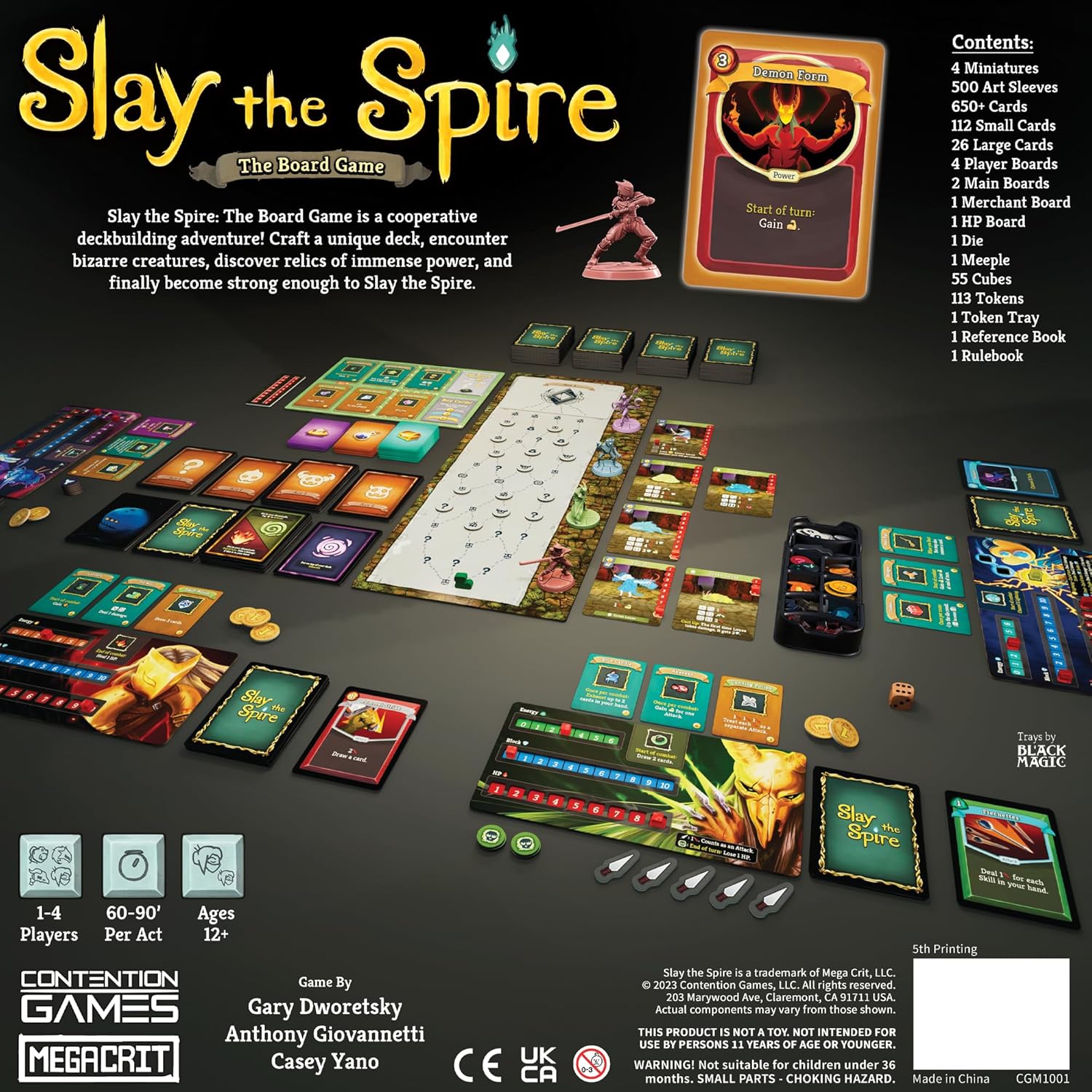
Buy Slay the Spire when two people want a deep card-combo campaign, enjoy long sessions and will save a run carefully. It is our overall design winner.
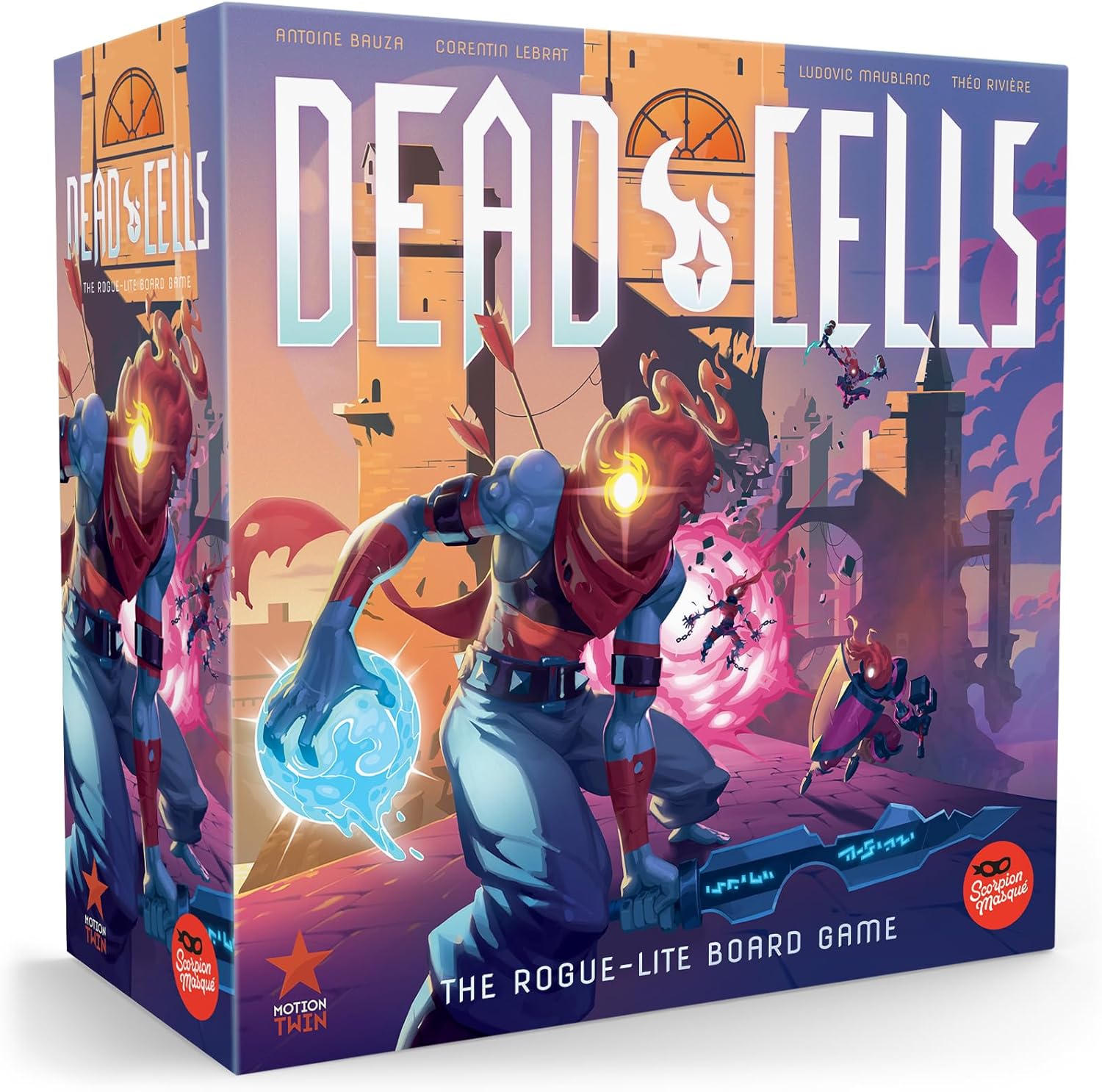
Buy Dead Cells when the group wants a faster tactical loop, permanent unlocks and obvious progress after defeat. It is our campaign-momentum winner.
Skip both for now if the purchase is primarily for solo speed. The digital originals are faster and less expensive. The board games justify themselves through conversation, physical state and the people sharing the run.
The picks
Some links below are affiliate links — as an Amazon Associate, Puzzlewick earns from qualifying purchases, at no extra cost to you. It never changes a pick.

 6 photos
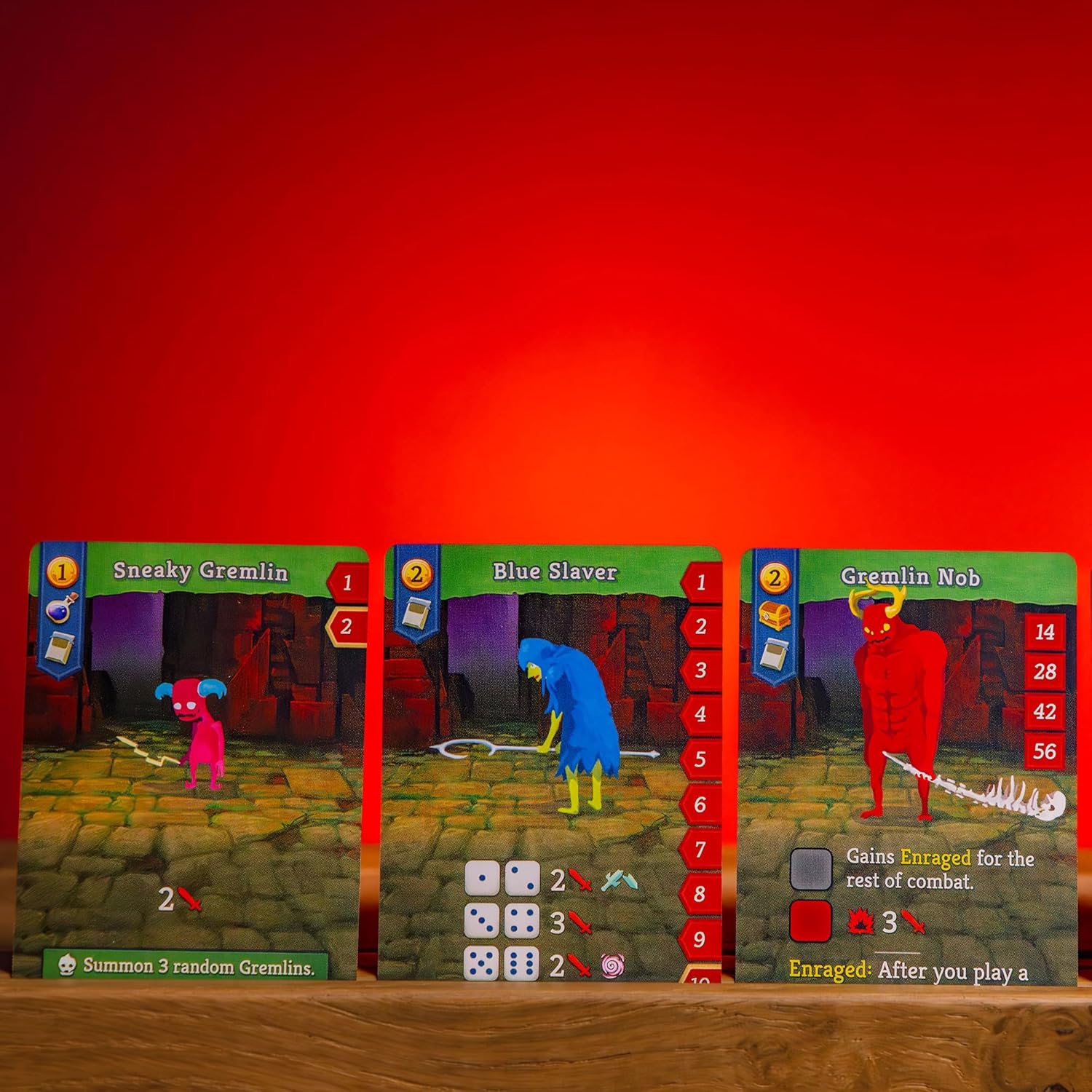
 Slay the Spire: The Board Game
A faithful but meaningfully rescaled card-combo roguelike with excellent sleeves, four characters and long multi-act runs.
- Deep deck growth
- Strong cooperation
- Excellent component usability
- Long full runs
- Solo is slower than the video game
 6 photos
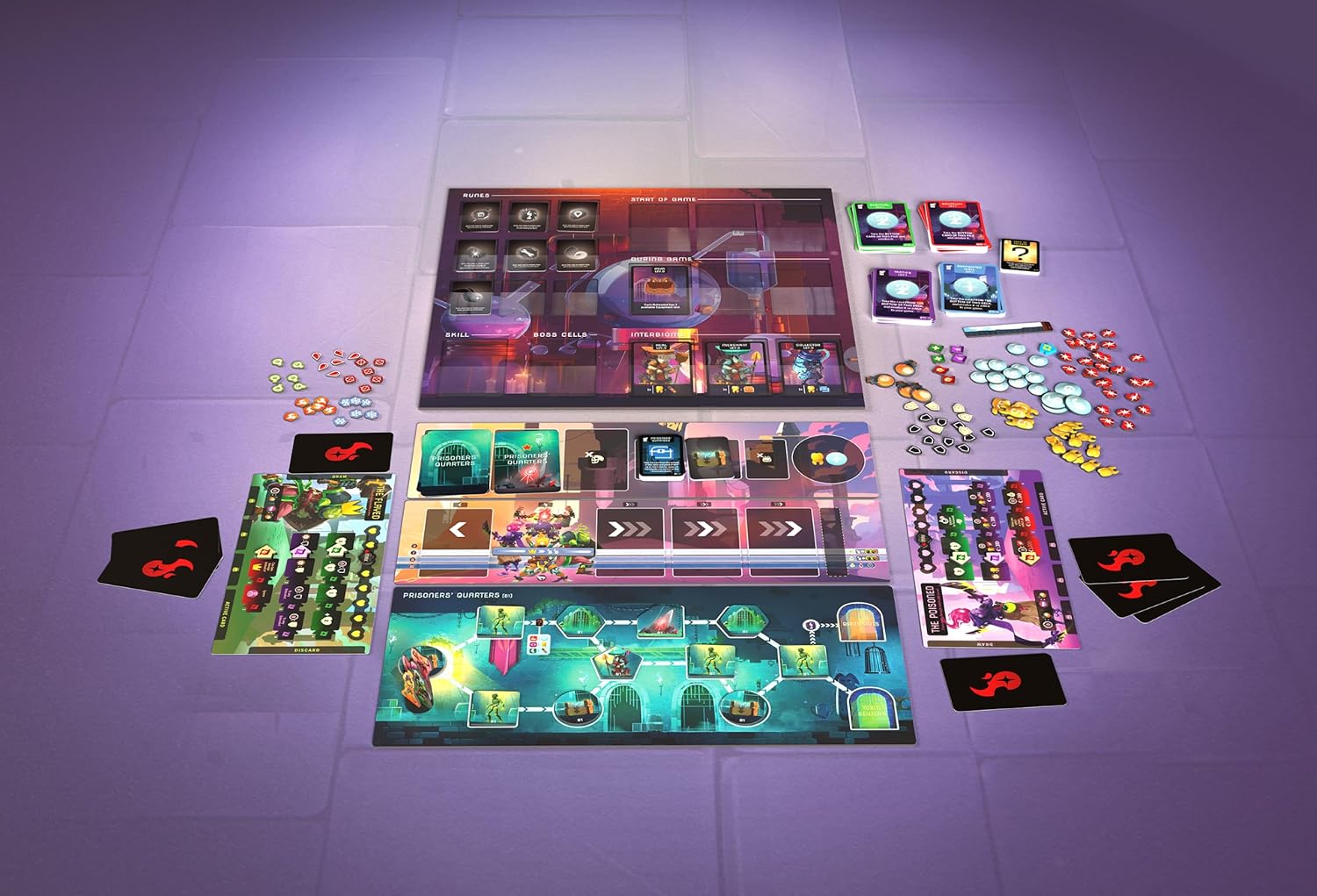
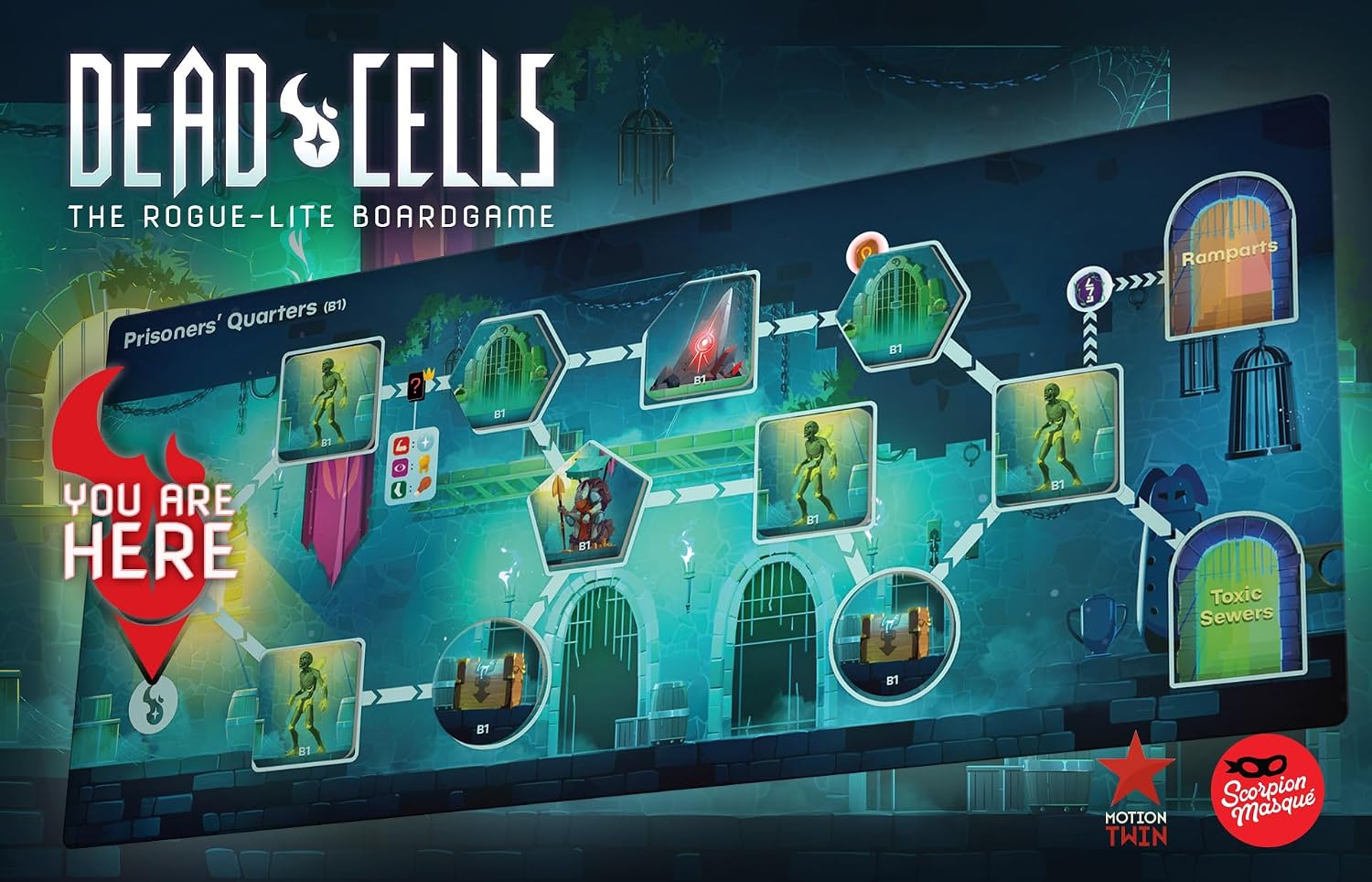
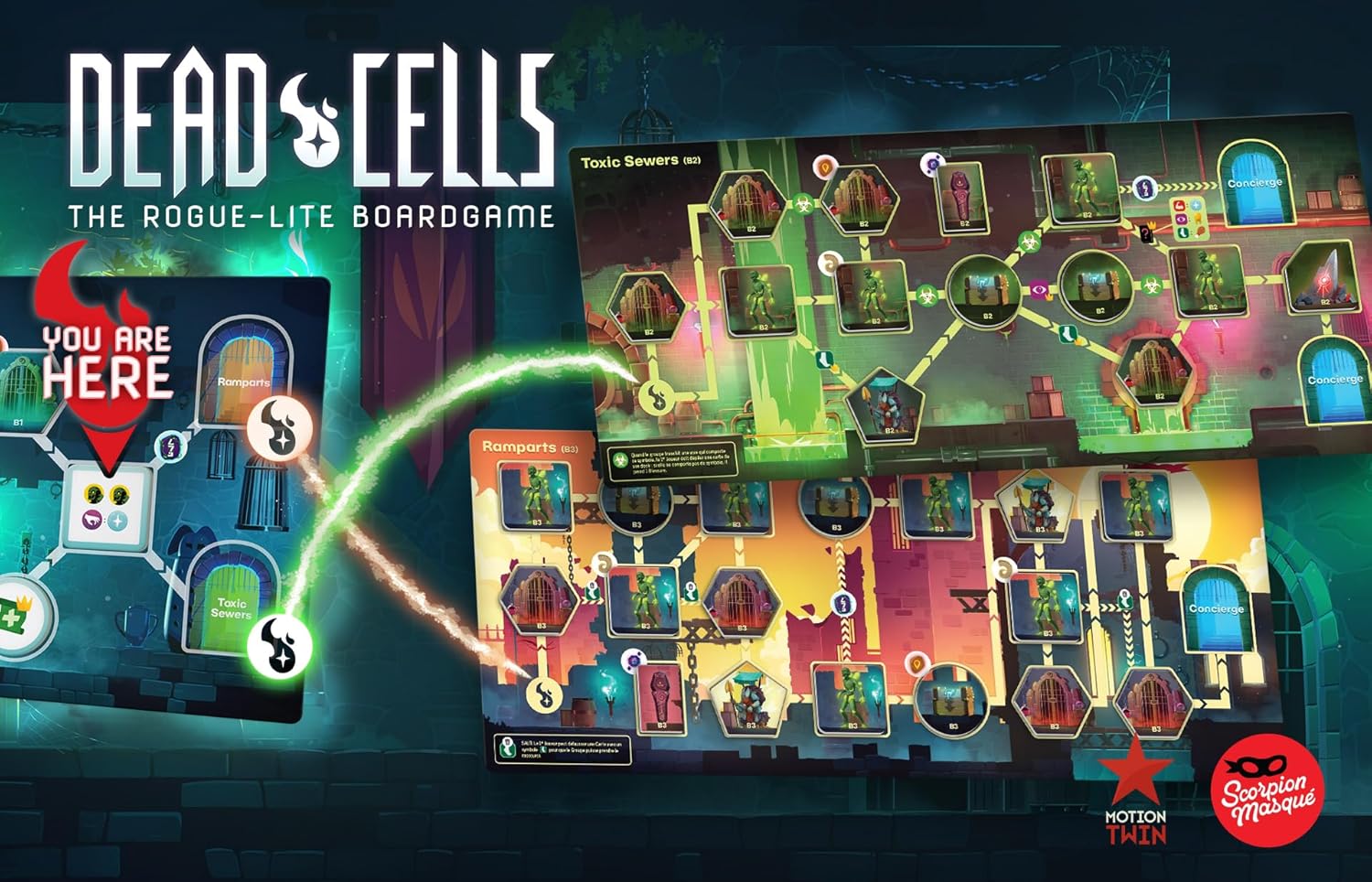
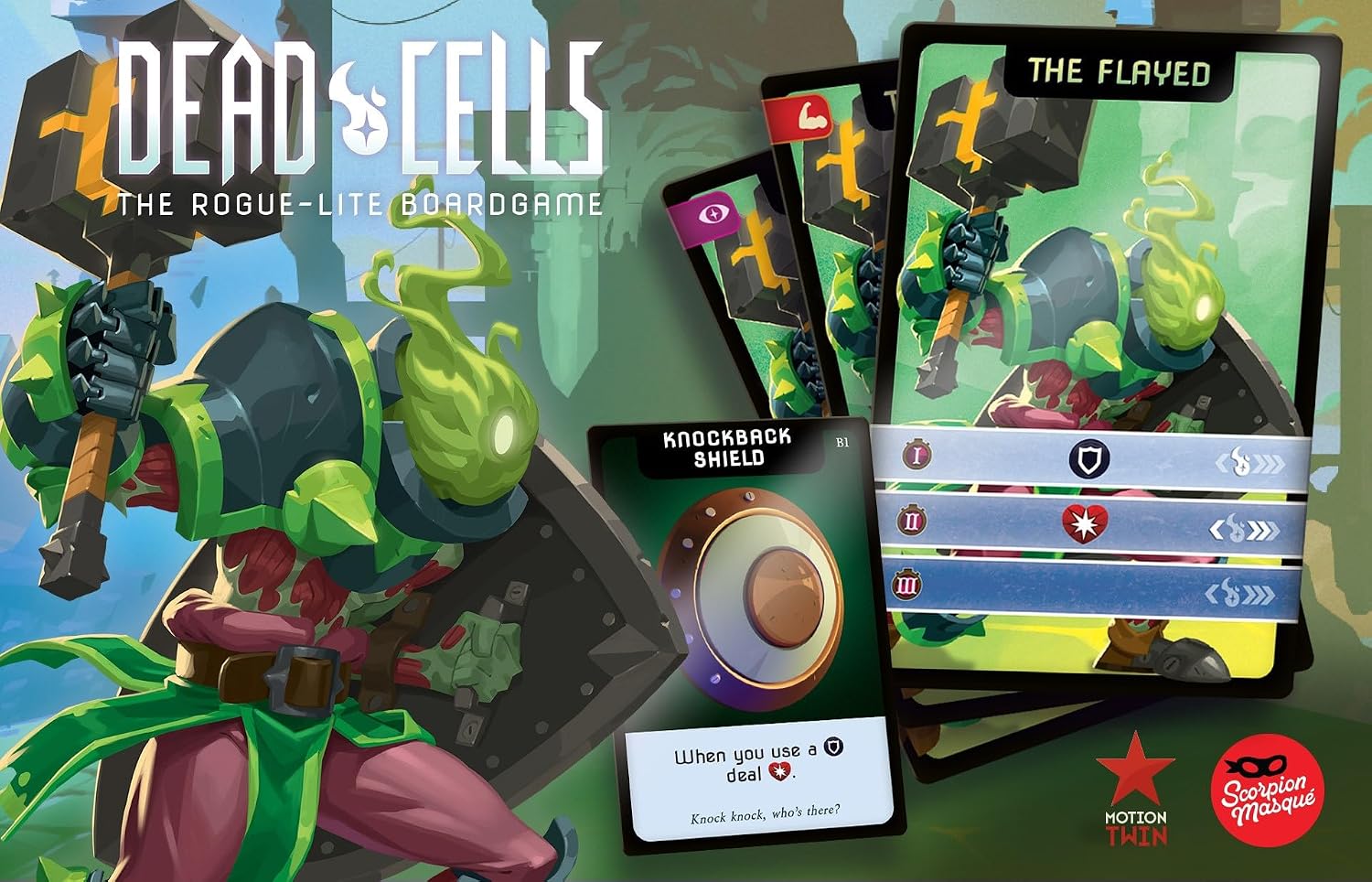
 Dead Cells: The Rogue-Lite Board Game
Fast combat and a visible meta-progression board turn failed runs into permanent momentum.
- Brisk combat
- Addictive unlock loop
- Strong campaign identity
- Rules FAQ matters
- Early runs can feel punishing
At a glance
| Decision | Slay the Spire | Dead Cells |
|---|---|---|
| Best card play | Winner | Tactical but lighter |
| Best persistence | Run-based | Permanent unlock board |
| Best at two | Excellent | Very good |
| Fastest run | Long | Shorter |
| Rules friction | Moderate | FAQ-dependent edges |
Questions, answered
Is Slay the Spire better than Dead Cells as a board game?
For deck-building depth and a repeat pair, Slay the Spire is our winner. Dead Cells has the stronger persistent unlock loop.
Which game is faster?
Dead Cells generally delivers a shorter run. A complete Slay the Spire run can stretch across a long evening or multiple sessions.
Which is better solo?
Both work, but both are slower and more administrative than their digital versions. Slay is the stronger physical solo card puzzle.
Which is better at two players?
Slay the Spire is our two-player pick because complementary decks create excellent cooperation.
Does Dead Cells have permanent progression?
Yes. Cells and blueprints unlock content across attempts, making failure part of the campaign arc.
Does Slay the Spire require the Downfall expansion?
No. The base game is substantial and complete. Downfall should be considered only after the core has earned it.
Can a full run be saved?
Yes. Photograph the complete state, separate player decks and bag encounter tiers before stopping.
Are these direct adaptations of the video games?
They preserve their source identities but redesign scale, timing and cooperation for a tabletop.
Which has easier rules?
Slay is more internally consistent; Dead Cells is brisk but its official FAQ matters for edge cases.
Should I buy both?
Only if one group wants deep card construction and another wants persistent campaign momentum. They overlap in theme, not in table rhythm.
Dax's verdict
Slay the Spire is the stronger pure deck-building design and the safer purchase for a repeat pair. Dead Cells is the better persistent campaign toy and can deliver a satisfying run faster. Solo buyers should remember that both physical versions trade digital speed for tactile cooperation.
Research ledger 9 sources · reviewed 2026-07-25
Specifications, rules, current product information, community experience, and contrary evidence were checked against the sources below. Commercial links are kept separate from editorial evidence.
- contentiongames.comcontentiongames.com/_images/STS_KS_Rulebook.pdf
- deadcellstheboardgame.comdeadcellstheboardgame.com
- hachetteboardgames.comhachetteboardgames.com/products/dead-cells
- scorpionmasque.comscorpionmasque.com/DeadCells/documents/DC_DELUXE_rules_WEB-EN.pdf
- scorpionmasque.comscorpionmasque.com/fr/file/1369
- reddit.comreddit.com/r/boardgames/comments/1tsanab/i_really_want_to_get_the_slay_the_spire_board_game
- reddit.comreddit.com/r/boardgames/comments/1rmmtcf/slay_the_spire_reprint_and_expansion_kickstarter
- reddit.comreddit.com/r/boardgames/comments/1icv4l5/dead_cells_board_game_is_on_bga
- boardgamegeek.comboardgamegeek.com/boardgame/338960/slay-the-spire-the-board-game

I'll be honest with you — flattery is boring.

Keep exploring
The next smart rabbit holes.
✺ Topic PathCooperative Campaign Games: compare the whole shelfA cooperative campaign is a promise your group makes to its future self. These guides show which box reaches the table, how much...Best OfBest Cooperative Board Games, Ranked (2026)Okay but have you SEEN what people are saying about cooperative games right now? Sixteen absolute bangers, ranked — from the gateway that...Best OfBest Solo Board Games, Ranked (2026): The One-Player NightTen games I'd actually hand you — the ones that didn't just earn a shelf, they stayed there. From the 20-minute weeknight puzzle to the...