Duel for Cardia vs Compile vs Mindbug: Which Brilliant Two-Player Card Game Should You Buy?
Robert seats three tiny-box giants at the same table: Cardia for reversals, Compile for systems and Mindbug for bluffing. The winner depends on the argument your favorite opponent enjoys.


Written and reviewed by Robert Pruitt · how this guide was made
Last editorial refresh: 2026-07-25 Gold-standard QA: 2026-07-25 11 sources reviewed Affiliate links checked during gold-standard pass

The short answer
Buy Duel for Cardia for the fastest teach and the cleanest simultaneous-reveal reversals. Buy Compile for the deepest modular system and repeated study. Buy Mindbug for the smallest footprint and the sharpest bluff-and-theft tension. For most mixed-skill couples, Cardia is the best first purchase; for an expert pair, Compile has the highest long-term ceiling.
Decision map
Choose in thirty seconds
Best broad first purchase
Best expert system
Best bluffing duel
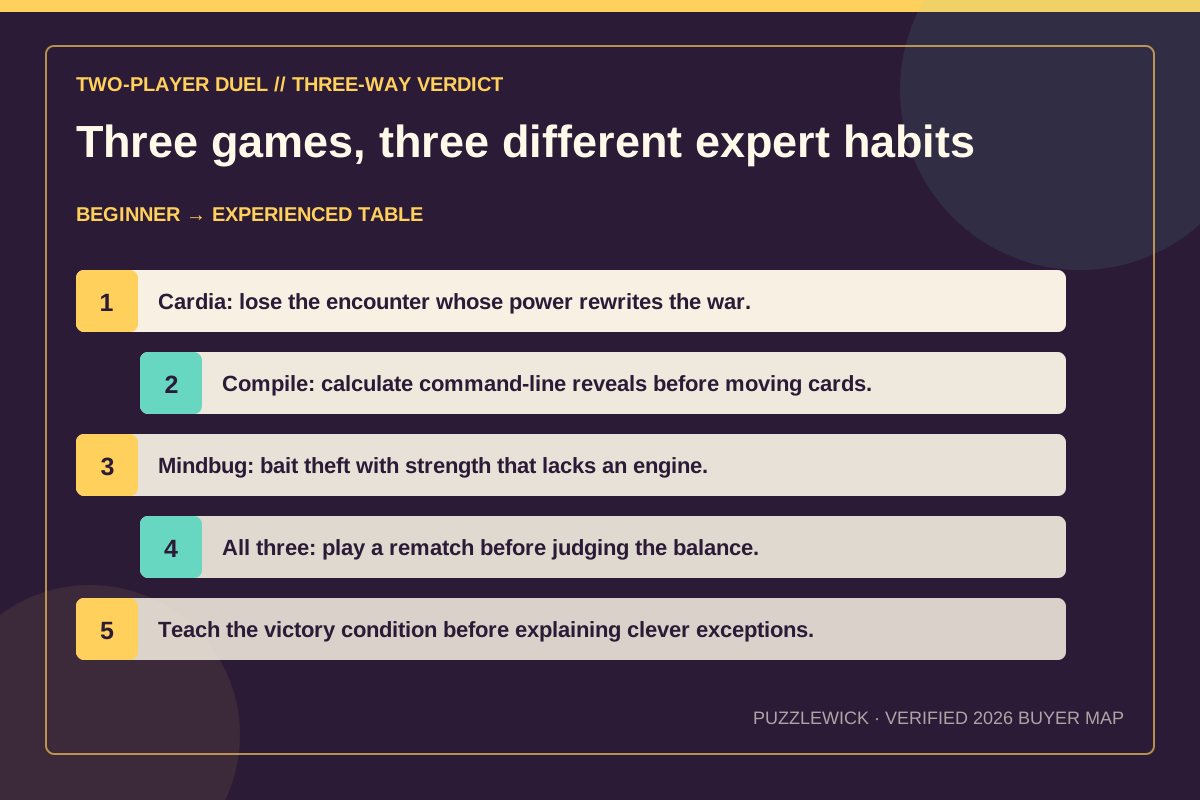
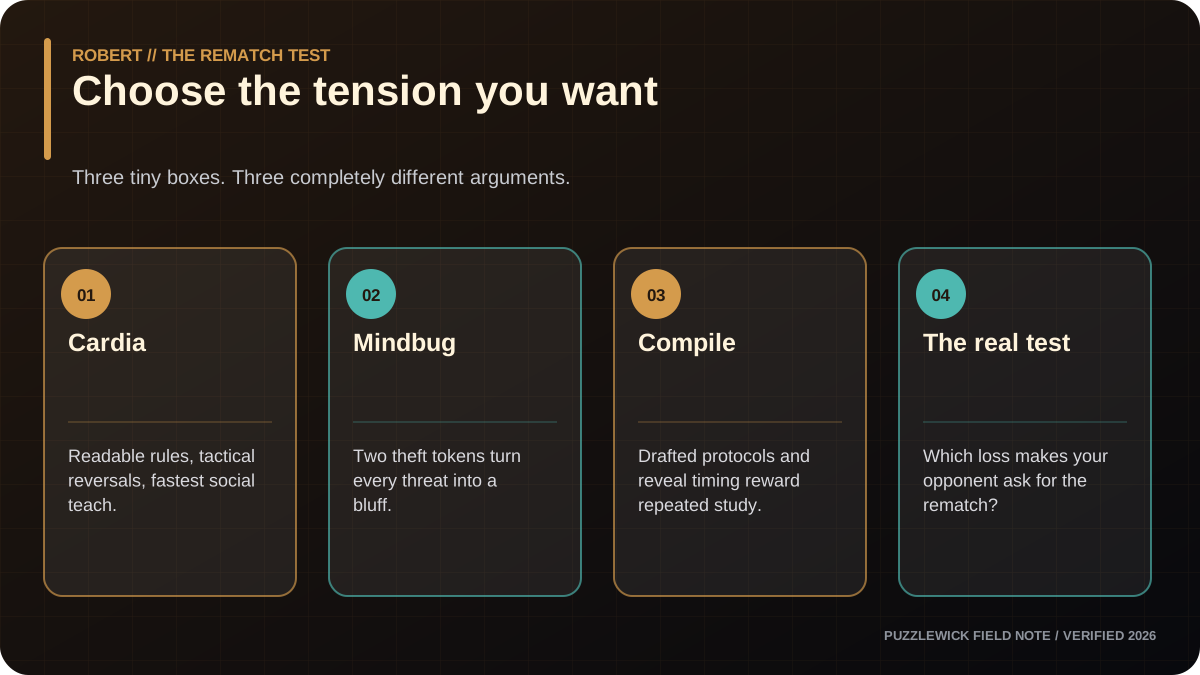
Three tiny boxes can start three completely different arguments. Cardia asks whether losing this encounter is secretly winning. Compile asks which command line changes when a card moves. Mindbug asks whether the monster is a threat or bait.
Robert checked official Cardia rules and FAQ, Compile and Mindbug rules, exact Amazon products and the current discussions around ongoing effects, four-player Cardia variants and first-set recommendations.
Start here, then go deeper
You are in the right cabinet.
 ⚔ Topic PathTwo-Player Board Games: compare the whole shelfThe best two-player game is designed around the duel rather than merely tolerating two people. This path separates sharp...
 ComparisonThe Best 2-Player Board Games of 2026, RankedFifteen duels for two, sorted into hard tiers — the forever-game, the silent co-op, the giant-killers under twenty bucks, and the honest...
 Best OfBest Trick-Taking Card Games (2026): Modern Classics Beyond Spades & HeartsStep in from the cold — let me settle you at a table where centuries of kindness meet designs that bend the rules. A curator's tour of...
Which two-player card game should you buy?
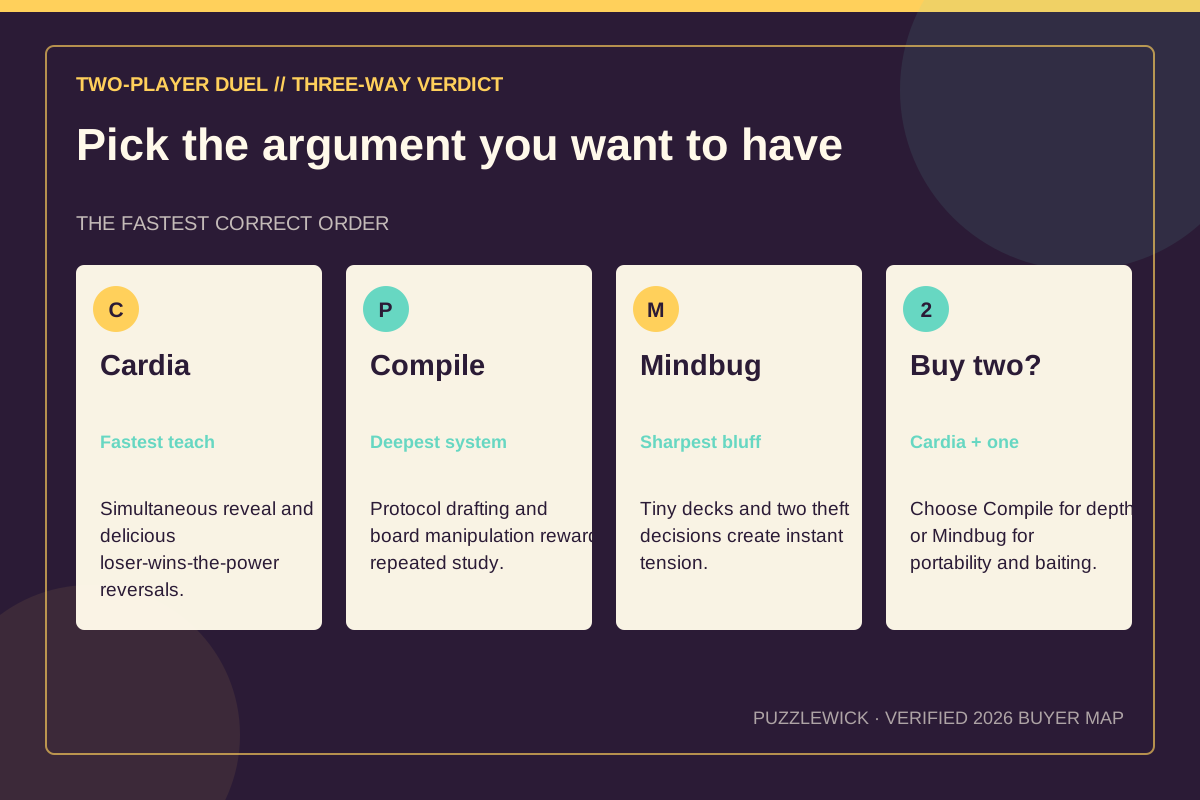
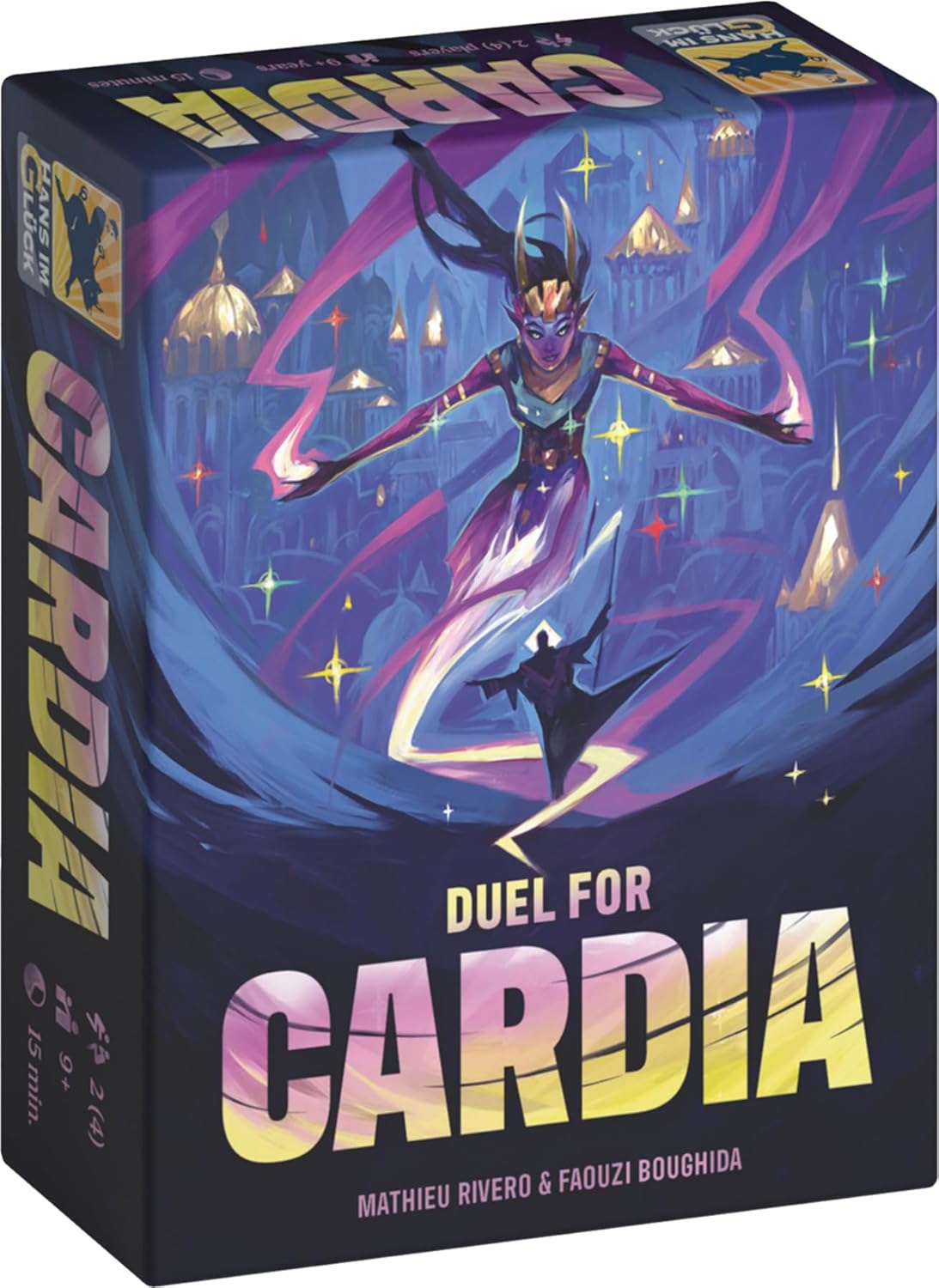
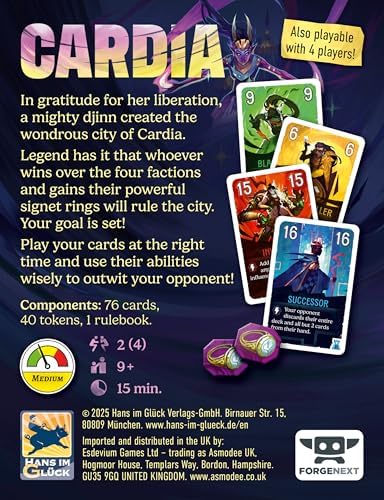
Choose Duel for Cardia when two people want a beautiful five-minute teach with immediate reversals. Choose Compile when both players enjoy studying modular interactions. Choose Mindbug when the table wants direct bluffing in the smallest travel package.
Cardia is the broad recommendation because simultaneous reveals reduce downtime and the losing card often activates the power that changes the encounter. New players feel clever quickly without pretending the game is shallow.
An expert pair may outgrow Cardia later than expected but still find Compile more inexhaustible. Mindbug is the most emotionally readable: every stolen creature becomes a story about whether someone was fooled.
These games solve three different two-player moods. Duel for Cardia is the easiest social teach and the fastest path to a rematch. Compile offers the deepest fixed-pool drafting and timing puzzle. Mindbug creates the sharpest bluff because each player has only two chances to steal an opposing creature. The correct purchase is the tension you want, not the game with the longest rules explanation.
How Duel for Cardia works
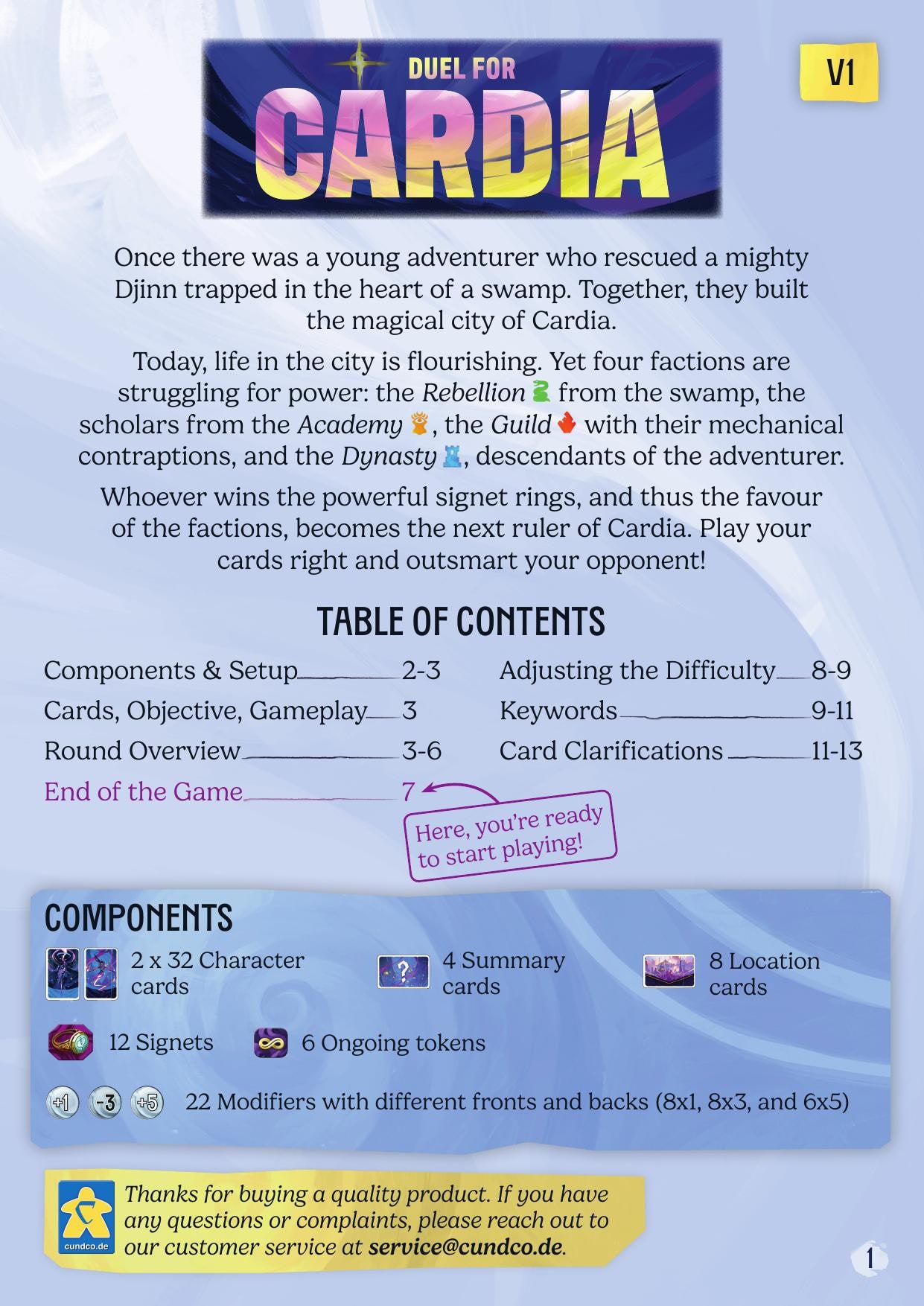
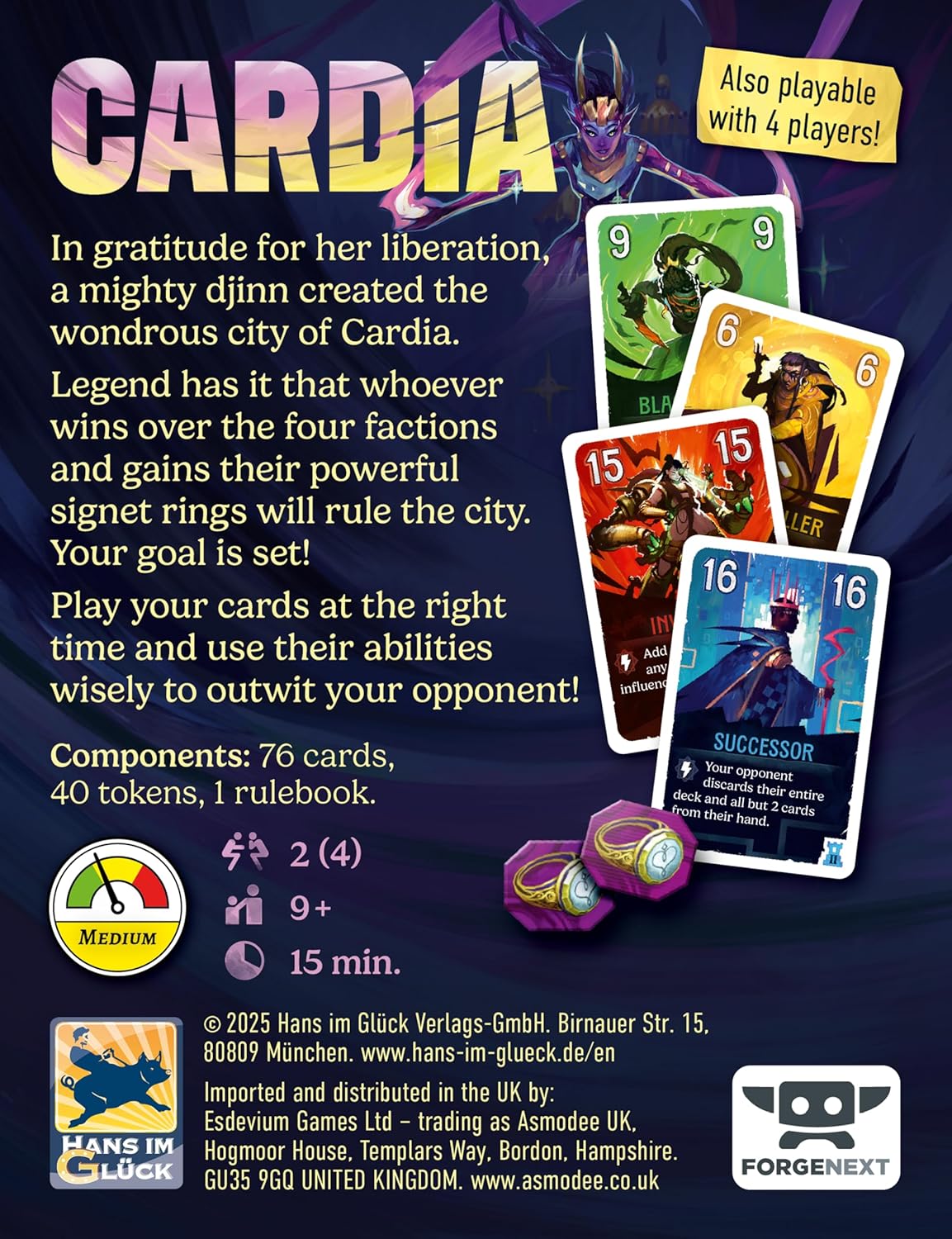

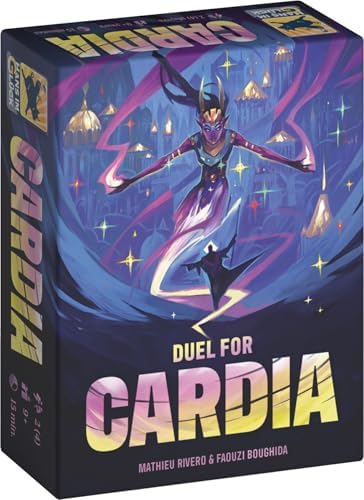
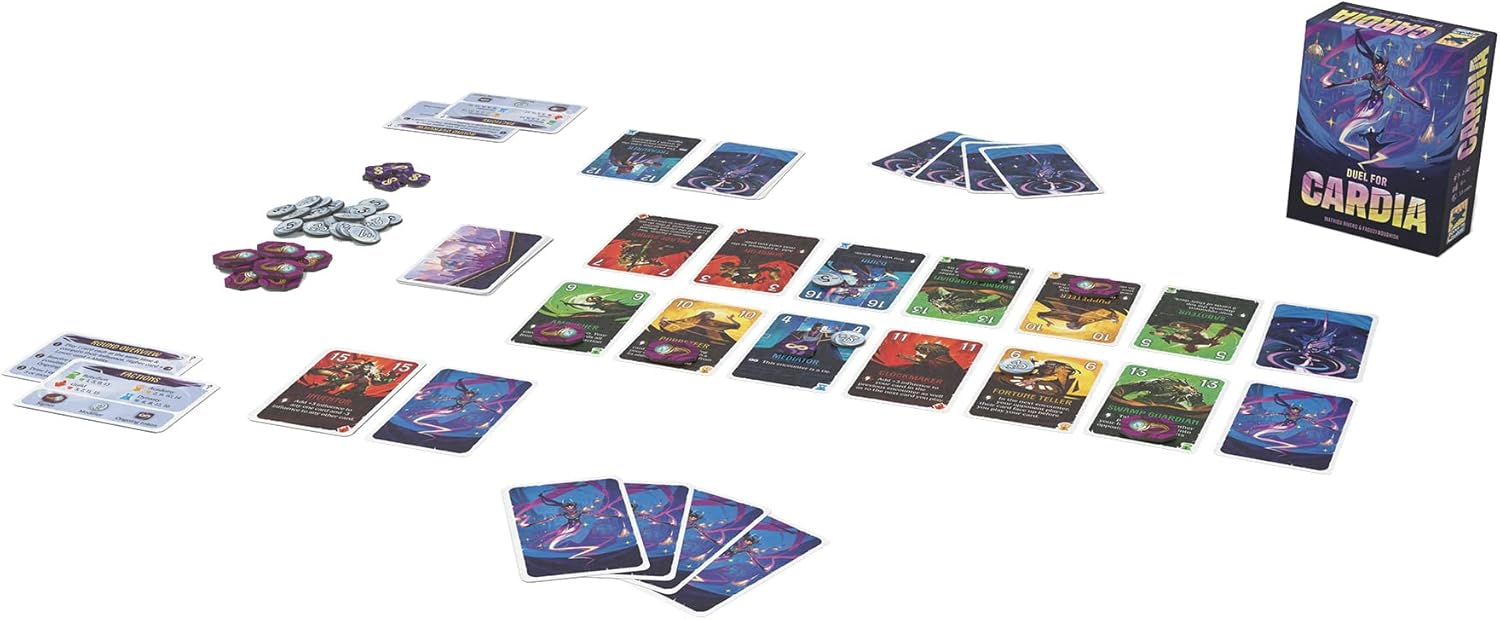
Each player has a matching deck of character cards. Both reveal a card simultaneously. Higher influence normally wins the encounter, but the lower card activates its ability. That inversion is the whole pleasure: losing this comparison can manipulate future cards, steal tempo or convert into a better long game.
The game includes location goals, signets and ongoing tokens. An ongoing token marks an ability that remains active after its losing encounter. It does not mean every lower card repeats forever; follow the exact card and FAQ wording.
Teach influence first, then the loser ability, then signets. Do not explain every edge case before the first reveal. The game teaches its own cruelty quickly.
Why Compile is the deepest of the three
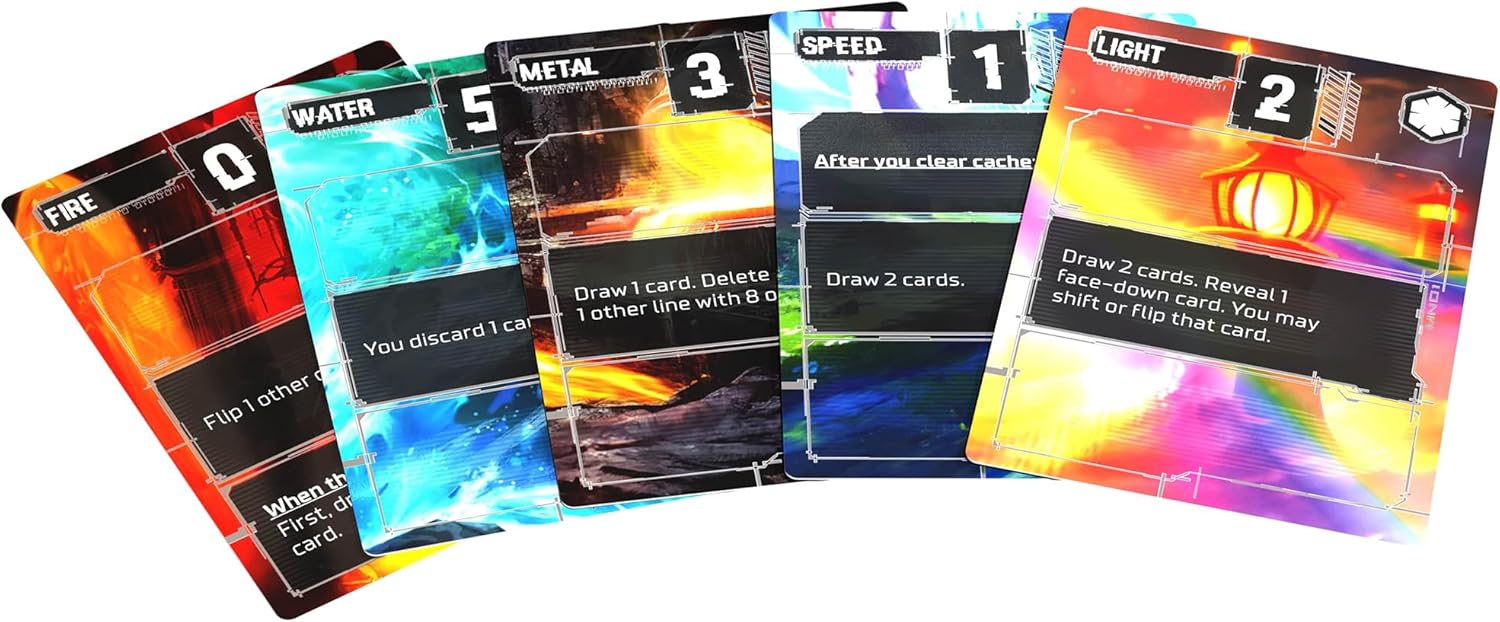

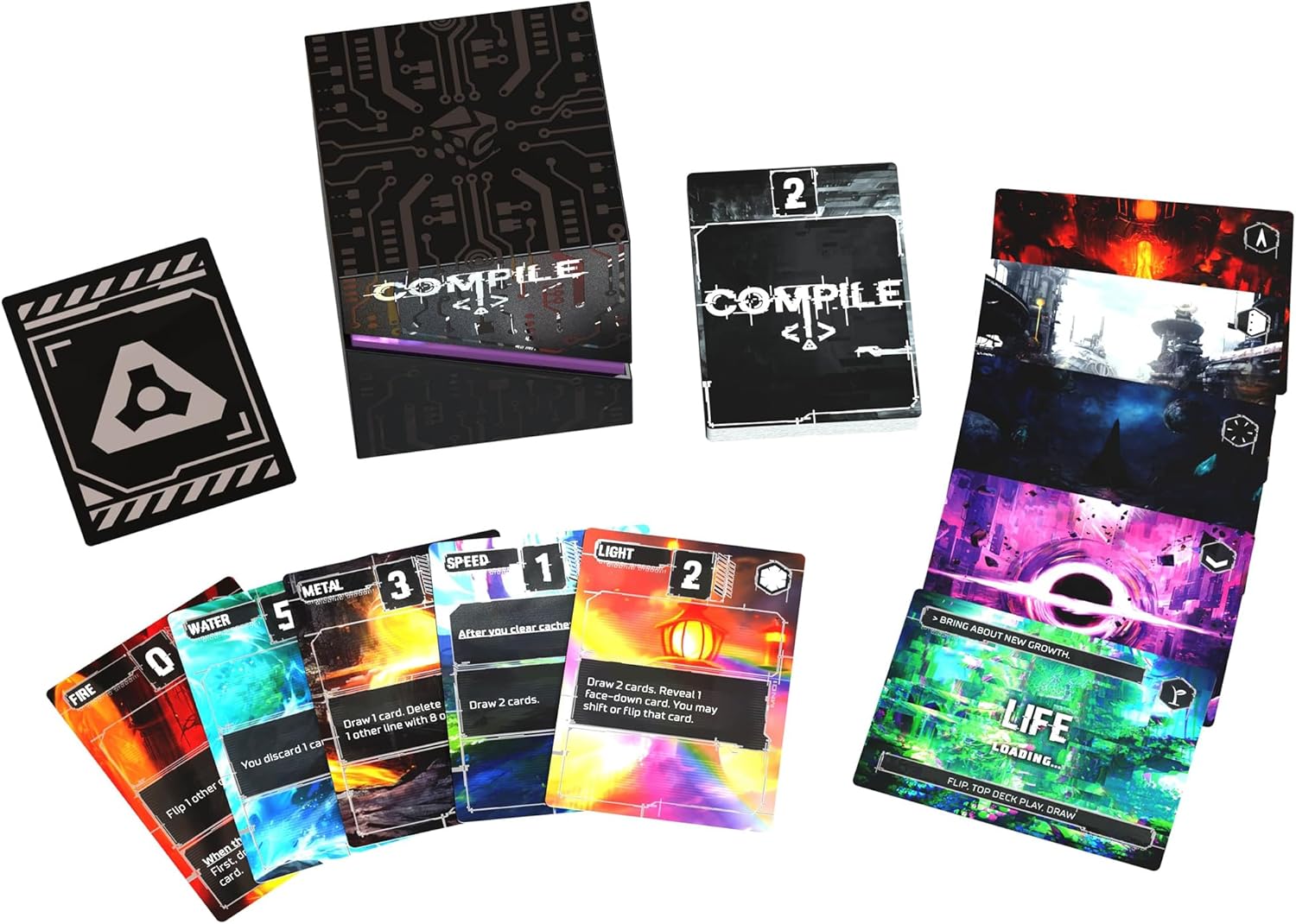
Compile drafts three protocols per player, then builds opposing command lines. Revealing or moving a card can activate effects immediately. The visible board contains more future consequence than its card count suggests.
That system creates the highest replay ceiling and the sharpest teaching burden. A pair that likes abstracts, card timing and side-swapping rematches should buy Compile. A couple that wants theme to explain every rule may prefer Cardia.
Main 1 is a complete game. Aux packs are not. If Compile wins this comparison, start with Main 1 and ignore the rest of the product line until twelve protocols have produced several nights.
Why Mindbug creates the sharpest bluff
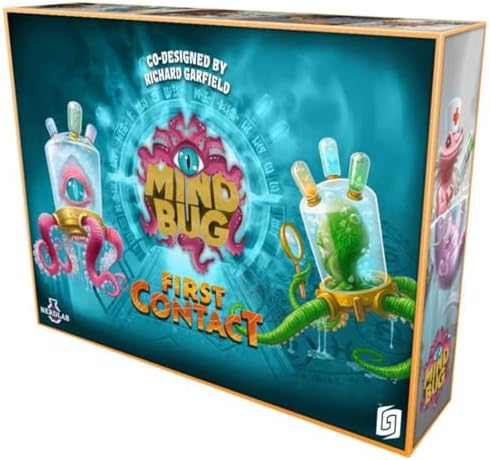

Mindbug removes mana and gives each player two chances to steal an opponent creature as it is played. Every large threat may be sincere, bait or both. That makes the opponent part of the component list.
It is the smallest and fastest of the three, but direct theft can feel harsher. Choose it for a pair that enjoys pointing across the table and saying, "You wanted me to take that."
First Contact remains the clean first set. Do not complicate the comparison with a shelf of expansions. One fixed pool and a best-of-three match show the design.
How does Solo, four-player and travel reality improve the buying decision?
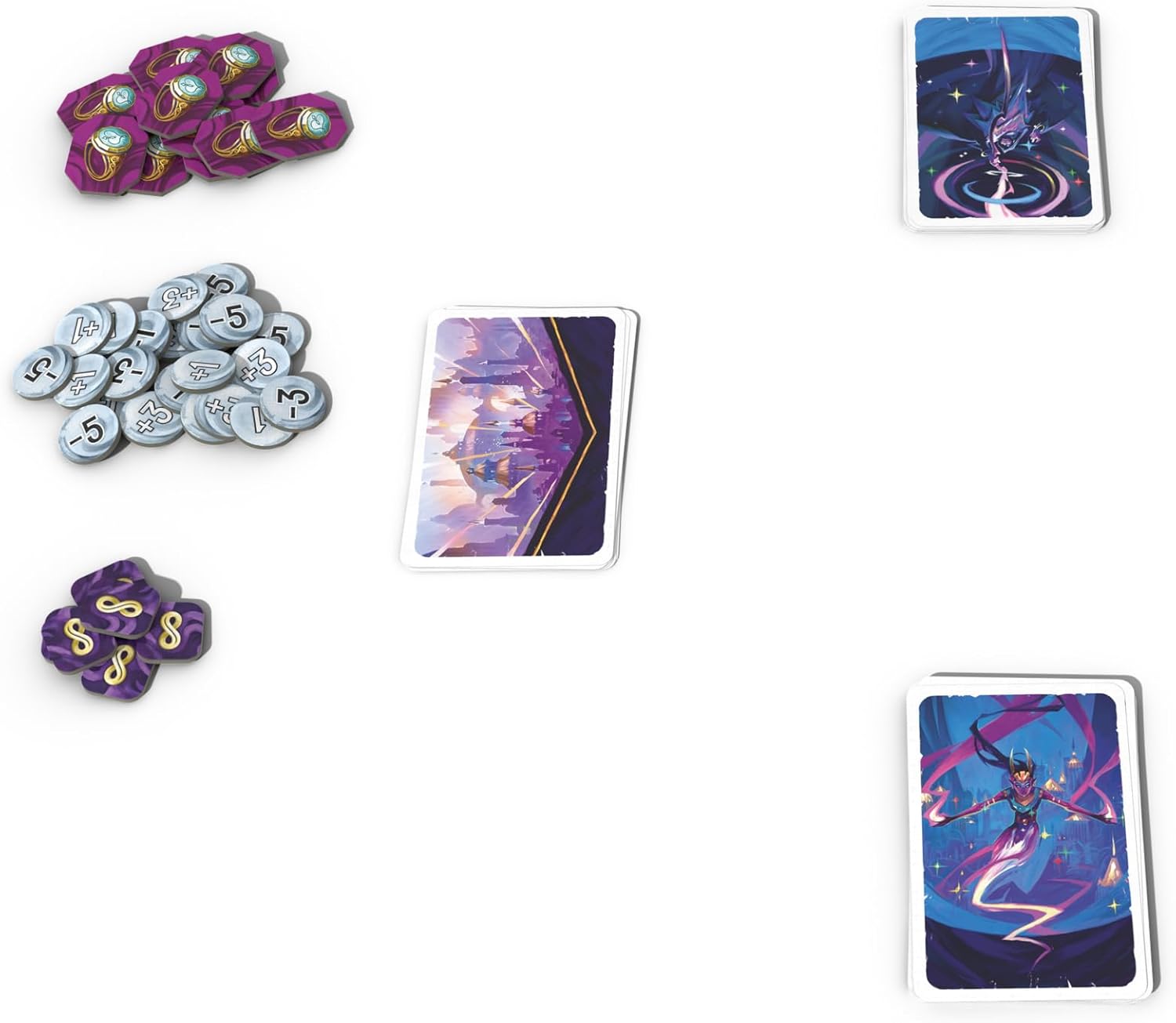
All three are fundamentally two-player purchases. Cardia has team and four-player variants, including official variant material, but the duel is the cleanest reason to own it. Compile and Mindbug should not be purchased as solo games.
Mindbug wins travel: the table can be tiny. Cardia follows closely. Compile needs visible command lines and suffers most on a crowded cafe table.
For a four-person trip, bring two different games and run parallel semifinals. Rotate opponents, then let the winners choose the final box. The format creates variety without asking a duel to impersonate a party game.
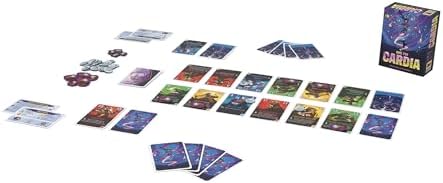
Portable does not mean pocket-playable. Cardia needs a clean reveal and resolution area. Mindbug needs creature lanes, life tracking and visible Mindbug tokens. Compile needs three readable command lines. All three travel well in luggage, but Compile is the least forgiving on a cramped cafe table and Cardia is the easiest to teach while waiting for food.
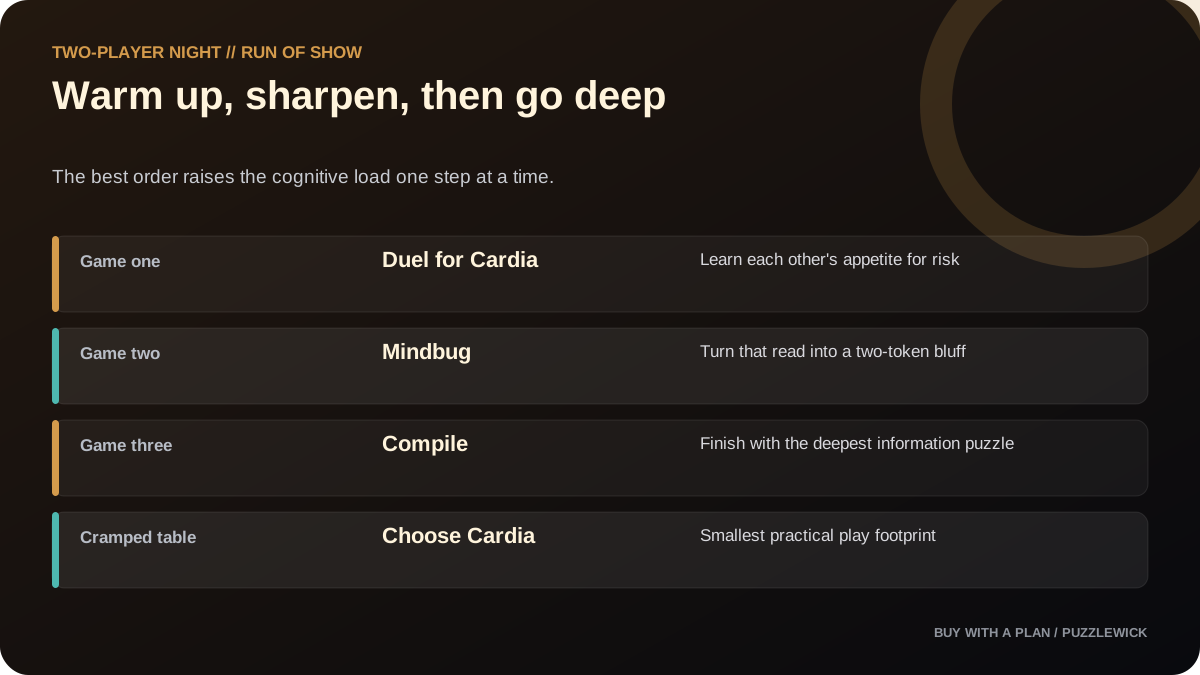
For a three-game duel night, play Cardia first, Mindbug second and Compile last. The order moves from immediate social reading to sharp bluffing to the heaviest information load without making the opener feel like homework.
How should you handle hosting a three-game duel night?
Begin with Cardia because the teach is shortest. Move to Mindbug while social reads are lively. End with Compile when both players are ready to sit with a larger board state.
Play every game twice and swap starting position or roles. Record wins only after the rematch. A first game often measures explanation quality; a second begins to measure the design.
Serve food before the cards and keep drinks off the tiny central table. These boxes are inexpensive; the evening becomes premium through pacing, not accessories.
How does Robert's rematch test: three small boxes, three reasons to stay improve the buying decision?
The winner is not the game with the most mechanisms. It is the one whose loss creates the right next sentence. Cardia produces, “I should have read that card.” Compile produces, “I committed to the wrong line.” Mindbug produces, “I cannot believe you stole that.” Those are different rematch engines. A couple that enjoys reading each other may prefer Cardia; a systems pair may live inside Compile; a louder table may remember Mindbug's thefts for weeks.
Teach them differently. Cardia wants a short explanation of influence comparison and card effects, followed by an open first exchange. Compile needs visible lanes, timing order, and a slow first reveal. Mindbug needs the creature and attack rules plus the exact window in which a token steals a play. Trying to use one generic “small card game” teach on all three hides what makes each elegant.
Table footprint also lies. The boxes are travel-small, but Compile wants disciplined lane width and Cardia wants enough separation to read matched cards. Mindbug is the least demanding surface and the easiest to play in a cafe, provided tokens and life tracking cannot roll away. None is a serious solo recommendation because each central mechanism depends on human evaluation: reading influence, timing a reveal, or deciding whether a threat is worth stealing.
For a game-night flight, open with Cardia. Its teach is the gentlest and the first result usually arrives before anyone becomes self-conscious. Move to Mindbug when the room wants laughter and reversal. End with Compile when both players are ready to concentrate and replay immediately. If only one box is being purchased for an unknown recipient, Cardia is the broad answer. If the buyer already loves competitive card systems, Compile has the highest long-term ceiling.
Do not buy expansions or adjacent boxes until a specific complaint appears. More content cannot repair a mismatch between the game's emotional rhythm and the players. Puzzlewick scores: Cardia 8.9/10 for accessibility and rematch speed; Compile 9.2/10 for system depth; Mindbug 9.1/10 for bluffing theater. The three-box collection earns 9.5/10 because it covers three distinct two-player moods without duplicating the night.
What are the ratings, misconceptions and final order?
Cardia scores 9.1/10 overall, 9.5 for teach and 9.0 for replay. Compile scores 9.4 for expert pairs, 9.7 for depth and 7.2 for teach. Mindbug scores 9.2, with 9.7 portability and 9.5 bluffing tension.
Cardia is not a four-player purchase just because a variant exists. Compile Aux is not a base game. Mindbug is not a TCG. None offers a meaningful solo campaign.
For one box, buy Cardia for a mixed-skill pair, Compile for systems players or Mindbug for bluffers. For two boxes, Cardia plus Compile covers the widest emotional range.
The picks
Some links below are affiliate links — as an Amazon Associate, Puzzlewick earns from qualifying purchases, at no extra cost to you. It never changes a pick.
 10 photos
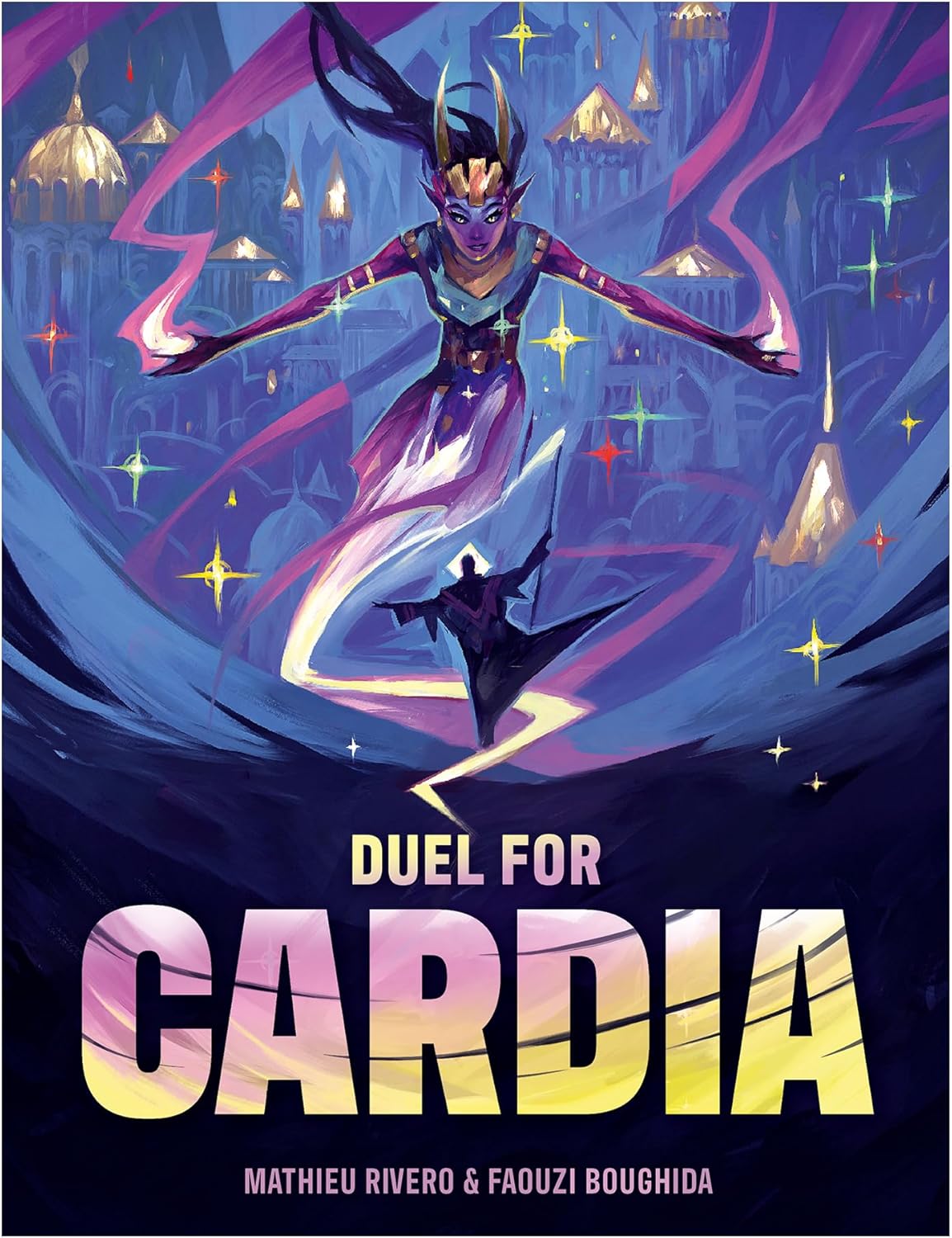
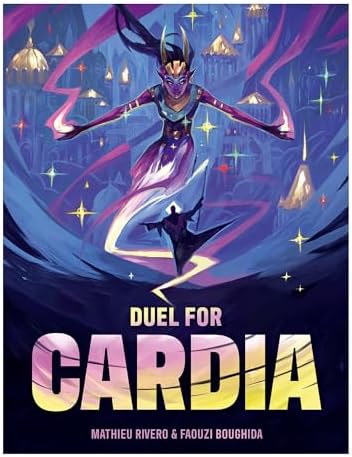
 Duel for Cardia
Fast simultaneous reveals and loser-triggered powers.
- Fast teach
- Elegant reversals
- Small table
- Best at two despite variants



 12 photos
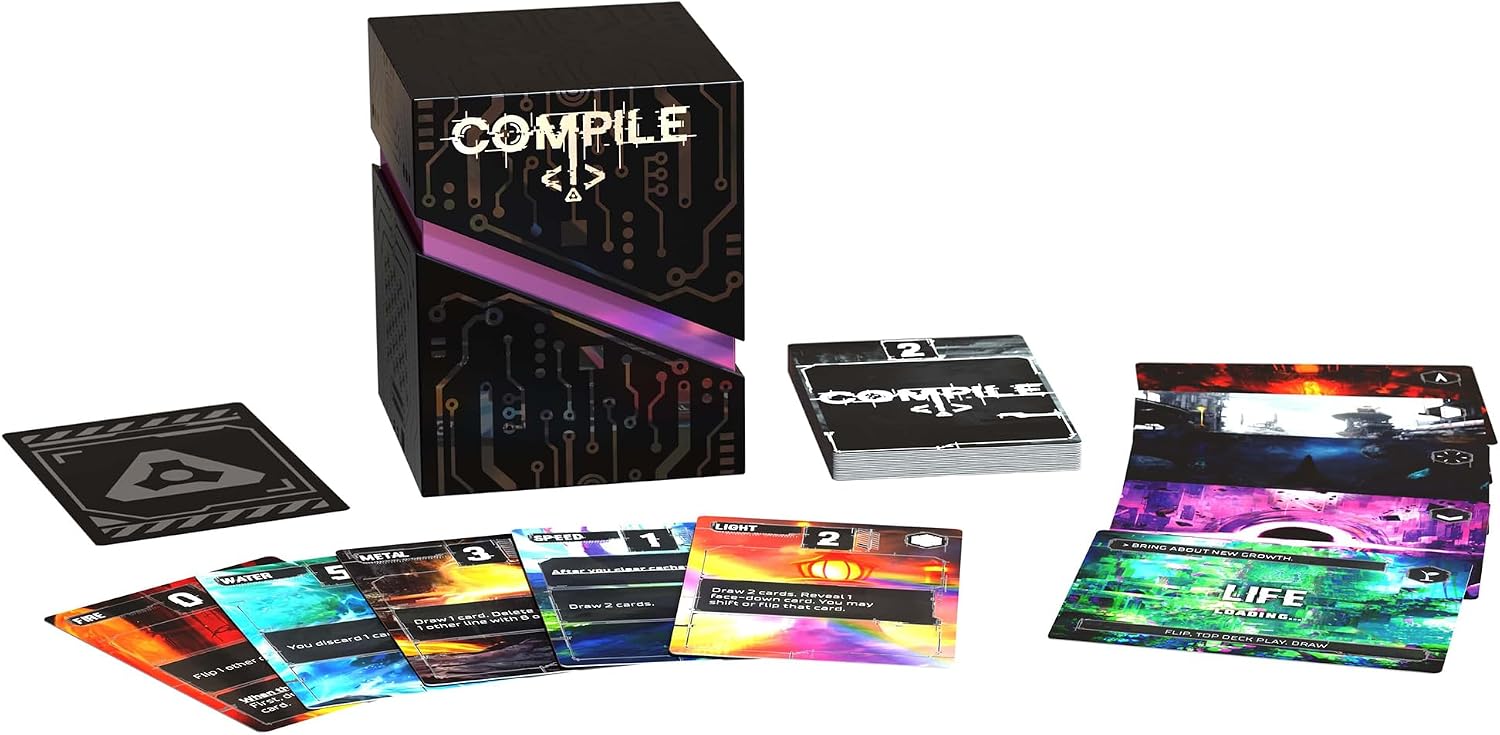
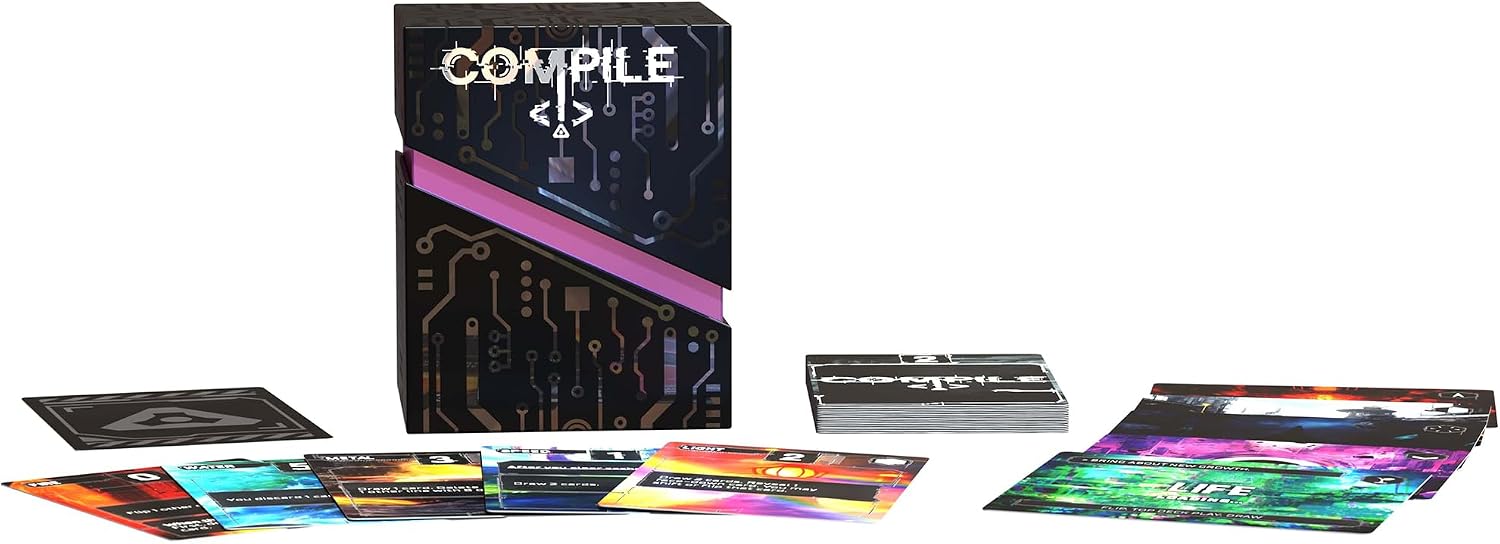
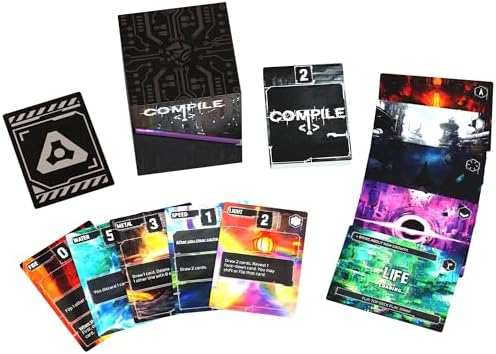
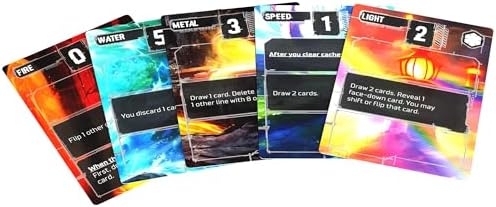
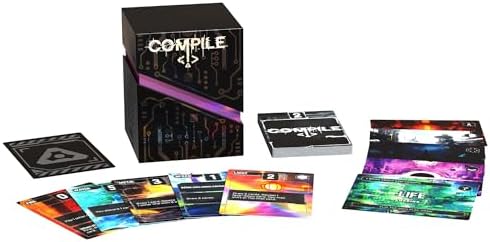
 Compile: Main 1
Modular protocols create the highest study ceiling.
- Deep
- Highly replayable
- Complete box
- Sharp timing teach
 7 photos
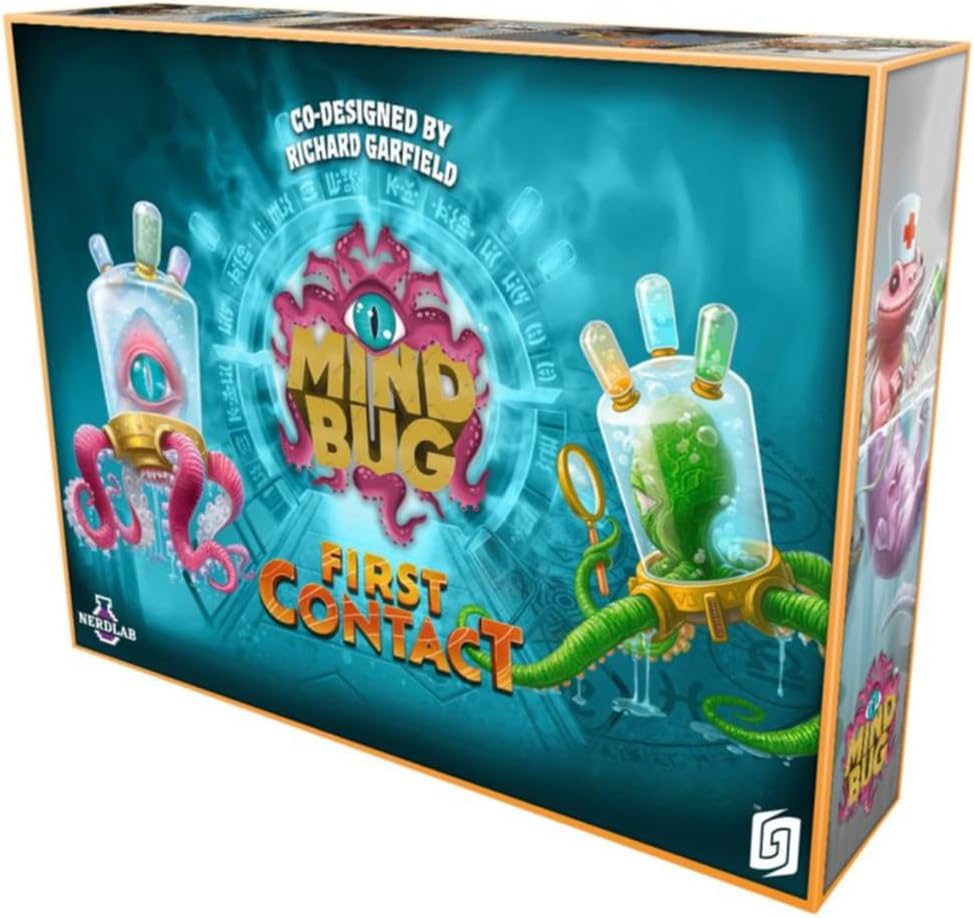
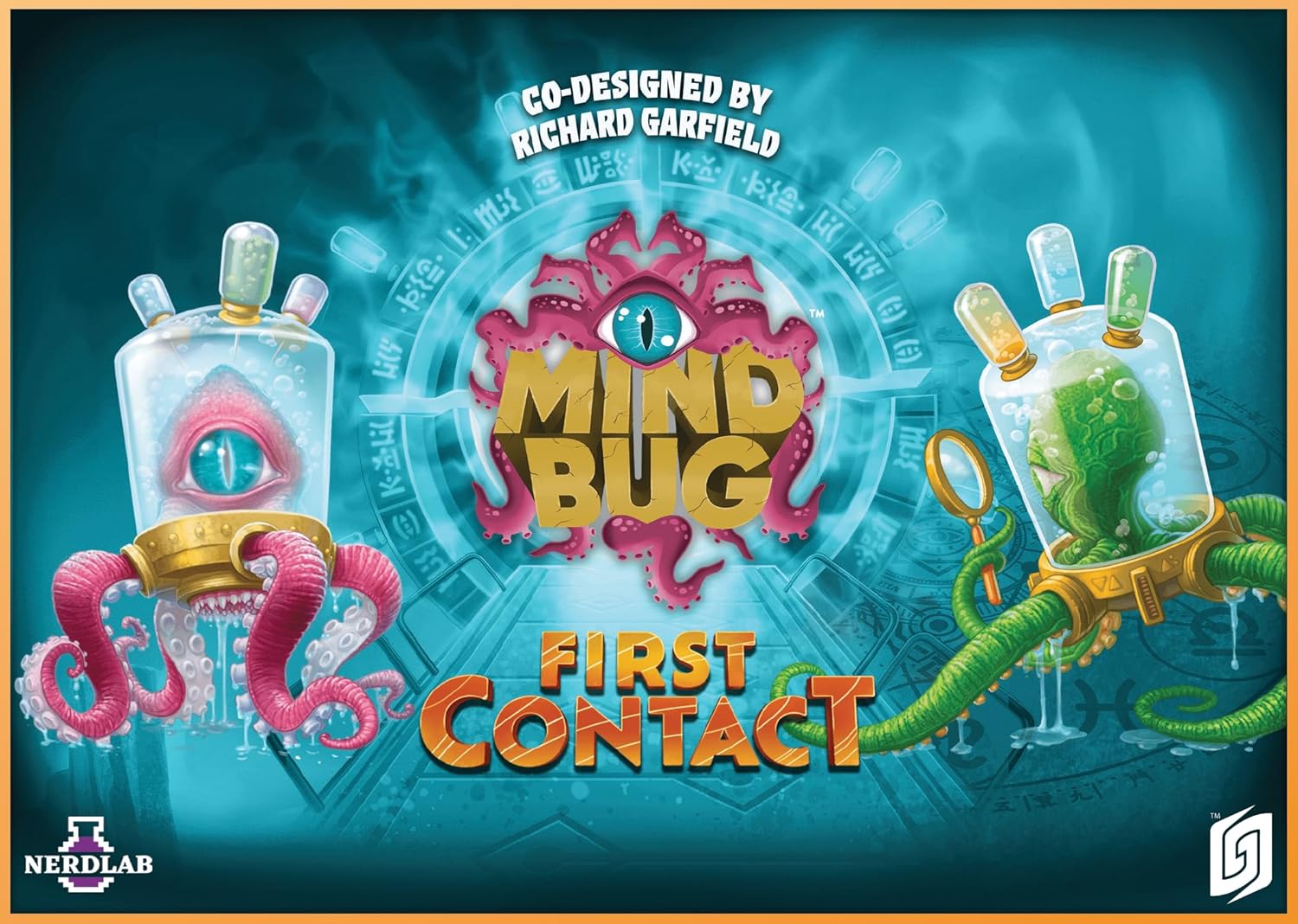
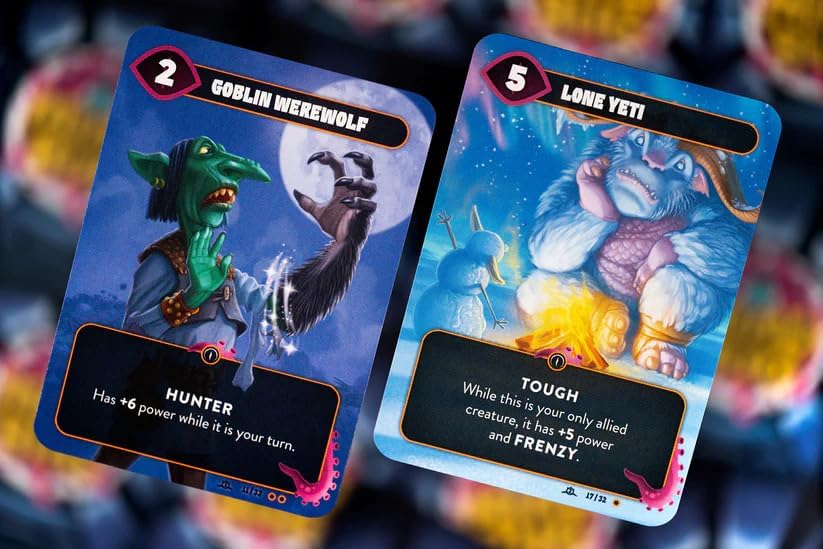
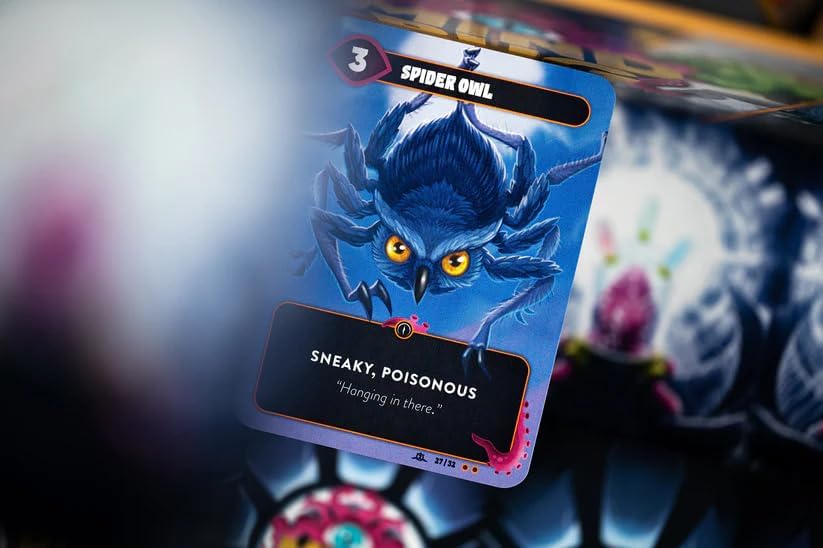
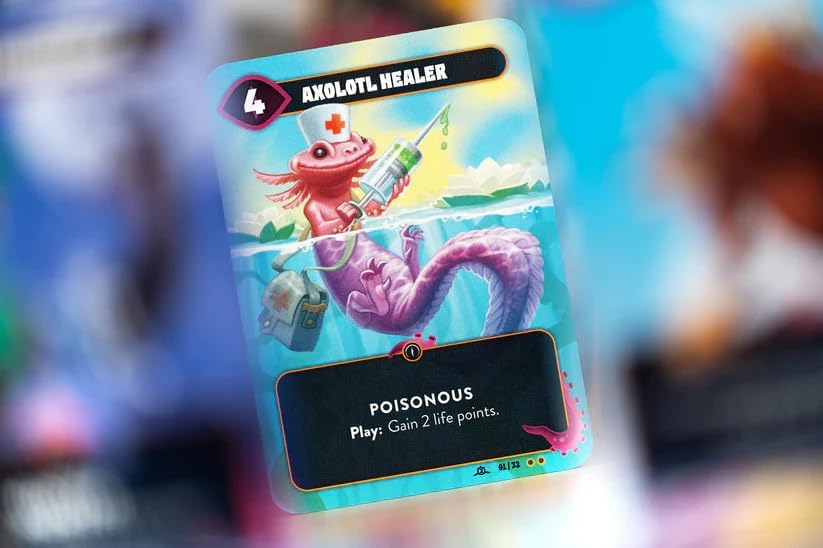
 Mindbug: First Contact
Two control tokens make every creature a social read.
- Tiny footprint
- Fast
- Excellent tension
- Direct conflict
- Exactly two
At a glance
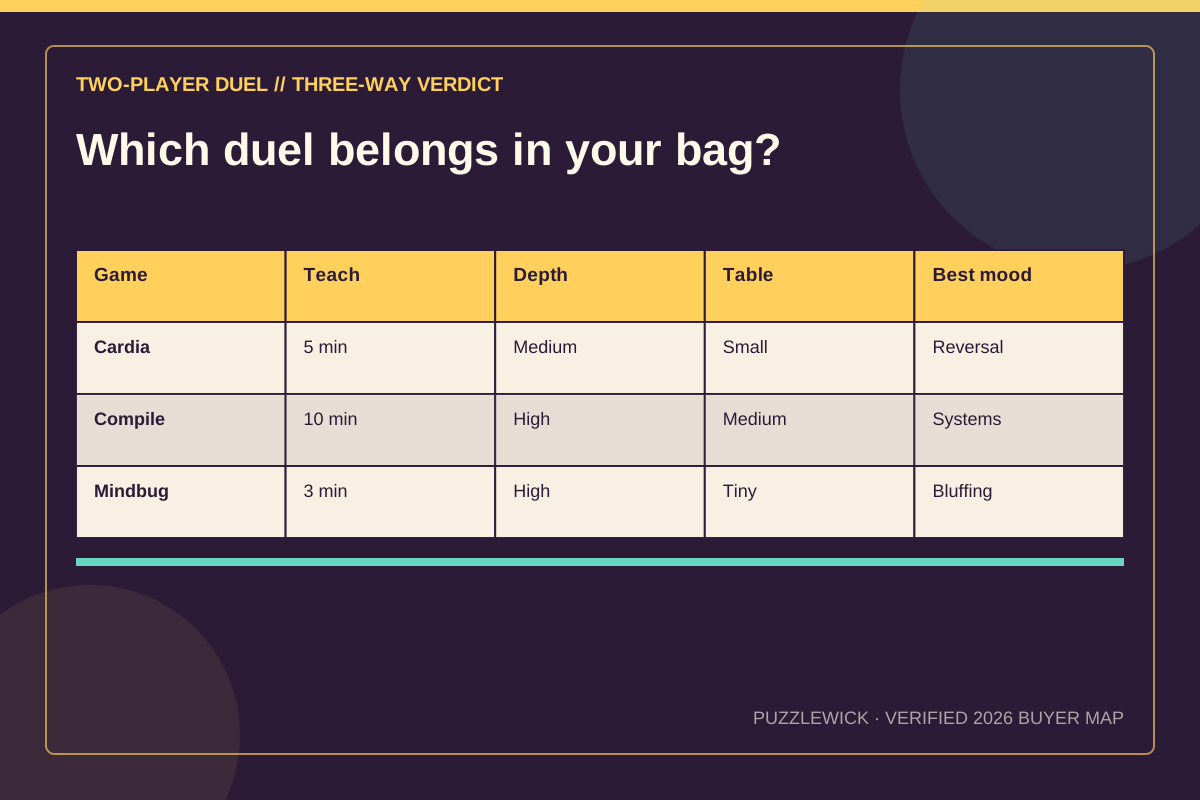
| Game | Teach | Depth | Best mood |
|---|---|---|---|
| Duel for Cardia | 5 minutes | Medium-high | Reversal |
| Compile | 10-15 minutes | Very high | Systems |
| Mindbug | 3-5 minutes | High | Bluffing |
Questions, answered
Which is best: Cardia, Compile or Mindbug?
Cardia for accessibility, Compile for system depth and Mindbug for bluffing.
Which is easiest to teach?
Duel for Cardia has the cleanest broad teach.
Which has the most replay value?
Compile has the highest long-term system variety for an expert pair.
Which is best for travel?
Mindbug has the smallest comfortable footprint.
Can Cardia be played with four?
Official variants exist, but the two-player duel remains the strongest reason to buy.
Do any of these work solo?
Not as their core value. They are face-to-face duel purchases.
Is Compile Main 1 complete?
Yes. Main 1 is a complete game; Aux packs require a Main.
Is Mindbug a TCG?
No. First Contact is a fixed complete set.
Which is easiest to teach: Cardia, Compile or Mindbug?
Duel for Cardia. Its round structure becomes visible quickly and makes it the best first game for a mixed-experience pair.
Which of the three has the most strategy?
Compile has the deepest drafting, timing and rematch analysis. Mindbug is the sharpest bluff; Cardia is the cleanest social read.
Should I own all three?
Only if your two-player nights need distinct moods. Cardia, Mindbug and Compile are complementary rather than simple upgrades of one another.
Keeper's verdict
Cardia wins accessibility, Compile wins system depth and Mindbug wins portability. There is no universal winner because the three games test different skills. Cardia plus either Compile or Mindbug is the strongest two-box shelf.
Research ledger 11 sources · reviewed 2026-07-25
Specifications, rules, current product information, community experience, and contrary evidence were checked against the sources below. Commercial links are kept separate from editorial evidence.
- hans-im-glueck.dehans-im-glueck.de/en/cardia-en
- hans-im-glueck.dehans-im-glueck.de/wp-content/uploads/2025/07/Cardia_rules_a4_EN.pdf
- hans-im-glueck.dehans-im-glueck.de/wp-content/uploads/2025/07/FAQ_Duel-for-Cardia_EN_V1.pdf
- hans-im-glueck.dehans-im-glueck.de/wp-content/uploads/2026/04/Cardia_Team-variant_EN.pdf
- shop.greaterthangames.comshop.greaterthangames.com/products/compile-main-1
- mindbug.memindbug.me/rules
- shelfgamer.comshelfgamer.com/reviews/duel-for-cardia
- meeplemountain.commeeplemountain.com/reviews/duel-for-cardia
- reddit.comreddit.com/r/boardgames/comments/1ta990x/can_someone_clarify_ongoing_ability_in_duel_for
- youtube.comyoutube.com/watch?v=cvRabgFkBso
- reddit.comreddit.com/r/boardgames/search/?q=duel%20for%20cardia%20compile%20mindbug&restrict_sr=1&sort=new

If it didn't earn a shelf, it isn't here.

Keep exploring
The next smart rabbit holes.
⚔ Topic PathTwo-Player Board Games: compare the whole shelfThe best two-player game is designed around the duel rather than merely tolerating two people. This path separates sharp...ComparisonThe Best 2-Player Board Games of 2026, RankedFifteen duels for two, sorted into hard tiers — the forever-game, the silent co-op, the giant-killers under twenty bucks, and the honest...Best OfBest Trick-Taking Card Games (2026): Modern Classics Beyond Spades & HeartsStep in from the cold — let me settle you at a table where centuries of kindness meet designs that bend the rules. A curator's tour of...