The Ultimate Beginner Accessory Kit for the Top 5 Card Games in 2026: Sleeves, Deck Boxes, Binders, Playmats, Dice, and What to Skip
One patient, field-tested loadout for Magic, Pokemon, One Piece, Yu-Gi-Oh!, and Disney Lorcana, including the sleeve-size trap, the deck-box rule, the binder decision, tournament packing lists, and the accessories beginners can safely ignore.


AI-assisted research and drafting in Yumi’s voice · reviewed by Robert Pruitt · how this guide was made
Last editorial refresh: 2026-08-16 Gold-standard QA: 2026-08-16 16 sources reviewed Affiliate links checked during gold-standard pass

The short answer
Buy sleeves and a deck box first. Magic: The Gathering, Pokemon TCG, One Piece Card Game, and Disney Lorcana use standard-size sleeves; Yu-Gi-Oh! uses smaller Japanese-size sleeves. Add a plain playmat when you start playing away from home, and add a zip binder only when you are collecting cards rather than carrying a playable deck. Skip grading kits, giant storage systems, hard cases for an entire deck, and double-sleeving until you know why you need them.
Decision map
Choose in thirty seconds
They protect the cards you actually play and make the deck portable without creating a second hobby.
A standard sleeve on a Yu-Gi-Oh! card feels baggy, while a Japanese sleeve will not fit the other four games.
The mat improves shared play surfaces; the binder protects a collection. Neither is required to learn a first deck.
Beginners need a readable table and a reliable bag, not a mobile card museum.
The accessory aisle is where a calm card game becomes a tiny logistics company. Sleeves come in two sizes that look almost identical. Deck boxes advertise capacity without telling you whether that capacity assumes single sleeves, double sleeves, tokens, or the stubborn optimism of a marketing department. Binders are sold beside playable decks even though the two objects solve entirely different problems.
This guide begins with the five largest games by gross merchandise value on the TCGplayer Marketplace in the second quarter of 2026: Magic: The Gathering, Pokemon TCG, One Piece Card Game, Yu-Gi-Oh!, and Disney Lorcana. That is a marketplace snapshot, not a claim about every card sold worldwide, but it is a useful picture of where active buying demand lives. More importantly, these five games expose nearly every accessory decision a beginner will face.
Yumi's ruling is deliberately unglamorous: protect the deck, carry the deck, make the table readable, and stop. A beginner kit should remove friction. If the accessory requires its own tutorial, storage annex, or ceremonial unveiling, it can wait.
Start here, then go deeper
You are in the right cabinet.
 ✶ Universe HubMagic: The Gathering: the whole buying pathMagic: The Gathering is the deepest construction sandbox in the Big Three: a two-player duel, four-player Commander ritual, draft...
 🂠 Topic PathTrading Card Games: compare the whole shelfStart with the game and community you want, then buy the smallest product that lets you test it properly. These guides separate...
 GuideWhich TCG Should You Start in 2026? Pokémon vs One Piece vs Lorcana vs Magic vs Yu-Gi-Oh! vs RiftboundDax ranks the real 2026 field by the table you can find, the rules you want to repeat, the first product that actually teaches, and the...
What should a beginner buy first? Four things, in order
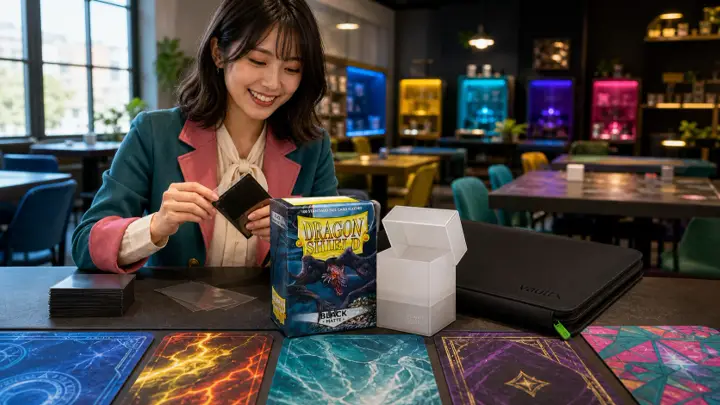
Your first useful loadout is sleeves, one deck box, a small token pouch, and a pen. The sleeves protect the cards from hands and table grit. The box prevents the sleeved deck from becoming a loose brick in your backpack. The pouch keeps dice, counters, coins, and game-specific markers from migrating into another dimension. The pen handles life totals, match notes, and the moment someone says, 'We should probably write that down.'
A playmat is the first optional upgrade because it creates a clean, consistent surface and makes sleeved cards easier to pick up. A binder comes after you own cards you want to browse or preserve separately from a deck. That order matters. New players often buy a binder first because collecting is visually obvious, then carry a playable deck in a rubber band because play logistics were less photogenic.
The best beginner kit is also transferable. Standard-size sleeves can move among Magic, Pokemon, One Piece, and Lorcana decks. A 100-plus-card deck box can carry a Commander deck or a smaller deck with tokens and side material. A plain mat works with every game. Buy neutral infrastructure first; let the game-specific personality arrive through the cards.
Which sleeve size fits each of the top five card games?
Magic, Pokemon, One Piece, and Lorcana use standard-size cards. Dragon Shield's official standard sleeve specification is 63 by 88 millimeters, and the manufacturer lists Magic, Pokemon, and Lorcana among the compatible games. One Piece cards use the same standard format in normal play.
Yu-Gi-Oh! uses Japanese-size cards. Buy sleeves explicitly labeled Japanese or small size. Ultra Pro's small Pro-Matte package is made for that format. The sleeve itself is larger than the card because it needs clearance, but it is substantially narrower than a standard Magic-size sleeve.
For a deck you may take to organized play, choose sleeves with an opaque, uniform back and buy enough identical spares. A single split sleeve should not force an emergency fashion change for the entire deck. Shuffle a few empty sleeves before committing: texture is personal, and a sleeve that feels luxurious to one player can feel like laminated toast to another.
How large should your first deck box be?
Deck-box capacity is not a universal truth. A box that comfortably carries 100 single-sleeved cards may become a wrestling match with 100 double-sleeved cards. Tokens, a sideboard, an Extra Deck, a Leader, DON!! cards, and dividers also occupy real volume, despite the accessory aisle's occasional spiritual belief otherwise.
A rigid 100-plus box such as the Ultimate Guard Boulder is a useful cross-game default. It gives a 60-card deck room for side material and can carry a single-sleeved Commander deck. For Yu-Gi-Oh!, the extra space is useful for the Main, Extra, and Side Deck, but keep those piles visibly separated. For One Piece, it can hold the main deck, Leader, and DON!! deck if each group is clearly divided.
Do not buy a huge case before you know how you travel. One deck night needs one deck box. Two decks need two identifiable boxes. A backpack full of every deck you own is not preparedness; it is an insurance claim rehearsing.
Should you buy a binder or a playmat first?
A deck box protects cards as a playable unit. A binder protects cards as a browsable collection. A playmat protects cards while they are being handled. These are different jobs, and assigning one product all three is how a binder ends up on a cafe table while the active deck rattles around in a plastic bag.
Choose a side-loading zip binder when you begin keeping trade cards, alternate art, foils, or a set collection. The Vault X 9-pocket Exo-Tec binder holds up to 360 standard-size cards and uses side-loading pockets, a zipper, and acid-free, non-PVC materials. It is sized for standard cards, so Yu-Gi-Oh! cards fit but may have more room; sleeve valuable cards before binding them.
A plain neoprene mat is a better early purchase for a player who visits stores, cafes, or shared tables. It protects against rough surfaces and makes sleeved cards easier to lift. The black Ultra Pro standard mat is intentionally unthemed, which means it will not become emotionally obsolete when you change decks next Tuesday.
Top loaders are excellent for individual high-value cards in storage or transport. They are not a substitute for normal sleeves across a playable deck, and Yu-Gi-Oh!'s tournament policy explicitly disallows hard cases in place of sleeves during play. Double-sleeving is a later protection decision: useful for expensive decks and wet climates, but thicker, slower to assemble, and subject to each game's current organized-play rules.
What changes when you pack for each of the top five games?
The reusable kit stays the same; the game pouch changes. Before leaving home, lay out the playable deck and every component the rules expect beside it. Then put only those components into the bag.
Magic: The Gathering
For a normal 60-card format, bring the deck, legal sideboard if used, identical spare sleeves, tokens your cards create, dice or counters, and a pen. Commander needs a box that comfortably fits 100 sleeved cards plus tokens and counters. A phone life counter is convenient, but pen and paper remain the clearest backup when a match needs an auditable history.
Pokemon TCG
A legal deck contains 60 cards. Bring damage-counter dice, condition markers, and the coin or die your format uses for random results. Keep a VSTAR marker if the deck needs it. Many starter products include these pieces, so inspect the box before buying duplicates. The beginner trap is purchasing premium counters while the active deck still lives unsleeved.
One Piece Card Game
The current starter structure includes a 50-card main deck, one Leader card, and ten DON!! cards. Keep those groups easy to distinguish and bring dice or counters for temporary power changes. The official play sheet is worth studying once because the Leader, Stage, Character, deck, trash, life, and DON!! areas make a crowded first table much easier to read.
Yu-Gi-Oh!
Bring the Main Deck, Extra Deck, and Side Deck in matching, legal sleeve groups as current policy requires. Add identical spare sleeves, a pen and paper, dice, a coin, and any legal tokens your cards require. Yu-Gi-Oh! has the most dangerous accessory mismatch here: buy Japanese-size sleeves, not standard-size sleeves.
Disney Lorcana
Bring the 60-card deck, damage counters, and a reliable lore tracker. Tokens or reminder pieces help when a deck creates persistent effects, but the game does not need a suitcase of generic dice to begin. The official app is useful for rules and card reference; a physical lore tracker or written total keeps the shared state visible.
Which tournament rules can make an accessory unusable?
Organized play is where accessory advice must stop being aesthetic and become exact. Policies change, so check the current event documents before a tournament.
Yu-Gi-Oh!'s current tournament policy requires sleeves to be identical, free of markings, and properly sized. Oversized sleeves are not allowed. Players may use up to two sleeves per card, with one clear layer when double-sleeving, and cannot use top loaders or other hard cases in place of sleeves. The policy also expects the Main and Side Deck sleeve pattern to match, while the Extra Deck may use a different pattern if kept distinct.
Magic tournament documents likewise make sleeve condition and card distinguishability matter. Bring identical spares. Pokemon, One Piece, and Lorcana organized play each publish current rules and event documents; the safe beginner habit is universal: uniform opaque sleeves, no markings, no questionable substitutions, and enough replacements to fix a split sleeve without replacing the deck.
Accessories do not make a deck legal. Current card restrictions, format legality, deck construction, and registration still control. A magnificent binder cannot negotiate with a banned card.
What accessories do beginners regret buying?
Mass top loaders: buy them for individual valuable cards, not for every card you own. They consume space, do not belong in a playable deck, and can turn a small collection into a filing-cabinet internship.
Giant storage before a sorting system: a large box does not organize cards; it merely gives disorganization a lease. Begin with one binder category and one bulk box label you can explain in a sentence.
Premium counters before a stable deck: beautiful counters are delightful after you know which counters the deck creates. Before that, a small set of dice and the pieces included with the game are enough.
Multiple licensed playmats: buy one mat you enjoy using. A mat does not become tactically stronger because three more are rolled beside it like ceremonial scrolls.
Double-sleeving everything: protect high-value or heavily played decks when the extra thickness and time are justified. Do not double-sleeve a teaching deck because the internet used the phrase 'archival quality' with a serious face.
What is the final beginner accessory buy order?
First: choose the correct sleeve size. Standard for Magic, Pokemon, One Piece, and Lorcana; Japanese size for Yu-Gi-Oh!. Buy opaque backs and enough spares.
Second: buy a deck box that fits the deck after sleeving, with room for the side material that game actually uses.
Third: add a small pouch with a pen, dice, counters, condition markers, lore tracker, coin, or tokens as the rules require.
Fourth: add one neutral playmat when you begin playing on shared surfaces.
Fifth: add a zip binder when collecting, trading, or preserving singles becomes a real behavior rather than a theoretical future identity.
That is the whole on-ramp. The right kit should make the first store night feel smaller, not turn it into another market to master.
What experienced tables keep reporting
Recurring owner patterns, synthesized in Puzzlewick's words. Follow each evidence trail to read the original discussion.
The picks
Some links below are affiliate links — as an Amazon Associate, Puzzlewick earns from qualifying purchases, at no extra cost to you. It never changes a pick.
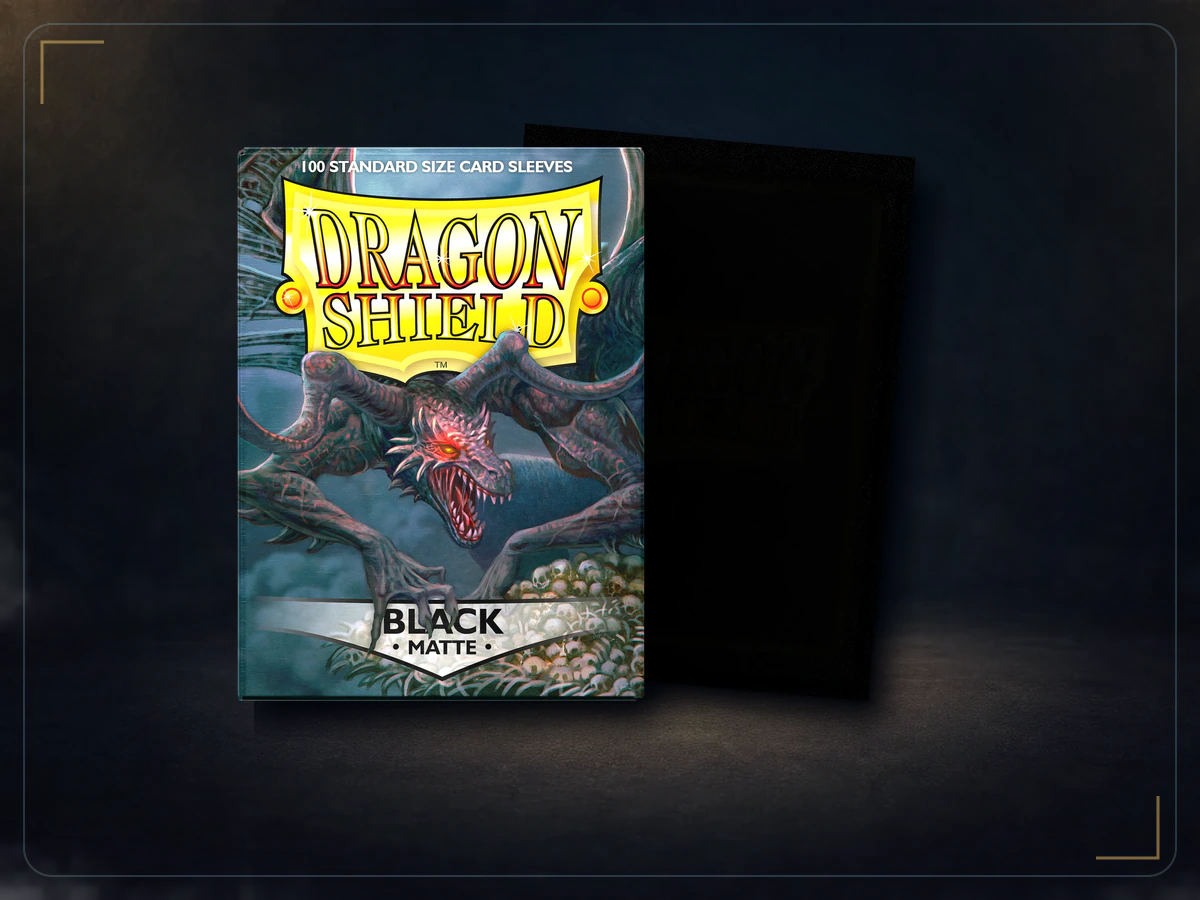
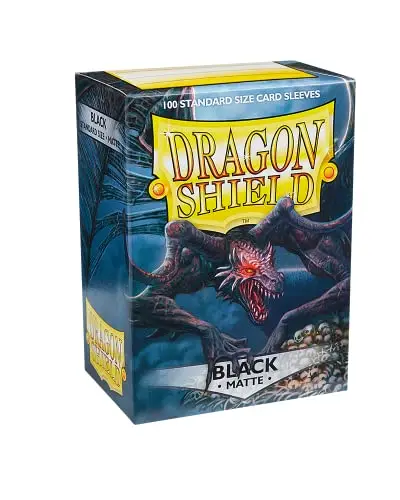
Dragon Shield Matte Black Standard Size Sleeves, 100 Count
A durable, opaque standard-size baseline with enough sleeves for a 60-card deck and useful spares.
- Opaque back
- 100-count pack
- Widely compatible standard size
- Too large for Yu-Gi-Oh!
- Texture preference is personal
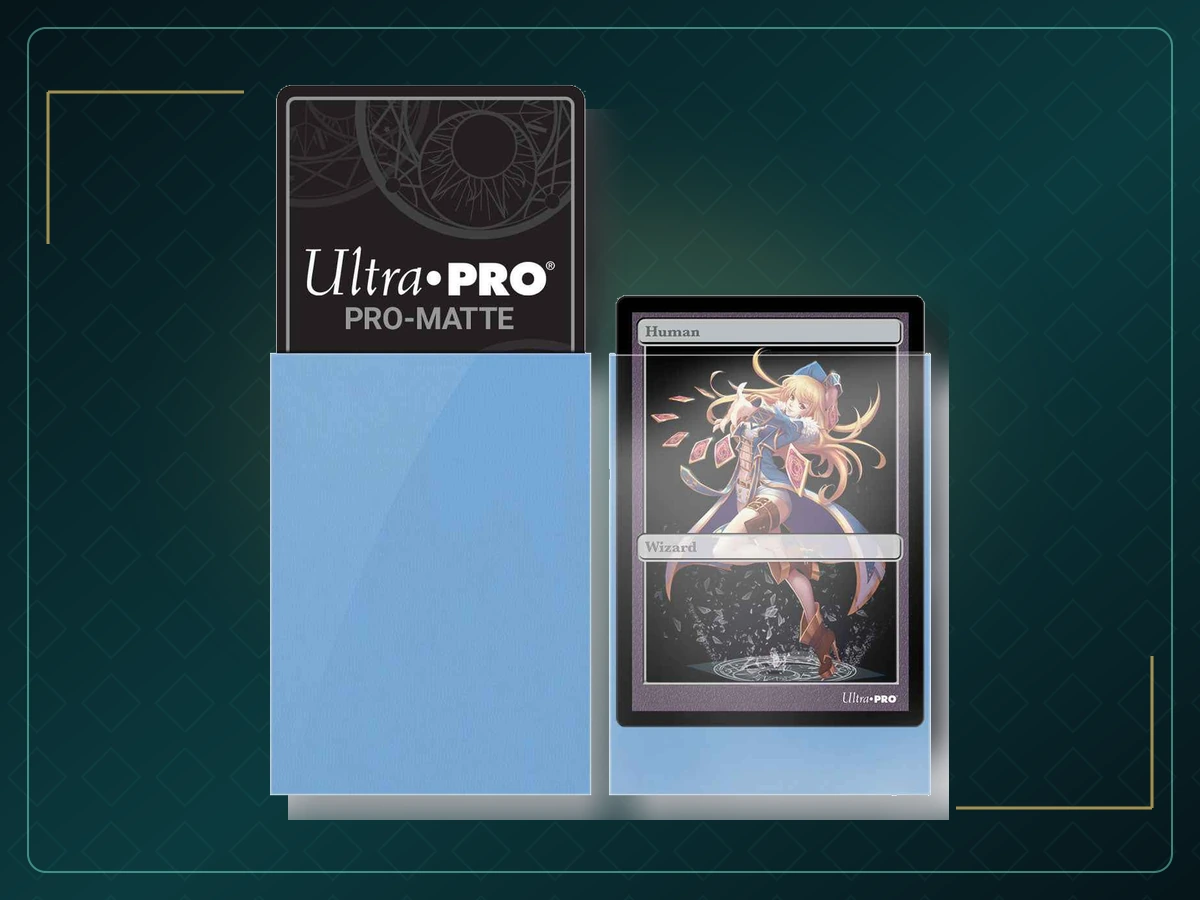
Ultra Pro Pro-Matte Small Light Blue Sleeves, 60 Count
A simple Japanese-size sleeve pack that solves the most common cross-game accessory mismatch.
- Japanese-size fit
- Opaque color
- Enough for a Main Deck plus spares
- Not for standard-size cards
- Sixty sleeves may be tight when sleeving multiple deck groups
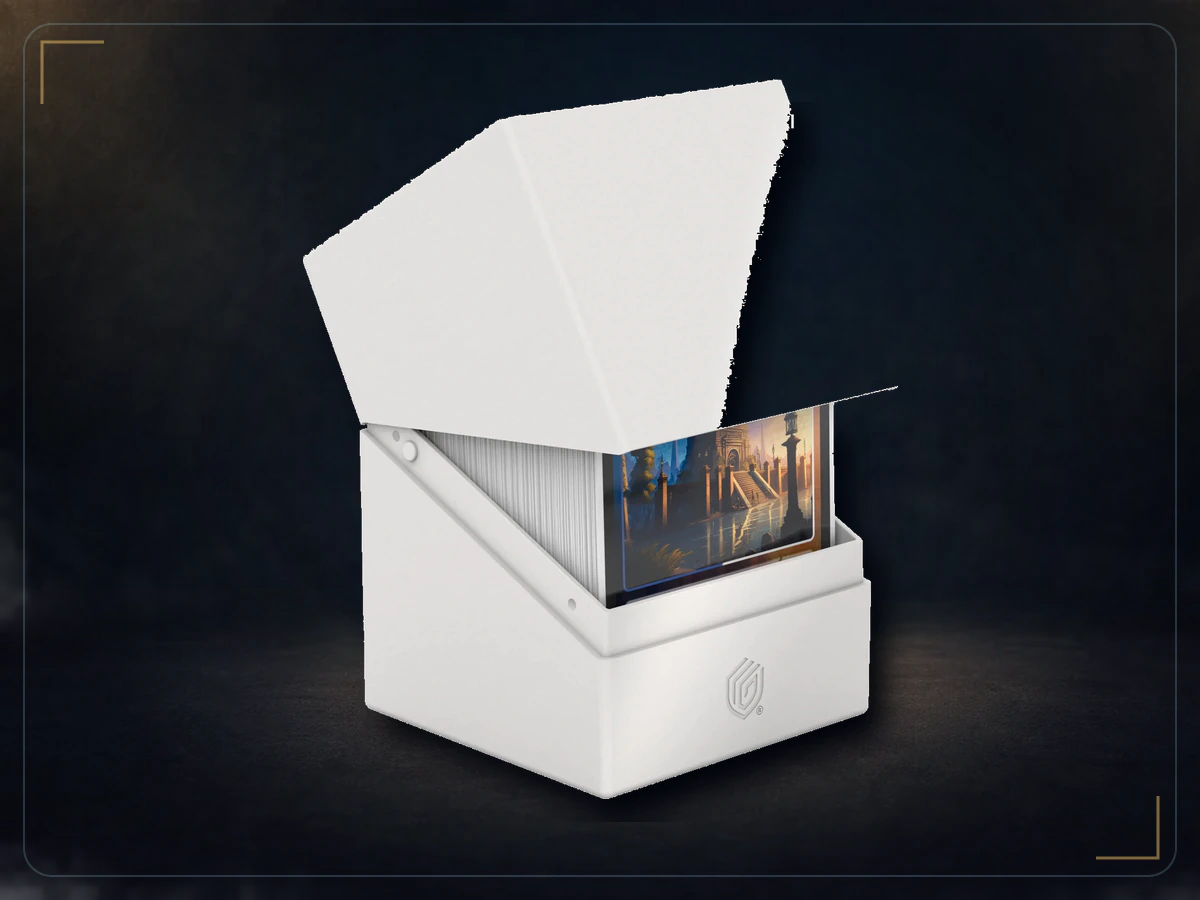
Ultimate Guard Boulder 100+ Deck Case
Compact rigid storage that remains useful for a 60-card deck with extras or a single-sleeved Commander deck.
- Rigid shell
- Compact footprint
- Cross-game capacity
- Capacity varies with sleeve thickness
- No dedicated token drawer
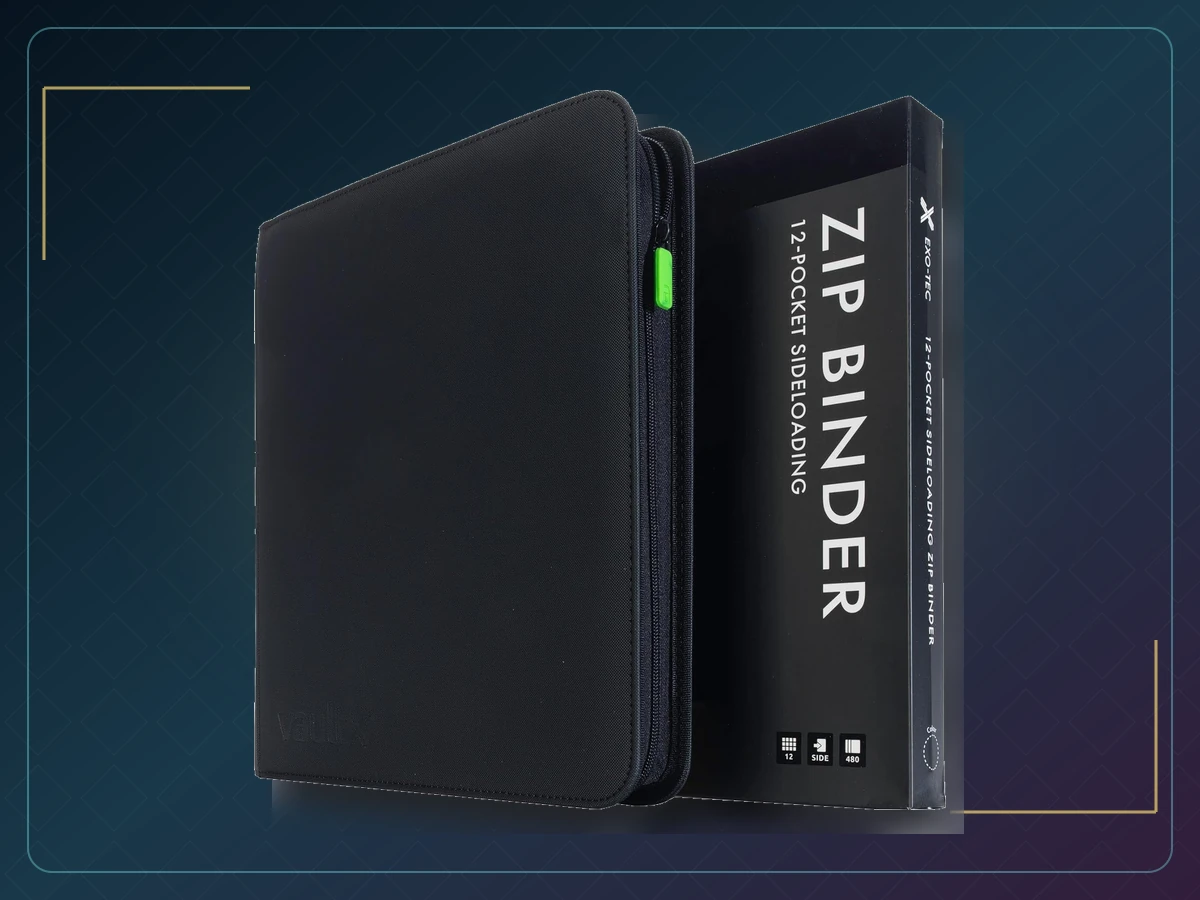
Vault X 9-Pocket Exo-Tec Zip Binder
A side-loading zip binder with room for 360 standard-size cards and materials intended for long-term card contact.
- Zipper closure
- Side-loading pockets
- Acid-free and non-PVC pages
- More than a deck-only beginner needs
- Standard pockets are roomy for Yu-Gi-Oh! cards

Ultra Pro Solid Black Standard Gaming Playmat
A simple 24-by-13.5-inch mat that protects cards without committing to one deck, character, or franchise.
- Cross-game use
- Easy-to-read dark surface
- Standard portable size
- No printed zones
- Plain design is intentionally unthemed
At a glance
| Accessory | Buy timing | Problem solved | Best beginner rule |
|---|---|---|---|
| Opaque sleeves | Buy now | Handling, shuffling, marked-card risk | Standard size for four games; Japanese size for Yu-Gi-Oh! |
| Rigid deck box | Buy now | Safe travel and deck separation | Size it after sleeving and include tokens or side material |
| Token pouch plus pen | Buy now | Loose counters and visible record keeping | Pack only components your game or deck uses |
| Plain playmat | Buy later | Dirty or rough shared surfaces | One neutral mat works across all five games |
| Zip binder | Buy when collecting | Browsing, trading, preserving singles | The binder is not the deck box |
| Top loaders | Buy for valuable singles | Rigid storage protection | Do not use across a playable deck |
| Double sleeves | Buy with a reason | Extra moisture and edge protection | Check current game and event policy first |
Free download — The One-Bag Beginner Card-Game Checklist
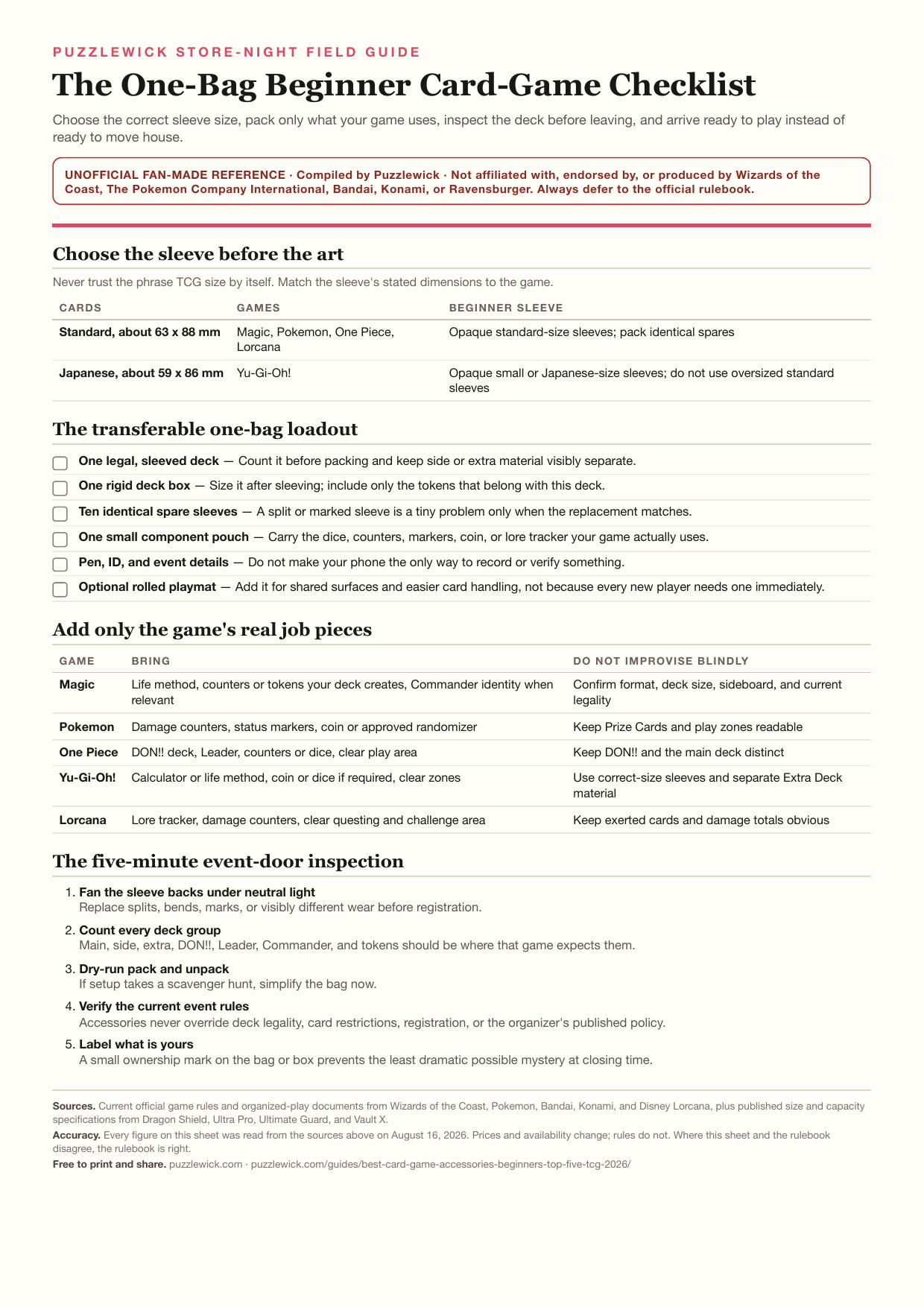
A print-friendly sleeve-size check, one-bag packing list, five-game add-ons, and tournament-night inspection.
Unofficial fan-made reference. Compiled by Puzzlewick from the sources listed on the sheet. Not affiliated with or endorsed by the publisher — always defer to the official rulebook.
Questions, answered
What card game accessories should a beginner buy first?
Buy correct-size opaque sleeves, one deck box sized for the sleeved deck, identical spare sleeves, and a small pouch for the counters or tokens your game uses. Add a playmat and binder later.
Do Magic, Pokemon, One Piece, and Lorcana use the same sleeve size?
Yes. They use standard-size cards and standard sleeves. Yu-Gi-Oh! is the exception in this guide and uses smaller Japanese-size sleeves.
What sleeve size does Yu-Gi-Oh! use?
Yu-Gi-Oh! uses Japanese-size or small card sleeves. Do not buy standard Magic-size sleeves for a Yu-Gi-Oh! deck.
Do beginners need a playmat?
No. A clean table is enough to learn. A playmat becomes useful when you play on shared, rough, or dirty surfaces and want sleeved cards to be easier to pick up.
Should I buy a binder or deck box first?
Buy a deck box first if you are playing. Buy a binder when you have cards you collect, trade, or browse separately from the active deck.
Should beginners double-sleeve trading cards?
Usually not immediately. Double-sleeving helps protect valuable or heavily played decks but adds thickness, cost, and setup time. Check current tournament policy before using two sleeve layers.
Can I use top loaders during a card game tournament?
Not as substitutes for normal deck sleeves. Yu-Gi-Oh!'s current policy explicitly disallows toploaders and hard cases in place of sleeves. Use rigid holders for valuable singles in storage or transport.
How many spare sleeves should I bring to a tournament?
Bring at least several identical sleeves; ten is a practical beginner target. A damaged sleeve can become distinguishable, and matching replacements prevent a mid-event resleeve.
What should I bring to a One Piece Card Game night?
Bring the 50-card main deck, Leader, ten DON!! cards, identical spare sleeves, and any dice or counters your deck uses. Keep each zone and component group easy to distinguish.
What should I bring to a Disney Lorcana game night?
Bring the 60-card deck, damage counters, a lore tracker, identical spare sleeves, and a pen. The official app is useful for rules reference, but shared game totals should remain visible.
Yumi's verdict
For a beginner in Magic, Pokemon, One Piece, Yu-Gi-Oh!, or Lorcana, the complete useful accessory kit is correct-size opaque sleeves, one properly sized deck box, matching spare sleeves, a small game-component pouch, a pen, and eventually one neutral playmat. Add a zip binder only for cards you collect rather than play. Yu-Gi-Oh! is the sleeve-size exception; everything else in the top five uses standard-size sleeves. Spend slowly enough that every accessory can explain its job.
Research ledger 16 sources · reviewed 2026-08-16
Specifications, rules, current product information, community experience, and contrary evidence were checked against the sources below. Commercial links are kept separate from editorial evidence.
- TCGplayer: Best-Selling Trading Card Games, Q2 2026seller.tcgplayer.com/blog/best-selling-trading-card-games-q2-2026
- Dragon Shield: Standard Size Sleevesdragonshield.com/products/alaria-constellations-brushed-art-sleeves
- Vault X: 9-Pocket Exo-Tec Zip Binderus.vaultx.com/products/9-pocket-exo-tec-zip-binder
- Ultra Pro: Solid Black Standard Gaming Playmatultrapro.co.jp/products/solid-color-standard-gaming-playmat-mousepad-black-jp
- Wizards Play Network: Magic Tournament Rules and Documentswpn.wizards.com/en/rules-documents
- Pokemon: Play Pokemon Rules and Resourcespokemon.com/us/play-pokemon/about/tournaments-rules-and-resources
- One Piece Card Game: ST-29 Starter Decken.onepiece-cardgame.com/products/decks/st29.php
- One Piece Card Game: Rules and Restricted Cardsen.onepiece-cardgame.com/rules/restriction
- Yu-Gi-Oh!: Organized Playyugioh-card.com/en/events/organizedplay
- Disney Lorcana: How to Playdisneylorcana.com/en-US/how-to-play
- Disney Lorcana: Current 2026 Set Resourcesdisneylorcana.com/en-US/news/2026/04/wilds-unknown-set-release-notes
- Reddit r/mtg: Beginner accessory and first-deck discussionsreddit.com/r/mtg/comments/1suw9ql/what_does_a_beginner_need_help_me_make_the
- Reddit r/PokemonTCG: Beginner binder and sleeve discussionreddit.com/r/PokemonTCG/comments/1v3ce0f/best_binder_and_sleeves_combo_for_a_beginner
- Reddit r/OnePieceTCG: Deck-box and accessory discussionreddit.com/r/OnePieceTCG/comments/1tgc62h/new_and_improved_deck_boxes_for_one_piece_tcg
- Reddit r/Yugioh101: Beginner accessory checklistreddit.com/r/Yugioh101/comments/q3kd7w
- Reddit r/Lorcana: Beginner accessory discussionreddit.com/r/Lorcana/comments/16fk0t6
Come in, take your shoes off — let me show you something.


Keep exploring
The next smart rabbit holes.
✶ Universe HubMagic: The Gathering: the whole buying pathMagic: The Gathering is the deepest construction sandbox in the Big Three: a two-player duel, four-player Commander ritual, draft...🂠 Topic PathTrading Card Games: compare the whole shelfStart with the game and community you want, then buy the smallest product that lets you test it properly. These guides separate...GuideWhich TCG Should You Start in 2026? Pokémon vs One Piece vs Lorcana vs Magic vs Yu-Gi-Oh! vs RiftboundDax ranks the real 2026 field by the table you can find, the rules you want to repeat, the first product that actually teaches, and the...