Every MTG Final Fantasy Mechanic Explained Through the Lore: Jobs, Summons, Towns and Transformations
Job Select, Tiered spells, Saga creatures, transforming heroes, Town Adventures and landcycling - taught as Final Fantasy ideas first and Magic rules second.


Written and reviewed by Robert Pruitt · how this guide was made
Last editorial refresh: 2026-09-09 Gold-standard QA: 2026-09-09 16 sources reviewed Affiliate links checked during gold-standard pass

The short answer
Magic x Final Fantasy works because its mechanics translate familiar Final Fantasy verbs. Job Select creates a Hero and hands them equipment. Tiered spells price three intensities of one action. Saga creatures turn summons into chapters. Transforming cards stage revelations and limit breaks. Town Adventures reward sending a party member away on a quest. Landcycling converts a stranded monster into the terrain needed to continue the journey.
Decision map
Choose in thirty seconds
Both appear simple after one physical demonstration and remove most first-game hesitation.
They are creatures and Sagas at once, so timing and summoning sickness both matter.
A change in identity is visible on the object, not merely narrated in flavor text.
Say equip, charge, summon, transform, visit or travel before introducing the Magic term.
Do not begin with six glossary definitions. Begin with what the characters are doing. A hero takes a job. A spell is charged to a chosen intensity. A summon arrives in chapters. A character reveals another form. A party member visits a town. A monster card becomes the land needed to keep traveling. Once the Final Fantasy verb is clear, the Magic rule has somewhere friendly to land.
This atlas follows Puzzlewick's museum-guide path: lore establishes the object, collecting identifies the exact cards and products, mechanical intelligence teaches the sequence, and accessories appear only when they make the table easier to read. It uses Wizards' mechanics article and release notes as the rules authority. The art is atmospheric; every real card and box is labeled separately.
Start here, then go deeper
You are in the right cabinet.
 ✶ Universe HubMagic: The Gathering: the whole buying pathMagic: The Gathering is the deepest construction sandbox in the Big Three: a two-player duel, four-player Commander ritual, draft...
 🂠 Topic PathTrading Card Games: compare the whole shelfStart with the game and community you want, then buy the smallest product that lets you test it properly. These guides separate...
 GuideMagic: The Gathering Final Fantasy Collector Cards to Watch in 2026: Chocobos, Artist Cards, Surge Foils and Through the AgesA patient collector's map to FIN, FIC and FCA: what is genuinely scarce, what is merely shiny, and which cards matter because players...
Which six MTG Final Fantasy mechanics matter first?
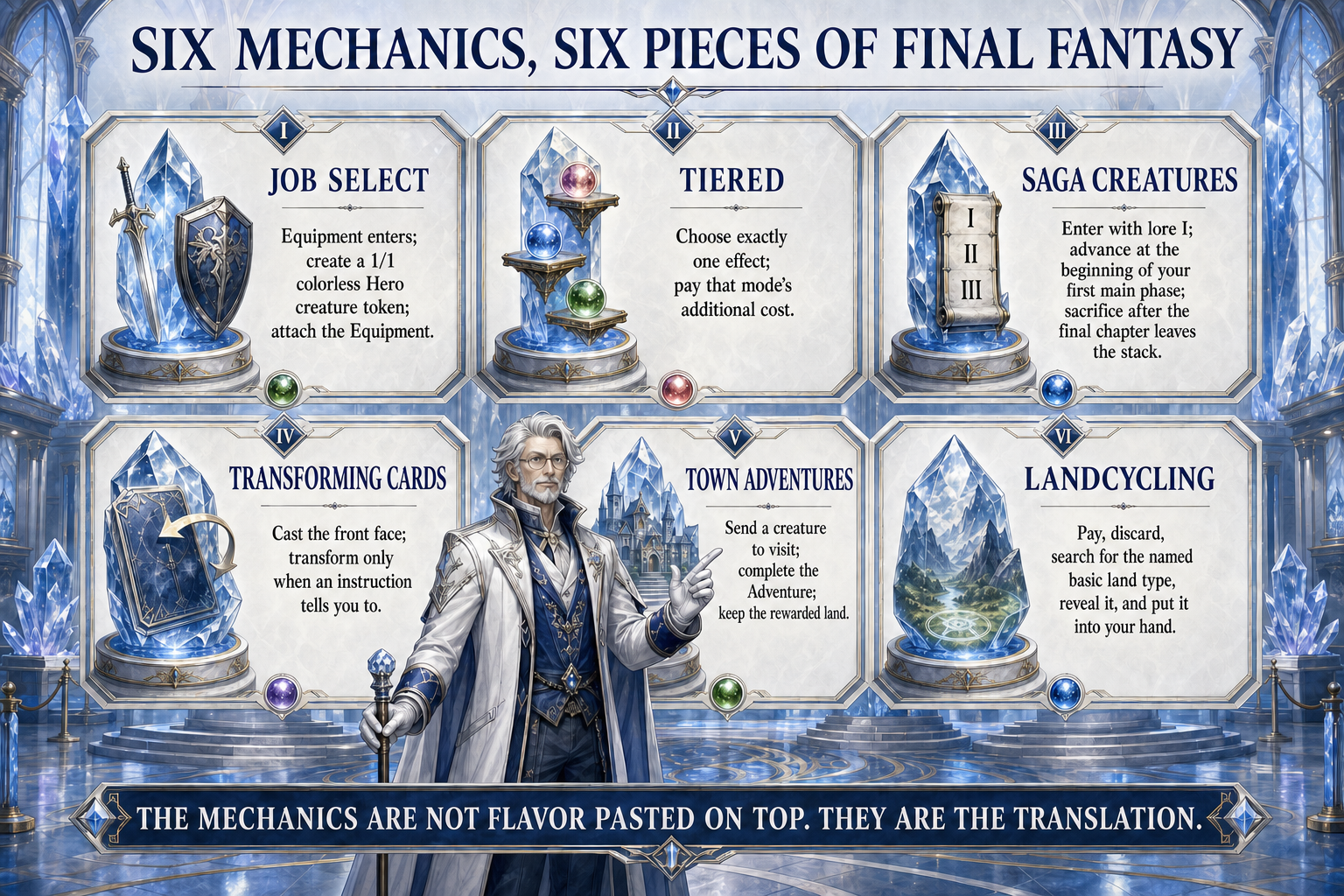
Each mechanic solves a different translation problem. Job Select makes equipment arrive with a body ready to carry it. Tiered gives one spell several intensities while requiring one clear choice. Saga creatures let a summon enter, advance and leave as a short story. Transforming cards make identity changes literal. Town Adventures temporarily send a creature away and return the land with a reward. Landcycling turns an unusable card into a search for a named basic land type.
The beginner trap is trying to memorize all six before playing. Use the Starter Kit for ordinary turn structure, then put one Job Select card and one Tiered spell face up beside the battlefield. Learn those sequences. Add the other mechanics when a real card asks for them. This is a card game, not an oral examination conducted by a crystal.
How does Job Select create and equip a Hero?
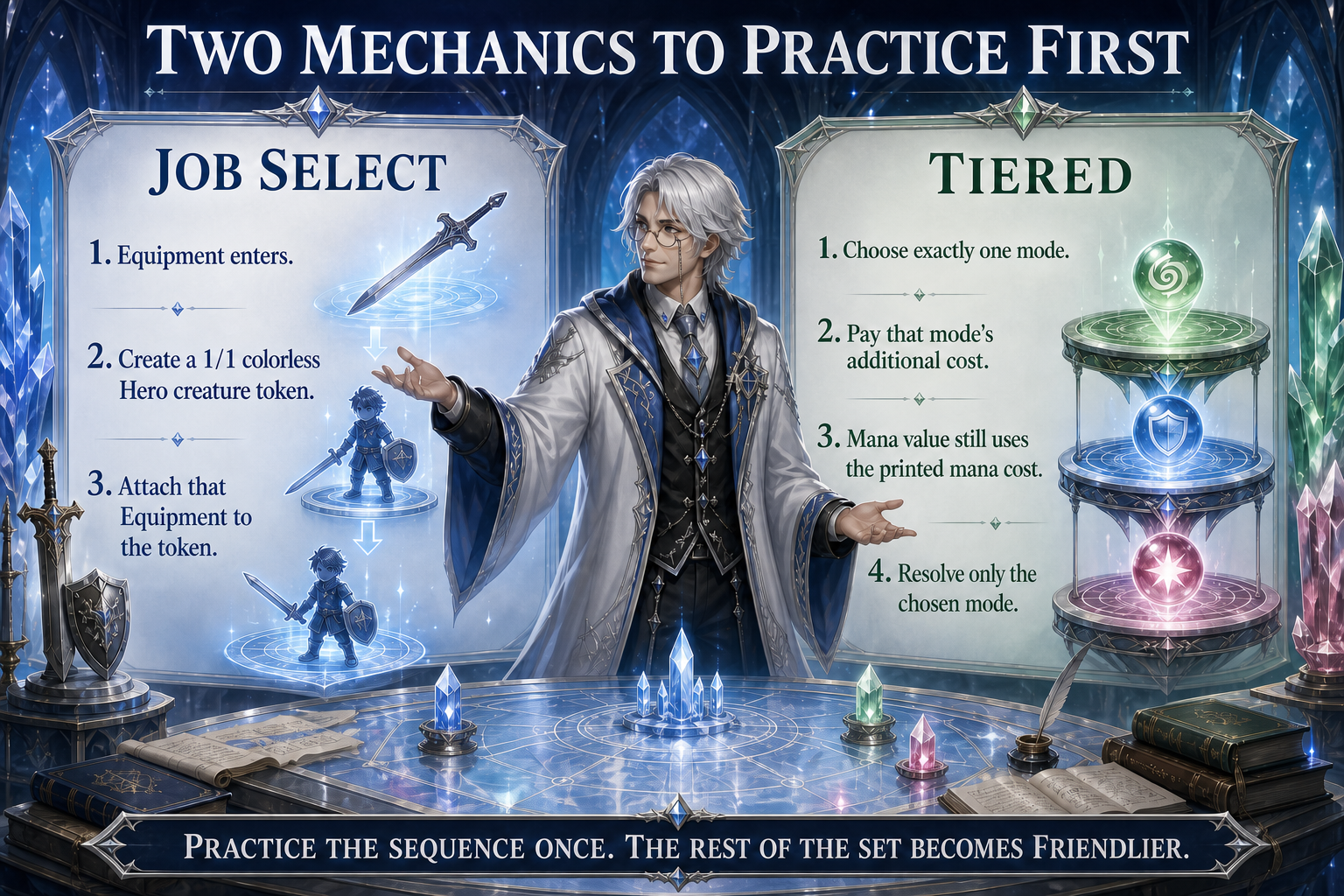
Job Select is an enters-the-battlefield ability on Equipment. When the Equipment enters, create a 1/1 colorless Hero creature token, then attach that Equipment to the token. The sequence matters: Equipment, Hero, attachment. The mechanic evokes Final Fantasy's job systems by making the role and the person wearing it arrive together.
The token is a real creature. It can be destroyed, blocked, sacrificed or equipped again. If the token leaves the battlefield, the Equipment stays behind. If the Equipment has left the battlefield before Job Select resolves, the Hero token is still created, but there is no Equipment to attach. For a first teach, keep the Hero token beside the Job Select card before the game; physically placing it removes more confusion than another paragraph.
How does Tiered choose one spell intensity?
A Tiered spell presents three modes and you choose exactly one. Each mode has its own additional cost. You pay the printed mana cost plus the additional cost shown for the mode you selected. The spell's mana value still comes from the printed mana cost, not the extra amount you paid. Only the selected mode resolves.
This feels like charging a familiar action to the power needed now. Ice Magic can be a modest answer or a larger commitment; Tifa's Limit Break packages escalating impact into the same recognizable move. The common mistake is reading the three tiers as a ladder that accumulates. It does not. Choose one room in the tower, pay for that room, and resolve that room.
How do Saga creatures tell a timed story?
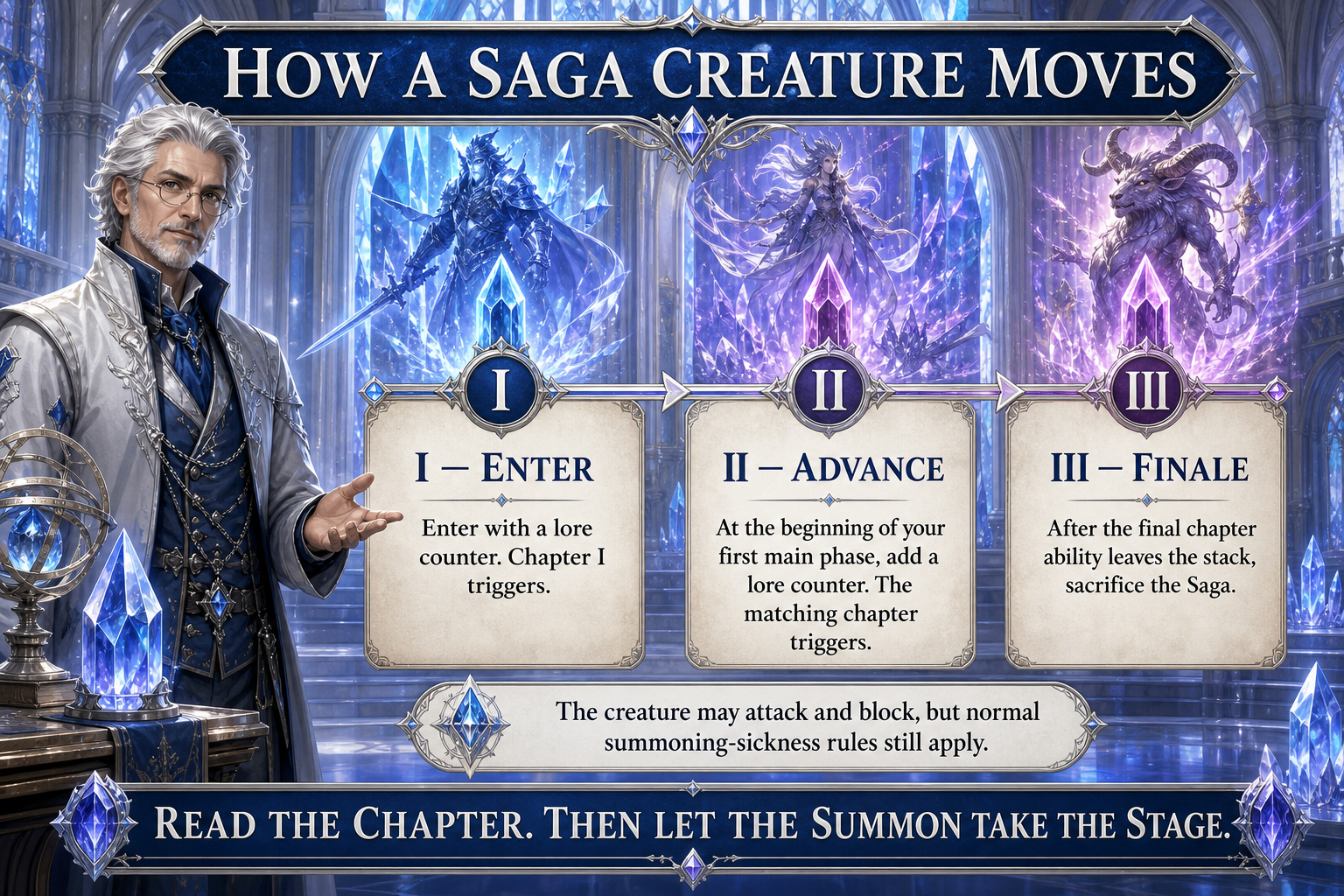
A Saga creature is both a creature and a Saga. It enters with a lore counter, causing chapter I to trigger. At the beginning of your first main phase, put another lore counter on it and trigger the matching chapter. After the final chapter ability leaves the stack, sacrifice the Saga.
Because it is also a creature, ordinary creature rules still apply. It may attack and block, but summoning sickness prevents attacking or using tap abilities unless it has been under your control since the beginning of your most recent turn or has haste. Removing the creature before a later chapter means that chapter never arrives. The clean teach is to place three numbered lore markers above the card and move one at the beginning of the first main phase, not vaguely “sometime during the turn.”
How do transforming cards preserve the same object?
A transforming double-faced card is cast or played using its front face unless an effect explicitly allows otherwise. It transforms only when an instruction tells it to. Turning the card over does not create a new object; counters, Auras, Equipment and damage remain unless another rule changes them. If you use opaque sleeves, the card can be turned inside the sleeve. With clear sleeves, use a substitute card in the deck and keep the real double-faced card nearby.
Cecil's movement from Dark Knight to Redeemed Paladin turns a character arc into a state change the entire table can see. Emet-Selch uses transformation as revelation. The mechanic works because the object carries both identities; a generated summary cannot replace checking the exact front and back faces.
Town Adventures: send one party member away, then keep the destination
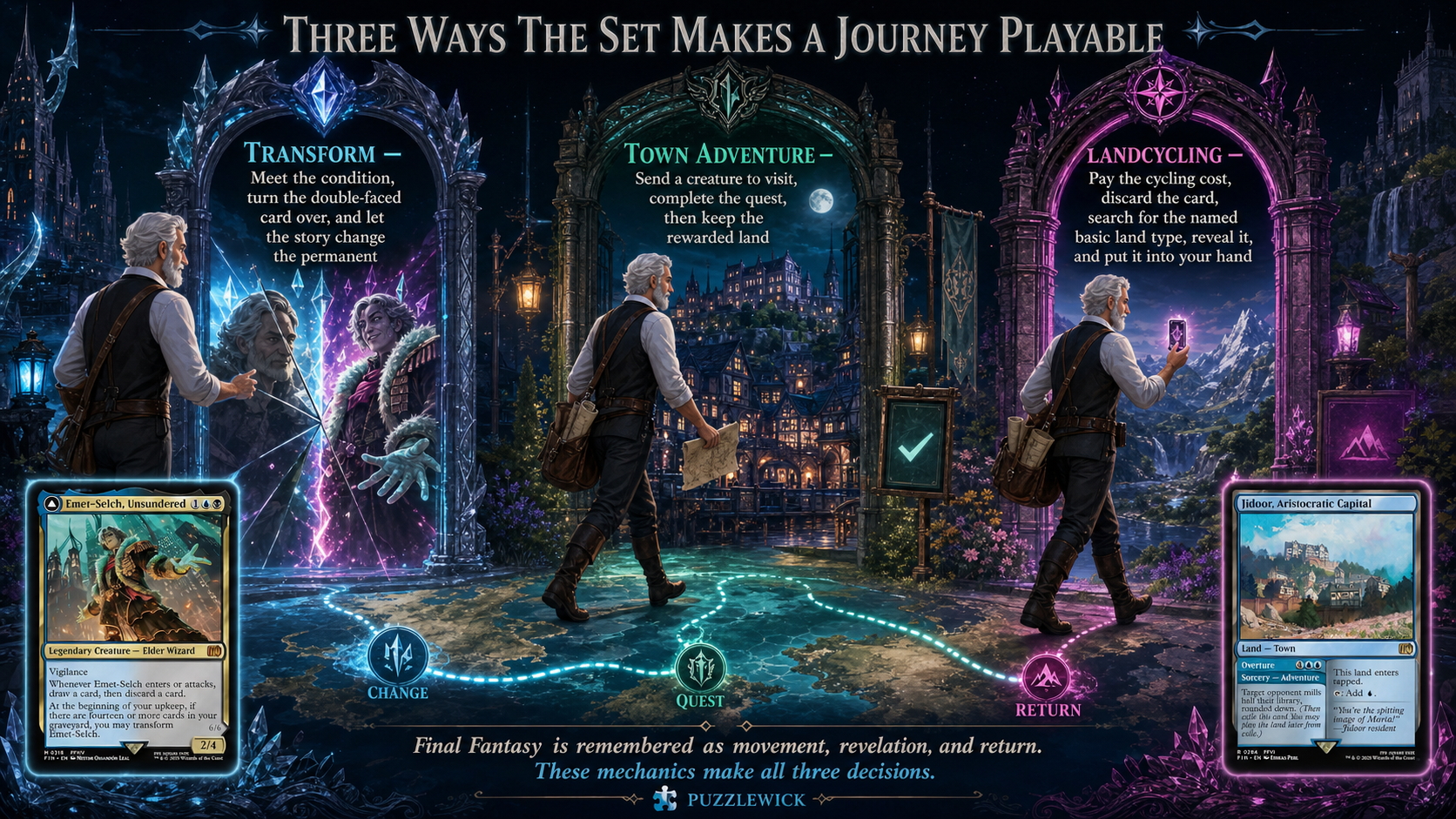
Town lands arrive with an Adventure that a creature can visit. The exact card explains the cost and completion condition. When the Adventure is completed, the land remains and gains the stated reward. This produces a familiar Final Fantasy rhythm: leave the main road, send someone into a location, resolve a smaller story, and return with a permanent benefit.
The practical table tip is to place the visiting creature partly beneath or above the Town in a clearly marked orientation. Do not leave it among untapped creatures and expect memory to perform unpaid administrative work. Read the card's exact Adventure timing; “visiting” is not a universal permission to ignore the printed procedure.
Landcycling: trade the monster you cannot cast for the road you need
Landcycling is an activated ability used from the hand. Pay the listed cost, discard the card, search your library for a land with the named basic land type, reveal it, put it into your hand, then shuffle. It does not put the land directly onto the battlefield. It does not search any card merely called a land. It searches for the type named by the ability.
This is mechanical mercy disguised as travel. A large creature stranded in the opening hand can become the Plains, Island, Swamp, Mountain or Forest type needed to cast the rest of the party. The trade is real: the cycled card is discarded, so use it when the journey matters more than preserving a dramatic late-game card.
Which product teaches these mechanics best?
Buy the Starter Kit if two people need a calm first game. It gives two ready-to-play decks and a controlled teaching environment. Buy Play Boosters when you already understand normal Magic turns and want to draft, build or discover the wider FIN set. Buy Collector Boosters only when treatment collecting is the reason; premium packaging does not teach the rules more clearly.
The clean learning path is Starter Kit, three games with no modifications, then a small Play Booster pool or one Commander deck. A Collector Booster is a gallery gift shop after the tour, not the map at the entrance.
Robert's ten-minute first-table drill
Run the objects before running the game. First, place a Job Select Equipment and its Hero token on the table; perform enter, create and attach. Second, point to a Tiered card and choose one mode aloud, then identify the printed mana cost and the additional cost separately. Third, place three lore markers above a Saga creature and move one as the first main phase begins. Fourth, show both faces of a transforming card without shuffling it into a clear-sleeved deck. Fifth, place a visitor beside a Town and demonstrate the reward state. Sixth, landcycle a mock hand and put the searched land into hand, not onto the battlefield.
That drill takes less time than explaining all six mechanics abstractly and gives every later correction a physical memory. When somebody forgets, name the Final Fantasy verb: equip, charge, summon, transform, visit, travel. The rules text will meet them halfway.
What experienced tables keep reporting
Recurring owner patterns, synthesized in Puzzlewick's words. Follow each evidence trail to read the original discussion.
New players understand the crossover faster when the table demonstrates one physical sequence at a time instead of front-loading every keyword.
Recurring beginner questions synthesized in Puzzlewick's voice
The picks
Some links below are affiliate links — as an Amazon Associate, Puzzlewick earns from qualifying purchases, at no extra cost to you. It never changes a pick.
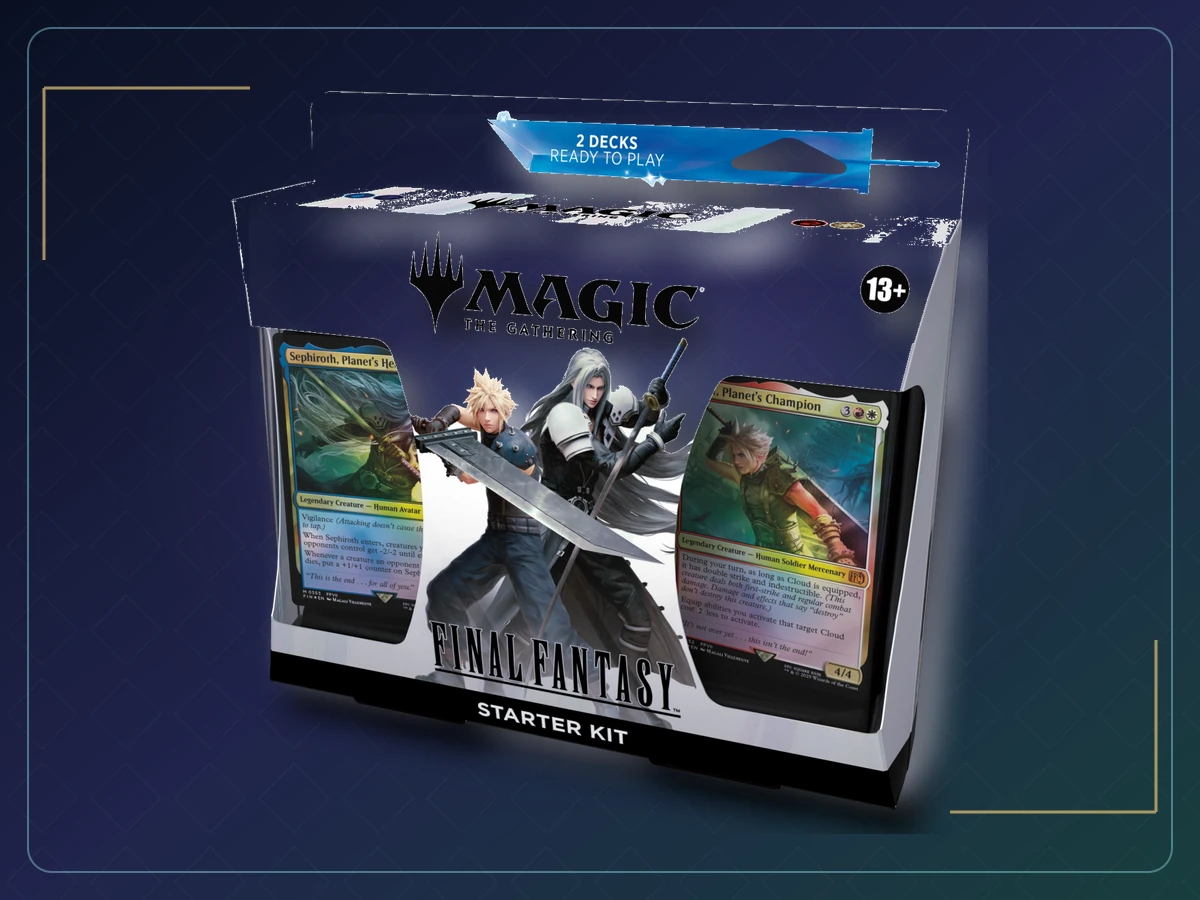
Magic: The Gathering Final Fantasy Starter Kit
Two complete decks create the cleanest controlled lesson and keep the first game from becoming a booster-sorting exercise.
- Two ready decks
- Built for a first match
- Not every set mechanic appears
- Not a collector product
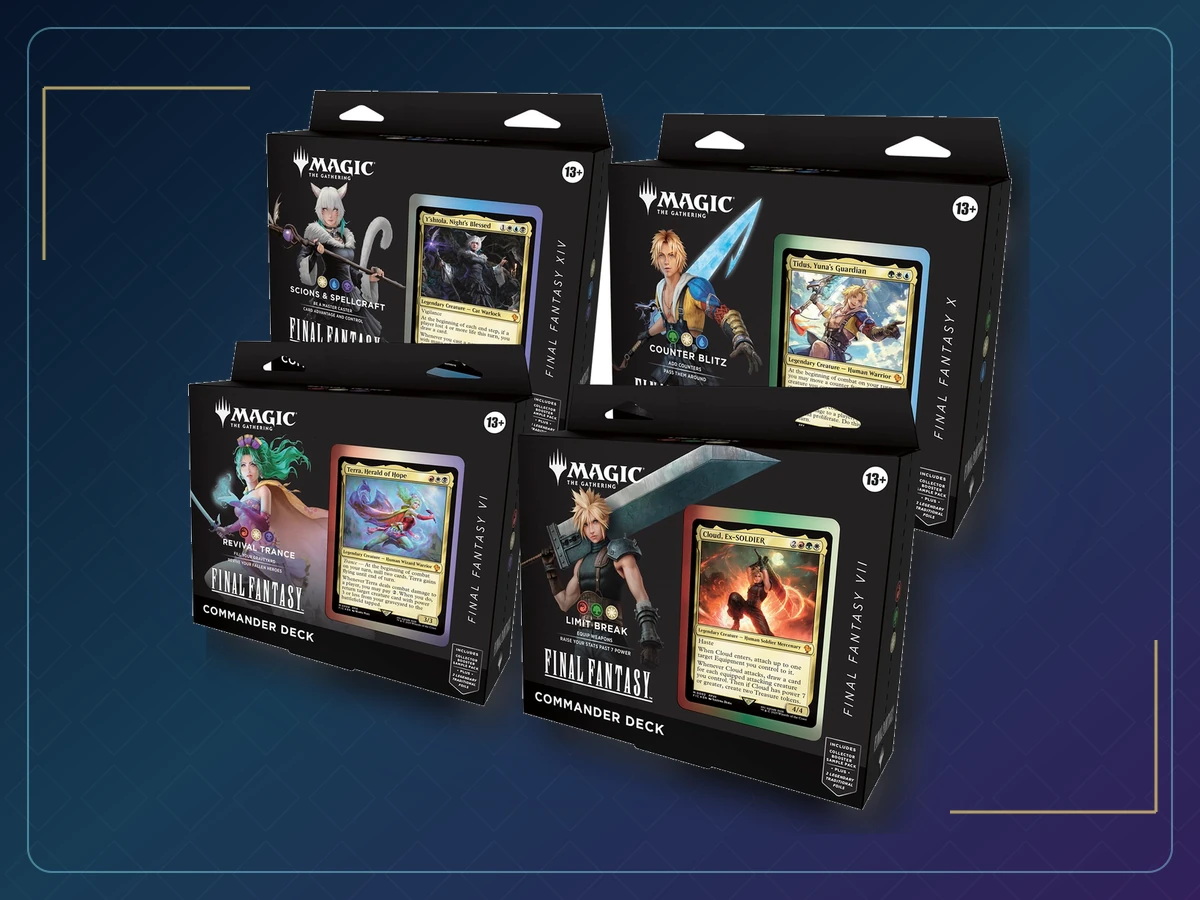
Magic: The Gathering Final Fantasy Commander Deck Bundle, All Four Decks
All four decks create a reusable classroom for triggered abilities, combat sequencing and multiplayer threat assessment without requiring deck construction first.
- Four complete decks
- Broad replayable card pool
- Higher rules load
- Large first purchase for two players
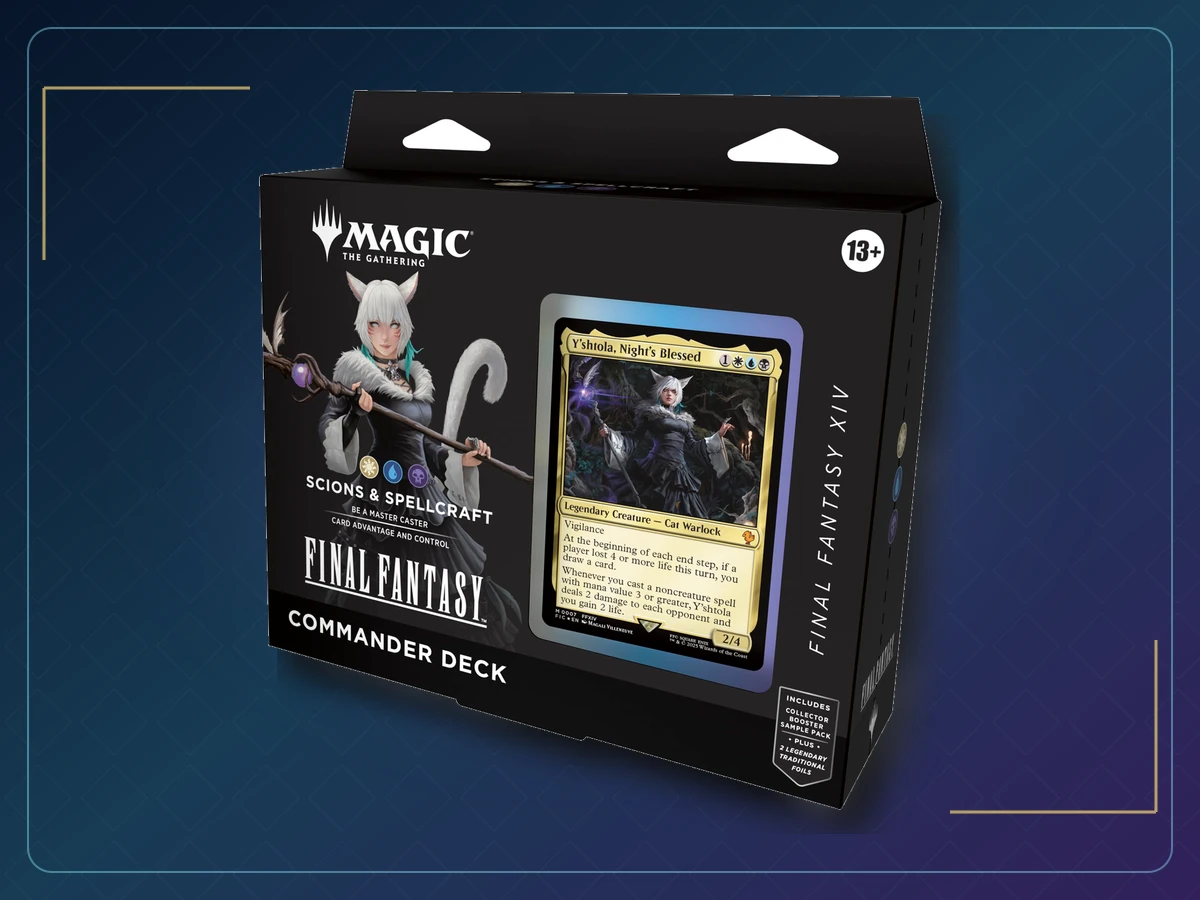
Magic: The Gathering Final Fantasy XIV Commander Deck, Scions & Spellcraft
One complete deck is the disciplined way to learn a Commander strategy without buying the full quartet.
- Complete focused deck
- Strong Final Fantasy XIV identity
- Needs a Commander table
- One deck cannot teach a whole pod alone
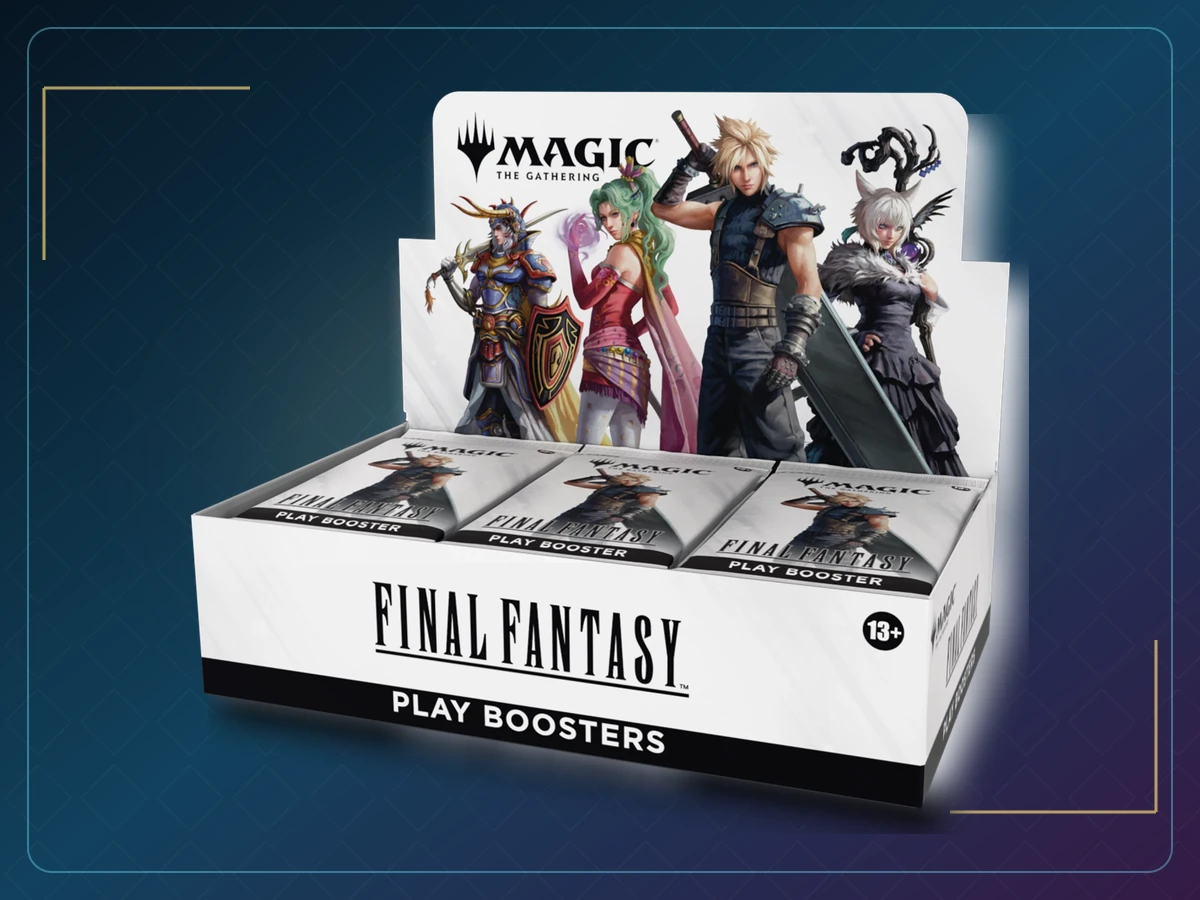
Magic: The Gathering Final Fantasy Play Booster Display
A display becomes educational when it funds a Limited event, deckbuilding decisions and trades; random opening by itself teaches very little.
- Supports Draft and Sealed
- Broad FIN discovery
- Randomized lessons
- Does not guarantee an exact card
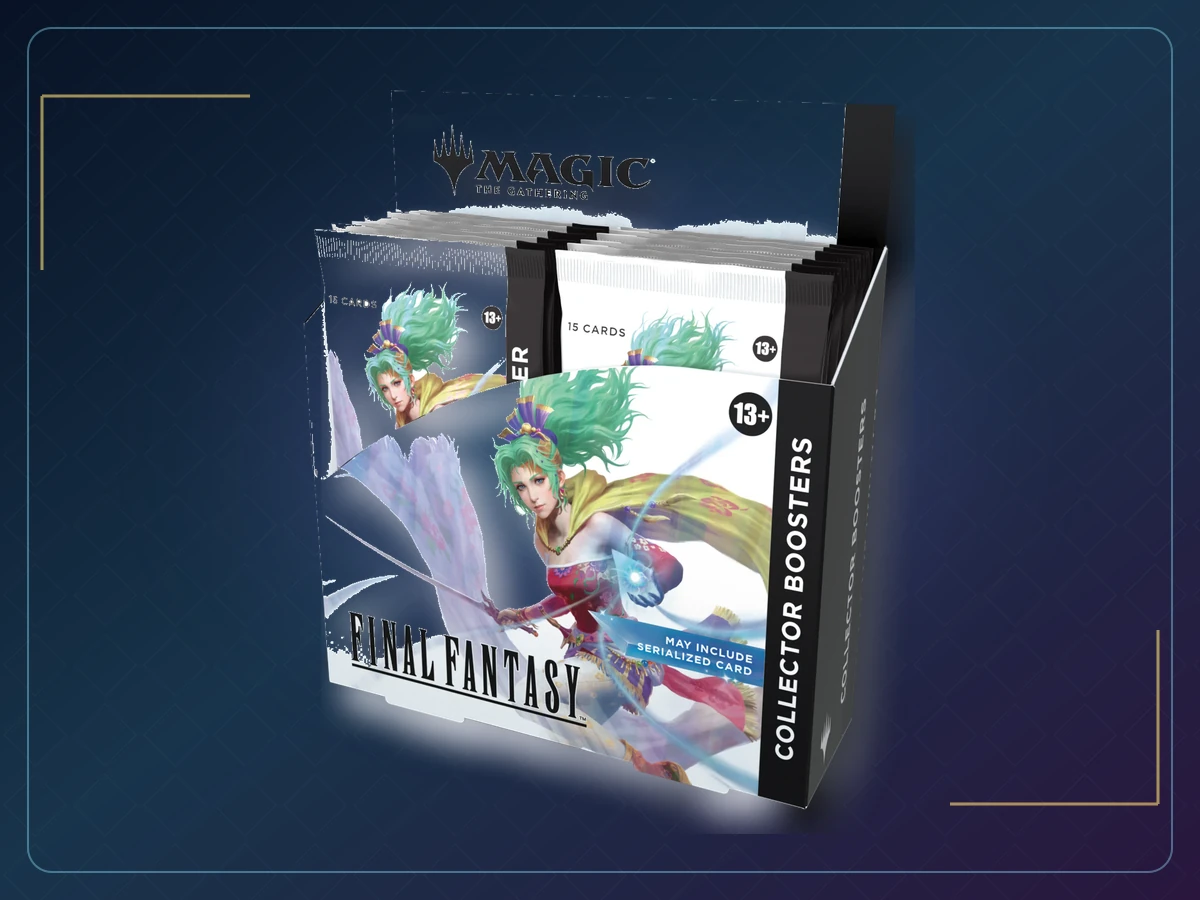
Magic: The Gathering Final Fantasy Collector Booster Display
Collector Boosters concentrate visual treatments, not rules instruction. They belong after the player can explain what the cards actually do.
- Premium treatment concentration
- Distinct collector experience
- Poor teaching value
- High variance
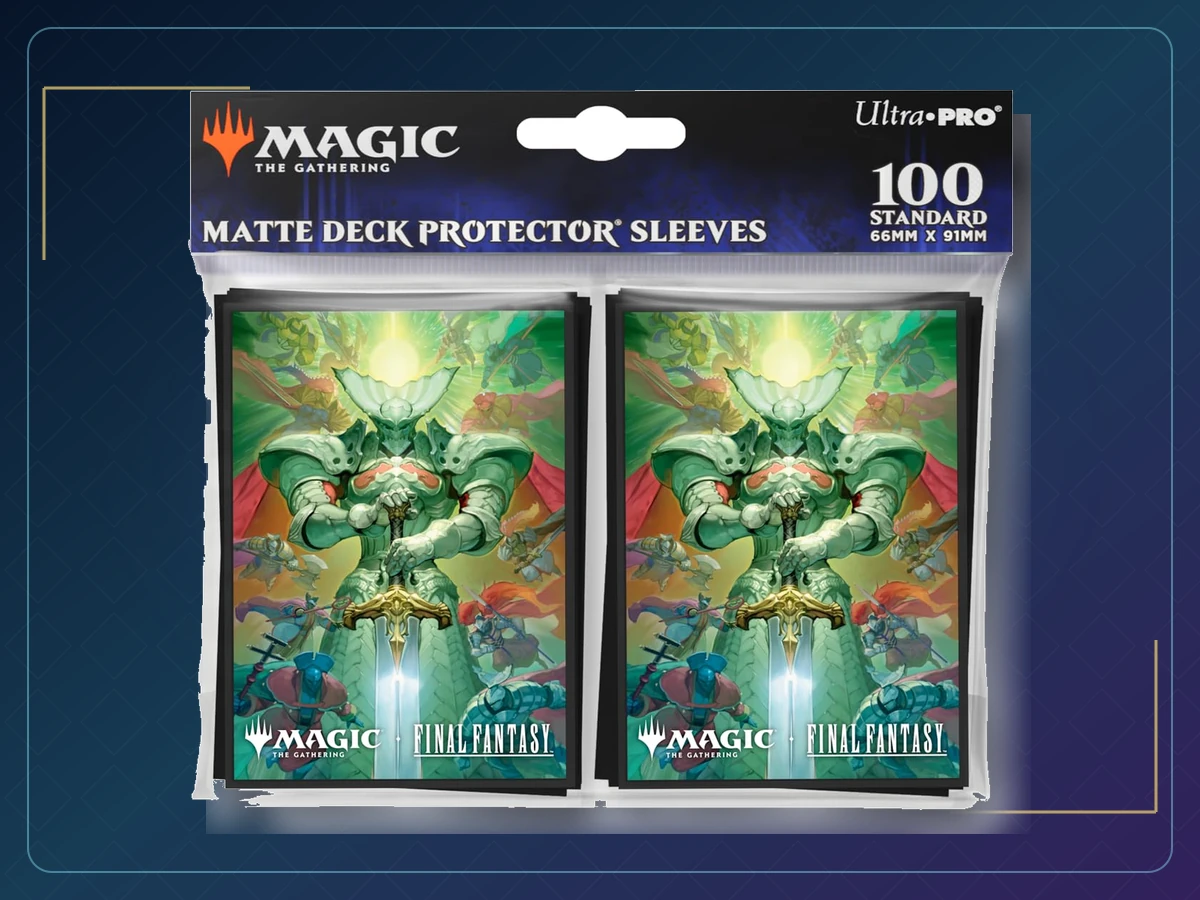
Ultra PRO Final Fantasy Character Art Deck Protector Sleeves
A matching licensed sleeve set makes repeated practice easier to organize and protects the cards actually being handled.
- Licensed Final Fantasy art
- Useful deck identity
- Art edges can wear
- Not intended for binder pages
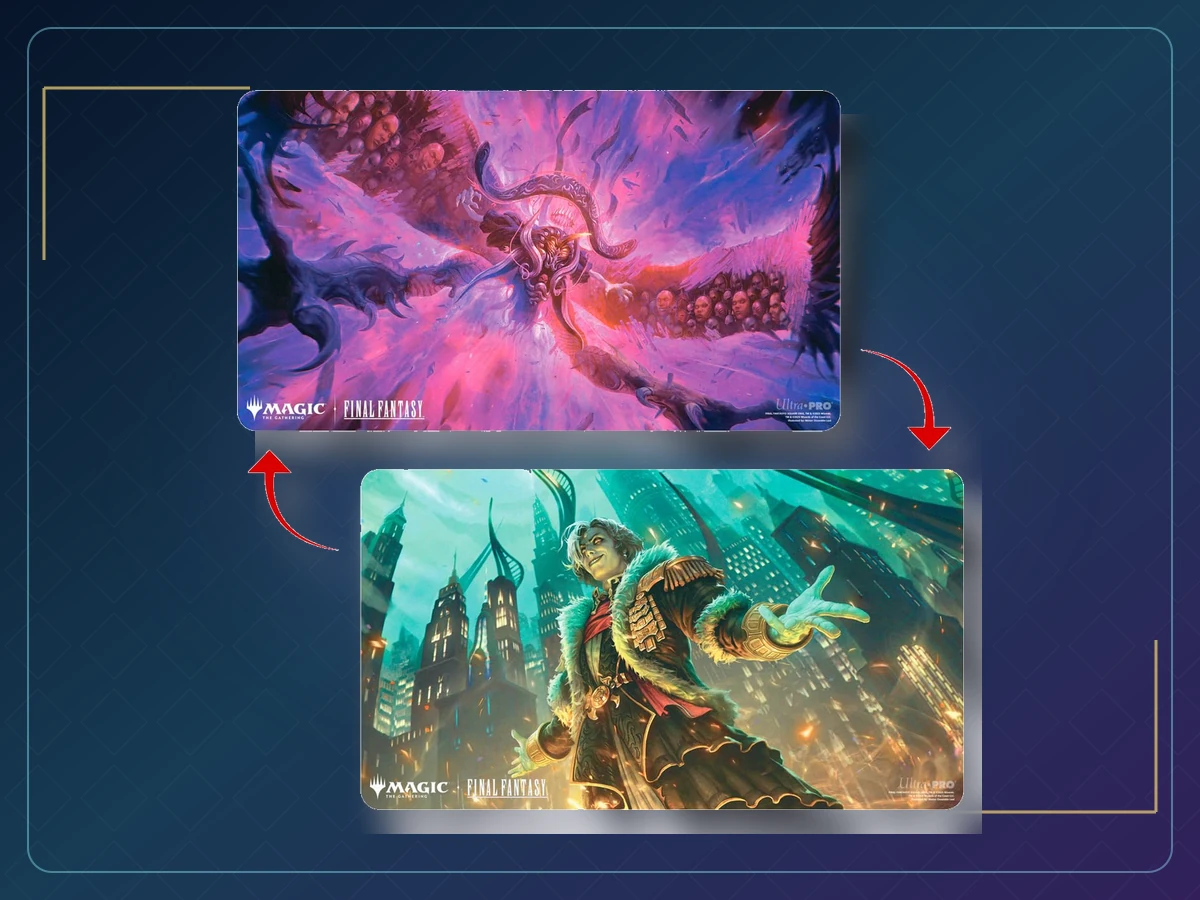
Ultra PRO Final Fantasy Emet-Selch and Hades Double-Sided Playmat
A bright licensed mat gives new players one clean surface for physically moving cards through a sequence and makes sleeved cards easier to lift.
- Licensed double-sided art
- Improves pickup and table boundary
- Single-player footprint
- Store rolled rather than folded
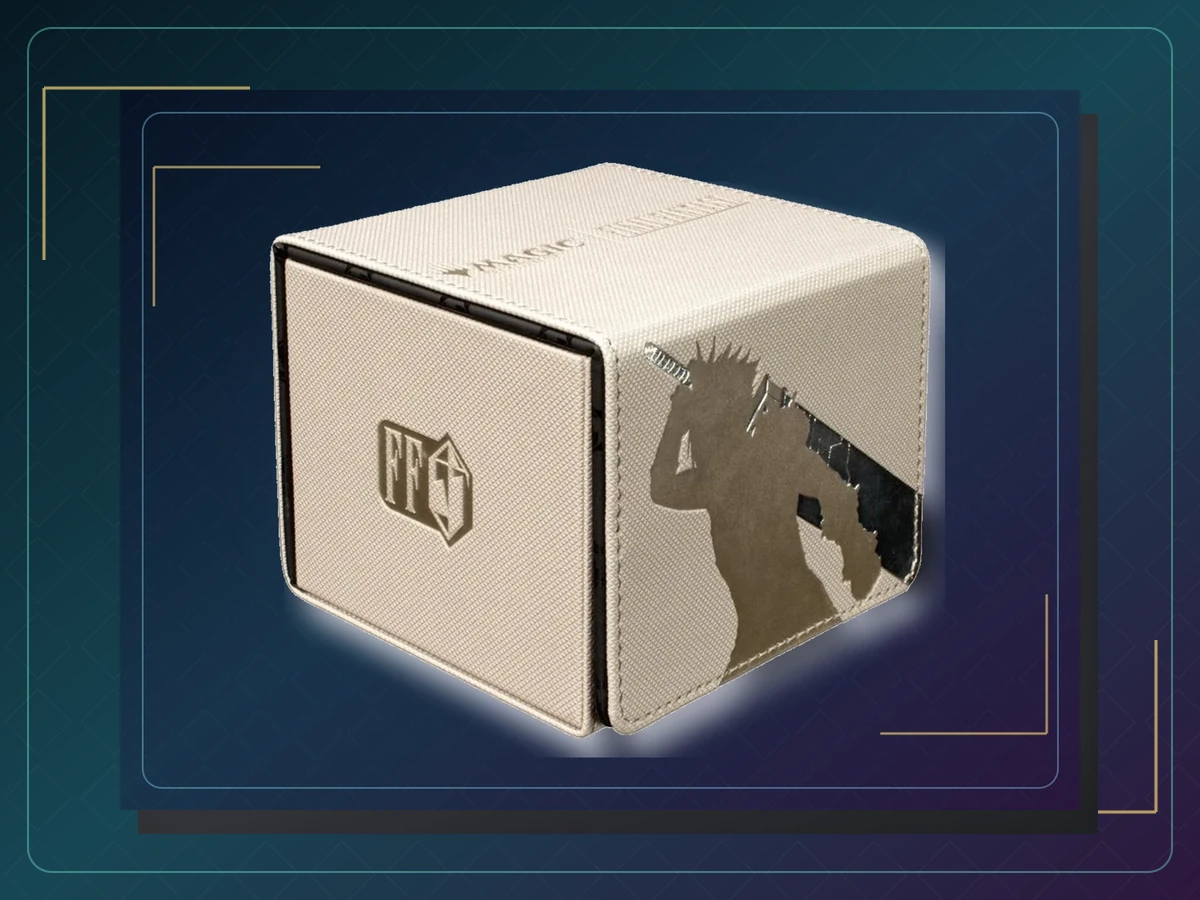
Ultra PRO Magic: The Gathering Final Fantasy Cloud Premium Alcove Edge Deck Box
A rigid licensed case is worthwhile after a deck survives the lesson and earns a place in the regular rotation.
- Rigid licensed storage
- Clear deck identity
- One-deck capacity
- Unnecessary for bulk
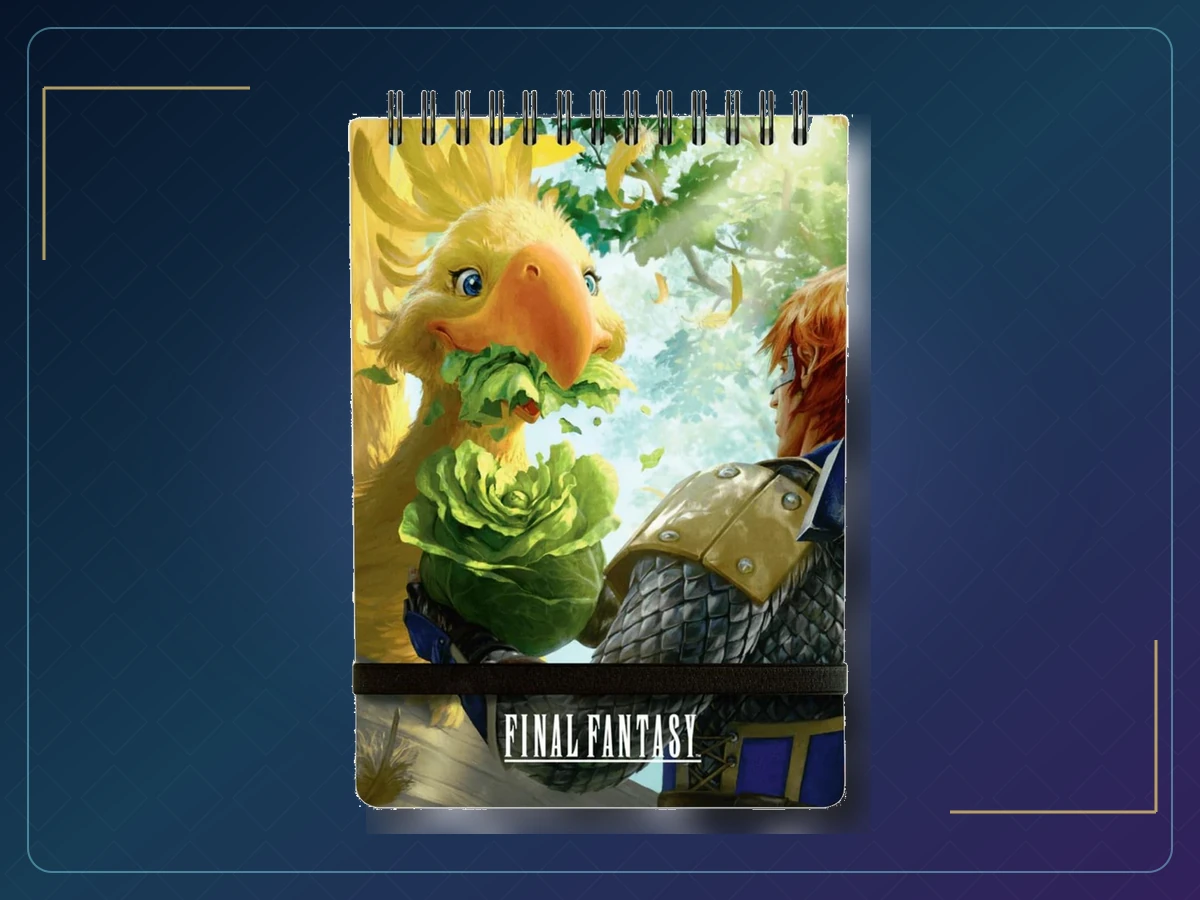
Ultra PRO Final Fantasy Gyashl Greens Spiral Life Pad
A paper life pad keeps the score state public and reviewable, which is genuinely useful while players are still learning combat math.
- Licensed table identity
- Persistent visible life record
- Consumable paper
- Does not track every game object
At a glance
| Mechanic | Final Fantasy verb | Exact procedure | First mistake |
|---|---|---|---|
| Job Select | Equip a job | Equipment enters, Hero token is created, Equipment attaches | Forgetting the token is a normal creature |
| Tiered | Charge one intensity | Choose exactly one mode and pay its additional cost | Adding multiple modes together |
| Saga creature | Summon in chapters | Enter at I, advance at first main phase, sacrifice after finale leaves stack | Ignoring summoning sickness |
| Transform | Reveal another form | Use front face until instructed to transform | Treating the back as a separate object |
| Town Adventure | Take a side quest | Visit using exact card text, complete, keep rewarded land | Leaving the visitor's state unclear |
| Landcycling | Find the road | Pay, discard, search named basic land type to hand | Putting the land onto the battlefield |
Free download — Final Fantasy Mechanics Table Drill
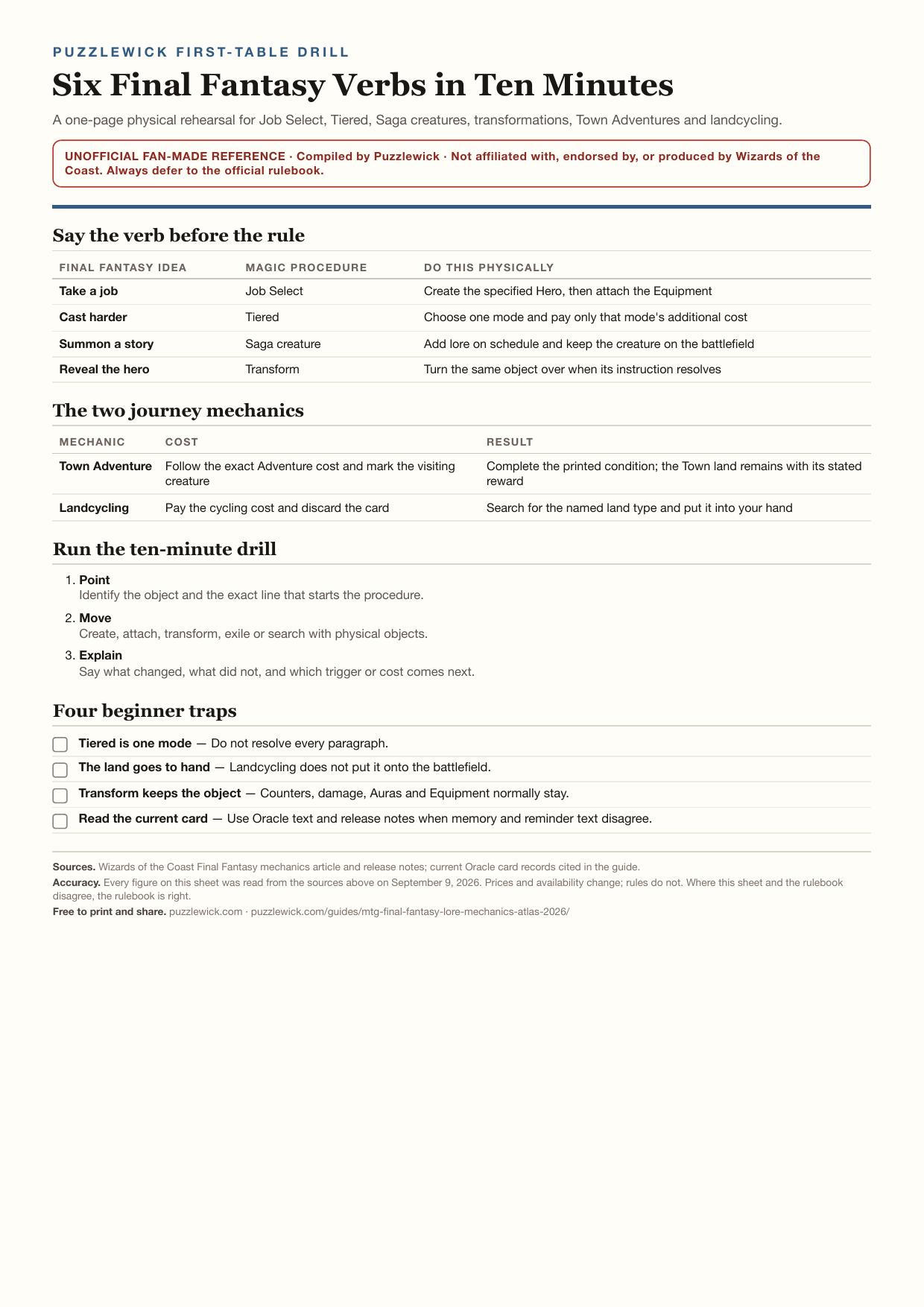
A one-page Job Select, Tiered, Saga creature, transform, Town Adventure and landcycling rehearsal for the first table.
Unofficial fan-made reference. Compiled by Puzzlewick from the sources listed on the sheet. Not affiliated with or endorsed by the publisher — always defer to the official rulebook.
Questions, answered
Does Job Select create a creature token?
Yes. When the Equipment enters, Job Select creates a 1/1 colorless Hero creature token and attaches the Equipment to it.
Can a Job Select Hero attack immediately?
Normally no. It follows ordinary summoning-sickness rules unless it has haste.
Can I choose more than one Tiered mode?
No. Choose exactly one mode and pay that mode's additional cost.
Does a Tiered spell's mana value include its additional cost?
No. Mana value uses the printed mana cost, even though you pay the selected mode's additional cost when casting it.
When does a Saga creature gain its next lore counter?
At the beginning of your first main phase.
Can a Saga creature attack?
Yes, because it is a creature, but normal summoning-sickness rules apply.
Do counters and Equipment remain when a card transforms?
Yes, because it remains the same object unless another effect says otherwise.
Does landcycling put the land onto the battlefield?
No. The searched land is revealed and put into your hand, then the library is shuffled.
What should a beginner buy first?
The Final Fantasy Starter Kit is the cleanest two-player teaching product. Play Boosters make more sense after normal turn structure is comfortable.
Are generated Puzzlewick infographics official rules documents?
No. They are original teaching aids checked against the cited official sources. Exact card text and current comprehensive rules remain controlling.
Keeper's verdict
The crossover succeeds because the rules are not decorations attached to Final Fantasy names. They reproduce jobs, charged actions, summons, transformations, side quests and travel in Magic's grammar. Teach the Final Fantasy verb first, demonstrate Job Select and Tiered physically, and let exact card text introduce the rest only when the table needs it.
Research ledger 16 sources · reviewed 2026-09-09
Specifications, rules, current product information, community experience, and contrary evidence were checked against the sources below. Commercial links are kept separate from editorial evidence.
- Wizards: Magic Final Fantasy mechanicsmagic.wizards.com/en/news/feature/final-fantasy-mechanics
- Wizards: Final Fantasy release notesmedia.wizards.com/2025/downloads/FIN_Release_Notes_3O87RLY5EO/EN_FIN_Release_Notes_2025_1_15.pdf
- Wizards: Collecting Magic Final Fantasymagic.wizards.com/en/news/feature/collecting-final-fantasy
- Scryfall FIN card recordsscryfall.com/sets/fin
- Magic comprehensive rulesmagic.wizards.com/en/rules
- EDHREC: Final Fantasy Commander adoptionedhrec.com/articles/yshtola-becomes-4-most-popular-commander-bumping-krenko
- EDHREC: Final Fantasy Commander adoptionedhrec.com/articles/yshtola-becomes-4-most-popular-commander-bumping-krenko
- Hasbro 2025 annual reportinvestor.hasbro.com/static-files/04bfc9e6-8cb2-486e-b737-c553e4a71d20
- Reddit: Final Fantasy X card gallery discussionreddit.com/r/FinalFantasy/comments/1n4rohp/all_ffx_magic_the_gathering_cards_in
- EDHREC: Final Fantasy Commander adoptionedhrec.com/articles/yshtola-becomes-4-most-popular-commander-bumping-krenko
- Hasbro 2025 annual reportinvestor.hasbro.com/static-files/04bfc9e6-8cb2-486e-b737-c553e4a71d20
- Reddit: Final Fantasy X card gallery discussionreddit.com/r/FinalFantasy/comments/1n4rohp/all_ffx_magic_the_gathering_cards_in
- EDHREC: Final Fantasy Commander adoptionedhrec.com/articles/yshtola-becomes-4-most-popular-commander-bumping-krenko
- Hasbro 2025 annual reportinvestor.hasbro.com/static-files/04bfc9e6-8cb2-486e-b737-c553e4a71d20
- Reddit: Final Fantasy X card gallery discussionreddit.com/r/FinalFantasy/comments/1n4rohp/all_ffx_magic_the_gathering_cards_in
- BoardGameGeek: Magic: The Gatheringboardgamegeek.com/boardgame/463/magic-the-gathering
If it didn't earn a shelf, it isn't here.


Keep exploring
The next smart rabbit holes.
✶ Universe HubMagic: The Gathering: the whole buying pathMagic: The Gathering is the deepest construction sandbox in the Big Three: a two-player duel, four-player Commander ritual, draft...🂠 Topic PathTrading Card Games: compare the whole shelfStart with the game and community you want, then buy the smallest product that lets you test it properly. These guides separate...GuideMagic: The Gathering Final Fantasy Collector Cards to Watch in 2026: Chocobos, Artist Cards, Surge Foils and Through the AgesA patient collector's map to FIN, FIC and FCA: what is genuinely scarce, what is merely shiny, and which cards matter because players...