9 Underrated Board Games Hiding in Plain Sight (That Aren't Wingspan or Catan)
Nine games that critics adore and your group hasn't tried yet — under the radar, in print, and worth grabbing before the next reprint gap.


AI-assisted research and drafting in Imani’s voice · reviewed by Robert Pruitt · how this guide was made
Last editorial refresh: 2026-06-30 Gold-standard QA: 2026-08-10 11 sources reviewed Affiliate links checked during gold-standard pass

The short answer
The most underrated board games right now aren't obscure imports nobody can find — they're acclaimed titles that quietly sit one shelf over from the bestsellers: Sky Team (a silent two-player cockpit drama that won the 2024 Spiel des Jahres), The Crew, Quacks of Quedlinburg, Cryptid, Forest Shuffle, Cascadia, Hansa Teutonica, Res Arcana, and The Castles of Burgundy. Each is genuinely great, widely stocked, and reasonably priced — they're "hidden" only because the marketing oxygen got eaten by the two or three games everyone already owns. Bookmark these before the print runs sell through and the prices climb.
Decision map
Choose in thirty seconds
Couples and two-player households who want maximum tension in a tiny box
Groups who want a brainy co-op that fits in a coat pocket
Family game nights and anyone who loves a delicious risk
Every gaming shelf in America has the same three or four boxes on it. Meanwhile, a row of award-winners sits quietly beside them, passed over because they never got the hype machine. I've spent years watching brilliant games hide behind the bestsellers — here are nine that deserve a spot in your rotation, with an honest note on why each one stays overlooked.
Start here, then go deeper
You are in the right cabinet.
 ✦ Topic PathBoard Game Buying Guides: compare the whole shelfStart with the decision, not the shelf. These guides compare the games, editions, expansions, player counts, and costs people...
 Best Of5 New Board Games Worth Your Next Game Night: Cozy Stories, Clever Cards, and a Proper AdventureImani matches five current tabletop releases to five kinds of evening, with the awkward bits included: permanent stickers, limited...
 GuideThe 2026 Board Game Hype Test: Which Trending Games Are Actually Worth Your Table?BoardGameGeek Hotness measures attention on BoardGameGeek, not sales and not your future happiness. Robert turns five fast-moving names...
What does "underrated" actually mean here?

Let me be precise, because "hidden gem" gets thrown around until it means nothing. None of these nine are obscure. Several have won the hobby's biggest awards. Underrated, for this list, means a game that is genuinely excellent, currently buyable, and yet routinely skipped over because the conversation around board games orbits the same handful of mega-sellers.
Wingspan and Catan are great games. They are also everywhere — and their ubiquity sucks the air out of the room. The result is a long tail of superb titles that your group has somehow never put on the table. That's the gap I'm closing.
Every pick below is in print as of mid-2026 or cycles through regular reprints. Where I couldn't verify an exact current price, I describe it qualitatively rather than quote a number that might be stale.
Why does the same handful of games dominate every shelf?
It's not that the popular games are bad — it's that discovery is broken. A game that wins a big retail endorsement or a viral moment gets stocked deep, demoed often, and recommended on autopilot. Everything else competes for the leftover attention.
That creates a feedback loop: the games people already know get recommended, which makes more people know them, which gets them recommended again. Meanwhile a quietly brilliant title sits two feet away with a fraction of the foot traffic.
The fix is simple but unglamorous: go one shelf over. That's the entire premise of this guide.
Sky Team — the silent two-player cockpit drama nobody talks about enough
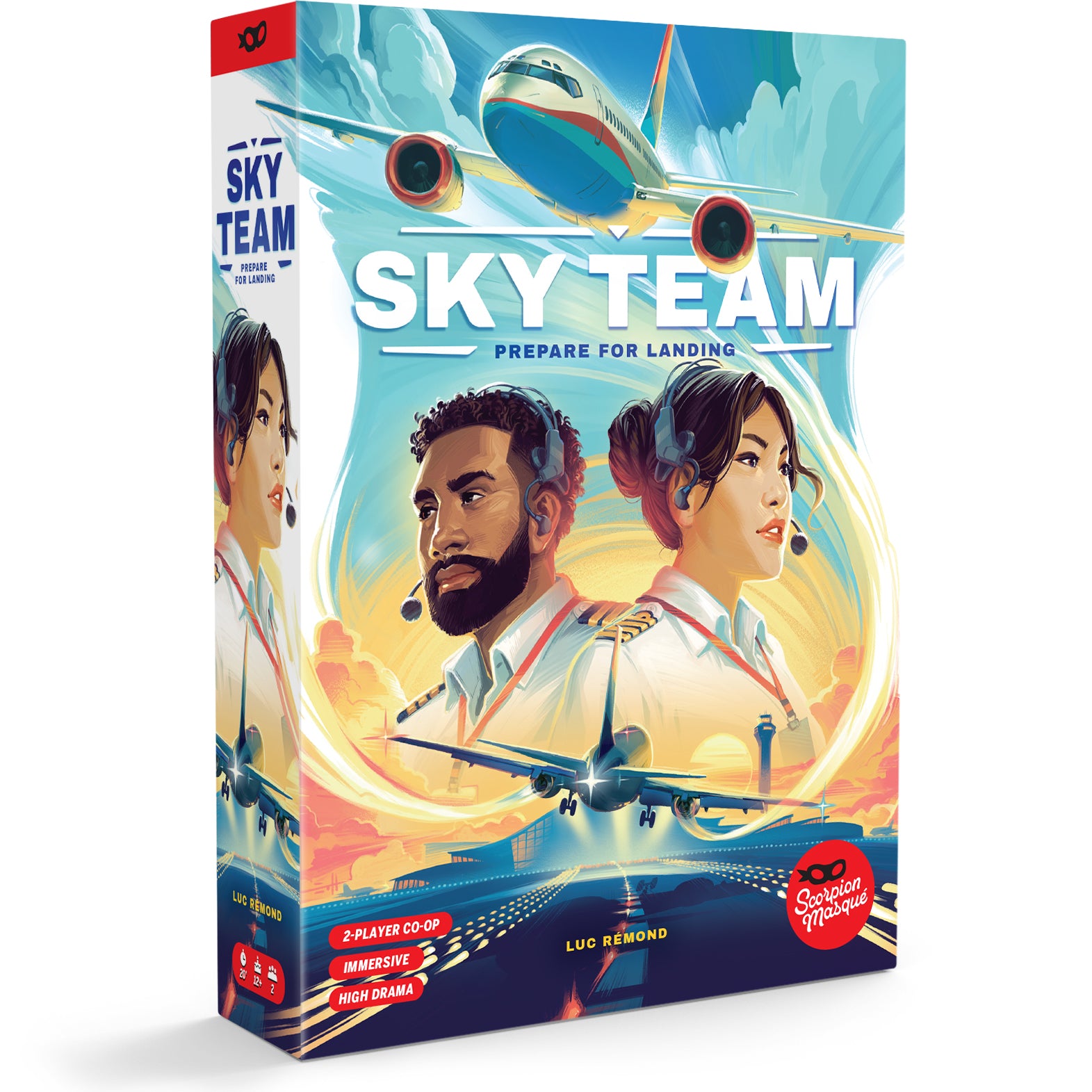
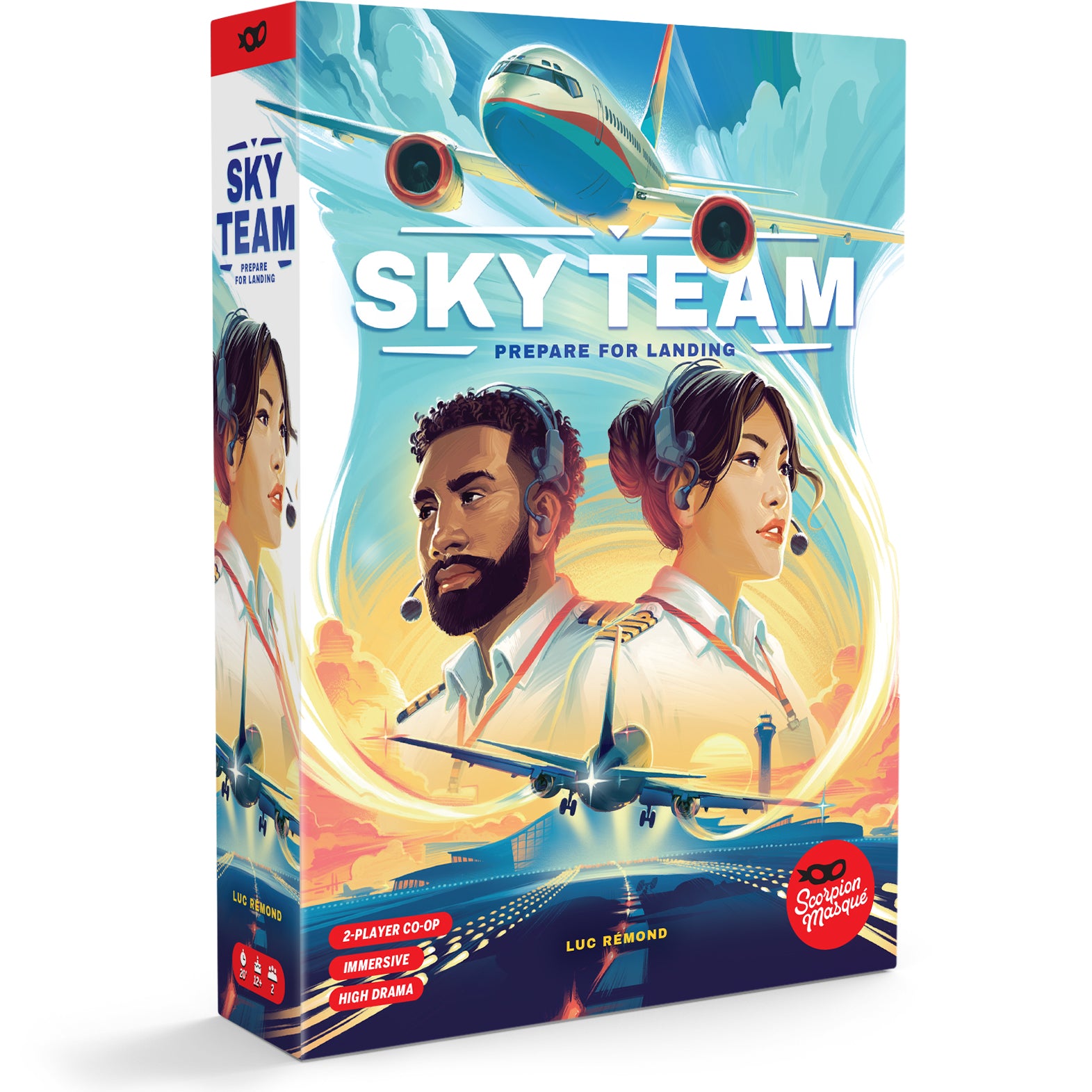
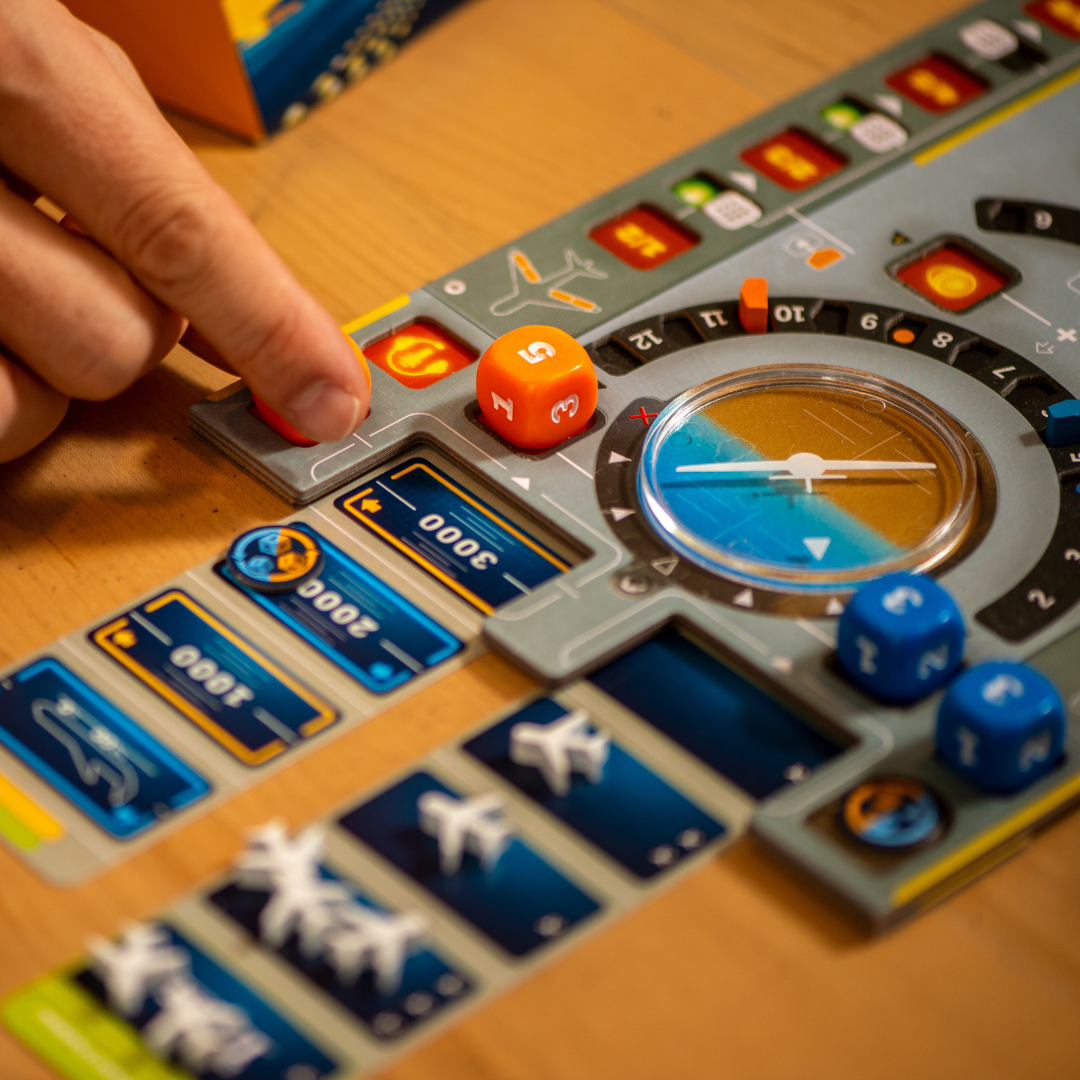
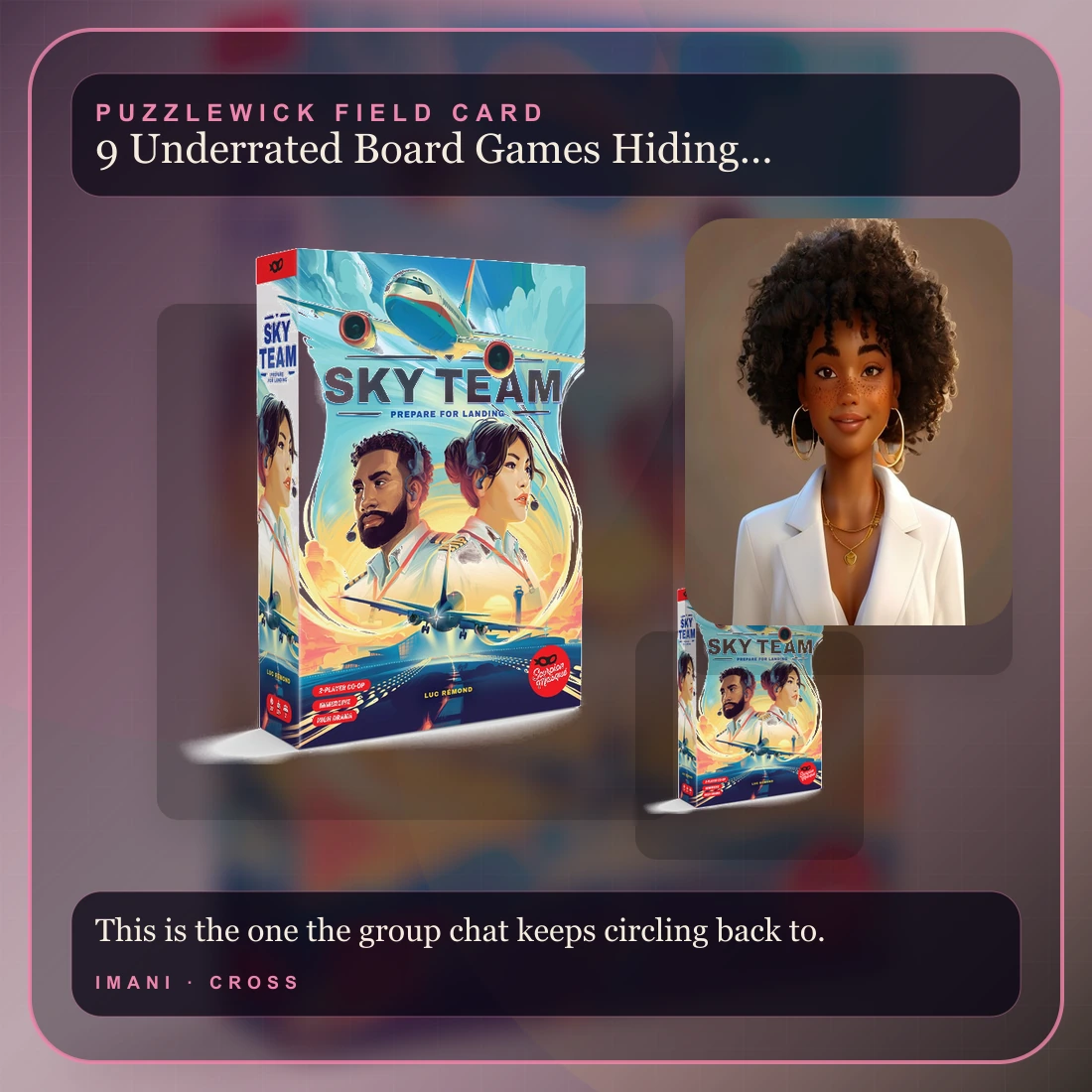
Sky Team puts two players in the pilot and co-pilot seats of an airliner on final approach, and here's the twist that makes it sing: you cannot talk about your dice. You each roll behind a screen, then place dice onto the cockpit to manage your axis, speed, landing gear, and brakes — coordinating a landing through almost pure inference and trust.
This isn't a fringe pick. Sky Team won the 2024 Spiel des Jahres, the most prestigious award in the hobby. And yet I constantly meet two-player households who've never heard of it, because it doesn't look like much in the box. It's small, it's quick (around 20 minutes), and it delivers more tension per minute than games five times its size.
If you have exactly one regular gaming partner, this is close to a must-own.
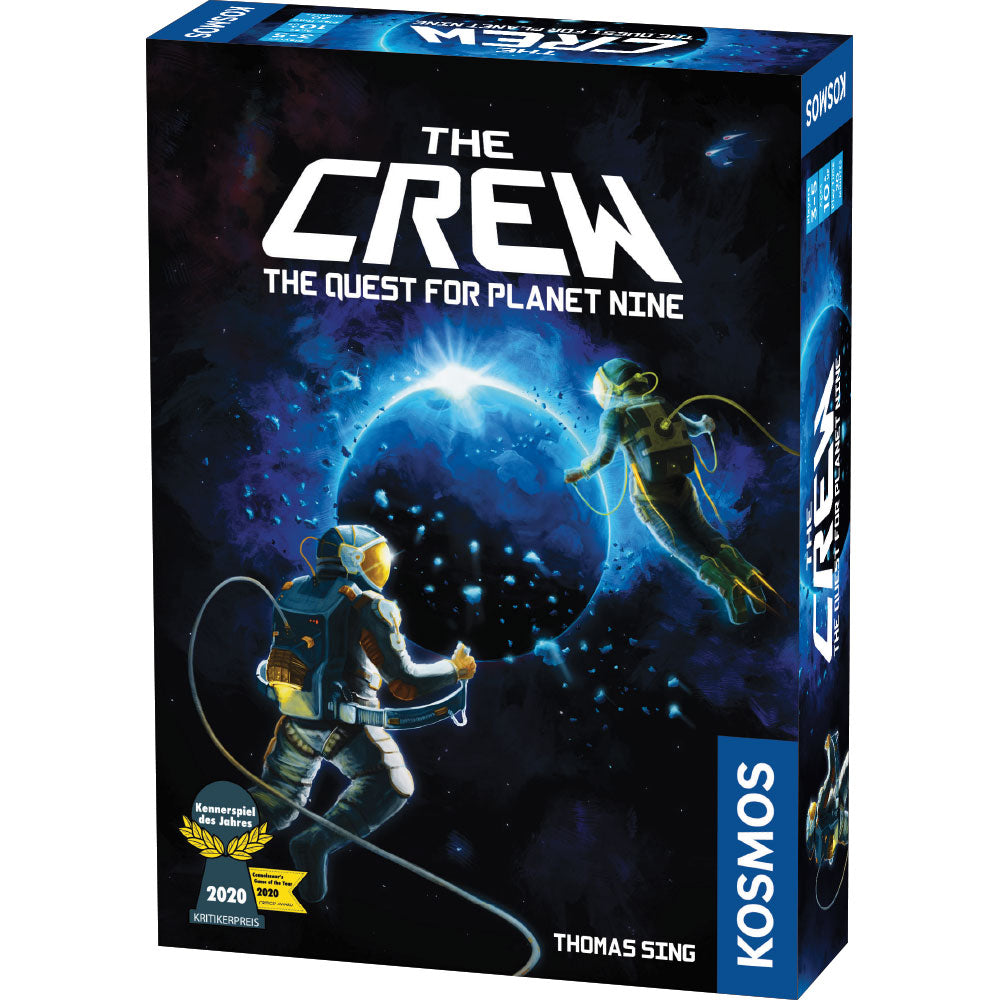
The Crew — a co-op card game that turns trick-taking into a heist
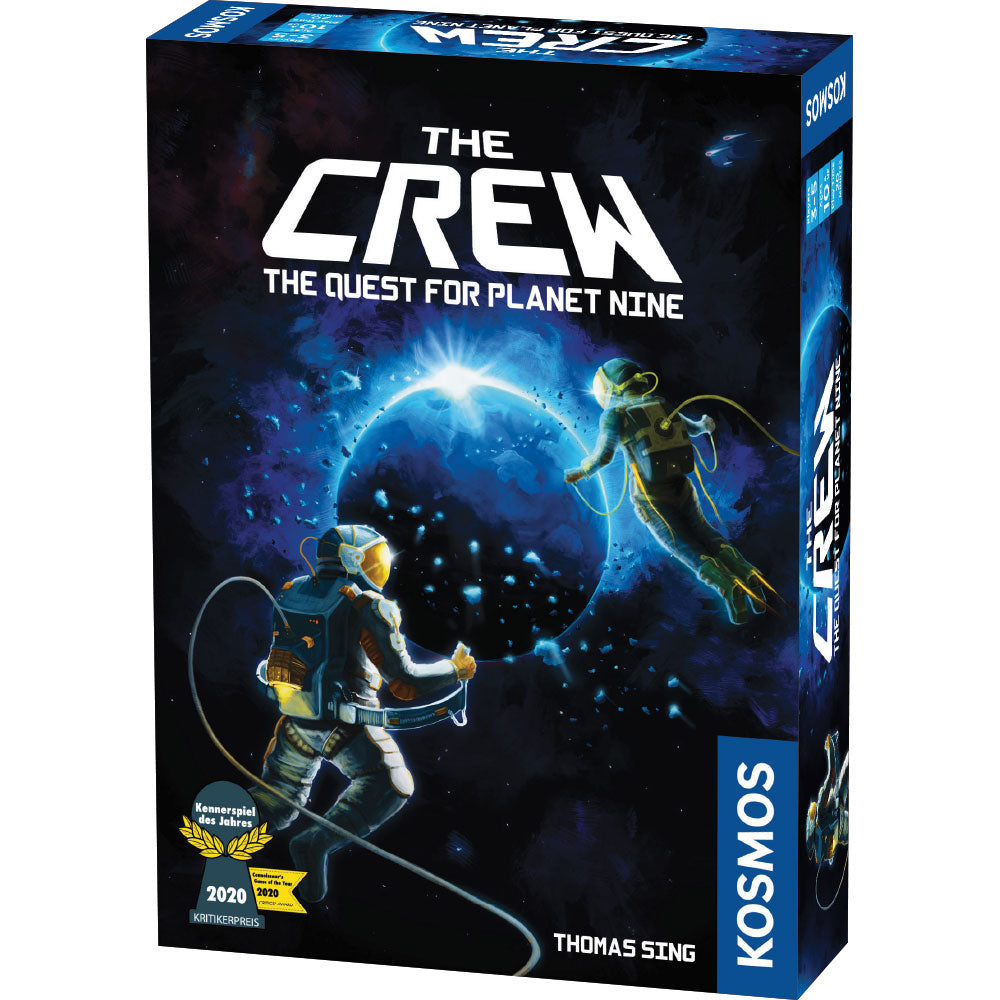
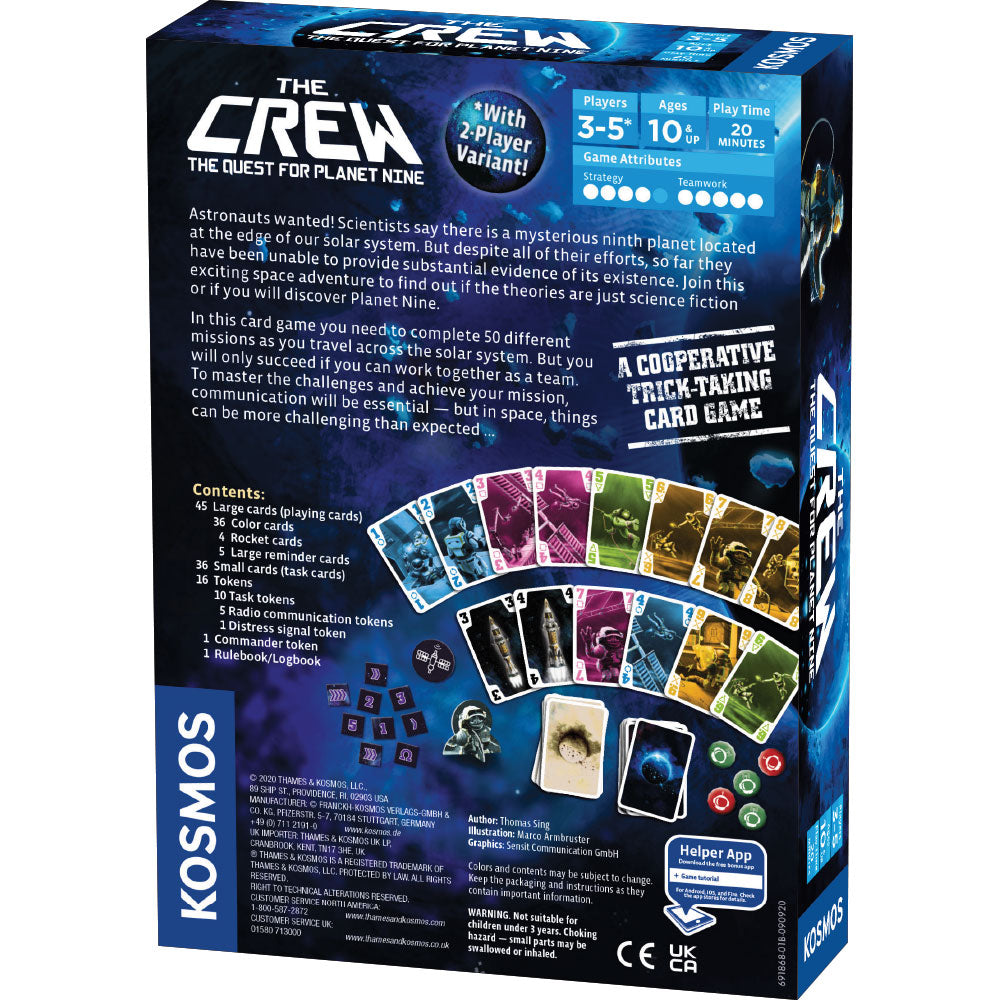
Trick-taking is the oldest card mechanic on Earth, and The Crew did something I didn't think was possible: it made it cooperative. You and your crew share a deck of mission objectives and must take specific tricks in a specific order — but you can barely communicate, signaling intentions only through a single restricted token per round.
It's structured as a campaign of escalating missions, so a single $15-ish box delivers dozens of escalating puzzles. The Crew won the Kennerspiel des Jahres (the connoisseur's Spiel des Jahres) and a stack of Golden Geek and Meeple's Choice honors.
Why is it underrated? Because it looks like a plain deck of cards. It is not. It's one of the best value-per-dollar games in the hobby.
Quacks of Quedlinburg — push-your-luck with a bag full of chaos
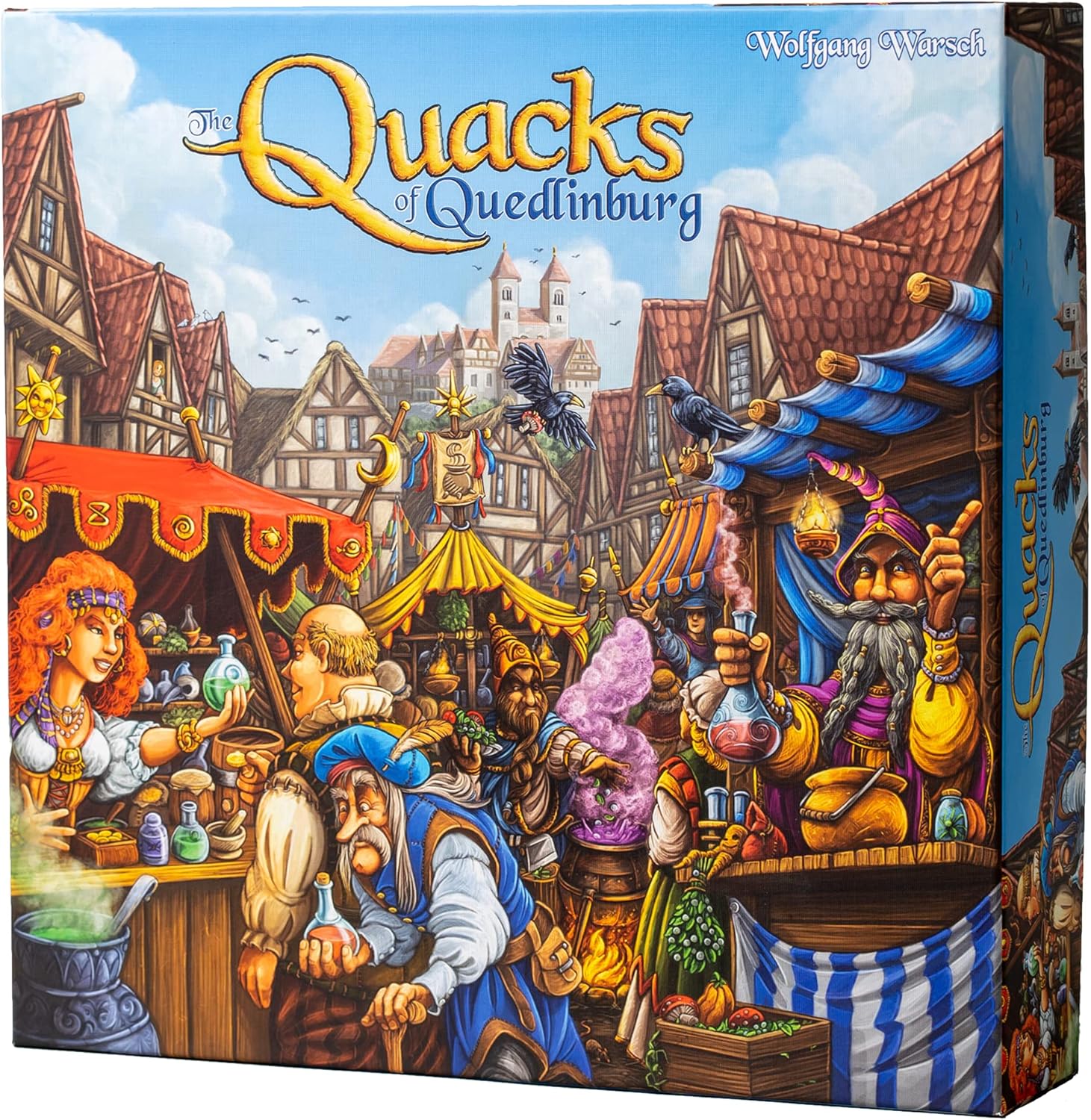
The Quacks of Quedlinburg is a bag-builder: you draw ingredient chips from a bag and add them to a bubbling potion, pushing your luck on each draw because too many white "cherry bomb" chips and your pot explodes. Stop too early and you leave points on the table; push too far and you lose the round.
It's a stampede of small, delicious decisions, and it's wildly accessible — it won Origins Best Family Game, the UK Games Expo People's Choice, a Golden Geek, and a Kennerspiel des Jahres nod, with an MSRP around $39.99.
It belongs in the same conversation as the big gateway hits, but somehow it's the one people forget to mention. Don't.
Cryptid — a deduction game that feels like solving a mystery with friends
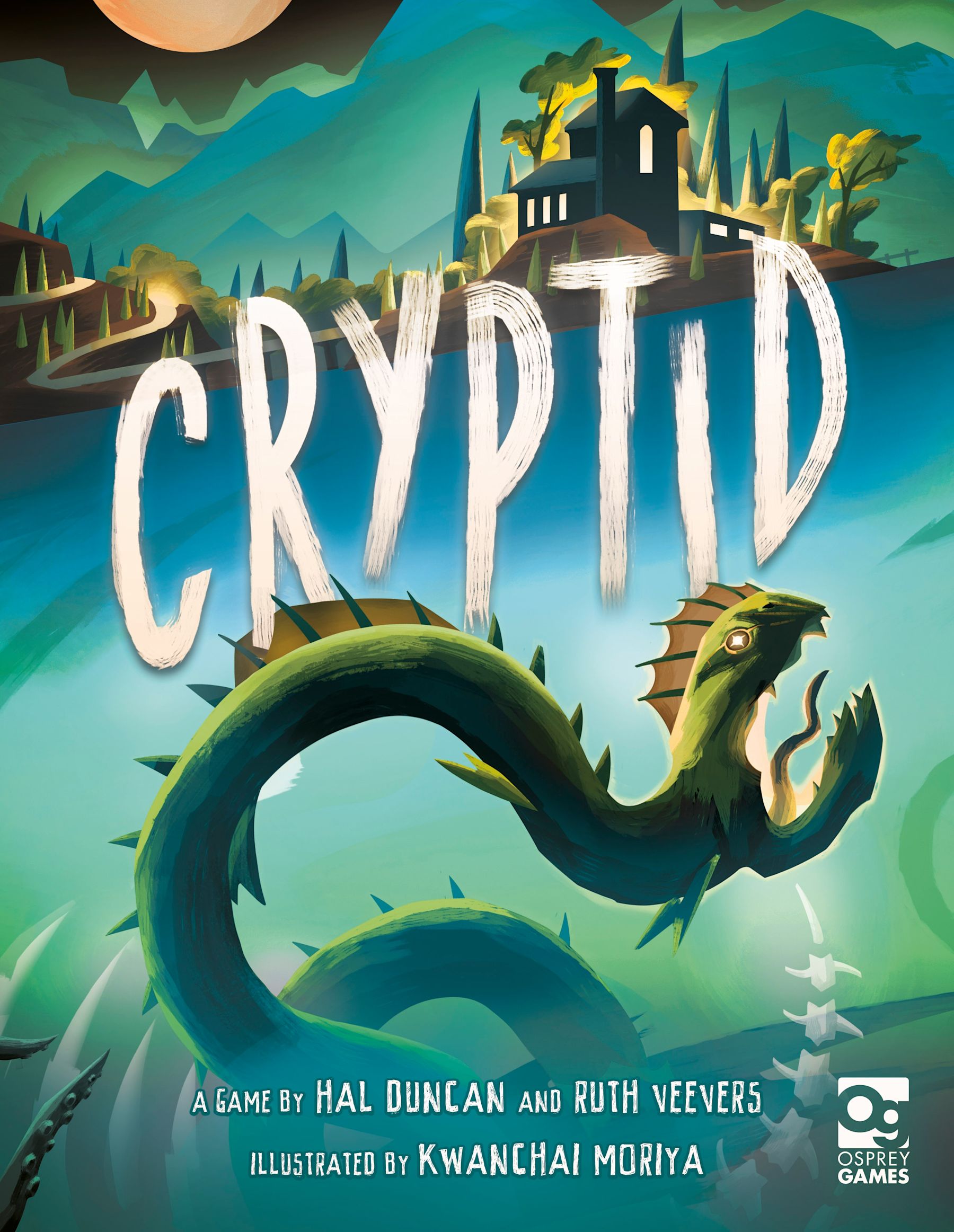
Cryptid is a logic-deduction game where every player holds one secret clue about where a hidden creature lives on a modular map. On your turn you probe other players' clues, narrowing the possibilities until someone deduces the exact hex. There's no luck — just pure, satisfying inference.
It's frequently named alongside Search for Planet X as a top-tier modern deduction game, and it's the kind of title that turns a quiet table electric as the noose tightens around the answer.
Why overlooked? Deduction games scare people who think they'll feel like homework. Cryptid doesn't — it feels like being a detective in a room full of detectives, all racing the same clock.
Forest Shuffle — the card-drafter that swept Germany and slid past America
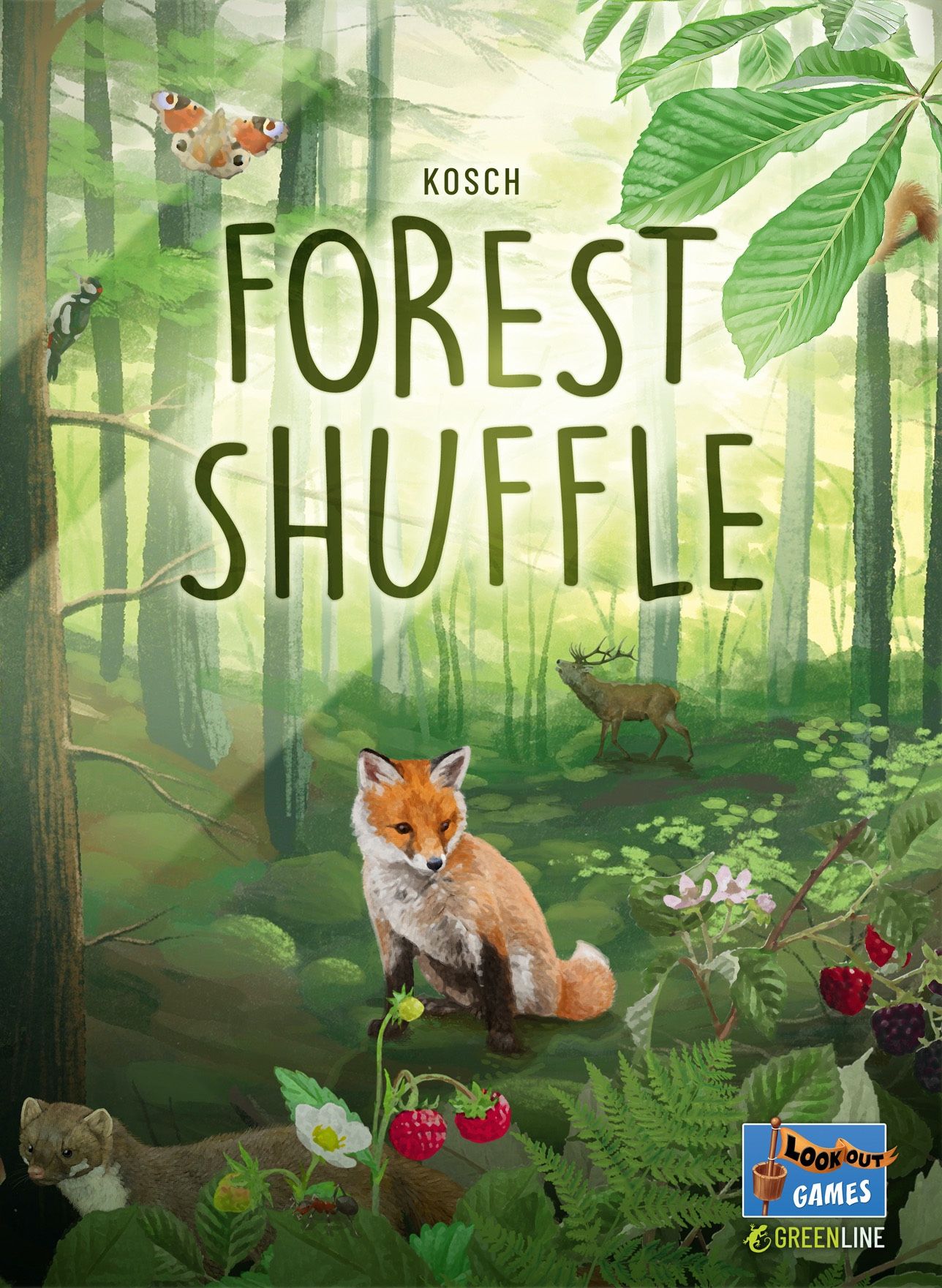
Forest Shuffle is a tableau-building card game where you draft trees, animals, and forest-floor life into a thriving ecosystem, paying for cards by discarding others — a tight, elegant tension that never lets up. It plays fast, teaches in minutes, and rewards clever combos.
It won the Deutscher Spiele Preis — Germany's biggest community-voted award — and earned a Kennerspiel des Jahres recommendation. In its home market it's a phenomenon. In a lot of American game closets it's still completely unknown, which is exactly why it's on this list.
If your group likes the nature-and-engine feel that made the genre-leader famous, this is the one you haven't played yet.
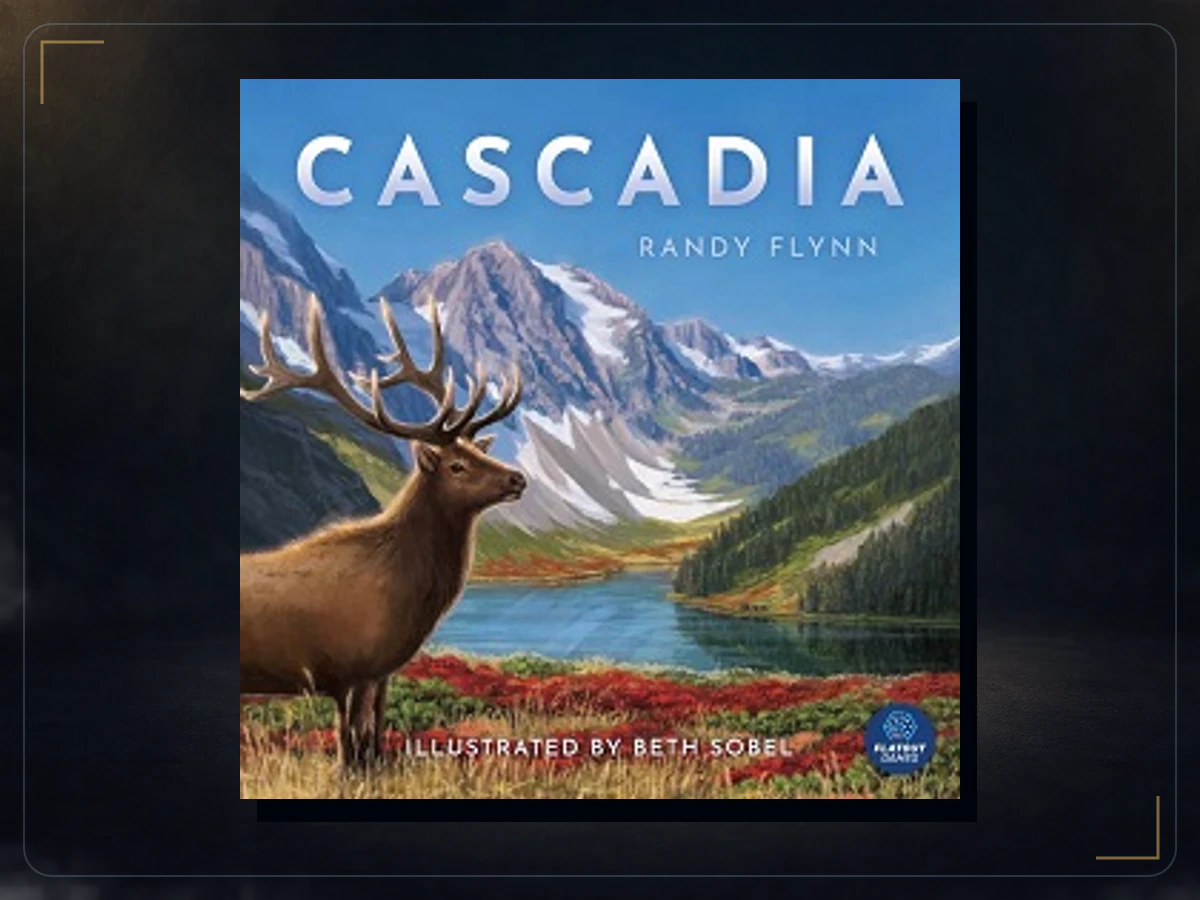
Cascadia — the tile-laying puzzle that's calmer (and sneakier) than it looks
Cascadia hands you habitat tiles and wildlife tokens and asks you to build the most harmonious Pacific Northwest ecosystem on the table. It's a tile-and-token drafting puzzle that's serene to play and surprisingly deep to master, with scoring goals that shift every game.
It's a former Spiel des Jahres winner and a frequent "first real strategy game" recommendation — relaxing enough for a family night, pointed enough for a competitive group. It also has a strong solo mode, which is rarer than it should be.
It gets overlooked precisely because it's quiet. No theme-park spectacle, no big plastic. Just a clean, beautiful puzzle that's hard to put down.
Hansa Teutonica — the dry-looking Euro that's secretly cutthroat
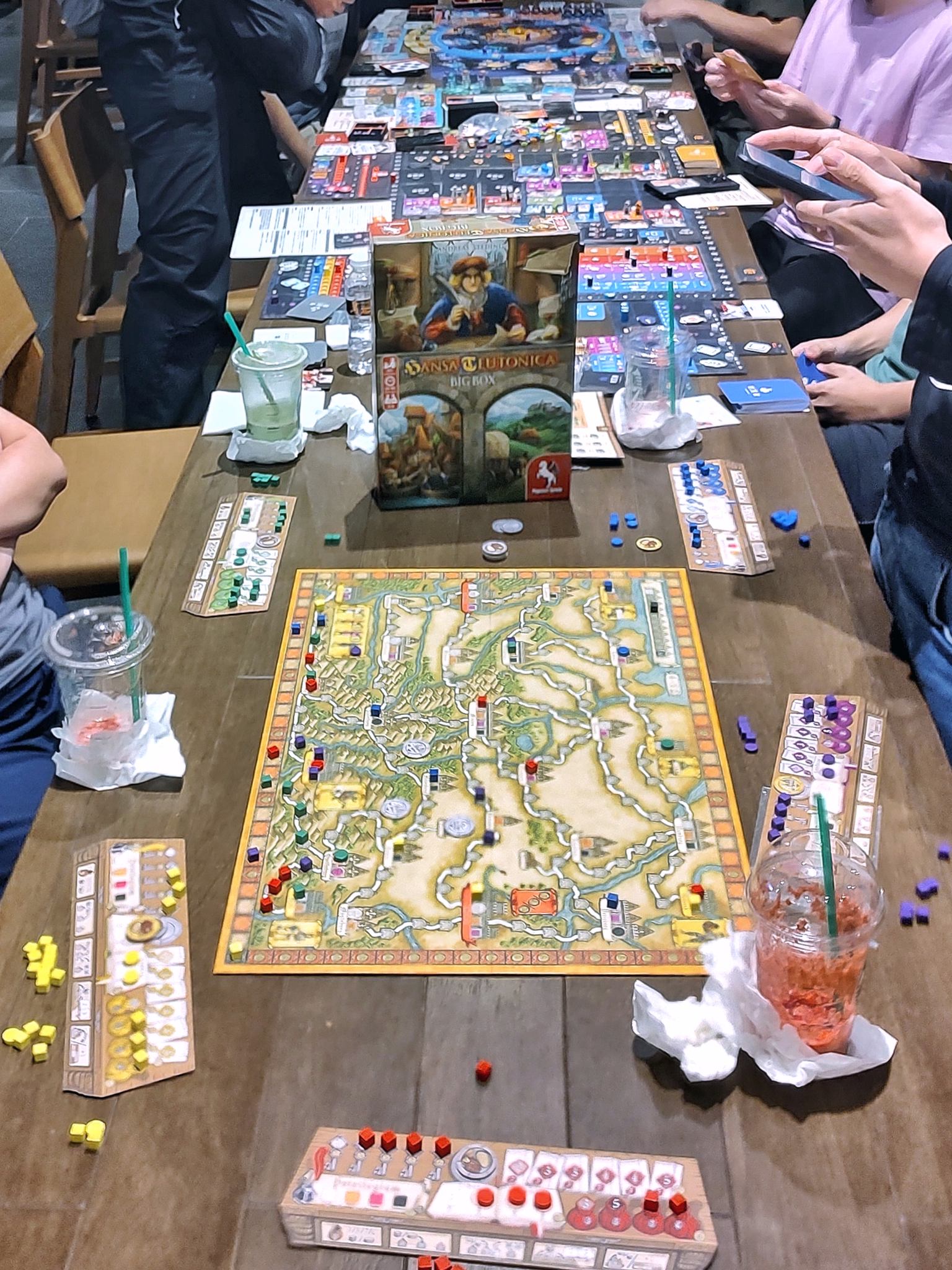
Hansa Teutonica looks like the most beige Euro on the shelf: a map of medieval trade routes, wooden cubes, no theme to speak of. Underneath that drab exterior is one of the most cleanly interactive strategy games ever made — players bump each other off routes, race to upgrade actions, and fight over a shared network with constant, direct tension.
Veterans regularly rank it among the best Euros of its era, and it earned a reputation as a top game of 2020 on its reprint. It shines at higher player counts where the elbowing gets vicious.
It's underrated for the most superficial reason imaginable: it doesn't photograph well. Push past that and you've found a gem that'll stay in rotation for years.
Res Arcana and The Castles of Burgundy — two engine-builders the spotlight skipped
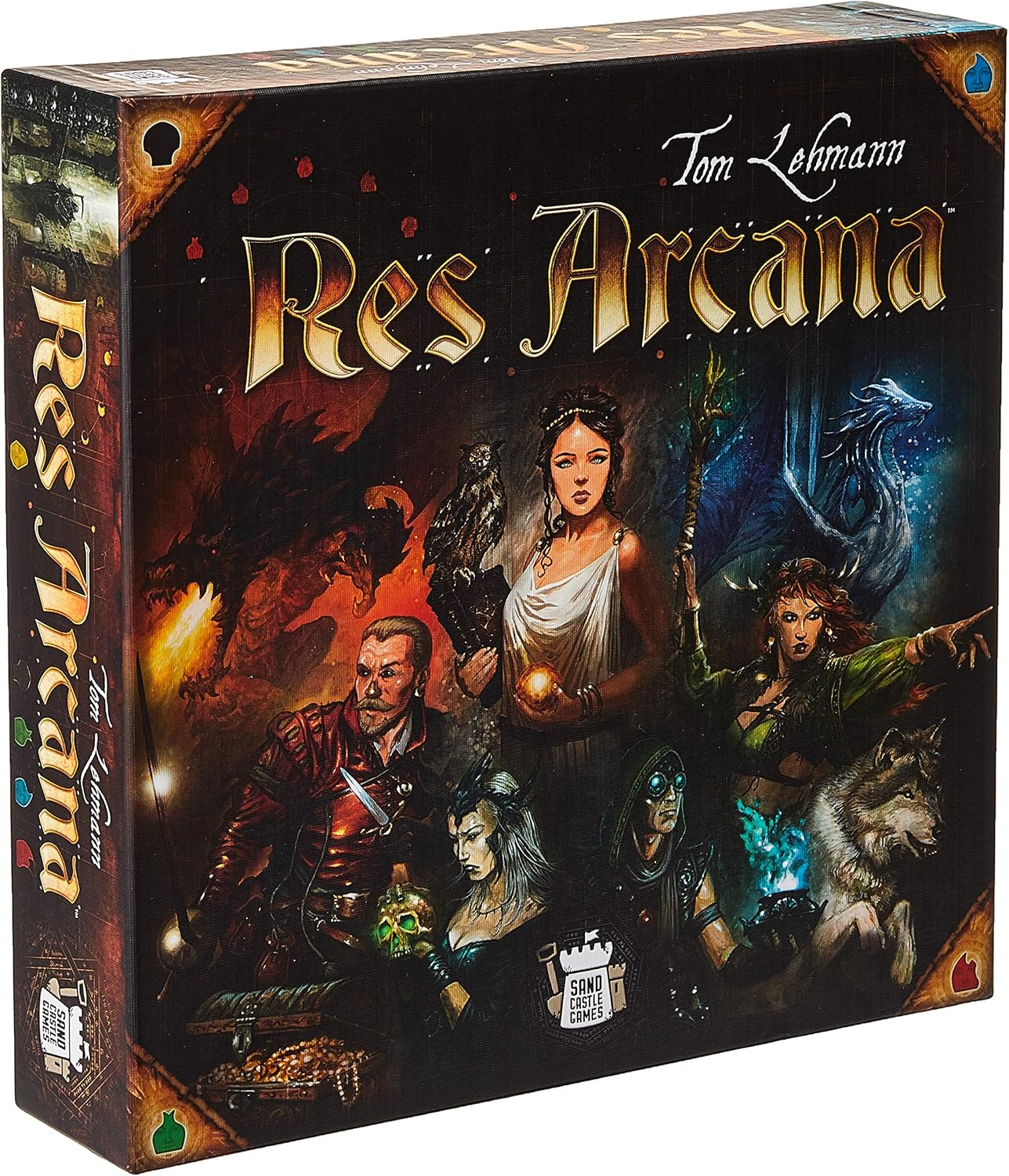
Res Arcana is a compact card-driven engine-builder where you channel essences to power artifacts and monuments — a remarkably deep game packed into a small box and a short runtime. It's beloved by people who want big-game decisions without big-game setup, and it's exactly the kind of title that gets buried under flashier releases.
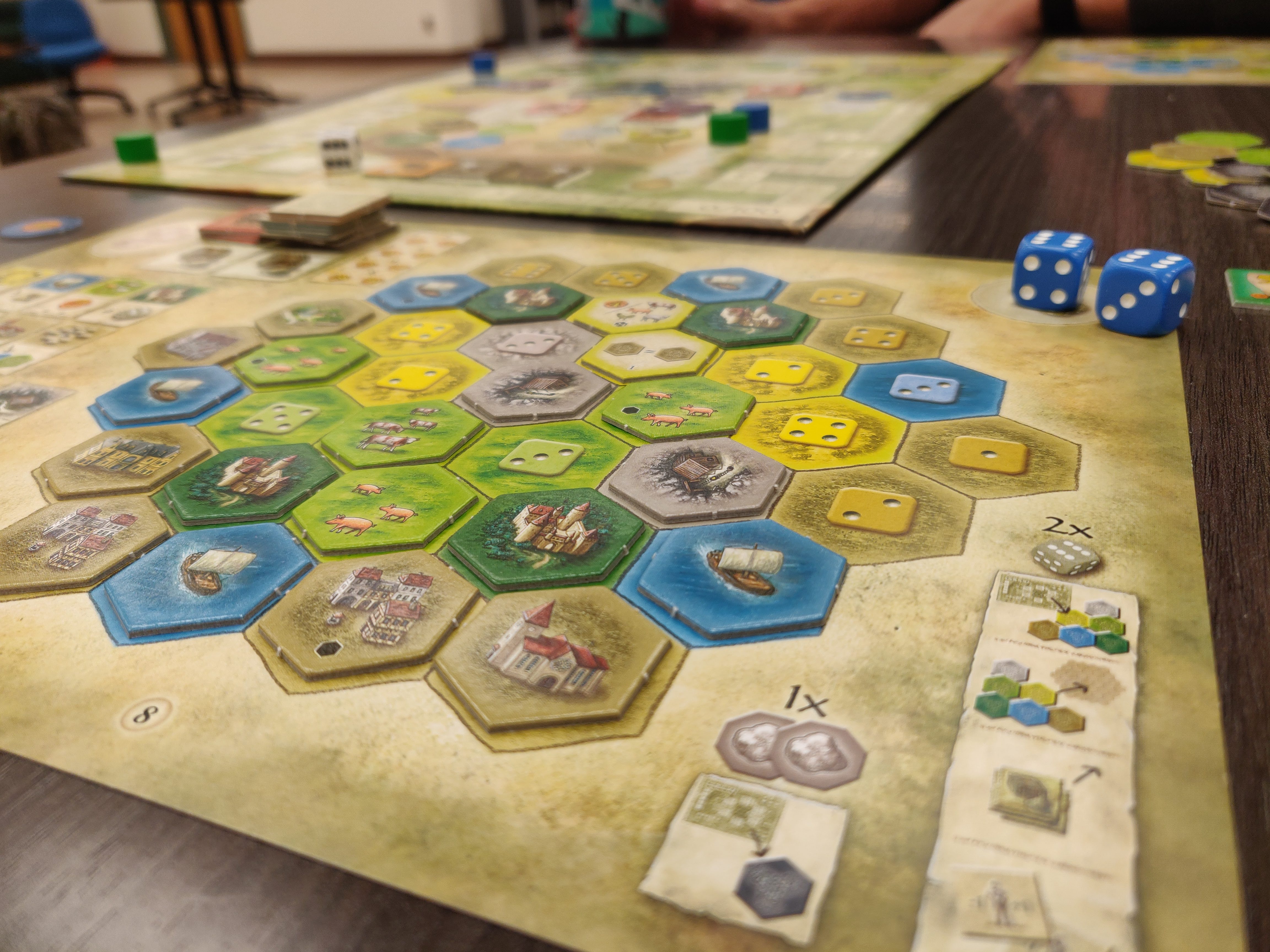
The Castles of Burgundy is an all-time classic dice-and-tile Euro — you develop a principality by placing hex tiles, balancing dice luck against tight optimization. It has lived in the upper reaches of hobby rankings for over a decade, yet a newcomer to the hobby today is far more likely to be handed a trendier box.
Both prove the same point: "underrated" doesn't mean unproven. Sometimes it just means the spotlight moved on while the game stayed great.
How do I pick the right one for my group?

Start with your player count and patience. Two players only? Sky Team and The Crew are nearly automatic buys; Res Arcana and Castles of Burgundy both play beautifully at two as well. Family or mixed-experience table? Cascadia, Quacks, and Forest Shuffle teach in minutes and welcome everyone.
Want your brain to sweat? Hansa Teutonica and Cryptid reward the players who like to think three moves ahead. Want to feel clever without a long teach? Res Arcana delivers big-engine satisfaction in a small footprint.
When in doubt, buy the cheap one first. The Crew and Cryptid cost a fraction of a premium box and will tell you a lot about what your group craves.
What experienced tables keep reporting
Recurring owner patterns, synthesized in Puzzlewick's words. Follow each evidence trail to read the original discussion.
Hansa Teutonica is a rock-solid Euro with interesting strategies and optimal path gameplay within highly-variable dynamics — frequently named a top game of its year.
The Crew has won the Kennerspiel des Jahres, Golden Geek Best Cooperative Game, the Meeple's Choice and more — a silent, two-to-five-player cooperative trick-taking campaign.
Forest Shuffle scooped Germany's biggest community-voted board game award, the Deutscher Spiele Preis, after a string of nominations including a 2024 Kennerspiel des Jahres recommendation.
The picks
Some links below are affiliate links — as an Amazon Associate, Puzzlewick earns from qualifying purchases, at no extra cost to you. It never changes a pick.
 3 photos
 Sky Team
- Players
- 2 · best 2
- Time
- 15 min
- Age
- 12+
- Complexity
- 2.0 / 5
- Publisher
- Le Scorpion Masqué · 2023
- Designer
- Luc Rémond
- Art
- Eric Hibbeler, Adrien Rives
3 photos The Crew: The Quest for Planet Nine
- Players
- 2-5
- Time
- 20 min
- Age
- 10+
- Complexity
- 1.97 / 5
- Publisher
- KOSMOS · 2019
- Designer
- Thomas Sing
- Art
- Marco Armbruster
The Quacks of Quedlinburg
- Players
- 2-4
- Time
- 45 min
- Age
- 10+
- Complexity
- 1.94 / 5
- Publisher
- Schmidt Spiele · 2018
- Designer
- Wolfgang Warsch
- Art
- Dennis Lohausen
Cryptid
- Players
- 3-5
- Time
- 30-50 min
- Age
- 10+
- Complexity
- 2.3 / 5
- Publisher
- Osprey Games · 2018
- Designers
- Hal Duncan, Ruth Veevers
- Art
- Kwanchai Moriya
Forest Shuffle
- Players
- 2-5
- Time
- 40-60 min
- Age
- 10+
- Complexity
- 2.2 / 5
- Publisher
- Lookout Games · 2023
- Designer
- Kosch
- Art
- Toni Llobet, Judit Piella
Cascadia
- Players
- 1-4
- Time
- 30-45 min
- Age
- 10+
- Complexity
- 1.8 / 5
- Publisher
- Flatout Games · 2021
- Designer
- Randy Flynn
- Art
- Beth Sobel
Hansa Teutonica
- Players
- 2-5
- Time
- 45-90 min
- Age
- 12+
- Complexity
- 3 / 5
- Publisher
- Argentum Verlag · 2009
- Designer
- Andreas Steding
- Art
- Dennis Lohausen
Res Arcana
- Players
- 2-4 · best 2
- Time
- 20-60 min
- Age
- 12+
- Complexity
- 2.7 / 5
- Publisher
- Sand Castle Games · 2019
- Designer
- Thomas Lehmann
- Art
- Julien Delval
The Castles of Burgundy
- Players
- 2-4
- Time
- 30-90 min
- Age
- 12+
- Complexity
- 2.9 / 5
- Publisher
- alea / Ravensburger · 2011
- Designer
- Stefan Feld
- Art
- Julien Delval, Harald Lieske
At a glance
| game | players | weight | time | why overlooked |
|---|---|---|---|---|
| Sky Team | 2 only | Light-Medium | ~20 min | Tiny box, doesn't look like much |
| The Crew | 2-5 | Light-Medium | ~20 min/mission | Looks like a plain deck of cards |
| Quacks of Quedlinburg | 2-4 | Light | ~45 min | Forgotten amid bigger gateway hits |
| Cryptid | 3-5 | Medium | ~30-50 min | People fear deduction games feel like homework |
| Forest Shuffle | 2-5 | Light-Medium | ~40-60 min | Huge abroad, unknown in many US closets |
| Cascadia | 1-4 | Light-Medium | ~30-45 min | Too quiet to grab the spotlight |
| Hansa Teutonica | 2-5 | Medium-Heavy | ~60-90 min | Doesn't photograph well |
| Res Arcana | 2-4 | Medium | ~30-60 min | Small box buried under flashy releases |
| Castles of Burgundy | 2-4 | Medium-Heavy | ~60-90 min | Old classic, newcomers handed trendier boxes |
Questions, answered
What is the single most underrated board game right now?
Sky Team is my top pick — it's a two-player cooperative game where you silently land a plane through dice placement, and it won the 2024 Spiel des Jahres yet remains unknown to many two-player households. It's small, fast, and delivers extraordinary tension for its size.
Why aren't Wingspan and Catan on this list?
Because they're already on everyone's shelf. This guide is specifically about excellent games the spotlight skipped — Wingspan and Catan are fine games, but their ubiquity is exactly what crowds out the titles here.
Are these games actually obscure, or just less popular?
They're less popular, not obscure. Several have won major awards like the Spiel des Jahres and Kennerspiel des Jahres. 'Underrated' here means genuinely great and easy to buy, but routinely passed over because the conversation orbits a few mega-sellers.
What's the best underrated game for exactly two players?
Sky Team and The Crew are the standouts for couples and two-player groups. Both lean on near-silent cooperation. Res Arcana and The Castles of Burgundy also play beautifully at two if you want a meatier head-to-head game.
Which of these is cheapest to try first?
The Crew and Cryptid are typically the lowest-cost entries — The Crew in particular is card-game priced and delivers a full campaign of missions, making it the best low-risk way to test what your group enjoys.
What's the most beginner-friendly pick here?
Cascadia, Quacks of Quedlinburg, and Forest Shuffle all teach in minutes and welcome new players. Cascadia is especially good for skeptics who think they don't like board games.
Which is the heaviest, most strategic option?
Hansa Teutonica and The Castles of Burgundy are the brain-burners — deep, interactive Euros that reward thinking several moves ahead. Cryptid is also demanding in a pure-logic way despite a lighter footprint.
Do any of these play well solo?
Cascadia has a well-regarded solo mode, and Res Arcana and The Castles of Burgundy offer solo options too. If solo play matters most, start with Cascadia.
Are these games still in print and easy to buy in 2026?
Yes — every pick is either currently in print or cycles through regular reprints as of mid-2026. The 'bookmark before they sell out' angle is real, though: popular reprints can go through stretches of low stock, so grabbing one when you see it is wise.
What makes Sky Team and The Crew different if both are silent co-ops?
Sky Team is a two-player-only dice-placement game about landing a plane; The Crew is a 2-5 player cooperative trick-taking card game played across a mission campaign. They share a 'communicate without talking' DNA but feel completely different in play.
Is Hansa Teutonica worth it if it looks so boring?
Absolutely — its plain board hides one of the most cutthroat, directly interactive Euro games ever made. It's a frequent veteran favorite. Just know it shines best at four or five players, where the route-blocking gets vicious.
What should I buy if my group loves Wingspan specifically?
Try Forest Shuffle and Cascadia. Both share Wingspan's nature theme and engine-and-tableau satisfaction, but offer fresh mechanics your group almost certainly hasn't played yet.
Why does the same handful of games dominate every store shelf?
Discovery is a feedback loop: well-stocked, frequently-demoed games get recommended, which makes them more popular, which gets them recommended again. Excellent titles two feet away just get less foot traffic. Going 'one shelf over' is the whole fix.
Is 'underrated' just marketing for games that didn't sell?
Not here. Castles of Burgundy and Hansa Teutonica have ranked among the best Euros for over a decade. 'Underrated' in this guide means the spotlight moved on, not that the game failed — these already won the critical argument years ago.
Imani's verdict
If you want to break out of the same three boxes everyone owns, start with Sky Team or The Crew — both are cheap, fast, award-winning, and almost certainly missing from your shelf. From there, match the rest to your table: Cascadia and Quacks for easy crowd-pleasers, Hansa Teutonica and Castles of Burgundy for the strategy crowd. None of these are gambles; they're proven games the hype cycle simply skipped. Grab the one that fits your group before the next reprint gap makes it harder to find.
Research ledger 11 sources · reviewed 2026-08-10
Specifications, rules, current product information, community experience, and contrary evidence were checked against the sources below. Commercial links are kept separate from editorial evidence.
- boardgamegeek.comboardgamegeek.com/boardgame/373106/sky-team
- en.wikipedia.orgen.wikipedia.org/wiki/Sky_Team
- amazon.comamazon.com/dp/B0CHD8RCSJ?tag=puzzlewick-20
- boardgamegeek.comboardgamegeek.com/boardgame/284083/the-crew-the-quest-for-planet-nine
- boardgamegeek.comboardgamegeek.com/boardgame/244521/quacks
- tabletopbellhop.comtabletopbellhop.com/game-reviews/quacks-of-quedlinburg
- boardgamewire.comboardgamewire.com/index.php/2024/10/08/forest-shuffle-scoops-germans-biggest-community-voted-board-game-award-sky-team-and-white-castle-also-impress
- boardgamegeek.comboardgamegeek.com/boardgame/43015/hansa-teutonica
- boardgamequest.comboardgamequest.com/board-games-that-we-shouldnt-like-but-do
- boardgamegeek.comboardgamegeek.com/geeklist/299282/underrated-and-hidden-gems
- Scorpion Masque official Sky Team product recordscorpionmasque.com/en/sky-team
Keep exploring
The next smart rabbit holes.
✦ Topic PathBoard Game Buying Guides: compare the whole shelfStart with the decision, not the shelf. These guides compare the games, editions, expansions, player counts, and costs people...Best Of5 New Board Games Worth Your Next Game Night: Cozy Stories, Clever Cards, and a Proper AdventureImani matches five current tabletop releases to five kinds of evening, with the awkward bits included: permanent stickers, limited...GuideThe 2026 Board Game Hype Test: Which Trending Games Are Actually Worth Your Table?BoardGameGeek Hotness measures attention on BoardGameGeek, not sales and not your future happiness. Robert turns five fast-moving names...