Best Beginner Card Games 2026: Easiest to Learn for All Ages
Five card games so easy to learn, even your grandma will finish a round before her tea gets cold.


AI-assisted research and drafting in Yumi’s voice · reviewed by Robert Pruitt · how this guide was made
Last editorial refresh: 2026-06-18 Gold-standard QA: 2026-08-10 9 sources reviewed Affiliate links checked during gold-standard pass

The short answer
The easiest card games for beginners combine simple rules with fast gameplay—Sushi Go teaches card drafting in 15 minutes, Codenames and Exploding Kittens offer team fun with zero setup complexity, and Uno remains the ultimate gateway game for all ages. Start with any of these five, and you'll be playing with confidence within minutes.
Decision map
Choose in thirty seconds
Gateway game for ages 8+; families and new players learning card drafting
Team players ages 10+; parties and groups of 4-8
Chaotic fun for ages 7+; anyone who loves pushing their luck and unpredictability
Welcome to the cozy corner of card gaming, friend! Your first time holding a deck doesn't have to feel scary—it should feel like warm tea and possibility. The most beautiful games whisper their rules to you, meeting you exactly where you are. Whether you're gathering five-year-olds for silly laughs, bringing a multi-generational family to the table, or finally diving into the hobby as a grown-up, there's a perfect first card game waiting for you. Today we're exploring the gentlest gateways into this magical hobby—games designed so anyone can learn them in moments, yet they sing with enough charm that even seasoned players keep coming back. Let's find your perfect match and turn those coffee-table moments into memories.
Start here, then go deeper
You are in the right cabinet.
 ⌂ Topic PathFamily and Gateway Games: compare the whole shelfA good family game gets everyone playing quickly without becoming disposable after three nights. These guides prioritize clear...
 How-ToYu-Gi-Oh TCG 2026 Starter Sets & Beginner Decks: Play Your First DuelTwo starter routes, two tutorial options, and one afternoon to learn the fundamentals. Start here before buying random Yu-Gi-Oh boosters...
 Beginner's GuideHow to Start Playing Magic: The Gathering in 2026: A Beginner's GuideThe free-first, buy-one-box path into Magic — and the honest catch on each starting point.
What actually makes a card game beginner-friendly?
Answer first, friend: a truly beginner-friendly card game can be taught in under five minutes, flows without anyone flipping back to the rulebook mid-turn, and lets a brand-new player feel clever on their very first hand. That last part is the secret most lists skip. A good gateway game doesn't just have simple rules — it hands you a small, satisfying decision every single turn so you feel like a player, not a passenger.
Here's the test I run before I ever recommend a game to a nervous first-timer. One: can I state the goal in a single breath? ("Collect the most sushi." "Don't draw the kitten.") Two: is the turn structure rhythmic — the same little loop repeating, so muscle memory takes over by turn three? Three: does luck sit beside skill rather than crushing it, so a newcomer can occasionally beat a veteran and walk away glowing?
What to gently avoid on a true first night: thick rulebooks, games asking you to memorize a dozen card powers, and heavy hidden-information bluffing before anyone's comfortable. Those are wonderful — later. The cozy truth is that the best beginner games were engineered to feel easy. Sushi Go borrowed its elegant pass-the-hand drafting from 7 Wonders and Fairy Tale and quietly sanded off every sharp edge. Easy isn't shallow. Easy is a kindness the designer built in on purpose, so you can spend your attention on the people across the table instead of the page in your hand.
Card games vs. board games — which should a beginner start with?
Start with cards. Nearly every time. A card game is lighter, cheaper, faster, and infinitely more forgiving of a slow first night — and that forgiveness is exactly what a beginner needs to fall in love instead of bouncing off.
The practical gap is real. A pure card game fits in a coat pocket, costs $10–$25, sets up in the time it takes to shuffle, and wraps a full round in 10–20 minutes. A board game often means punching out tokens, laying out a board, and tracking pieces across a sprawl of space — gorgeous, but a lot of overhead for someone still learning to hold a hand of cards without flashing them. With cards you're managing five things in your hand; with many board games you're managing the whole table at once. Lower cognitive load means more brain left over for laughing.
There's a portability magic, too. You can teach Sushi Go on a picnic blanket, on a train, in a cramped kitchen while the kettle heats. I keep a deck in my bag the way some people keep gum. The other quiet advantage: shorter games mean more games. A beginner who plays three quick rounds of Love Letter learns by repetition — turn-taking, rule-following, the sweet sting of a close loss — far faster than someone slogging through one ninety-minute epic. Cards let you fail cheaply and try again immediately, which is the whole point of learning anything. Save the big boxes for your second season. Earn the board.
In what order should a beginner climb the card-game ladder?
Think of it like learning to make a proper cup of tea — you don't start by blending your own oolong. You climb in gentle steps, and each step quietly builds a muscle you'll lean on later. Don't skip rungs; the comfort you bank early is what makes the harder games feel easy.
First sip (ages 5–7, 10–15 min). Uno, Go Fish, Snap, and Taco Cat Goat Cheese Pizza. These are reflex-and-recognition games — match a color, spot a pair, slap a pile. They teach the bedrock skills nobody talks about: taking turns, following a rule when it's inconvenient, and celebrating a win out loud. Little hands, big laughs, zero pressure.
Sweet middle (ages 8+, 15–20 min). Sushi Go, Exploding Kittens, Love Letter, and Codenames. Now you're thinking a move or two ahead and starting to read faces — but the games carry that weight for you. This is where someone stops saying "I don't really play card games" and starts saying "one more round."
Deeper brew (ages 10+, 20–30 min). Splendor, Ticket to Ride: The Card Game, and Smash Up add light engine-building and resource decisions. Still warm and welcoming, but every turn now holds a real choice.
The pattern that matters: each rung rewards a habit the last one taught. Drafting in Sushi Go makes the engine-building in Splendor feel intuitive. Reading discards in Love Letter primes you for any deduction game forever. Respect the journey and the journey carries you.
How do you actually teach a card game in five minutes?

The number-one teaching mistake is lecturing. Nobody learned to ride a bike from a manual. So I never explain a card game — I run one, narrating as we go, and the rules sink in through the hands instead of the ears. Here's the exact sequence I use, whispered friend-to-friend.
1. Lead with the goal, in one sentence. "Whoever collects the most sushi wins," or "Don't be the one who draws the kitten." Everything else is just how you chase that one line, and a beginner who knows the destination forgives a fuzzy map.
2. Show one full turn with real cards face-up. "I have these three, it's my turn, I'll play this one because it scores with the card I already have — now I pass the rest to you." Watching beats hearing, every time.
3. Play the first three rounds as a no-score practice run. This is the trick the experts use and the rest of us forget. With no points on the line, people experiment, ask freely, and absorb the rhythm. Then you deal a real game and they're suddenly fluent.
4. Let questions pull the rules out of you. "Can I play this now?" is so much easier to answer in the moment than in a ten-minute pre-game speech they've already half-forgotten.
And the gentlest rule of all: if someone's still lost after one round, you picked the wrong game for them, not the wrong person. Smile, swap to something simpler, try again next time. The game was never the point.
Which beginner card game is right for YOU? (the ranked six)

Here's the honest secret about this list: there's no single "best" — there's the best one for the table you're sitting at tonight. Each of these six opens a different door, so match the door to the people, not to the difficulty rating.
Want elegance and a real first-turn decision? Sushi Go (#1). It teaches drafting — picking one card and passing the rest — which is the gateway skill to half the hobby, dressed up in artwork so cute you'll grin while you lose.
Got a crowd that loves to argue and shout? Codenames (#2). Pure wordplay, near-zero luck, scales to a roomful, and the joy is watching one perfect clue land.
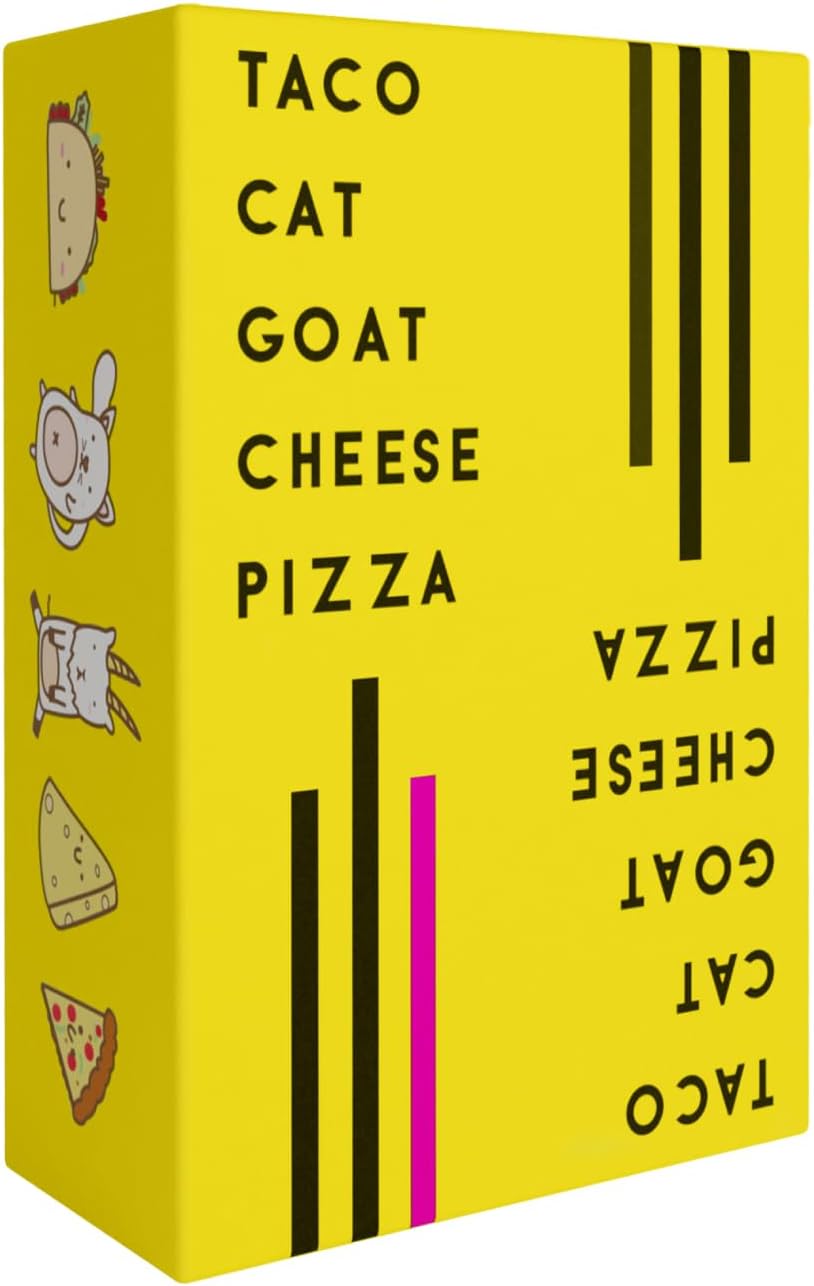
Want chaos and belly laughs? Exploding Kittens (#3) for press-your-luck mayhem, or Taco Cat Goat Cheese Pizza (#5) for slap-the-pile physical comedy that needs no strategy at all.
Have a five-year-old or a total newcomer? Uno (#4) — one sentence of rules, infinite forgiveness.
Want something quiet, sharp, and intimate? Love Letter (#6): sixteen cards, ten minutes, and a duel of reads that feels like medieval chess.
Read each pick's "best for" line below and trust your gut about the humans involved. A deduction-lover lights up at Codenames and may yawn at Exploding Kittens; a giggly party crowd is the reverse. The game is just the carrier — the joy is the cargo, and you already know which of your people wants which kind of fun.

Where should you actually buy your first deck (and what to skip)?

Quick answer: any of these six is sitting on a shelf at Target, Walmart, or your nearest big-box right now, almost always in the toy aisle near the board games, almost always under $25. You do not need to special-order anything to start tonight.
But here's the cozy insider move most first-timers miss — your local game shop. Independent game stores are treasure rooms, and the best ones keep demo copies on a back shelf you're welcome to try before you buy. Ask the person behind the counter to teach you a round; I promise it's the favorite part of their day. You'll walk out with a game you've actually played and a person who'll happily recommend your next three.
A few honest money notes. Prices wobble: a $20 game is often $14 a week later or a town over, so it's worth a thirty-second check across two or three places before you commit. For the lighter party games on this list, the big-box price is usually the floor and that's fine. For deeper games down the road, dedicated online shops like Miniature Market or Board Game Bliss frequently beat the toy-aisle sticker.
And the most important purchase advice of all: buy the base game, not the deluxe edition. Master vanilla Sushi Go before you ever reach for Sushi Go Party's twenty-dish buffet. Learn standard Uno before house rules. Expansions and big boxes are a second-year treat — a reward for falling in love with the core, not a first date. Start small, start cheap, start tonight.
What are the insider tricks that make each of these games sing?

Once everyone knows the rules, these small secrets turn a fine game into a memorable one — and most beginners never hear them. A few worth keeping in your back pocket:
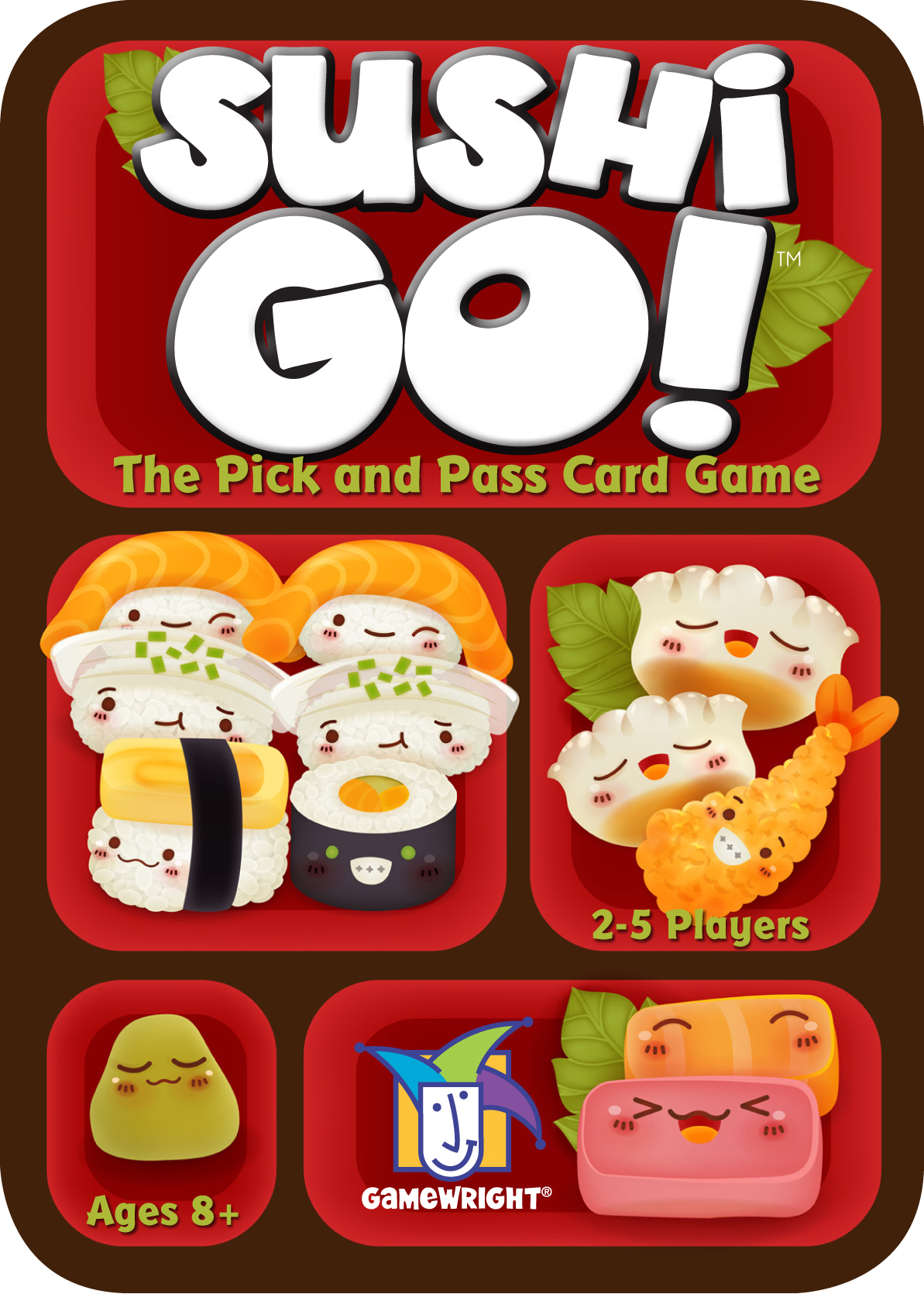
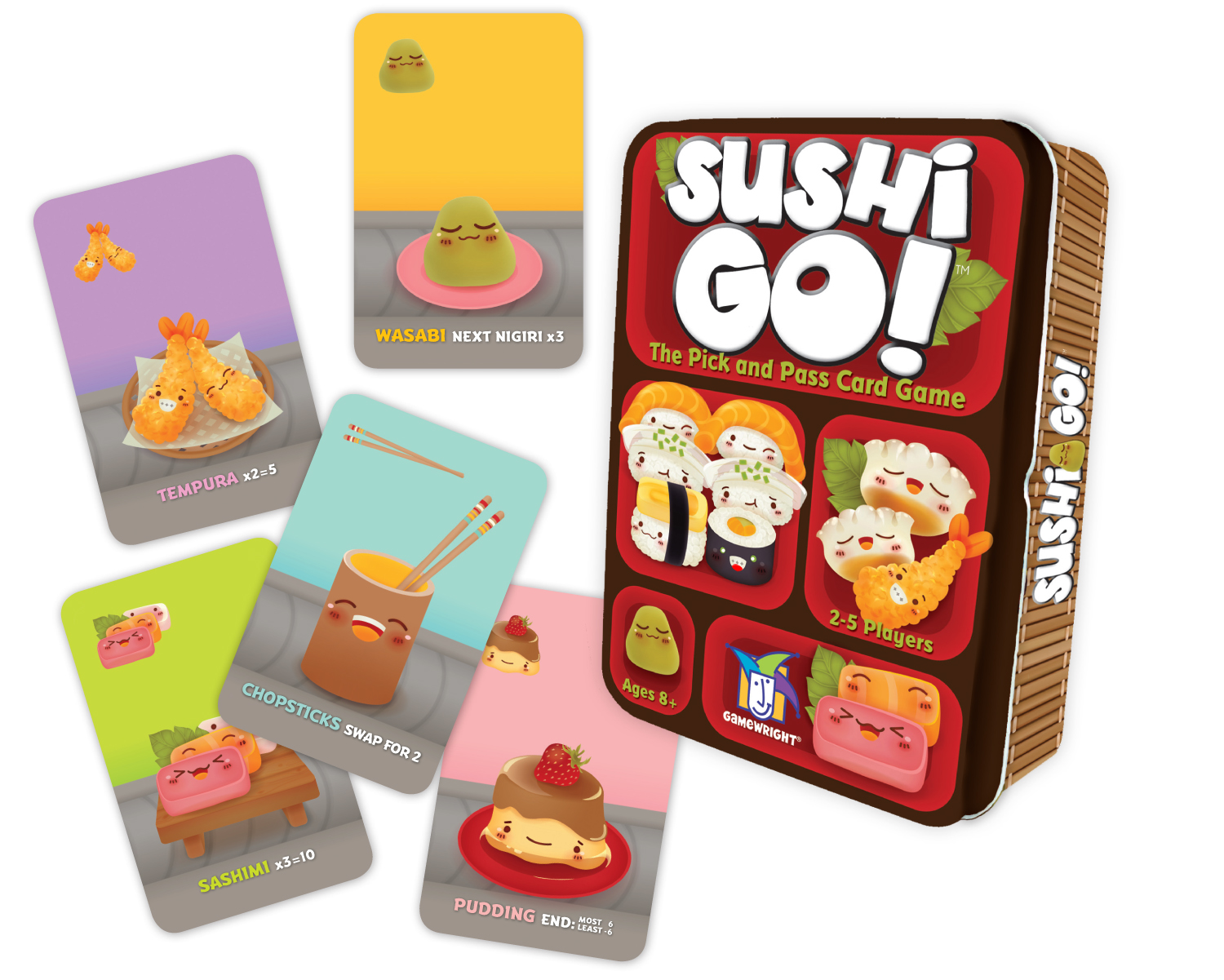
Sushi Go: grab a Wasabi early and slap a Squid Nigiri on it for a glorious nine points (Wasabi triples the next Nigiri). But resist hoarding Pudding — having three more than everyone is no better than having one more, and those wasted picks could've scored elsewhere. Chopsticks are worth roughly six points only if you draft them early; late, they're nearly dead weight.
Codenames: chase the safe 2-card clue and bank momentum rather than over-reaching for a flashy 4 that risks the assassin. And if you only have two players, the game you actually want is Codenames: Duet, the cooperative version built for two — the base game truly needs four.
Exploding Kittens: play See the Future, spot a kitten on top, then immediately Skip — the cleanest combo in the deck. Bonus: stay perfectly calm afterward and opponents will waste defensive cards on a threat that isn't there.
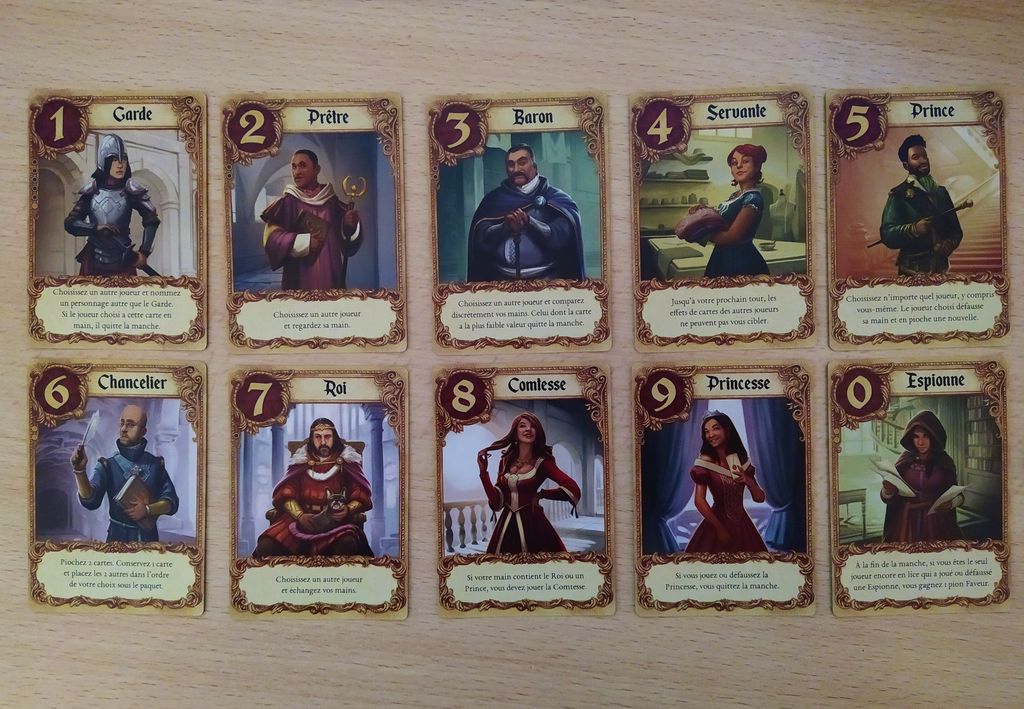
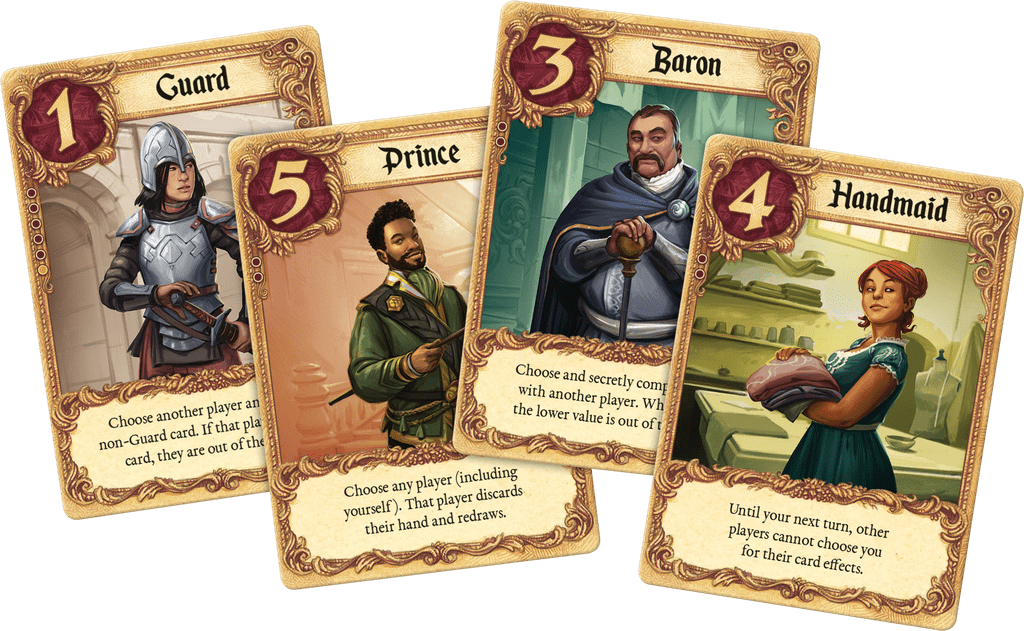
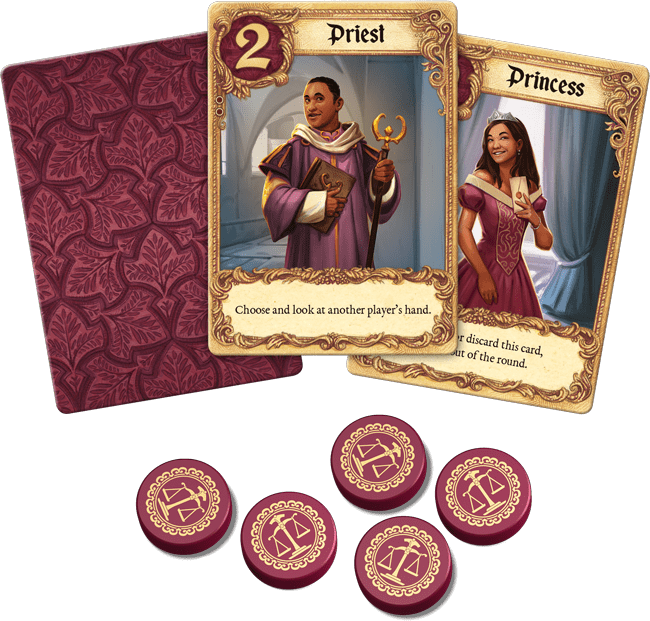
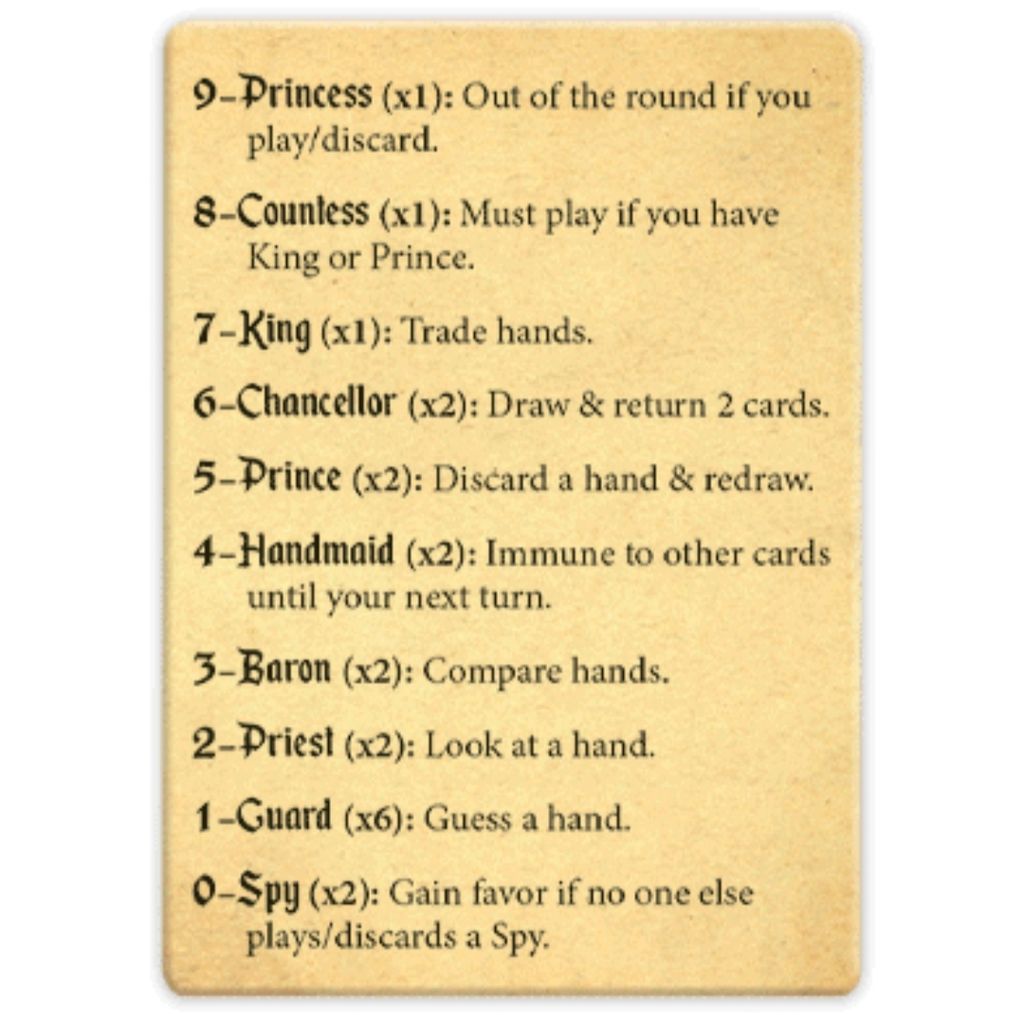
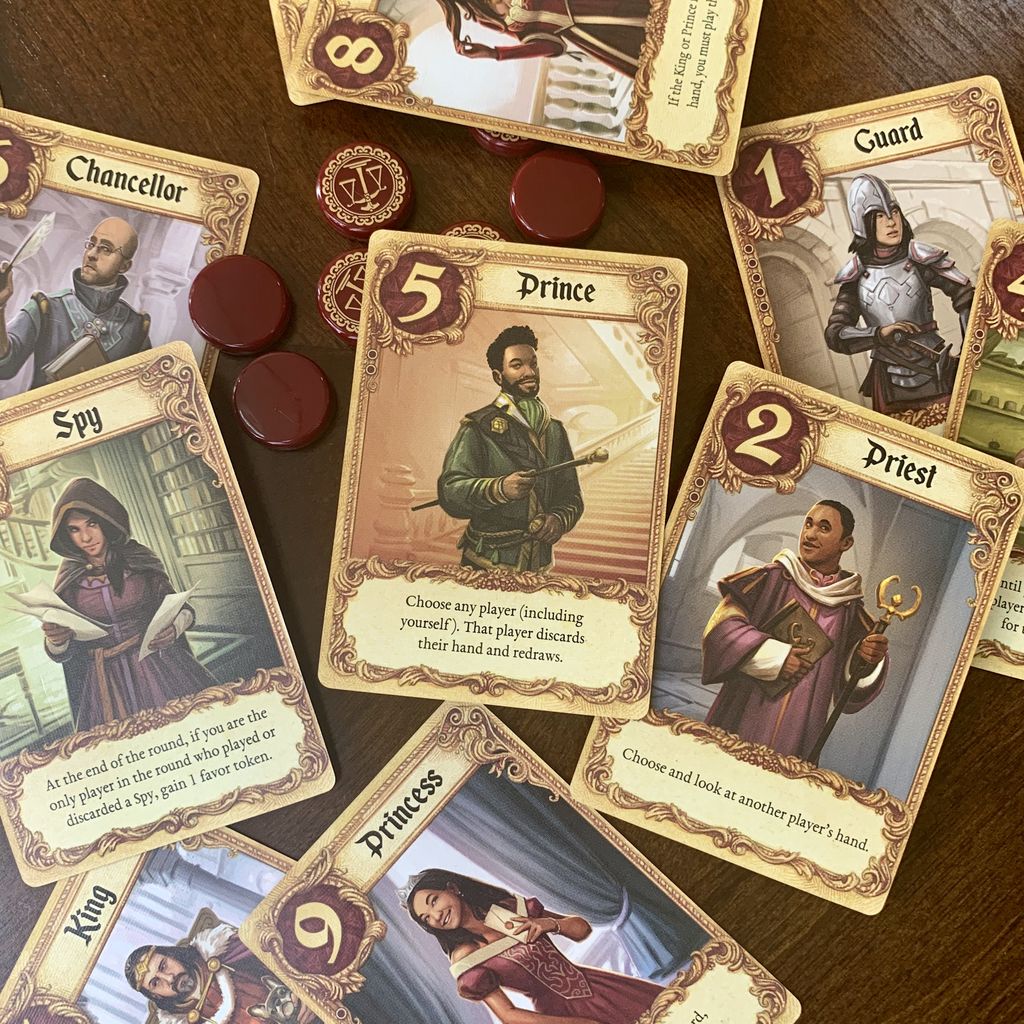
Love Letter: when you play a Guard, guess a 2 through 5 — those cards are doubled in the deck, so your odds jump. And if someone discards the Countess for no reason, they're often hiding a King or Prince.
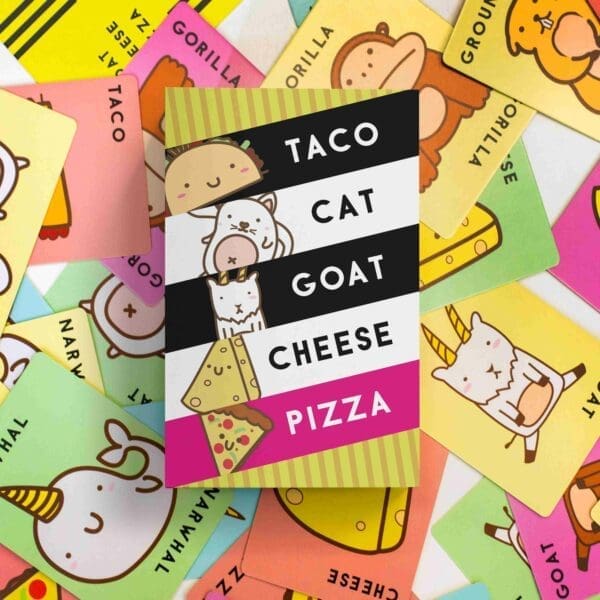
Taco Cat: on a Gorilla, Groundhog, or Narwhal card you must do the gesture before you slap — gesture-and-slap together is a penalty.
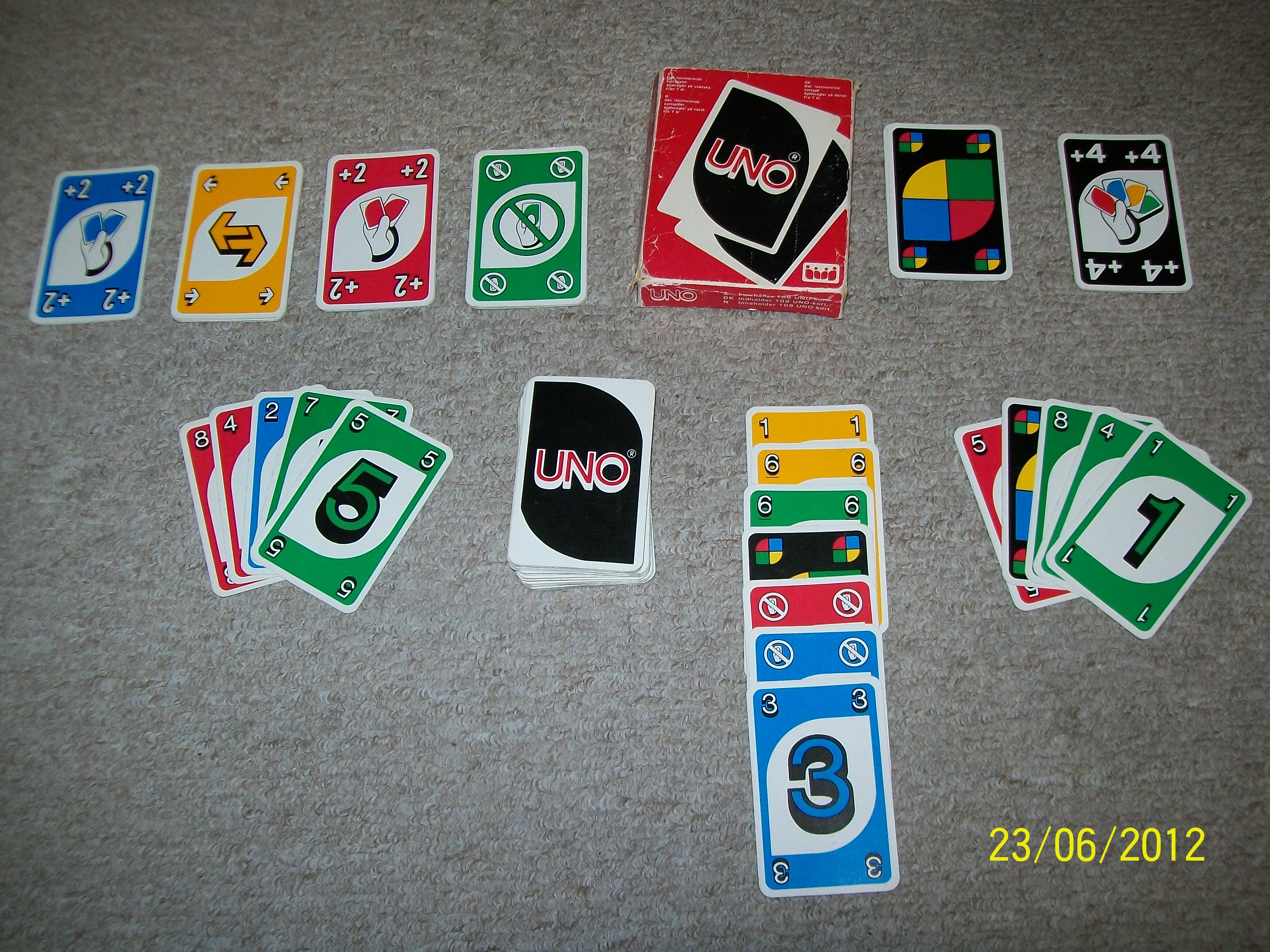
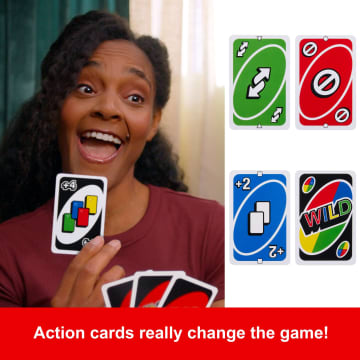
Uno: officially, per Mattel, you cannot stack +2 cards — that's a house rule. Knowing the real ruling settles every family argument.

How do you host a game night that people actually come back to?

The honest answer has almost nothing to do with the game. A great game night is about safety and warmth — the feeling that it's okay to be new, to be slow, to lose and still belong. Get that right and any of these six will shine.
Set the stage first. Snacks within reach, good light over the table, phones face-down, a surface that's actually clear. You're not just dealing cards; you're building a little pocket of evening that people will want to step back into.
Go slow the first game — on purpose. A 15-minute game will run 25 while everyone's learning, and that's perfect, not a problem. Nobody remembers the round that ran long; they remember feeling rushed.
Cheer the small things loudly. Someone plays their first Defuse, lands their first clever clue, wins their first round — make a genuine fuss. The energy you bring becomes the table's baseline, every single time.
Offer to partner with the nervous one. "You and I are a team this round — I'll help you pick." It dissolves the pressure and makes learning feel like collaboration instead of a test.
And hold the house rules until the base game is mastered. Variants are dessert; designers spent months balancing the main course. Master vanilla, then experiment.
The throughline under all of it: read the room over the rulebook. If anyone tightens up, you moved too fast or picked the wrong game — pivot to something sillier, pour another cup, and let the night breathe. The games will always be there. The people are the reason you set the table.

The picks
Some links below are affiliate links — as an Amazon Associate, Puzzlewick earns from qualifying purchases, at no extra cost to you. It never changes a pick.
 5 photos
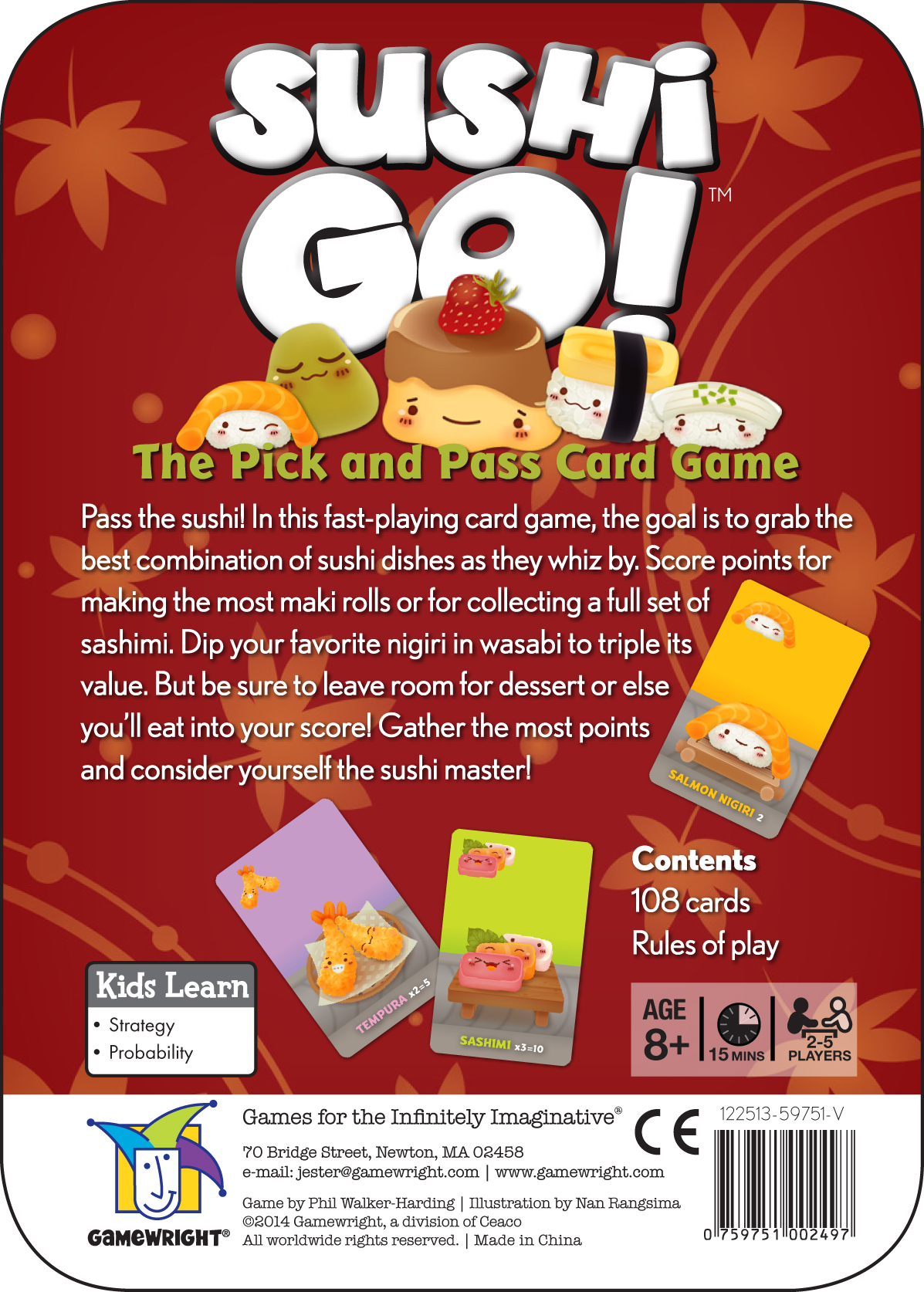
 Sushi Go!
- Players
- 2-5 · best 4
- Time
- 15 min
- Age
- 8+
- Complexity
- 1.2 / 5
- Publisher
- Gamewright · 2013
- Designer
- Phil Walker-Harding
- Art
- Nan Rangsima
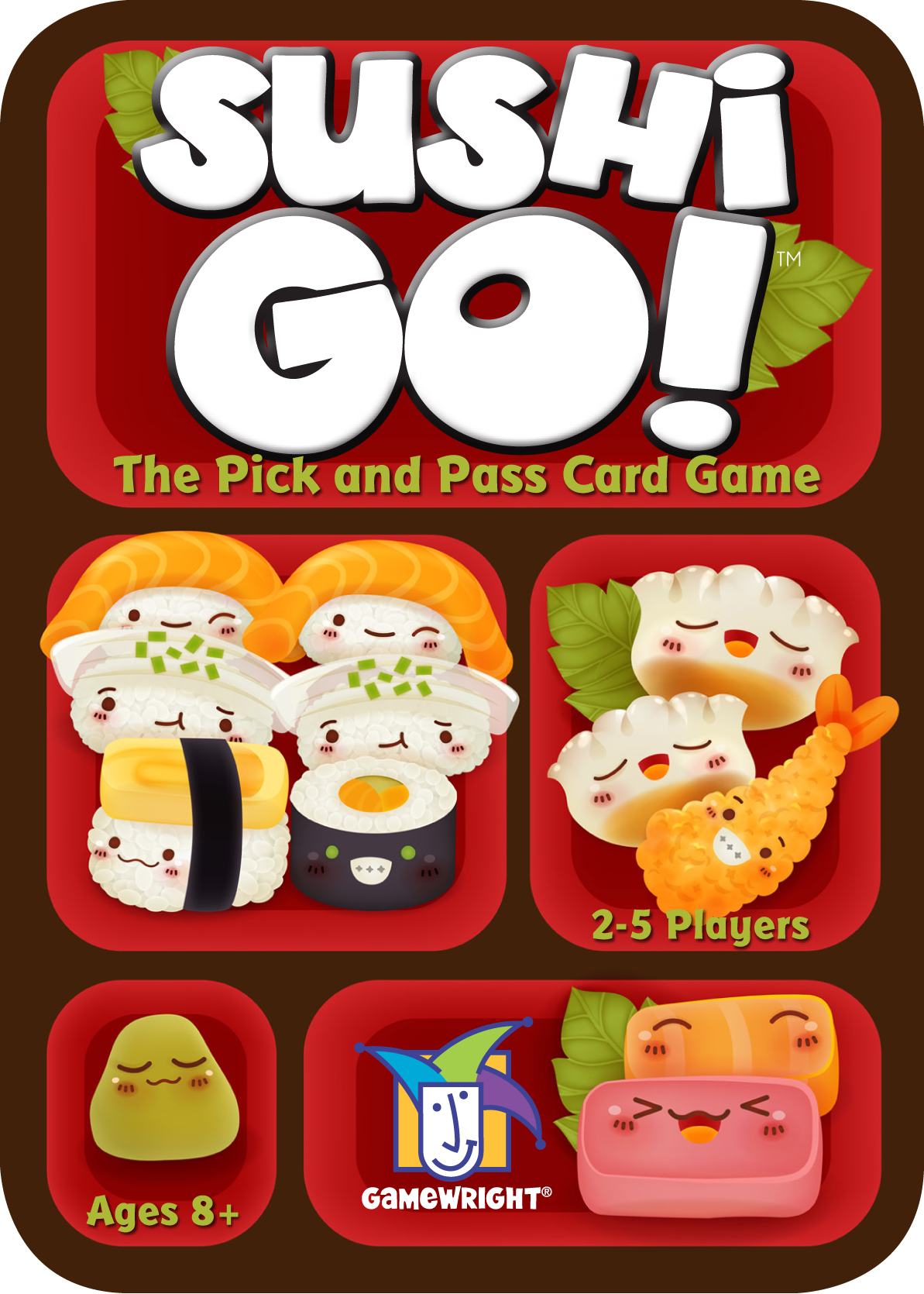
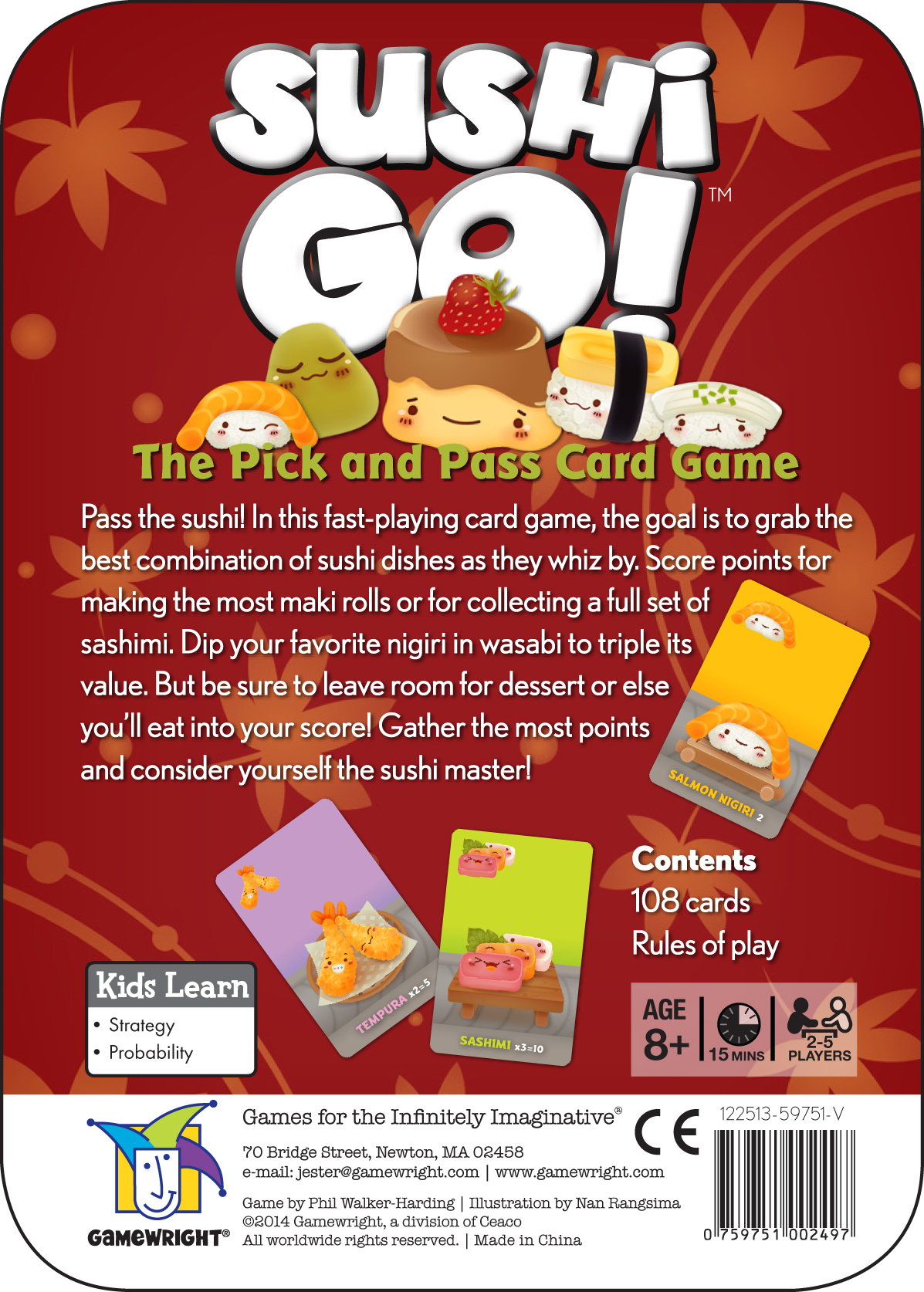
The gold standard of beginner card games—beautiful sushi cards, elegant drafting mechanics, and wins within 15 minutes. Each round teaches you something new without feeling like a lesson. The theme is so charming you'll smile while losing.
- Rules teachable in two minutes with one example round
- Gorgeous watercolor artwork on every card
- Three-round structure builds momentum and natural pacing
- Requires 2-5 players (games can feel thin with only two)
- Occasional analysis paralysis from newer players on card choice
 7 photos
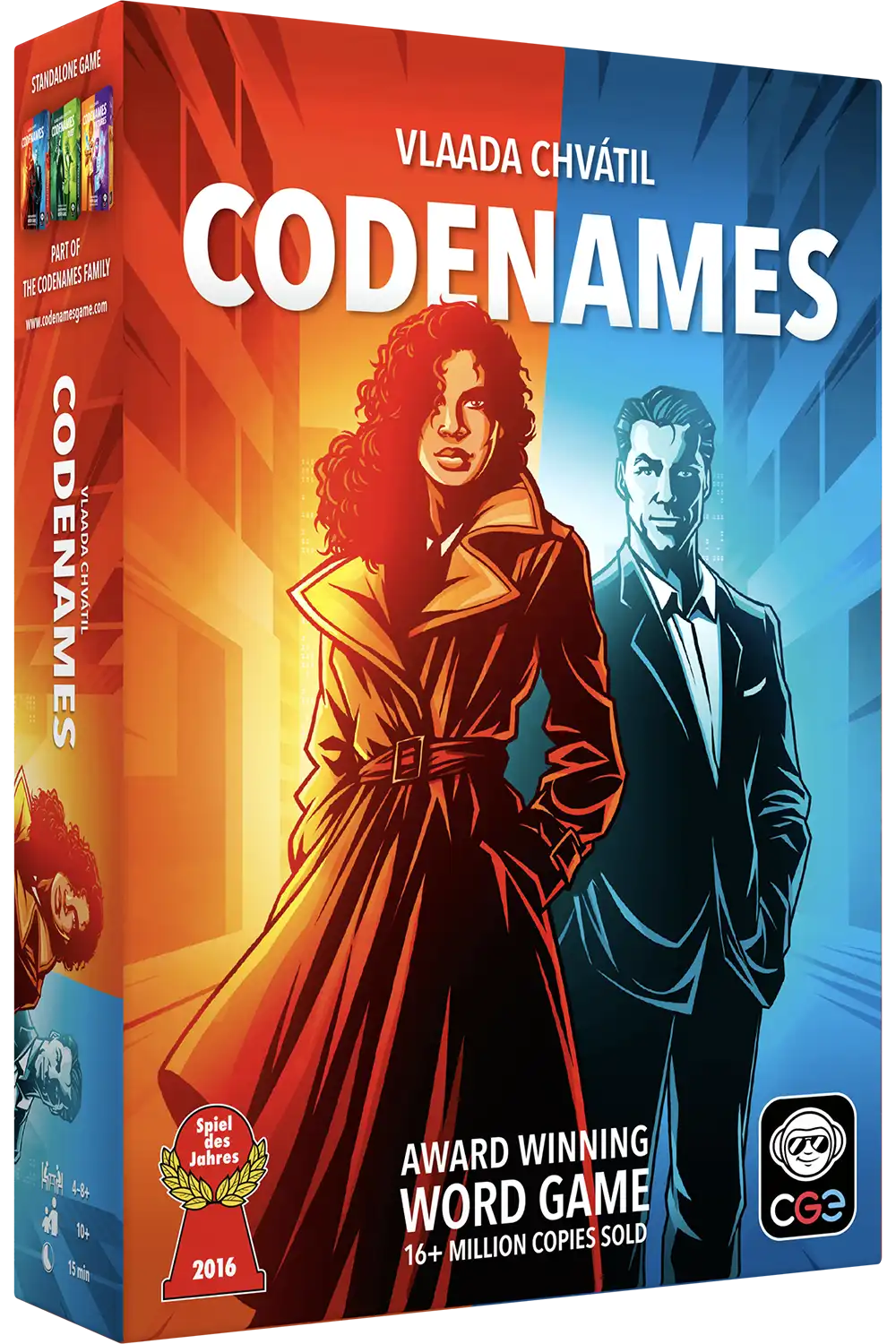
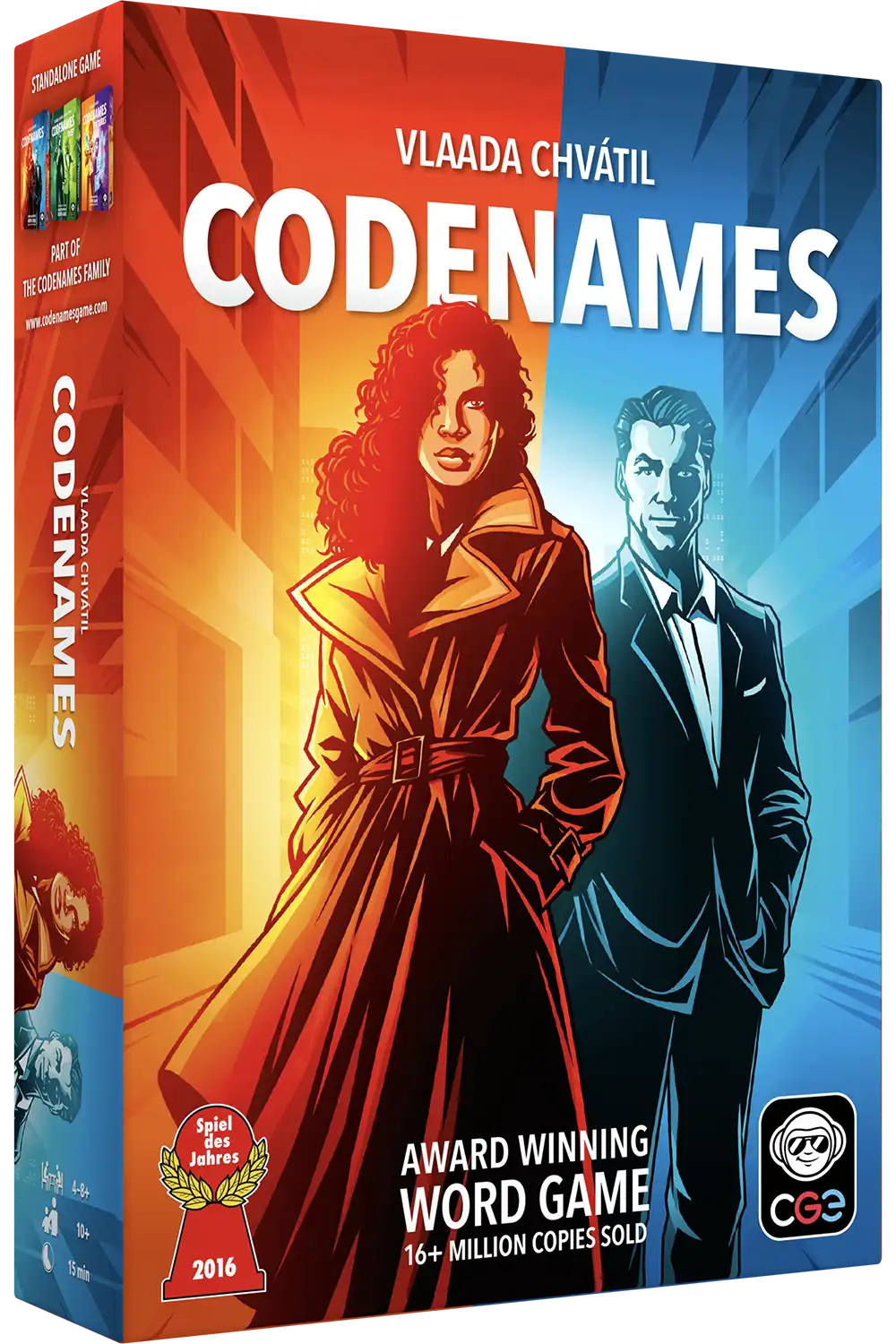
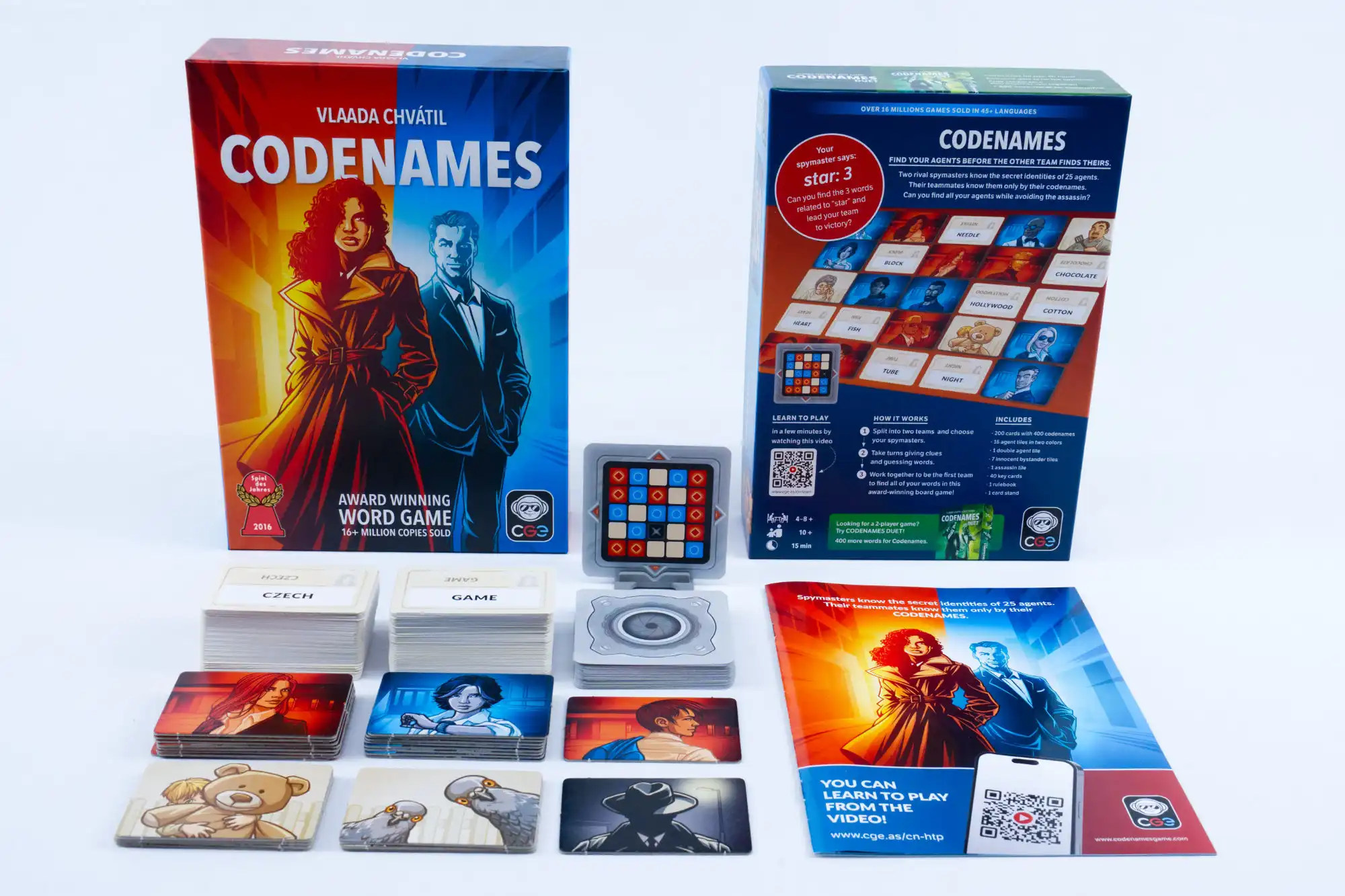
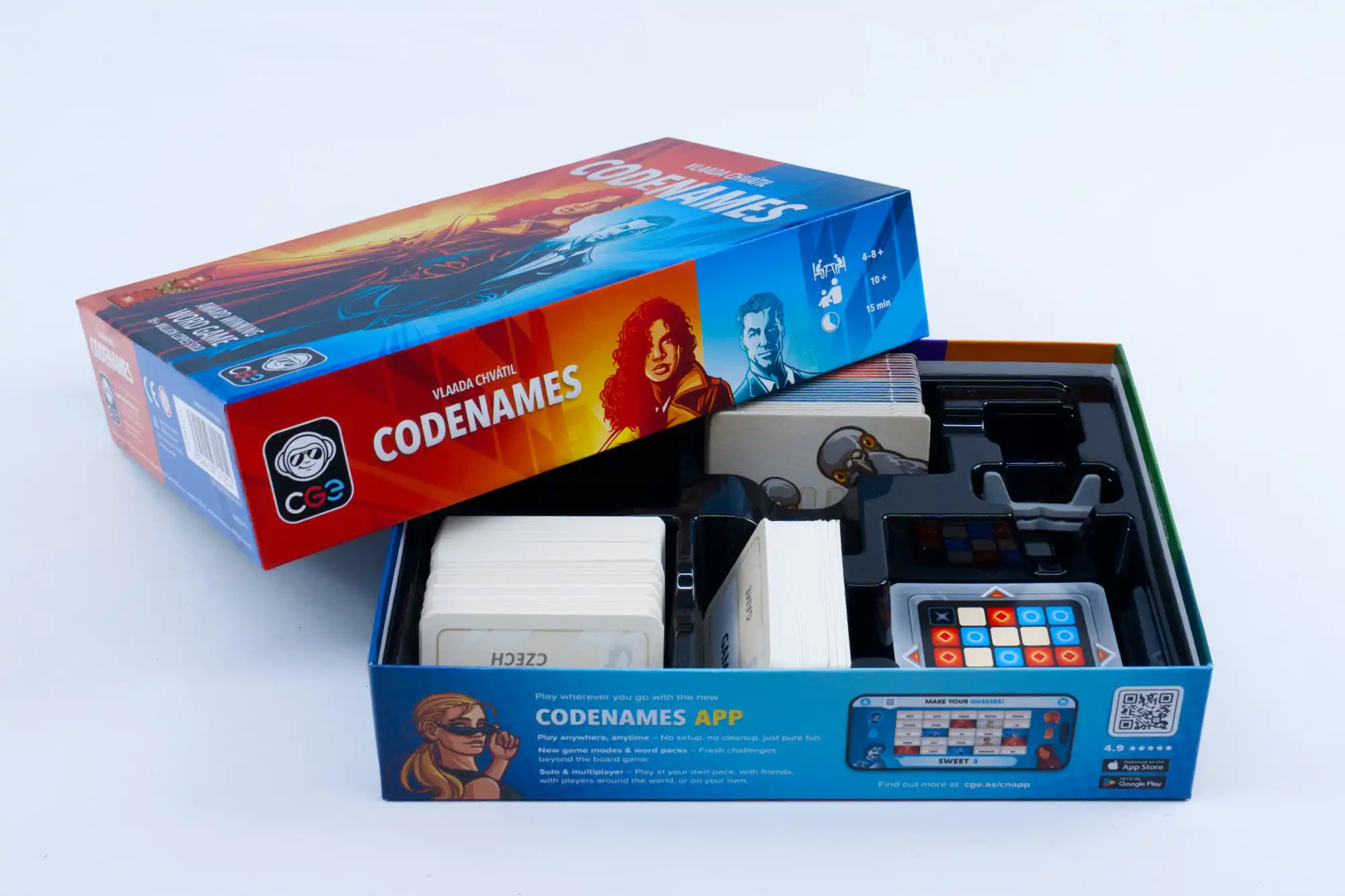
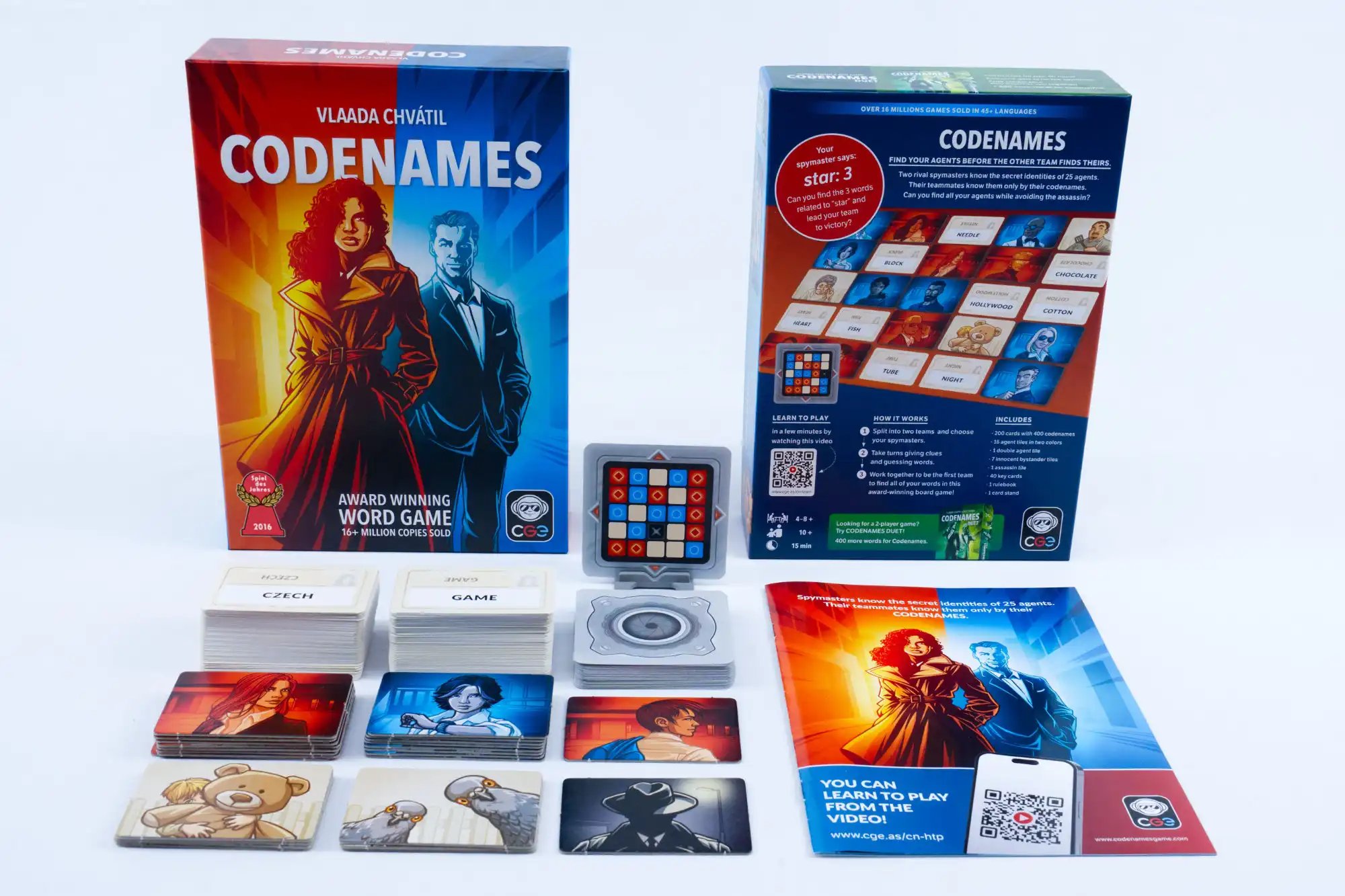
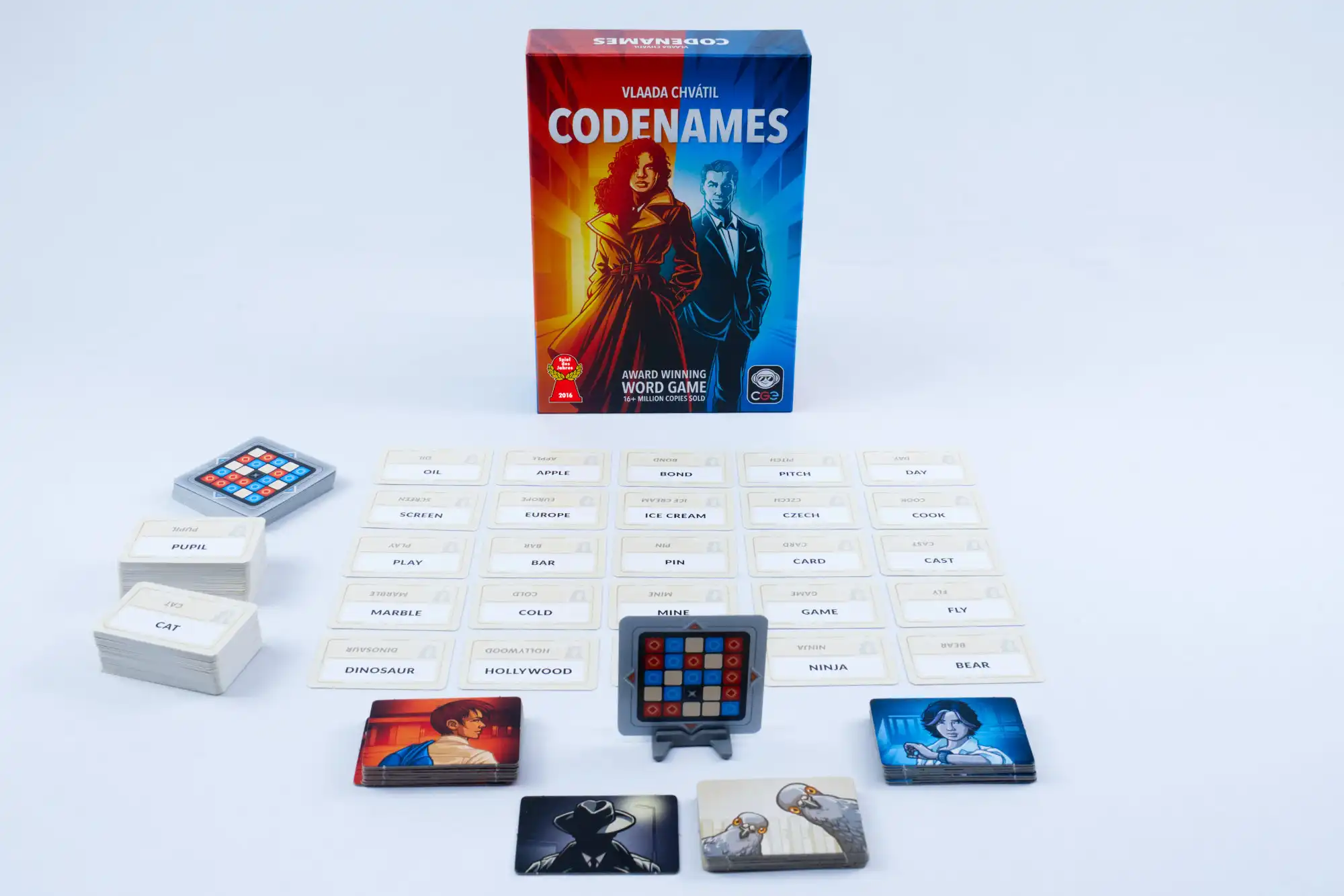
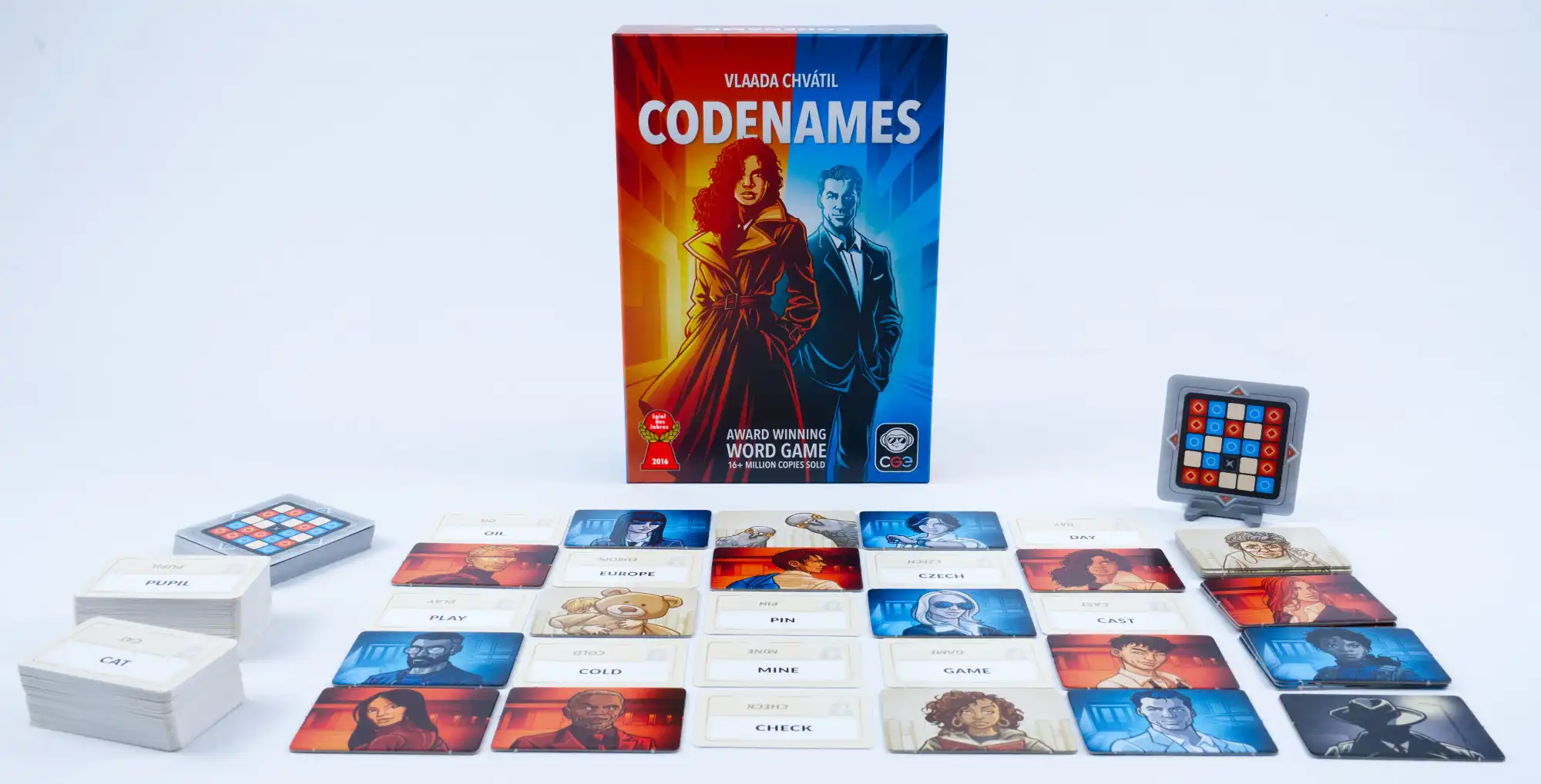
 Codenames (2nd Edition)
- Players
- 2-8
- Time
- 15 min
- Age
- 14+
- Complexity
- 1.3 / 5
- Publisher
- Czech Games Edition · 2015
- Designer
- Vlaada Chvátil
- Art
- Stéphane Gantiez, Tomáš Kučerovský, Filip Murmak
Two teams compete to identify secret agents by one-word clues. No random draw cards mean you're always thinking three steps ahead, but the barrier to entry is genuinely low. 15 minutes of pure brain-tingling fun with everyone shouting at once.
- Minimal luck involved—pure deduction and lateral thinking
- Scales beautifully from 4 to 8+ players
- 400 codenames included means hundreds of plays before repetition
- Needs at least four players to shine (less fun with two or three)
- One brilliant clue-giver can dominate the game
 7 photos
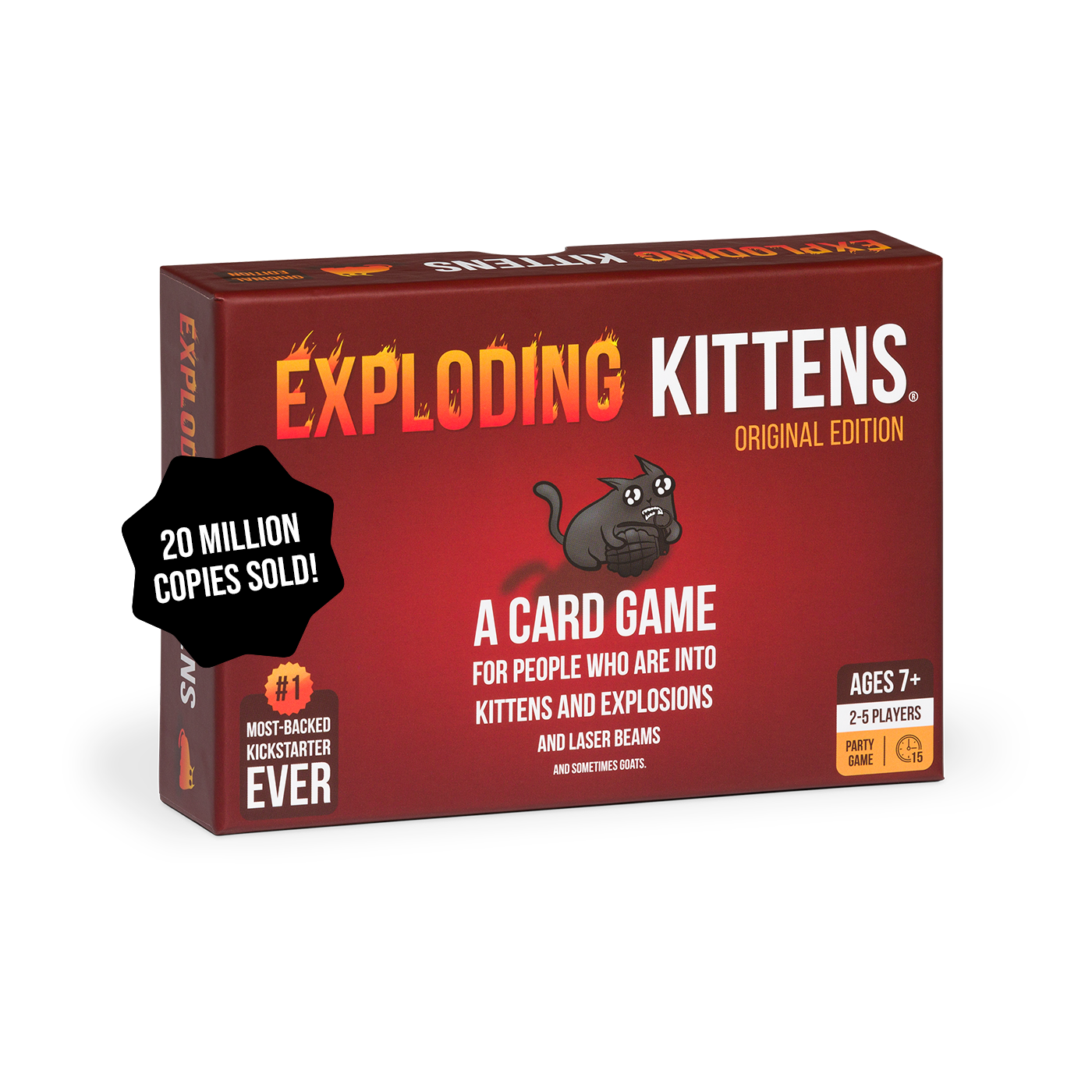
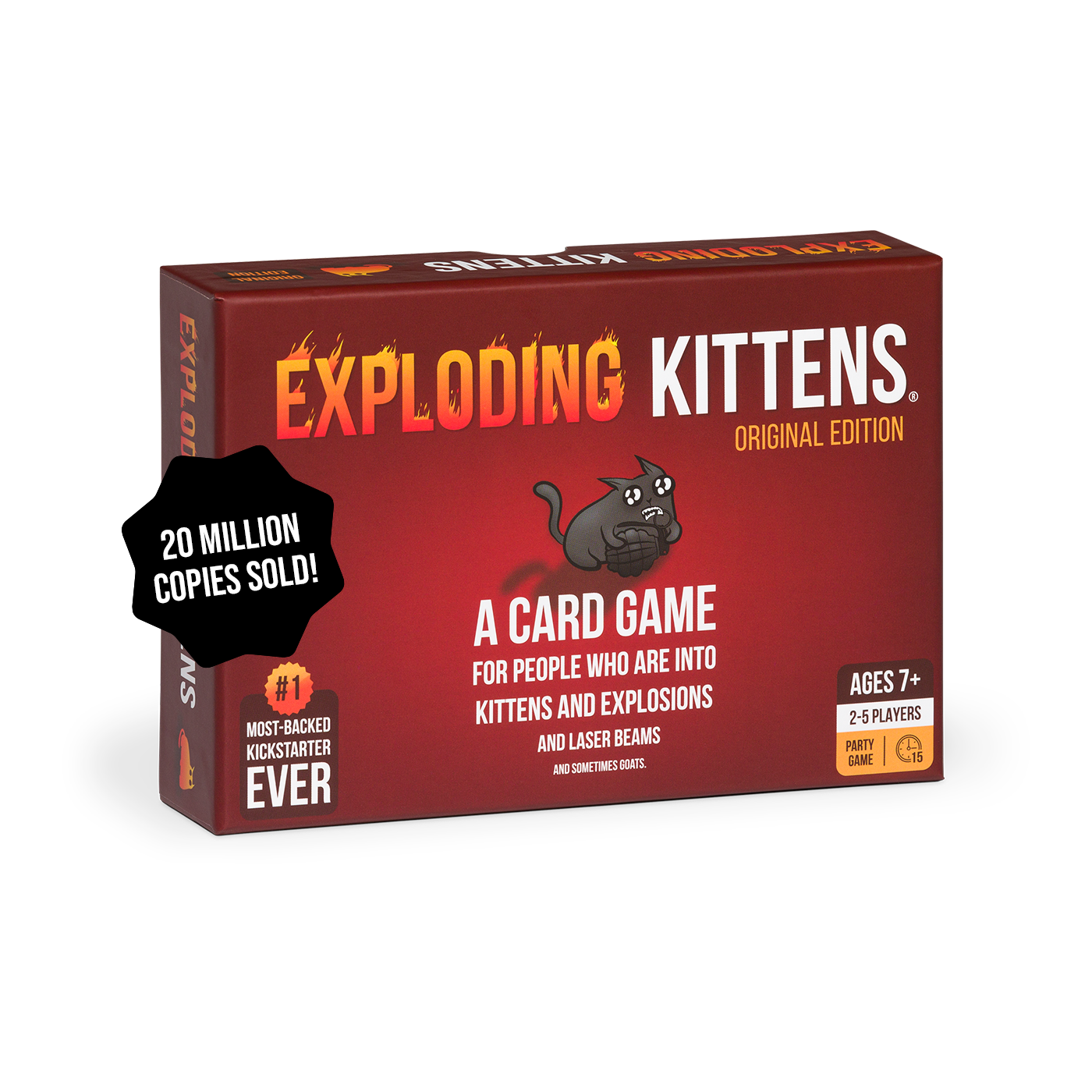
 Exploding Kittens
- Players
- 2-5
- Time
- 15 min
- Age
- 7+
- Publisher
- Exploding Kittens (The Oatmeal) · 2015
- Designers
- Elan Lee, Matthew Inman, Shane Small
- Art
- Matthew Inman
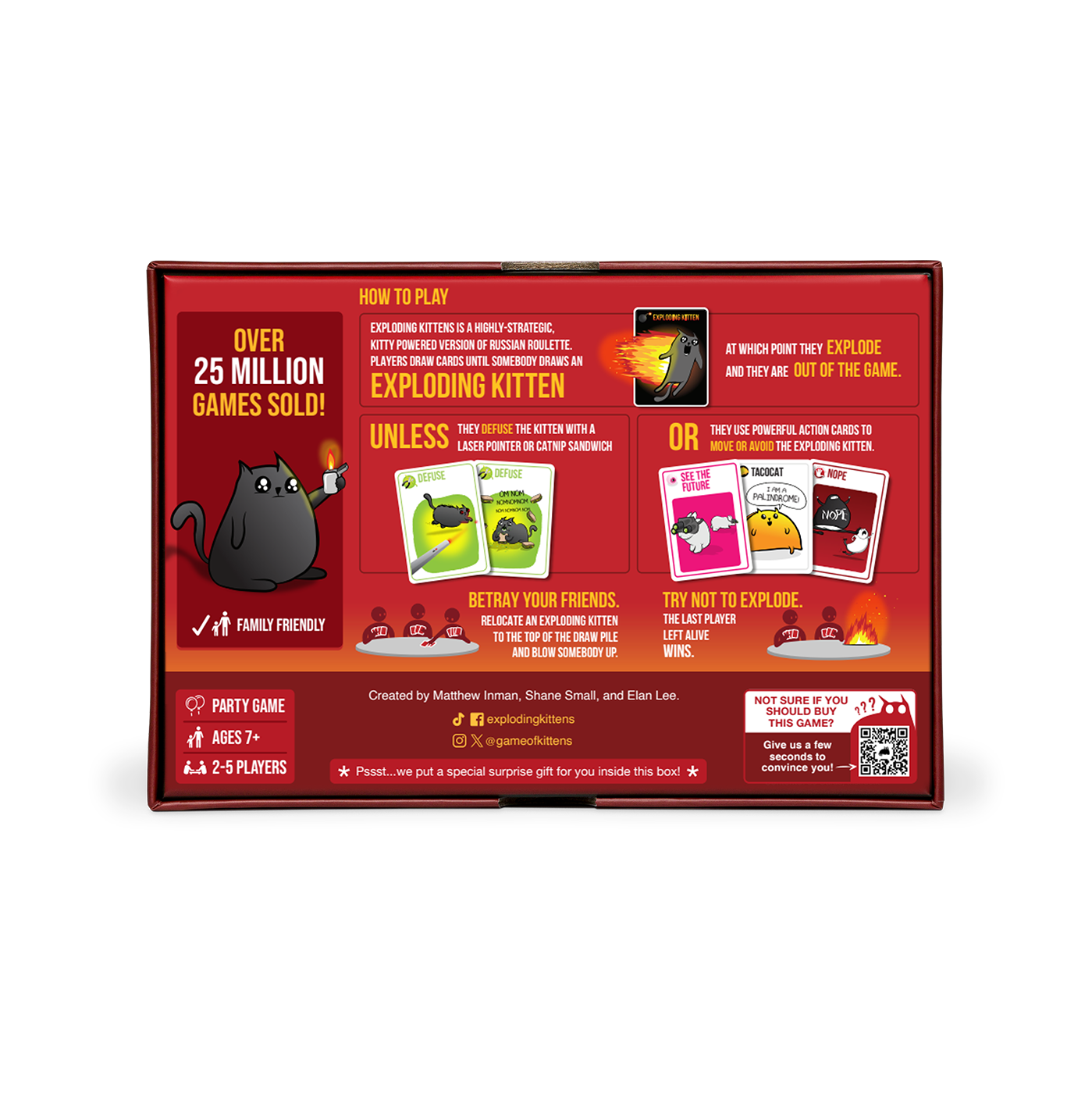
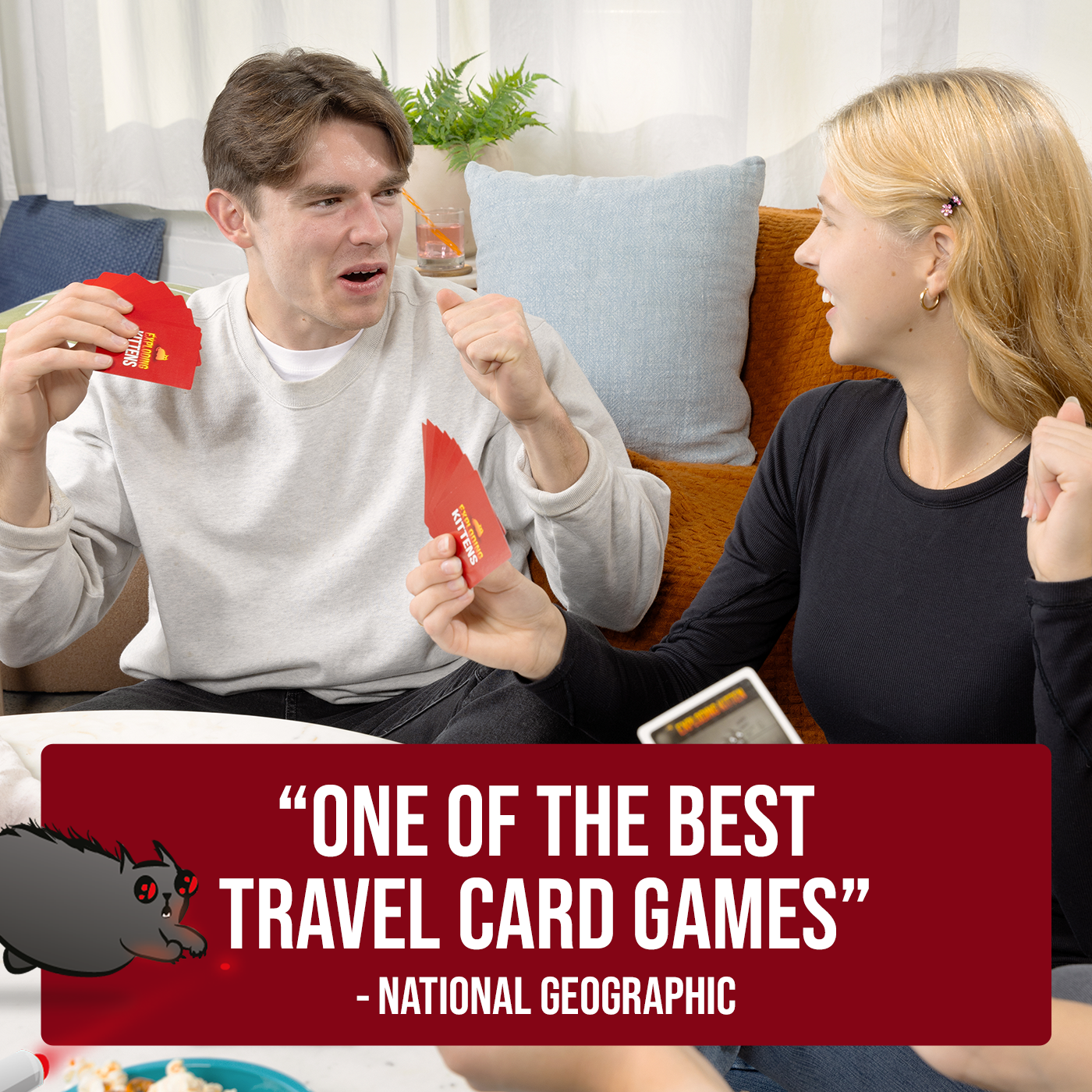
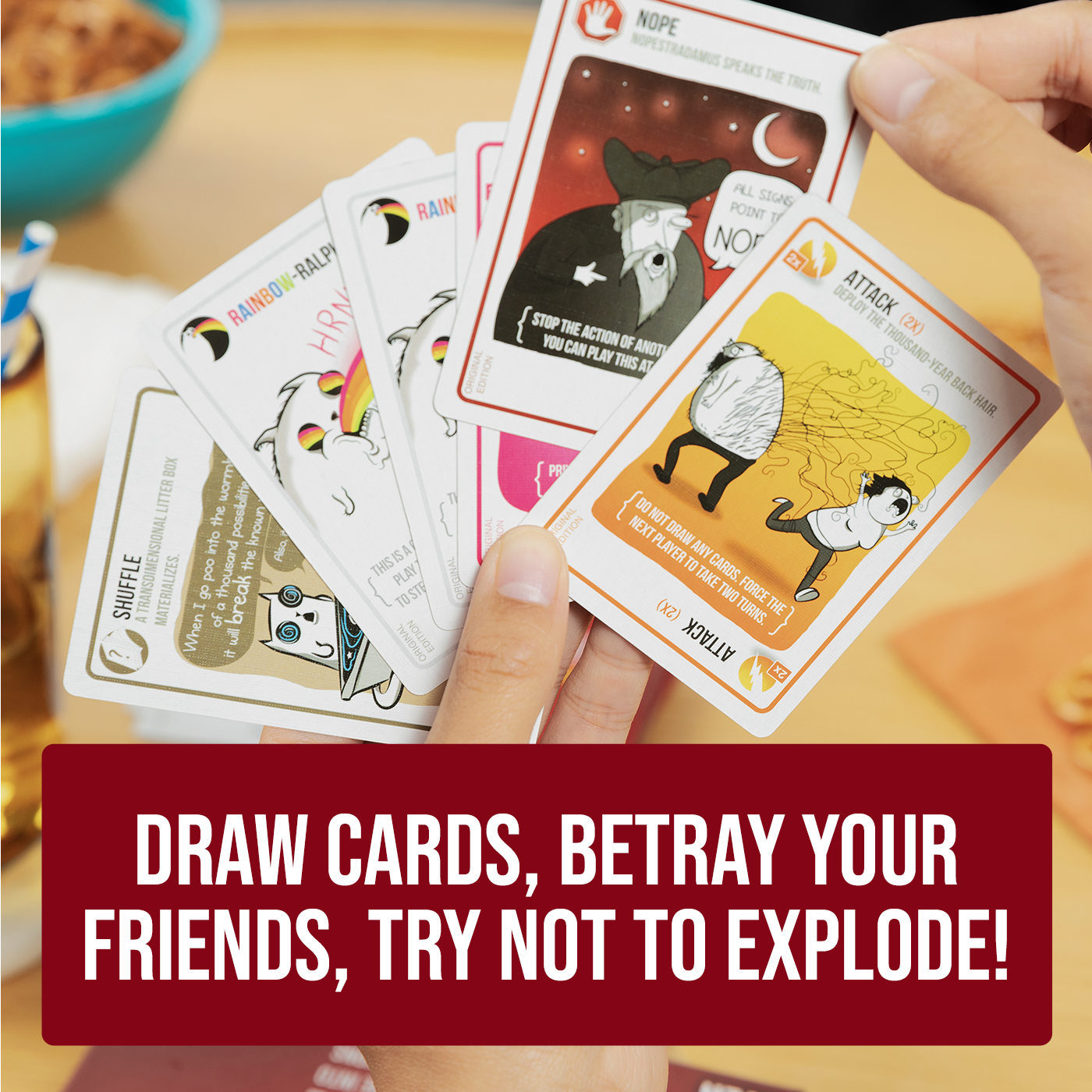
Draw cards, avoid the Exploding Kitten, stay alive. The chaos is delicious—Nope cards get played at any time, reversals flip turn order, and a single Defuse card can turn defeat into triumph in one heartbeat. Fast, rowdy, and genuinely funny.
- 15-minute plays mean you can run three games back-to-back
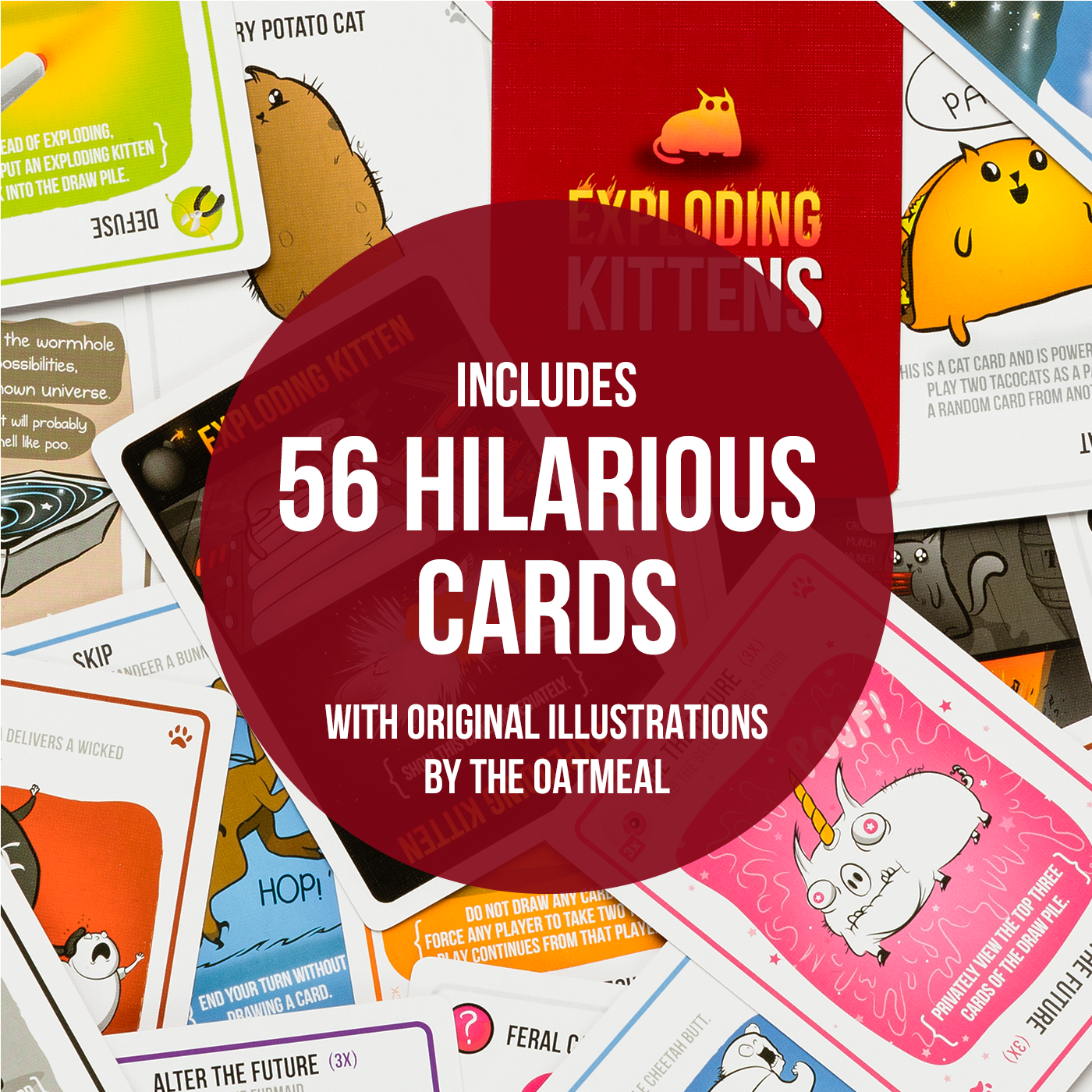
- Art and card names are hilarious—smile the entire game
- Defuse mechanic creates dramatic comeback moments
- Kingmaking risk: strong player elimination can feel harsh for losers
- Strategy is minimal (mostly luck), which bores some players after ten plays
 7 photos
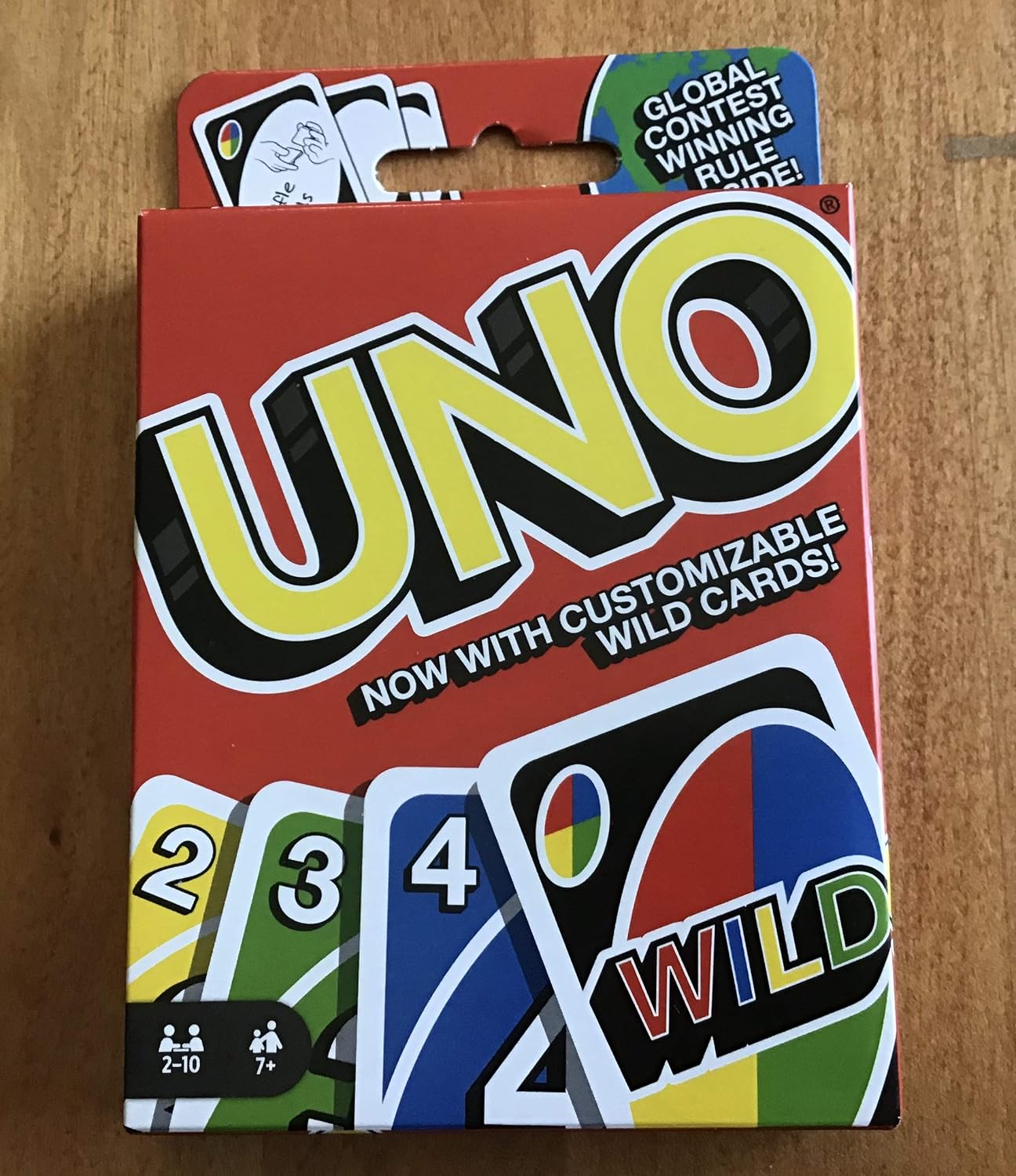
 Uno
- Players
- 2-10
- Time
- 30 min
- Age
- 7+
- Publisher
- International Games (now Mattel) · 1971
- Designer
- Merle Robbins
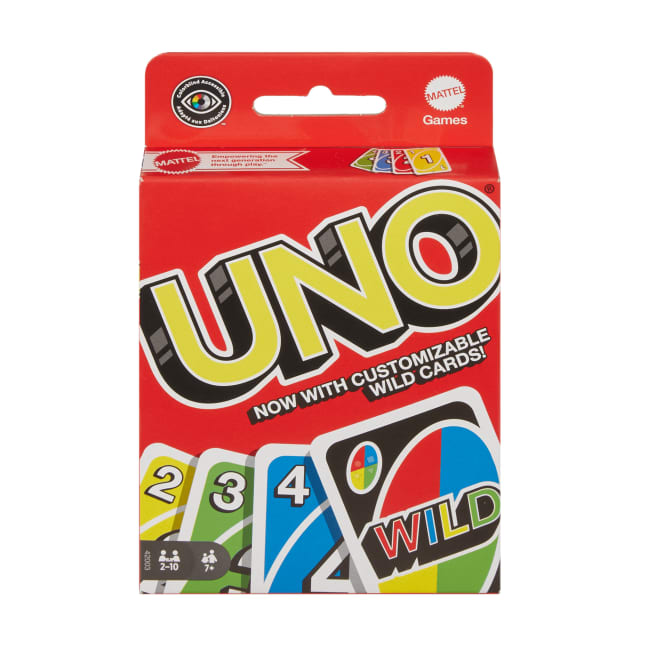
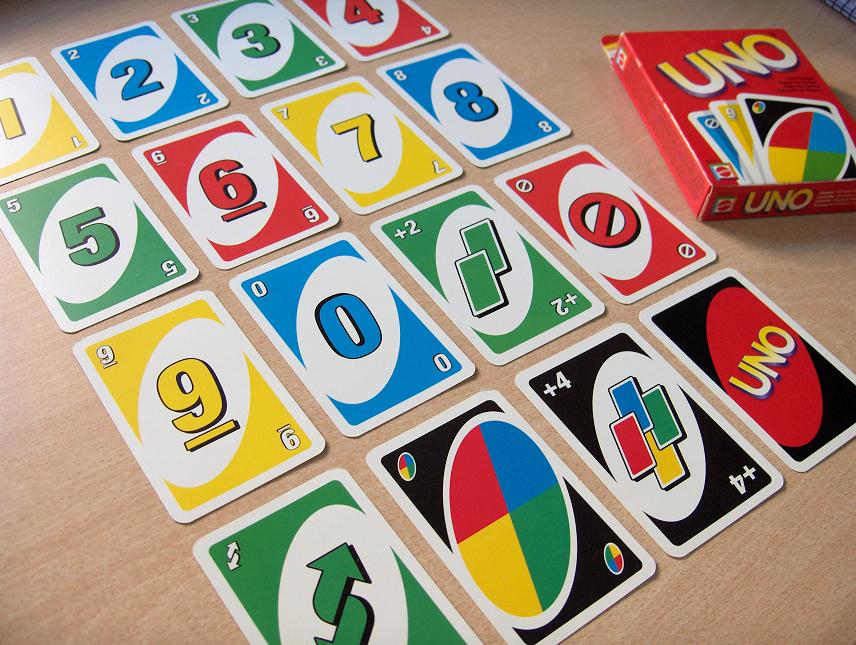
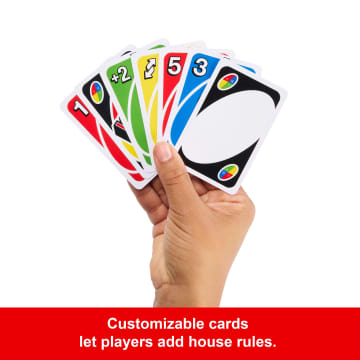
Match colors and numbers, shout Uno! when you're down to one card, and celebrate when someone forgets. Uno is the gateway drug of card gaming—simple enough that a five-year-old gets it, fun enough that adults still play at 50. No strategy needed, pure joy.
- Under $10 makes it the affordable entry point
- Rules are one sentence: match colors or numbers
- Infinite variants and house-ruled versions mean fresh plays forever
- Almost pure luck—strategy players find it shallow quickly
- Can drag on if players ignore house rules about draw pile reshuffling


 10 photos
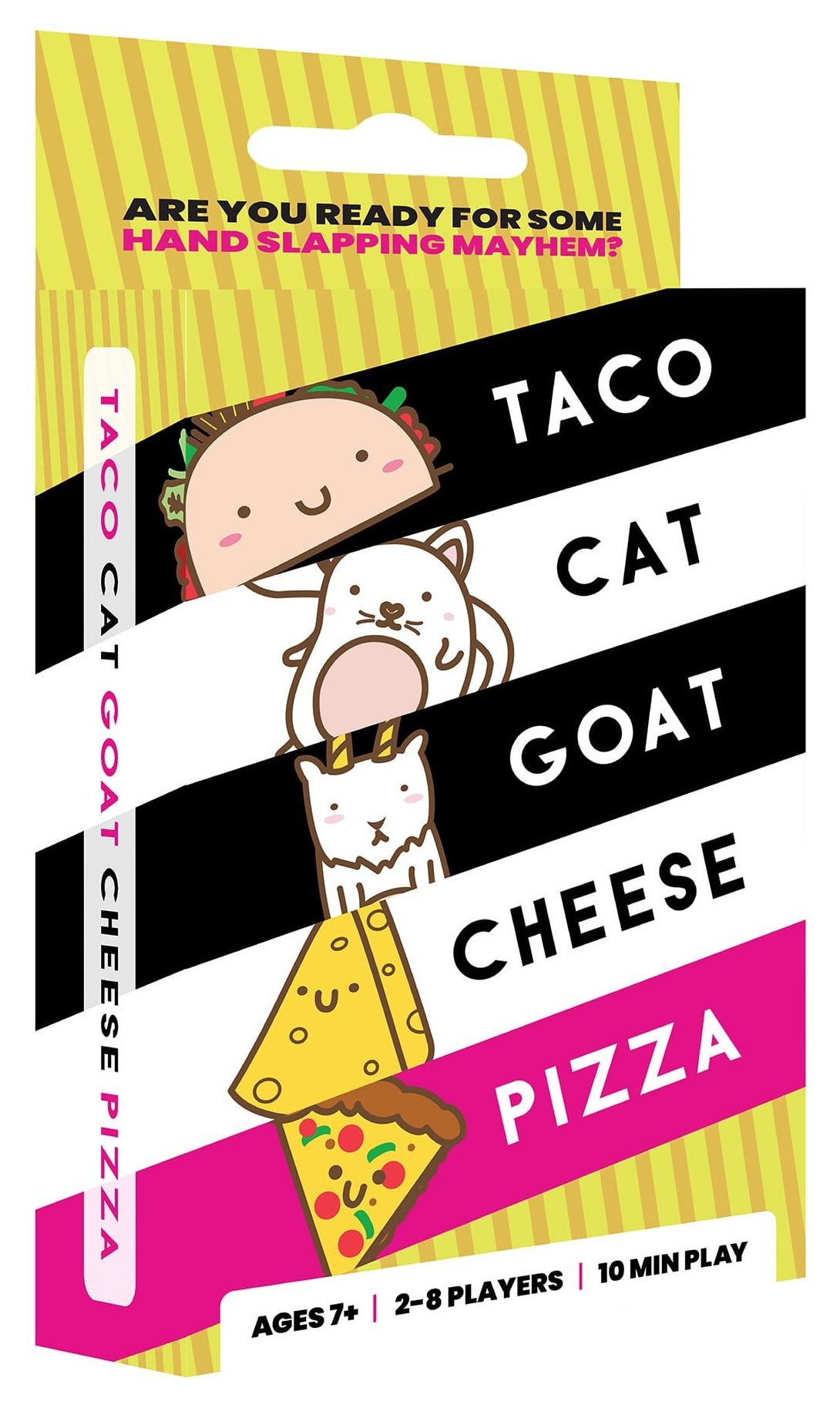
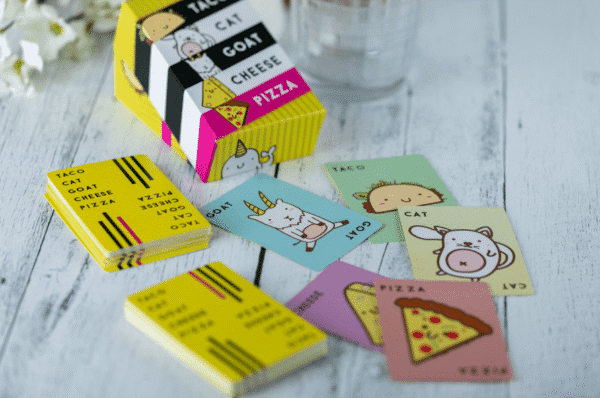
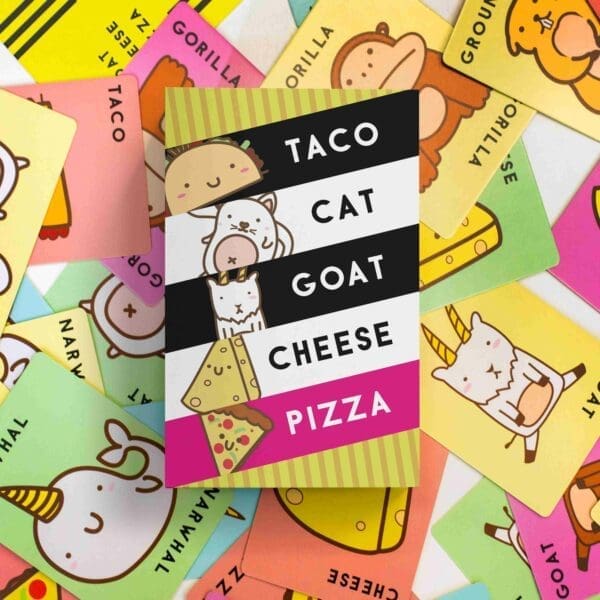
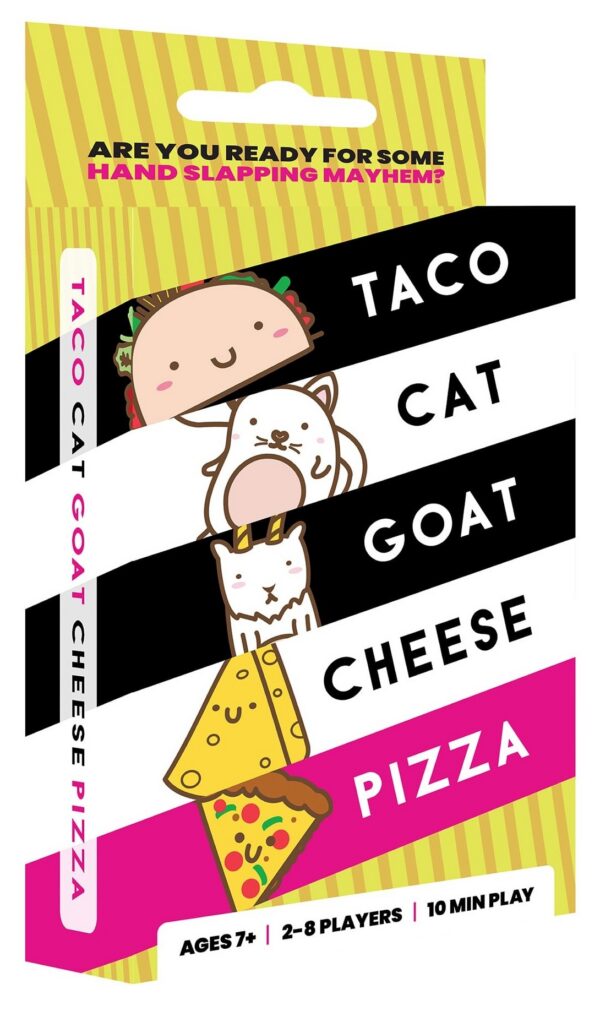
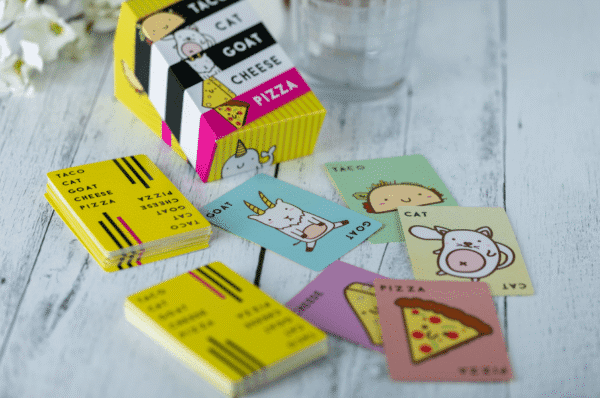
 Taco Cat Goat Cheese Pizza
- Players
- 2-8
- Time
- 15 min
- Age
- 8+
- Publisher
- Dolphin Hat Games · 2018
- Designer
- Dave Campbell
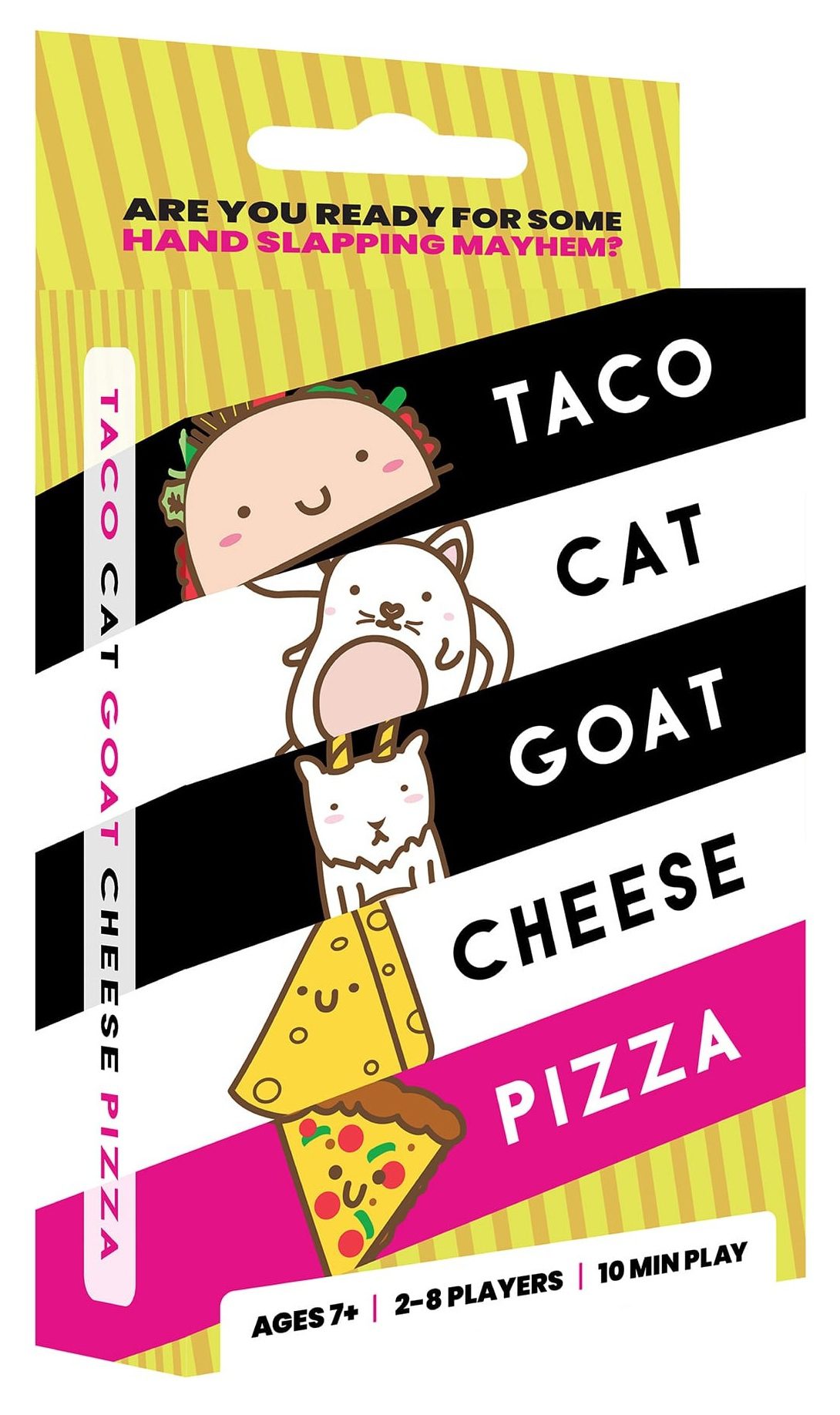
Chant the title while placing cards, slap the pile when your card matches the mantra, and watch hilarity unfold. Zero strategic depth, maximum laughter. Players are literally shouting and slapping together—it's a social event first, a game second.
- Chanting 'taco-cat-goat-cheese-pizza' together bonds groups instantly
- Games last 10-15 minutes, perfect for parties
- Physical comedy and reflex gameplay keep energy high
- Strategy is nonexistent—pure luck and reflexes
- Gets less fun with only two players (needs group energy)


 12 photos
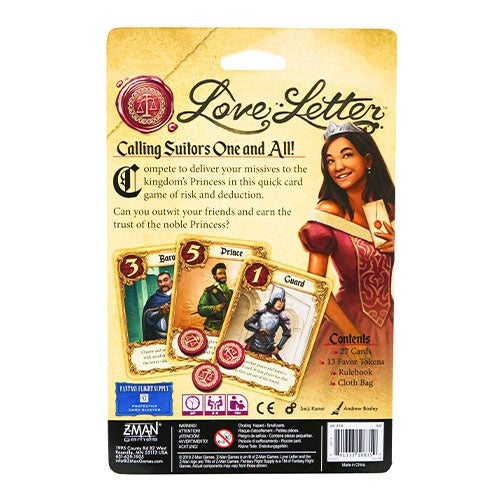
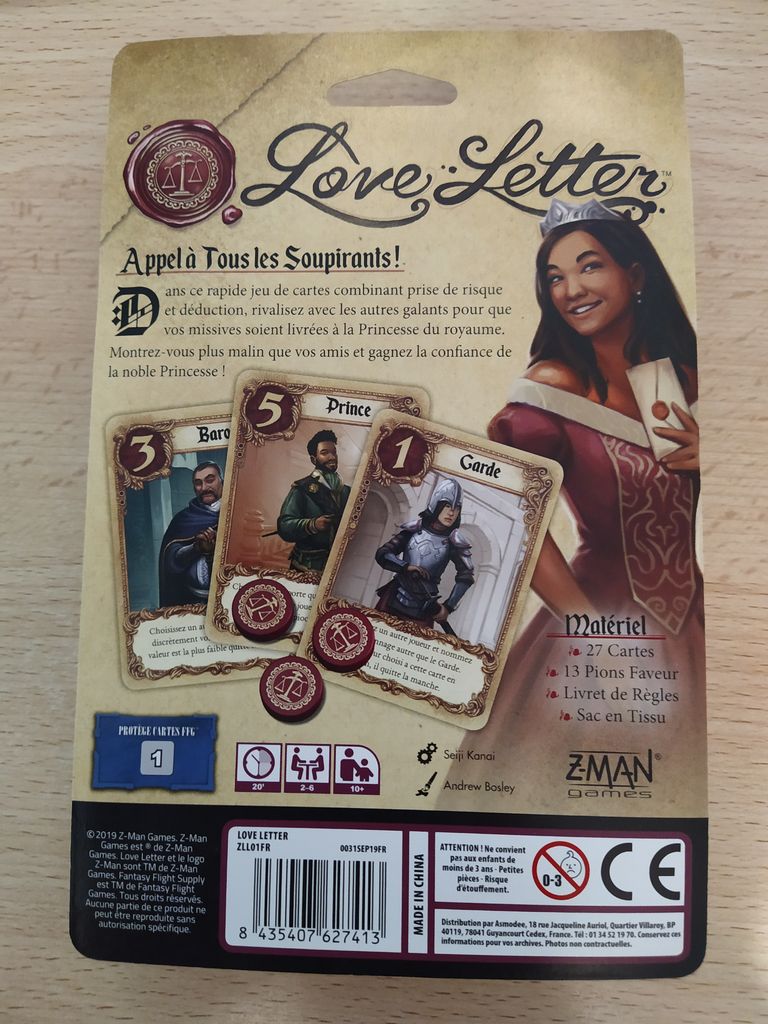
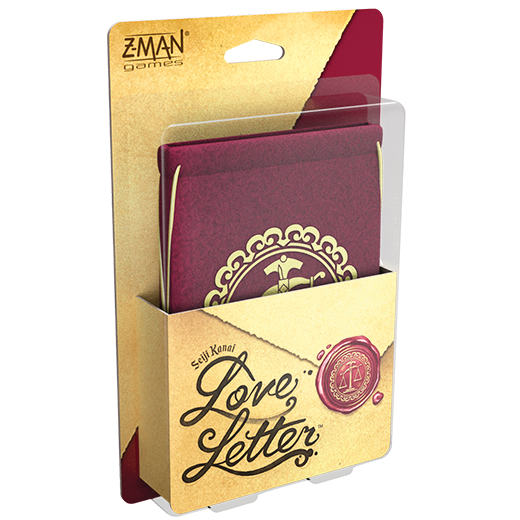
 Love Letter
- Players
- 2-4
- Time
- 20 min
- Age
- 10+
- Complexity
- 1.18 / 5
- Publisher
- Alderac Entertainment Group (AEG) · 2012
- Designer
- Seiji Kanai
- Art
- Noboru Sugiura
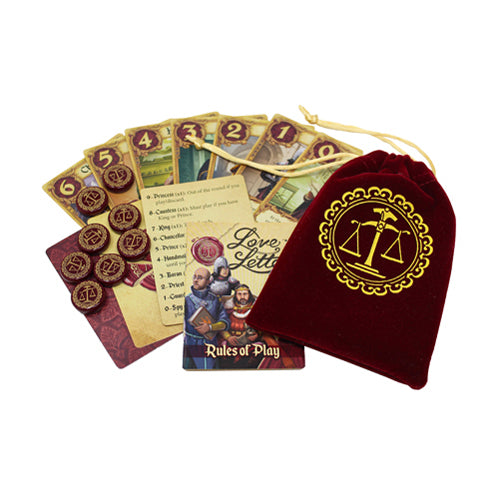
Deduce who holds the King while managing your own card reveal. Just 16 cards, but every card counts. Games take 10 minutes and feel like you're playing medieval chess. Sweet theme, zero luck, pure read-the-table strategy.
- Teaches deduction and bluffing beautifully
- 16-card deck means lightning-fast play
- Costs around $12—great value at this price
- Only works well with 2-4 players (diminishes with more)
- Luck-heavy elimination: one bad card draw ends your round
At a glance
| Game | Best For | Players | Playtime | Age | Price | Difficulty |
|---|---|---|---|---|---|---|
| Sushi Go! | Families, drafting learners | 2-5 | 15 min | 8+ | $16.99 | Very Easy |
| Codenames (2nd Ed) | Teams, parties, deduction | 4-8+ | 15 min | 10+ | $24.99 | Very Easy |
| Exploding Kittens | Chaos lovers, quick games | 2-5 | 15 min | 7+ | $19.99 | Very Easy |
| Uno | Youngest players, no learning curve | 2-10 | 10-30 min | 5+ | $9.99 | Trivial |
| Taco Cat Goat Cheese Pizza | Parties, physical comedy | 2-8 | 10-15 min | 8+ | $11.99 | Very Easy |
| Love Letter | Intimate groups, deduction | 2-4 | 10 min | 8+ | $11.99 | Easy |
Questions, answered
What's the actual easiest card game to teach someone who's never played before?
Uno. One sentence explains it: Match the color or number, say Uno when you're down to one card. Nothing else. If someone can count and recognize colors, they can play. After one complete round, they're an expert.
Can I play these games with just two people?
Most work with two players, but shine with more. Sushi Go and Exploding Kittens play well at two. Codenames needs four minimum (two teams of two). Taco Cat is awkward with two because the slapping mechanic loses punch. Love Letter is designed for 2-4 and actually works beautifully at two—it becomes a psychological duel.
How long does it really take to learn card game rules?
For games on this list? Five minutes maximum, usually two. Watch one person play a complete turn while you narrate, then let the second person try. By turn three, everyone's got it. If it's taking longer, you've chosen too complex a game or you're over-explaining. Simplify and demo instead of lecture.
I'm buying my first card game as a gift for a 6-year-old. Which one?
Start with Uno (teaches color/number matching, fast rounds) or Taco Cat Goat Cheese Pizza (silly, physical, social). Save Sushi Go and Exploding Kittens for when they turn 8 and can hold five cards without showing them. Love Letter is too deduction-heavy for 6-year-olds; wait until 8 or 9.
Do I need to buy expansions or special editions, or is the base game enough?
Base game is always enough for beginners. Master vanilla Sushi Go before buying Sushi Go Party. Play standard Uno rules before inventing house rules. Expansions are second-year treats, not first-game purchases. Fall in love with the core game first.
What if someone doesn't enjoy card games? Am I doing something wrong?
Not all people love card games, and that's completely okay. Card gaming is a specific hobby. If someone's bored after three rounds, try a different game or a different activity. Some people light up with Codenames' deduction but hate Exploding Kittens' chaos. Pay attention to what energizes each person and match them thoughtfully. The game is the carrier; the joy is the cargo.
Should I print house rules or keep it simple the first play?
Keep it simple forever, or at least for the first five games. House rules corrupt the purity of game design and confuse learning players. Play the game as intended first, master it, then experiment. Game designers spent months balancing; your better variant probably isn't.
Yumi's verdict
Your first card game should feel like receiving a handwritten invitation to a tea party, not like studying for a driver's license. Every game on this list does that—they welcome you warmly and let you play immediately. Start with Sushi Go if you want elegance and learning, Codenames if you love teams and shouting, or Uno if you just want to sit down and smile within 30 seconds. There is no wrong choice here, only different flavors of the same beautiful thing: gathering people around cards and remembering why face-to-face moments matter. Welcome to card gaming, friend. Your tea is getting cold, but the game is warm."
Research ledger 9 sources · reviewed 2026-08-10
Specifications, rules, current product information, community experience, and contrary evidence were checked against the sources below. Commercial links are kept separate from editorial evidence.
- gamewright.comgamewright.com/product/Sushi-Go
- amazon.comamazon.com/dp/B014Q1XX9S?tag=puzzlewick-20
- ultraboardgames.comultraboardgames.com/exploding-kittens/game-rules.php
- target.comtarget.com/p/uno-card-game/-/A-17070411
- amazon.comamazon.com/dp/B077Z1R28P?tag=puzzlewick-20
- gamerules.comgamerules.com/rules/love-letter
- playiro.complayiro.com/articles/simple-card-games-a-beginner-friendly-guide-to-easy-and-fun-classics
- daysofwonder.comdaysofwonder.com/game/ticket-to-ride
- Community research index: r/boardgames discussions about Best Beginner Card Games: Easiest to Learn for All Agesreddit.com/r/boardgames/search/?q=Best%20Beginner%20Card%20Games%3A%20Easiest%20to%20Learn%20for%20All%20Ages&restrict_sr=1&sort=top
Come in, take your shoes off — let me show you something.

Keep exploring
The next smart rabbit holes.
⌂ Topic PathFamily and Gateway Games: compare the whole shelfA good family game gets everyone playing quickly without becoming disposable after three nights. These guides prioritize clear...How-ToYu-Gi-Oh TCG 2026 Starter Sets & Beginner Decks: Play Your First DuelTwo starter routes, two tutorial options, and one afternoon to learn the fundamentals. Start here before buying random Yu-Gi-Oh boosters...Beginner's GuideHow to Start Playing Magic: The Gathering in 2026: A Beginner's GuideThe free-first, buy-one-box path into Magic — and the honest catch on each starting point.