Warhammer 40K 11th vs 10th: What Actually Changed
The definitive 11th vs 10th Edition rules comparison: army building, missions, terrain, Hidden, cover, charges, coherency, points, and what to learn first.


AI-assisted research and drafting in Dax’s voice · reviewed by Robert Pruitt · how this guide was made
Last editorial refresh: 2026-07-01 Gold-standard QA: 2026-07-13 18 sources reviewed Affiliate links checked during gold-standard pass

The short answer
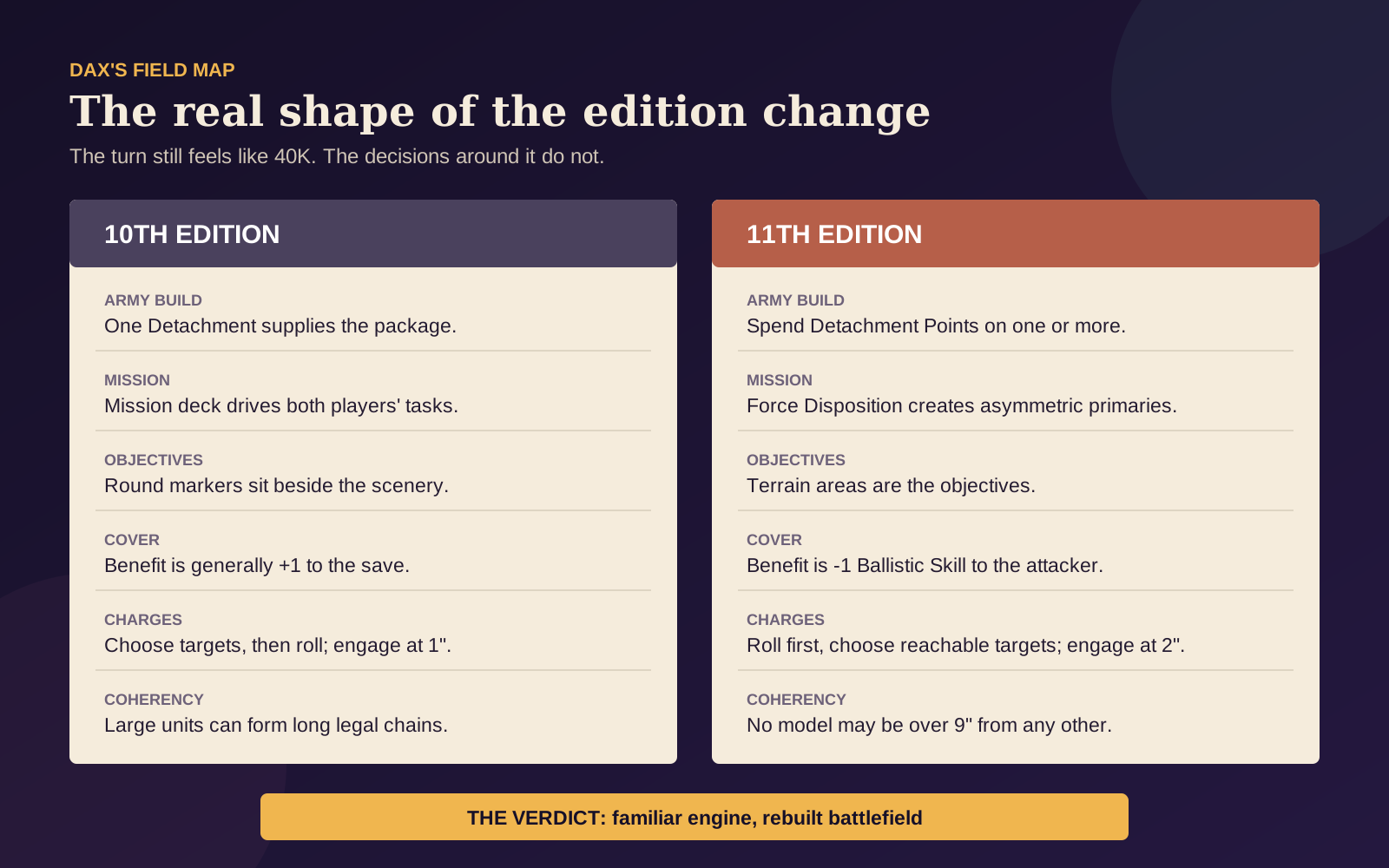
Warhammer 40K 11th Edition is not a clean-slate rewrite. The familiar turn structure, most datasheets, existing models, and current Codexes remain usable. The edition changes the decisions around that engine: armies can combine Detachments through Detachment Points, Force Dispositions create asymmetric missions, terrain areas replace round objective markers, cover penalizes Ballistic Skill, Hidden protects patient infantry, engagement range expands to 2 inches, charge targets are chosen after the roll, and 9-inch coherency ends long unit strings. A 10th Edition player can become functional in three games; the rules to relearn first are terrain, missions, and charges.
THE VERDICT: 11th Edition is a meaningful battlefield redesign wearing a familiar rules chassis. It is not the bonfire some players feared, and it is not the balance patch others expected.
THE FLAW: Games Workshop changed several systems that touch one another - army construction changes your mission, missions change the terrain you care about, terrain changes visibility, and visibility changes which units are worth their points. Reading those rules as isolated bullet points makes the edition feel more confusing than it is.
...and yet.
The connections are the good part. A force built to take ground now receives objectives that reward taking ground. Infantry can remain genuinely concealed until it commits. Charging is less likely to become a binary public execution by bad dice. A battlefield can tell you why two armies are fighting before the first model moves.
I rebuilt the edition from the table outward: Games Workshop's free Core Rules coverage, army-building and mission previews, launch points explanation, updated app, current Rules Commentary, and the first wave of Ruleshammer and Hammer of Math analysis. What follows is not a changelog. It is the shortest route from knowing 10th Edition to making competent decisions in 11th.
Start here, then go deeper
You are in the right cabinet.
 ✠ Universe HubWarhammer: the whole buying pathWarhammer is Games Workshop's tabletop colossus — the grimdark far future of Warhammer 40,000 and the high fantasy of Age of...
 ⚙ Topic PathMiniatures and Wargames: compare the whole shelfThe cheapest box is not always the cheapest way in. These guides connect rules format, faction fit, terrain, tools, paint, and the...
 Campfire TaleOperation Imperator: The Fourth War for Armageddon Reignites the GrimdarkA coalition crusade answers a doomed planet's plea — and 11th Edition makes that doom the campaign you actually play.
Is Warhammer 40K 11th Edition a full rules reset?
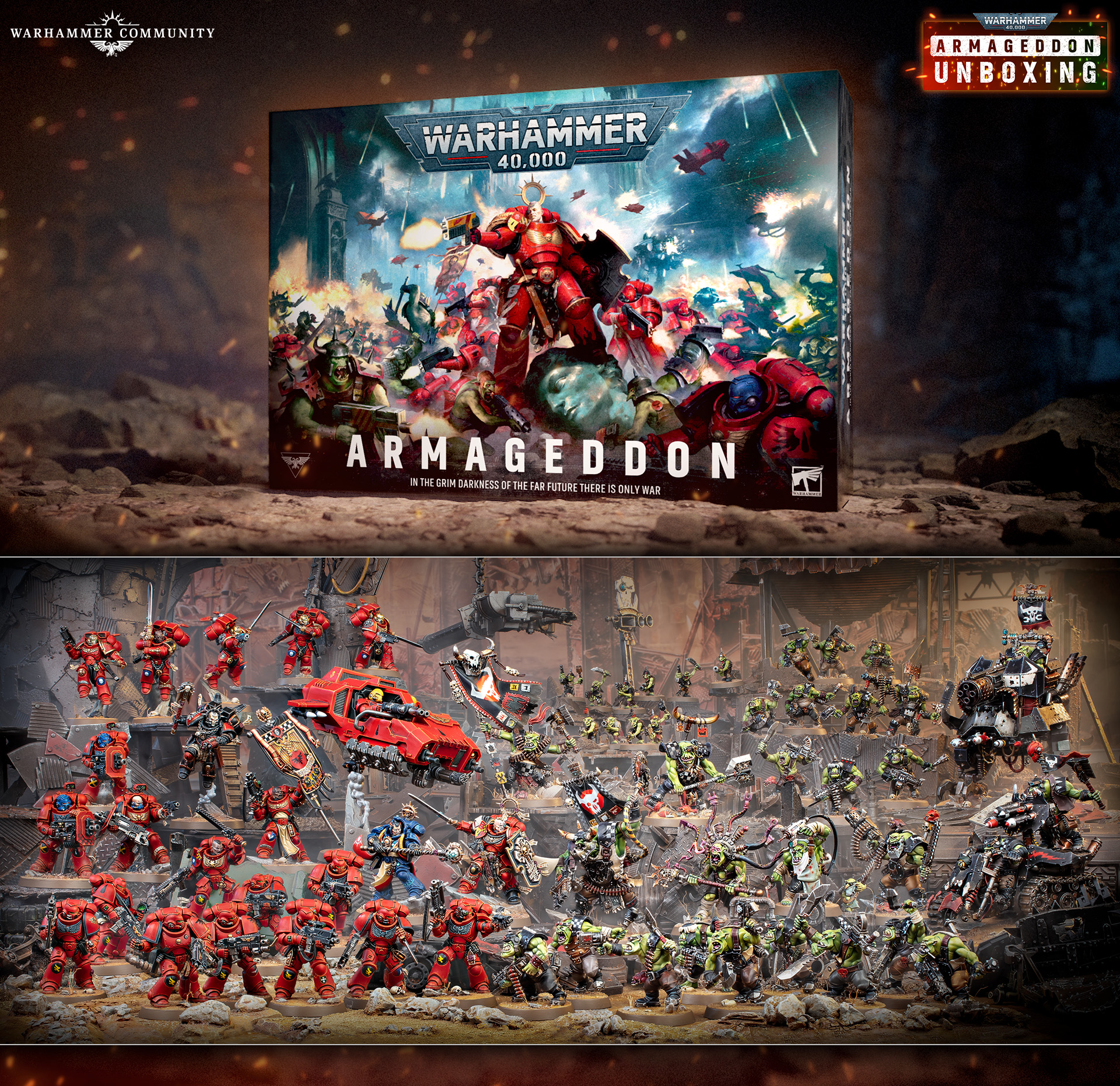
No. That is the first bad assumption to throw off the workbench. Games Workshop explicitly said existing Codexes and faction rules remain valid, and that most datasheets continue to work as players know them. Your collection did not expire on June 20, 2026. Your army did not become decorative resin because a launch trailer arrived.
The most useful description is a familiar engine inside a redesigned battlefield contract. You still build a force, deploy, move, shoot, charge, fight, and score across a game. What changes is how the force acquires its rules package, how its preferred doctrine helps generate the mission, what counts as an objective, how cover protects a model, and how bodies occupy space.
That distinction matters for returning players. If you try to relearn every datasheet before your first game, you will spend hours on familiar material and still be surprised by the table. Start with the rules that alter geometry and incentives: terrain areas, Hidden, Force Dispositions, 2-inch engagement, the new charge sequence, and 9-inch coherency. Those are the changes that make an old instinct produce a new result.
The free Core Rules are the authority. Launch articles and this guide explain the shape; the app and current commentary settle the live wording. Games Workshop has also committed to intervene monthly if needed during the volatile first three months, with the first update due at the end of July. Treat any launch-week summary - including this one - as dated field intelligence, not scripture carved into a gaming table.
Do not relearn the whole game. Relearn the places where old instincts now produce the wrong move.
How did army building change from 10th to 11th Edition?
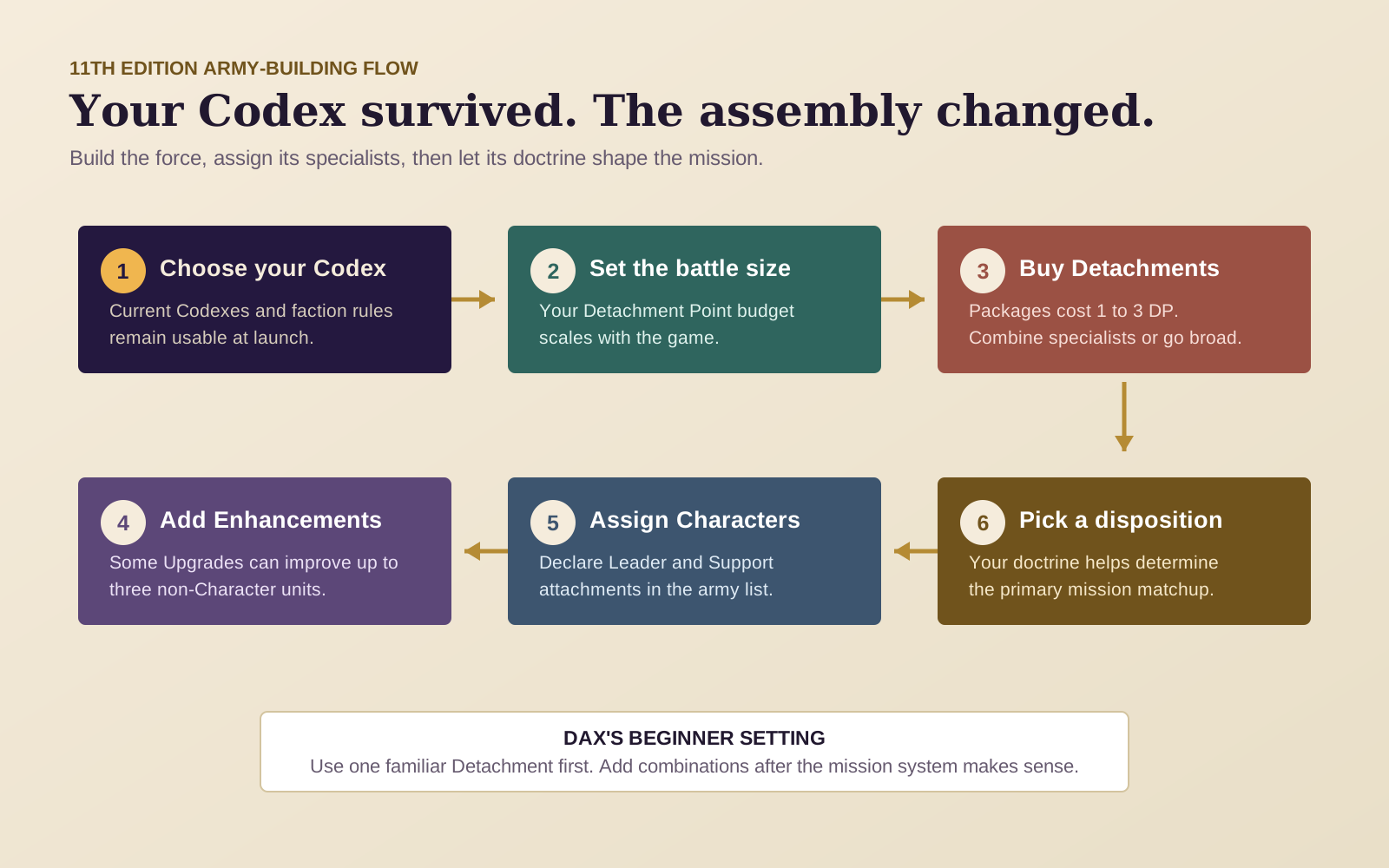
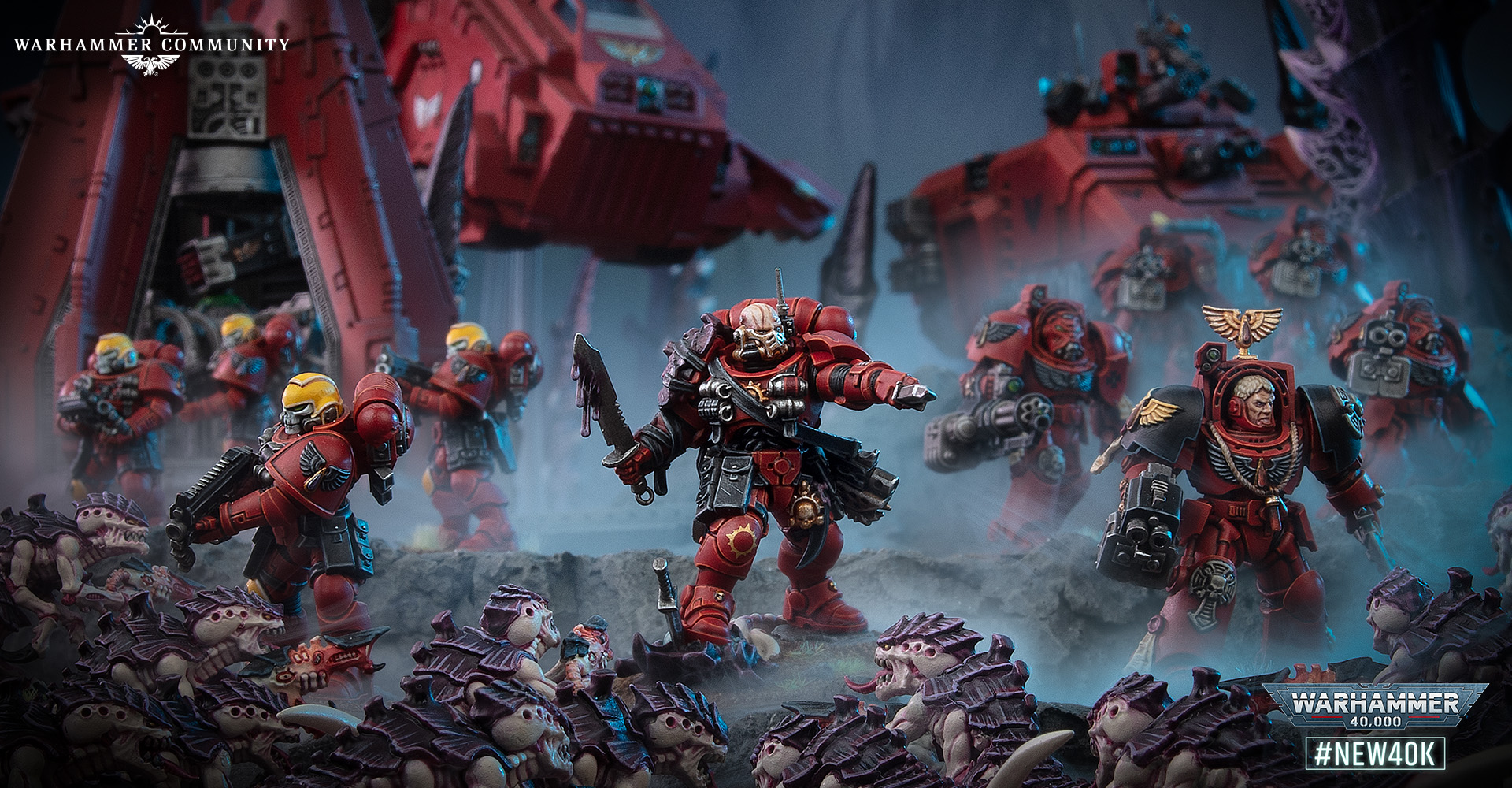
In 10th, a Detachment was effectively the army's chosen rules package: one theme, one rule, its Stratagems, and its Enhancements. In 11th, Detachments become modular packages with a Detachment Point cost from 1 to 3. Your battle size determines the budget available, and larger games can combine several specialized Detachments or spend heavily on one broad package.
That is more than list-builder decoration. It lets a force say two things about itself. A Space Marine army can emphasize Phobos specialists and still bring a broader infantry doctrine. A collection built around one beloved unit family no longer has to pretend the rest of the army is irrelevant. Games Workshop announced more than seventy new or updated Detachments at launch while keeping current Codex options usable.
Enhancements also gain a new branch. Some carry an Upgrade tag and can be purchased for as many as three non-Character units while consuming one Enhancement choice; each upgraded unit still pays the relevant points. Characters joining units are now labeled Leader or Support, with a bodyguard able to take one of each where permitted. Those attachments are declared while building the list instead of being improvised at the table. Support models must join a bodyguard; Leaders can operate alone.
The temptation is to combine rules before understanding them. Resist it. For your first game, run one Detachment whose purpose you can explain in a sentence. For game two, keep it. In game three, add a second package only if you can name the battlefield problem it solves. Complexity without a job is just paperwork wearing pauldrons.
- Choose the Codex and units you already understand.
- Set the battle size before shopping for Detachment combinations.
- Spend Detachment Points on a coherent plan, not the maximum number of rules.
- Price every Upgrade and superior weapon option into the list.
- Assign Leader and Support attachments in the roster.
- Choose the Force Disposition that your list can execute on the table.
What are Force Dispositions, and why do missions feel different?
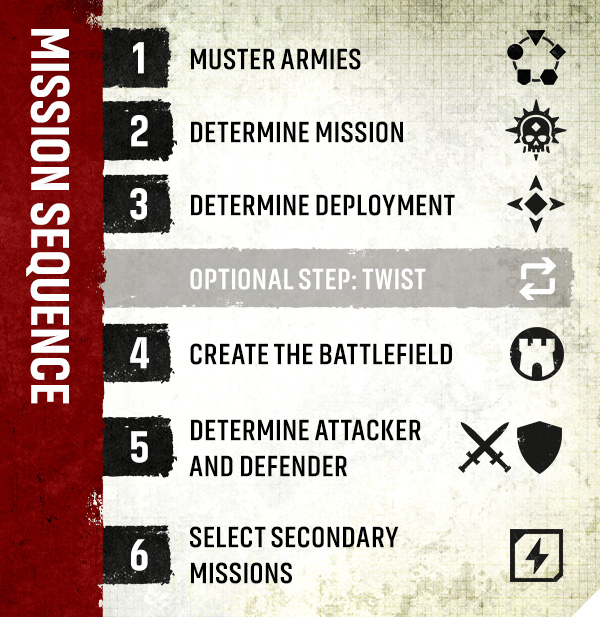
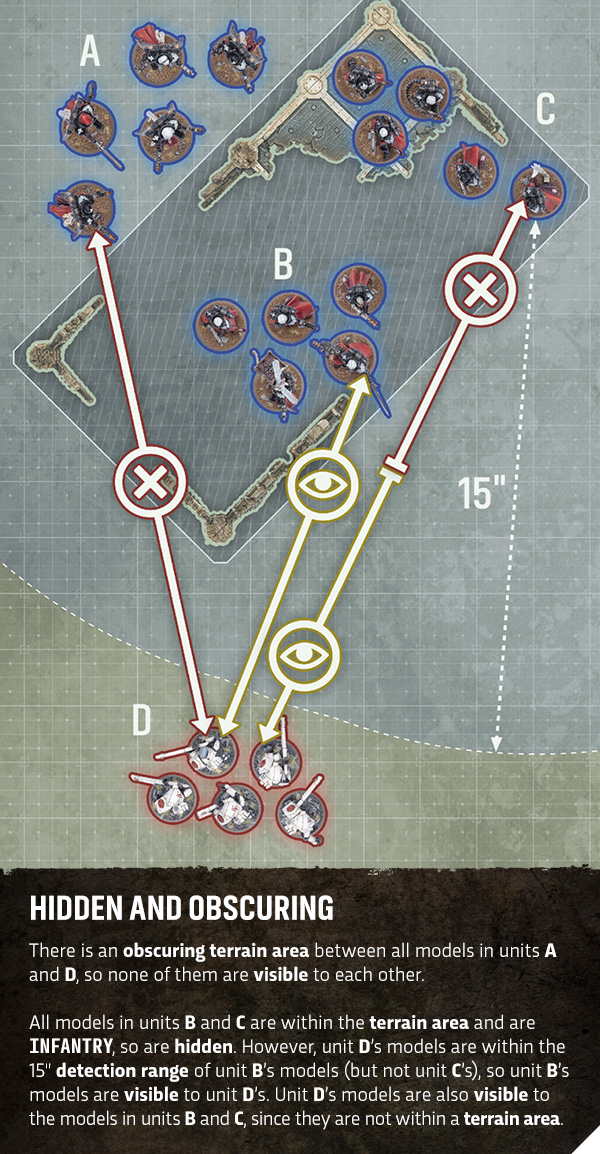
A Force Disposition is the strategic job your army is built to perform. Detachments unlock one or more dispositions, and you select one for the battle. There are five: Take and Hold, Purge the Foe, Disruption, Reconnaissance, and Priority Assets.
At the table, your disposition is compared with your opponent's. That pairing determines the specific primary objectives each side receives. Unless both players choose the same disposition, the primaries are usually asymmetric. The Purge force may score for destroying key enemy units while the Disruption force earns points by performing Actions in hostile territory. Both still care about board control, but they are not pretending to be identical armies with different paint.
Each disposition has a distinct matchup against every other disposition, which creates five mission assignments for that strategic posture. In a pickup game, you can normally choose a different disposition each battle. In organized play, event rules will usually lock the disposition with the submitted roster. That makes the choice part of list construction rather than a last-second counterpick. Optional Twists can then modify the battlefield or objectives, including deliberately stranger narrative conditions.
This is the edition's best idea and its largest teaching burden. In 10th, a beginner could ask, 'What is the mission?' In 11th, the honest answer begins, 'What did each army come here to do?' Put both primary cards where both players can read them. Before deployment, each player should explain how their own side scores in one sentence. If either explanation runs longer than the deployment step, simplify the game.
Why terrain areas replacing objective markers changes the game
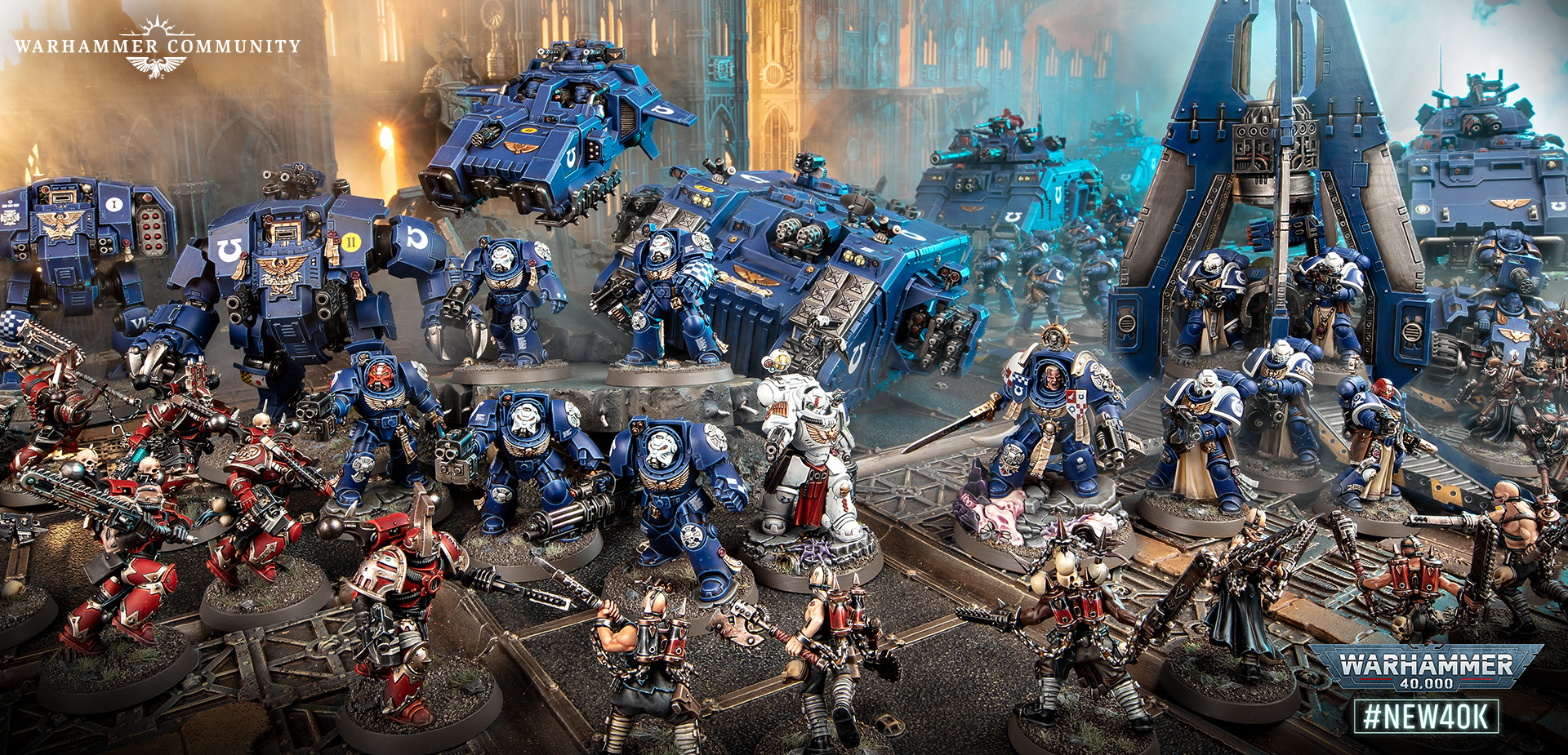
The circular objective marker is no longer the default center of gravity. In 11th Edition, most objectives are terrain areas: the ruin, bunker, relic site, treeline, generator field, or other defined footprint your units are actually fighting over.
Mechanically, that gives an objective area shape. A unit can approach it from more than one edge, use the scenery while securing it, screen an access lane, or contest the corner of the footprint. Infantry, Beasts, and Swarms may gain cover or remain Hidden there. Vehicles and Monsters cannot use Hidden, but can often shelter behind features while contributing to control. Vehicles can also pass through lighter features such as low walls and scrub more freely, which reduces the old problem of an attractive table becoming a parking violation.
Mission cards now recommend layouts built for the specific matchup. Games Workshop's layouts include larger midfield areas, narrow Obscuring strips, and several legal terrain treatments for the same footprint. That standardizes the tactical geometry without demanding that every club own the same gothic ruin kit. A forest, barricade line, alien growth, or ruined hab can occupy the same functional area.
The tactical habit to learn is control the entrance, not just the center. A model barely touching the old disc often did the job. An area objective asks whether the rest of the unit can remain coherent, whether an opponent can cross the opposite edge, whether a charge can wrap the feature, and whether shooting forfeits Hidden before the enemy enters detection range. The scenery is no longer beside the mission. The scenery is the mission.
The scenery is no longer beside the mission. The scenery is the mission.
How do Hidden, detection range, and the new cover rule work?
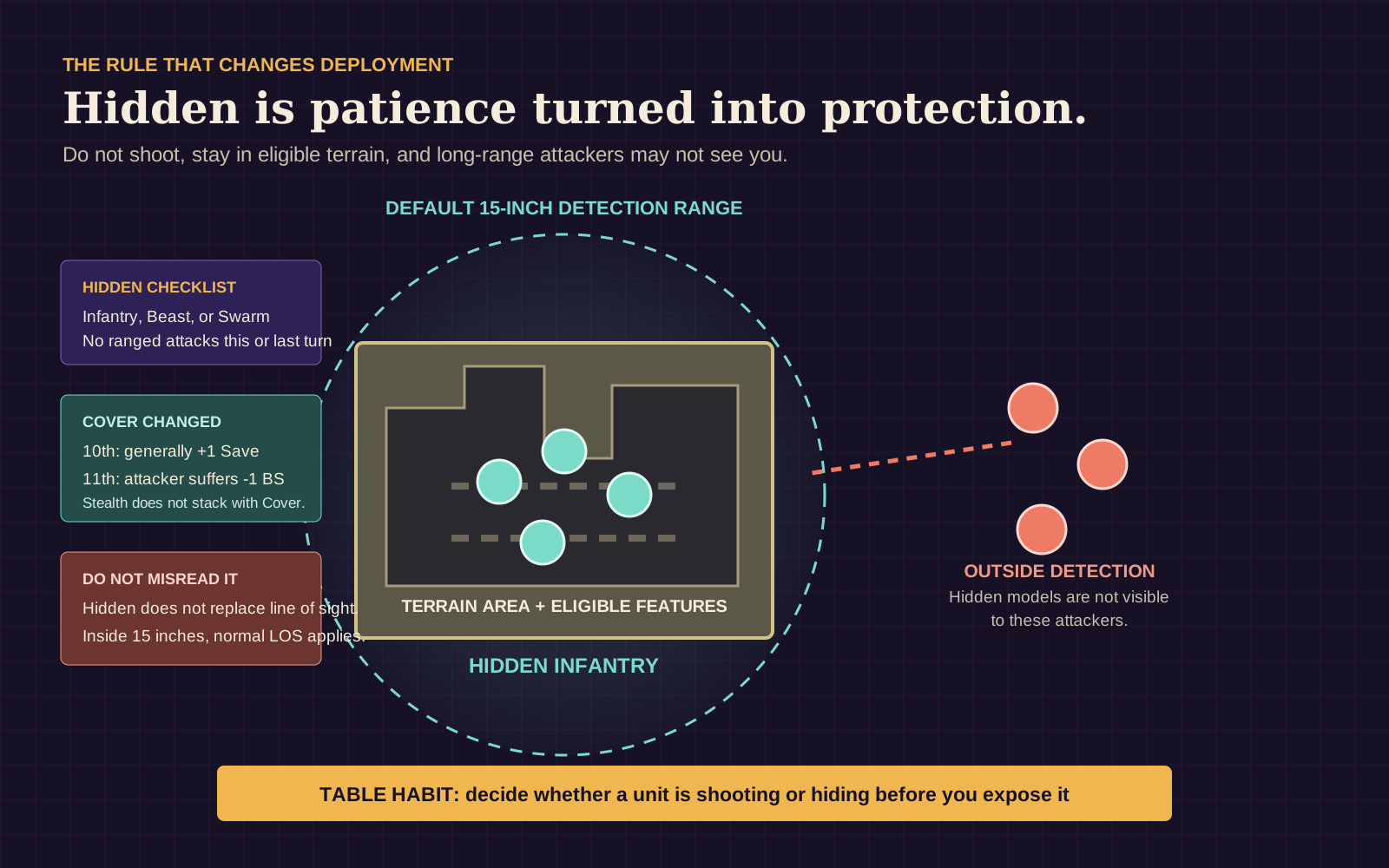

Hidden is the rule most likely to make a 10th Edition deployment look foolish. Under the current Rules Commentary as of June 29, 2026, an Infantry, Beast, or Swarm model can be Hidden while it is within an eligible terrain area containing light or dense features and its unit did not make ranged attacks during the current or previous turn. During the first turn, that 'previous turn' condition is treated as satisfied.
A Hidden model is only visible to enemy models within its detection range, normally 15 inches. Hidden is checked model by model, not as a magic blanket over the unit. If part of the unit is outside the eligible area and visible, an attacker may still have a legal target. Normal line of sight also continues to matter inside detection range. Hidden does not make a wall transparent merely because the attacker walked closer.
The commentary also adds Gone to Ground for a narrower case: a Hidden model not fully visible because of intervening solid terrain can reduce its detection range by 3 inches. This is an advanced layer. Learn ordinary Hidden first.
Cover itself changed categories. In 10th it generally improved the defender's save by 1, with restrictions. In 11th, the benefit of cover applies -1 to the attacker's Ballistic Skill. That protects invulnerable-save units in a way a save bonus often could not, and it punishes a poor starting Ballistic Skill more harshly than an elite one. It also raises the value of useful AP and Ignore Cover effects. Stealth does not stack with Cover under the launch rules.
The practical decision is deliciously cruel: shooting reveals you for the current and following player turn. A unit holding a mission-critical area may contribute more by refusing a mediocre volley than by firing because the weapon happens to be in range. Restraint is now a combat stat.
How did charging and the Fight phase change?
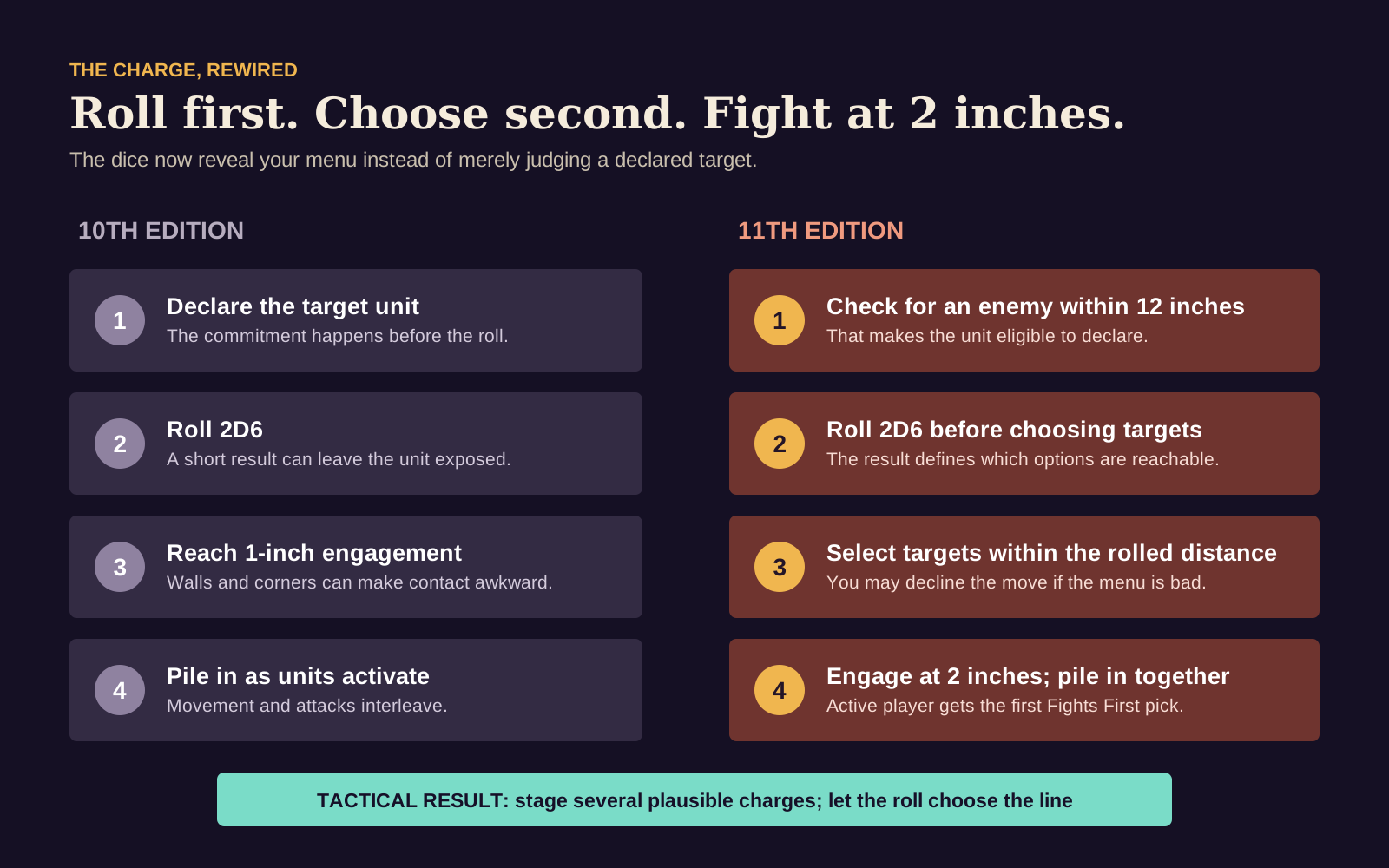
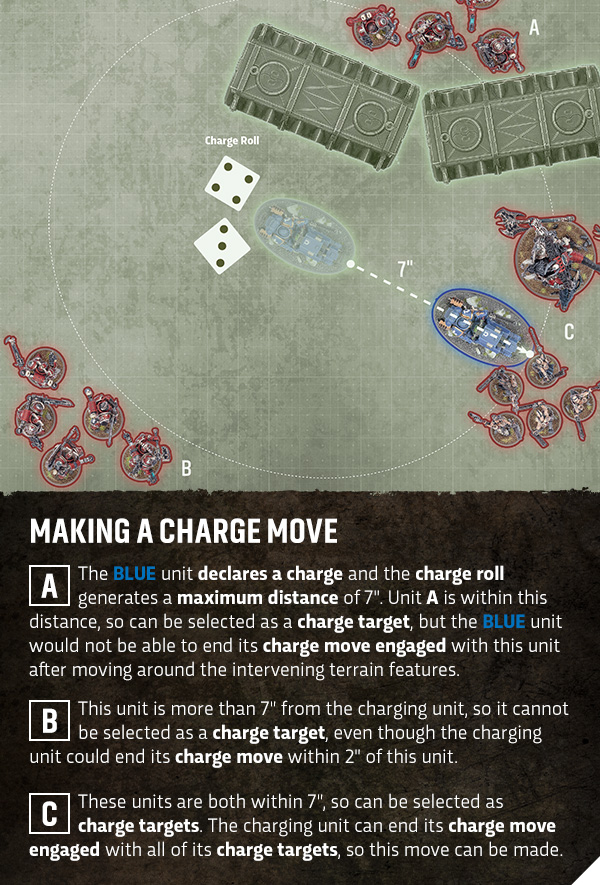
11th Edition makes the charge roll a source of information. In 10th, you chose the charge target and then rolled. In 11th, an eligible unit with an enemy within 12 inches declares a charge, rolls 2D6, and then selects one or more targets that are both within 12 inches and within the rolled maximum distance. You may decline to make the charge move if the available line is bad.
That last phrase contains a trap. A selected target must be within the number rolled when measuring the required distance, even though the charging models may finish within the new 2-inch engagement range rather than base contact. If a target is a little over 8 inches away after an ingress move, a roll of 8 does not become sufficient merely because engagement reaches 2 inches; the target-selection requirement still asks for the rolled distance. This is why a typical charge after setting up more than 8 inches away still needs a 9.
The larger engagement range makes fighting through walls and around corners more forgiving. Models can move through an enemy model's engagement range during normal movement but cannot end there without the proper permission. A charging model that can finish within 1 inch must do so; otherwise reaching engagement can be enough.
The Fight phase is reorganized. Pile In moves happen for the active player's eligible units and then the opponent's before attacks begin, rather than being stapled to each unit's activation. The player whose turn it is gets the first choice among units with Fights First, so the old defensive dominance of that rule is reduced. An eligible unit left unengaged because earlier attacks removed its opponent can make an overrun fight with another Pile In. Consolidations are resolved together after the attacks, and can pull units deeper into combat, onto an objective, or into a new nearby enemy that may still be allowed to fight.
The result is fewer dead charges and more positional consequences. Stage several plausible targets. Roll. Then choose the line the dice actually funded.
What does the 9-inch coherency rule do to screens and hordes?
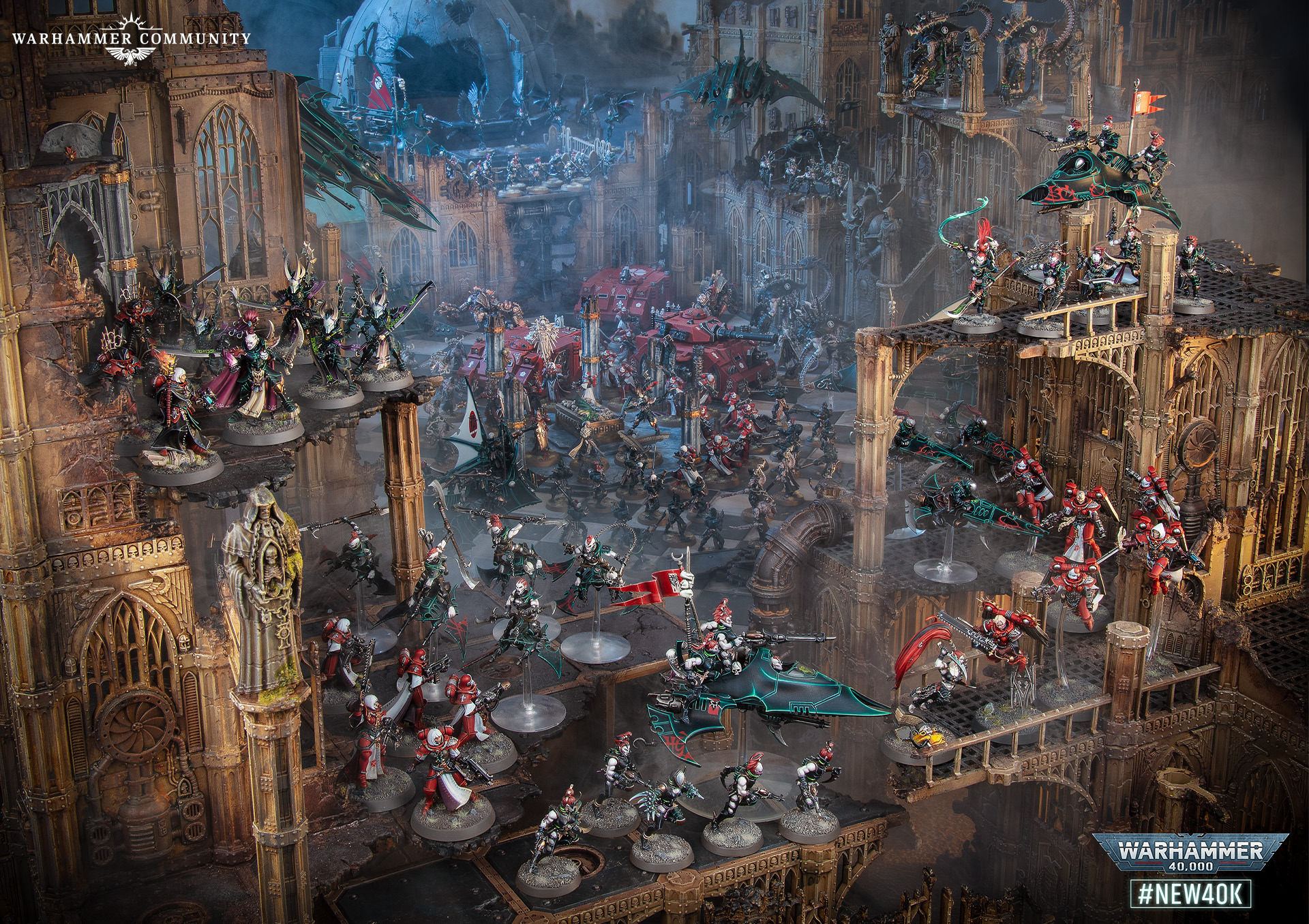
10th Edition allowed large units to stretch across extraordinary distances so long as every model in the larger unit stayed within 2 inches of two companions. Players learned the triangle at each end of a chain and turned a squad into a border wall.
11th removes that particular requirement and adds a blunt global limit: no model in the unit can be more than 9 inches from any other model in that unit. The important word is 'any.' This is not simply a 9-inch tether to the sergeant. Every pair must satisfy the limit, so the unit occupies a compact region instead of a long filament. Twenty-model hordes lose board coverage; small units become easier to reason about; casualty removal can still break a careless shape.
Screening did not disappear. The 2-inch engagement range makes a well-placed front line project a wider no-finish zone, and area objectives create corners that can be denied efficiently. But opposing models may move through engagement range as long as they do not finish there, so a loose screen is permeable. You are controlling legal destinations, not erecting an invisible wall.
At an area objective, protect the corners. A unit that blocks only the center can leave enough room for a base to touch the far edge. Use the ruin, barricade, or narrow lane to reduce the physical paths available. Then check the two geometries separately: your own unit must satisfy coherency, while the opponent must find a legal base position outside engagement range.
This is one of those rules that sounds like administration and plays like tactics. Goonhammer's geometry analysis is worth studying once you have three games completed. Before then, use a 9-inch ring or tape check and keep the squad honest.
Why points, paid weapons, and the app matter more at launch
The rules change what a unit does; the Munitorum Field Manual changes what that performance costs. Two pricing tools return or expand in 11th. First, a unit can have a step cost: the second or third copy may cost more than the first, discouraging efficient spam without punishing the player who owns one favorite machine. Second, clearly superior weapon options can carry an explicit points cost while the unit's base price falls. The macro plasma incinerator on a Redemptor Dreadnought was Games Workshop's launch example.
Those levers matter because the core changes are not neutral. Fast melee Infantry, large combat Monsters, mobile Vehicles, charge rerolls, battle-shock manipulation, and some Psychic weapons gained value. Fights First became less oppressive. Twenty-model units lost spread. Infiltrate and Scout can no longer both be used by the same unit in a game. Stealth does not stack with Cover. Distant Indirect Fire into unseen targets became weaker. The points file tries to price those consequences before millions of games expose what theory missed.
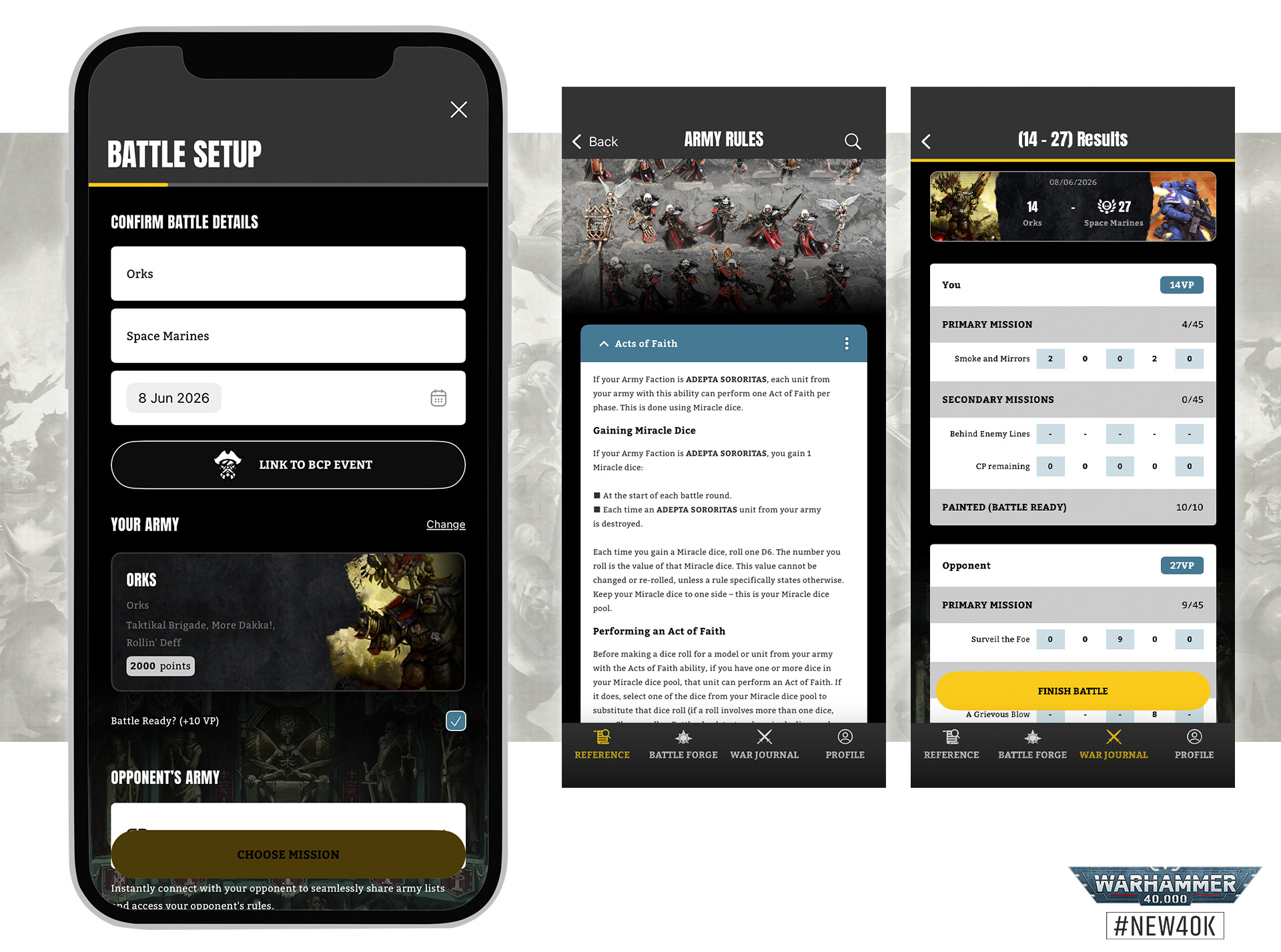
The Warhammer 40,000 app is therefore the working rules surface. Its 11th Edition update includes current unit points, Detachment Points, Force Dispositions, mission and terrain tools, a War Journal for score tracking, and the ability to view a linked opponent's rules. Existing unlocked Codex content remains available. The online Munitorum Field Manual updates with the app.
Do not print a launch tier list and laminate it. Games Workshop plans the normal quarterly rhythm, but says the studio may intervene monthly during the first three months, beginning at the end of July. Build the model you like. Save the roster. Recheck points before the next event. That is the honest launch protocol.
What did not change - and what do returning players not need to buy?
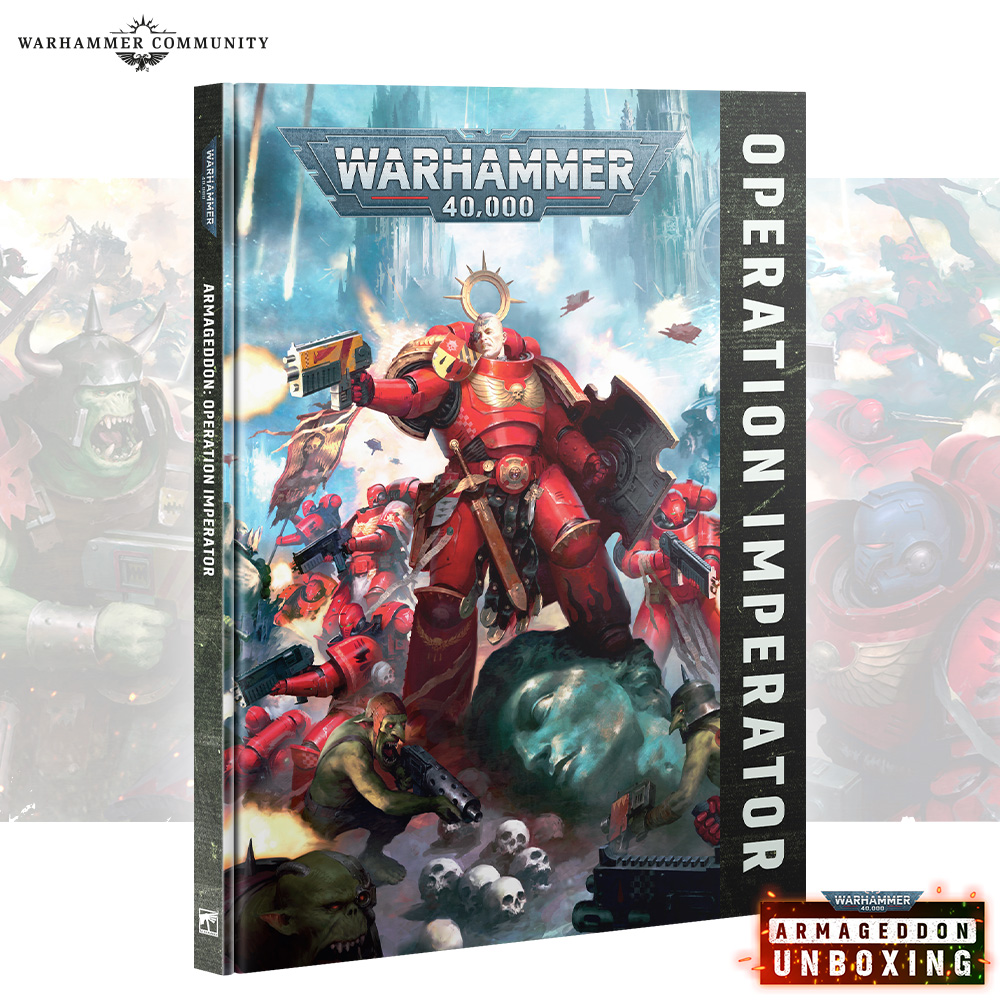
You do not need to replace your models. You do not need to abandon a current Codex. You do not need the Armageddon launch box to access the edition. You do not need to understand every one of the launch Detachments before playing. And you do not need to buy a rulebook merely to discover whether the game still feels like 40K: Games Workshop publishes the Core Rules for free.
The familiar turn skeleton remains recognizable, and most datasheets behave much as they did. Current Codex rules stay accessible in the updated app when previously unlocked. The Armageddon box is a physical launch bundle with two armies, books, cards, and campaign material; it is not a rules paywall. Buy it for the miniatures, shared two-player value, or Operation Imperator campaign - not because someone told you your old army cannot legally leave its case without it.
The physical purchase that may genuinely help is much smaller: a clear 9-inch coherency ring or gauge, visible terrain-area footprints, and printed mission cards. Those tools place the new geometry on the table. A new hardcover places the same words near your elbow. Choose accordingly.
There is one transition cost you cannot shop away: your memory. The experienced 10th Edition player is more likely than a complete beginner to apply the wrong cover effect, declare a target too early, string a unit too far, or stand beside an objective instead of inside its terrain area. Expertise becomes useful again as soon as it stops auto-completing yesterday's rule.
Which 10th Edition habits should you unlearn first?
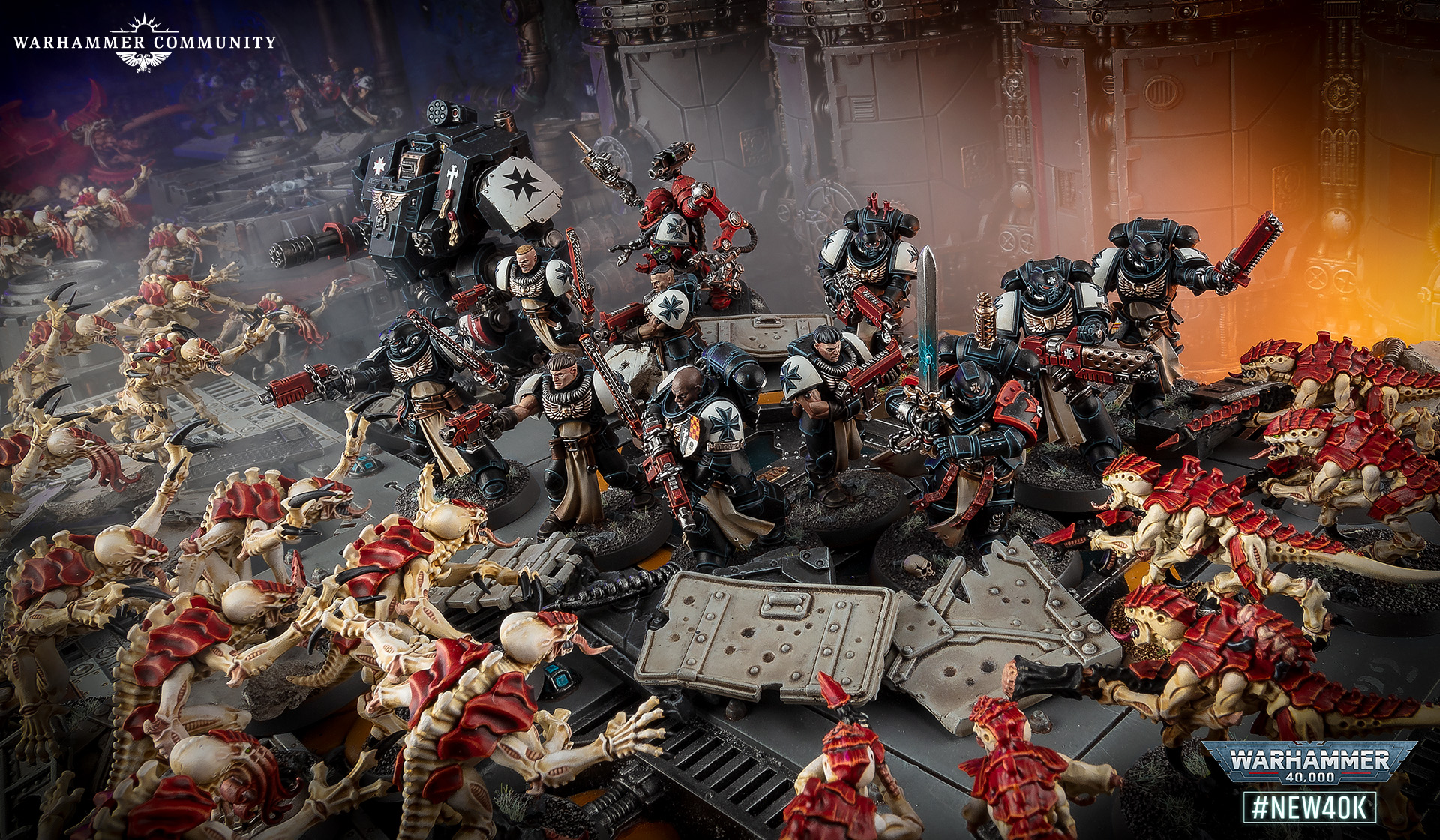
Here is the conversion list I would put beside the dice tray. Not every edge case. The habits most likely to cost a real game.
- Do not treat the Detachment as a single mandatory box. Check its DP cost and the battle's total budget.
- Do not build the army without reading its Force Disposition options. The roster and mission now talk to each other.
- Do not assume both players share the same primary objective. Read both assignments before deployment.
- Do not place a round marker and ignore the scenery. The defined terrain area is often the objective.
- Do not apply +1 Save for cover. The attacker normally suffers -1 Ballistic Skill instead.
- Do not assume Stealth stacks with Cover. Under the launch rules, it does not.
- Do not shoot automatically from a Hidden unit. A weak volley can expose it through the following player turn.
- Do not declare charge targets before rolling. Roll first, then select legal targets within the result.
- Do not reduce the charge requirement by mentally spending the 2-inch engagement range. Target selection still checks the rolled maximum distance.
- Do not let a long unit chain satisfy itself locally. No model may be more than 9 inches from any other model in the unit.
- Do not combine Scout and Infiltrate on the same unit. Choose which one to use for the game.
- Do not trust a saved roster indefinitely. Step pricing, paid wargear, and early balance updates can change the total.
Put a small token next to any unit currently relying on Hidden. Put the mission cards in the open. Mark paid weapon choices in the list. Most edition errors happen because a state exists only in one player's head.
How should you learn 11th Edition in your first three games?
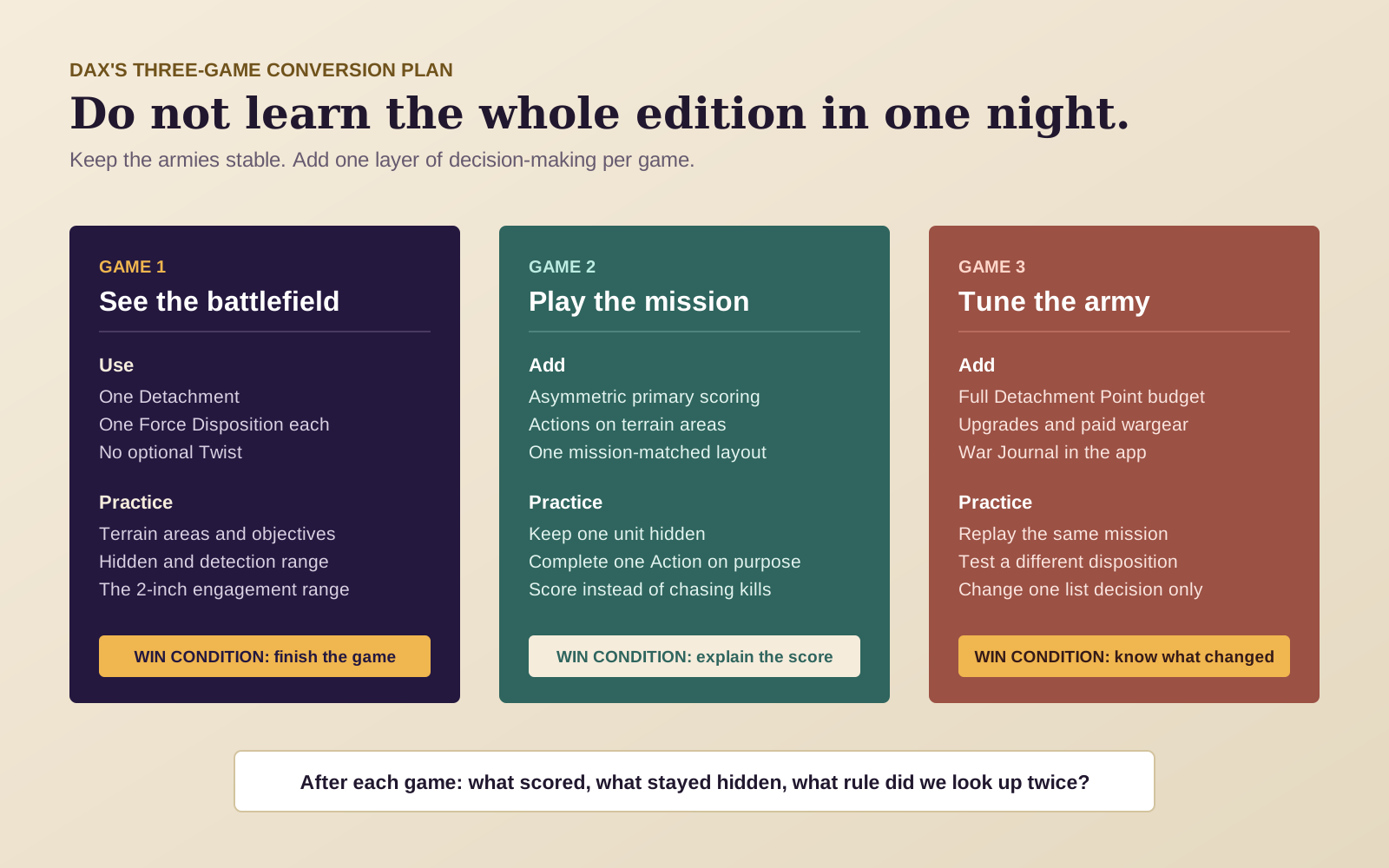
Use the same two modest armies for three games. Repetition is the control group. If the units, points level, mission system, terrain, and Detachments all change at once, every lesson becomes anecdote.
Game one is geometry. Use one Detachment per army, one Force Disposition each, and no optional Twist. Focus on terrain areas, Hidden, detection range, cover, 2-inch engagement, and compact coherency. Finish the game even if the score becomes ugly. Your goal is to see an entire battle round cycle through the new states.
Game two is incentives. Keep the lists. Add the full asymmetric primary assignments and deliberately perform at least one Action. Before each turn, say which terrain area matters and why. Keep one unit Hidden on purpose even when it could fire. This teaches that not shooting and not charging can be active decisions rather than missing the point of the game.
Game three is construction. Replay the same mission, then use the complete Detachment Point allowance, paid weapon options, Upgrades, and the app's War Journal. Change one meaningful list decision. If the game feels different, you will know whether the cause was army construction or unfamiliar mission geometry.
After each game, answer three questions: What scored? What stayed Hidden? Which rule did we look up twice? The third answer becomes the first rule reviewed before the next game. Do that, and by game four you are no longer learning an edition. You are learning your army inside it.
- Game 1: learn terrain, Hidden, cover, engagement, and coherency.
- Game 2: add asymmetric primaries and complete at least one Action.
- Game 3: use the full Detachment Point budget, Upgrades, paid wargear, and War Journal.
- Before Game 4: review only the rule you looked up twice.
Is 11th Edition better than 10th Edition?
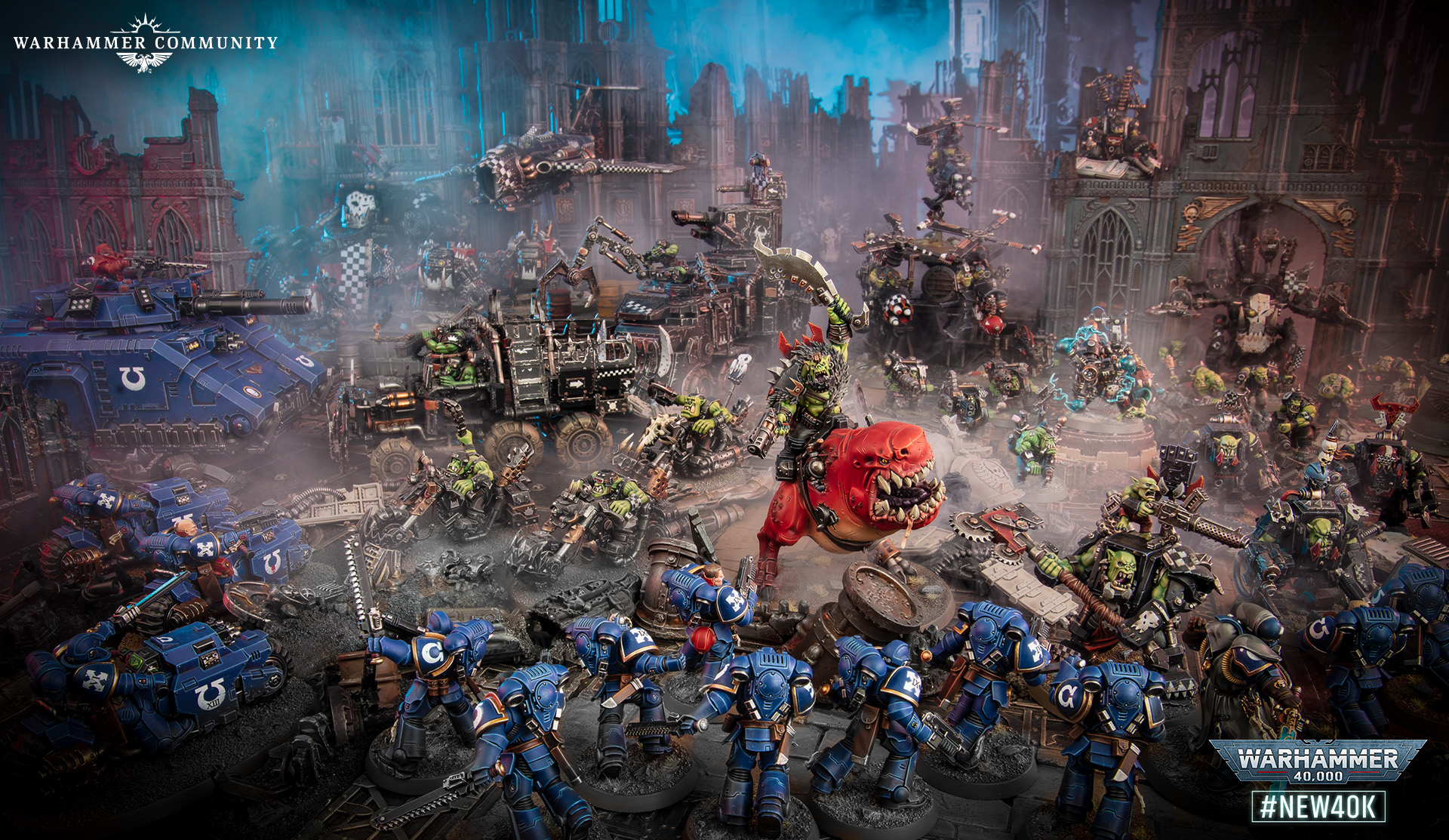
At launch, 11th is more coherent in theme and more demanding in table literacy. Its strongest improvement is that army identity, mission, objective, and terrain now form one system. Its strongest accessibility change is the charge sequence: rolling before target selection creates more useful outcomes and fewer miserable non-events. Hidden gives Infantry a reason to wait, and terrain-area objectives make attractive tables matter mechanically.
The cost is cognitive coupling. A new player cannot fully understand the mission without knowing the force's disposition. A returning player cannot evaluate cover by remembering a save modifier. A tournament player cannot judge a unit only from its datasheet because step pricing, mission role, area geometry, and monthly adjustments may all move the answer.
For casual narrative players, the edition is an immediate win if the group enjoys asymmetric goals and terrain with purpose. For competitive players, the launch environment is promising but unproven; points and interactions will move. For beginners, 11th is not necessarily simpler than late 10th, but it can be taught more meaningfully because the 'why' of the battlefield is visible.
My rating after the launch material and first analytical wave: 11th is the better-designed framework; 10th is currently the better-known game. Framework wins over time if the balance team keeps the parts aligned. Knowledge wins tonight if nobody at the table has read the new mission.
So read the mission. Mark the terrain areas. Keep the first lists simple. And when a unit has the choice between a bad shot and remaining Hidden, enjoy the tiny miracle of a wargame rewarding restraint. (the battlefield finally looks like it knows why the ruins are there. someone cared.)
What experienced tables keep reporting
Recurring owner patterns, synthesized in Puzzlewick's words. Follow each evidence trail to read the original discussion.
Charging in 11th edition has some significant changes to be aware of.
Fast rolling is the new normal for 11th.
The name of the game here is using space effectively.
When does 11th edition actually release?
At a glance
| System | 10th Edition | 11th Edition | What it changes |
|---|---|---|---|
| Edition status | Previous rules framework | Current edition from June 20, 2026 | Use current Core Rules and commentary |
| Existing Codexes | Native | Remain valid at launch | No collection reset |
| Detachments | Generally one package | Packages cost 1-3 DP; combinations possible | More modular army identity |
| Characters | Attachments chosen before battle | Leader and Support assigned in roster | Clearer construction and persistence |
| Missions | Mission deck largely independent of list | Force Disposition matchup shapes primaries | Often asymmetric goals |
| Objectives | Round markers | Defined terrain areas | Area shape and scenery matter |
| Cover | Generally +1 Save | Generally -1 attacker Ballistic Skill | Different math for BS, AP, and invulnerable saves |
| Hidden | No equivalent core state | Eligible patient units use detection range | Shooting can expose objective holders |
| Engagement range | 1 inch | 2 inches | Charges and screens reach farther |
| Charge targets | Choose, then roll | Roll, then choose legal targets | More flexible charge outcomes |
| Pile In | Tied to individual fight activation | Resolved before attacks by both sides | Fight geometry settles earlier |
| Coherency | Large units within 2 inches of two models | No model over 9 inches from any other | Long strings collapse |
| Points | Mostly flat per-unit cost and free wargear | Step pricing and paid superior options | Spam and weapon choices can cost more |
| Live tools | App, PDFs, mission packs | Integrated MFM, dispositions, missions, War Journal | Recheck live data before events |
Questions, answered
Is Warhammer 40K 11th Edition a complete reset?
No. Existing Codexes and faction rules remain valid at launch, most datasheets remain familiar, and current models are usable. The largest changes affect army construction, missions, terrain, cover, charges, coherency, and points rather than replacing every army with an Index.
When did Warhammer 40K 11th Edition release?
Warhammer 40,000 11th Edition launched on June 20, 2026, with the Armageddon box. Games Workshop published the Core Rules before launch and updated the official app and points for the new edition.
Are 10th Edition Codexes still valid in 11th Edition?
Yes. Games Workshop says current Codexes, faction rules, and recent campaign-supplement rules remain valid at the launch of 11th Edition. Updated faction packs and future Codex releases can still modify the live rules environment.
Can I use my old Warhammer 40K models in 11th Edition?
Yes. The edition does not invalidate your existing model collection. Use the current app, faction pack, Codex, points, FAQ, and Rules Commentary to confirm each unit's live rules and cost.
Do I need the Armageddon box to play 11th Edition?
No. Armageddon is the launch bundle, not a required rules purchase. The Core Rules are free. You can play with an existing army after updating its rules and points; buy Armageddon only if you want its Space Marines, Orks, physical books, mission cards, and campaign material.
What are Detachment Points in Warhammer 40K 11th Edition?
Detachments now cost 1 to 3 Detachment Points. Your battle size determines the available budget. You can spend it on one broad Detachment or combine smaller specialized Detachments where the rules permit.
Can an 11th Edition army use multiple Detachments?
Yes, when its Detachment Point budget allows. That does not restore unrestricted soup armies: you still choose the army from its Codex, and the selected Detachment rules apply according to their own restrictions.
What is a Force Disposition?
A Force Disposition describes the strategic role of your army and helps determine its primary mission when compared with the opponent's disposition. The five launch dispositions are Take and Hold, Purge the Foe, Disruption, Reconnaissance, and Priority Assets.
Are missions asymmetric in 11th Edition?
Often, yes. Unless both armies choose the same Force Disposition, each player will usually receive a different primary assignment. The missions are designed to reward how each force is built to fight while preserving shared pressure around board control.
Did round objective markers disappear in 11th Edition?
Terrain areas replace circular markers as the default for most objectives. The rules define the footprint being fought over, and mission layouts recommend scenery arrangements for those areas. A mission can still specify exceptions.
How does Hidden work in Warhammer 40K 11th Edition?
Under the current launch commentary, eligible Infantry, Beast, and Swarm models within suitable terrain areas can be Hidden if their unit did not make ranged attacks this turn or the previous turn. Hidden models are normally visible only to enemy models within a 15-inch detection range; normal line of sight still applies.
How did cover change from 10th to 11th Edition?
In 10th Edition, cover generally improved the defender's save by 1. In 11th Edition, cover generally worsens the attacker's Ballistic Skill by 1. The value therefore changes with the attacker's starting BS, the target's saves, AP, invulnerable saves, and Ignore Cover abilities.
Does Stealth stack with Cover in 11th Edition?
No under the launch rules and points guidance. Games Workshop explicitly identifies Stealth as more situational because it does not stack with Cover. Always check the current Rules Commentary for later changes.
What changed about charging in 11th Edition?
You now roll the charge before selecting targets. The result determines which enemies within 12 inches and within the rolled maximum distance can become charge targets. Engagement range is 2 inches, and the charge move can be declined if the available result is undesirable.
Do Deep Strike charges need an 8 or a 9 in 11th Edition?
A unit set up more than 8 inches away will typically still need a charge roll of 9. The target must be within the rolled maximum distance when selected, even though the charging models can finish within the 2-inch engagement range.
How does 9-inch coherency work?
No model in a unit may be more than 9 inches from any other model in that unit. This pairwise maximum prevents the long strings used by large units in 10th Edition. Other movement and coherency requirements still apply.
Did paid wargear return in 11th Edition?
Yes for selected superior options. Some weapons and upgrades now add points while the base unit may become cheaper. Some repeated units also use step pricing, so later copies can cost more than the first.
Is the Warhammer 40K app updated for 11th Edition?
Yes. The app includes the new rules integration, current points, Detachment Points, Force Dispositions, mission and terrain tools, opponent linking, and War Journal score tracking. The online Munitorum Field Manual updates alongside it.
When is the first 11th Edition balance update?
Games Workshop says the first potential intervention is due at the end of July 2026. During the first three months, the studio may update monthly if needed before returning to the ordinary quarterly balance rhythm.
What should a 10th Edition player learn first?
Learn terrain-area objectives and Hidden first, then Force Dispositions and asymmetric primaries, then the new charge and Fight sequence, then 9-inch coherency. Leave multi-Detachment optimization and launch-tier arguments until those battlefield rules feel natural.
Dax's verdict
11th Edition wins the framework comparison. 10th Edition wins only on accumulated familiarity.
The new edition connects four things 40K too often allowed to drift apart: what an army is, what it came to do, what ground matters, and how the models physically fight over that ground. Force Dispositions make the mission care about the list. Terrain areas make the scenery care about the mission. Hidden makes patience care about survival. The new charge sequence makes setup care about several possible outcomes instead of one public coin flip.
The price is that those systems must be taught together. That is manageable. Use one Detachment. Put both mission cards in view. Mark every terrain area. Track Hidden openly. Play three games with the same armies.
DAX'S PRICE RECKONING: Is 11th worth replacing a working model collection? No - because it does not ask you to. Is it worth three evenings of deliberate relearning? Yes. The battlefield finally earns the ruins you spent all weekend painting.
Continue with Operation Imperator and the Fourth War for Armageddon, or start at the beginning with How to Start Warhammer 40K in 2026.
Research ledger 18 sources · reviewed 2026-07-13
Specifications, rules, current product information, community experience, and contrary evidence were checked against the sources below. Commercial links are kept separate from editorial evidence.
- warhammer-community.comwarhammer-community.com/en-gb/articles/ctdexme4/warhammer-40000-the-new-edition-is-revealed-at-adepticon-preview-2026
- warhammer-community.comwarhammer-community.com/en-gb/articles/v0fhjy3m/new40k-your-queries-answered
- warhammer-community.comwarhammer-community.com/en-gb/articles/95fucn12/building-an-army-in-the-new-edition-of-warhammer-40000
- warhammer-community.comwarhammer-community.com/en-gb/articles/oefzq9fg/new40k-how-your-army-affects-your-mission
- warhammer-community.comwarhammer-community.com/en-gb/articles/xlppkx5s/new40k-take-cover-with-updated-terrain-rules
- warhammer-community.comwarhammer-community.com/en-gb/articles/lxzwueun/new40k-terrain-objectives-make-the-battlefield-your-mission
- warhammer-community.comwarhammer-community.com/en-gb/articles/m3son4il/new40k-combat-changes-shake-up-fighting-in-the-new-edition
- warhammer-community.comwarhammer-community.com/en-gb/articles/nhqt9wx3/new40k-rules-download-the-free-core-rules-now
- warhammer-community.comwarhammer-community.com/en-gb/articles/8wi6x7nq/new40k-points-apps-and-updates-incoming
- warhammer-community.comwarhammer-community.com/en-gb/articles/dv1aslrr/new40k-new-app-for-a-new-edition
- goonhammer.comgoonhammer.com/40k-ruleshammer-11th-edition-charge-phase
- goonhammer.comgoonhammer.com/40k-ruleshammer-11th-edition-hidden-and-gone-to-ground-guide
- goonhammer.comgoonhammer.com/40k-hammer-of-math-the-benefit-of-cover-in-11th-edition
- goonhammer.comgoonhammer.com/hammer-of-math-11th-edition-coherency-circles-and-triangles
- goonhammer.comgoonhammer.com/40k-11th-edition-points-review-overview
- reddit.comreddit.com/r/Warhammer40k/comments/1tynddi/when_does_11th_edition_actually_release
- reddit.comreddit.com/r/Warhammer40k/comments/1udp90s/what_to_buy_next
- pt.reddit.compt.reddit.com/r/Warhammer40k/comments/1tkb58y/what_are_actions
I'll be honest with you — flattery is boring.

Keep exploring
The next smart rabbit holes.
✠ Universe HubWarhammer: the whole buying pathWarhammer is Games Workshop's tabletop colossus — the grimdark far future of Warhammer 40,000 and the high fantasy of Age of...⚙ Topic PathMiniatures and Wargames: compare the whole shelfThe cheapest box is not always the cheapest way in. These guides connect rules format, faction fit, terrain, tools, paint, and the...Campfire TaleOperation Imperator: The Fourth War for Armageddon Reignites the GrimdarkA coalition crusade answers a doomed planet's plea — and 11th Edition makes that doom the campaign you actually play.