Master Duel to Paper Yu-Gi-Oh! in 2026: Your First Local Without the Rules Shock
Dax translates automation into table skill: paper legality, NEURON, zones, chains, side decking, tournament materials and the social script for a first local.


AI-assisted research and drafting in Dax’s voice · reviewed by Robert Pruitt · how this guide was made
Last editorial refresh: 2026-08-24 Gold-standard QA: 2026-08-18 12 sources reviewed Affiliate links checked during gold-standard pass

The short answer
The fastest bridge is one physical deck you already understand digitally, printed or written deck and side-deck lists, three face-to-face practice matches, and the current official tournament policy. Tell the organizer it is your first local. Most communities would rather explain a shortcut than watch a new player disappear.
Decision map
Choose in thirty seconds
Three complete paper decks and a broad physical re-entry
A recognizable theme and focused first paper deck
Correctly sized Yu-Gi-Oh!
The fastest bridge is one physical deck you already understand digitally, printed or written deck and side-deck lists, three face-to-face practice matches, and the current official tournament policy. Tell the organizer it is your first local. Most communities would rather explain a shortcut than watch a new player disappear.
Start here, then go deeper
You are in the right cabinet.
 ◈ Universe HubYu-Gi-Oh!: the whole buying pathYu-Gi-Oh! remains a top-four marketplace game with a deep competitive identity and a collector rebound around new extended-art...
 🂠 Topic PathTrading Card Games: compare the whole shelfStart with the game and community you want, then buy the smallest product that lets you test it properly. These guides separate...
 Buying GuideBest Yu-Gi-Oh! Accessories 2026: Japanese-Size Sleeves, Deck Boxes & Tournament KitThe exact small-card protection system for a legal deck, Extra Deck, Side Deck, spare sleeves, mat, and first local tournament.
The shock is not complexity. It is responsibility.
Master Duel handles legal prompts, missed timing, chain ordering, zone placement and many bookkeeping tasks. Paper asks both players to maintain a clear legal state.
You do not need encyclopedic memory. You need a legal deck, the current rules resources, deliberate communication and the confidence to pause before an irreversible action.
First: build for the paper list, not the digital ladder
Master Duel and the physical TCG do not share one universal Forbidden & Limited List. Open the current regional paper list and check every Main, Extra and Side Deck card. Then verify card text and rulings in the official database or NEURON.
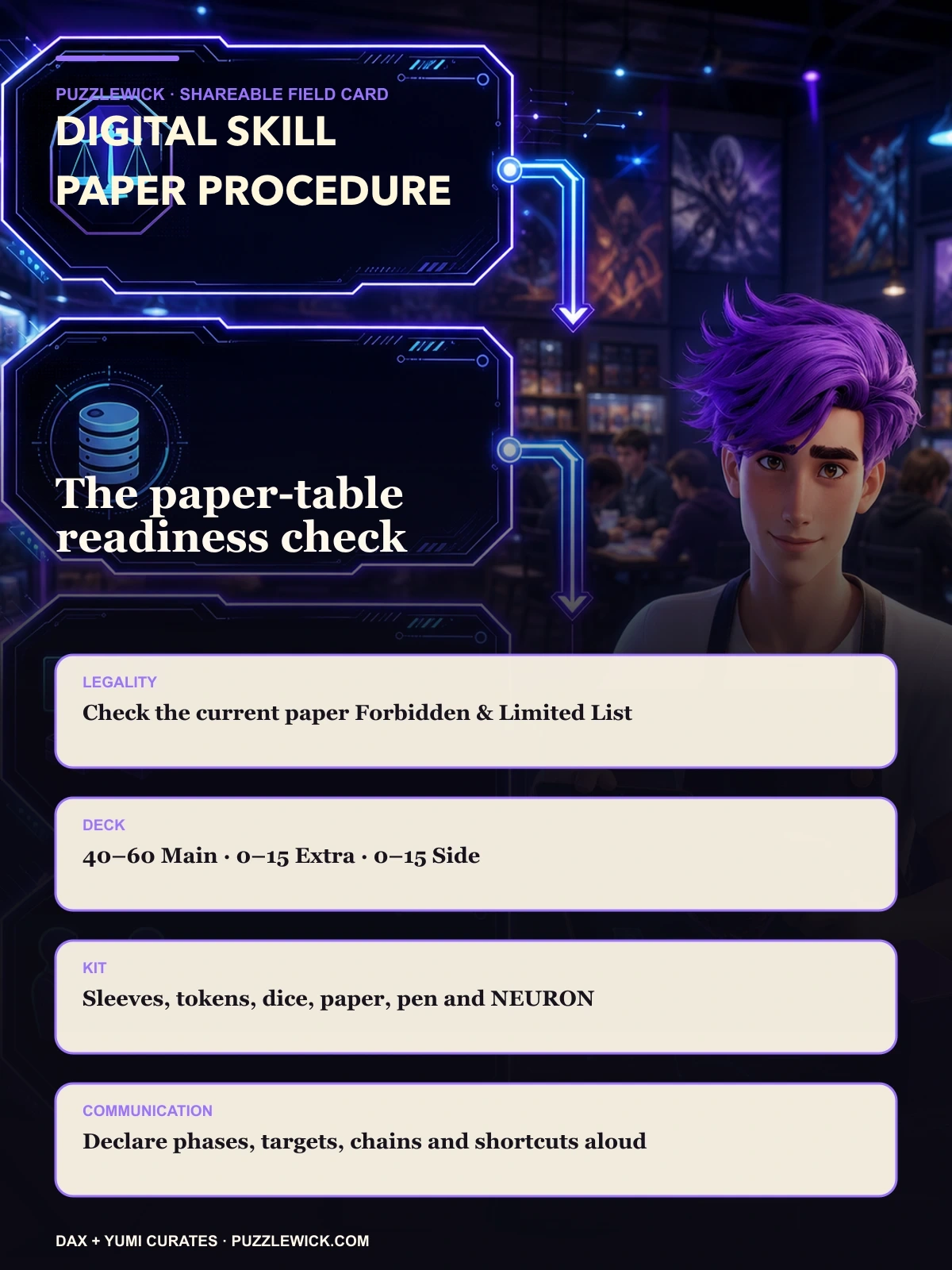
Main Deck: 40–60 cards. Extra Deck: 0–15. Side Deck: 0–15. Keep the Side Deck exactly the same size before and after siding.
Save a dated copy of the paper list you checked and run every Main, Extra, and Side Deck card against it. Then confirm physical card text and language. Master Duel muscle memory is useful for sequencing, but it is not a legality certificate for a regional paper event.
Your first-local kit
Bring the deck in uniform small/Japanese-size sleeves, matching spare sleeves, Extra and Side Decks, any required tokens, dice or counters, paper and pen, your Konami Card Game ID and a charged phone with NEURON. A playmat is useful but secondary to a readable state.
Do not use damaged, translucent or distinguishable sleeves. If one splits during play, call a judge and replace it with an identical spare.
The compact first-local bag: legal sleeved deck, Extra Deck, Side Deck, at least ten matching replacement sleeves, tokens and dice your cards require, paper and pen, identification, water, and a charged phone with NEURON already signed in. Keep trades in a separate binder so the match deck never becomes a rummage drawer.
The five-minute zone reset drill

Lay out the Main Deck, Extra Deck, Graveyard, banished area, Field Zone, Pendulum Zones and Monster and Spell/Trap Zones before drawing a hand. Place a card in each relevant zone, then return the table to neutral. Repeat until your hands stop searching for the map.
Next, rehearse one normal summon, one set card, one Extra Deck summon and one effect that moves a card between zones. Narrate what changed. Master Duel makes legal destinations glow; paper expects you to know where the card belongs and whether the state remains clear to the other player.
Do this with the exact deck you plan to bring. Generic diagrams teach vocabulary, but familiar cards connect the vocabulary to decisions you will actually make under time.
The table script that prevents half the confusion
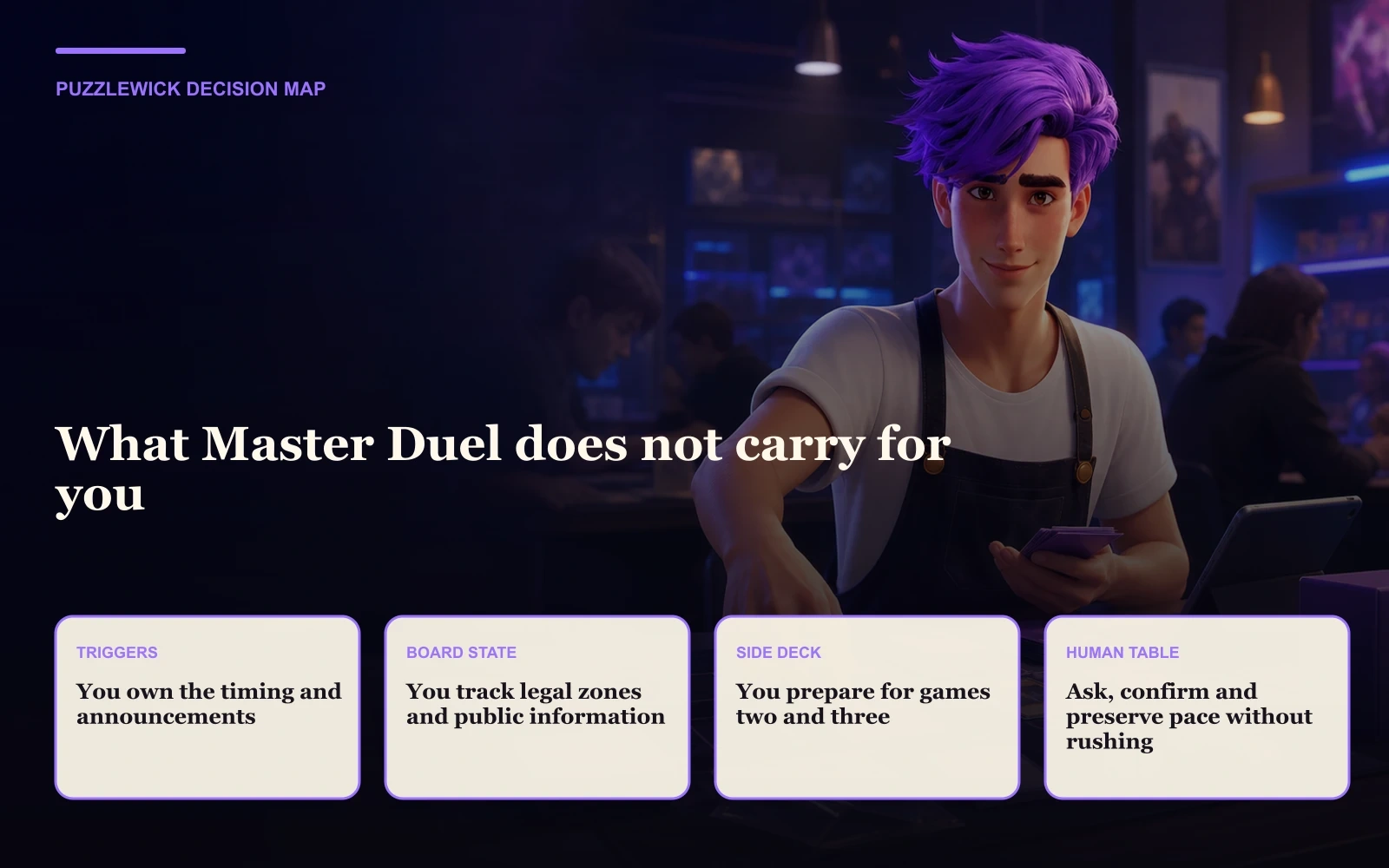
Say the phase, card activation, target and intended resolution. Give the opponent time to respond. Confirm unclear shortcuts. Keep cards oriented and zones visible. When a chain becomes uncertain, stop and reconstruct it before resolving.
Useful sentences: “Moving to Battle Phase.” “Activate effect; target your face-up monster.” “Any response?” “Can we call a judge before we change the state?” None of these are admissions of weakness.
Three rehearsals before the event
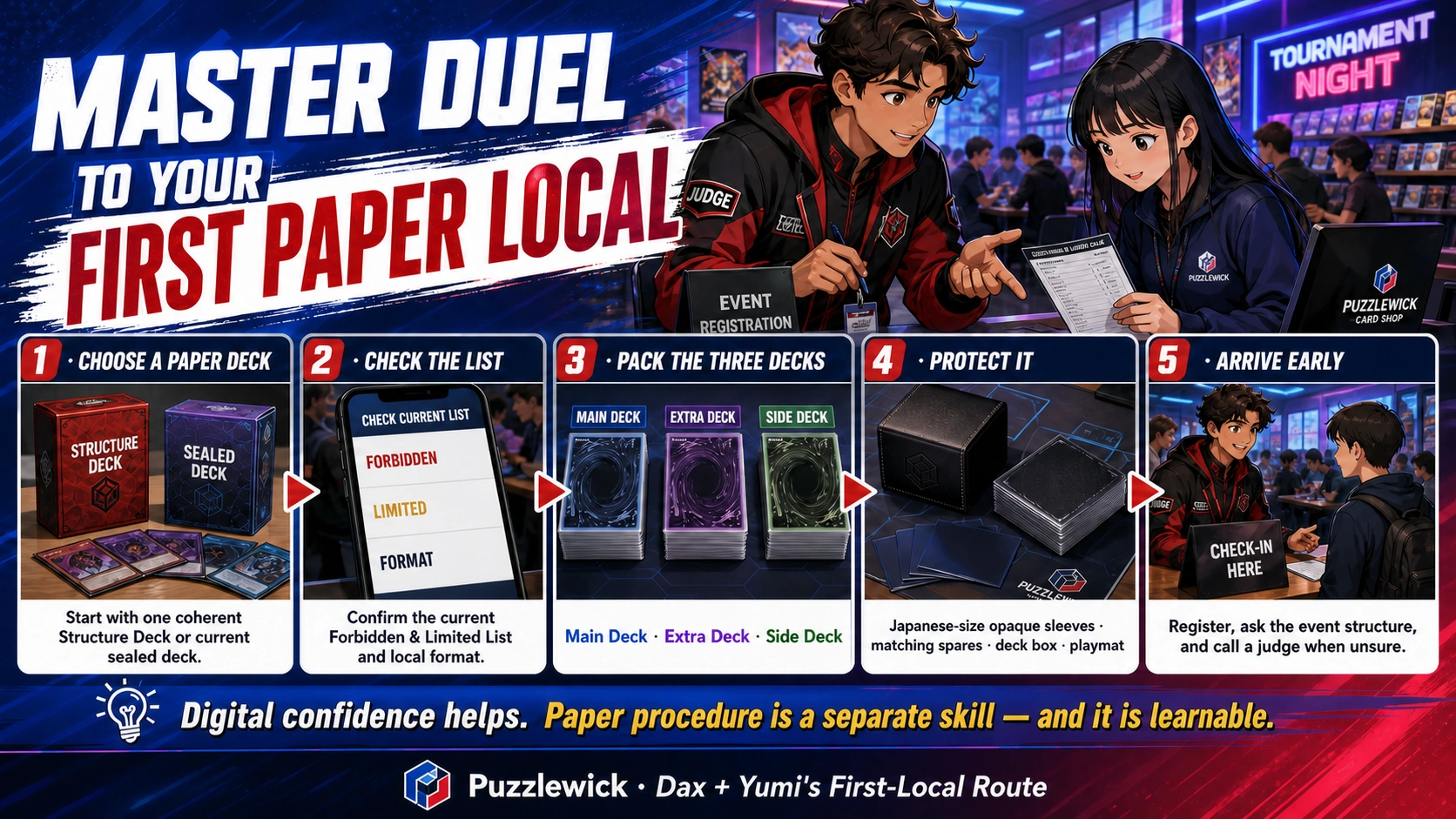
Game one: play slowly with hands open and announce every phase. Game two: hide hands but pause after every activation to identify legal responses. Game three: play a full best-of-three match with siding, time awareness and no automation.
Record every rules search and every card you could not explain. That list is your real study guide; random combo videos are not.
Practice siding as a procedure, not a panic
After game one, note what the opponent’s deck actually showed: graveyard dependence, back-row density, a narrow summon line, board-breaking pressure or a particular floodgate. Choose Side Deck cards for observed problems, not for the deck name you think you recognized.
Keep the Side Deck count unchanged after exchanging cards. Resleeve or replace any marked sleeve before presenting the deck, shuffle thoroughly, and finish within the event’s time expectations. Then write down what entered and left so you can reverse the change after the match.
A simple first plan is enough: two or three matchup packages with a stated purpose and a corresponding cut list. Fifteen unrelated “good cards” are a collection, not yet a sideboard.
Choosing a first paper deck
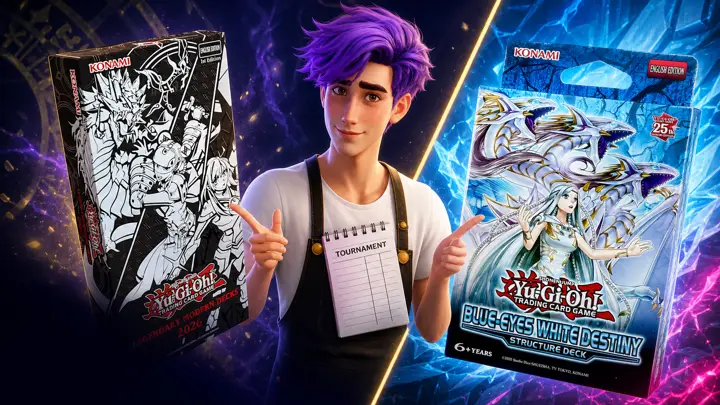
Use a deck whose core plan you can explain in two sentences and whose common opening line you have physically sequenced. Legendary Modern Decks provides breadth; Blue-Eyes White Destiny offers a recognizable focused identity. Neither exempts you from checking the current list or adding targeted singles.
Print or write the list and divide it into starters, extenders, interaction, board breakers and cards that only work after another piece. Goldfish five opening hands while physically searching, shuffling and presenting the deck. Digital familiarity can hide how often a line depends on remembering an optional effect, finding a token or locating an Extra Deck card under time.
Do not change decks during the final week merely because a stronger list won an online event. A modest deck you can sequence, explain and reset is a better first-local instrument than a famous list whose decision points still surprise you.
How to use NEURON without making the phone the table
Register the event, maintain your Card Game ID, check cards, track life points and use supported utilities through NEURON. Keep notifications off and the screen available to both players when it is functioning as a shared tool.
The official event guide shows the current registration flow. Complete it before the round begins rather than discovering passwords at pairings. Bring a charging cable or small battery, but keep paper and pen available because a phone is support equipment, not permission to lose the match record when a battery reaches one percent.
Before round one, open the exact functions you expect to use and confirm how the organizer wants results reported. During play, announce life-point changes and let both players verify the total. If a ruling requires card text, use the official database rather than a cropped screenshot or a remembered translation. Put the phone back in its fixed place after each use so it never becomes hidden information, table clutter or an accidental hand of very expensive cards.
The judge-call script and first-local social contract
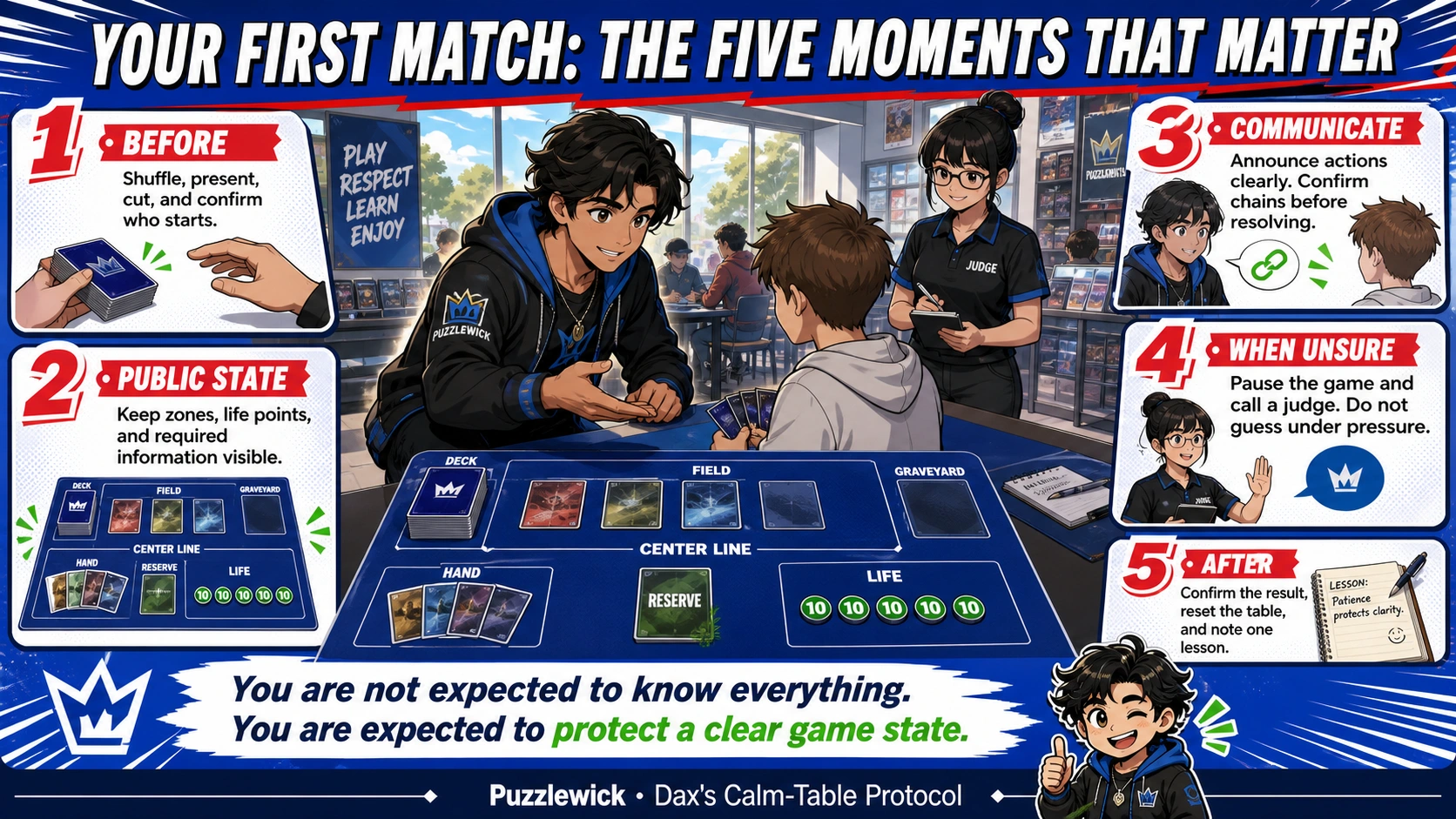
Stop before more cards move. Raise your hand, say “Judge,” and keep the table state unchanged. Briefly describe the last agreed action, the effect or timing question, and what each player believes should happen. Answer the judge’s questions without turning the ruling into a closing argument.
If hidden information or a communication issue is involved, ask to speak away from the opponent when appropriate. Do not repair the state yourselves while waiting; every extra draw, shuffle or moved card makes an accurate ruling harder.
A judge call is not an accusation and not a loss of face. It is the tournament’s neutral mechanism for protecting both players. Yumi’s first-local rule is to thank the opponent for pausing and thank the judge for the ruling, then return to the match.
Before the event, rehearse the script once with a friend: “Judge, we agree that this card was activated here; we disagree about whether that effect can resolve after this response.” The words are deliberately plain. They identify the shared state and the disputed rule without assigning motive. New players often fear appearing inexperienced, but an early, precise question is far less disruptive than a confident sequence built on a mistaken assumption.
Arrive early. Tell the organizer and first opponent you are new to paper. Ask before touching another player’s card. Do not argue from a remembered Master Duel animation. Fast players should not bully you; you should also keep progressing, make decisions, and learn the deck before bringing it into a timed room. Respect runs both directions. After the match, note the ruling and the one sequence to rehearse before local two.
What experienced tables keep reporting
Recurring owner patterns, synthesized in Puzzlewick's words. Follow each evidence trail to read the original discussion.
Community pattern
The picks
Some links below are affiliate links — as an Amazon Associate, Puzzlewick earns from qualifying purchases, at no extra cost to you. It never changes a pick.
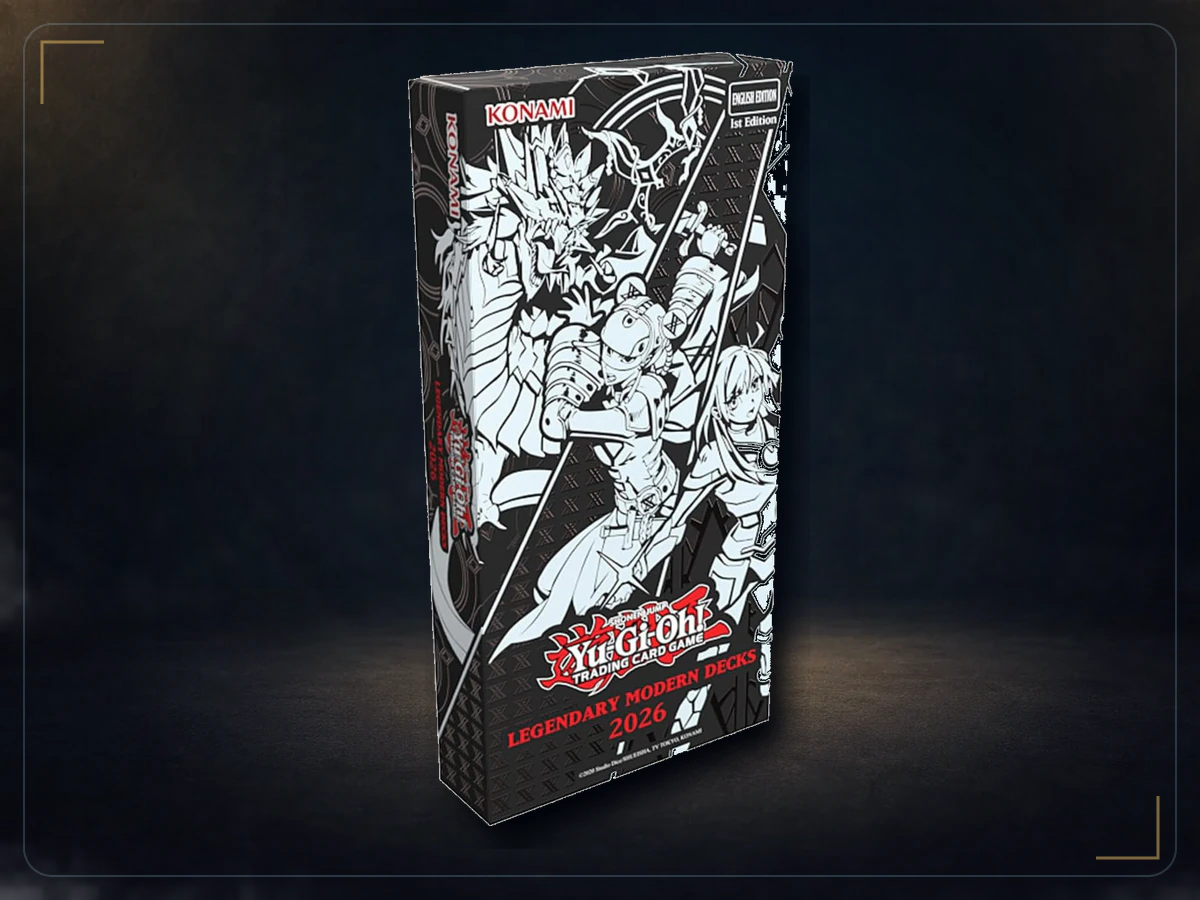
Yu-Gi-Oh! Legendary Modern Decks 2026
A current multi-deck product that gives a returning or digital player several paper engines to handle and compare.
- Three decks
- Physical practice
- Current product
- Check current list legality
- Not a substitute for singles
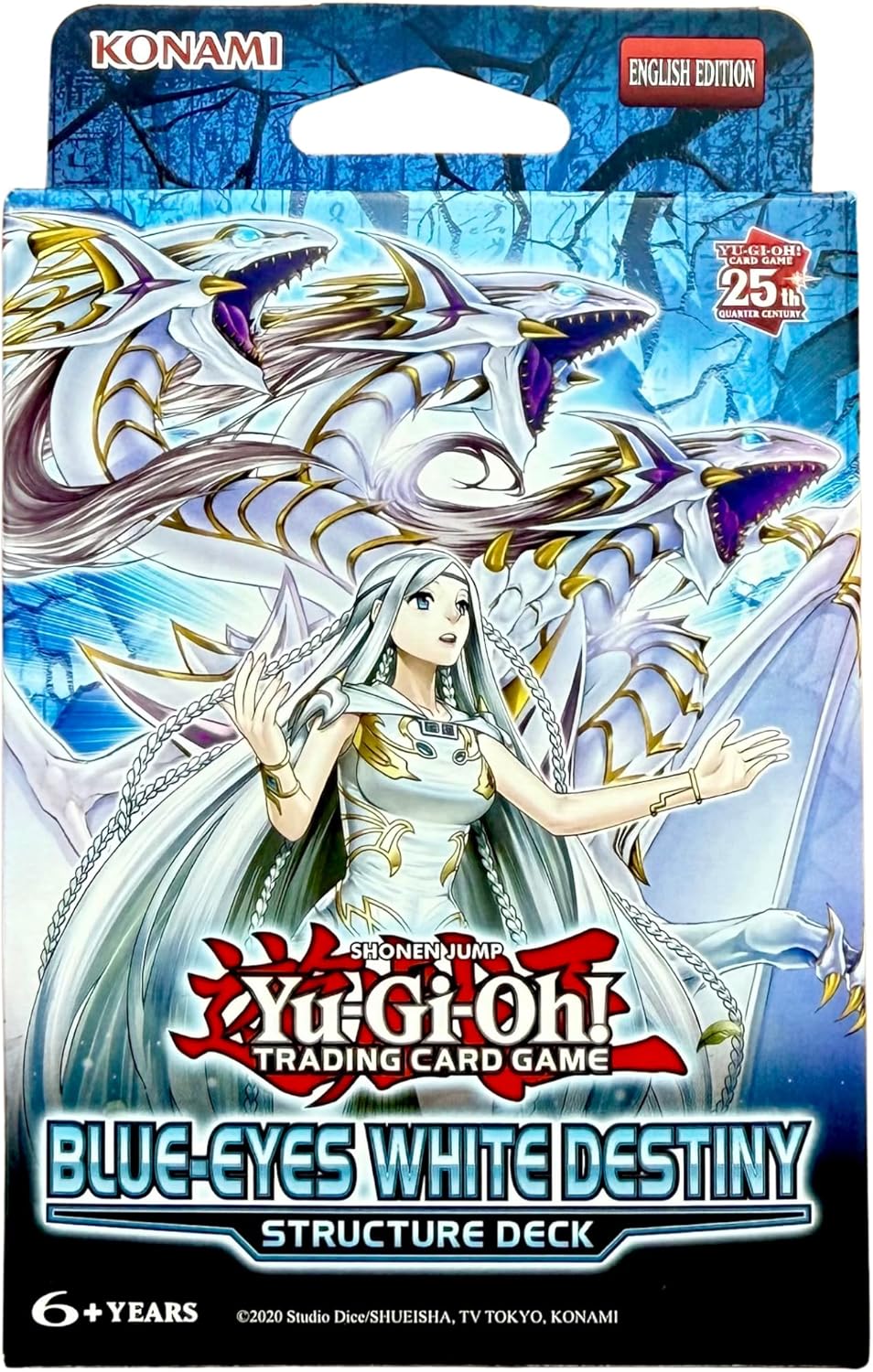
Yu-Gi-Oh! Blue-Eyes White Destiny Structure Deck
A familiar archetype that makes card zones and physical sequencing easier to rehearse.
- Focused theme
- Familiar cards
- Easy identity
- May need singles
- Current list still applies

Ultra PRO Japanese Size Small Deck Protectors
Small/Japanese-size sleeves that fit Yu-Gi-Oh! cards cleanly and leave room for matching spares.
- Correct size family
- Opaque backs
- Local-ready baseline
- Buy matching spares
- Outer-sleeve policy still matters
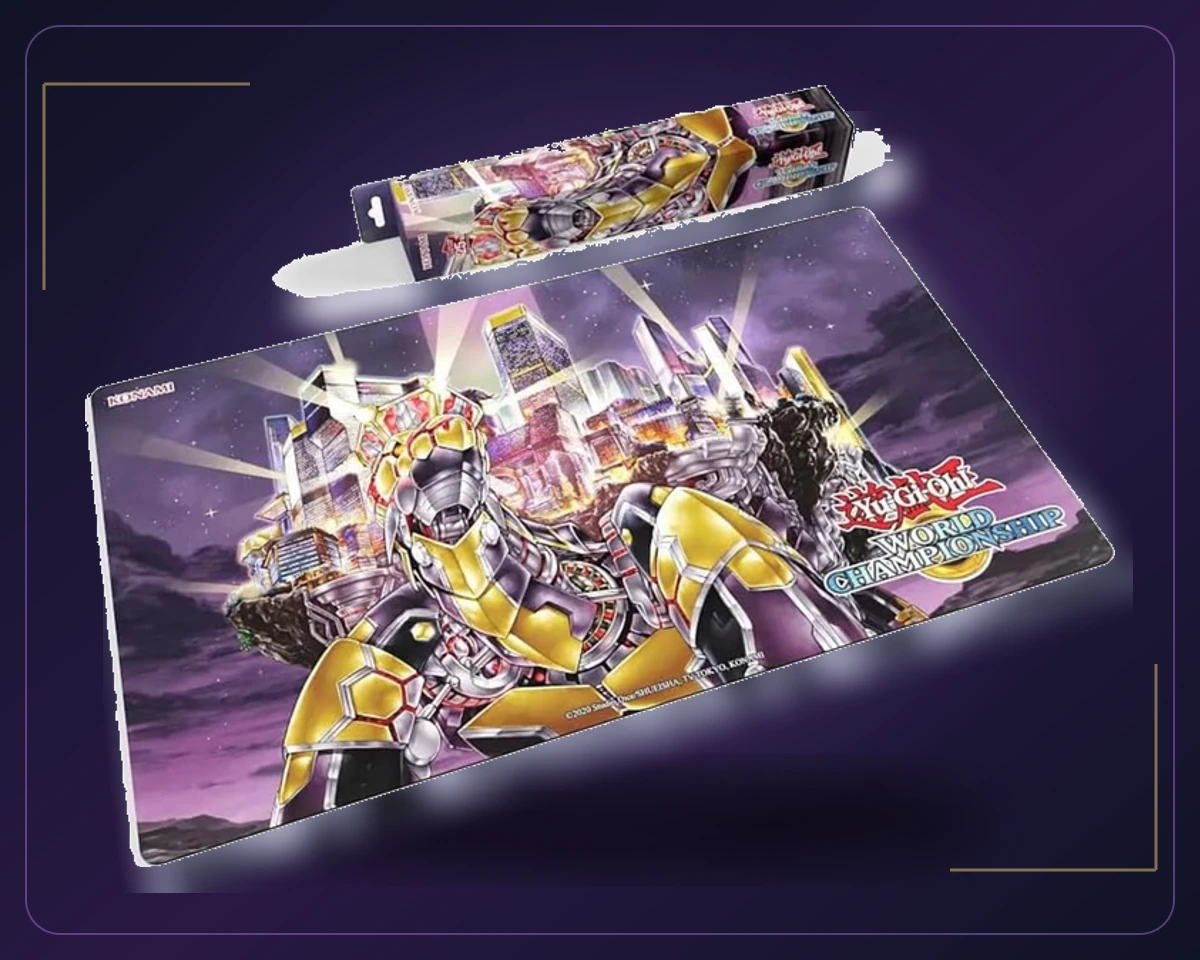
Yu-Gi-Oh! Grandopolis World Championship Game Mat
The Grandopolis World Championship commemorative mat is a game-specific step into paper play: it feels at home at a local, protects cards, and avoids the anonymous black-rubber recommendation this guide previously settled for.
- The mat protects cards, quiets the table, and provides atmosphere without inventing another component to manage.
- 4.9/5 from 11 Amazon ratings at the Keller, Texas review check
- The first visible wear usually appears at stitched edges or from being stored folded instead of rolled.
- Measure the usable table and verify that printed zones match current rules before choosing a zone-forward design.

Yu-Gi-Oh! Yugi & Kaiba Quarter Century Deck Box
The official Yugi and Kaiba Quarter Century box gives the travelling deck an unmistakable Yu-Gi-Oh! identity while doing the simple transport job well.
- The box keeps the playable kit together and is more satisfying than a generic case when the featured deck has earned permanence.
- 4.3/5 from 8 Amazon ratings at the Keller, Texas review check
- Licensed art can cost more than a plain box with stronger hinges or a more useful dice tray.
- Capacity claims are measured differently; test the real deck after inner sleeves, outer sleeves, tokens, and public cards are added.

Konami Yu-Gi-Oh! Dark Magician Girl Deck Box
Konami’s Dark Magician Girl deck box is the themed second-case option; use it only after one list has become stable enough to deserve permanent storage.
- The box keeps the playable kit together and is more satisfying than a generic case when the featured deck has earned permanence.
- 4.6/5 from 208 Amazon ratings at the Keller, Texas review check
- Licensed art can cost more than a plain box with stronger hinges or a more useful dice tray.
- Capacity claims are measured differently; test the real deck after inner sleeves, outer sleeves, tokens, and public cards are added.
At a glance
| Difference | Master Duel habit | Paper habit |
|---|---|---|
| Forbidden and Limited List | Client enforces its own list | Check the current regional TCG list before buying or registering |
| Triggers and chains | Prompts and timing windows appear automatically | Declare actions, targets, costs, and responses clearly |
| Public state | Counters and life totals update automatically | Maintain visible totals and shared information |
| Errors | Illegal actions are blocked | Pause and call a judge before the game state gets harder to repair |
Free download — Master Duel to Paper Yu-Gi-Oh! in 2026 Field Guide
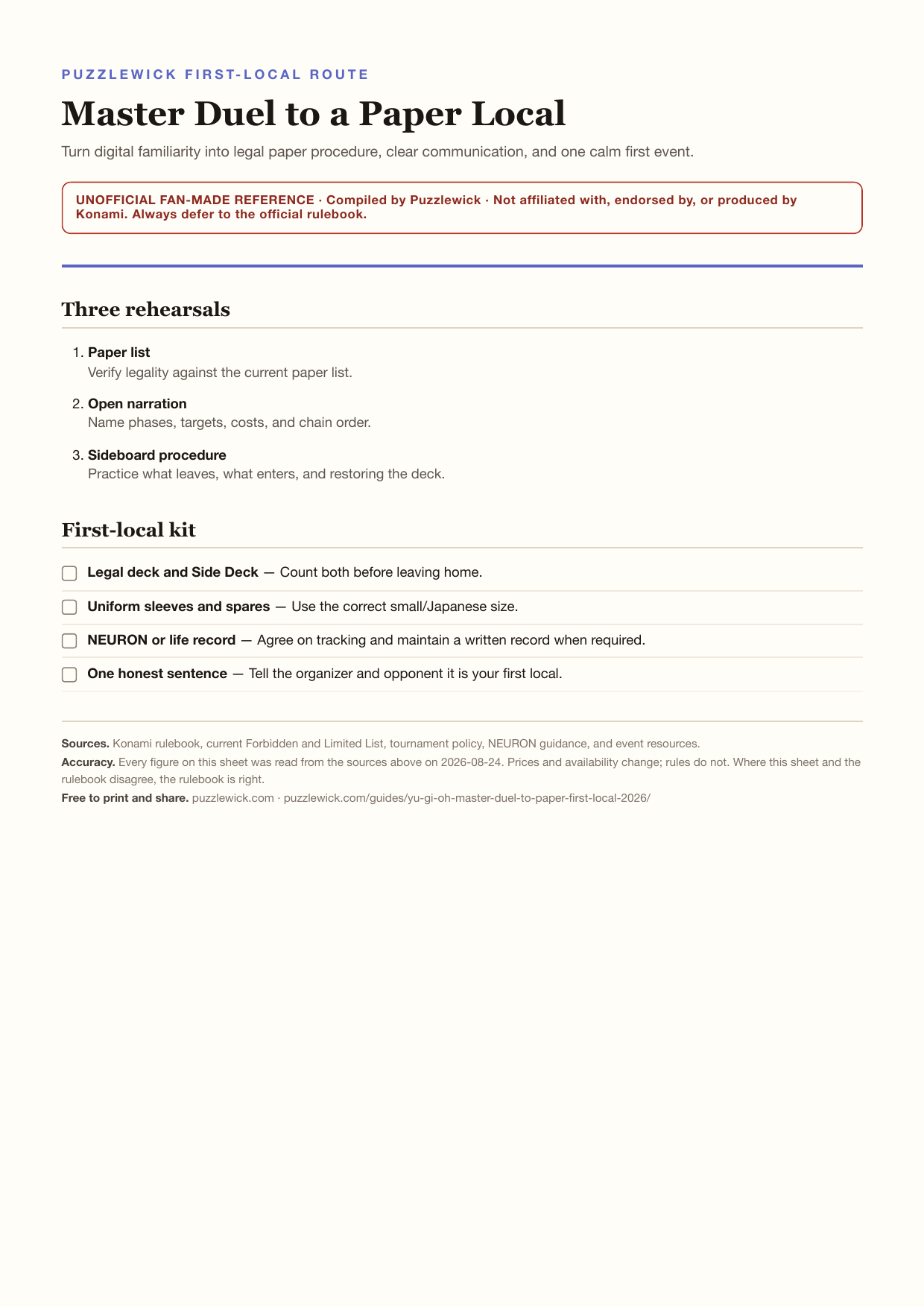
A one-page, beginner-readable reference distilled from the official sources used in this guide.
Unofficial fan-made reference. Compiled by Puzzlewick from the sources listed on the sheet. Not affiliated with or endorsed by the publisher — always defer to the official rulebook.
Questions, answered
Does Master Duel use the same banlist as paper Yu-Gi-Oh?
No. Verify the current regional TCG Forbidden & Limited List before building or buying a paper deck.
How many cards are in a paper Yu-Gi-Oh deck?
The Main Deck contains 40–60 cards. The Extra Deck and Side Deck each contain 0–15.
What should I bring to my first Yu-Gi-Oh local?
A legal sleeved deck, Extra and Side Decks, matching spare sleeves, tokens and dice as needed, paper and pen, ID, NEURON and a charged phone.
Can I use standard-size sleeves?
Yu-Gi-Oh cards use the small/Japanese-size sleeve family. Use uniform, opaque sleeves in good condition and check event policy for double sleeving.
Should I tell my opponent I am new?
Yes. A brief statement sets expectations and makes rules clarification easier.
Can I use NEURON for life points?
NEURON is the official support application. Follow the event’s current policy and keep shared information visible.
What is the best deck for a first local?
A legal deck whose main plan and common openings you can explain and physically execute is better than a stronger unfamiliar list.
When should I call a judge?
Call before continuing when legality, timing, hidden information or the correct repair is unclear. Judges are part of the event.
What is the biggest difference between Master Duel and paper Yu-Gi-Oh?
The paper player must verify the regional TCG list, handle timing and declarations, maintain public game state, and ask for a judge when repair is unclear. The software performs those jobs automatically.
How many spare sleeves should I bring to a Yu-Gi-Oh local?
Bring enough identical sleeves to replace several damaged or marked sleeves without changing the deck's appearance. Ten is a practical floor for a first local; the event policy remains the authority.
Dax's verdict
Master Duel can teach card interactions, but it does not teach paper responsibility. Before a local, verify the current paper Forbidden & Limited List, sleeve a legal deck, prepare a 0–15 card Side Deck, install NEURON, and rehearse phases, targets, chains and state aloud with another person.
Research ledger 12 sources · reviewed 2026-08-18
Specifications, rules, current product information, community experience, and contrary evidence were checked against the sources below. Commercial links are kept separate from editorial evidence.
- Yu-Gi-Oh! Forbidden and Limited List, May 18 2026yugioh-card.com/en/limited/list_2026-05-18
- Yu-Gi-Oh! NEURONyugioh-card.com/en/products/neuron
- NEURON Event Registration Guideimg.yugioh-card.com/en/downloads/neuron/NEURON-Registering_for_Events.pdf
- KDE-US Tournament Policyyugioh-card.com/eu/wp-content/uploads/2024/11/KDE-E_TCG_Tournament_Policy_2_3.pdf
- Yu-Gi-Oh! FAQ for parentsyugioh-card.com/en/about/faq-for-parents
- r/Yugioh101 first-local discussionreddit.com/r/Yugioh101/comments/1vk0kcs/upcoming_first_local_how_do_you_deal_with_the
- r/masterduel new-player discussionreddit.com/r/masterduel/comments/1u702ns/new_to_new_yugioh_where_to_start
- YGOrganizationygorganization.com
- Official Yu-Gi-Oh! Rulebook and Beginner Guideyugioh-card.com/en/rulebook
- KDE-US Tournament Policy 2.4img.yugioh-card.com/en/downloads/penalty_guide/YGOTCG_Tournament_Policy_v_2_4.pdf
- Yu-Gi-Oh! Organized Playyugioh-card.com/en/events/organizedplay
- Yu-Gi-Oh! OTS Store Locatoryugioh-card.com/en/events/ots-locations

I'll be honest with you — flattery is boring.


Keep exploring
The next smart rabbit holes.
◈ Universe HubYu-Gi-Oh!: the whole buying pathYu-Gi-Oh! remains a top-four marketplace game with a deep competitive identity and a collector rebound around new extended-art...🂠 Topic PathTrading Card Games: compare the whole shelfStart with the game and community you want, then buy the smallest product that lets you test it properly. These guides separate...Buying GuideBest Yu-Gi-Oh! Accessories 2026: Japanese-Size Sleeves, Deck Boxes & Tournament KitThe exact small-card protection system for a legal deck, Extra Deck, Side Deck, spare sleeves, mat, and first local tournament.