The 10 Best Two-Player Duel Games and Duel Versions in 2026
Imani ranks ten superb two-player games, tests which Duel and Duo editions deserve shelf space beside the original, and calls out the 2026 boxes worth watching.


AI-assisted research and drafting in Imani’s voice · reviewed by Robert Pruitt · how this guide was made
Last editorial refresh: 2026-08-11 Gold-standard QA: 2026-08-11 17 sources reviewed Affiliate links checked during gold-standard pass

The short answer
Splendor Duel is the best all-around two-player duel game in 2026 for most pairs. Choose 7 Wonders Duel for deeper repeat rivalry, The Lord of the Rings: Duel for Middle-earth for clearer theme and map pressure, Sky Team for cooperation, Jaipur for fast market play, Patchwork for spatial efficiency, Hive Pocket for pure abstract strategy, Targi for a denser euro, Codenames Duet for words, and Star Realms for cheap card combat. A Duel or Duo edition is worth buying beside the original only when it changes the central interaction, creates a distinct two-player mood, and will reach your table repeatedly.
Decision map
Choose in thirty seconds
Most pairs, especially mixed-experience couples who want an elegant engine with real interaction.
Repeat opponents who want a deeper tactical study and are comfortable learning icon language.
Theme-first pairs who want the Duel structure with a clearer map, alliances, and pursuit story.
Two chairs expose lazy design. There is nowhere for downtime to hide, no third player to repair a runaway leader, and no room for a multiplayer game that technically supports two. Imani rebuilt this guide around purpose-built tension, exact Amazon products, official rules and components, and the live 2026 community debate around Everdell Duo, Tokaido Duo, White Castle Duel, Azul Duel, and other branded adaptations. The question is not whether a smaller box is charming. It is whether the design creates a different enough relationship to earn shelf space beside the original.
Start here, then go deeper
You are in the right cabinet.
 ⚔ Topic PathTwo-Player Board Games: compare the whole shelfThe best two-player game is designed around the duel rather than merely tolerating two people. This path separates sharp...
 ComparisonThe Best 2-Player Board Games of 2026, RankedFifteen duels for two, sorted into hard tiers — the forever-game, the silent co-op, the giant-killers under twenty bucks, and the honest...
 Comparison7 Wonders vs 7 Wonders Duel: Which Game and Expansions Should You Buy?Kenji separates two excellent but different civilization games, ranks Leaders, Cities, Armada, Edifice, Pantheon, and Agora, and gives...
What is the best two-player duel game in 2026?

Splendor Duel is the best first answer because it gives new players an immediate economy and experienced players three ways to threaten the game. 7 Wonders Duel is deeper over repeated plays, but its icon grammar and card-tree familiarity create a steeper early gap. LOTR Duel makes the confrontation easier to read through a map and Fellowship story.
Those three lead because the opponent matters on every turn. The shared grid or pyramid makes denial visible, multiple victory routes punish tunnel vision, and setup is short enough that losing produces a rematch rather than a postmortem. The rest of the ranking branches by desired pressure: Sky Team for trust, Jaipur for timing, Patchwork for space, Hive for position, Targi for economy, Codenames for language, and Star Realms for combat. Azul Duel belongs in the 2026 conversation, but base Azul already works so well at two that it is a taste decision rather than an automatic upgrade.
When is a duel edition worth owning beside the original?
Keep both only when the two boxes solve different player counts and create different decisions. Splendor Duel is more interactive and tactical than standard Splendor, while the original remains the smoother 3–4 player gateway. 7 Wonders Duel is not a two-player patch for 7 Wonders; it is a different game built around a visible card pyramid and direct alternate victories. Codenames Duet changes team secrecy into asymmetric shared information.
Sell or skip the duel when your household rarely plays at two, when the original already sings at two, or when the smaller box merely removes multiplayer texture. Current owner discussions repeatedly split on Azul Duel for exactly this reason: its added drafting and scoring texture appeals to some dedicated pairs, while others prefer the original Azul’s cleaner shared factories at two. That disagreement is useful evidence, not a problem to average away.
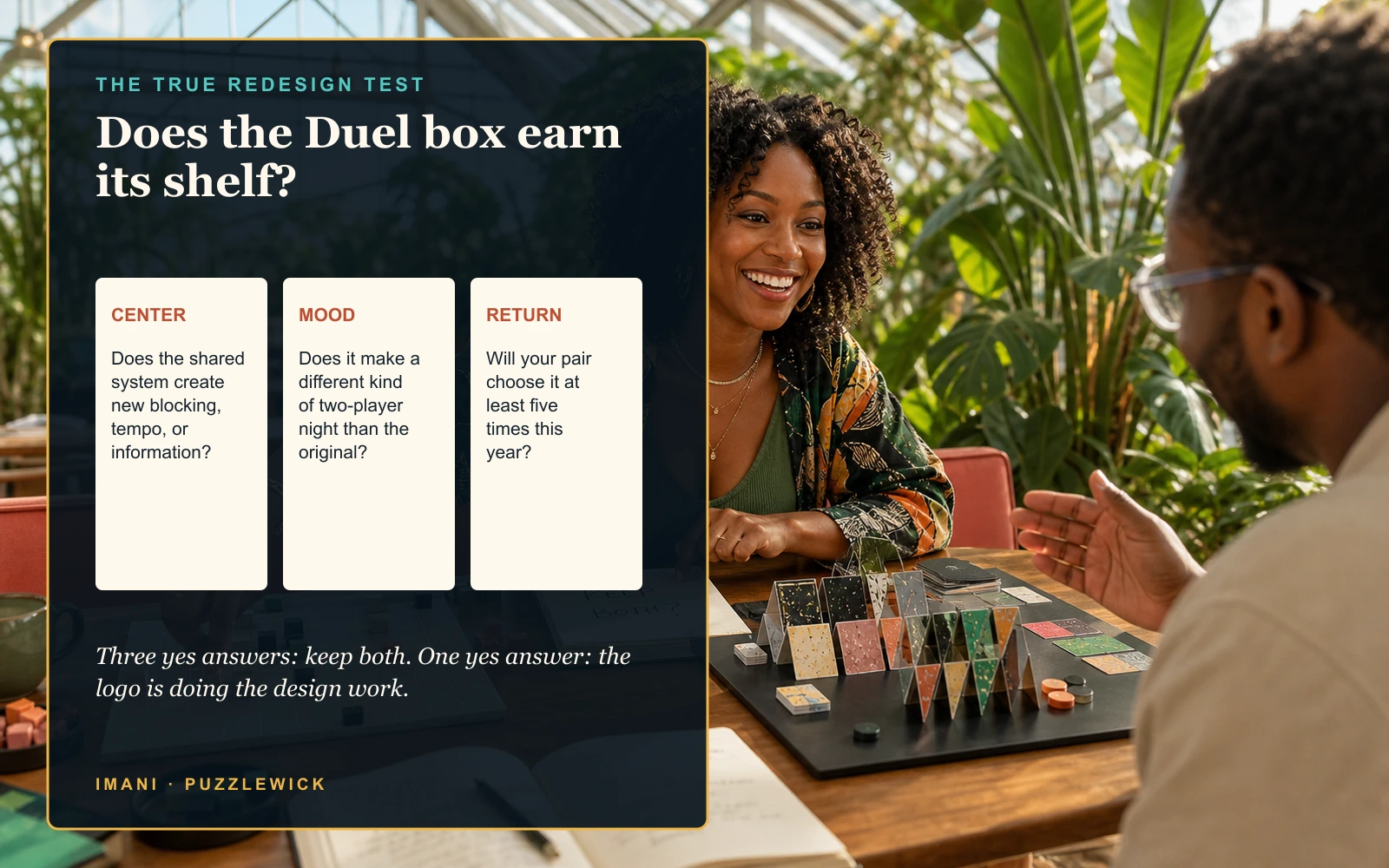
Run the redesign test before checkout: does the shared center change, does the emotional rhythm change, and will this pair choose the new box five times this year? Three yes answers justify keeping both. One yes answer usually means the logo is carrying the purchase.
A duel edition should change the relationship, not just the player count.
Which newer Duel and Duo editions deserve attention in 2026?
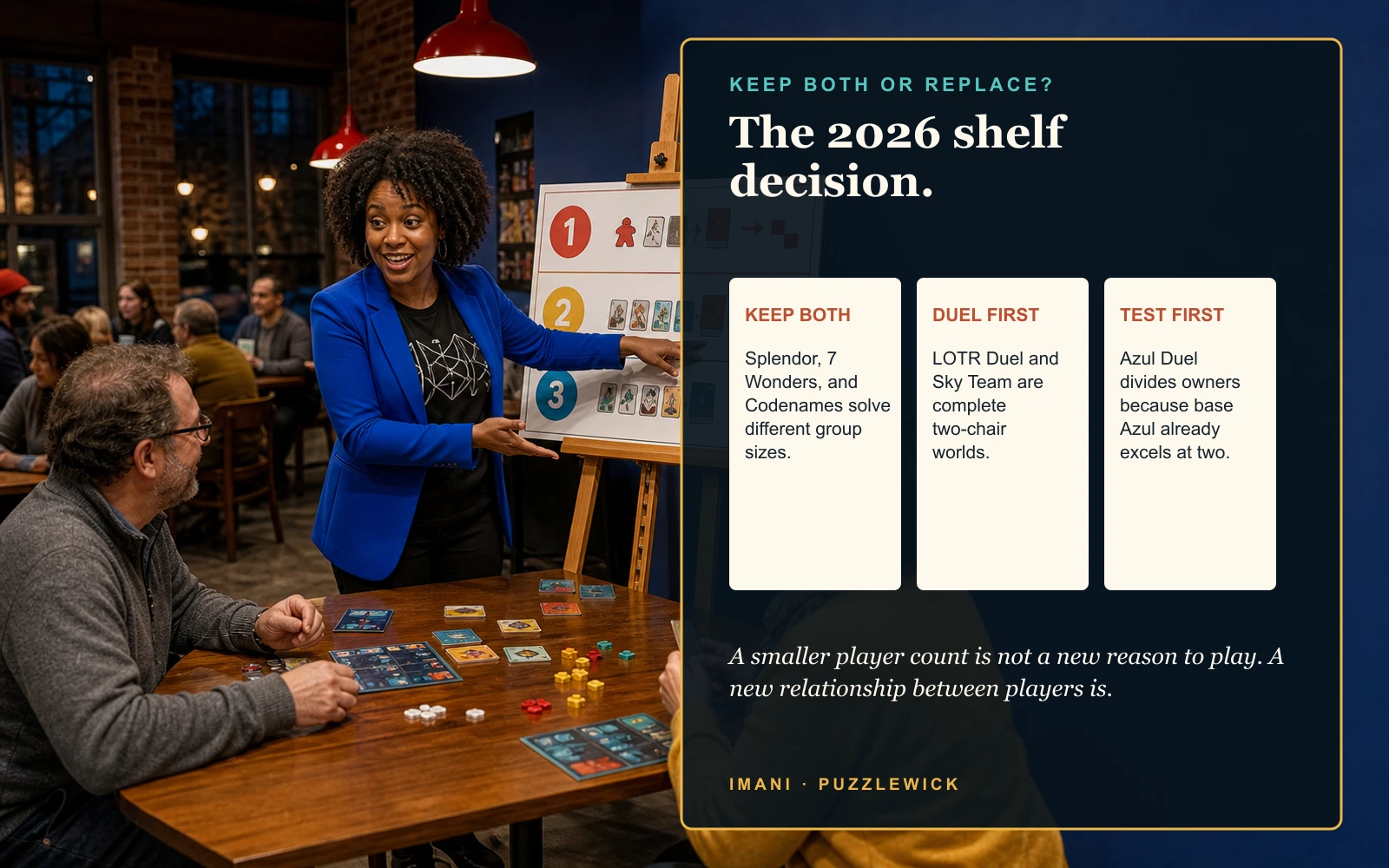
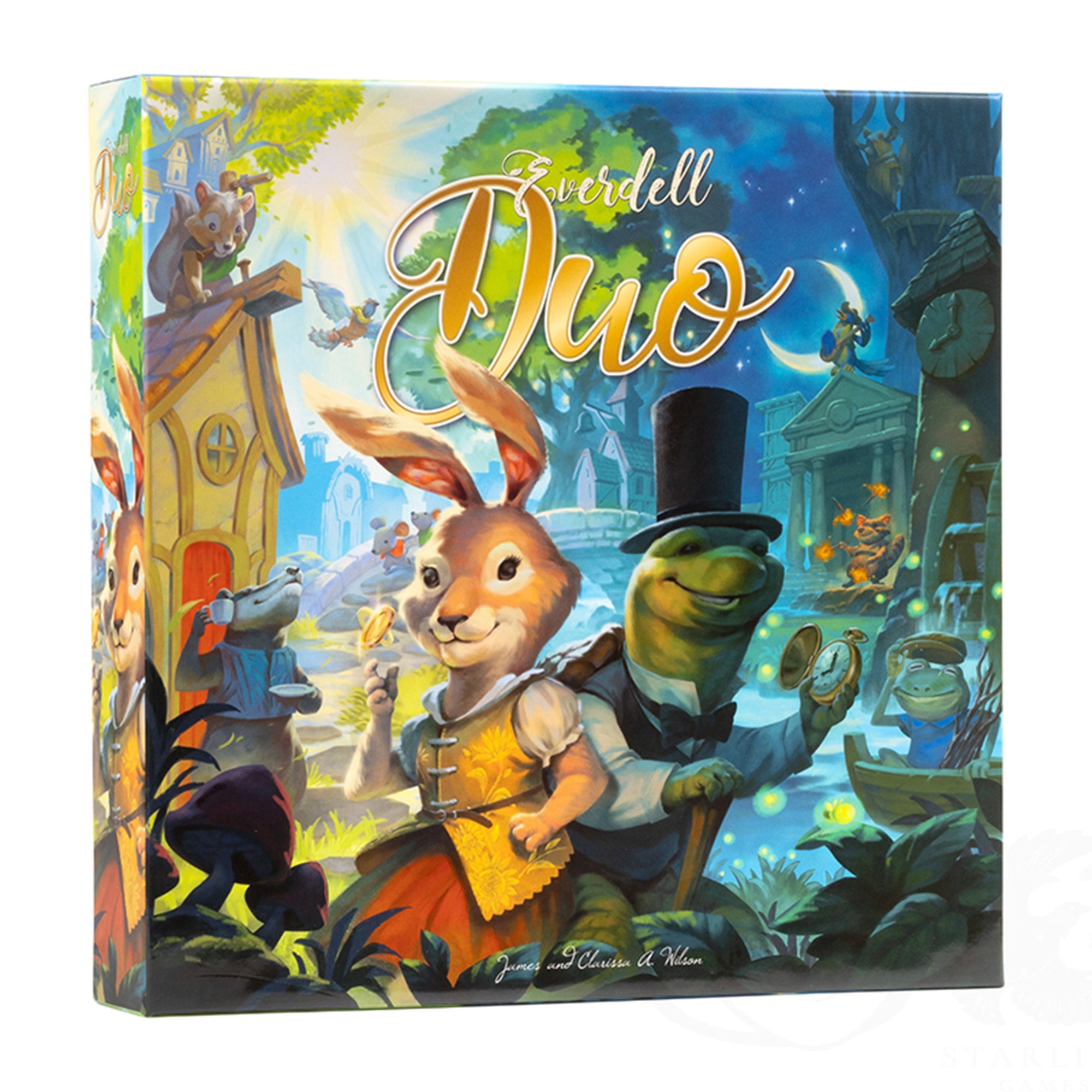
Everdell Duo is the most interesting newer keep-both proposition for couples who love tableau building; Tokaido Duo is a true redesign for pairs who want a gentler race; The White Castle Duel is the compact strategy watch; Azul Duel is the one to test before buying. None should displace Splendor Duel or 7 Wonders Duel as a blind first recommendation.
Everdell Duo preserves the woodland tableau appeal but adds a shared sun-and-moon timing puzzle and a cooperative campaign option. That gives it a reason to coexist with the broader original. Tokaido Duo distributes three travelers across Shikoku and asks each player to manage separate journeys, which is meaningfully different from shrinking the original route. The White Castle Duel compresses its worker-placement lineage into a focused two-player economy and will appeal more to experienced euro pairs than gateway couples.
Azul Duel receives the most revealing community split. Some owners enjoy the layered drafting and scoring objectives; others return to base Azul because its factory display is already tense and beautifully clean at two. Puzzlewick treats that as test first, not buy automatically. We show official products here for identification, but we do not attach a retail button unless the exact Amazon listing has been verified.
Splendor Duel vs 7 Wonders Duel vs LOTR Duel: which should you buy?
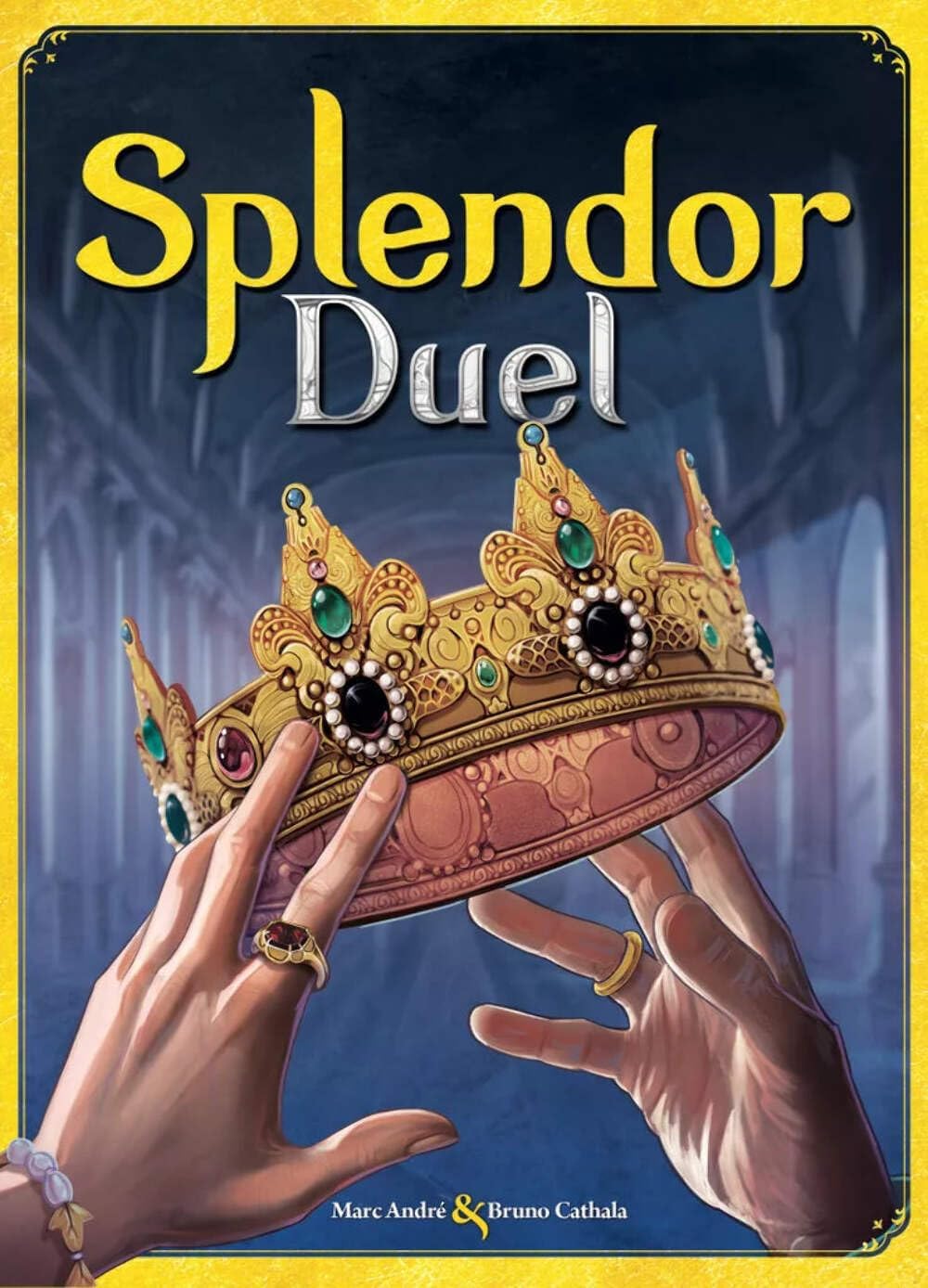
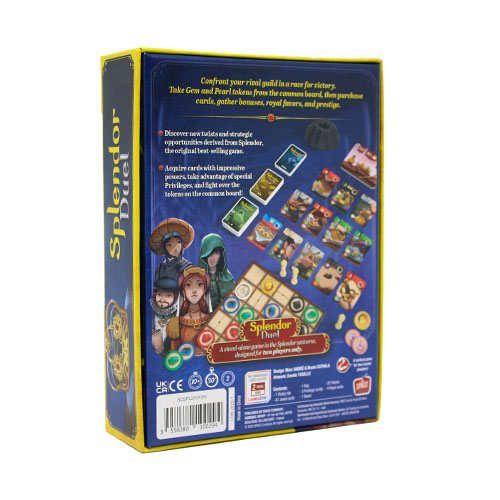
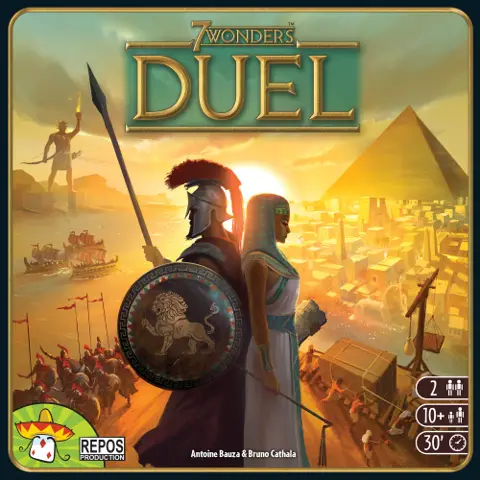
Buy Splendor Duel for the easiest teach, 7 Wonders Duel for the deepest repeat study, and LOTR Duel for theme-led clarity. Splendor’s gem grid is tactile and immediately readable. Players can win through points, crowns, or color dominance, which creates sharp pivots without a long rules preface.
7 Wonders Duel asks more: icon language, card access, science pairings, military position, and the shape of the pyramid. It rewards a regular opponent and benefits from both players learning together. LOTR Duel borrows the three-route tension but makes it narrative: control Middle-earth, win alliances, or resolve the Fellowship’s journey. It is the one to hand someone who asks why the conflict matters.
What is the best cooperative game for exactly two players?


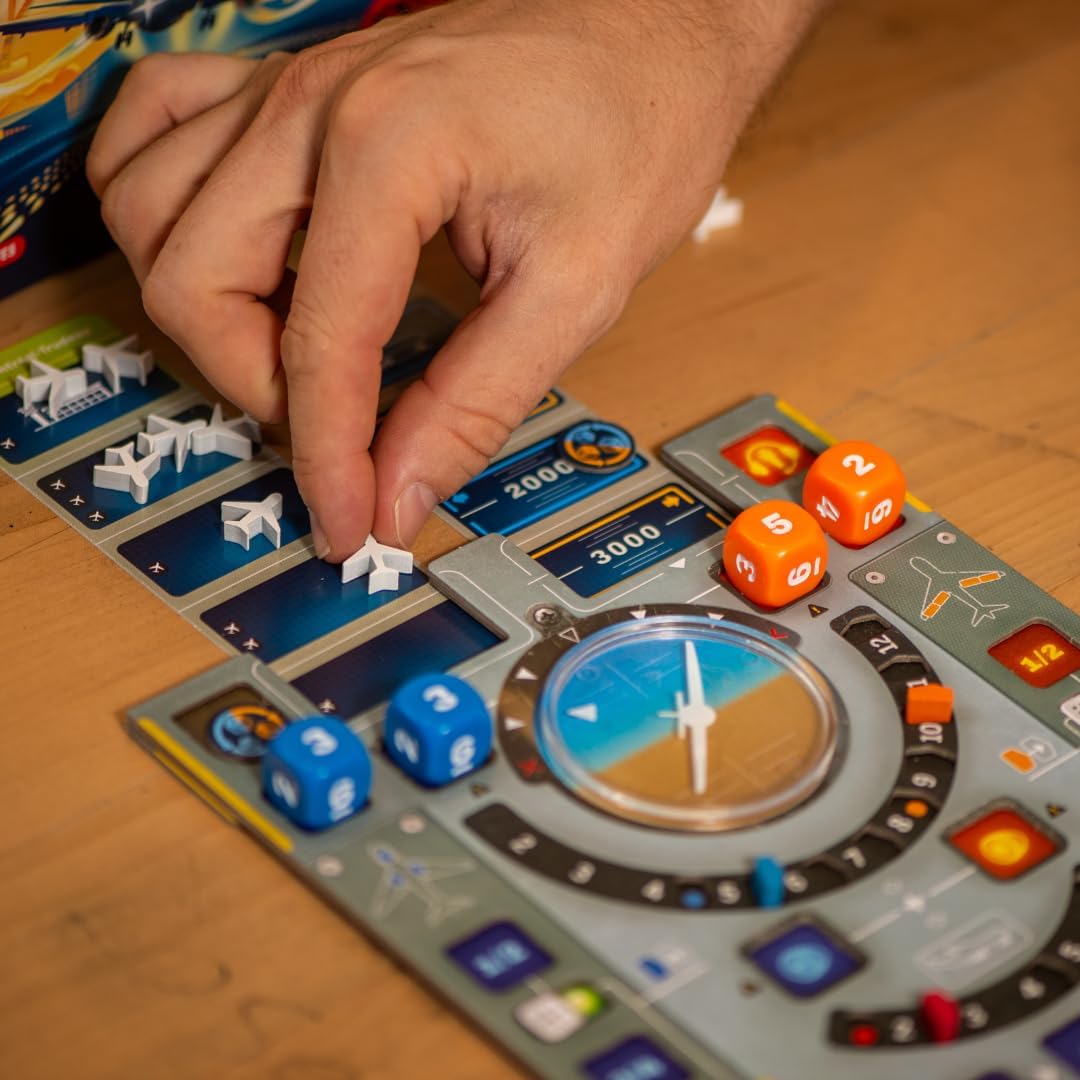
Sky Team is the best dedicated two-player co-op. Each pilot has dice but cannot discuss placement during the round. The cockpit board turns axis, engines, brakes, traffic, flaps, and landing gear into shared systems, while silence prevents the more experienced player from issuing commands. Success feels jointly authored.
Codenames Duet is the lighter, more portable choice. Both players give clues and both players hold different danger information. It preserves the delight of one-word association while removing the need for two teams. Choose Sky Team for procedural tension and campaign-like scenarios; choose Codenames Duet for language, travel, and people who would rather argue about “orbit” than landing gear.
Which two-player games are best for travel and short nights?
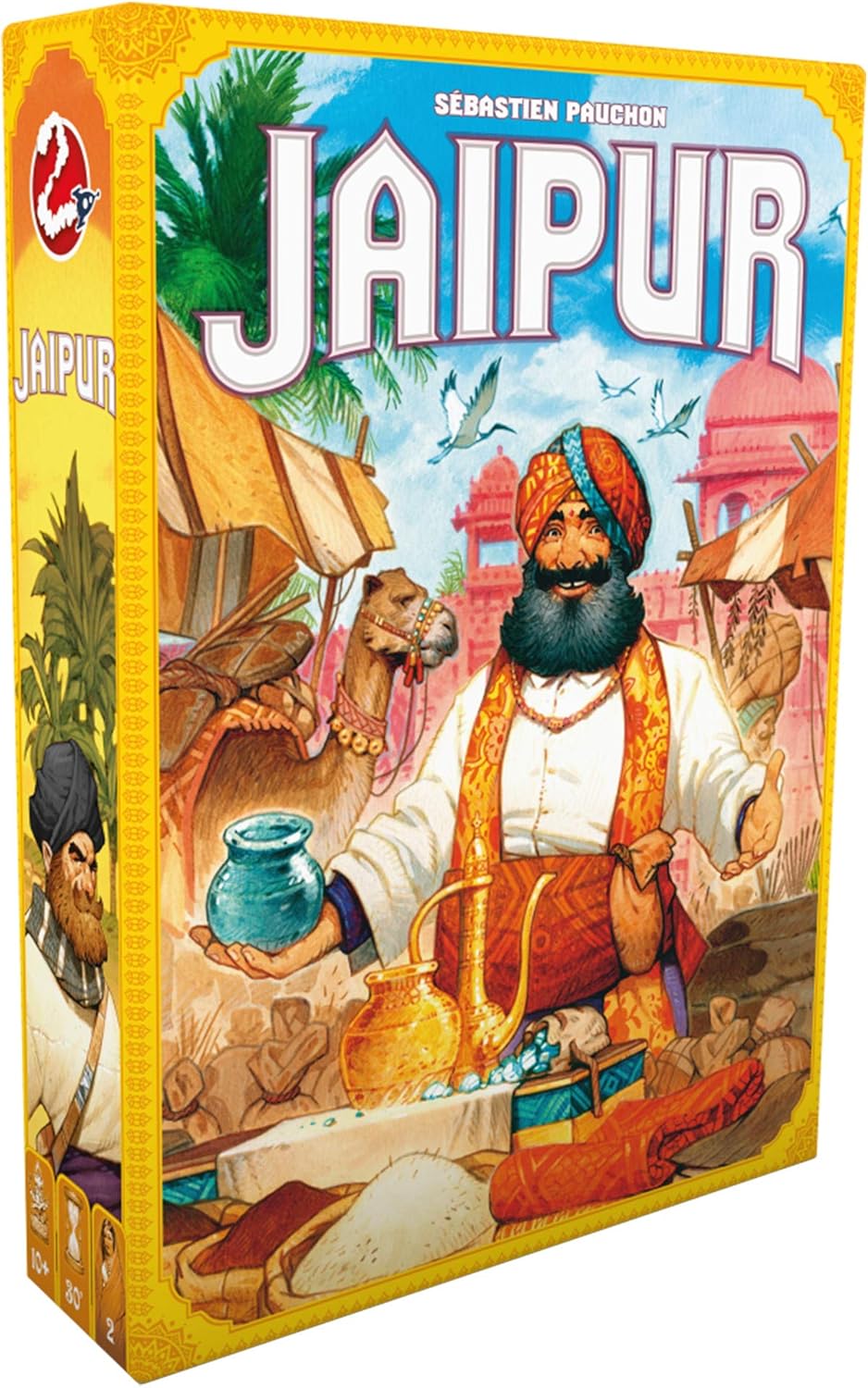
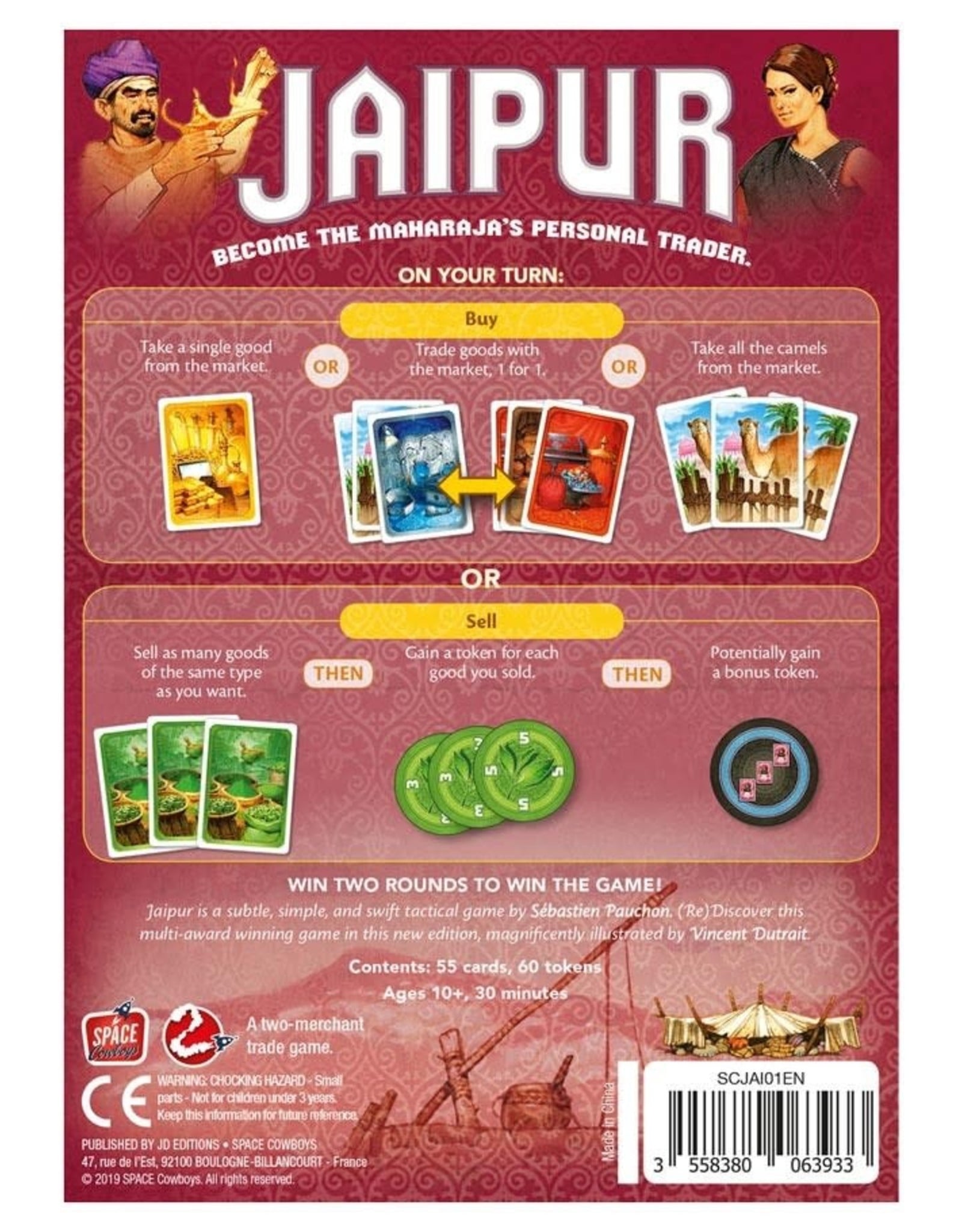
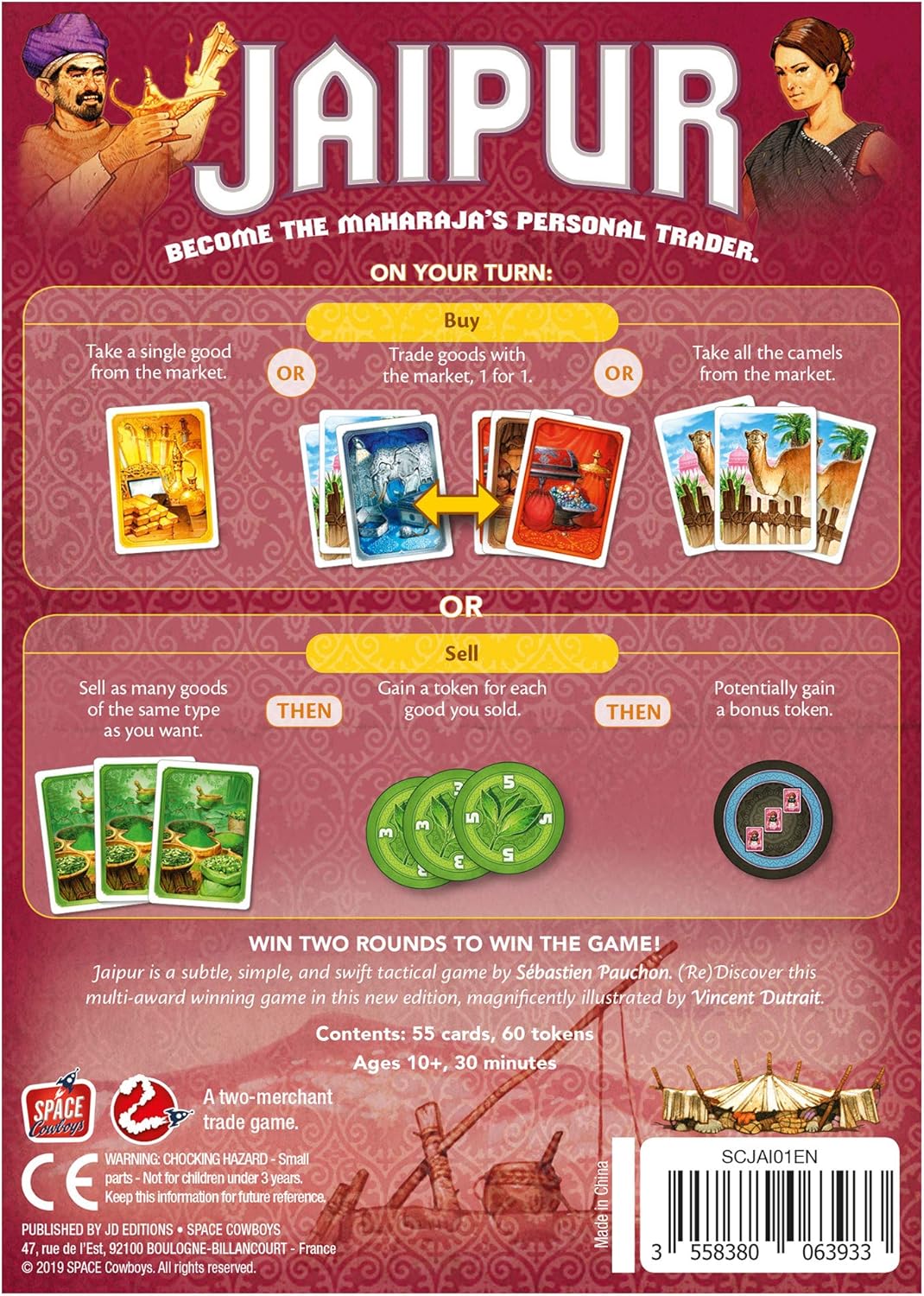
Jaipur is the best complete short duel: three rounds, visible market, declining bonuses, and enough bluffing around camels and hand size to produce real texture. Hive Pocket is the durable abstract: no board, no cards, and pieces that can survive a patio, café, or beach bag. Star Realms is the smallest combat engine: one shared market, rapid deck growth, and direct damage.
Patchwork travels less cleanly because the personal boards and patch market need a stable surface, but it is the best compact spatial game. The important distinction is reset friction. A forty-minute game that takes twelve minutes to restore is not truly quick. Jaipur, Hive, and Star Realms can be packed while the rematch debate is still alive.
Which duel is best for strategy without a giant rules burden?
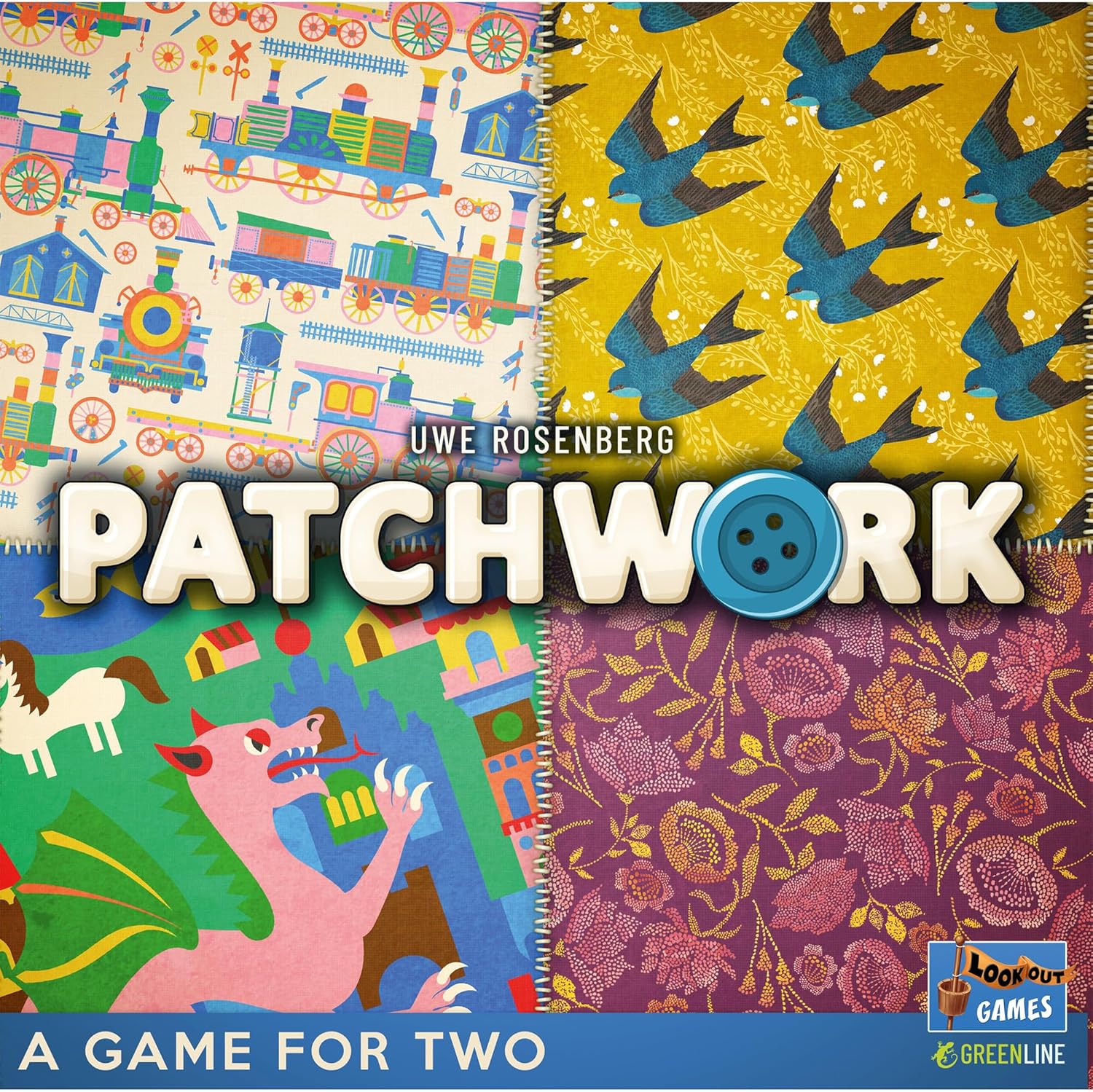

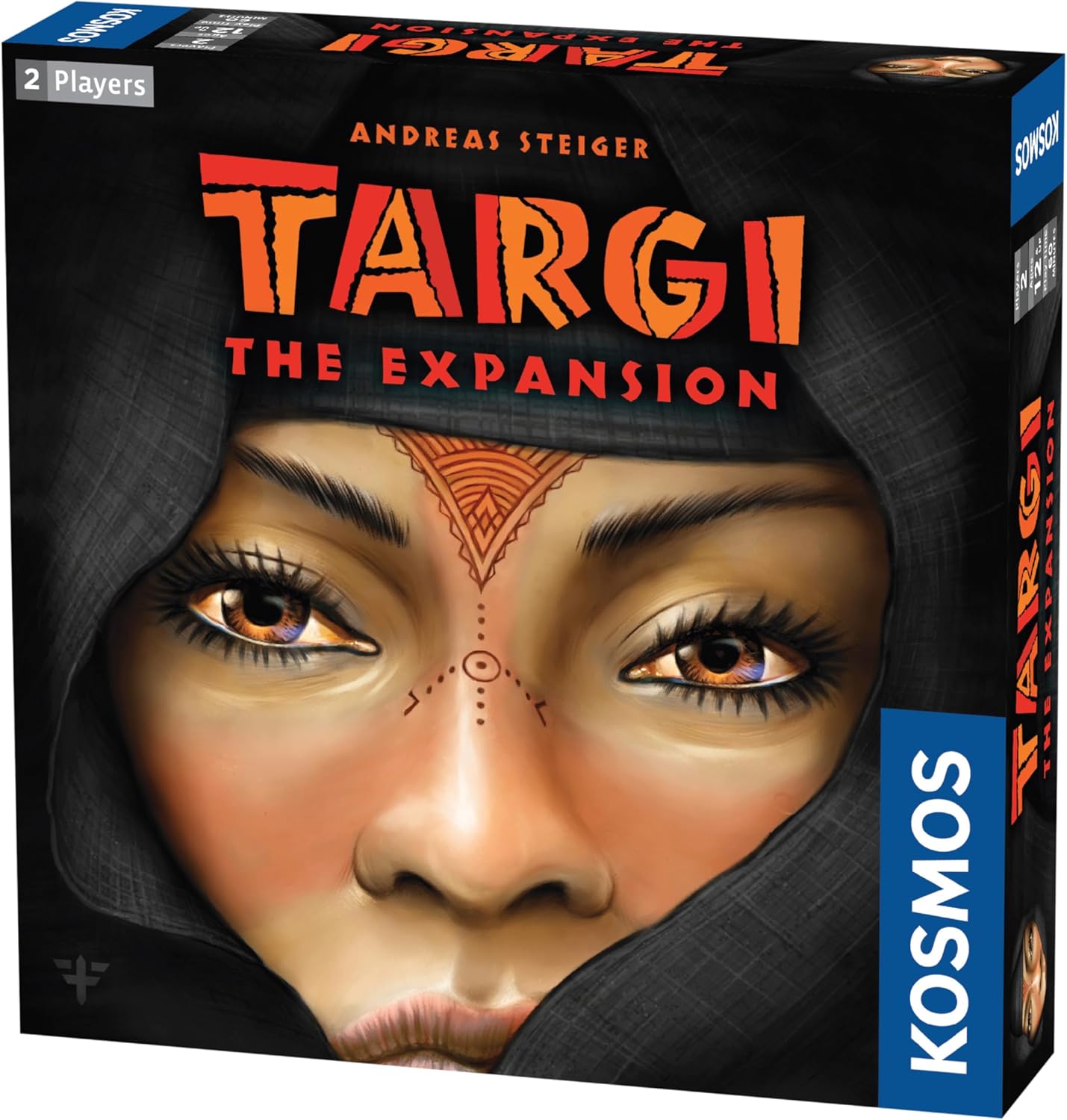
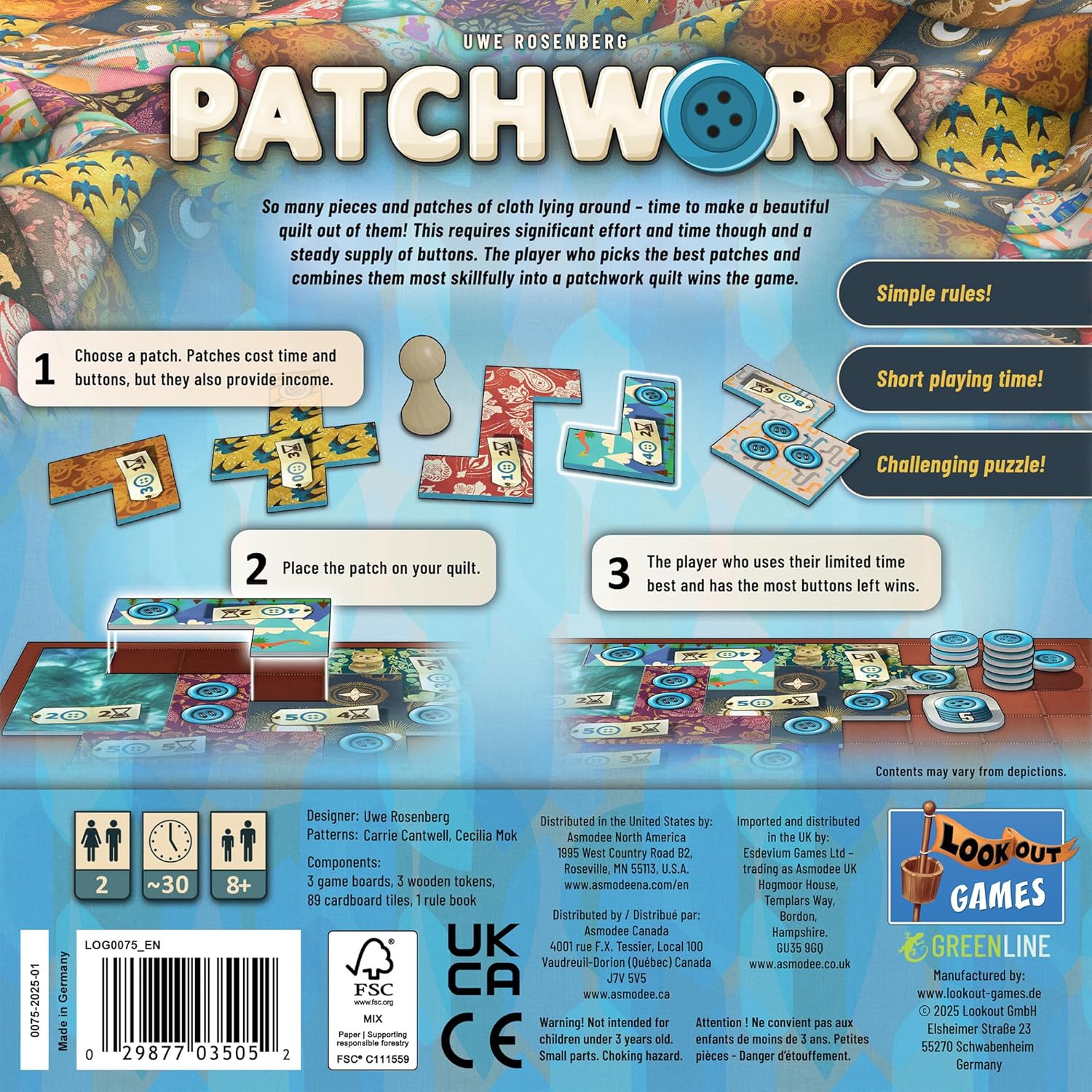
Patchwork is the cleanest spatial strategy. Buttons buy patches, time decides turns, and empty spaces punish inefficiency. The quiet genius is turn order: taking a cheap, fast patch may let you move again. Targi is the heavier card-grid economy. Exterior worker placement creates interior intersections, so the opponent can block both a location and the line you hoped to create.
Hive Pocket is the purest strategy but can be emotionally harsher because nothing hides the skill gap. Targi spreads the pressure across resources and tableau effects. Patchwork makes it look like both players are crafting independently until the one perfect shape disappears. Choose the kind of directness your pair enjoys.
How do you teach a duel without creating a permanent skill gap?
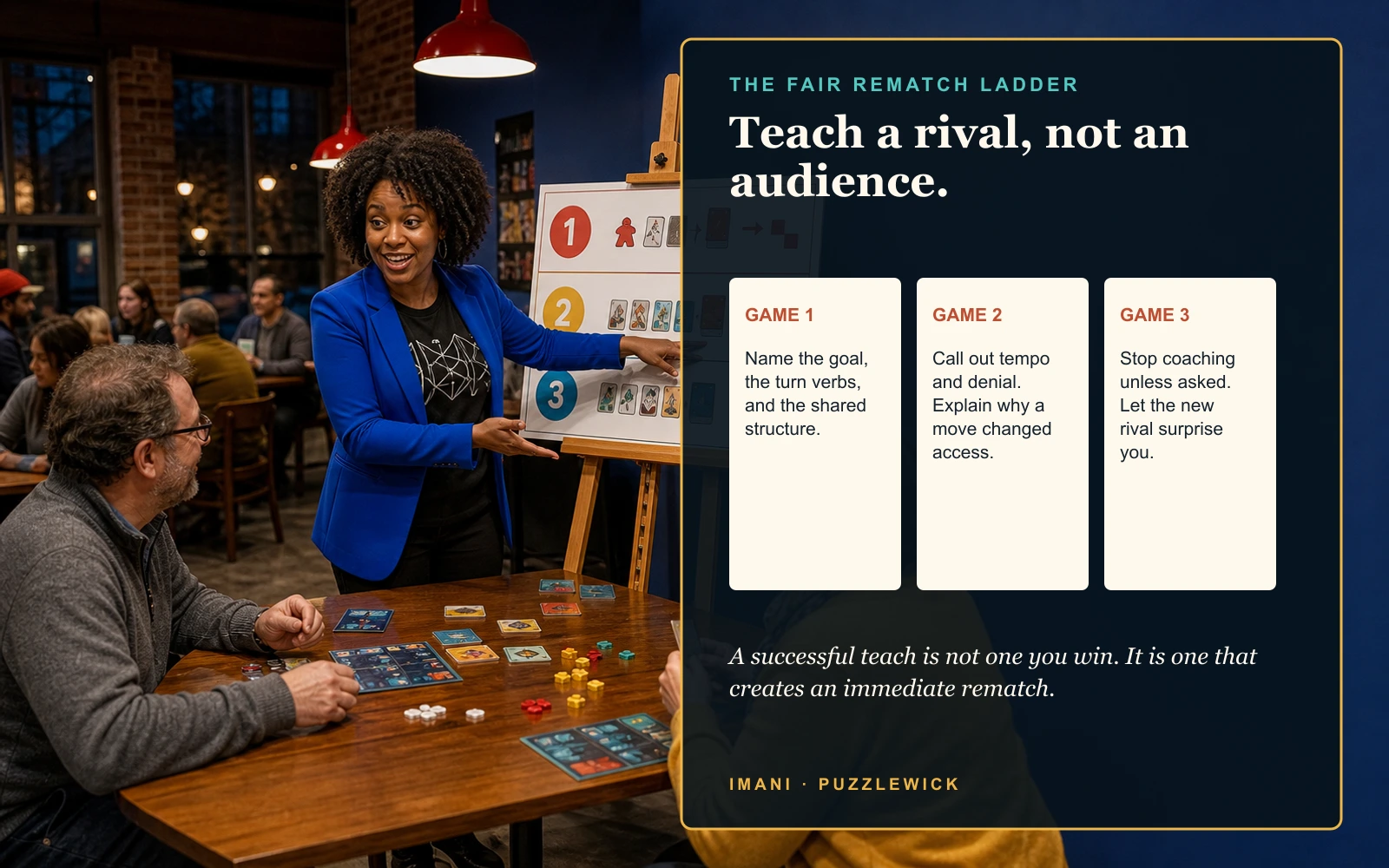
Explain the win condition first, then one turn, then the one shared structure both players must read. For Splendor Duel, point to the grid and all three win routes. For 7 Wonders Duel, build a small sample pyramid and reveal how access changes. For Sky Team, walk through one complete approach phase without treating the first crash as failure.
Play the first game openly enough that the learner sees why a move matters. Do not secretly optimize while calling the session a tutorial. In game two, name denial and tempo. In game three, stop helping unless asked. The goal is not to preserve the teacher’s win rate; it is to create an opponent whose future moves surprise you.
A good teach is an investment in losing later.
Which duel game is the best value for your exact pair?
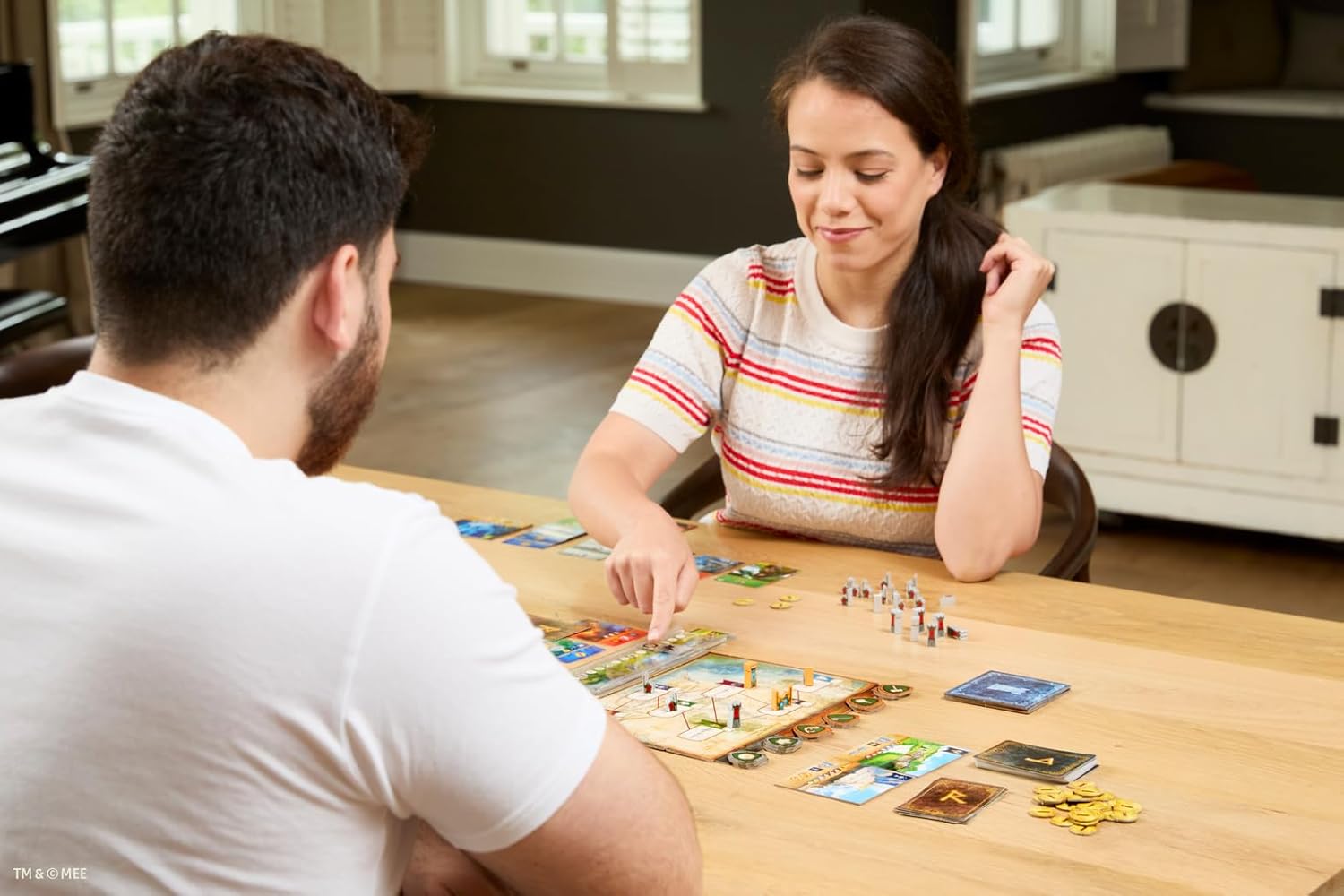

Choose Splendor Duel for mixed experience, 7 Wonders Duel for repeat rivals, LOTR Duel for theme, Sky Team for cooperative trust, Codenames Duet for words, Jaipur for weeknights, Patchwork for spatial puzzles, Hive Pocket for pure position, Targi for euro depth, and Star Realms for card combat.
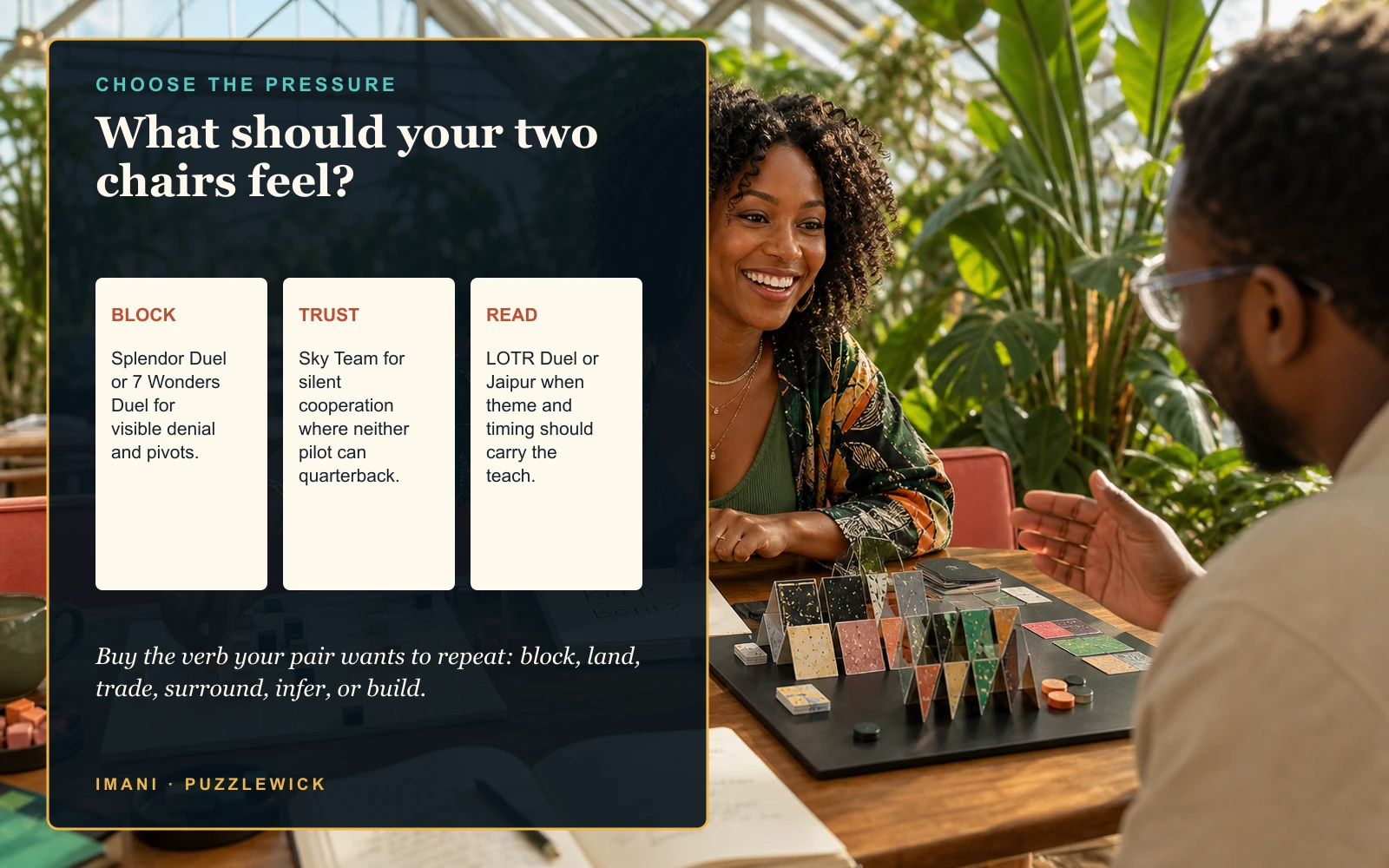
Do not buy ten. Buy the one whose verbs sound like your relationship: block, infer, land, trade, tile, surround, convert, or attack. Play it five times before adding an expansion or neighboring duel. The best two-player shelf is not a museum of possible date nights. It is a small set of private languages two people actually speak.
The picks
Some links below are affiliate links — as an Amazon Associate, Puzzlewick earns from qualifying purchases, at no extra cost to you. It never changes a pick.
 5 photos
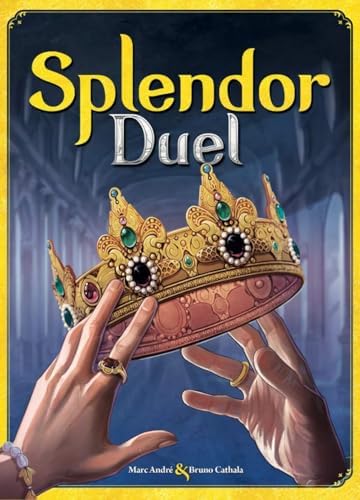
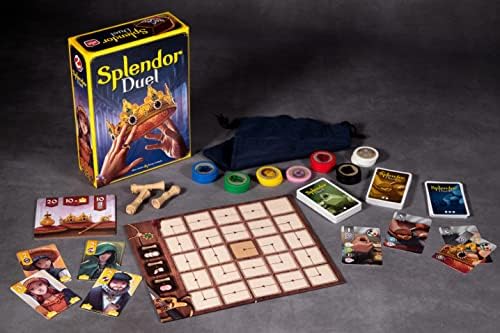
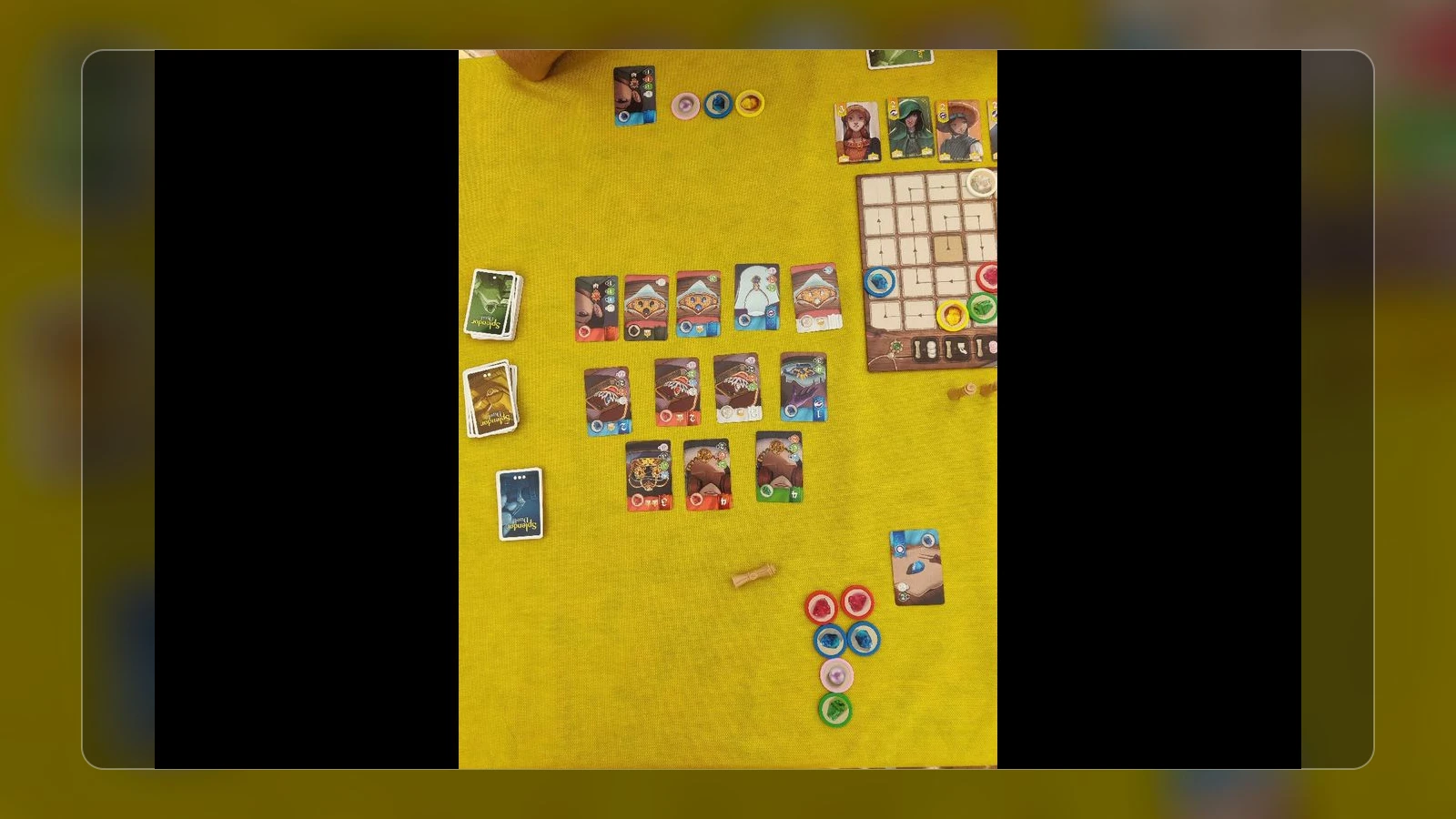
 Splendor Duel
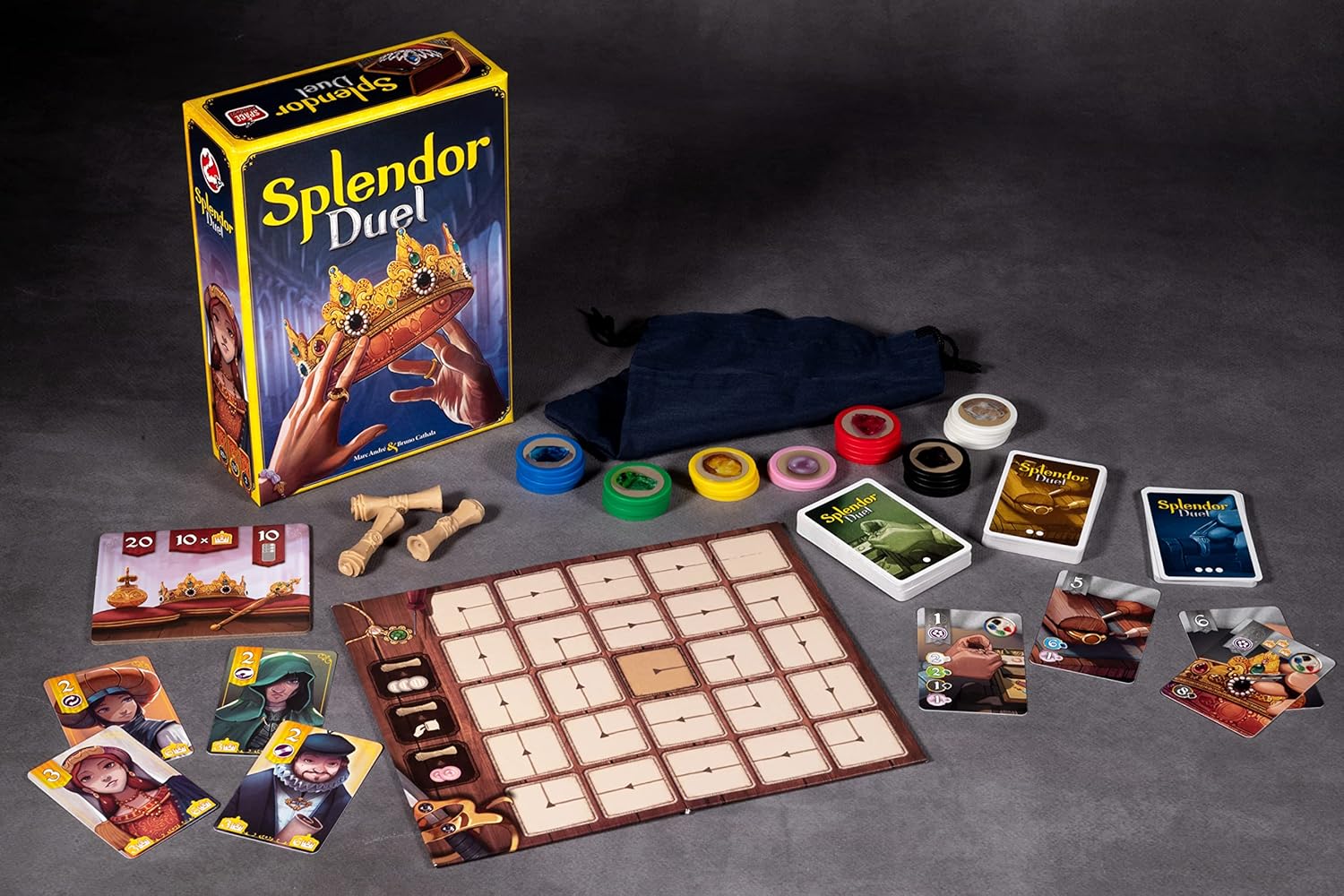
Splendor Duel keeps the readable gem economy and rebuilds the center around a shared grid, privileges, crowns, scrolls, and three victory routes. It is approachable in five minutes and sharp enough to sustain repeat rivals.
- Excellent teach-to-depth ratio
- Three credible win routes
- Shared grid creates constant interaction
- Quietly mean at high skill
- Exactly two players
 4 photos
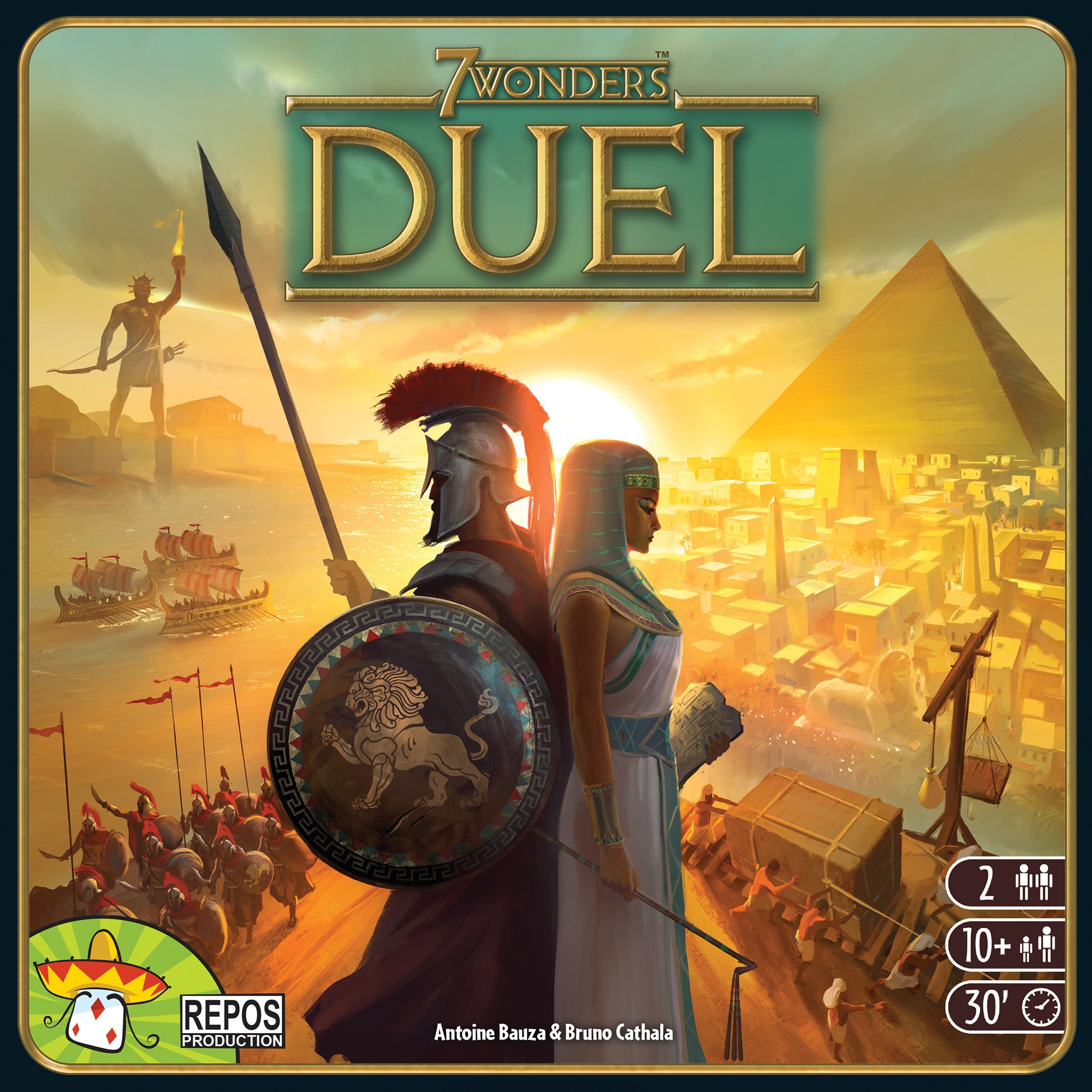
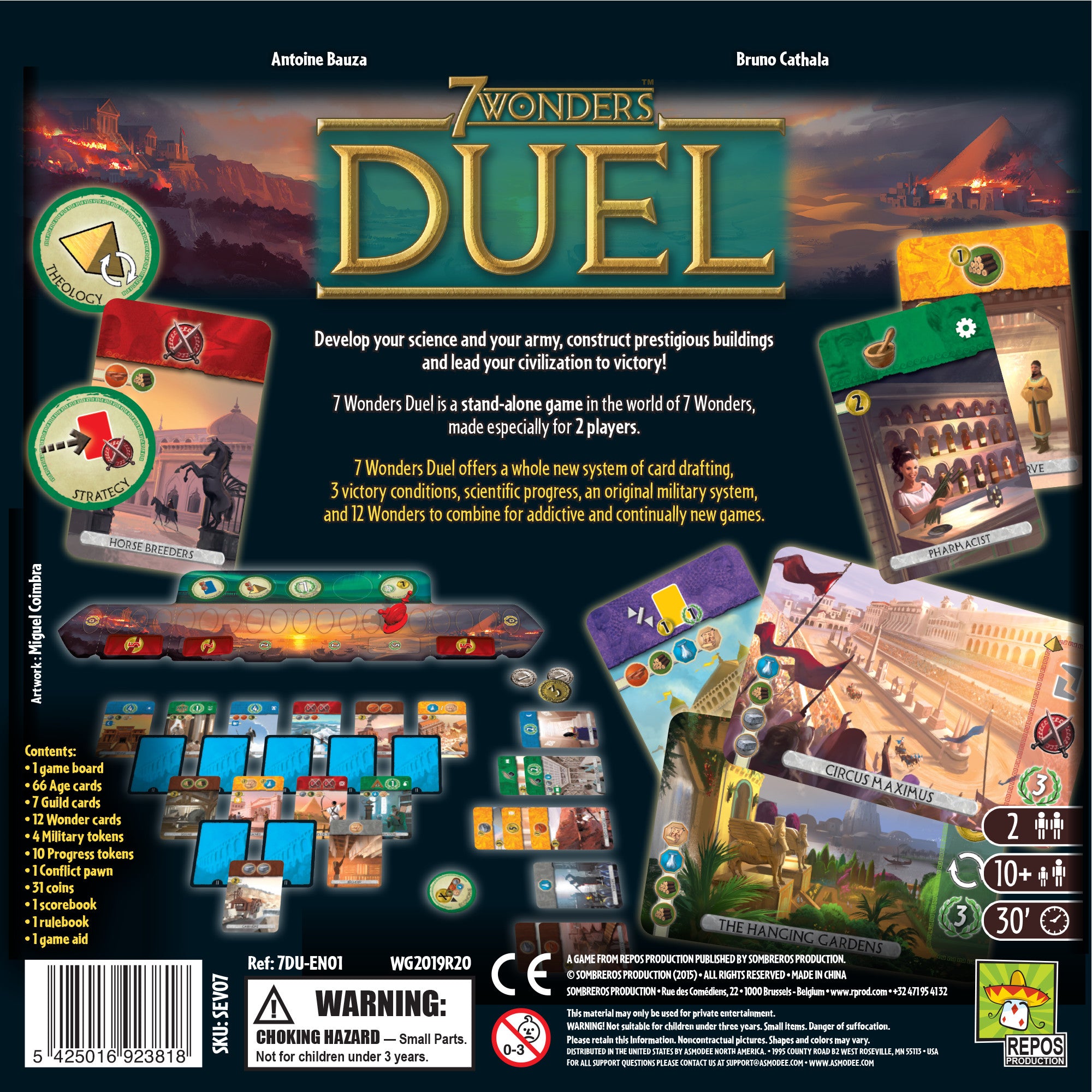
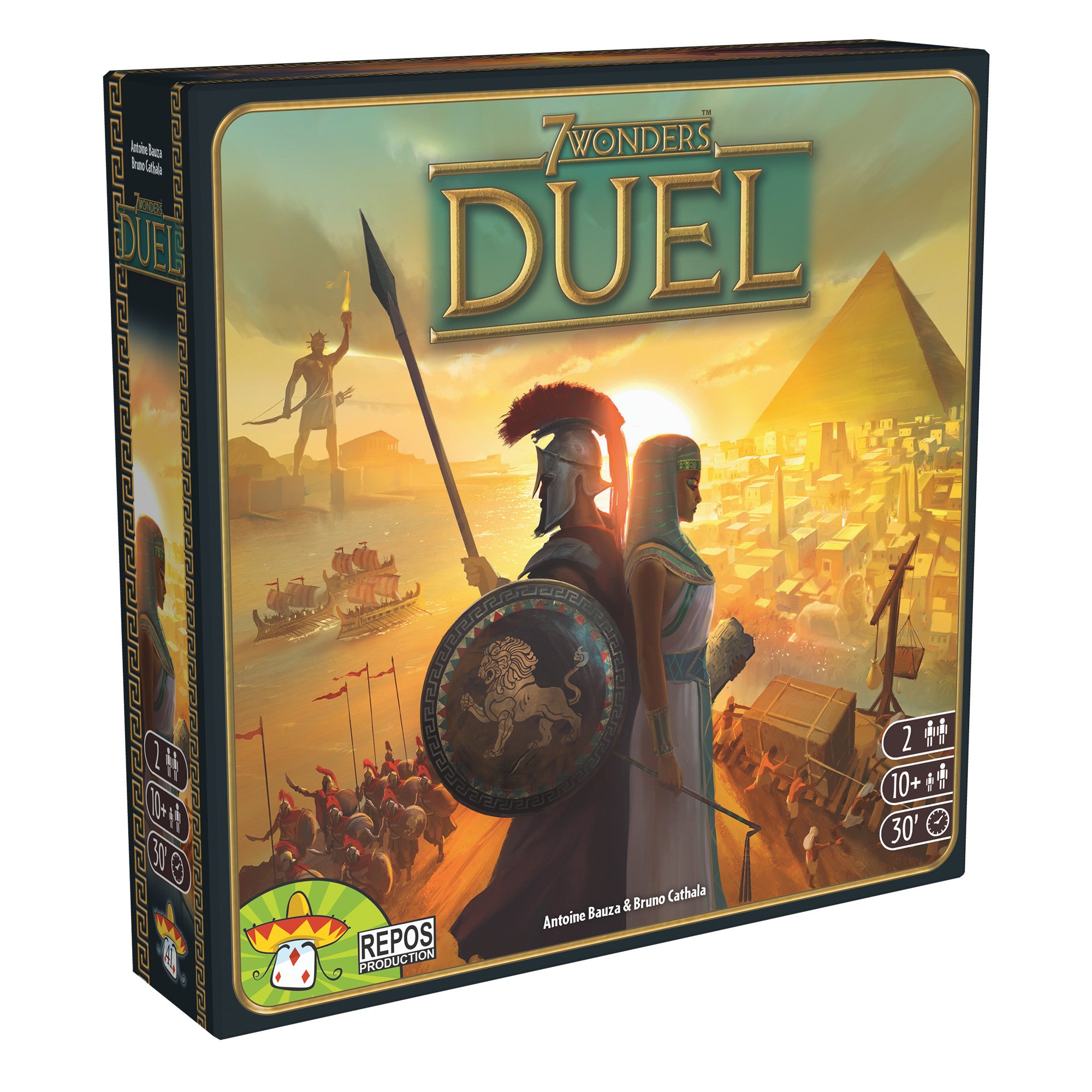
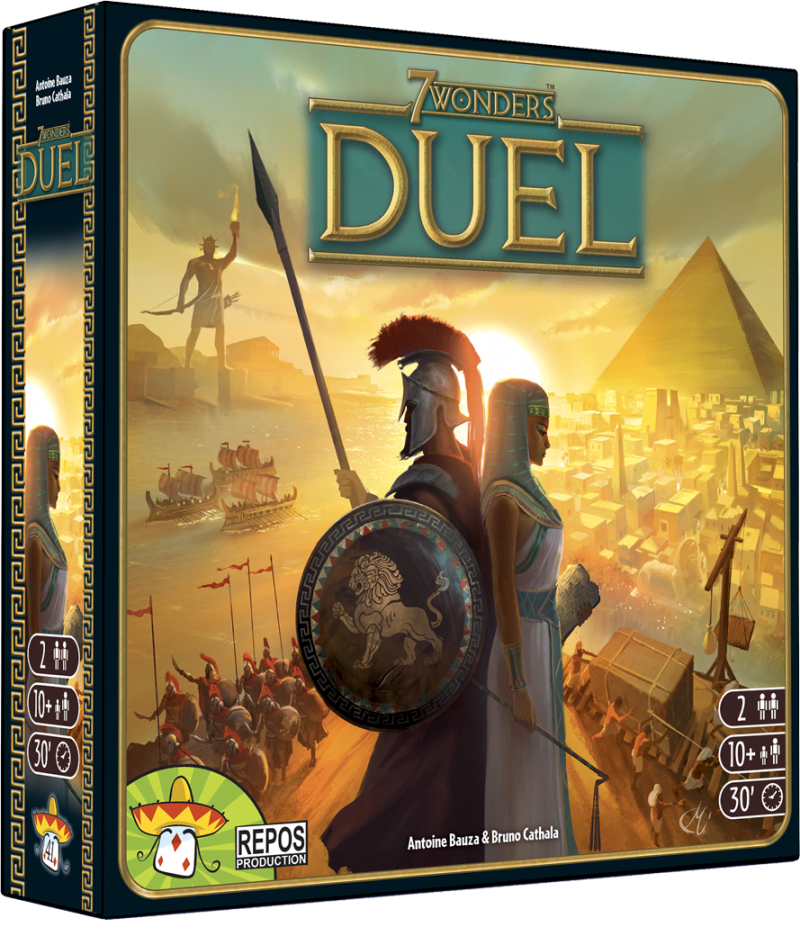
 7 Wonders Duel
The card pyramid makes future choices visible but not freely available. Military pressure, science symbols, and civilian points force constant attention. It remains the benchmark competitive duel because every card changes what the opponent may reach next.
- Exceptional repeat depth
- Three win conditions
- Excellent optional expansions
- Icon teach takes care
- Experience gap can snowball
 4 photos
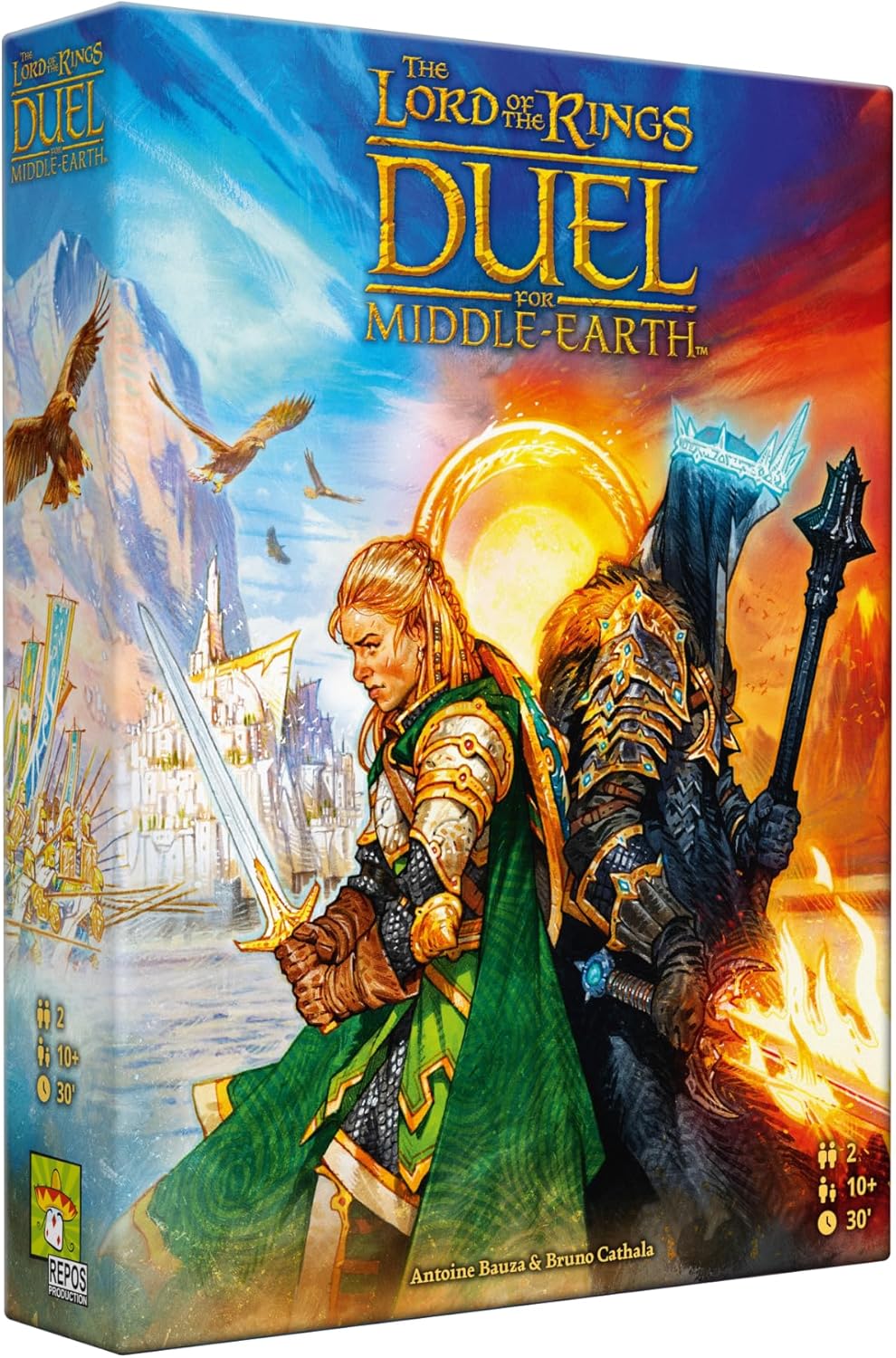
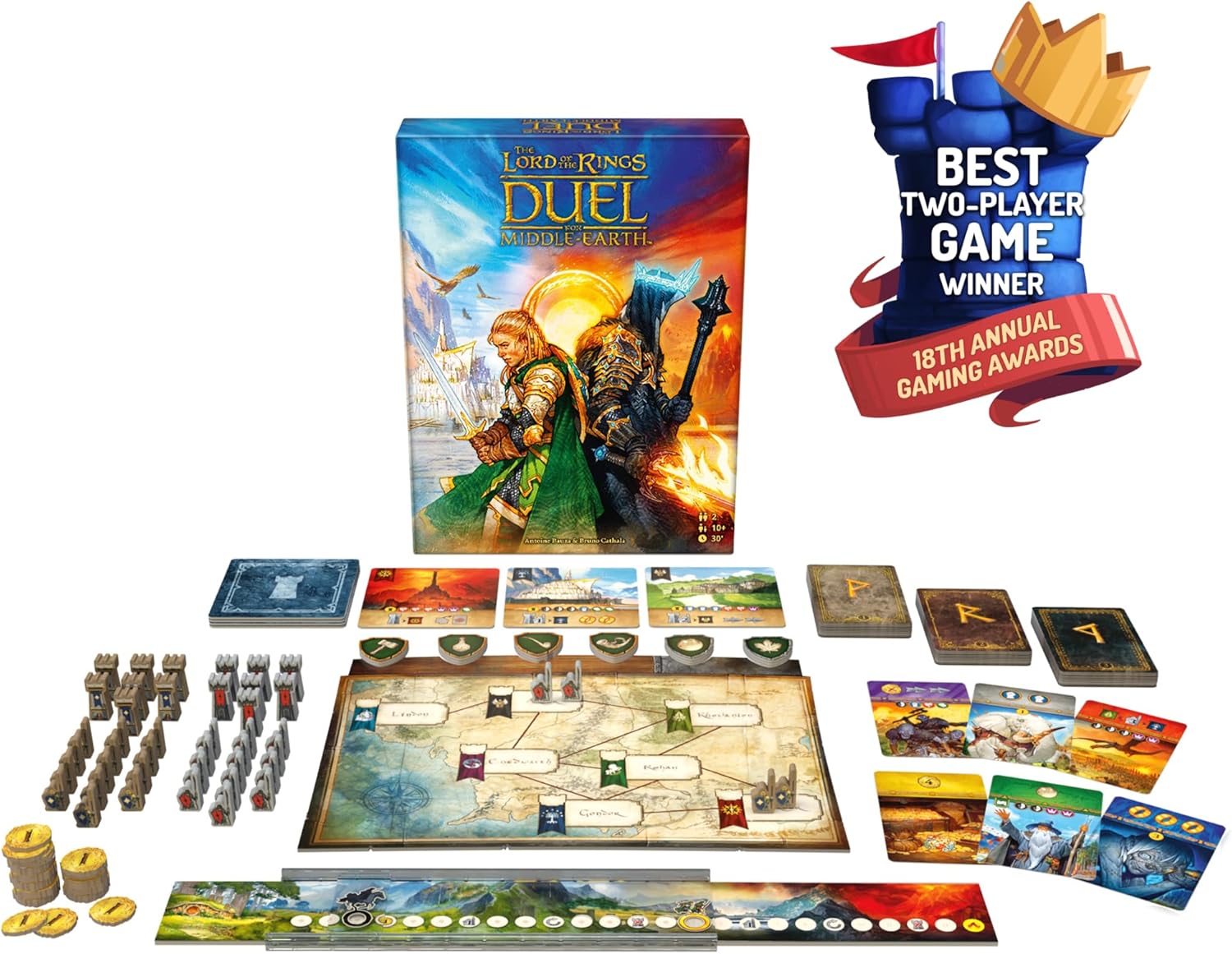
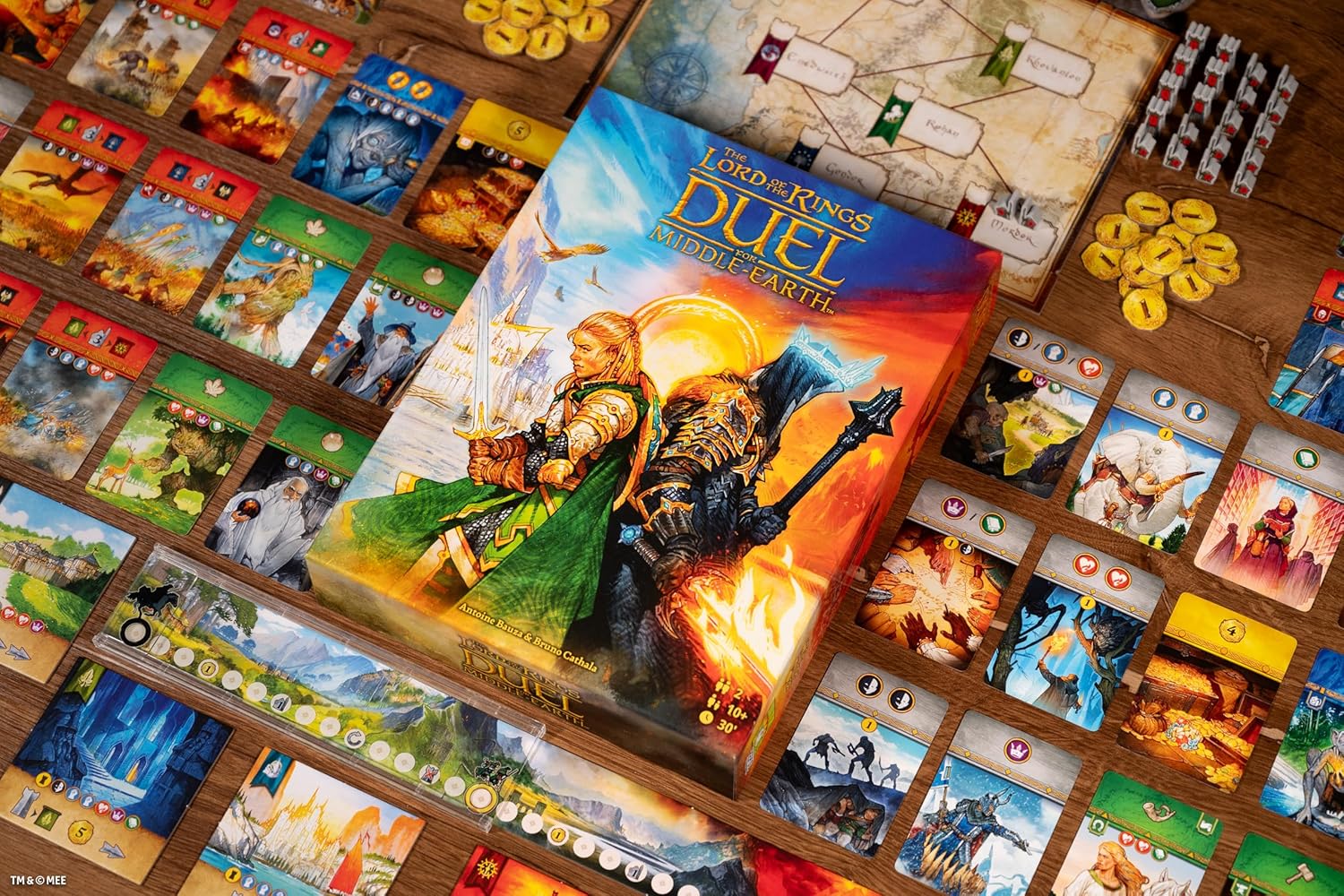
 The Lord of the Rings: Duel for Middle-earth
Duel for Middle-earth uses three victory routes, a visible map, faction races, and the Fellowship’s journey to make its pressure easier to narrate than 7 Wonders Duel. It is not a reskin; it changes what players watch and why the confrontation matters.
- Strong thematic clarity
- Fast setup and play
- Map makes pressure visible
- Less austere than 7 Wonders Duel
- Theme is the invitation

 4 photos
 Sky Team
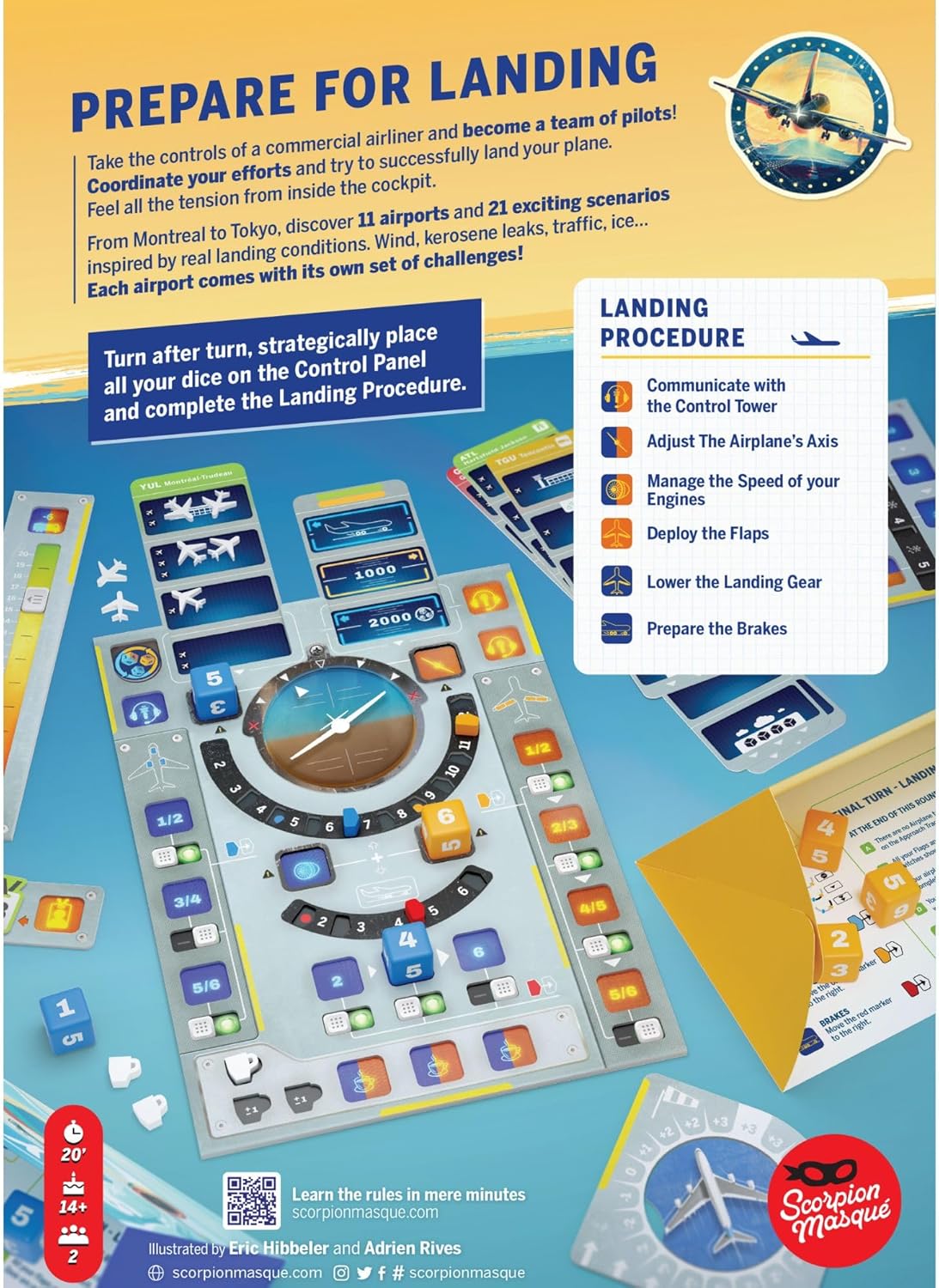
Two pilots secretly place dice to control axis, engines, flaps, landing gear, brakes, and traffic. The silence creates trust rather than quarterbacking. Scenarios add airports and modules without asking for a legacy commitment.
- Brilliant two-player cooperation
- Short missions and fast resets
- Scenario variety grows naturally
- Luck can pinch a landing
- Strictly cooperative
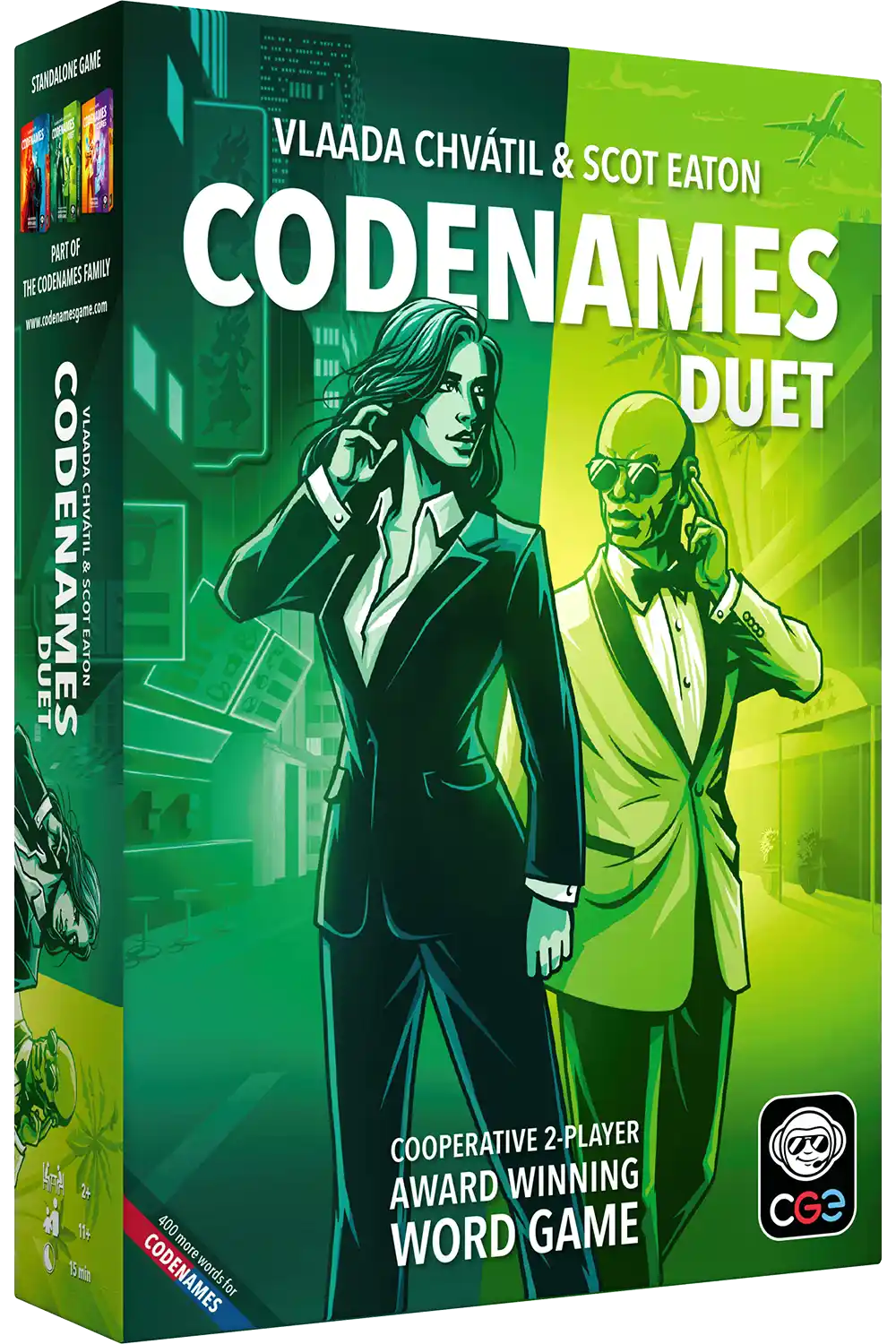
Codenames Duet
Both players know different parts of the shared answer and alternate clue-giving. The green key grid and time tokens turn Codenames into a genuinely cooperative information puzzle instead of a shrunken party game.
- Portable and accessible
- Both players clue and guess
- Campaign map adds structure
- Word chemistry matters
- Not for people seeking combat
 4 photos
 Jaipur
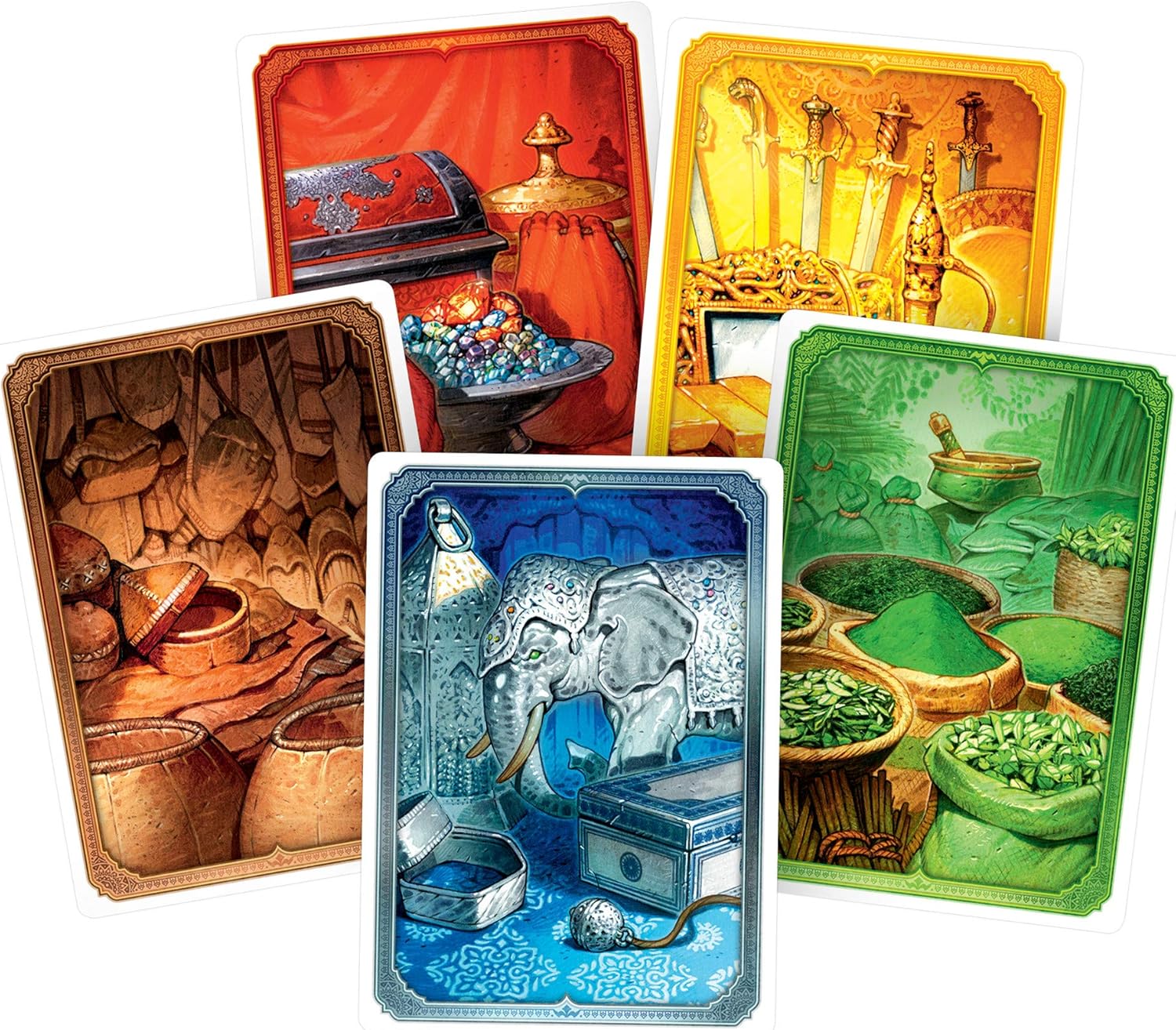
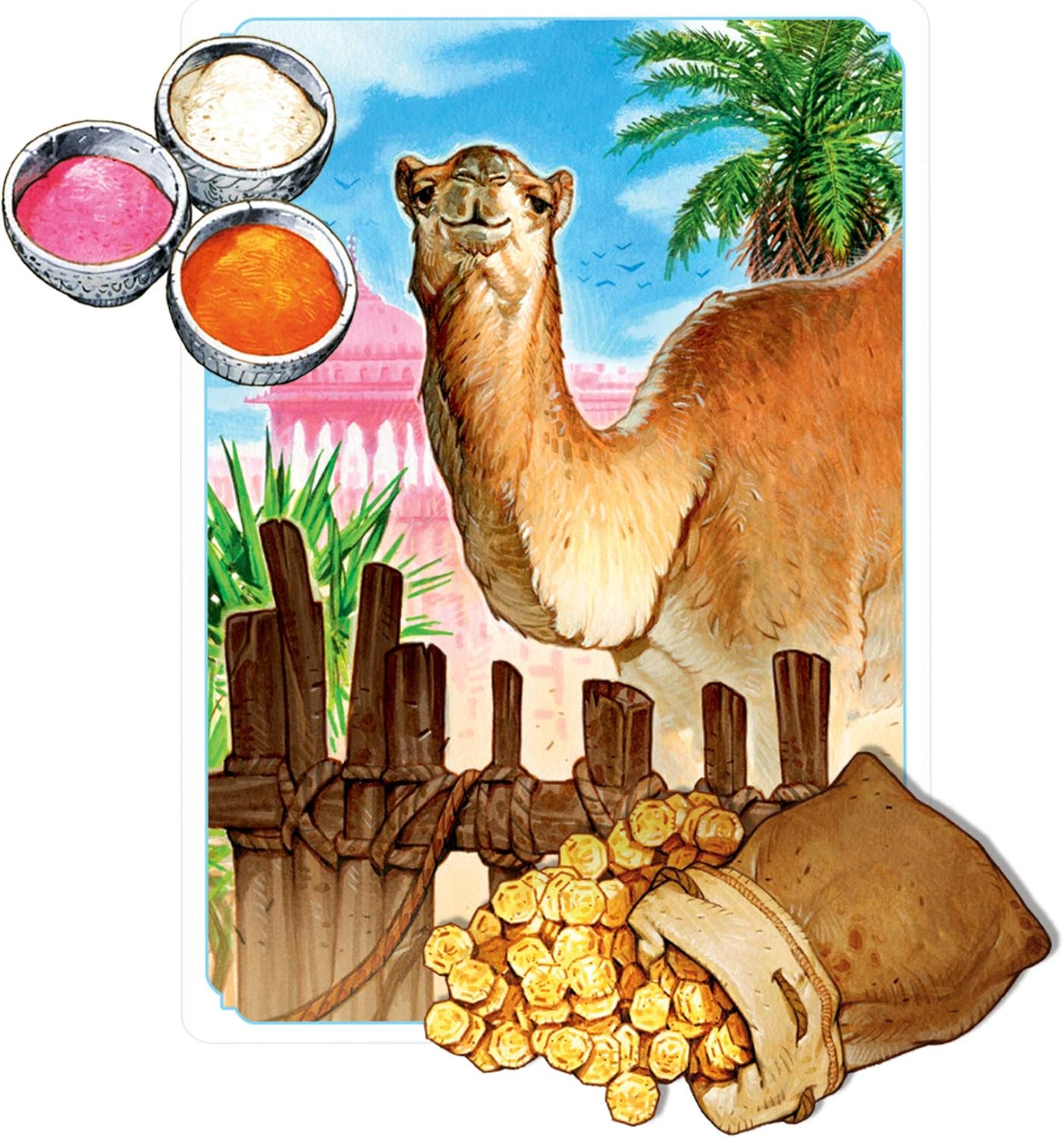
Take goods, take camels, or sell sets before the bonus values decline. Jaipur is friendly on the surface and ruthless in timing: every large camel grab refills the market for the other player.
- Fast teach
- Excellent three-round arc
- Tactical market tension
- Only two players
- Some draw variance
 4 photos
 Patchwork
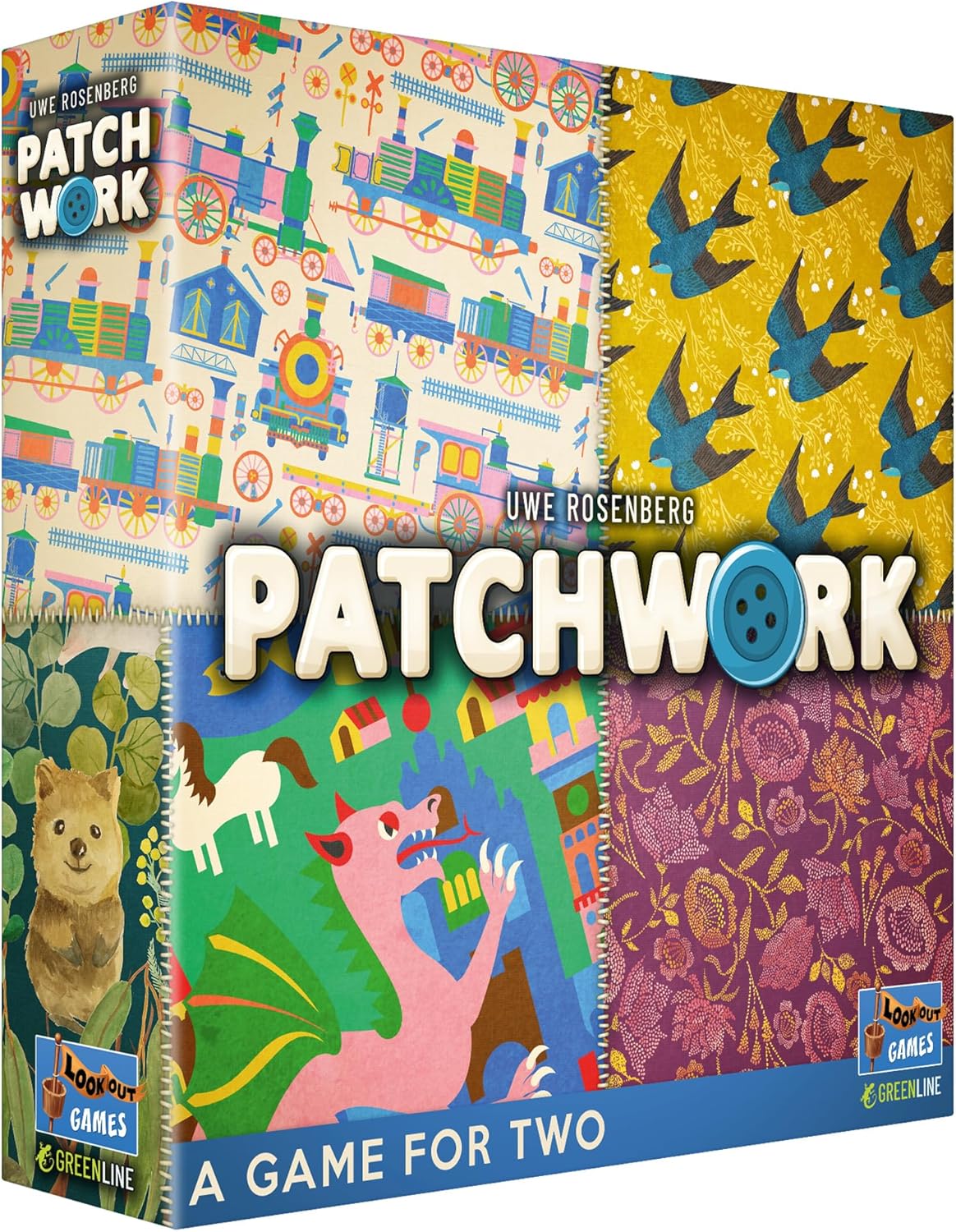
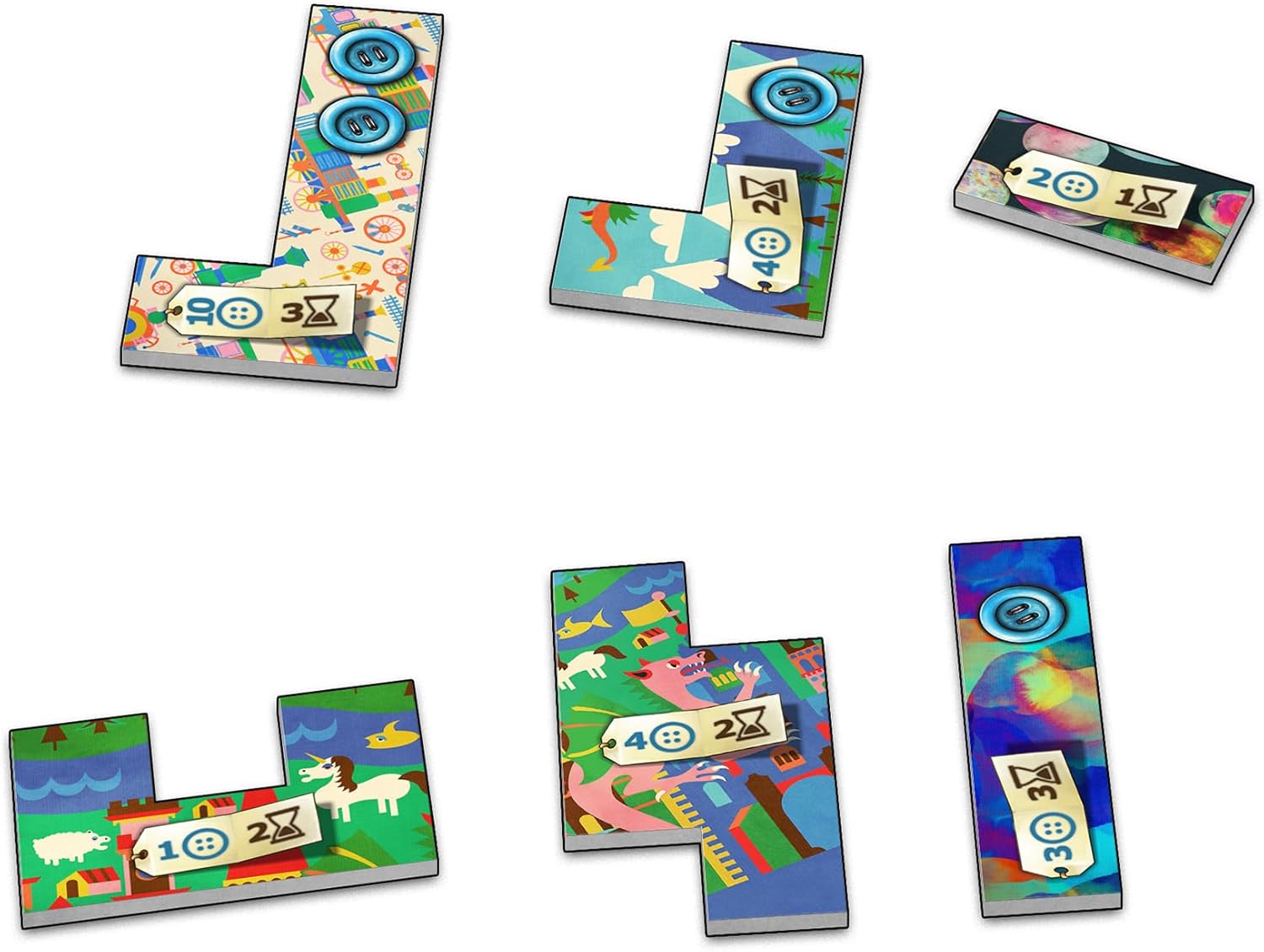
Each patch costs buttons and time; the time track decides turn order, so one player may take consecutive turns. The board is personal, but the market is shared and every purchase denies the other player a shape.
- Elegant spatial decisions
- Variable turn order matters
- Quick reset
- Can feel deterministic with experts
- Theme hides sharp denial
 4 photos
 Hive Pocket
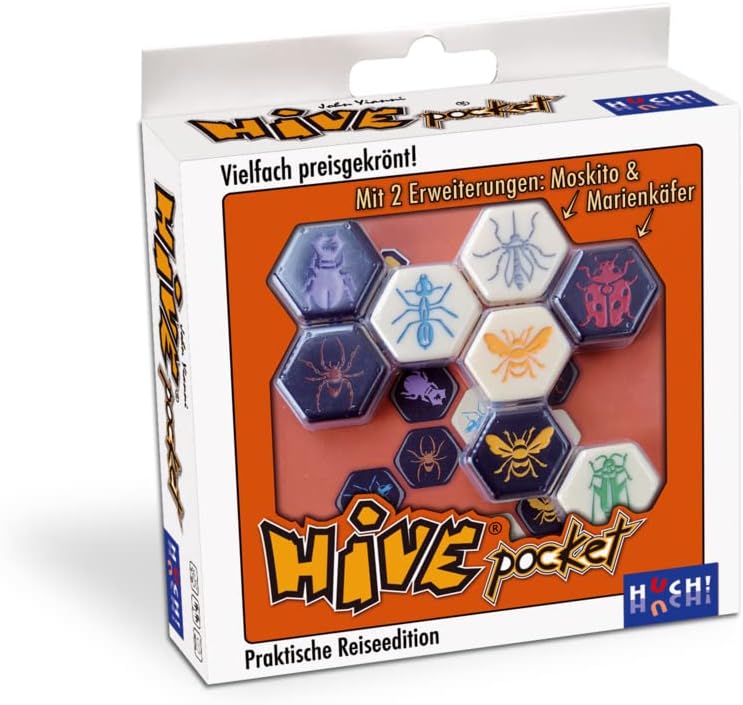
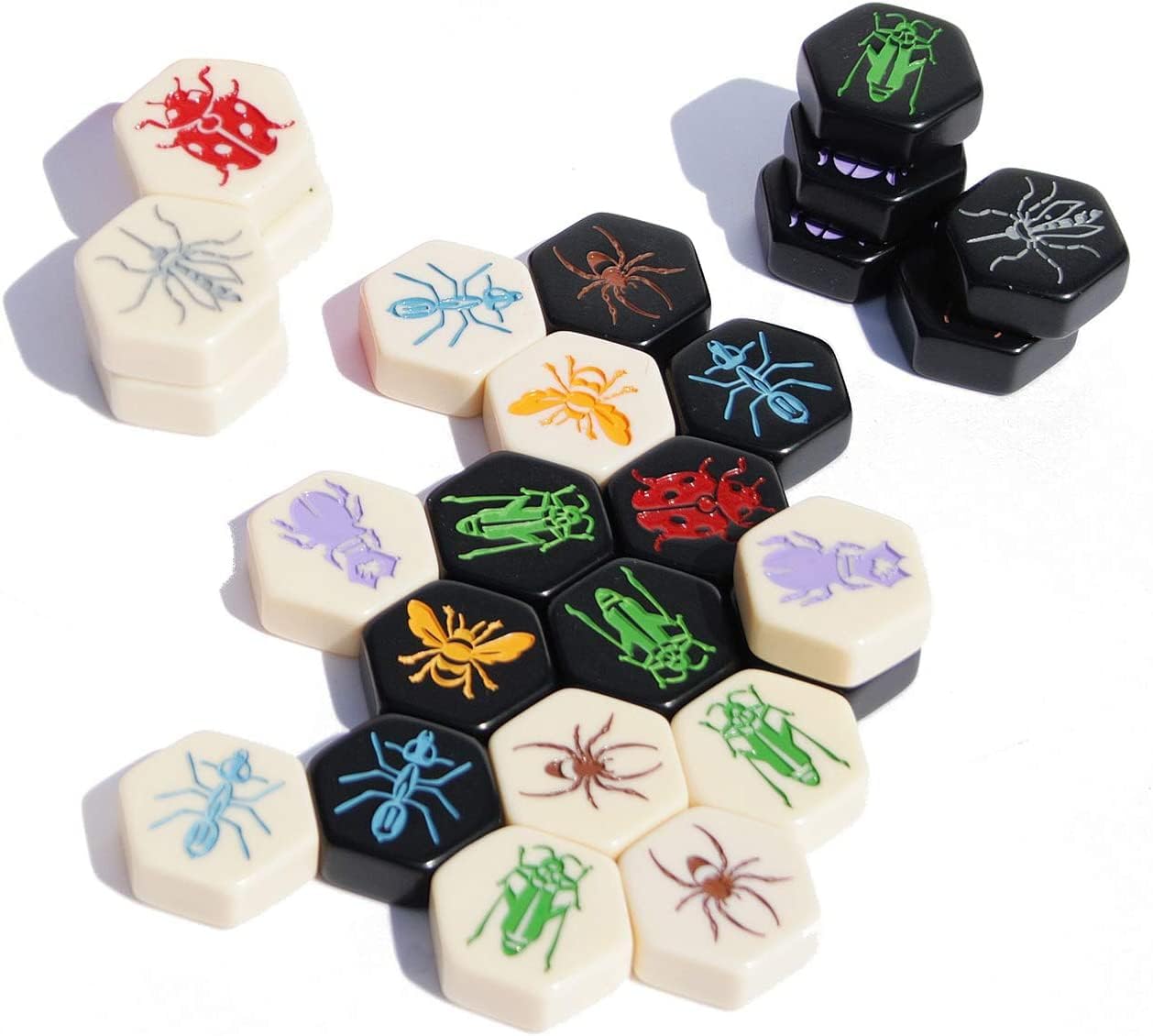
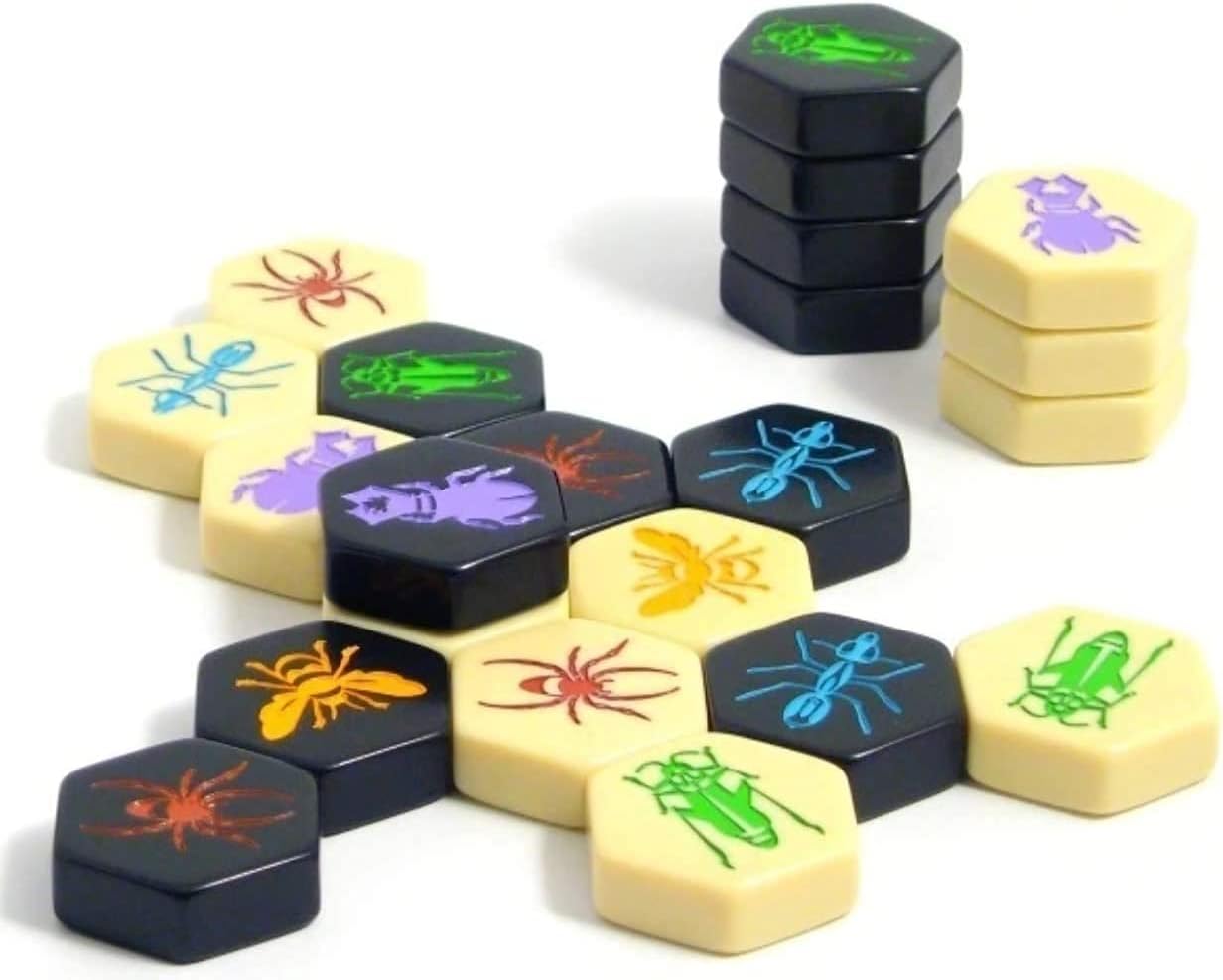
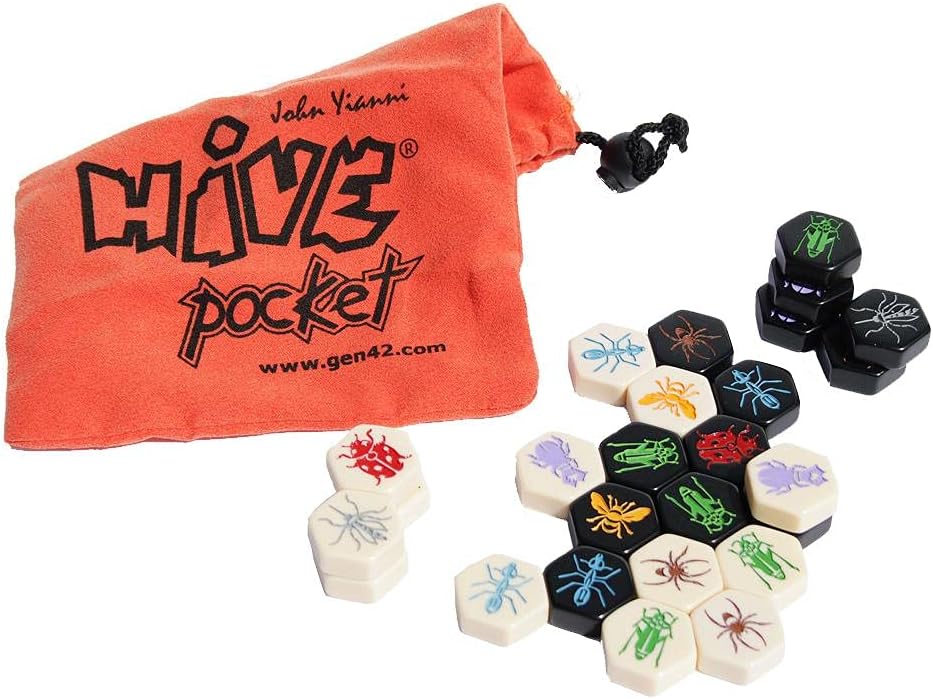
Surround the opposing queen while keeping your own hive connected. Every insect moves differently, and the Pocket edition includes Ladybug and Mosquito pieces in a weatherproof travel format.
- No board required
- Deep positional play
- Nearly indestructible pieces
- Pure abstract pressure
- Strong players can dominate beginners
 4 photos
 Targi
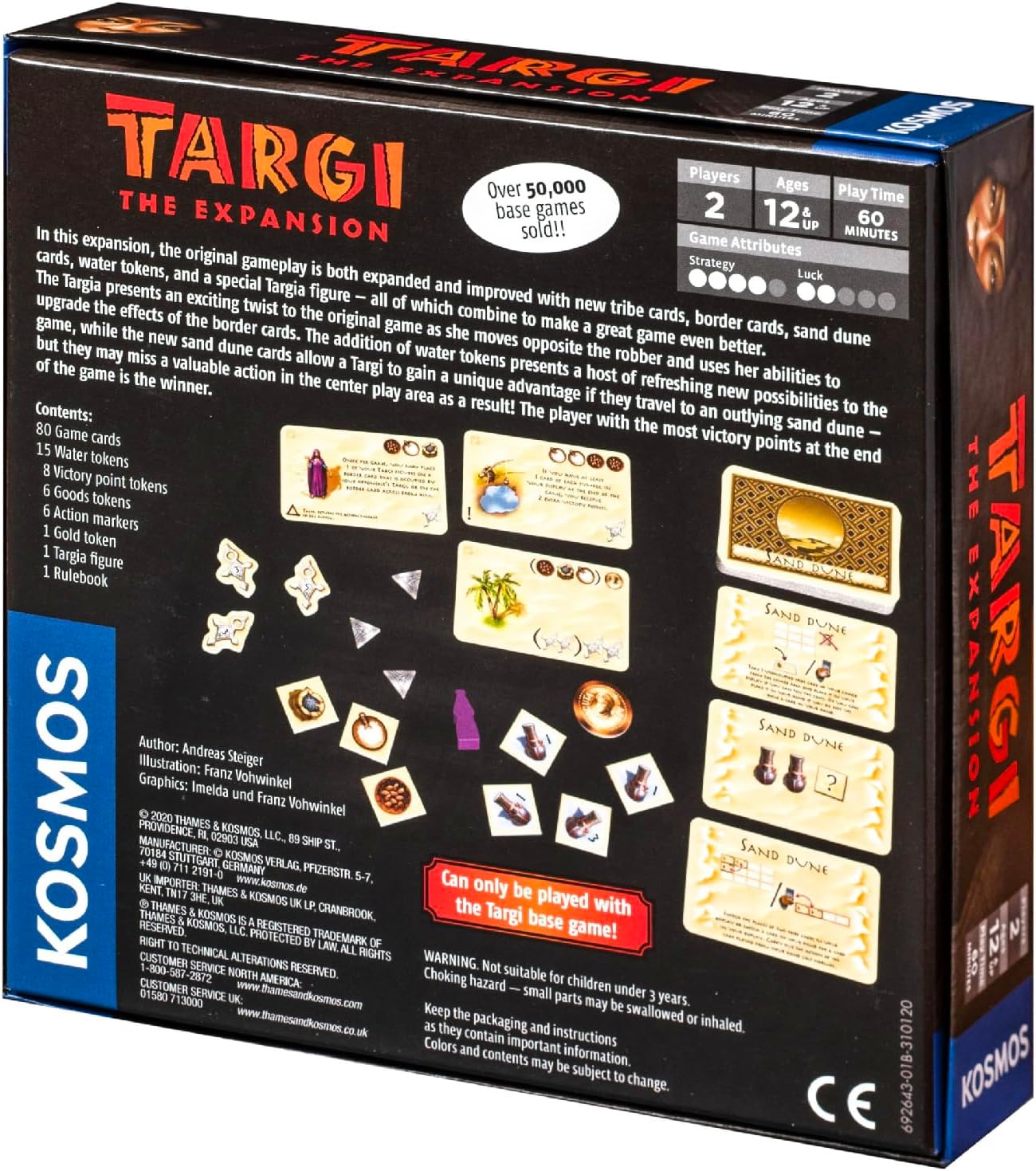
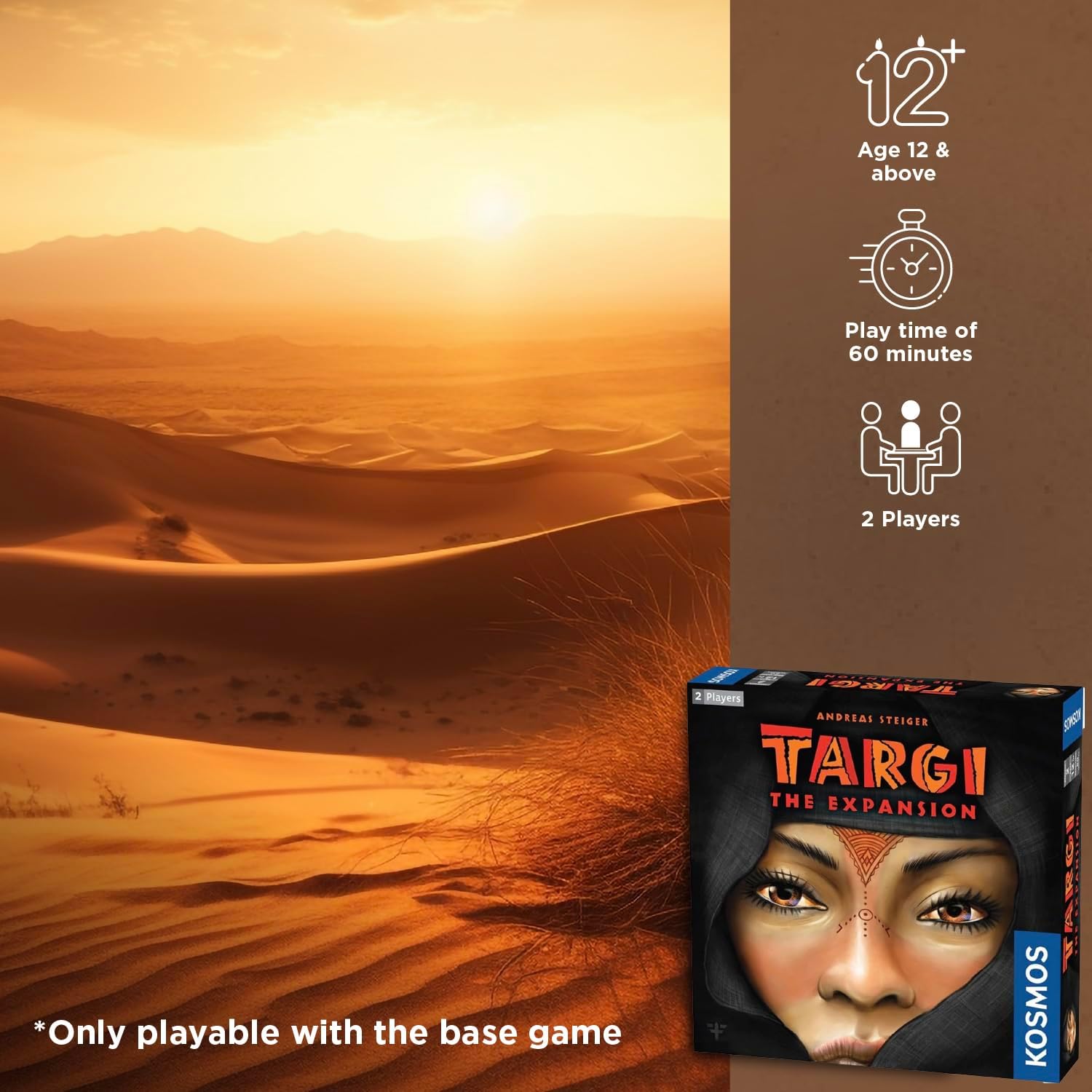
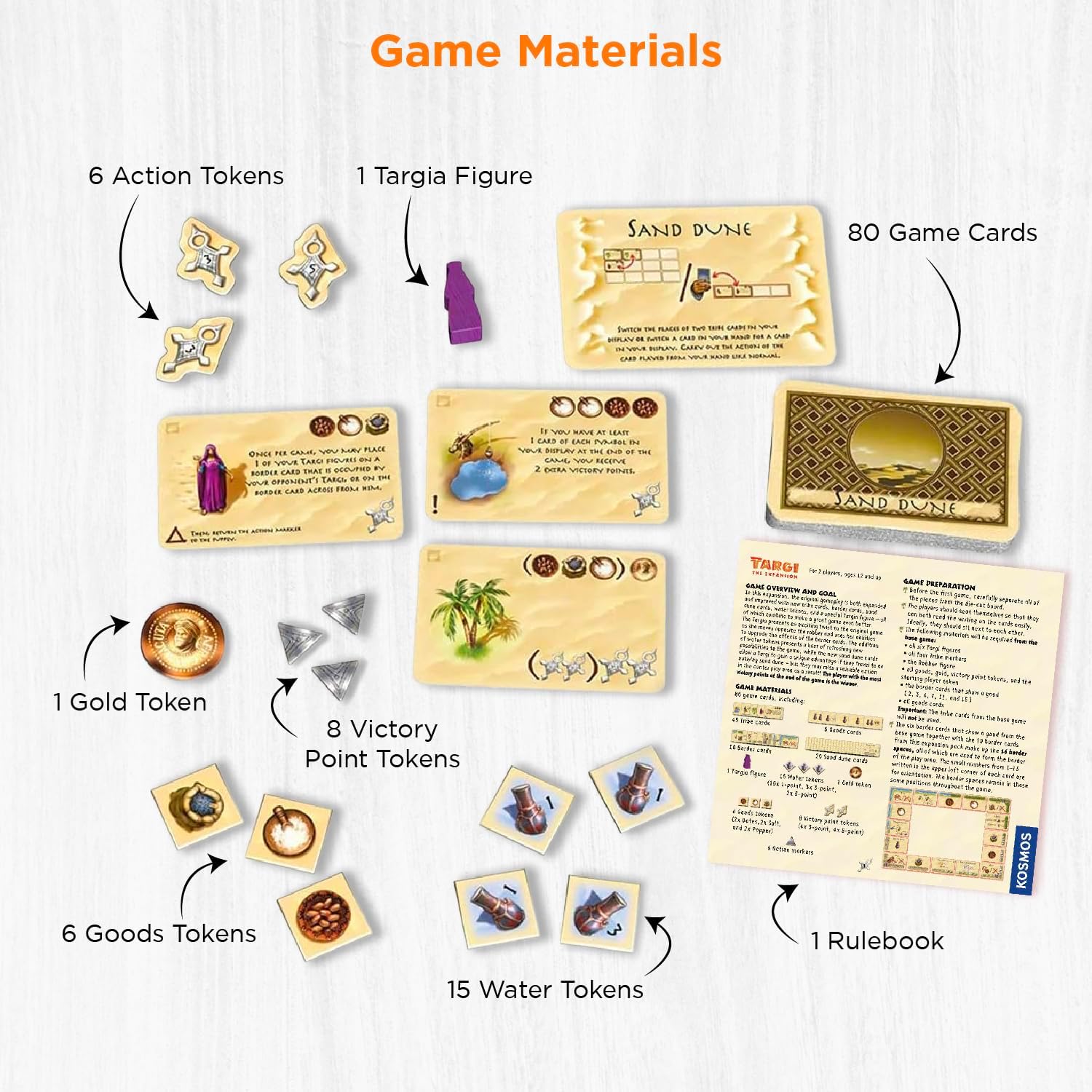
Players place Targi around a card grid; intersections determine interior actions. Blocking, timing, and tableau building create a full eurogame arc using only cards and markers.
- Deep for its box size
- Excellent indirect blocking
- Strong replay value
- Longer teach
- Grid setup needs room
 4 photos
 Star Realms
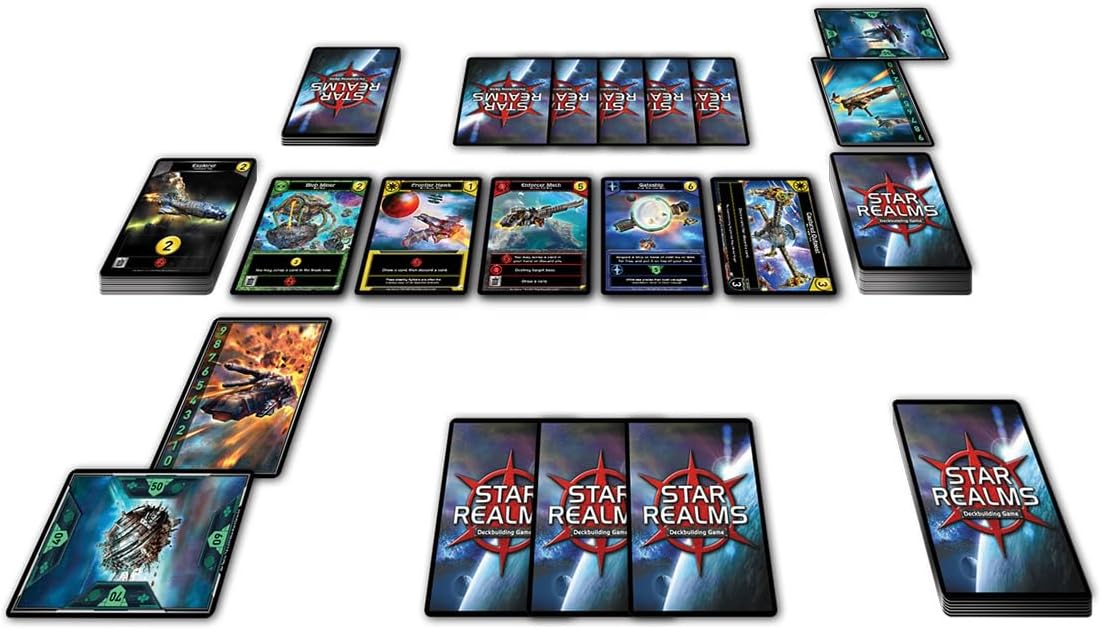
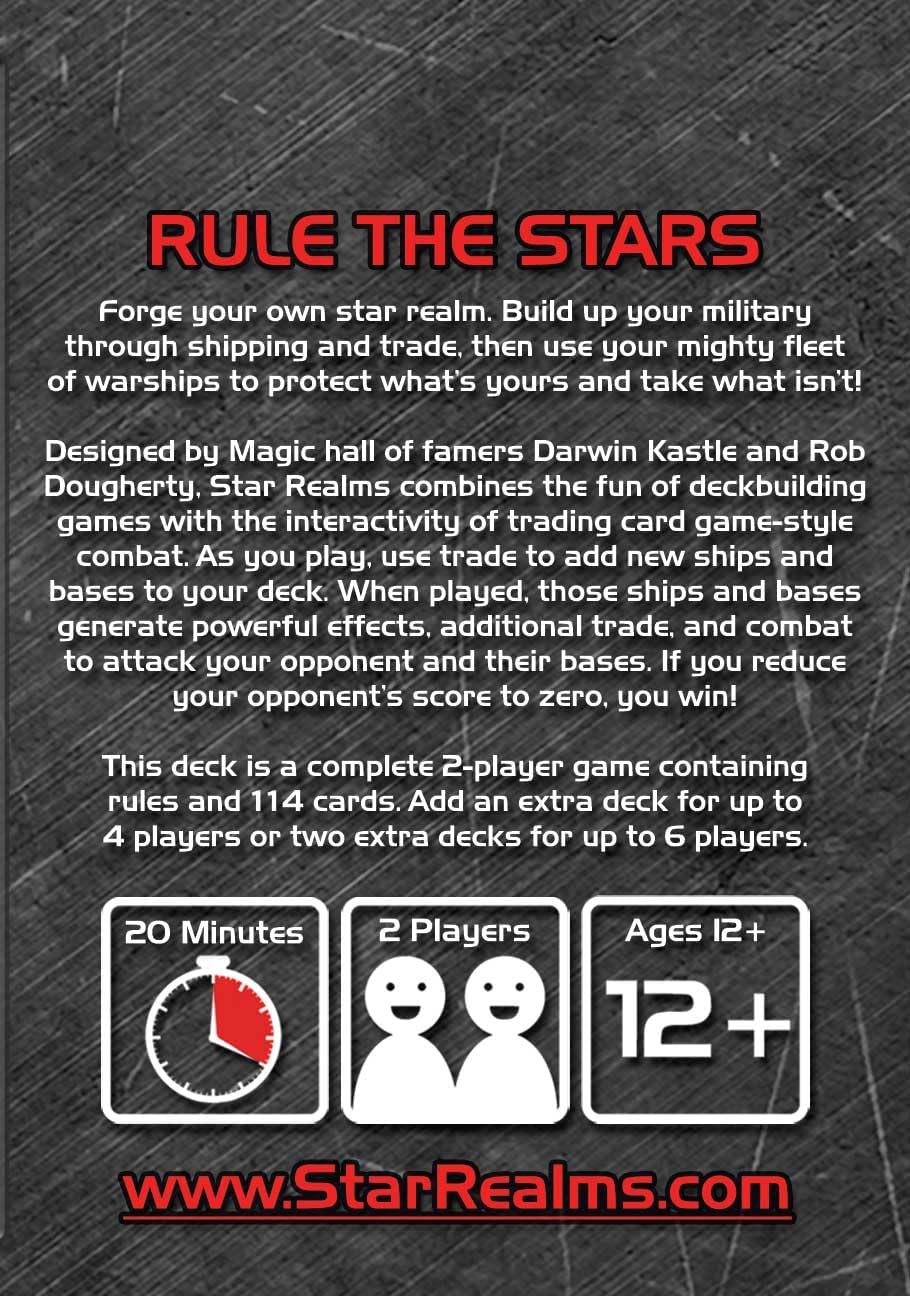
Buy ships from a shared row, trigger faction bonuses, scrap weak cards, and reduce the opponent’s Authority. It is swingier than the top strategic duels but delivers the fastest deckbuilding rematch.
- Low price and tiny box
- Satisfying faction combos
- Very fast rematch
- Market-row luck
- Expansion sprawl is easy
At a glance
| Rank | Game | Best for | Pressure | Watch out |
|---|---|---|---|---|
| 1 | Splendor Duel | Most pairs, especially mixed-experience couples who want an elegant engine with real interaction. | Excellent teach-to-depth ratio | Quietly mean at high skill |
| 2 | 7 Wonders Duel | Repeat opponents who want a deeper tactical study and are comfortable learning icon language. | Exceptional repeat depth | Icon teach takes care |
| 3 | The Lord of the Rings: Duel for Middle-earth | Theme-first pairs who want the Duel structure with a clearer map, alliances, and pursuit story. | Strong thematic clarity | Less austere than 7 Wonders Duel |
| 4 | Sky Team | Pairs who want cooperation, limited communication, and a campaign of increasingly difficult landings. | Brilliant two-player cooperation | Luck can pinch a landing |
| 5 | Codenames Duet | Word-game pairs who want a portable co-op and a campaign map rather than direct conflict. | Portable and accessible | Word chemistry matters |
| 6 | Jaipur | Pairs wanting a warm, fast card game with market timing, hand limits, and immediate rematches. | Fast teach | Only two players |
| 7 | Patchwork | Spatial puzzlers who want a calm-looking game with brutal time, button, and shape efficiency. | Elegant spatial decisions | Can feel deterministic with experts |
| 8 | Hive Pocket | Abstract-game pairs who want a durable, boardless duel that travels anywhere. | No board required | Pure abstract pressure |
| 9 | Targi | Pairs who want worker placement, resource conversion, and a denser hour-long duel. | Deep for its box size | Longer teach |
| 10 | Star Realms | Card battlers who want a cheap, fast deckbuilding duel with direct damage and combo fireworks. | Low price and tiny box | Market-row luck |
Questions, answered
What is the best two-player board game in 2026?
Splendor Duel is the best all-around recommendation because it is easy to teach, strongly interactive, fast to reset, and deep enough for repeated play.
Is 7 Wonders Duel better than Splendor Duel?
7 Wonders Duel is deeper and more rewarding for repeat rivals. Splendor Duel is easier to teach and better for mixed experience. Neither universally replaces the other.
Is LOTR Duel just a 7 Wonders Duel reskin?
No. It uses a related three-victory-route skeleton but changes the tableau, map pressure, alliances, and Fellowship journey enough to create a distinct game.
What is the best cooperative two-player game?
Sky Team is the strongest dedicated co-op for exactly two. Codenames Duet is the lighter word-game alternative.
What is the best cheap two-player card game?
Jaipur is the best warm market duel; Star Realms is the best cheap combat deckbuilder.
What is the best travel duel?
Hive Pocket is the most durable and needs no board. Jaipur and Star Realms are better when card play is preferred.
Should I buy a duel edition if I own the original?
Only when the duel changes the central interaction and your household plays at two often. Splendor Duel, 7 Wonders Duel, and Codenames Duet all pass that test.
Is Azul Duel better than the original Azul for two players?
Not universally. Azul Duel adds a dedicated drafting and scoring puzzle, but the original Azul is already excellent and unusually clean at two. Test Azul Duel first if possible; buy it for a different duel, not as a mandatory replacement.
Is Everdell Duo worth buying if I own Everdell?
It can be when your household plays primarily at two and values its shared sun-and-moon timing puzzle or cooperative campaign. Keep the original for broader player counts and the full Everdell ecosystem.
Do these links go directly to the exact games on Amazon?
Yes. Every ranked product uses a verified Amazon product-detail ASIN with the Puzzlewick affiliate tag.
Imani's verdict
Buy Splendor Duel first unless you already know your preferred pressure. Choose 7 Wonders Duel for study, LOTR Duel for theme, Sky Team for trust, Codenames Duet for language, Jaipur for fast timing, Patchwork for spatial efficiency, Hive Pocket for pure strategy, Targi for a compact euro, and Star Realms for card combat. Then stop shopping long enough for the game to become a private language.
Research ledger 17 sources · reviewed 2026-08-11
Specifications, rules, current product information, community experience, and contrary evidence were checked against the sources below. Commercial links are kept separate from editorial evidence.
- reddit.comreddit.com/r/boardgames/comments/1rhcarp/splendor_duel_or_7_wonders_duel
- reddit.comreddit.com/r/boardgames/comments/1qnvtdt/duel_vs_regular_games
- reddit.comreddit.com/r/boardgames/comments/1rrbe3d/whats_everyones_take_on_the_dueldualduo_versions
- reddit.comreddit.com/r/boardgames/comments/1tfnmo7/7_wonders_duel_is_the_best_fast_bga_game_any_good
- reddit.comreddit.com/r/boardgames/comments/1ud7pba/daily_game_recommendations_thread_june_23_2026
- reddit.comreddit.com/r/boardgames/comments/1j8t9gv/what_are_in_your_opinion_the_best_and_the_worst
- spielwarenmesse.despielwarenmesse.de/uk/mag/toy-market-news/?cHash=9168d7f0965cb873cf67abaee77a91d3&tx_news_pi1%5Baction%5D=detail&tx_news_pi1%5Bcontroller%5D=News&tx_news_pi1%5Bnews%5D=8293
- spacecowboys-games.comspacecowboys-games.com/game/splendor-duel
- rprod.comrprod.com/en/games/7-wonders-duel
- rprod.comrprod.com/en/games/lord-of-the-rings-duel-for-middle-earth
- scorpionmasque.comscorpionmasque.com/en/sky-team
- czechgames.comczechgames.com/en/codenames-duet
- spacecowboys-games.comspacecowboys-games.com/game/jaipur
- nextmove-games.comnextmove-games.com/en/azul/azul-duel
- store.asmodee.comstore.asmodee.com/products/everdell-duo
- store.stonemaiergames.comstore.stonemaiergames.com/products/tokaido-duo
- devirgames.comdevirgames.com/the-white-castle-duel

Okay but have you seen what everyone’s saying about this?

Keep exploring
The next smart rabbit holes.
⚔ Topic PathTwo-Player Board Games: compare the whole shelfThe best two-player game is designed around the duel rather than merely tolerating two people. This path separates sharp...ComparisonThe Best 2-Player Board Games of 2026, RankedFifteen duels for two, sorted into hard tiers — the forever-game, the silent co-op, the giant-killers under twenty bucks, and the honest...Comparison7 Wonders vs 7 Wonders Duel: Which Game and Expansions Should You Buy?Kenji separates two excellent but different civilization games, ranks Leaders, Cities, Armada, Edifice, Pantheon, and Agora, and gives...