Best Shashibo & Magnetic Shape-Shifting Fidget Boxes (2026 Gift Picks)
The $20–$40 box that folds into dozens of shapes, never needs batteries, and quietly disappears into a pocket — which version actually belongs on your gift list.

AI-assisted curator persona · researched & reviewed by founder Robert Pruitt, a 20-year enthusiast · how we make our guides
Last editorial refresh: 2026-06-30 11 sources reviewed Affiliate links checked during gold-standard pass
The short answer
For most people, the original Shashibo (the patented box with 36 rare-earth magnets that folds into 70+ shapes) is still the one to buy — it is the genuine article, the build everyone is copying, and at roughly $25 it is one of the best desk-toy-meets-gift values going. Buy the real Fun in Motion Toys version, not a knockoff; if you want more range, the new Icosa (210+ shapes) is the upgrade and the Octa is the cheaper, kid-friendly entry. Pick the art design you like — they all fold identically.
There is a specific moment, the first time you hold a Shashibo, when the box you are turning over in your hands suddenly collapses into a completely different solid — and you have no idea how. That collapse is the whole pitch. It is the rare fidget object that is genuinely satisfying for a restless adult and genuinely fascinating for an eight-year-old, which is exactly why it keeps landing on gift lists.
What exactly is a Shashibo?
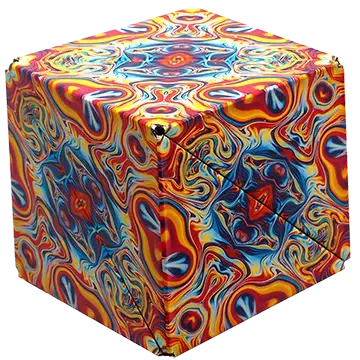
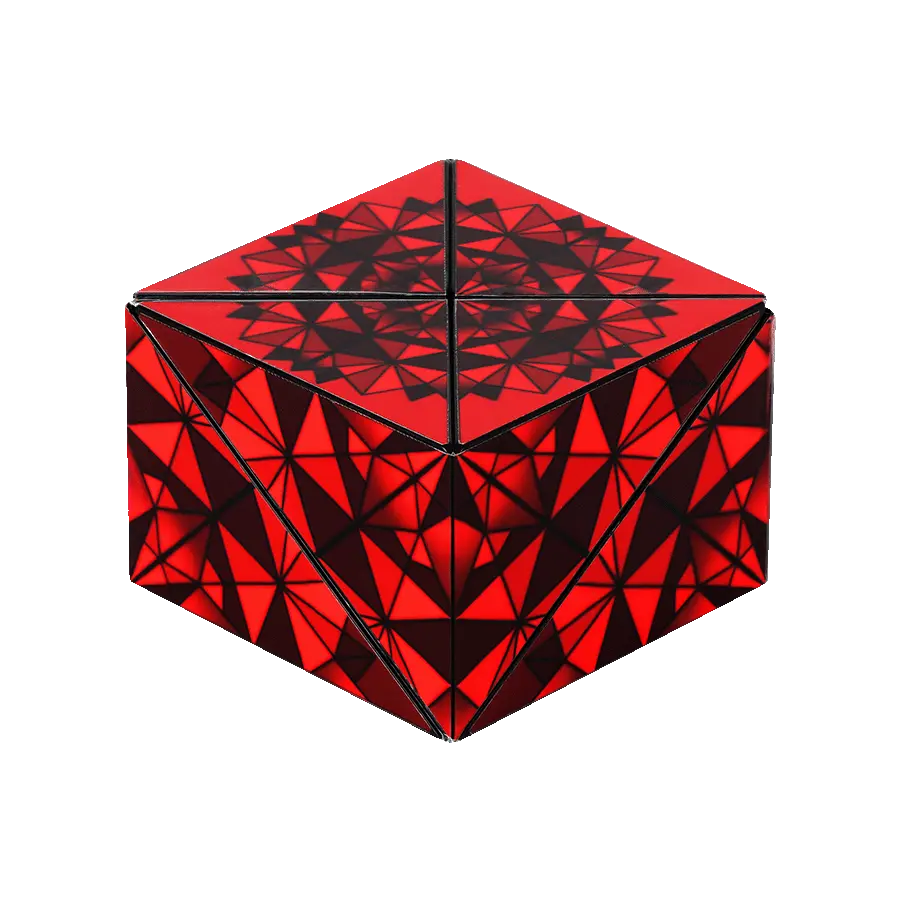
Shashibo is a four-inch-ish box built from twelve geometric pieces held together by 36 rare-earth magnets. There are no batteries, no app required to play, and no instructions you strictly need — you just start folding. The magnets snap the pieces into stable solids, so it holds whatever shape you bend it into, then releases with a satisfying click when you push it somewhere new.
The headline number is over 70 shapes from a single box, and because every Shashibo uses the same magnet layout, you can snap two, three, or a dozen of them together into larger sculptures. It was invented by German artist and designer Andreas Hoenigschmid, evolved from his earlier transforming-box artwork, and is sold by Fun in Motion Toys.
It is, in the most literal sense, a puzzle you cannot lose — there is no wrong configuration, only shapes you have not found yet.
Why is it so satisfying to fidget with?
Three things stack up. First, the magnetic snap — every fold ends in a firm, quiet click, the tactile payoff a clicky pen wishes it had. Second, the weight and balance; it has enough heft to feel like an object rather than a trinket, but folds with almost no force. Third, it is genuinely quiet, which matters more than people admit — you can run one under a desk through an entire meeting without anyone hearing it.
Unlike a fidget spinner, there is also a low-grade puzzle running the whole time. You are not just moving it; you are navigating it, trying to get back to the cube or out to a star. That mild problem-solving loop is why it holds attention for weeks instead of an afternoon.
Original vs. Octa vs. Icosa — what's the real difference?
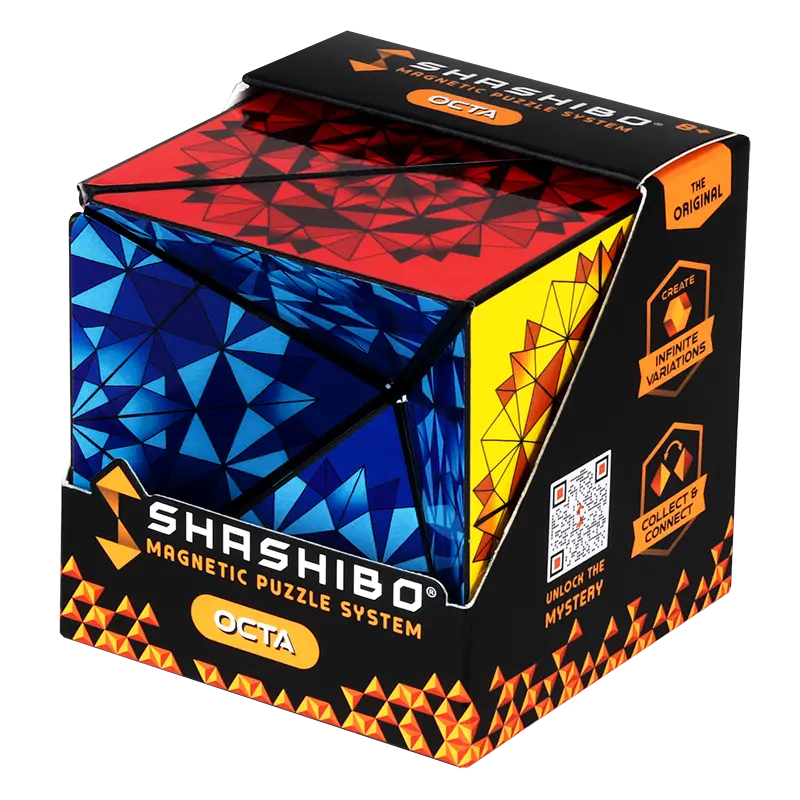
As of 2026 there are three core models in the line, and they are not just sizes — they are different geometries. The Original Shashibo (sometimes labeled by its dodecahedral shape) is the classic twelve-piece box, 70+ shapes, and the version 99% of people mean when they say "Shashibo." It lists around $24.99.
The Octa is the newer eight-sided design, positioned as the more affordable, kid-friendly entry at about $19.99 — a great first one or a stocking stuffer. The Icosa is the premium evolution: a more complex form advertised at 210+ shapes with triple-invertibility, listing around $39.99.
The crucial detail: all three are cross-compatible. They use the same magnet system, so an Octa, an Original, and an Icosa all snap together into combined sculptures. You are never locked into one tier.
Do the different art designs change how it works?
No — and this is the single most useful thing to know before you buy. The artwork is purely cosmetic. Every Original Shashibo folds into the exact same 70+ shapes regardless of whether it is wearing the Confetti, Spaced Out, Mystic Ocean, or a licensed design. You are choosing a look, not a feature set.
That said, the look matters for gifting. Fun in Motion runs a deep catalog of series — abstract art lines plus licensed collaborations including Hello Kitty and Friends, TMNT, SpongeBob, Avatar: The Last Airbender, Grateful Dead, a Pudgy Penguins tie-in, glow/holographic finishes, and more.
Match the design to the person: a licensed cube for a fan, a clean abstract for a desk, a glow edition for a kid's nightstand. The mechanism underneath is identical.
Who is it actually for — kids, adults, or both?
Genuinely both, which is rare. For kids 8 and up, it is a screen-free, open-ended object that rewards curiosity — STEM/STEAM teachers use them, and younger children can play with supervision (those magnets are strong, more on that below). For adults, it is one of the best desk toys made: quiet, pocketable, and absorbing without being distracting.
It also lands well for focus and stress. A lot of buyers are people who fidget through calls, anxious hands, or restless attention — the repetitive fold-and-snap is calming in the way a worry stone is, but with more to do.
The one population to flag: households with very young children or pets that mouth objects. The magnets are the concern, not the toy itself.
Should I worry about the magnets?
Yes, in the specific way you should worry about any strong-magnet product. The 36 rare-earth magnets are sealed inside the pieces by design and are not meant to come loose. But ingested high-powered magnets are a real medical hazard for small children, so the age-8+ rating is not decorative — keep it away from toddlers and anyone who mouths objects.
The more common quality complaint, seen in reviews, is a magnet occasionally coming loose inside a piece and rattling — which prevents clean shape-forming. This is the failure mode to watch for, and it is also the strongest argument for buying genuine and keeping the receipt.
Handled normally by the age group it is built for, it is a non-issue. Bought for the wrong age, the magnets are the whole risk.
Is the build quality good, or does it fall apart?
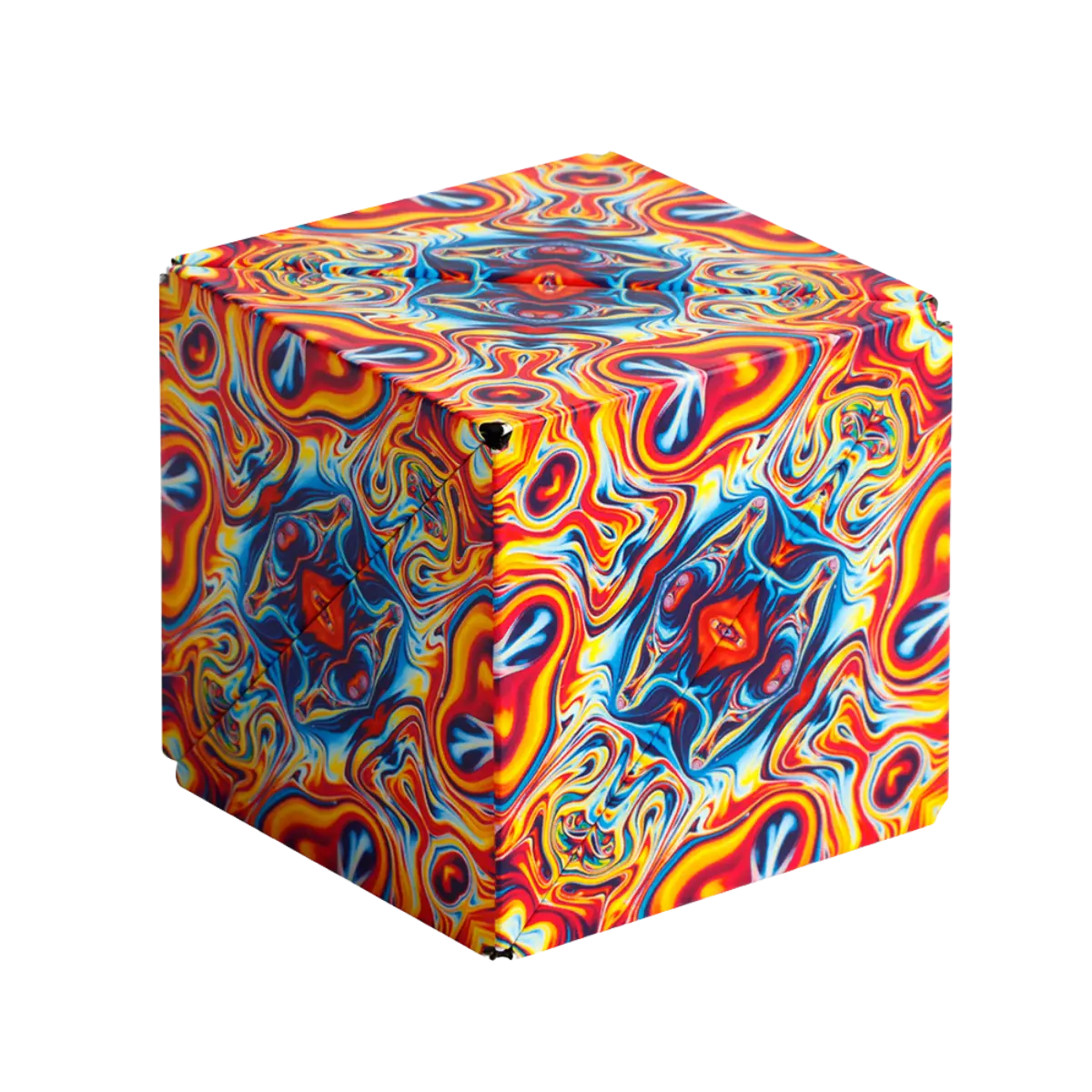
Honest answer: the genuine Shashibo is well-regarded, and the most-cited durability complaints cluster around two things — knockoffs, and a small rate of real-unit defects. Reviewers describe inferior copies where the print peels off after a few days and the magnets rattle loose; some of those are counterfeits, not the real product.
On authentic units, build quality skews positive, and Fun in Motion's customer service comes up favorably in reviews — buyers report replacements sent for genuinely defective boxes. That is the practical safety net: buy real, register the issue if one appears, and it tends to get made right.
The takeaway is not "it's fragile" — it is "provenance matters more than usual." A real one treated decently lasts; a cheap copy is a coin flip.
How do I make sure I'm buying a real one, not a knockoff?
This is the most important buying decision, more than which design or model. The market is full of cheap imitations that look identical in a thumbnail but use weaker magnets and peel-prone printing. Protect yourself with a few checks.
Buy from Fun in Motion Toys or an authorized seller (the official site, or the official Shashibo storefront on a major retailer). Look for the Fun in Motion Toys branding and the patent/award language on the packaging. Be suspicious of listings priced dramatically below the ~$20–$40 range, of generic "magic magnetic cube" titles with no brand, and of sellers with no track record.
If a deal looks too good, it usually is — the knockoffs are exactly the units generating the peeling-and-rattling complaints.
Single cube or multi-pack gift set?
For a first-time owner, one cube is plenty — 70+ shapes is already more than anyone exhausts quickly, and a single box is the cleaner gift. Start there unless you already know the person is hooked.
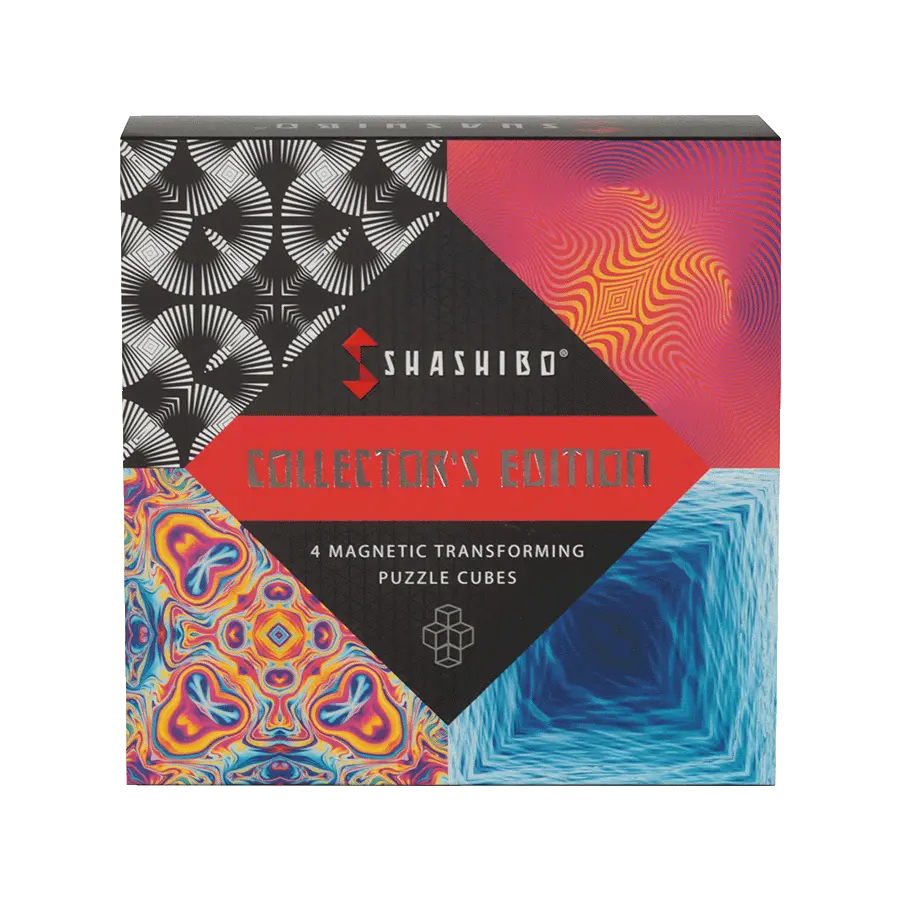
Where multi-packs earn their keep is the combining play. Because every Shashibo snaps to every other Shashibo, two or four together unlock larger sculptures and a whole second layer of building that a single cube cannot reach. Gift sets and collector multi-packs exist specifically for this, and they make a strong "big" present.
A good rule: one to try it, a set to obsess over it. If you are buying for someone who already loves theirs, a second cube is a better gift than almost any accessory.
What are the real alternatives to a Shashibo?
Honestly, in the shape-shifting magnetic box niche, the Shashibo basically is the category — it is patented and award-winning, which is why most rivals are imitators rather than true alternatives. If you specifically want "a box that folds into shapes," buy the genuine Shashibo.
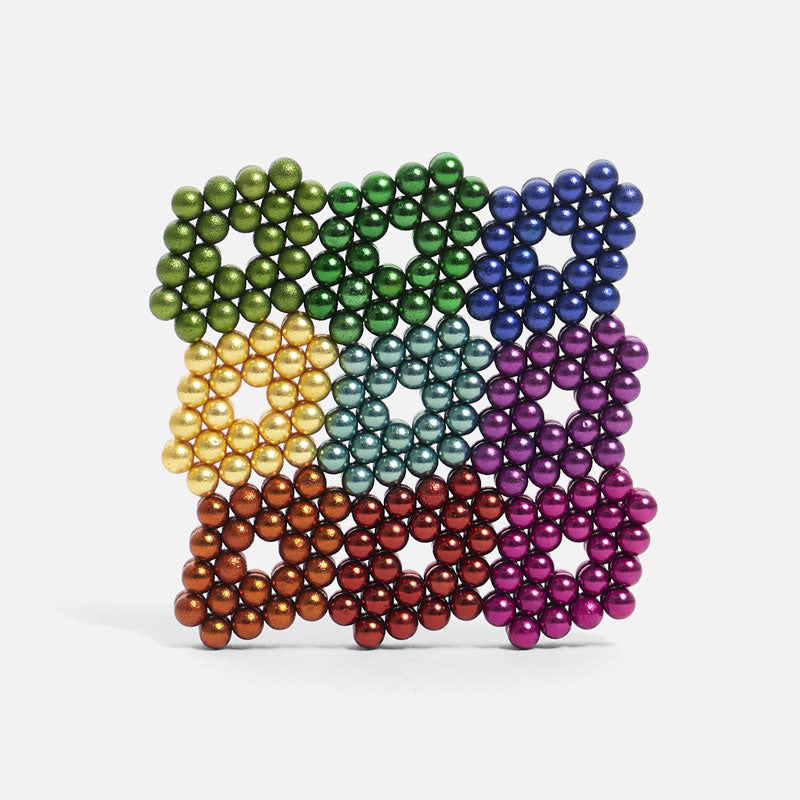
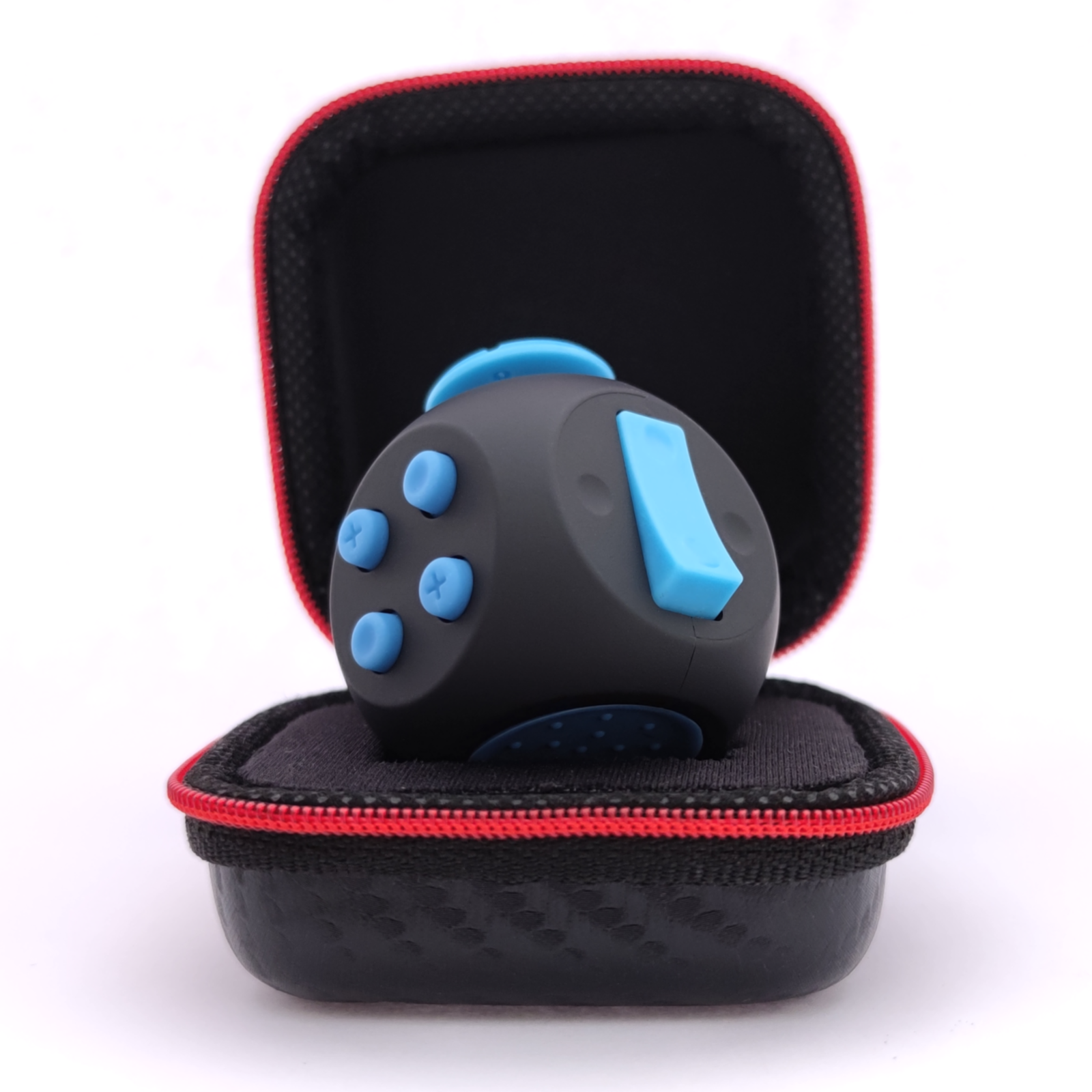
If you want a different kind of fidget, that is where alternatives make sense. Button-and-switch fidget cubes (clickers, dials, joysticks — the PILPOC-style multi-tool cubes) scratch a tactile-buttons itch the Shashibo does not. Magnetic ball/rod sets and infinity cubes are adjacent desk toys with their own appeal. And classic twisty puzzles serve the "I want to actually solve something" crowd.
But for the precise thing the Shashibo does — silent, foldable, sculptural, pocketable — there is no genuine equal. The competition is mostly cheaper copies of it.
What's the bottom line for gifting in 2026?
If you want a near-guaranteed hit for almost anyone 8 and up, the original Shashibo in a design that suits the recipient is the safe, excellent pick. It is affordable enough to be a stocking stuffer and impressive enough to feel like a real gift, and the recipient does not need to be "into" anything to enjoy it.
Going cheaper or younger? The Octa at ~$20. Buying for someone who already has one, or who loves a hard puzzle? The Icosa at ~$40, or a second cube to unlock combining. Buying for a superfan? Grab the licensed design of their fandom — the mechanism is identical, so you lose nothing by chasing the artwork.
The only way to get this gift wrong is to buy a knockoff. Buy genuine, match the picture to the person, and you are done.
From the rabbit hole
Real voices from players, reviewers, and the communities who know these games best.
Community“Actual genuine Shashibo cubes are awesome, but some vendors sell inferior knockoff versions with quality issues in every aspect — where you buy it significantly impacts quality.”
Mumsnet
Community“The magnets that are supposed to hold the cube together rattle around inside, and the paper on the sections started peeling off after just a few days.”
Walmart
The picks
Some links below are affiliate links — as an Amazon Associate, Puzzlewick earns from qualifying purchases, at no extra cost to you. It never changes a pick.
Shashibo Shape Shifting Box (Original)
Shashibo Icosa
Shashibo Octa
Shashibo Original — Licensed Design (Hello Kitty, TMNT, SpongeBob, Avatar, Grateful Dead, etc.)
Shashibo Multi-Pack / Collector's Gift Set
Button-and-Switch Multi-Function Fidget Cube (Shashibo alternative)
At a glance
| model | price | shapes | magnets | cross compatible | best for |
|---|---|---|---|---|---|
| Octa | ~$19.99 | Shape-shifting (8-sided design) | Rare-earth magnet system | Yes | Kids / budget / first cube |
| Original | ~$24.99 | 70+ | 36 rare-earth | Yes | The default pick for anyone 8+ |
| Icosa | ~$39.99 | 210+ (triple-invertible) | Rare-earth magnet system | Yes | Upgrade / serious puzzlers |
Questions, answered
How many shapes does a Shashibo actually make?
The original Shashibo folds into over 70 distinct shapes from a single box. The newer Icosa model is advertised at 210+ shapes. And because every Shashibo is magnetically compatible, snapping multiple cubes together multiplies the possible sculptures far beyond those numbers.
How much does a Shashibo cost in 2026?
Pricing runs roughly $20 to $40 depending on model: the Octa lists around $19.99, the Original around $24.99, and the premium Icosa around $39.99. Licensed and special-edition designs of the original sit in the same general range as the standard cube.
What age is a Shashibo for?
It's rated for ages 8 and up. Younger children can play with adult supervision, but the rating exists because of the strong internal magnets — keep it away from toddlers or anyone who might mouth small parts.
Are the magnets dangerous?
The 36 rare-earth magnets are sealed inside the pieces and aren't meant to come loose, so in normal use by the 8+ age group they're not a concern. The real risk is ingestion by small children, which is why the age rating matters; high-powered magnets are a genuine medical hazard if swallowed.
Do the different art designs fold differently?
No. The artwork is purely cosmetic — every original Shashibo folds into the same 70+ shapes regardless of design. You're choosing a look, not a feature, so pick whichever picture suits the recipient.
What's the difference between Original, Octa, and Icosa?
They're different geometries, not just sizes. The Original is the classic twelve-piece box (70+ shapes, ~$25); the Octa is a newer, cheaper eight-sided entry (~$20); the Icosa is the premium model with 210+ shapes and triple-invertibility (~$40). All three snap together.
Can I connect multiple Shashibos together?
Yes — that's a core feature. Every Shashibo uses the same magnet layout, so any model connects to any other to build larger combined sculptures. This is the main reason owners buy a second cube or a multi-pack.
Is the Shashibo worth the money?
For most buyers, yes — a genuine one delivers a satisfying, quiet, battery-free fidget plus a low-grade puzzle that holds attention for weeks, at a gift-friendly price. The complaints that question its value almost always trace back to knockoffs rather than the real product.
How do I avoid buying a fake Shashibo?
Buy from Fun in Motion Toys or an authorized seller, look for the Fun in Motion branding and patent/award language on the packaging, and be wary of generic 'magic magnetic cube' listings priced well below the normal $20–$40 range. Suspiciously cheap is the biggest tell of a counterfeit.
Does the print peel or wear off?
On counterfeit units, peeling print and rattling magnets are common complaints, sometimes within days. Genuine Shashibos are far better regarded, and Fun in Motion's customer service is reported to replace genuinely defective units — another reason to buy authentic and keep your receipt.
Is it quiet enough to use in meetings or class?
Yes. The Shashibo is notably quiet — the folds end in a soft magnetic snap rather than a loud click — which is a big part of why it works as a discreet desk and classroom fidget.
Does a Shashibo need batteries or an app?
No batteries, ever. There's an optional companion app with shape tutorials, but you don't need it to play — you just start folding. That battery-free simplicity is part of its appeal as a gift.
Who invented the Shashibo?
It was invented by German artist and designer Andreas Hoenigschmid, evolving from his earlier transforming-box artwork, and is produced and sold by Fun in Motion Toys.
Single cube or a multi-pack for a gift?
Start with a single cube for a first-time owner — 70+ shapes is plenty and it's the cleaner gift. Choose a multi-pack only if the recipient already loves theirs and wants the larger combined-sculpture building that multiple cubes unlock.
What's the best alternative to a Shashibo?
For the specific 'folding magnetic box' experience there's no true equal — the Shashibo is patented and most rivals are imitators. If you want a different fidget entirely, button-and-switch multi-function cubes, magnetic ball/rod sets, and infinity cubes are worthwhile, but they do a different thing.
Robert's verdict
Buy the genuine original Shashibo and you almost can't go wrong — it's the patented, award-winning box that defined this category, it's quiet and pocketable and endlessly foldable, and at around $25 it's a rare gift that delights an eight-year-old and a stressed-out adult equally. Go cheaper with the Octa (~$20), harder with the Icosa (~$40), or fandom-specific with a licensed design — the mechanism is identical underneath. The single mistake to avoid is the knockoff: buy from an authorized seller, and the durability complaints you'll read about mostly disappear.
Sources: funinmotiontoys.com, funinmotiontoys.com, funinmotiontoys.com, funinmotiontoys.com, amazon.com, amazon.com, globaltoynews.com, walmart.com, mumsnet.com, gamespot.com, artofplay.com
If it didn't earn a shelf, it isn't here.