The Most Expensive Event Board Games on Amazon in 2026: 5 Table Grails Actually Worth It
Eclipse, War of the Ring, Twilight Imperium, Dune, and Cthulhu: Death May Die compared by the people, hours, table, and temperament each box truly requires.


AI-assisted research and drafting in Kenji’s voice · reviewed by Robert Pruitt · how this guide was made
Last editorial refresh: 2026-08-13 Gold-standard QA: 2026-07-24 26 sources reviewed Affiliate links checked during gold-standard pass

The short answer
Eclipse: Second Dawn is the best repeatable premium event game for three to six players. War of the Ring is the best expensive purchase for one committed pair. Twilight Imperium IV is the greatest full-day political event only after five or six players are confirmed. Dune: War for Arrakis is the more direct asymmetric duel, while Cthulhu: Death May Die is the easiest miniature spectacle to schedule.
Decision map
Choose in thirty seconds
Premium production shortens setup and supports repeatable 4X play.
One reliable opponent beats five theoretical players.
Unmatched political stories, but only with a named group and a protected day.
Focused conflict for two players who want Dune, not a stepping stone.
Modular scenarios and miniatures without a campaign calendar.
The expensive event game is a social instrument. Its value depends less on cardboard per dollar than on whether the right people can see the board, understand the stakes, stay through the ending, and want the same kind of evening. This guide compares five direct Amazon products observed on July 23, 2026. It excludes collector-market rarities and vague bundles; every button uses the exact core-product ASIN.
We checked official product pages and rulebooks, BoardGameGeek records, current community comparisons, setup realities, player-count arguments, and the most common shelf-of-shame pattern: buying a magnificent game for an imaginary group.
Start here, then go deeper
You are in the right cabinet.
 ♛ Topic PathGrail Board Games: compare the whole shelfA grail earns its space only when the experience survives the price, setup, storage, and group commitment. These are expensive-game...
 Buying GuideThe Most Expensive Campaign Board Games on Amazon in 2026: 5 Grails Actually Worth ItFrosthaven, Oathsworn, Elder Scrolls, ISS Vanguard, and Tainted Grail compared by the metric the box cannot advertise: whether your real...
 Deep DiveEclipse: Second Dawn for the Galaxy — The 4X Space Epic Worth Clearing the Whole Table ForA full galaxy of exploration, research, conquest, and diplomacy running on a famously elegant action-disc economy — and the version...
Which expensive event board game is actually worth it?
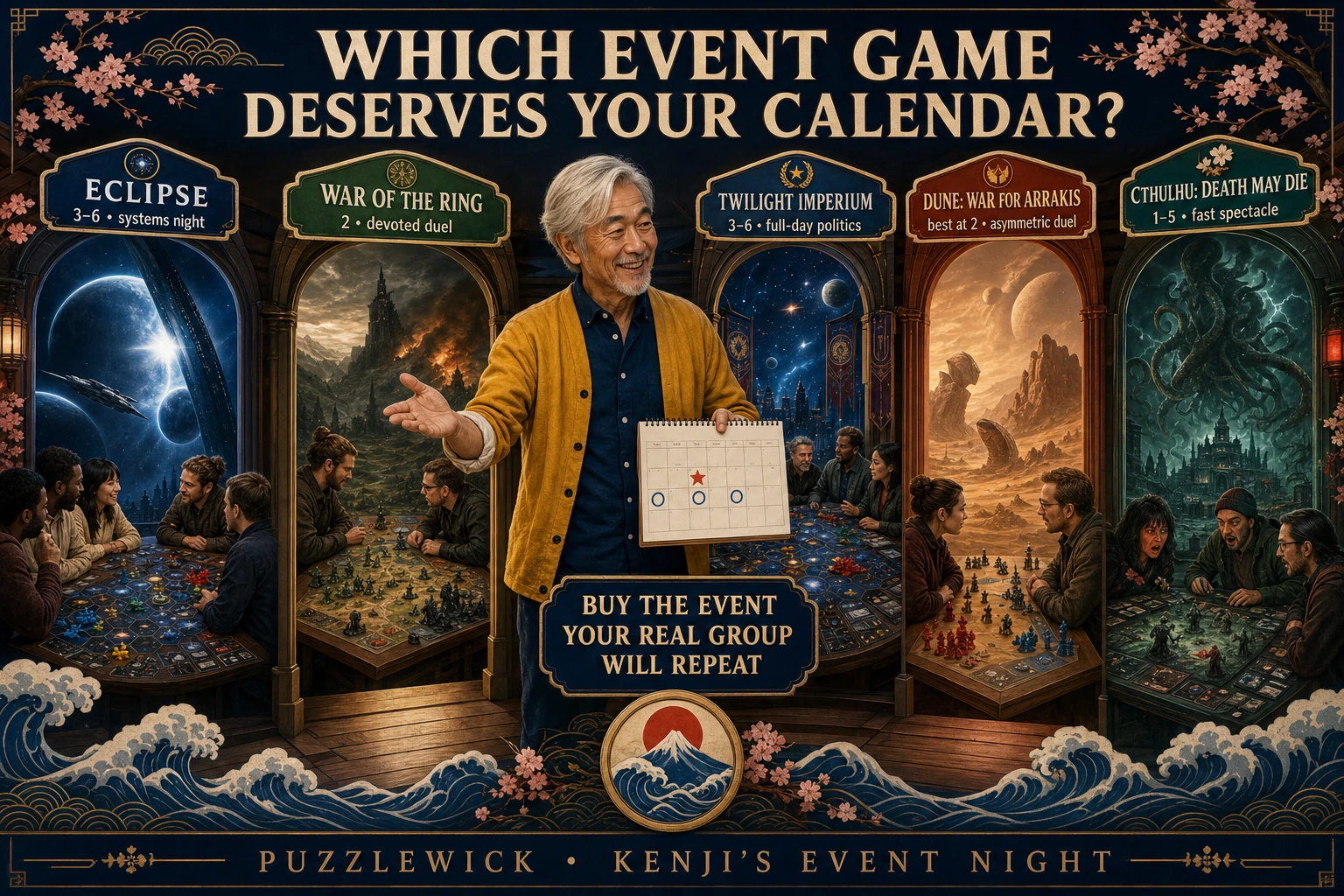


Kenji’s blunt filter: if the calendar invitation does not already have names on it, the game is not an event yet. It is a very expensive cardboard aspiration wearing a nice coat.
Is Eclipse: Second Dawn worth the premium price?
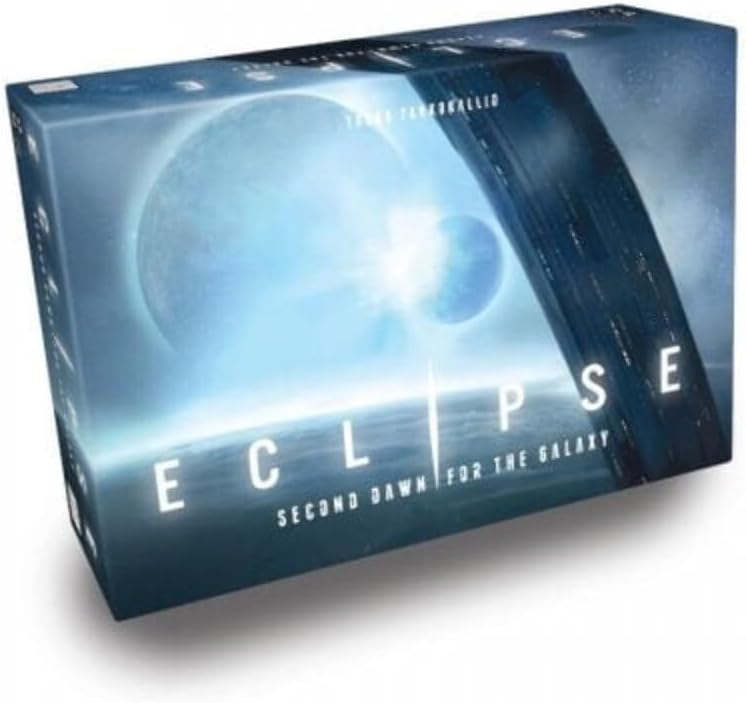


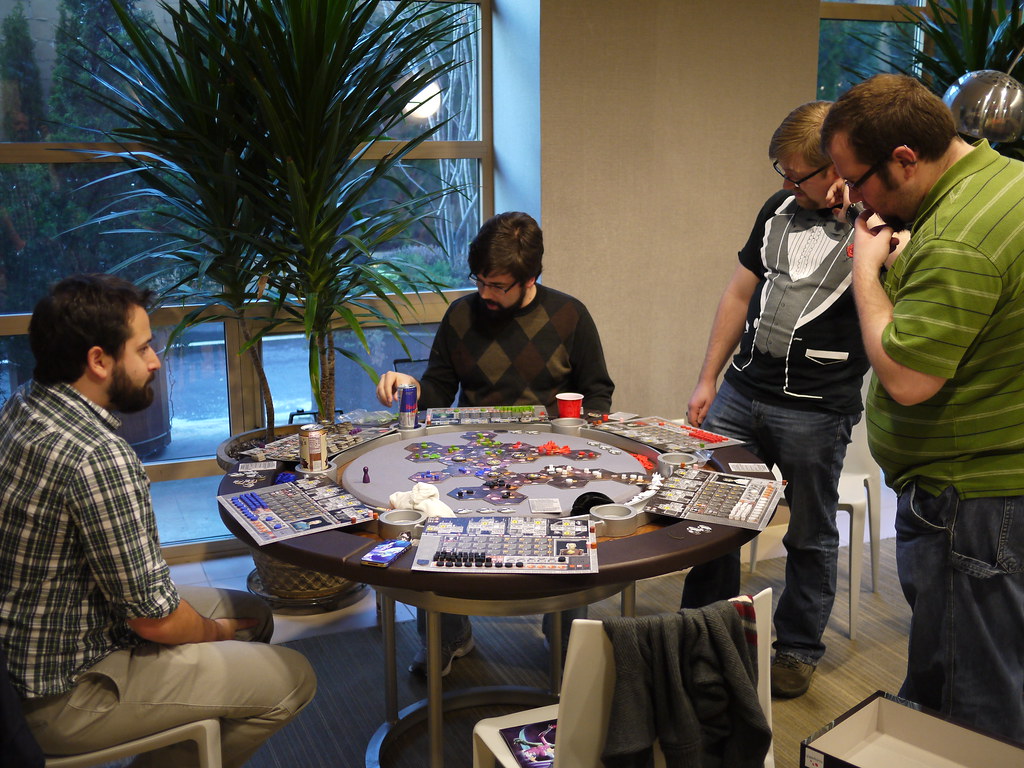

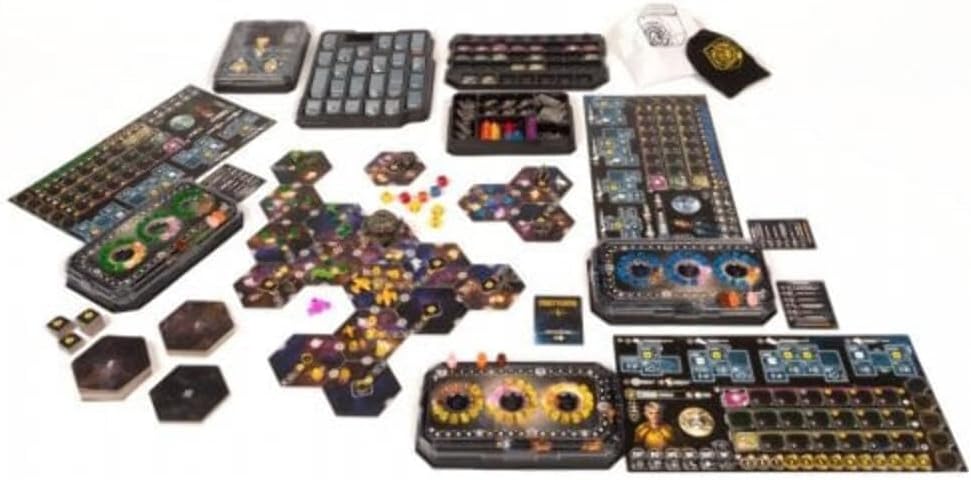
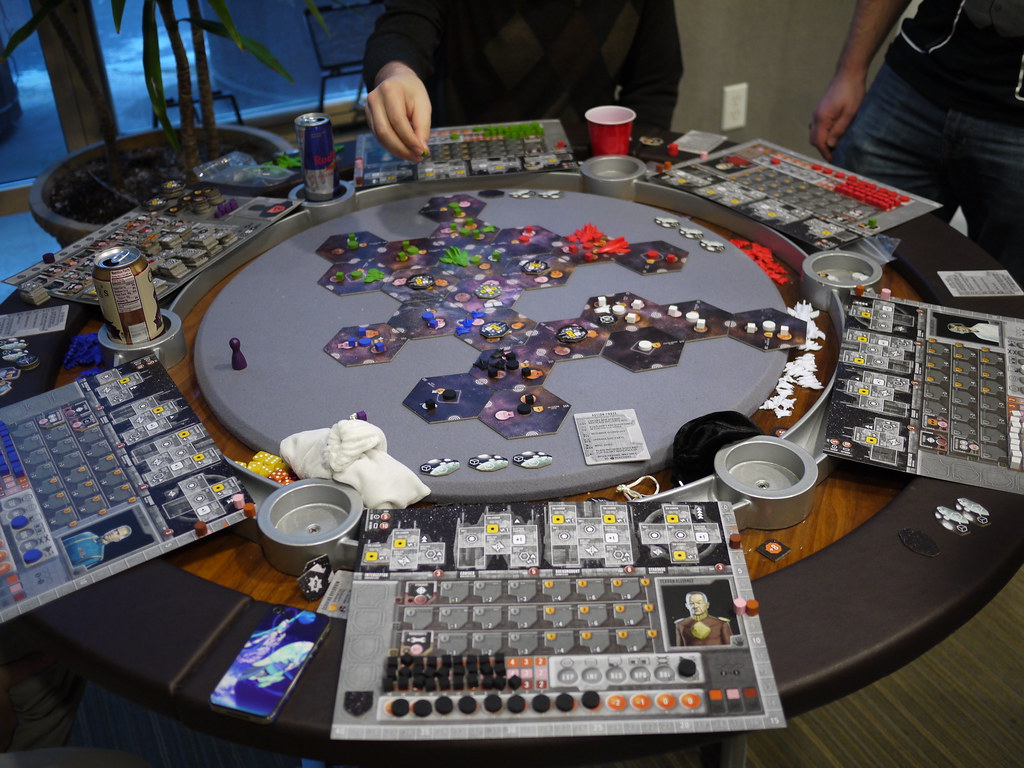
Eclipse compresses exploration, economic expansion, technology, ship design, and conflict into a fixed arc. The production is not merely lavish: trays organize factions and components, reducing the activation energy between “we should play” and a functioning table. That functional luxury is why it ranks first.
It is not Twilight Imperium with fewer hours. Eclipse emphasizes economy, timing, research, and visible ship engineering. Negotiation can happen, but political theater is not the engine. Community comparisons praise its action economy and ship customization while warning that exploration rewards can swing and that players seeking secret objectives, diplomacy, or wild narrative powers may find it emotionally cooler. Buy when the group wants systems that collide.
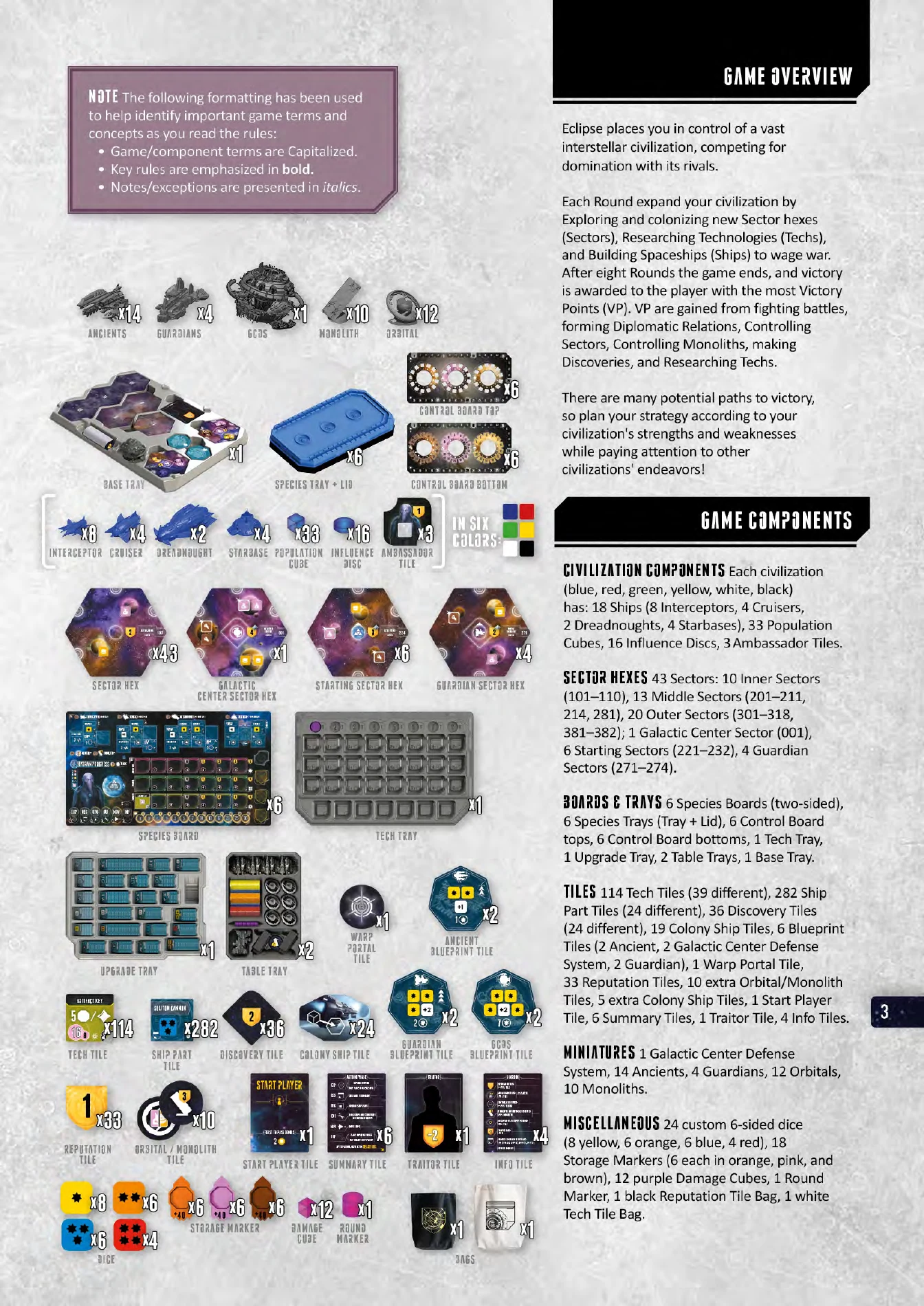
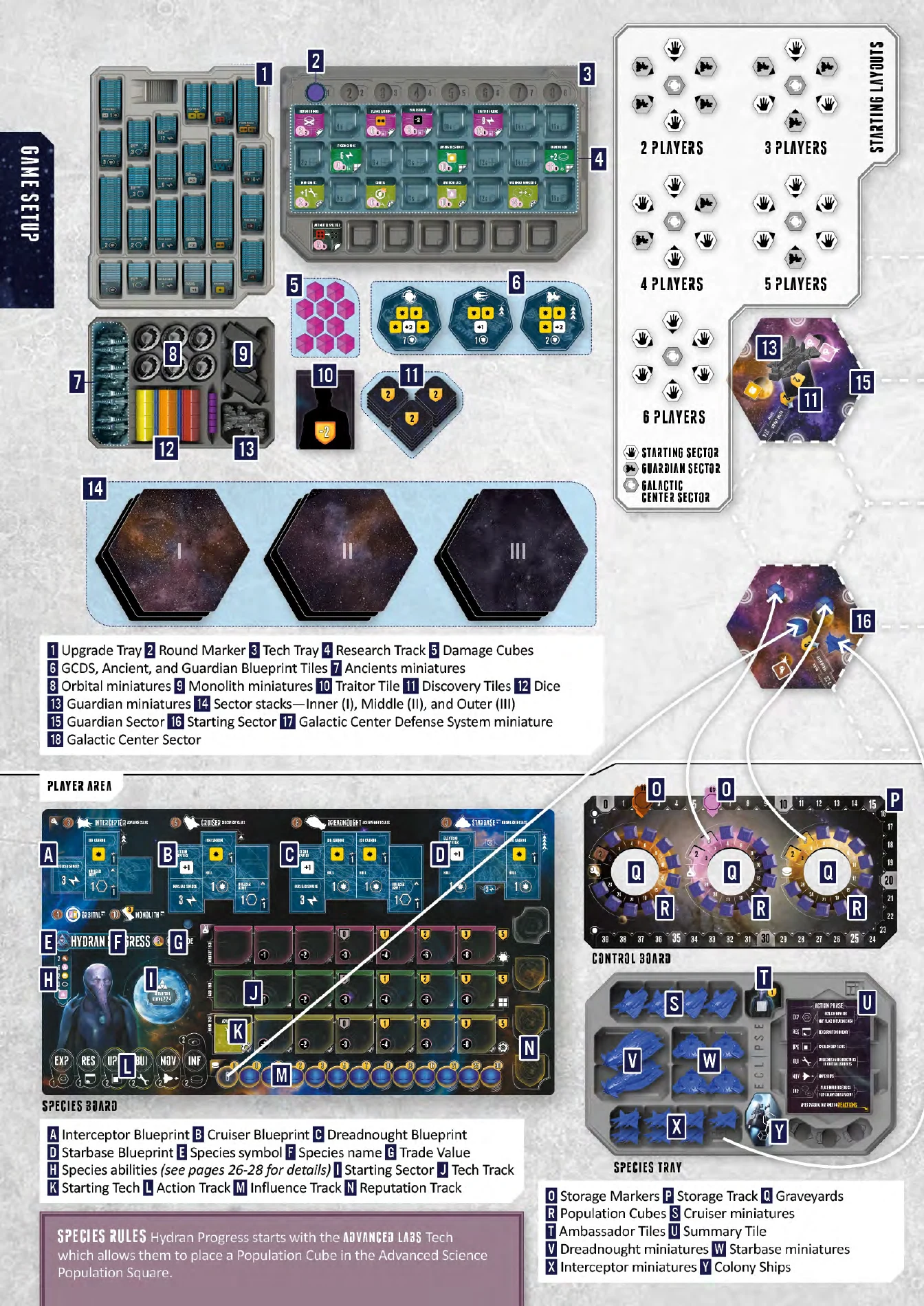
What the premium box is doing for play: Lautapelit lists an eight-round structure, 54 sector hexes, 108 player ships, 114 technology tiles, 282 ship-part tiles, six species trays, and dedicated supply trays. The insert is therefore not decoration: it shortens setup, keeps technologies readable, and makes the ship-design economy easier to teach.
Kenji’s first-game teach: explain influence and upkeep before combat, because every action disc moved from a track changes the cost of sustaining the empire. Then demonstrate one explore action and one blueprint upgrade. New players who understand the bill attached to expansion make meaningful decisions much earlier than players taught through a tour of every tile.
Is War of the Ring the best expensive two-player game?
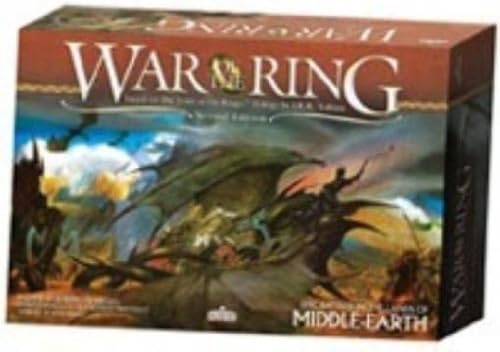
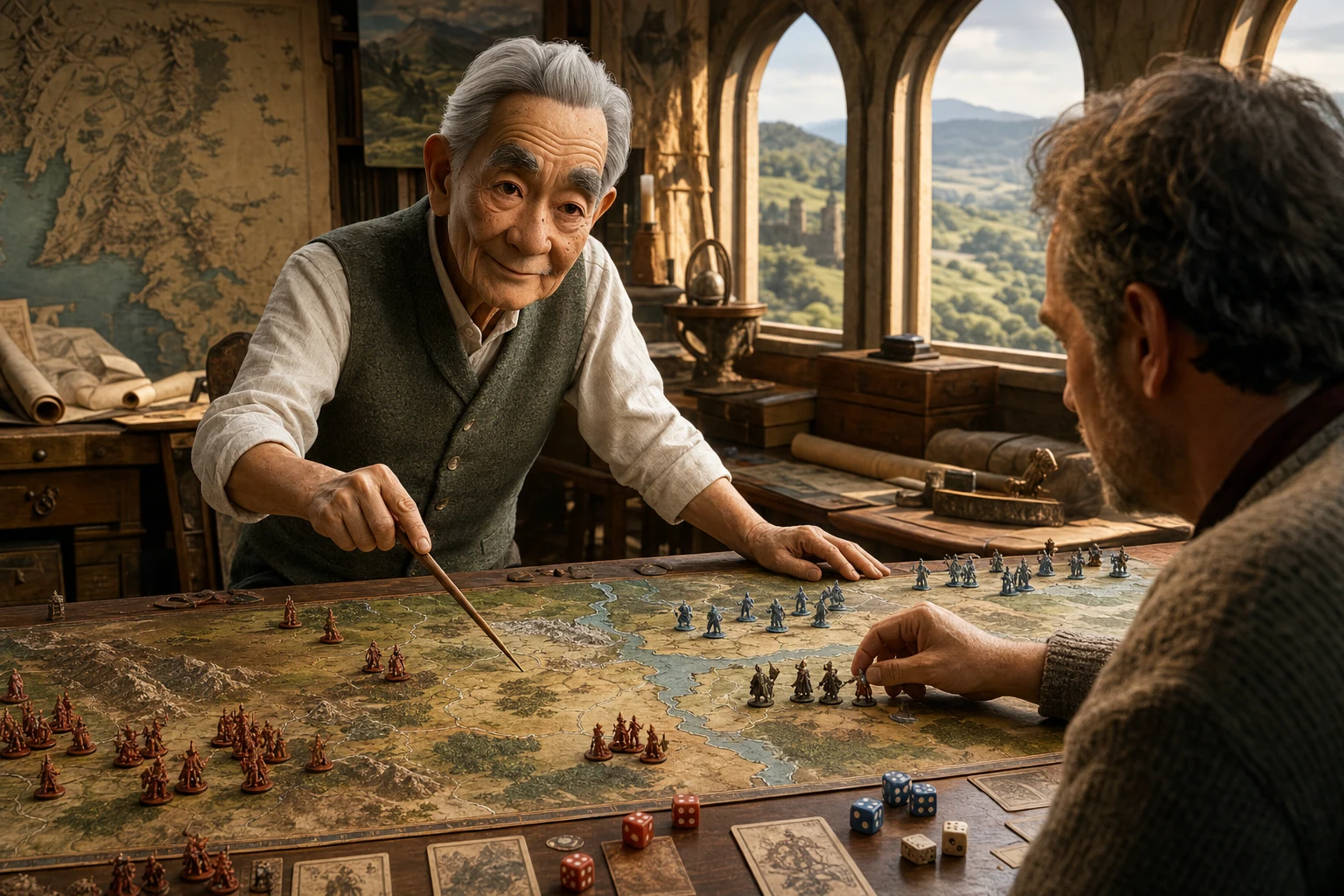

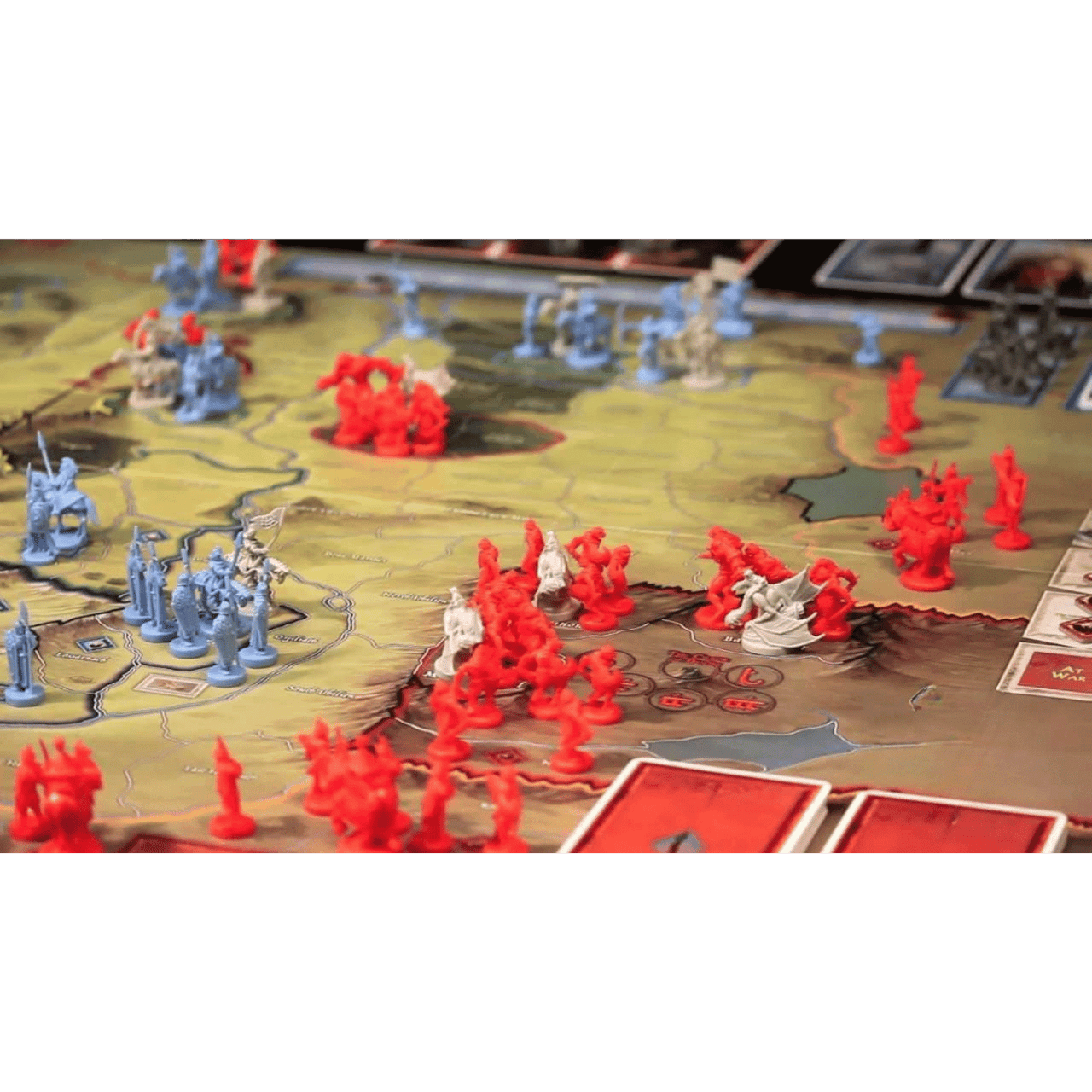
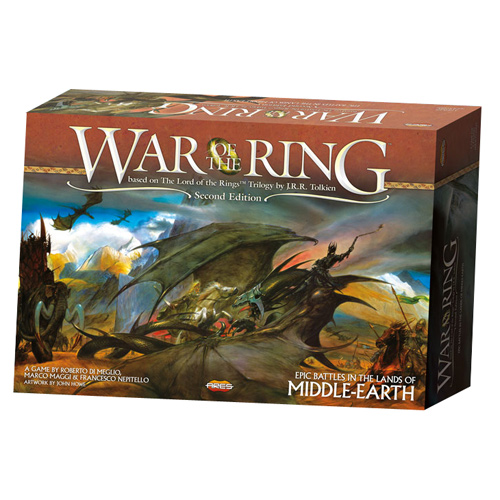 Ares Games product photograph supplied by Miniature Market. © Ares Games and credited original artists. Image source ↗ War of the Ring: Second Edition See it on Amazon ↗
War of the Ring converts Tolkien’s familiar map into asymmetric strategic pressure. The Free Peoples must manage the Fellowship, political activation, and survival while the Shadow applies military force and searches for the Ring. The systems are demanding because each side is learning a different problem.
That asymmetry becomes an advantage after the first play. A committed pair develops a shared strategic language, recognizes card possibilities, and can schedule rematches without coordinating a club. Community comparisons with Dune: War for Arrakis usually describe War of the Ring as deeper and more epic, and Dune as more focused and direct. Neither is a tutorial for the other. Buy War of the Ring when both players want the long Tolkien duel itself.
The physical promise is specific: Ares lists a 70 × 100 cm board, 204 plastic figures with more than 30 sculpts, 110 event and character cards, 16 action dice, and five combat dice. Those numbers matter because the two sides do not merely start in different places; they possess different information, pressures, and routes to victory.
How to make the first duel work: stage the official setup, put both player aids in reach, and teach the four victory conditions before the action dice. Play the first turn with open hands and discuss legal uses. The second game is where card memory and bluffing begin, so swap sides before concluding that one faction is easier.
One reliable rival is a better luxury than six optimistic RSVPs.
Is Twilight Imperium IV worth it for your real group?
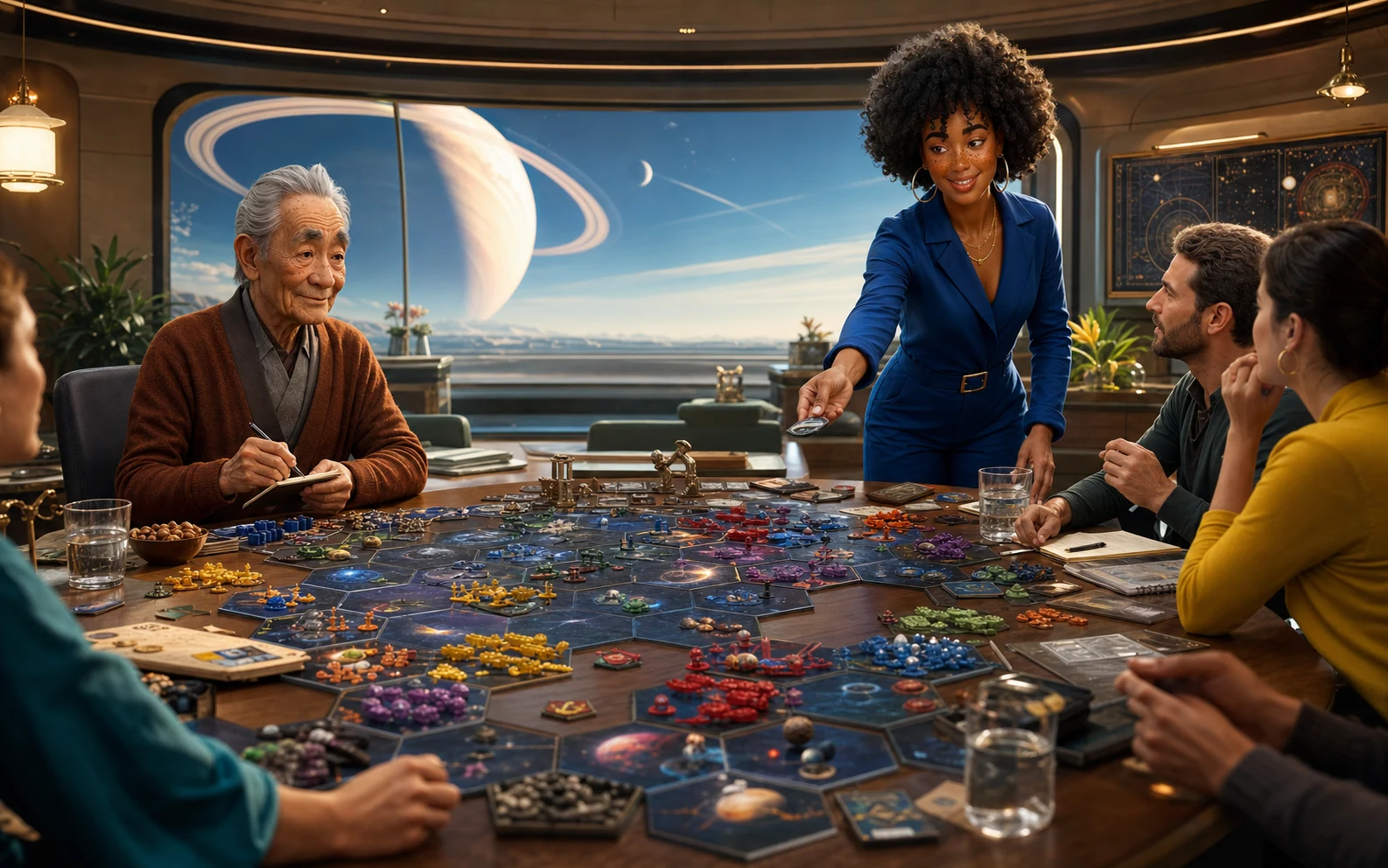

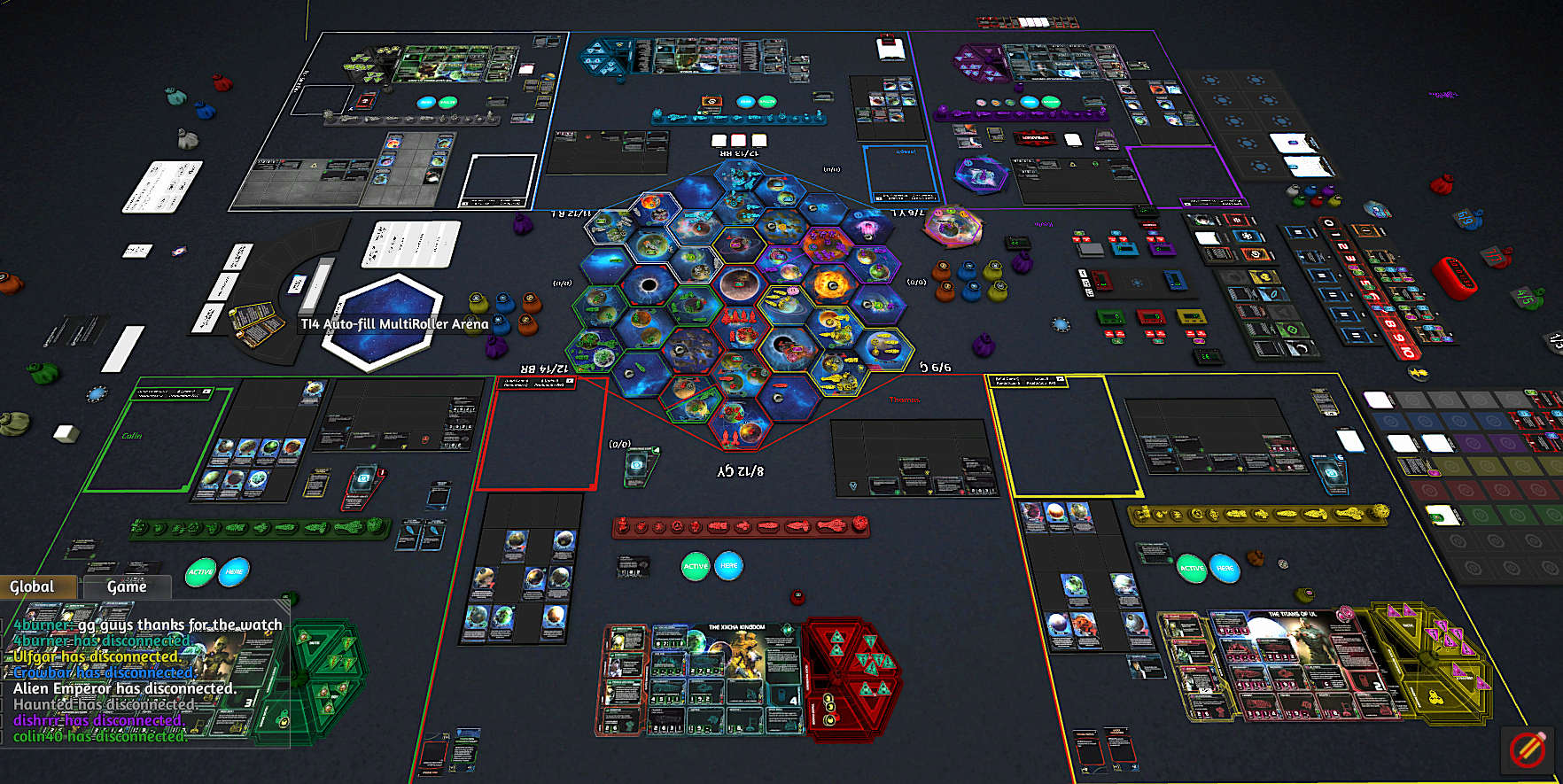
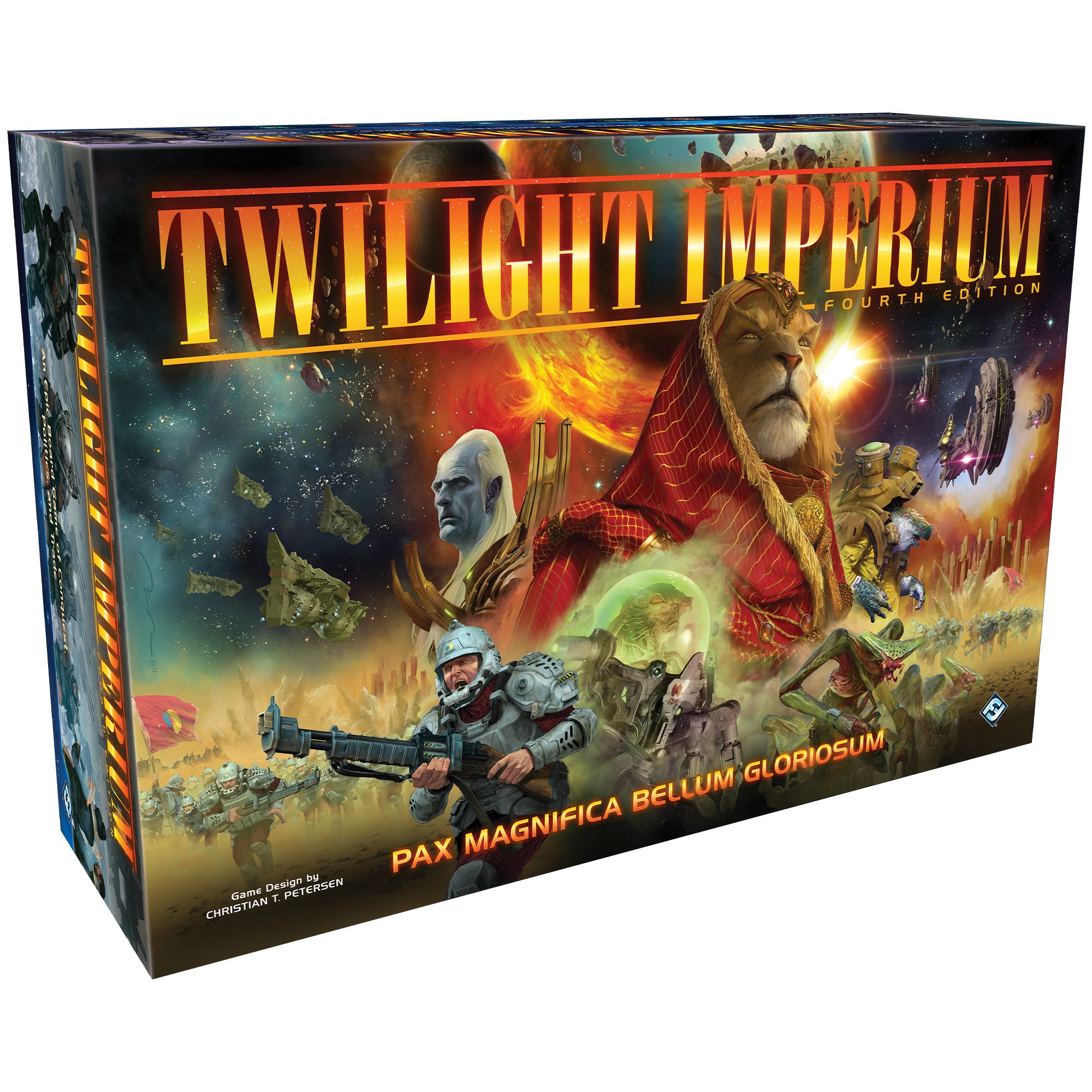 Official Asmodee / Fantasy Flight Games product image. © Fantasy Flight Games and credited original artists. Image source ↗ Twilight Imperium: Fourth Edition See it on Amazon ↗


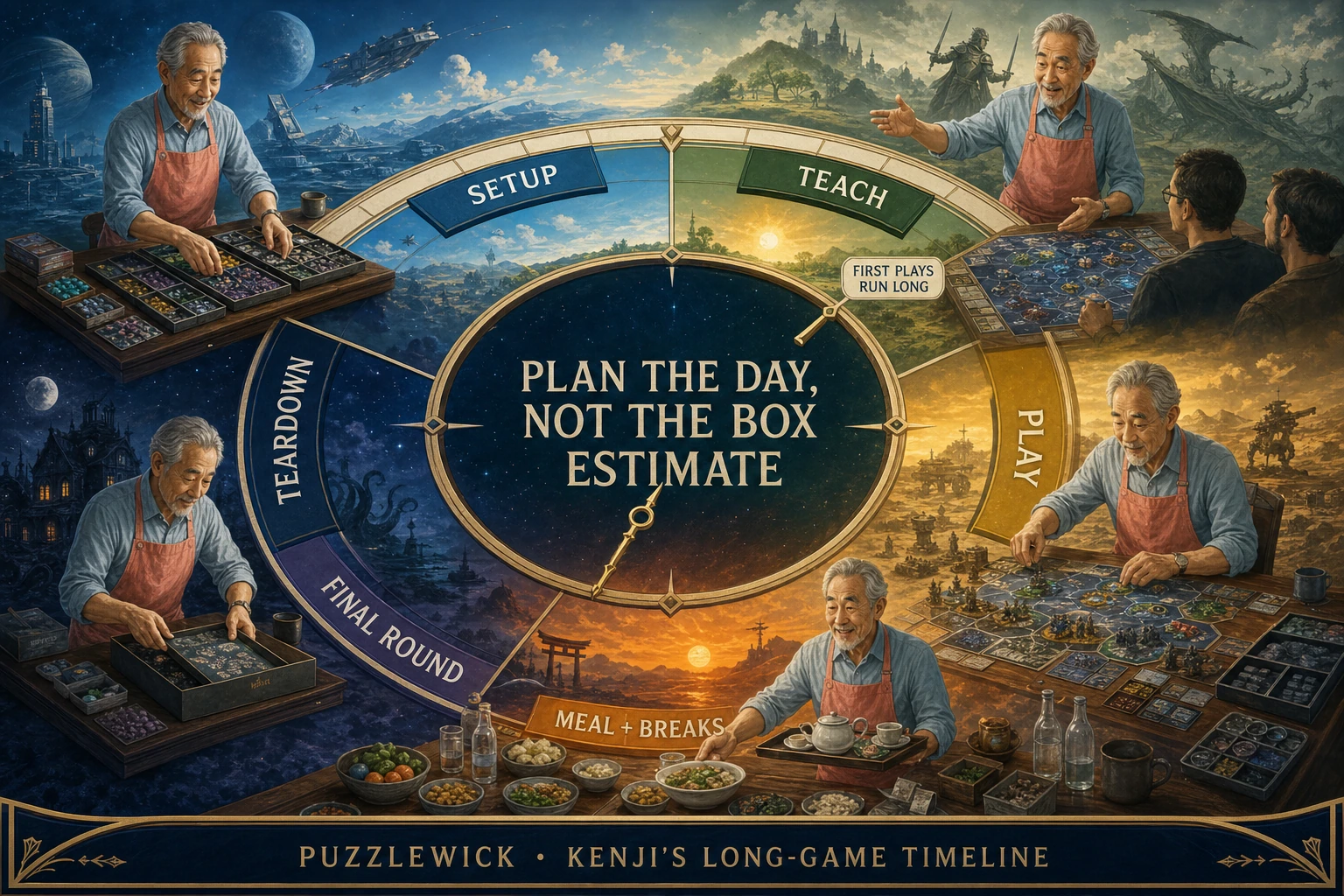
Community reality check: experienced groups can compress Twilight Imperium; new groups expand it. Politics, meals, and rules searches are not interruptions to the product. They are part of the product. Start earlier than dignity suggests.
Should you buy Dune: War for Arrakis or War of the Ring?
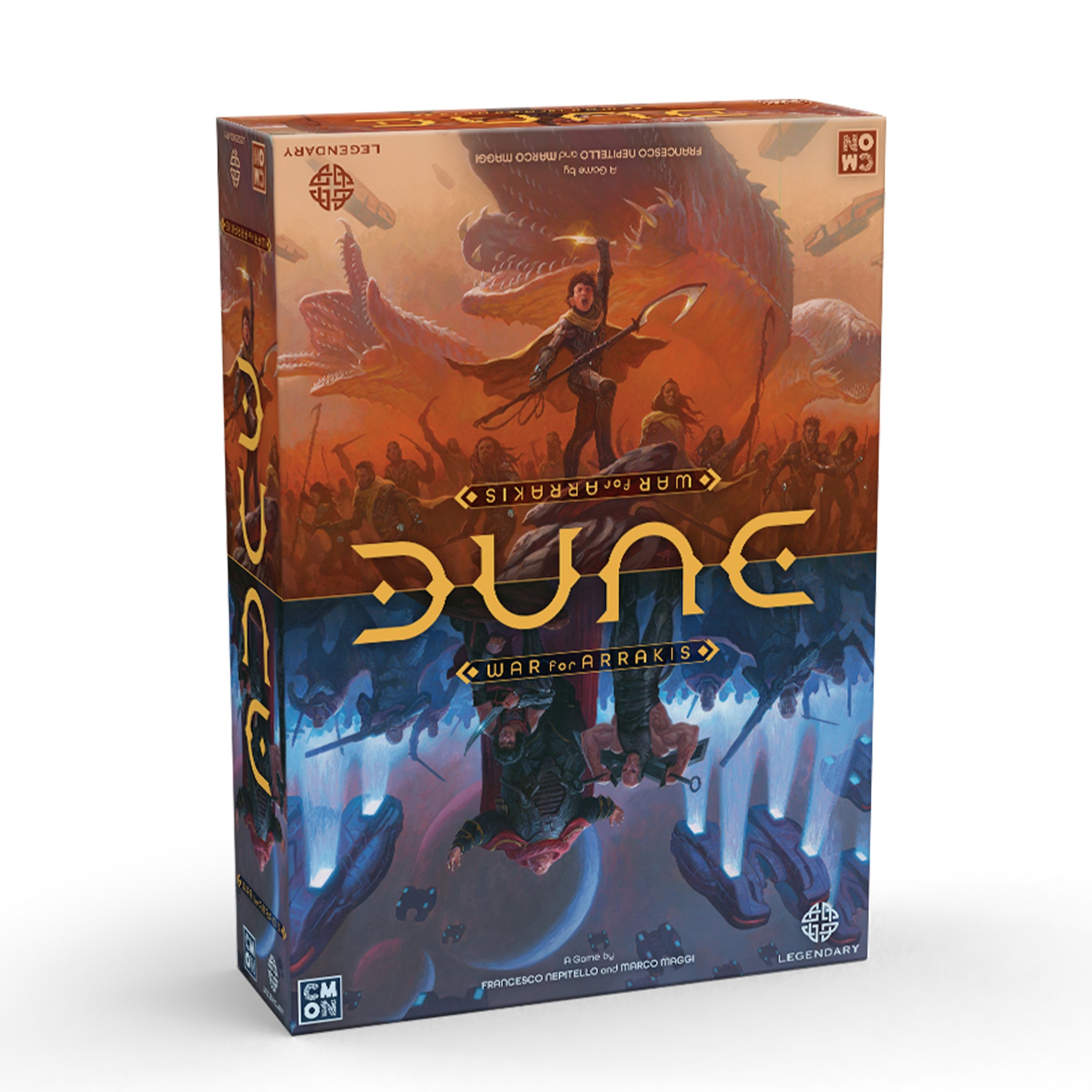


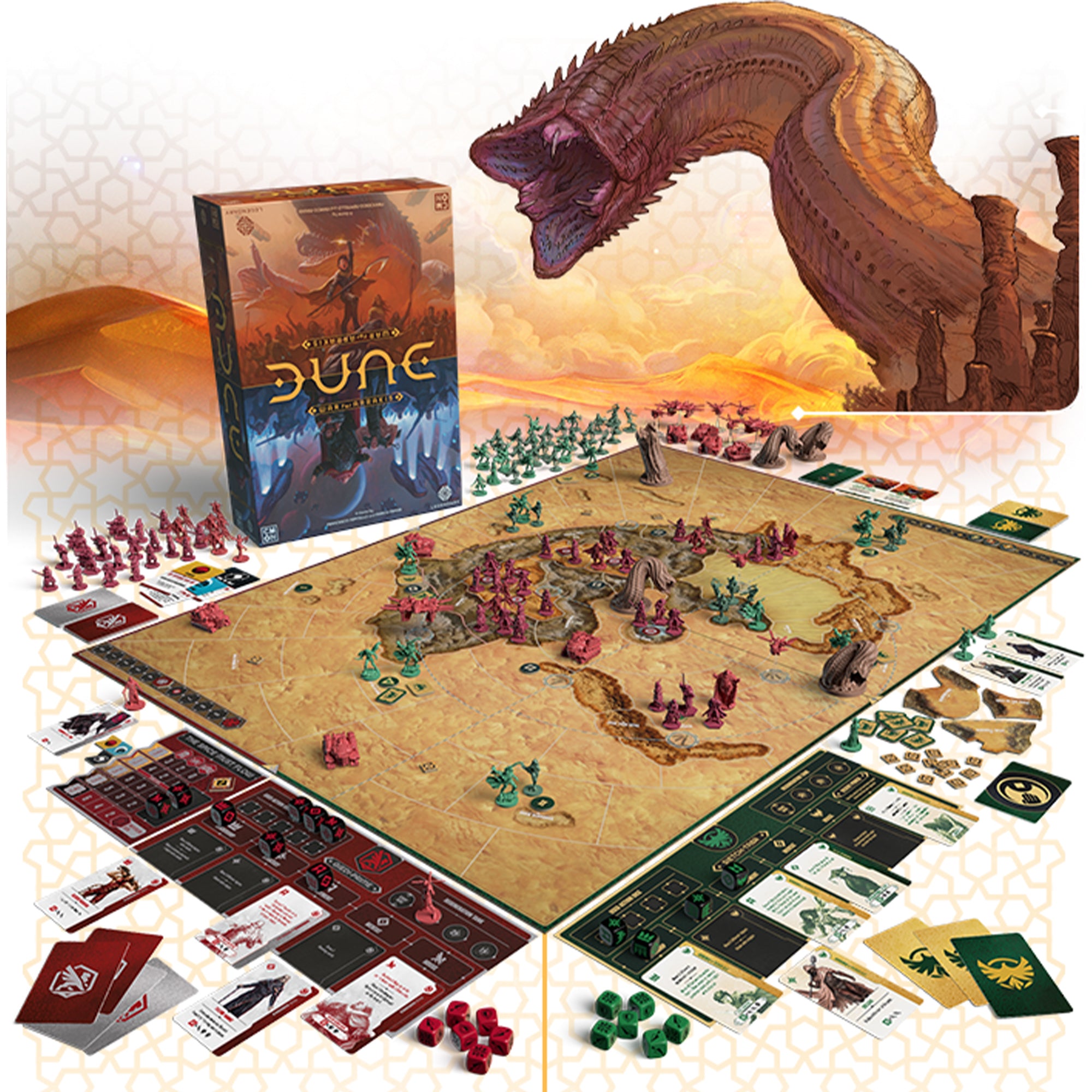

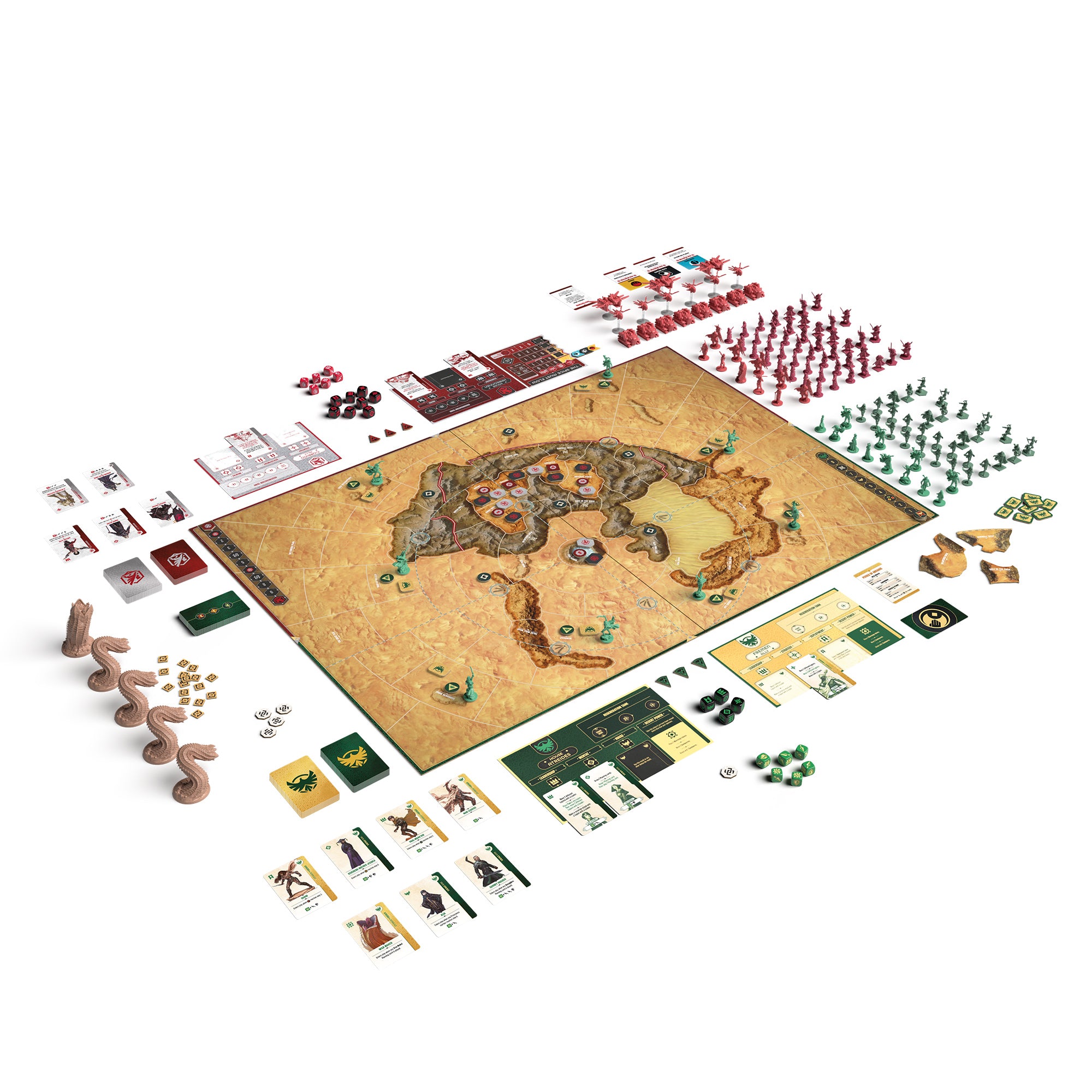
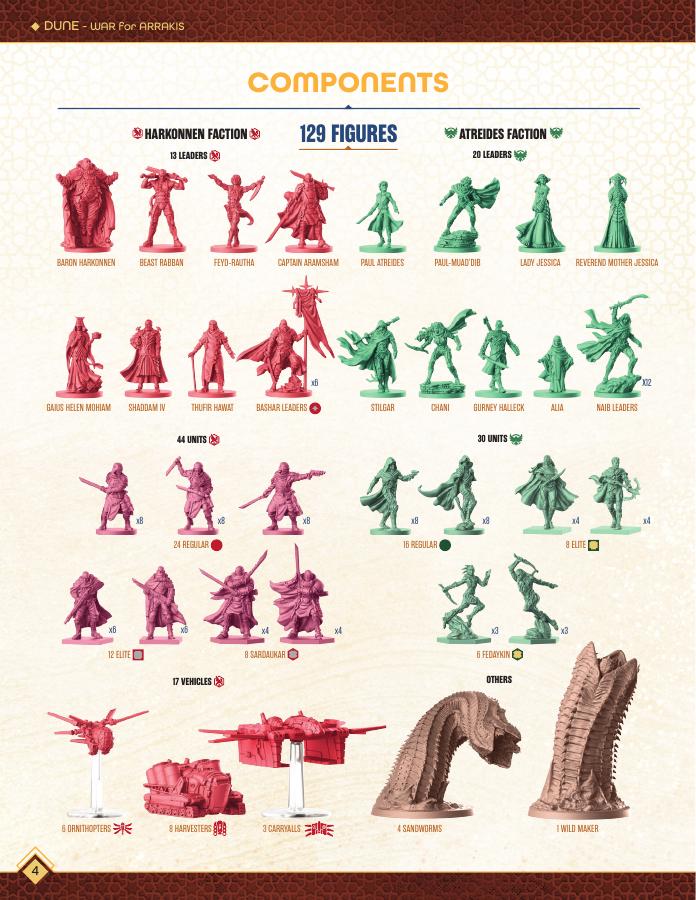
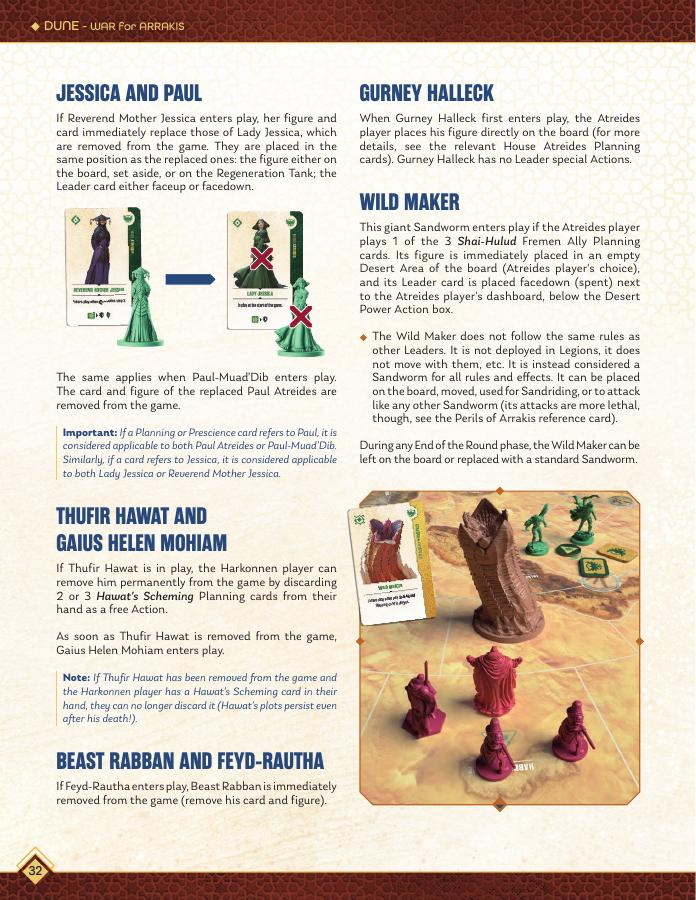
Dune: War for Arrakis is the right two-player grail when both players love Dune’s factions, prophecy, desert control, and violent asymmetry but want a more focused event arc than War of the Ring. Its systems still deserve a deliberate teach; “shorter than another enormous duel” does not mean beginner-light.
Recent community questions expose the biggest purchasing mistake: treating Dune as a stepping stone to War of the Ring. Buyers who already own unopened heavy games do not need another preparatory box. They need one game both players are excited to learn. Choose Dune for Dune. Buy the core before any expansion or upgraded component. The base box contains the decision you are trying to evaluate.
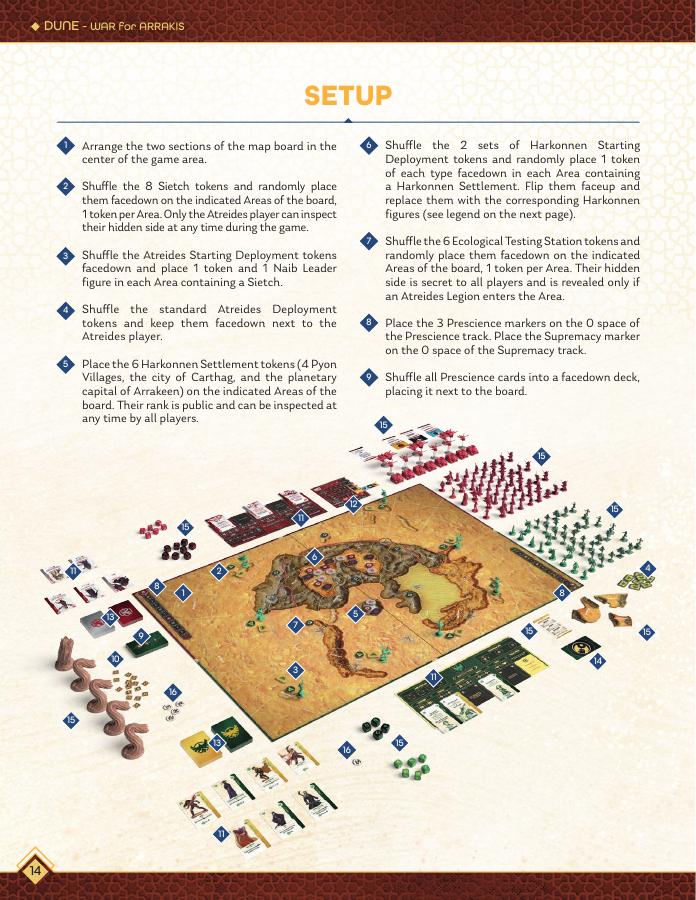
What the duel is buying: Dune compresses large-scale conflict, desert control, prescience, leaders, and faction-specific pressure into a more focused arc than War of the Ring. The official component and setup pages make clear that the core is already a complete table event. Expansion boxes change possibilities; they are not missing rules.
First-play protocol: each player reads only their own faction aid, both players learn every victory condition, and the teacher explains why the two sides value the same spaces differently. Play core-only and swap factions before judging balance. If both players quote Tolkien more readily than Herbert, buy War of the Ring; theme knowledge is strategic memory in both games.
Is Cthulhu: Death May Die worth it as a premium event game?
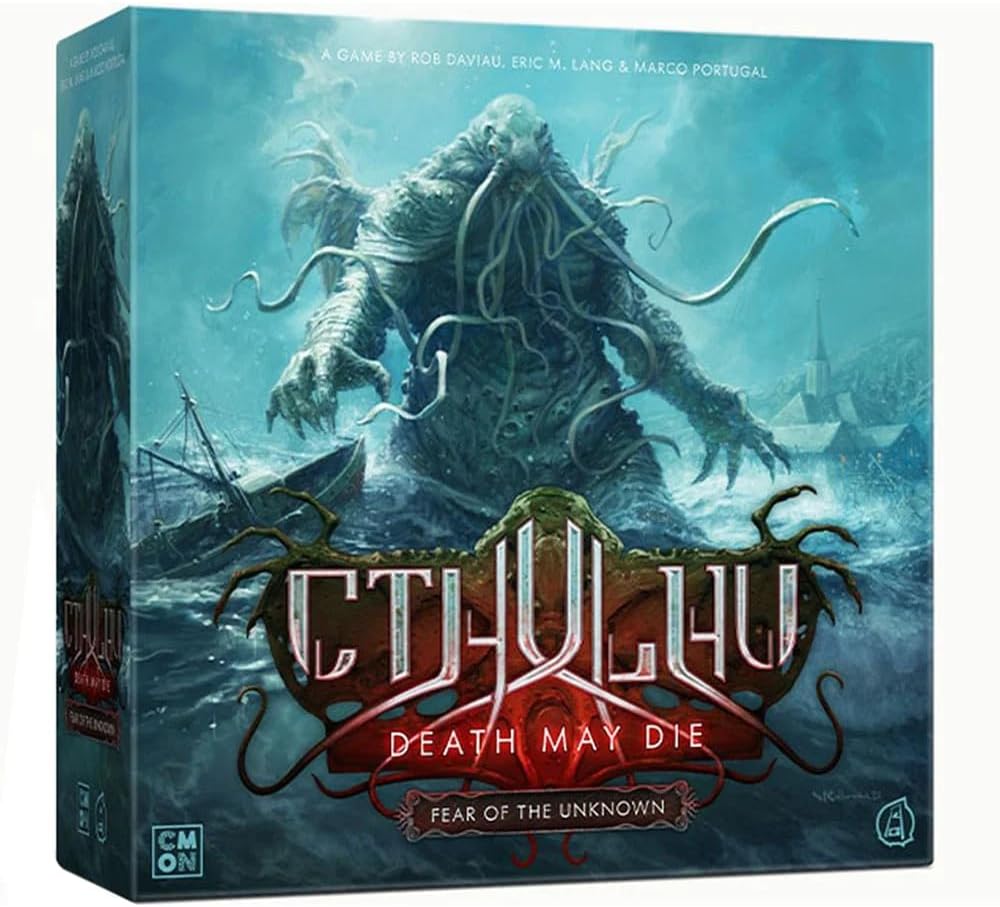


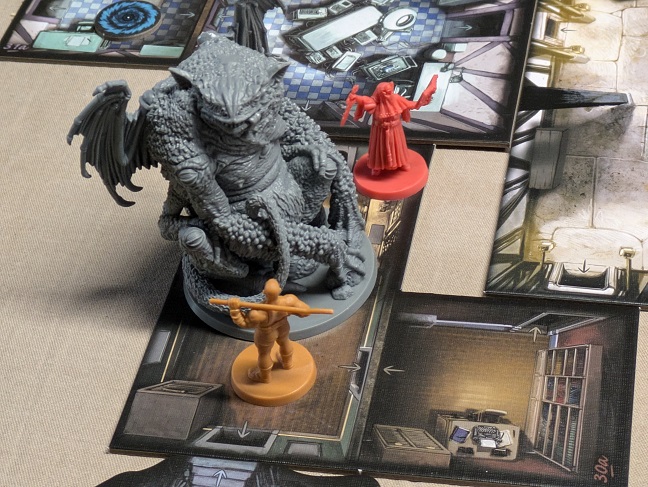

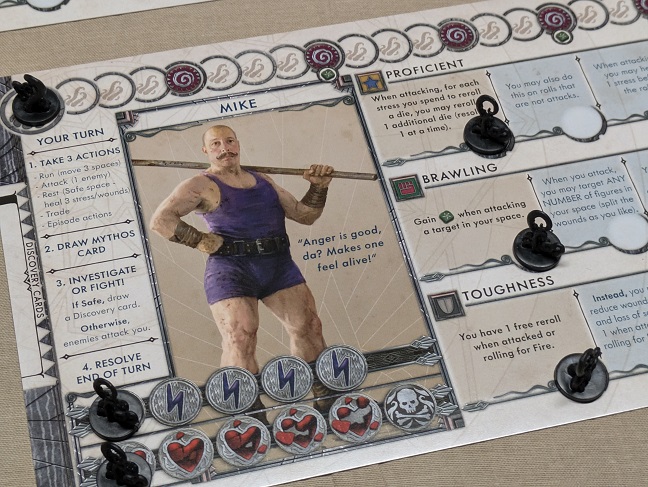
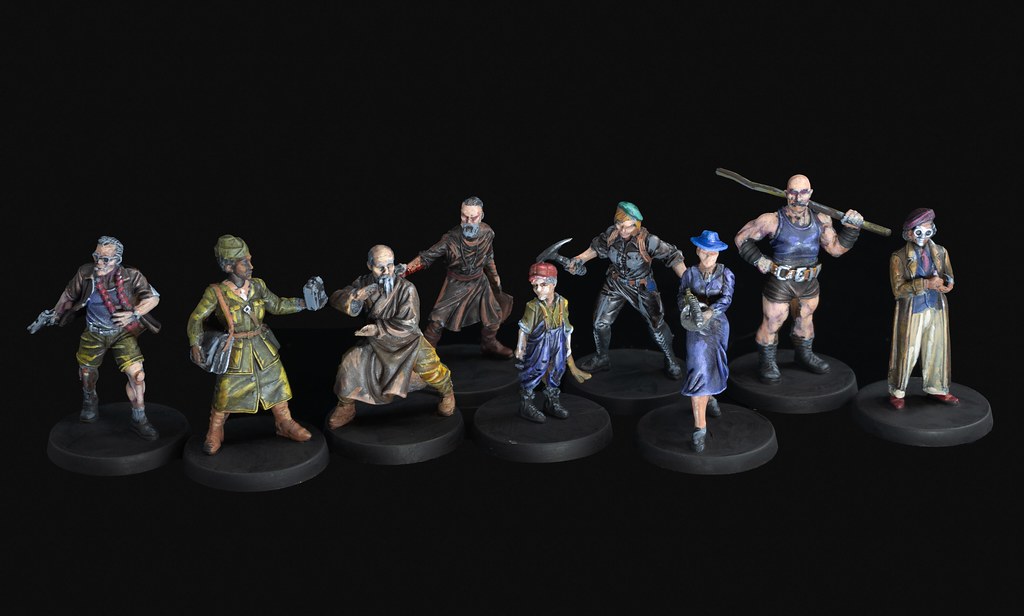
Fear of the Unknown offers modular investigators, scenarios, and Elder Ones inside a compact dramatic arc. It creates the visual pleasure of a miniature grail without requiring a continuous campaign or a full-day summit. That makes it the strongest recommendation for a social group that wants theatrical dice, powers, escalating danger, and a satisfying ending in an ordinary game-night window.
The warning is completionism. The product line can make an owner feel that more episodes, monsters, and plastic are necessary before the system is “whole.” They are not. Buy one playable core, learn its scenarios, and observe whether the group wants more combinations. Dice volatility and sudden disaster are part of the experience; strategy purists who resent swing should choose Eclipse or a committed duel instead.
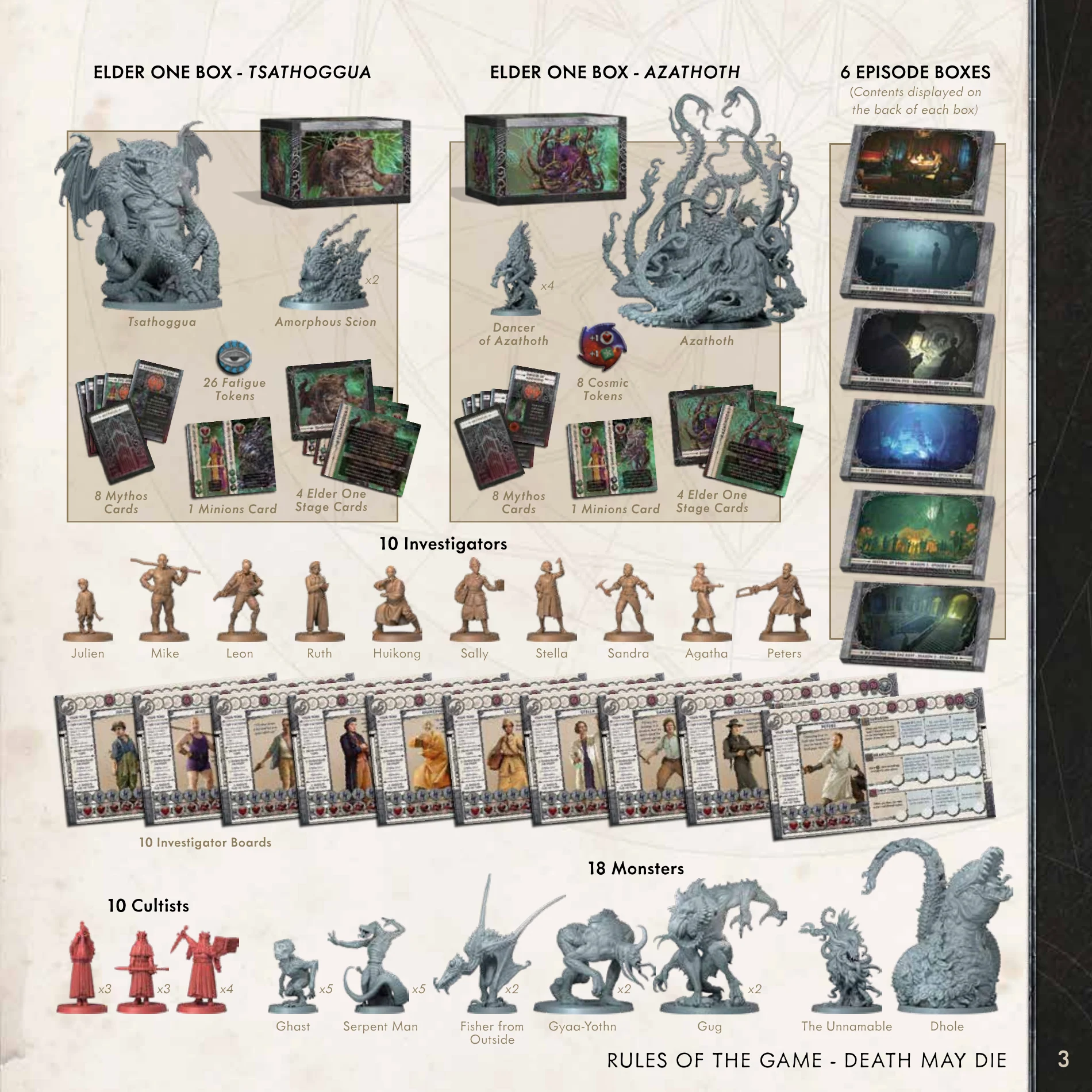
How much game is in one standalone core: the official Fear of the Unknown rulebook lists six episode boxes, two Elder One boxes, ten investigators, eighteen monsters, 17 double-sided map tiles, and the decks and dashboards needed to recombine them. CMON confirms that Season 1 is not required. That makes “buy one core and stop” a complete recommendation, not an austerity version.
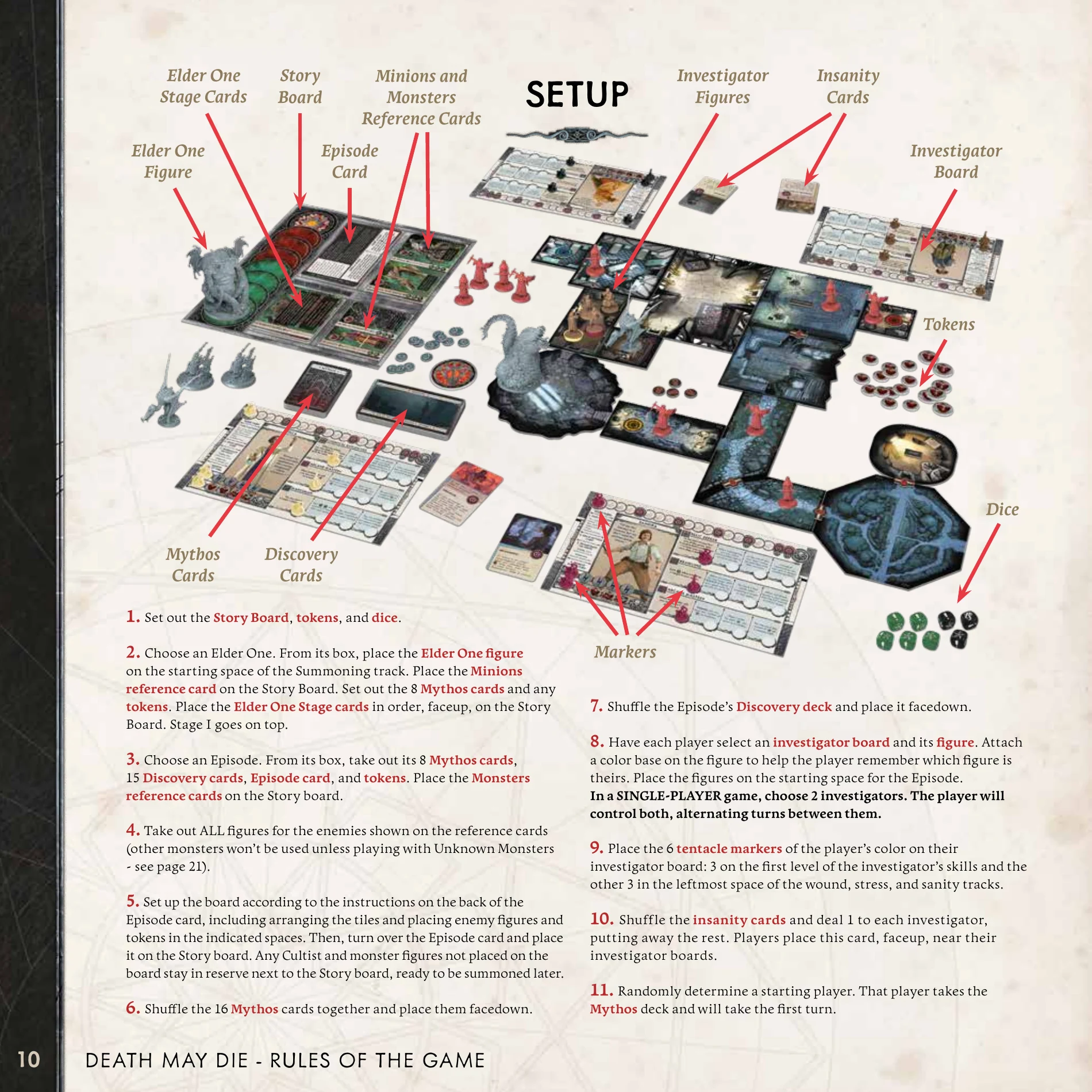
Margo’s setup rule: pick the episode and Elder One before inviting players, then offer a small investigator shortlist rather than ten dashboards at once. Teach the insanity track as a power curve and a loss threat. Players who enjoy controlled swing will love the dice drama; players who want low-variance calculation should buy Eclipse.
One played core box is more complete than three shrink-wrapped seasons.
How do you know whether your group is ready?
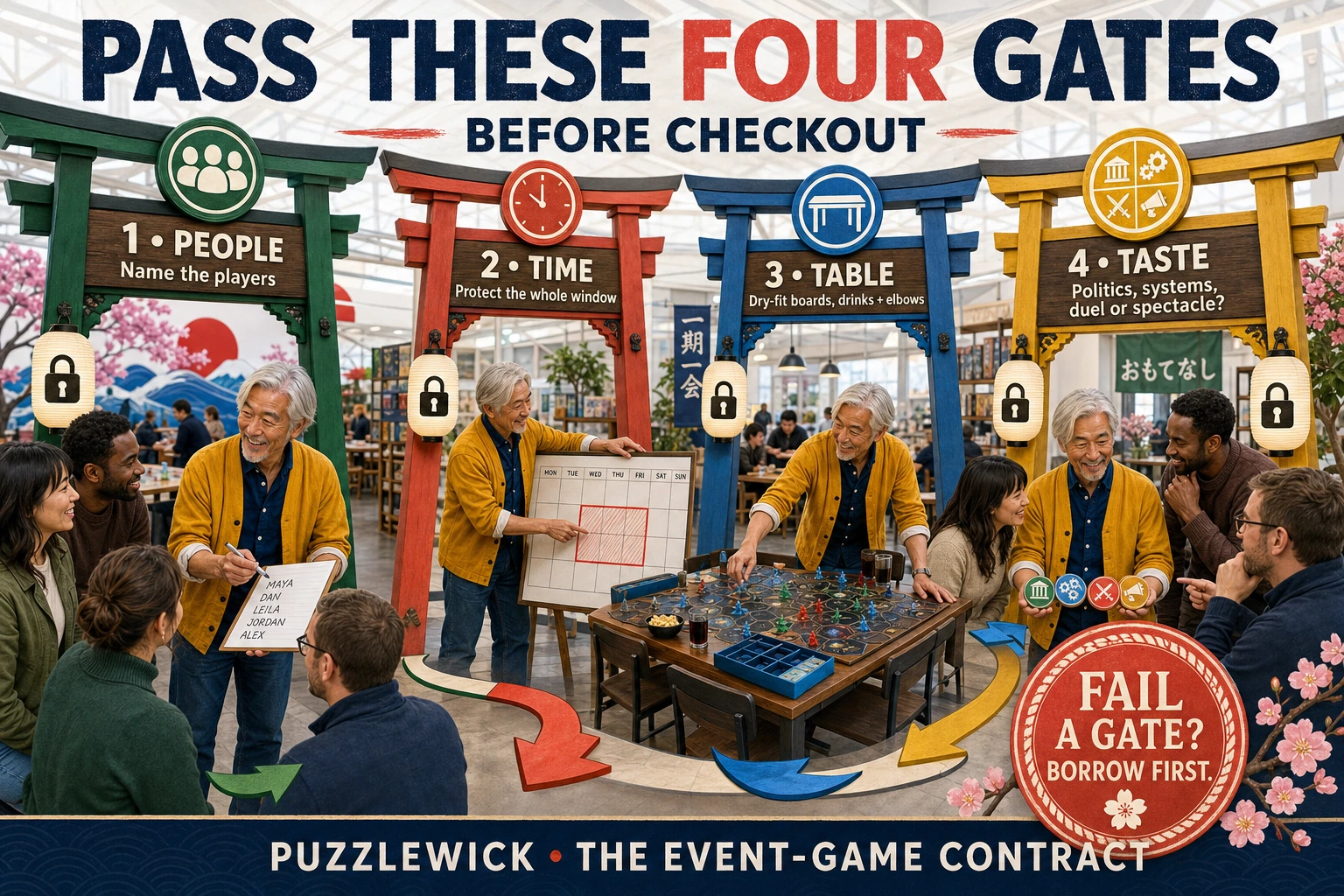
One failed gate is not a moral failure. It is permission to borrow first, which is cheaper than using a premium insert to organize regret.
How do you host the first play without sacrificing the ending?
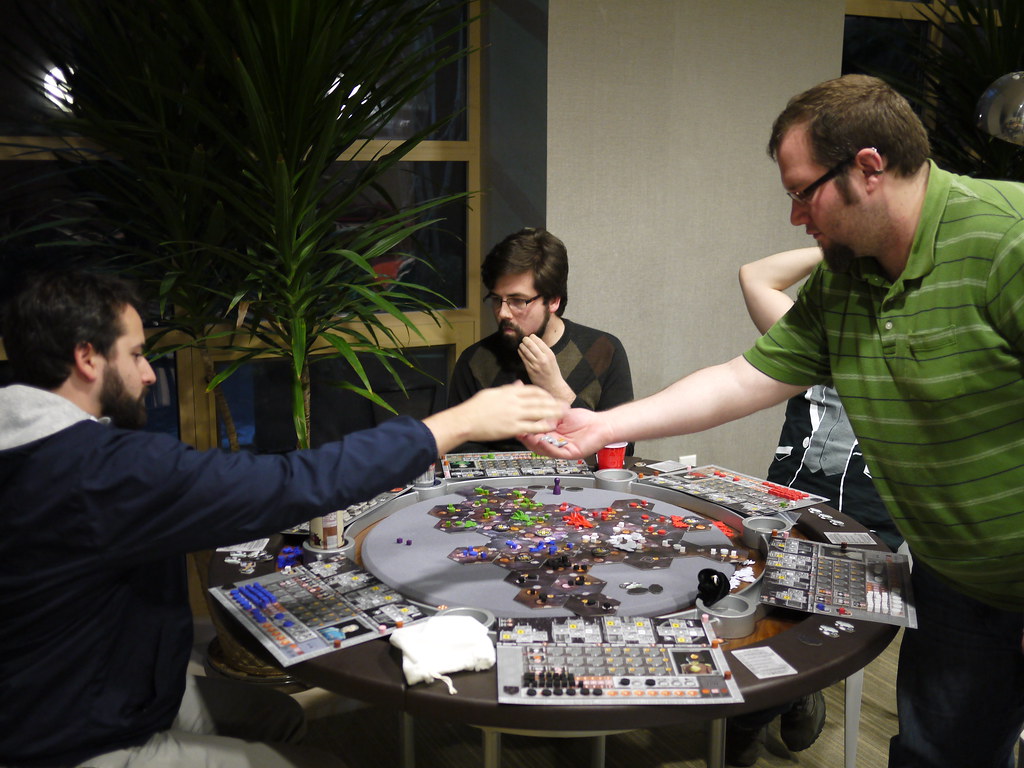

Send a two-minute premise and one rules video several days before the event, but do not assign homework as a substitute for teaching. Set up before guests arrive. Give each player one identity sentence and one first-turn goal. Keep reference sheets visible. Explain victory before mechanisms. Schedule food at a natural round break. Photograph the table state only if the game genuinely supports pausing; otherwise protect enough time to finish.
For a two-player epic, play the opening turns openly and discuss legal options. For Eclipse, teach resources and influence before ship parts. For Twilight Imperium, teach objectives and tactical actions before negotiation flourishes. For Death May Die, explain insanity and scenario loss conditions before ability details. The host’s job is to make the first meaningful decision arrive quickly.
- Name the ending time and add teaching, food, and teardown to the schedule.
- Pre-sort faction or player materials; never make guests watch the host discover the insert.
- Explain the objective, turn structure, and one danger before every exception.
- Use visible reference sheets and a neutral rules source for disputes.
- Book the rematch while the table still remembers what it wants to try differently.
What is the final rule for building an event-game shelf?
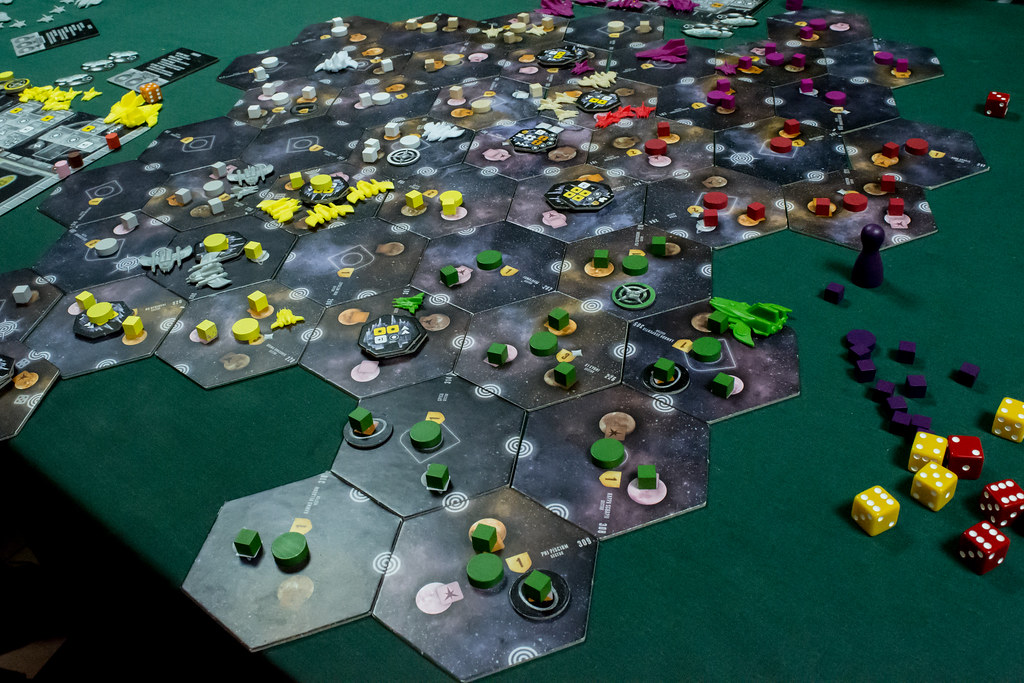
Choose Eclipse if your group wants a repeatable 4X machine. Choose War of the Ring if one partner wants to build a long rivalry. Choose Twilight Imperium if five or six named people want politics and can protect a day. Choose Dune when the pair wants a focused asymmetric war in that universe. Choose Death May Die when the group wants miniatures, laughter, and a dramatic ending without an epic calendar.
Do not buy two at once. Host one three times. The second expensive game should answer a desire the first cannot—politics after systems, spectacle after strategy, or a two-player duel after a group summit. That is how a grail shelf becomes a library of distinct evenings rather than a row of competing obligations.
The picks
Some links below are affiliate links — as an Amazon Associate, Puzzlewick earns from qualifying purchases, at no extra cost to you. It never changes a pick.
 6 photos
 Eclipse: Second Dawn for the Galaxy
The best all-around expensive event-game purchase on Amazon. The trays shorten setup, the economy stays legible, and ship customization gives the table something delicious to inspect.
- Repeatable 4X arc in one long evening
- Excellent functional storage
- Ship design creates visible strategic identity
- Exploration and discovery draws can swing
- Less political theater than Twilight Imperium
- Needs a deliberate first teach
War of the Ring: Second Edition
The safest expensive event purchase because it requires one partner, not a six-person summit. It turns familiar geography and characters into strategic pressure rather than decorative theme.
- Deep asymmetric two-player design
- Theme and mechanics reinforce each other
- A relationship game that rewards repeat play
- The first teach is demanding
- A full game can run long
- A poor spontaneous game-night choice
Twilight Imperium: Fourth Edition
The best event here and the riskiest purchase. It is worth every dollar after the players and date exist; before that, it is a very large hypothesis.
- Unmatched political table stories
- Seventeen factions in the base game
- A true destination game
- The day-length commitment is real
- Player count and group temperament are decisive
- Expansion temptation arrives before mastery
 6 photos
 Dune: War for Arrakis
The right expensive duel when Dune is the stronger shared language or when War of the Ring feels like too much ceremony. The objectives stay dramatic, but the path is more focused.
- Strong asymmetric identity
- Dramatic objectives and powers
- More direct event arc than War of the Ring
- Still a substantial teach
- Core box should come before extras
- Less long-established strategic literature than War of the Ring
 6 photos
 Cthulhu: Death May Die – Fear of the Unknown
The most accessible spectacle pick. It produces big table moments without requiring a campaign calendar or an all-day negotiation summit.
- Modular episode and Elder One combinations
- Immediate visual spectacle
- Easier to schedule than the 4X games
- Miniature abundance drives price and storage
- Dice volatility is part of the experience
- One core box is enough before expansions
At a glance
| Game | Players | Honest window | Table vibe | Buy when |
|---|---|---|---|---|
| Eclipse: Second Dawn | 3–6 | One long evening | Economy, technology, conflict | The group wants repeatable systems |
| War of the Ring | 2 | Long afternoon or evening | Asymmetric Tolkien duel | One committed opponent exists |
| Twilight Imperium IV | 3–6 | Protected day | Politics, trade, threats, objectives | Five or six players and a date exist |
| Dune: War for Arrakis | 2 | Focused long session | Direct asymmetric war | Both players specifically want Dune |
| Cthulhu: Death May Die | 1–5 | Ordinary event night | Dice, powers, miniature spectacle | The group wants drama without a campaign |
Questions, answered
What is the best expensive event board game on Amazon in 2026?
Eclipse: Second Dawn is the best broad recommendation because its premium production supports a repeatable three-to-six-player 4X game in one long evening.
Is Eclipse better than Twilight Imperium IV?
They serve different groups. Eclipse is an economic and technological 4X system with repeatable pacing. Twilight Imperium is a longer political event driven by negotiation, faction powers, and public objectives.
Which expensive board game is best for two players?
War of the Ring is the deepest long-term two-player grail. Dune: War for Arrakis is the more direct asymmetric conflict and the better choice when Dune is the shared obsession.
How long does Twilight Imperium IV really take?
Fantasy Flight lists four to eight hours, but a first game with teaching, food, breaks, and active negotiation can take longer. Protect an entire day rather than planning around the shortest number.
Should I buy Dune: War for Arrakis before War of the Ring?
Not as a stepping stone. Buy Dune if both players want Dune’s factions and more direct arc. Buy War of the Ring if both want the deeper Tolkien duel.
Is Cthulhu: Death May Die a campaign game?
No continuous campaign is required. Its modular episodes, investigators, and Elder Ones create standalone sessions, which makes it easier to schedule.
Should I buy expansions with these games?
No. Play the exact core product at least three times. Twilight Imperium, Dune, and Death May Die all offer enough base content to reveal whether more variety will be used.
What is the biggest cause of shelf of shame for expensive strategy games?
Buying for an imaginary player count. Name the players, date, and host before purchasing a game that depends on five or six people.
Why does this guide not rank by component count?
Component volume predicts storage and setup more reliably than enjoyment. We rank by group fit, repeatability, event quality, functional production, and the chance of reaching a satisfying ending.
Are the Amazon links direct affiliate links?
Yes. Every product button leads to the exact product-detail ASIN with Puzzlewick’s Amazon Associates tag. Prices and sellers should still be verified at checkout.
Kenji's verdict
Eclipse is the best repeatable premium event purchase. War of the Ring is the best grail for one dedicated pair. Twilight Imperium is worth it only after the political group and date exist. Dune is the direct asymmetric duel for two people who specifically want Dune. Cthulhu: Death May Die is the accessible miniature spectacle. Buy the evening your real group wants—not the box that best photographs on the shelf.
Research ledger 26 sources · reviewed 2026-07-24
Specifications, rules, current product information, community experience, and contrary evidence were checked against the sources below. Commercial links are kept separate from editorial evidence.
- Lautapelit.fi · Eclipse: Second Dawn official product pageen.lautapelit.fi/product/42986/eclipse---2nd-dawn-for-the-galaxy-from-us-stock
- BoardGameGeek · Eclipse: Second Dawnboardgamegeek.com/boardgame/246900/eclipse-second-dawn-for-the-galaxy
- Fantasy Flight Games · Twilight Imperium Fourth Editionfantasyflightgames.com/en/products/twilight-imperium-fourth-edition
- BoardGameGeek · Twilight Imperium Fourth Editionboardgamegeek.com/boardgame/233078/twilight-imperium-fourth-edition
- Ares Games · War of the Ring product linearesgames.eu/games/war-of-the-ring-line
- Ares Games · War of the Ring rulebook archivearesgames.eu/5575
- BoardGameGeek · War of the Ring Second Editionboardgamegeek.com/boardgame/115746/war-of-the-ring-second-edition
- CMON · Dune: War for Arrakis official rulebookcmon-files.s3.amazonaws.com/pdf/assets_item/resource/477/DUN001-Rulebook.pdf
- BoardGameGeek · Dune: War for Arrakisboardgamegeek.com/boardgame/367150/dune-war-for-arrakis
- CMON · Cthulhu: Death May Die – Fear of the Unknowncmon.com/product/cthulhu-death-may-die/fear-of-the-unknown
- BoardGameGeek · Cthulhu: Death May Die – Fear of the Unknownboardgamegeek.com/boardgame/373600/cthulhu-death-may-die-fear-of-the-unknown
- Reddit · Dune War for Arrakis or War of the Ring? (March 2026)reddit.com/r/boardgames/comments/1rpeg7h/should_i_buy_dune_war_for_arrakis_as_a_stepping
- Reddit · Eclipse and event-worthy games that fit an eveningreddit.com/r/boardgames/comments/1p0afkn/do_you_know_an_eventworthy_boardgame_that_fits_in
- Reddit · Current collector discussion naming Eclipse among top repeated playsreddit.com/r/boardgames/comments/1s1fcpp/comc_6_years_into_the_hobby
- Reddit · Eclipse vs Twilight Imperium comparisonreddit.com/r/boardgames/comments/bw0qc1/comparing_eclipse_to_ti4
- Amazon · Eclipse exact ASINamazon.com/dp/B08DPV8BPJ?tag=puzzlewick-20
- Amazon · War of the Ring exact ASINamazon.com/dp/1903385113?tag=puzzlewick-20
- Amazon · Twilight Imperium IV exact ASINamazon.com/dp/B074YPSTRP?tag=puzzlewick-20
- Amazon · Dune War for Arrakis exact ASINamazon.com/dp/B0CT61GDM3?tag=puzzlewick-20
- Amazon · Cthulhu Death May Die Fear of the Unknown exact ASINamazon.com/dp/B0C18YL722?tag=puzzlewick-20
- Lautapelit.fi · Eclipse rules, contents, and medialautapelit.fi/product/24681
- Ares Games · War of the Ring rules and exact contentsaresgames.eu/games/war-of-the-ring-line/war-of-the-ring-second-edition
- CMON · Dune War for Arrakis official productcmon.com/products/dune-war-for-arrakis
- CMON · Death May Die Fear of the Unknown rulebookcmon.com/wp-content/uploads/2023/06/DMD006-Rulebook.pdf
- CMON support · Fear of the Unknown is standalonesupport.cmon.com/hc/en-us/articles/10413632869524-Do-I-need-Season-1-of-Cthulhu-Death-May-Die-to-play-Fear-of-the-Unknown
- boardgamegeek.comboardgamegeek.com/boardgame/246900/eclipse-second-dawn-for-the-galaxy

Every object has a lineage. Let me tell you its story.

Keep exploring
The next smart rabbit holes.
♛ Topic PathGrail Board Games: compare the whole shelfA grail earns its space only when the experience survives the price, setup, storage, and group commitment. These are expensive-game...Buying GuideThe Most Expensive Campaign Board Games on Amazon in 2026: 5 Grails Actually Worth ItFrosthaven, Oathsworn, Elder Scrolls, ISS Vanguard, and Tainted Grail compared by the metric the box cannot advertise: whether your real...Deep DiveEclipse: Second Dawn for the Galaxy — The 4X Space Epic Worth Clearing the Whole Table ForA full galaxy of exploration, research, conquest, and diplomacy running on a famously elegant action-disc economy — and the version...