8 Board Games for People Who Swear They HATE Board Games
A converter's list for the friend who pushes the box away — eight quick, gorgeous, no-homework games that win over the most committed skeptic.


AI-assisted research and drafting in Yumi’s voice · reviewed by Robert Pruitt · how this guide was made
Last editorial refresh: 2026-06-30 Gold-standard QA: 2026-08-10 10 sources reviewed Affiliate links checked during gold-standard pass

The short answer
The best board games for people who hate board games are short, beautiful, and impossible to fail at alone: Azul, Ticket to Ride, Codenames, Sushi Go, Wavelength, Just One, Patchwork, and Bananagrams. Each one fixes a specific reason people quit games — the three-hour slog, the paralysis of a hundred choices, the ugly cardboard, and the friend who always wins — so a Monopoly-scarred skeptic is laughing and asking for "one more round" before they notice they're playing a board game at all.
Decision map
Choose in thirty seconds
The all-purpose first 'real' board game for almost any skeptic
The design-minded skeptic who thinks games look like grey cardboard
Big groups and parties where you need everyone playing in 60 seconds
Almost nobody actually hates board games. They hate Monopoly at hour three, the cousin who reads four pages of rules out loud, and the slow public humiliation of losing by a thousand points. Hand that same person the right game — short, tactile, a little bit social — and watch the arms uncross. These eight are the ones I reach for when someone swears, hand on heart, that they're "just not a board game person."
Start here, then go deeper
You are in the right cabinet.
 ✦ Topic PathBoard Game Buying Guides: compare the whole shelfStart with the decision, not the shelf. These guides compare the games, editions, expansions, player counts, and costs people...
 Beginner's GuideBest Gateway Board Games (2026): Picked by Who You're ConvertingTen welcoming games organized by the person at your table, with teach time, interaction and failure modes made explicit.
 ComparisonThe Best Family Board Games of 2026, Ranked (Kids + Adults Together)One table, three generations, zero meltdowns — the games that make a 7-year-old and a tired grown-up scheme against each other and both...
Why do so many people say they hate board games?
Ask a hater why, and you almost always get one of four answers. It takes too long — they're picturing a Monopoly marathon that ends in someone flipping the table. There are too many decisions — the dreaded analysis paralysis, where every turn feels like a math test. It's boring to look at — grey cardboard, tiny text, a rulebook thick as a phone. And the quiet one nobody says out loud: they always lose, and losing in front of friends stops being fun fast.
Here's the good news: every game on this list was chosen to defuse one of those landmines. None runs long. None drowns you in choices. Several are genuinely beautiful objects you'll want on the coffee table. And a couple have no losers at all — you win or lose together. Fix the real complaint and the "I hate board games" line evaporates.
What makes a board game work on a skeptic?

Three things, every time. First, a sub-five-minute teach — if you can't explain it before the eye-rolling starts, you've lost. Second, a fast first game, ideally under 30 minutes, so the worst case is "well, that was painless" instead of "I'm trapped here forever." Third, a hook that isn't strategy — beautiful tiles to snap into place, a joke that lands, a clever word that makes the table groan and laugh at once.
The sneaky fourth ingredient is social cover. A skeptic relaxes the moment the game stops feeling like a test of intelligence and starts feeling like a conversation. That's why so many of these are about reading the room, not crunching numbers — the "game" part hides inside the chatting.
Which game is the all-time best gateway? (Ticket to Ride)
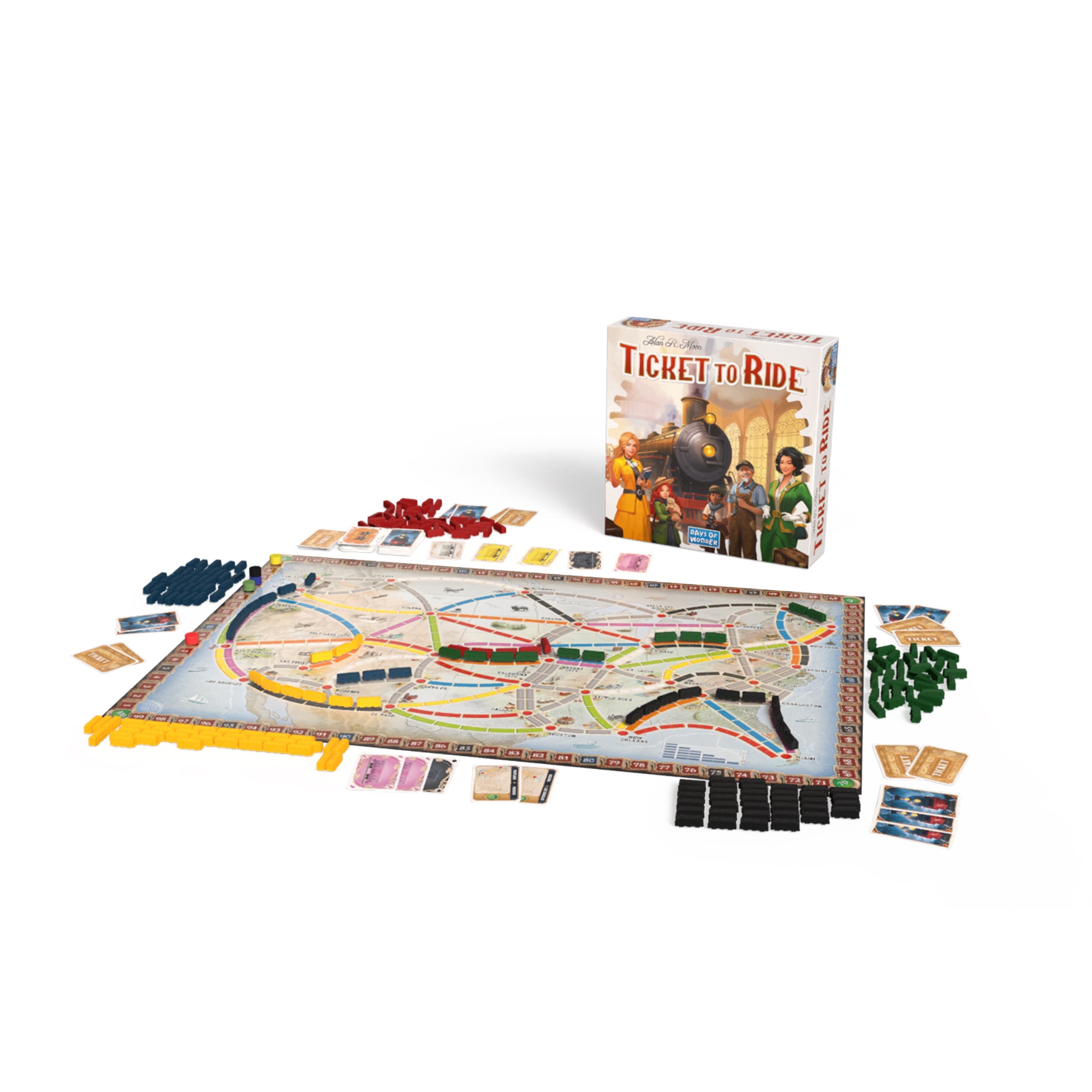
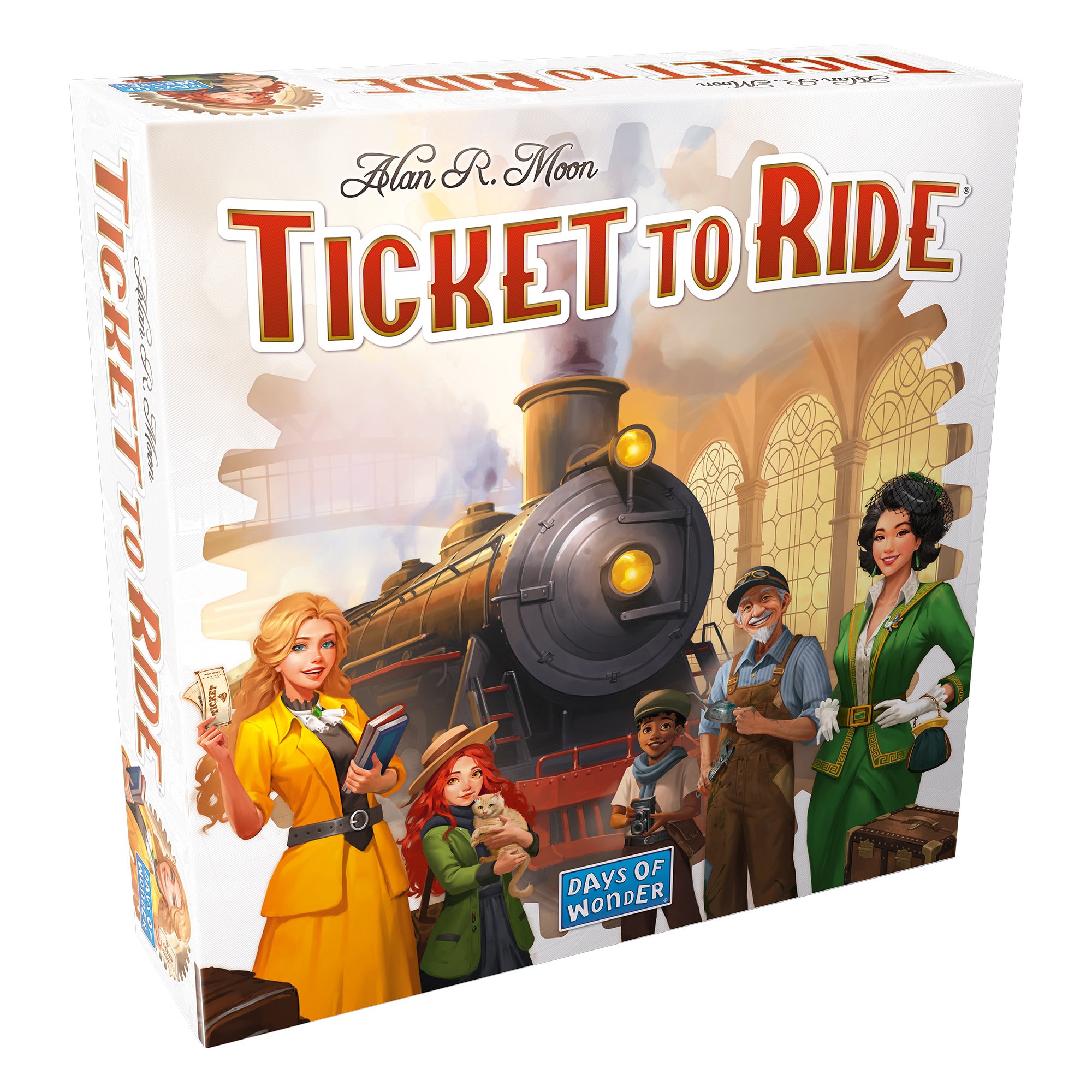
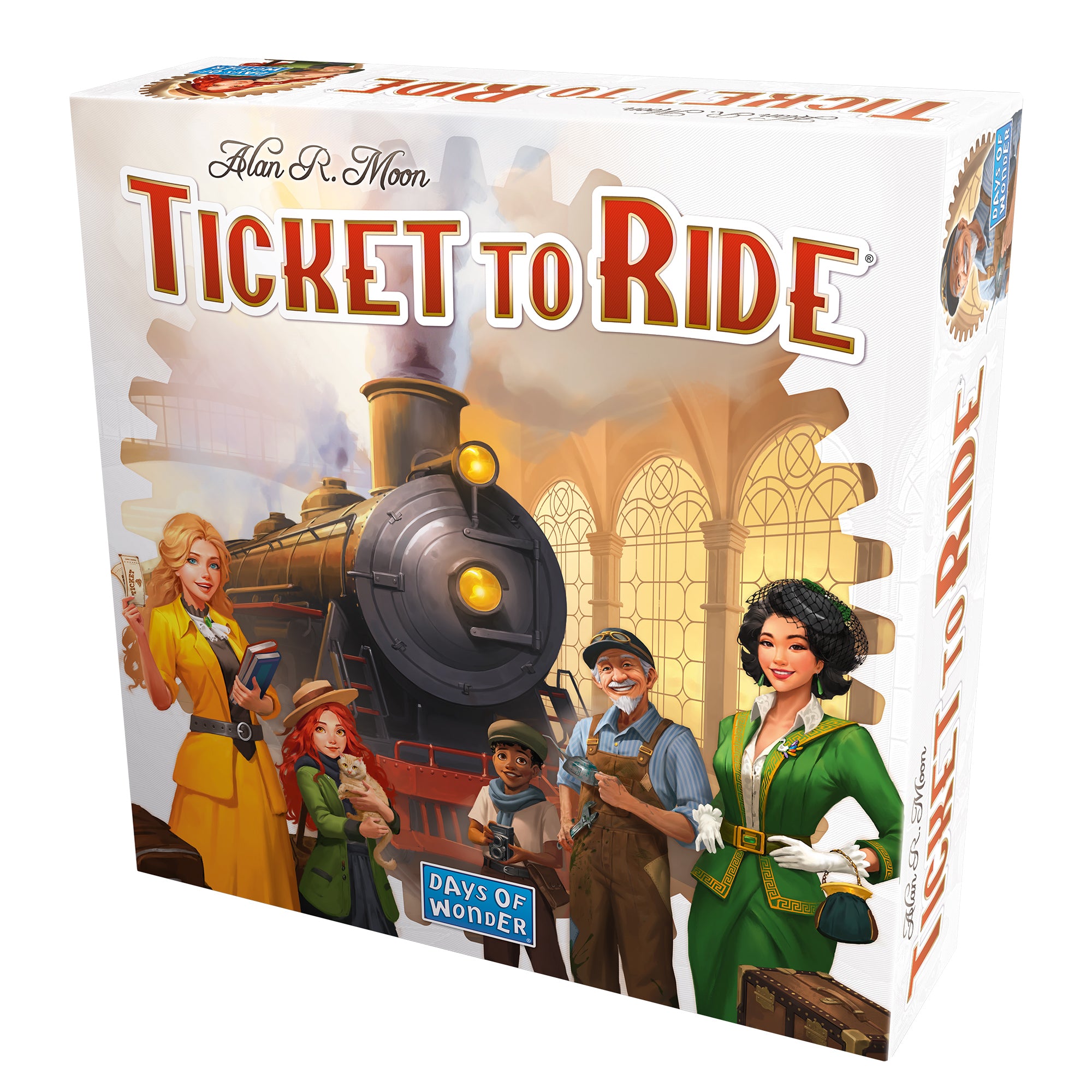
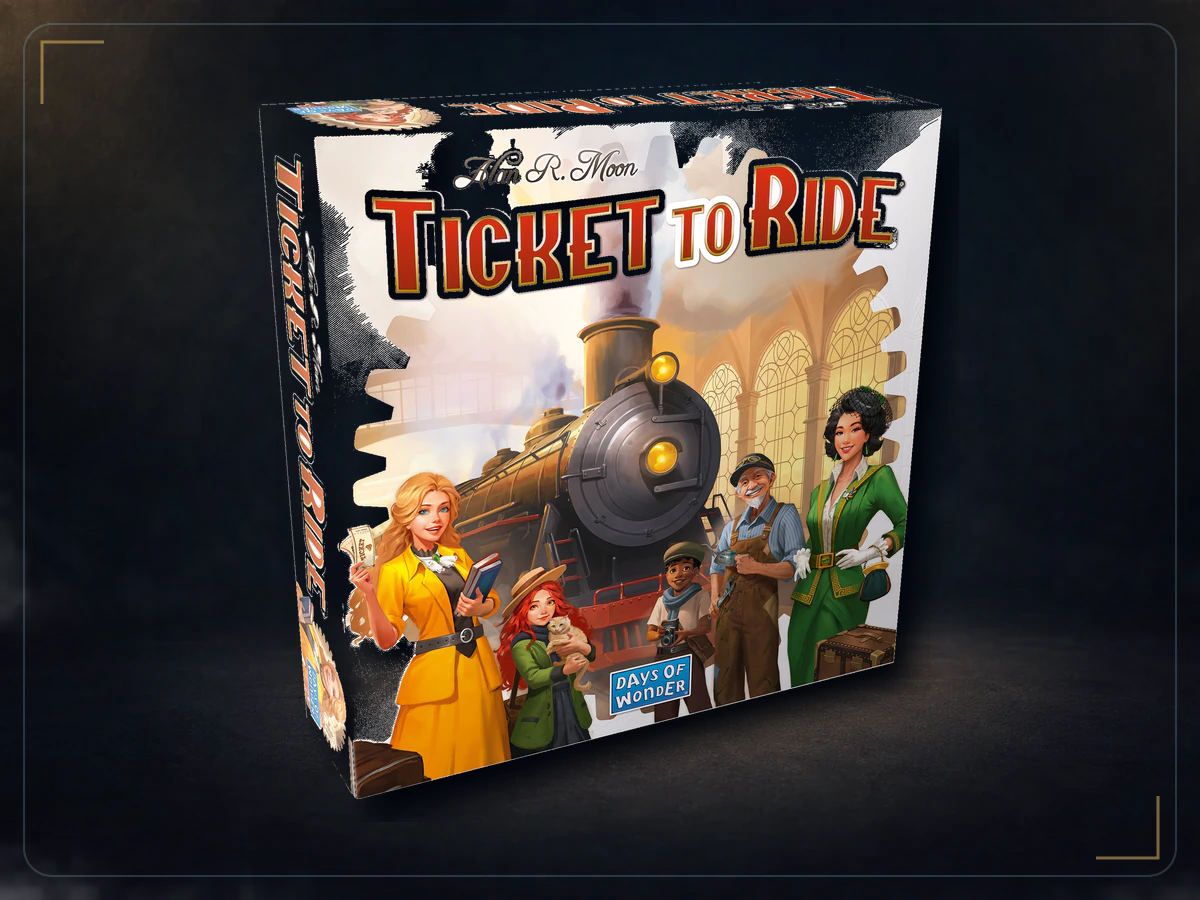
If I could only hand a skeptic one box, it's Ticket to Ride. You collect colored train cards, then spend them to claim routes across a map of the United States — that's essentially the whole game, and it teaches in about five minutes. It has quietly converted more "I don't like board games" people into Saturday-night regulars than anything else on the shelf.
What makes it click is the shape of the experience: there's just enough tension (someone might grab the route you wanted) without any of the cruelty that makes Monopoly miserable. Nobody gets knocked out. Games land around 30–60 minutes. And finishing a long red route from coast to coast gives a little satisfying click of accomplishment that hooks people who swore they'd hate it.
What's the most beautiful game for people who think games are ugly? (Azul)
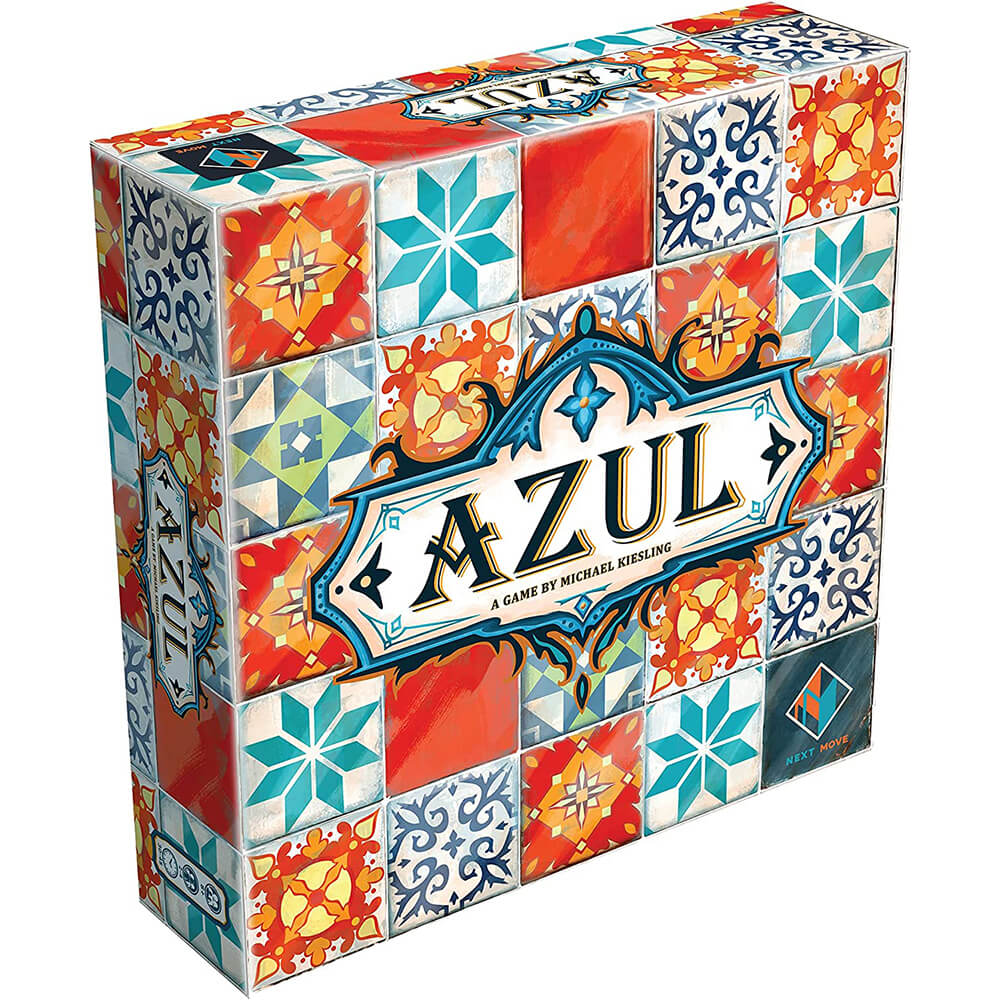

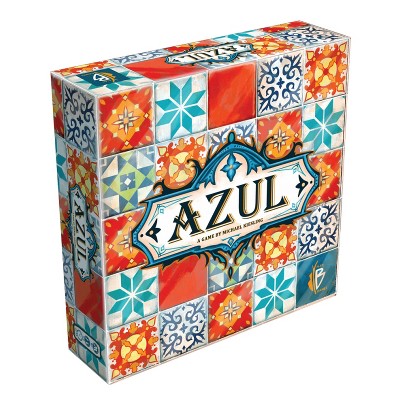
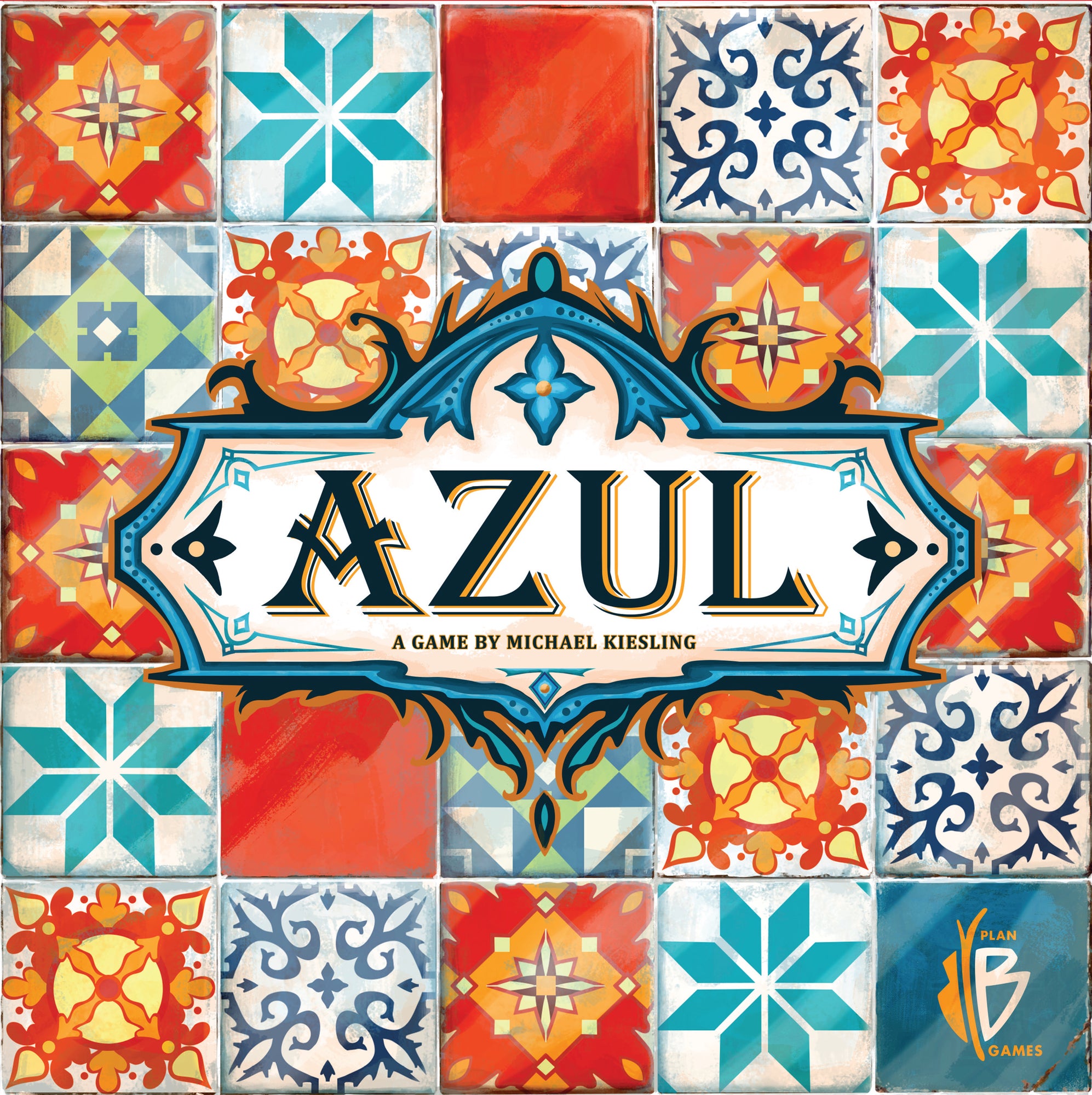
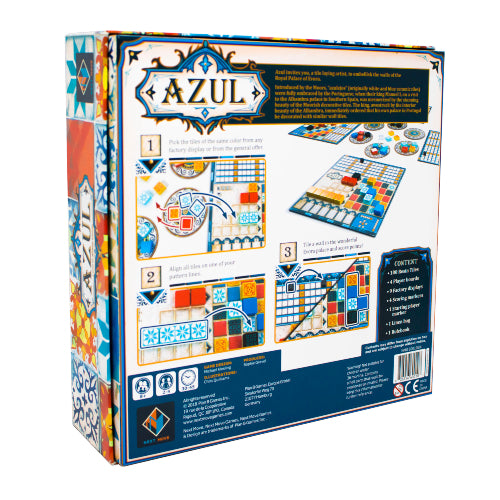
Azul answers the "board games are boring to look at" complaint so completely that people pick it up just to touch the pieces. You're drafting chunky, candy-colored ceramic tiles and arranging them to decorate a Portuguese palace wall. The tiles feel fantastic in the hand — heavy, smooth, weirdly satisfying to click into place — and the rules are pure "draft-and-place" with almost nothing to memorize.
Underneath the prettiness there's a real puzzle (take too many tiles and the leftovers cost you points), but a first-timer never has to think about that to have fun. It plays in about 30–45 minutes, looks stunning mid-game, and routinely turns design-minded skeptics — the "I'm just not a games person" crowd — into people who buy their own copy.
What's the fastest game to teach a non-gamer? (Codenames)
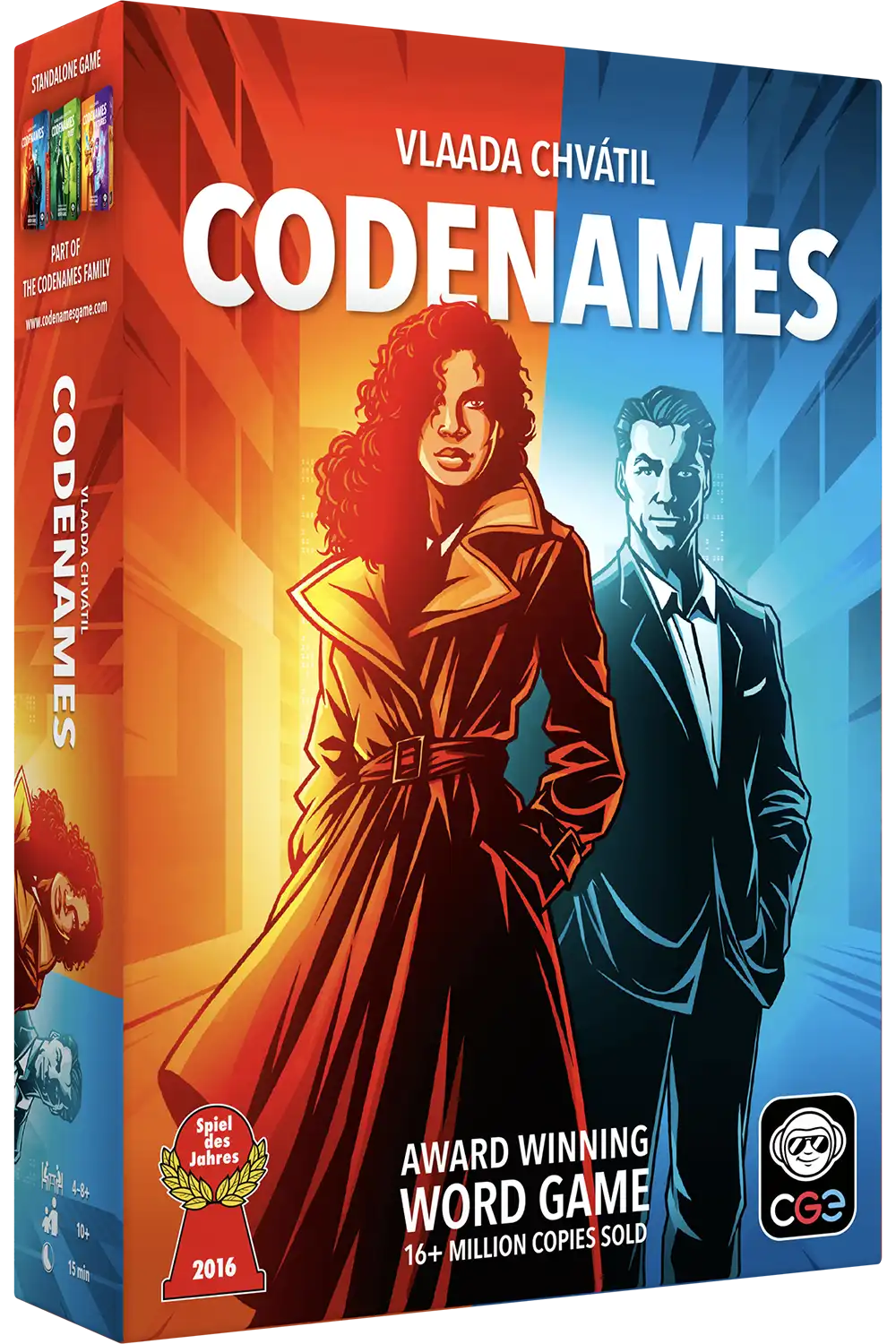
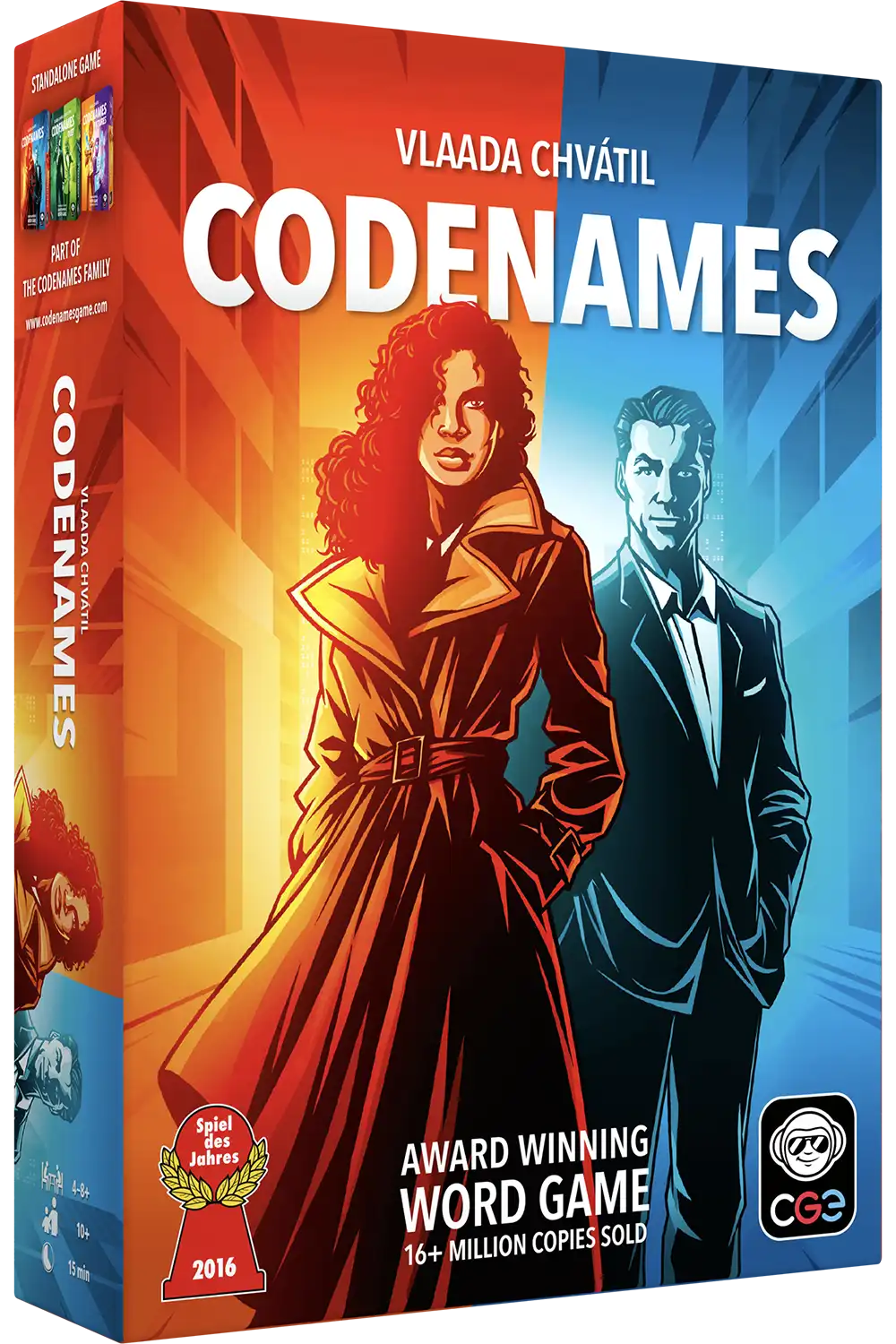
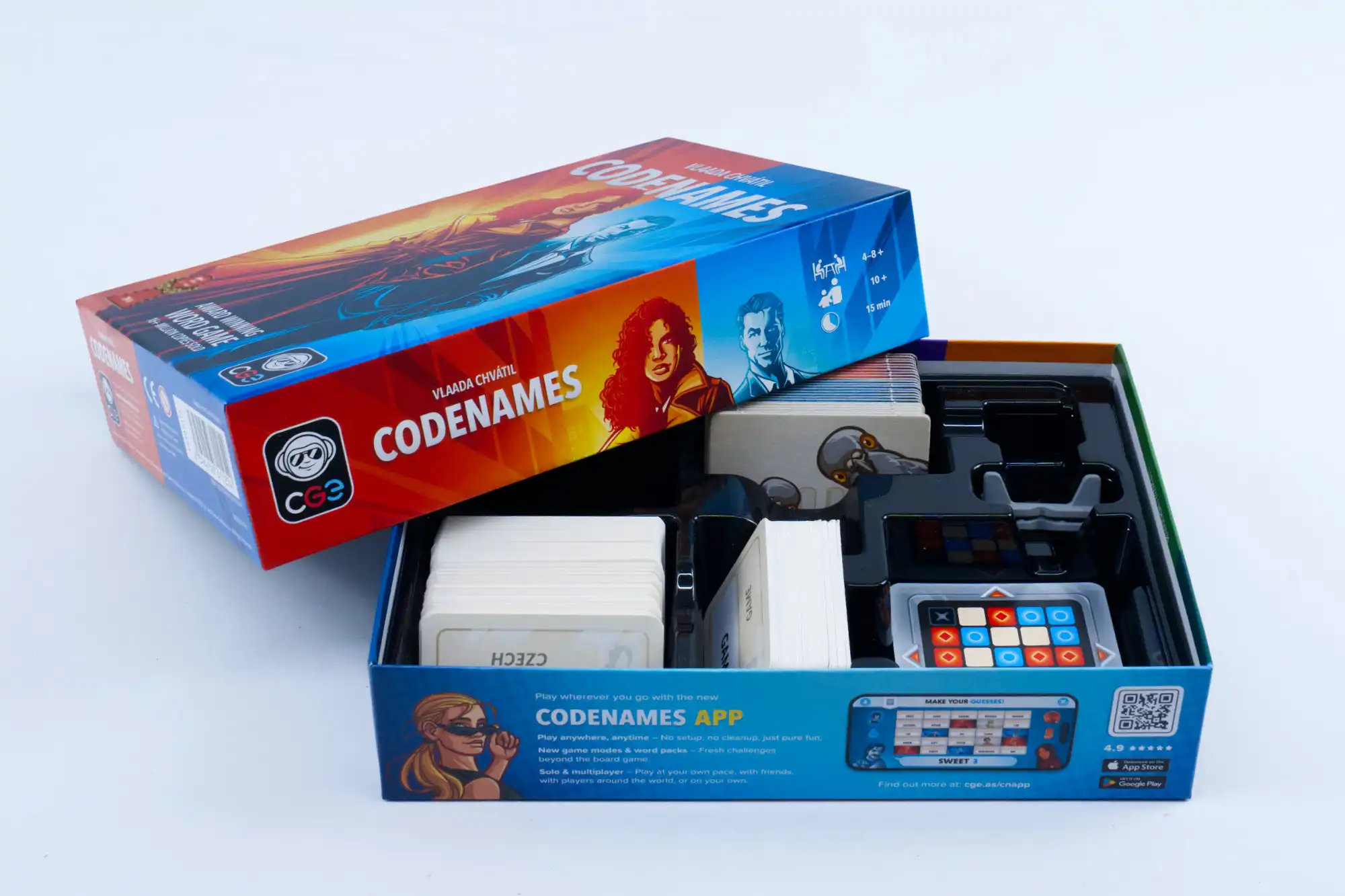
Codenames is the closest thing to a one-minute teach in this entire hobby. A grid of word cards sits on the table; one person on each team gives a single-word clue to connect several of their team's words, and everyone else tries to guess which cards they meant. Most people genuinely learn it in about a minute, and it scales from a couple of friends to a loud party of a dozen.
The reason it converts haters is that it doesn't feel like a board game — it feels like the kind of clever guessing you'd do at a dinner table anyway. The fun lives in the groans and gasps when your perfect clue goes sideways. It's been taught successfully to everyone from college kids to grandparents, and nobody ever asks how long is left.
What's a quick game that's literally impossible to dislike? (Sushi Go)
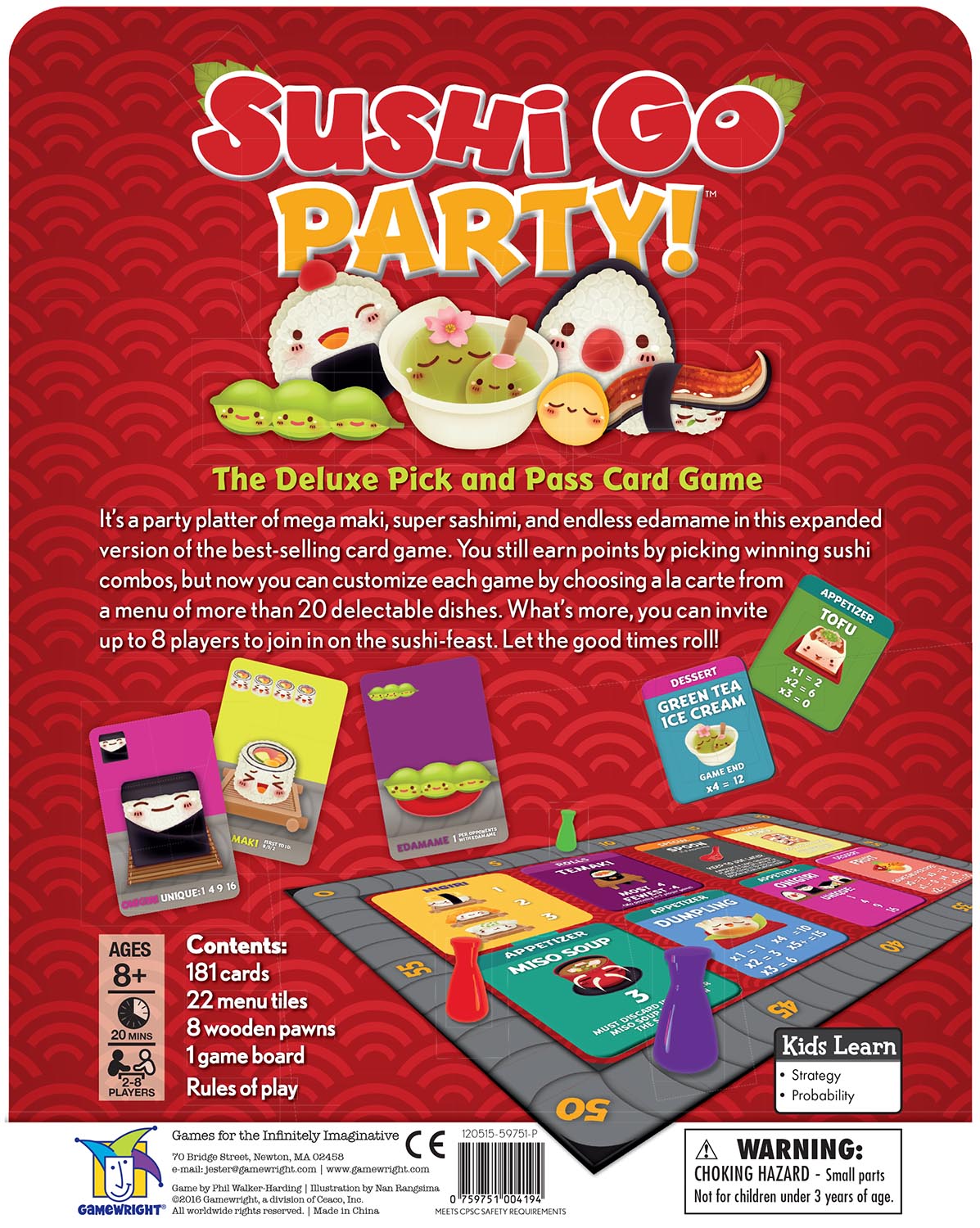

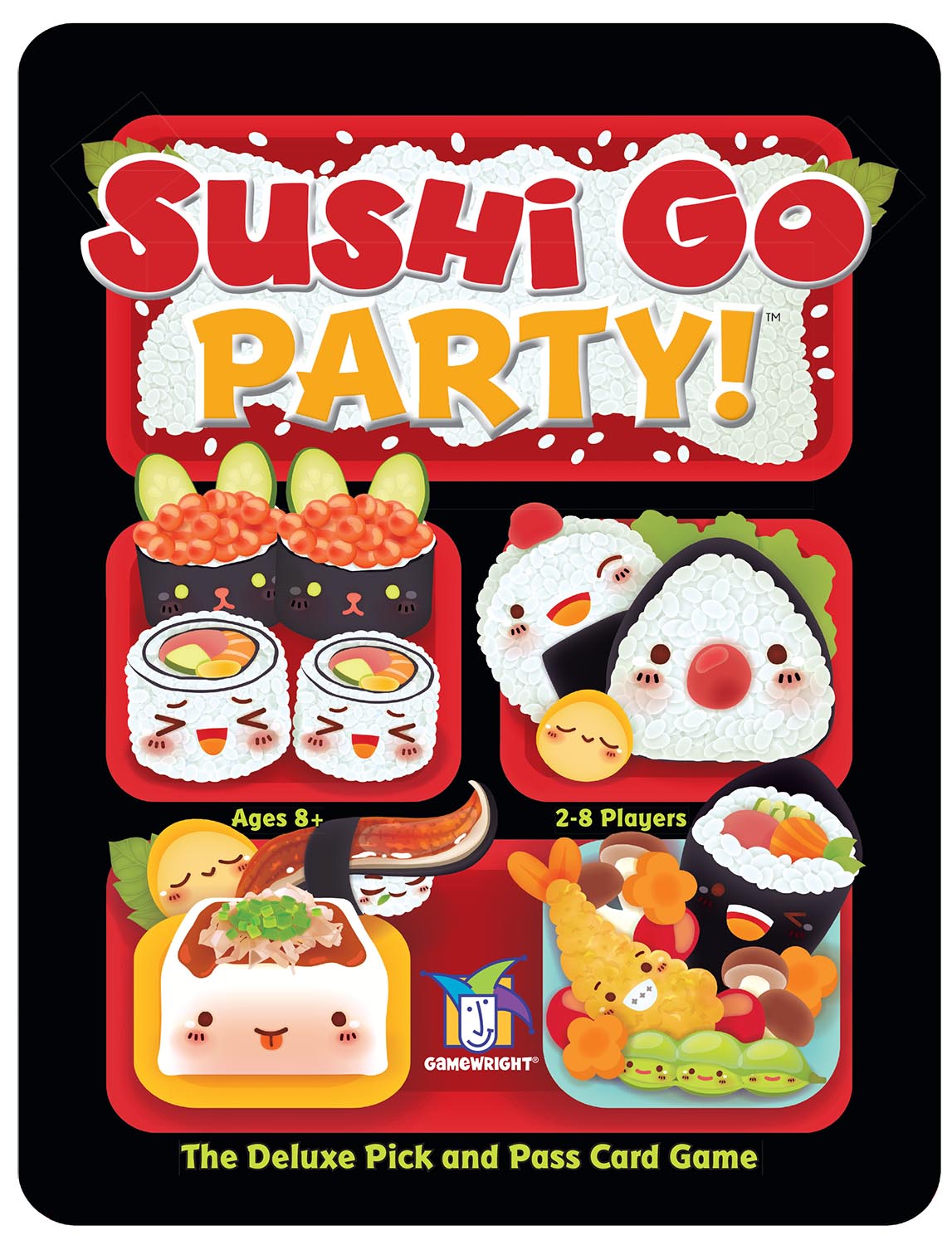
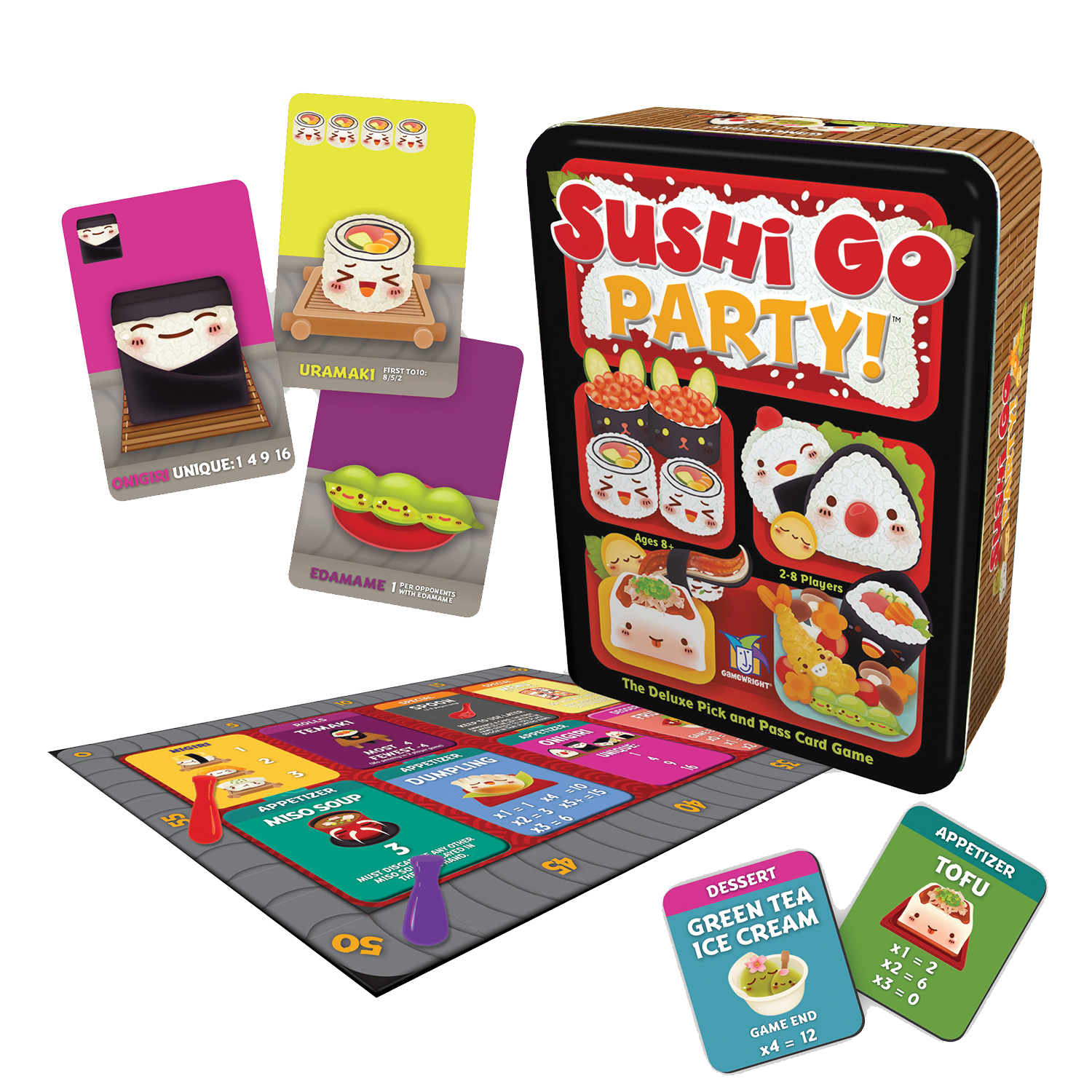
Sushi Go (and its bigger sibling Sushi Go Party) is the lightning round of this list — a card-drafting game where you pass a hand of adorable sushi cards around the table, each keeping one, trying to assemble the tastiest plate. It's tiny, it's fast, and it's been called, almost literally, impossible to dislike.
The genius is that the depth is optional. A beginner can just grab whatever looks cute and still have a great time, while the strategy (guessing what your neighbors are hoarding) reveals itself only if you want it to. Rounds are short, the art is charming, and it travels in a pocket — perfect for the skeptic who'll commit to "just fifteen minutes."
What's the best game when nobody wants to do trivia? (Wavelength)
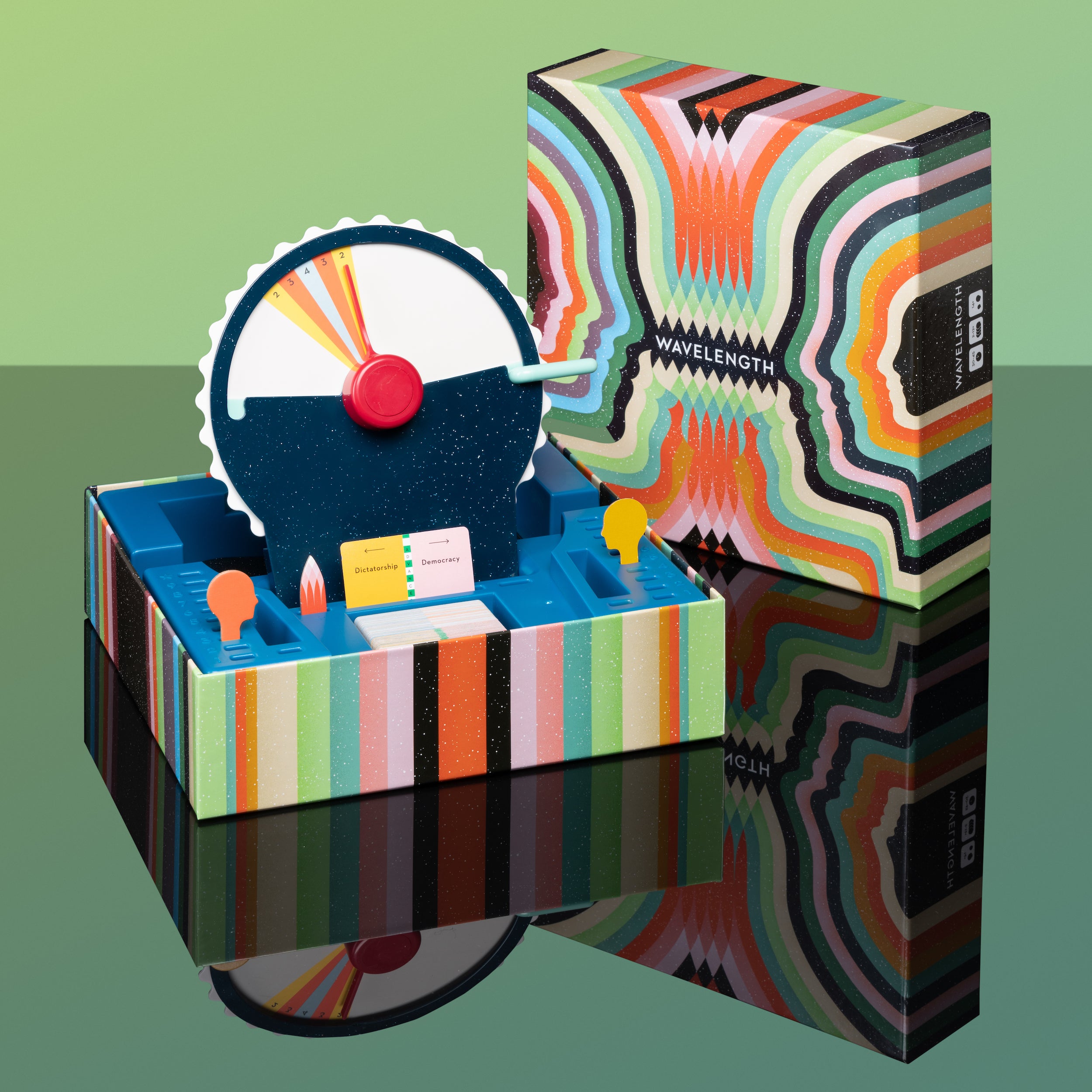
The fear of being wrong is what scares a lot of haters off — they picture Trivial Pursuit and a question they can't answer. Wavelength deletes that fear entirely. A team spins a hidden target somewhere on a dial between two extremes — "Hot vs. Cold," "Overrated vs. Underrated" — and one player gives a clue to help everyone guess where it lands. There are no facts to know. Everybody already has opinions, and the whole joy is the argument.
What makes it special is that the debate is the game. You'll discover that your friend thinks coffee is a 7 out of 10 on "healthy" and you think it's a 2, and the table erupts. It's social, it's funny, and it works because it asks people to share takes, not recall trivia — the most welcoming possible on-ramp.
What if my friend hates competition and losing? (Just One)
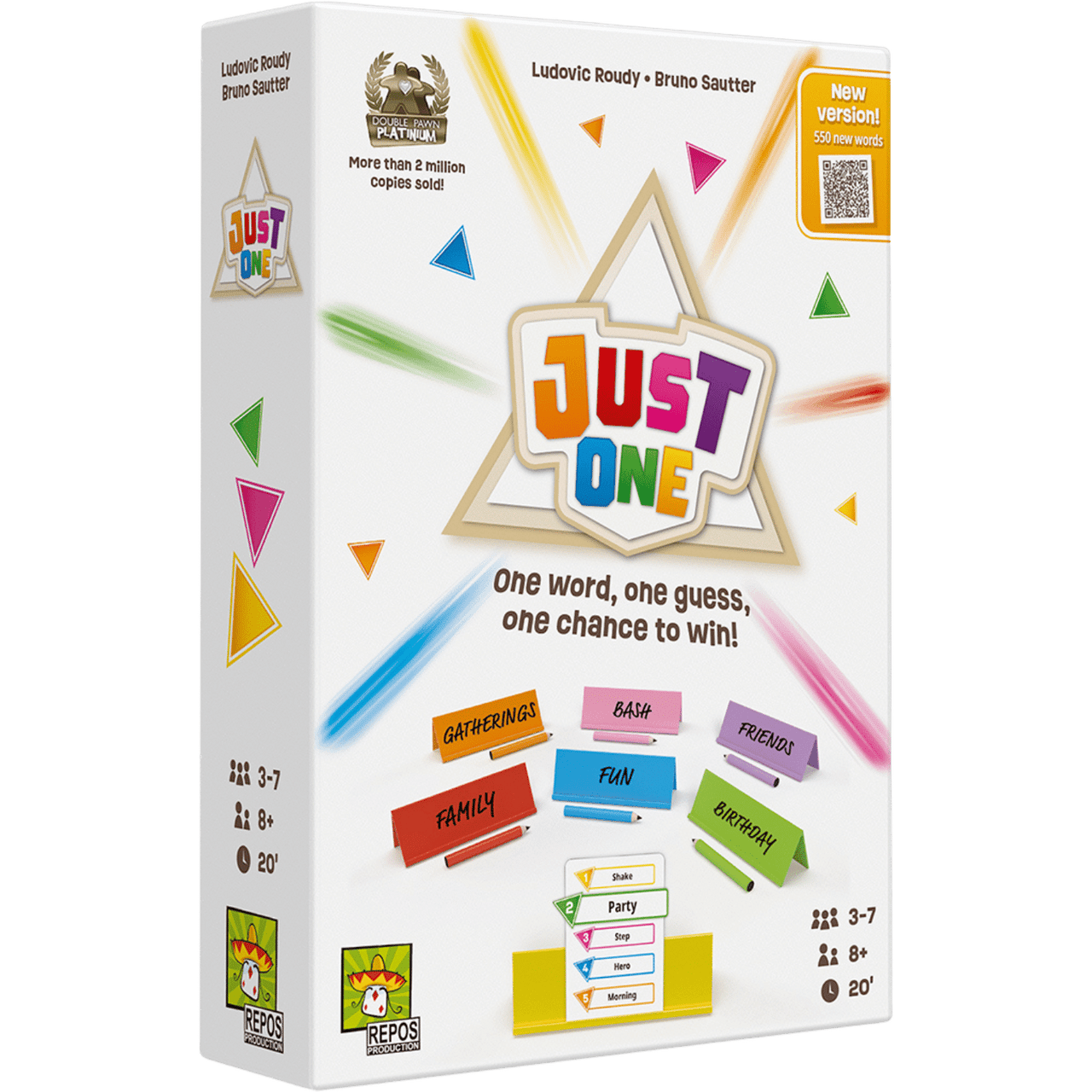
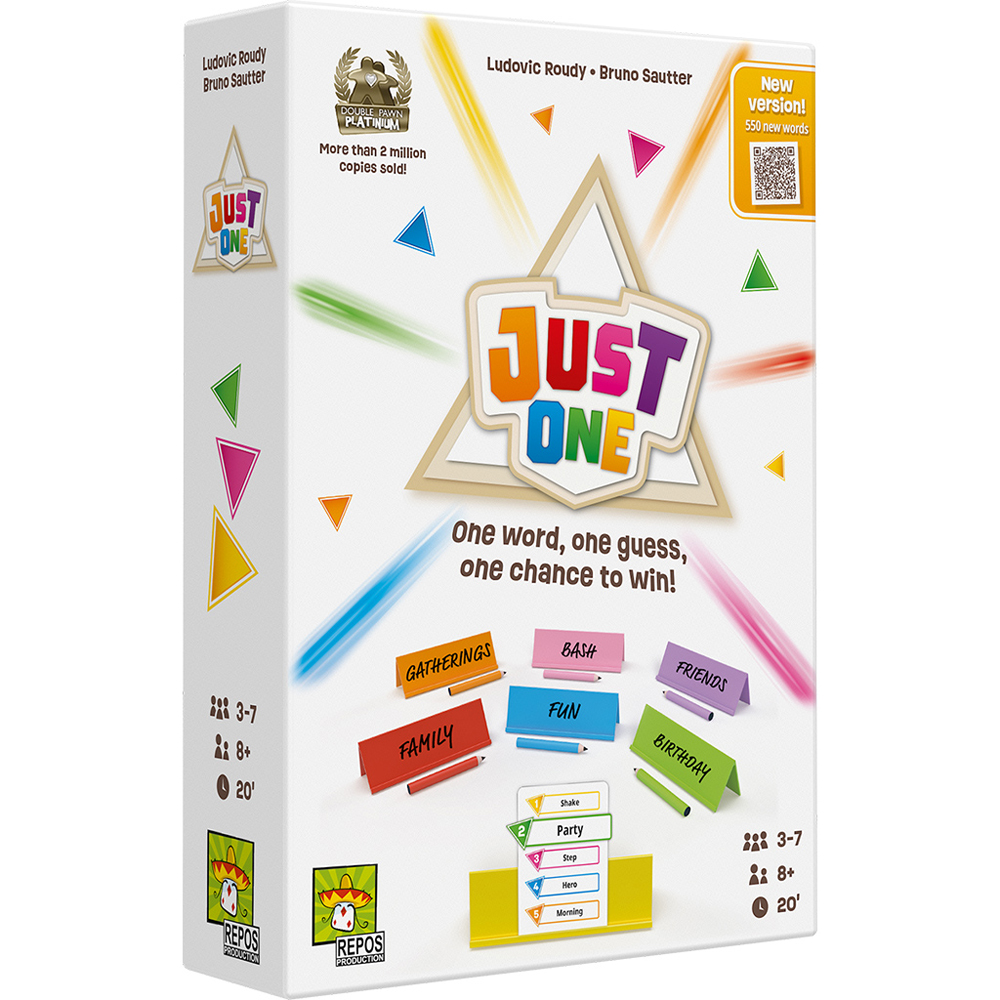
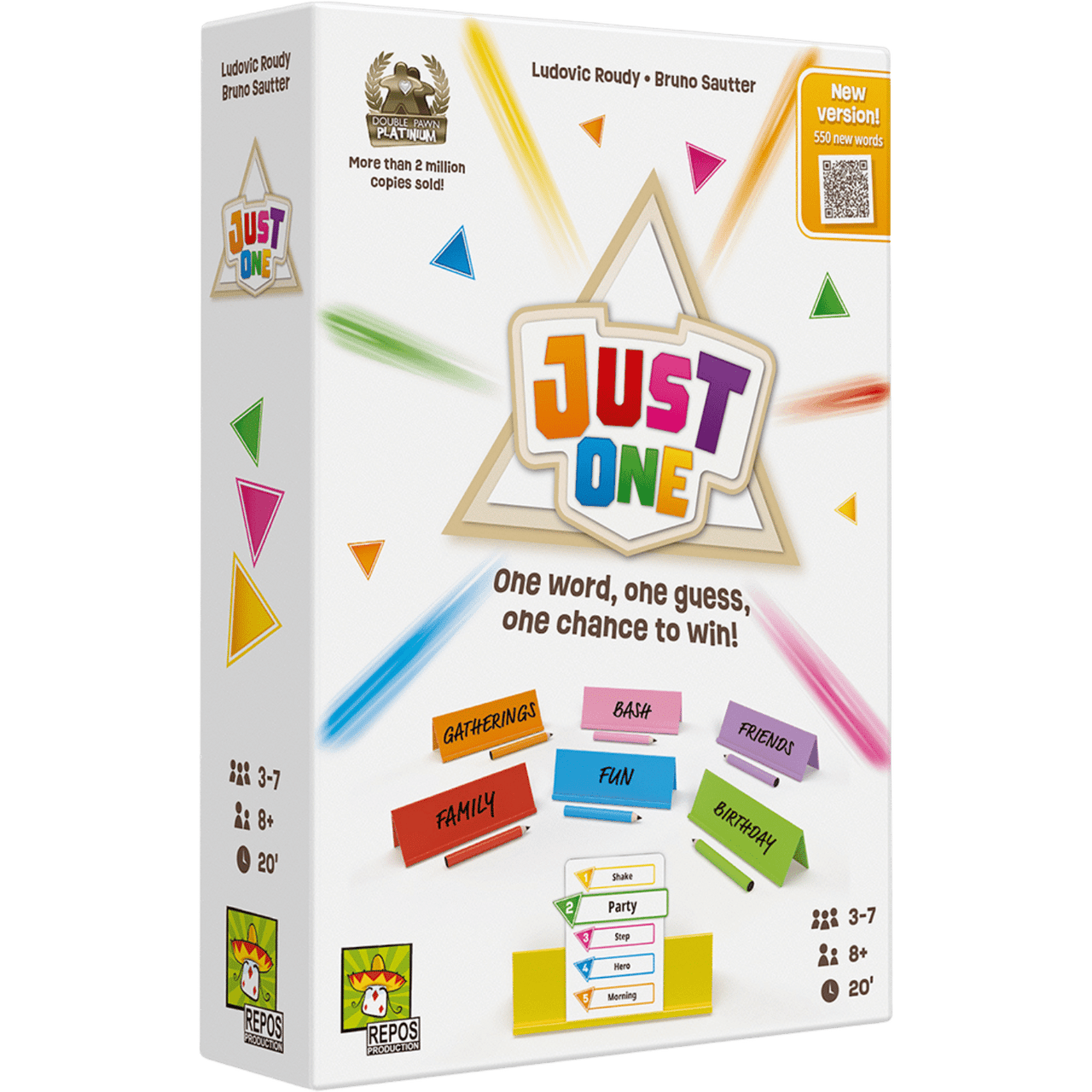
Some people don't hate board games — they hate losing at them. For them, Just One is the cure, because everyone is on the same team. One player has to guess a secret word, and everyone else writes a one-word clue to help — but here's the twist: any clues that match each other get cancelled and thrown out before the guesser sees them. So you're all trying to be helpful and original at once.
There's no winner to envy and no loser to pity — you simply see how many words the whole group can get together, then try to beat it next time. It's a cooperative party game that turns a roomful of strangers into a giggling team in one round, which is exactly what you want for the friend who tenses up the moment a game gets competitive.
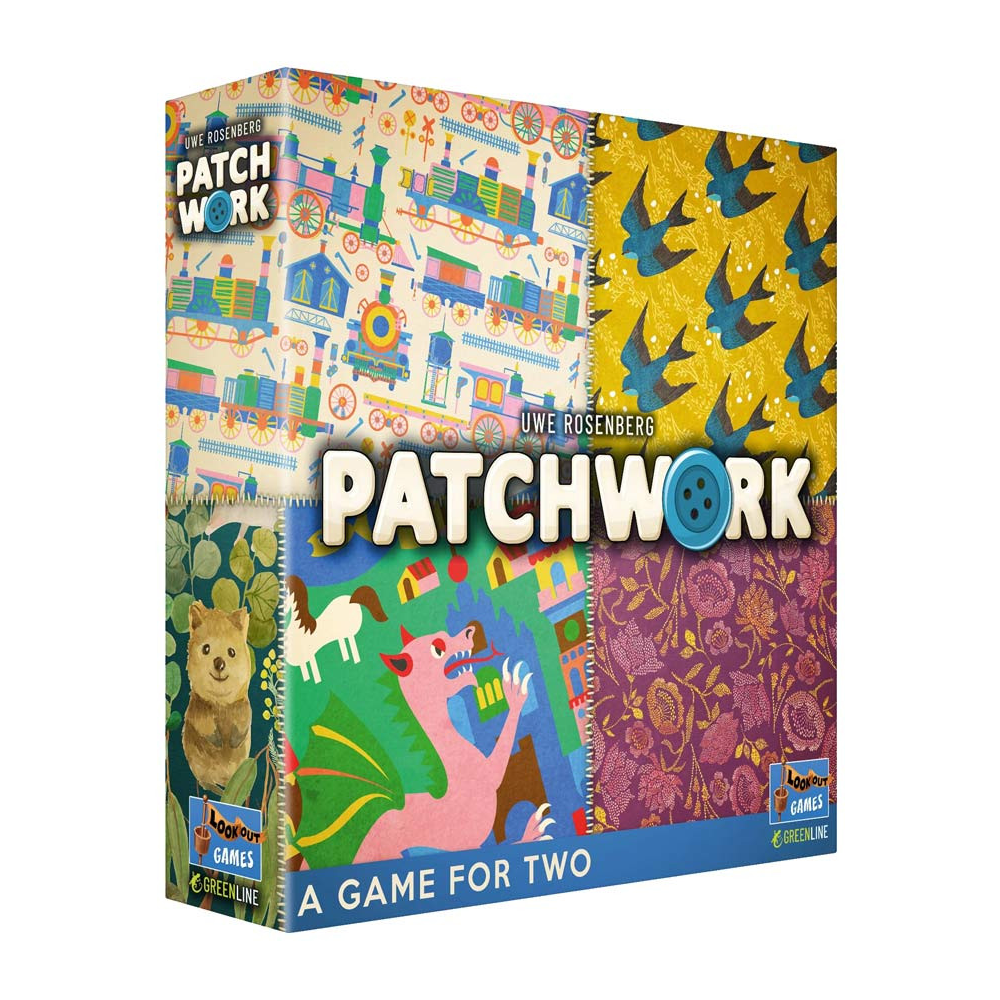
What's the coziest game for just two people? (Patchwork)
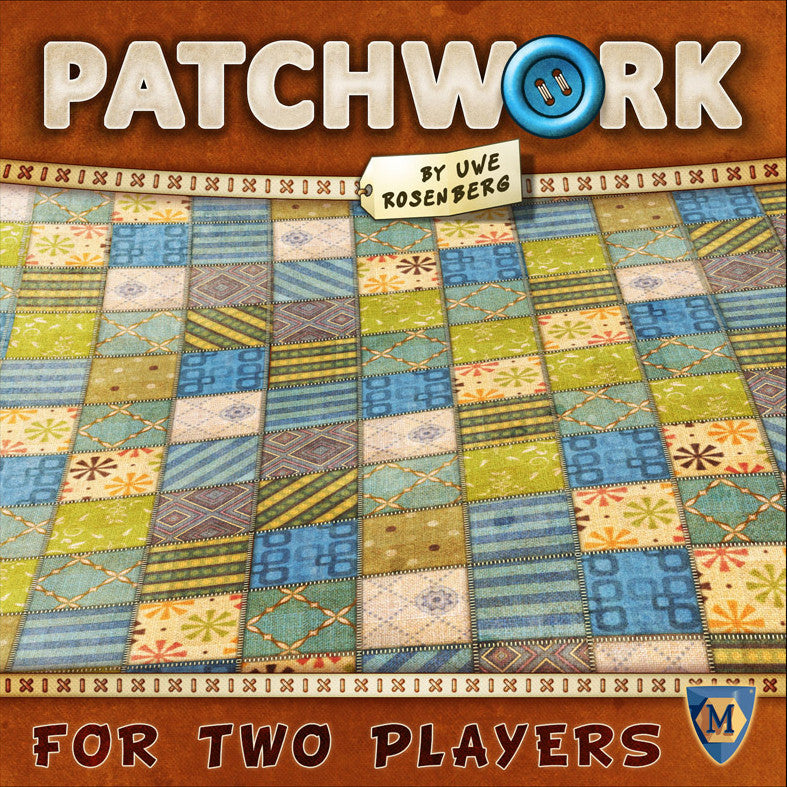
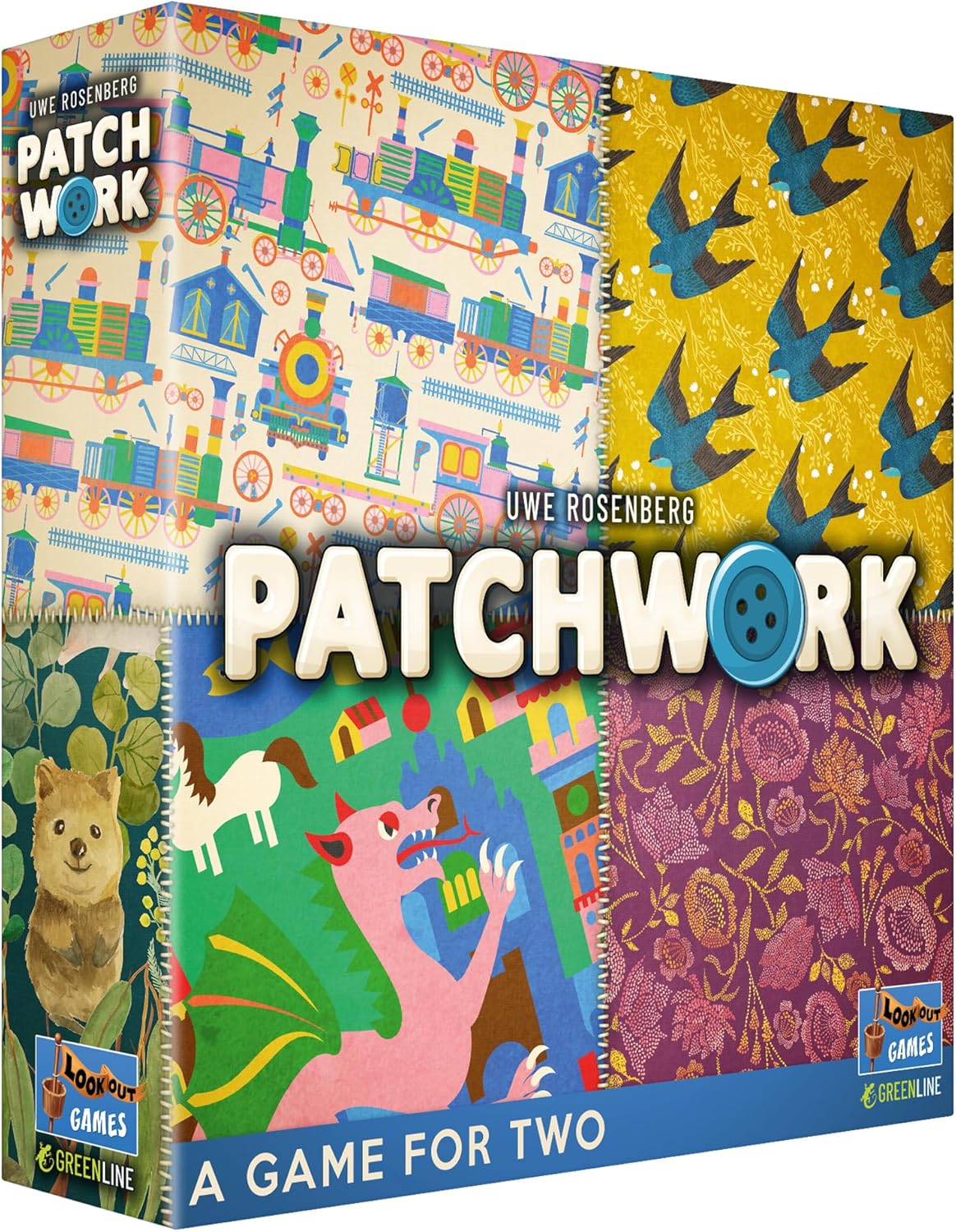
For couples and roommates and the one friend who'll only play if it's quiet and low-key, Patchwork is the answer. It's a two-player game where you buy Tetris-shaped fabric pieces and fit them onto your own little quilt, trying to fill the board without leaving gaps. It's cozy, tactile, and completely free of the chaos that overwhelms newcomers at a big game night.
Think of it as a relaxing spatial puzzle with a gentle competitive edge — you're racing to build the nicer, fuller quilt. It plays in about 30 minutes, the buttons-and-fabric theme is disarmingly charming, and it's a perfect quiet on-ramp for someone who finds loud party games as off-putting as long strategy ones.
What if they hate the whole idea of taking turns? (Bananagrams)
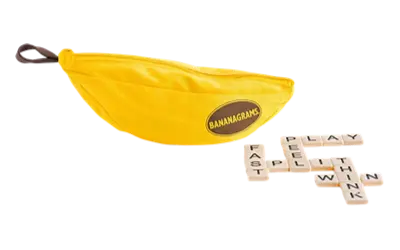
Some skeptics aren't bored by board games — they're bored by waiting. The downtime, the staring while four other people take their turns. Bananagrams removes that complaint at the root: there's no board, no turn order, and no waiting. Everyone races at the same time to build their own crossword grid out of letter tiles, and the moment you place your last tile you yell "Peel!" and everyone grabs a new one.
It's frantic, it's quick, and it feels nothing like the slow games people picture when they wince at the word "board game." The whole thing zips along in around 15 minutes and lives in a little banana-shaped pouch. For the friend who says they don't have the patience to sit through a game — this is the game with no sitting and no patience required.
How do I actually get a skeptic to say yes?

Don't pitch it as a board game. Pitch the feeling: "it's fifteen minutes and it's basically a word puzzle," or "come look at these tiles, they're ridiculous." Lead with the hook a hater actually wants — short, pretty, funny, no homework — and leave the word "strategy" out of your mouth entirely.
Then stack the deck. Start with the lightest thing on this list (Sushi Go, Just One, or Codenames), promise an exit after one round, and actually honor it — the fastest way to lose a convert forever is to trap them in a three-hour epic on night one. Teach as you play instead of reading the rulebook aloud. Nine times out of ten, the "just one round" becomes three, and the person who hated board games an hour ago is the one reshuffling the deck.
What experienced tables keep reporting
Recurring owner patterns, synthesized in Puzzlewick's words. Follow each evidence trail to read the original discussion.
Most people can learn Codenames in about a minute, and it has been successfully taught to hobbyists, casual players, and non-gamers spanning from 22 to 60+ year-olds.
Wavelength minimizes the exceptions to party-style fun and maximizes player engagement — every single person ends up fully invested despite individual differences.
The picks
Some links below are affiliate links — as an Amazon Associate, Puzzlewick earns from qualifying purchases, at no extra cost to you. It never changes a pick.
Ticket to Ride
- Players
- 2-5
- Time
- 30-60 min
- Age
- 8+
- Complexity
- 1.9 / 5
- Publisher
- Days of Wonder · 2004
- Designer
- Alan R. Moon
- Art
- Julien Delval, Cyrille Daujean
 3 photos
 Azul
- Players
- 2-4 · best 2
- Time
- 30-45 min
- Age
- 8+
- Complexity
- 1.8 / 5
- Publisher
- Plan B Games · 2017
- Designer
- Michael Kiesling
- Art
- Philippe Guérin, Chris Quilliams
 3 photos
 Codenames
- Players
- 2-8
- Time
- 15 min
- Age
- 14+
- Complexity
- 1.3 / 5
- Publisher
- Czech Games Edition · 2015
- Designer
- Vlaada Chvátil
- Art
- Stéphane Gantiez, Tomáš Kučerovský, Filip Murmak
 3 photos
 Sushi Go Party
- Players
- 2-8
- Time
- 20 min
- Age
- 8+
- Complexity
- 1.3 / 5
- Publisher
- Gamewright · 2016
- Designer
- Phil Walker-Harding
- Art
- Nan Rangsima

 3 photos
 Wavelength
- Players
- 2-12
- Time
- 30-45 min
- Age
- 14+
- Complexity
- 1.12 / 5
- Publisher
- CMYK · 2019
- Designers
- Alex Hague, Justin Vickers, Wolfgang Warsch
- Art
- Sofie Hannibal, Nan Na Hvass
 3 photos
 Just One
- Players
- 3-7
- Time
- 20 min
- Age
- 8+
- Complexity
- 1.0 / 5
- Publisher
- Repos Production · 2018
- Designers
- Ludovic Roudy, Bruno Sautter
- Art
- Éric Azagury, Florian Poullet
 3 photos
 Patchwork
- Players
- 2 · best 2
- Time
- 15-30 min
- Age
- 8+
- Complexity
- 1.60 / 5
- Publisher
- Lookout Games (Lookout Spiele) · 2014
- Designer
- Uwe Rosenberg
- Art
- Klemens Franz
Bananagrams
- Players
- 1-8
- Time
- 15 min
- Age
- 7+
- Complexity
- 1.3 / 5
- Publisher
- Bananagrams, Inc. · 2006
- Designers
- Abraham Nathanson, Rena Nathanson
- Art
- Kendra Harrington, Sandy Nathanson, Aaron Nathanson
At a glance
| Game | Players | Time | Teach | Best for |
|---|---|---|---|---|
| Ticket to Ride | 2-5 | 30-60 min | ~5 min | All-purpose first game |
| Azul | 2-4 | 30-45 min | ~5 min | People who think games are ugly |
| Codenames | 4-12+ | 15-20 min | ~1 min | Big party groups |
| Sushi Go Party | 2-8 | ~20 min | ~3 min | 'Just fifteen minutes' skeptics |
| Wavelength | 2-12 | ~30 min | ~3 min | The trivia-averse |
| Just One | 3-7 | ~20 min | ~2 min | People who hate losing |
| Patchwork | 2 | ~30 min | ~5 min | Quiet two-player nights |
| Bananagrams | 1-8 | ~15 min | ~2 min | Downtime-haters |
Questions, answered
What is the single best board game for someone who hates board games?
Ticket to Ride is the best all-around pick, because it teaches in about five minutes, never eliminates a player, and finishes in well under an hour. It has converted more reluctant 'I don't like games' people into regulars than any other title, thanks to a gentle tension that never tips into the cruelty that makes Monopoly miserable.
Why do so many people say they hate board games in the first place?
Most board-game haters are reacting to four specific things: games that run too long, turns with too many decisions (analysis paralysis), boring grey components, and the embarrassment of losing badly in front of friends. They don't hate games as a category — they hate those four experiences, all of which the right modern game avoids.
What board game can you teach in under five minutes?
Codenames can be taught in roughly one minute, and Just One, Bananagrams, and Sushi Go all teach in two to three. The key is choosing a game whose entire ruleset fits in a sentence or two, so the explanation is over before a skeptic starts checking their phone.
What's a good board game for people who hate losing?
Just One is the best choice for people who hate losing, because it's fully cooperative — there are no winners or losers, only a shared score the whole table tries to beat together. Cooperative games remove the social sting of defeat, which is the real reason many people avoid game night.
Are there short board games that don't take all night?
Yes — Bananagrams and Codenames run about 15-20 minutes, Sushi Go and Just One around 20, and even the 'bigger' picks like Azul and Ticket to Ride land in the 30-60 minute range. None of these come close to the multi-hour Monopoly slog that gives board games their bad reputation.
What's the best board game for a non-gamer who likes pretty things?
Azul is the standout for design-minded skeptics, with chunky, candy-colored ceramic tiles that feel wonderful to handle and a finished board that genuinely looks like art. People often pick it up just to touch the pieces, then stay for the simple draft-and-place puzzle underneath.
What's a good two-player game for a couple where one person hates games?
Patchwork is the best two-player pick for a reluctant partner, because it's a cozy, quiet spatial puzzle — you fit Tetris-shaped fabric onto your quilt — with none of the chaos of a loud group game. It plays in about 30 minutes and feels more like a relaxing activity than a competition.
What board game works for a big group or party of non-gamers?
Codenames and Wavelength are the best big-group picks, scaling comfortably to a dozen or more players and leaning on conversation rather than rules. Both feel like clever party banter, so a roomful of non-gamers is laughing and arguing within the first round.
Is Monopoly really that bad for getting people into board games?
Monopoly is one of the worst on-ramps, because it's long, leans heavily on luck, and eliminates players who then sit bored for an hour while others finish. Almost every game on this list was chosen specifically to fix the problems Monopoly creates — short playtime, no elimination, and decisions that don't drag.
What's the best board game for someone who hates waiting for their turn?
Bananagrams is ideal for impatient players, because there are no turns at all — everyone races simultaneously to build their own word grid, so there's zero downtime spent watching other people think. The whole game is over in about 15 minutes of happy, frantic word-building.
Do I need to be good at trivia to enjoy these games?
No — in fact Wavelength was designed so that no facts are required at all; you simply share opinions on a spectrum, and the disagreement is the fun. None of the games on this list reward memorized knowledge, which is exactly why they work for people who dread anything that feels like a quiz.
How do I convince a skeptical friend to actually try one?
Lead with the feeling, not the label: pitch 'fifteen minutes and it's basically a word puzzle' instead of 'let's play a board game,' promise an exit after one round and honor it, and teach as you play rather than reading the rulebook aloud. Start with the lightest option — Sushi Go, Just One, or Codenames — and let the 'one round' grow on its own.
What's the cheapest game on this list to start with?
Bananagrams is typically the most affordable, usually under $20, followed closely by Codenames and Just One. Starting cheap and light is smart: a small, fast game is the lowest-risk way to prove to a skeptic that game night doesn't have to mean a three-hour ordeal.
Yumi's verdict
There's no such thing as a person who hates all board games — only people who've never been handed the right one. Start a skeptic on something short, beautiful, and forgiving (Sushi Go, Codenames, or Just One on the lightest end; Ticket to Ride or Azul when they're ready for a 'real' one), promise them an exit after one round, and let the game do the converting. Nine times out of ten, the box they pushed away an hour ago is the one they're reshuffling for round three.
Research ledger 10 sources · reviewed 2026-08-10
Specifications, rules, current product information, community experience, and contrary evidence were checked against the sources below. Commercial links are kept separate from editorial evidence.
- thetabletopfamily.comthetabletopfamily.com/10-board-games-for-people-who-dont-like-board-games
- gamerant.comgamerant.com/best-board-games-newcomers-casual-dont-like
- gamesradar.comgamesradar.com/games/board-games/this-is-the-board-game-i-always-recommend-for-people-who-hate-board-games
- meeplenest.commeeplenest.com/board-games-for-people-who-dont-usually-like-board-games
- elevatedboardgames.comelevatedboardgames.com/post/15-best-gateway-board-games-for-non-gamers-intro-board-games
- zatu.comzatu.com/en-us/blogs/features/best-board-games-for-non-gamers
- bitewinggames.combitewinggames.com/wavelength-review
- meeplemountain.commeeplemountain.com/articles/games-we-love-codenames
- thatsagoodgame.comthatsagoodgame.com/8-easy-games-like-codenames-1-to-avoid
- Days of Wonder official Ticket to Ride product recorddaysofwonder.com/game/ticket-to-ride
Come in, take your shoes off — let me show you something.

Keep exploring
The next smart rabbit holes.
✦ Topic PathBoard Game Buying Guides: compare the whole shelfStart with the decision, not the shelf. These guides compare the games, editions, expansions, player counts, and costs people...Beginner's GuideBest Gateway Board Games (2026): Picked by Who You're ConvertingTen welcoming games organized by the person at your table, with teach time, interaction and failure modes made explicit.ComparisonThe Best Family Board Games of 2026, Ranked (Kids + Adults Together)One table, three generations, zero meltdowns — the games that make a 7-year-old and a tired grown-up scheme against each other and both...