Old-School Board Games That Are Still Excellent in 2026: 10 Classics That Outlived the Hype
Kenji separates living classics from nostalgia: ten current Amazon editions whose central decisions still hold up, plus the rules and component caveats modern buyers should know.

AI-assisted curator persona · research and editorial responsibility: Robert Pruitt · how this guide was made
Last editorial refresh: 2026-07-15 Gold-standard QA: 2026-07-15 14 sources reviewed Affiliate links checked during gold-standard pass

The short answer
Acquire, Ra, Cosmic Encounter, Power Grid, Bohnanza, For Sale, Modern Art, Catan, Carcassonne, and Ticket to Ride are still worth playing in 2026 because each owns a durable decision: mergers, auctions, negotiation, markets, trading, valuation, route timing, or tile commitment. Buy the current edition, teach the one dated friction point carefully, and do not confuse historical importance with automatic table fit.
Decision map
Choose in thirty seconds
Players who want ruthless mergers and visible positional finance.
Players who want auctions, push-your-luck timing, and a complete game in an hour.
A social group that wants negotiation and asymmetric powers more than balance.
A classic is not a game we excuse because it is old. It is a design whose central decision remains alive after newer boxes have borrowed its furniture. Kenji traced the current Amazon editions, read the recent “silver generation” and “aged well” conversations, and looked for the places modern owners still make repairs: thin stock cards, old scoring explanations, luck, confrontation, and teaching language. Provenance first; judgment second.
Start here, then go deeper
You are in the right cabinet.
 ✦ Topic PathBoard Game Buying Guides: compare the whole shelfStart with the decision, not the shelf. These guides compare the games, editions, expansions, player counts, and costs people...
 ComparisonCatan vs Carcassonne vs Ticket to Ride: The Best Gateway Game, Head-to-HeadThree legends, one shelf, one decision. Here's the honest, table-tested call on which gateway game earns its spot first — and exactly who...
 Beginner's GuideBest Gateway Board Games (2026): Picked by Who You're ConvertingForget the generic top-10. The right first game depends entirely on who's sitting across from you—the skeptical spouse, the family with...
What makes an old board game still good in 2026?
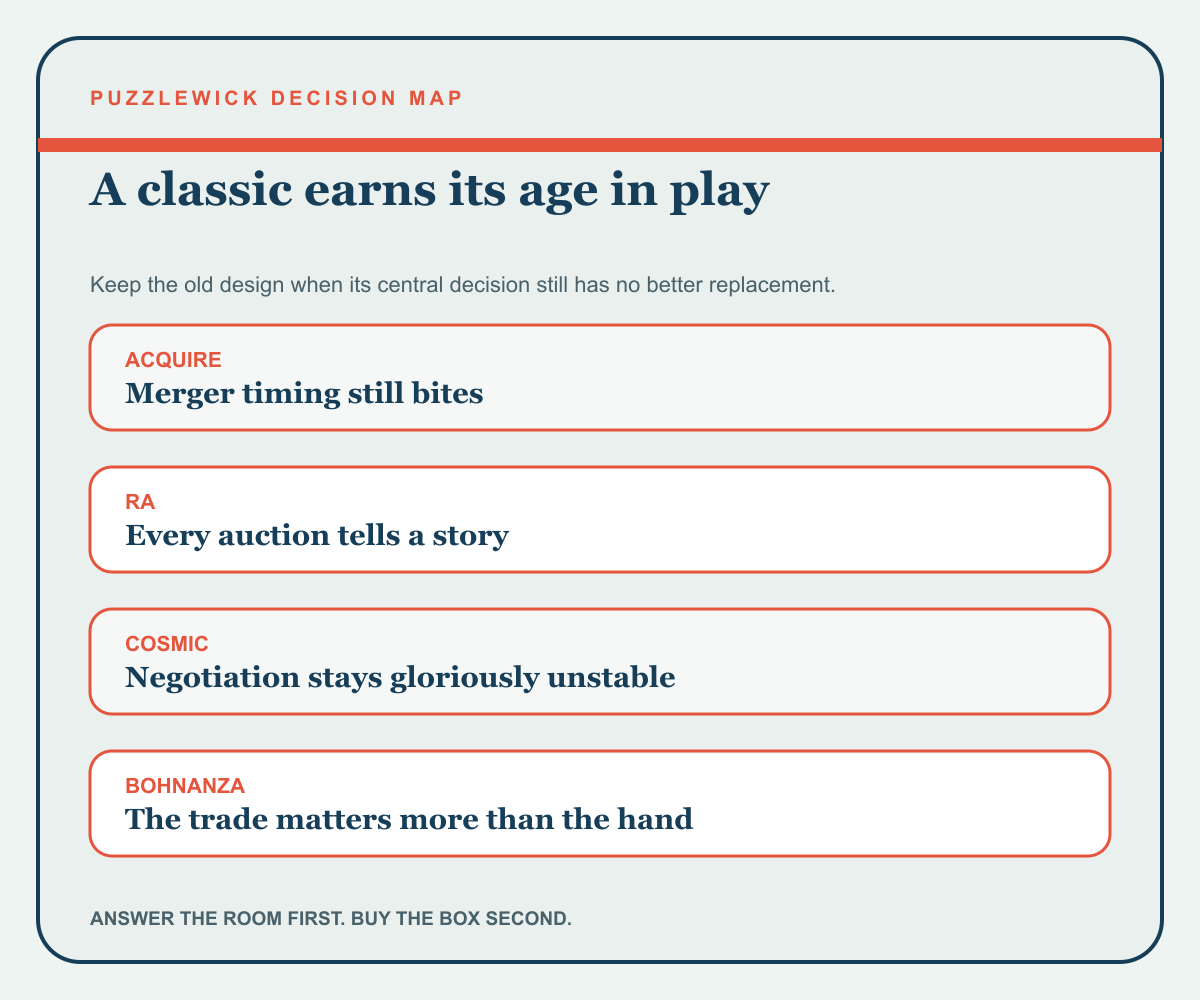
The game must still create a decision that newer production cannot make obsolete. Acquire makes players value companies they can merge. Ra makes the auction clock itself part of the lot. Cosmic Encounter turns imbalance into diplomacy. Bohnanza makes trade necessary by freezing hand order. These are not historical curiosities; they are mechanisms with teeth.
Age does not excuse downtime, opaque scoring, runaway leaders, or a bad fit. The right question is not “was this influential?” It is “would this particular table choose it again next week?” Kenji keeps the classics that answer yes without a lecture about their importance.
Why do Acquire and Ra still feel modern?
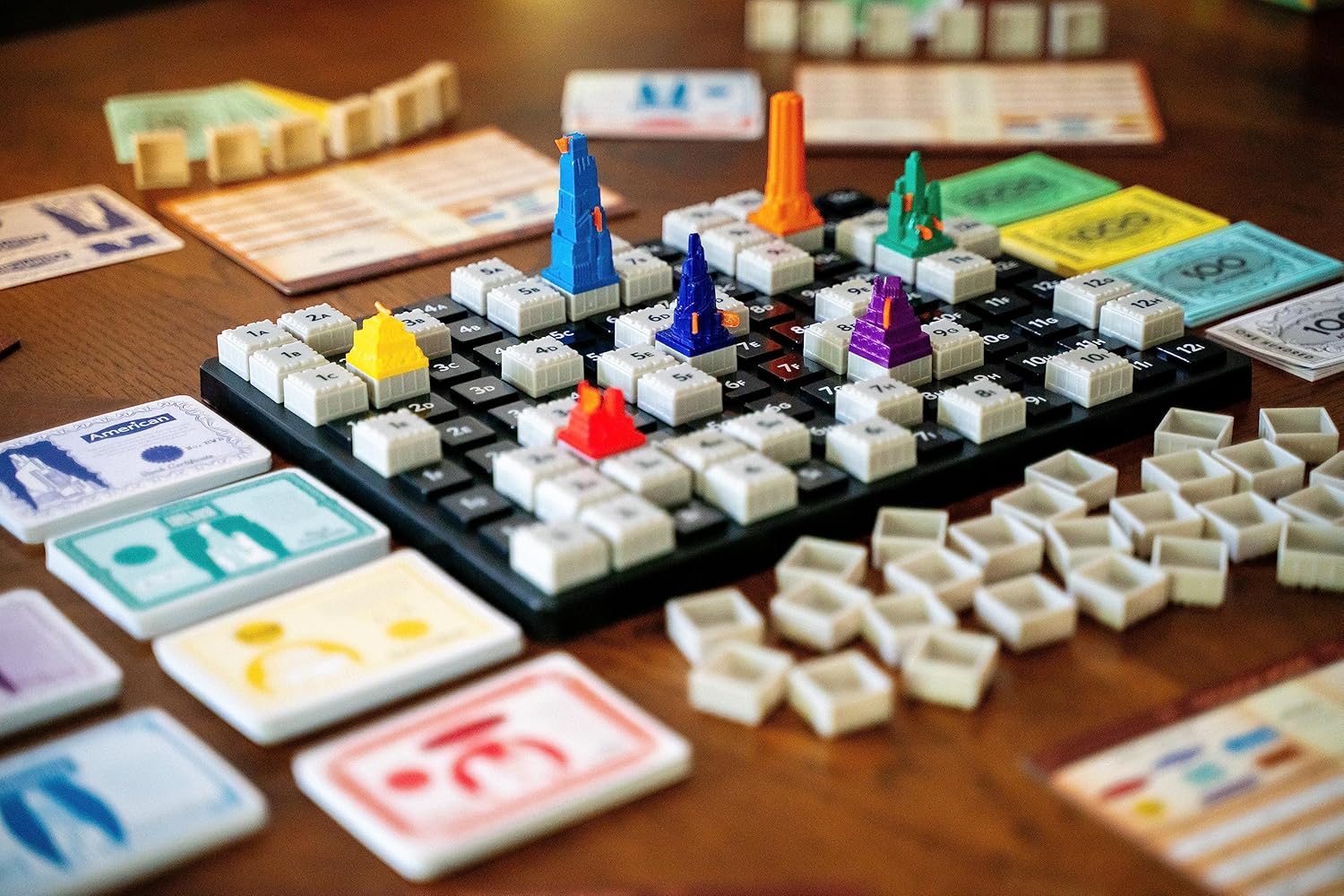

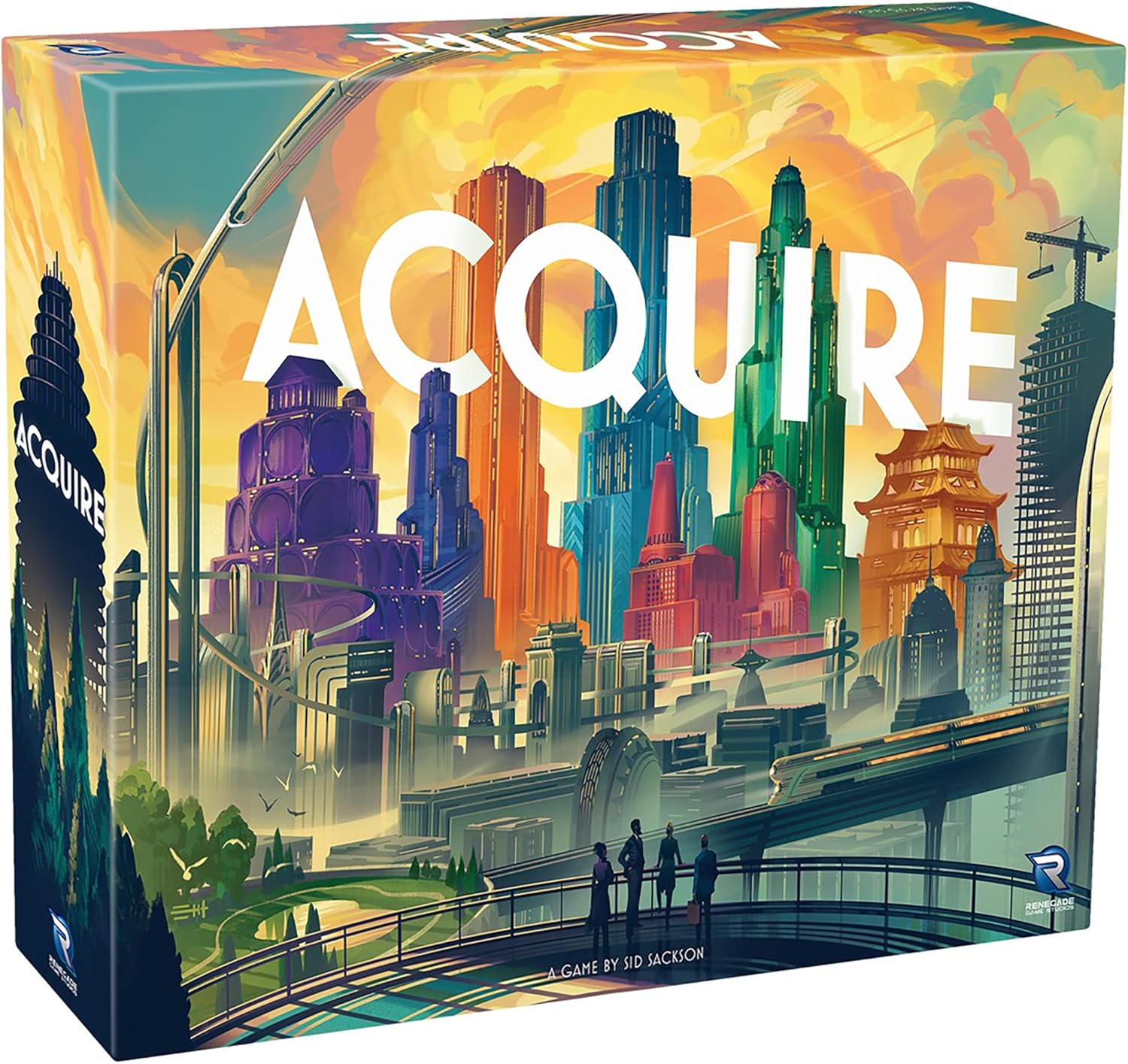
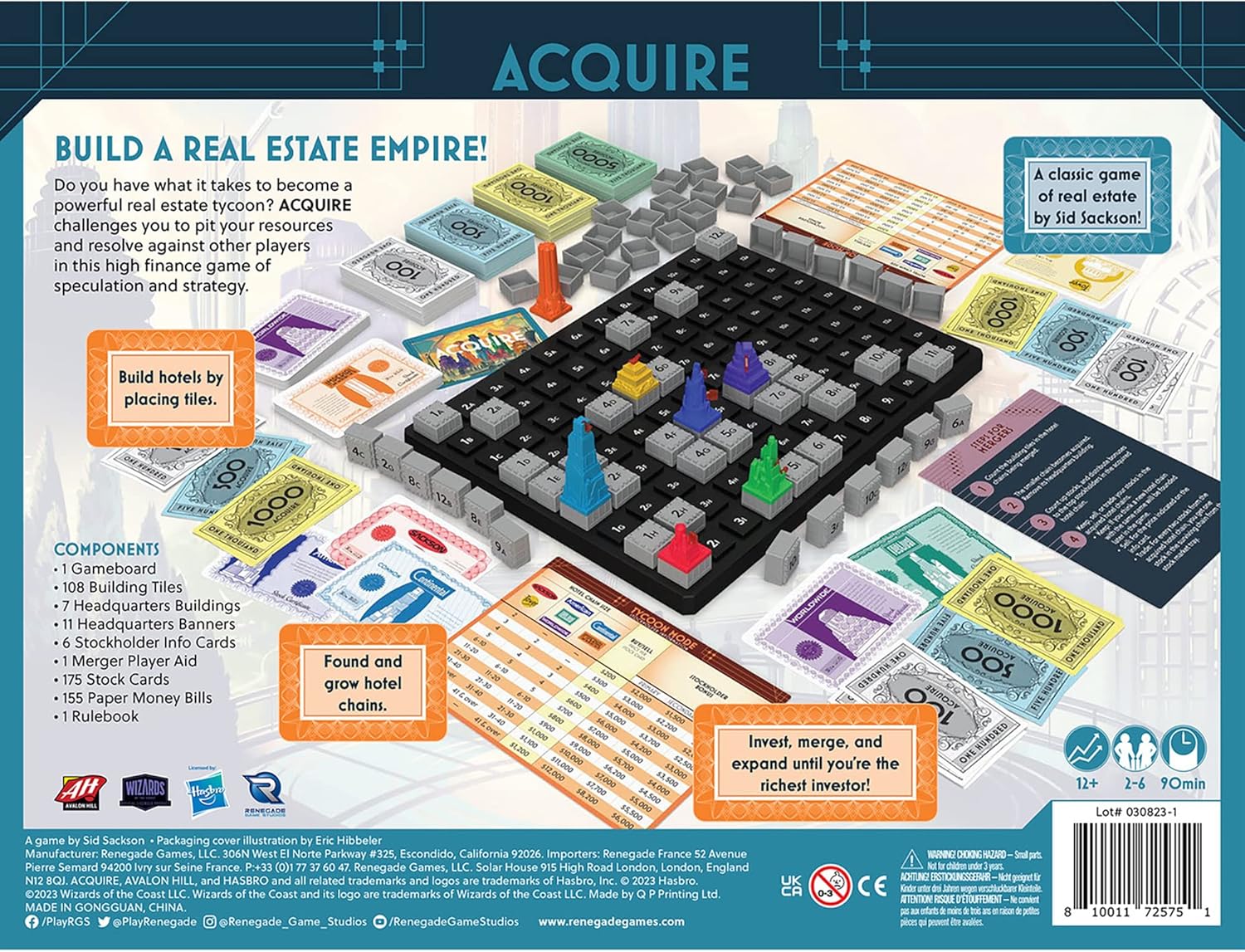
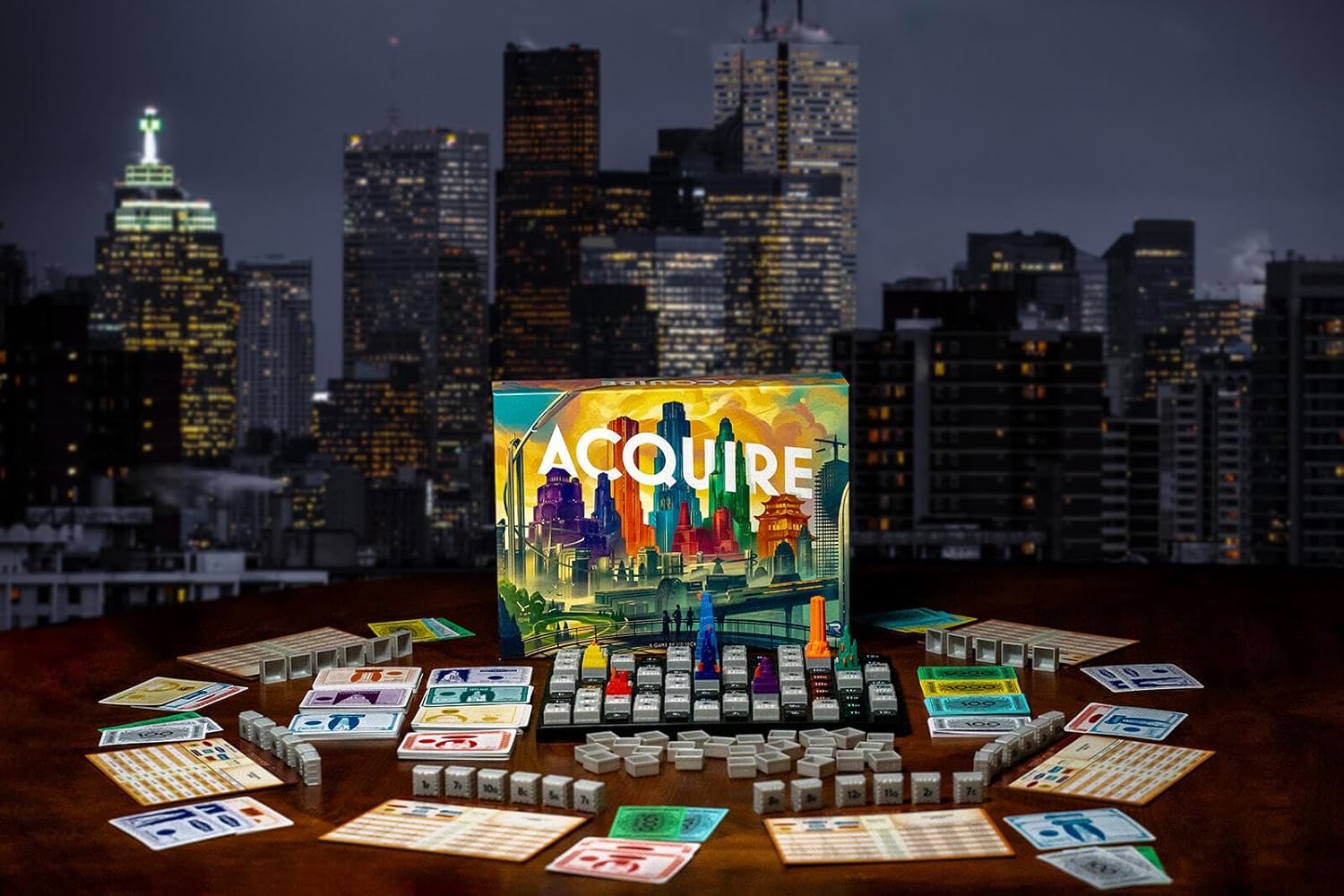
Acquire makes ownership positional. A hotel chain’s value depends on the board, merger timing, and who holds majority and minority stock. You can trigger a merger that pays opponents, buy into danger, or keep cash for the next cycle. Recent owners praise the restored board presence but regularly note thin stock cards and paper money. Sleeve the stock cards; substitute poker chips if tactile money matters. Repair the production, not the rules.
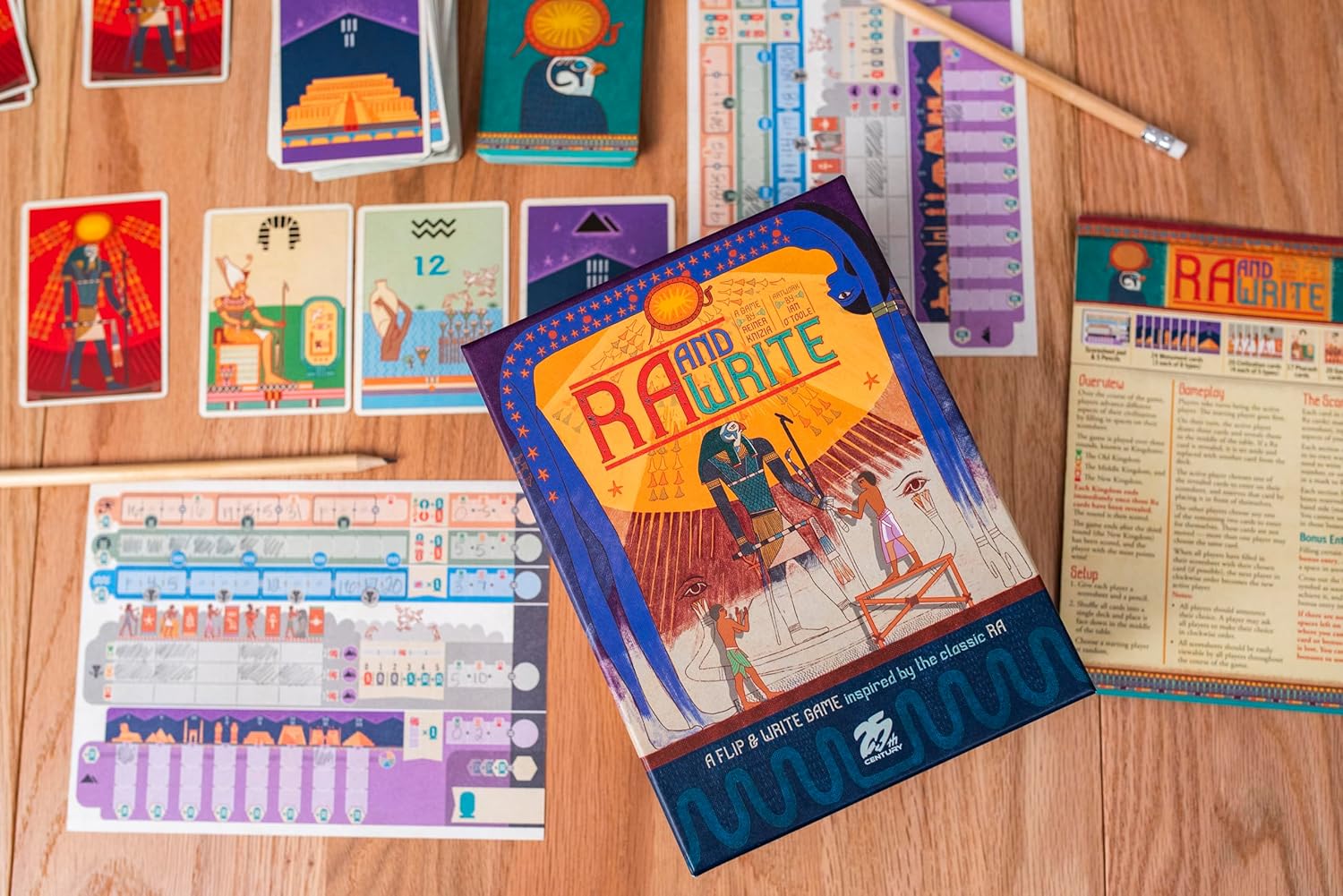
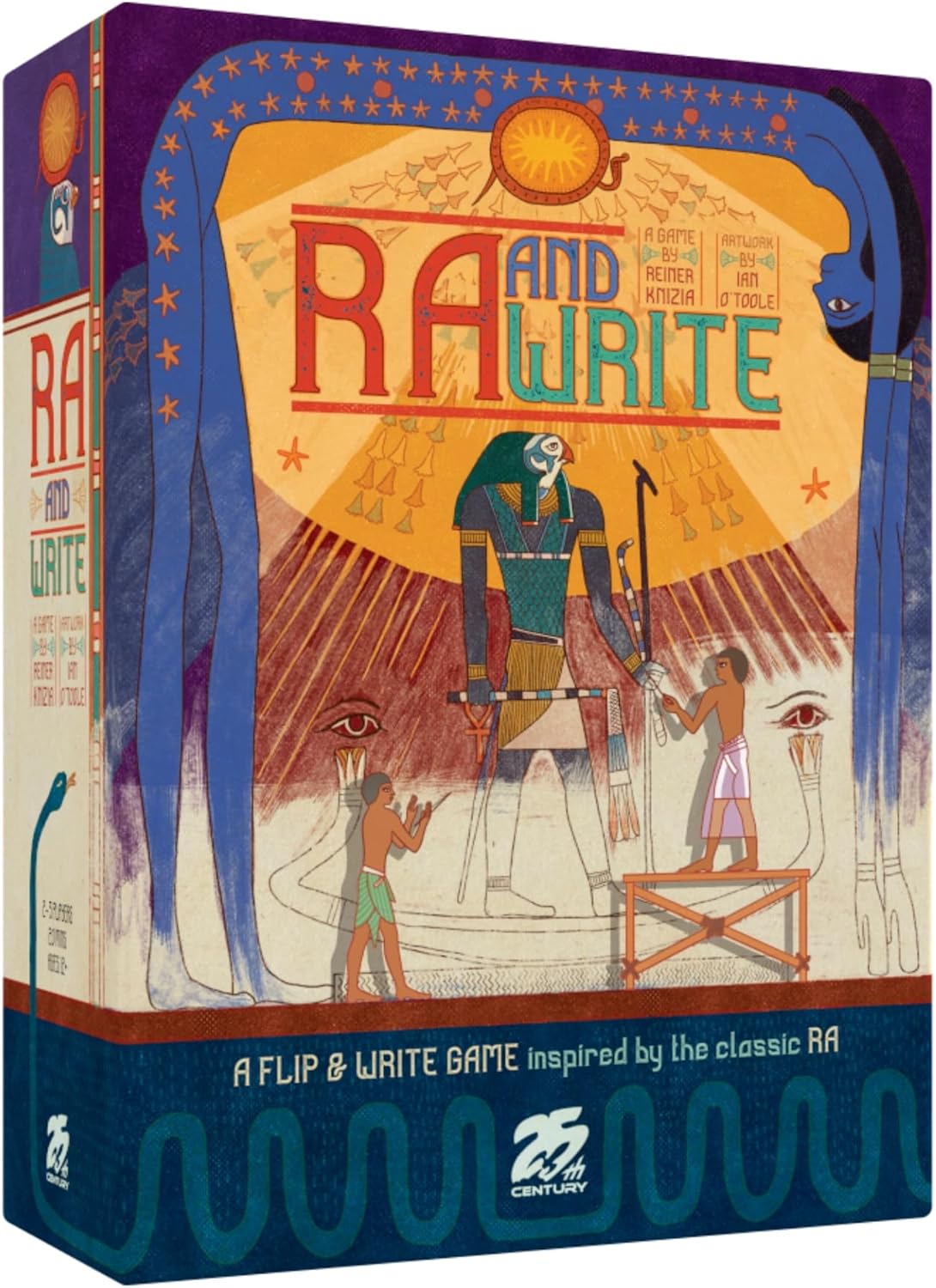
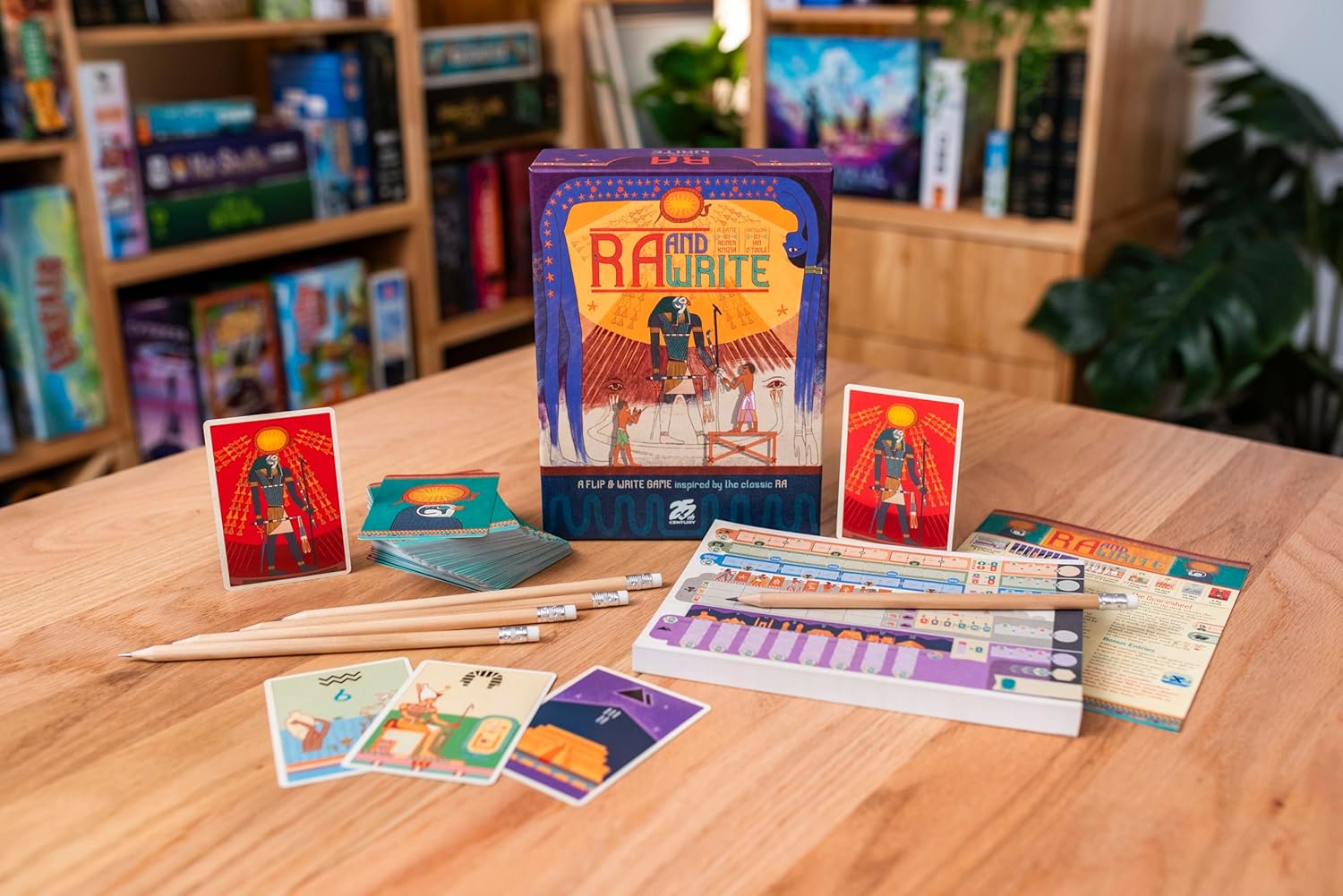
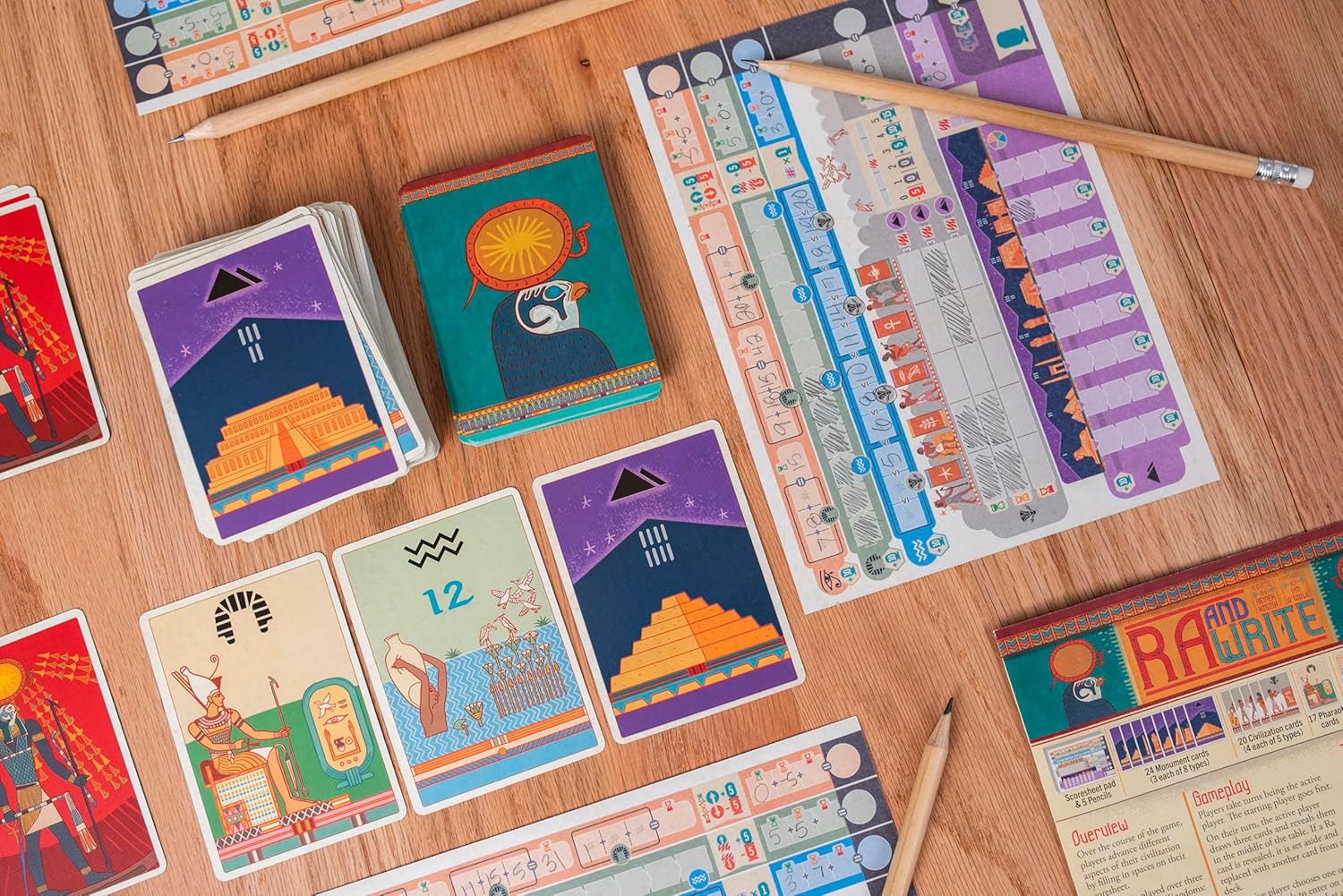
Ra is cleaner. Players draw tiles or invoke Ra, then bid with a tiny fixed set of sun discs. The epoch can end before everyone spends their bids, so every auction contains time pressure. Modern production makes it beautiful, but the enduring mechanism is the threat that there may not be another lot.
The old games that survive do not have more systems. They have one system nobody escaped.
Are Cosmic Encounter and Power Grid too dated for a modern group?
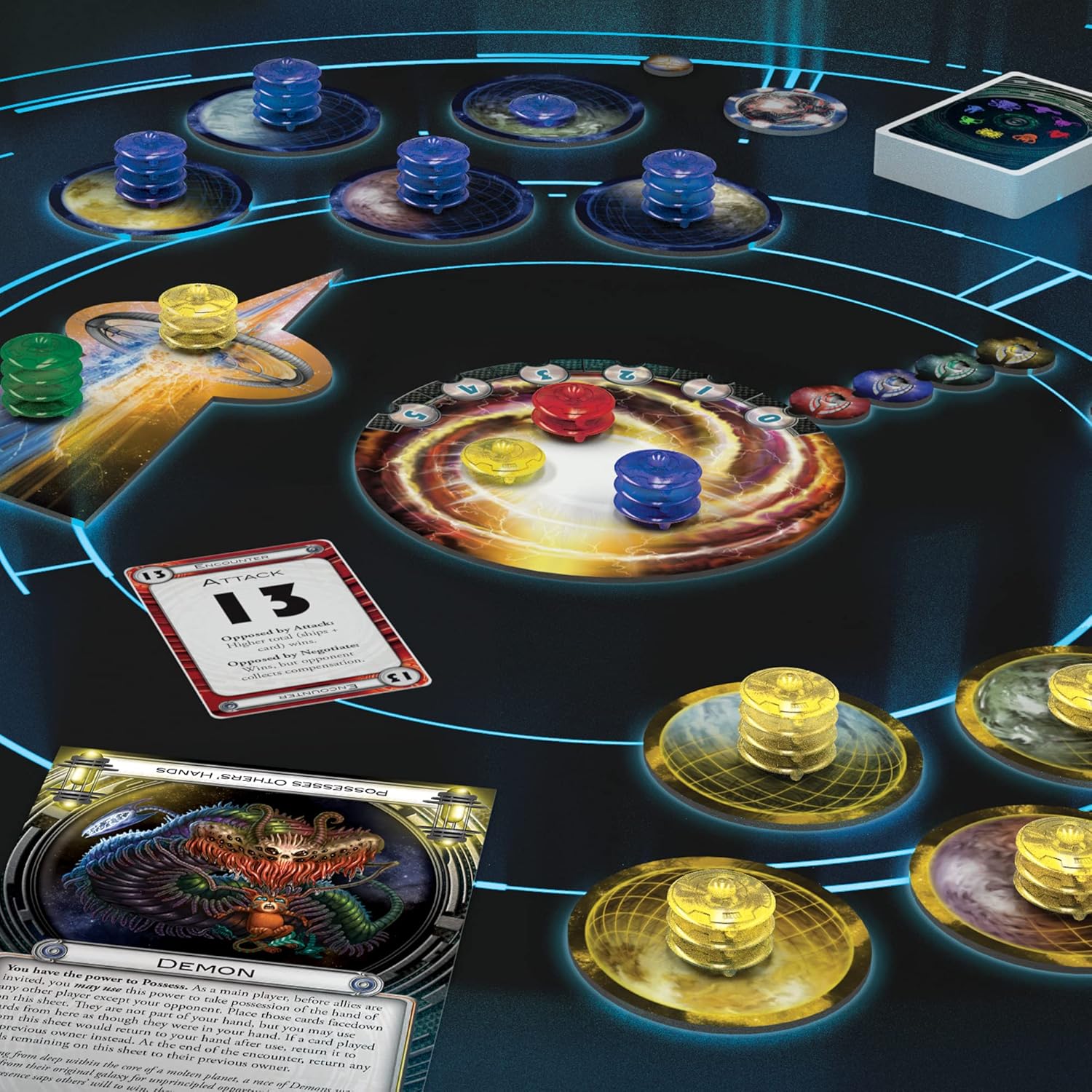

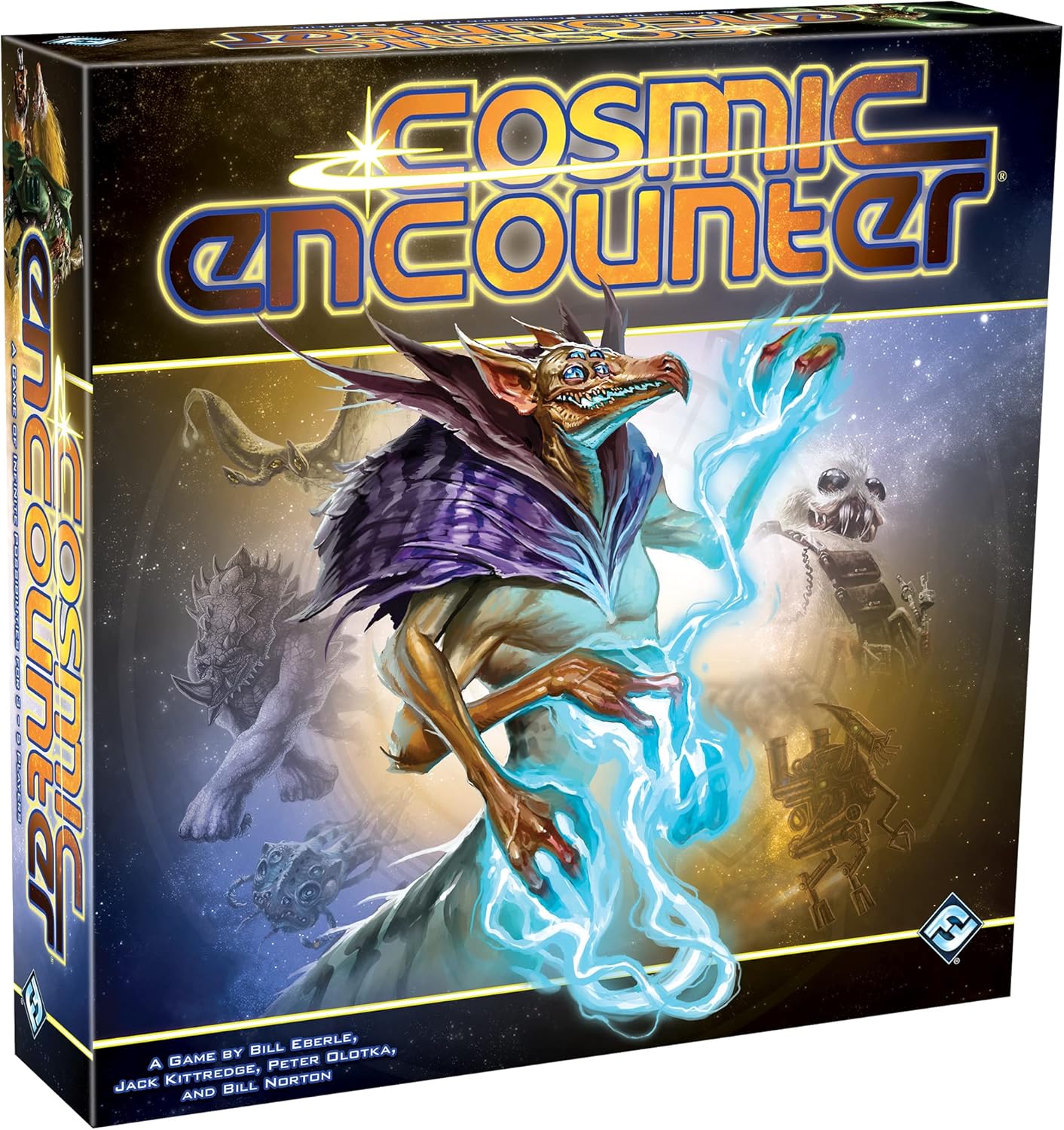
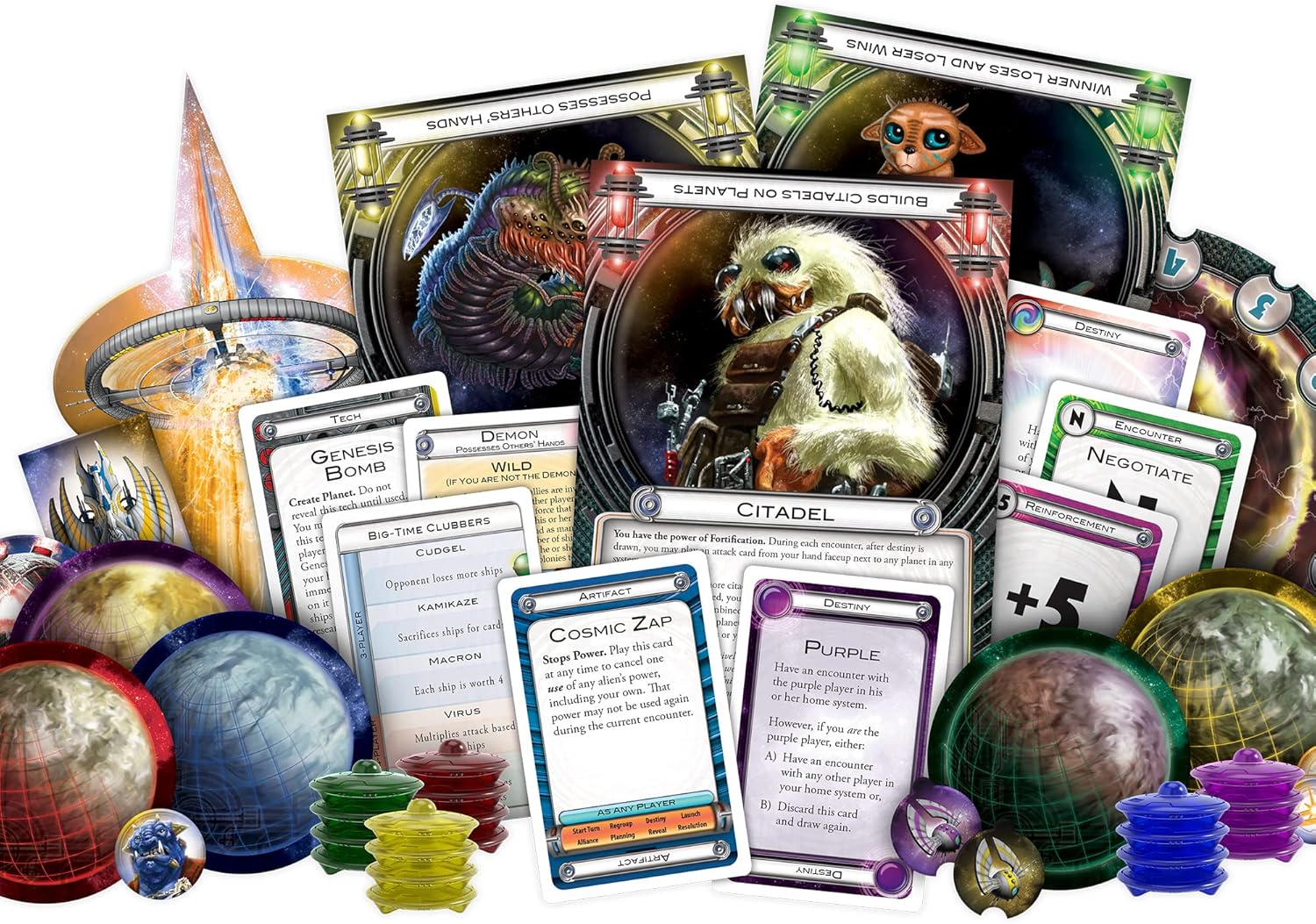
Only if the group wants modern control. Cosmic Encounter gives aliens powers that appear unfair because the answer is social: invite allies, refuse help, negotiate, and coordinate against the threat. A balance-first group may hate it. A table that enjoys politics can still produce stories no symmetrical design can.
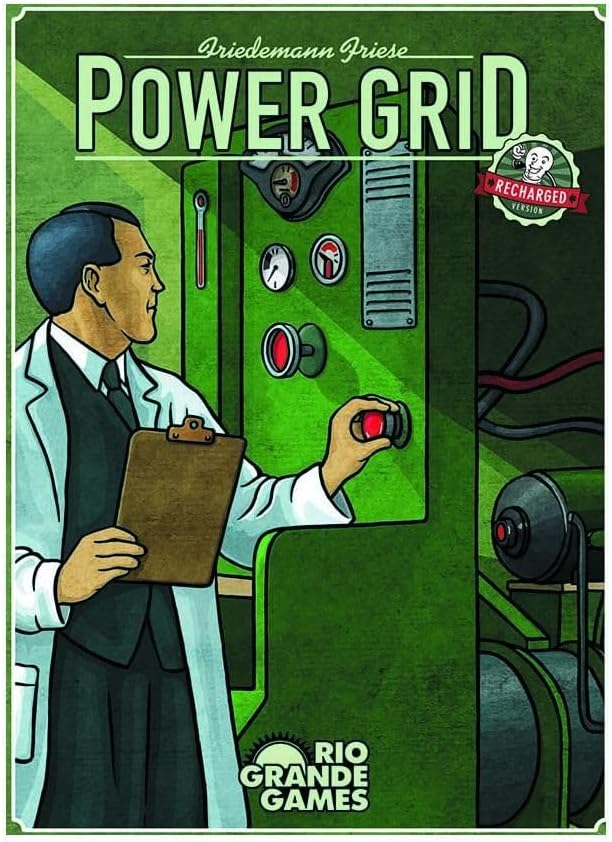
Power Grid looks severe, but the resource market is beautifully physical. Buying coal raises future coal cost; turn order punishes the obvious leader; city expansion rewards timing. The Recharged rules polish the system, yet a slow auction group can stretch the evening. Set a friendly auction pace and narrate the first resource refill. The design is not dated; a hesitant table is simply expensive in minutes.
Why do Bohnanza and For Sale keep defeating larger games?
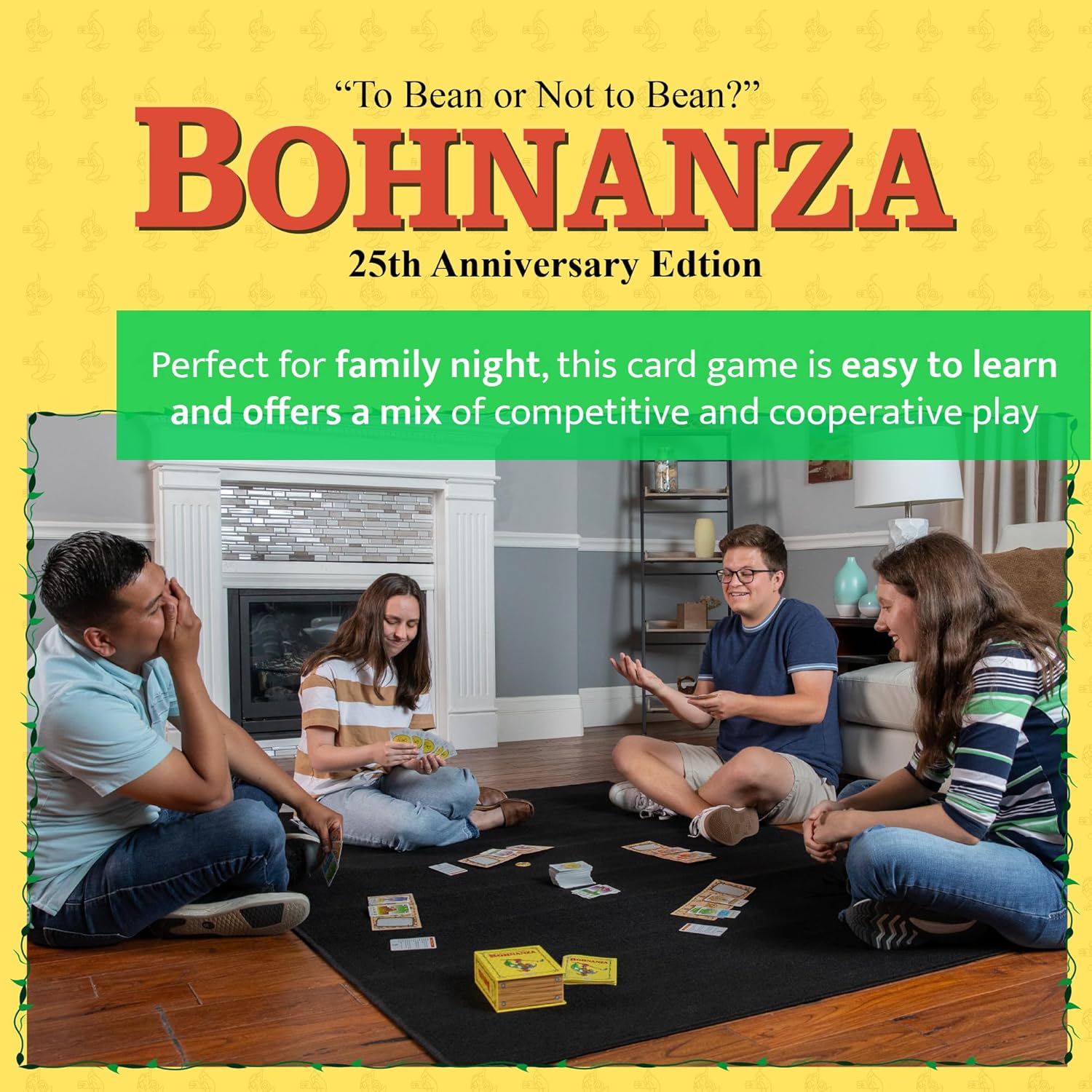

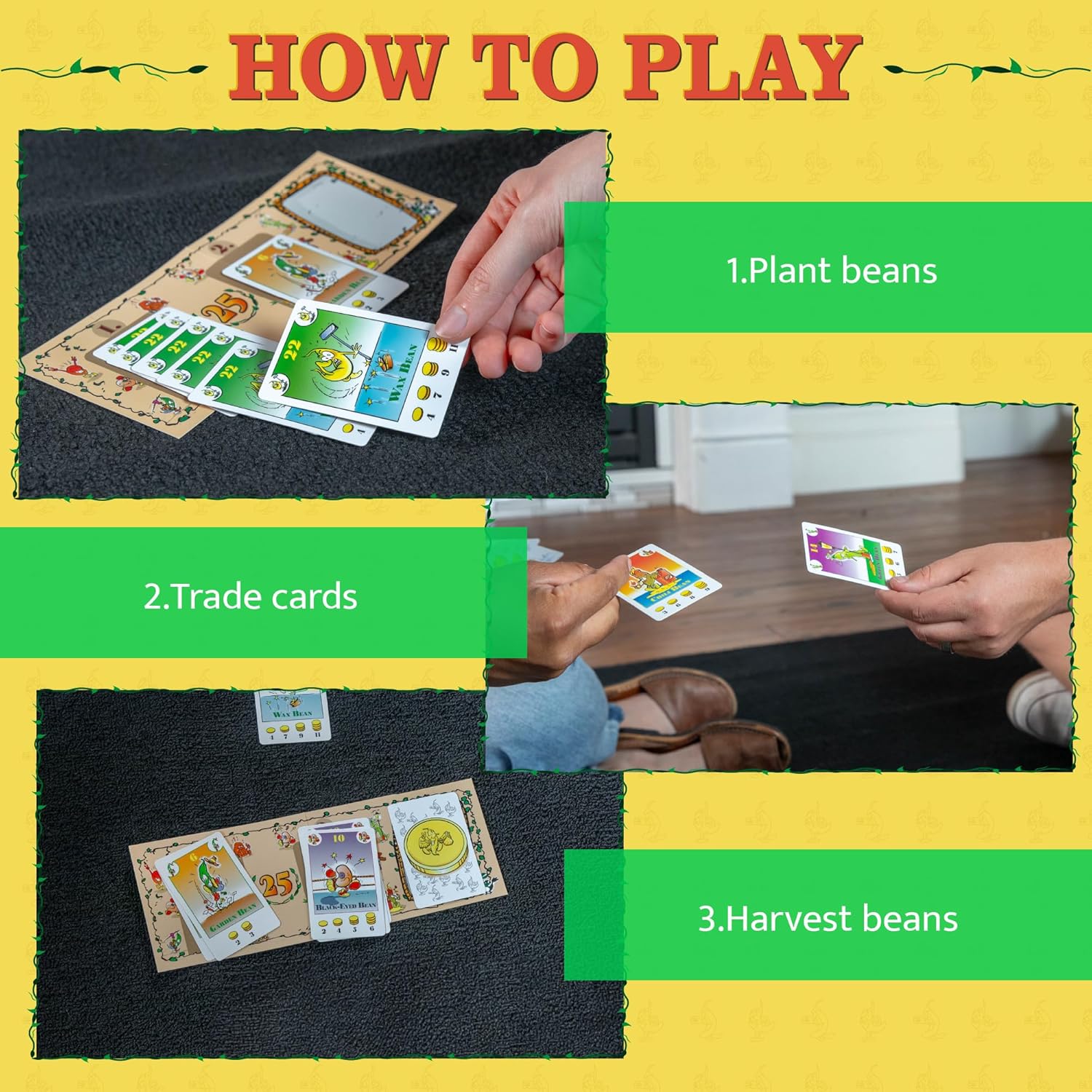
Bohnanza makes negotiation structural. You cannot rearrange your hand, so the wrong bean at the front must be planted, traded, or donated before it destroys a field. Trades become generous, predatory, and funny because both sides often need the same deal for different reasons. The cartoon beans are not trying to look serious; the incentives already are.
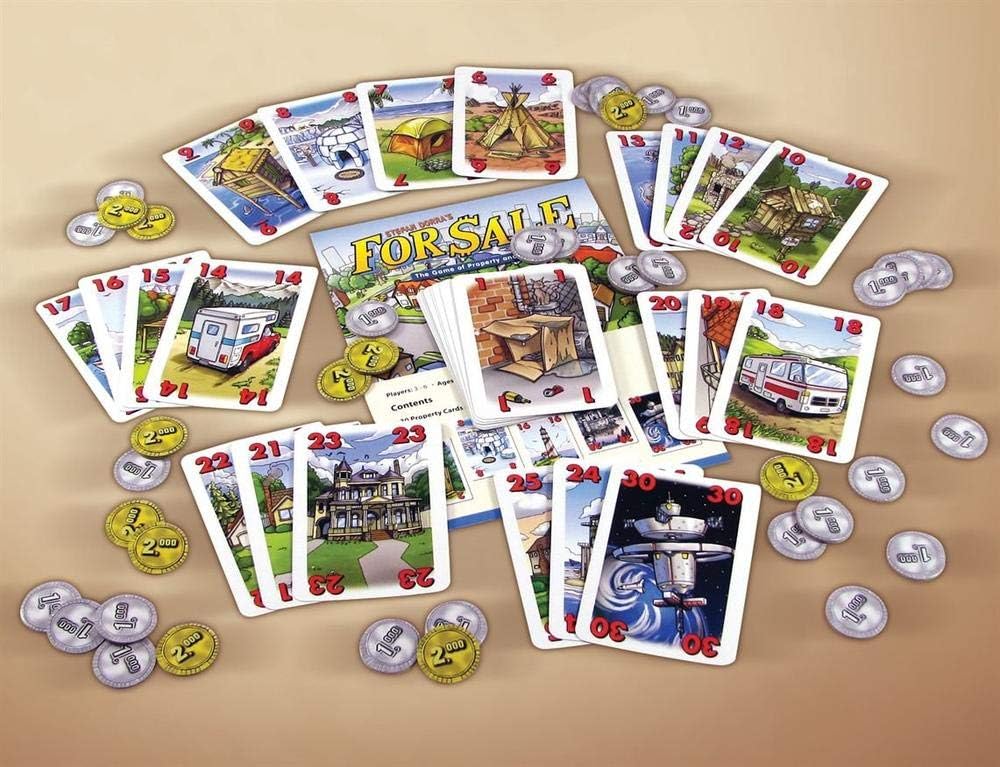
For Sale uses two auctions. First, players bid coins for properties. Then those properties are simultaneously played to claim checks. The second half judges the first half, which means an overbid becomes a future story rather than a mere arithmetic mistake. Both games finish before their central joke is exhausted. That is a form of craftsmanship larger boxes often forget.
Is Modern Art still the best auction game?
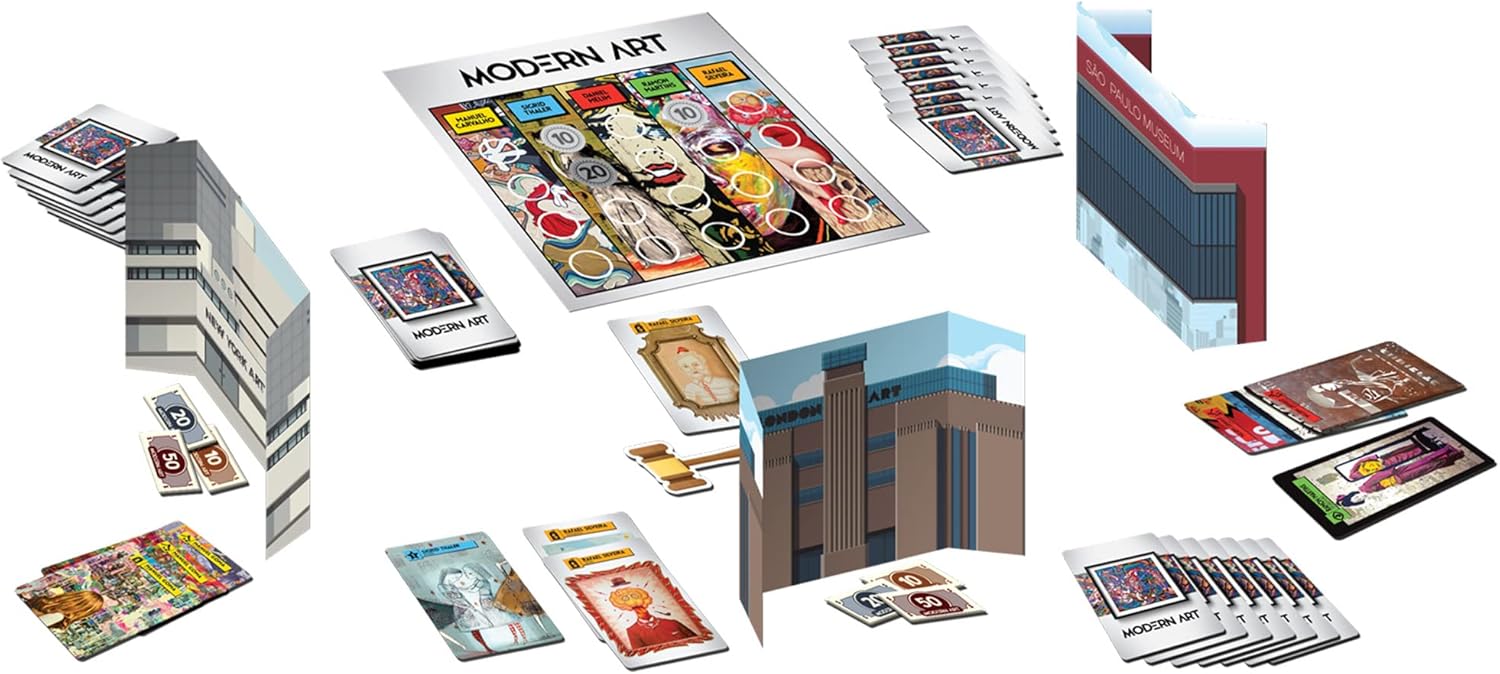

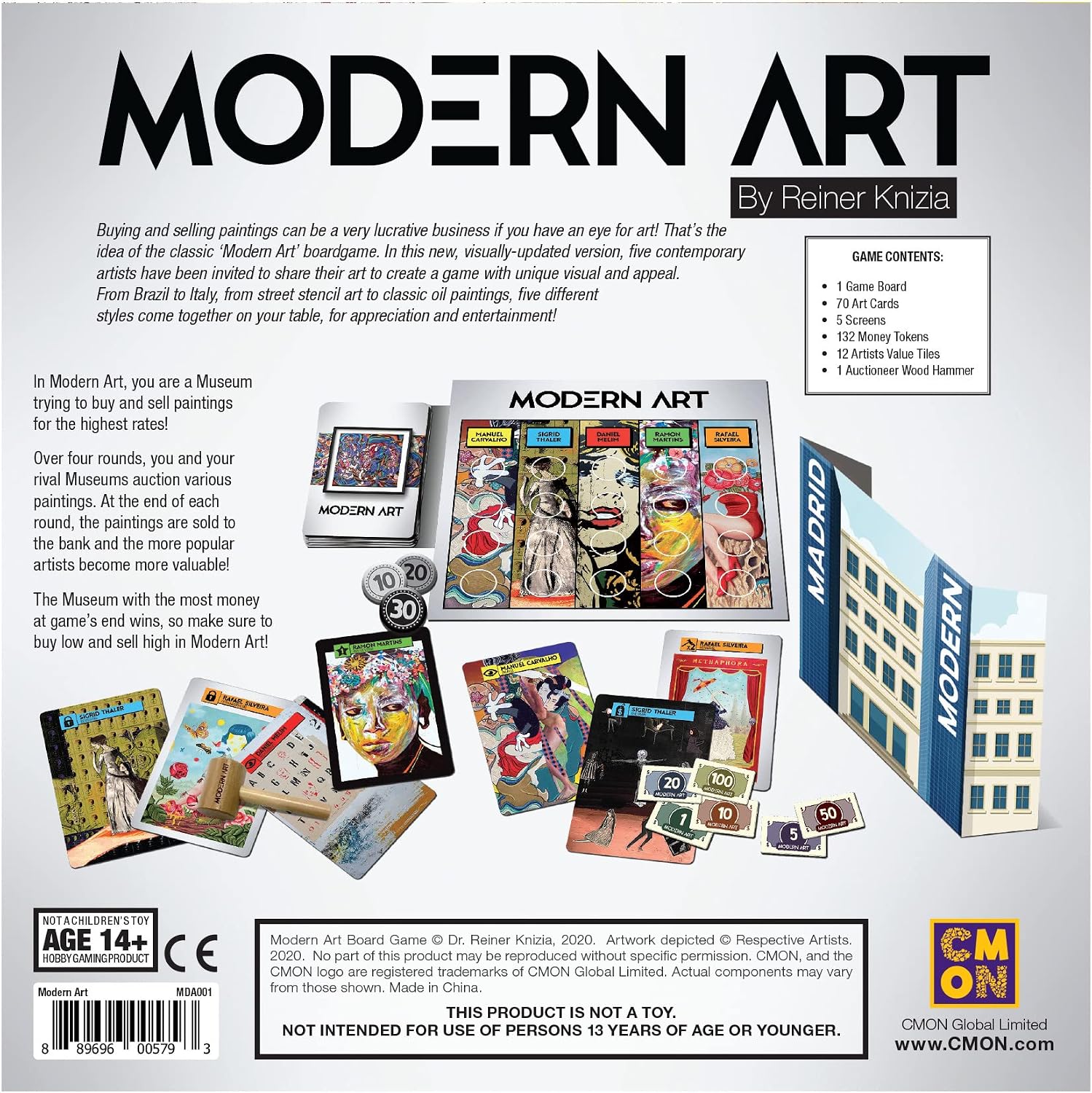
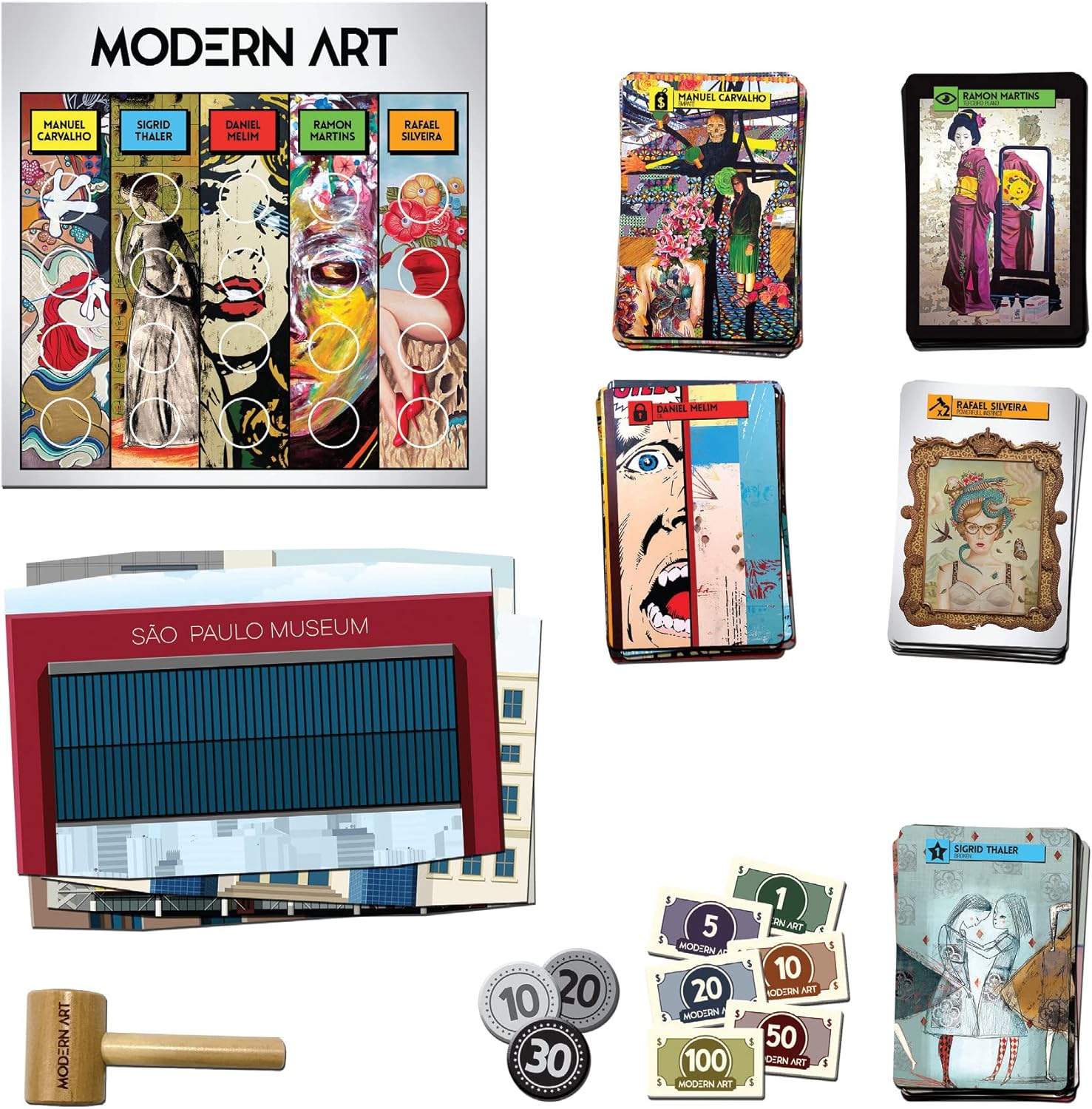
It remains one of the most complete because it teaches five auction formats while allowing the auctioneer to profit from the sale. Cards have no intrinsic printed price. Value emerges from how often each artist appears, what players believe will happen, and how desperately they behave in public.
The game needs one confident teacher to model auction cadence. Do not explain every theoretical implication. Run a sample auction, show that the top artists pay at round end, and let the table discover that selling at the right price can beat buying. Ra is the better constrained auction; Modern Art is the better laboratory for people. Owning both is not redundancy if your group enjoys the genre.
Do Catan, Carcassonne, and Ticket to Ride still deserve a shelf?
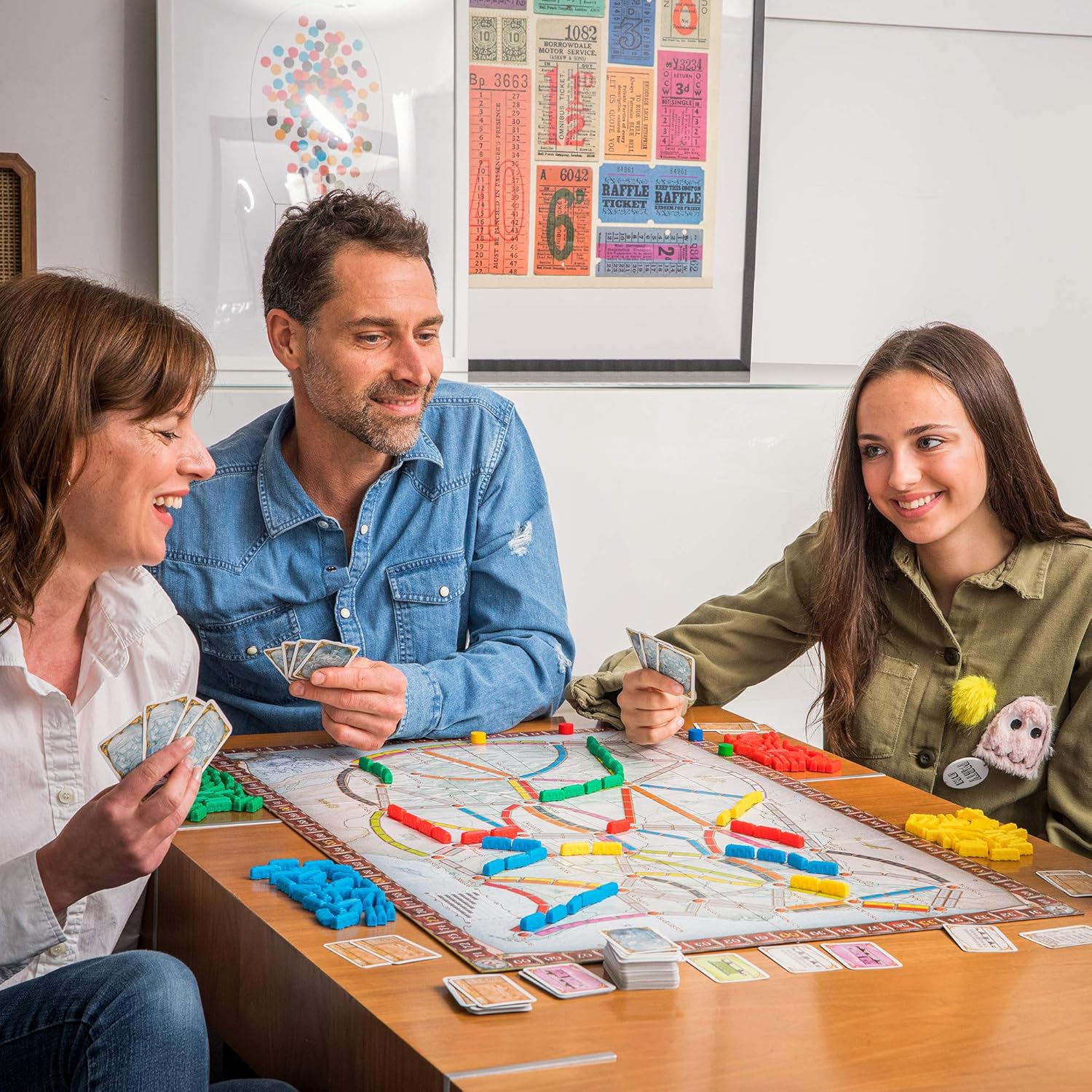

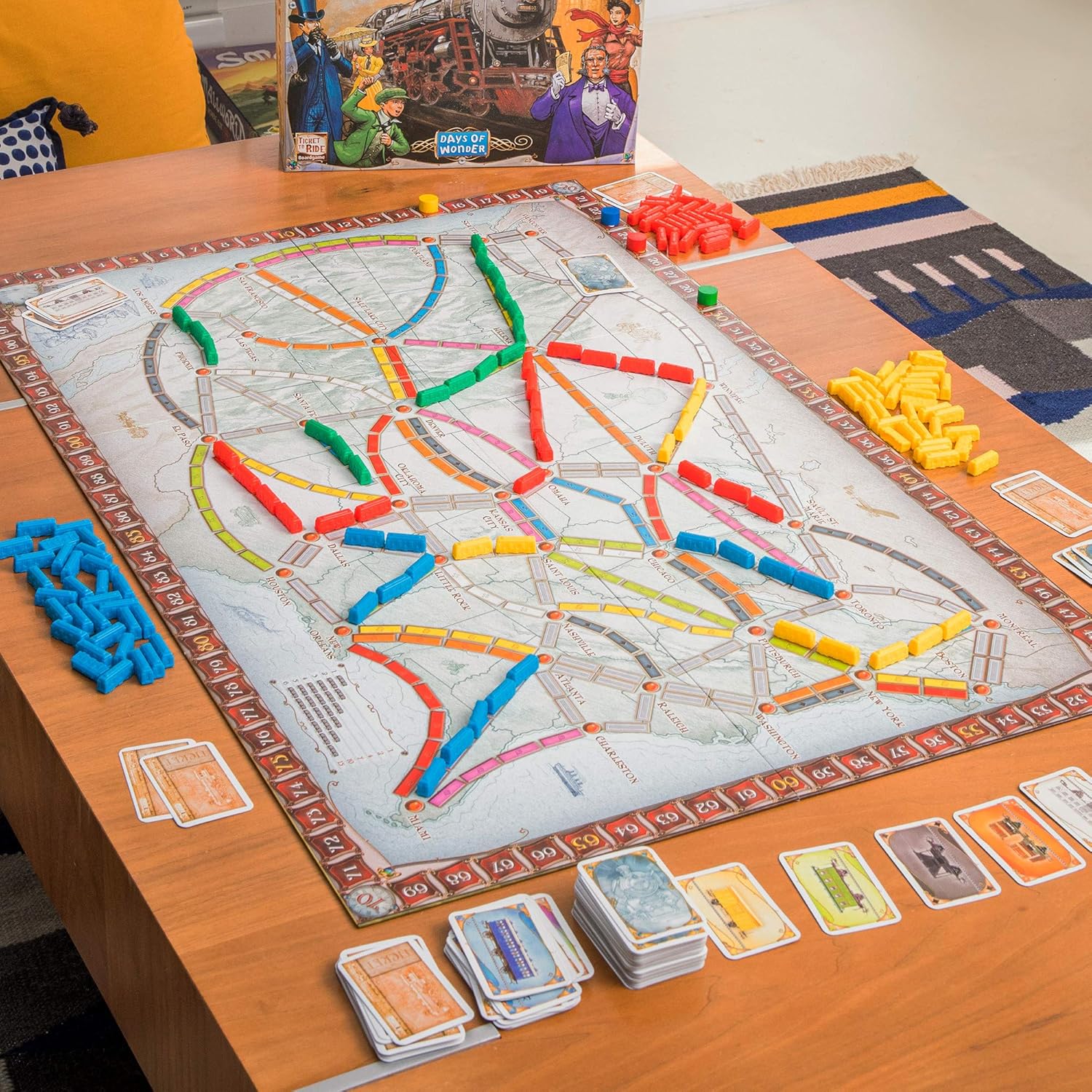
Ticket to Ride remains the most dependable mixed-experience gateway: collect colors, claim routes, complete tickets, and feel spatial pressure without a rules lecture. Carcassonne is the better long-term two-player system; teach without farms first, then add farms when players can read the landscape. Catan still creates trading that many modern gateways avoid, but luck droughts and robber targeting are real costs.
Buy the current sixth-edition Catan base game, not a similarly named card product or extension. Treat Catan as a graduation gateway for a table ready to negotiate and absorb setbacks, not as the automatic answer for every family. These three survived because their boards make progress visible. Their differences matter more than their shared fame.
How should you teach a classic without preserving its bad habits?

Use modern teaching. Give the objective first, demonstrate one turn, and isolate the friction. In Acquire, show a merger payout. In Ra, score one sample epoch. In Cosmic, stage one encounter with allies. In Power Grid, refill the resource market visibly. In Bohnanza, enforce hand order with an open hand. In Carcassonne, omit farms for the first game.
Do not preserve a confusing teach because “that is how we learned.” A classic survives through clear transmission, not ritual suffering. Also separate rules from manners: Catan’s robber and Cosmic’s negotiation can feel personal, so name the interaction before it lands. Players tolerate sharp systems better when the host tells the truth about the edge.
Provenance tells you where the game came from. Teaching decides whether it goes anywhere next.
Which old game should you not buy just because it is famous?
Skip any classic whose defining interaction your group avoids. Skip Cosmic for balance purists, Power Grid for auction-averse players, Catan for a conflict-sensitive family, Hive-like abstracts for people who dislike direct pressure, and long economic games when the host refuses to enforce pace. Historical influence is not table compatibility.
Also skip a collector edition when the current standard edition contains the design you want. Premium chips and thicker boards can improve repeated handling, but they cannot make the central mechanism suit you. Play a friend’s copy or a standard edition first. The box may be old, but the buyer can still use contemporary restraint.
The picks
Some links below are affiliate links — as an Amazon Associate, Puzzlewick earns from qualifying purchases, at no extra cost to you. It never changes a pick.
 4 photos
 Acquire
Sid Sackson’s hotel-merger game still produces a modern decision: invest early, protect majority, trigger a merger, or hold cash while everyone else grows. The current Renegade edition restores the physical board presence.
- Unique merger incentives
- Sharp interaction
- Excellent at 4–5
- Stock cards and money feel thin to some owners
- Can punish a weak opening
 4 photos
 Ra
Knizia’s auction game survives because every lot is entangled with the end of the epoch. You are bidding not only on value but on timing, scarcity, and whether anyone will have another turn.
- Elegant auction tension
- Excellent production
- Strong at 3–5
- Scoring takes one game to parse
- Some groups dislike auctions
 4 photos
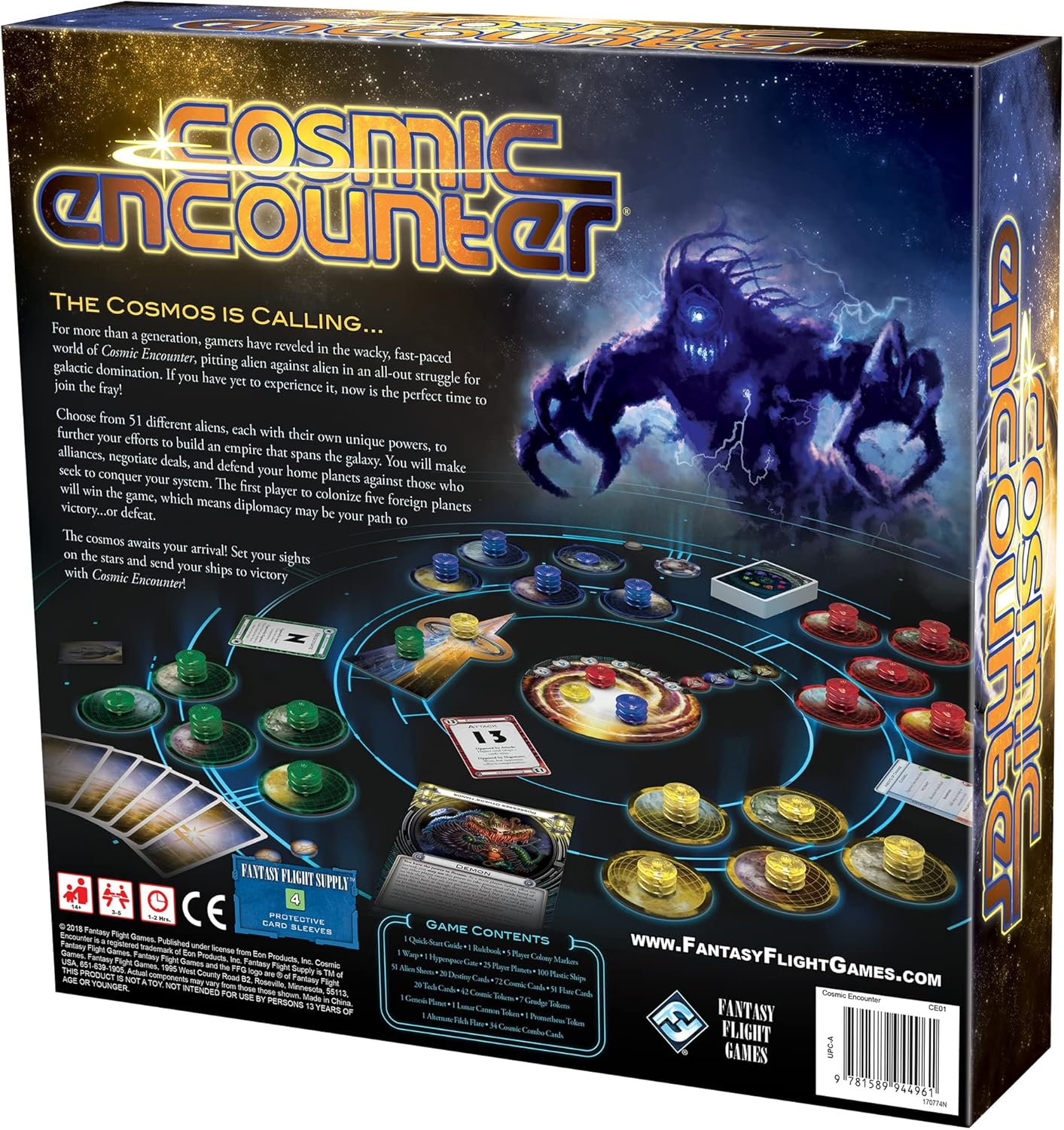
 Cosmic Encounter
Every alien breaks a rule, every encounter can recruit allies, and diplomacy matters more than calculating an engine. Its imbalance is not an accident; the table is expected to negotiate around it.
- Wild asymmetry
- Memorable table politics
- Huge variety
- Deliberately unstable balance
- Poor for control-focused groups
Power Grid: Recharged
Power Grid remains a clean economic machine: bid for plants, buy resources from a market that responds to demand, and expand a network without exposing your timing. Recharged tidies rules and compatibility.
- Interactive resource market
- Meaningful turn order
- Durable economic depth
- Long with slow auction groups
- Presentation is functional
 4 photos
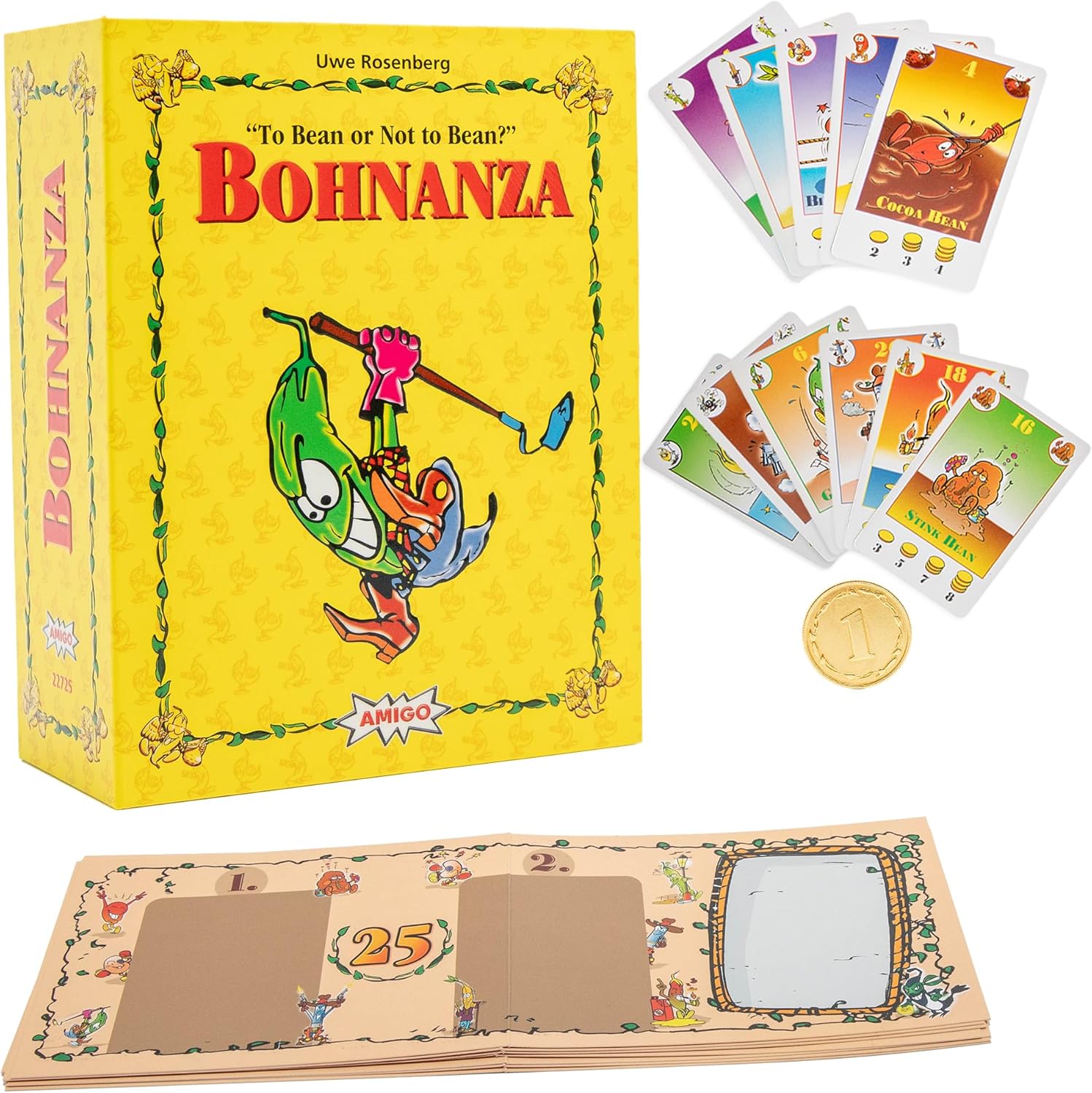
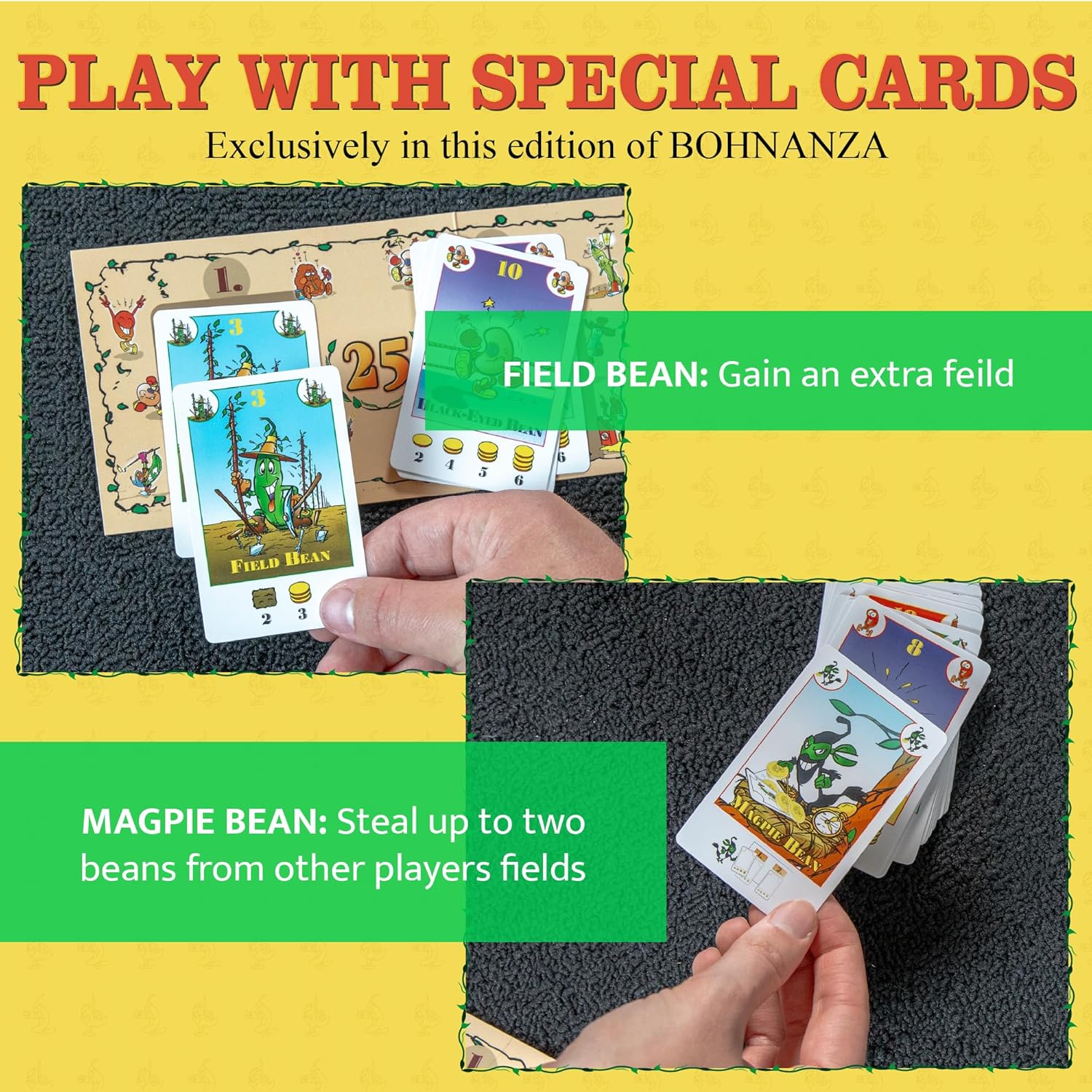
 Bohnanza: 25th Anniversary Edition
You cannot reorder your bean cards, so trading is not optional politeness; it is how you rescue the future of your hand. The anniversary edition adds variants without burying the core.
- Negotiation with a structural purpose
- Works across a broad group
- Easy to carry
- Art is divisive
- Quiet groups miss the magic
 2 photos
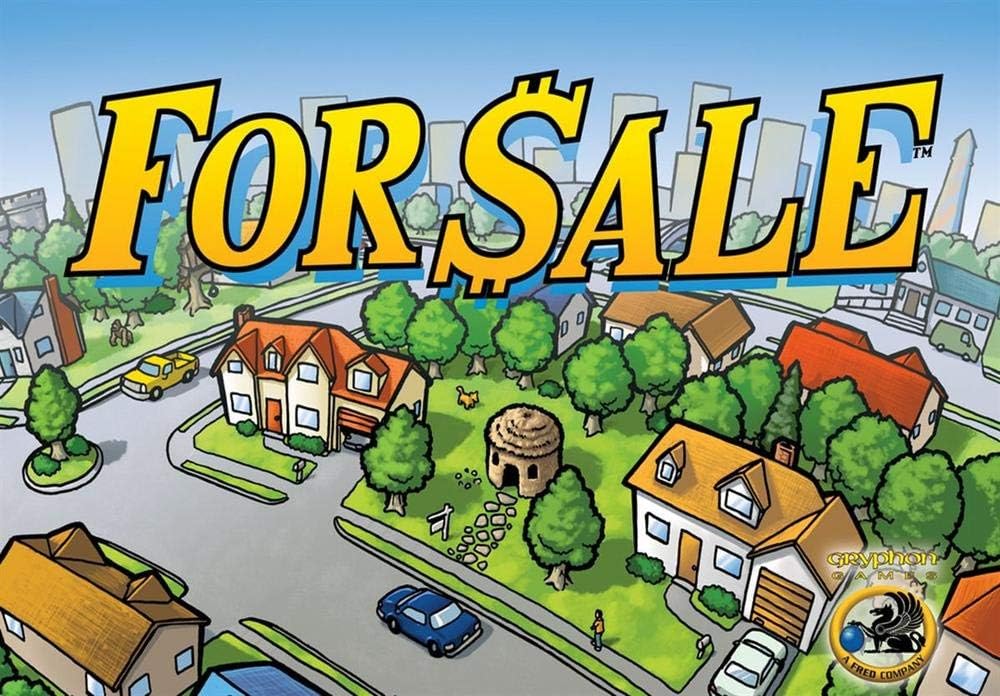
 For Sale
First buy properties; then sell them for checks. The split structure makes every early overpayment echo later, while the full game stays short enough for immediate correction.
- Fast paired-auction structure
- Simple teach
- Excellent closer
- Lightweight
- Edition art varies
 4 photos
 Modern Art
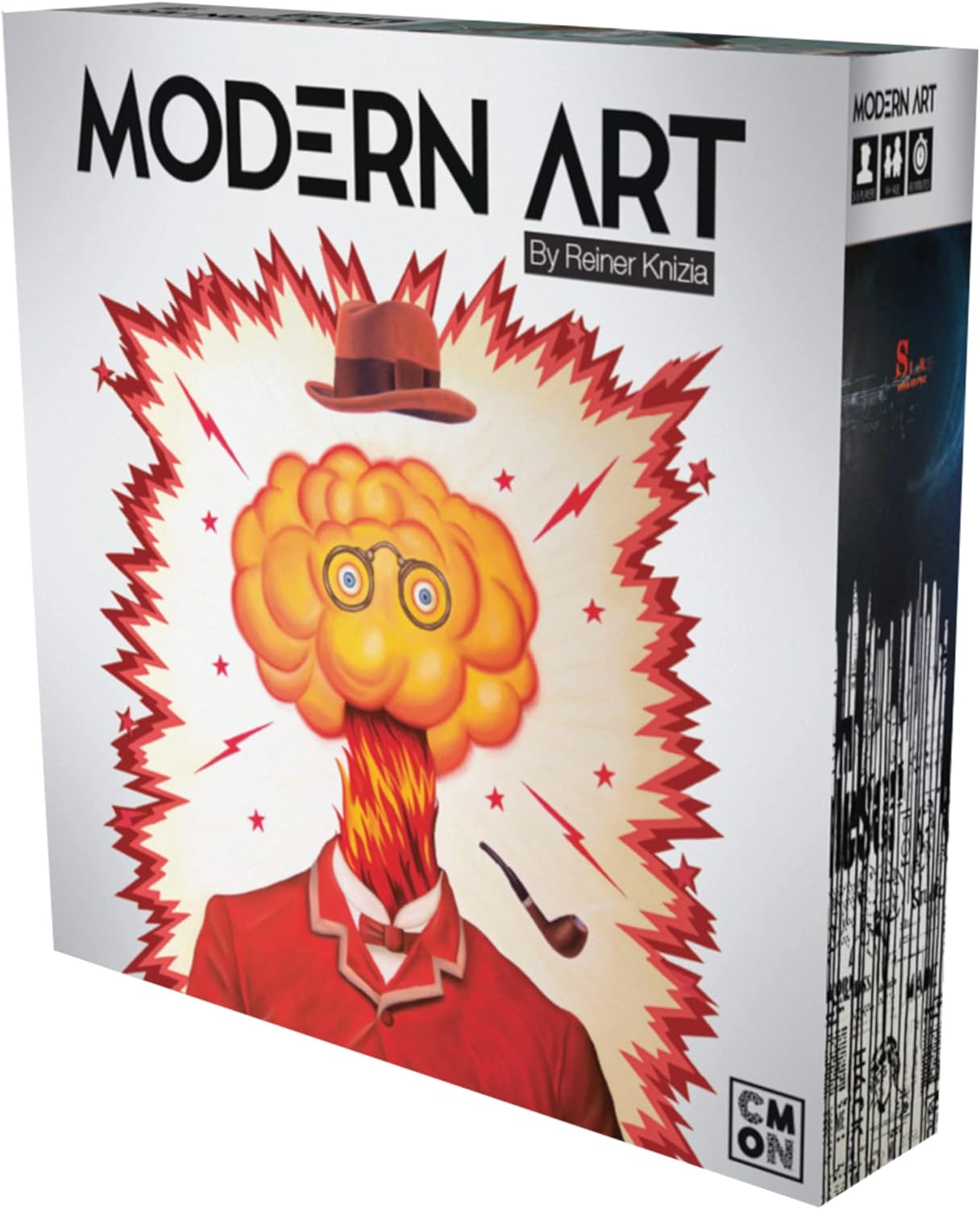
The art has no printed economic value. Players manufacture the market by auctioning, buying, and then discovering which artists pay at round end. The person selling can profit more than the buyer.
- Five auction types
- Players create the economy
- Excellent social reading
- Needs a willing auctioneer
- Can intimidate quiet newcomers
 4 photos
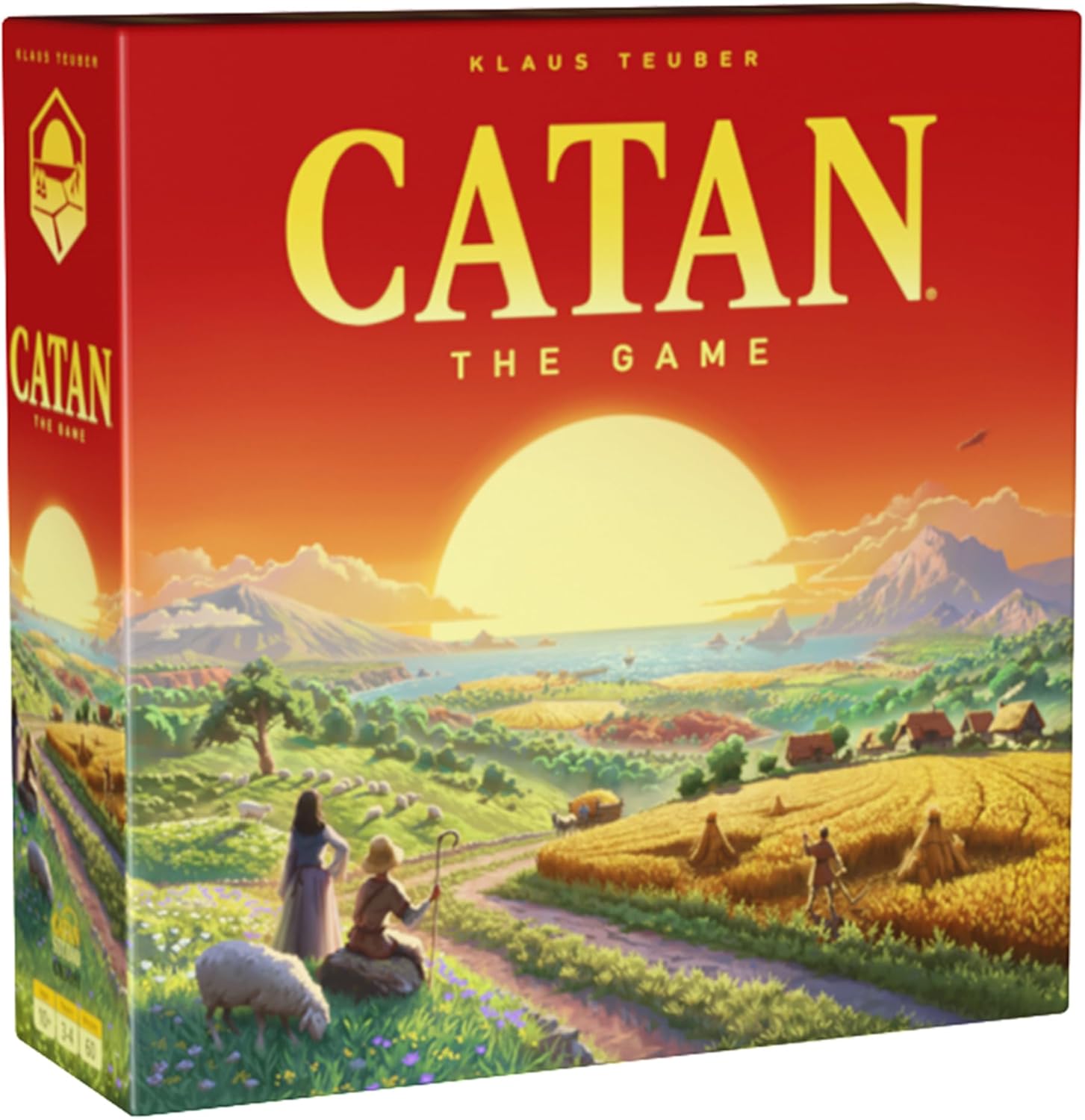
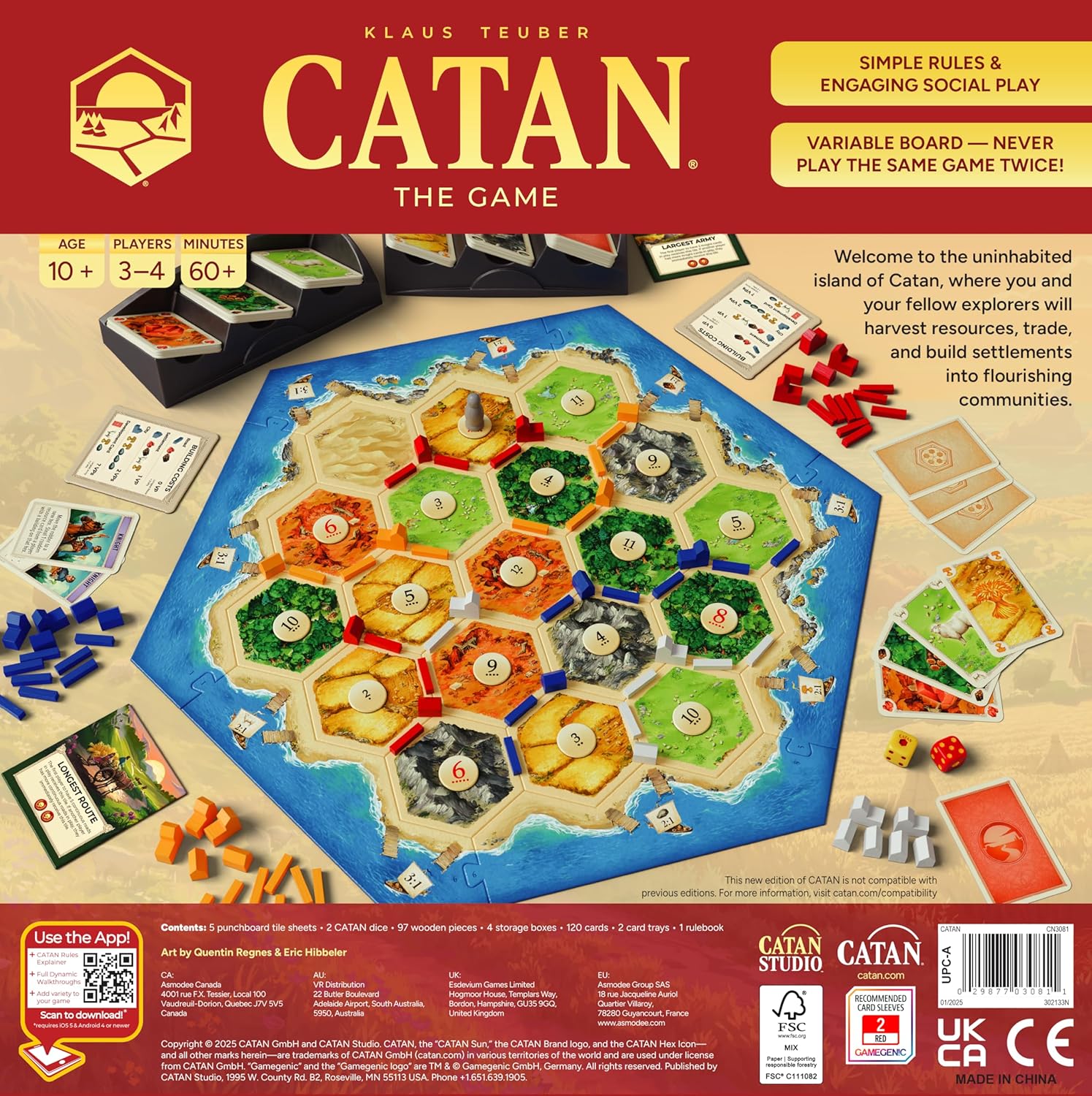
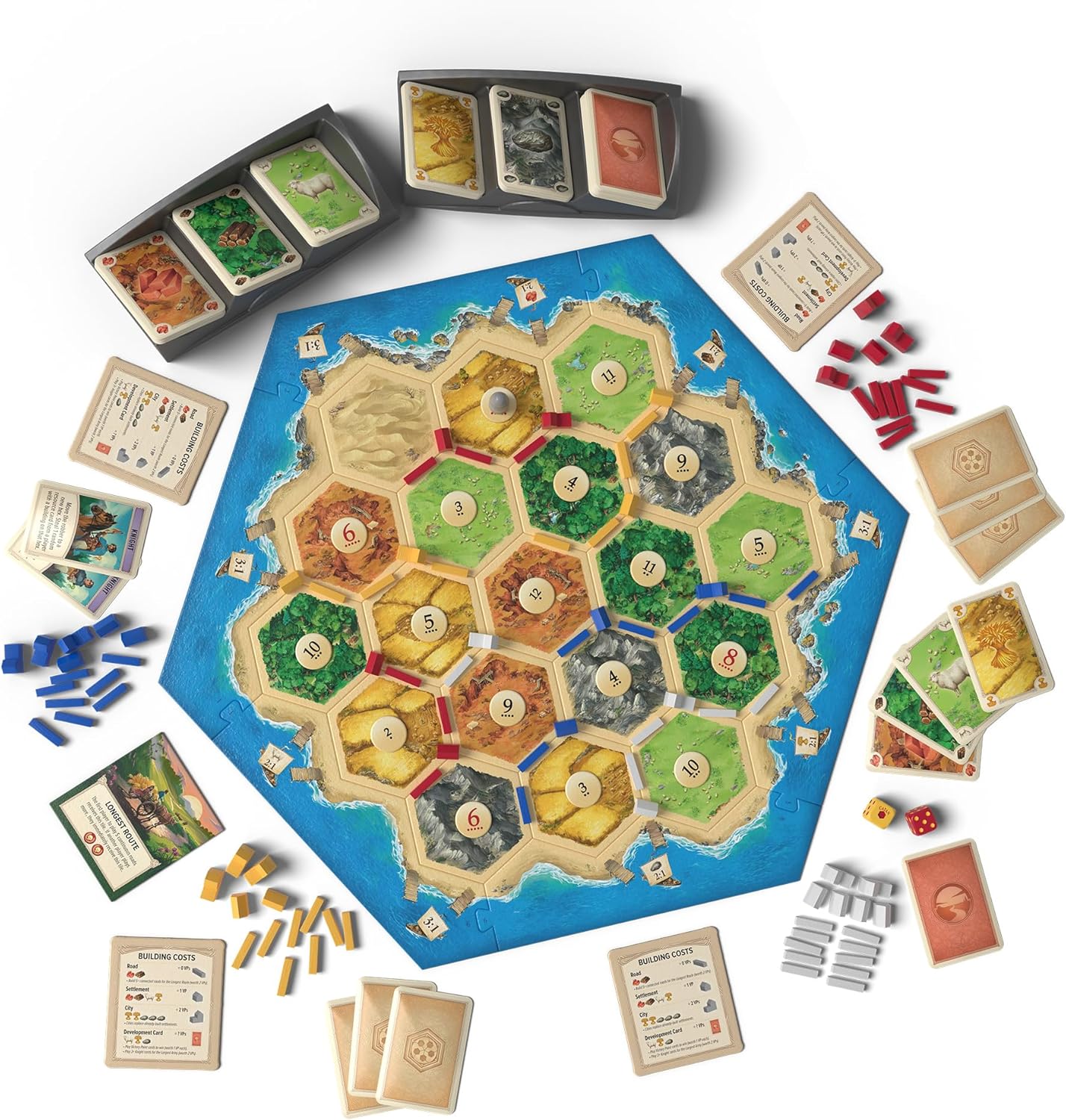
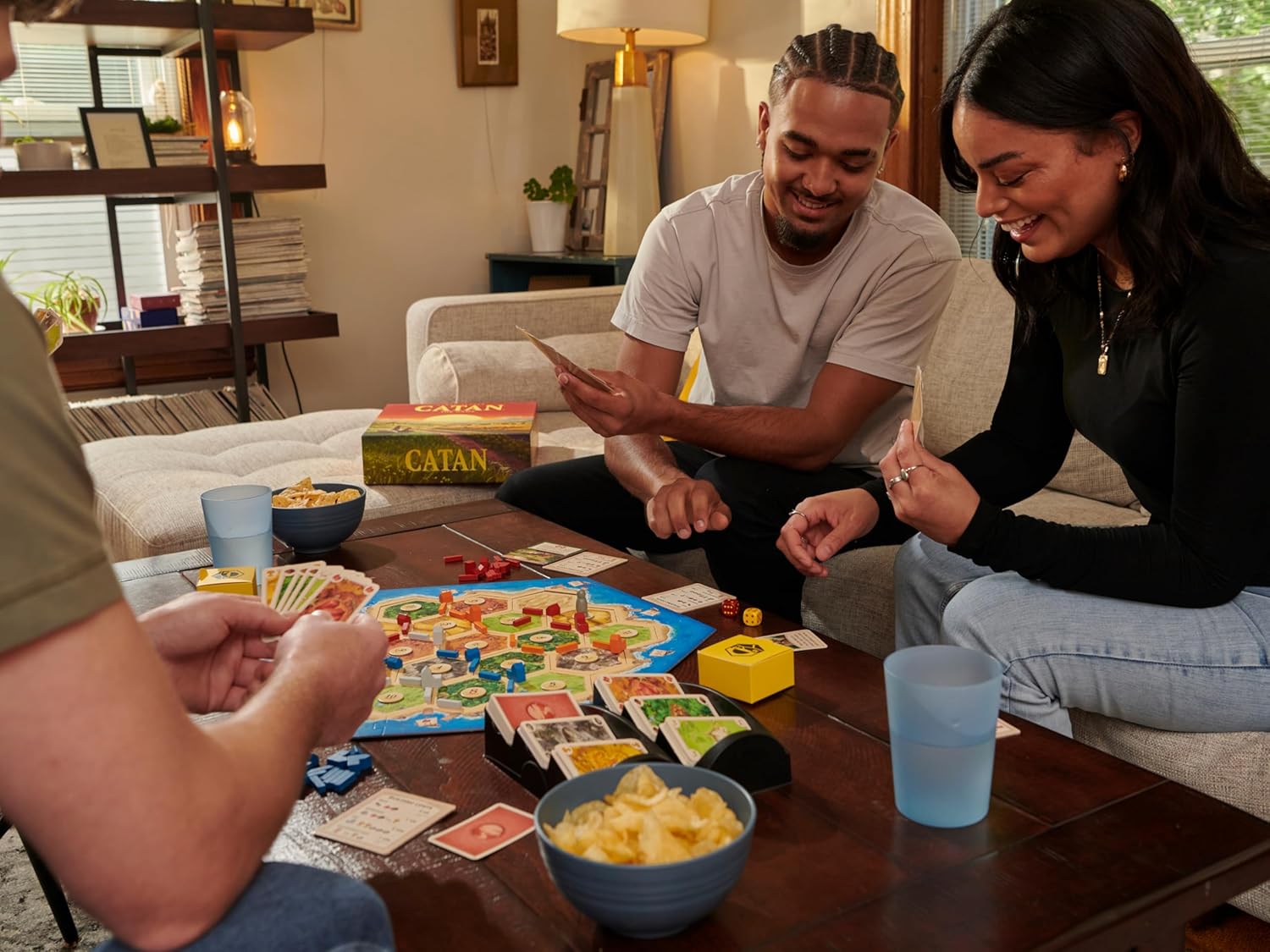
 CATAN (Sixth Edition)
Catan remains historically important and genuinely engaging when the table enjoys negotiation. The sixth edition is the current base product. Dice droughts and robber targeting are still real, so it is no longer the automatic first gateway for every family.
- Trading creates human play
- Variable setup
- Massive teaching ecosystem
- Luck can strand a player
- Robber feels personal
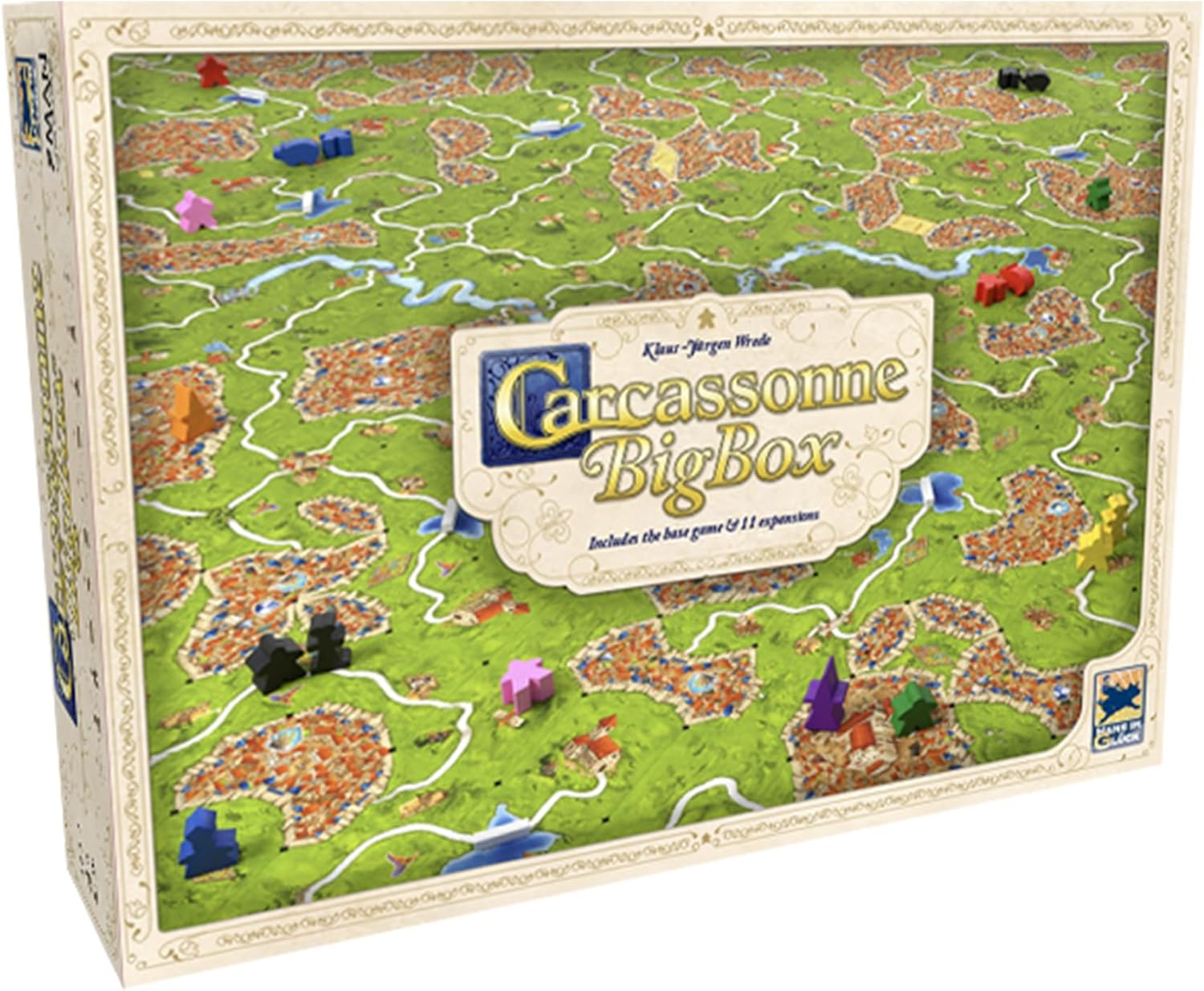
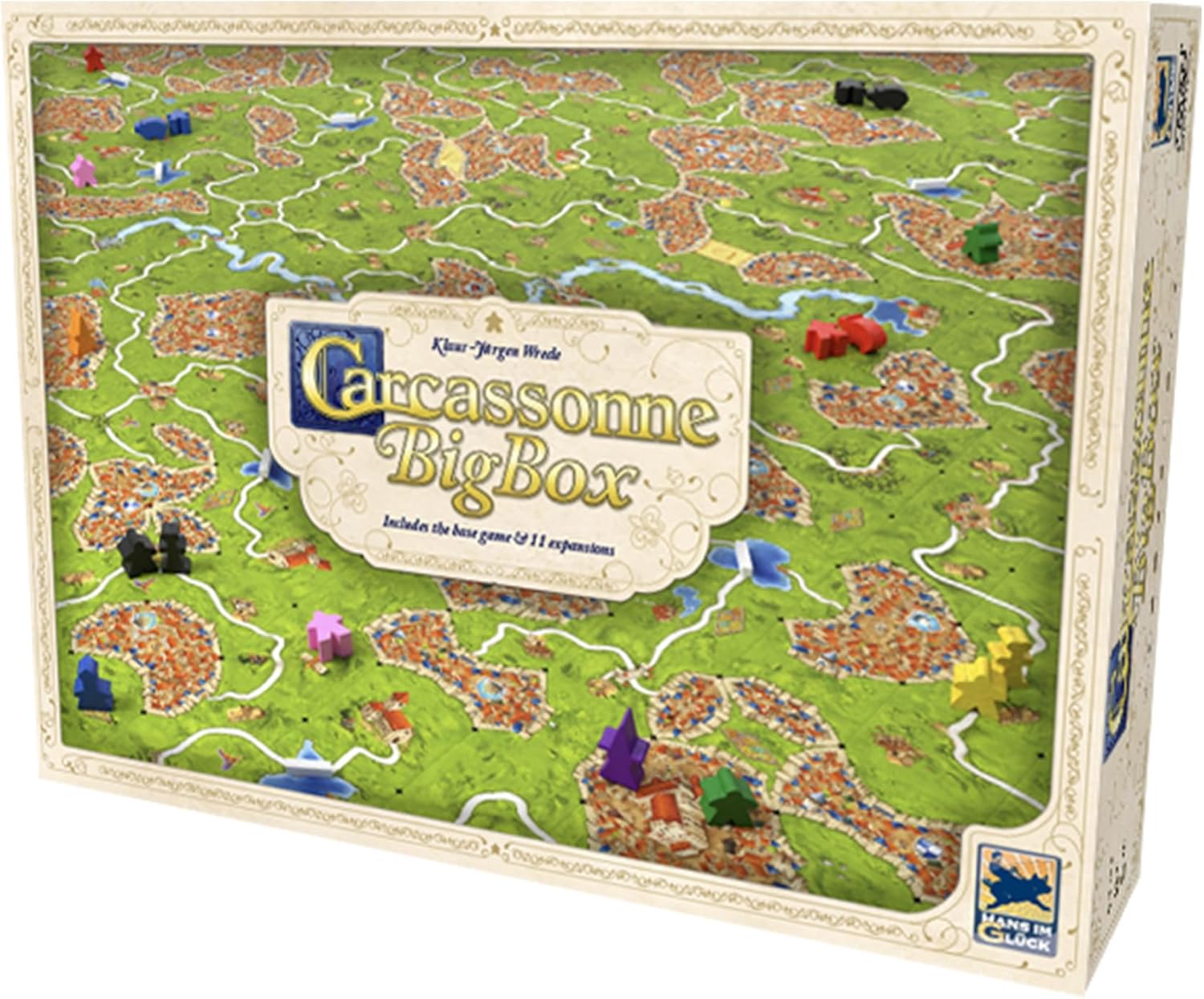
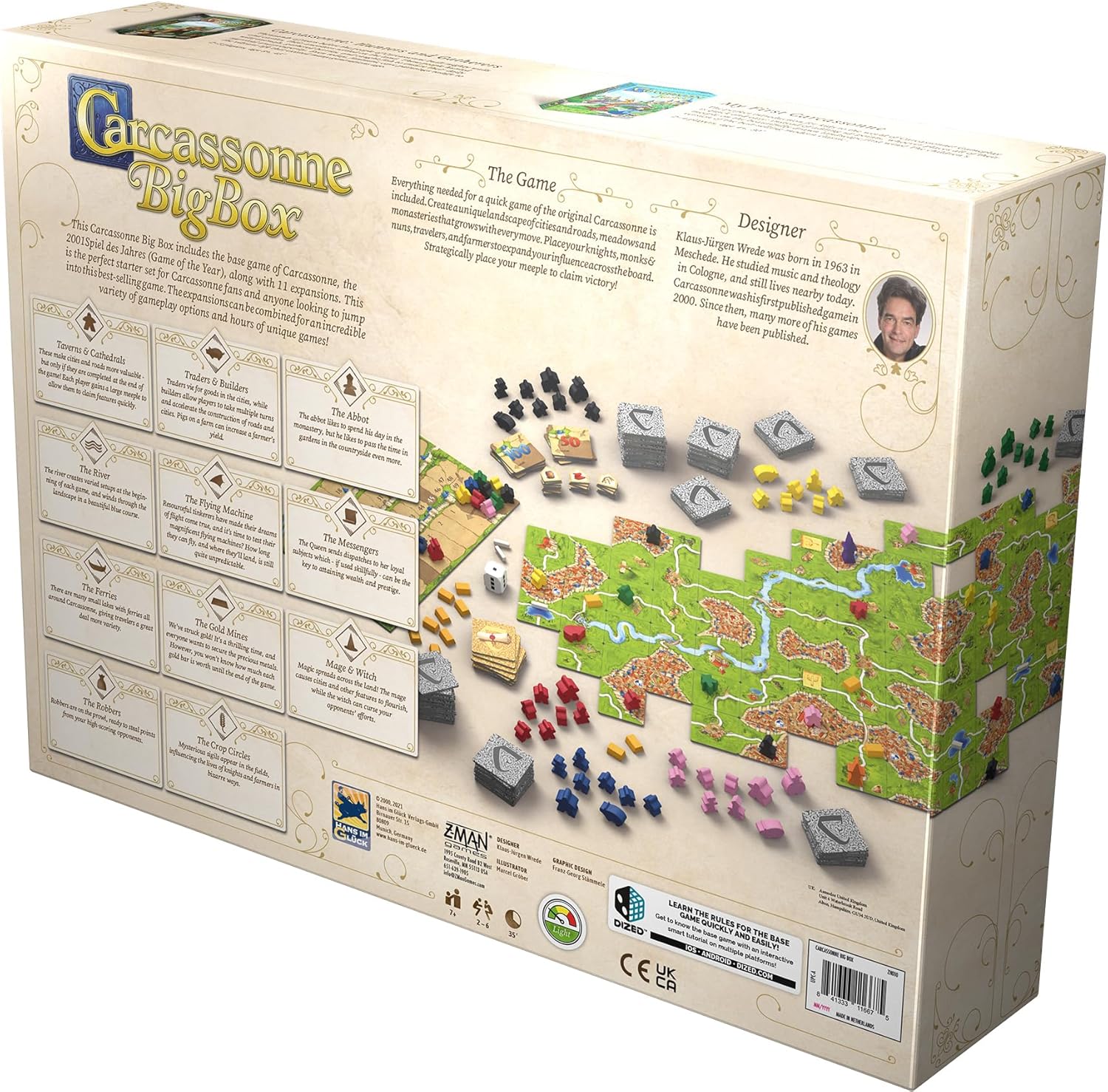
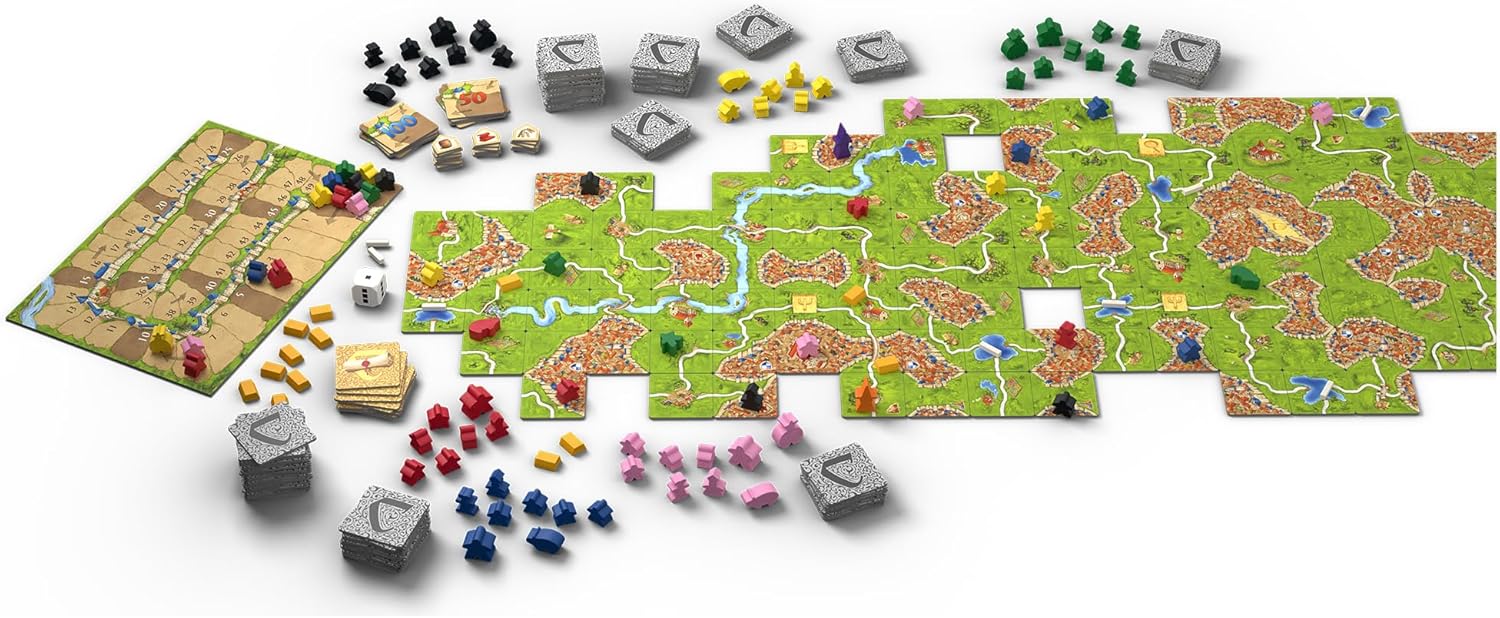 4 photos
 Carcassonne
Draw a tile, extend the landscape, and decide whether to commit a limited follower. Farms and shared features create the depth; omit farms for a first teach, then add them once the map feels readable.
- Immediate visual play
- Scales from calm to cutthroat
- Excellent at two
- Farm scoring needs a careful teach
- Random tile draw
 4 photos
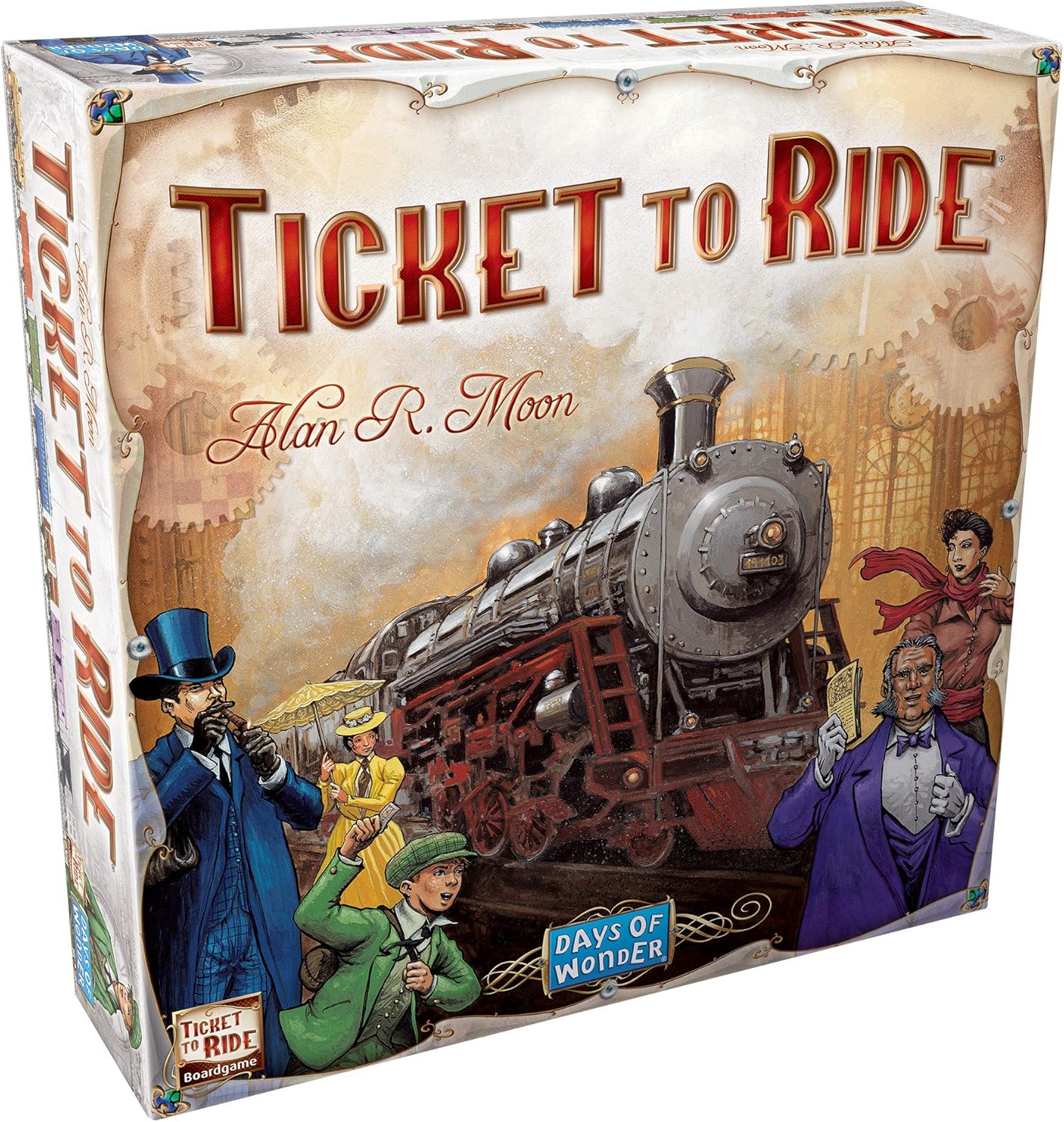
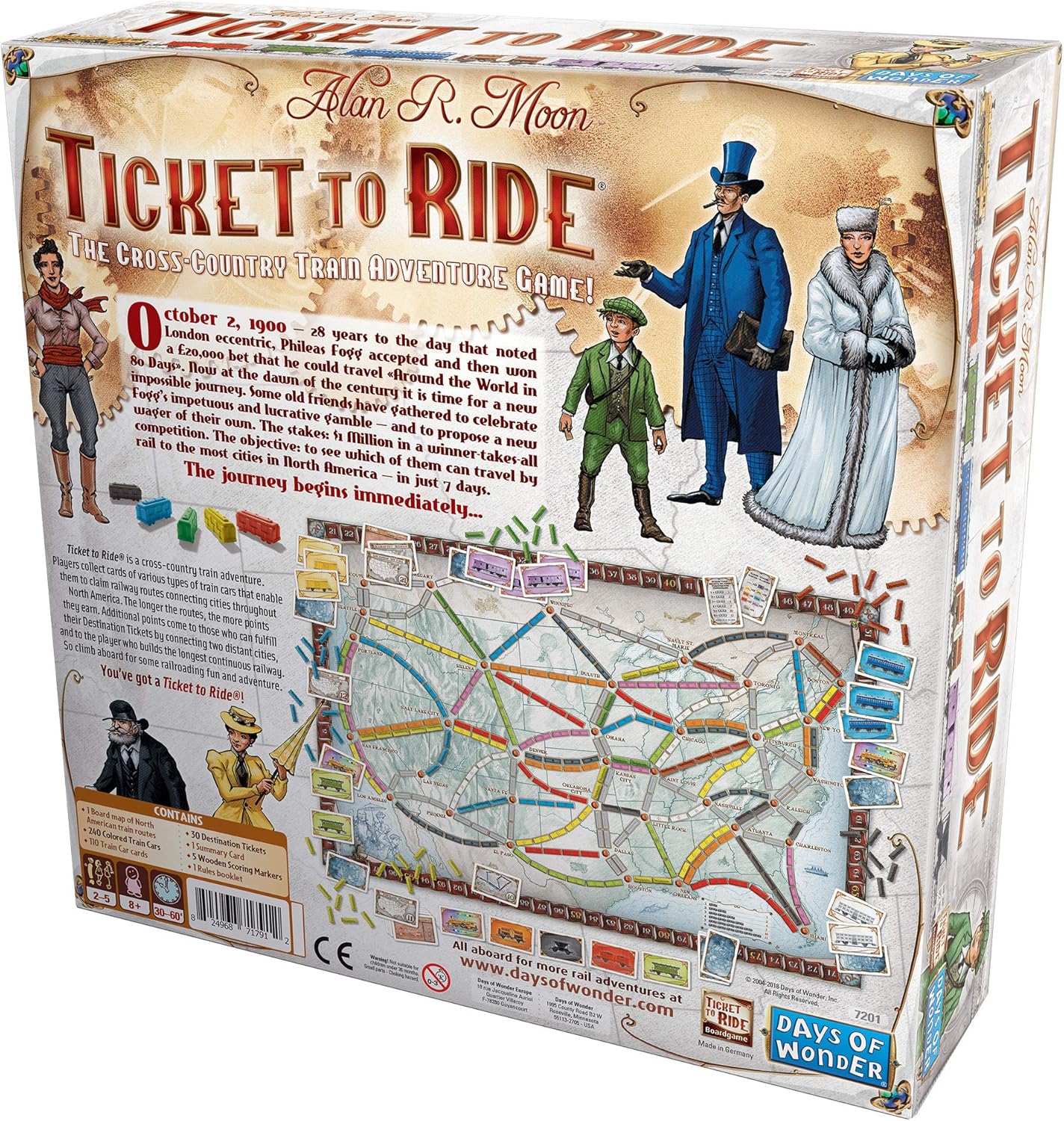
 Ticket to Ride
Collect sets, claim routes, and finish destination tickets before the network closes. It remains one of the cleanest introductions to hand management and spatial pressure.
- Excellent family accessibility
- Clear arc and visible board
- Works with mixed experience
- Route blocking can sting
- Base USA map can feel open at low counts
At a glance
| Classic | Still special because | Best for | Modern caveat |
|---|---|---|---|
| Acquire | Sid Sackson’s hotel-merger game still produces a modern decision: invest early, protect majority, trigger a merger, or hold cash while everyone else grows | Players who want ruthless mergers and visible positional finance. | Stock cards and money feel thin to some owners |
| Ra | Knizia’s auction game survives because every lot is entangled with the end of the epoch | Players who want auctions, push-your-luck timing, and a complete game in an hour. | Scoring takes one game to parse |
| Cosmic Encounter | Every alien breaks a rule, every encounter can recruit allies, and diplomacy matters more than calculating an engine | A social group that wants negotiation and asymmetric powers more than balance. | Deliberately unstable balance |
| Power Grid: Recharged | Power Grid remains a clean economic machine: bid for plants, buy resources from a market that responds to demand, and expand a network without exposing your timing | Economic players who enjoy auctions, network timing, and shared market pain. | Long with slow auction groups |
| Bohnanza: 25th Anniversary Edition | You cannot reorder your bean cards, so trading is not optional politeness; it is how you rescue the future of your hand | Talkative groups who enjoy trading and being trapped by hand order. | Art is divisive |
| For Sale | First buy properties; then sell them for checks | Groups wanting two linked auctions in about twenty minutes. | Lightweight |
| Modern Art | The art has no printed economic value | Groups that want the players to create value through five auction formats. | Needs a willing auctioneer |
| CATAN (Sixth Edition) | Catan remains historically important and genuinely engaging when the table enjoys negotiation | Families and gateway groups that want trading and a variable shared map. | Luck can strand a player |
| Carcassonne | Draw a tile, extend the landscape, and decide whether to commit a limited follower | Players wanting tile-laying that can be gentle or quietly ruthless. | Farm scoring needs a careful teach |
| Ticket to Ride | Collect sets, claim routes, and finish destination tickets before the network closes | Mixed-experience families who need one dependable route game. | Route blocking can sting |
Questions, answered
What old board game feels most modern?
Ra. Its auction clock, constrained bids, push-your-luck tile row, and short arc remain unusually clean.
Is Acquire still worth playing?
Yes for 4–5 players who enjoy mergers, positional investing, and direct interaction. Sleeve the stock cards and consider poker chips if the thin money bothers you.
Is Catan still good in 2026?
Yes for groups that enjoy trading and can absorb dice luck and robber targeting. It is no longer the automatic first gateway for every family.
Which classic is best for two players?
Carcassonne is the most flexible classic recommendation at two. Dedicated modern duels may be sharper, but Carcassonne rewards repeat map reading.
What is the best classic auction game?
Ra for constrained, tactical auctions; Modern Art for varied auction formats and social market psychology; For Sale for a short two-stage auction.
Is Cosmic Encounter balanced?
Not in the modern symmetrical sense. Alien powers are intentionally uneven, and negotiation is expected to correct threats. That instability is the design.
Should I buy deluxe editions of classic games?
Only after you know the standard design gets repeat play. Production can improve handling, but it cannot improve group fit.
Are these current editions direct Amazon products?
Yes. The guide links exact Amazon product-detail ASINs and uses images from those same listings.
Kenji's verdict
Start with Ra if you want the classic most likely to feel newly released, Acquire for mergers, Cosmic for diplomacy, Power Grid for economics, Bohnanza for trading, Modern Art for auction psychology, For Sale for speed, Ticket to Ride for mixed experience, Carcassonne for repeat tile play, and Catan when the table actively wants negotiation. Preserve the decision, modernize the teach, and never buy history as homework.
Research ledger 14 sources · reviewed 2026-07-15
Specifications, rules, current product information, community experience, and contrary evidence were checked against the sources below. Commercial links are kept separate from editorial evidence.
- renegadegamestudios.comrenegadegamestudios.com/acquire
- 25thcenturygames.com25thcenturygames.com/products/ra-regular-edition
- store.asmodee.comstore.asmodee.com/products/cosmic-encounter
- reddit.comreddit.com/r/boardgames/comments/1ugtii2/daily_game_recommendations_thread_june_27_2026
- reddit.comreddit.com/r/boardgames/comments/1onab9z/what_board_games_do_you_think_have_aged_well_and
- reddit.comreddit.com/r/boardgames/comments/1tk8vi4/daily_game_recommendations_thread_may_22_2026
- reddit.comreddit.com/r/boardgames/comments/1nqsa77/what_older_games_have_not_been_surpassed
- boardgamegeek.comboardgamegeek.com/boardgame/5/acquire
- boardgamegeek.comboardgamegeek.com/boardgame/12/ra
- boardgamegeek.comboardgamegeek.com/boardgame/39463/cosmic-encounter
- boardgamegeek.comboardgamegeek.com/boardgame/2651/power-grid
- boardgamegeek.comboardgamegeek.com/boardgame/11/bohnanza
- boardgamegeek.comboardgamegeek.com/boardgame/13/catan
- boardgamegeek.comboardgamegeek.com/boardgame/822/carcassonne

Every object has a lineage. Let me tell you its story.

Keep exploring
The next smart rabbit holes.
✦ Topic PathBoard Game Buying Guides: compare the whole shelfStart with the decision, not the shelf. These guides compare the games, editions, expansions, player counts, and costs people...ComparisonCatan vs Carcassonne vs Ticket to Ride: The Best Gateway Game, Head-to-HeadThree legends, one shelf, one decision. Here's the honest, table-tested call on which gateway game earns its spot first — and exactly who...Beginner's GuideBest Gateway Board Games (2026): Picked by Who You're ConvertingForget the generic top-10. The right first game depends entirely on who's sitting across from you—the skeptical spouse, the family with...