Best Premium Playing Cards for Cardistry & Collectors (2026)
Premium playing cards ranked by stock, finish, handling, cardistry visibility, collector appeal, durability, and price — with the best practice deck named first.

AI-assisted curator persona · research and editorial responsibility: Robert Pruitt · how this guide was made
Last editorial refresh: 2026-07-19 Gold-standard QA: 2026-07-19 22 sources reviewed Affiliate links checked during gold-standard pass

The short answer
NOC decks are the best first premium playing cards for cardistry practice because thin-crushed USPCC stock handles cleanly and the price is low enough to wear a deck out without panic. Buy Theory11 Monarchs when you want the best balance of gift presentation and everyday handling, Virtuoso when flourishing visibility matters most, and Kings Wild Project when illustration and limited-edition collecting matter more than practice value. Paper stock, finish, cut, humidity, and break-in matter more than price once a deck reaches professional print quality.
Decision map
Choose in thirty seconds
Thin, forgiving, inexpensive enough to practice hard, and easy to replace.
Premium tuck-box drama with handling that remains genuinely usable.
Back design and thin stock make packets readable while the deck moves.
Choose for illustration and editions; do not buy a rare deck as a practice beater.
Start with NOC for practice or Theory11 Monarchs for one beautiful all-purpose deck. Do not assume the most expensive deck will handle best: rarity, gilding, and elaborate packaging often raise collector value without improving a spring, fan, or cut.
This guide compares print stock, finish, cut, thickness, design visibility, current availability, and the recurring preferences of cardists, magicians, and collectors. We checked maker specifications, professional cardistry resources, handling discussions, edition details, and exact-product availability. Claims about feel are presented as community patterns because humidity, hand size, technique, and break-in change the experience.
Yumi can still call a good fan a flower. The practical truth comes first: buy a deck you are willing to bend.
Start here, then go deeper
You are in the right cabinet.
 ⬢ Topic PathTabletop Accessories: compare the whole shelfBuy the accessory that fixes a repeated annoyance first. Protection, setup speed, readable state, and comfortable handling beat...
 Beginner's GuideHow to Start Playing Magic: The Gathering in 2026: A Beginner's GuideThe free-first, buy-one-box path into Magic — and the honest catch on each starting point.
 Best OfBest Cozy Board Games of 2026: Calico, Cascadia, Patchwork & the Relaxation Gaming RevolutionCome sit, come rest. Cozy games are the speed of real life — no winners, no rush, just beauty made by your own hands. This is the quiet...
What actually makes a deck of cards "premium"?
Let me dispel a sweet little myth first: price alone makes nothing premium. I've held forty-dollar decks that handled like cardboard and twelve-dollar decks that fanned like a dream. What makes a deck premium is a marriage of three things — stock, finish, and intent — and when all three align, you feel it the instant you break the cellophane.
Stock is the paper itself. The two great houses of the playing-card world are the United States Playing Card Company (USPCC) in Kentucky and the Expert / Cartamundi European presses (often called EPCC). USPCC's casino-grade papers — Bicycle stock, Bee stock, Tally-Ho stock — are the bedrock of the hobby. They carry a thin layer of black or grey core between the two printed faces, which keeps the cards opaque (no peeking through to the face) and gives them their characteristic snap. Stock can be standard weight, "thin crushed" (run through extra rollers so it's a touch slimmer and more flexible), or the dense European "German black-core" papers prized for durability. Thinner stock generally spreads and fans more easily; thicker stock feels sturdier and survives more abuse.
Finish is the texture pressed and varnished onto the surface — and here lies one of the loveliest open secrets in the hobby. "Air-cushion finish" (Bicycle), "linoid finish" (Tally-Ho), and "cambric finish" (Bee) are different brand names for what is, today, essentially the same USPCC embossing: a grid of microscopic dimples rolled into the paper before printing. Those dimples trap tiny pockets of air between cards, dropping the friction so a fan blooms evenly and a spread glides clean. As one reviewer put it plainly, the embossing simply means the paper has dimples to reduce friction for the best handling. The varnish on top — a deck's coating — then tunes the slip-versus-grip balance.
Intent is the soul of it. A premium deck is designed by someone who handles cards, with court cards, a custom Ace of Spades, jokers, and a back design built to look stunning in motion. That's the difference between a tool and an heirloom.
When those three meet, you're holding something special — and your fingers will tell you so before your eyes ever do.
Air-cushion, linoid, cambric — three poetic names for the same gift: microscopic dimples that let a fan bloom like a flower.
How does handling differ for cardistry — fanning, springs, and cuts?

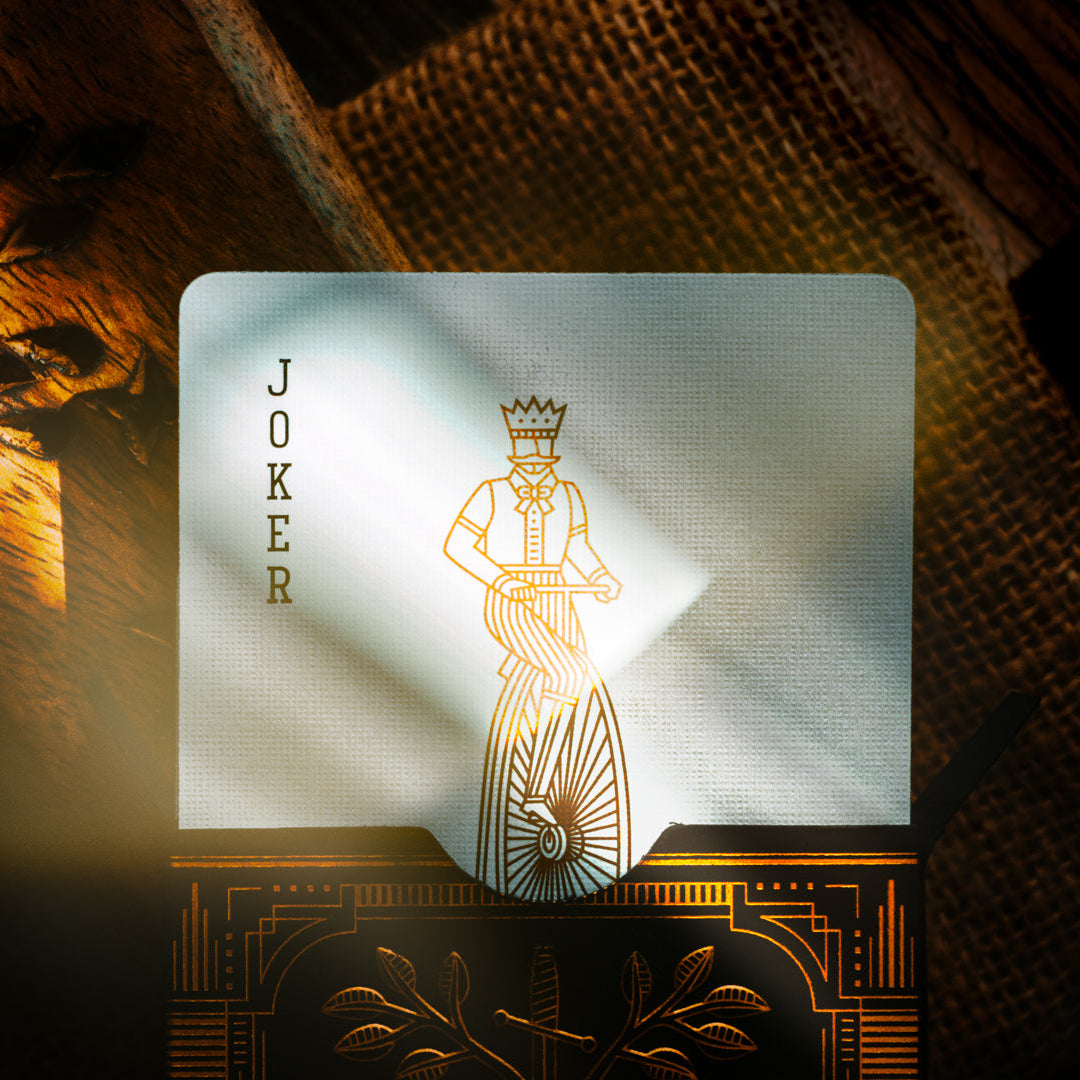
Here is the heart of why cardists fuss over decks the way sommeliers fuss over glassware. For someone playing poker, a deck need only shuffle and deal. For a cardist, every card is a moving part in a kinetic sculpture, and three motions reveal a deck's true character almost instantly.
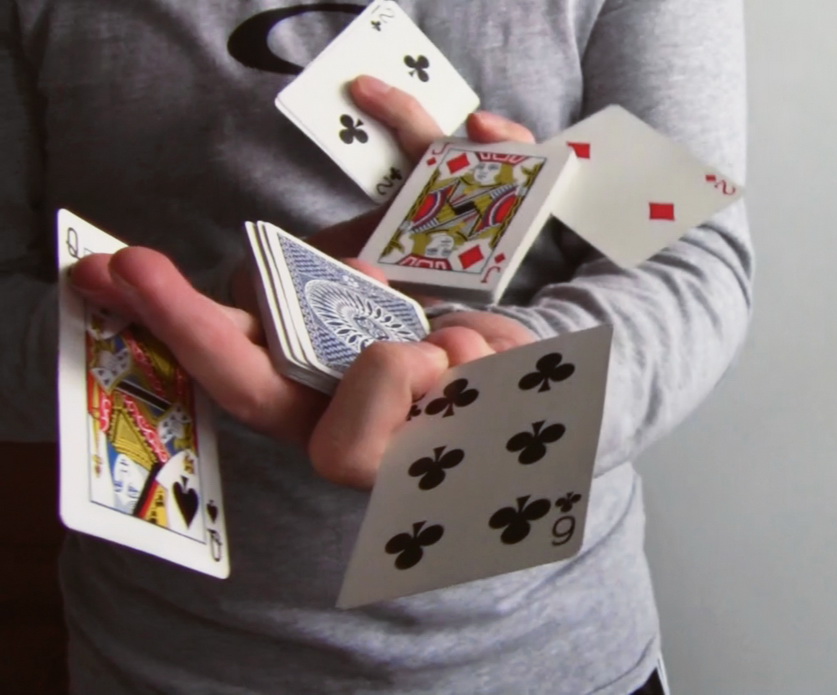
The fan is the bloom — that elegant arc you spread across your palm. A good cardistry deck fans evenly, each card peeking out by the same sliver, with no clumps and no gaps. This is where finish matters most: too much friction and the cards stick into ugly bunches; too little and they slide into a sloppy heap. The edge-striping printed on the backs of cardistry-specific decks (NOC's signature feature, for instance) exists precisely so the eye catches a clean, dazzling fan rather than a muddy one.
The spring is the waterfall — cards cascading from one hand to the other in a controlled arc, snapping past your fingertip with that gorgeous riffling sound. Springs demand the right balance of flexibility and snap. Thin, crushed stock springs more readily and forgivingly; this is why so many cardists reach for thinner decks. As one community reviewer noted, a thinner stock makes a deck "incredibly easy to spread, spring, shuffle, and fan." A deck that's too stiff fights the spring; one that's too soft has no life and the cards flutter dead.
The cut and the aerial — packets sliding, rotating, and flying between fingers — ask for cards that move freely against each other yet stay together when grouped. This is the slip-and-grip paradox at the center of a true cardistry finish: enough slip for clean spreads, enough grip that a packet holds as one when you toss it into the air.
The wonderful truth? Many of the very best handling decks are also the most affordable. The Virts' Virtuoso, NOC, and Orbit — three darlings of the flourishing world — all hover in the low teens. Handling, it turns out, is not something you can simply buy your way into; it's something the maker designs in.
Hold a deck, spread one fan, and you'll know within a heartbeat whether it loves to dance.
Every card is a moving part in a kinetic sculpture — fan, spring, cut. Hold a deck and spread one fan, and you'll know in a heartbeat whether it loves to dance.
Which deck should a beginner reach for first?
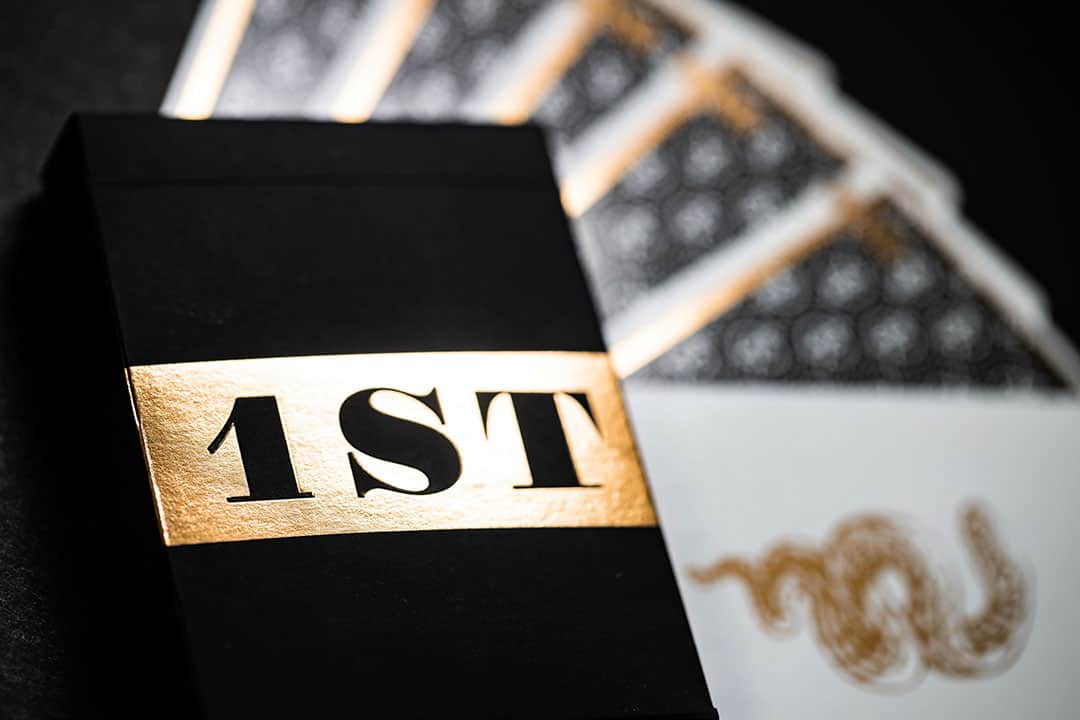
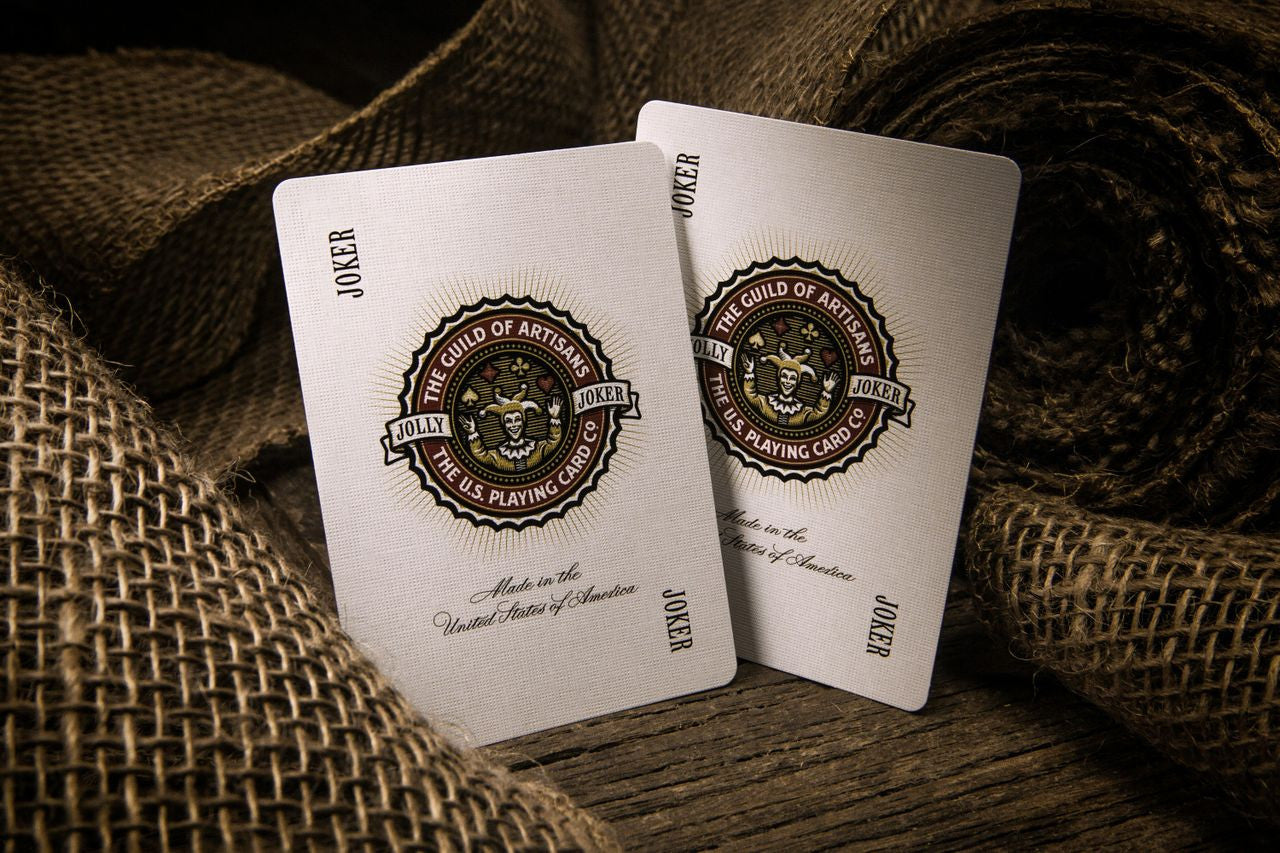
Oh, this is my favorite question to answer, because the honest answer saves you so much money and so much guilt. When you're learning to fan and spring, you will abuse your cards. You'll bend them past their happy point, sweat on them, drop them on the floor, and crease the corners of a hundred of them before your hands learn their gentleness. So your first serious deck should be one you can love hard and replace cheaply.
The community's near-unanimous answer is NOC, made by The Blue Crown (Alex Pandrea's house, with House of Playing Cards). NOC stands for the quiet philosophy of the line — minimal, elegant, no fuss — and since 2012 it has become the workhorse of cardists and magicians alike. They're printed on USPCC's thin-crushed stock, which springs and fans with a forgiving ease, and the back carries subtle edge-striping that makes even a wobbly beginner's fan look crisp and intentional. At roughly nine to thirteen dollars, you can keep a brick of them on your shelf and never wince when one wears to feathers.
If NOC isn't to hand, the community offers gracious alternatives. Tally-Ho Circle Backs earn endless praise as a budget classic — one forum regular called them "way more durable than standard bikes and also pretty cheap," with a linoid finish that hands adapt to quickly. Bicycle Standards (the Rider Back) are the eternal baseline: air-cushion finish, endlessly available, a few dollars, and the deck on which virtually every flourish was first invented. And Theory11's Monarchs and Artisans, while a touch pricier, handle so kindly that beginners often graduate straight to them.
My gentle counsel: buy a brick — a dozen decks — of NOC or Tally-Ho. Practice freely. Don't reach for your beautiful collector decks until your hands have learned not to maul them. There's a quiet joy in a deck you're not afraid to ruin.
Learn your fans on the humble decks, and save the gilded ones for the night your hands are ready.
Buy a brick you're not afraid to ruin. There's a quiet joy in a deck you can love hard and replace for the price of a coffee.
What makes a deck worth collecting and displaying?
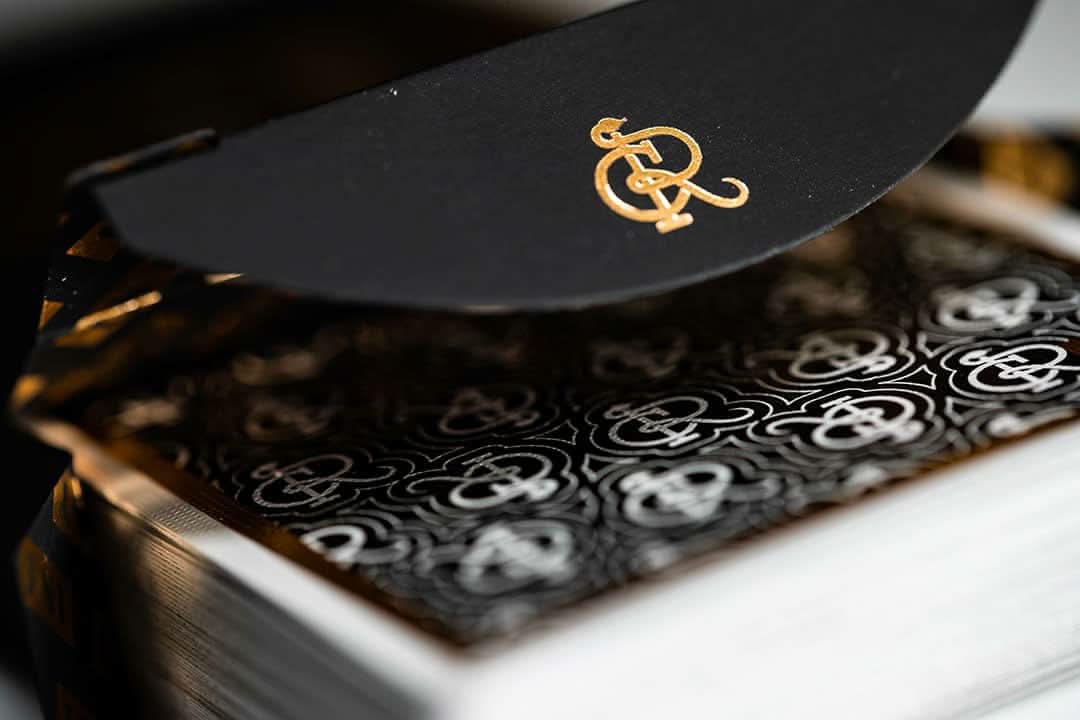
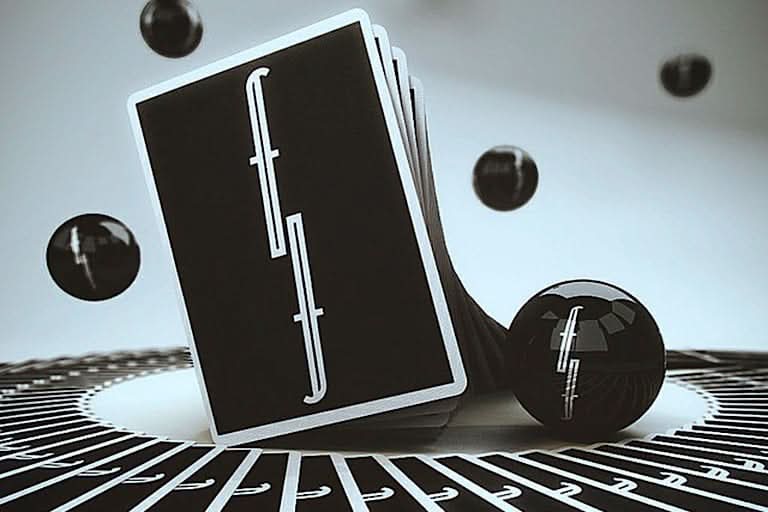
Now we turn from the practice table to the shelf, from the instrument to the artwork — and here the conversation changes entirely. A collector's deck is a small published edition, a piece of design you'll display far more often than you'll shuffle. The qualities that matter shift toward the visual and the precious: the artwork, the printing, the box, the edge treatment, and the scarcity.
No one embodies this better than Kings Wild Project, the brand of American designer Jackson Robinson. Robinson draws like an old-world engraver — his court cards and back designs evoke vintage banknotes, treasure maps, and steel-engraved currency, every line obsessively detailed. Most Kings Wild decks are printed by USPCC, often with gilded edges (gold or silver leaf applied to the card edges), foil-stamped tuck boxes, and limited print runs that make them genuine collectibles. His Bicycle Legal Tender even shipped as part of USPCC's official Bicycle Designer Series. Collectors follow his work worldwide, and decks like El Dorado or his Texas Luxury edition are as much objets d'art as playing cards.
The other great collector pillars are the limited-edition release brands. Theory11's editorial collaborations and luxury editions (their Monarchs were even featured on screen in Now You See Me) come in genuinely breathtaking boxes with gold foil and embossing. Orbit decks number their print runs (V4 was limited to 23,000) and have a devoted following who chase each new "V" release. Fontaine has built an entire hype culture around scarcity — decks that sell out in hours and resell for multiples. And Chris Ramsay's 1st line is famous for vanishing fast: his 1st V2 sold its 30,000-deck run in thirteen hours, with foil banding USPCC had never attempted before.
A word from the heart, though: the loveliest collector decks are often terrible to flourish with — stiff, precious, and far too beautiful to risk. That's perfectly all right. Some decks are made to be danced; others are made to be admired under glass with a cup of tea nearby.
Buy the artwork that makes your heart catch — and if it never leaves its box, it's still earning its place on your shelf.
Some decks are made to be danced; others to be admired under glass. Buy the one that makes your heart catch — even if it never leaves its box.
Are plastic cards better than paper for premium decks?
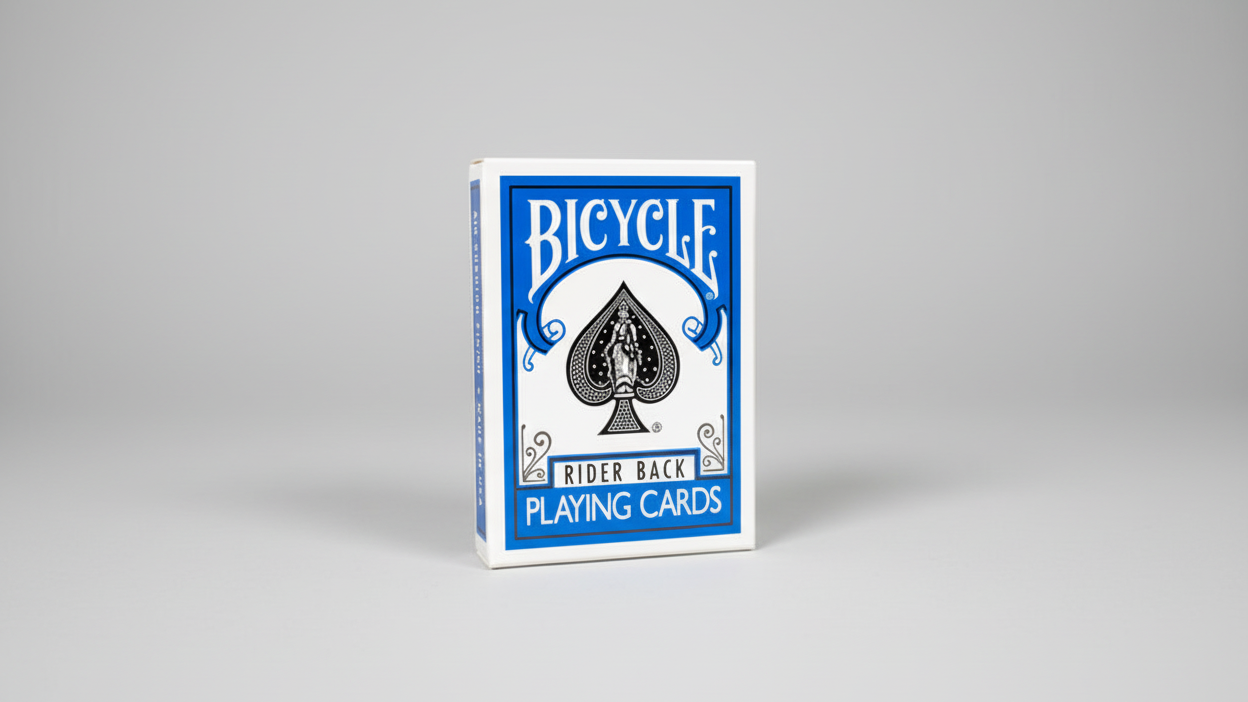

Ah, the eternal table-side debate — and one I'm delighted to settle with grace rather than dogma, because the honest answer is it depends entirely on what you're doing with them.
Plastic cards — like Bicycle Prestige, which is 100% PVC — are essentially indestructible by paper standards. They're waterproof, they don't absorb the oils and moisture from your hands, they shrug off spilled drinks, and they last for years of hard play. One poker group reported playing with Prestige decks for nine years and wearing the finish off only three of them in all that time. For a weekly poker night, a pool deck, or a household that's rough on cards, plastic is genuinely the sensible, durable choice. Bicycle even engineers Prestige with an air-cushion finish and markets it as the rare plastic deck with a paper-like feel.
And yet — and you knew an "and yet" was coming — for cardistry and collecting, paper reigns almost without contest. Here's why. Cardistry lives on the snap and flex of paper: the way a paper card bends into a spring and recoils, the crisp riffle of a fan, the precise way packets sit. Plastic cards handle differently — reviewers consistently describe Prestige as "a bit slick," and while the cards are nearly impossible to tear, they're easy to accidentally bend into a permanent warp because plastic doesn't recover its flatness the way good paper does. They lack the lively, recoiling snap that makes a paper spring sing. And for collectors, plastic simply isn't the medium — the engraved artistry, the gilded edges, the limited tuck boxes all belong to the paper tradition.
There's also a third path worth knowing: high-end plastic-coated paper isn't a thing in the premium world, but the closest equivalent — durable European German-black-core paper stock — gives you much of paper's lovely snap with extra longevity, and many cardists adore it for exactly that reason.
My counsel, then: keep a plastic Prestige deck in the drawer for game nights and rainy patios. But for the dance of a flourish and the beauty of a collection, let it be paper, always.
Plastic endures; paper sings — choose by which music you mean to make.

Plastic endures; paper sings. Keep a plastic deck for the patio — but for the dance of a flourish, let it be paper, always.
How do you break in a new deck so it handles like a dream?
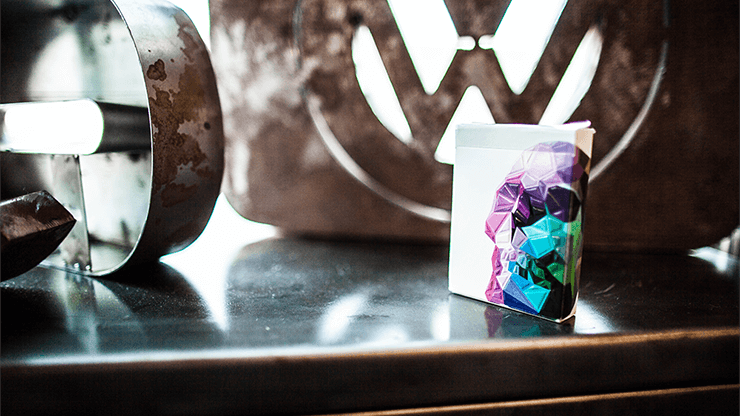

This is the secret ritual no one tells beginners, and it transforms a stiff, slippery new deck into a responsive partner in about ten quiet minutes. A factory-fresh deck is too slick — the cards slide unpredictably and won't sit together properly — and the gilded or coated surface needs to be gently worked until friction settles into that perfect broken-in balance. Breaking in a deck is, to my mind, a small meditative pleasure, like seasoning a cast-iron pan or breaking in a pair of good shoes.
The community's method is wonderfully simple. Begin by aerating: hold the deck as if starting a spring, squeeze both ends gently toward each other so it bows into a soft C-shape, and let a cushion of air slip between every card. Do this a few times in both directions, face up and face down, so the deck learns to flex evenly rather than warping one way. Then riffle shuffle — not to randomize, but to let each card slide smoothly over its neighbor while flexing, which loosens the surface and settles the friction.
The faro shuffle is the connoisseur's tool here. A faro perfectly interlaces the two halves card-for-card, and it does a marvelous job of breaking a deck to usable condition — making the cards, as one guide lovely puts it, "more obedient and less slippery." A charming bonus: on a fresh deck in new-deck order, the center split point is unusually easy to find, often falling right between the King of Clubs and King of Diamonds. Finish with springs and fans in both directions, repeating the whole little cycle — aerate, riffle, faro, spring, fan — until the deck feels alive in your hands. Ten minutes is usually all it takes.
A tender warning: do this gently. Breaking in is about working the cards, never forcing them. Bend too hard and you'll set a permanent crease — and a creased card haunts every fan it appears in. Patience here is its own reward.
Treat the first ten minutes as a small ceremony, and your deck will thank you for the whole of its life.
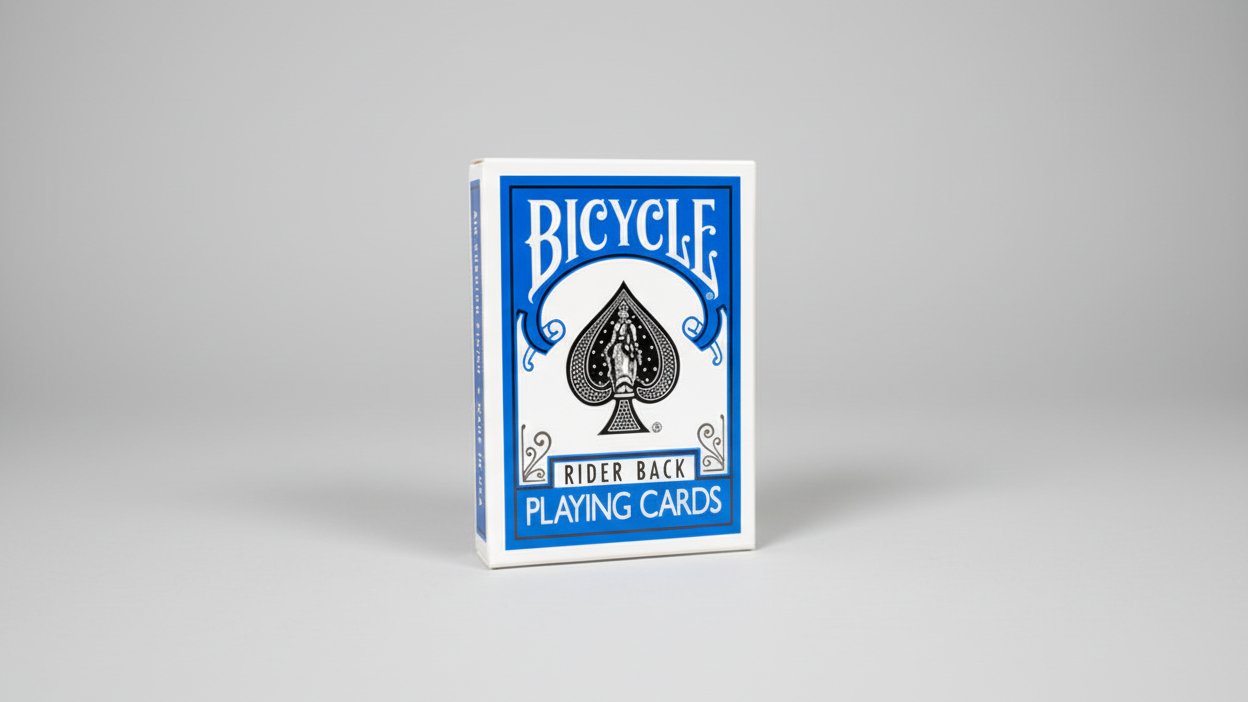
Aerate, riffle, faro, spring, fan — repeat until the deck feels alive. Ten quiet minutes turns a slippery stranger into a partner.
Where should you buy premium decks, and how do you avoid fakes?

A gracious word on the marketplace, because the premium-card world has its own little geography of trusted shops — and, sadly, its share of counterfeits, since popular decks like Fontaine and Bicycle have been widely faked.
The safest path is always to buy from the maker directly or from established specialty retailers. For house brands, that means the makers' own storefronts: Theory11's store, Fontaine's site, the Virts (52Kards) for Virtuoso, The Blue Crown for NOC, Orbit's shop, Kings Wild Project, and Ellusionist. These guarantee authenticity and current editions. For breadth across many brands, the community trusts shops like Vanishing Inc., 52Kards, PlayingCardDecks, Penguin Magic, and Art of Play, along with reputable hobby specialists. These are where reviewers and forum members point newcomers, and where you'll find honest descriptions of stock and finish.
For out-of-print and collector editions, the secondary market — eBay, dedicated reseller sites, and collector marketplaces — is unavoidable, and here you must shop with a little more care. A genuine limited edition will have a clear print-run number, sharp foil and embossing on the box, and a seller with a real reputation. Counterfeits betray themselves in muddy printing, slightly-off box colors, missing seals, and prices that seem too lovely to be true. When a sealed deck from a sold-out run is offered far below the going collector rate, that's not a bargain — that's a warning.
A practical kindness to yourself: prices on limited editions fluctuate constantly and sell-outs are the rule, not the exception in this hobby. The figures I've shared throughout are typical recent retail, marked with a gentle ~ to remind you they drift. A deck that was fifteen dollars at release may be eighty on the secondary market a year later, and the reverse happens too. Buy the in-print decks while they're in print; for the rest, patience and a trusted seller are your truest companions.
Shop with the makers, trust the established houses, and let scarcity be a thing you enjoy rather than chase too desperately.
When a sealed deck from a sold-out run is offered far below the collector rate, that's not a bargain — it's a warning.
What experienced tables keep reporting
Recurring owner patterns, synthesized in Puzzlewick's words. Follow each evidence trail to read the original discussion.
Decks designed specifically for cardistry not only handle beautifully, but also have visual aesthetics that make even average card flourishes look incredible.
Read the evidence: EndersGame, Theory11 Forums — "Good Decks for Cardistry"
Way more durable than standard bikes and also pretty cheap — the linoid finish you adapt to quickly.
Read the evidence: Can kayaaslan on Tally-Ho Circle Backs, Theory11 Forums
Any edition of the Virts deck. If you can get the V1 that is preferred.
Of the ten decks I own, this one immediately felt the best — it felt broken in and perfectly usable right out of the box.
Read the evidence: Reviewer on Virtuoso Playing Cards, via 52Kards / community reviews
Memento Mori is perhaps one of the best looking decks visually, and for a deck with geometric designs on both face and back it makes for a great cardistry deck.
Read the evidence: UnitedCardists deck review — Chris Ramsay / Memento Mori
The thinner stock makes them incredibly easy to spread, spring, shuffle, and fan — made with both magic and cardistry in mind.
Read the evidence: Orbit Deck community description, UnitedCardists Buyer's Guide
The picks
Some links below are affiliate links — as an Amazon Associate, Puzzlewick earns from qualifying purchases, at no extra cost to you. It never changes a pick.
 3 photos
 Monarchs
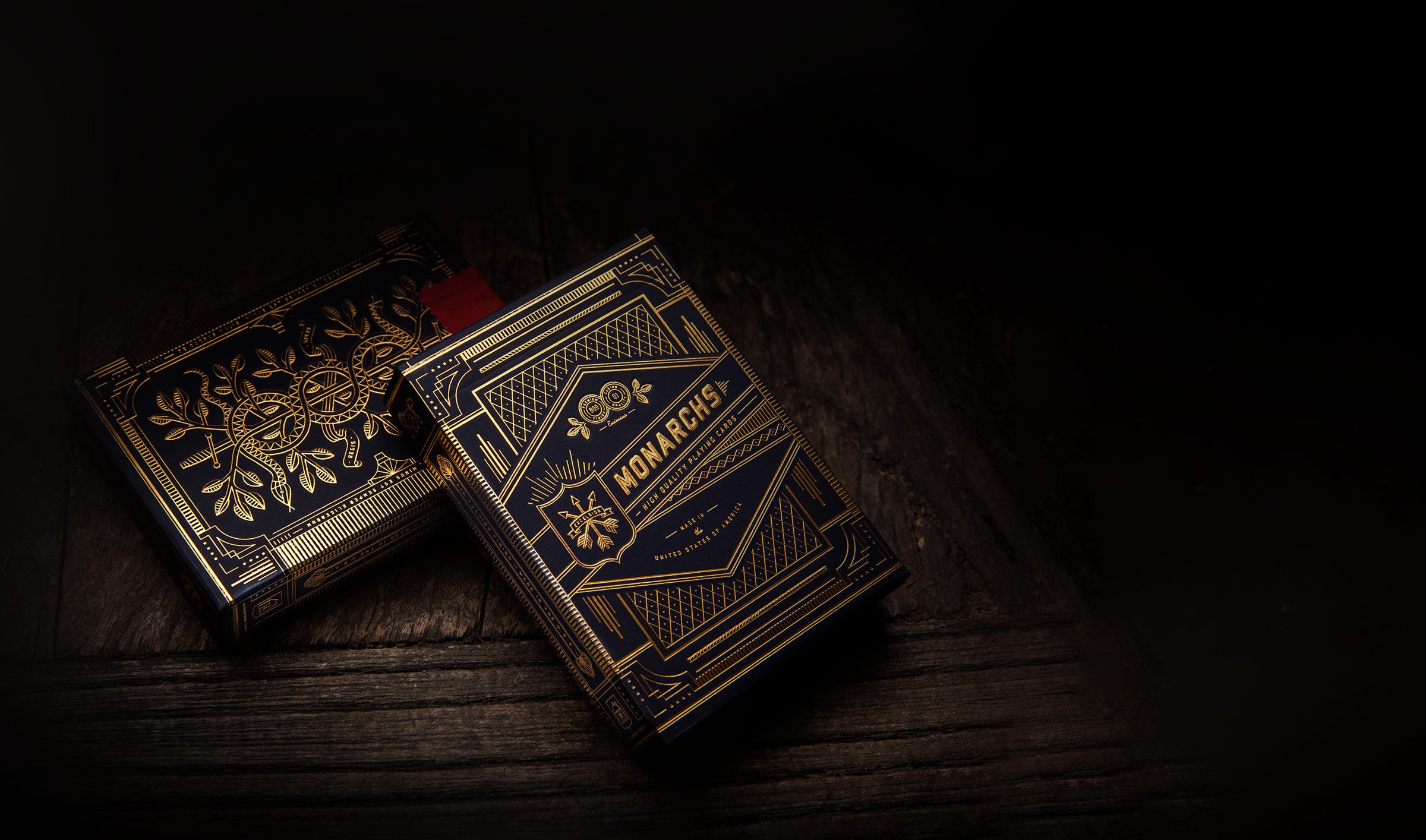
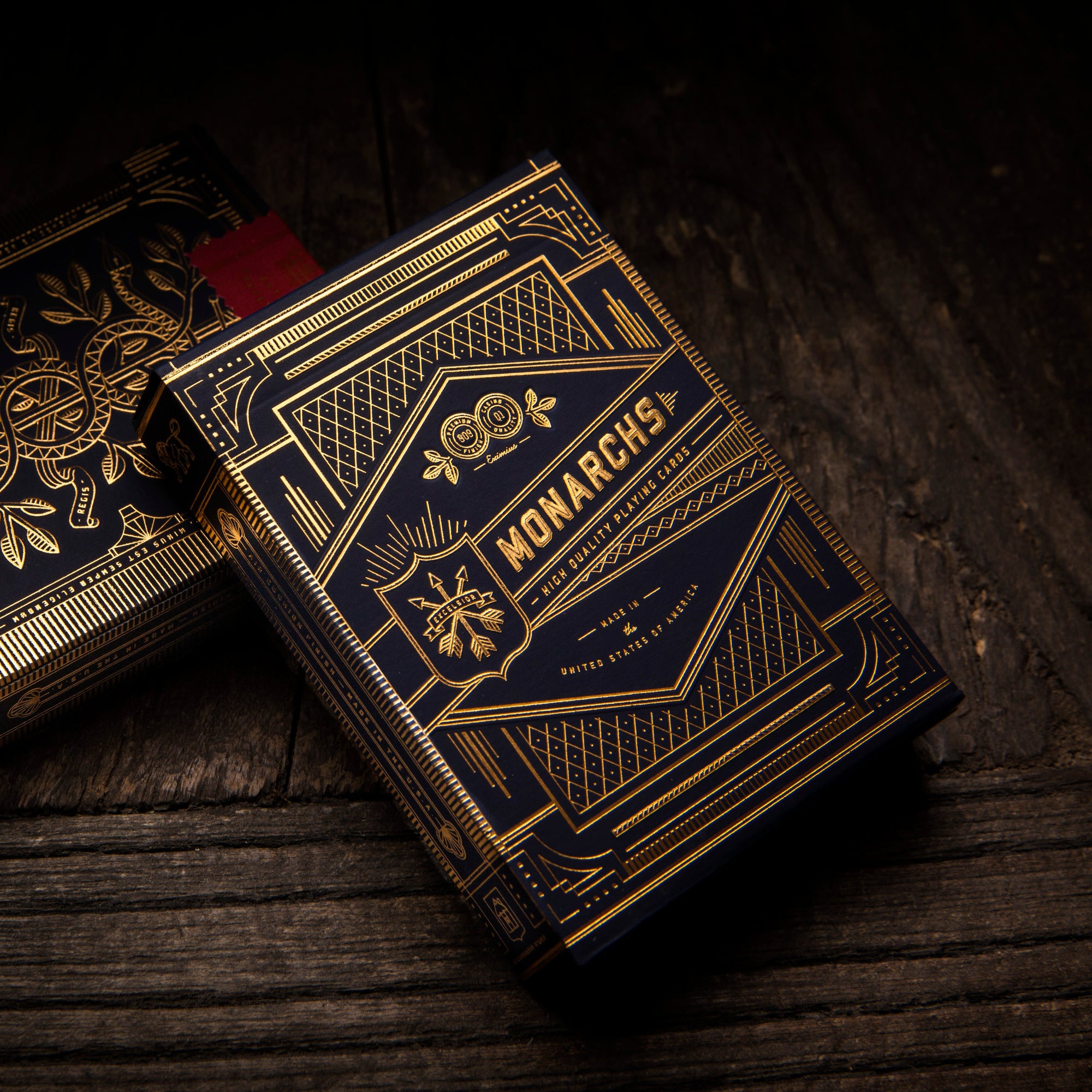
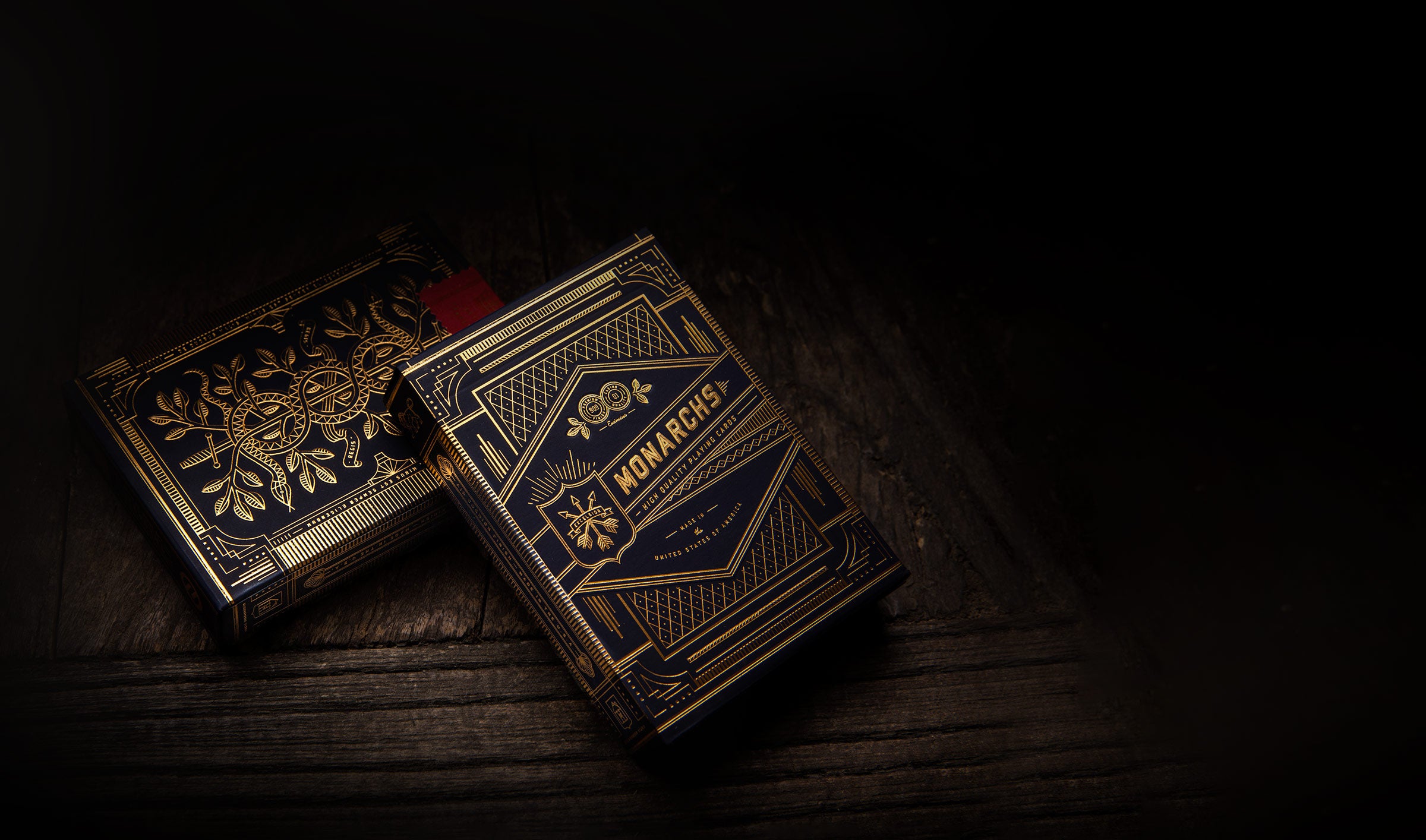
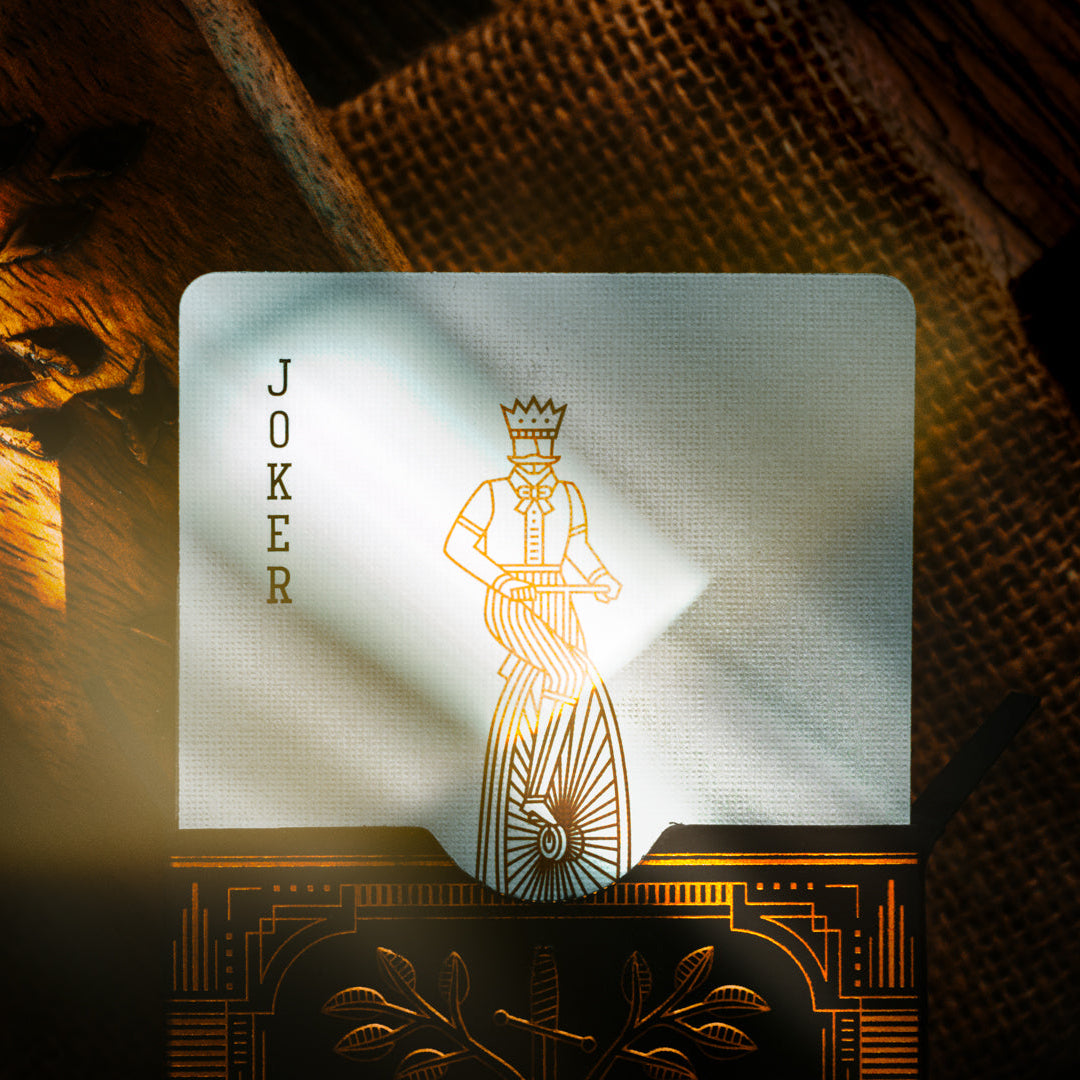
Printed by USPCC on Q1 stock with Theory11's signature Premium 909 finish, the Monarchs are the deck I reach for when someone wants one beautiful, do-everything choice. The royal navy-and-gold back with its intricate foil, plus a gold-foil-and-embossed tuck box, make them feel like a luxury object — yet they fan easily and handle kindly straight from the box. Reviewers consistently rate them five stars for melding gorgeous artwork with cards that simply feel wonderful. At around fifteen dollars they're a genuine bargain for the quality, and they even had a starring role in the film Now You See Me. The rare deck that's equally at home flourishing and on display.
- Stunning gold-foil back and tuck box — display-worthy
- Smooth USPCC finish, fans easily, broken-in feel
- Excellent quality-to-price at ~$15
- Widely available and consistently re-stocked
- Standard-weight stock isn't as spring-friendly as thin-crushed cardistry decks
- Ubiquitous — less exclusive than limited collector editions
 3 photos
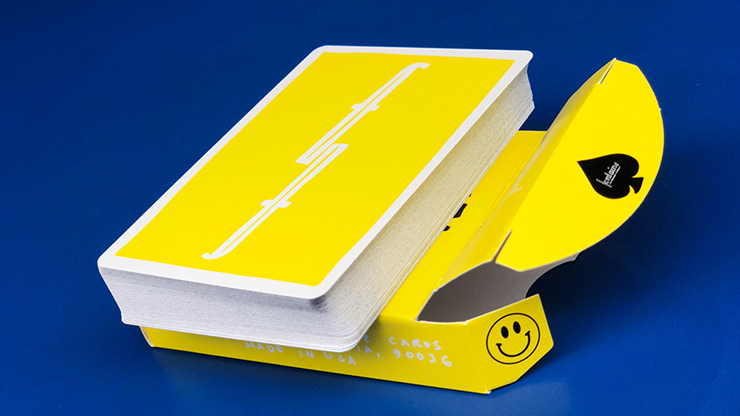
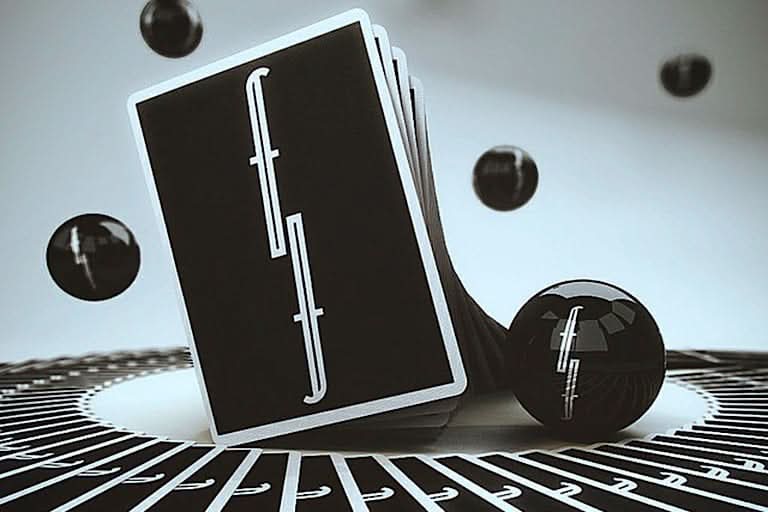
 Fontaine
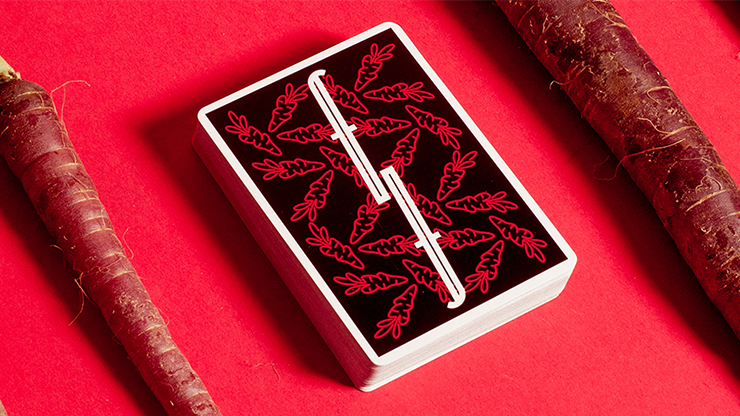
Born one night in 2013 when Zach Mueller designed a back in Photoshop "just for fun," Fontaine grew into one of the world's most famous cardistry and hype brands. The cards feel substantial yet spring and fan beautifully — reviewers note the stock feels broken-in, with both springs and fans feeling lovely. The clean, minimal aesthetic photographs gorgeously, which is half of why cardists adore them on camera. Fontaine has built an entire culture around scarcity: editions sell out in hours and resell for multiples. Around fifteen dollars at release, when you can catch them in stock.
- Springy, broken-in handling cardists rave about
- Iconic minimal design that looks superb in flourish videos
- Strong collector/hype culture and resale demand
- Designed by a working cardist (Zach Mueller)
- Frequently sold out; resale prices climb steeply
- One of the most counterfeited brands — buy from the source

 3 photos
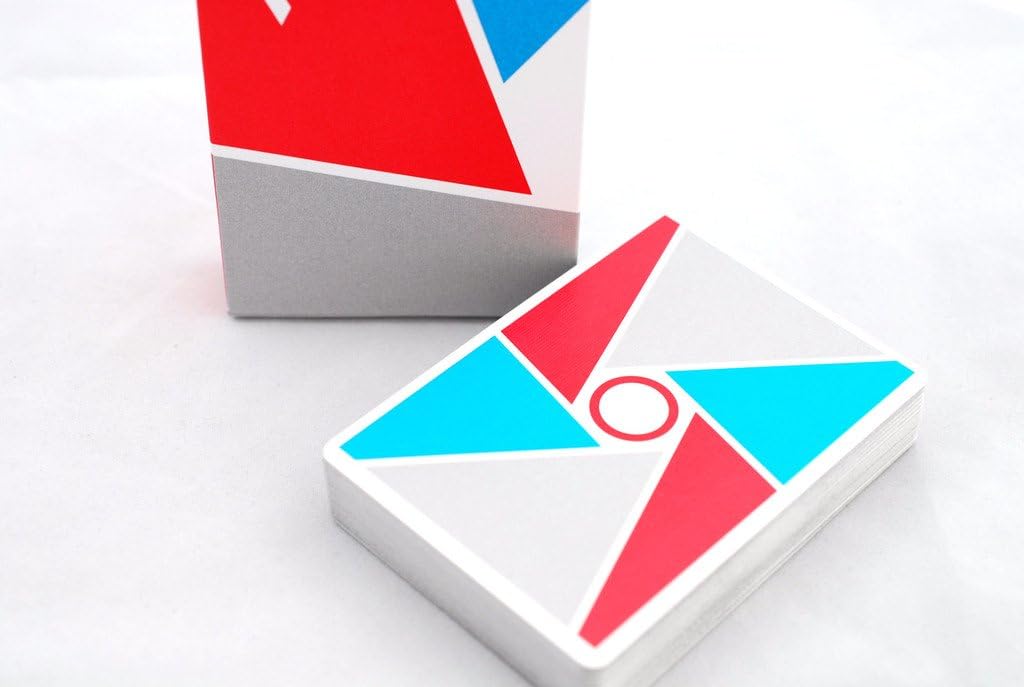
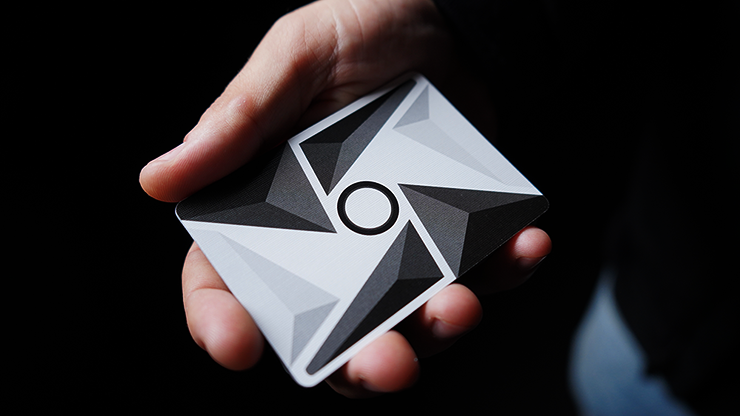
 Virtuoso
Built by the Virts — a cardistry team — Virtuoso decks are engineered around what they call "Adaptive Aesthetics," geometric backs designed so the artwork itself enhances every fan and cut. The stock is ultra-thin and remarkably durable, flexing through aerials and springs with what reviewers call unmatched handling, and many describe a deck that feels broken-in and perfectly usable straight out of the box. One owner of ten decks said the Virtuoso "immediately felt the best." At roughly fourteen dollars it undercuts most custom decks while out-handling many of them — a flourisher's deck through and through.
- Ultra-thin stock made specifically for cardistry
- Geometric back design amplifies the look of flourishes
- Broken-in, ready-to-flourish feel out of the box
- Excellent value at ~$14
- Bold geometric look is divisive — less classic/elegant
- Editions rotate (SS/FW seasons) and older ones sell out

 3 photos
 Orbit (current V-series)
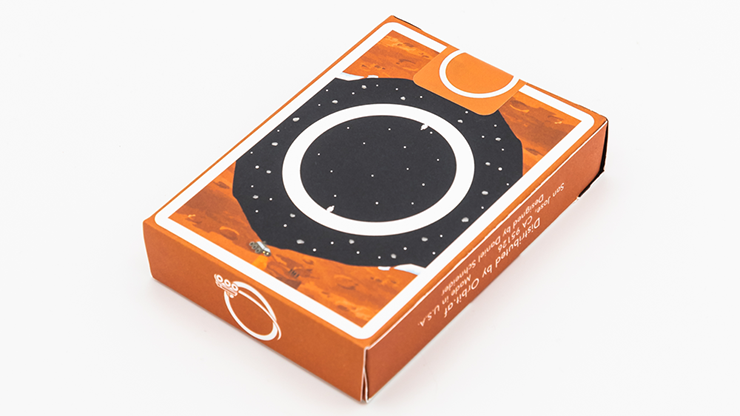
Founded by Chris "Orbit" Brown in 2012, the Orbit Deck pairs space-inspired design with genuinely superb USPCC handling. Inspired by Tally-Ho circle backs, the thin stock makes the cards incredibly easy to spread, spring, shuffle, and fan, and the iconic central circle reads beautifully when spun. Each numbered V-release (V4 was limited to 23,000) has a devoted following and an annual "Orbit Jam" video, giving the line a collectible streak on top of its everyday flourish-ability. Typically thirteen to sixteen dollars in print, with out-of-print editions climbing on resale.
- Thin stock spreads, springs, and fans with ease
- Distinctive space-themed central-circle design
- Numbered limited runs add collectibility
- Friendly price (~$13–16) for the quality
- Popular editions go out of print and jump in price
- Aesthetic is niche if you don't love the space theme

 4 photos
 Kings Wild Project (El Dorado / Legal Tender / luxury editions)
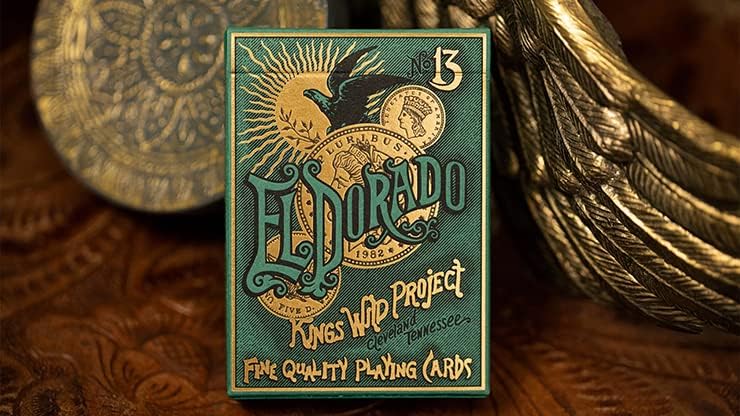
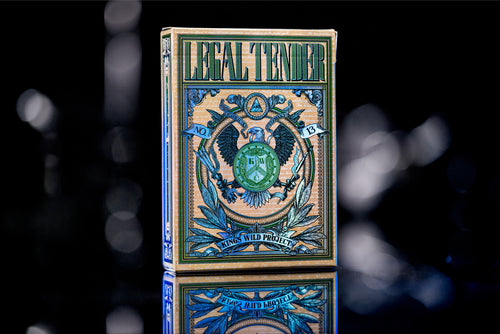
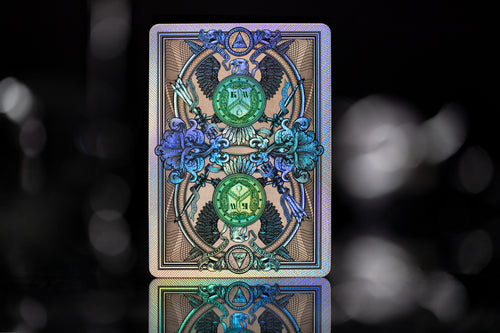
Jackson Robinson draws like a 19th-century banknote engraver, and Kings Wild Project is the gold standard for collector decks. Most are printed by USPCC, frequently with gilded edges, foil-stamped boxes, and limited runs that make them true objets d'art — his court cards and backs evoke treasure maps, currency, and steel engraving in obsessive detail. The Bicycle Legal Tender even shipped under USPCC's official Designer Series. These are decks you display and admire rather than abuse; the artistry is the point. Prices range from around fifteen dollars for standard editions to well above for gilded limited releases.
- Breathtaking engraved, banknote-inspired artwork
- Often gilded edges and foil boxes — premium objects
- Limited runs hold collector value when sealed
- USPCC printing on classic stock
- Stiff/gilded editions handle poorly for flourishing
- Limited editions sell out and command high resale prices

 3 photos
 Artisans
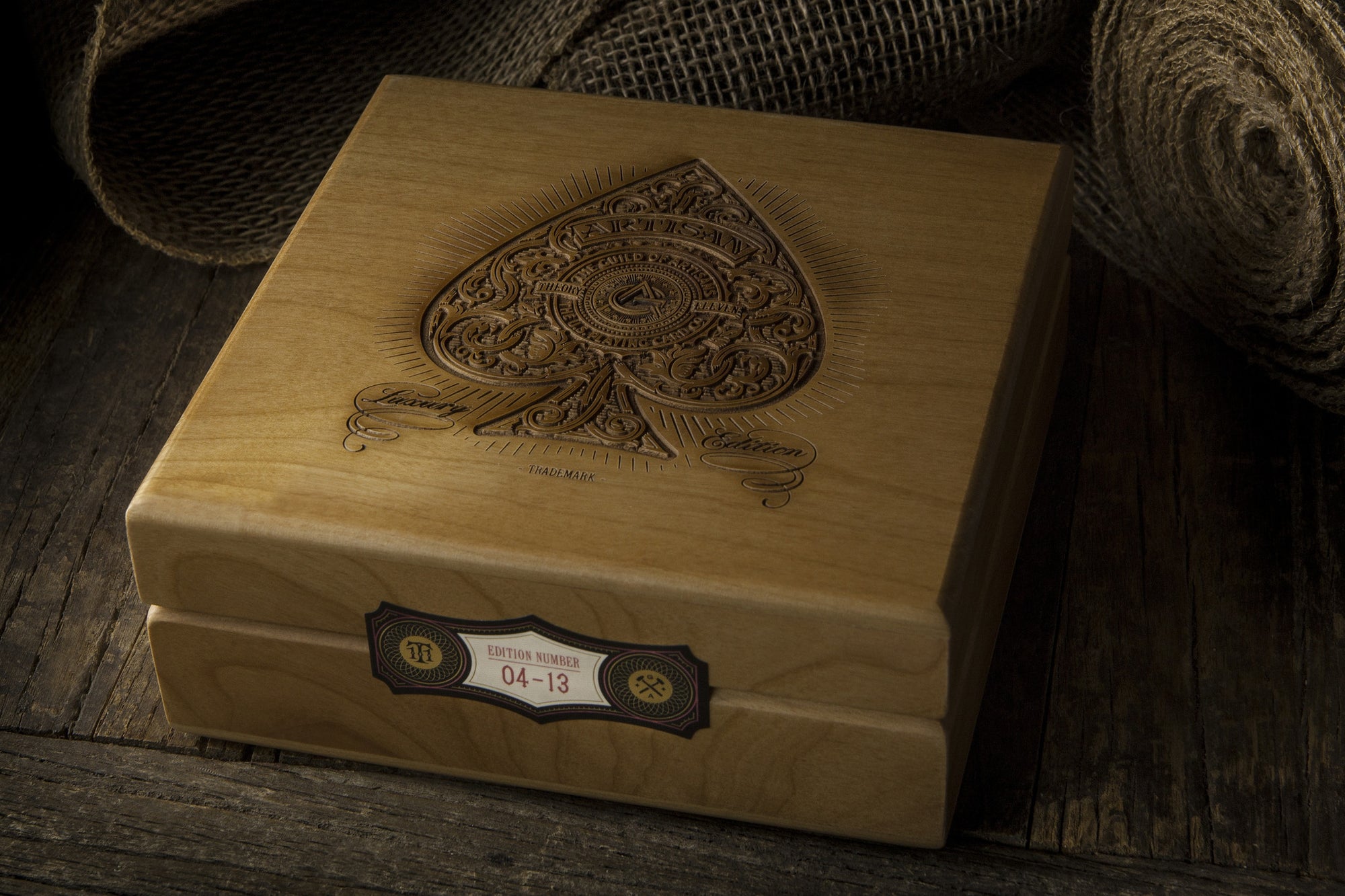
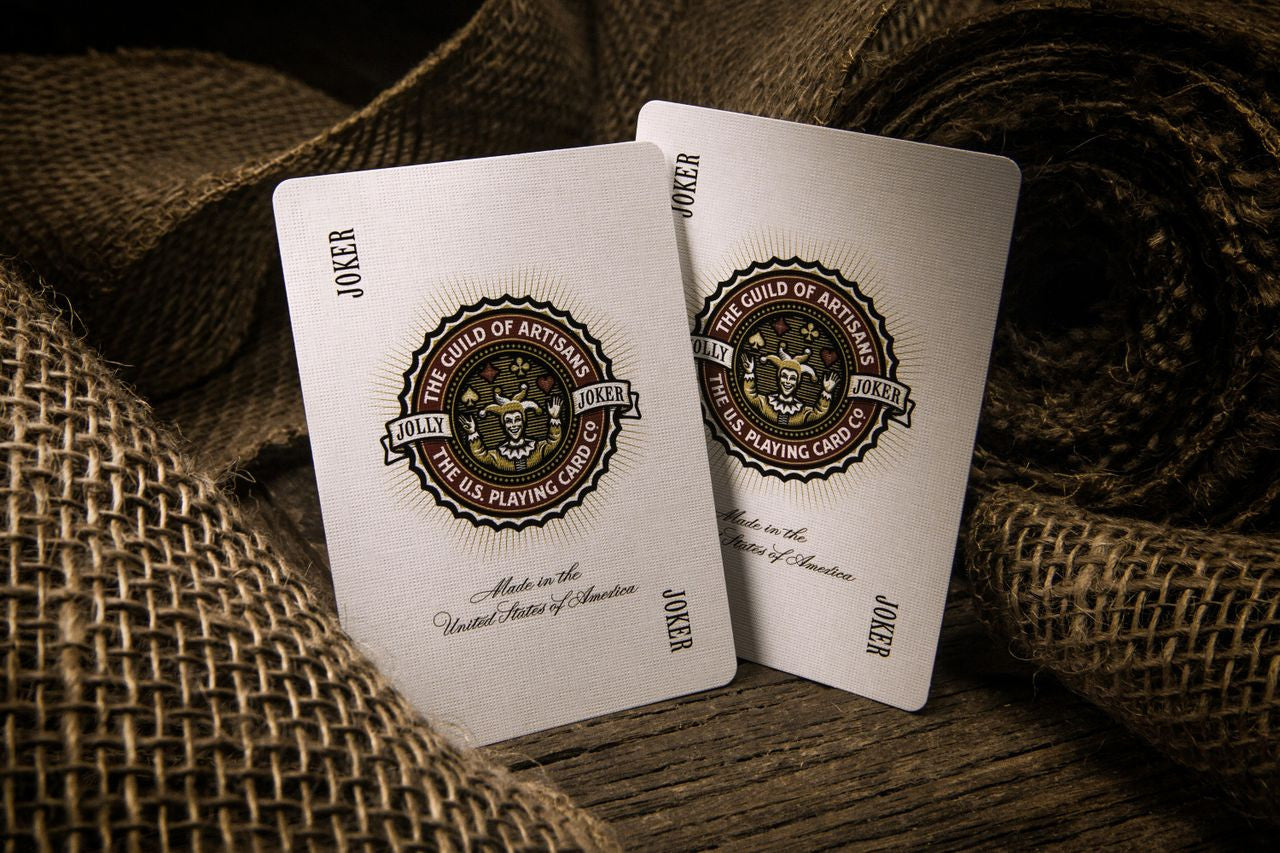
Designed by South African artist Simon Frouws and first released in 2012, the Artisans are Theory11's most quietly elegant deck — old-world, hand-drawn court cards and a refined back that feels like fine stationery. Printed by USPCC with Theory11's premium finish, they handle smoothly and fan cleanly, splitting the difference between a flourishing deck and a display piece. They come in Black and White editions, both gorgeous, and at around fifteen dollars they deliver a luxury feel without a luxury-tier price. A connoisseur's everyday deck.
- Exquisite hand-drawn, old-world court card art
- Smooth USPCC handling; fans cleanly
- Two beautiful editions (Black & White)
- Luxury aesthetic at a sensible ~$15
- Standard-weight stock less springy than thin-crushed decks
- Understated elegance won't wow those wanting bold designs
 3 photos
 Bicycle Standard (Rider Back) & Bicycle Prestige (plastic)
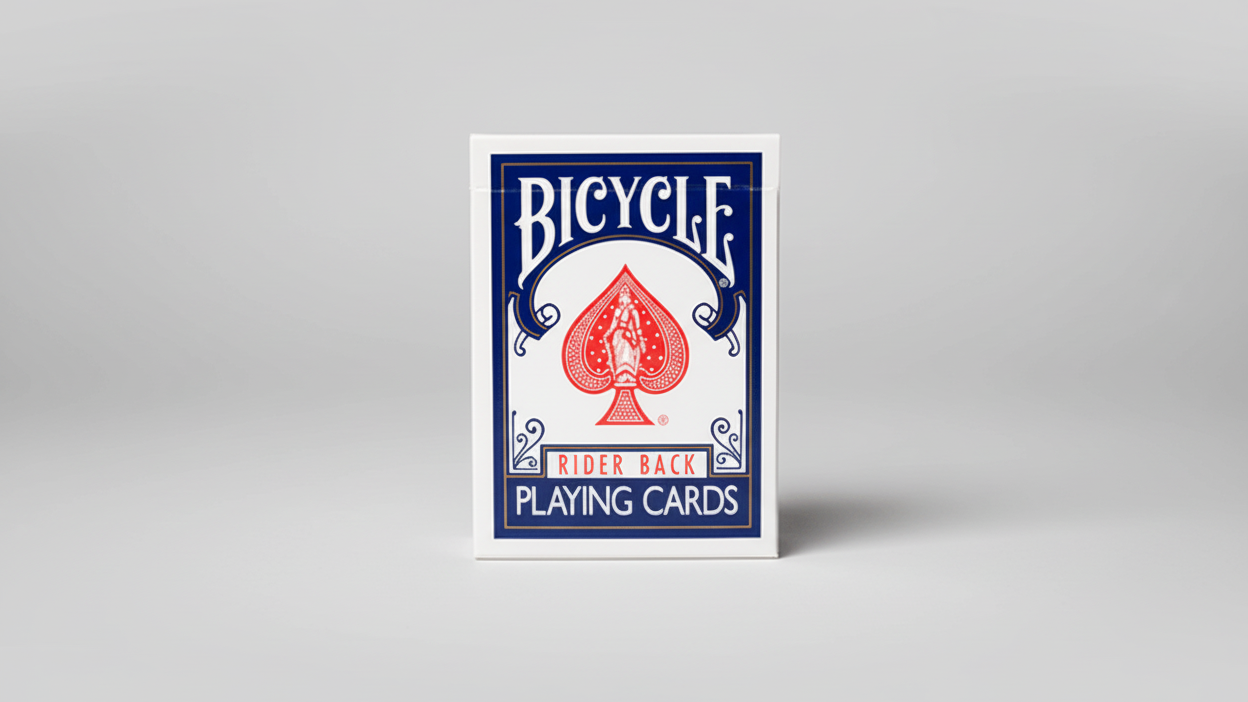
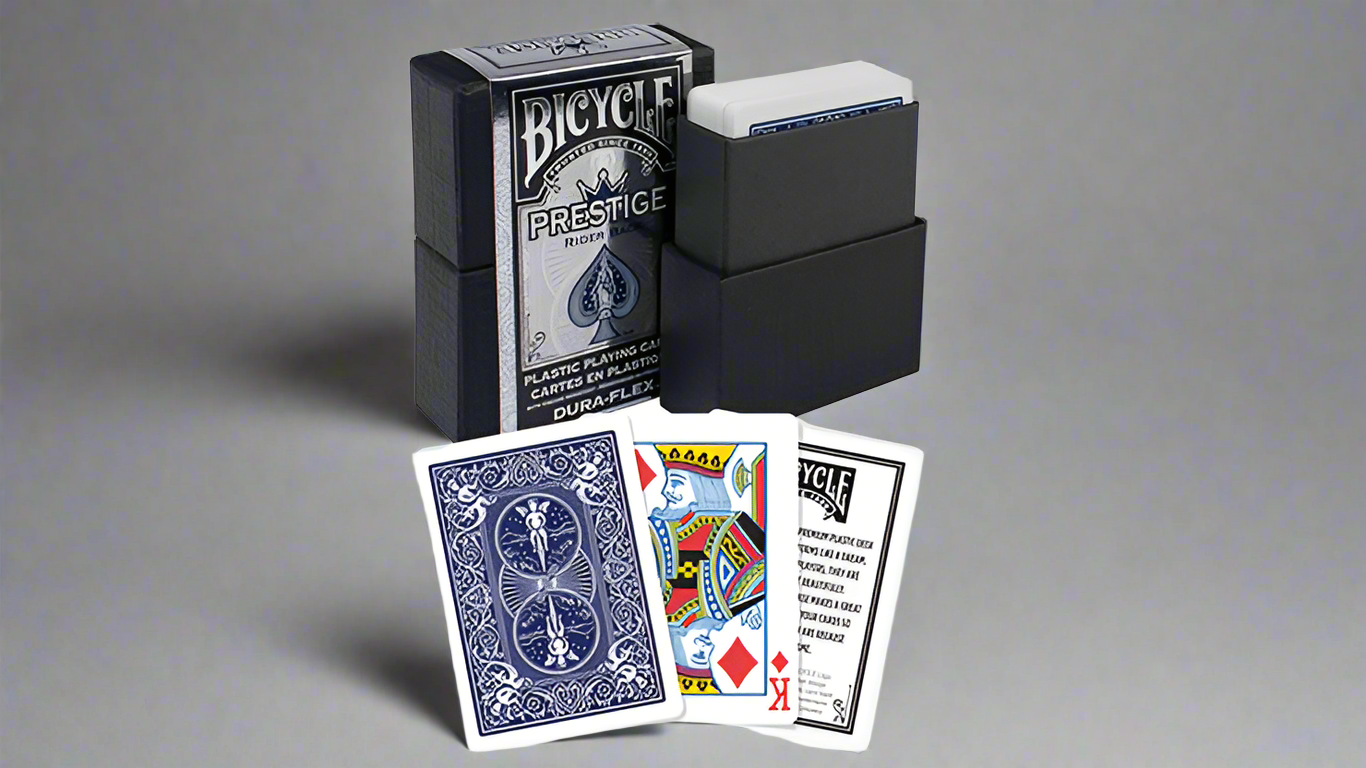
No guide is honest without the eternal baseline. The Bicycle Standard / Rider Back, on USPCC stock with air-cushion finish, is the deck on which virtually every flourish was invented — endlessly available, a few dollars, and a perfectly good place to begin. For households hard on cards, Bicycle Prestige is the 100% plastic, waterproof sibling: nearly indestructible (nine years, three worn decks in one cited case), engineered with an air-cushion finish and marketed as the rare plastic deck with a paper-like feel. Standard for learning and flourishing; Prestige for poker night and poolside.
- Standard: cheapest serious cardistry baseline, universally available
- Air-cushion finish, the reference handling everyone learns on
- Prestige: 100% plastic, waterproof, lasts for years
- Both are inexpensive and easy to find anywhere
- Retail Standard decks vary in quality; some prefer crushed/custom stock
- Prestige plays slick and can bend permanently — poor for springs/fans/display
At a glance
| deck | maker | stock finish | price | best for |
|---|---|---|---|---|
| Monarchs | Theory11 | USPCC Q1 stock, Premium 909 finish | ~$15 | Best overall (elegance + handling) |
| NOC | The Blue Crown | USPCC thin-crushed, air-cushion | ~$9–13 | Beginners & cardistry practice |
| Fontaine | Fontaine Cards (Zach Mueller) | Custom stock, springy/broken-in feel | ~$15 (resale higher) | Cardistry darling / hype favorite |
| Virtuoso | The Virts (52Kards) | Ultra-thin crushed stock | ~$14 | Best handling / flourishing-first |
| Orbit (V-series) | Orbit / USPCC | USPCC thin stock, air-cushion | ~$13–16 | Best value + collectible runs |
| Kings Wild Project | Kings Wild (Jackson Robinson) | USPCC stock, often gilded edges/foil box | ~$15–25+ | Best collector art |
| Artisans | Theory11 | USPCC stock, premium finish | ~$15 | Best luxury everyday deck |
| 1st / Memento Mori | Anyone Worldwide / Chris Ramsay | USPCC stock, edge-to-edge foil box | ~$15 (resale higher) | Minimalist worker's deck w/ collector heat |
| Bicycle Standard / Prestige | USPCC / Bicycle | Air-cushion (Std) / 100% plastic (Prestige) | ~$4–10 | Baseline (Std) / durable play (Prestige) |
Questions, answered
What makes a playing card "premium"?
A premium deck combines quality stock, a low-friction finish, and intentional design. It's printed on casino-grade paper (Bicycle, Bee, or Tally-Ho stock from USPCC, or dense European stock from EPCC/Cartamundi) with an embossed air-cushion finish that lets cards fan, spring, and spread cleanly, and it's designed by someone who actually handles cards — custom courts, Ace of Spades, jokers, and a back that looks beautiful in motion. Price alone doesn't make a deck premium; many of the best-handling decks are also among the cheapest.
What's the best deck for a cardistry beginner?
NOC by The Blue Crown is the community's near-unanimous beginner pick (~$9–13). It's printed on USPCC thin-crushed stock that springs and fans with forgiving ease, the edge-striping makes fans look crisp, and it's cheap enough to buy by the brick and wear out without guilt. Tally-Ho Circle Backs and plain Bicycle Standards are excellent budget alternatives. Learn on decks you're not afraid to ruin, then graduate to nicer ones once your hands are gentle.
What's the best deck for collecting?
Kings Wild Project (Jackson Robinson) is the gold standard for collector decks — USPCC-printed, frequently gilded-edged, foil-boxed, and released in limited runs, with engraved, banknote-inspired artwork. Other strong collector lines include Theory11's luxury editions, numbered Orbit releases, Fontaine (hype-driven scarcity), and Chris Ramsay's fast-selling 1st line. For value retention, buy sealed, low-numbered, gilt-edged decks — but know that opening or shuffling them largely removes the collectible premium.
What is air-cushion finish?
Air-cushion finish is the texture on Bicycle cards: a grid of microscopic dimples pressed into the paper before printing. Those dimples trap tiny pockets of air between cards, reducing friction so they glide, fan evenly, and spread cleanly. Here's the open secret — "air-cushion" (Bicycle), "linoid" (Tally-Ho), and "cambric" (Bee) are different brand names for what is, on modern USPCC decks, an essentially identical embossing. The real handling differences between decks come from stock thickness and varnish, not the finish name.
Are plastic cards better than paper?
It depends entirely on use. Plastic cards (like 100% PVC Bicycle Prestige) are waterproof, nearly indestructible, and ideal for poker night, kids, or poolside — one group reported nine years of play on Prestige decks. But for cardistry and collecting, paper wins almost without contest: paper has the lively snap and recoil that springs and fans depend on, while plastic plays slicker and can take a permanent bend. And the engraved art, gilded edges, and limited boxes of collector decks all belong to the paper tradition.
What's the best value premium deck?
For pure handling value, the Virts' Virtuoso (~$14), NOC (~$9–13), and Orbit (~$13–16) are unbeatable — all deliver pro-grade flourishing on thin-crushed stock for the price of a couple of coffees. For a beautiful do-everything deck, Theory11's Monarchs (~$15) punch far above their price with gold-foil elegance and smooth handling. And the humble Bicycle Standard (~$4–6) remains the best cheap baseline ever made. You genuinely don't need to spend much to handle beautifully.
Why do some decks cost $15, $25, or more?
Several reasons stack up: custom design and artist royalties, premium printing (foil, embossing, custom courts), special treatments like gilded edges and elaborate tuck boxes, small limited print runs, and — frankly — brand hype and scarcity. A Kings Wild deck's gilding and engraving genuinely cost more to produce; a sold-out Fontaine's resale price is pure demand. Above roughly $15, you're usually paying for art, collectibility, and exclusivity rather than better handling — many sub-$15 decks flourish just as well or better.
What stock do professional cardists use?
Pros gravitate toward thin or thin-crushed USPCC stock for its forgiving spring and clean fans — decks like Virtuoso, NOC, Orbit, and Fontaine are perennial favorites. Tally-Ho (linoid) stock is another classic for its durability and snap. Some prefer dense European German-black-core stock for extra longevity with good snap. There's no single "pro stock" — it comes down to personal feel, but the common thread is a thinner, well-broken-in card that springs and spreads with minimal effort.
How do you break in a new deck?
Spend about ten minutes working it gently: aerate the deck (bow it into a soft C-shape in both directions to slip air between cards), riffle shuffle several times, do a faro shuffle or two (which makes cards "more obedient and less slippery"), then spring and fan in both directions. Repeat the cycle until it feels alive. On a fresh new-deck-order pack the faro split is easy to find, often between the King of Clubs and King of Diamonds. Work the cards — never force a hard bend, which sets a permanent crease.
What's the best deck for fans and springs specifically?
Reach for thin-crushed stock: Virtuoso (built specifically for cardistry, with a geometric back that amplifies fans), NOC (edge-striping makes fans pop, springs forgivingly), Fontaine (famously springy and broken-in feeling), and Orbit (spreads and springs with ease). The common thread is thin, flexible stock plus a clean finish. A well-broken-in deck of any of these will fan evenly and spring like a soft waterfall — and the edge-striped/geometric backs make the motion look twice as impressive.
Where should you buy premium decks?
Buy in-print decks from the makers directly (Theory11, Fontaine, The Virts/52Kards, The Blue Crown, Orbit, Kings Wild, Ellusionist) or from established multi-brand shops (Vanishing Inc., 52Kards, PlayingCardDecks, Penguin Magic, Art of Play) — these guarantee authenticity. For out-of-print and limited editions you'll use the secondary market (eBay, collector sites); there, scrutinize foil sharpness, box color, seals, and seller reputation. Fontaine and Bicycle are heavily counterfeited, so a sealed "limited" sold far below the going rate is a red flag, not a bargain.
Do premium cards actually last longer?
Premium paper decks generally handle better and feel better, but they don't necessarily last longer than a good Bicycle Standard — thin-crushed cardistry stock actually wears out faster with heavy practice, which is exactly why cardists buy cheap practice decks by the brick. If outright longevity is your goal, 100% plastic decks (Bicycle Prestige) far outlast any paper deck — years of play versus weeks or months. The trade-off is that plastic sacrifices the snap, spring, and beauty that make premium paper decks a joy to flourish and collect.
Yumi's verdict
So, dear guest, as the tea cools and the cards lie spread between us, here is my warm summation. For the one deck to do it all — to fan beautifully, sit lovely on a shelf, and never embarrass you — let it be Theory11's Monarchs; gold-foil grace at a kind price. For learning the dance, reach without hesitation for NOC by The Blue Crown: a thin-crushed workhorse you can buy by the brick, wear to feathers, and love without a single pang of guilt. For the collector's heart — the deck you'll admire under glass — nothing surpasses Kings Wild Project, where Jackson Robinson's engraved, gilded artistry turns fifty-four cards into a small published treasure. And for the very best value, the Virts' Virtuoso and the Orbit decks prove the loveliest secret of this whole gentle hobby: that magnificent handling is something a maker designs in, not something you must buy your way toward. Whichever you choose, break it in slowly, share its fans with someone you love, and treat each beautiful deck for what it truly is — a small art object, made to be admired and passed from hand to hand. Come back any time; there's always a fresh deck on my table.
Research ledger 22 sources · reviewed 2026-07-19
Specifications, rules, current product information, community experience, and contrary evidence were checked against the sources below. Commercial links are kept separate from editorial evidence.
- shop.52kards.comshop.52kards.com/collections/cardistry-decks
- shop.52kards.comshop.52kards.com/collections/virtuoso-playing-cards
- shop.52kards.comshop.52kards.com/products/virtuoso
- shop.52kards.comshop.52kards.com/products/bicycle-prestige-playing-cards
- shop.52kards.comshop.52kards.com/collections/chris-ramsay
- shop.52kards.comshop.52kards.com/products/memento-mori
- theory11.comtheory11.com/forums/threads/good-decks-for-cardistry.36867
- theory11.comtheory11.com/forums/threads/current-best-decks-of-playing-cards.51658
- store.theory11.comstore.theory11.com/collections/playingcards
- vanishingincmagic.comvanishingincmagic.com/playing-cards/articles/uspcc-the-united-states-playing-card-company
- vanishingincmagic.comvanishingincmagic.com/playing-cards/articles/noc-playing-cards
- unitedcardists.comunitedcardists.com/viewtopic.php?t=9930
- unitedcardists.orgunitedcardists.org/viewtopic.php?t=9912
- unitedcardists.comunitedcardists.com/viewtopic.php?t=9931
- unitedcardists.comunitedcardists.com/viewtopic.php?t=19671
- playingcarddecks.complayingcarddecks.com/blogs/all-in/factors-that-affect-the-handling-of-a-deck
- playingcarddecks.complayingcarddecks.com/blogs/all-in/breaking-in-a-new-deck-why-and-how
- ambitiouswithcards.comambitiouswithcards.com/best-cards-for-cardistry
- kardify.comkardify.com/2013/05/review-artisan-playing-cards-by-theory.html
- rareplayingcards.comrareplayingcards.com/collections/kings-wild-project
- ellusionist.comellusionist.com/collections/playing-cards
- en.wikipedia.orgen.wikipedia.org/wiki/Cardistry

Come in, take your shoes off — let me show you something.

Keep exploring
The next smart rabbit holes.
⬢ Topic PathTabletop Accessories: compare the whole shelfBuy the accessory that fixes a repeated annoyance first. Protection, setup speed, readable state, and comfortable handling beat...Beginner's GuideHow to Start Playing Magic: The Gathering in 2026: A Beginner's GuideThe free-first, buy-one-box path into Magic — and the honest catch on each starting point.Best OfBest Cozy Board Games of 2026: Calico, Cascadia, Patchwork & the Relaxation Gaming RevolutionCome sit, come rest. Cozy games are the speed of real life — no winners, no rush, just beauty made by your own hands. This is the quiet...