You Call That a Collection? 12 Board Games Every Serious Shelf Should Be Able to Produce in 2026
Dax audits the shelf by game-night function, not box count: twelve direct-Amazon picks covering gateways, parties, pairs, co-op, engine building, economics, campaigns, and event nights.

AI-assisted curator persona · research and editorial responsibility: Robert Pruitt · how this guide was made
Last editorial refresh: 2026-07-15 Gold-standard QA: 2026-08-10 17 sources reviewed Affiliate links checked during gold-standard pass

The short answer
A serious board game collection is not defined by owning these exact twelve titles; it is defined by covering their twelve jobs. Ticket to Ride welcomes, Codenames gathers a crowd, Jaipur saves a two-person night, The Crew cooperates compactly, Azul supplies tactile abstraction, Dominion teaches deckbuilding, Wingspan builds an engine, Spirit Island supplies heavy co-op, Brass: Birmingham supplies economics, Dune: Imperium – Uprising supplies modern hybrid tension, Nemesis creates an event, and Arkham Horror LCG sustains a campaign. If your shelf has strong equivalents, it passes.
Decision map
Choose in thirty seconds
The gateway role: mixed experience, family, visible progress.
The party role: teams, language, and easy spectatorship.
The dedicated pair role.
Dax has a clipboard and, regrettably, opinions. This is a friendly shelf audit, not a loyalty oath to twelve boxes. Recent collection retrospectives make one lesson painfully clear: a wall can be huge and still fail when two people come over, when a non-gamer joins, or when the group wants cooperation instead of another ninety-minute efficiency engine. So the collection is measured by nights it can produce. Replace any title. Do not leave the role empty.
Start here, then go deeper
You are in the right cabinet.
 ✦ Topic PathBoard Game Buying Guides: compare the whole shelfStart with the decision, not the shelf. These guides compare the games, editions, expansions, player counts, and costs people...
 Beginner's GuideBest Gateway Board Games (2026): Picked by Who You're ConvertingForget the generic top-10. The right first game depends entirely on who's sitting across from you—the skeptical spouse, the family with...
 Buying GuideThe Board Game Gift Guide That Matches the Game to the PERSON (Not the Price)Forget the price filter. The only question that matters is who you're buying for — the strategist, the cozy soul, the party host, the...
What makes a board game collection complete?
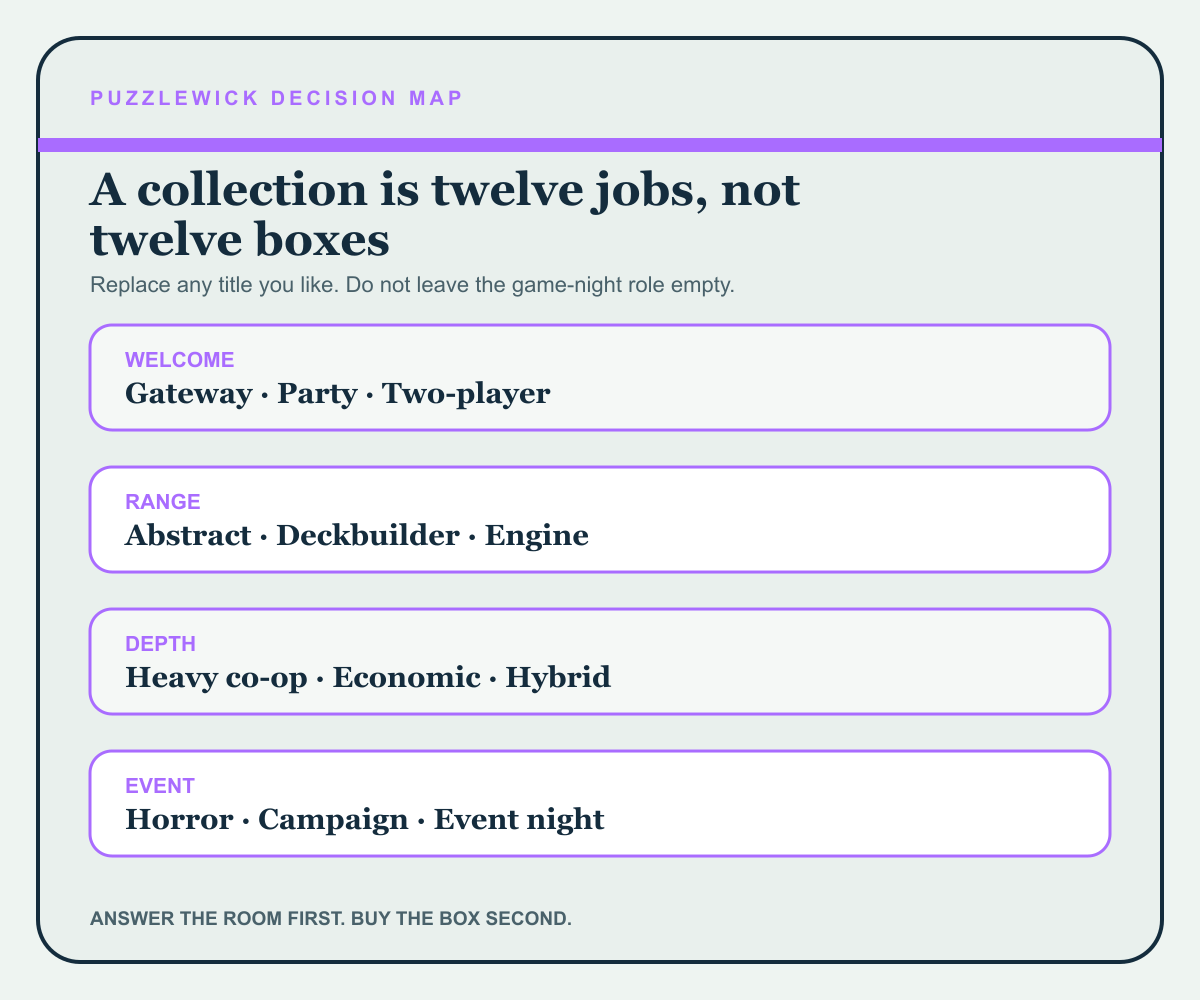
Coverage, not volume. A useful shelf can welcome a first-timer, save a two-person cancellation, gather six people, cooperate, compete, deliver a quiet puzzle, host a heavy strategy night, and create one ridiculous event. Twelve copies of the same 90-minute engine builder are a preference, not a complete toolkit.
The recent “perfect collection” and ten-year retrospective conversations are full of experienced owners admitting that expansions, crowdfunding extras, and redundant mechanisms were the easiest purchases to release. The survivors were games attached to recurring situations. Dax’s audit therefore counts jobs. You may replace every title here with a game your group prefers. You may not claim the shelf is ready for anything while it cannot answer “what works for exactly two?”
Which three games make a shelf welcoming?


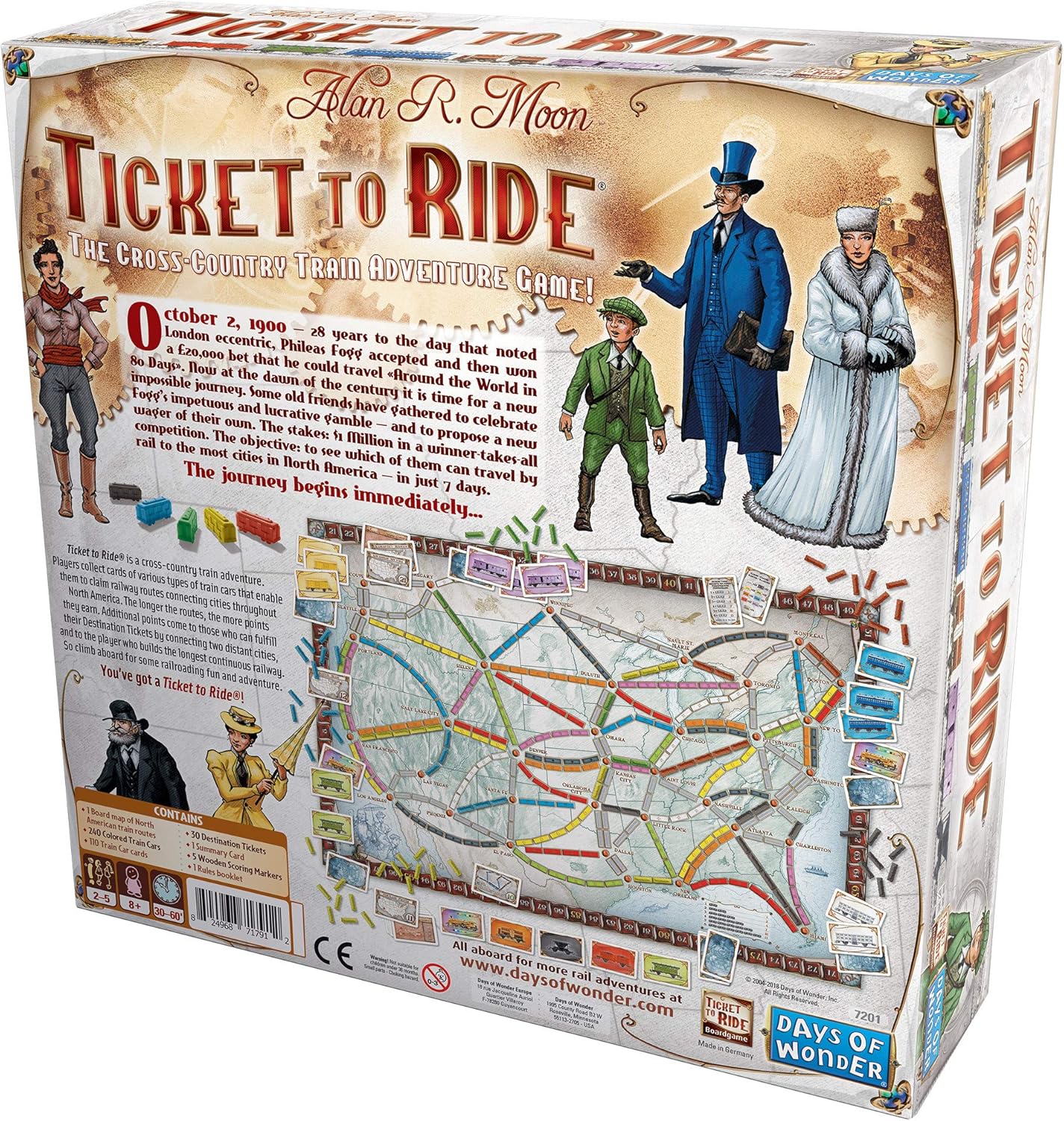
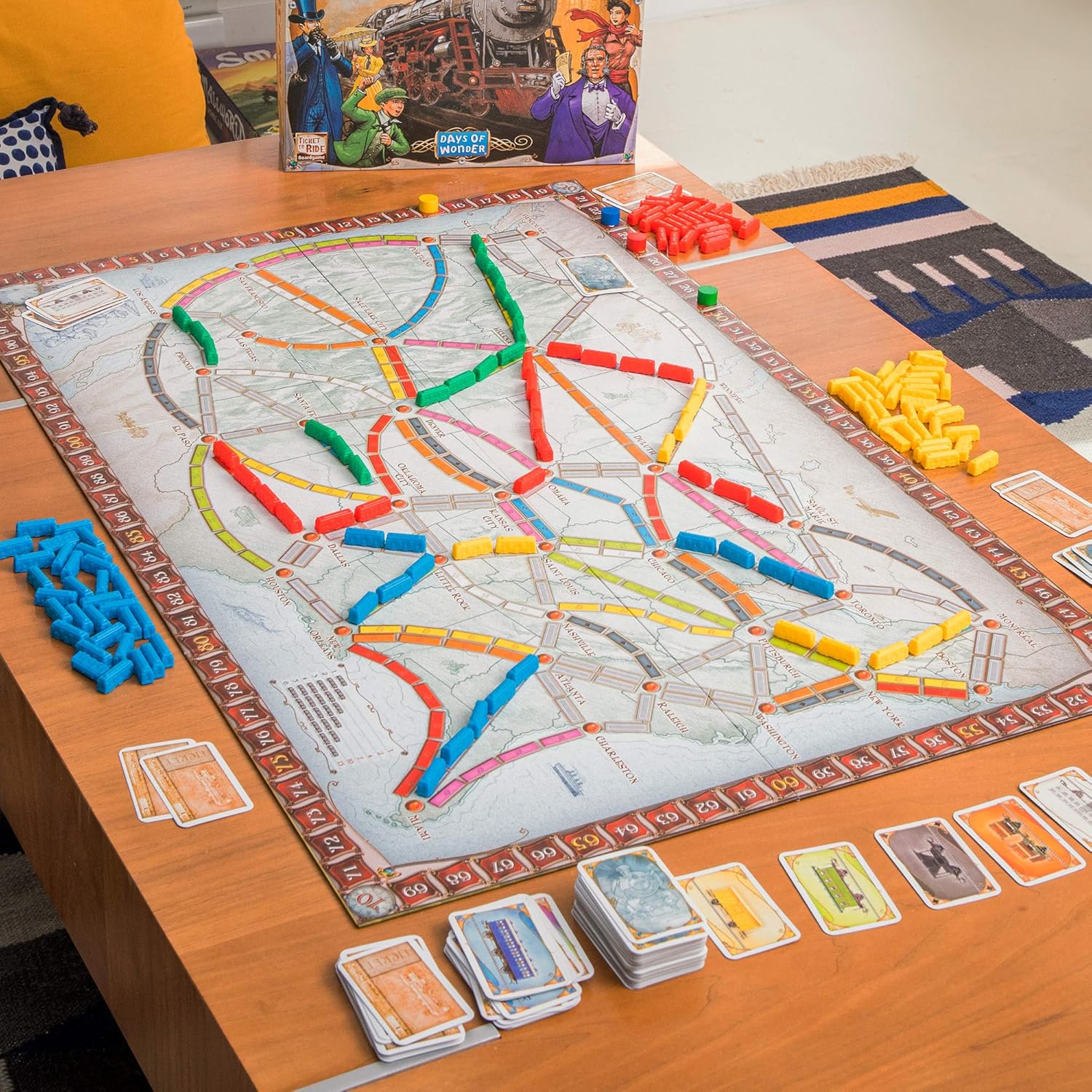
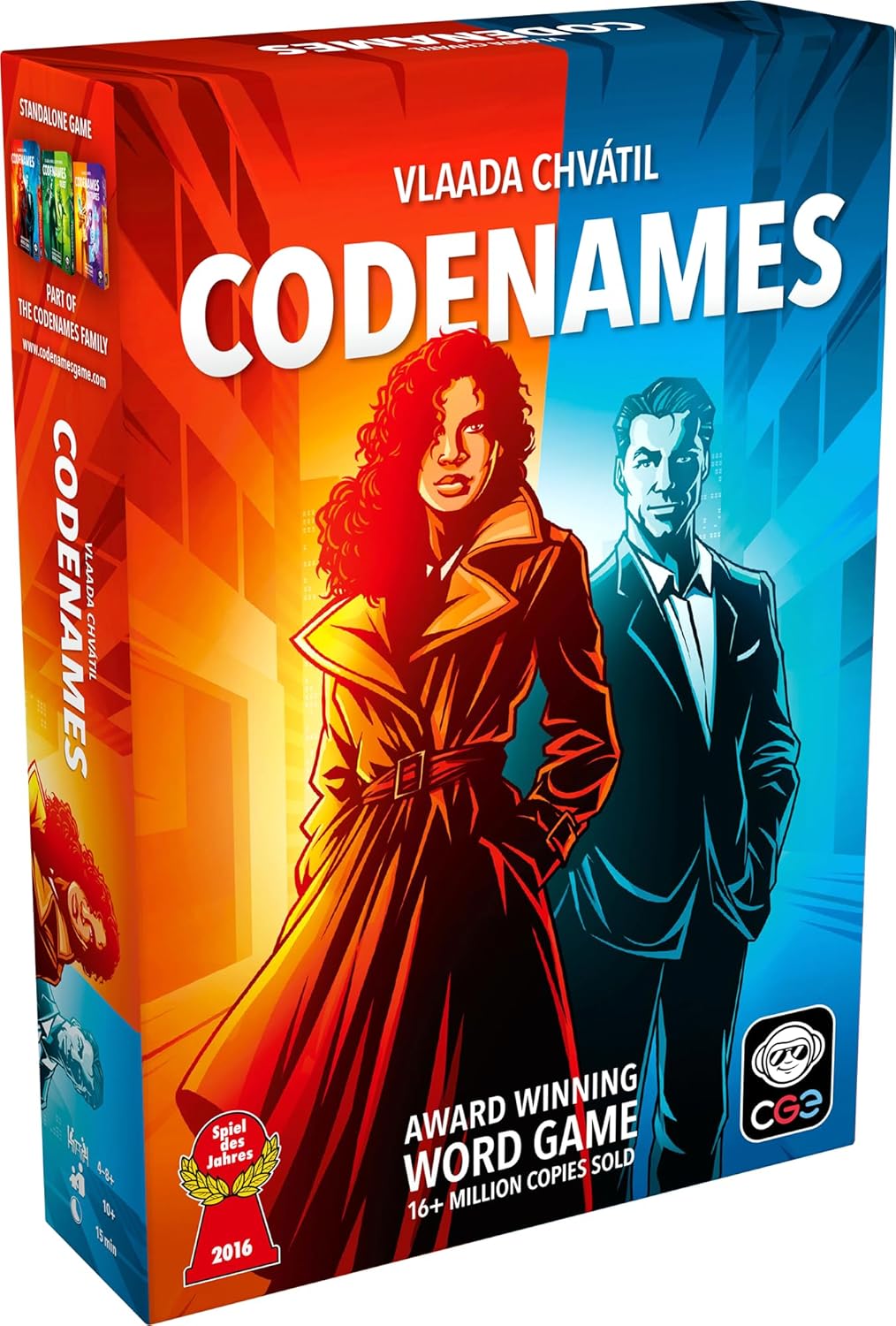
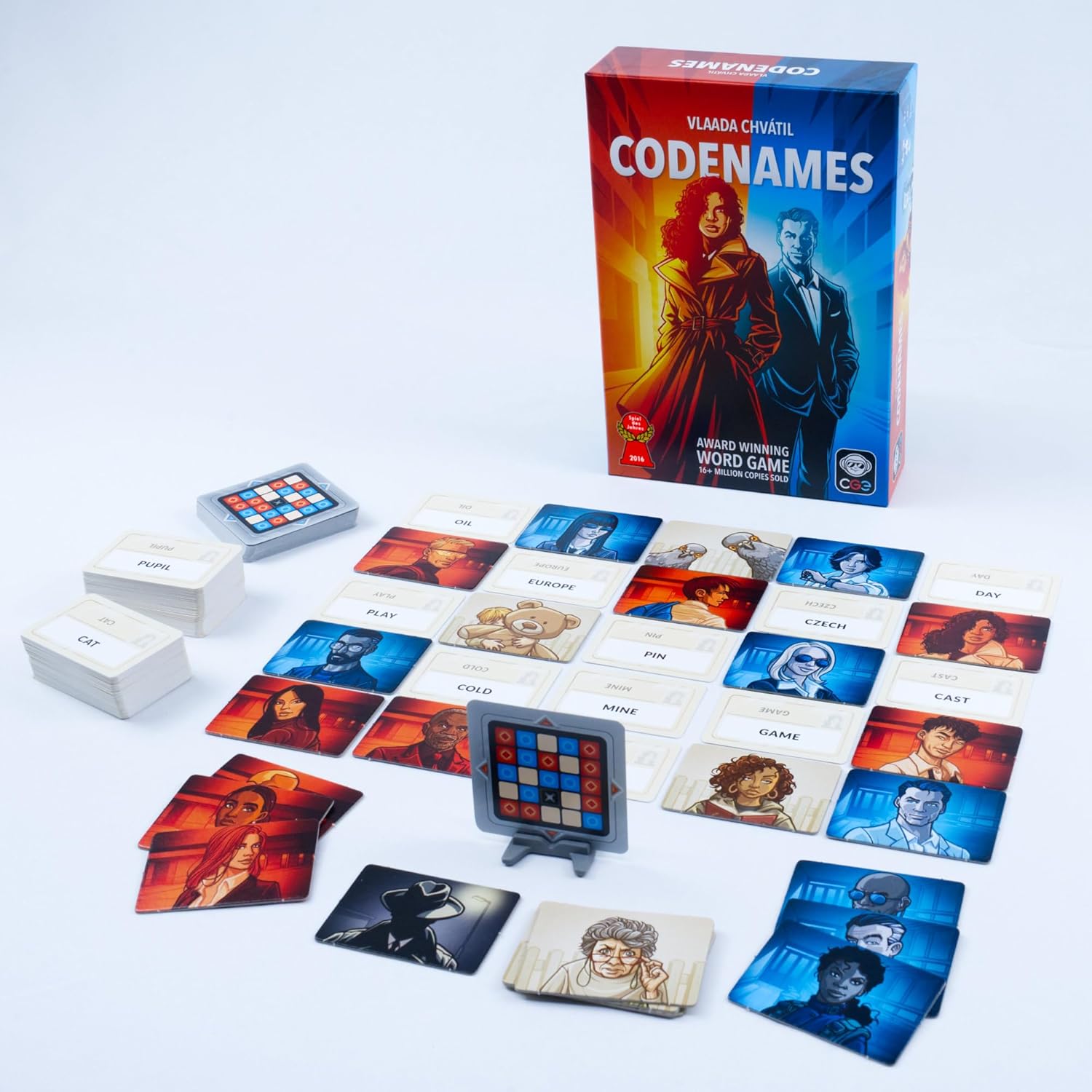
Ticket to Ride is the gateway: visible routes, simple card sets, and enough blocking to feel real. Codenames is the crowd: team clues, laughter, and spectators who understand the stakes immediately. Jaipur is the pair: a full tactical arc for the night when only one person arrives.
These are not beginner games that become obsolete. They are low-friction games experienced hosts keep because hospitality remains difficult. A serious collection that cannot welcome people is a private archive. If you dislike any title, replace the role with an equivalent: Cascadia for a gentler gateway, Wavelength for a conversational crowd, or 7 Wonders Duel for a more combative pair. The function is sacred; the SKU is not.
Which games give a collection mechanical range?


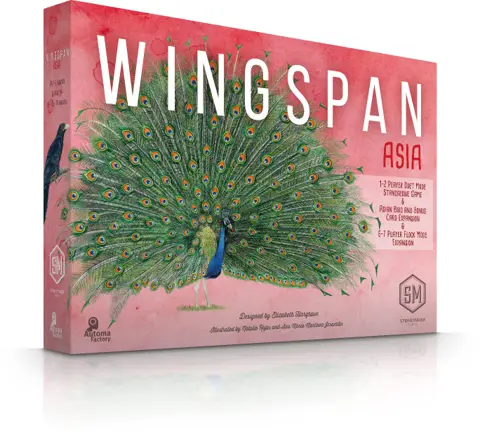
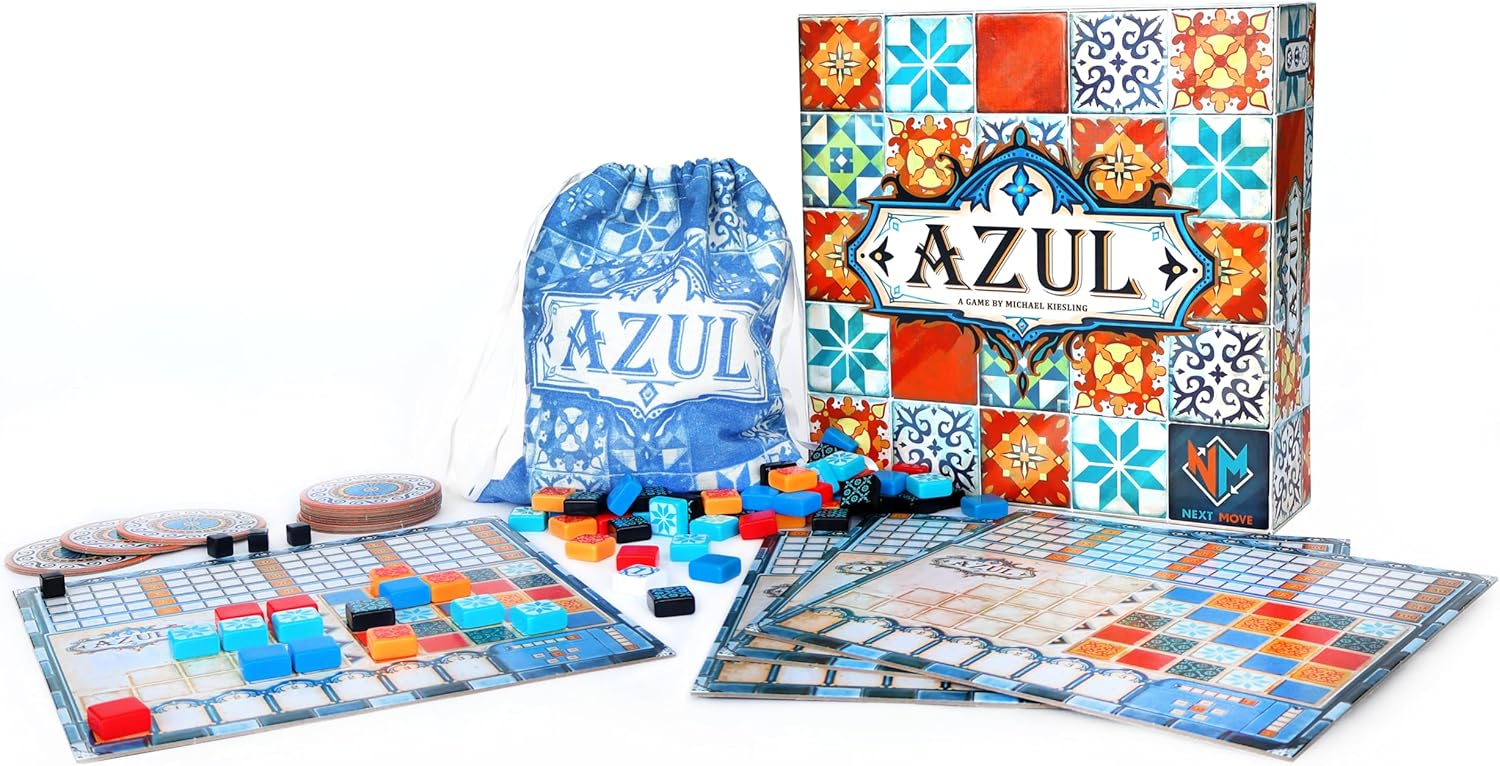
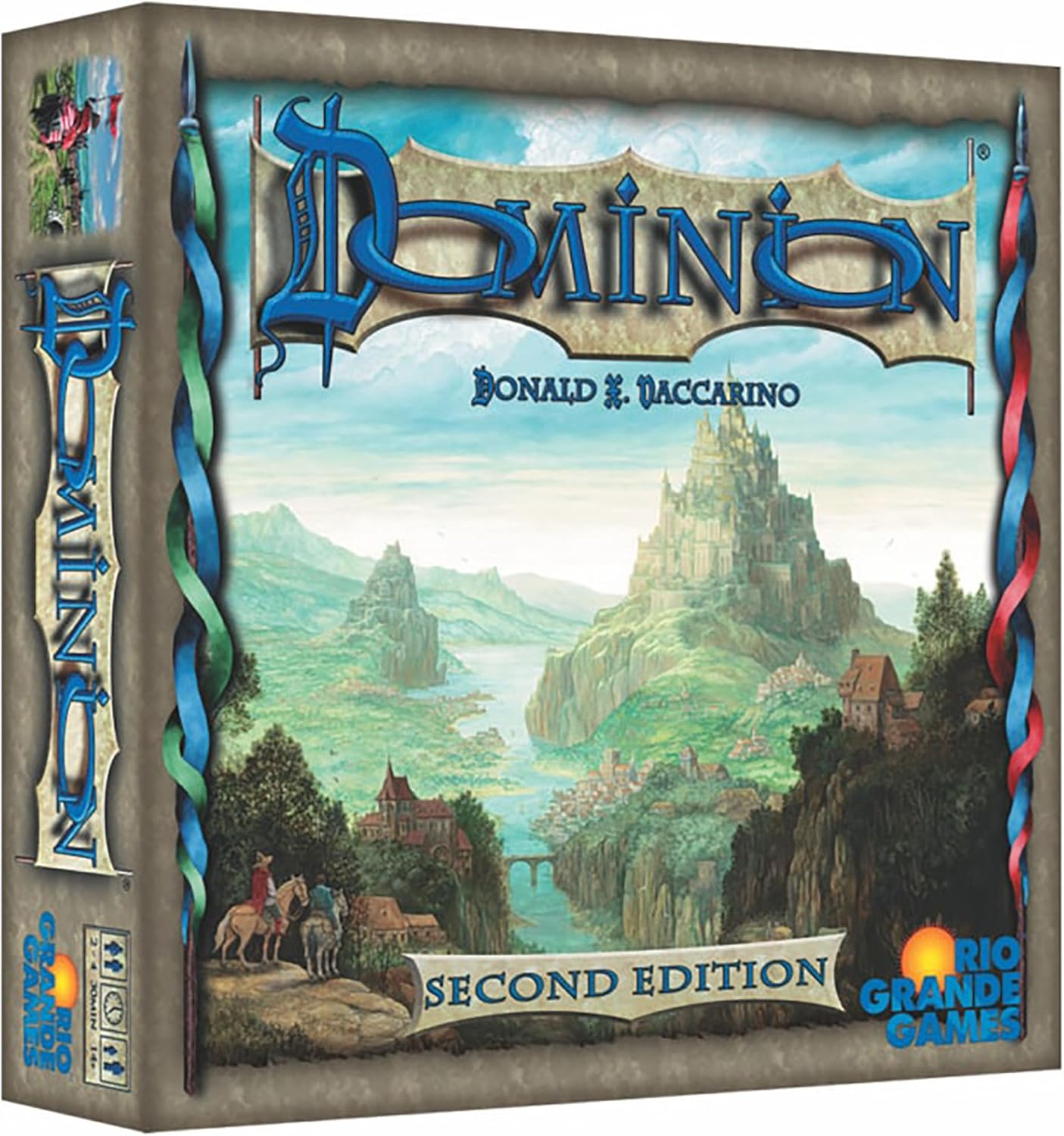
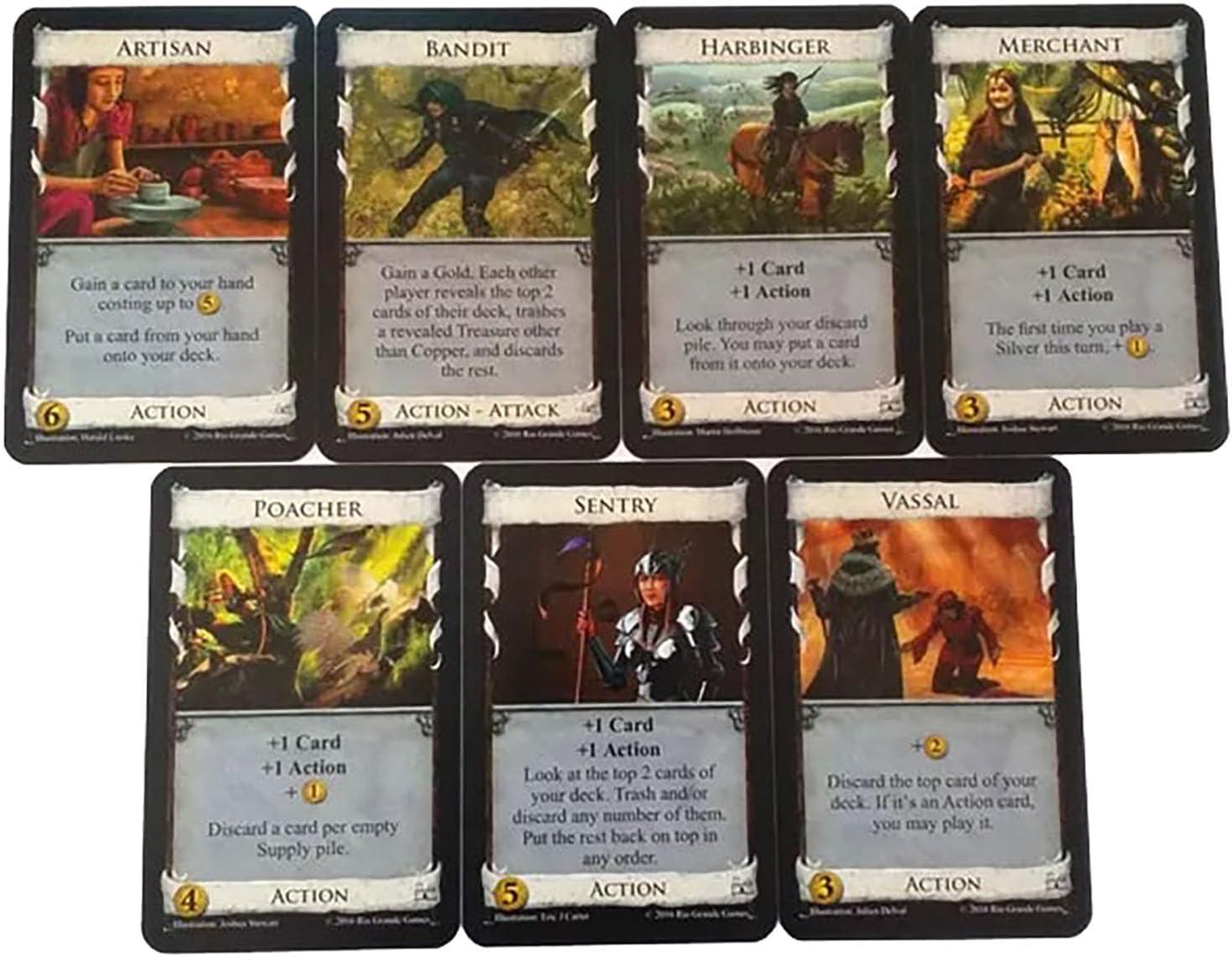
Azul supplies open drafting and tactile abstraction. Dominion supplies deckbuilding in its pure form: buy cards, shuffle them into your future, and learn how an engine can clog itself. Wingspan supplies tableau engine building with a presentation that invites rather than intimidates. Together they teach three enormous branches of modern design.
They also reveal taste. Someone who loves Azul’s denial may want more abstracts. Someone who loves Dominion’s controlled card economy may want more deckbuilders. Someone who loves Wingspan’s habitat engine may prefer tableau builders. A collection should help its owner learn what to pursue and what to stop buying. Range is diagnostic, not decorative.
Which three games provide serious depth?


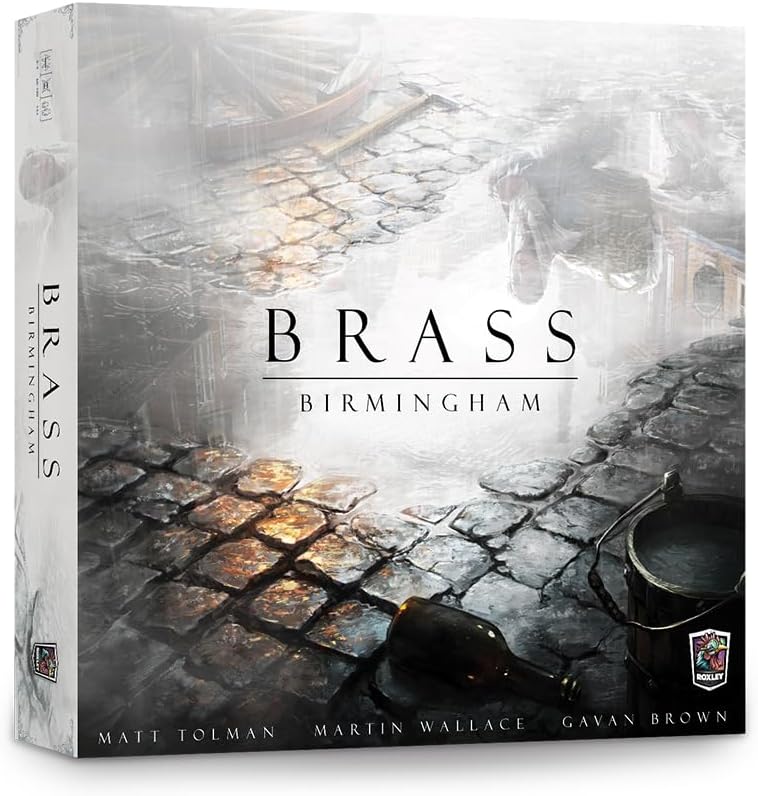
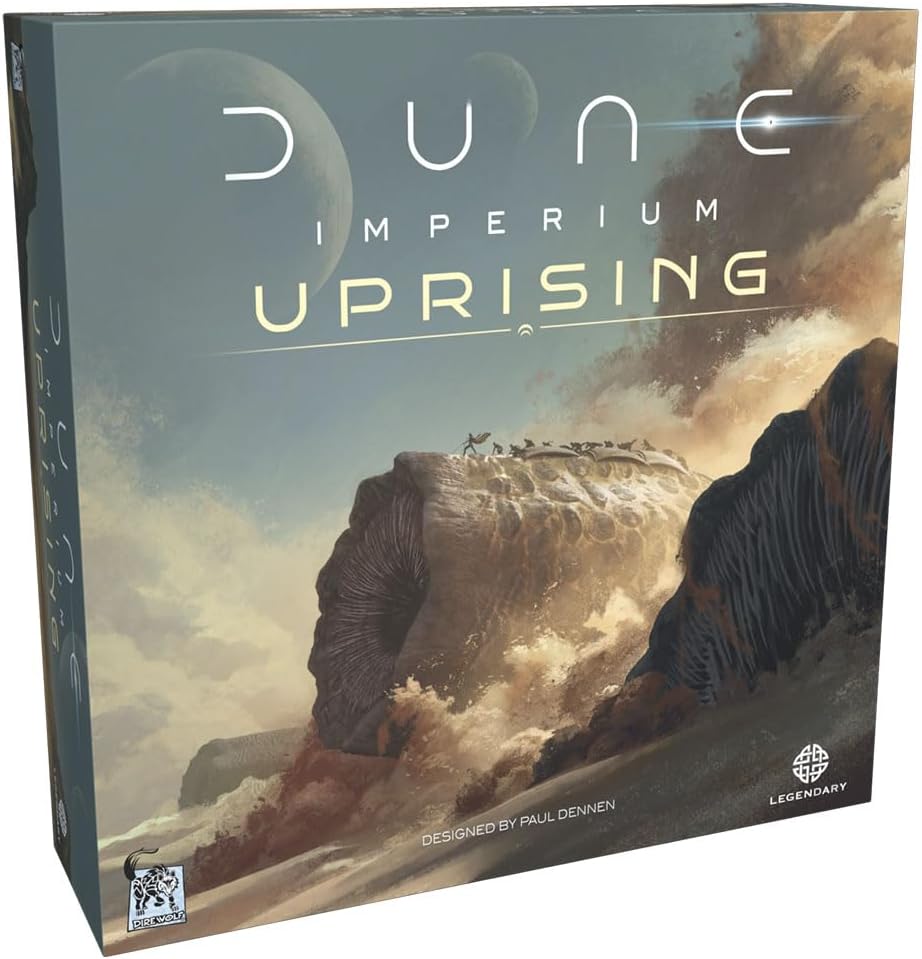
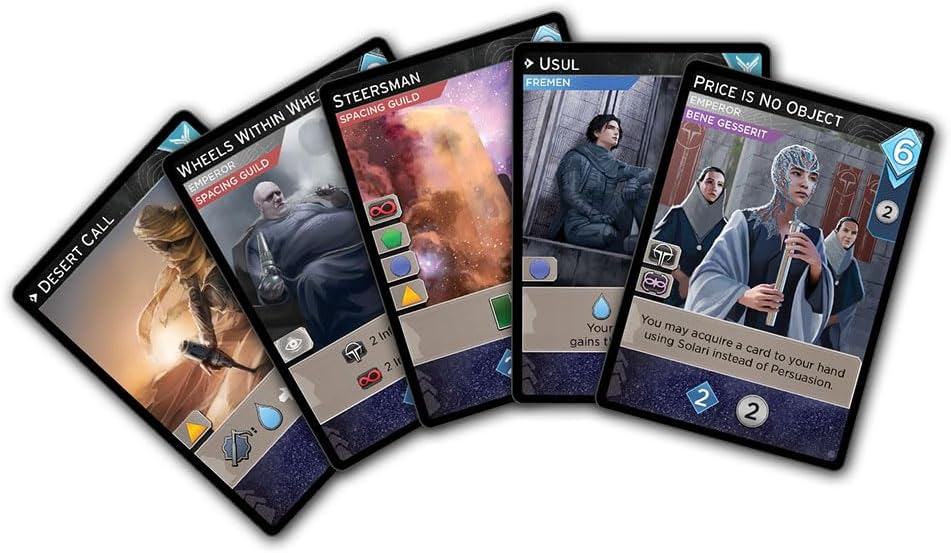
Spirit Island is the heavy cooperative system: asymmetric spirits, controlled difficulty, and a board that asks players to coordinate without reducing everyone to one quarterback. Brass: Birmingham is the economic system: shared infrastructure means your coal, iron, beer, and connections can help a rival while advancing your own plan. Dune: Imperium – Uprising is the modern hybrid: worker placement, deckbuilding, faction influence, spies, and conflict integrated into one tense arc.
Do not buy all three as a “next step” from Ticket to Ride. Choose the kind of pressure your group already enjoys: shared crisis, economic dependency, or tactical conflict. Depth becomes valuable through repeat play. Three unlearned heavy games are not depth; they are a reading list.
Depth is the number of meaningful returns, not the number of unread pages.
Which games create the nights ordinary euros cannot?
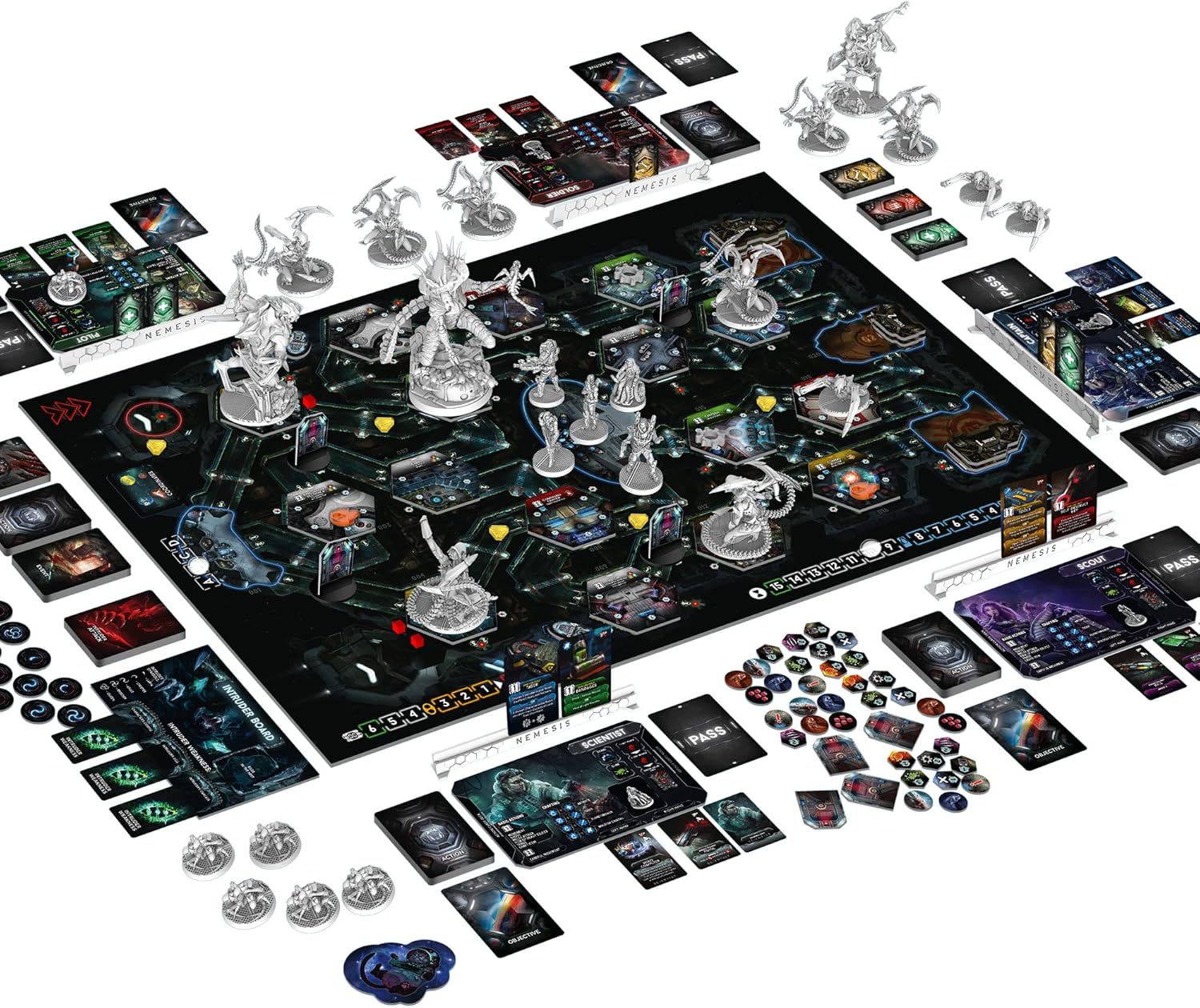

Nemesis is the event-horror box: long, unfair, theatrical, and capable of producing a story the table retells. Arkham Horror: The Card Game Revised Core is the campaign doorway: decks evolve, scenarios branch, and investigators carry consequences. The Crew: Mission Deep Sea is the compact cooperative counterweight: fifty missions in a box small enough to travel.
A complete collection needs scale changes. Not every story requires miniatures and three hours; not every cooperative night should be a silent filler. Nemesis, Arkham, and The Crew show how cooperation changes under betrayal, campaign memory, and communication limits. The role is emotional architecture: one event, one continuing story, one compact shared puzzle.
Can you substitute other games and still pass the audit?

Absolutely. Replace Ticket to Ride with Cascadia, Codenames with Wavelength, Jaipur with Splendor Duel, The Crew with Sky Team, Azul with Hive, Dominion with Clank!, Wingspan with Everdell, Spirit Island with Robinson Crusoe, Brass with Hansa Teutonica, Dune Uprising with Lost Ruins of Arnak, Nemesis with Mansions of Madness, or Arkham LCG with Earthborne Rangers.
The replacement must perform the same night at least as well for your people. Do not substitute another four-player heavy euro for the party role because you personally prefer euros. That is how collections become autobiographies that cannot host guests. Dax is not prescribing canon. He is preventing blind spots.
How should you cull a large collection?

Run a twelve-month evidence audit. Mark the last play date, normal player count, teach friction, and which role the game fills. If two boxes perform the same role, keep the one your group requests. If an expansion makes setup worse and rarely changes the decision, detach it from the base box and sell it. If a campaign has been “about to start” for a year, admit that the calendar already voted.
Keep sentimental games deliberately; do not disguise them as active inventory. A memory shelf is valid. A host shelf is functional. The mistake is letting nostalgia, speculation, and weekly-use games compete invisibly for the same physical space. Experienced collectors repeatedly report that culling improved play because the remaining choices became legible.
Your shelf is allowed to remember. It should also be able to answer tonight.
What order should a new collector buy these roles?

Phase one: gateway, pair, and group: Ticket to Ride, Jaipur, Codenames. Phase two: choose one mechanism: Azul, Dominion, or Wingspan. Phase three: choose one depth anchor: Spirit Island, Brass, or Dune Uprising. Phase four: add an event or campaign only after the group asks for one: Nemesis or Arkham. Add The Crew whenever you need portable cooperation.
This order prevents a familiar failure: buying three heavy aspirations before owning the games that create a regular table. Regular tables create demand for deeper games; deep boxes do not create regular tables. The collection grows from evidence, and every purchase can explain the night it enables.
The picks
Some links below are affiliate links — as an Amazon Associate, Puzzlewick earns from qualifying purchases, at no extra cost to you. It never changes a pick.
 4 photos
 Ticket to Ride
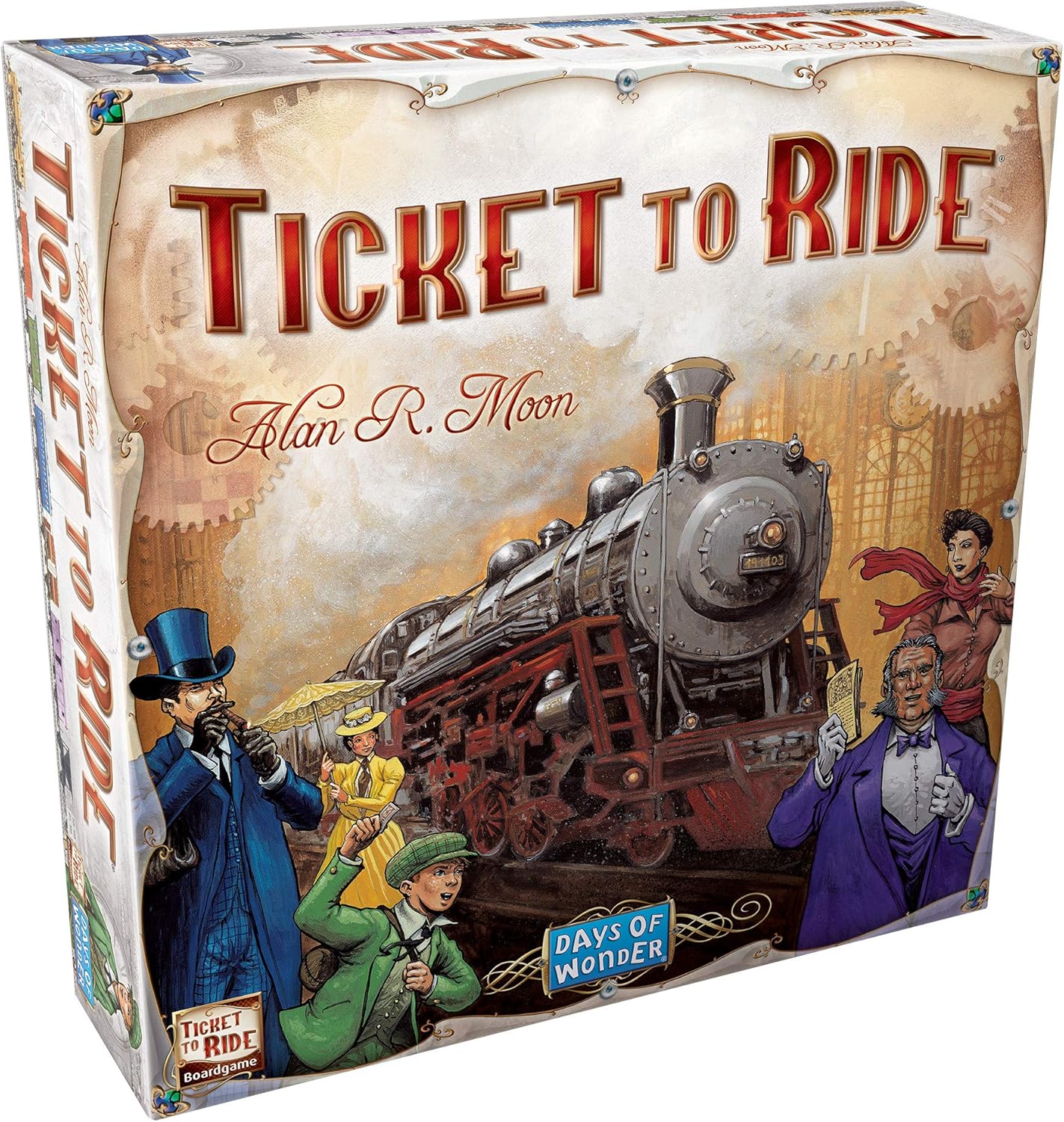
Collect colors and complete routes on a shared map. It teaches hand management and spatial pressure without asking anyone to become a hobbyist first.
- Reliable mixed-experience teach
- Visible shared board
- Blocking can sting
 4 photos
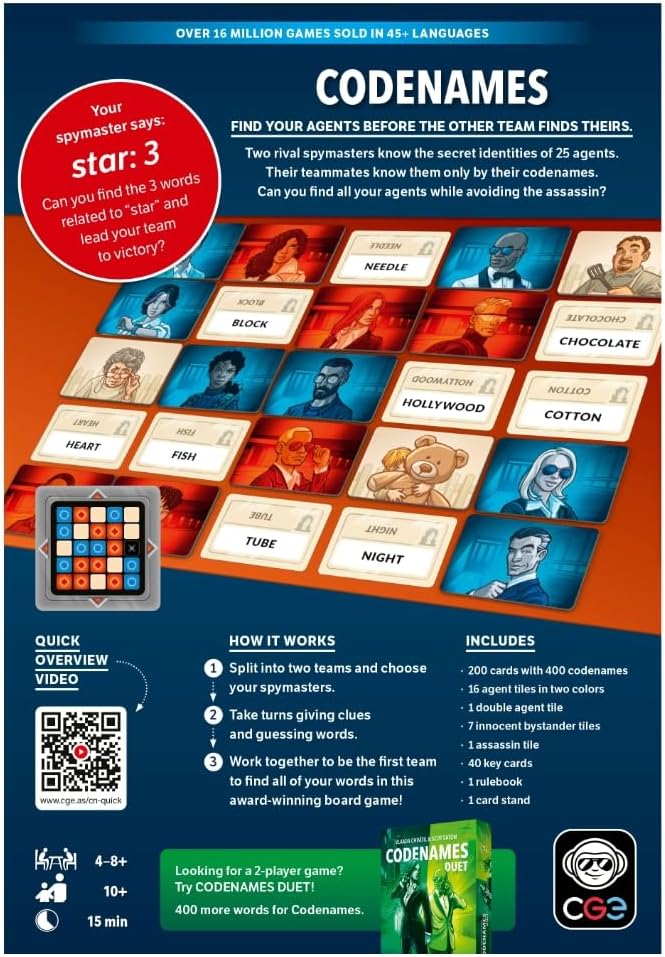
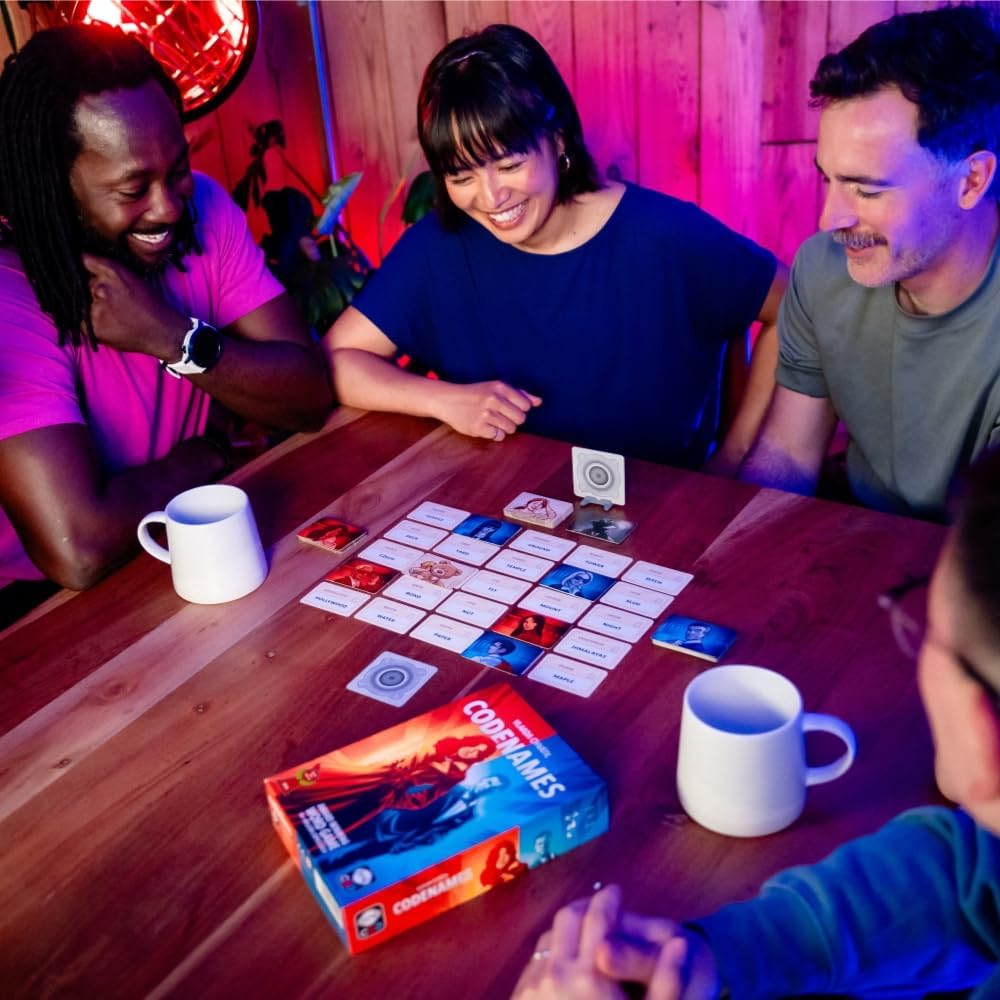
 Codenames (Second Edition)
One-word clues make the people the content. It handles non-gamers, scales well, and creates stories without requiring performance talent.
- Excellent group accessibility
- People create the replay
- Needs four for classic team play
 4 photos
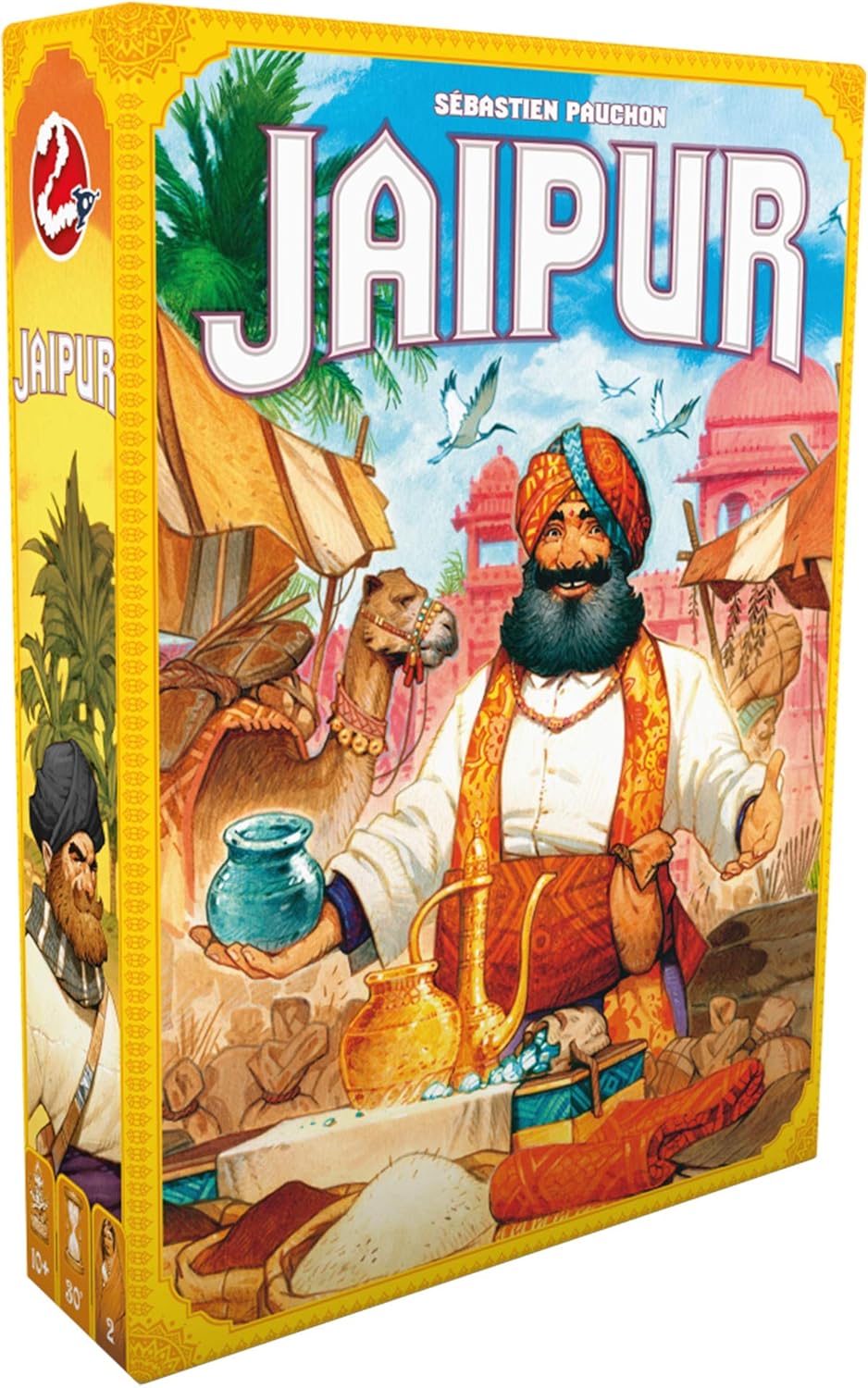
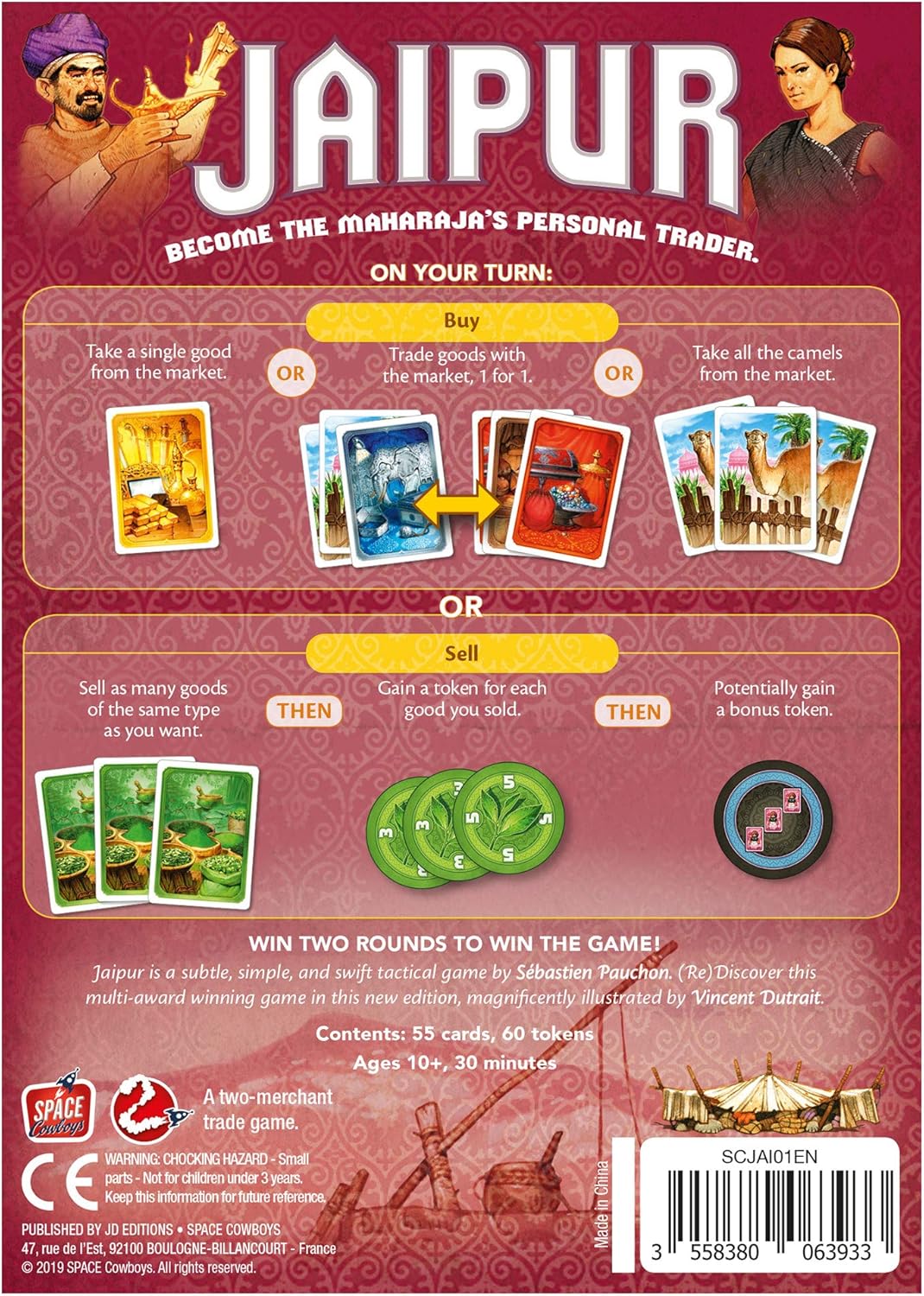
 Jaipur
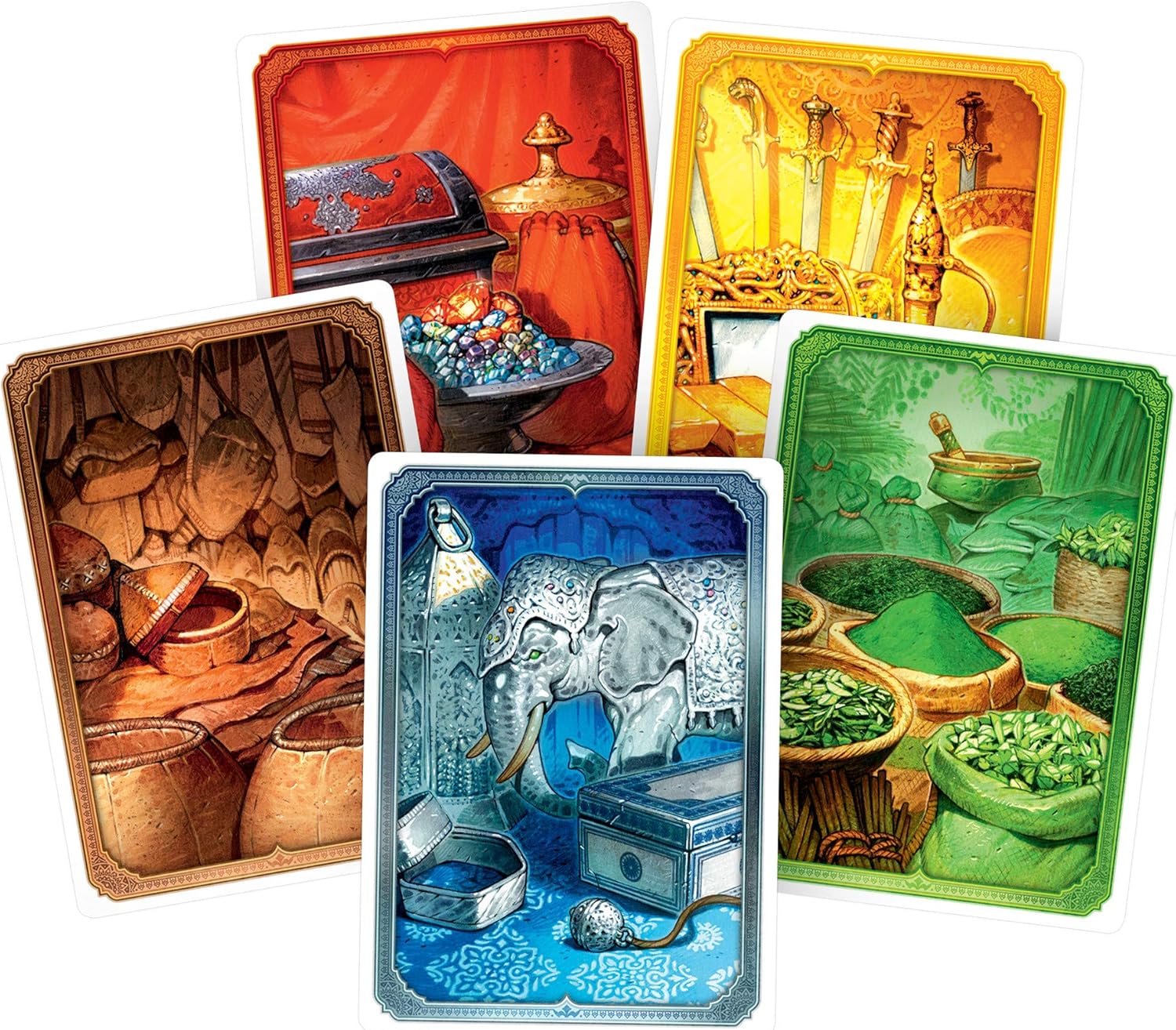
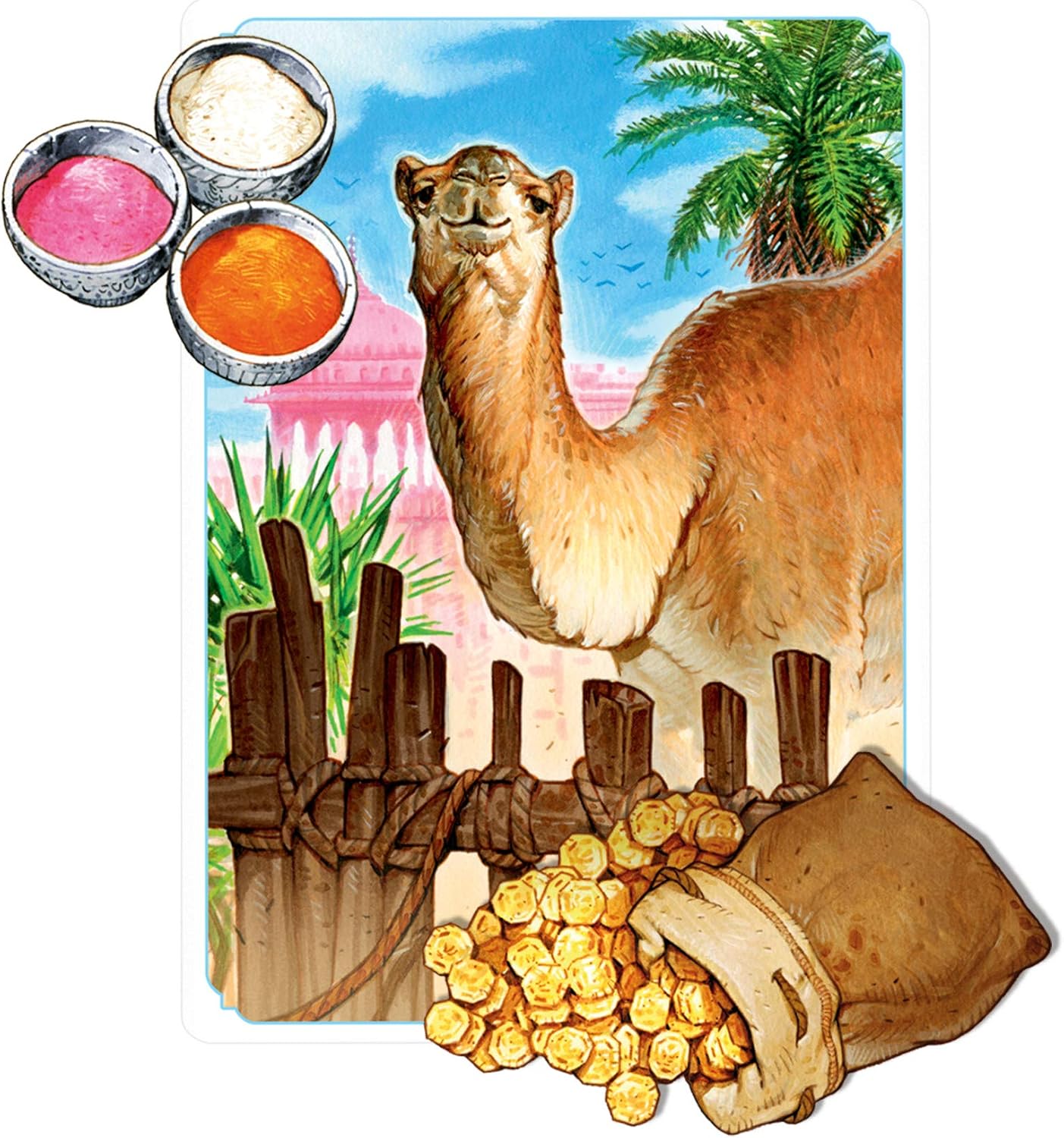
Fast market timing, camels, declining bonuses, and three-round structure make it the warm duel every collection needs.
- Excellent at exactly two
- Fast rematch
- Only two players
 4 photos
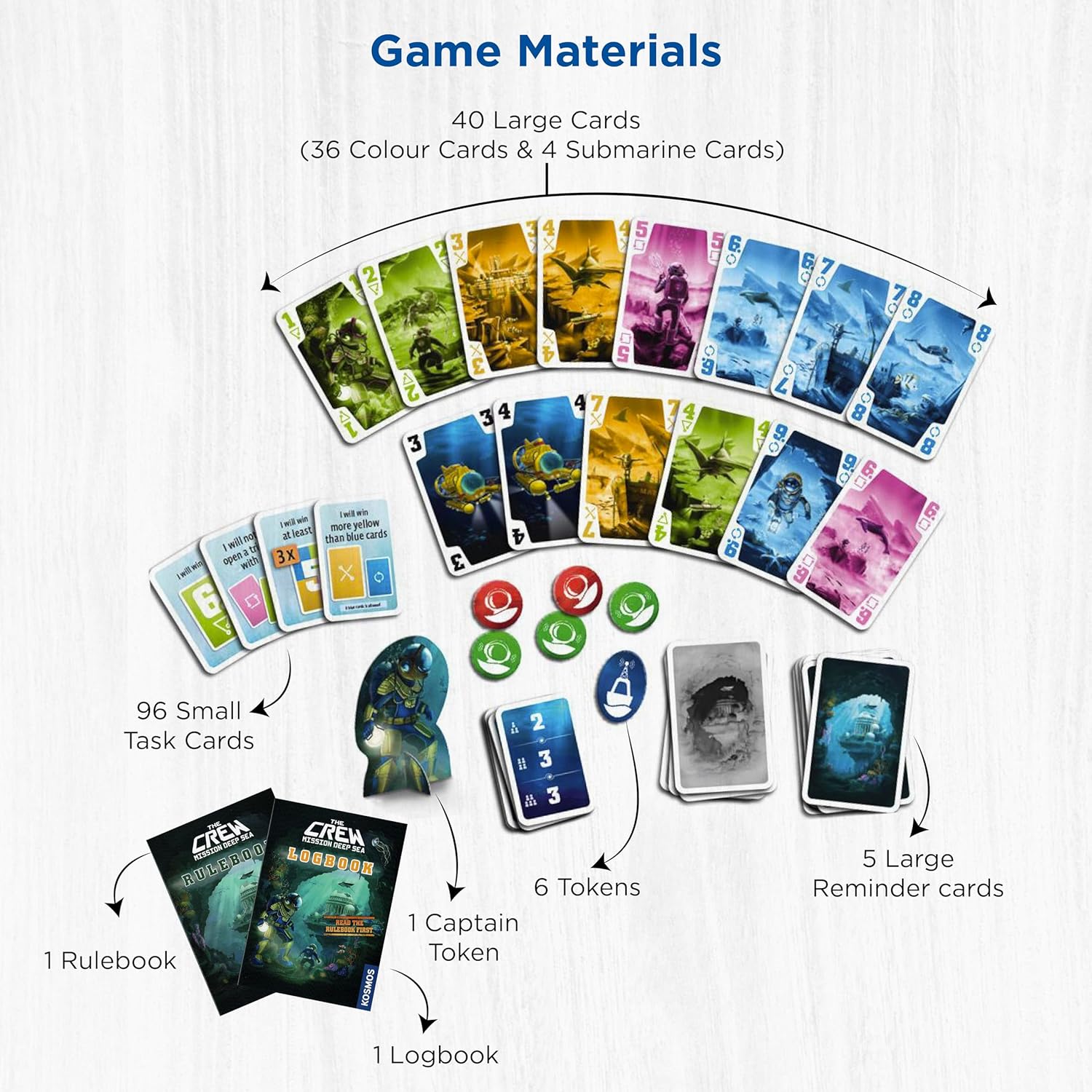
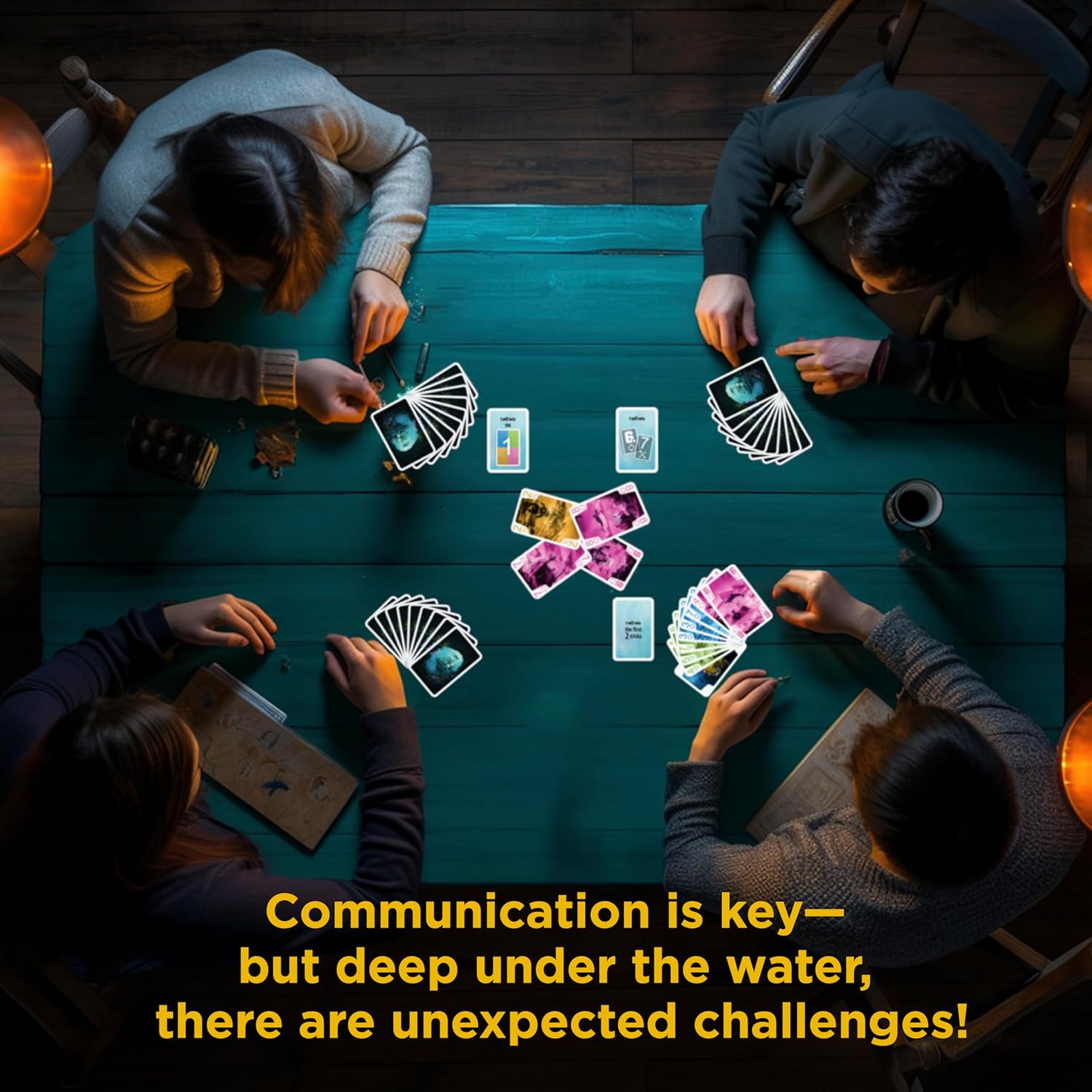
 The Crew: Mission Deep Sea
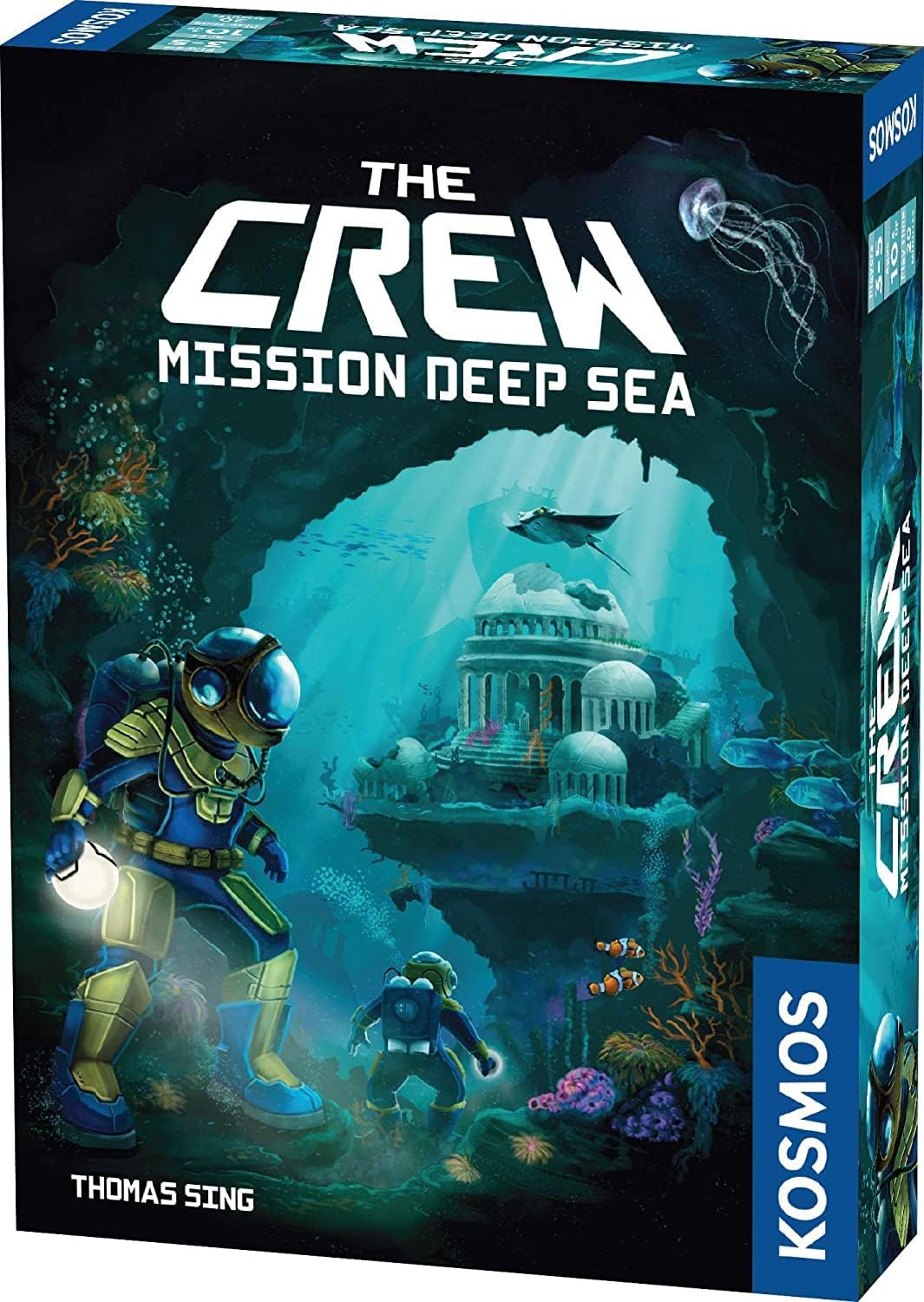
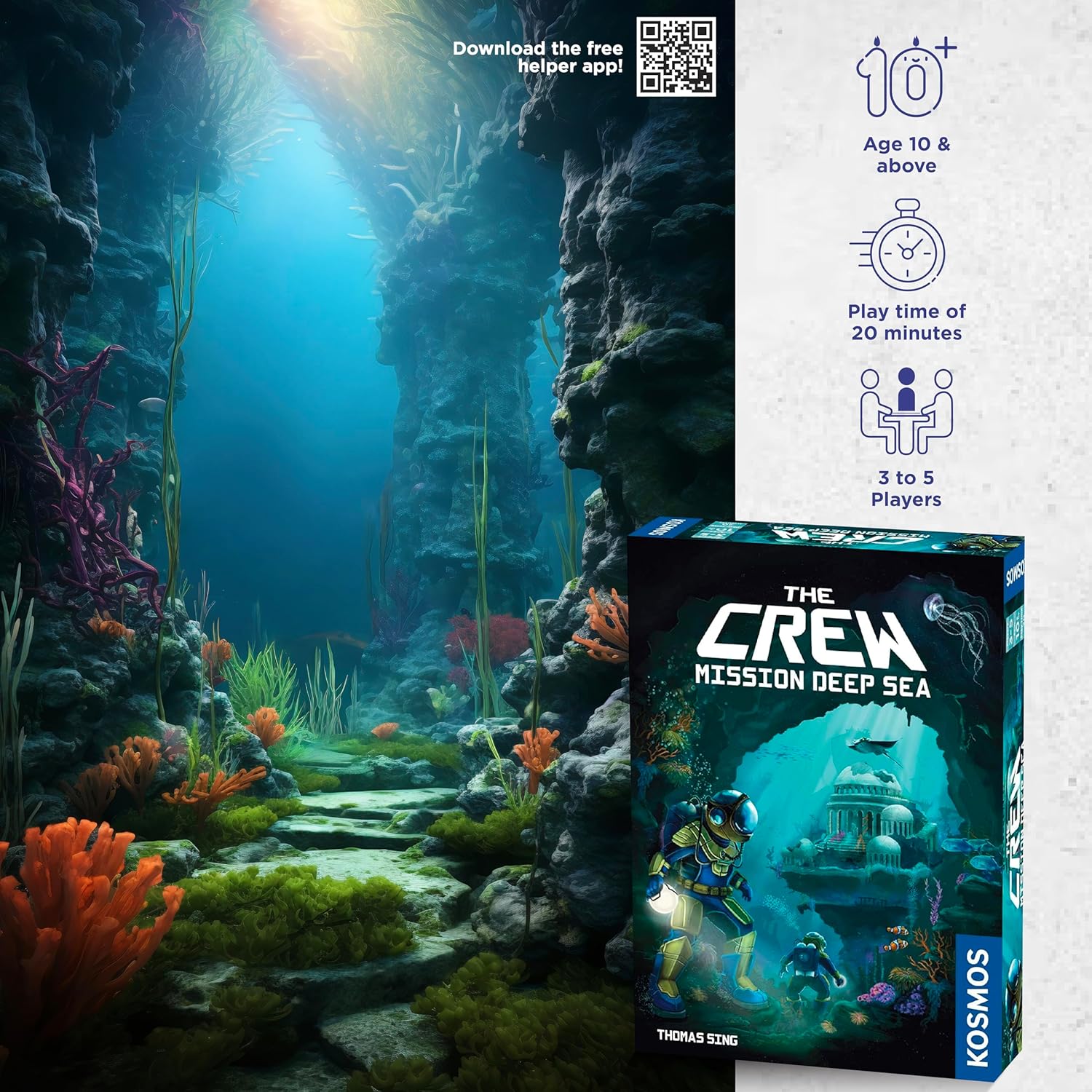
Mission-based trick-taking gives a small box a long difficulty arc. It is cooperation with constrained communication rather than committee play.
- Deep and compact
- Fifty missions
- Trick-taking teach required
 4 photos
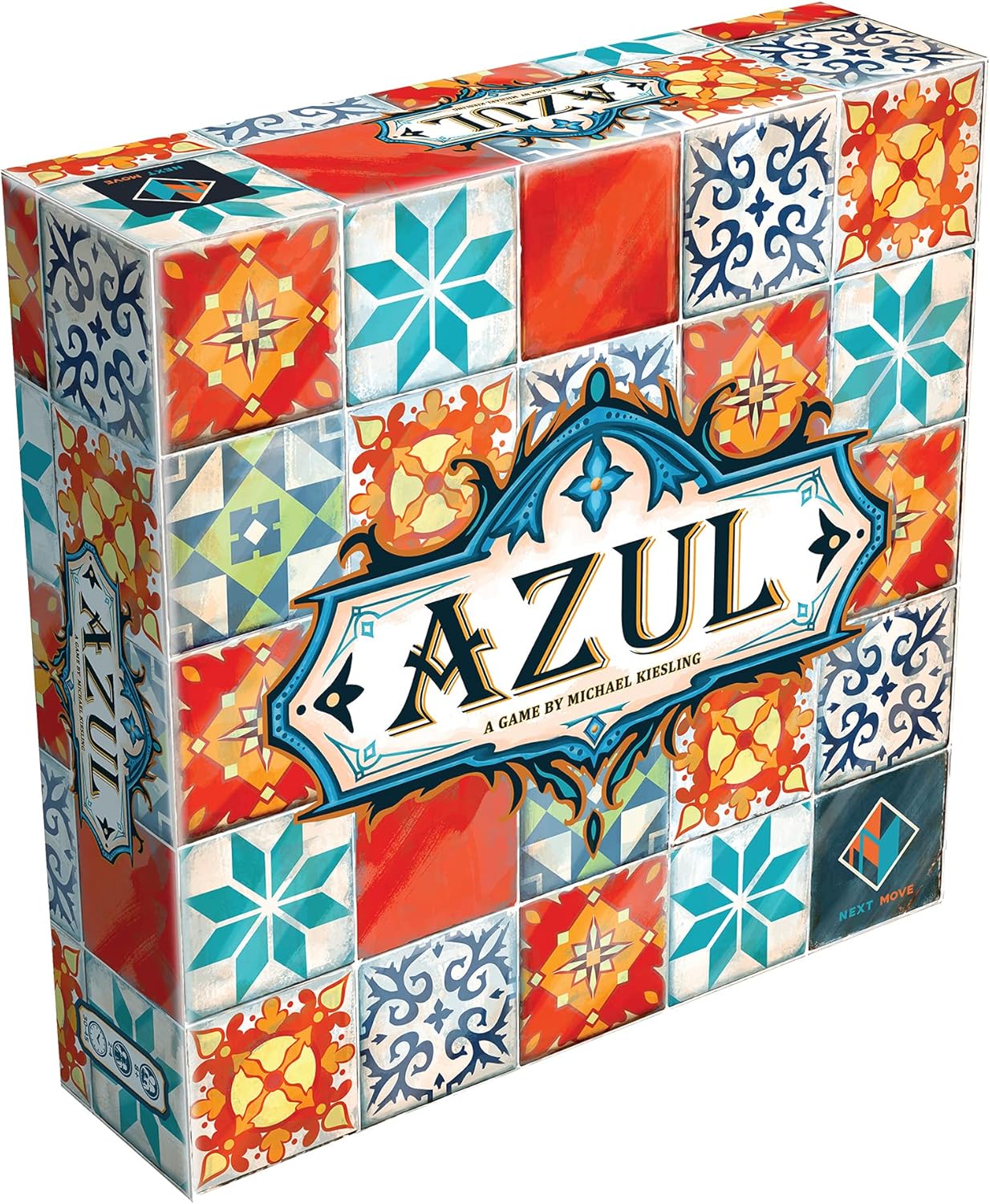
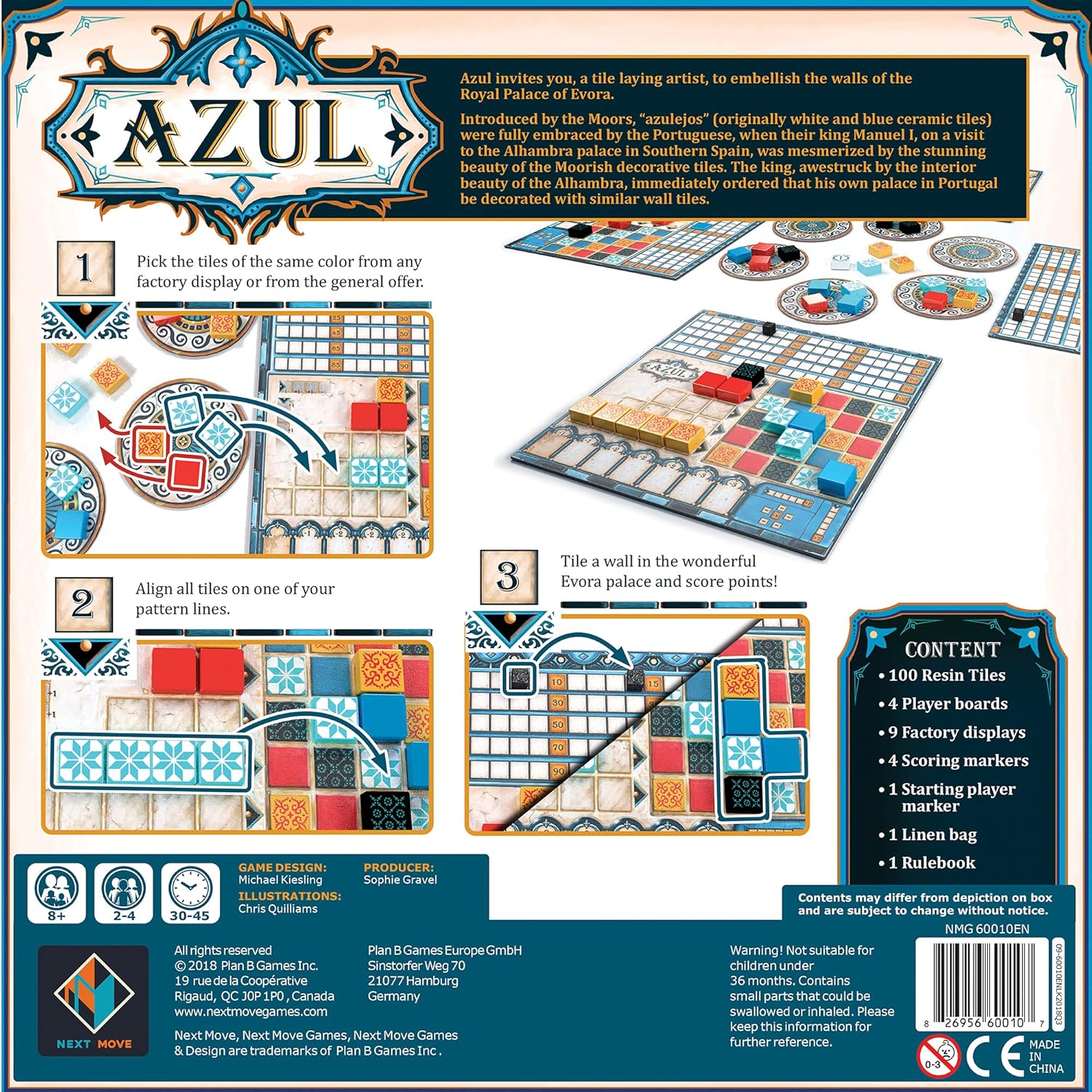
 Azul
Draft beautiful tiles, complete rows, and avoid breaking excess onto the floor line. It is welcoming, visible, and capable of sharp denial.
- Tactile and readable
- Excellent across experience
- Can become meaner than it looks
 4 photos
 Dominion (Second Edition)
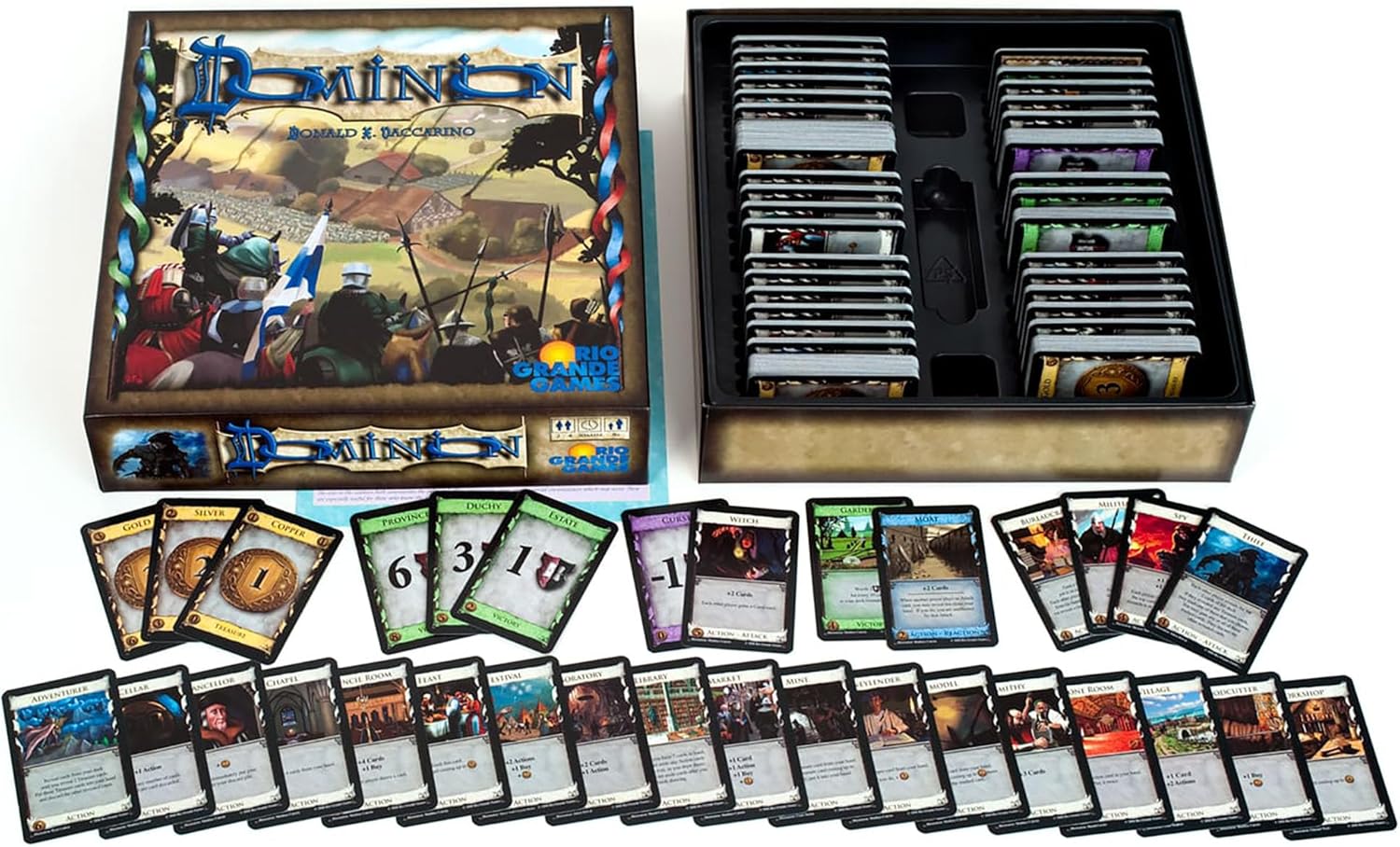
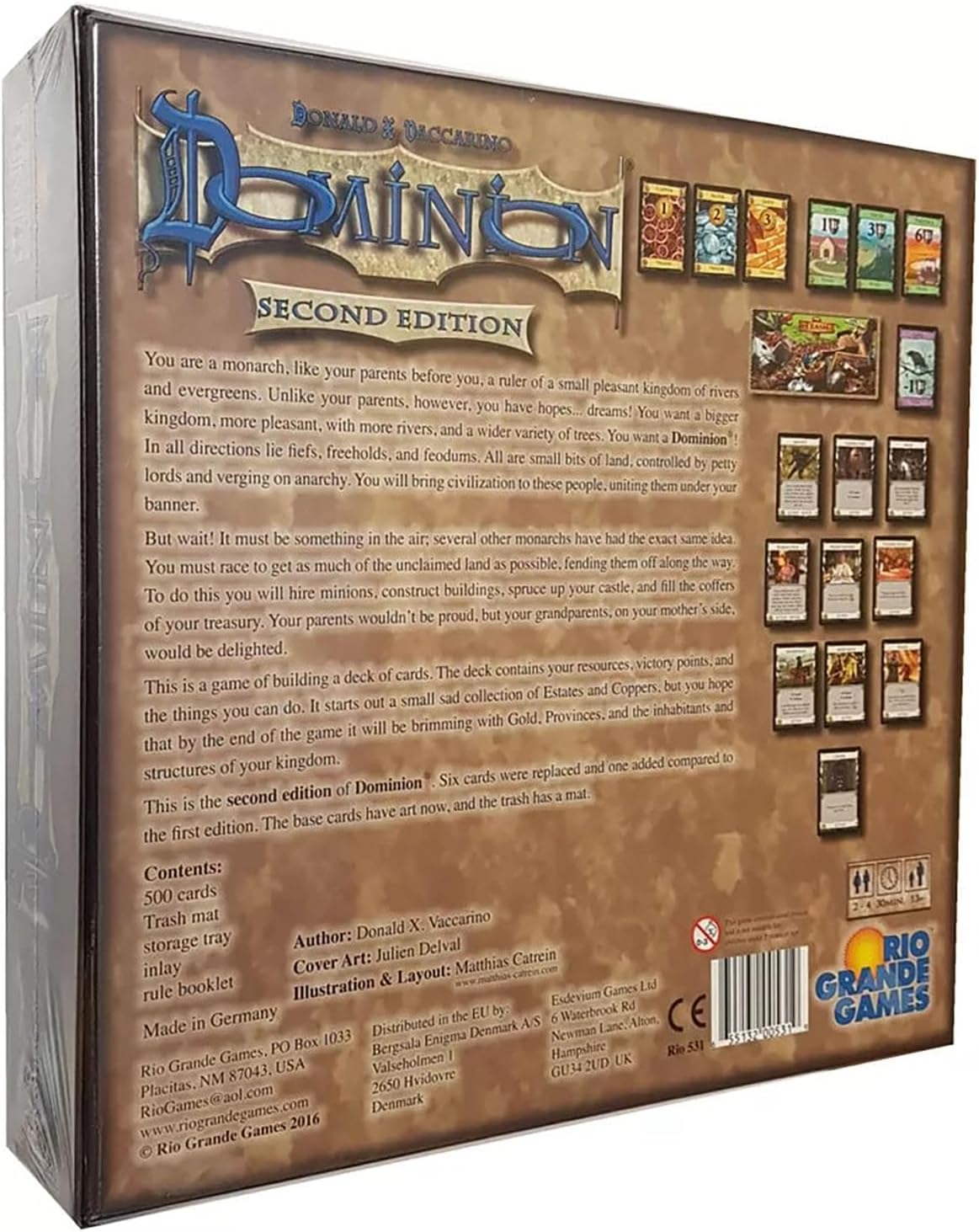
Dominion remains the clean laboratory for building a deck during play. The second edition is the right base starting point; expansions are optional vocabulary, not prerequisites.
- Foundational deckbuilding clarity
- Huge replay from kingdom cards
- Low table theatre
 4 photos
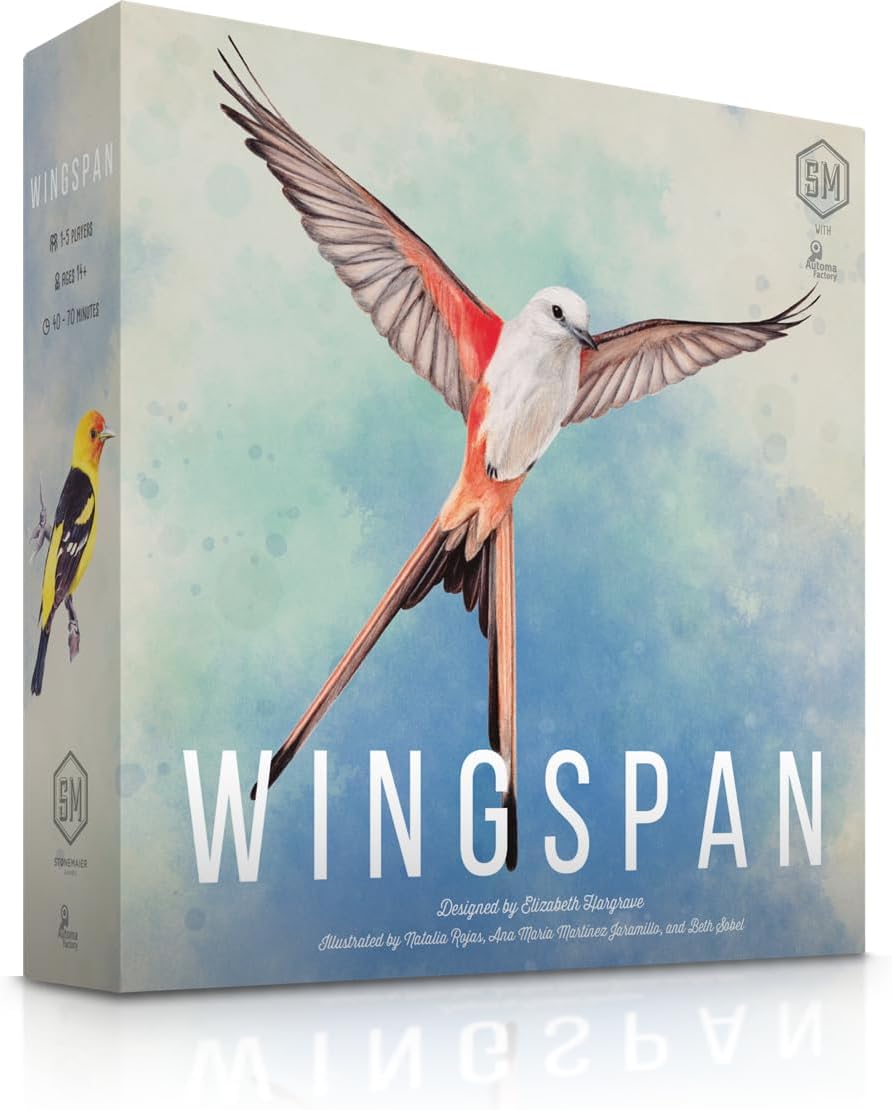
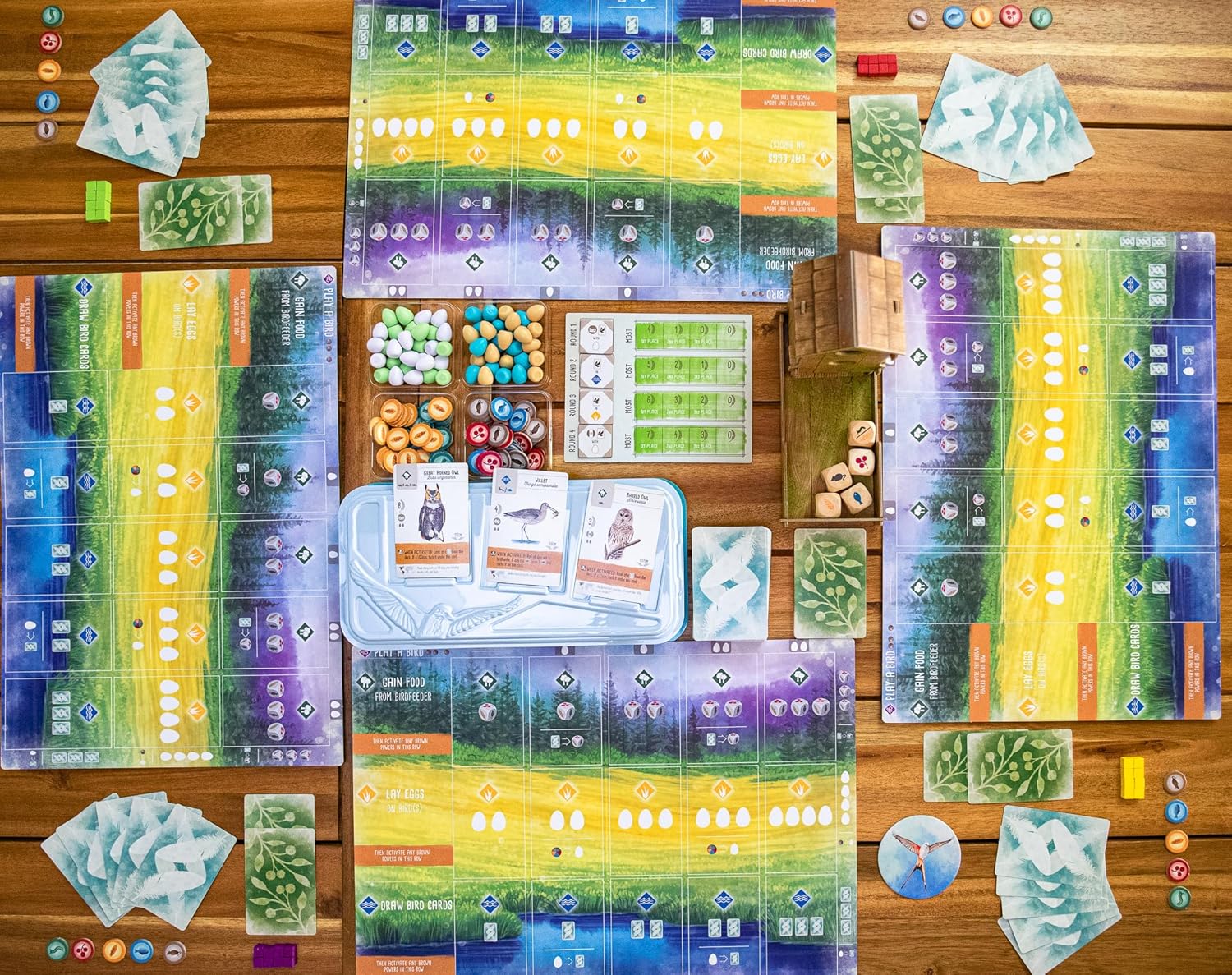
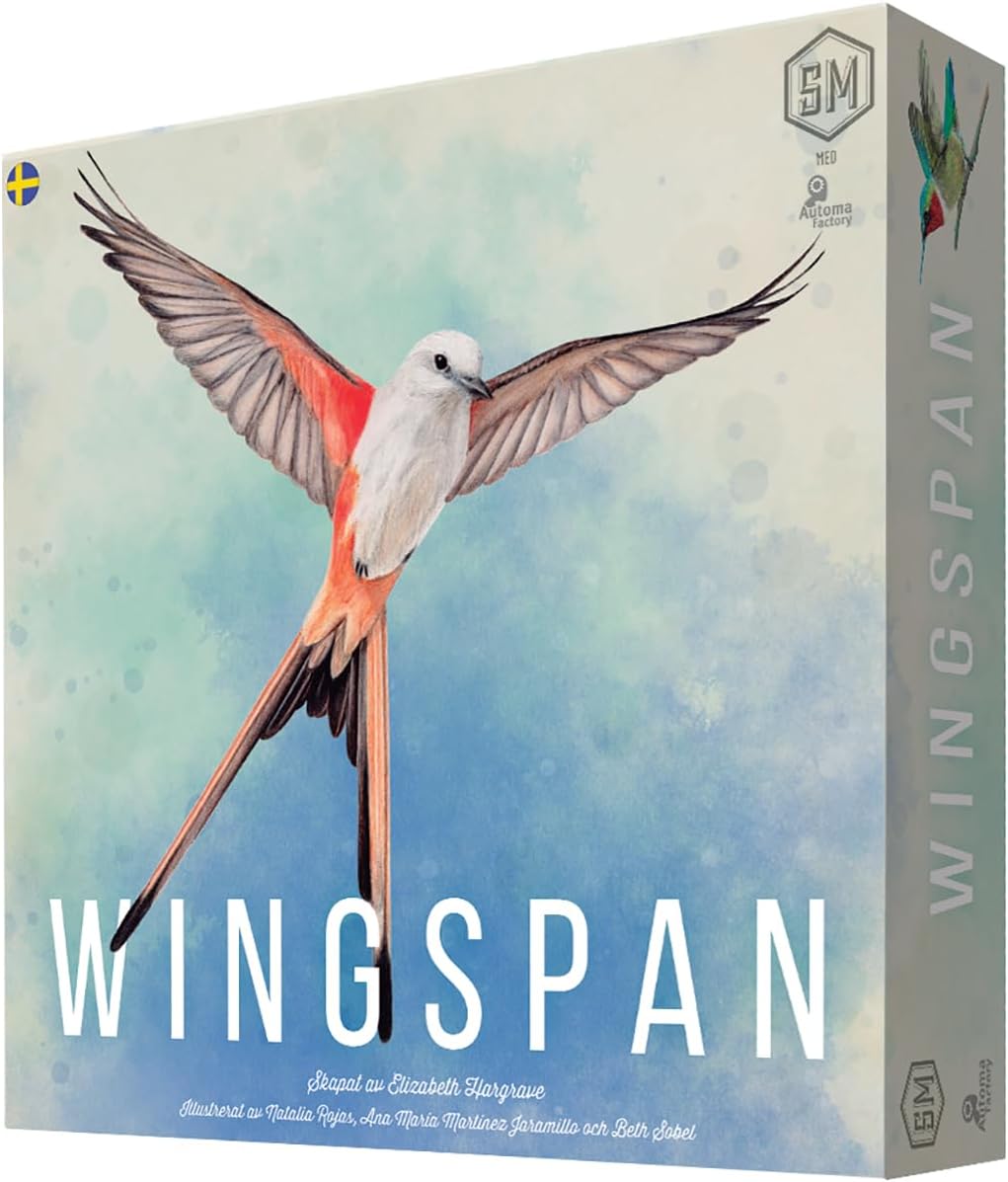
 Wingspan
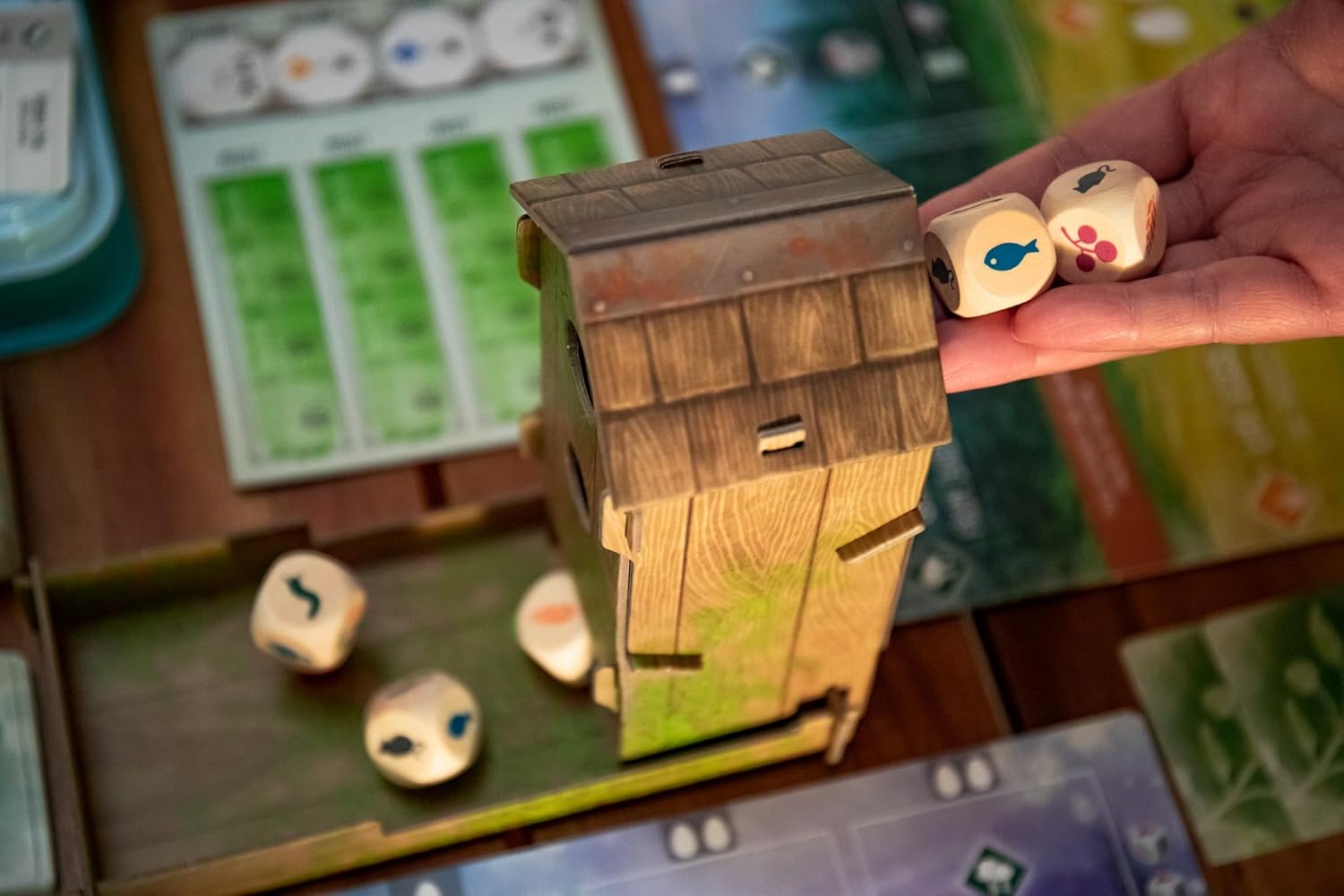
Bird powers, habitat actions, eggs, food, and cards build an approachable engine in a beautiful production. It welcomes people who would reject a harsher efficiency puzzle.
- Strong presentation
- Accessible engine building
- Card draw can shape outcomes
 4 photos
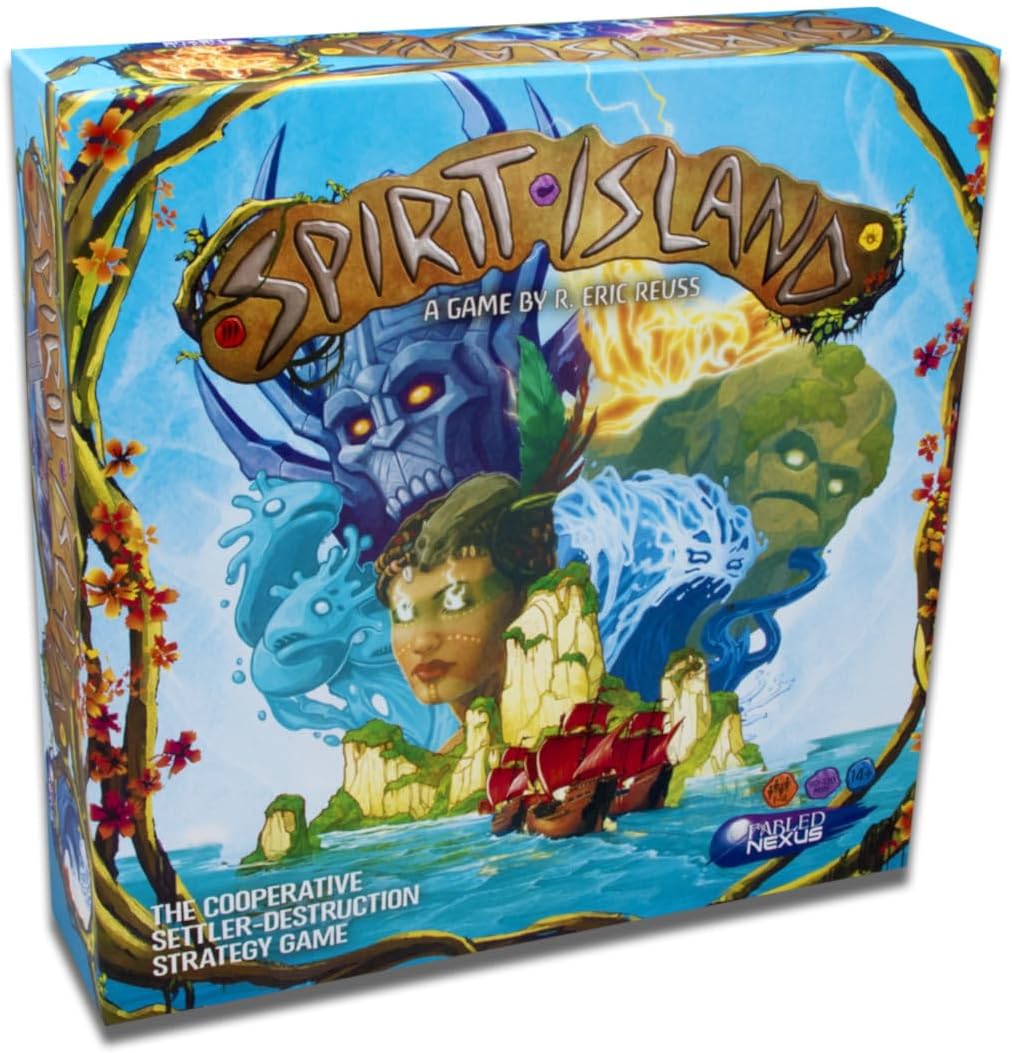
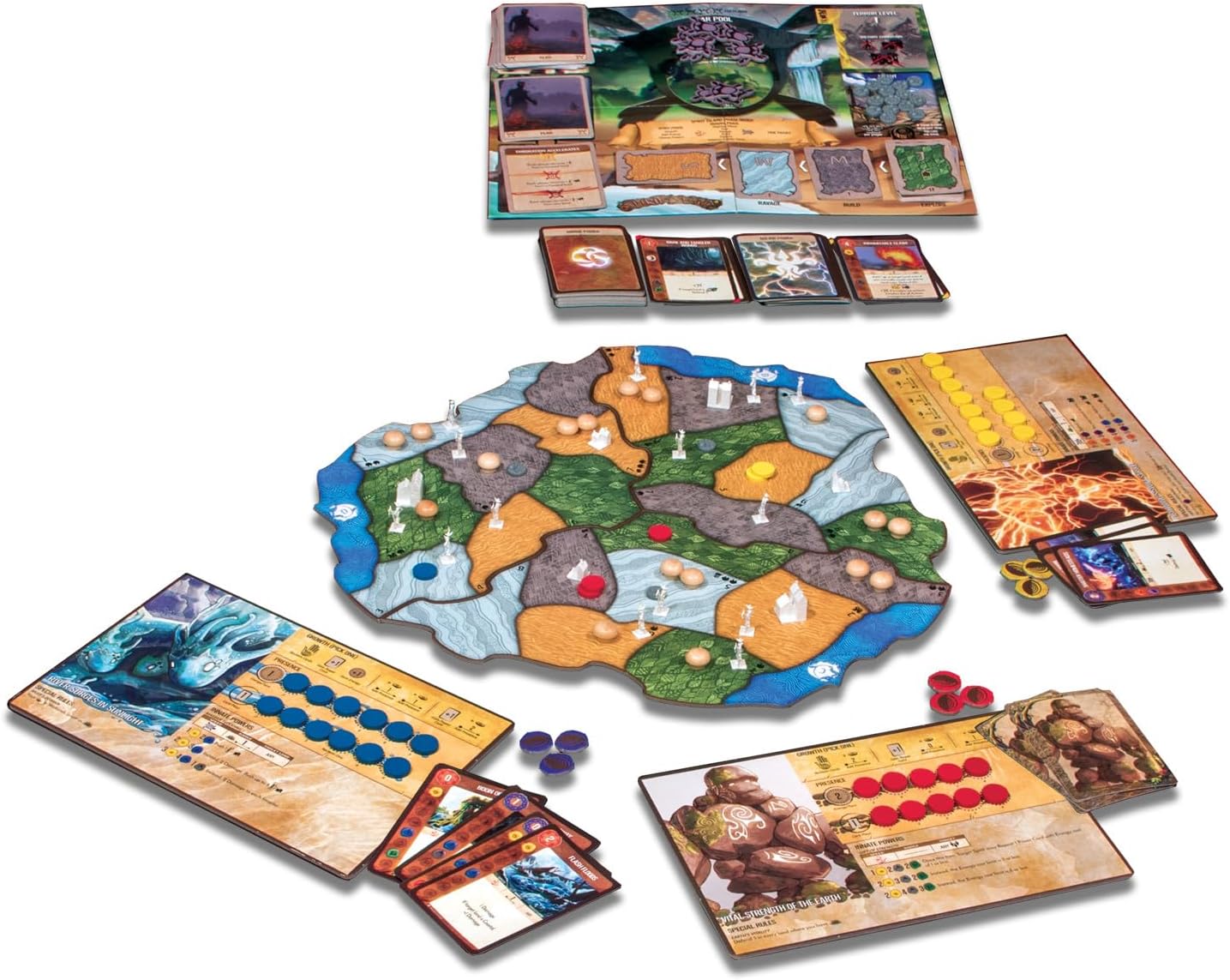
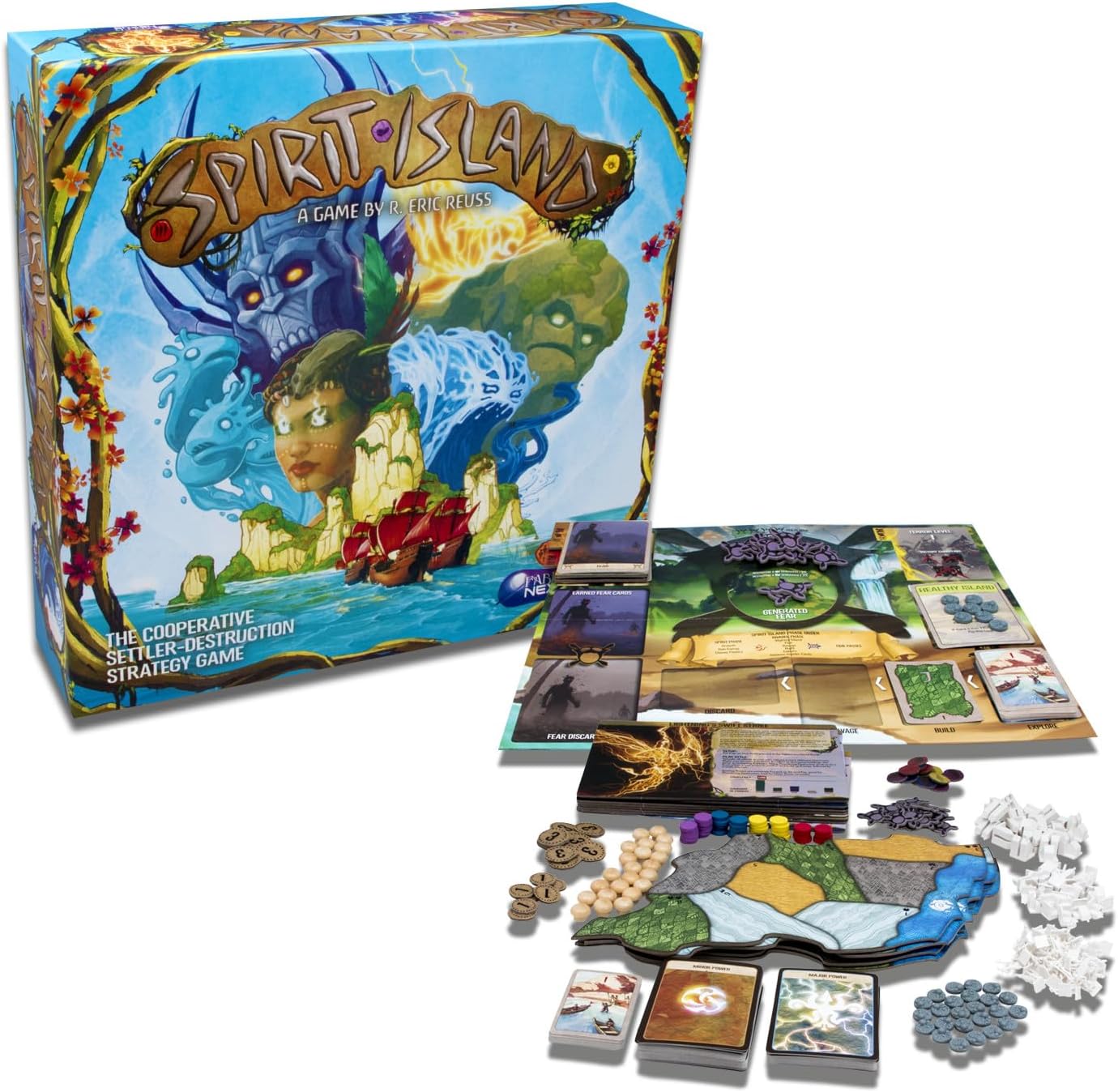
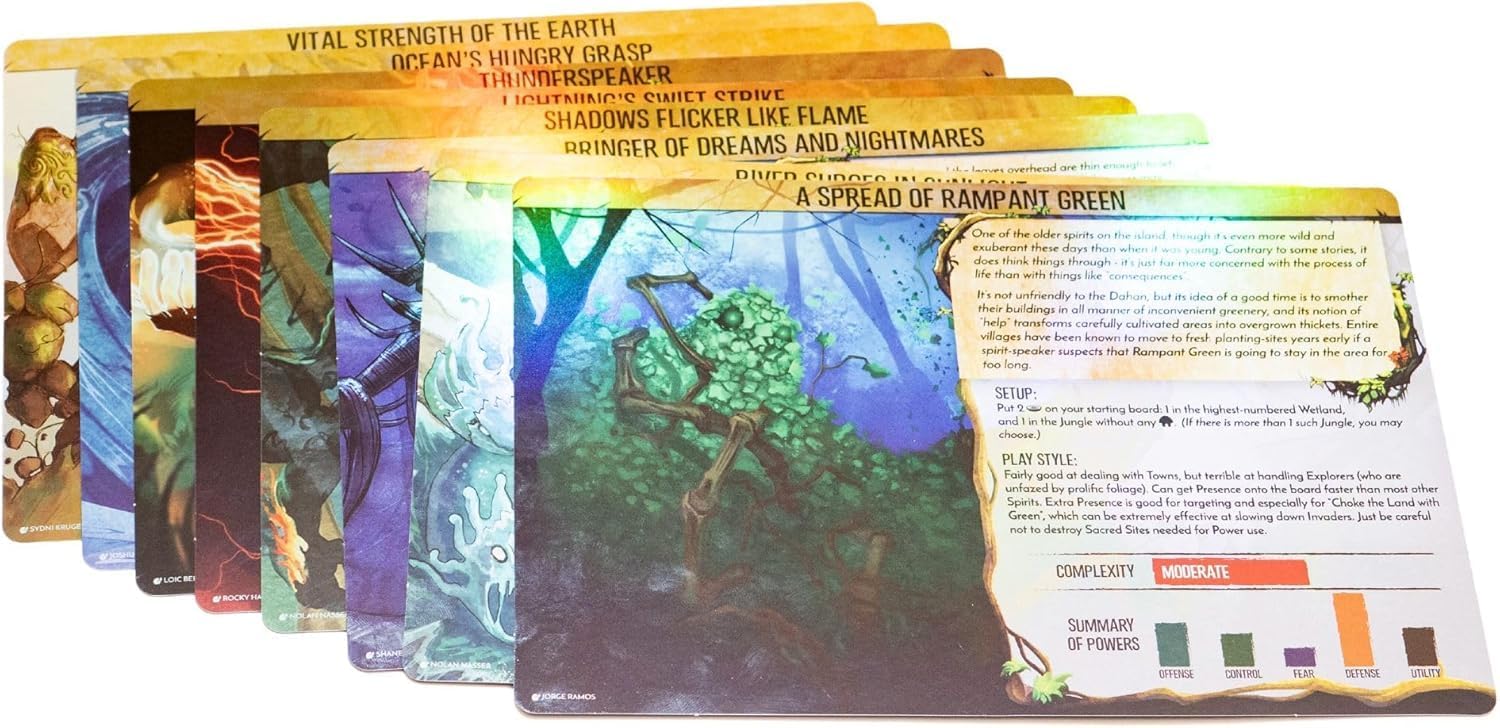
 Spirit Island
Asymmetric spirits defend an island by pushing, gathering, frightening, and destroying invaders. Difficulty and adversaries scale; cooperation remains tactical rather than scripted.
- Deep asymmetric cooperation
- Excellent difficulty control
- Heavy teach and upkeep
 4 photos
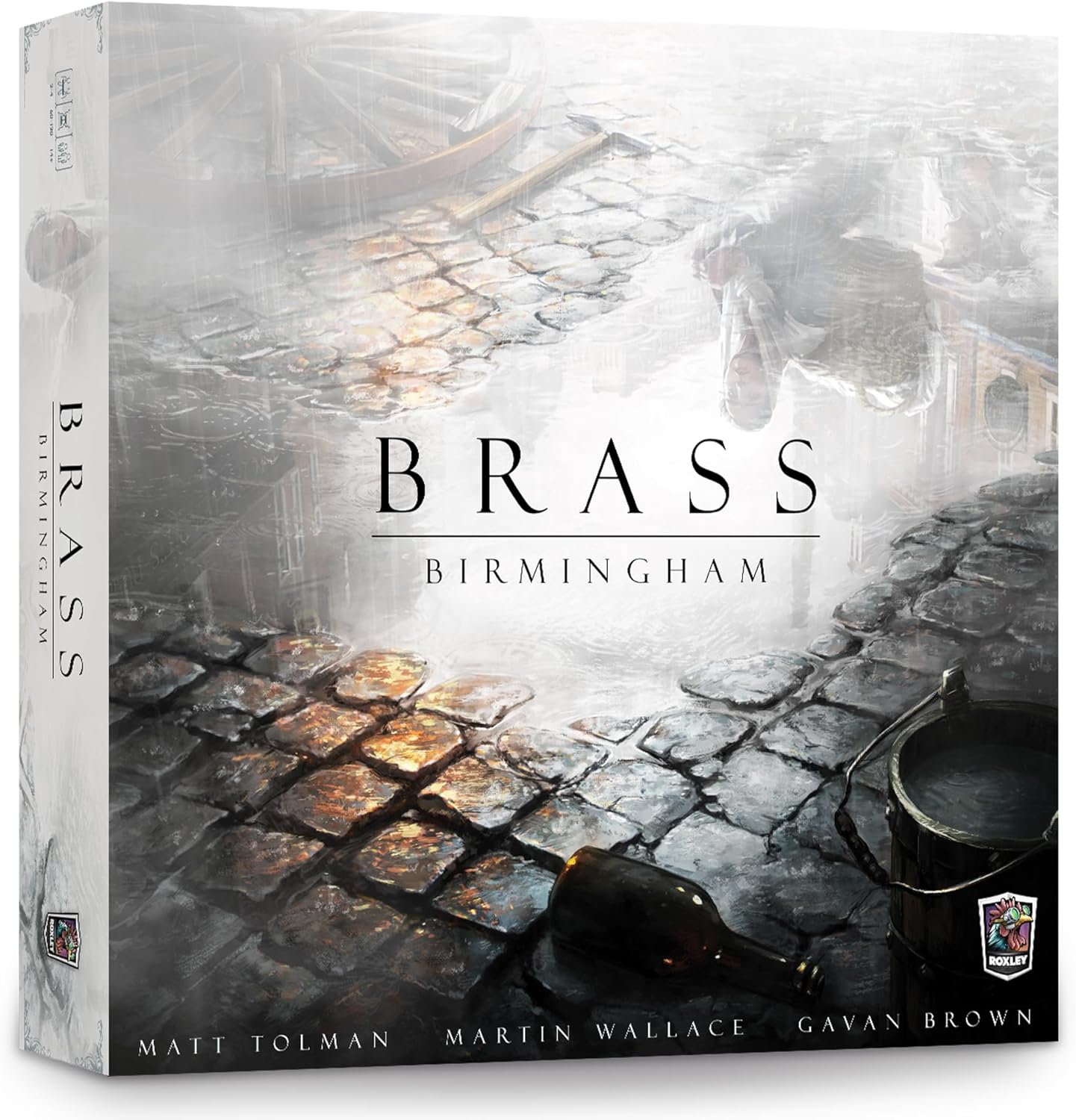
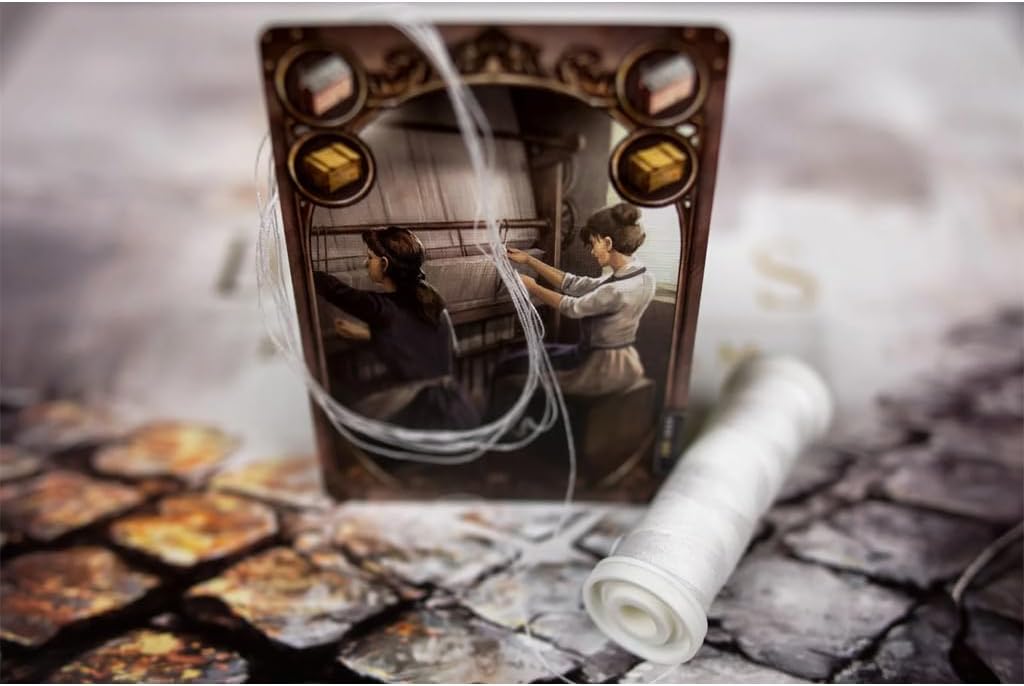
 Brass: Birmingham
Build industries, borrow, connect, and use shared networks across canal and rail eras. Players depend on one another while competing, which creates the economic interaction solitaire euros lack.
- Shared infrastructure tension
- Deep repeat strategy
- Demanding first teach
 4 photos
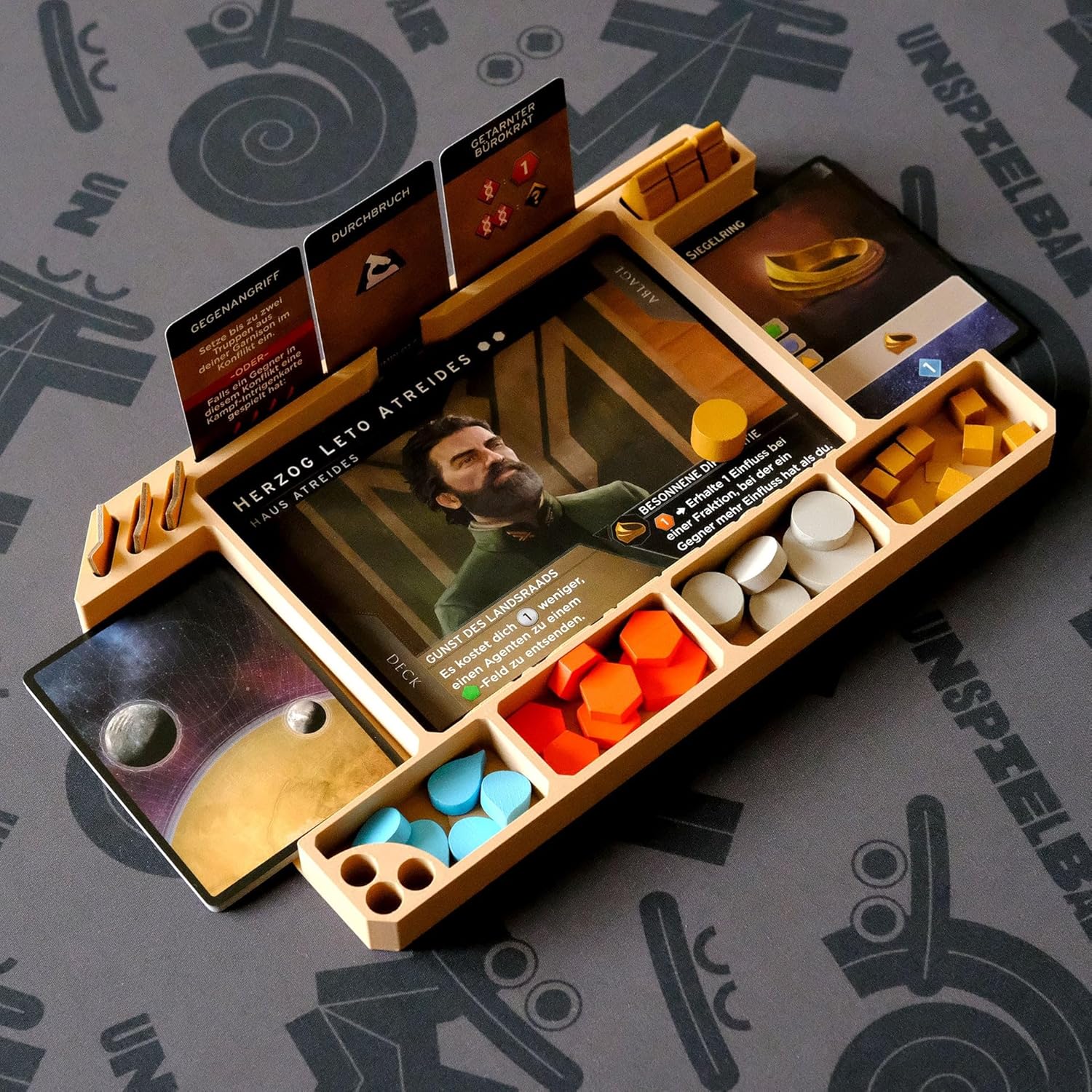
 Dune: Imperium – Uprising
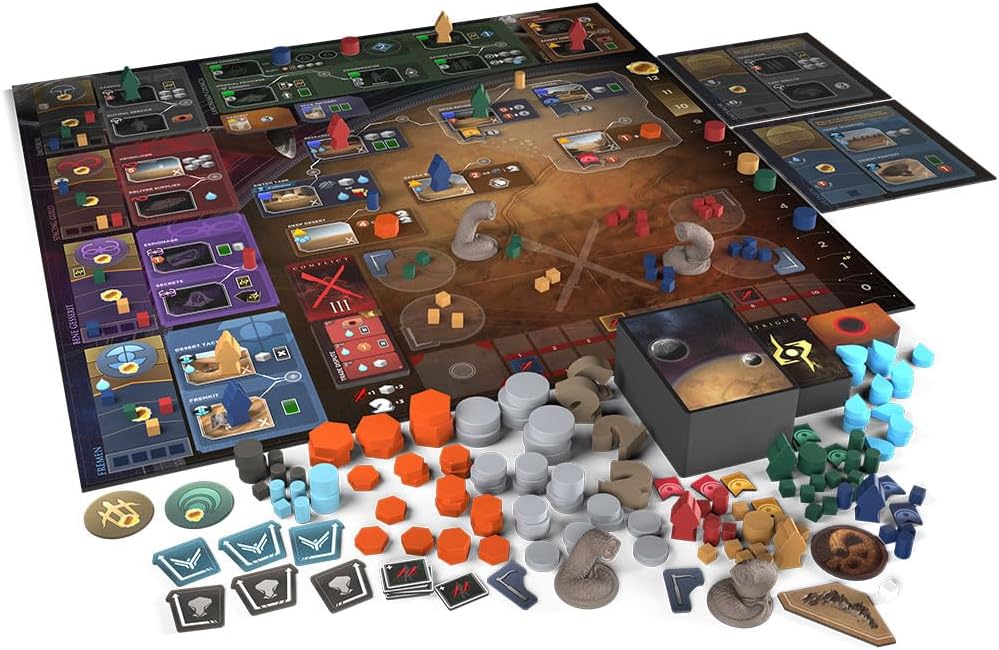
Worker placement, deckbuilding, faction influence, spies, and conflict meet in one sharp arc. Uprising stands alone and is the stronger current starting point for many new buyers.
- Excellent hybrid integration
- Tense conflict timing
- Rules density for newcomers
 4 photos
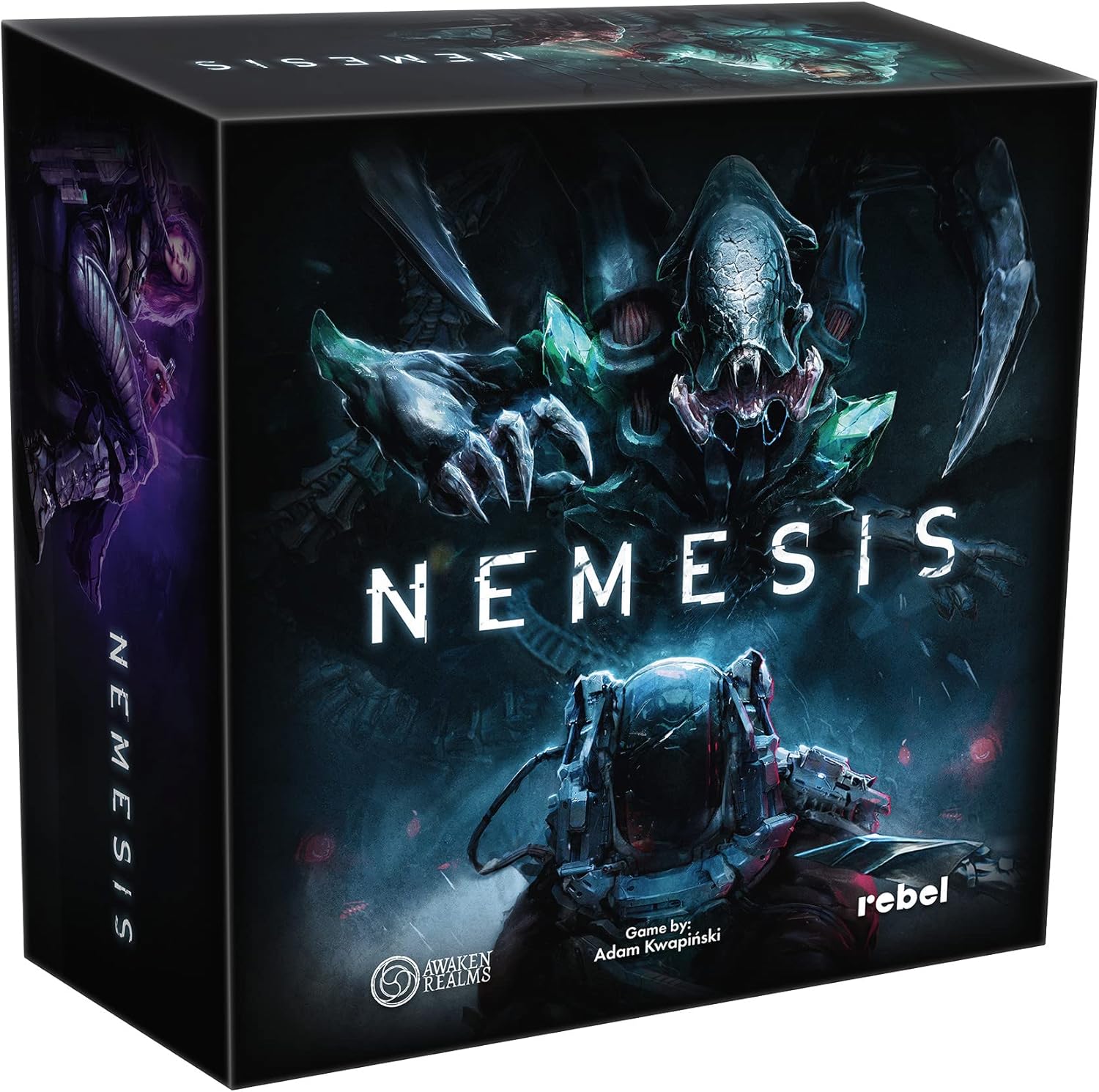
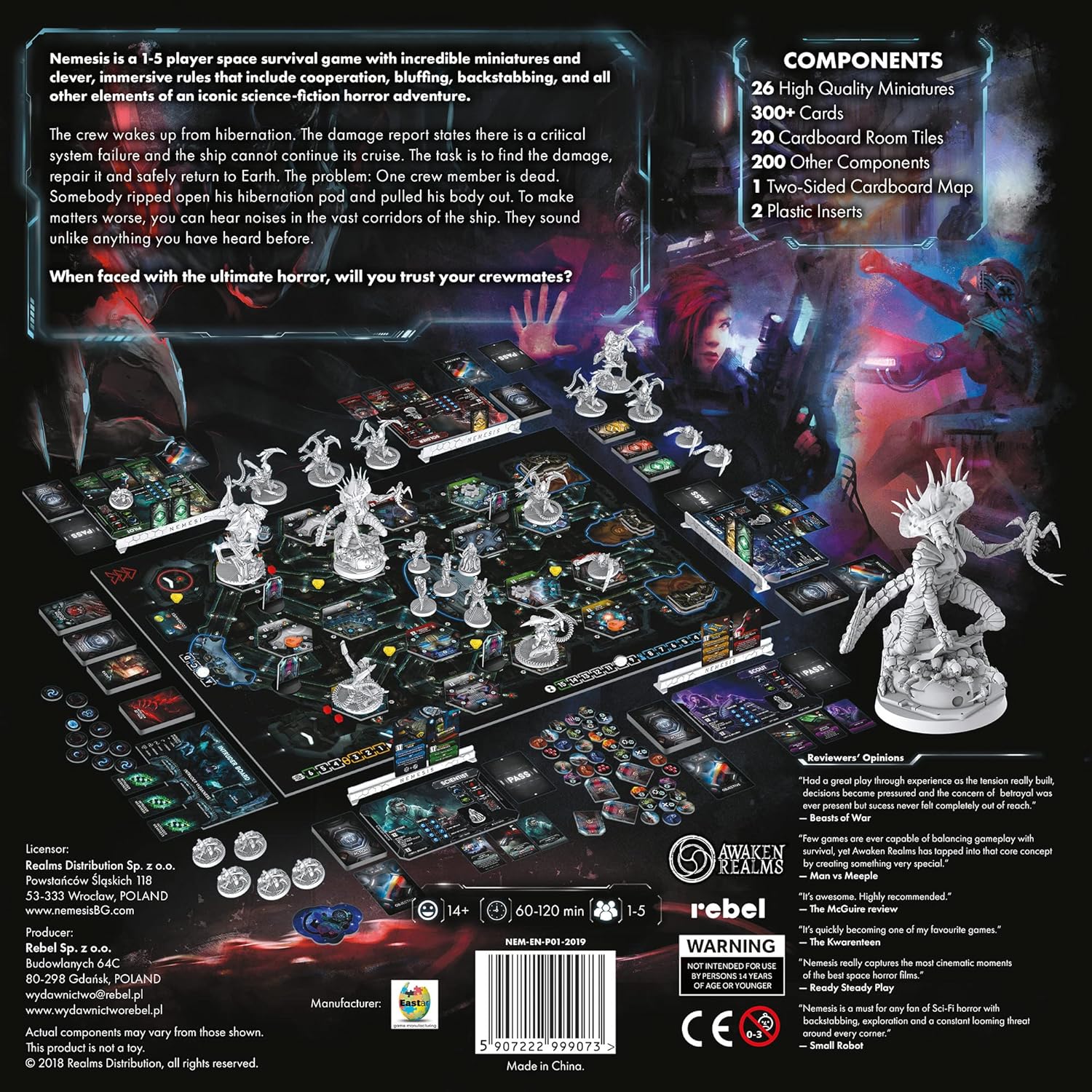
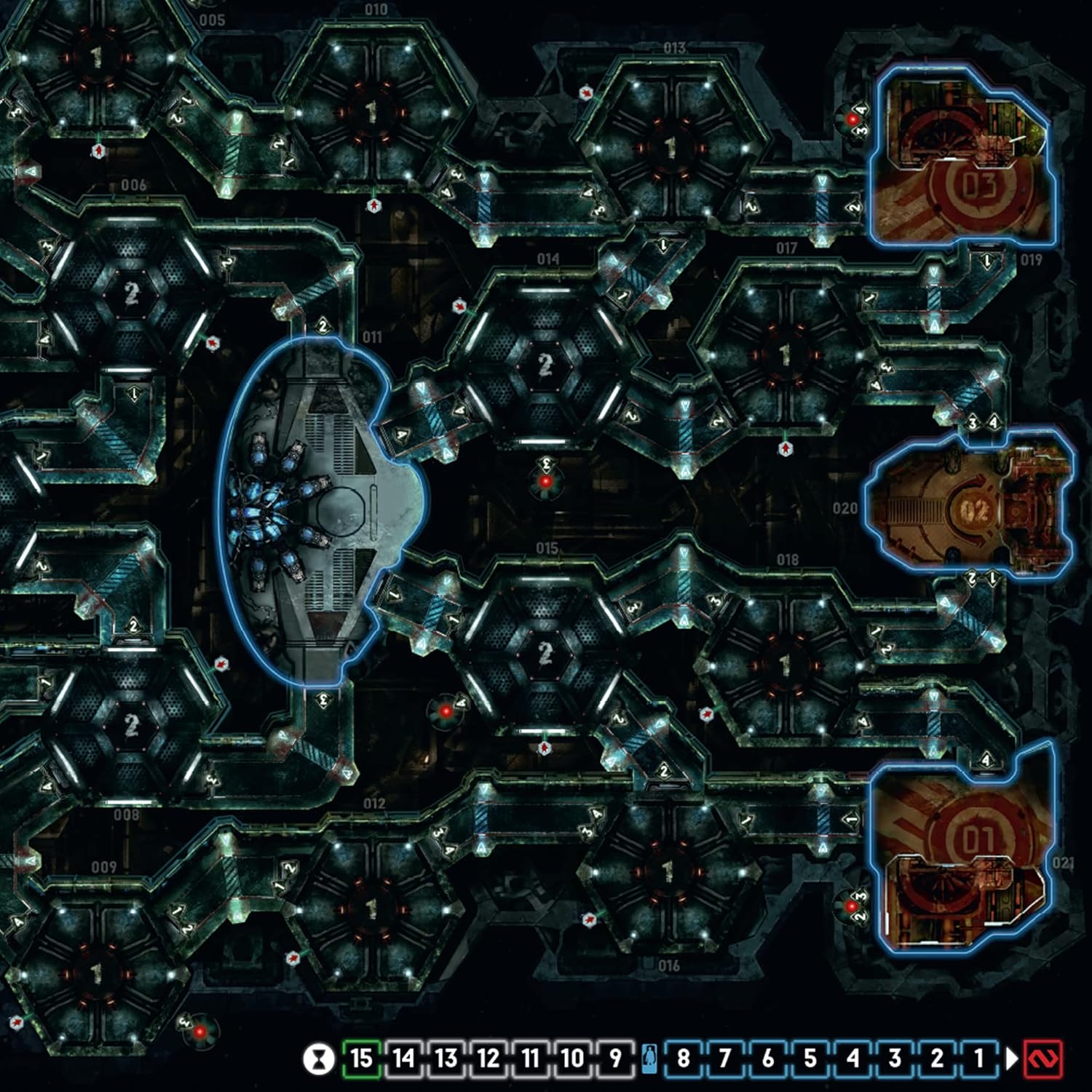
 Nemesis
A long cinematic semi-cooperative game of malfunction, contamination, objectives, and terrible corridor choices. It creates the story night a clean euro cannot.
- Unmatched horror theatre
- Memorable group stories
- Long, swingy, possible elimination
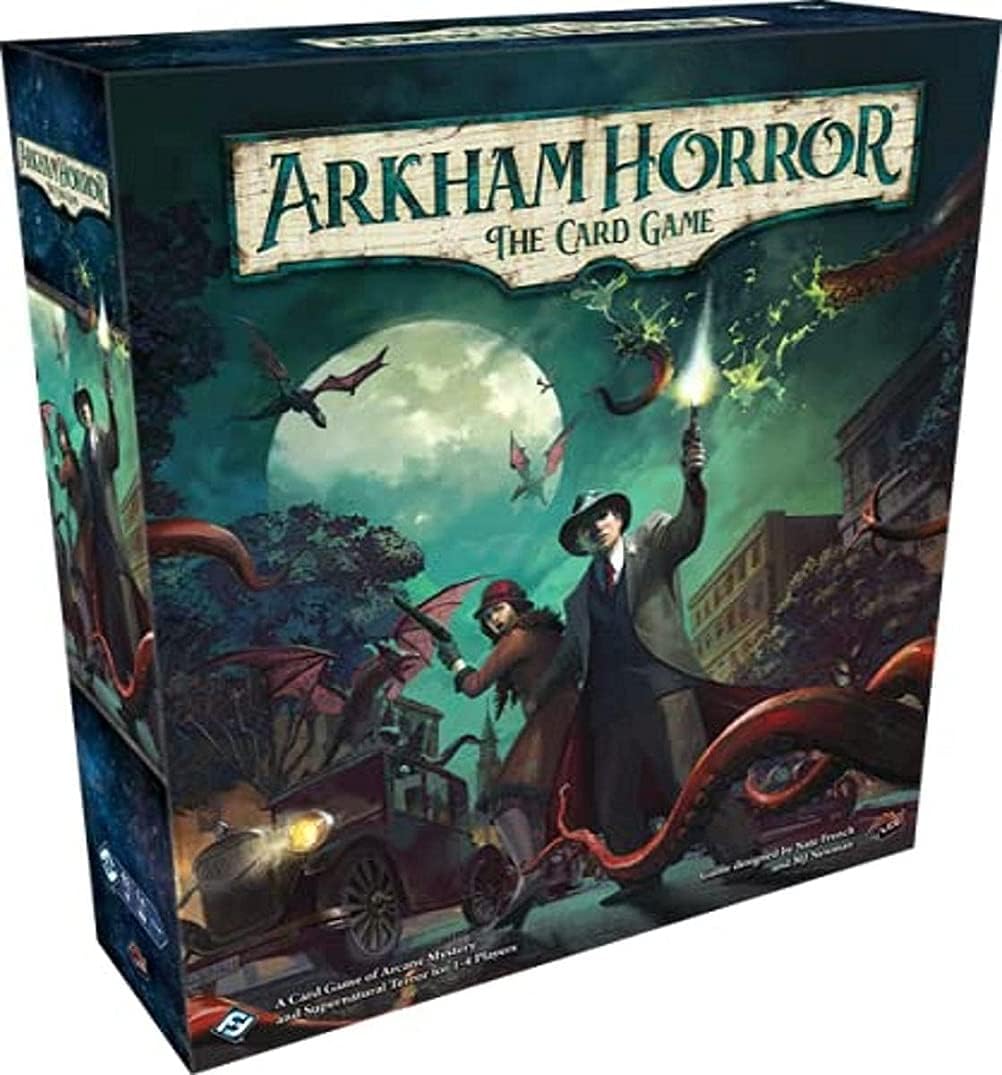
Arkham Horror: The Card Game Revised Core
The Revised Core is the self-contained starting product for 1–4 investigators, with deck construction, scenario choices, and a campaign that teaches the system before expansion.
- Rich narrative card system
- Excellent solo and co-op
- Expansion line needs a buying map
At a glance
| Role | Game | Why this one | Replace if |
|---|---|---|---|
| The gateway role | Ticket to Ride | Collect colors and complete routes on a shared map | Blocking can sting |
| The party role | Codenames (Second Edition) | One-word clues make the people the content | Needs four for classic team play |
| The dedicated pair role. | Jaipur | Fast market timing, camels, declining bonuses, and three-round structure make it the warm duel every collection needs | Only two players |
| The compact cooperative role. | The Crew: Mission Deep Sea | Mission-based trick-taking gives a small box a long difficulty arc | Trick-taking teach required |
| The tactile abstract role. | Azul | Draft beautiful tiles, complete rows, and avoid breaking excess onto the floor line | Can become meaner than it looks |
| The pure deckbuilding role. | Dominion (Second Edition) | Dominion remains the clean laboratory for building a deck during play | Low table theatre |
| The engine-building and cozy-host role. | Wingspan | Bird powers, habitat actions, eggs, food, and cards build an approachable engine in a beautiful production | Card draw can shape outcomes |
| The heavy cooperative role. | Spirit Island | Asymmetric spirits defend an island by pushing, gathering, frightening, and destroying invaders | Heavy teach and upkeep |
| The economic strategy role. | Brass: Birmingham | Build industries, borrow, connect, and use shared networks across canal and rail eras | Demanding first teach |
| The modern hybrid role. | Dune: Imperium – Uprising | Worker placement, deckbuilding, faction influence, spies, and conflict meet in one sharp arc | Rules density for newcomers |
| The event-horror role. | Nemesis | A long cinematic semi-cooperative game of malfunction, contamination, objectives, and terrible corridor choices | Long, swingy, possible elimination |
| The living campaign-card role. | Arkham Horror: The Card Game Revised Core | The Revised Core is the self-contained starting product for 1–4 investigators, with deck construction, scenario choices, and a campaign that teaches the system before expansion | Expansion line needs a buying map |
Questions, answered
Do I need these exact twelve games?
No. You need the twelve functions. Strong equivalents that fit your group pass the audit.
What three games should a beginner buy first?
One gateway for mixed experience, one dedicated two-player game, and one group game. Ticket to Ride, Jaipur, and Codenames are the default trio.
What is the best first heavy game?
Dune: Imperium – Uprising for hybrid tension, Brass for economics, or Spirit Island for cooperation. Choose the pressure your group already enjoys.
How many board games make a collection?
There is no minimum, but a useful small collection can cover most real nights with roughly 8–12 deliberately different games.
How do I know when to sell a board game?
When another game fills the same role better for your group, the box has not been requested for a year, or setup friction consistently prevents play.
Should every collection include a campaign game?
Only if the group wants recurring narrative play. Arkham LCG is the recommendation here because Revised Core is a defined doorway; do not buy a campaign merely to look complete.
Why is Nemesis included if it is swingy?
Because the event-horror role is about cinematic stories rather than pure control. Replace it if your group dislikes unfair failure or player elimination.
Are all twelve linked directly on Amazon?
Yes. Every product recommendation uses an exact Amazon product-detail ASIN and matching product imagery.
Dax's verdict
A complete collection is a hospitality engine. Own a welcome, a crowd, a pair, a co-op, an abstract, a deckbuilder, an engine, a heavy co-op, an economy, a hybrid, an event, and a campaign. Use these twelve as defaults or replace every one with a better fit. The joke in the title is aimed at redundant shelves, not people with six excellent games. Six purposeful boxes beat sixty witnesses to an abandoned shopping phase.
Research ledger 17 sources · reviewed 2026-08-10
Specifications, rules, current product information, community experience, and contrary evidence were checked against the sources below. Commercial links are kept separate from editorial evidence.
- reddit.comreddit.com/r/boardgames/comments/1sg2zze/comc_feels_like_my_perfect_collection
- reddit.comreddit.com/r/boardgames/comments/1up0jd7/current_collection_top_left_shelf_is_pretty_much
- reddit.comreddit.com/r/soloboardgaming/comments/1uq9d5i/what_games_would_you_recommend_as_essential_first
- reddit.comreddit.com/r/boardgames/comments/1tzrvpg/board_games_shelve_4_years_in_the_hobby
- reddit.comreddit.com/r/boardgames/comments/1r7r8c9/comc_2_years_into_board_games_i_have_a_collection
- reddit.comreddit.com/r/boardgames/comments/qoaj58/what_are_the_most_essential_board_games_in_your
- reddit.comreddit.com/r/boardgames/comments/1tdjuei/whats_the_most_im_an_adult_now_thing_that
- reddit.comreddit.com/r/boardgames/comments/1q7sv0b/comc_after_exactly_10_years_heres_my_collection
- boardgamegeek.comboardgamegeek.com/boardgame/9209/ticket-to-ride
- boardgamegeek.comboardgamegeek.com/boardgame/178900/codenames
- boardgamegeek.comboardgamegeek.com/boardgame/36218/dominion
- boardgamegeek.comboardgamegeek.com/boardgame/266192/wingspan
- boardgamegeek.comboardgamegeek.com/boardgame/162886/spirit-island
- boardgamegeek.comboardgamegeek.com/boardgame/224517/brass-birmingham
- daysofwonder.comdaysofwonder.com/game/ticket-to-ride
- stonemaiergames.comstonemaiergames.com/games/wingspan
- fantasyflightgames.comfantasyflightgames.com/en/products/arkham-horror-the-card-game

I'll be honest with you — flattery is boring.

Keep exploring
The next smart rabbit holes.
✦ Topic PathBoard Game Buying Guides: compare the whole shelfStart with the decision, not the shelf. These guides compare the games, editions, expansions, player counts, and costs people...Beginner's GuideBest Gateway Board Games (2026): Picked by Who You're ConvertingForget the generic top-10. The right first game depends entirely on who's sitting across from you—the skeptical spouse, the family with...Buying GuideThe Board Game Gift Guide That Matches the Game to the PERSON (Not the Price)Forget the price filter. The only question that matters is who you're buying for — the strategist, the cozy soul, the party host, the...